Abstract
The pandemic induced lockdown has affected the tribal livelihoods, nutritional disparities, malnutrition were some of the inevitable aspects observed during the pandemic. The commentary tries to depict the plights and predicaments of tribal communities during the lockdown, how they suffer from nutritional deficiencies and surmounted to hunger and poverty. The paper highlights the lockdown in Koraput Odisha India which has led to deterioration of the lives of the tribals and somehow pushed them to starvation. There have been both primary data collection through opinions of people who were available during these times and some secondary data collection through newspaper and web-articles was done. The tribal communities' livelihood was affected during the lockdown, they have been encountering food problem and there was high scarcity of nutrition as lockdown led to shut down of shops but ultimately they had tries certain empowerment paradigms like plantation at home to substitute the nutritional discrepancies. The article explores the livelihoods of these indigenous communities and the need for empowerment, devising proactive policies for high implementation programmes and prevents them from nutritional deficiencies and brings about better social wellbeing and health conditions. As food is an important element in everyone's lives the indigenous communities' right to food and the growing concerns to bridge the gap should be an important aspect for future research.
Introduction
Food is a basic universal necessity, and access to food is a human right of every individual. The pandemic has visualized how it has been changing the consumption patterns of people amid lockdown restrictions, social distancing measures, inaccessibility or less accessibility to various basic needs and sustenance measures. The indigenous communities, specifically the tribal communities, have faced numerous threats since time immemorial from the colonizers to the epidemic and now the pandemic. The corona pandemic poses a threat to these communities all over the world. Additionally, these tribal communities face widespread stigma and discrimination and become more vulnerable to stereotyping and compromising degree of care and concern in these testing times.
The tribal communities working in the informal sector who are more dependent on the markets or seasonal work or those who have to step outside their homes for work are more affected during the lockdown due to lower incomes or no incomes which has resulted in livelihood gaps among them, and even chances to contract infection among old indigenous communities is more. The tribal women experienced a magnified amount of discrimination and inequalities as tensions, domestic violence and physical abuses became more profound during the pandemic resulting in affecting children, who became vulnerable to traffickers and evil practices of child marriage.
The poor tribal communities cannot afford the norms of social distancing because staying at home will be a threat to their accessibility to bread and butter that remains a pertinent question as poor tribal communities cannot go for online to order food or any other means used by the people in urban areas as forests were the means to earn their limited which became limited because of the universal pandemic. Hence, the indigenous population had limited access to health care, drinking water and sanitation measures. The pandemic has created food insecurity among the tribal communities.
According to a report by The Hindu (2021), Brinda Karat opines that the lockdown has more intensely affected the tribal communities than the deadly virus as the tribal communities constitute the labour force in informal sector, the domestic workers and the migrant labourers who suffered more with no home and which has pretentiously affected their social well-being. Globally, the pandemic has affected the indigenous people more as they have become more vulnerable with a heightening risk of socio-economic marginalization, risk to public health emergencies and lack of food during the pandemic.
As India’s nutrition-specific programme reaches every group equally, people from tribal communities remain undernourished as noted by a survey of National Family Health Survey (NFHS). COVID-19 crisis has disproportionately affected these communities.
Tribal Communities in Koraput: Glimpses
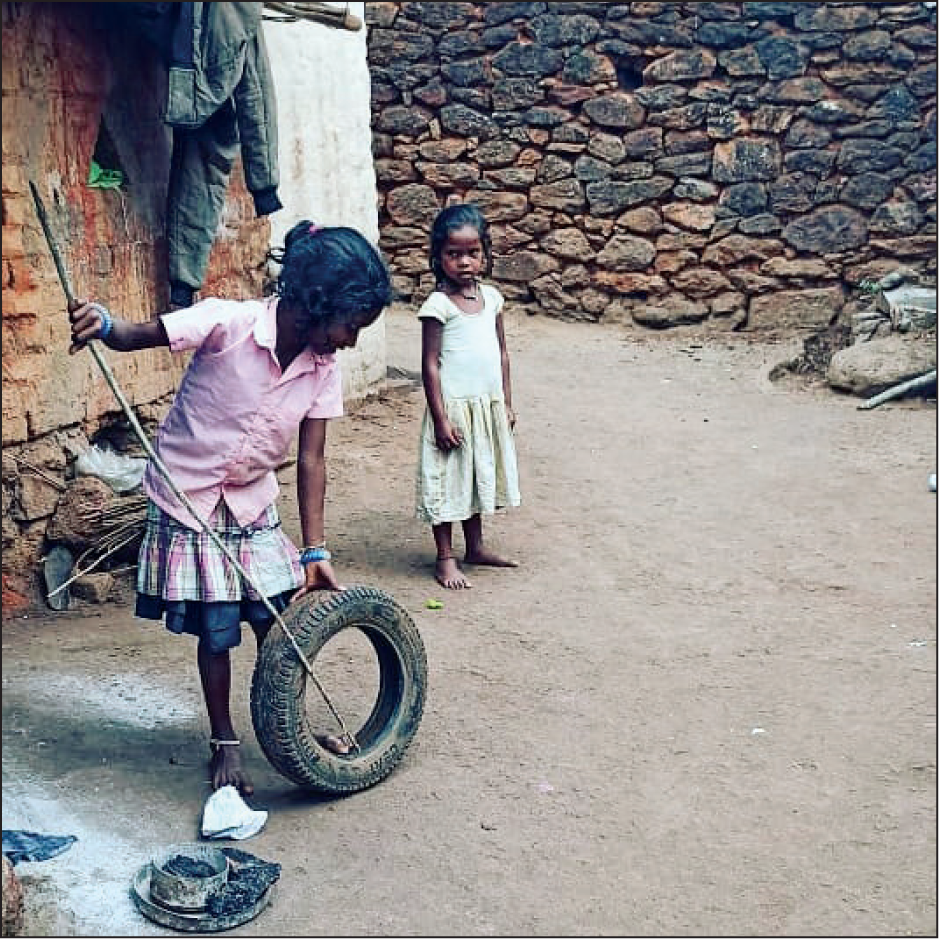
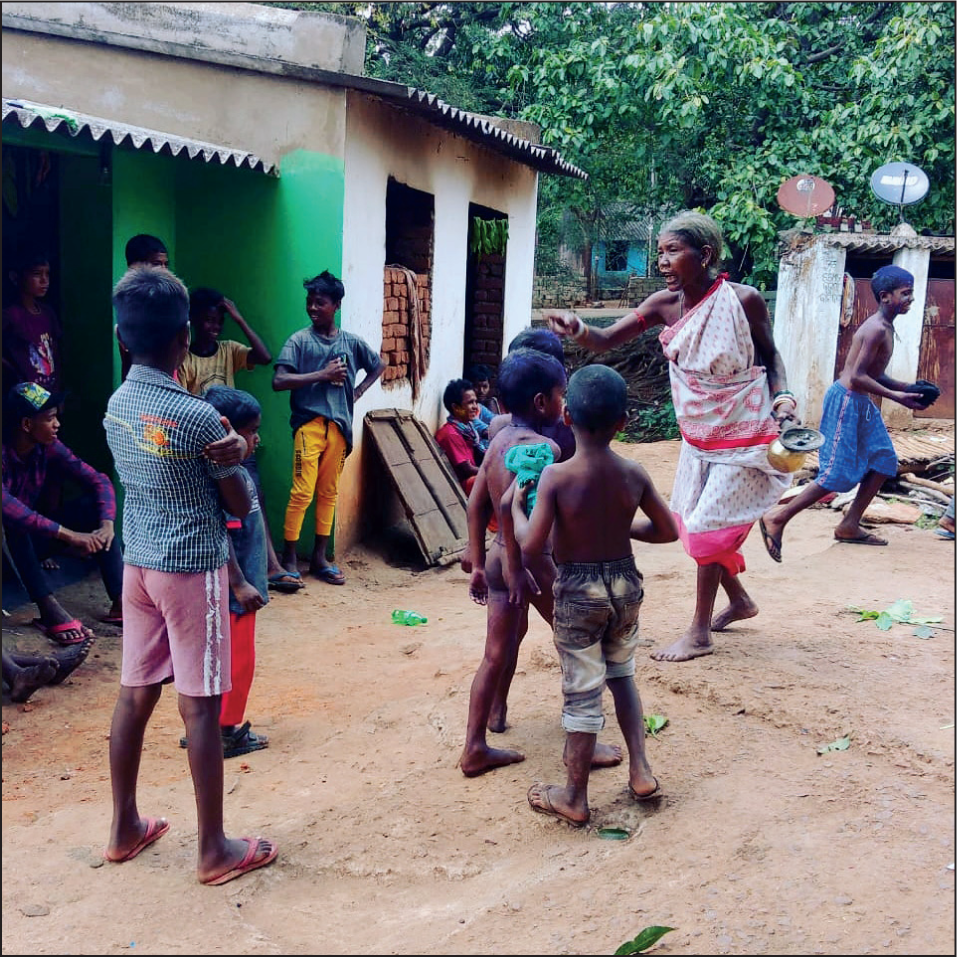
Tribes constitute an important segment of population contributing to 8% of total population of India. Koraput is a tribal belt in southern Odisha. India extends over the Eastern Ghats with a very dense forest and crop genetic resources. The indigenous people occupy the Koraput region. Within Koraput, there are 2 subdivisions and 14 blocks. The tribal hinterland consists of predominantly Kondhs, Koyas, Parajas, Bondas, Bhumiyas, Gonds, Gadabas, Oraons and many others such as Santhals, Kolas, Mundas, Saoras and Sabars. There is a great interconnection of tribal culture with their food. They sow, reap and eat, and that is their way of life. The tribal communities residing in forest since generations have developed a very special bond with the forests. The natural resources are important sources of survival for the tribal communities. It has been noted that there are some transitions as urbanization has taken shape, but some continue the traditional way of life. The sociological viewpoint of Weberian concept of rationality is quite significantly visible among the tribal communities as they consider rational adaptation to nature. The bonds they share with the forest is remarkable as Koraput comes under the Kalahandi, Bolangir and Koraput (KBK) district of Odisha which is highly backward district and a poverty-stricken belt.
Food Insecurity Among Tribal Communities
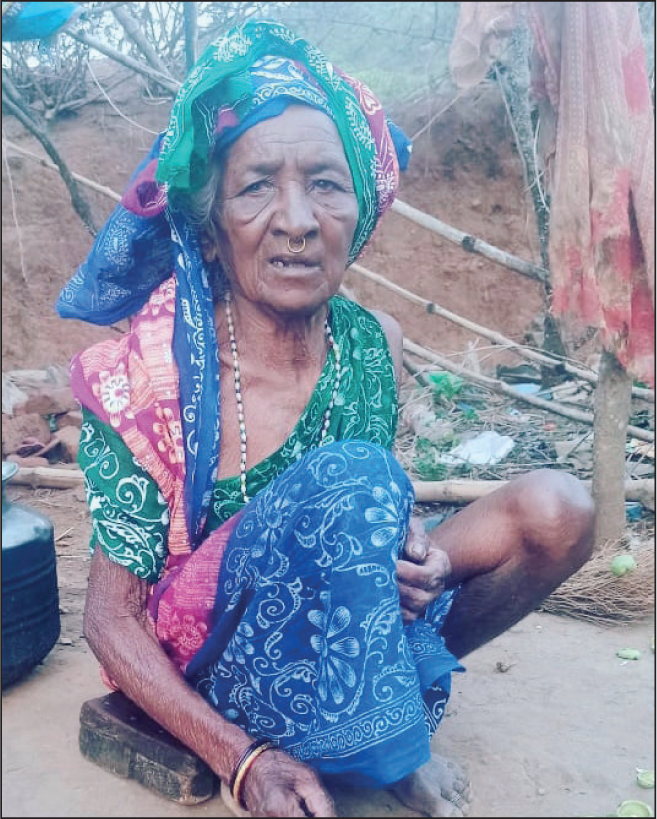
The Global Nutrition Report 2021 suggests that malnutrition is a continuing challenge to India’s growth and development, and pandemic has magnified these challenges. As the pandemic made an appearance, the tribal communities were juxtaposed as their livelihood was endangered. Undernutrition and inequity was quite prominent in Odisha among the tribal hamlets of Koraput due to acute lockdown in several parts. According to a UNICEF report, the pandemic in the early phases has affected the nutritional services of the tribal children and mothers which has dropped to 68% in April 2020. Shutting down of Anganwadi centres due to the ongoing pandemic led to acute malnutrition among the children and pregnant women. Reports from UNICEF suggests that consumption of minimum level diet remains a challenge among these communities which makes their population malnourished. Forest being the second mother for these tribal communities, they depended on the woodlands during the lockdown. As forests are deteriorating faster with urbanization, they had to buy the basic necessities such as salt, kerosene and many others like dal and oil from the market which remain inaccessible due to the pandemic-induced lockdown. Though the government provided rice under public distribution system (PDS), their hunger was minimized, but with the rise in food prices and transportation facilities in times of shutdown, they had scantiness of resources. The food security was in a peril, with a spectre of hunger looming large. Certain reports claimed that the tribal who were dependent on the outside vegetables, greens and pulses during the lockdown had a very miserable life. Though hunger was there before the pandemic, but COVID exposed the vulnerabilities and magnified the poverty of these communities. It is estimated that 22.85% of population in Odisha comprises of the tribal communities which constitutes an important segment of India’s population. The plight of this pandemic-induced hunger among the tribal communities which is a threat to their livelihood needs to be addressed. In Koraput, a tribal woman aged 40 opined that as lockdown becomes an inevitable aspect of life, we are staying back at homes and searching various means to provide food to our families. Another tribal man aged 30 said that the pandemic has made us understand how we should prepare ourselves for every disaster, otherwise in the coming days, our children will starve. In other words, he considers the COVID pandemic as an eye-opener for their lives and how it needs to be altered.
Struggle for Survival
The Global Hunger Index 2020 ranking puts India in 94th among 107 countries, in the category of serious hunger. Though it has progressed, but the pandemic has somehow changed the situation to ultimate poverty and food insecurity. The nutritional deficiencies have travelled the world of these tribal communities and made them impoverished, ensuing a humanitarian crisis and a hunger pandemic. There is a dire need to strengthen the PDS to enhance their livelihood. Very less people get identified under the different schemes due to looming illiteracy among them. However, the pandemic has emphasized the importance of India’s current food policy set-up and a need to strengthen it. According to D. N. Majumdar, a tribe is a social group with territorial affiliation, endogamous population, with no expertise of tasks ruled by tribal chiefs hereditary or otherwise, integrated through language or dialect acknowledging social distance with other tribes or castes. Amid pandemic, the tribal communities have learnt the art of living with safe distancing norms; they focused more on forest products during the pandemic which supplemented to their nutritional intake instead of moving out to the market in these times. According to the report by Scheduled Castes and Scheduled Tribes Research and Training Institute (SCSTRTI), culturally, the tribal people maintain a significant distance from another while walking, with unique customary practices; reliance on natural foods prevents them from infection. To adapt during the pandemic, many women and men farmers have started planting crops in the garden to make them hunger free and strengthen the household resilience to adjust with climate change, natural calamities and pandemics like COVID. The global pandemic has posed several questions to the freedom to live, exist and doings which was somewhat rethought during these miserable times. The tribals in Koraput have tried to accommodate to the ongoing pandemic by depending on the forest resources and creating their own farms so that food constraints can be curbed.
Lessons Learnt and Way Forward
These tribal and forest communities have surpassed a year of lockdown with multiple forms of deprivations and risks, specifically starvation among them which has affected their nutritional levels. Despite an array of programmes for nutritional development, there have been various gaps, and malnutrition has been significantly higher. The advent of pandemic and the launch of Prime Minister’s Overarching Scheme for Holistic Nourishment (POSHAN) Abhiyaan Movement addressed the nutritional insufficiencies of the nation and curb malnutrition among these communities. The foremost strategy is to tackle malnutrition during pandemic among these forest communities; improvement in dietary diversity should be encouraged among the targeted population. Rethinking tribal livelihoods is what is needed at this hour; right to food is necessary to be inscribed. Due to the continuous lockdown and quarantines, these communities have understood the relevance of food sovereignty in times of the pandemic. Mass vaccination of tribals and reducing vaccine hesitancy is what is needed in these trying situations. The role of media, NGOs and civil society groups, and community-aided mutual services to support them and reduce the impact of COVID on native food systems is equally important. Reducing food insecurity, developing better social policies and empowering these communities will foster the way for better development and welfare of these tribal communities, which will contribute to the social well-being of the tribes and devising proactive measures to address long-standing issues of malnutrition which will aid for achieving nutrition and health outcomes among them that will provide better lives with self-sufficiency in the post-pandemic world.