




Abstract
Post-stroke dysphagia (PSD) is present in more than 50 % of acute stroke patients, increases the risk of complications, in particular aspiration pneumonia, malnutrition and dehydration, and is linked to poor outcome and mortality. The aim of this guideline is to assist all members of the multidisciplinary team in their management of patients with PSD. These guidelines were developed based on the European Stroke Organisation (ESO) standard operating procedure and followed the Grading of Recommendations, Assessment, Development, and Evaluation (GRADE) approach. An interdisciplinary working group identified 20 relevant questions, performed systematic reviews and meta-analyses of the literature, assessed the quality of the available evidence, and wrote evidence-based recommendations. Expert opinion was provided if not enough evidence was available to provide recommendations based on the GRADE approach. We found moderate quality of evidence to recommend dysphagia screening in all stroke patients to prevent post-stroke pneumonia and decrease risk of early mortality and low quality of evidence to suggest dysphagia assessment in stroke patients having been identified at being at risk of PSD. We found low to moderate quality of evidence for a variety of treatment options to improve swallowing physiology and swallowing safety. These options include dietary interventions, behavioral swallowing treatment including acupuncture, nutritional interventions, oral health care, different pharmacological agents and different types of neurostimulation treatment. Some of the studied interventions also had an impact on other clinical endpoints such as feedings status or pneumonia. Overall, further randomised trials are needed to improve the quality of evidence for the treatment of PSD.
Introduction
The oropharyngeal swallow involves a rapid, highly coordinated set of neuromuscular actions beginning with lip closure and terminating with upper oesophageal sphincter closure when the bolus has passed through. The central coordination of this complex sensorimotor task uses a widespread network of cortical, subcortical and brainstem structures.1,2 Stroke is the most frequent disease leading to disruption of this swallowing network thereby causing an impairment of deglutition, that is, post-stroke dysphagia (PSD).3-5 Depending on the diagnostic criteria, timing and method of assessment, alongside stroke features, PSD is found in 29–81% of acute stroke patients. 6 Although many stroke patients recover swallowing within the first weeks after the ictus, 11–50% still suffer from dysphagia at 6 months.7,8 PSD broadly affects swallowing safety leading to an increased risk of aspiration and subsequent pneumonia, and swallowing efficacy with the related danger of insufficient nutrition and hydration. Apart from these physical consequences, dysphagia has a significant impact on the psychological well-being and level of independence for the affected individuals, and dysphagia has been linked to low mood and depression. 9
Because of its large epidemiological burden and hazardous clinical complications, the European Stroke Organization (ESO) and the European Society for Swallowing Disorders (ESSD) have decided to compile guidelines on the management of PSD. These recommendations are based on findings from randomized controlled trials (RCTs) and observational studies. They were agreed through consensus with the involved authors using the grading of recommendations, assessment, development and evaluation (GRADE) approach and the ESO standard operating procedure (SOP) for guidelines development 10 and have the approval of the ESO Executive Committee.
The aim of this guideline document is to inform physicians, speech-and-language therapists (SLTs) as well as stroke-nurses, and all the members of the multidisciplinary team on how to screen, assess and treat patients with PSD to avoid dysphagia-related complications and to facilitate recovery of swallowing function.
Methods
Three group leaders, two SLTs (EM and MT) and one neurologist (RD) from three European countries with expertise in PSD were nominated by the Guideline Committee of the ESO. These three group leaders suggested a group of 11 experts covering a broad spectrum of medical professions involved in dysphagia care, in particular two SLTs (MW and SP), a phoniatrician (AS), a surgeon (PC), two neurologists (MA and JG), a geriatrician (RW), a gastroenterologist (SH), a stroke physician (PMB), a pharmacist (DW) and a rehabilitation physician (EV) from 7 European countries. The guideline team was completed by a guideline methodologist (AL). Seven members of the ESSD board were among the authors (RD, SH, PC, EV, AS, EM and MW). Due to the European-wide approach, stakeholders in terms of the target patient population were not included in this guideline project. The working group (WG) was confirmed by the ESO Executive Committee. Standardized steps, which were undertaken by the WG, are summarized as follows: The group discussed and decided by consensus on specific and clinically relevant patient, intervention, comparator and outcome (PICO) questions. The group identified all important outcomes for the PICO questions (Supplement 1, Table 1). The group identified all available publications published in English related to the PICO questions in 4 separate searches. These were guided by the 2011 Centre for Evidence Based Medicine’s levels of evidence.
11
We searched the databases such as MEDLINE, EMBASE, CINAHL and Cochrane database of systematic reviews (CDSR), the Cochrane central register of controlled trials (CENTRAL) (1990 through August 2018). Furthermore, we searched the reference lists of review articles and clinical trials on PSD for further appropriate studies (Supplement 2, Supplement 3). The group selected eligible studies. Due to the high number of PICO questions different WG members were responsible for the 4 separate topics and screened the respective articles. As we identified relatively few RCTs and systematic reviews or meta-analyses of RCTs, we also included observational and epidemiological studies that might facilitate the recommendations or proposals. Meta-analysis was performed using the Review Manager (RevMan, version 5.3) Cochrane Collaboration software. The risk ratio (RR), odds ratio (OR), mean difference (MD) or standard mean difference (SMD) and 95% confidence interval (CI) were calculated with a random effects model for all outcomes.
12
Where appropriate, subgroup analyses based on different treatment modalities within a given main category were performed. Results were then summarized in GRADE evidence profiles and summary of findings tables (Supplement 4, Supplement 6). Directness refers to the extent by which patient populations, interventions and outcomes are similar to those of interest. The Cochrane Collaboration’s tool was used to perform the assessment of Risk of bias of RCT (Supplement 5). The various components of this tool, such as risk of selection (randomization and allocation concealment), performance (blinding of participants and personal), detection (blinding of outcome assessment), attrition (incomplete outcome data) and reporting (selective reporting) bias were assessed in each RCT.
13
For NRCTs the different components of the SIGN-checklist such as conduct of study, selection of subjects, assessment and confounding the statistical analysis were using the Scottish Intercollegiate Guidelines Network (SIGN) checklist (https: //www.sign.ac.uk/what-we-do/methodology/checklists/). Grades of quality of evidence.
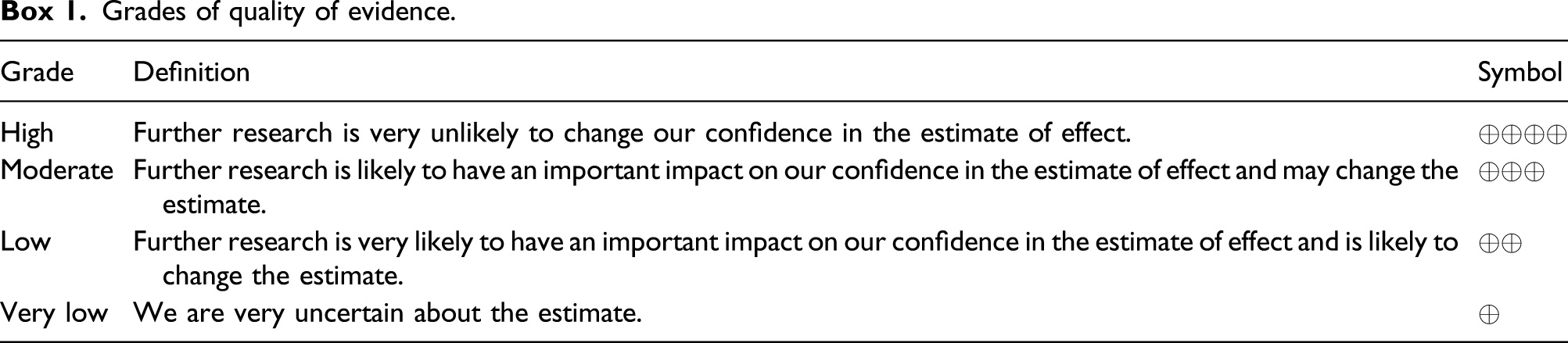
Definitions and symbols of categories of strength of recommendation.

This guideline document was subsequently reviewed several times by all MWG and modified until a consensus was reached.
Finally, the Guideline document was reviewed and approved by five external reviewers, the ESO Guidelines board and the ESO Executive Committee.
The WGs who completed this guideline will be reviewing the evidence on a regular basis, with the first anticipated partial review in 2024. We envisage that this period after the publication of these guidelines will further increase the number of clinical studies published in the next few years.
Part 1: Impact of PSD on stroke outcome
The working group formulated one introductory research question.
1. In patients with acute and/or subacute stroke, does presence of dysphagia compared to no dysphagia have an effect on functional outcome and/or survival, aspiration risk, length of hospital stay, adverse events and complications, nutritional status or quality of life?
Out of a total of 1867 studies the literature search revealed 43 prospective or retrospective studies that addressed one or more of the mentioned endpoints.7,15-57 Each outcome was assessed in a separate meta-analysis (Supplement 1, Table 2). As evidenced by these analyses, there is a high probability that PSD has a considerable impact on nearly all of the mentioned outcomes. In particular, PSD was associated with an increased 12-months-mortality (OR 8.82 [3.56, 21.85]), poorer functional outcome (mRS 4–5) (OR 5.03 [4.43, 5.72]), pneumonia (OR 7.45 [6.01, 9.24]), insertion of a percutaneous endoscopic gastrostomy (PEG)-feeding tube (OR 71.60 [34.38, 149.11]), hospital length-of-stay (OR 4.72 [3.53, 5.91]) and discharge to institutional care (OR 3.90 [2.93, 5.21]).
The most recent study and also the one with the biggest impact on the meta-analyses scrutinized registry data from 6677 stroke patients. 37 Failing dysphagia screening was associated with poor outcomes, including pneumonia (adjusted OR 4.71 [3.43, 6.47]), severe disability (adjusted OR 5.19 [4.48, 6.02]), discharge to long-term care (adjusted OR 2.79 [2.11, 3.79]) and 1-year mortality (adjusted hazard ratio, 2.42 [2.09, 2.80]). Aiming at developing a tool to predict pneumonia post stroke, Hoffmann and co-workers analyzed registry data from 15,335 patients. 34 Adjusted for other predictors such as age and stroke severity, dysphagia was associated with an OR of 2.64 [2.21, 3.15] to develop pneumonia. Consequently, the 10-point score (A2DS2) proposed by the authors attributed two points to the presence of PSD (Age ≥75 years = 1 pt., Atrial fibrillation = 1 pt., Dysphagia = 2 pts., male Sex = 1 pt., stroke Severity, National Institutes of Health Stroke Scale 0–4 = 0, 5–15 = 3, ≥16 = 5 pts.).
Conclusion: In patients with acute and/or subacute stroke, the presence of dysphagia has an adverse effect on functional outcome and mortality, increases the risk of pneumonia, malnutrition, PEG-feeding, and discharge to institutional care and prolongs hospital length-of-stay. Quality of evidence: Moderate (Expert consensus).
Part 2: Dysphagia and nutritional screening
Dysphagia screening
Due to the impact of PSD on specific complications and global outcome post stroke, many hospitals throughout the world use dysphagia screening protocols to identify patients at risk of aspiration and to guide subsequent diagnostic and therapeutic procedures. In addition, dysphagia screening has also been implemented in various guidelines58-62 and is part of auditing systems for stroke units. 63
This guideline does not review evidence for the accuracy and reliability of different dysphagia screening protocols compared with gold standard assessments, in particular the Videofluoroscopic Swallowing Study (VFSS) and Flexible Endoscopic Evaluation of Swallowing (FEES). This has previously been done in different reviews64-70 that generally favoured one or the other specific protocol but did not provide ‘the optimal screening protocol’ due to a lack of sufficient comparative studies. In the main, the widely used water-swallow tests (WSTs) usually expose the patient to drinking a predefined volume of water (e.g. 50 or 90 mL). Where clinical aspiration signs (cough, voice change and stridor) occur during or after the screening, the test is considered positive, and the patient is kept nil-by-mouth and more sophisticated diagnostic procedures are initiated. If the patient passes the test, oral feeding is recommended. Apart from WSTs, multiple-consistency tests have also been proposed (see PICO 3 in this chapter).
The WG formulated three PICO questions. Because these questions are closely intertwined, an overall conclusion is given at the end of this section after the third PICO question has been discussed.
1. In patients with acute stroke does screening compared to no screening for dysphagia improve functional outcome and/or survival, reduce aspiration risk, reduce length of hospital stay, reduce adverse events and complications, have an effect on nutritional status and have an effect on quality of life?
Out of 3084 titles our search resulted in 13 studies with data pertinent to this question15,40,47,71-80 (Supplement 1, Table 3). As revealed by the meta-analysis, dysphagia screening for PSD was related to a reduced risk of pneumonia (OR 0.55 [0.36, 0.83]), and there was a trend for reduced mortality during acute care associated with dysphagia screening (OR 0.67 [0.45, 1.02], p = 0.06). Dysphagia screening was not related to 1-month mortality, length-of-stay or discharge destination. Quality of evidence was low since there were no randomized trials available. Most data were obtained either from cohort studies or from studies comparing ‘pre-post-scenarios’. Thus, for example, Hinchey et al. compared the incidence of pneumonia post stroke in hospitals providing a formalized dysphagia screen versus incidence rates from hospitals not providing screening. In their study, the use of a formal protocol performed on all stroke admissions decreased the risk of pneumonia by 3-fold. 72 More recently, Titsworth and co-workers adopted a ‘prospective interrupted time-series trial’ to evaluate the effect of implementing a dysphagia protocol with a nurse-administered bedside dysphagia screen and a rapid clinical swallow evaluation by a SLT. Their main findings were that adherence to dysphagia screening nearly doubled (39.3%–74.2%) and incidence of pneumonia was more than halved (6.5%–2.8%) after protocol implementation. 77
2. In patients with acute stroke, does early dysphagia screening compared to no screening or late screening, improve functional outcome and/or survival, reduce aspiration risk, length of hospital stay, adverse events and complications, and have an effect on nutritional status and on quality of life?
Based on the same search as for PICO 1, the above 13 studies were analyzed15,74,80-90 (Supplement 1, Table 4). Meta-analysis revealed that early screening for PSD was related to a reduced mortality at different points in time (acute hospital stay (OR 0.74 [0.61, 0.89], 1 year (0R 0.94 [0.90, 0.97]), whereas there was a trend for reduced mortality at 1 months (OR 0.66 [0.42, 1.02]) and 6 months (OR 0.51 [0.26, 1.03]).
Most studies available concerning this PICO question addressed the issue of pneumonia. Here, a significant reduction in pneumonia risk (9% vs. 15%) related to early dysphagia screening was identified by the meta-analysis summarizing the evidence from 10 studies and 96,367 patients (OR 0.45 [0.35, 0.58]). Finally, early dysphagia screening was also associated with a reduced LOS (MD -2.27 [-3.12, −1.43]), whereas all other endpoints had too few studies to provide reliable conclusions based on further meta-analyses. As already mentioned above, quality of evidence was generally low, because no randomized controlled trials have been conducted in this area. The two most influential studies with regards to this PICO question were derived from prospective stroke registries based on comparatively large cohorts. Based on the analysis of 12,276 patients, Al-Khaled et al. found that dysphagia screening within 24 h after admission was independently associated with a reduced risk of pneumonia (OR 0.68 [0.52, 0.89]) and disability at discharge (OR 0.60 [0.46, 0.77]) when compared to no or later screening . 15 Bray and co-workers analyzed data from 63,500 acute stroke patients. 74 Dysphagia screening was performed 2.9 h (median [IQR 1.3–5.7 h]) after admission, and the incidence of pneumonia was 8.7%. One of this study’s main findings was an association between delays in dysphagia screening and incidence of pneumonia with patients with the longest delays in screening (fourth quartile, ≥345 min delay) having 36% higher odds of pneumonia as compared to those in the first quartile (0–79 min delay).
3. In patients with acute stroke does dysphagia screening with multiple consistencies compared to screening with single consistencies improve functional outcome and/or survival, reduce aspiration risk, length of hospital stay, adverse events and complications, and have an effect on nutritional status and/or quality of life?
Apart from water-screening tests, which are the most commonly used methods to screen for dysphagia in acute stroke and which provide a binary test results (i.e. fail or pass), there are also screening tests available that use more than one consistency for screening. These multi-consistency tests therefore allow for a graded stepwise rating of swallowing impairment and usually add dietary recommendations to their risk assessments. Thus, the Gugging Swallowing Screen (GUSS) sequentially evaluates the patient’s ability to swallow semisolid, liquid and solid boluses of increasing volumes. The test is terminated if clinical aspiration signs are observed. As a result of this test, dysphagia is graded into one of four categories (severe, moderate, mild or no dysphagia) and for each severity level a special diet and further strategies are recommended.82,91,92 Similar to this approach, the volume-viscosity swallow test (V-VST) evaluates boluses of different volumes (5, 10 and 20 mL) and viscosities (nectar-like, thin liquid and extreme spoon-thick) following a defined algorithm. In addition to swallowing safety, (clinical aspiration signs) swallowing efficacy is also established (oral residue and piecemeal deglutition).93-95 In spite of the methodological differences between water-swallow tests and multiple-consistency tests, there are to date no comparative studies that help to determine which approach might work better in the context of stroke. Therefore, no specific recommendation with regards to this PICO question could be made. Recommendation 1: In all patients with acute stroke, we recommend a formal dysphagia screening test to prevent post-stroke pneumonia and decrease risk of early mortality. We recommend to screen the patients as fast as possible after admission. For screening, either water-swallow-tests or multiple-consistency tests may be used. Quality of evidence: Moderate ⊕⊕⊕ Strength of recommendation: Strong for intervention ↑↑ Recommendation 2: In patients with acute stroke, we recommend no administration of any food or liquid items, including oral medication, until a dysphagia screening has been done and swallowing was judged to be safe. Quality of evidence: Moderate ⊕⊕⊕ Strength of recommendation: Strong for intervention ↑↑
Although the scientific quality of the single studies included in the mentioned meta-analyses was mostly judged to be low with risk of bias, the authors decided, in line with the ESO-guideline standard operation procedure, to upgrade the summary rating of the quality of evidence because study results were generally consistent and the association between early screening and the respective complications was at least in part strong (OR <0.5) or even very strong (OR < 0.2) as shown in the separate meta-analyses. 10 In addition, the authors decided to upgrade the strength of recommendation because the risk of the intervention (dysphagia screening) is judged to be very low so that its potential benefit clearly outweighs the associated risk of harm. 10
Nutritional screening
Malnutrition is present in about one quarter of stroke patients with studies reporting prevalence between 6 and 62% depending on the timing of assessment, patients’ characteristics and methods used. 96 Commonly, patients will present with malnutrition on admission, while in others malnutrition develops during the further course of the disease.97-99 Malnutrition has been shown to be associated with an excess in mortality, bad functional outcome, prolonged length of stay in hospital and increased healthcare costs.60,100-102 The aetiology of malnutrition in the context of stroke is heterogeneous and includes, apart from dysphagia, functional disability, impaired consciousness, perception deficits, cognitive dysfunction and depression. 103
The working-group formulated one PICO question.
1. In patients with post-stroke dysphagia does nutritional screening/assessment compared to no nutritional screening/assessment improve functional outcome and/or survival, reduce aspiration risk, reduce length of hospital stay, reduce adverse events and complications, improve swallowing status/function, have an effect on nutritional status and have an effect on quality of life?
Our literature search did not find any comparative studies pertinent to this question. However, with regards to the applicability in the clinical routine the Nutritional Risk Screening (NRS 2002) 104 and the Malnutrition Universal Screening Tool (MUST) 105 are proposed by two different guidelines59,60 and have been used extensively in stroke patients in prospective cohort studies.100,106,107
Therefore, the authors agreed on the following expert opinion that takes into account the recommendation of two guidelines dedicated to the topic of nutrition.59,60
Expert opinion: There is consensus among the guideline group (15/15) that patients with acute stroke should be screened for nutritional risk within the first days after hospital admission using validated screening tools.
Part 3: Dysphagia assessment
In contrast to aspiration screening, dysphagia assessment provides a more comprehensive picture about the specific swallowing impairment. Therefore, any dysphagia assessment usually offers a graded evaluation of dysphagia severity, incorporates recommendations targeting protective and rehabilitative strategies and allows for a monitoring of the patient’s swallowing ability during the further clinical course. 59
In the context of stroke, dysphagia assessment is usually based on a clinical swallow examination (CSE) and/or VFSS or FEES. In brief, the CSE involves an examination of the oral cavity and the caudal cranial nerves. Subsequently, different food items are tested, and, in case of abnormal findings, manoeuvres are introduced to improve swallowing safety and efficacy. For documentation and interpretation of these evaluations different protocols are available.108, 109 Although CSE is widely used in the clinical context, its validity has been questioned frequently.110-113 Therefore, additional procedures, such as cough reflex testing, swallow-provocation test or peak-flow measurement have been introduced to assess, in particular, aspiration risk and risk of pneumonia.114-117 VFSS dynamically visualizes the oral, pharyngeal and oesophageal phases of swallowing. Videofluoroscopic Swallowing Study provides a comprehensive assessment of swallowing, determining not only whether the patient is aspirating but also why. Furthermore, it allows for experimentation with different textures, postures and manoeuvres suggested to improve the safety and efficiency of the swallow. 118 Apart from determining specific parameters like ‘oral transit time’, ‘pharyngeal transit time’ or ‘laryngeal vestibule closure time’,119-121 VFSS also allows for a global rating of swallowing function by aggregating a number of single items to a sum score. To this end, the Modified Barium Swallow Study Impairment Profile (MBSImP©™), 122 which results from combined rating of 17 parameters, has been introduced into practice and received first clinical testing. 123 FEES is an instrumental assessment of swallowing using a flexible nasolaryngoscope which is passed through the nares, over the velum into the pharynx. It is used to assess the pharyngeal swallow and to derive indirect signs of impairments of the oral and oesophageal stages of deglutition. 124 The merits of FEES are that (i) it can be performed at the bedside, thus facilitating examination of severely motor-impaired, bedridden or uncooperative patients; (ii) follow-up examinations can be performed at short notice and, if necessary, frequently; (iii) oropharyngeal secretion management and efficacy of clearing mechanisms, such as coughing and throat clearing, can be assessed simply and directly; and (iv) pharyngeal sensation can be directly tested. 125
In addition to the PICO questions and related conclusions given below, this guideline adopts the following recommendations from other guidelines because of its clinical impact.
1. Following the suggestion of other guidelines,59,60 stroke patients should be subjected to a dysphagia assessment if they have failed the dysphagia screen. Regardless of the outcome of the initial screening, a dysphagia assessment is also recommended in patients presenting with pertinent clinical risk factors for PSD or its complications, in particular severe dysarthria, aphasia, facial palsy, cognitive impairments and increased stroke severity (NIH-SS ≥ 10 points).26,36,126-131.
2. Taking into account the conclusion of a review focused on pharmacotherapy and dysphagia 132 and a recent guideline on neurogenic dysphagia 133 pill swallowing should be routinely evaluated as part of dysphagia assessment. Taking oral medication, especially swallowing tablets, is difficult for many patients with dysphagia. In addition to aspiration and the resulting complications and discontinuation of medication, unsuitable modification of the oral medication can often be observed (e.g. crushing, breaking, and opening of tablets and capsules), which may lead to numerous problems, such as decreased accuracy of dose, increased toxicity, reduced stability and alteration of pharmacokinetics. 134 Therefore, in stroke patients who are usually required to take oral medication, swallowing of tablets should be routinely evaluated and the optimal formulation (if available) should be identified. 132
The working group formulated 6 PICO questions. Because these questions are closely related, an overall conclusion is given at the end of this section after the sixth PICO question has been discussed.
1. In patients with acute and/or subacute stroke does full clinical and instrumental assessment compared to no assessment improve functional outcome and/or survival, reduce aspiration risk, reduce length of hospital stay, reduce adverse events and complications, have an effect on nutritional status and/or have an effect on quality of life?
Out of 5574 items our literature search resulted in no studies with data pertinent to this question.
2. In patients with acute and/or subacute stroke does early assessment for dysphagia compared to late assessment improve functional outcome and/or survival, reduce aspiration risk, reduce length of hospital stay, reduce adverse events and complications, have an effect on nutritional status and/or have an effect on quality of life?
Based on the same search as for PICO 1 in this section, we detected 2 NRCTs that addressed this question.74,85 In a multicentre prospective cohort study, CSE was done in 38.6% of 63 650 acute stroke patients after a median time of 22.9h (IQR 6.2–49.4 h) after admission. 74 The authors found a strong independent relationship between delay in dysphagia assessment and incidence of pneumonia. Delays in SLT assessment were associated with an absolute increase in the risk of pneumonia of 3% over the first 24 h. Delays in CSE beyond 24 h were associated with an additional 4% absolute increase in pneumonia. Dhufaigh and co-workers showed in a retrospective chart review that stroke patients receiving clinical dysphagia assessment within 48h after admission had significant fewer respiratory tract infections than patients seen thereafter. 85
3. In patients with acute and/or subacute stroke do repeated assessments compared to single assessments improve functional outcome and/or survival, reduce aspiration risk, reduce length of hospital stay, reduce adverse events and complications, have an effect on nutritional status and/or have an effect on quality of life?
Based on the same search as for PICO 1 in this section, we did not find any study pertinent to this question.
4. In patients with stroke does clinical bedside assessment compared to instrumental assessment improve functional outcome and/or survival, reduce aspiration risk, reduce length of hospital stay, reduce adverse events and complications, have an effect on nutritional status and/or have an effect on quality of life?
Based on the same search as for PICO 1 in this section, we found 2 NRCTs pertinent to this question.135,136 Bax and co-workers showed in a pre-post-comparison that after implementation of a FEES-service nearly 40% of stroke patients were assessed with this tool as opposed to 6.4% before. 135 In conjunction with this, the mean time to investigation decreased from 10.5 days to 2.3 days. With regards to clinical endpoints, after improving access to FEES, pneumonia rate significantly dropped from 12.3% to 6.4% (OR 2.06 [1.05, 4.04]) and the proportion of patients being on a normal diet at discharge significantly increased from 51.1% to 65.6% (0.47 [0.31, 0.71]), while length-of-stay in hospital also significantly increased from 15.2 to 20.2 days (Supplement 1, Table 5). 135 Radhakrishnan et al. recruited a small cohort of tube-fed chronic stroke patients and showed that FEES and CSE substantially varied with regards to both rating of dysphagia severity and suggested feeding strategy. 136
In addition to these two studies, three additional trials, which were methodologically not suitable for inclusion in this meta-analysis, should briefly be addressed here. The benefit of using FEES in acute stroke patients in addition to CSE has been explored in a recent prospective observational study recruiting 152 acute stroke patients with FEES having been performed in median 6 days after admission. 137 Amongst other issues this study investigated whether the feeding strategy determined by the CSE was found to be appropriate when compared to FEES. Remarkably, FEES confirmed the chosen feeding strategy in less than one-third of patients, but no information regarding health outcomes was collected. Based on FEES results 31.6% of patients needed a more restricted diet, while in 37.5% a more liberal diet was possible. 137 The multicentre FEES-registry study, that recruited 2401 patients with different neurological diseases with stroke being the most frequent one (61%), demonstrated a comparable result. 138 VFSS has been employed in a retrospective observational study that also focused on feeding strategy. 139 In that study, VFSS was done close to 2 weeks post stroke and only tube-fed patients were recruited. Removal of the nasogastric tube and start of an oral diet was suggested by VFSS in 199 out of 499 patients. During follow-up only 5 patients developed pneumonia, showing that swallowing safety had adequately been assessed by VFSS. 139
5. In patients with acute and/or subacute stroke does instrumental assessment with VFSS compared to FEES improve functional outcome and/or survival, reduce aspiration risk, reduce length of hospital stay, reduce adverse events and complications, have an effect on nutritional status and/or have an effect on quality of life?
Based on the same search as above, we found one study related to this topic. Aviv randomized 126 dysphagic patients seen in an outpatient setting to receive either VFSS or FEES for swallowing evaluation to guide dysphagia management. 140 Primary endpoint was pneumonia during follow-up. Chronic stroke represented the largest subgroup in this study (N = 45). Pneumonia was diagnosed more frequently in stroke patients managed with VFSS (7 out of 24) than with FEES (1 out of 21) (OR 8.24 [0.92, 73.79]); however, this difference was not significant (p = 0.06) (Supplement 1, Table 6).
6. In patients with acute and/or subacute stroke do complementary assessments to clinical assessments (i.e. spirometry, EMG) compared to standard clinical assessment improve functional outcome and/or survival, reduce aspiration risk, reduce length of hospital stay, reduce adverse events and complications, have an effect on nutritional status and/or have an effect on quality of life?
Based on the same search as above, we found one study pertinent to this topic. Miles and co-workers evaluated whether the implementation of cough reflex testing reduces pneumonia incidence and other outcomes in a cohort of acute stroke patients.
141
In a multicenter randomized controlled trial with a follow-up period of 3 months, 312 patients were randomized to either CSE alone or CSE plus cough reflex testing. This study did not find significant differences between both groups with regards to rate of pneumonia (OR 1.26 [0.75, 2.14]), mortality (OR 0.64 [0.35, 1.18]), discharge destination, length of stay in hospital (OR 1.00 [−0.16, 2.16]) and type of diet at 3 months (OR 0.20 [−0.08, 0.48]) (Supplement 1, Table 7). Patients receiving the study intervention were significantly more frequently submitted to instrumental swallowing evaluation. Therefore, this trial could not confirm a prior cohort study, which featured a significantly lower incidence of pneumonia in stroke patients treated in a hospital using cough reflex testing than in stroke patients treated in another hospital that had not embedded this tool in the dysphagia management algorithm.
114
Recommendation 3: We suggest a dysphagia assessment in all stroke patients failing a dysphagia screen and/or showing other clinical predictors of post-stroke dysphagia, in particular a severe facial palsy, severe dysarthria, severe aphasia or an overall severe neurological deficit (NIH-SS ≥ 10 points). Dysphagia assessment should be done as soon as possible. In addition to the clinical swallow examination, VFSS or, preferentially, FEES should be available. Quality of evidence: Low ⊕⊕ Strength of recommendation: Weak for intervention ↑? Recommendation 4: We suggest that in acute stroke patients swallowing of tablets should routinely be evaluated as part of dysphagia assessment in addition to assessing the swallowing of liquid and different food consistencies and quantities. Quality of evidence: Low ⊕⊕ Strength of recommendation: Weak for intervention ↑?
There were only a small number of studies included in the different meta-analyses pertinent to this topic. In addition, the scientific quality of these studies was generally judged to be low with risk of bias. However, since the risk of the intervention, that is, dysphagia assessment, is judged to be very low so that its potential benefits outweigh the associated risks, a positive recommendation seems warranted. 10 Since instrumental assessment is superior to the clinical swallowing evaluation, at least one of those techniques should be available with FEES being probably more useful and easier to apply than VFSS in the context of acute stroke.
Treatment of post-stroke dysphagia
Mirroring the prognostic importance of PSD there is a significant body of literature dealing with a variety of different treatment strategies for this debilitating condition. The therapeutic armamentarium has been steadily growing over the last decades and consists of dietary and nutritional interventions, behavioural treatment, dedicated oral health care, different pharmacological treatment options and peripheral or central neurostimulation strategies. In spite of undeniable progress in this notoriously difficult clinical field, a Cochrane review from 2018, mainly focussing on the outcomes of death and dependency, did not find sufficient evidence to recommend any of these interventions. 142 This guideline devotes 12 PICO questions pertinent to this topic.
Dietary interventions
The use of texture-modified foods and thickened liquids has become a cornerstone of clinical practice to address PSD. The principle behind this approach arises from the assumption that modifying the properties of normal foods and liquids will make them safer and easier to swallow. 143 In particular with regards to liquid thickening, several studies,144-146 two systematic reviews143, 147 and one white paper 148 examined the physiological implications of this intervention and concordantly showed that with increasing levels of viscosity the risk of airway penetration and aspiration is reduced. Recent studies demonstrated the specific range of viscosity values providing this effect on safety of swallow in post-stroke patients.145, 149 On the other hand, liquid thickening seems to increase the risk of post-swallow residue indicating less effective bolus propulsion.143, 147, 148 Of late, studies suggest that this detrimental effect may be ameliorated with gum-based thickeners.145, 149 For decades, there were no established and universally used terminology and definitions to describe the target consistency recommended for dysphagic patients and to guide its preparation. 143 Therefore, the comparability of studies performed and the validity of conclusions reached in this area are principally limited to date. Several countries have developed their own taxonomies or classification systems. 150 Only recently two different systems have been proposed, the ‘International Dysphagia Initiative’ and the ESSD labelling system.151, 152
The working-group formulated two PICO questions.
1. In patients with post-stroke dysphagia does texture diet modification compared to no texture diet modification improve functional outcome and/or survival, reduce aspiration risk, reduce length of hospital stay, reduce adverse events and complications, improve swallowing status/ability, have an effect on nutritional status and have an effect on quality of life?
And:
2. In patients with post-stroke dysphagia, does fluid thickening compared to no fluid thickening, improve functional outcome and/or survival, reduce aspiration risk, reduce length of hospital stay, reduce adverse events and complications, improve swallowing status/ability, have an effect on nutritional status and have an effect on quality of life?
Out of 2624 abstracts screened, the meta-analysis included 6 RCTs153-158 and 3 NRCTs.159-161 Since many studies combined interventions with texture modified food and liquid thickening and the overall number of RCTs is comparatively low, this meta-analysis does not target each intervention separately. Overall, dietary modifications were associated with a trend for a decreased risk of pneumonia (RR 0.19 [0.03, 1.40], p = 0.1, Supplement 1, Table 8). Data on mortality and functional outcome were rarely provided. In addition, several studies reported a reduced fluid and nutritional intake in patients receiving a modified diet and/or thickened liquids.156, 157, 159-161 Although not dedicated to the population of stroke patients, the largest RCT in this field should be briefly mentioned here. Robbins and co-workers recruited more than 500 patients with dysphagia due to Parkinsonism or dementia and proven aspiration on thin liquids. Patients were randomized to thickened liquids or treatment with the chin-down posture and normal liquids. There was no difference in the incidence of pneumonia between both groups during a 3-months follow-up (9.8 vs 11.6%).
162
Recommendations 5: In patients with post-stroke dysphagia, we suggest that texture modified diets and/or thickened liquids may be used to reduce the risk of pneumonia. Quality of evidence Low ⊕⊕ Strength of recommendation: Weak for intervention ↑? Recommendation 6: In patients with post-stroke dysphagia, we recommend that texture modified diets and/or thickened liquids are prescribed only based on an appropriate assessment of swallowing. Quality of evidence: Low ⊕⊕ Strength of recommendation: Strong for intervention ↑↑ Recommendation 7: In stroke patients put on texture modified diet and/or thickened liquids we recommend to monitor fluid balance and nutritional intake. Quality of evidence: Moderate ⊕⊕⊕ Strength of recommendation: Strong for intervention ↑↑
The number of trials included in the different meta-analyses pertinent to this topic is low, and the scientific quality of most studies was judged to be low with risk of bias. On the other hand, similar risks of the intervention (texture modified diet and liquid thickening) have been described across several albeit small trials. To adequately balance benefits and risks of the intervention, a cautious positive recommendation was supplemented by two strong recommendations addressing precautions when implementing the intervention into the daily clinical routine.
Behavioural interventions
Exercises and manoeuvres probably constitute the most widespread treatment approach for patients with dysphagia of different aetiologies worldwide. A variety of different interventions exist, ranging from direct to indirect, isolated to combined and those incorporating swallowing and non-swallowing tasks. Rehabilitation exercises, such as the Shaker head lift (targeting patients with impaired opening of the upper esophageal sphincter), 163 the Masako manoeuvre (intended to strengthen base of the tongue and pharyngeal wall movement) 164 or expiratory muscle strength training (EMST; used for strengthening the expiratory and submental muscles) 165 are intended to change and improve the swallowing physiology in force, speed or timing and are meant to produce long-term effects. In contrast to this, compensatory interventions like the Chin-down posture (designed to reduce the risk of aspiration in patients with premature spillage) 166 or the Mendelsohn manoeuvre (adopted in patients with impaired laryngeal excursion) 167 are used for short-term effects on the swallow. 168 Finally, acupuncture is an ancient Chinese medical technique which has been a common therapy for stroke and many of its different clinical sequelae in China. 169
The working-group formulated one PICO question.
1. In patients with post-stroke dysphagia do behavioural swallowing exercises compared to no treatment improve functional outcome and/or survival, reduce aspiration risk, reduce length of hospital stay, reduce adverse events and complications, improve swallowing status/ability, have an effect on nutritional status and have an effect on quality of life?
Based on the same search as mentioned above (see Dietary Interventions), 24 RCTs25,165,170-192 and 3 NRCTs193-195 were included in this meta-analysis. In addition, 27 RCTs dedicated to acupuncture have been analyzed separately.196-222 For all different techniques including acupuncture, the meta-analysis revealed an improvement of dysphagia severity, which, in a smaller proportion of trials, was also reflected by an upgrade of the feeding strategy (Supplement 1, Table 9 and 10). Six RCTs including more than 600 patients showed a significant reduction of pneumonia (RR 0.57 [0.43, 0.75]), whereas no effect on functional outcome and mortality was observed. For acupuncture no effect on the incidence of pneumonia was observed (RR 0.40 [0.08, 1.98]), while quality of life indicators (RR 32 [24.99, 39.01]) were improved and removal of a feeding tube was more likely with acupuncture than with sham treatment (RR 1.79 [1.27, 2.53]).
In contrast to most interventions, which were tested in smaller single-centre trials, the study of Carnaby and co-workers stood out and had a strong impact on the mentioned findings
171
In this multicentre RCT the change of dietary status after usual care (N = 102), standard low-intensity intervention (N = 102) and standard high-intensity intervention (N = 102) was compared. After 6 months, the percentage of patients returning to a normal diet was 56% for usual care, 64% for standard low-intensity and 70% for standard high-intensity treatment. In patients who received standard therapy (either low or high intensity) medical complications, chest infections and death or institutionalisation decreased significantly. Recommendation 8: In patients with post-stroke dysphagia, we suggest behavioural swallowing exercises to rehabilitate swallowing function. Quality of evidence: Moderate ⊕⊕⊕ Strength of recommendation: Weak for intervention ↑? Recommendation 9: In patients with post-stroke dysphagia, we suggest that behavioural interventions should not be limited to one specific manoeuvre or training, but the treatment should be tailored to the specific swallowing impairment of the individual patient based on a careful assessment of dysphagia. Quality of evidence: Moderate ⊕⊕⊕ Strength of recommendation: Weak for intervention ↑? Recommendation 10: In patients with post-stroke dysphagia, we suggest that acupuncture may be used to rehabilitate swallowing function. Quality of evidence: Moderate ⊕⊕⊕ Strength of recommendation: Weak for intervention ↑?
The number of trials included in the different meta-analyses pertinent to this topic is, in part, quite high and most results of single trials have a similar trend. The scientific quality of most studies was judged to be low with risk of bias. The only exception was a multicentre-trial employing a comprehensive behavioural swallowing intervention with different techniques in dysphagic stroke patients.
Nutritional interventions
Malnutrition either already present prior to stroke onset or developing thereafter, has been identified as key risk factor for increased mortality, worse functional outcome, prolonged length of stay in hospital and higher healthcare costs. 60 In the clinical context, timing of nutritional therapy after stroke and the route of artificial feeding when required are the most important topics here.
The WG has formulated two PICO questions. Because these questions are closely related, an overall conclusion is given at the end of this section after the second PICO question has been discussed.
1. In patients with post-stroke dysphagia does early initiation of oral nutritional therapy compared to late initiation of nutritional therapy improve functional outcome and/or survival, reduce aspiration risk, reduce length of hospital stay, reduce adverse events and complications, improve swallowing status/function, have an effect on nutritional status and have an effect on quality of life?
Based on the same search as mentioned above (see Dietary Interventions), five RCTs were included in the meta-analysis.223-227 These studies used oral supplementation either in unselected 223 or selected stroke patients, in particular those with impaired cognition or with a risk of or manifest malnutrition.224-227 Generally, these studies focused on patients free of severe dysphagia that would have precluded oral intake. The meta-analysis showed no effect of nutritional therapy on the key outcomes, namely mortality (RR 0.88 [0.57, 1.37]), functional status (independence) (RR 0.98 [0.91, 1.06]) or pneumonia (RR 1.12 [0.88, 1.42]) (Supplement 1, Table 11). This result was mainly driven by the first sub-study of the FOOD (feed or ordinary diet) trial that randomized more than 4000 patients to normal hospital diet or normal hospital diet plus oral nutritional supplements, which failed to show significant differences in any of the outcome parameters including among others mortality, functional status and in-hospital complications.223,228 Contrasting with this, the subgroup of smaller studies recruiting selected stroke patients showed an impact of the intervention on different nutritional parameters (Supplement 1, Table 11).
2. In patients with post-stroke dysphagia does early enteral or parenteral feeding compared to late or restrictive enteral or parenteral feeding improve functional outcome and/or survival, reduce aspiration risk, reduce length of hospital stay, reduce adverse events and complications, improve swallowing status/ability, have an effect on nutritional status and have an effect on quality of life?
Based on the same search as mentioned above (see Dietary Interventions), we included 2 RCTs in the meta-analysis.229,230 Available studies employed feeding via a nasogastric tube as intervention. This current meta-analysis revealed a trend for a reduction of mortality with early enteral nutrition (RR 0.88 [0.76, 1.02], p = 0.09) (Supplement 1, Table 12); however, tube feeding was associated with a trend towards more gastrointestinal bleedings (RR 2.00 [0.98, 4.08], p = 0.06). This result was mainly driven by the second sub-study of the FOOD (feed or ordinary diet) trial that randomized dysphagic stroke patients to either tube feeding or delayed feeding started later than 7 days from randomization.228,229 Allocation to early tube feeding was related to a non-significant reduction of mortality by 5.8% (p = 0·09) and a higher rate of gastrointestinal bleedings, whereas there were no differences with regards to other outcomes including functional status, pneumonia and PEG-placement at follow-up. The third sub-study of the FOOD trial, which was not part of this meta-analysis due to its different focus, compared early feeding via a nasogastric tube with early feeding via a PEG tube.228,229 While there was no difference in mortality between both groups, the combined endpoint of death or disability was less frequently seen in patients being started on NG tube-feeding. Additionally, there was an increase in pressure sores in the PEG-group. Recommendation 11: In unselected stroke patients, we suggest to avoid routine use of oral nutritional supplementation. Quality of evidence: Moderate ⊕⊕⊕ Strength of recommendation: Weak against intervention ↓? Recommendation 12: In stroke patients who tolerate an oral diet and present with a risk of malnutrition or with manifest malnutrition, we suggest to consider the use of oral nutritional supplementation. Quality of evidence: Low ⊕⊕ Strength of recommendation: Weak for intervention ↑? Recommendation 13: In patients with post-stroke dysphagia and insufficient oral intake we suggest an early enteral nutrition via a nasogastric tube. Quality of evidence: Moderate ⊕⊕⊕ Strength of recommendation: Weak for intervention ↑?
There were only a small number of high-quality studies available, which mostly did not provide an unequivocal answer to the respective research question. Most studies recruited a limited number of patients and their scientific quality was generally judged to be low with risk of bias. However, since the risks of the interventions, that is, oral nutritional supplementation and tube feeding, are judged to be low so that its potential benefits outweigh the associated risks, a positive recommendation seems warranted. 10
Interventions to improve oral health
In particular in stroke patients and geriatric patient cohorts poor oral health in combination with dysphagia has been identified as a dominant risk factor for aspiration pneumonia.231-234 In addition to periodontitis, gingivitis, plaque formation and caries, respiratory pathogens such as Staphylococcus aureus, Streptococcus pneumoniae, Haemophilus influenzae, Klebsiella oxytoca, Pseudomonas aeruginosa and Escherichia coli have frequently been detected in the oral cavity of these patients.234,235 The aspiration of bacterial contaminated saliva is therefore considered to be the main pathogenic mechanism of pulmonary infections in severely dysphagic stroke patients fed via a gastric tube.128,236 In order to avoid aspiration-related respiratory infections, interventions to improve oral health are considered as therapeutic option in this patient cohort.
The working-group formulated one PICO question.
1. In patients with post-stroke dysphagia does specific oral health care compared to standard care improve functional outcome and/or survival, reduce aspiration risk, reduce length of hospital stay, reduce adverse events and complications, improve swallowing status/ability, have an effect on nutritional status and have an effect on quality of life?
Based on the same search as mentioned above (see Dietary Interventions), 4 RCTs237-240 and 4 NRCTs84,241-243 were included in the meta-analysis. The interventions to improve oral health mostly consisted of different oral care protocols including mechanical cleaning and mouth rinsing, in part with additional antimicrobial agents added.84,237 One study specifically focused on the eradication of oral pathogens using a mixture of different non-absorbable antibiotics and antimycotics (‘selective oral decontamination’).
238
Most trials used different oral health scales and pneumonia as key outcome parameters. Our meta-analysis revealed that RCTs dedicated to oral health interventions were associated with a trend towards a reduction of pneumonia (RR 0.14 [0.02, 1.11], p = 0.06), a significant reduction in tube feeding (RR 0.43 [0.28, 0.65]) and a significant improvement of oral health conditions (SMD -1.27 [-2.26, −0.28]) (Supplement 1, Table 13). Other endpoints pertinent to this meta-analysis, in particular mortality and functional outcome were rarely evaluated and not systematically influenced by this intervention across in RCTs. Recommendation 14: In stroke patients we suggest to implement oral health care interventions to reduce the risk of pneumonia. Quality of evidence: Low ⊕⊕ Strength of recommendation: Weak for intervention ↑?
There were only a small number of studies available and the scientific quality of these studies was generally judged to be low with risk of bias. However, since the risk of the intervention, that is, oral health care, is judged to be very low so that its potential benefits outweighs the associated risks, a positive recommendation seems warranted. 10
Pharmacological treatment
Pharmacological treatment options of PSD involve the use of drugs that stimulate the neural pathways of deglutition either on the peripheral sensory level or at different levels of the central nervous system. 132 Classes of pharmacological agents that have been evaluated for their potential to improve disordered swallowing are TRPV1 (transient receptor potential cation channel subfamily V member 1) agonists, angiotensin-converting-enzyme-inhibitors and dopaminergic agents. TRPV1, TRPA1 (transient receptor potential cation channel, subfamily A, member 1) and TRPM8 (transient receptor potential cation channel subfamily M, member 8) agonists, in particular capsaicinoids (TRPV1 agonist), piperine (dual TRPV1 and TRPM8 agonist) and menthol (TRPM8 agonist), stimulate the respective receptors expressed at free nerve endings of the superior laryngeal nerve and the glossopharyngeal nerve 244 and increase salivary substance P levels, a neurotransmitter which is released from sensory nerve terminals in the pharynx and which is intimately involved in the control of deglutition. 132 ACE inhibitors are widely used antihypertensive drugs that can cause a dry cough as a side-effect. One of the mechanisms for this side-effect is the decreased degradation of substance P, which implies that any effect of this drug group on the act of deglutition may be due to a similar mechanism as has been suggested for TRPV1 agonists. With regards to dopaminergic agents, the mechanism of action with regards to a potential effect on dysphagia has not been elucidated. However, loss of dopaminergic neurons in the central nervous system because of stroke or neurodegenerative diseases is known to contribute to dysphagia and is associated with a decreased swallow reflex. 245
On the other hand, intravenous application of different broad-spectrum antibiotics has been used to prevent infectious complications, in particular aspiration pneumonia. 246 Finally, prokinetic drugs have been used in tube-fed dysphagic stroke patients to prevent reflux and concomitant aspiration. 60
The working group formulated one PICO question.
1. In patients with post-stroke dysphagia, does pharmacological treatment compared to no treatment improve functional outcome and/or survival, reduce aspiration risk, reduce length of hospital stay, reduce adverse events and complications, improve swallowing status/ability, have an effect on nutritional status and have an effect on quality of life?
Based on the same search as mentioned above (see Dietary Interventions), we included 24 RCT121,247-270 and 9 NRCT in the meta-analysis271-279 (Supplement 1, Table 14). For all three types of pharmacological agents targeting the swallowing network, the meta-analysis revealed significant effects on swallowing physiology, in particular a shortening of the pharyngeal swallow response, that likely contributed to an improved swallowing safety. However, these promising findings have rarely been supported by studies looking for clinical endpoints. Apart from one smaller trial using a combination of ACE inhibitors and amantadine in a cohort of geriatric stroke victims with pneumonia our meta-analysis did not show an effect of either of these drugs on mortality. With regards to the endpoint pneumonia, results have been somewhat more promising but remain ambiguous. While in non-randomized trials a significant reduction of this complication has been observed for ACE inhibitors (RR 0.60 [0.51, 0.70]) and TRPV1 agonists (RR 0.31 [0.15, 0.66]), this was not confirmed by the meta-analysis of RCTs. With regards to dopaminergic drugs, Nakagawa and co-workers showed in a comparatively large RCT (n = 163) that treatment with amantadine compared to placebo significantly decreased the rate of pneumonia in patients post stroke over the study period of 3 years (RR 0.22 [0.09, 0.55]). 259
Preventive antimicrobial treatment has been evaluated in 7 RCTs recruiting 4301 patients. According to our meta-analysis, there is no effect on the key endpoints mortality, functional outcome and pneumonia (Supplement 1, Table 14).
The prokinetic drug metoclopramide has been evaluated in a phase II RCT in tube-fed stroke patients. Treatment with metoclopramide was associated with a significant reduction of pneumonia (RR 0.31 [0.17, 0.57]).
265
Recommendation 15: We recommend that due to the limited evidence available with regards to clinical endpoints, pharmacological treatment of post-stroke dysphagia should be preferably used within clinical trial settings. Quality of evidence: low ⊕⊕ Strength of recommendation: Strong for intervention ↑↑ Recommendation 16: We recommend that preventive antimicrobial treatment is not used in stroke patients. Quality of evidence: High ⊕⊕⊕⊕ Strength of recommendation: Strong against intervention ↓↓ Recommendation 17: In stroke patients with post-stroke dysphagia and an impaired swallow response, we suggest to consider TRPV1 agonists and dopaminergic agents to improve swallowing safety. Quality of evidence: Low ⊕⊕ Strength of recommendation: Weak for intervention ↑? Recommendation 18: In stroke patients fed via a nasogastric tube, we suggest to use metoclopramide to promote gastric emptying and reduce the risk of esophago-pharyngeal regurgitation with subsequent aspiration. Quality of evidence: Low ⊕⊕ Strength of recommendation: Weak for intervention ↑?
There were only a limited number of studies included in the different meta-analyses pertinent to this topic. In addition, the scientific quality of these studies was generally judged to be low with risk of bias. Since most results point to an effect of treatment, a cautious positive recommendation seems warranted that includes the suggestion to preferably use the mentioned pharmacological options within trials.
Neurostimulation treatment
Neurostimulation techniques include transcutaneous electrical stimulation (TES), repetitive transcranial magnetic stimulation (rTMS), transcranial direct current stimulation (tDCS) and pharyngeal electrical stimulation (PES). Transcutaneous electrical stimulation is used to activate sensory nerves (SES = sensory transcutaneous electrical stimulation) or muscles (NMES = neuromuscular electrical stimulation) involved in swallowing function through stimulation of axonal motor nerve endings and muscle fibres. Its mechanism of action is thought to include promoting central nervous system recovery and accelerating the development of muscle strength. Non-invasive brain stimulation is based on the principle of neuroplasticity, best defined as changes in neuronal pathways to increase neural functioning via synaptogenesis, reorganization, and network strengthening and suppression. The two most commonly used techniques to directly target cortical areas are tDCS and rTMS, whereas PES applies stimulation to pharyngeal structures, indirectly targeting the pharyngeal motor and sensory cortices and related brain areas and possibly also working on the peripheral sensory afferent system.60,280 All these treatments are usually used as adjunct to a given standard of care. Therefore, in most randomized trials pertinent to this topic a given neurostimulation method or the respective sham stimulation has been added to a specific behavioural swallowing intervention. In addition, in some studies, a three-arm design was adopted, where either two different interventions were compared against a sham condition or a combination of treatments was studied against each single intervention. To account for these differences in trial design, the WG formulated two PICO questions:
1. In patients with post-stroke dysphagia, do neurostimulation techniques compared to no treatment, improve functional outcome and/or survival, reduce aspiration risk, reduce length of hospital stay, reduce adverse events and complications, improve swallowing status/ability, have an effect on nutritional status and have an effect on quality of life?
2. In patients with post-stroke dysphagia, do neurostimulation techniques compared to behavioural treatments improve functional outcome and/or survival, reduce aspiration risk, reduce length of hospital stay, reduce adverse events and complications, improve swallowing status/ability, have an effect on nutritional status and have an effect on quality of life?
Based on the same search as mentioned above (see Dietary Interventions), 35 RCTs173,281-314 and 6 NRCT315-320 were included in the meta-analysis (Supplement 1, Table 15). All trials reported data on swallowing performance using a variety of different scales and nearly all trials used a local standard of care, mostly consisting of different behavioural swallow interventions as control. Most studies have been dedicated to different versions of TES, followed by rTMS, tDCS and PES. For most stimulation methods meta-analyses of RCTs revealed a significant improvement of swallowing function compared to sham stimulation (SMD 1.51 [0.60, 2.42] for rTMS, SMD 0.90 [0.60, 1.19] for TES, and SMD 0.75 [0.38, 1.12] for tDCS), for PES the treatment effect just failed to be significant (SMD 0.77 [−0.06, 1.60], p = 0.07). Clinically more relevant endpoints, however, have been studied and achieved much rarer. Neurostimulation was associated with a modest impact on functional outcome. Two PES trials including 177 patients showed a significant impact of the intervention on the mRS (MD -0.33 [-0.63, −0.02]) and results from 4 rTMS trials including 86 patients showed an effect of the stimulation on the BI (MD 31.57 [27.75, 35.39]). No significant effect of neurostimulation on mortality, pneumonia and length of stay could be determined, whereas results on quality-of-life indicators, although less frequently studied, have been promising in part, in particular for TES. Finally, two RCTs targeted the subgroup of tracheotomized stroke patients with meta-analysis showing that PES was significantly associated with removal of the tracheal cannula (RR 4.64 [2.00, 10.79]). All these mentioned results of RCTs have generally been supported by non-randomized studies. Recommendation 19: In patients with post-stroke dysphagia, we recommend that treatment with neurostimulation techniques should preferably be conducted within a clinical trial setting. Quality of evidence: low ⊕⊕ Strength of recommendation: Strong for intervention ↑↑ Recommendation 20: In patients with post-stroke dysphagia, we suggest treatment with rTMS, TES, tDCS and PES as adjunct to conventional dysphagia treatments to improve swallowing function. Quality of evidence: Moderate ⊕⊕⊕ Strength of recommendation: Weak for intervention ↑? Recommendation 21: In tracheotomized stroke patients with severe dysphagia, we suggest treatment with pharyngeal electrical stimulation to accelerate decannulation. Quality of evidence: High ⊕⊕⊕⊕ Strength of recommendation: Weak for intervention ↑?
The number of trials included into the different meta-analyses pertinent to this topic is, in part, quite high and most results of single trials have a similar trend which in most cases is also in line with results from non-randomized trials. In addition, reports of adverse events were very low, making these treatments safe to apply. The scientific quality of most studies was mostly judged to be low with risk of bias.
Discussion
This ESO and ESSD Guideline on PSD provides an in-depth guide for all members of the multidisciplinary team. This is one of the most rigorous meta-analysis in the field, adding a considerable body of evidence to previous publications and guidance with regards to screening, assessment, management and factors that will affect PSD health outcomes (Supplementary Table 16 provides a summary of recommendations). In addition, in two cases where the available evidence was very limited and the topic in question of considerable clinical importance, recommendations of previously published guidelines were adopted.
It was clearly demonstrated that the presence of PSD impacts on nearly all the different levels of outcomes, ranging from mortality rate to quality-of-life. Acute as well as subacute PSD patients presented higher mortality rates, peaking at 1-month and 3 months post-stroke and endured longer hospital stay. Patients with PSD present a 7-fold higher incidence of pneumonia; the latter being well-documented to be responsible for up to one-third of post-stroke deaths. 321 Pneumonia rates in PSD was one of the most investigated endpoints within this meta-analysis (total of 28 studies and 108,056 patients). Approximately half that number appeared in investigations on the effects of formal screening on pneumonia rates. Even though the evidence quality was low, screening for PSD was related to reduced risk of pneumonia (OR 0.55 [0.36, 0.83]) and a trend for reduced mortality in acute stroke patients screened for dysphagia.
Of interest, in the clinical setting in patients who fail the swallow screen, more detailed assessment of dysphagia is performed. We found that there was a small number of studies, judged of low quality with risk of bias, for the impact of routinely formal instrumental assessment on outcomes. Nevertheless, a positive recommendation was assigned here, because detailed instrumental studies benefit the decision-making process concerning route of feeding and the optimal therapeutic approach, thus outweighing any associated risks. Evidence shows that specific instrumental assessments, such as FEES performed at the bedside 322 can reduce pneumonia rates and increase functional outcomes.109,131,135,323
With regards to the management of PSD, evidence concerning the use of thickened liquids and modified diets to reduce pneumonia is weak and remains controversial, in keeping with others. 323 Although there is evidence showing that by increasing levels of viscosity the risk of airway penetration and aspiration is reduced,143,147,148 and recent studies with gum-based thickeners showed the specific range of viscosity values providing this therapeutic effect on safety of swallow,145,149 long-term studies showing the clinical impact of fluid thickening in post-stroke patients are clearly required. The heterogeneity in the studies evaluated here showed that there is probably a need for individualized assessment prior to prescription of thickened fluids and modified diet, which again should be monitored. Monitoring is important since there are several studies155,156,159,160 that showed that modification of food may result in nutritional compromise.
There is currently moderate level of evidence for the effects of behavioural therapy, including swallowing and non-swallowing tasks, on pneumonia rates and swallowing specific scores. Other strategies included oral health interventions, where a small number of low-quality studies was included. The landscape was similar for the pharmacological therapy, where ACE inhibitors showed a low likelihood for an effect on pneumonia rates following combination of RCTs and non-RCTs [12 studies – 10,611 patients: OR 0.60 (0.51, 0.70)]. Yet, the prescription of specific medication should be evaluated in detail on stroke patients and the formulation should be decided upon their swallowing ability. Interestingly, the largest number of included studies was observed with neurostimulation treatment for PSD. Here, the nature of the treatments is shown to be very diverse including muscular stimulation as well as peripheral, central or combined approaches. The heterogeneity was substantial, given that the outcome measures in the studies were diverse. Some techniques showed greater likelihood to impact on overall dysphagia and QOL scales, while others on overall functional scores (e.g. Barthel index) and decannulation. Here the recommendation is for the use of the techniques within a research context, in particular controlled trials, until further evidence surfaces.
Concerning early oral nutritional therapy (and supplementation) in PSD, even with the inclusion of 5 RCTs in this meta-analysis, we concluded that there is no evidence to routinely employ this intervention. However, nutritional supplementation could be considered for patients with manifest malnutrition or risk of malnutrition who can tolerate oral diet. The quality of evidence was somewhat stronger for the use of early enteral nutrition in severe PSD, but still there was no specific effect on pneumonia rates or other outcome measures.
It was noteworthy that completion of this meta-analysis was particularly difficult given the high heterogeneity and different methodologies in the studies included. Also, there were only a few multicentre trials and few RCTs, indicating that further research is warranted. Inability to reach higher level of evidence in certain PICOs was partially due to the methodological insufficiencies. Moreover, there were different outcome measures utilized in the studies to either capture data or record functional change in PSD (imaging measurements like kinematics and swallowing durations versus functional scales, i.e. FOIS). There are also definition differences, that is, for pneumonia and differences amongst the screening and assessment tools used. The large number of different screening tools published with varying levels of sensitivities and specificities could potentially impact on the level of evidence. Nonetheless, this extensive meta-analysis was completed with rigor and when there was limited evidence base, recommendation was made based on best available empirical support.
Current barriers for the application of the clinical guidelines in stroke units need to be taken into consideration. Of importance is the appropriate training of specified members of the multidisciplinary team on dysphagia screening and assessment procedures and the means to renew and update their knowledge at specified time points. Training is needed for the inclusion of the instrumental assessments (FEES and VFSS) in the clinics as well as business case for their availability. Treatment and management procedures could face similar barriers to the above, such as training and availability, in particular in the means of availability on a daily basis for stroke patients.
Finally, future research in this field is warranted and consensus on the outcome and endpoints of the research studies is needed to allow for better clinical recommendations. Better designed studies will surface if the inclusion criteria in the trials are well-characterized, especially the time-window of the recovery phase for PSD, the control groups, and the definition of the usual and standard care. Regarding the outcome measures, functional as well as dysphagia specific measures should be included and consensus should be sought for the comparability of different methodologies and tools where required.
Supplemental Material
sj-pdf-1-eso-10.1177_23969873211039721 – Supplemental Material for European Stroke Organisation and European Society for Swallowing Disorders guideline for the diagnosis and treatment of post-stroke dysphagia
Supplemental Material, sj-pdf-1-eso-10.1177_23969873211039721 for European Stroke Organisation and European Society for Swallowing Disorders guideline for the diagnosis and treatment of post-stroke dysphagia by Rainer Dziewas, Emilia Michou, Michaela Trapl-Grundschober, Avtar Lal, Ethem Murat Arsava, Philip MW Bath, Pere Clavé, Jörg Glahn, Shaheen Hamdy, Sue Pownall, Antonio Schindler, Margaret Walshe, Rainer Wirth, David Wright and Eric Verin in European Stroke Journal