




Abstract
Plain Language Summary
Background:
Adolescents living with HIV (ALHIV) in low socio-economic contexts face challenges related to physical development and health, stigma, and economic instability. The onset of the COVID-19 pandemic exacerbated these vulnerabilities, impacting the physical, mental, and social well-being of ALHIV. ALHIV were positioned in a particularly precarious situation, requiring them to navigate the disruptions caused by the pandemic while simultaneously striving to maintain resilience and adherence to their antiretroviral treatment (ART).
Objectives:
To explore the resilience and vulnerability of ALHIV on ART in a peri-urban community in Cape Town, South Africa during the COVID-19 pandemic.
Methodology:
A participatory photovoice methodology was employed with 20 ALHIV aged 14-19 years. Participants received basic training on photography techniques and were asked to capture images representing their experiences during the COVID-19 pandemic. These photographs were shared and discussed in both individual interviews and group discussions. All interviews and discussions were audio-recorded, and the resulting transcripts were analysed using content analysis to identify key themes and insights.
Results:
Five key themes emerged: (1) the social impact of COVID-19 on communities, (2) economic impact on households, (3) coping behaviours of ALHIV during lockdown, (4) mental health and well-being of ALHIV during the pandemic, and (5) maintaining adherence to HIV treatment. Despite the compounded challenges and significant hardships, ALHIV in this study demonstrated notable resilience, maintaining treatment adherence and a positive outlook despite economic struggles and social disruptions.
Conclusions:
This study highlights the resilience and vulnerability of ALHIV in resource-limited settings. Findings underscore the need for targeted mental health, strengthened social support interventions and community-based resilience to address their unique vulnerabilities.
Introduction
The COVID-19 pandemic caused widespread disruptions across all sectors of society and daily life, intensifying existing vulnerabilities and exacerbating health inequities across the globe. The implementation of travel restrictions and lockdown measures significantly hindered access to essential services, including healthcare facilities such as clinics and hospitals. 1 Beyond the direct health impacts of the virus, the pandemic's impact on mental, physical, and psychological well-being were particularly severe, resulting in overall negative outcomes related to the pandemic.2,3
In a country like South Africa, where disparities in healthcare access are persistent, the pandemic placed an additional strain on an already overburdened healthcare system, further undermining efforts to provide comprehensive HIV-related services. 4 As a country, South Africa continues to grapple with one of the world's largest HIV epidemics, with an estimated 7.8 million people living with HIV (PLHIV). 5 The COVID-19 pandemic disrupted access to routine HIV care, a critical challenge that compounded the existing vulnerabilities of marginalized groups. 6 Furthermore, COVID-19 escalated food insecurity, a lack of medical supplies, and the loss of income and livelihoods. 7 The pandemic had a particular effect on health services at various levels, such as the treatment and care of HIV, the treatment of TB, and maternal and child services. 7
For highly vulnerable populations, such as adolescents living with HIV (ALHIV), the COVID-19 pandemic presented compounded risks. Youth and adolescents were already navigating the complexities of living with a chronic illness, and the pandemic introduced a host of additional stressors—ranging from interruptions in HIV care to significant mental health challenges and economic hardships. 8 Adolescence and young adulthood are critical developmental stages that involve complex emotional, social, and physical changes, making the management of HIV even more challenging. 9 Issues of HIV-related stigma, discrimination, and the medical complexities of managing the virus during the COVID-19 pandemic further burdened ALHIV. 10 Additionally, the closure of schools, the suspension of vital healthcare services, and heightened social isolation during lockdowns exacerbated these challenges, creating an environment in which mental health struggles were amplified, and access to necessary HIV care became even more difficult. 11
For many ALHIV, navigating the realities of the pandemic required significant resilience, as it was a crucial factor in coping with the increased stresses of COVID-19. Resilience is broadly understood as an individual's capacity to adapt in the face of adversity or trauma. It is not just an individual trait, but rather a process that is co-facilitated by individuals and their interactions with physical and social ecosystems. 12 Research further states that in the context of children and adolescents, resilience is often manifested in their behaviour and their interaction with systems around them, internally (immune or stress response systems), their relationships with family and peers, and externally (social and structural environments) which impact the life and development of a child.12–14 For ALHIV, their resilience was not limited to managing their physical health but extended to coping with the emotional and social dimensions of their well-being. Research states that the psychosocial needs of ALHIV are often overlooked, as limited research on ALHIV, their mental health outcomes, as well as the mid-to-long-term impacts of the pandemic on health in children and ALHIV, particularly in low- and middle-income countries (LMICs) exists within sub-Saharan Africa.15,16
Community-based participatory research (CBPR) is comprised of research approaches that seek to prioritise marginalised populations, such as PLHIV.17,18 It is an approach to research that involves participants and stakeholders in research planning, implementation and dissemination. 19 One such approach is photovoice, which combines both photography and qualitative research techniques to capture and understand lived experiences. 20 Photovoice enables individuals, particularly those from vulnerable populations such as children, to share their perspectives, while deepening the understanding of their realities.19,20 Additionally, evidence suggests that photovoice methodology has been successfully applied across various areas of research, including studies with individuals with physical disabilities, PLHIV, and individuals facing challenges in occupational performance. 21 It must be stated that the cultural adaptability of photovoice enhances participant engagement while also contributing to the sustainability of interventions. 22 This is particularly useful within contexts such as Africa, where this methodology has been used to investigate a wide range of social and health issues, including HIV, resilience, mental health, and poverty.
There is a pressing need to gain a more thorough understanding of the COVID-19 pandemic's impact on the health and well-being of ALHIV, particularly in regions already grappling with severe HIV epidemics and strained healthcare systems. Gaining insight into these long-term effects is crucial for developing targeted interventions and strengthening health systems to support resilience and promote the holistic well-being of children and adolescents. This paper describes the resilience and well-being of ALHIV during the COVID-19 pandemic in a peri-urban setting in Cape Town, South Africa.

Sitting with School Books.

Increased Hygiene.

COVID-19 Mask.
Staying Indoors.

Public Transport.

Keeping in Touch.

“I Started Reading During COVID”.

Playing Video Games.

Playing Dominoes.

Creative Projects.

Buying Necessities.

Entrepreneurial Ventures.
Methods
Study Design
This study employed exploratory qualitative research, using photovoice methods. Photovoice is a participatory research approach that aims to engage and amplify the voices of underrepresented and marginalized communities. This methodology encourages community members to take and share photographs, facilitating dialogue and the potential for meaningful social change. 23 Photovoice has been widely utilized in qualitative health research to explore a range of issues, including healthcare access, mental health challenges, and social determinants of health. 15 Photovoice methods have been found to be particularly valuable for exploring sensitive topics, such as sexual and reproductive health. 24 This approach, therefore, allows for the exploration of topics such as HIV with vulnerable populations such as ALHIV, offering participants a platform to express their personal experiences and diverse perspectives, fostering a deeper understanding of realities. 25 By allowing ALHIV to visually capture and narrate their own stories, photovoice facilitates a richer exploration of lived experiences and empowers them to contribute to the narrative of their own lives. 14 The reporting of this study conforms to the Standards for Reporting Qualitative Research (SRQR) 26 (see Supplementary File S1).
Study Context
This study took place at a district hospital, located 37.5 km from Cape Town in a peri-urban area. It serves low socio-economic communities with essential medical services within the northern suburbs, offering comprehensive healthcare, specialized consultations, diagnostics, treatments, and emergency care. This facility is equipped with 124 beds, 70 doctors as specialised services, including emergency, paediatrics, psychiatry, and maternal health. 27 Additionally, on average, this hospital's mental health unit sees approximately 60 patients daily.28,29 For ALHIV who access the hospital services, the hospital runs bi-monthly youth clubs for 10-15 adolescents facilitated by an HIV doctor, providing education and support.
Study Participants
This research project took place over a period of five months, from May to October 2024. The research team initially introduced the study to key staff at the hospital, who then assisted in identifying and recruiting eligible study participants. The inclusion criteria for participants were as follows: (1) participants must be living with HIV; (2) aged between the ages of 14–19 years at the time of the study, as this age group represents a key developmental period marked by significant social, physiological, and psychological transitions, and also accounts for a growing proportion of all people living with HIV globally; (3) receiving ART at the hospital; (4) have had their HIV status disclosed to them; (5) be able to speak and understand English or Afrikaans (predominant languages spoken in the community); (6) be willing to safely engage in project activities (taking of photos with cell phones); (7) received parental consent (for participants younger than 18 years); and (8) agree to attend follow-up sessions to discuss photos in a peer setting. Purposive sampling was used to identify participants who met the inclusion criteria and ensure adequate representation in terms of self-identified sex and age.
Recruitment occurred over a period of two months, during which a total of 20 ALHIV were invited to participate in the study. This sample size was considered sufficient as recurring themes began to emerge from focus groups and interviews, indicating that data saturation had been reached. Several studies provide guidance on sample sizes and data saturation in similar contexts, stating that data saturation often occurs within samples of 16-24 participants.30,31 A review on the use of photovoice with ALHIV in Africa also included studies where the average number of participants ranged from 5 to 21 participants. 17 Of the 20 ALHIV who participated in this study, 12 were male and 8 were female (see summary Table 1).
Summary Description of Participants (N = 20).

Procedures
The first author (YM) and a research assistant underwent training in photovoice methodology, provided by an experienced HIV researcher with expertise in applying this approach to HIV-related studies. The study participants attended a series of three sessions. During the initial recruitment and introductory session, the research team, in collaboration with the facility staff and HIV doctor, approached and identified eligible participants who were already attending the clinic for routine HIV care, and provided them with an overview of the study and the offer to participate. Those who agreed to participate were given information and consent forms, which were provided in their preferred language (English or Afrikaans). For participants under the age of 18, additional parental or guardian consent forms were also distributed.
Eligible participants returned the following week with the signed consent forms, which confirmed their agreement to take part in the study. In the second session, the research team provided a more detailed explanation of the study to all consenting participants. During the second session, each participant was then provided with a cell phone equipped with a camera and instructed to capture as many photographs as they wished, reflecting their personal experiences and challenges as ALHIV during the COVID-19 pandemic. At the end of this session, a follow-up meeting date for focus groups was arranged—typically scheduled for the following week—where participants gathered as a group to present and discuss their photographs in turn. These focus groups, held at the hospital, typically lasted between 30 min and an hour.
Data Collection
Participants returned as a group to the hospital for the third and final session with the issued camera phones and were given the opportunity to share their photos. These photos were uploaded to a laptop and displayed through a mobile projector. Seven group discussions took place once participants had shared their photos with other group members. Each group session was facilitated by two members of the research team and consisted of 3-6 male and female participants per group. Photovoice sessions lasted 30-60 min and were digitally recorded and transcribed in full by the first author. Due to the inability of participants to attend in-person sessions, individual telephonic interviews were conducted with 4 of the 20 participants. Online interviews have been coined as useful to overcome barriers inherent to qualitative research as it offers a greater flexibility in relation to time and location. 17 Participants were instructed to share their pictures with the researcher prior to the researcher calling the participants. Telephonic sessions lasted between 30 and 60 min and were digitally recorded with the permission of participants. Two members of the research team conducted the telephonic interviews, and these sessions were transcribed in full by the first author.
Data Analysis
All photos were included into the discussion and telephonic interview transcripts. These transcripts were then processed and uploaded to Atlas.ti for inductive content analysis (ICA). ICA is a qualitative method used to identify and interpret data by breaking it into smaller components, organizing them systematically, and constructing an explanation of a phenomenon. 32 The ICA process involved five key steps: (1) reviewing transcripts for familiarization, (2) initial coding to categorize data based on content, (3) second-round coding to refine codes and develop sub-themes, (4) comparing and refining sub-themes, and (5) synthesizing themes into a coherent narrative. This approach facilitated an in-depth understanding of the challenges, treatment experiences, and mental well-being of ALHIV during the COVID-19 pandemic.
The first author coded the data and this was checked by the co-authors. Any discrepancies were discussed and resolved among all of the authors. Examples of initial codes included “absence from school, decreased academic motivation, adjusting to complete schoolwork at home”, which were further refined as indicators of disruption in education. Discussions about the refinement of codes and themes occurred after every round of coding, and arising conflicts were resolved through discussion and re-examination of the data. Constant dialogue improved the reliability, strength and trustworthiness of the analysis. Furthermore, the photographs taken by the participants were used alongside the accompanying narratives of participants, served as prompts for narrative reflection during focus groups, and further provided contextual depth to the verbal accounts of the ALHIV in this study.
Ensuring the Trustworthiness of This Study
The criteria established to ensure trustworthiness and rigor in this study include credibility, dependability, confirmability, and transferability. Credibility was achieved through the first author and research assistant's active engagement in group discussions, asking clarifying questions to deepen understanding, and using verbatim quotes and photos from participants to critically examine their own experiences and biases throughout the research process. Transferability was ensured through the first author providing a detailed account of the research context, including the setting and methodology, which allows for the potential application of the findings to other contexts or populations. Dependability was achieved by systematically documenting and having the authors verify the decisions made at each stage of the research, ensuring consistency and reliability in the process. Finally, confirmability was ensured with the first author documenting the steps taken to arrive at the study's findings as well as peer debriefing with the research team, allowing for transparency in how conclusions were drawn.
Ethics Considerations
Ethics clearance for this study was obtained from the University of the Western Cape Biomedical Research Ethics Committee (BM23/3/7) and the Western Cape Department of Health. The researchers sought verbal and written informed adolescents’ assent and parental consent (for participants younger than 18 from all included study participants. All participants were also required to give written informed consent to keeping the information shared in groups confidential. Participants consented to the digital recording of focus group discussions and the publishing of their photos in subsequent publications. Parental written informed consent was obtained for participants under the age of 18 years. Pseudonyms were used to protect the identity of participants and maintain anonymity. Participants were also instructed not to include family, friends, or any other individuals in pictures. Following the final group discussions, the researcher shared the contact information of counselling service centres with those who may have been emotionally affected. In the case where participants reported concerning information, permission was obtained to share these concerns with the staff at the facility.
Results
Summary of Themes
Four main themes emerged from the conducted focus group discussions with the adolescent participants involved in this study: “Disrupted routines and emotional strain”, “Support systems and coping mechanisms”, “HIV treatment adherence facilitators and barriers”, and “Economic vulnerability and household stress” (see Table S2). These are further discussed below.
Theme 1: Disrupted Routines and Emotional Strain
The COVID-19 pandemic had a profound impact on the social lives of ALHIV. Many participants in this study reported adhering to public health regulations aimed at curbing the spread of the virus, while also experiencing disruptions in their education due to school closures and shifts in household dynamics.
School Closures and Disrupted Education
Participants often experienced a decline in academic motivation when required to complete academic tasks at home. This challenge was compounded by the absence of in-person interactions with teachers and peers as well as a tendency to forget assignments. One participant stated that being at home with family members resulted in them forgetting to do their schoolwork: “I mean, I never got a chance to do it. I never did it. I always forgot about it. It was difficult because there wasn't a teacher to explain if you don't understand something. You had to like work it out on your own if you don't understand. It was difficult.” (Participant 16, Female) (see Figure 1).
Heightened Anxiety and Mental Health Struggles During the Pandemic
The psychological consequences of the COVID-19 pandemic on the mental health and well-being of adolescents living with HIV (ALHIV) are complex and multifaceted. Participants in this study reported elevated levels of anxiety, primarily stemming from their anticipated vulnerability to COVID-19 infection due to their HIV status. This anxiety was further exacerbated by the psychological and emotional toll of the restrictive measures and lockdown regulations introduced to curb the virus’ spread. These measures resulted in increased social isolation and significant disruptions to daily routines, contributing to heightened insecurity and emotional distress among ALHIV. “I did have that mentality that if I interacted with other kids, then they would infect me. But then when the time goes by, I just removed that mentality, because I thought that it's safe when we follow the instructions that we were given to prevent COVID.” (Participant 12, Male)
One participant shared that they relied on hand sanitizer as a form of protection against catching COVID-19: “The story behind this picture, I took it because at the time it would protect me from germs, I would always use it frequently. It is against catching COVID and germs, so that it can protect me from both diseases.” (Participant 10, Male) (see Figure 2).
The widespread uncertainty about the spread and risk of illness often led participants to limit their interactions with others as a precautionary measure to protect their health: “Like everyone was dying of the virus COVID-19. My aunt in our house also caught it at that time so I was like scared of being like in contact with her, but she also warned me like I must stay far away from her because it is also going to attack me. So, I thought if I ever had to catch the virus then maybe I will be dying like the first instant. That was all the things that was going through me” (Participant 15, Male).
Rising Emotional Distress Due to Social Restrictions and Regulations
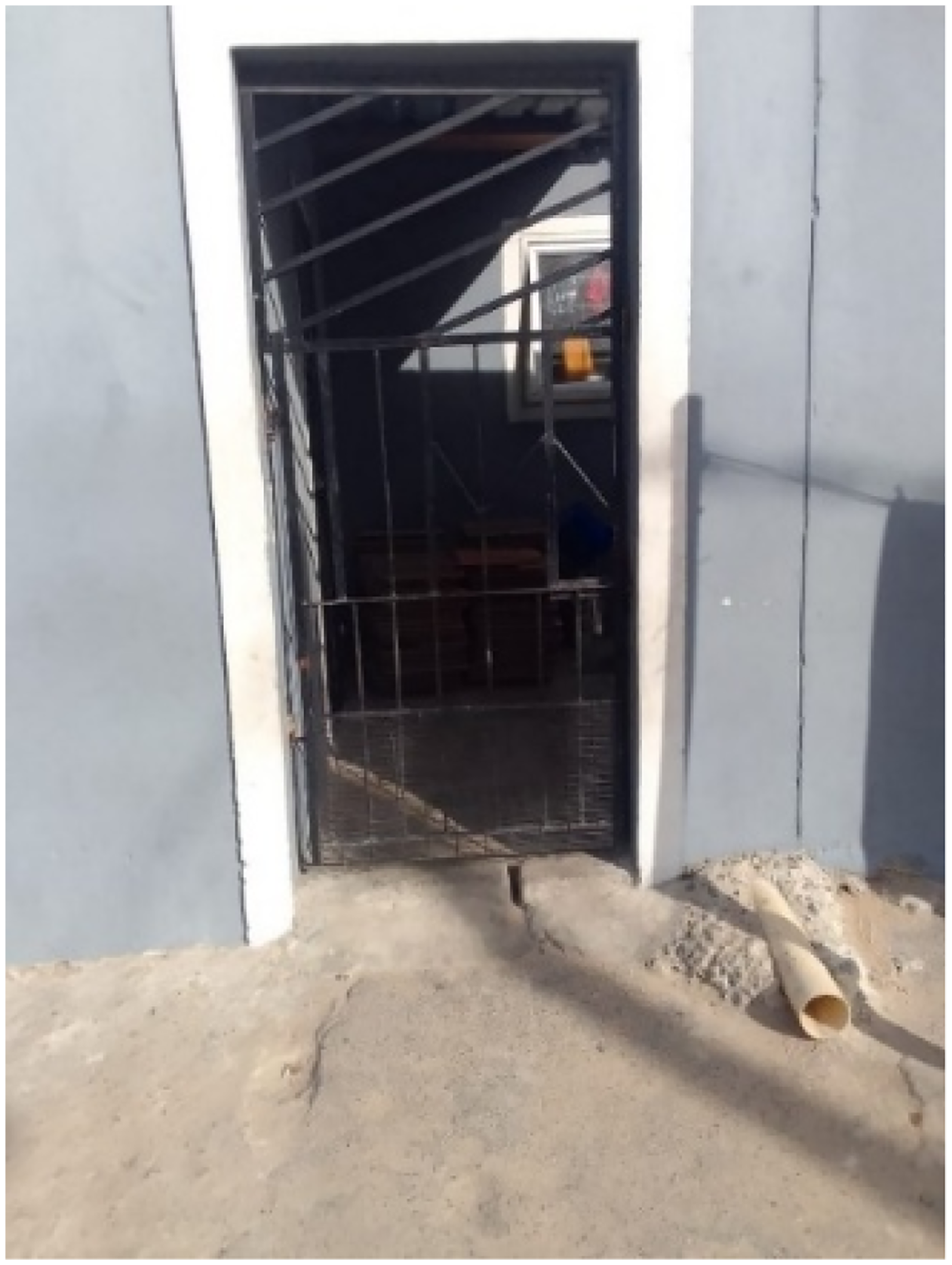
Social interaction and transportation were severely limited during the COVID-19 pandemic due to lockdown regulations and government-imposed restrictions. ALHIV reported struggling with compliance with mask-wearing mandates, often feeling suffocated and unable to breathe comfortably. “I mean as you can see when you see the mask it just reminds you of COVID because we were wearing it 24/7 every single time when we go outside, and we also couldn't go to other stores because they were closed right. It was difficult to breathe but yeah, we coped.” (Participant 16, Female) (see Figure 3). “During those times of coronavirus, everyone was in doors. No one could go outside without a mask and all those things. It was depressing and boring.” (Participant 4, Female) (see Figure 4).
One participant noted that the drop in commuters led to a loss of income for taxi drivers. Additionally, participants observed a rise in unemployment and an increase in entrepreneurship within their neighbourhoods, as factory closures and the shutdown of workplaces left many without jobs. “In COVID-19, I don't know which year, 2020, yeah, a lot of taxis lost their money because they were not driving people. They were driving maybe five people in a taxi, so they were not making the profit of the money that they're supposed to be. Yeah people they were struggling because they will need to wait for the taxis to go and return and sometimes, they're going to be late where that they're going.” (Participant 18, Male) (see Figure 5).
Lockdown restrictions exacerbated tension and fuelled violence in their townships. With limited opportunities and economic resources, ALHIV faced increased violence within their neighbourhoods, which further compelled them to remain indoors to protect themselves from physical harm. “The thing is that the place that I stay is very dangerous. During the day, you will hear gunshots.” (Participant 9, Female).
Along with increased anxiety and fear, ALHIV in this study reported a rise in stress, primarily due to their inability to engage and connect with friends and the overwhelming sense of isolation and emptiness. Many participants emphasized the profound impact of lockdown restrictions, which curtailed their ability to socialize and interact with peers, effectively halting social activities and engagement in community life. “That picture reminds me of when me and my friends used to like stand in the street, and we used to talk and play. And we also used to play football. And watch like stuff that's happening around the street. I took a picture of that to remember the street.” (Participant 7, Male) “I did miss my friends, only my school friends because I don't really have a lot of friends. I only have one friend and it's just yeah down the road. So, I could just go to her house and shout at the gate and then we can talk okay cool and then go back to the house” (Participant 13, Male).
ALHIV in this study also reported an escalation in feelings of depression, accompanied by a pervasive sense of chaos and dread attributed to the pandemic. The COVID-19 lockdown and movement restrictions intensified emotional challenges, as families were unable to visit relatives or attend funerals. Reflecting on their experiences, many participants voiced feelings of sadness and despair when considering their lives during the pandemic. “Yeah, okay so this is just a screenshot that I took now. I thought it had a video call, but it doesn't. So, we weren't allowed to go obviously to see our family members from far so we had to like video call them to see and also like normal call also worked so we had to call our family members just to catch up” (Participant 16, Female) (see Figure 6). “I think most of the time I was depressed because every time when I sit still and obviously when I’m hearing sometimes sad songs then it let me think about my whole life. It let me just makes me feel like wow I’m not good then I feel like depressed. I don't want to talk to anyone because when I’m like standing next to someone I feel in my head that you don't like me, like such stuff. I was feeling depressed man.” (Participant 16, Female).
Changes in Household Dynamics
The COVID-19 pandemic had a profound impact on ALHIV in this study, exacerbating issues of home instability. The social and economic disruptions of the pandemic deepened existing challenges within family dynamics and living conditions. One participant shared their experience of homelessness, emphasizing the added strain and stress cause by the pandemic, which contributed to the loss of stable income. “Then suddenly I heard there was COVID at that time. We were like constantly moving, staying there like for a week then the next week we had to move. To be honest I was living in also in Belville under the bridge also ma'am. I had to hustle for something for me to eat. I had to go look for some job so that I can help my mother even though I’m the oldest I always try to help my mother and my brother” (Participant 8, Male).
One participant detailed their experience of foster care during the COVID-19 pandemic: “Okay, so it was because I didn’t drink my medication. The ARVs and stuff. Then I got sick. I was thin and my viral load was sky high. The social workers that side sent me there. When I was there, I had a mark because of the side effects. When I went there, it didn’t want to heal, and I wasn’t taking my pills. I would put the pills in my mouth, take it out and put it in my cupboard. Afterwards they caught me out and I was punished. I was there because I didn’t want to listen and take my medication, so they sent me that side.” (Participant 5, Female).
Theme 2: Support Systems and Coping Mechanisms
ALHIV in this study adopted various forms of coping, drawn from the social, spiritual and emotional support around and available to them. These personal and interpersonal support systems played a crucial role in helping them navigate through and adapt to the uncertainties of the pandemic. The various coping strategies further helped alleviate feelings of boredom, while fostering a bond within the homes of the ALHIV.
The Role of Family and Peer Support
Family and friends provided crucial social support and solidarity to adolescents in this study, allowing them to process their feelings and experiences during the pandemic. “There was a lot like my mother and my stepdad and my stepdad's cousin but the main person who was like mostly encouraging me was one of my friends. I only met her on Facebook. She's a year younger than me but she's my friend's cousin you see. The first moment I spoke to her I was feeling comfortable so I was speaking about there's a whole situation about my friend so she encouraged me to say I must stay strong, and she even invited me to go to church with them.” (Participant 8, Male).
Spirituality and Religion
During times of doubt and family loss throughout the pandemic, participants also turned to religious and spiritual practices, such as prayer and meditation, for guidance and comfort. “Okay, so the Bible describes basically that during COVID the Lord came through me for a lot. I had never believed in God and but then it with COVID I went through a lot, and I prayed but I almost wanted things on my time. It made me realize that God is there when you need Him. There were many things. My spirituality became stronger. It's not what I want to be, but it is better.” (Participant 5, Female). “Yeah, we prayed, and we asked for our sisters to protect us you know and also to welcome the two sisters that's passed away okay so yeah.” (Participant 16, Female).
Individual and Group Coping Strategies
Adolescent engaged in a range of activities to maintain their well-being and stay occupied during the lockdown. These activities included individual pursuits designed to foster resilience and a positive attitude, as well as group-based interactions that helped them stay connected with family and alleviate feelings of boredom and isolation.
Solo Past-Time Activities
ALHIV in this study participated in solo activities such as reading, collecting objects playing with pets, and engaging in online games. These activities provided a distraction from the harsh realities of the pandemic and allowed them to explore new hobbies and develop new skills. “So, I was reading this book during COVID. I was bored you know so I decided just to read it. It's very interesting cool so um lockdown really showed me some of the stuff that I can do like reading because I wasn't a reading type of person, so I started reading during COVID. So yeah, I really enjoyed this book.” (Participant 16, Female) (see Figure 7). “Okay, normally during the COVID period, I would say, when I had nothing to do, like I was like bored at home and I couldn't go outside, I normally put on my PS4 and then play and keep myself busy” (Participant 13, Male) (see Figure 8).
Group Activities to Stay Connected and Combat Boredom
Participants reported feeling more bored during lockdown, spending extended periods at home. When engaging group activities with family members, it often involved playing games or participating in arts and crafts, such as building objects together. “This was me and my family, usually. Me and my cousins, my mother and my aunts, would come on the weekend and we would play this game. Just for distraction. It was fun because at that time, we also braaied and stuff during COVID. It was nice.” (Participant 1, Male) (see Figure 9). “Okay. So, basically, this is something my grandpa and I did. The whole thing. I’m really creative. The whole thing my grandpa and I did. And I designed it, you know? And my grandpa just helped me. So, during COVID I realised I can be a bit creative? That's something I learned about myself.” (Participant 5, Female) (see Figure 10).
Theme 3: HIV Treatment Adherence Facilitators and Barriers
Several factors influenced HIV treatment adherence among ALHIV during the pandemic. These factors included both barriers and facilitators, which either impeded adherence, leading to non-adherence, or supported adherence to HIV treatment.
Barriers to Adherence
Barriers to HIV treatment adherence among ALHIV in this study were both internal and external factors that hindered their ability to stay on treatment. In this study, barriers included difficulty accepting their HIV status, family discord, medication shortages, the side effects of treatment, and a strong aversion to taking pills. “During COVID I hated drinking my HIV pills. I wasn't taking them every day. It was a lot. It was four, three pills that time still but now I’m on one pill. It feels like there's nothing happening if I drink it. That's why I don't drink it.” (Participant 15, Male). “Um, sometimes I had challenges taking my meds. Like, yeah, my family members used to fight a lot. I was like, sometimes go to bed early and forget to take it on time.” (Participant 13, Male).
Some participants also experienced a shortage of HIV medication during lockdown which resulted in a disruption in their routines, with one participant stating that the side effects experienced taking their HIV medication impacted their adherence. “It was very difficult, but then I was processing it at that time. I don't know, but a lot of times I would feel nausea to take the medication sometimes, but then I would just force it because I had to take it so that I can keep myself healthy.” (Participant 6, Female).
Facilitators That Promoted Adherence
ALHIV in this study displayed and self-agency by using personal reminders to remain adherent to their treatment during the pandemic. “I was trying to understand so yeah, I was lately forgetting when I must drink my tablets because I always had a time zone when I was drinking my tablets always at six o'clock at night that time. That time I was drinking like two tablets at the morning and evening okay, so I was forgetting lately so my mother always reminded me then I told myself that I’m big enough man. Why do I need my mother to remind me about my tablet? So, our cupboard is just in front of my bed so I put three of my tablets just in front then I lay it on the side so when I wake up then I can see and then I know then okay look at the time okay it's eight o'clock and then I drink my tablets” (Participant 17, Male).
Movement restrictions meant that ALHIV could not go to their healthcare facilities to collect medication, which resulted in some running out of medication during the pandemic. The home delivery of HIV medication by doctors therefore allowed ALHIV to remain adherent and have enough medication while being at home “Yeah. I didn’t have pills so Dr M would have to bring my pills to the house. I had COVID so the doctor had to deliver the pills through the window.” (Participant 3, Female).
Theme 4: Economic Vulnerability and Household Stress
One of the most notable impacts of the COVID-19 pandemic was the added financial stress it placed on ALHIV and their families. Economic disruptions, such as job loss and reduced income, intensified existing hardships, making it harder to meet basic needs. This added financial strain further complicated their already vulnerable situations. However, despite the financial challenges brought about by the COVID-19 pandemic, individuals demonstrated financial resilience to help them navigate the pandemic and maintain stability.
Financial Stress
Participants in this study experienced food insecurity and shortages, as well as a loss of income and a rise of unemployment within their households. “Well, as I said, it was difficult going to the shops, because sometimes we would be, we struggled to make money, you know, because we didn't have anything that would keep our lifestyle going, you know? So, it's something like that, that's why I took the picture. There was no transport to go outside to look at the food to go to the shops and to go buy food. Even at the shops there was a number of people allowed in the shop, and you had to wait for them to get out and then you got in.” (Participant 2, Female) (see Figure 11).
One participant in this study expressed that due to a loss of income they witnessed their parents and other members of their community come up with plans such as making a loan or selling foods to be able to have the money to buy food and make an income. “I would say that my parents would always come up with a plan for, like, something like this loan, you know, something like that, something to eat.” (Participant 3, Female)
Entrepreneurial Ventures
Despite the financial challenges brought on by the COVID-19 pandemic, participants noted financial resilience in their communities, with them observing individuals finding alternative ways to generate income. “People have always tried to make ways to make money. They buy containers to sell foods.” (Participant 18, Male) (see Figure 12).
Discussion
This study explored the resilience and vulnerabilities of ALHIV in a peri-urban setting in Cape Town, South Africa, during the COVID-19 pandemic. The findings highlight the multifaceted challenges faced by ALHIV, including social and economic hardships, disruptions to healthcare, and mental health struggles. However, they also reveal the resilience demonstrated by adolescents through adaptive coping mechanisms and support networks.
The COVID-19 pandemic intensified and exacerbated cases of social isolation, while disrupting societal and community dynamics, impacting ALHIV's sense of belonging and support. Participants in this study described how public health measures such as lockdowns and social distancing heightened their experiences of isolation, depression, and emotional distress. Research indicates that ALHIV faced increased psychological distress due to the loss of peer interactions, disruptions of school routines, and limited access to psychosocial support services.33,34 All of the compounding factors ultimately resulted in instability and stress within households.
The COVID-19 pandemic led to unprecedented disruptions in education systems worldwide, with the closure of school affecting millions of adolescents. 35 The introduction of school closures in March 2020 left many adolescents without access to school-provided psychological, social and nutritional support. 34 Findings from this study showed that the quality of learning and a lack of face-to face interaction with teachers and peers led to disengagement and reduced motivation for many students. Studies from South Africa and other LMICs also confirm that school closures significantly impacted the well-being of vulnerable adolescents, reducing access to structured learning environments, mental health resources, and food programs.36,37 Research indicates the pandemic significantly exacerbated feelings of loneliness, as school closures removed a crucial outlet for socialising, a factor which is especially important during adolescence.38,39
Resilience of ALHIV in this context is understood as being shaped by interactions with supportive environments, influenced by personal, social and structural resources. 12 In this study, resilience was reflected in participants’ continued efforts to manage their health while engaging with caregivers and clinicians. Additionally, support systems played a crucial role in fostering resilience among participants during the COVID-19 pandemic. Family members and friends provided a safe space for ALHIV to express their thoughts and emotions, while religion and spirituality offered additional guidance and strength, helping them navigate the challenges they faced. The role of spiritual coping has been widely acknowledged as a form of resilience factor for ALHIV in resource-limited settings. 40 This aligns with evidence which shows that ALHIV often develop coping strategies that support emotional regulation and resilience in the face of compounding stress.
The pandemic also exacerbated existing stigma around HIV, with some participants reporting heightened fears of disclosure due to concerns about reduced access to supportive peers and healthcare providers. These findings align with global research emphasizing how social isolation during COVID-19 disproportionately affected vulnerable groups, including ALHIV. 41
The economic impacts of the COVID-19 pandemic introduced new challenges while amplifying existing ones for ALHIV. The financial strain on households caused by the pandemic was a major concern, with many participants reporting job losses within their families, leading to increased food insecurity and difficulties in meeting basic needs. Many faced financial instability, driven by issues such unemployment, leaving families struggling to meet basic needs. Previous research has shown that job losses during the pandemic disproportionately affected low-income families, particularly in peri-urban and informal settlements, exacerbating existing socioeconomic disparities.42,43
Additionally, limited access to social services and transportation further compounded these difficulties, limiting the ability to obtain food and maintain a stable income. In a study conducted in Tanzania, it was found that ALHIV reported a loss of family income, food insecurity and a lack of fare for transport to and from clinic appointments. 44 Furthermore, broader research indicates that the economic downturn due to COVID-19 disproportionately affected low-income households, particularly in peri-urban and informal settlements. 41 Limited financial resources also impacted transportation to healthcare facilities, leading to concerns about missed appointments and interrupted ART access. These findings reinforce the urgent need for social protection programs that address the economic vulnerabilities of ALHIV and their families.
Leisure activities during the pandemic played a key role in keeping ALHIV and their families engaged. The increased interaction fostered by these shared activities not only helped occupy their time but also strengthened family bonds and deepened familial relationships. Despite these challenges, adolescents demonstrated remarkable resilience by adopting various coping strategies. Many engaged in creative outlets such as music, journaling, and photography, which provided a means of self-expression and emotional release. Others sought support through online communication with peers, religious or spiritual practices, and physical activities. These adaptive behaviours reflect previous research on resilience among ALHIV, which highlights the importance of self-efficacy and positive coping mechanisms in overcoming adversity. 45 However, some participants also reported maladaptive coping, such as emotional withdrawal or disengagement from school activities, underscoring the need for mental health support tailored to the unique needs of adolescents.
Mental health challenges emerged as a significant theme, with many adolescents expressing increased stress, anxiety, and depressive symptoms during the pandemic. Uncertainty about the future, fear of contracting COVID-19, and the compounded stress of living with HIV contributed to emotional distress. These findings align with global studies indicating that ALHIV are particularly vulnerable to mental health issues, which were exacerbated by the pandemic's disruptions. 24 Some adolescents found solace in peer connections, family support, and structured routines, which helped them manage stress. However, limited access to mental health services, decreased peer interaction, and lockdown restrictions disrupted social activities and support groups. This highlights the urgent need for integrated mental health interventions within HIV care services, ensuring that adolescents receive psychosocial support in both routine and crisis settings.
HIV treatment adherence was important to ALHIV in this study, as many displayed self-agencies through the use of reminders to ensure that they took their medication. Disrupted routines experienced by ALHIV in this study caused by conflict in the home highlight the impact of external factors on the treatment adherence of ALHIV. Despite the challenges posed by the pandemic, most participants remained committed to adhering to their ART regimens. Adolescents described their determination to stay healthy, driven by a sense of responsibility and hope for the future. However, logistical barriers, such as restricted mobility and running out of medication posed significant threats to adherence. Some participants relied on caregivers and their doctors to collect and deliver their medication, demonstrating the importance of decentralized healthcare models. These findings support existing research emphasizing the role of family and community support in promoting ART adherence among ALHIV. 46
Study Limitations
This study has several limitations. First, the sample was restricted to ALHIV receiving ART at a specific facility, limiting the generalizability of findings to those who do not attend youth clubs and may have had different experiences during the pandemic. Second, recall bias was a concern, as the time elapsed since COVID-19 may have affected participants’ ability to accurately remember their experiences. Third, privacy and stable internet connections during telephonic interviews were inconsistent, sometimes impacting the quality and depth of responses. In addition, the calculation and justification of the sample size for this study were not done, as the sample was dependent on the number of participants available within the youth clubs. Finally, the findings are context-specific and may not be fully applicable to other regions within the province or country.
Conclusion
This study highlights the dual realities of resilience and vulnerability among ALHIV in a peri-urban setting in Cape Town during the COVID-19 pandemic. While adolescents exhibited remarkable strength in navigating social, economic, and psychological challenges, structural barriers continue to pose significant threats to their well-being. These findings emphasize the need for adolescent-centred interventions that address economic hardships, enhance social support systems, and integrate mental health services within HIV care. Future research should explore long-term strategies to sustain resilience among ALHIV, ensuring that their voices inform health and social policies.
Supplemental Material
sj-docx-1-jia-10.1177_23259582251383233 - Supplemental material for Reflections of Resilience and Vulnerability of Adolescents Living with HIV During COVID-19: A Photovoice Study in Peri-Urban Cape Town, South Africa
Supplemental material, sj-docx-1-jia-10.1177_23259582251383233 for Reflections of Resilience and Vulnerability of Adolescents Living with HIV During COVID-19: A Photovoice Study in Peri-Urban Cape Town, South Africa by Yolanda Mayman, Brian van Wyk and Talitha Crowley in Journal of the International Association of Providers of AIDS Care (JIAPAC)
Supplemental Material
sj-docx-2-jia-10.1177_23259582251383233 - Supplemental material for Reflections of Resilience and Vulnerability of Adolescents Living with HIV During COVID-19: A Photovoice Study in Peri-Urban Cape Town, South Africa
Supplemental material, sj-docx-2-jia-10.1177_23259582251383233 for Reflections of Resilience and Vulnerability of Adolescents Living with HIV During COVID-19: A Photovoice Study in Peri-Urban Cape Town, South Africa by Yolanda Mayman, Brian van Wyk and Talitha Crowley in Journal of the International Association of Providers of AIDS Care (JIAPAC)
Supplemental Material
sj-pdf-3-jia-10.1177_23259582251383233 - Supplemental material for Reflections of Resilience and Vulnerability of Adolescents Living with HIV During COVID-19: A Photovoice Study in Peri-Urban Cape Town, South Africa
Supplemental material, sj-pdf-3-jia-10.1177_23259582251383233 for Reflections of Resilience and Vulnerability of Adolescents Living with HIV During COVID-19: A Photovoice Study in Peri-Urban Cape Town, South Africa by Yolanda Mayman, Brian van Wyk and Talitha Crowley in Journal of the International Association of Providers of AIDS Care (JIAPAC)
Supplemental Material
sj-docx-4-jia-10.1177_23259582251383233 - Supplemental material for Reflections of Resilience and Vulnerability of Adolescents Living with HIV During COVID-19: A Photovoice Study in Peri-Urban Cape Town, South Africa
Supplemental material, sj-docx-4-jia-10.1177_23259582251383233 for Reflections of Resilience and Vulnerability of Adolescents Living with HIV During COVID-19: A Photovoice Study in Peri-Urban Cape Town, South Africa by Yolanda Mayman, Brian van Wyk and Talitha Crowley in Journal of the International Association of Providers of AIDS Care (JIAPAC)
Footnotes
Acknowledgements
We would like to acknowledge all of the adolescents who participated in this study. We are grateful to the staff at the health facility and thank them for their availability and assistance during the participant recruitment process.

Ethics Considerations
Ethics clearance for this study was obtained from the University of the Western Cape Biomedical Research Ethics Committee (BM23/3/7) and the Western Cape Health Research Committee (WC_202305_039). The researchers sought verbal and written adolescents’ assent and parental consent (for participants younger than 18 from all included study participants. All participants were also required to consent to keeping the information shared in groups confidential. Participants consented to the digital recording of focus group discussions and the publishing of their photos in subsequent publications. Parental consent was obtained for participants under the age of 18 years.
Author Contributions
B.v.W developed the concept and methodology for the research study. Y.M and the research assistant collected data for this study and YM analysed the research findings under the supervision of B.v.W and T.C. Y.M, T.C and B.v.W reviewed the proofread the manuscript. Y.M wrote the final version of this article and this version was approved by all authors. All authors have read and agreed to the final published version of this manuscript.
Funding
The authors disclosed receipt of the following financial support for the research, authorship, and/or publication of this article: The work reported herein was made possible through a Self-initiated research grant by the South African Medical Research Council (grant number: SA4587ZA), and through its Division of Research Capacity Development under the Bongani Mayosi National Health Scholars Program (725) from funding received from the Public Health Enhancement Fund/South African National Department of Health. The content hereof is the sole responsibility of the authors and does not necessarily represent the official views of the SAMRC.
Declaration of Conflicting Interests
The authors declared no potential conflicts of interest with respect to the research, authorship, and/or publication of this article.
Availability of Data and Materials
The data set used is available from the corresponding author upon request.
Supplemental Material
Supplemental material for this article is available online.
References
Supplementary Material
Please find the following supplemental material available below.
For Open Access articles published under a Creative Commons License, all supplemental material carries the same license as the article it is associated with.
For non-Open Access articles published, all supplemental material carries a non-exclusive license, and permission requests for re-use of supplemental material or any part of supplemental material shall be sent directly to the copyright owner as specified in the copyright notice associated with the article.
