




Abstract
Aim:
The aim of this systematic review is to analyze the existing evidence on the quality of life of patients completely edentulous in the mandible.
Materials and Methods:
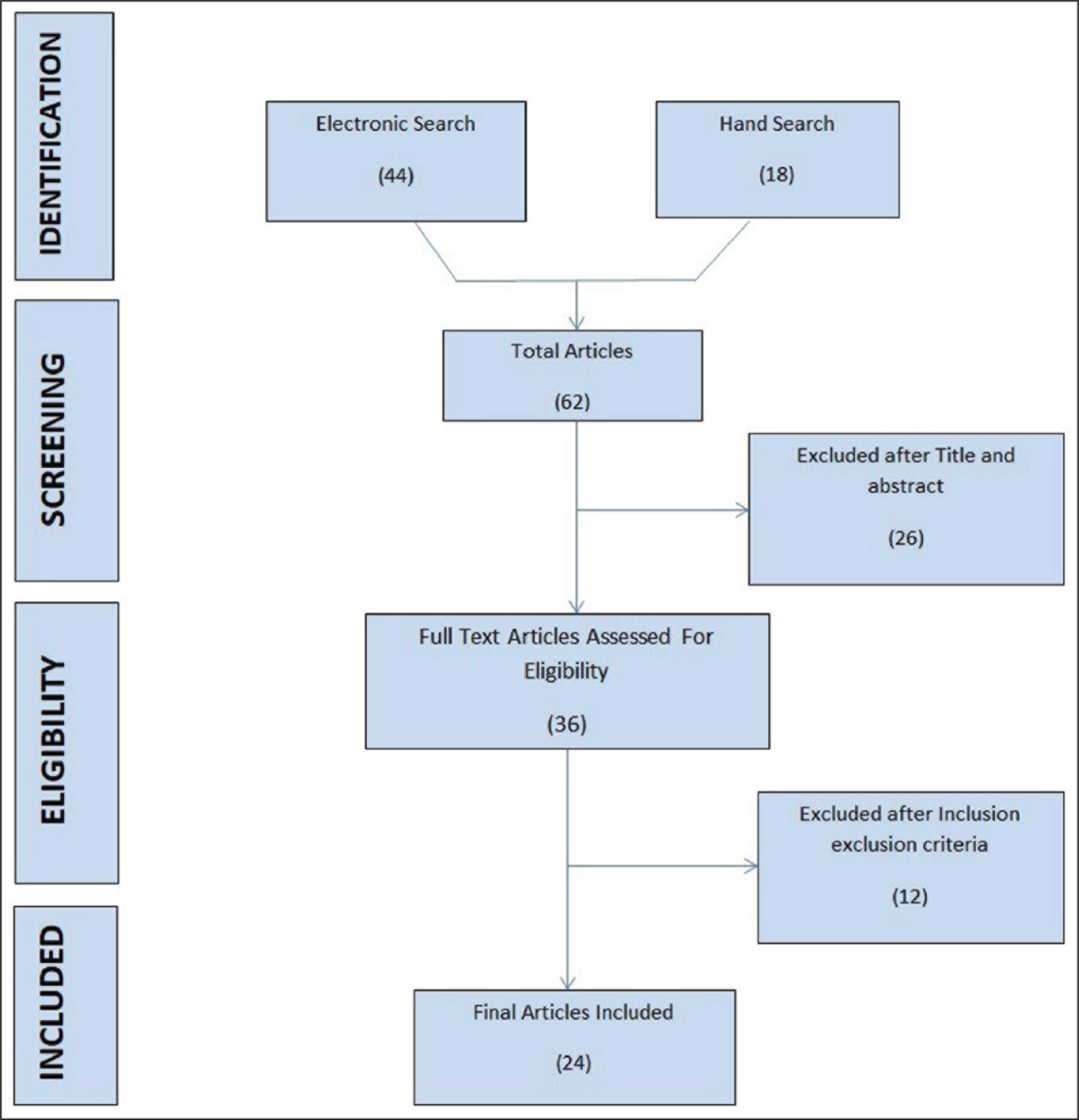
A search questionnaire was formulated using population intervention comparison outcome (PICO) analysis, and a comprehensive search was initiated in PubMed Central, Medline, Cochrane, and Google Scholar databases for the related topics. Manuscripts published till December 2019 were included in this review. Out of the 63 articles obtained from searching all databases, 27 studies were excluded based on the title and abstract. Out of the remaining 36 studies, 12 were excluded based on the inclusion and exclusion criteria of our interest and 24 were included on the basis of core data.
Results:
One review author identified randomized trials meeting inclusion criteria for this review. Two review authors extracted data and assessed study quality. The oral health-related quality of life in completely edentulous mandibular patients wearing implant-supported overdentures was better when compared to conventional tissue-supported complete denture, and a minimum two implant-supported mandibular complete denture has sufficient improvement in oral health-related quality of life.
Conclusion:
There are about more than 170 reviews and clinical trials that have been published in support of the same for the past two decades. Thus, the clinicians may not be tempted in placing additional implants in well-formed mandibular edentulous ridges. To enhance the understanding of mandibular implant overdenture treatment, clinicians must scrutinize the existing evidence and formulate a protocol by striking a balance between efficient and evidence based treatment.
List of Abbreviations
CD: Complete denture
DS-VAS: Denture satisfaction-visual analog scale
EDENT: Edentulous
GOHAI: Geriatric oral health assessment index
IOD: Implant retained over dentures
Iqr: Inter quartile range
MESH: Medical subject headings
OHIP: Oral health impact profile
OHIP-EDENT: Oral health impact profile—edentulous
OHIP-49: Oral health impact profile-49
OHIP-20: Oral health impact profile-20
OHIP-14: Oral health impact profile-14
OHRQoL: Oral health-related quality of life
PICO: Population–intervention–comparison–outcome
PRISMA: Preferred reporting items for systematic reviews and meta-analyses
QoL: Quality of life
SF-36: Short form health survey
VAS: Visual analog scale
Introduction
Edentulism rate is decreasing globally every decade because of wider and better oral health services.1,2 Edentulism has a significant esthetic and functional concern in patients and leads to reduced quality of life (QoL) along with impact on general health. QoL is a multidimensional construct, which emphasizes thoroughly investigating the qualitative effects of diseases and therapies, as well as other relevant issues on health status. 3 Evidence from the existing literature clearly shows the negative effect of edentulism on oral health-related QoL (OHRQoL) in the form of functional, psychological, and social impairment, thus affecting day-to-day life.4,5
A significant paradigm shift in diagnosis, treatment planning, and definitive treatment for patients has been witnessed with the introduction of dental implants.6,7 Until the 1980s, conventional tissue-supported complete dentures (CD) were the traditional method for the treatment of edentulism.8–10 The advent of dental implants created multiple options to treat edentulism beyond traditional CD. They typically provide superior long-term results, particularly beneficial when treating patients with conventional CD. Substantial scientific data are available regarding the psychosocial, functional, and anatomic benefits that patients derive from implant overdentures.11–14
In the mid-1980s, treatments with mandibular implant overdenture were introduced.15,16 Being less expensive and less complicated, yet successful, mandibular implant overdenture soon became popular in many countries. Implant-retained overdentures are purported to decrease the negative outcomes the elderly patients have often experienced with CD, namely poor retention, poor stability, inability to chew, and inability to speak. Implant-retained dentures have the potential for increased retention as well as patient comfort when compared to CDs, offering better comfort, stability, and chewing functions and thereby improving the OHRQoL of geriatric edentulous patients.
The rehabilitation of edentulous mandible with conventional tissue-supported CD is no longer the most appropriate primary choice of prosthodontic treatment. There is now evidence that implant retained overdenture should become the first choice of treatment for edentulous mandibles.17–20 Research data reporting the success, however, are not fully convincing to support all of the considerations necessary to predict effective clinical treatment outcome with respect to the total number of implants in overdenture treatment for completely edentulous mandibles.
According to the McGill consensus 2002, the rehabilitation of edentulous mandible with conventional tissue-supported CD is no longer the most appropriate first choice of prosthodontic treatment. The suggested first line of therapy for a lower edentulous arch is implant-supported overdenture. However, there are varied opinions regarding the number of implants to be placed to support the overdenture with several reports advocating a minimum of four to five implants and McGill consensus recommending a minimum of two implants. There are about more than 170 reviews and clinical trials that have been published in support of the same for the past two decades. Because most of this literature has been supported by private market players with an intention to promote one form of treatment over another, there is a need to analyze the literature for the significance of improvement and bias-adjusted outcome evaluation to determine the universal external validity of this clinical practice guideline. Previously our department has published extensive research on various aspects of prosthetic dentistry.21–31 This vast research experience has inspired us to do a systematic review to objectively understand the validity of treatment protocol with differential number of implants with respect to absolute success in improving the OHRQoL.
Materials and Methods
Data Collection and Analysis
The studies considered were based on the data extraction and analysis of quality and publication bias. The data collection form was customized. The outcome measure was QoL of patients. In cases of no clear index specified, the most significant parameter was used.
Literature Search Protocol
For the identification of studies included or considered for this systematic review, detailed search strategies were developed for the database searched. The search methodology applied was a combination of MeSH terms and suitable keywords. The keywords employed in this search were broadly classified into four categories describing population, intervention, outcome, and the type of study. Keywords within each group were combined using Boolean operator (OR) and the searches of individual groups were combined using Boolean operator (AND) to retrieve articles electronically.
Searched Databases
The electronic databases included were National Library of Medicine (PubMed), Google Scholar, Medline, Ovid, and Cochrane database of systematic reviews. No limitation regarding publication type and publication date was set.
Search Strategy
P: completely edentulous, complete edentulism, completely edentulous patients.
I: implant-retained prosthesis, implant-retained denture(s), implant-supported denture(s), implant-supported prosthesis, implant denture(s), implant-retained removable prosthesis, implant-retained removable denture(s), implant-supported removable denture(s), implant-supported removable prosthesis, implant-supported overdentures.
C: conventional CD(s), conventional CD prosthesis, CD(s), CD prosthesis, tissue-supported CD, tissue-supported CD prosthesis.
O: quality of life, patient satisfaction, patient perception, patient-related outcome(s), patient-related outcome measure(s), OHRQoL.
The PICO search terms were loaded in the search engine by using Boolean operators (OR) for each cluster and integrating Boolean operator (AND) between the PICO clusters. The results obtained were further processed and the data were extracted (Figure 1).
The PRISMA Chart Depicting the Article Selection Process for This Systematic Review
Search Algorithm
(Completely edentulous OR Completely edentulous [MeSH Terms] OR Completely edentulism OR Completely edentulism [MeSH Terms] OR Completely edentulous patients OR Completely edentulous [MeSH Terms]) AND (Implant-retained prosthesis OR Implant-retained prosthesis [MeSH Terms] OR Implant-retained dentures OR Implant-retained dentures [MeSH Terms] OR Implant-retained denture OR Implant-retained denture [MeSH Terms] OR Implant-supported dentures OR Implant-supported dentures [MeSH Terms] OR Implant-supported denture OR Implant-supported denture [MeSH Terms] OR Implant-supported prosthesis OR Implant-supported prosthesis [MeSH Terms] OR Implant denture OR Implant denture [MeSH Terms] OR Implant dentures OR Implant dentures [MeSH Terms] OR Implant-retained removable prosthesis OR Implant-retained removable prosthesis [MeSH Terms] OR Implant-retained removable denture OR Implant-retained removable denture [MeSH Terms] OR Implant-retained removable dentures OR Implant-retained removable dentures [MeSH Terms] OR Implant-supported removable denture OR Implant-supported removable denture [MeSH Terms) OR Implant-supported removable dentures OR Implant-supported removable dentures [MeSH Terms] OR Implant-supported removable prosthesis OR Implant-supported removable prosthesis [MeSH Terms] OR Implant-supported overdentures OR overdentures) AND (Conventional complete denture OR Conventional complete denture [MeSH Terms] OR Conventional complete dentures OR Conventional complete dentures [MeSH Terms] OR Complete denture OR Complete denture [MeSH Terms] OR Complete dentures OR Complete dentures [MeSH Terms] OR Complete denture prosthesis OR Complete denture prosthesis [MeSH Terms] OR Conventional complete denture prosthesis OR Conventional complete denture prosthesis [MeSH Terms] OR Tissue-supported complete denture OR Tissue-supported complete denture prostheses) AND (Quality of life OR Quality of life [MeSH Terms] OR Patient satisfaction OR Patient satisfaction [MeSH Terms] OR Patient perception OR Patient perception [MeSH Terms] OR Patient-related outcome OR Patient-related outcome [MeSH Terms] OR Patient-related outcome measure OR Patient-related outcome measure [MeSH Terms] OR Patient-related outcome measures OR Patient-related outcome measures [MeSH Terms] OR Oral health-related quality of life OR Oral health-related quality of life [MeSH Terms]).
Article Eligibility Criteria
Inclusion Criteria
Articles reporting QoL post implant-retained removable prosthesis with no restrictions on age or gender, ethnicity
Randomized control trial, clinical trial
Studies on mandibular implant-supported overdenture
Exclusion Criteria
Studies done using clinical parameters
Studies with review articles, case reports, or case series
Studies on fixed implant prosthesis, hybrid prosthesis
Studies comparing implant-supported fixed prosthesis
Studies comparing implant attachments
Studies on maxillary implant-supported overdenture
Results
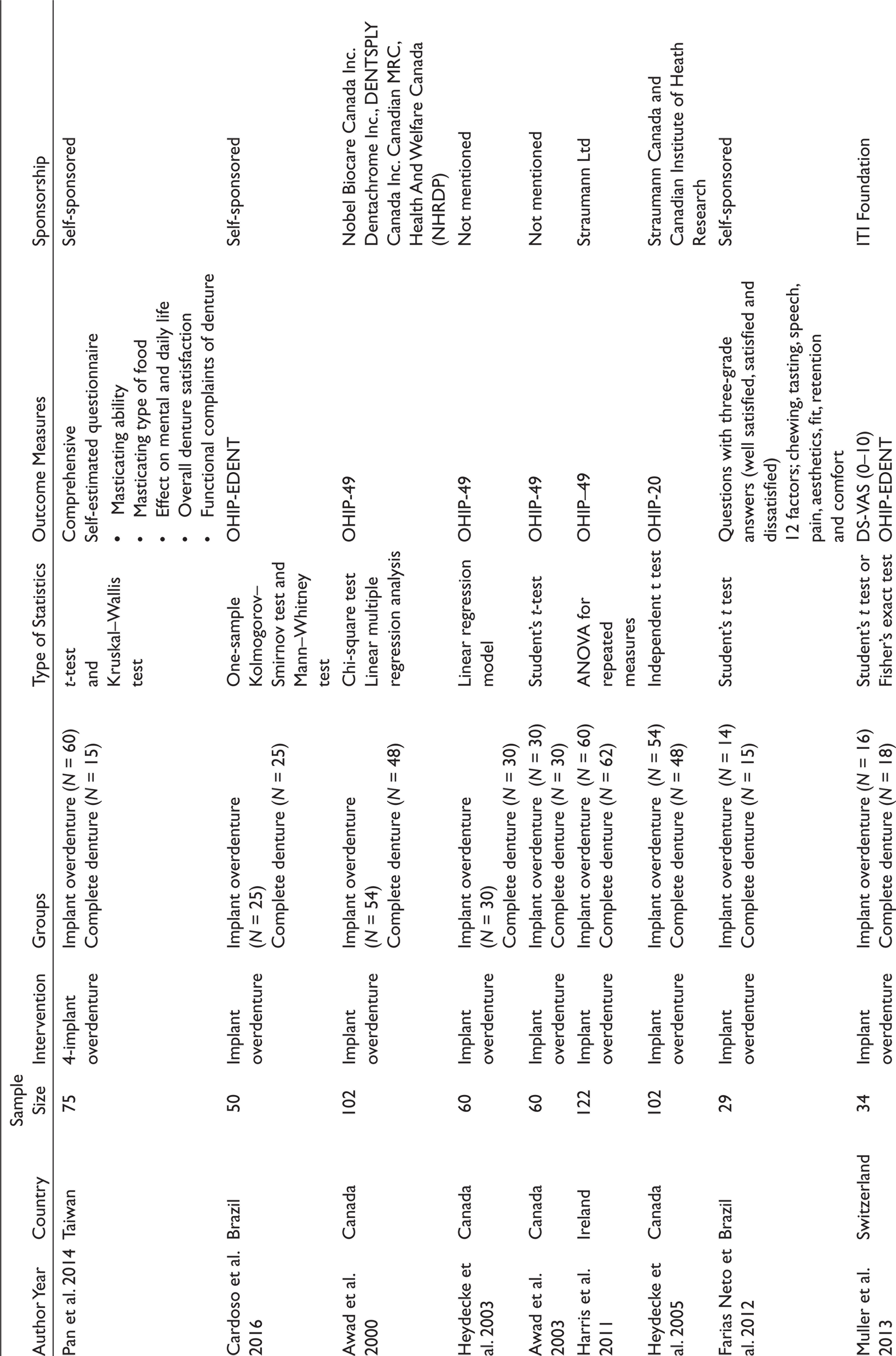
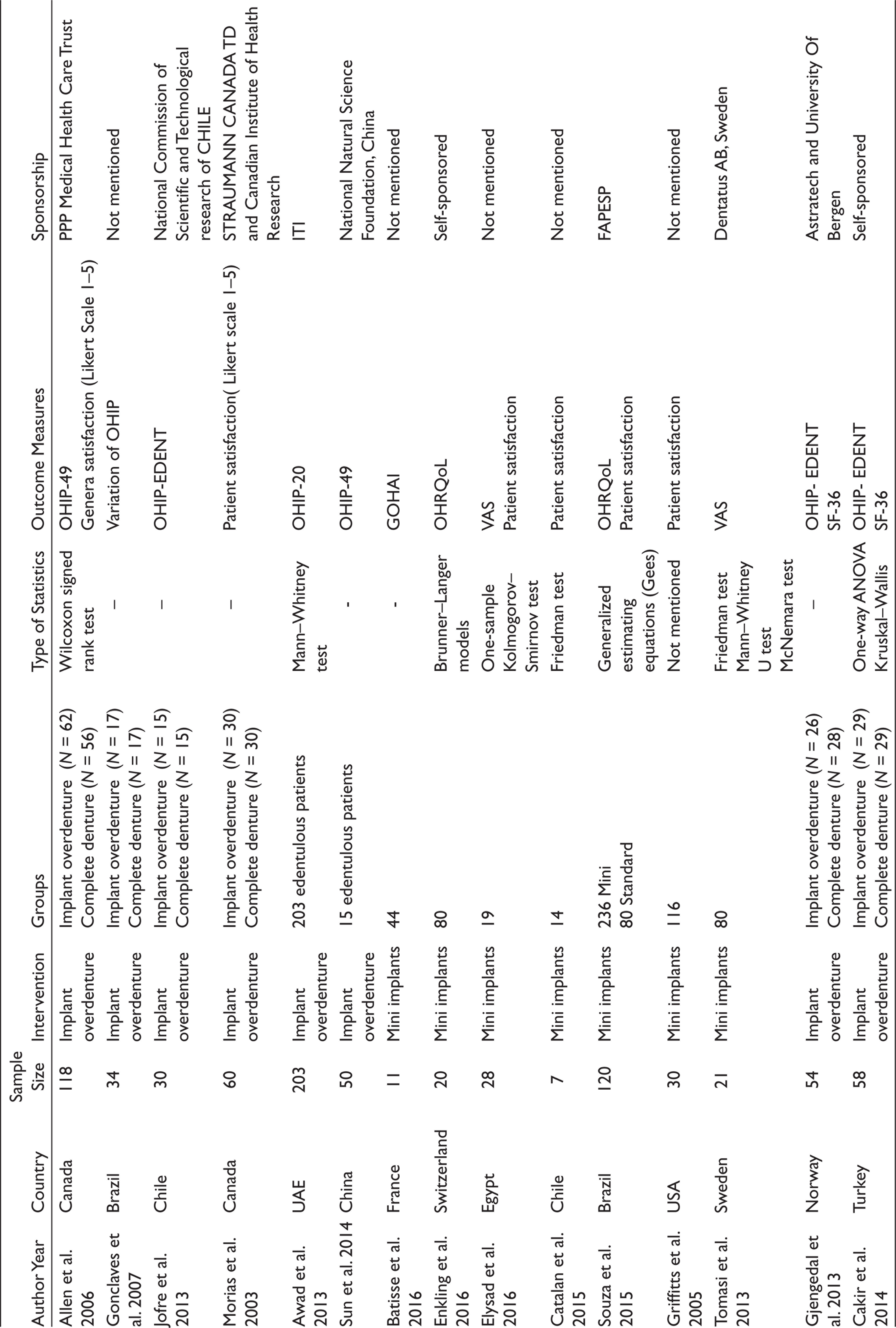
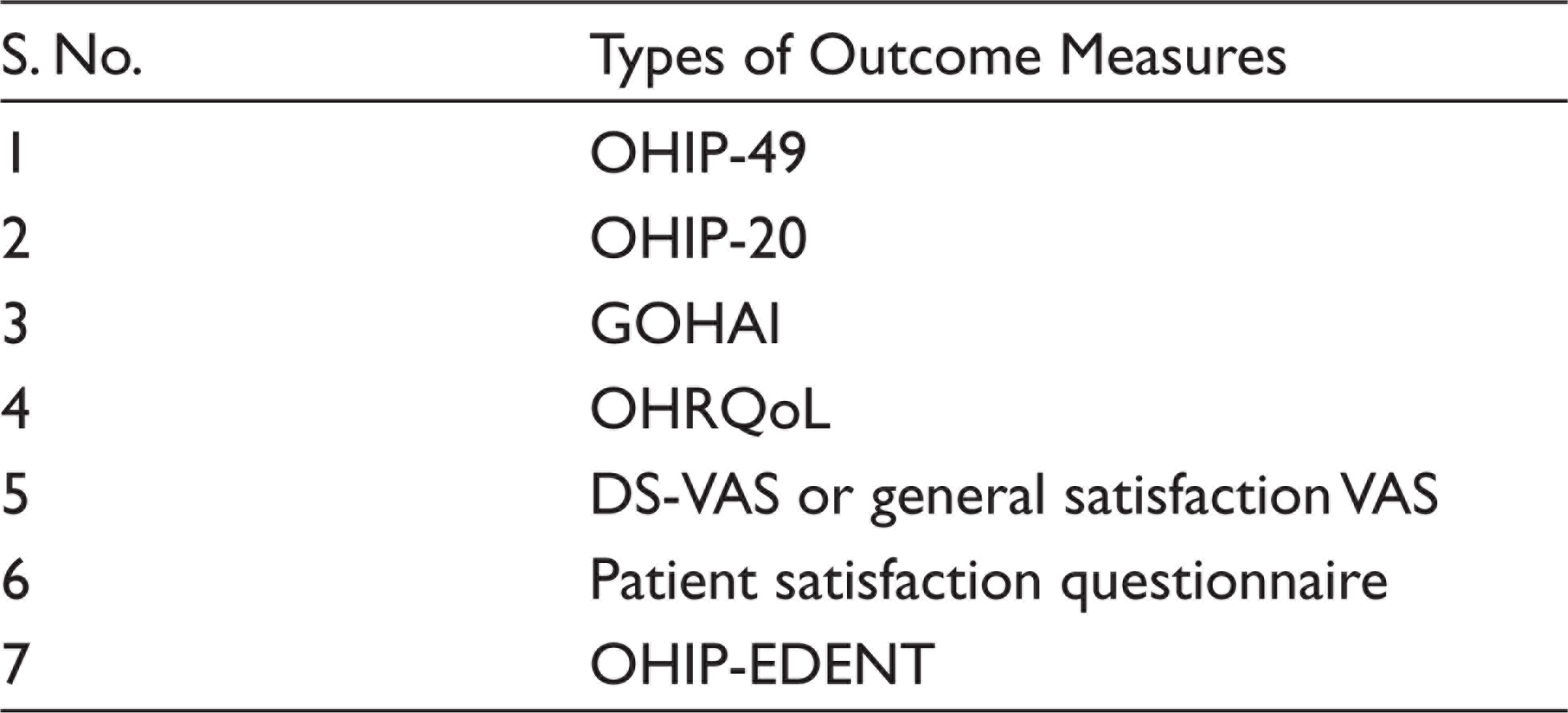
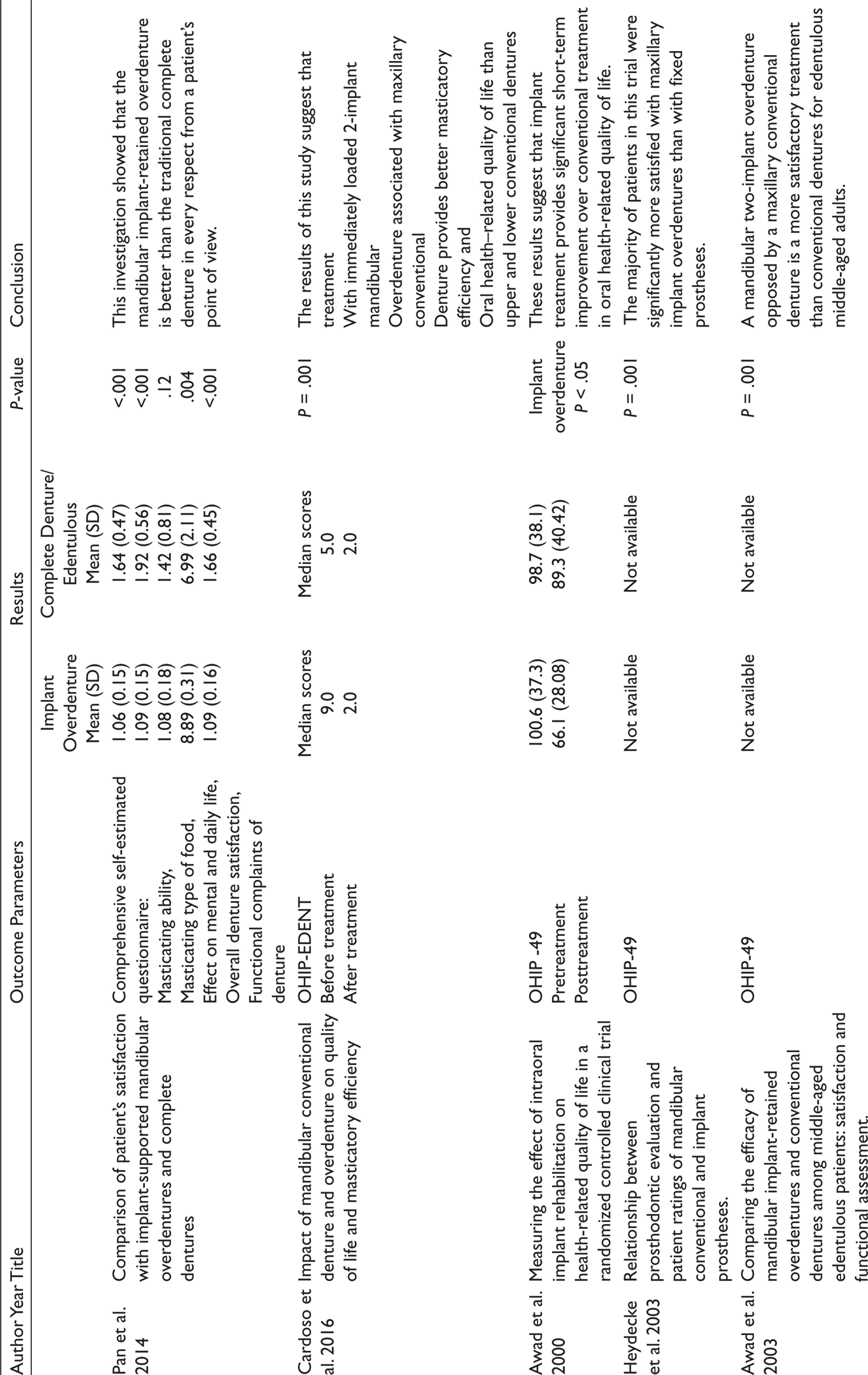
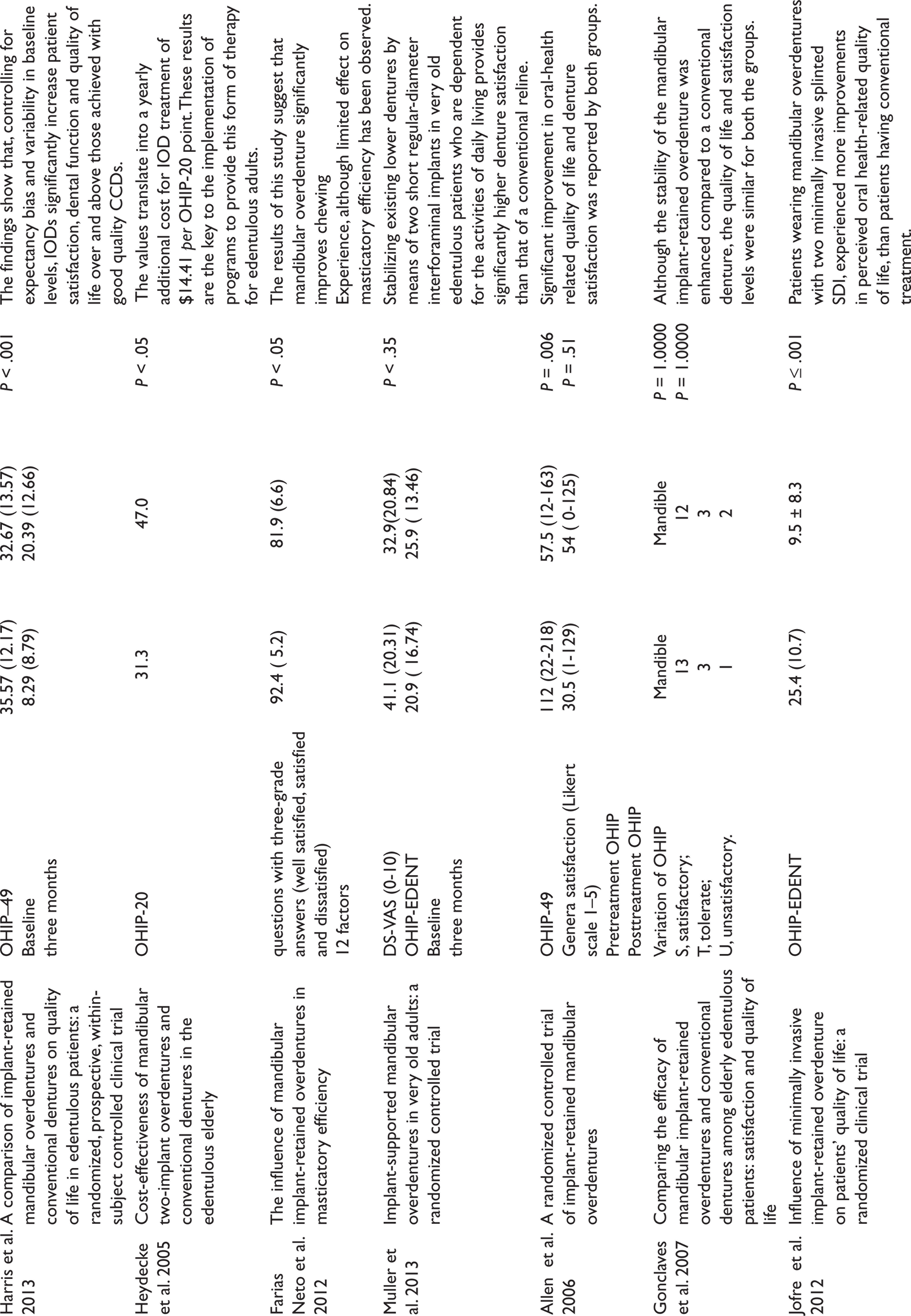
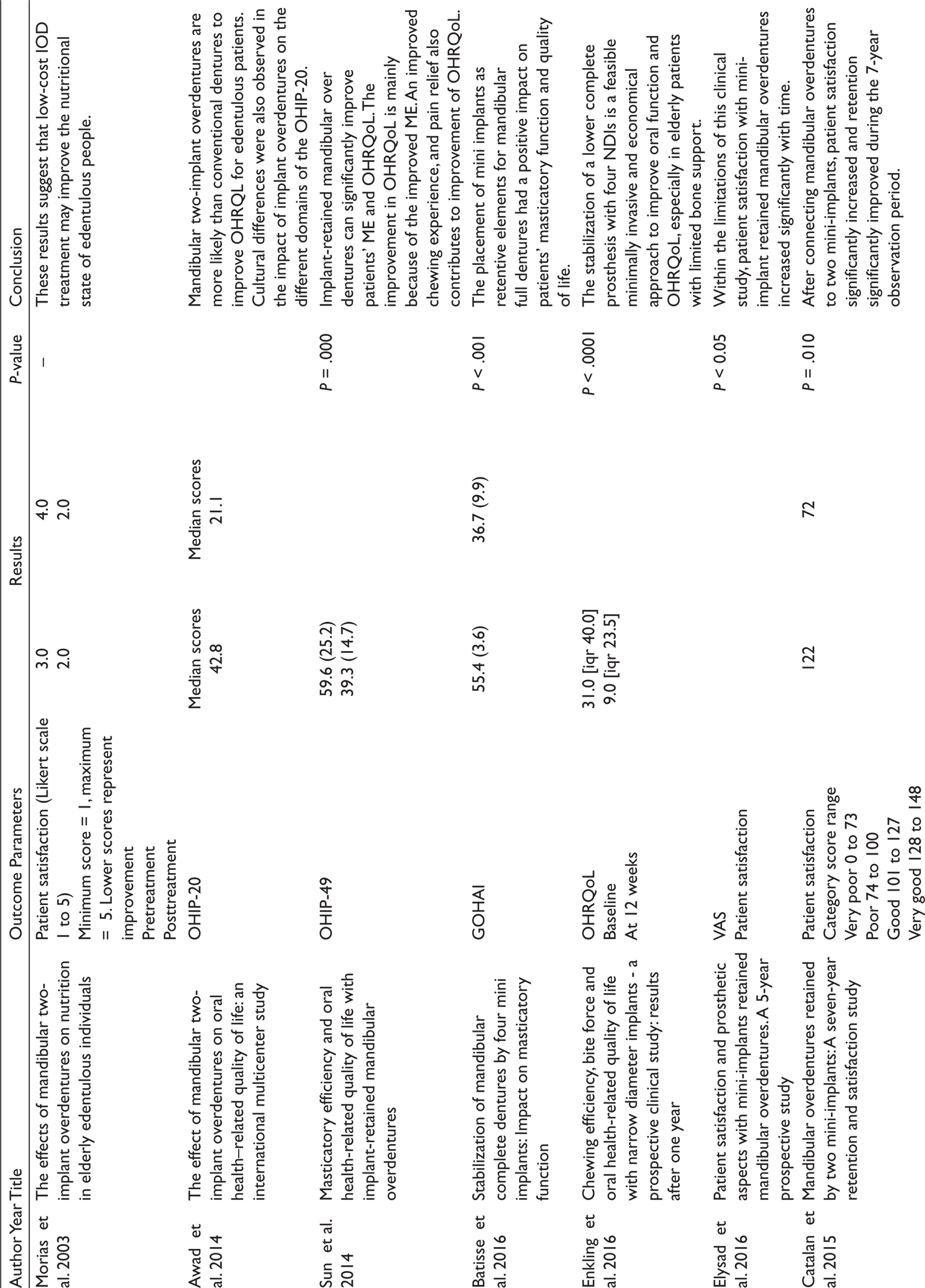
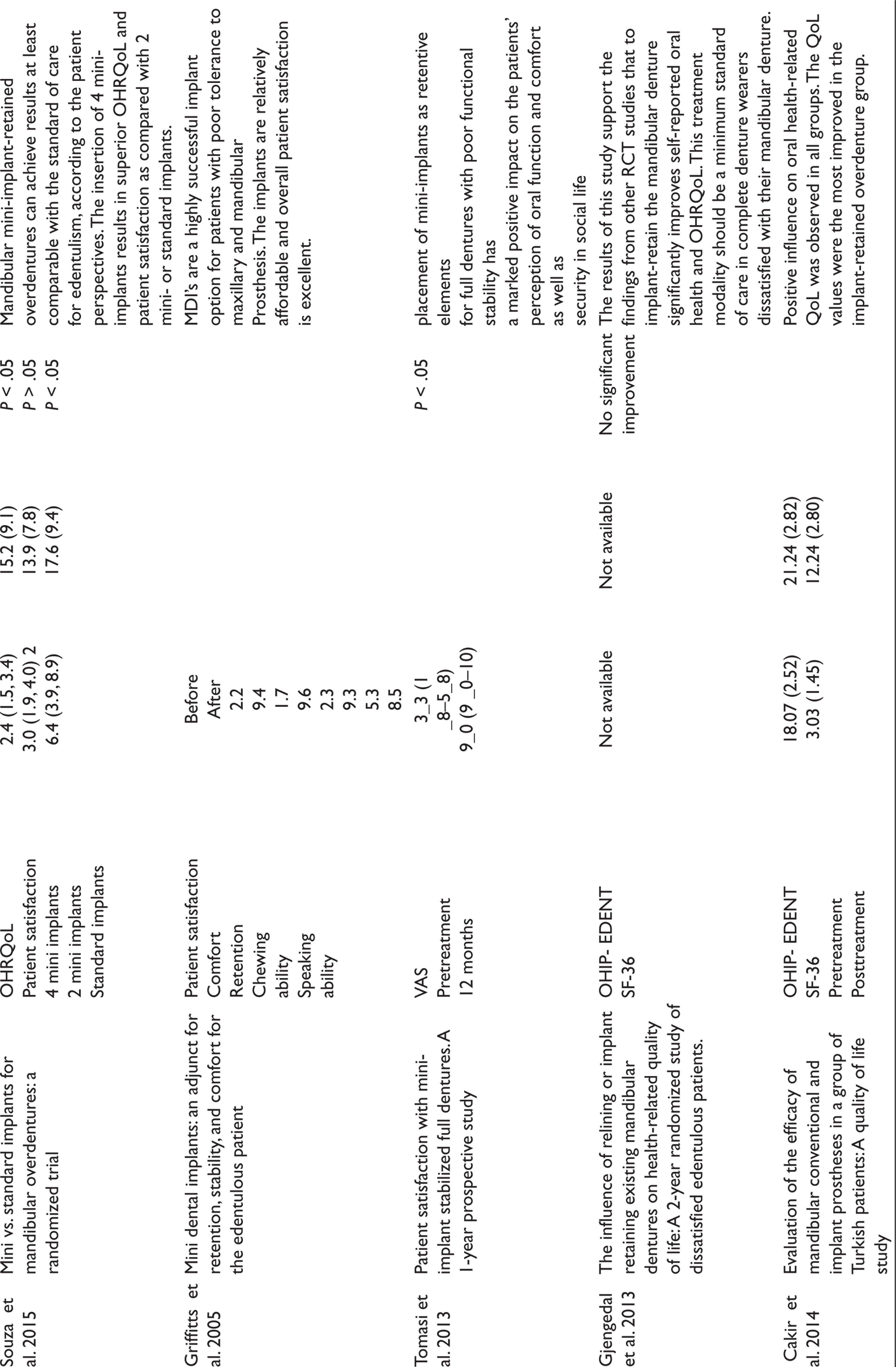
One review author identified randomized trials meeting inclusion criteria for this review. Two review authors extracted data and assessed study quality. Agreement between observers for methodological quality was measured using kappa with quadratic weights. Disagreements were resolved by consensus. Out of the 62 articles obtained from searching all databases, 26 studies were excluded based on title and abstract. Out of the remaining 36 studies, 12 were excluded based on the inclusion and exclusion criteria of our interest and 24 were included on the basis of core data. The PRISMA chart depicts the article selection process for this systematic review (Figure 1). The general information of all the included articles in this systematic review, the statistics used, and the outcome measures of those studies were tabulated (Table 1). The types of outcome measures related to the QoL used in studies included in this systematic review were consolidated (Table 2). The data extracted from these studies were analyzed (Table 3). The level of evidence according to Oxford Centre for Evidence-Based Medicine 2011 was also tabulated (Table 4). The risk of bias of the included studies was analyzed and summarized (Table 5). Because the included studies exhibited wide heterogeneity, a meta-analysis was not possible and forest plot could not be generated.
General Information of all the Included Articles in This Systematic Review and the Outcome Measures Used in Those Studies
Discussion
This study included 24 randomized control trials, majority of which conclude that implant-supported overdenture provides improved QoL for edentulous patients. The studies showed high risk of bias and thus meta-analysis was not performed. The quality of the edentulous ridges was not mentioned clearly and randomization and allocation concealment were not done prudently in many of the studies included. Heydecke et al. published two studies and concluded that the majority of patients in this trial were significantly more satisfied with maxillary implant overdentures than with fixed prosthesis32,33 Awad et al. conducted two studies before the McGill consensus statement in 2000 and 2003, and one study post the consensus in 2014. The conclusion of two out of three studies, post the consensus statement declaration seems to favor implant overdenture over conventional in the improvement of QoL of edentulous patients.
Types of Outcome Measures Review Related to the Quality of Life, Used in Studies Included in This Systematic Review
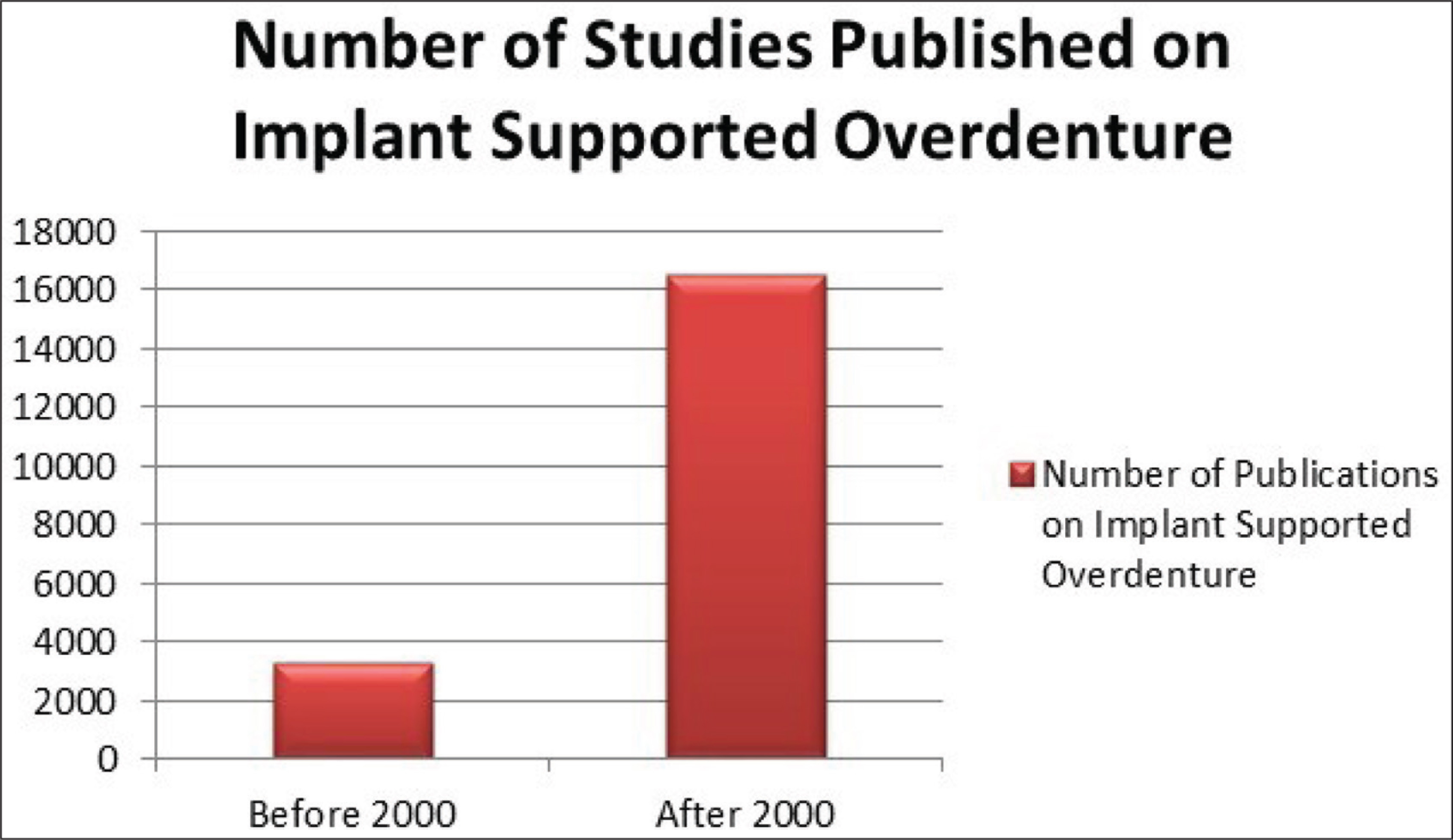
It is also essential to note that there is an enormous amount of publications on this topic, especially post the consensus statement, heavily focusing on the use of implant-supported overdenture.15,17,32–36 Of the 16,500 published articles, 80% were published after 2003, which is post the consensus (Figure 2). Financial aid for the studies included in this review was majorly from commercial entities, which could be a possible influence on positive reporting (Figure 3).36–41 The risk of bias is high with the included studies in this review and the conclusions drawn from the studies should be interpreted with caution.
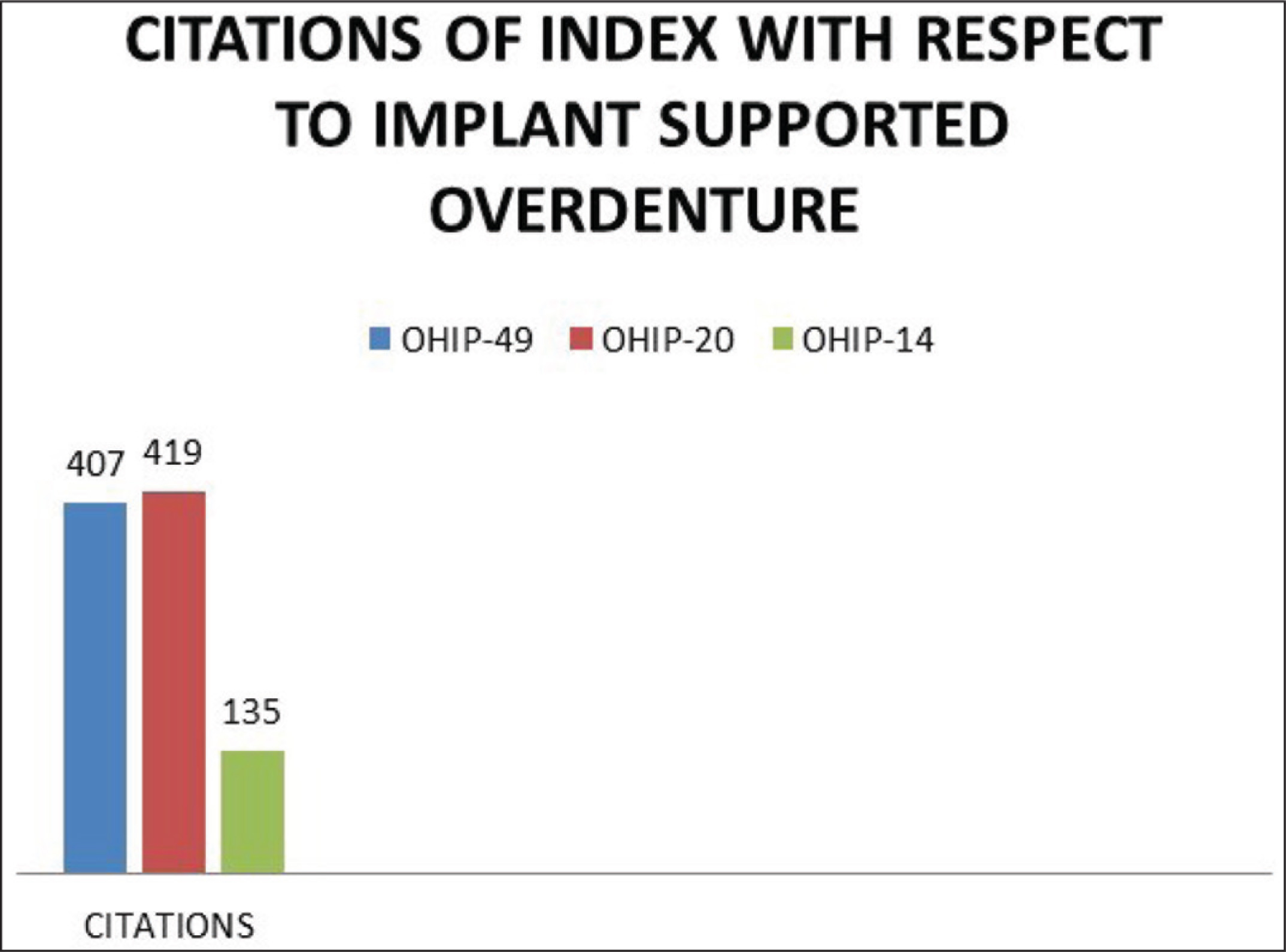
The most commonly used parameter to objectify the QoL is Oral Health Impact Profile (OHIP) questionnaire index (Figure 4).42–44 Following are the three versions of this index available till date, which have been improved over the years: OHIP-49, OHIP-20, and OHIP-14. These deduce the same outcome and have 49, 20, 14 questions in the questionnaire, respectively.32,45–49 The OHIP-49 has 407 citations in implant overdenture studies and is the most often used parameter in the articles included in this review. The other versions OHIP-2033,36 and OHIP-1443,50 have about 419 and 135 citations, respectively (Figure 5). Awad et al., used the index OHIP-49 in the studies conducted in 2000 and 2003, whereas they shifted to the modified version, OHIP-20, in the year 2014. Heydecke et al., used OHIP-49 in the year 2003 and OHIP-20 in the year 2005. This information focuses on the paradigm shift in the use of modified versions of OHIP in recent years.41,46,51
Tissue-supported CD have rendered excellent service in rehabilitating edentulous patients. If patients adapted to these dentures express satisfaction with their QoL, the question of placing implants to further improve the QoL should be approached prudently after careful evaluation of the magnitude of the expected effect size. It was observed in this review that the difference in the QoL of edentulous patients with implant-supported overdenture was very fluctuant. This substantial variation for similar treatments shows that the data may not be used as absolute confirmatory evidence to formulate clinical practice guidelines and strong consensus reports based on research sponsored by private bodies. Although most implant manufacturing companies disclaim their influence on the research, one should acknowledge that there is an unspoken expectation placed on researchers to look for positive correlations in line with the expectations of the market.
One of the most emphasized philosophies in evidence-based dentistry is that correlation does not equal causation. Hence, the consensus statement based on nonobjective measurements may not be fully authenticated to recommend multiple implant-supported overdenture as the general protocol for patients all over the world. Future research with well-designed randomized, multicentric clinical trials sponsored by nonprofit organizations with stringent objective outcome measures should be the preferable form of evidence to scholars to select while making consensus statements to avoid the influence of major commercial entities in our medical decision-making process.
Conclusion
The OHRQoL in completely edentulous mandibular patients wearing implant-supported overdentures was better when compared to conventional tissue-supported CD. However, all the parameters for evaluating absolute clinical success of OHRQoL showed wider variability in success rates with two implant-supported overdentures. Hence, there is a definitive need for more clarity in the understanding of the success of mandibular implant overdenture treatment that was proposed by the McGill consensus. Clinicians must scrutinize the existing evidence and determine the external validity of the clinical practice guideline to formulate a protocol by striking a balance between efficient and evidence-based treatment. Independent studies funded by nonprofitable organizations are of paramount importance to derive a standard protocol to enhance more effective patient care.
Clinical Significance
There are about more than 170 reviews and clinical trials that have been published in support of the same for the past two decades. Because most of this literature has been supported by private market players with an intention to promote one form of treatment over another, there is a need to analyze the literature for the significance of improvement and bias-adjusted outcome evaluation to determine the universal external validity of this clinical practice guideline.
Details About the Outcome Variables, Their Statistical Significance, and Conclusion Data Extracted From the Studies Included in This Systematic Review
CEBM Level of Evidence of Included Studies (According to Oxford Centre for Evidence-Based Medicine 2011, Levels of Evidence)
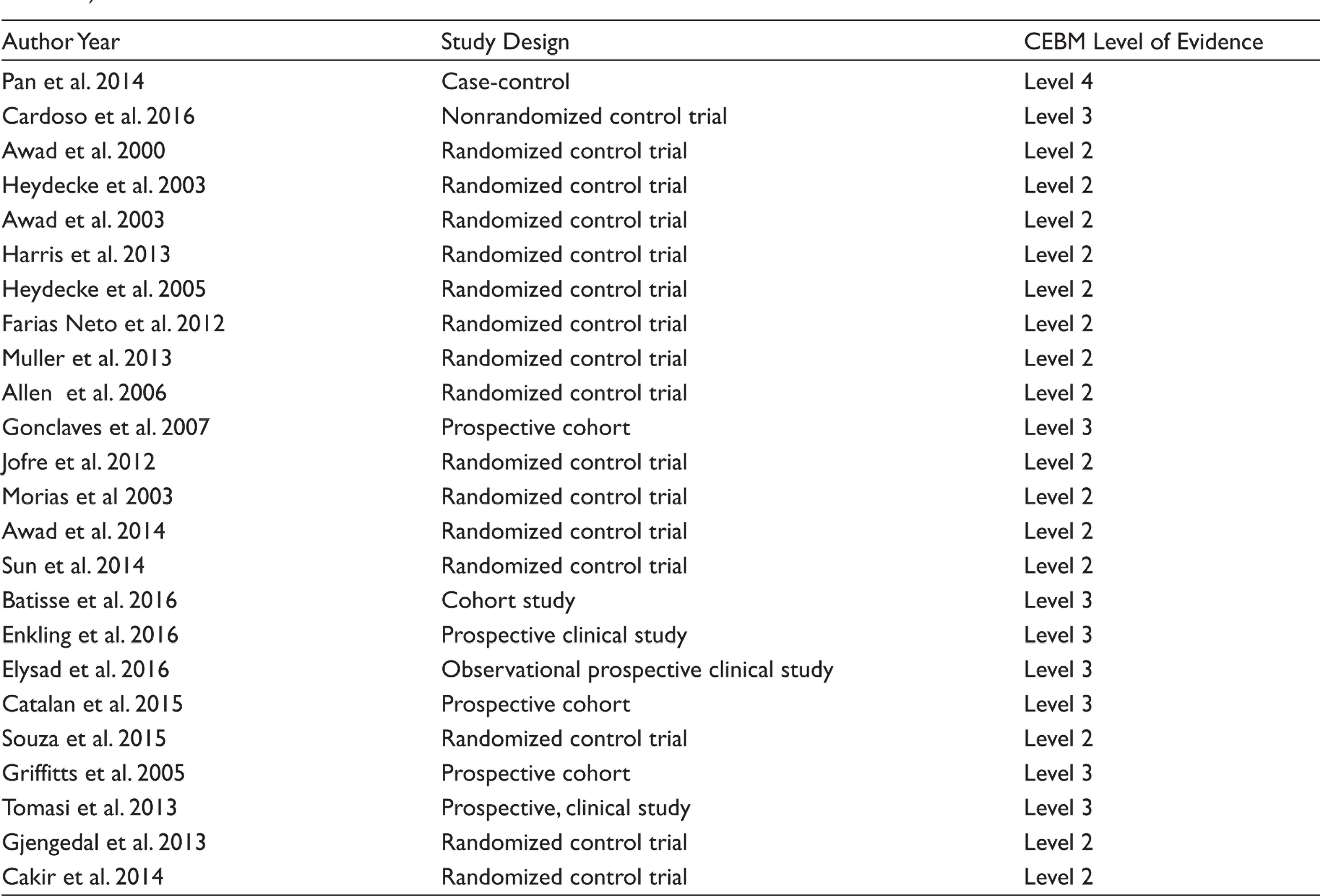
Image Showing the Number of Studies Published on Mandibular Two Implant-Supported Overdenture
Risk of Bias of Included Studies
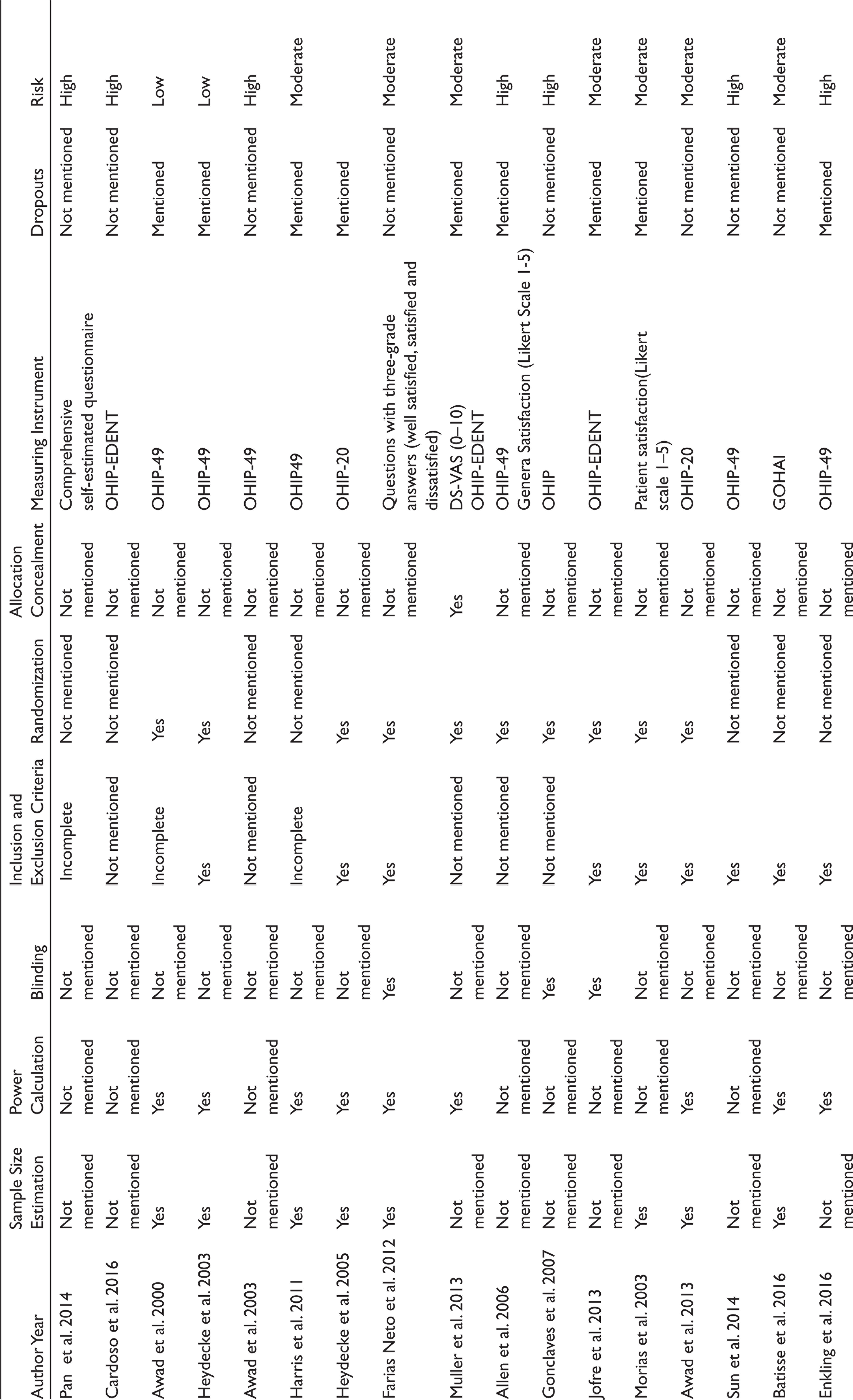
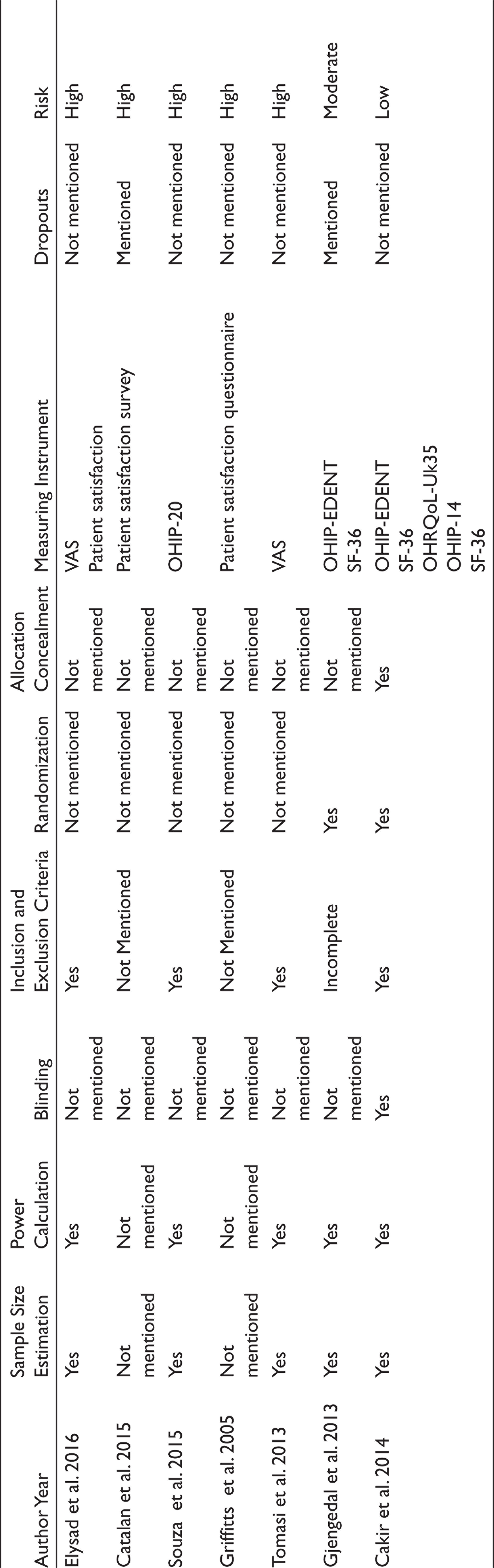
Image Showing the Funding for the Studies on Mandibular Two Implant Supported Overdenture Included in This Systematic Review
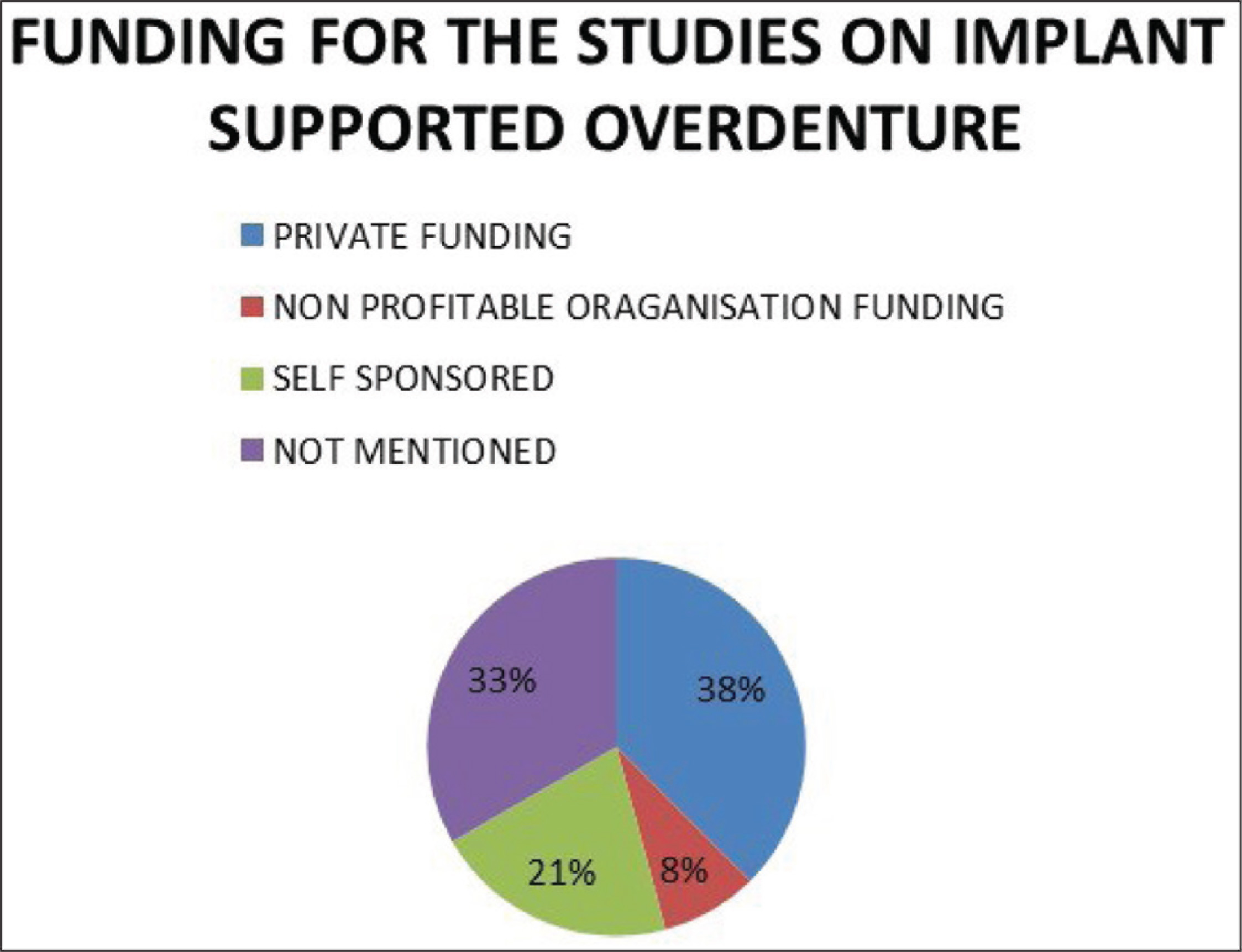
Image Showing the Frequency of Indexes Used for OHRQoL of Mandibular Two Implant-Supported Overdenture Included in This Systematic Review
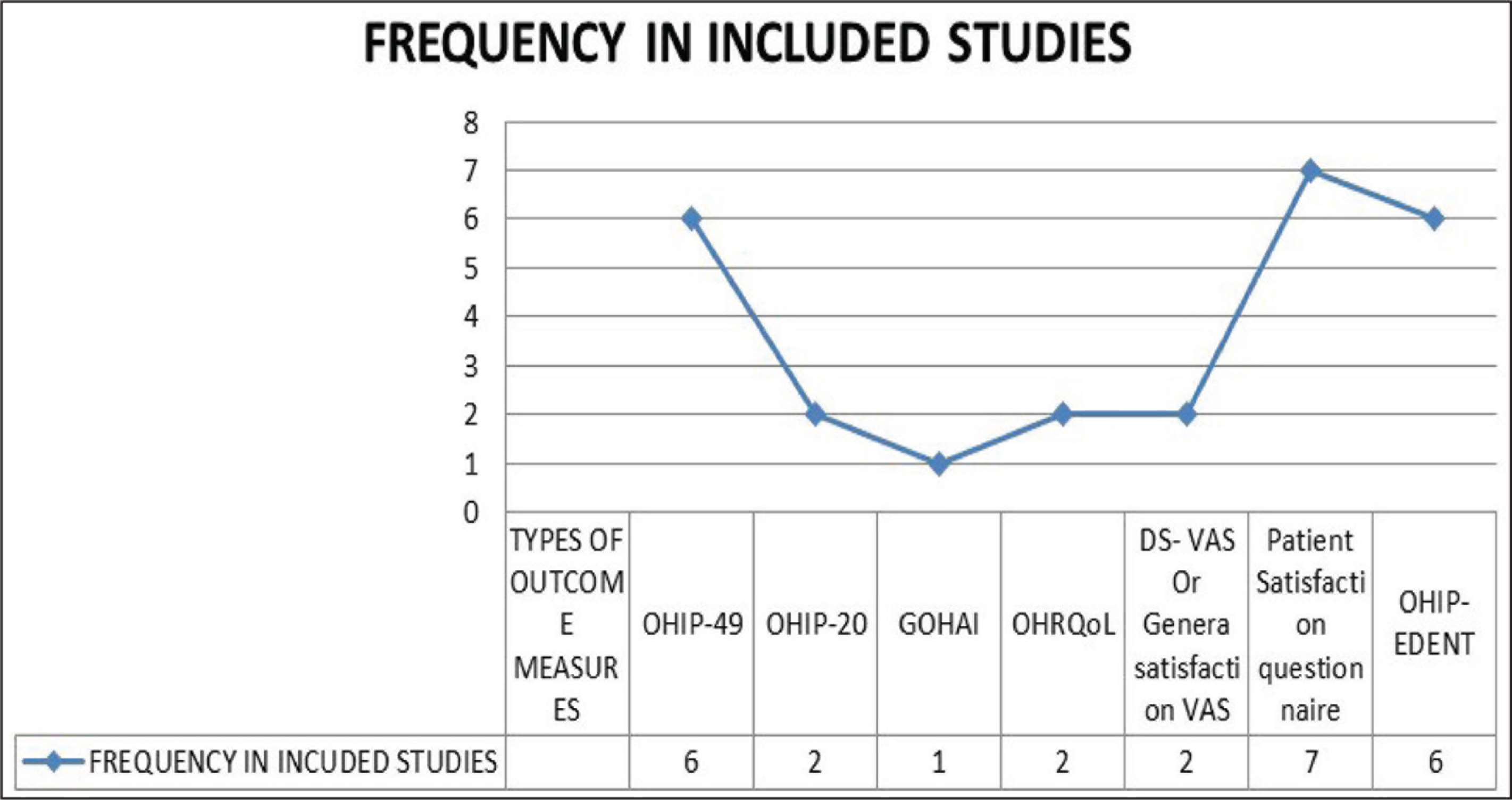
Image Showing the Number of Citations of Index With Respect to Mandibular Two Implant-Supported Overdenture Included in This Systematic Review
Future Scope
This review offers scope for further well-structured randomized control trials in different geographical locations studying different ethnic populations about implant-supported mandibular overdentures. This can be used as future evidence to assess the hard and soft tissue changes associated with the prosthesis.
Footnotes
Acknowledgements
The authors acknowledge Saveetha University for all the help and support.
Author Contributions
Vaishnavi Rajaraman carried out the systematic review by collecting data and drafted the manuscript after performing necessary statistical analysis. Deepak Nallaswamy aided in the conception of the topic, participated in the study design and statistical analysis, and supervised the preparation of manuscript. Dhanraj M Ganapathy helped in the study design and coordinated in developing the manuscript. Ashok Velayudhan helped in editing and revising the manuscript. All the authors have equally contributed in developing the manuscript.
Data Availability Statement
The authors confirm that the data supporting the findings of this study are available within the article (and/or) its supplementary materials.
Declaration of Conflicting Interests
The authors declared no potential conflicts of interest with respect to the research, authorship, and/or publication of this article.
Funding
The authors received no financial support for the research, authorship, and/or publication of this article.