




Abstract
Aim:
To explore the evidence available to evaluate if simplified dentures could be as effective as the conventional complete dentures.
Materials and Methods:
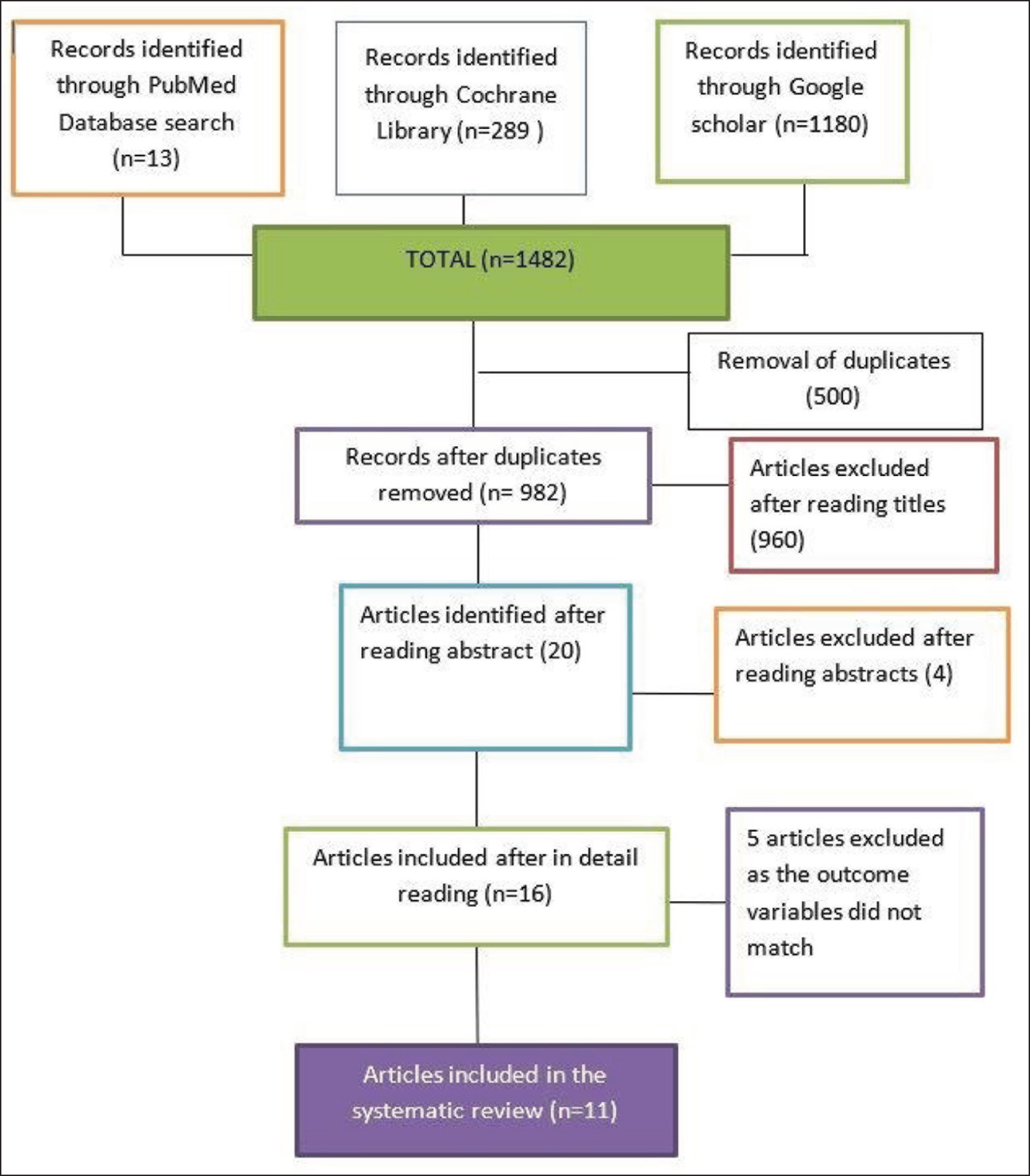
A total of 1,482 articles were obtained using keywords in a Boolean search operator in the PubMed search engine, Google Scholar and Cochrane Library. Duplicates were removed and the remaining articles were subjected to a title analysis which yielded a total of 20. Further analysis of the article abstracts led to an exclusion of four articles. The remaining 16 articles were subjected to full text analysis which finally yielded a total of 11 articles.
Results:
The cumulative results of the meta-analysis for oral health-related quality of life, patient satisfaction and professional quality of denture show no significant difference (P > .05) between conventional and simplified dentures.
Conclusion:
Based on the available evidence adjusted for the potential literature/geographic bias, we conclude that the conventional procedures in complete denture fabrication such as facebow and gothic arch tracing do not improve the quality of the denture outcome from patients’ perspective and simplified dentures are equally effective as conventional complete dentures.
Abbreviations
CD: Complete denture
FAD: Functional assessment of dentures
OHIP: Oral health impact profile
OHRQoL: Oral health-related quality of life
PICO: Population, intervention, comparison, outcome
PMMA: Polymethylmethacrylate
PRISMA: Preferred reporting items for systematic reviews and meta-analyses
RCT: Randomized controlled trial
SR: Systematic review
VAS: Visual analogue scale
Introduction
Conventional complete dentures (CDs) are the most common and successful treatment for rehabilitating edentulous patients universally.1–3 There has been constant evolution in the fabrication of CD methods and denture base materials since the 16th century ranging from bone, wood, ivory, gold, wax, porcelain, vulcanite, xyloidine, tin, aluminium, bakelite and finally polymethylmethacrylate (PMMA). 4 The conventional six-appointment protocol used for CD fabrication demands a complex sequence of clinical and laboratory procedures.5,6 Majority of postgraduate programmes across all dental schools follow this method of CD fabrication on the notion that it renders better treatment for the patient.7–9
Unfortunately, it has been widely reported that only a minor part of all the methods which are taught in dental schools are used in clinical practice.10,11 Numerous clinical trials have shown that some conventional steps such as facebow transfer, gothic arch tracing and even secondary impressions do not improve the overall treatment average outcome in CD therapy.12–14 With two contradicting schools of thought, one recommending the arduous and extensive procedures for accuracy and another showing no significant benefit of the same, there is a need to analyse the literature to determine the validity and consensus of the scientific evidence.
The simplified method of CD fabrication could range between 2 and 4 appointments and a majority of the authors refer to the four-step technique when they refer to simplified CD. This four-step simplified denture fabrication does not involve steps of secondary impression, facebow transfer, gothic arch tracing and balanced occlusion. Minimizing these steps will substantially reduce the clinical and the laboratory time expended, hence ensuring a faster treatment outcome with less financial burden. Special terms such as tri-denture, two-step denture, CAD-CAM denture, baltic denture are used to specify other forms of simplified dentures.15–17 This systematic review (SR) was conducted with an aim to explore the evidence available for four-step simplified denture technique and to evaluate if these dentures could be as effective as the six-step conventional balanced CDs.
Materials and Methods
This SR was designed according to the guidelines of the Preferred Reporting Item for Systematic Review and Meta-Analysis (PRISMA) guidelines.
Structured Questions
Does simplified CD protocol provide cost and time benefit ratio to the practitioner compared to the conventional denture protocol?
Do simplified dentures significantly provide better patient satisfaction compared to the conventional dentures?
Literature Search Protocol
Publications of interest within the scope of this focused SR were searched in the electronic database National Library of Medicine (MEDLINE/PubMed), Google Scholar and Cochrane Library using the PICO (Population, Intervention, Comparison and Outcomes) framework. There were no restrictions or filters applied for the type of literature. Five articles were translated from German and Japanese languages using a professional translator but those articles were excluded from the review after reading the abstract. A PICO analysis was done to formulate and execute the search strategy to address the structured questions. The PICO and search keywords formulated for literature search were as follows (Figure 1):
PRISMA Flowchart for Search Methodology
Article Eligibility Criteria
The articles were selected according to the following eligibility criteria. Inclusion criteria: Randomized controlled trials comparing the effectiveness of conventional and simplified CDs. Exclusion Criteria: Cohort studies, case control studies, case reports, case series and single group studies.
Quality Assessment
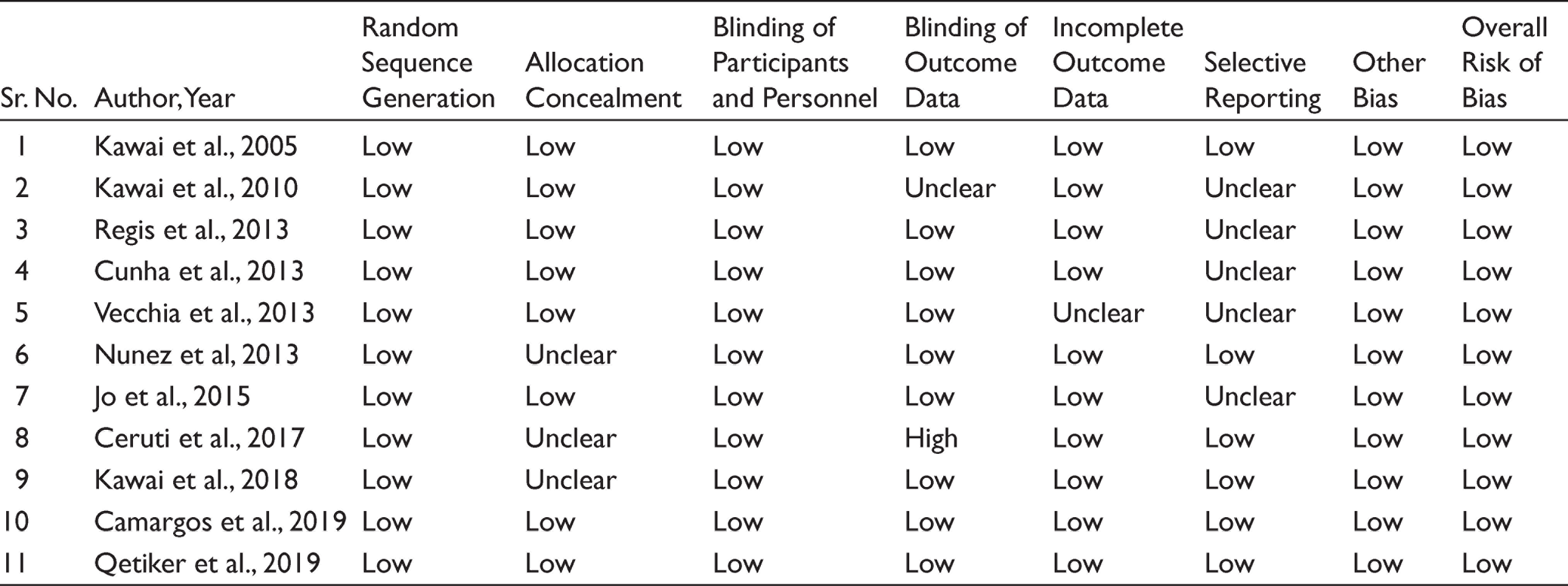
The three authors have performed a quality assessment using the Cochrane Collaboration tool for assessing the risk of bias. All the selected articles were assessed by the first and second authors. The studies were evaluated using the domains (namely, random sequence generation, allocation concealment, blinding of the participant and personnel, blinding of the outcome assessment, incomplete outcome data, selective outcome reporting and other bias). The studies were rated further as a risk of bias (low, medium and high) by the investigators.
Outcome Variables
The outcomes of interest in this SR are total cost incurred on the CD fabrication (clinical+laboratory), total time spent by the clinician, patient and the lab technician, masticatory performance, patient satisfaction and oral health-related quality of life (OHRQoL) with CDs.
Data Extraction
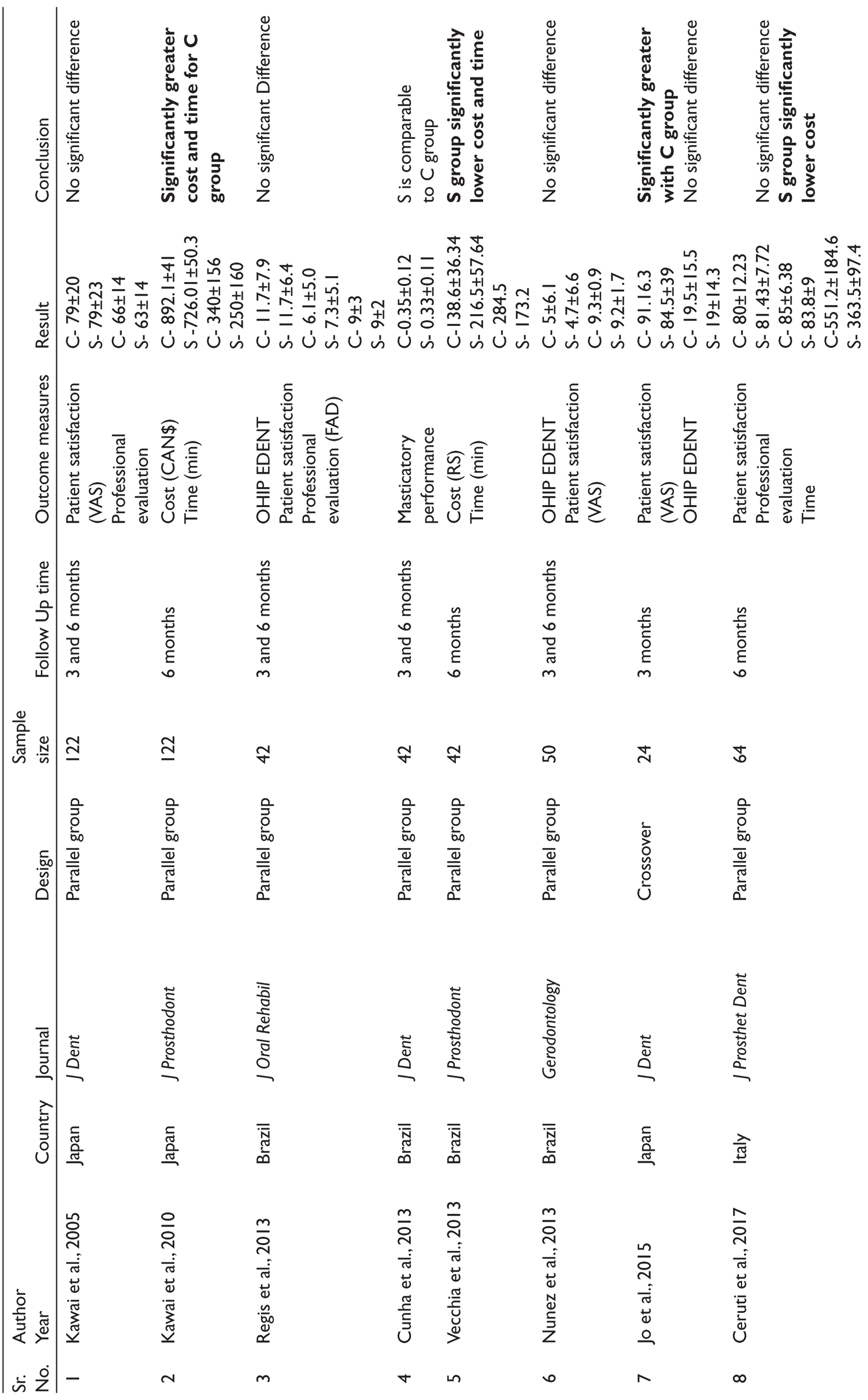
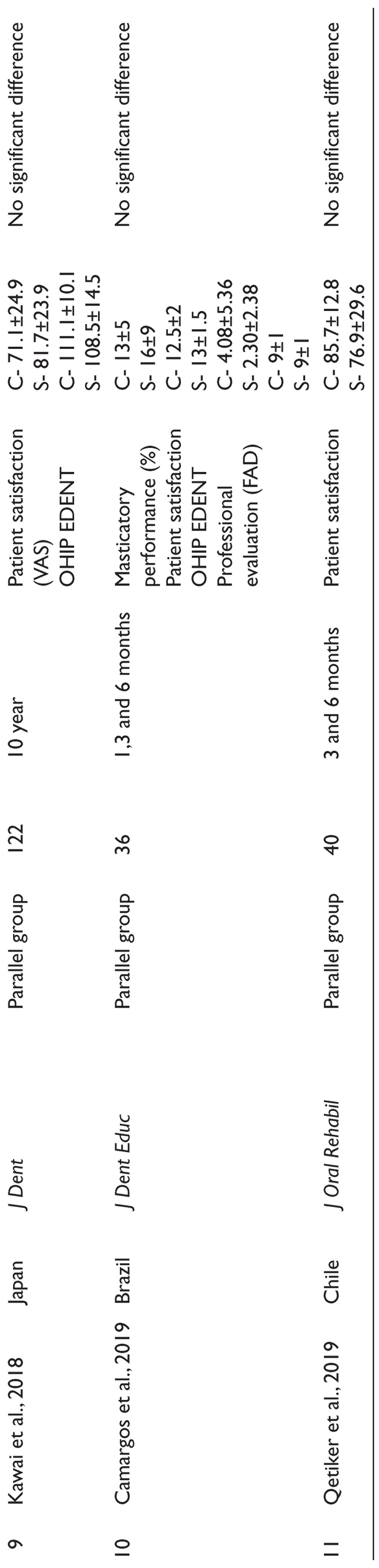
The data of the selected studies were extracted using customized data abstraction tables. Information extracted from each study included the author and year, country, journal, study type, study design, sample size, follow-up time, outcome measure, statistical evaluation of the result and conclusion. The obtained information were tabulated and subjected to further analysis (Tables 1–4).
Characteristics and Summary of Included Studies
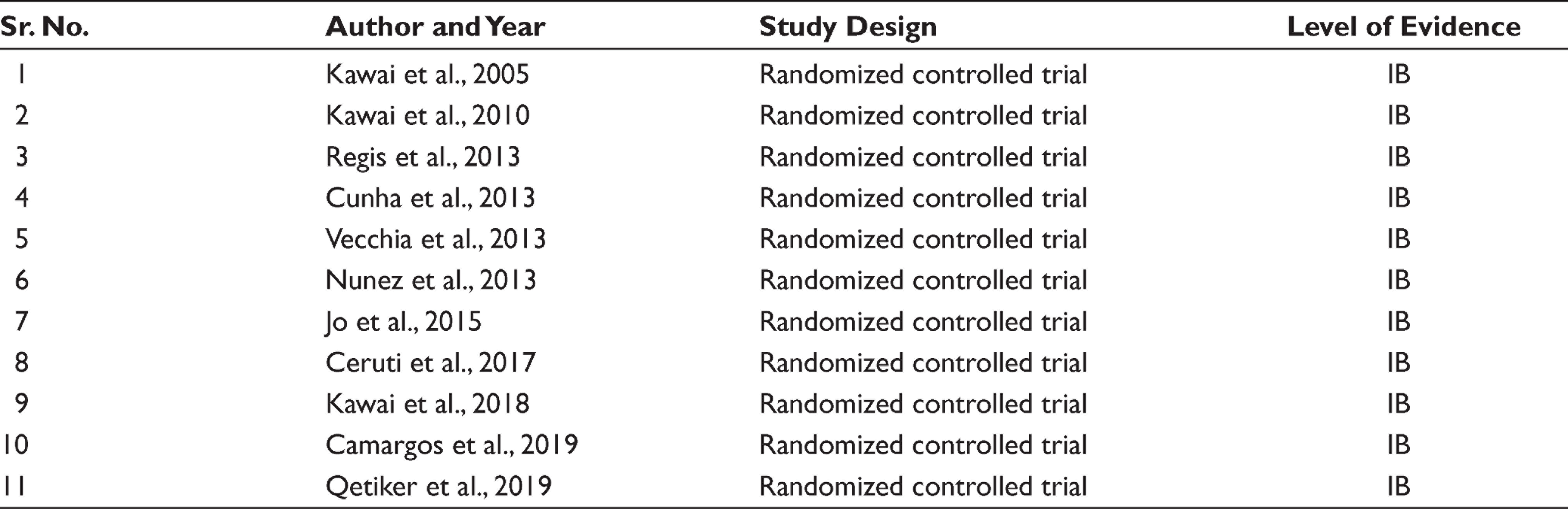
Levels of Evidence (According to Oxford Centre for Evidence-Based Medicine 2011 Levels of Evidence)
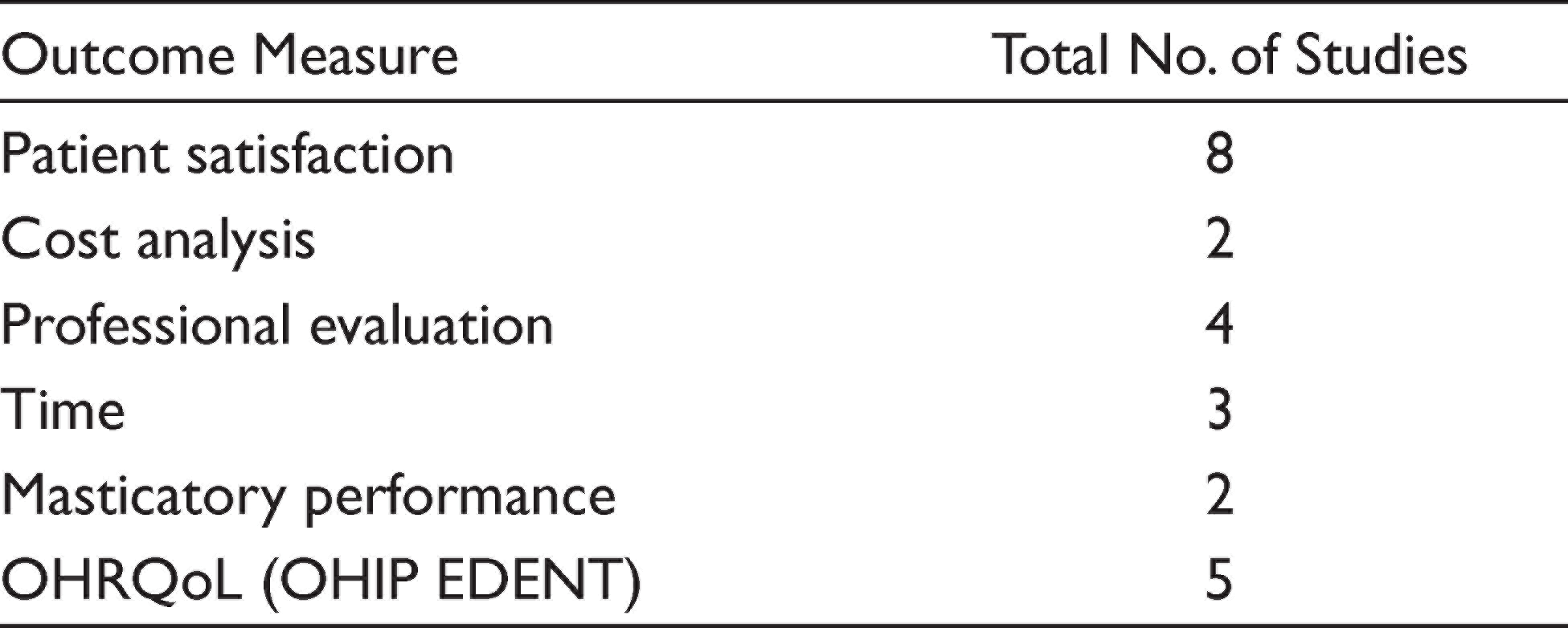
Groups of Studies Based on Parameters Assessing Outcome Variables
Assessment of Risk of Bias for RCTs Using Cochrane Collaboration’s ‘Risk of Bias Tool’
Results
Meta-analysis was planned for five outcome measures, namely patient satisfaction (VAS), OHRQoL (OHIP), professional evaluation of denture, time and cost as these measures had similar methodology, measuring instruments and comparison between conventional and simplified methods of CD fabrication. Five studies were included for OHIP, four for VAS and professional evaluation, three for time and two for cost.
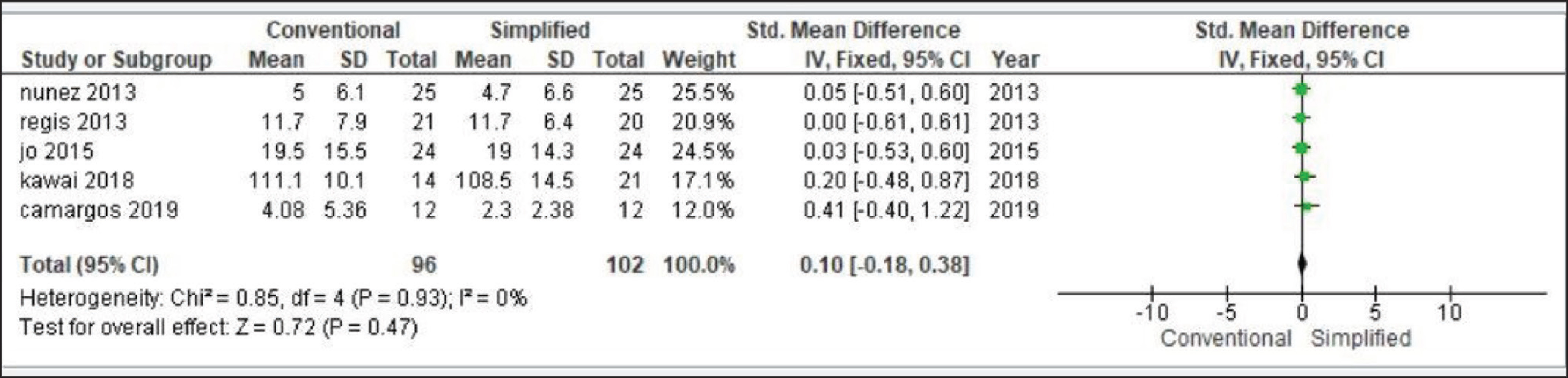
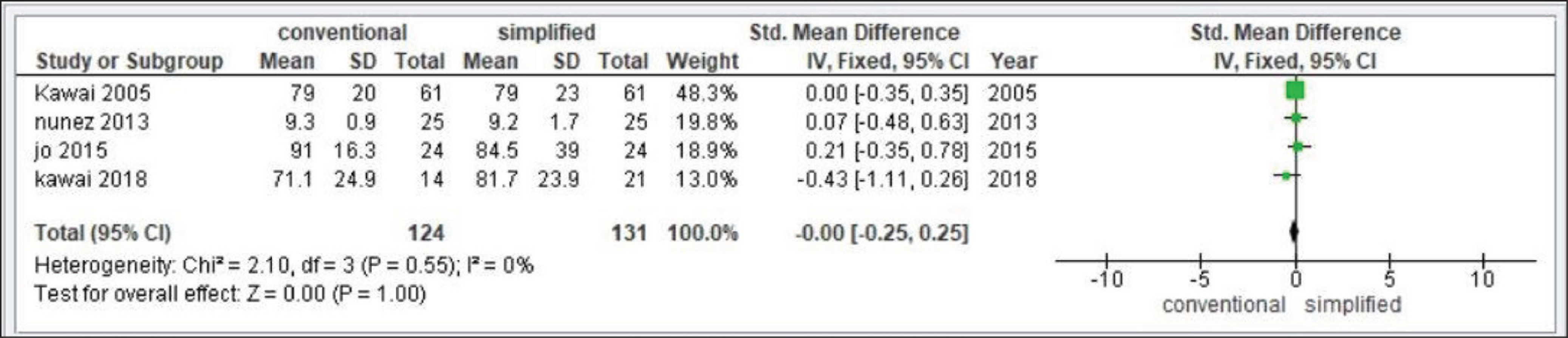
Figure 2 is presented a forest plot showing meta-analysis for the outcome OHRQoL (OHIP). Figure 3 is related to forest plot showing meta-analysis for the outcome patient satisfaction (VAS). Figure 4 is a forest plot showing meta-analysis for the outcome professional evaluation of denture. Figure 5 is related to a forest plot showing meta-analysis for the outcome time (min). Figure 6 is a forest plot showing meta-analysis for the outcome cost.
Forest Plot Showing Meta-analysis for the Outcome Oral Health-Related Quality of Life (OHIP)
Forest Plot Showing Meta-analysis for the Outcome Patient Satisfaction (VAS)
Forest Plot Showing Meta-analysis for the Outcome Professional Evaluation of Denture
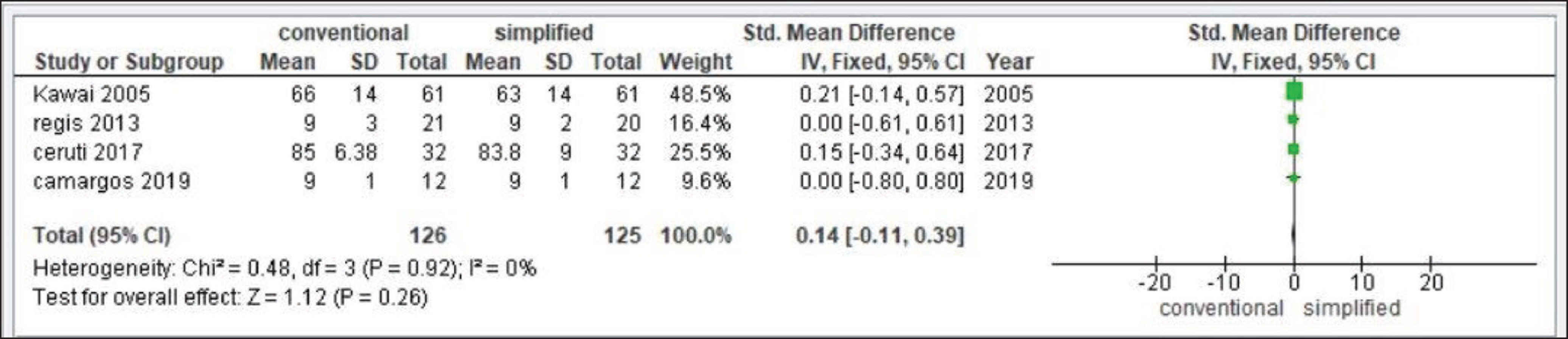
The cumulative results of the meta-analysis for OHRQoL, patient satisfaction and professional quality of denture show no significant difference between conventional and simplified dentures. For the time and cost factor, the meta-analysis displays superiority and favours simplified dentures. Figure 2 shows the meta-analysis of articles comparing OHRQoL (OHIP) between conventional and simplified denture wearers, Figure 3 shows a comparison of patient satisfaction between the two, Figure 4 shows comparison of professional evaluation of the dentures, Figure 5 shows comparison of time required to fabricate the dentures and Figure 6 shows cost involved in making the dentures. The OHIP, VAS and professional evaluation of included studies have low heterogeneity (I 2 ) while the time and cost plots are observed to possess high heterogeneity. The overall effect of the consolidated meta-analysis proves no difference in simplified and conventional dentures.
Forest Plot Showing Meta-analysis for the Outcome Time (min)

Forest Plot Showing Meta-analysis for the Outcome Cost

Discussion
This SR followed the recent guidelines of PRISMA to evaluate the best available evidence as regards to the pragmatic altercations present on the simplified dentures and if these dentures can replace the conventional CDs.18,19 This review presented a focused PICO question related to simplified protocol for fabrication of CDs. This ensured the homogeneity of the studies and only RCTs with a minimum follow-up period of three months were included. The RCTs included were 11 in number, with 1B level of evidence; however, for the present research which is a SR of the included RCTs, the level of evidence was affixed 1A according to Oxford Centre for Evidence-Based Medicine 2011 Levels of Evidence. 20
The outcome measures included in the review were cost analysis, time, patient satisfaction, OHRQoL, masticatory performance and professional evaluation of the dentures. Table 4 depicts the number of studies included for each outcome variable. OHRQoL was measured by five included studies using the OHIP EDENT scale. All the studies proved that there is no significant difference in the OHRQoL of patients wearing dentures fabricated from conventional or simplified techniques.21–25 This also shows that OHIP EDENT is the most widely used scale for measuring the OHRQoL.
Patient satisfaction or general satisfaction was measured by either VAS scores or different questionnaires.26–28 This outcome is considered to be patient-related and is very significant for the clinician. Eight studies included this outcome measure and seven out of them stated that both the simplified as well as conventional CDs provided similar patient satisfaction.21–25,29–31 Only the study by Jo et al., stated that conventional CDs provided better satisfaction to the patients. 25 The study by Regis et al. demonstrated that the participants wearing dentures fabricated by the simplified method reported better retention with lower dentures and ability to speak at 3 months follow-up, but at 6 months, there was no significant difference. 21 This could be because of the time taken by the patient to get adapted to their dentures.
Masticatory performance includes the chewing ability by the patient as well as the chewing efficiency as recorded by the researcher. Denture wearers present only 30% masticatory efficiency compared to dentate people. It was concluded that simplified denture does not lead to further masticatory impairment.24,32 According to Komagamine et al., 33 CDs fabricated by the conventional method provided a larger contact area than the simplified method which contributed to earlier stability of new dentures. This led to a shorter adaptation period of new dentures and reduced number of post-insertion denture adjustments.
Another method many studies have employed to evaluate prosthesis is blinded professional evaluation where an experienced prosthodontist was asked to clinically evaluate multiple dentures fabricated for the same patients made using different techniques. Four studies utilized this measure, two out of which used the Functional Assessment of Dentures score.21,24,29,30 Considering clinician-reported denture quality as whole, results showed no significant difference between the two groups.
The total cost–time analysis included the direct and indirect cost and time involved in the denture fabrication. According to Vecchia et al., 34 the simplified method reduced 23% of the average costs involved in CD treatment. According to Kawai et al., the mean total time for conventional denture fabrication was 36% more than the simplified technique. 35 Complete case analysis showed that time and cost differences between techniques were relevant during denture fabrication for dentists and dental assistants, but not during post-insertion adjustments.36,37
The internal validity of most research reported in this topic was very sound because the included studies are well-designed RCTs but the external validity may be limited because out of 11 included studies, 5 are from Brazil21,22,24,32,34 and 4 from Japan.23,25,29,35 Three studies from Japan are by the same author, Kawai et al.23,29,35 He conducted an RCT in 2005 with a considerable sample size of 122 comparing the simplified vs conventional CD fabrication technique. In 2015, he did a follow-up of 10 years for the same patients with OHRQoL and patient satisfaction survey. This is the only study in literature to have such a long follow-up for this comparison. Three papers from Brazil include the same study but have different outcome measures.21,32,34 So, this SR does not have a wide geographical reach in terms of places where studies have been conducted.
In spite of the fact that two-step procedures for CD impressions dominate textbooks, teaching and specialist practice, Carlsson et al. concluded that there is no evidence to support the superiority of the two-step impression procedure for CD construction except that some special clinical situations may benefit from several combinations of materials and techniques. 36 Farias-Neto and Carreiro declared that the ability to simplify means to eliminate the unnecessary so that the necessary may speak. Patients expect their dentists to perform only treatment procedures that are essential. 38 The findings of Yohn showed that the facebow transfer treatment procedure is not very necessary. 39
In the study by Camargos, the simplified method for CD fabrication was able to produce prostheses with functional quality comparable to the conventional method, even when performed by final-year dental students. Furthermore, the method of fabrication did not affect patients’ satisfaction or OHRQoL, the prostheses’ quality or masticatory performance of the individuals evaluated. 24
All these outcomes prove that conventional techniques can be replaced by the simplified denture fabrication protocol.40,41 The simplified method has also been shown to be a reliable treatment approach that can be incorporated into the academic curriculum and health systems, making treatment cheaper, quicker, easy to execute and with results similar to the traditional method.42,43 Despite the validity of simplified methods for commonly found clinical cases, special conditions (e.g., severely resorbed ridges) may still demand conventional approaches.
Conclusion
Based on the available evidence adjusted for the potential literature/geographic bias, we can recommend that the conventional procedures in CD fabrication such as facebow and gothic arch tracing do not improve the quality of the denture outcome from patients’ perspective. This SR can be used as a substantial and additional piece of evidence not congruent with the classical and puritan approach in prosthodontics.
Future Scope
Numerous clinical trials have shown that some conventional steps such as facebow transfer, gothic arch tracing and even secondary impressions do not drastically improve the overall treatment outcome in CD therapy. The simplified method of CD fabrication could range between two and four appointments and a majority of the authors refer to the four-step technique when they refer to simplified CD. This SR aims to recognize the importance of these extra steps.
Footnotes
Acknowledgements
The authors acknowledge Saveetha University for all the help and support.
Author Contributions
Author 1 (Saloni Kachhara) carried out the SR by collecting data and drafted the manuscript after performing necessary statistical analysis. Author 2 (Deepak Nallaswamy) aided in the conception of the topic, participated in the study design, statistical analysis and supervised the preparation of manuscript. Author 3 (Dhanraj M. Ganapathy) helped in study design and coordinated in developing the manuscript. Author 4 (Subhabrata Maiti) helped in editing and revising the manuscript. All the authors have equally contributed in developing the manuscript. The manuscript has been read and approved by all the authors and each author believes that the manuscript represents honest work.
Data Availability Statement
The authors confirm that the data supporting the findings of this study are available within the article and/or its supplementary materials.
Declaration of Conflicting Interests
The authors declared no potential conflicts of interest with respect to the research, authorship and/or publication of this article.
Funding
The authors received no financial support for the research, authorship and/or publication of this article.