



Abstract
This study aims to examine the farmers’ perception towards the benefits of organic farming in Haryana. These benefits are categorised into three parts: health benefits, environmental benefits and economic benefits. The new era of modernisation required the sustainable growth of mankind as the advancement in all aspects of human life has serious drawbacks. In terms of agriculture and allies, organic farming is considered more friendly to human life and the universe. So, this study has been related to agriculture as the farmers who are engaging in organic farming–related activities are included in this study. The data were collected with a semi-structured questionnaire, and convenience and snowball sampling were used for data collection. A total of 250 farmers were included in this study. Statistical tools such as frequency, percentage, t-test and one-way ANOVA were employed for data analysis. The results revealed that certified, educated and experienced farmers have high agreement towards the benefits of organic farming. So, the concerned authorities should motivate educated farmers to adopt organic farming and ensure the certification of their products.
Introduction
‘If we’re looking to feed the world for the next 50 years, conventional can do it. But if we’re looking at feeding the world for the next 1500 years, we must switch over to organic.’—Mark Smallwood
Every object of the universe is interconnected with each other; nothing works in isolation. Life starts from the soil, and 90% of the food consumed by the living objects of the earth, directly and indirectly, comes from the soil. 1 If we fail to focus on the earth, it would impact the existing system of the food chain. For human civilisation, human needs have been continuously increasing. In addition to this, the demand for food has also increased side by side with the population. To fulfil the increasing demand for food, humans had started the use of chemical and synthetic fertilisers. The system of conventional farming uses different pesticides which impact the health, environment, water and soil (Ghosh, 2003). Organic practices impound carbon and nitrogen in the soil, which provides double benefits to the environment. 2 Organic soil can accumulate more carbon than the atmosphere and all of the world’s plants. Healthy soil is key to food security, biodiversity and plays a role in fighting against climate change. 3 High carbon in the soil reduces the amount of carbon emission into the environment; hence, it helps in decreasing global warming. Using crop rotation in organic farming increases soil fertility. Multiple organisms occur due to high soil fertility, which helps in recycling plant nutrients, controlling diseases and pests and increasing crop production. Healthy soil also protects groundwater pollutants by filtering potential pollutants. 4 Soil biodiversity is increased with organic practices, which translates not only organism diversity but biodiversity as a whole. Rahmann (2011) concluded that organic farming produces more biodiversity than other methods of farming. Different fauna and flora are essential for life on the earth, and they can be promoted by practices in organic farming. The restriction on fertilisers and pesticides and many different varieties of plants enhances biodiversity, increases soil fertility and reduces pollution (Lori et al., 2017; Niggli, 2007). Organic practices such as crop rotation and avoiding manmade fertilisers in farming increase biodiversity in the environment. Organic agriculture became the most popular type of alternative farming in the whole world.
Organic farming is an integrated ecosystem. It is considered the essence of natural ecosystems, which correlates with the environment and combines with economic and sustainable goals. Further, it is also combined with fishery and animal husbandry in order to achieve recycling of agricultural systems (Li et al., 2013). Organic farming gains popularity among the public because it is a widespread belief that it is consumer- and environment-friendly (Niggli, 2007; Vogt, 2007). Natural cultivation practices are also considered better than conventional soil management. Organic farming practices have helped in conserving water and encouraging the healthy biodiversity that plays a critical role in issues such as bad weather, pests and disease. 5 Organic agriculture is the largest driver of biodiversity enhancement, as it decreases global warming, increases rural livelihoods as well as enriches food and nutrition. Weed is controlled by crop rotation, hand-weeding, mulching as well as through cover crops. Organic farming is the sublimation of traditional agriculture (Li et al., 2013). Organic practices substantially minimise all types of pollutants and bring sustainability (Buragohain, 2020).
Organic agriculture is practised in 190 countries, and it is cultivated on around 1.6% land of the world’s total agricultural land (Willer et al., 2022). It is gaining popularity as the demand for organic products has been increasing day by day among consumers (Willer et al., 2022). Consumers are interested in the nutritional value and food safety of products. With the rise in growing awareness of health, economy and environment, organic farming has seen a massive increase in interest over the last few years (Chen, 2007). Due to the COVID-19 pandemic, the behaviour of consumers is changing, and they have been shifting toward organic food due to the health impacts of consuming pesticides and fertilisers. 6 Consumers are willing to pay more prices for organic products. Health traits are gaining more importance than environmental traits in preference among organic vegetables. It provides organic products which are fresh, healthy, tasty and reliable, not for the human and animals but the environment as well as soil because it prohibits the use of synthetic pesticides (Nejadkoorki, 2012). Organic farming is profitable as a whole, and eating organic food is healthy as it is considered nutrient-rich.
Wandel and Bugge (1997) showed that women are more attentive than men to health-related products and their environmental aspects. In addition, people from highly educational groups are more likely to buy quality products that have health and environmental benefits. In terms of energy use, the performance of organic farming is better than conventional farming (Lampkin, 2007; Stolze et al., 2000; Thomassen et al., 2008). Niggli et al. (2007) and Rodale Institute (2011) indicated that there is 25%–50% less energy requirement in organic farming than in conventional farming. Organic farming consumes less energy than chemical farming and releases less carbon dioxide than conventional farming. Rosenberg et al. (1998) reported that scientists across the globe identified that agriculture is one of the major contributors to the world’s greenhouse gas emissions. Kulshreshtha and Klemmer (2011) concluded that land conversion from conventional farming to organic farming reduces greenhouse gas emissions, increases the income of farmers, income of the household and employment, and an overall increase in the gross domestic product of the country. Organic farming brings down greenhouse gases by banning the use of manmade pesticides, fertilisers that are brought from overseas and come from non-renewable fuel sources. Healthy organic soil can store more water and its efficient use for plants. It also enhances groundwater recharge and reduced runoff. Organic performance is tremendous in drought areas. In drought years, organic corn production was 31% higher than conventional farming (Rodale Institute, 2011). Organic agriculture requires more labour than conventional as the work is done by hand rather than machinery. Organic farming encourages job creation and livable income for the farmers, and it requires per hectare 30% more labour than conventional farms (Rodale Institute, 2011).
Farmers who are practising organic farming can make more money with less land. Organic farming systems give approximately three times more profits than conventional systems (Rodale Institute, 2011). Even without premium prices, organic systems are in cut-throat competition with the conventional system. Because lower input costs of organic farming make it economically cheaper.
In many agricultural areas, the pollution of groundwater is a major problem. Synthetic fertilisers are banned in organic practices, and they are restored by organic fertilisers (e.g., organic compost, green manure, animal manure) and the greater use of biodiversity. In some areas where water pollution is such a big problem, conversion to organic agriculture is highly recommended as a restorative measure (e.g., by the governments of France and Germany). Organic farming itself has an inbuilt system of manure which is generated from the crop itself when the crop was rotated. Sikkim was the first fully organic state of India and won the Oscar for best policy promoting ago-ecological and sustainable food systems conferred by the Food and Agriculture Organisation in October 2018. 7
Literature Review
Several studies have analysed the benefits of organic farming. In this paper, the review of literature has been taken from various sources, i.e., journals, articles, working papers and books. All studies have focused on several benefits of organic farming that are beneficial for the environment, the health of human beings as well as animals, economy and soil. This review does not include a comparison between the nutritional benefits of organic and conventional food, production types and human studies where toxicological aspects of pesticides are the focus.
Environmental Benefits
Environment changes have been noticeable after a long time, which have been slowly discovered over time. Organic farming leads to human and animal welfare. It is the combination of tradition, innovation and science to benefit the quality of life and the environment (Buragohain, 2020). Soil is the genesis for many food crops so the food we get from the organic soils is good for animal and human health as well. Manmade fertilisers and pesticides have long-term consequences on the health of the soil. It causes other environmental problems soil compaction, fertility and erosion loss. Organic practices help in the erosion of soil. In organic farming practices, organic manures, compost, cow dung, natural mineral and micro-biological fertilisers have been used. Healthy soil is the foundation of present and future growth. To grow healthy and tasty food, a farm must have healthy soil. Organic farming is more efficient and consumes 40% less energy than conventional farming (Rodale Institute, 2011). Organic farming enhances and conserves biodiversity (Rahmann, 2011). The positive ecological image had an indirect effect on employment as it attracts tourism in a particular region (Haering et al., 2001).
Organic farming has less harmful effects on the environment than conventional farming, and these effects could be measured per unit of land (Meemken & Qaim, 2018; Stolze et al., 2000). Crop rotation, plant residue and its recycling in organic farming practices add essential nutrients to the soil. The farm of organic agriculture possesses nutrients such as nitrogen, potassium and phosphorus (Husnain & Khan, 2015). Overall, organic farming practices help in the reduction of soil pollution. Apart from the soil of the farm, it also reduces environmental pollution in terms of carbon footprints. According to the Rodale Institute, Farming Systems Trials, ‘If only 10,000 medium-sized farms in the U.S. converted to organic production, they would store so much carbon in the soil that it would be equivalent to taking 1,174,400 cars off the road, or reducing car miles driven by 14.62 billion miles.’ 8 The absence of chemical sprays on the crops makes the air clean as it became poisoned during the spray of pesticides in conventional farming (Nejadkoorki, 2012). Similarly, water pollution was lower in organic farming because synthetic fertilisers, pesticides, chemicals and other toxic substances were not used in farming, which was the cause of water pollution. Organic farming maintains biodiversity and reduces pollution in the environment such as soil, water and air (Nejadkoorki, 2012; Pretty & Hine, 2001). Organic farming alone is more sustainable for soil health than conventional farming.
Economic Benefits
Organic farming is extremely cost-effective and brings premium prices to organic products. After conversion from conventional to organic farming, farmers can reduce their production costs by up to 25%. 9 Such reduction is due to the elimination of fertilisers and pesticides. It would generate employment as organic rice farming requires more labour (8 men days) (Mendoza, 2004). However, despite lower production and different production variability in organic farming, organic farming was high profitable than conventional farming (Smith et al., 2019). Mendoza (2008) concluded that comparatively less operational cash has been required in organic farming. The high cash cost in conventional farming was due to manmade agrochemicals and pesticides, which is 83% of the total cost (pesticides 18.2% and fertilisers 65%). Offermann and Nieberg (2000) reported that labour requirement in organic farming was 20% higher than in conventional farming. Organic agriculture could assist in rural development through small-scale marketing and processing initiatives. Profits in organic farming were higher than in conventional farming because of high output prices and lower input costs (Mendoza, 2008; Ul-Husnain & Khan, 2015). Organic farming gave a better return on their investment in the long run (Lotter, 2015). Organic farming may increase the income of small farmers as it diminishes the production costs due to the restriction of fertilisers (Panneerselvam et al., 2015, Qiao et al., 2015). In a country like India, labour-intensive work is needed as the larger portion of the population faces unemployment. Similarly, it is favourable to the producers as they get cheap labour for their organic farming practices (Chandrasekhar, 2010; Qiao et al., 2015).
Health Benefits
Organic food consumption is increasing day by day around the globe and many people choose organic for its health benefits. Mondelaers et al. (2009) found that organic label is gaining more importance than high premium prices because of the high buying insensitivity of organic vegetables among consumers. Excessive use of pesticides adve-rsely impacts the health of humans, animals as well as soil fertility and water quality (Piment et al., 2000; Pretty & Hine, 2001). Organic food minimises health risks to farmers and their families as they are more exposed to the risk of diseases while using chemicals on farms. Consumption of organic food is related to a lesser incidence of infertility, birth defects, allergic, metabolic syndrome, pre-eclampsia and high BMI (Vigar et al., 2019). Similar health benefits have also been recognised for consumers and labour working on the farms. Organic farming minimises exposure to toxic and chemicals on the farm, where they (workers, their family members) do work, breathe and drink the water. 10 Food quality of organic food is higher than conventionally produced food for several indicators such as organic food is rich in nutrients such as Vitamin C, magnesium, iron and phosphorus 11 (Crinnion, 2010). Apart from humans and animals, the dairies can also take benefits through organic farming. If the feed of the animals would be organic or the animals would graze on organic fields then the animals would experience better health, less sickness and ultimately produces quality milk. So, these practices lead to more income opportunities for the farmers. In addition to this organic food, consumption is associated with a healthy diet and low levels of obesity (Mie et al., 2017). Haering et al. (2001) found that organic food is better in terms of different indicators such as the low risk of contamination with nitrate and pesticide in organic food. Organic food is better in taste and healthier as it is grown without the use of pesticides. 5 Due to the high premium prices of organic food, 66% of parents have given more preference to organic food as it is a matter for the health of their children (Chandrasekhar, 2010).
Problem Statement
Organic farming is sustainable for the planet but still, it shares in total ploughed agriculture is only 1.6% (Willer et al., 2022). It is the combination of traditional and modern agricultural practices that maintain the holistic approach of production. It benefits humans and improves biodiversity in several aspects. Organic agricultural land reached 74.9 million hectares in the world in 2020. India has the largest number of organic producers (1,599,010) out of a total of 3.4 million worldwide organic producers (Willer et al., 2022). Nonetheless, India plays a small role in world organic production due to its small-scale organic producers. The organic food market reached 120.6 billion euros at the global level in 2020. The United States shows the highest demand (49.5 billion euros) for organic food in the global market followed by Germany (15.0 billion euros) and France (12.7 billion euros). The organic food market of France increased by more than 13% in 2019. Due to COVID-19, the demand for organic products has increased in many countries (Willer et al., 2022). The continuously increasing demand for organically grown products might motivate farmers who want to seek the benefits of organic farming through economic means. However, the farmers consumed their grown products which are premium for the health of their family as the pesticides applied to the plants could directly enter the human body and have harmful effects on human beings (Sharma & Singhvi, 2017). The agriculture and environment are closely related to life, so, farmers may be motivated by the good environmental effects of organic farming. This study seeks to know about the perception of farmers who are doing organic practices in their fields as to what they think about organic farming before ploughing it. Haryana and Punjab are the richest states in India in terms of agriculture, but these states are struggling with the issues of sustainability in agriculture (degradation of soil and water scarcity) (Singh, 2000). So, this study was conducted to know the perception of organic farmers towards the benefits of organic farming. There is hardly any research available on the perceptions of organic farmers towards the benefits of organic farmers in these states.
The Objectives of the Study
To examine the perceptions of farmers towards the benefits of organic farming.
The hypothesis of the study
Ha1: Certification affects the farmers’ perception towards the benefits of organic farming. Ha2: Experience affects the farmers’ perception towards the benefits of organic farming. Ha3: Age affects the farmers’ perception towards the benefits of organic farming. Ha4: Education affects the farmers’ perception towards the benefits of organic farming. Ha5: Training taken affects the farmers’ perception towards the benefits of organic farming.
Research Methodology
This study is exploratory and descriptive. The study was conducted in Haryana state. The sample data have been collected from rural organic farmers from different regions. The data were collected by a semi-structured questionnaire. A total of 250 respondents were interviewed. The data have been collected via field surveys, telephone surveys and Google Form. In this study, data were collected from farmers who have at least two-year experience in organic farming. Since organic farming contains several benefits, we decided to shortlist a few benefits of the environmental, economic and health-related aspects. After the COVID-19 pandemic, health aspects are given the highest preference by the people, followed by environmental and economic aspects. The questionnaire consists of nine statements that are related to the environmental, economic and health benefits of organic farming. All the statements were adapted from past studies such as Haering et al. (2001), Magnusson et al. (2003), Mendoza (2004) and Meemken and Qaim (2018). All articles included in this study are directly and indirectly related to the environmental, economic and health benefits. All variables are measured on the 5-point Likert scale ranging from strongly disagree (1) to strongly agree (5). The conclusion is drawn from the empirical evidence.
Data Collection and Sampling Technique
The sample-to-variable ratio should be either 15:1 or 20:1 (Hair et al., 2018). It means 20 times statements are recommended. In our case, the researcher took 27 times statements, which is more than the ratios suggested by the authors cited above. For district selection, the researcher chose four districts, i.e., Jhajjar, Hisar, Jind and Kurukshetra. The reason was that in these four districts, organic farmers are available in large numbers. The researcher adopted the snowball sampling technique for the data collection because organic farmers are fewer and scattered throughout the entire state. In this study, t-test and one-way analysis of variance (ANOVA) are applied to find out the differences between the various demographic factors towards the farmers’ perception regarding the benefits of organic farming (Ostertagová & Ostertag, 2013; Rouder et al., 2009).
Results and Discussions
Table 1 depicts the statement with their mean values. These statement are related to the benefits of organic farming i.e., environment, economic, and health benefits. All the statement have shown with their mean values. Mean values of all statement have more than 3.36 refers that respondents have high agreement with these statements. Mean values of all the statement lies between the range of 3.3694 to 4.9490. The results show that organic products are better in taste (A8) have highest mean value and organic farming gives a higher return (A4) have lowest mean value.
Statement of the Questionnaire.
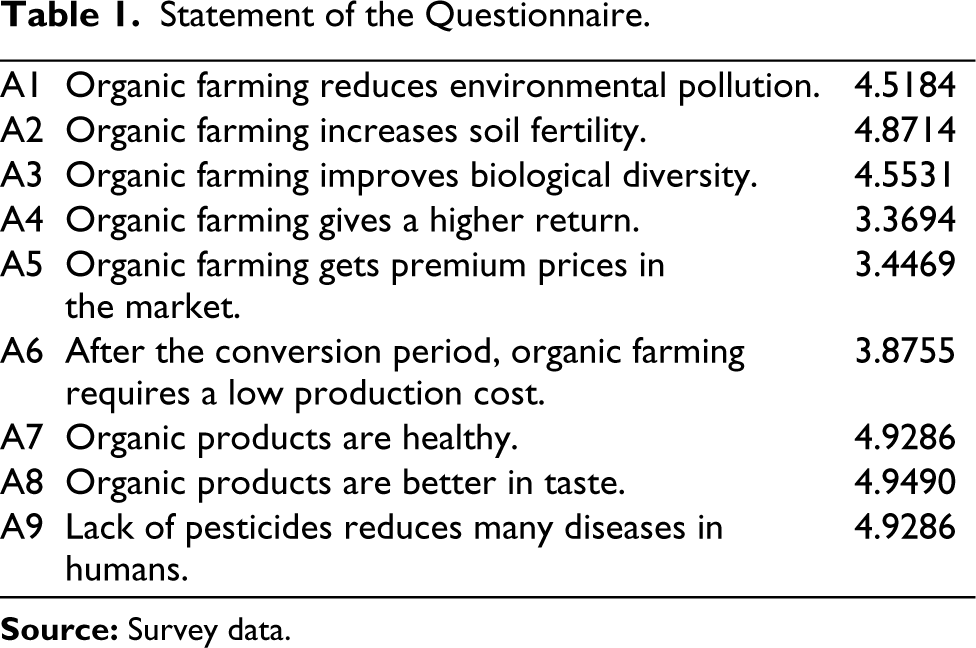
Table 2 shows the demographic profile of the respondents. A total of 250 responses were collected through the field survey, telephonic calls and Google Form. Out of the 250 respondents, 91 (36.4%) have the organic certificate and 159 (63.6%) did not have certification. In the case of experience, 161 (64.4%) of the respondents have less than five years of experience, and 89 (35.6%) respondents have more than five years of experience. Based on education qualification, 134 (53.6%) respondents were educated up to the intermediate/12th standard, 79 (31.6%) respondents were graduates and 37 (14.8%) were postgraduate and above. Out of the total, 115 (46%) respondents have no formal training taken, 32 (12.8%) respondents have done an organic farming course from a government college and university and the remaining 103 (41.2%) have farm visits and demonstrations. Based on age, 114 (45.6%) respondents were in the age group of below 40 and 68 (27.2%) respondents were in the age group of 41 to 50. Further, 68 (27.2%) of respondents in the study belonged to the above 51 age group.
Demographic Characteristics of Respondents.
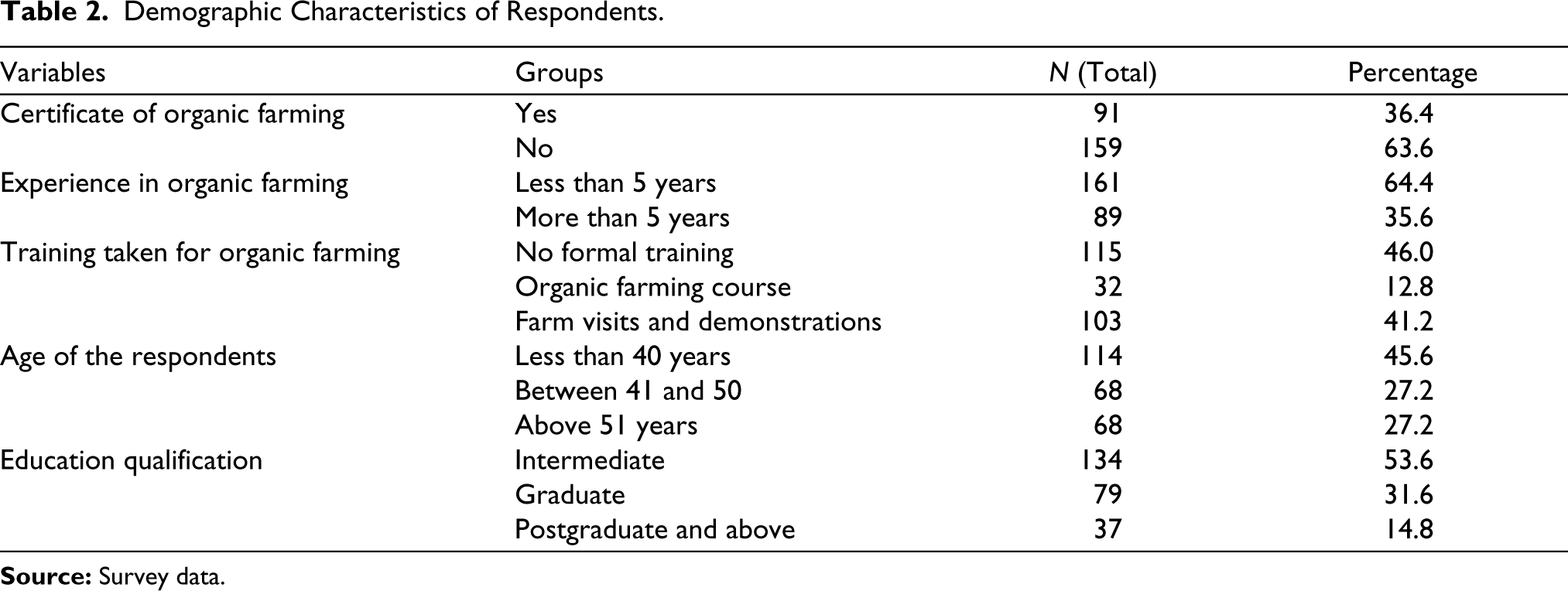
Table 3 depicts the opinion of the participants regarding the benefits of organic farming. The questionnaire consists of nine items measured on the 5-point Likert scale ranging from strongly disagree to strongly agree. Almost all the respondents have a high agreement that organic farming reduces environmental pollution and increases soil fertility. More than 98% of respondents have a high agreement that organic farming prevents ground pollution and it also increases biological diversity. The majority of 55.6% of respondents have agreed that organic farming gives a higher return. Approximately 62% of respondents reported that after the conversion period, organic farming gets premium prices in the market. Nearly 78% of respondents highly agreed that after the conversion period, organic farming requires low production costs, and it can provide long-term economic security to the farmers. For health benefits, most of the respondents have a high agreement with its benefits, viz., organic products are healthy and better in taste. Also, nutritious food is available for the local population, and it reduces many diseases in humans.
Frequency and Percentage of Benefits of Organic Farming.
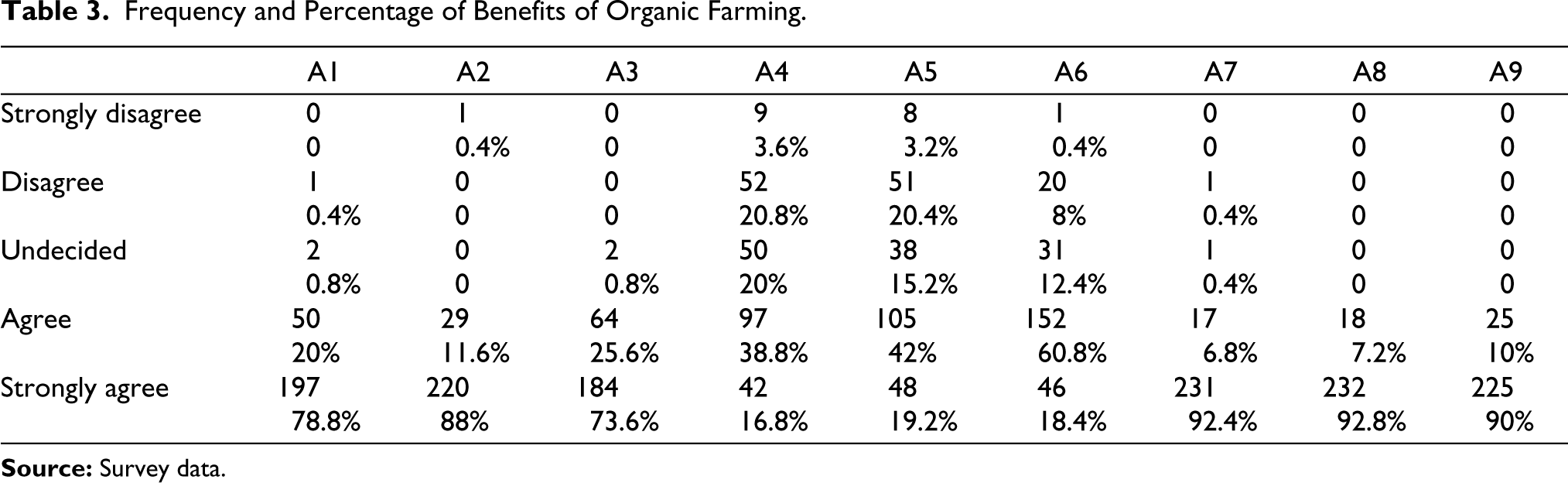
Table 4 shows the results of the t-test regarding the benefits of organic farming on the basis of certification. There is a significant relationship between the viewpoint of certified and non-certified respondents for the two items, i.e., organic farming reduces environmental pollution (A1) and organic farming gets premium prices in the market (A6). So, Ha1 is accepted for these two items. Similar results are shown by Dorr and Grote (2009), Jawtusch et al. (2011) and Torres et al. (2016), who found that certified organic farmers have higher sales and get higher prices for their products than non-certified organic farmers. In addition, certified organic farms have highly promoted environmental benefits (Smith et al., 2019). In contrast, Botonaki et al. (2006) and Yin et al. (2019) stated that consumers are willing to pay premium prices for pesticide-free products whether they have certified or not. The mean value shows that certified farmers have a high agreement regarding all eight items, except one item, i.e., after the conversion period, organic farming requires low production cost (A7), as compared to non-certified farmers. No significant difference was found for the rest of the items based on certification. That is why Ha1 is rejected for these seven items (A2, A3, A4, A6, A7, A8 and A9).
Results of t-tests Regarding the Perception Towards the Benefits of Organic Farming on the Basis of Certification.
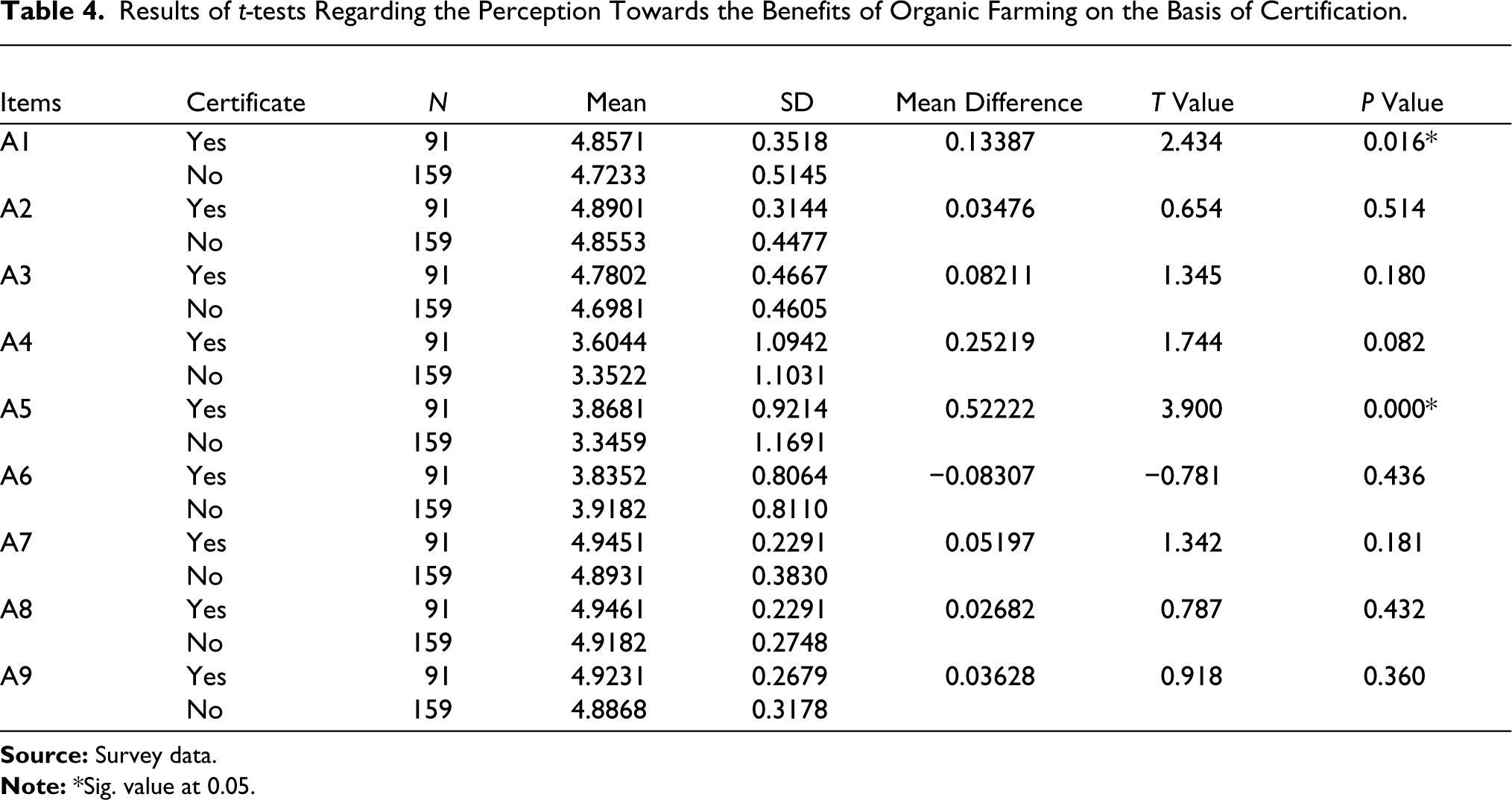
Table 5 shows the results of the t-test regarding the benefits of organic farming on the basis of farmers’ experience. Homogeneity of variance assumptions is violated for three items, i.e., A3, A7 and A9. The findings did not show any significant difference (P < 0.05) in the opinions of both experience groups for all items. The mean value expresses those farmers’ who have more than five years of experience and have a high agreement with all items, except organic farming gives a high return (A4) and after the conversion period, organic farming requires low production costs (A6) than other remaining seven items, i.e., A1, A2, A3, A5, A7, A8 and A9. Further, results showed no significant difference found for the rest of the items regarding the benefits of organic farming. So, Ha2 is rejected for all these nine items. The same results are shown in the study conducted by Azam and Banumathi (2015) that experience has no significant effect on the adoption of organic farming. Other studies examined the dissimilar results that experience has significant effects on the benefits of organic farming (Kidane & Zwane, 2022; Wheeler, 2008).
Results of t-test Regarding the Perception Towards the Benefits of Organic Farming on the Basis of Farmers’ Experience.
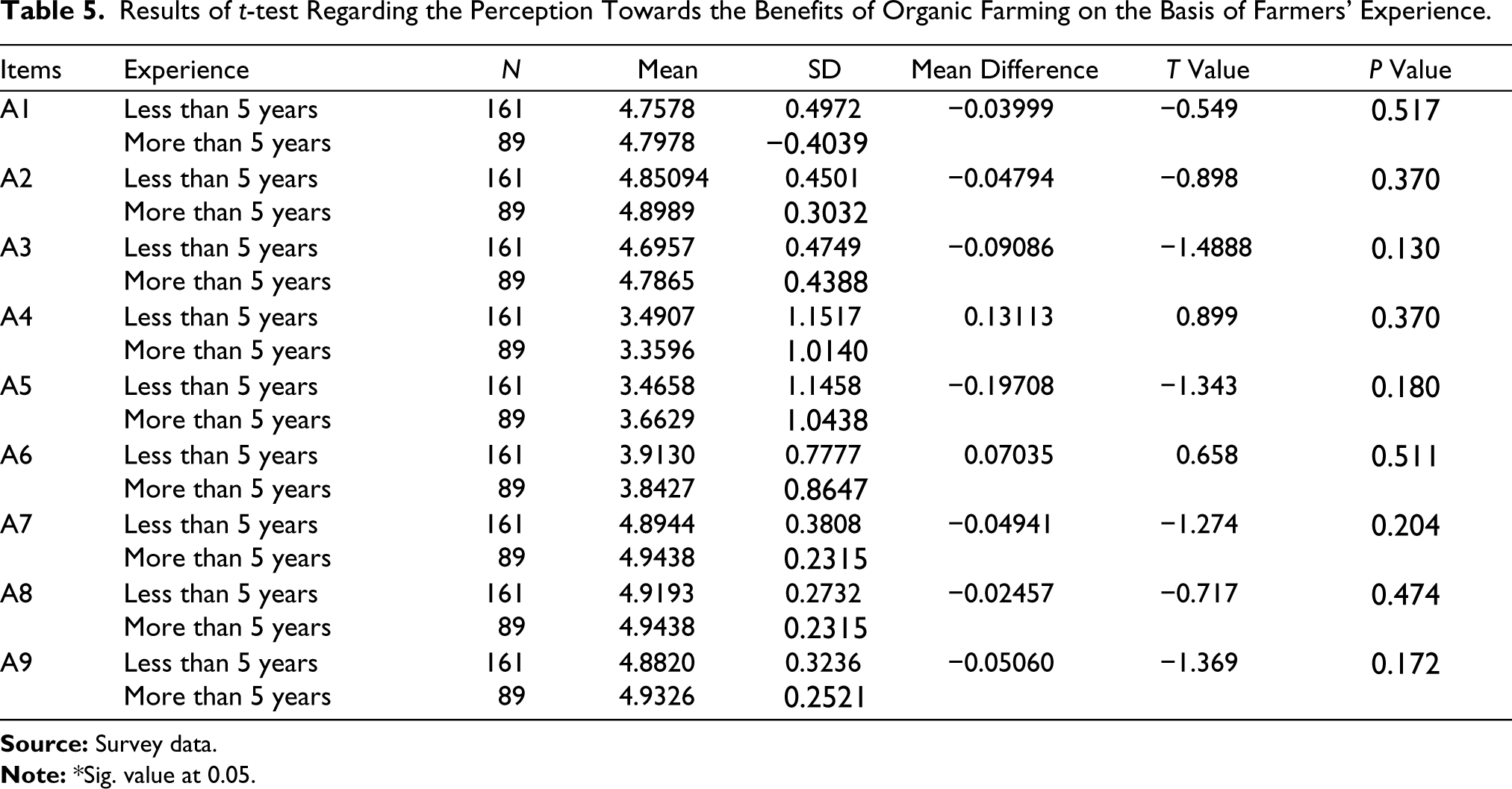
Table 6 exhibits the result of ANOVA regarding the perception of benefits of organic farming on the basis of training taken by the farmers. Results reveal that the homogeneity of variance assumption is violated for the four items, i.e., organic farming increases soil fertility (A2), organic farming improves biological diversity (A3), organic farming gets premium prices in the market (A5) and lack of pesticides reduces many diseases in human (A9). The outcome showed a significant difference (P < 0.05) in the viewpoint of a different training group for one item, i.e., organic farming gets premium prices in the market (A5). So, Ha3 is accepted for this item (A5). During the training, they get information related to the market and its availability, and tools of promotion are given to the farmers. Our results are related to the previous study conducted by Schreinemachers et al. (2016). Based on this information, the farmers get knowledge about marketing infrastructure and increase their profitability. According to mean values, it is suggested that farmers who had no formal training have a low agreement regarding all except the three items, i.e., organic farming reduces environment pollution (A1), after the conversion period, organic farming requires low production cost (A6) and organic farming are better in taste (A8). Respondents from all other training groups do not have a significantly different view of the perception of the benefits of organic farming. Thus, Ha5 is rejected for these eight (A1, A2, A3, A4, A6, A7, A8 and A9) items.
Results of ANOVA Regarding the Perceptions Towards Benefits of Organic Farming.
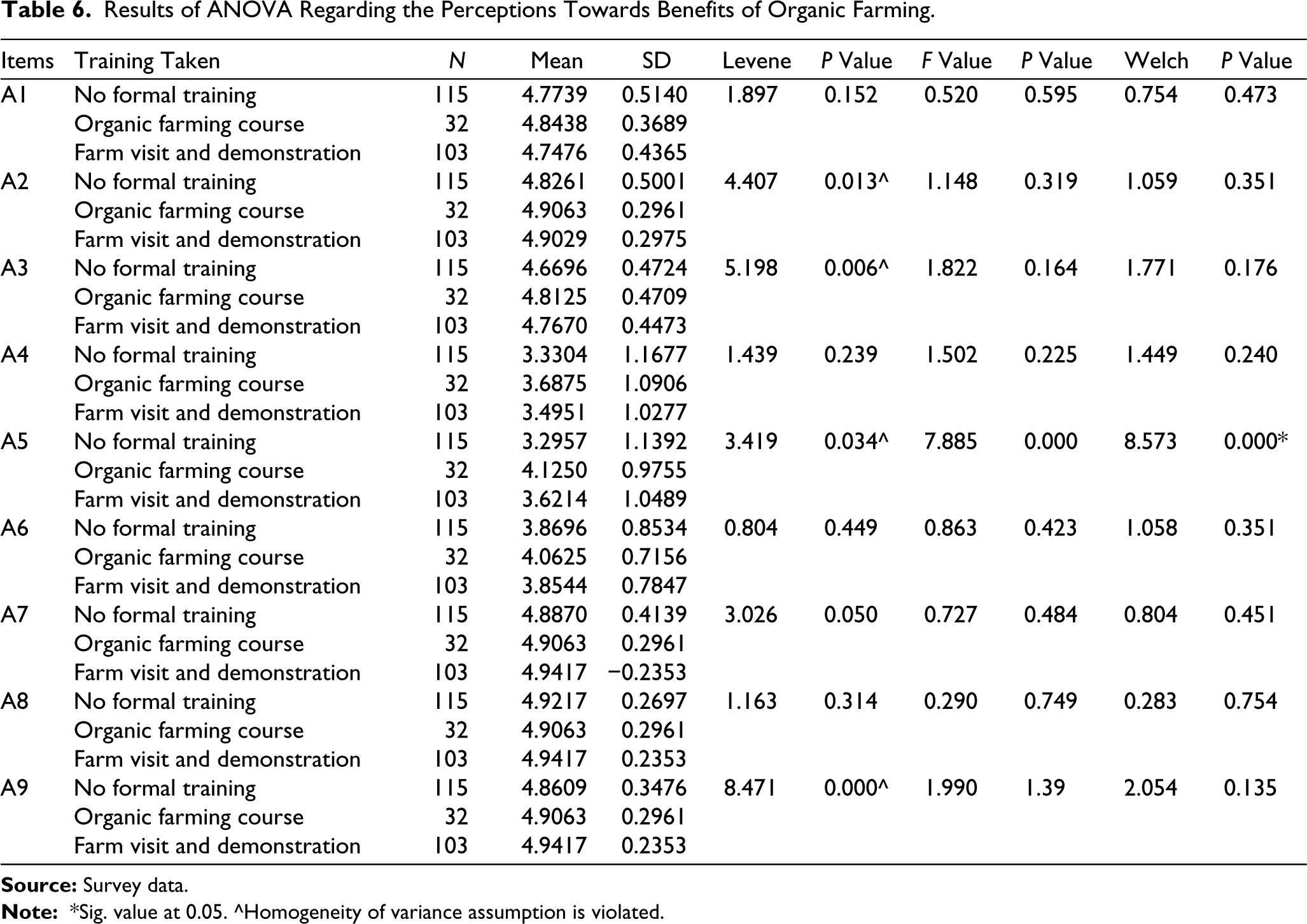
Table 7 displays the results of ANOVA regarding the perception of benefits of organic farming on the basis of the age of the respondents. The Levene test is significant for the four items, i.e., the organic premium gets premium prices in the market (A5), organic products are healthy (A7), organic products are better in taste (A8) and lack of pesticides reduces many diseases in humans (A9). The outcome found a significant difference (P < 0.05) in opinions of different education qualifications for three items, i.e., after the conversion period, organic farming requires low production cost (A6), organic products are healthy (A7) and lack of pesticides reduces many diseases in human (A9). So, Ha4 is accepted for these three items. Similar results have discovered that age has positive and significant effects on farmers’ attitudes towards the adoption of organic farming as health is a primary reason for the old age group (Patidar & Patidar, 2015; Wandel & Bugge, 1997). In contrast to this, Kidane and Zwane (2022) showed that age has negative effects on the adoption of organic farming. The mean value expressed those participants who have the age group below 40 have low recognition of six items, i.e., A1, A3, A6, A7, A8 and A9 than other age groups. Respondents from all other age groups do not show any significant difference regarding the perception of the benefits of organic farming. So, Ha4 is rejected for these remaining (A1, A2, A3, A4, A5 and A8) statements.
Results of ANOVA Regarding the Perception of Benefits of Organic Farming on the Basis of Age.
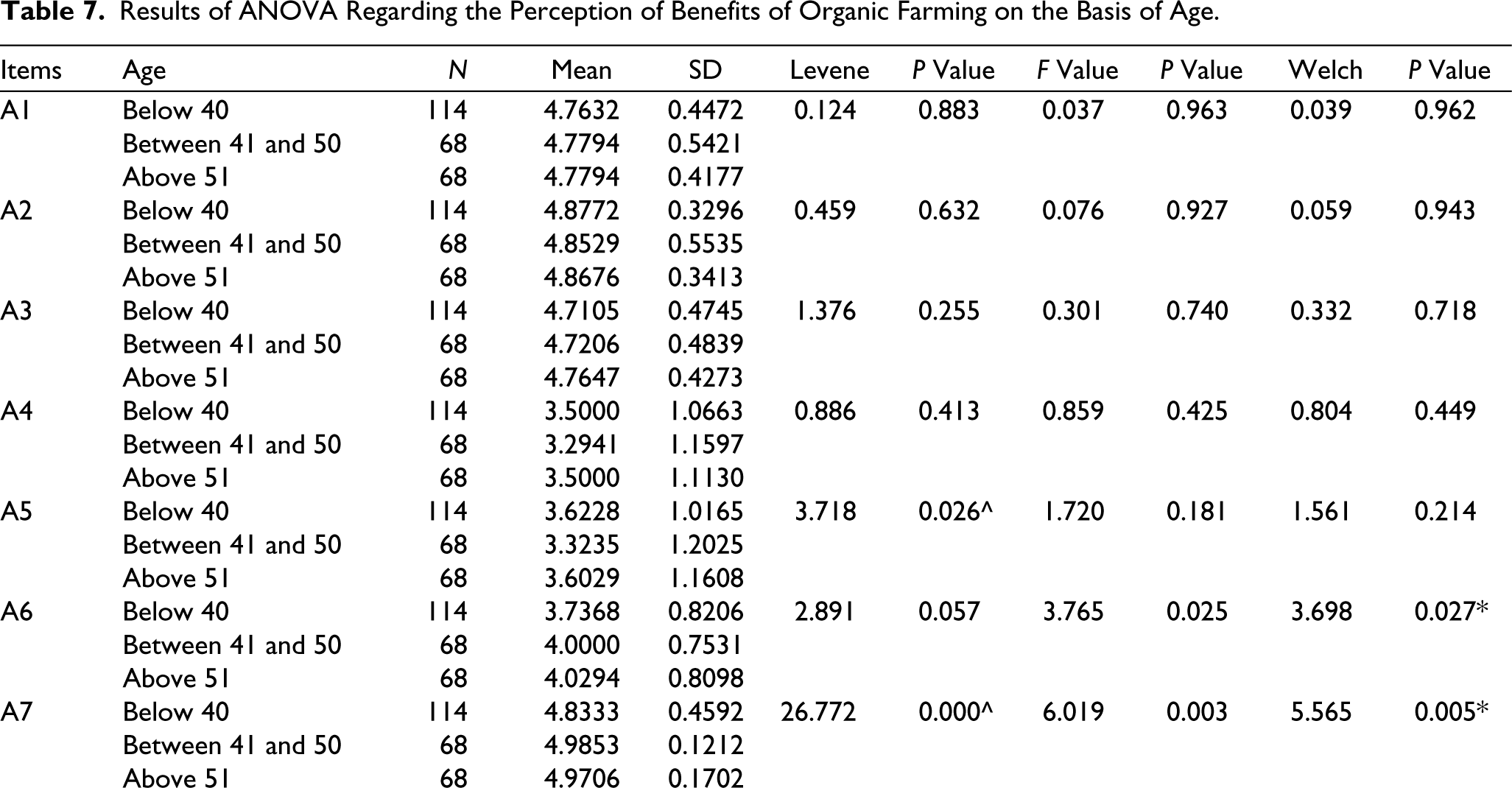
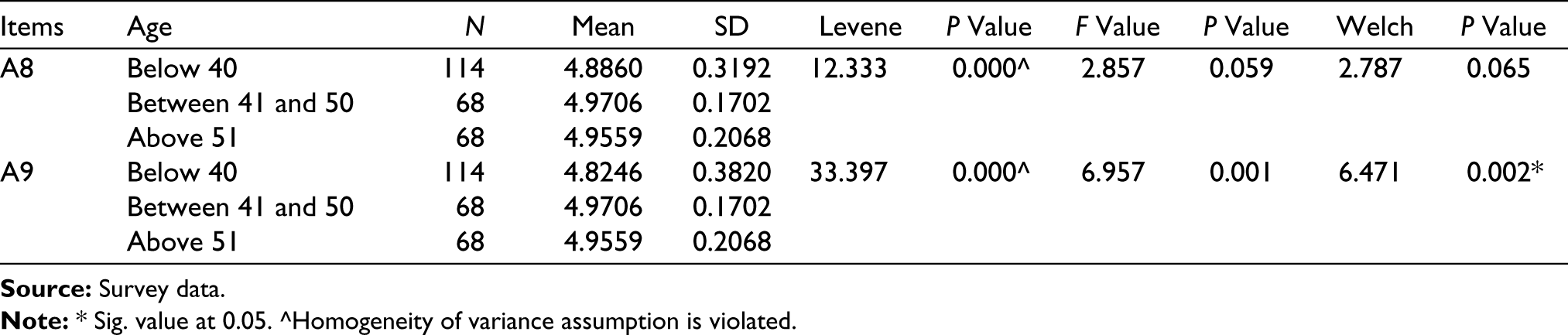
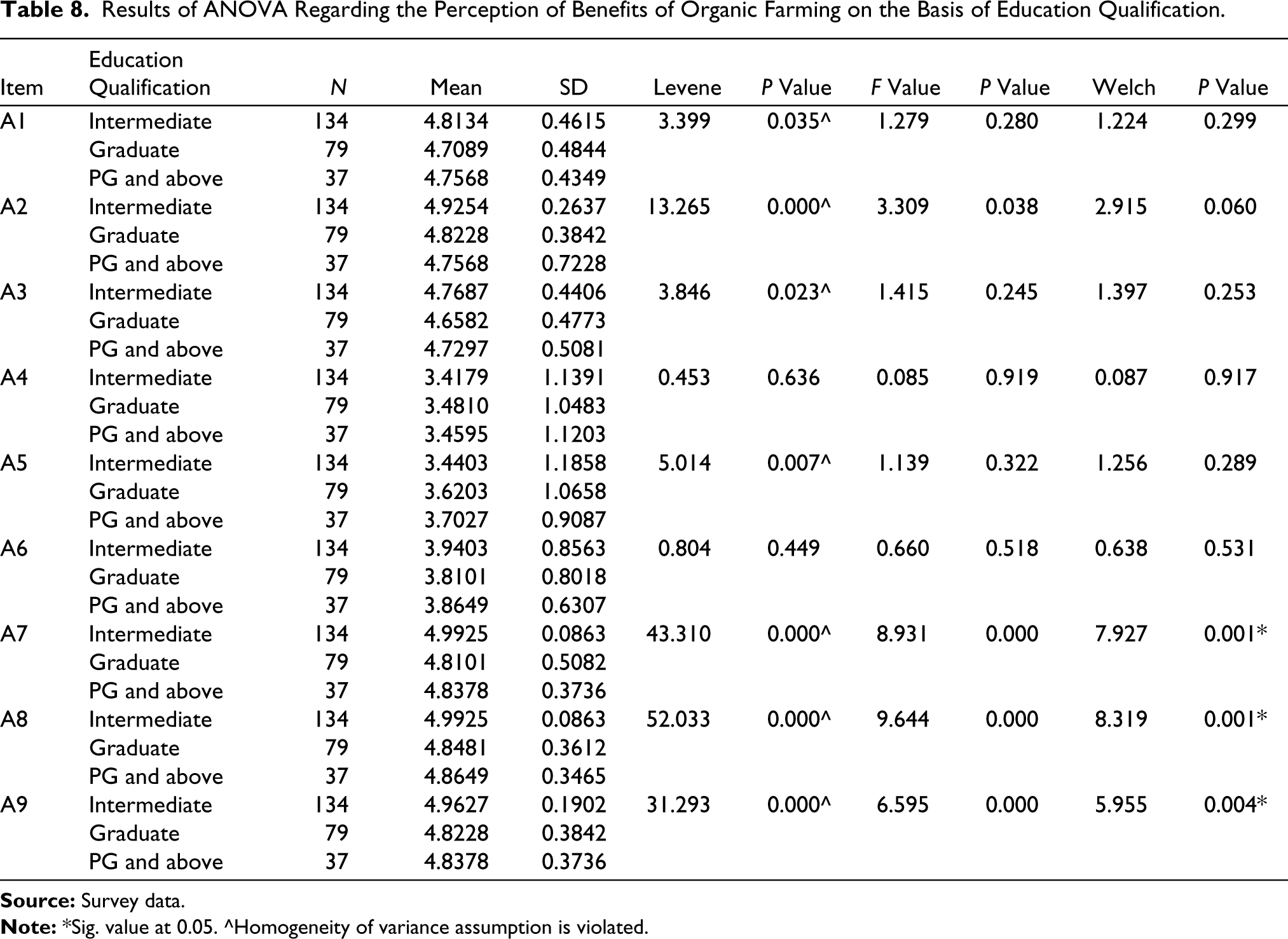
Table 8 displays the results of ANOVA towards the perceived benefits of organic farming among the groups of education qualifications. There are two items—i.e., organic farming gives a higher return (A4) and after the conversion period, organic farming requires low production cost (A6)—for which homogeneity of variance assumption is fulfilled. The rest of the statements violated the assumption of homogeneity of variance. The outcome found a significant difference (P < 0.05) in opinions of different education qualifications for three items, i.e., organic products are healthy (A7), organic products are better in taste (A8) and lack of pesticides reduces many diseases in humans (A9). So, Ha5 is accepted for these three items. The same results were shown by Azam and Banumathi (2015) and Wheeler (2008). As farmers have become more educated, they have given importance to healthy products, and these products have high demand in the market. The mean value expressed that participants from the intermediary group have high recognition of all except two items, i.e., organic farming gives higher return (A4) and organic farming gets premium prices in the market (A5). No significant difference was found for the rest of the items on the basis of educational qualification. So, Ha5 is rejected for these (A1, A2, A3, A4, A5 and A6) items.
Results of ANOVA Regarding the Perception of Benefits of Organic Farming on the Basis of Education Qualification.
Conclusion and Policy Implications
This study investigated the perceptions of farmers towards the benefits of organic farming. Organic farming has many potential benefits to society. It is a profitable opportunity for humans, animals and the earth. Before the COVID-19 pandemic, people demanded organic food for health and taste, but now they are giving their attention to the environment. Organic farming increases soil fertility and biological diversity. A study by Willer et al. (2022) evidenced that due to COVID-19, the demand for organic products has increased in many countries. Restrictions of pesticides in organic farming reduce environmental pollution. After the conversion of land into organic, the farmers need not purchase anything from the market, so, gradually their production cost would be decreased (Moyer, 2013). Increasing demand for healthy products provides premium prices to the farmers, and it also increases the incomes of the farmers. Organically grown products have less risk to health in comparison to conventional products. Therefore, we can say that organic farming not only adds value for the farmer but is also a good investment for the future. If more organic farming is practised, it will give several health, environmental and economic benefits to society. The health perspectives are clearly visible, and indirectly it contributes to the employment of people as they become more labour intensive. More local research should be conducted to compare the economic and environmental trade-offs between conventional and organic farming. This study was also conducted to examine the benefits of organic farming related to the environment, economics and health benefits. These are the main benefits of organic farming that attract farmers in this direction. If policymakers focus on delivering the messages and are aware of the benefits of organic farming over conventional farmers, it might help increase the current pace of organic farming.
Footnotes
Declaration of Conflicting Interests
The authors declared no potential conflicts of interest with respect to the research, authorship and/or publication of this article.
Funding
The authors received no financial support for the research, authorship and/or publication of this article.