




Abstract
Research questions:
The objectives of this study are to identify the need for Social Enterprises (SEs) as an alternative form of working in the Finnish labour market, what alternative forms of co-operation between such types of SEs could be and how larger local companies can support the sustainable operation of these small SEs by employing immigrants and the long-term unemployed.
Theory:
This article draws on the corporate social responsibility CSR theory of traditional enterprises to better explain the factors that can facilitate co-operation between SEs and private enterprises, thereby reaching the sustainable operation of SEs that are run by socially disadvantaged groups of people in Lapland.
Phenomenon studied:
SE is a new phenomenon in Lapland. There are a few SEs in the region that are struggling to maintain their existence in a sustainable manner. It is harder for the members of such SEs to run businesses or to work and to become successful in Lapland; however, obtaining employment or running a proprietorship is not an alternative (Yeasmin, 2016) for these disadvantaged people.
Case context:
The article contributes to the studies on the economic integration and labour market sustainability of immigrants and long-term job seekers, and particularly to the socio-economic integration of the long-term unemployed by focusing on the necessity-driven social entrepreneurship networking model in a sparsely populated region, that being the region of Lapland in Northern Finland.
Findings:
The disadvantaged groups need access to the labour market in Lapland, and social alliances between various partners (e.g., private, public and SE) under different social circumstances (e.g., CSR) can generate alternative options for co-operation to sustain the existence of such SEs in Lapland. An analysis explores future recommendations for co-operation that might sustain SE’s existence and development and might also increase long-term prospects for targeted SEs.
Discussion:
Lapland-based SEs operated by immigrants or the long-term unemployed are issues and themes that do not fall within the responsibility of any single authority or any single sector. Successfully running SEs demands positive interaction and social innovation strategies among many social partners. Networking with a variety of public stakeholder groups alongside the private sector needs to see an investment of social resources for mapping the phenomena on the topic of social economy, which is a social innovation process that might enable such SEs to have successful outcomes in Lapland.
Introduction
Securing long-term or, indeed, even short-term employment is challenging for many long-term unemployed residents, 1 and especially for immigrants (Yeasmin, 2018). Co-operatives (Co-ops) or SE can offer one alternative option to the vulnerable members of the labour market in Lapland. As members of co-ops, immigrants or long-term unemployed can work as employees. However, immigrants and the long-term unemployed have the opportunity to develop their own business idea through SEs. Since running a business in Finland is full of challenges, establishing a proprietorship or other forms of business is difficult for both the long-term unemployed and immigrants, as they do not have experience in working as entrepreneurs in Finland. Previous research has stated that many factors can either enable or hinder the successful development of enterprises by immigrants in Lapland (Yeasmin, 2018; Yeasmin & Kemppainen-Koivisto, 2017; Yeasmin & Koivurova, 2019).
Previous studies have endorsed that both Finns and immigrants who are long-term unemployed, who are in a disadvantaged position in the Finnish labour market or who were, for unexpected reasons, excluded from the labour market, can establish SEs or co-ops as an alternative way of accessing the labour market. SEs can solve some of the social problems, while providing a learning platform to some groups of people in the society who need support to learn about business with less risk than as sole entrepreneurs. At the same time, SEs, together with peers, can learn more about Finnish working life. Similarly, co-ops could be the first step into working life, especially for immigrant women who have no work experience in their country of origin. Through such SEs, these members of the target group can be offered a variety of low-threshold social jobs (Yeasmin et al., 2020).
According to previous studies (Yeasmin et al., 2021), SEs need societal support, not only from the public sector but also from other bigger companies as part of their Corporate Social Responsibility (CSR). The objective of this study is to identify the need for such SEs as an alternative form of working in the Finnish labour market and to explore different forms of co-operation between such types of SEs, with bigger local companies supporting the sustainable operation of these small SEs by employing immigrants and the long-term unemployed. The study aims to ascertain whether CSR obliges companies to do good for society and also entitles companies to participate in building support measures to stabilize the society.
The study also aims to ascertain whether, as a part of companies’ philanthropic responsibilities, companies can meet the needs of such SEs by supporting them. The operations of SEs will become more salient as the population of Lapland ages, and, at the same time, some groups of people will be excluded from working life. The goals of this study are to explore the need for SEs as an alternative form of working in the Finnish labour market and to identify different forms of co-operation between such types of SEs, with larger local companies supporting the sustainable operation of these small SEs by employing immigrants and the long-term unemployed. There are a few SEs in the region that are struggling to maintain their existence. It is harder for the members of such SEs to run businesses or to work and to become successful in Lapland; however, obtaining employment or running a proprietorship is not an alternative (Yeasmin, 2016) for these disadvantaged people. Consequently, these disadvantaged groups need access to the labour market in Lapland, and social alliances between various partners (e.g., private, public and SE) under different social circumstances (e.g., CSR) can generate alternative options for co-operation to sustain the existence of such SEs in Lapland. SE can also bring potential taxpayers into municipalities in the future.
There is no generally accepted definition of social responsibility. In Europe, the European Commission’s definition of CSR is for companies to voluntarily incorporate social and environmental considerations into their business and interaction with their stakeholders (World Economic). The main objective of this study is to explore what kind of help and support measures can be expected from companies? And how larger local companies can support the sustainable operation of these small SEs by employing immigrants and the long-term unemployed?
The philanthropic responsibility of the companies is to do the common good for society by co-operating with local SEs as to enable the long-term unemployed to start low-threshold work. The study gathered companies’ views on their CSR policies and aimed to ascertain whether companies comprehend that this kind of consideration towards SEs supports the employment opportunities of people with disabilities and the long-term unemployed, which is a greater social relief for sustaining the local labour market. The aim was to ascertain whether companies see that they have a responsibility towards vulnerable immigrants and for the sustainable development of the surrounding society, and how they integrate CSR in their procurement activities.
Theoretical Background
In the Scandinavian context, there is a question of whether CSR or any traditional or economic appraisal supports or hinders societal well-being (Stiglitz et al., 2009; Strand et al., 2015). CSR is generalized as a concept that, oftentimes, focuses on social issues and is social sustainability related only to environmental issues (Carroll 1999; Dahlsrud, 2008; Dyllick & Hockerts, 2002; Schwartz & Carroll, 2008) in Scandinavia (Strand et al., 2015). CSR, indeed, includes expressions on stakeholder engagement (Freeman et al., 2010; Rhenman, 1968) and creating shared values (Porter & Kramer, 2011) for the development of the society as a whole. Though, theoretically, stakeholder engagement has a long tradition in Scandinavia (Rhenman, 1968), it needs to practically demonstrate its commitment to reducing the social exclusion of a certain group of people in Scandinavia who are at risk of labour market marginalization. Arctic countries such as Finland, Sweden and Denmark have a good reputation for institutional influences on CSR, which can undoubtedly facilitate socially responsible corporate behaviour (Strand, 2013, 2014; Strand et al., 2015). CSR policies should also create a dialogue between the business and civil society (MEEF, 2020), which has recently been taken into account in Finland and Denmark, along with other Nordic countries. However, supporting social entrepreneurship by utilizing CSR is a relatively new issue in Finland, since SE per se is a new phenomenon in Finland (European Commission, 2014). The SE idea emerged in 1970 in many European countries; however, SE has been identified as an institution that supports people who are in a disadvantaged position in the Finnish labour market in the literature of Pättiniemi (2006), who has linked SE for the integration of a certain group of people in the society.
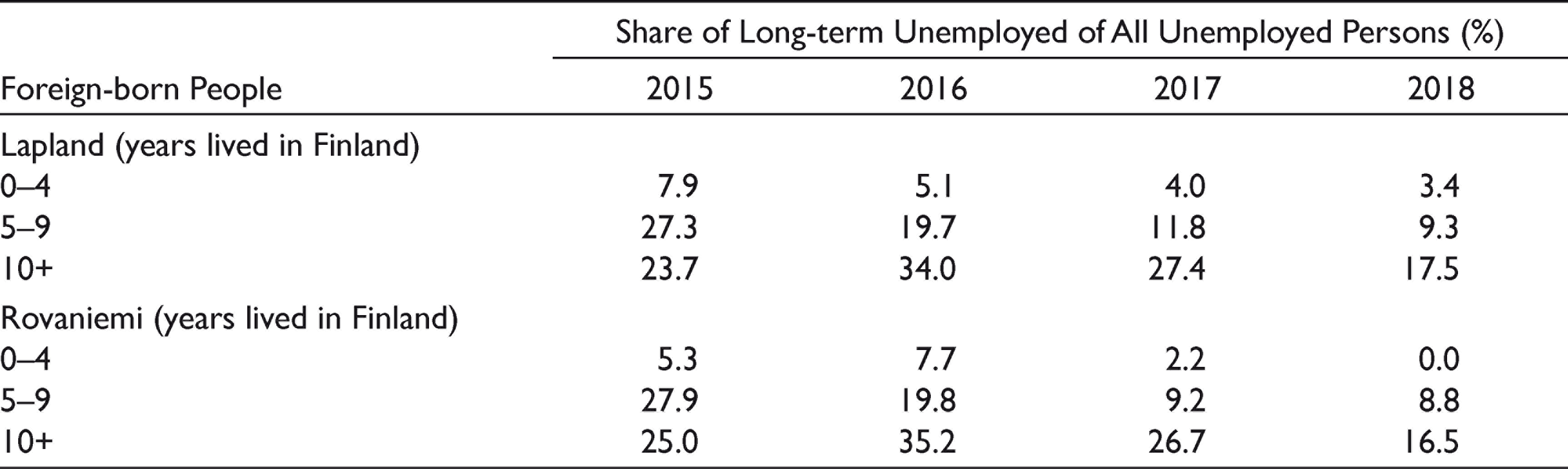
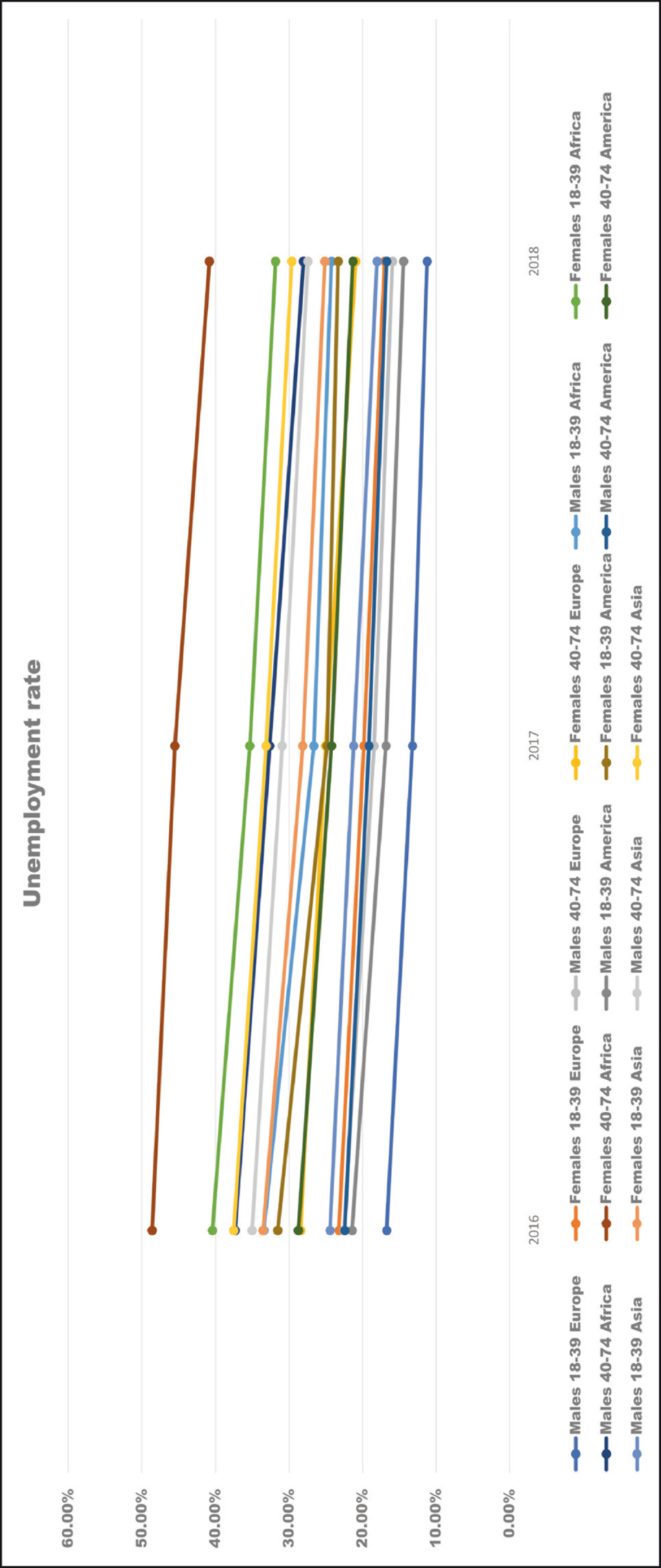
The share of long-term unemployed immigrants was 27.6% in Finland in the year 2018. The share was higher among those groups of immigrants who have resided in Finland for more than 10 years (see Table 1) due to immigrants’ participation in integration courses and training during their first 3–5 years of residence. After finishing those training courses, immigrants usually obtain and complete an internship. Even after all this training, the unemployment remains higher among immigrants, and the rate also differs among immigrants according to their country of origin and gender (see Figure 1).
Share of Foreign-born Long-term Unemployed of All Unemployed Persons
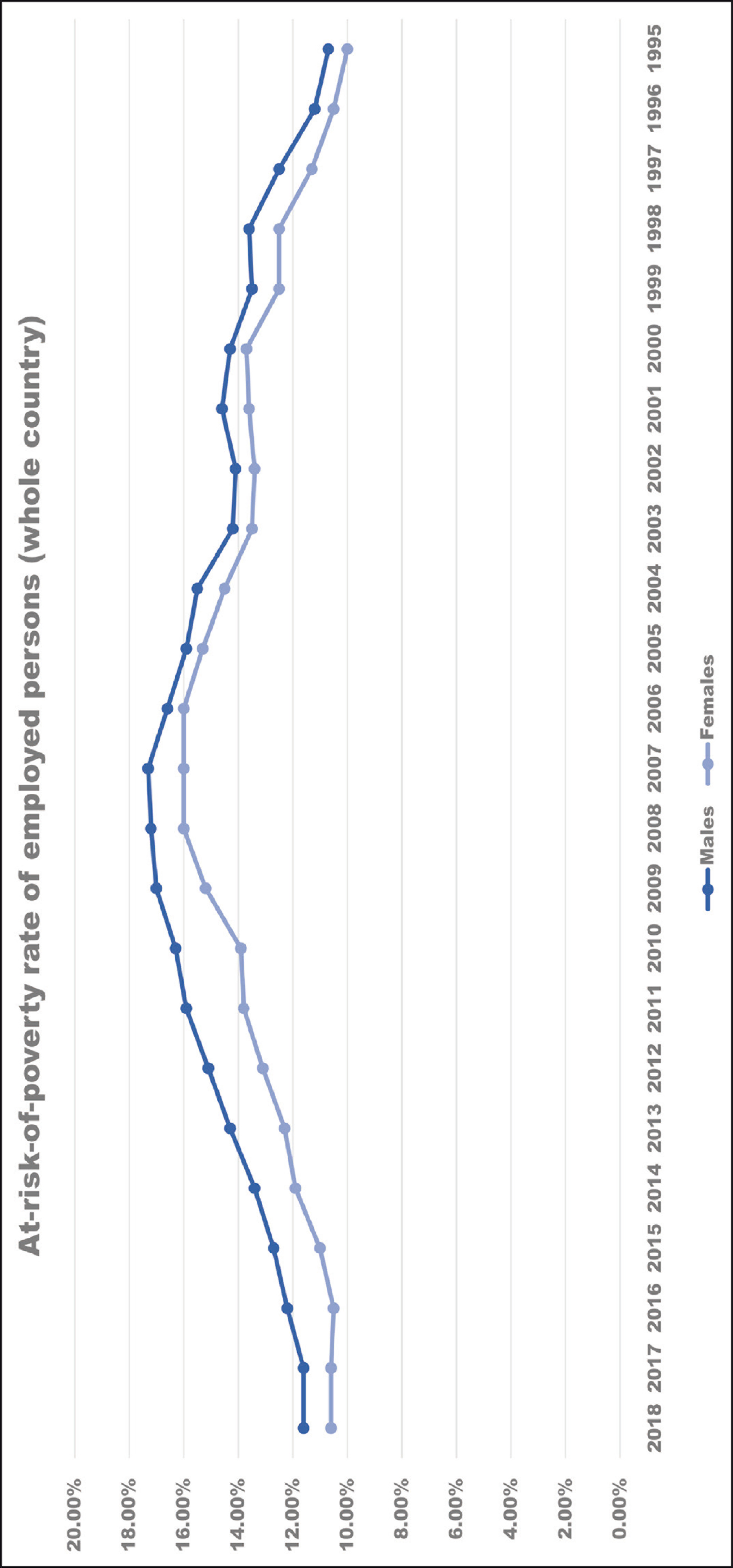
SEs still need visibility among business societies through CSR practices. If the disadvantaged group could receive employment or business support through SEs, this could decrease the risk of poverty (see Figure 2) of foreign-born people in Finland, especially males, who are at higher risk than females.
Although CSR has increased significantly over the past decade, there are a variety of attitudes towards CSR in companies in Lapland. There are also various definitions of the concept of social responsibility at the theoretical level.
Many opinions are in line with Frooman’s (1997, p. 227) view that companies have different forms of CSR aimed at increasing social well-being.
McWilliams and Siegel (2001, p. 117) state that how CSR is done can do well to support the companies’ own goals. According to them, social responsibility goes beyond compliance with the law. Demonstrating CSR requires that companies strive to improve ethics in their work by increasing social, environmental and economic well-being. In doing so, while respecting the ethical values of the community, the communities themselves and the surrounding natural environment, the local people have confidence in the company while businesses continue to thrive.
In our corporate interviews, CSR turned out to be very different (see the Discussion section). SEs in Lapland need to have more co-operation with the private sector. Some very tangible and practical perceptions can ease the workload of SEs and the private sector. Broadening mindfulness of CSR is something that can develop the corporate world’s understanding of the positive value of SEs. Engaging corporations with SEs can build cross-sector partnerships and can cover the philanthropic responsibilities of the corporate world. Such co-operation will meet the goals of both parties, which will, in turn, facilitate social benefit (Szegedi et al., 2016). Here, we define CSR as rather asocial aspects that need to be integrated into the operation of SEs.
CSR can create a model for social innovations as well as new solutions for market products and services (The young foundation social innovation overview, 2012). CSR will build a new market for the traditional business of immigrants and provide immigrants and the long-term unemployed access to the local labour market, which can improve vulnerable people’s capabilities to work and increase the target group’s networking possibilities. CSR can open visions for the private sector by merging social and commercial value creation (SIG, 2015; Szigeti & Csiszárik-Kocsir, 2014). In the study, CSR is a measure for remedying the social problems of the disadvantaged groups of people in a particular society. These remedies can increase the economic sustainability of the long-term unemployed by establishing new markets and services via SEs. This integrated model can reinforce initiatives to tackle the objectives of both parties, which could have a follow-on social impact (Szegedi et al., 2016).
In the literature of Beckman et al. (2006), the social dynamics of CSR are demonstrated more concretely than ever before when CSR leads in a different direction that influences the business to further explore ways to support society and societal agenda(s) in the Arctic. Some works of literature, indeed, state that CSR is two-way communication, and a community should invite the corporate world to building a community. Networking and co-creating CSR need a response from all its stakeholders to bridge the relational gap between business and society (Crane & Glozer, 2016; Nielsen & Thomsen, 2012). CSR-driven innovation has been highlighted in Nordic studies as a way of strengthening the unique co-operation between the five Nordic countries that can transform society and achieve economic success (Norden, 2010). However, this concept of CSR-driven innovation leads businesses towards growth such as small and medium enterprise (SME) development. A similar concept of CSR-driven innovation in terms of social development has been embedded in recent Nordic works of literature. CSR has been applied as a lens to address the role of entrepreneurs, not only in the line of economic and environmental development but also the societal development context that supports sports clubs in Sweden and Finland (Ahonen & Persson, 2020).
Many unsolved problems of societies can be solved through social entrepreneurship (Dees, 2007; Thompson & Doherty, 2006). It is described as how the new engines that can reform society (Dees, 2007) need to tempt the corporate world into adopting a different approach of co-operation that will support social values. The co-operation does not necessarily include CSR-theory; however, the application of CSR theory can incorporate a common understanding between the parties in order to reach a common goal by creating shared values, thereby fulfilling their respective missions.
Method
The study mapped the CSR policies of a variety of Lapland-based companies, ranging from micro-sized businesses with a sole entrepreneur and annual sales of less than €2 million to large-scale companies with over 250 employees and an annual turnover exceeding €40 million.
According to the Lapland regional authority (see Table 2), there are four different categories, based on the number of employees and turnover in 2018.
Categories of Companies

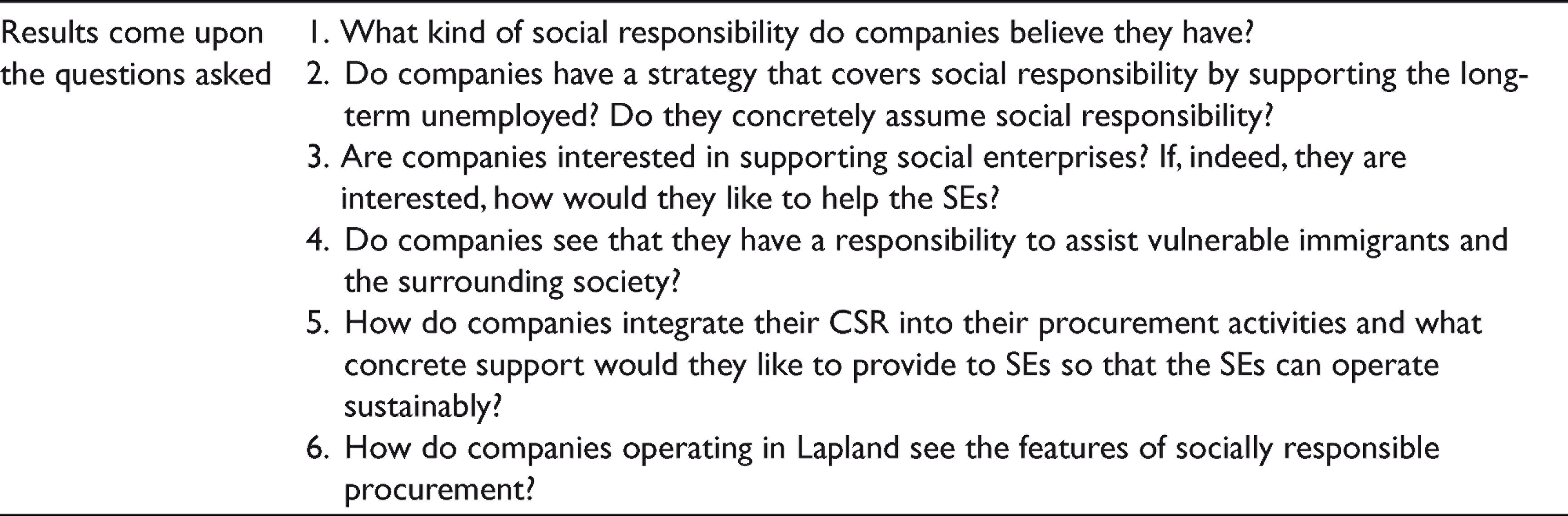
We made a random comparison to ascertain what the social responsibility of 15 companies (i.e., involved in hospitality and tourism industries, mining, energy and water supplies, construction, manufacturing, transportation and warehousing, banking services) in Lapland looks like and whether they have a strategy that covers social responsibility by supporting the long-term unemployed. In addition to these comparisons, we conducted three focus group discussions, the duration of each being 2–3 h. Creating questionnaires (see Table 3) helped us to discuss the phenomenon. The discussions were held in Finnish and were translated by the author (the author who did the translations has a good command of both Finnish and English) in the later phases of analysis. Certain criteria were set up for involving participants. We invited those who would be beneficial to our research, such as companies, relevant stakeholders, SEs and three company leaders (CLs) from three different companies. These invited participants took part in the discussions, and the whole group comprised different stakeholders (S) along with four representatives (RS) from four different SEs. Two of the CLs were interviewed by the stakeholders (S) and representatives of the SEs (RS) on two different occasions. Two CLs were interviewed by the researchers—one face to face and the other over the phone. In total, seven CLs were interviewed in the study.
List of Questions During the FGD
In addition to the focus group discussion, we conducted in-depth interviews of four different company owners (chief executive officers—CEOs) with a similar semi-structured set of questions regarding their CSR strategies and their support measures for SEs operated by the vulnerable members of society. The sampling strategies were influenced by the stakeholder groups (12 participants) who were invited based on their professional tasks that could be directly related to the study topic.
Some of the interviews were recorded, and some were noted on paper. The study followed a systematic coding of the data (see Table 4), based on the research insights.
Stages of Coding and Analysis
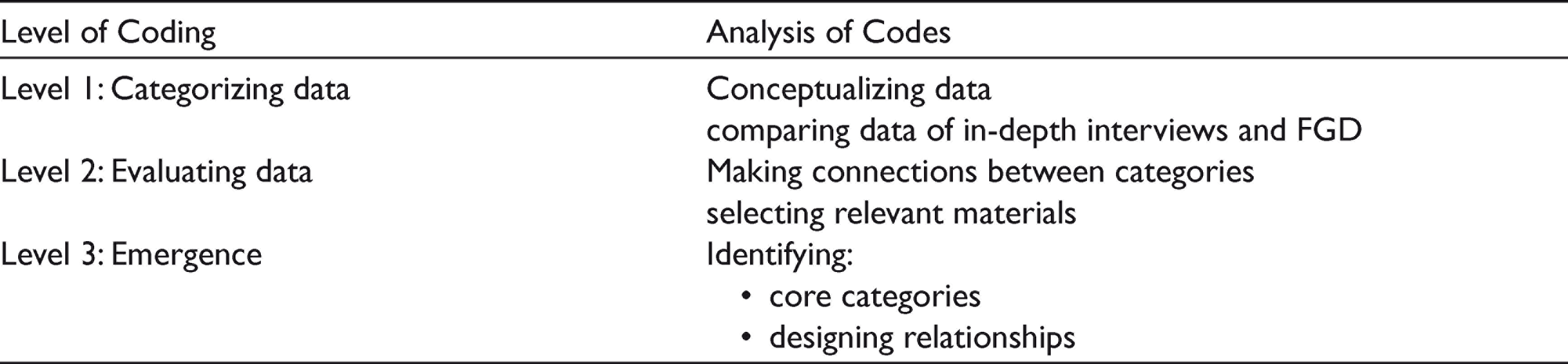
A relational approach (Josselson, 2013) of coding was taken into account in the analysis phase. To ensure the validity and reliability (Lincoln & Guba, 1985; Shenton, 2004) of the research, the findings were re-checked by the stakeholder groups.
Results
The companies were asked what concrete support they would like to provide to the co-ops so that SEs could operate sustainably.
The responses of the in-depth interviews revealed that many companies support the extracurricular activities of children and young people as a part of their philanthropic responsibility (CL, 2019). For example, some companies have an annual allocation of €3,000 towards such activities, and the use of the funds is redefined each year (FGD:S, 2019). Thus, support can be focused on an acute emerging need, like the fight against climate change (CL, 2019). Some companies are sceptical about the concept of CSR, and they feel that Finnish business taxes are high. According to them, by paying high taxes, they are fulfilling their societal responsibility (CL, 2019). With that tax money, the government supports the welfare of the long-term unemployed, which is considered by the company to be enough support (CL, 2019). Companies do not see that they have to take on any other philanthropic responsibility than that of paying taxes. It is the responsibility of the state to respond to societal challenges and to allocate resources to support SEs or co-ops using tax revenue. Based on the interviews, societal work very much lies with the state, not the companies (FGD:CL, 2019). As the enterprises revealed, specific forms of co-operation (see Table 5) between traditional enterprises and SEs are a significantly important subject matter that needs relevant actors to encompass the realm of co-operation, although they deviate from the idea that such co-operation should not necessarily be driven by the CSR policy.
Suggested Types of Co-operation by the Companies of Traditional Enterprises (CL, 2019)
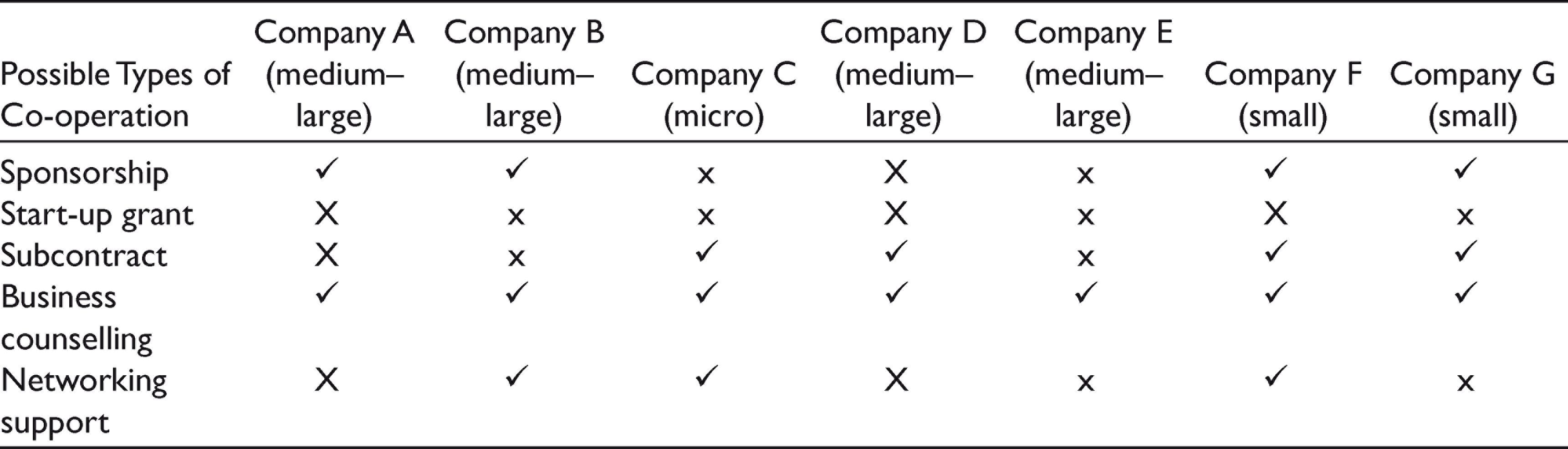
Traditional enterprises already have many strategies for running a business, taking care of their employees and delivering quality services to their customers, and they believe that providing social services is not one of their primary responsibilities, nor is it one of the main criteria towards fulfilling their philanthropic responsibilities (CL, 2019). According to our interviewees, co-operating with SE is possible in various manners, all of which could be part of CSR and do not necessitate that enterprises have sufficient or particular CSR strategies (CL, 2019).
At a general level, municipalities do not support companies; rather, entrepreneurship is their responsibility. Business representatives believe that the government must have policies in place to support the sustainable business activities of private companies (CL, 2019). The role of companies is to improve the well-being and working conditions of their employees and to strengthen their skills through further training (FGD:CL, 2019).
Some of the interviewees believe that their companies use a lot of resources to protect the environment and act in many ways to reduce environmental pollution (CL, 2019). Businesses are also adequately equipped for the rapidly growing need to solve environmental problems. Environmental protection is costly, and an environmentally friendly company is part of the CSR of these companies, which is simultaneously classed as practical sustainable economic management (FGD:CL, 2019).
In addition to demonstrating environmental responsibility, companies allocate resources towards the well-being of children and young people. Some companies also regularly support positive social campaigns and events, provide advice on promoting small entrepreneurship and increase the skills and entrepreneurial skills of small entrepreneurs. There are also entrepreneurship lectures for school-aged children (CL, 2019; FGD:CL, 2019).
None of the companies we interviewed have previously supported co-opsin Lapland. This opportunity with the project was a new way for them to support, inspire and improve the living conditions of their members.
We collected some random data via a web-based open survey of about 15 traditional enterprises in Lapland. We found only five traditional enterprises that maintain a CSR policy. A more evolved form of using CSR was not revealed through the web-based survey. The adoption of a CSR strategy is not the main concern of many traditional enterprises (FGD, 2019), and, indeed, according to a recent OECD report, Finnish companies have not focused on CSR as much as their European counterparts have (European Commission/OECD, 2018).
Also, according to the study, CSR strategies could add significant encouragement for enterprises to co-operate with local SEs but are not something that can accelerate suitable policy measures soon (FGD:RS, 2019). While discussing increasing corporate charity to support CSR and entrepreneurship, few companies felt that this could be possible in the coming years. Such co-operation could help bridge the gap between doing business and the society. Companies expect to be presented with a variety of ways in which to collaborate so that they can more easily make decisions to join with SEs. New ideas for co-operation with SEs could lead companies to pursue socially responsible policies in the future. Some actors or sectors need an incentive to establish co-operation between enterprises and SEs (FGD:RS, 2019).
It always demands more resources to thoroughly investigate a community before supporting them. Enterprises, to a great extent, lack the resources to increase their understanding of a particular problem in a certain social sector (FGD:CL, 2019). The generation of measurable objectives of co-operation between an SE and traditional business is possible only if a third party can stimulate incentives for possible measures to enhance the perception of social innovation between these two parties. Enterprises demand a precise recommendation of specific forms of co-operation from any party, be it SE or a third party. Co-operation could be highly circumstantial and requires regular updating (FGD:CL, 2019).
This explorative research included interviews that sought to ascertain which services small and medium-sized businesses could obtain from a co-op or SE. The aim was to ascertain whether companies are taking social responsibility if they are interested in supporting co-ops, and if so, how they would like to help them operate. The aim was to ascertain whether companies see that they have a responsibility towards vulnerable immigrants and the surrounding society and how they integrate CSR with their procurement activities.
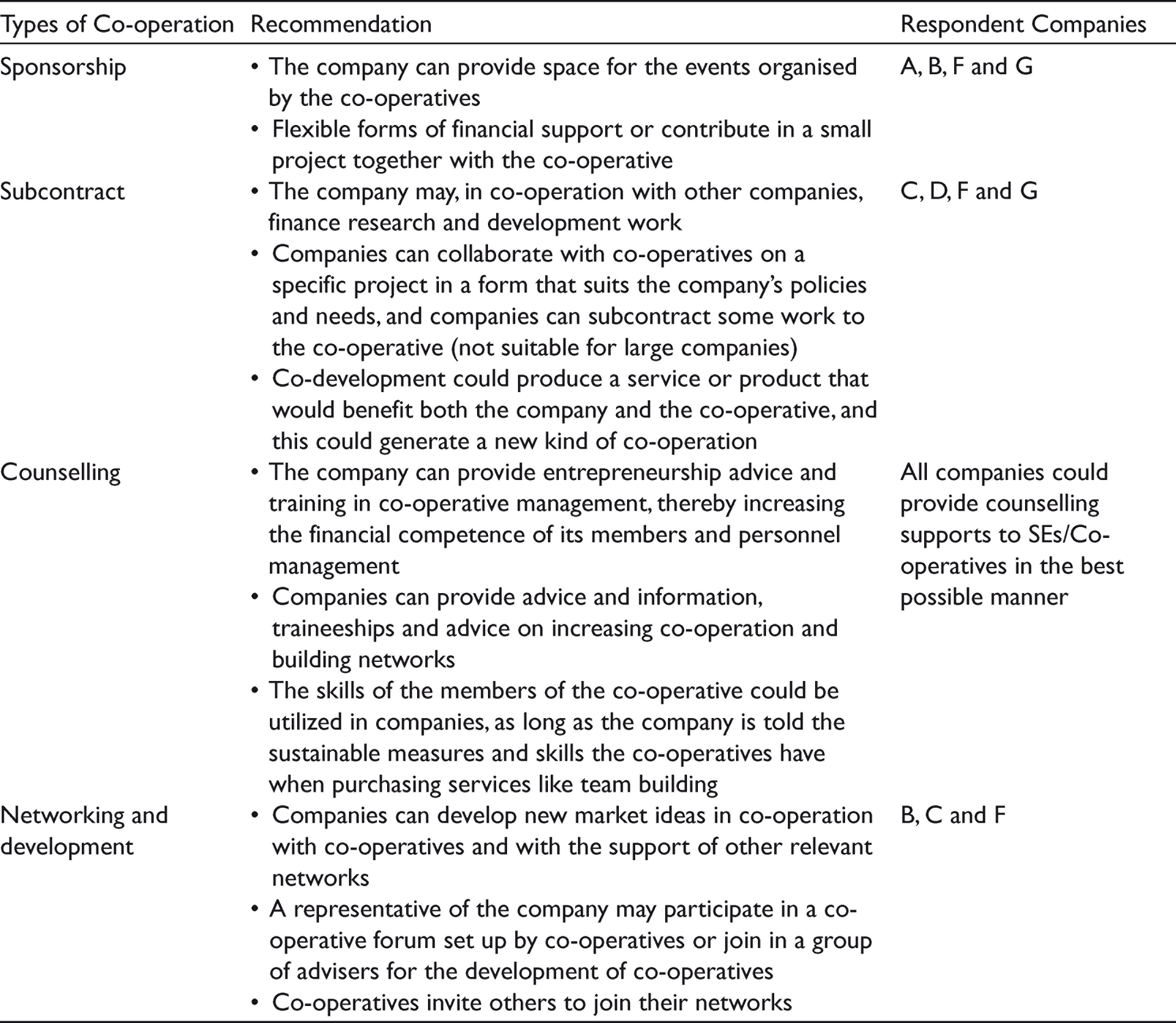
Though our respondents’ views on the concept of CSR were varied, both the respondents and stakeholder groups generated some recommendations for future co-operation. The aforementioned recommendations could support co-op activities in an immediate manner (Table 6).
Immediate Types of Co-operation
Discussion
Based on the findings of the study, social alliances between these two parties are something that require the involvement of a third-party mediator to advance the practices of CSR. The third-party mediator works like an advisory board to ease the social alliances between SEs and traditional enterprises.
According to Figure 3, the role of the advisory board is to enable efficient internal processes and to structure the co-operation model, thereby encompassing a professional way to work with a focus on well-implemented forms that can enable respective partners to manage a sustainable relationship and responsibilities to each other (see Figure 3). The role of the third party is to discover shared value-oriented objectives with both parties.
Many companies lack a CSR department, and establishing CSR departments in traditional enterprises is important but demands resources. If there are concrete policy measures aimed at accelerating regional social innovation and partnership, these have an added value for the co-operation.
Based on our findings, every party seeks a sustainable way of co-operating that has a better social impact and win-win circumstances for all parties involved. This sustainable co-operation can broaden the positive impact of their business growth, and this kind of business counselling can support the business growth of small SEs and can also create a willingness for partners to work together to develop social co-operation.
The third-party involvement maximizes the spread of social innovations by negotiating with companies on what kind of support the company can provide to the SEs based on their social responsibility. Subsequently, the third party will manage conflicting situations and share good experiences among social partners (such as private companies and the public sector) about the actions and needs of SEs.
The factors that could impede co-operation are identified in Figure 3, and according to the findings, third-party involvement with these factors can either enable or hinder co-operation, which can, in turn, shape proper private social policies regarding the opportunities for business growth and creating jobs.
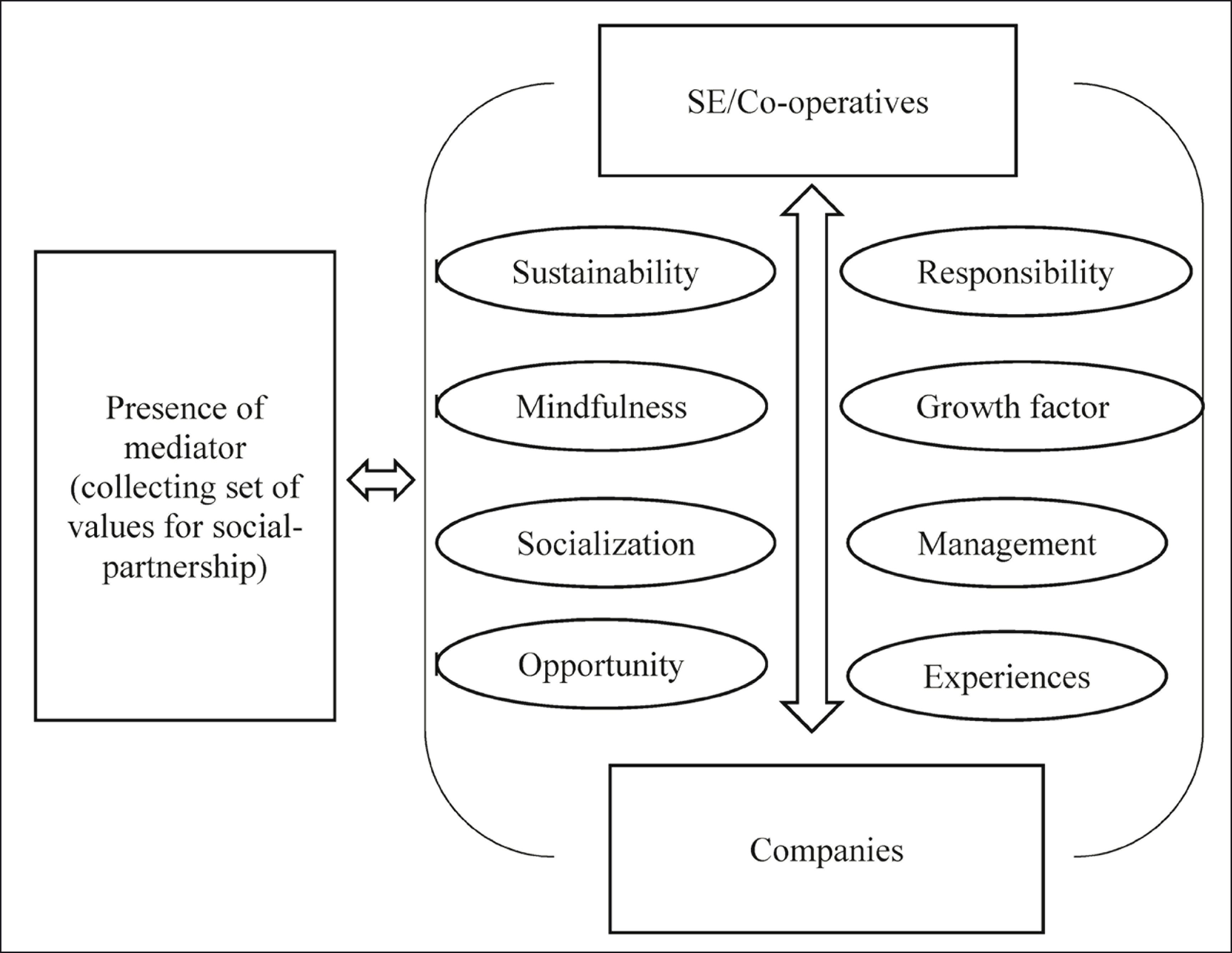
As many traditional enterprises lack explicit mindfulness of CSR strategies, support is required to rethink the emergence of merging CSR with the social economy. Third-party involvement could easily improvise a set of values on the social economy—factors that could be driven by CSR. This might be the way to take initiative towards mutual learning, sharing responsibilities and raising awareness on the social economy.
Conclusion
According to the results of the project, co-operation between SEs and all-sized enterprises could be successful, co-operation with a larger enterprise could be possible, but not within a quick time frame. Larger enterprises usually correspond with multinational partners and lack policy interventions to protect such small SEs by procuring services from them. However, arguing in favour of supporting local and small SEs is not challenging; rather, it needs time for framing co-operation. Conversely, in all cases of co-operation with various-sized enterprises would require SEs to be able to strike a balance between social and economic gain.
An SE should first ascertain what kind of concrete co-operation model they are expecting with other enterprises. If necessary, a joint advisory group of SEs or a third-party could draw up guidelines for co-operation, which would show what kind of co-operation serves both parties.
According to the results of the study, co-operation with large companies could bring greater common benefits and social impact. On the other hand, larger companies also have internal barriers to working with co-ops or SEs at the individual level, as many already have close subcontracting relationships with other enterprises.
In contrast, it is easier for a co-op to enter into a contract or subcontract with a smaller business owner, who often has an urgent need for a service. Sometimes, a common understanding quickly emerges with co-ops on how to work sustainably and successfully in both the short and/or long term.
It is also easier to communicate with small enterprises and receive approval for proposals, as small entrepreneurs are themselves responsible for profit generation, and they do not have to finalize any decisions through the governing board. Small or micro-entrepreneurs do not necessarily need to maintain a governing board in the way that larger business corporations do. Micro and small business enterprises are free to make decisions on establishing social co-operation with SEs, whereas larger organizations usually handle all kinds of procurement through the procurement department. They have resources that are allocated for yearly procurement. It is not always easy to decide on co-operation types for larger enterprises, since they have to follow the strategy of the governing body.
On the other hand, SEs do not always have enough skills to produce the services provided by large companies when there is a lack of sufficient skills. SEs must be empowered, and their skills should be strengthened.
SEs should be seen as an alternative model for self-employment and marketing self-products. To sustain their economic integration, co-operation is needed not only between SEs and the private sector but also with the public side. The role of municipalities to support the emergence of social entrepreneurship in Lapland is argued. Support can come in the form of the provision of resources. The role of municipalities as a third-party was discussed by the respondents. Every regional government can play a key role in developing the activities of SEs alongside the social economy. Support can be either direct material support or intangible support that increases responsibilities and builds trust between actors. Civil society actors such as the municipal administration can help social innovations between SEs by highlighting the challenges they face. By creating a model of co-operation in which various actors become acquainted with one another, they can gain plausibility among the private sector to deal with social alliances. This will encourage SEs and other actors to meet and find common economic interests.
Creating a model of social co-operation requires capable parties and networkers from both SEs and the private and public sectors. Social alliances can potentially bring together all actors and social economy perspectives, which require further social impact analysis for effective social alliances.
Research Limitations and Further Research
There is a need for further research on this topic at a bigger scale in Finland. The study focuses on the Finnish Arctic region. The rate of unemployment, underemployment and long-term unemployment of immigrants varies between Finnish cities and among immigrant populations because of the gap between cities on the share of population, socio-economic opportunities and amenities. The Arctic is shrinking as its population ages and also due to other factors. The results of the research are not necessarily representative of the bigger scale across other cities in Finland.
Footnotes
Acknowledgements
The research was a part of the project ‘Aim2 Work’ funded by European Social Fund. We gratefully acknowledge all of our participants and project colleagues for their support.
Declaration of Conflicting Interests
The authors declared no potential conflict of interest with respect to the research, authorship and/or publication of this article.
Funding
The authors received no financial support for the research, authorship and/or publication of this article.