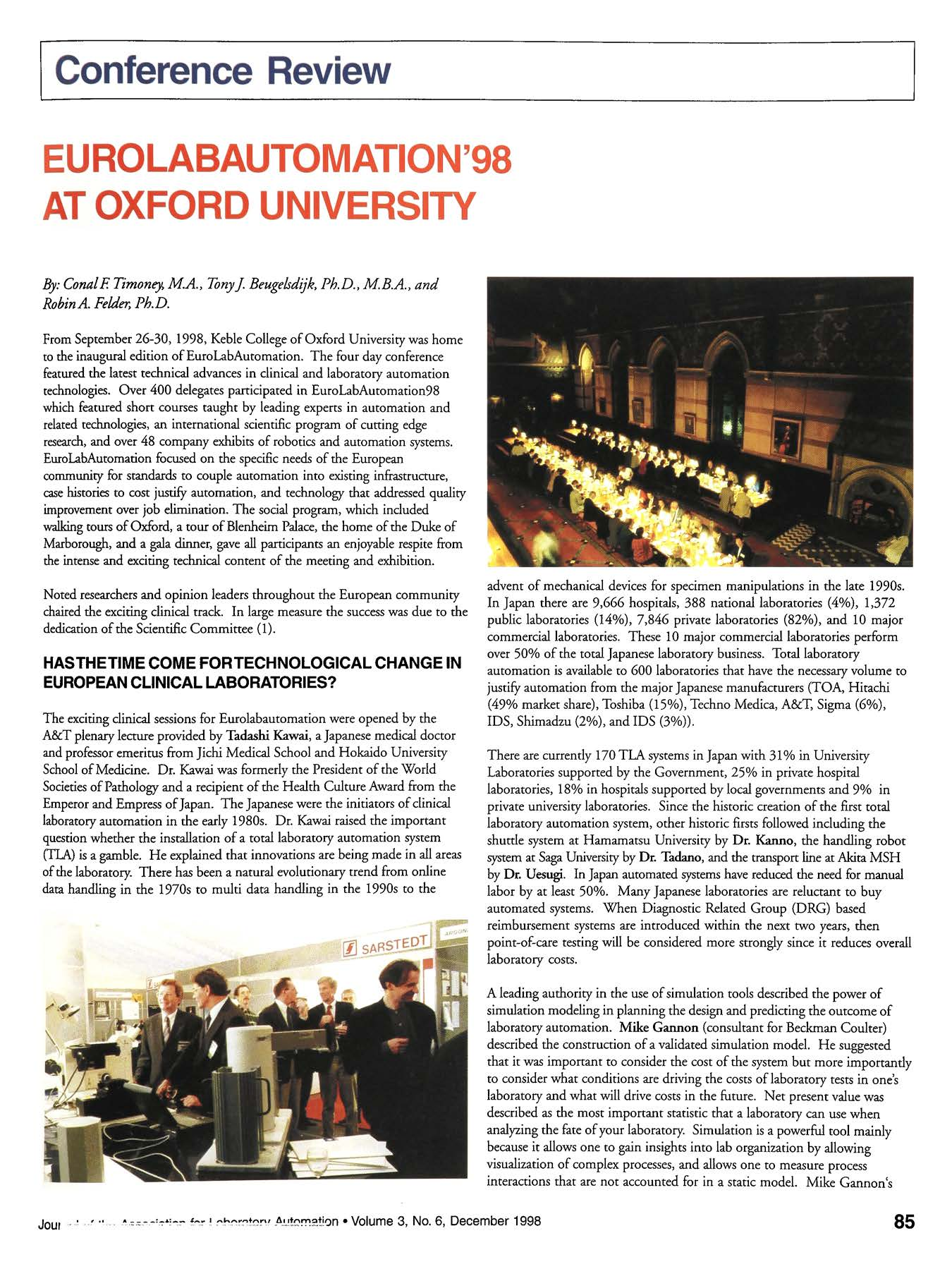
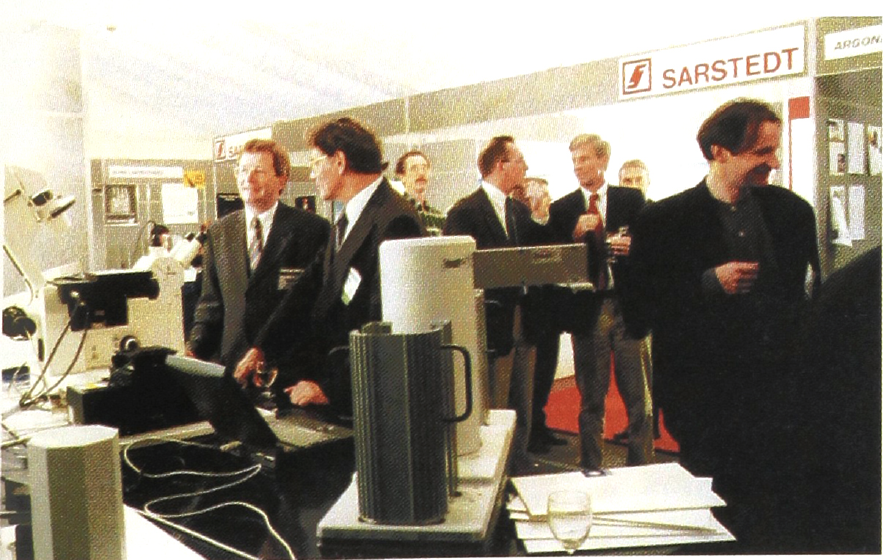
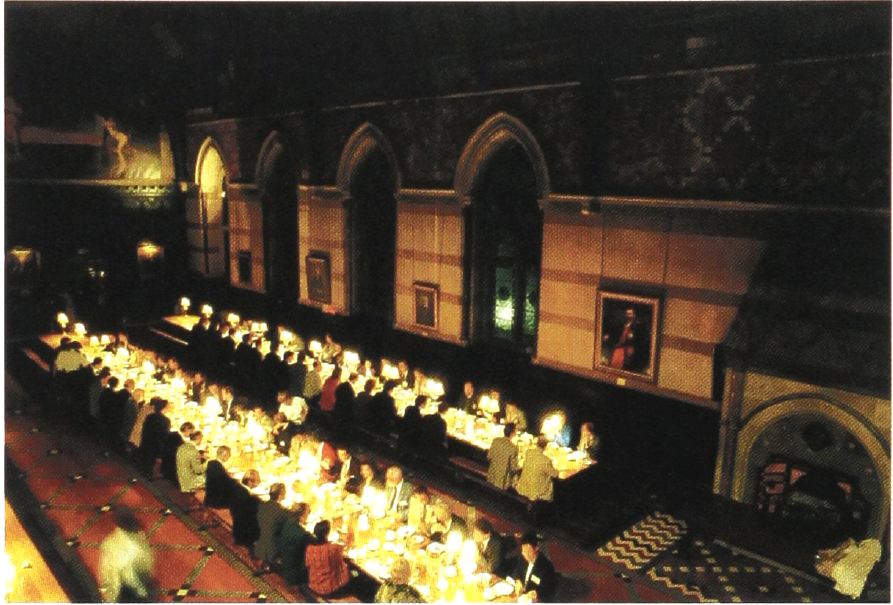
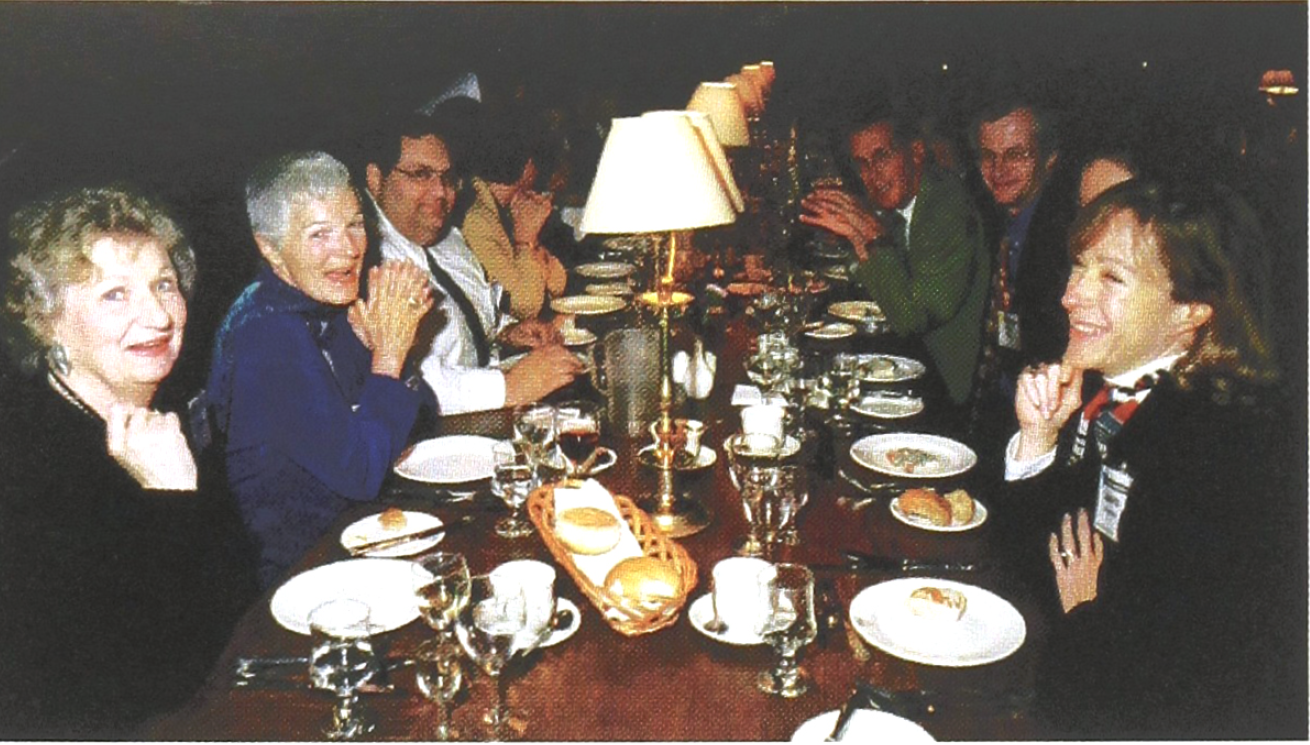
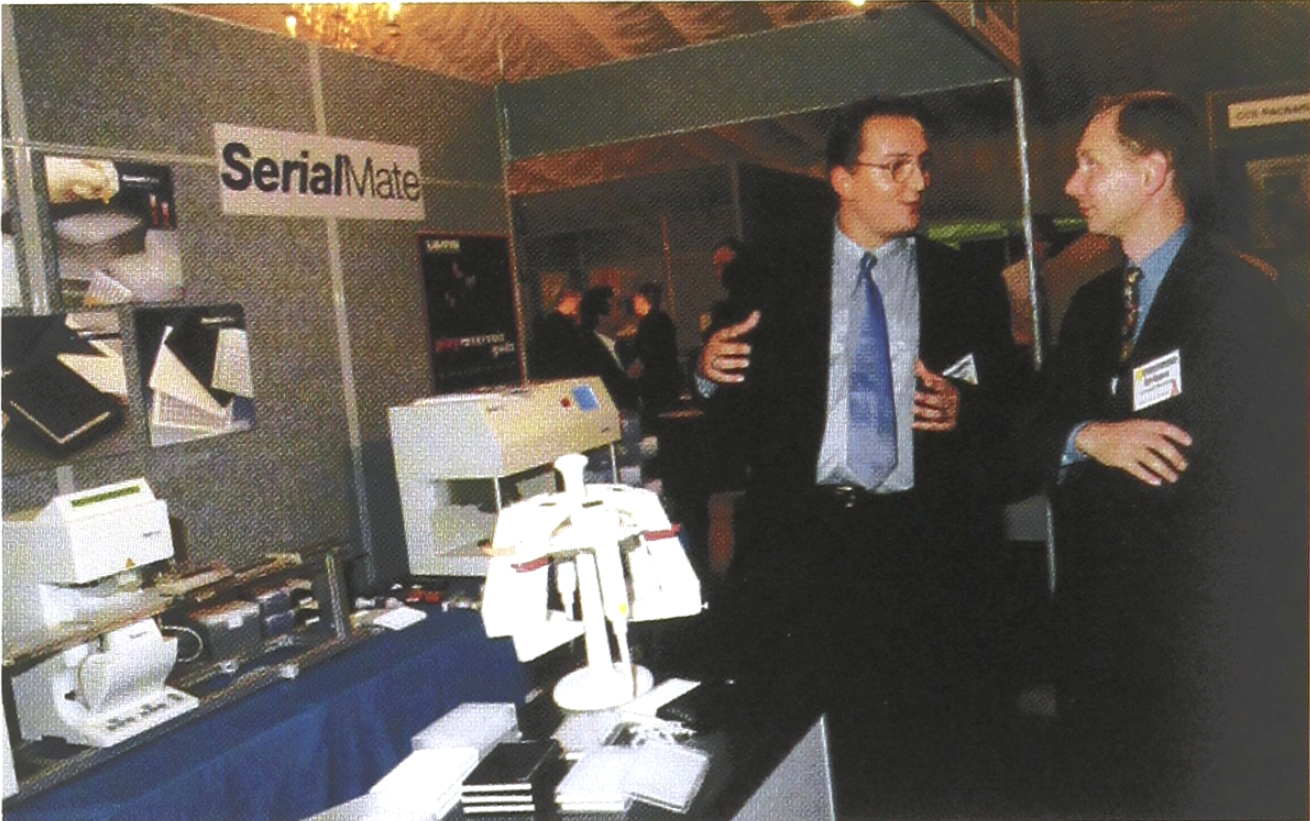
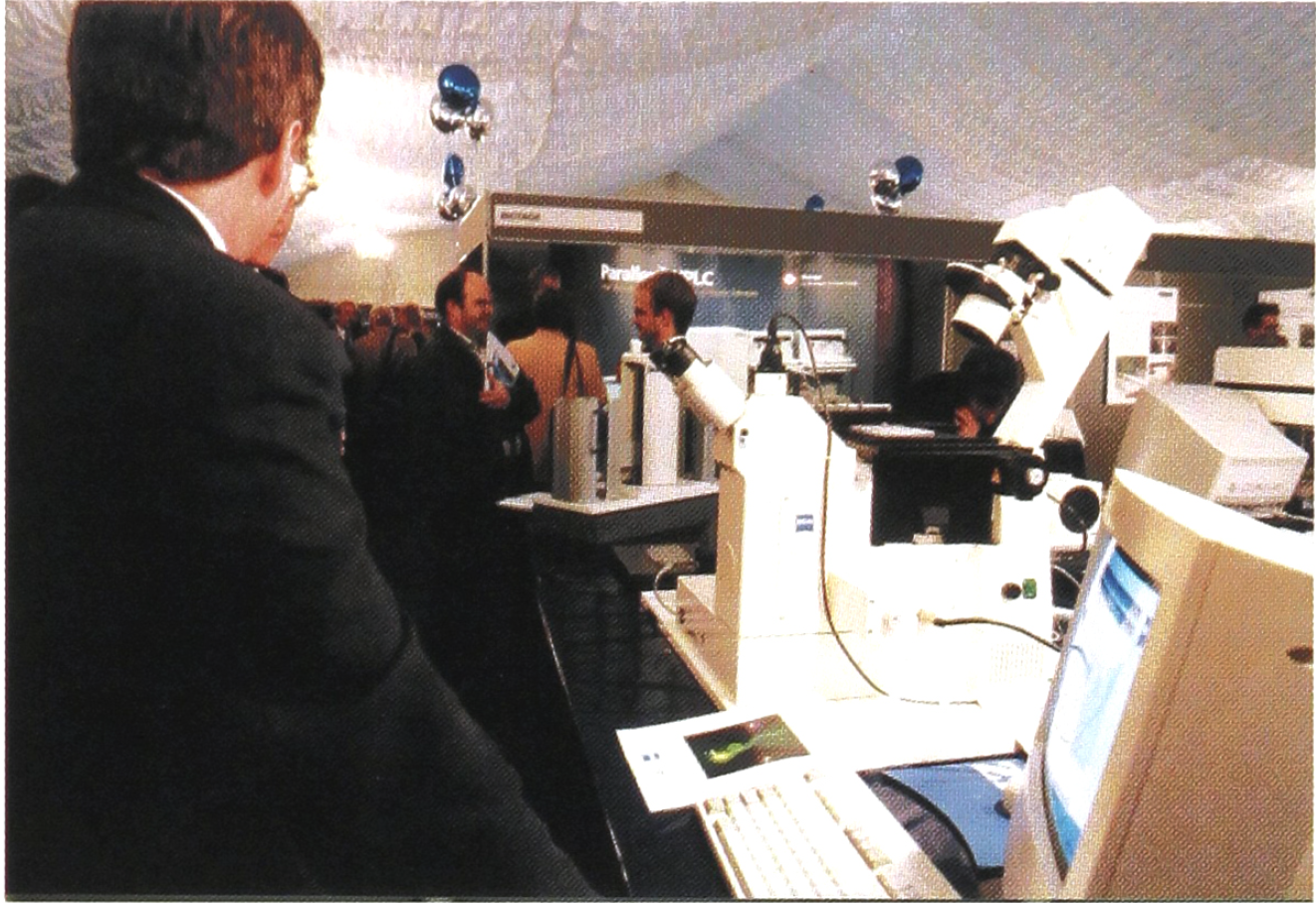
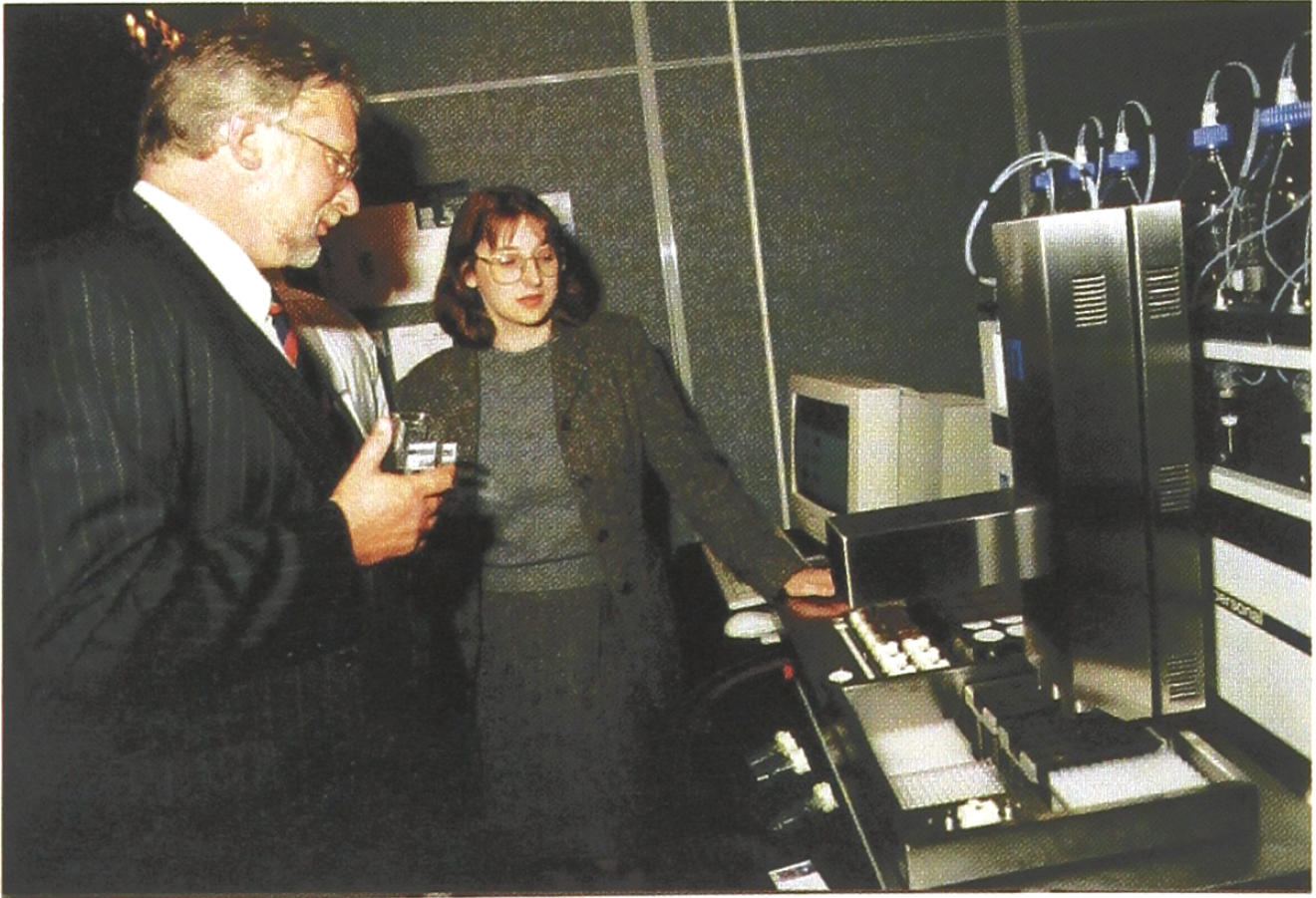
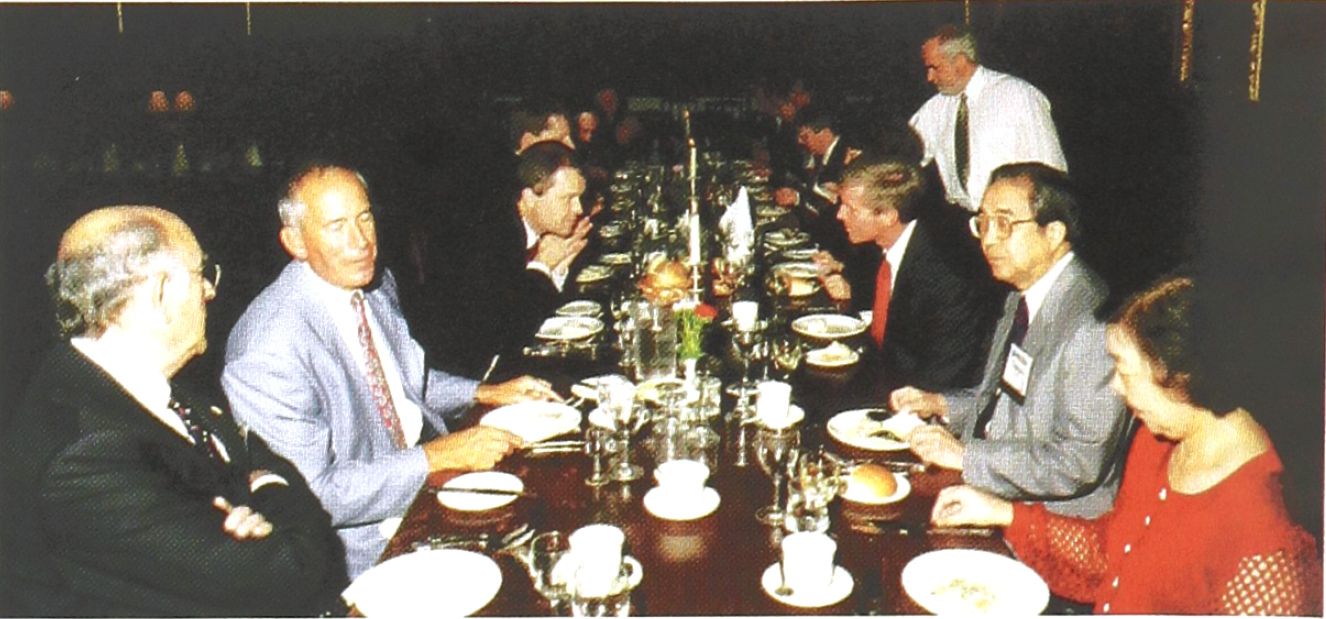
From September 26–30, 1998, Keble College of Oxford University was home to the inaugural edition of EuroLabAutomation. The four day conference featured the latest technical advances in clinical and laboratory automation technologies. Over 400 delegates participated in EutoLabAutomation98 which featured short courses taught by leading experts in automation and related technologies, an international scientific program of cutting edge research, and over 48 company exhibits of robotics and automation systems. EuroLabAutomation focused on the specific needs of the European community for standards to couple automation into existing infrastructure, case histories to cost justify automation, and technology that addressed quality improvement over job elimination. The social program, which included walking tours of Oxford, a tour of Blenheim Palace, the home of the Duke of Marborough, and a gala dinner, gave all participants an enjoyable respite from the intense and exciting technical content of the meeting and exhibition.
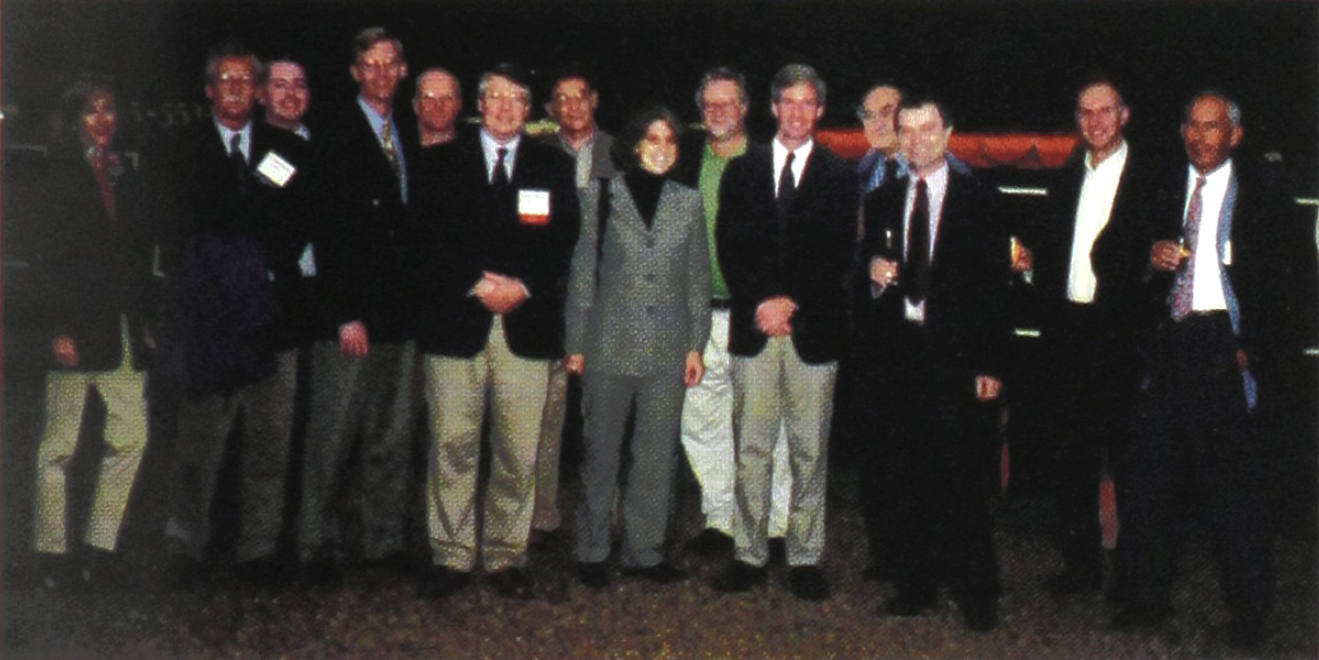
Noted researchers and opinion leaders throughout the European community chaired the exciting clinical track. In large measure the success was due to the dedication of the Scientific Committee (1).
HAS THE TIME COME FOR TECHNOLOGICAL CHANGE IN EUROPEAN CLINICAL LABORATORIES?
The exciting clinical sessions for Eurolabautomation were opened by the A&T plenary lecture provided by Tadashi Kawai, a Japanese medical doctor and professor emeritus from Jichi Medical School and Hokaido University School of Medicine. Dr. Kawai was formerly the President of the World Societies of Pathology and a recipient of the Health Culture Award from the Emperor and Empress of Japan. The Japanese were the initiators of clinical laboratory automation in the early 1980s. Dr. Kawai raised the important question whether the installation of a total laboratory automation system (TLA) is a gamble. He explained that innovations are being made in all areas of the laboratory. There has been a natural evolutionary trend from online data handling in the 1970s to multi data handling in the 1990s to the advent of mechanical devices for specimen manipulations in the late 1990s. In Japan there are 9,666 hospitals, 388 national laboratories (4%), 1,372 public laboratories (14%), 7,846 private laboratories (82%), and 10 major commercial laboratories. These 10 major commercial laboratories perform over 50% of the total Japanese laboratory business. Total laboratory automation is available to 600 laboratories that have the necessary volume to justify automation from the major Japanese manufacturers (TOA, Hitachi (49% market share), Toshiba (15%), Techno Medica, A&T, Sigma (6%), IDS, Shimadzu (2%), and IDS (3%)).
There are currently 170 TLA systems in Japan with 31% in University Laboratories supported by the Government, 25% in private hospital laboratories, 18% in hospitals supported by local governments and 9% in private university laboratories. Since the historic creation of the first total laboratory automation system, other historic firsts followed including the shuttle system at Hamamatsu University by Dr. Kanno, the handling robot system at Saga University by Dr. Tadano, and the transport line at Akita MSH by Dr. Uesugi. In Japan automated systems have reduced the need for manual labor by at least 50%. Many Japanese laboratories are reluctant to buy automated systems. When Diagnostic Related Group (DRG) based reimbursement systems are introduced within the next two years, then point-of-care testing will be considered more strongly since it reduces overall laboratory costs.
A leading authority in the use of simulation tools described the power of simulation modeling in planning the design and predicting the outcome of laboratory automation. Mike Gannon (consultant for Beckman Coulter) described the construction of a validated simulation model. He suggested that it was important to consider the cost of the system but more importantly to consider what conditions are driving the costs of laboratory tests in one's laboratory and what will drive costs in the future. Net present value was described as the most important statistic that a laboratory can use when analyzing the fate of your laboratory. Simulation is a powerful tool mainly because it allows one to gain insights into lab organization by allowing visualization of complex processes, and allows one to measure process interactions that are not accounted for in a static model. Mike Gannon's MedModel tool is also equipped with optimization algorithms that allow the software to make intelligent suggestions to the user. Dr. Royce Bouden's optimization processes are built into the MedModel tool. Mike Gannon estimated that a simulation could be made for the average laboratory with a week for setup, a week of data collection, a week of model building, a week of validation, and finally a week of client consultations and interviews. Thus, in 5 weeks most laboratories could be equipped with sound statistical data to assist with purchasing decisions for laboratory automation.
In a related lecture, Dr. Guthrie from Guys and St. Thomas's Hospital described their current automation system (Beckman Coulter pre-analytical processor). His insights into the issues surrounding planning for automation were invaluable for those in the audience planning such a purchase. His laboratory plans on being a test case for Mike Gannon.
Exciting new developments in data handling were described by P. Sinha on diagnosis based laboratory requests. His institution has eliminated test request forms by using hand held data entry devices that allow printing of 2D bar codes. High density codes, such as the 2D code, allow all patient demographics and test request information to reside on the specimen container. His data labels incorporate the use of both conventional 1D codes and 2D codes in order to be compatible with all the bar code readers in the laboratory. A surprising benefit of the new labeling system was the reduction in blood utilization.
Web based data storage and retrieval was the topic of J. Kay's talk. Web based interfaces for retrieval of medical data provides a user-friendly system with low maintenance overhead. Furthermore, the ubiquitous access to the Internet simplifies long distance access to timely information.
We are beginning to see case histories from European laboratories that have taken the pioneering step to install complete laboratory automation systems as well as smaller laboratories that have installed modular systems. A. Hagen described the progress of Dr. Bruyland from Belgium who manages a laboratory that processes 500–600 tubes a day. His laboratory began the process of automation from a system that did not use bar codes and produced many aliquots from the several specimens obtained from each patient. The laboratory process was streamlined using the Roche PSD 1200 specimen decapper and sorter with built in software that helps optimize throughput. Hagen described the sorting process that produced 19% of specimen samples for one Elecsys immunoassay analyzer and 40% of the specimens for a second Elecsys. A significant number of specimens also had to be created for the VS250 (Ortho) and the Roche 917. The next acquisition for the laboratory will be the VS250 specimen aliquotter to reduce the drawing of specimen primary tubes. Another case history of the University of Leiden was presented by J. Souverijn. Souverijn described the Roche/Hitachi CLAS (Clinical Laboratory Automation System) before, during, and after installation. Details of this system was previously published in the Journal of the Association for Laboratory Automation (Vol. 2, No. 5, Pp. 28–31).
The first European installation of the Beckman Coulter preanalytical processor took place at the Guys and St. Thomas's Hospital in London. M. Wheeler has now taken another pioneering step and has evaluated the first Modular automation system, the Abbott I-2000 immunoassay analyzer (part of the Architect family of analyzers and automation). The I-2000 is 2.5 meters long, which saves floor space compared to other analytical systems with similar throughput. Wheeler described the advantages of modular hardware such as minimal production of aliquots, economic use of specimens, and the wide variety of analytes in a single analytical device. Single vendor modular systems will provide a method to pay for automation through an increase in per-specimen costs. The complete Architect system will be capable of chemistry, endocrine, oncology, hematinics, serology, and immunology on a single platform. Wheeler suggested that a modular automation system will reduce errors by reducing specimen mix-ups, reducing dilution errors, reducing mislaid specimens, while reducing the total number of specimens and blood drawn. However, modular automation will come at a 50% increase in per specimen cost.
G. Auchinleck demonstrated an interesting device that the audience found quite exciting when one observed the number of individuals who accosted Geoff after his lecture for additional information. He showed a bar code reader the size of a credit card that could be used to wand a patient armband, wand the specimen, and even wand specific comments coded onto a sheet to link the phlebotomy exercise to the main laboratory in a low technology, low cost system. Auchinleck explained that the credit card bar code reader would only deal with 80% of patient specimens (the rest being exceptions with specific needs that only a knowledgeable medical technologist could solve).
P. Bonini led a session on the hospital of the 21st century. Bonini and the speakers who followed described the need for positive patient identification linked to positive patient specimen identification. A similar topic was covered by E. Allyn from Welch Allyn, who are manufacturers of medical office instruments. The “office of the future,” project was developed for a research consortium to seek ways to improve the efficiency of medical instruments through the development of standards for capturing information and to reduce the redundancy in instrument components. For example, if all medical instruments could run off of a common power supply there would be no need for redundancy in power supply equipment from tool to tool. Furthermore, office instruments could be electronically linked to allow data to be captured.
PHARMACEUTICAL RESEARCH AND DRUG DISCOVERY TECHNOLOGIES
Two technical tracks focussed on clinical and pharmaceutical research. Professor Ron Pethig of the University of Wales gave the plenary lecture titled “Must We Have Chips With Everything?” Dr. Pethig discussed the developments in laboratory on a chip technology which closely parallels the evolution of microprocessor chips of the 70s and 80s.
Patrick Coffey of Dyax Corporation presented a talk on the optimization of high throughout screening. Chromatographic performance is a tradeoff between throughput, resolution, and solvent consumption. He discussed the tradeoffs between column length, gradient time, flow rate, and particle size. The control software employed was designed around Microsoft Access. The use of LC-MS with on-line determination of elemental composition in high throughput discovery applications was discussed by Mark McDowell of Micromass, Ltd. The advantages of orthogonal acceleration time-of-flight (oa-TOF) in providing exact mass of each LC peak as it elutes supports patent application and scientific publication requirements and also makes this a walk-up technique. NMR spectra are also readily interpreted with the elemental composition generated by oa-TOF. In a related paper, Andrew Organ of SmithKline Beecham Pharmaceuticals discussed his experiences as a mass spectrometrist in providing rapid feedback to the synthetic chemists designing libraries as well as providing structure information on hits from high throughout screening (HTS).
Nicholas Hird of SmithKline Beecham Pharmaceuticals described their toolkit for high throughput array synthesis. These consisted of a series of automated devices that assemble chemistry in microtiter plate format to work in a larger process which includes reagent management, synthesis, post-synthesis processing, quality assurance, and finally, registration. David Rudge presented the development of an automated synthesis laboratory within Zeneca Pharmaceuticals, Ltd. A series of seven Zymark robot workstations have been deployed to assemble the chemistry, perform the reactions, and to isolate the products. In conjunction with data handling modules which perform materials tracking, an infrastructure has been developed which enables extensive use of this centralized facility.
Supporting the medicinal chemist's needs was the topic of a paper presented by David Cheshire of Astra Charnwood. He discussed the scale up of synthesis from 10–20mg to the typical 20–50mg needs of late phase of preclinical research using the Tomtec Quadra liquid handler. The scope of the task included reaction design software, compound storage and delivery, synthesis, purification, analysis, sample archiving, and record keeping. Sue Holland of Glaxo Wellcome (Stevenage) presented the development of the Automated Liquid Store (ALS). The availability of sample to support high throughput screening was a motivation for the system's development within Gaxo. The ALS has a capacity of 3 million samples and can supply 15 million samples per year. It can handle both 96 and 384 well plates and features replication and discrete sample handing capabilities. A series of commercial systems from KHT, Labman and Staubli as well as custom devices were integrated by AEA Technology into this impressive system.
In detection technologies for HTS, Rodney Turner of EVOTEC BioSystems GmbH described their miniaturized high throughput screening system for primary and secondary screening. The EVOscreen system is based upon fluorescence correlation spectroscopy which has micro to picomolar sensitivity in sub-microliter volumes. This technology, in concert with their EVOseek data mining system, is currently screening at a rate of 40,000 assays per day in 1536 well plate format and can scale to 100,000 assay points per day. Ernst Bürgisser of Discovery Technologies Ltd. presented their development of the HTS Factory. This system, capable of 100,000 assays per day, is based upon a novel monorail transport system which move stacks of microtiter plates to various liquid handling, conditioning, storage, and measuring stations.
Continuing the theme of HTS, Jason Armstrong of HTS Consulting discussed the elements of a successful screening campaign. A combination of correct assay and screen design together with the proper automation is required. Jason went on to discuss the relative advantages of the Beckman CORE system as well as the newly introduced Zymark Allegro UHTS system. The new paradigm in UHTS presented by Allegro was discussed by Jack Elands of Zymark. Using an industrial “bucket brigade” model, Zymark has assembled a highly reliable and robust screening system. The most salient feature of the Allegro architecture is its focus on the chemical protocol subtask as the unit of modularity. This enables complete assays to be automated in record time. Reconfiguration for various assays is also readily accomplished. Allegro has a capacity of 1 plate per minute which translates into a throughput in excess of 100,000 per day.
Alan Watt of Merck Sharp and Dahme presented their experiences with high throughput pharmacokinetics using sample preparation with LC-MS/MS detection and analysis. The bottleneck has been shifted to pharmacokinetics thanks to the implementation of combinatorial chemistry and high throughput screening in many pharmaceutical companies. Tandem mass spectrometry has become the technique of choice for the analysis of blood and plasma samples. Because of its speed, sample preparation is now the rate limiting step. Alan discussed Merck's automation of this step and also its application to drug metabolism studies.
Chip technologies, which are the subject of active research and keen interest, were the focus of a special session. Anne Kopf-Sill of Caliper Technologies discussed their efforts in controlling nanoliters of solution and reagents using electrokinetic forces. A wide range of assays are possible including enzyme inhibition, cell-based, and receptor binding. The world-to-chip interface was also described which allow the introduction of a different set of reagents with every run. Keynote speaker, Ron Pethig, presented his lab's work on the development of bioprocessor chips using AC electrokinetic phemonema. Microelectrode devices with 10 micron feature sizes have been constructed. The microelectrodes are energized with alternating current with frequencies of 100Hz to 100MHz. The electric fields are imposed on cells, bacteria, viruses and other bioparticles so as to introduce various electrokinetic phemomena such as dielectrophoresis, electro-rotation, and travelling wave dielectrophoresis. He discussed applications to the determination of the viability of E. Coli and Cryptosporidium, the study of the effect of biocide treatment on biofilms, and the separation of bioparticle mixtures. Andrew de Mello of the Imperial College of London addressed the future of chemical synthesis using chemical integrated circuits. Similar to the huge gains in miniaturization experienced in the microelectronics field, the chemical lab on a chip technologies enable similar gains in performance, speed, throughput and reduction of costs. The miniaturized total analysis systems (m-TAS) represent the base technology of a new generation of chemical analysis instruments.
An approach to solid phase synthesis based on the centrifugation of tilted plates was presented by Michal Lebl of Trega Biosciences, Inc. This patented technology exploits the advantages of solid phase synthesis and allows for separations without filtration of an unlimited number of sample compartments. An automated system incorporating this technology is being developed. Dirk Vetter of Graffinity discussed their approach for developing miniaturized solid phase synthesis and screening. Their SquarePlate technology provides for the parallel and automated synthesis of 9,216 compounds on 82,944 single beads laid out in a patterned array. Products from miniaturized synthesis are mapped to fluorescent ultra high throughput screening format for affinity fingerprint analysis. Heinrich Gausepohl of ABIMED Analysen-Technik GmbH spoke about the automated synthesis of peptides, PNA and oligonucleotides. Their SPOT method allows for the synthesis of more than 8000 peptides per run. The technique was also extended to the parallel synthesis of peptide nucleic acid molecules and oligos. The PNA arrays present some distinct advantages over the more prevalent oligo arrays.
Gunther Knebel of Greiner GmbH presented their advances in microtiter plate technology. Various formats are now available in a 1536 well pattern including clear bottom, white, and opaque plates. Significant savings in reagent costs (2 orders of magnitude over 96 well plates) are realized using these plates. The development of planar polymer chips with microfluidic channels for use in chemical and life science laboratories was presented by Holger Becker of Jenoptik Microteknik GmbH. Current lab on chip designs are made in silicon, glass or quartz. For many applications these are too costly and may pose other problems such as protein sticking. Polymer replication using the hot embossing process represents an alternative fabrication method and allows for the use of polymethylmethacrylate (PMMA) and polycarbonate (PC) materials. A planar chip for two-dimensional capillary electrophoresis has been fabricated. Fluidic channels are 80 microns wide and 5–8 microns deep in the first separation dimension and an array of 500 channels with a width of 800 nm and a depth of 5–8 microns in the second separation dimension. Another device for capillary electrophoresis having a channel cross section of 100 by 40 microns was also built of PMMA.
Patrick Merel of Laboratorie de Virologie Systematique et Moleculaire described hid automation of a reverse dot-blot procedure for PCR products detection. He has used the Biomek 2000 to perform reverse dot-blot procedures which include microtiter plate moves, incubation and colorimetric detection. Future developments will include the integration of an automated storage capability for high throughput operation.
An impressive application of flow cytometry to the problem of DNA sizing was presented by Jim Jett of Los Alamos National Laboratory. Analysis of DNA fragments by flow cytometry is analogous to the analysis of cells for DNA content with some modifications. Since the fluorescence emitted by stained DNA fragments is several orders of magnitude lower than for intact mammalian genomes, the transit time through the laser beam is increased by approximately a factor of a thousand and the fluorescence photons are recorded by direct photon counting. The result is a highly simplified, sensitive, flow cytometer that is also capable of detecting individual molecules of phycoerythrin. Fragments of bacterial digests up to 447 kilo base pairs can be analyzed in 3 minutes with only picogram quantities of DNA.
Charles Frey of Gilson, Inc. described his work on the parallelization of HPLC. He was able to achieve a throughput of 8 times using an eight probe, eight injector sampling device for flow injection or HPLC analyses. To round our the pharmaceutical track, Mark Vavra of Gensym discussed an often overlooked, but extremely important of system modeling and expert based construction of HPLC methods in an operational laboratory. HPLC method development using the Gensym application leverages the expertise of scientists 24 hours per day. The system can be used on many types of separations including reversed phase, chiral separations, normal phase, ion exchange, and ion pairing.
The podium program of EuroLabAuromation98 was also accompanied by a poster program which featured the late-breaking developments of 15 authors in clinical and pharmaceutical automation.
EUROLABAUTOMATION'99
Based upon the success of this inaugural edition, The Association for Laboratory Automation is proud to announce that EuroLabAutomation'99 will be planned for October 25–29 in London, UK. Please see the website at http://eurolabautomation.org for further details.
CONFERENCE SPONSORS
Our corporate sponsors are key to the success of this conference. We are very pleased to acknowledge their generous support.
Abbott Diagnostics
Beckman Coulter, Inc.
Bayer Diagnostics
Roche Diagnostics Boehringer Mannheim
Ortho-Clinical Diagnostics
EVENT SPONSORS
A&T Corporation
AEA Technology
Becton Dickinson
Roche Diagnostics Boehringer Mannheim
SCIENTIFIC COMMITTEE1
Dr. Robin A. Felder (Chairman), University of Virginia
Prof. Pierangelo Bonini, M. D., Istituto Scientifico
Richard Gray, The Technology Partnership plc
Dr. John Harris, BSc PhD CChem FRSC, Technical Director, BioFocus plc
Georg Hoffmann, M.D., President, Trillium GmbH
This photo is reproduced courtesy of Laura Fitzgerald.
Rick Jones, MA, DM, MRCP MRCPath, United Leeds Teaching Hospitals NHS Trust
John McVittie, D. Phil., Department of Clinical Biochemistry, John Radcliffe Hospital
Dr. John H. M. Souverijn, Central Laboratory for Clinical Chemistry E2-P, Leiden University Medical Center
Dr. Alain Truchaud, Institut de Biologie, Nantes
Dr. Michael J. Wheeler, BSc, MSc, PhD, Dept. Clinical Pathology, St. Thomas' Hospital, London
Dr. Mark Whittaker, Head of Medicinal Chemistry, British Bio-technology Ltd.