




Abstract
After recovery and loading on the patient’s leg, syndesmotic screws mounted on an injured ankle may fail. The main subject of this study is to estimate the lifetime of screws considering the patient’s weight and physical activity.
Introduction
A syndesmosis is a joint in which two bones are located in the vicinity of each other and remain together by some strong ligaments allowing the bones to work as a joint. The syndesmosis is one of the factors contributing to stabilization in an ankle joint, which if injured can cause instability of that leading to problems in normal activities of an individual. 1 Ankle injuries include the ligament ones of the syndesmosis caused by an ankle sprain due to intense sports activities like skiing and soccer; fibula fracture at levels close to syndesmosis; medial bone or ligament injuries and tibiotalar diastase.2,3 Usually, when fibula and tibiotalar are distanced in the syndesmosis joint, surgery is necessary for treating the ankle joint so that the two bones are closed and implanted using suitable screws and after 2 to 3 months, they should be removed from the joint. during this time interval, the broken ligaments are treated and then, they will be able to take close the bones together without implants. Depending on the type of ankle injuries, it is possible to choose methods for treatment using implants such as screw and fiber wire-button as the most common utilities for treating injuries.3,4 It is worth mentioning that screws are one of the most important tools used in orthopedic surgeries like ankle joints surgery. 5 In most cases of ankle surgeries, screws are utilized individually or in a group to keep motionless and intact the injured bone throughout the treatment duration and so, reduction in the anatomical state.6–9
The screws used in the syndesmosis impose restrictions on the movement of ankle joints. Due to these limitations, the screw may be damaged during complete dorsiflexion of the ankle.2,10 Over time, if the patient walks and applies a load on his/her foot without performing the second surgery and removing the screws, mounted ones may be fractured due to the fatigue phenomenon.7,11
A few studies on the failure of screws, fatigue phenomenon, and estimating the lifetime of syndesmotic screws have been reported. These studies have been conducted as clinical trials on patients under treatment, tests on a specific cadaver and numerical modelling like finite element analysis to investigate stress distribution in screws and screw design.5,8,9,11–19 However, there is no reported work on considering the lifetime of screws and then, estimating the time for failure after the operation and before removing them (the second surgery).
The main motivating factor of the current study is investigating the cause of breaking the screw implanted in the left leg’s dislocated syndesmosis ankle joint of one of the authors in the current article. The story is that his ankle joint was injured during soccer play in college and after fitting the joint and before removing that in the second surgery, the screw was broken (see Figure 1).
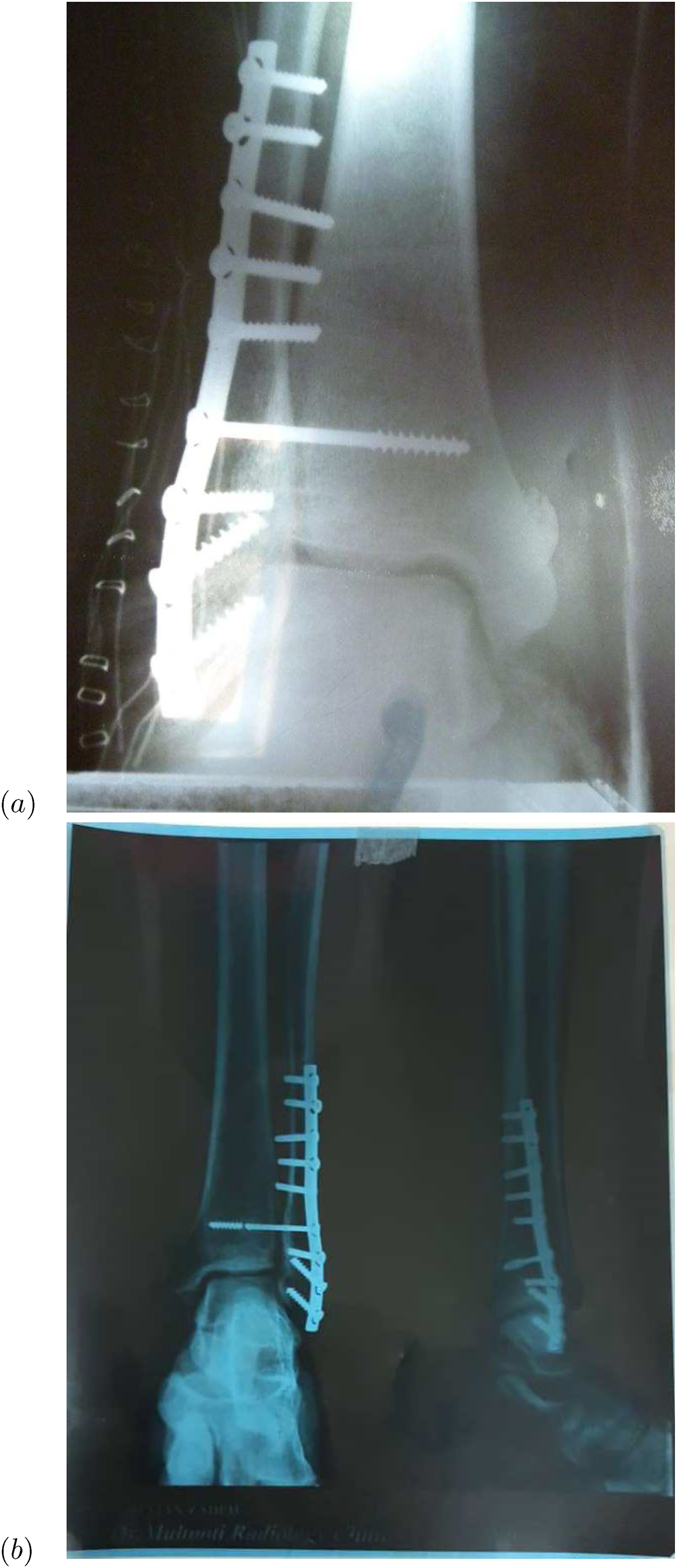
Implanted ankle joint: (a) treated joint at the first surgery; (b) broken screw before the second surgery.
In this study, it is assumed that the foot after surgery is improved, the recovery period is over, and the patient imposes some loads on the feet without any second surgery and screw removal from the bone as happened in real. In this regard, using the finite element method (in section 2.2), the stress values of the Syndesmotic screw are obtained during walking in different weight conditions (see section 2.3). Finally, using the fatigue analysis (section 2.4) and respecting to the minimum and maximum physical activity according to the previous studies like20–24 the lifetime of screws and the number of tolerable cycles until the failure are investigated (section 3) and then, the results are interpreted and some discussion on validity and limitations of the study are presented (section 4). At last, the main findings which can be concluded from the study are presented in section 5.
Material and method
Bone and screw structures
In the current research, using SolidWorks three-dimensional models of screws were made as accurate as possible. The bone geometric characteristics were created according to the CT scan images of a right foot patient (age: 26years; height:
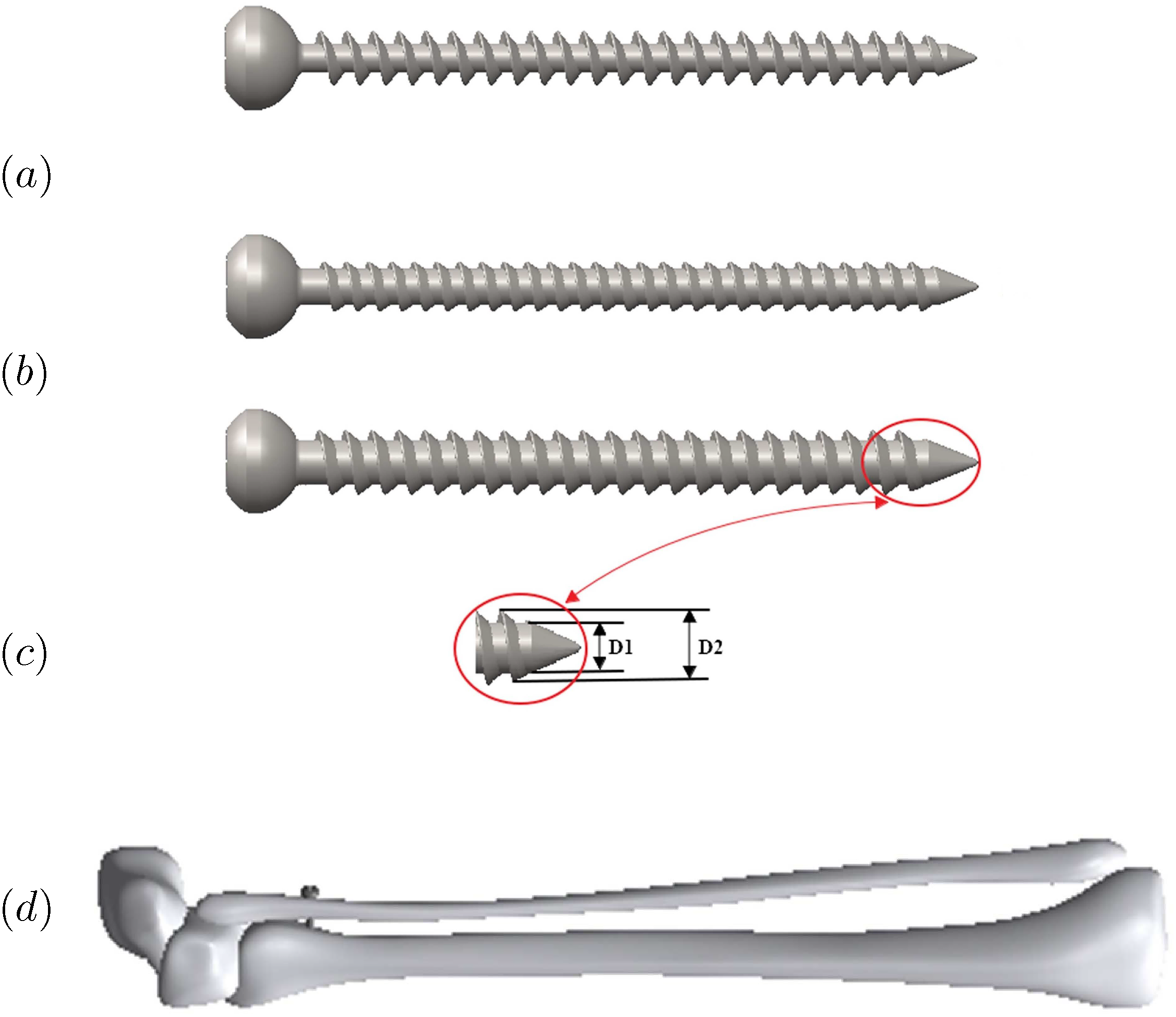
Designed and mounted screws on the bone: (a)
Besides, the
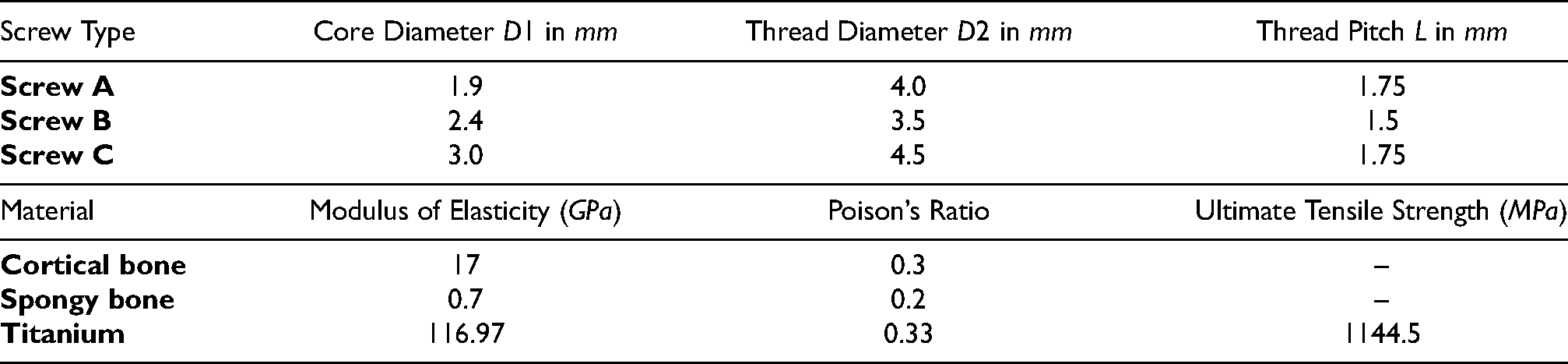
Specifications of screws used in models; Mechanical and strength properties of bones and screws. 5
Finite element modeling
To perform stress analysis on the screw, designed and provided screw-bone models (Figure 2) are imported into ANSYS Workbench V17 finite element software. Note that the bone with cortical and spongy materials is assumed to be isotropic, linear elastic and homogeneous; screws are made from titanium of type TI-6AL-4V with the mechanical and strength properties given in Table 1. 5
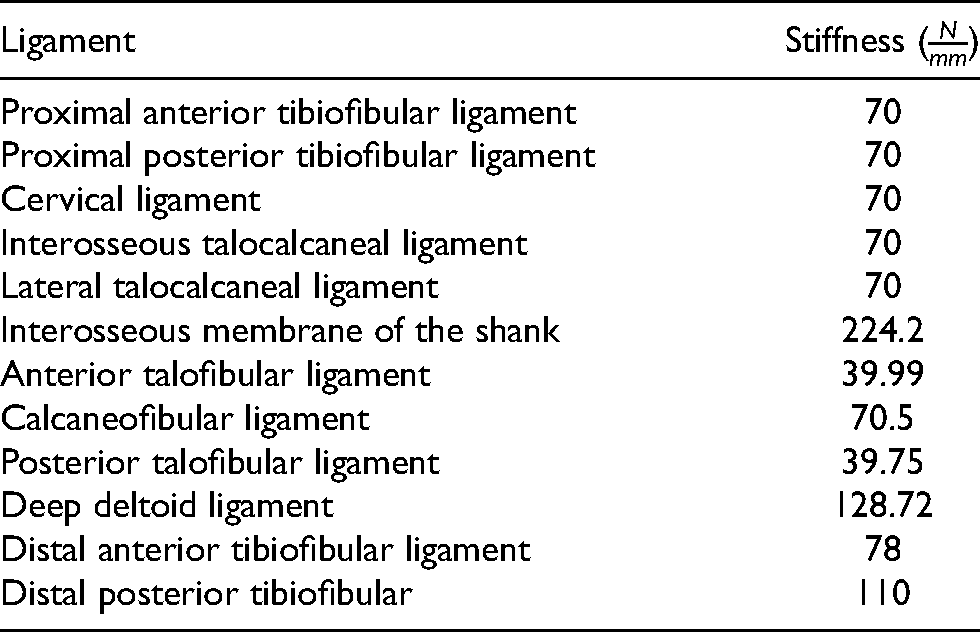
Elements utilized in finite element modelling are 99757 tetrahedral ones named as SOLID187. In addition, 24460 elements of CONTA174 and TARGE70 are used to model connection between the screws and bones (see Figure 3). The number of nodes in the provided finite element model is 163780. Furthermore, all of the ligaments are considered as tensile springs with the stiffness reported in Table 2. The cartilage of joints is considered as a compressive spring. 25 The length and width of the ankle joint ligaments are applied to the model based on the data available in Ref. [26].
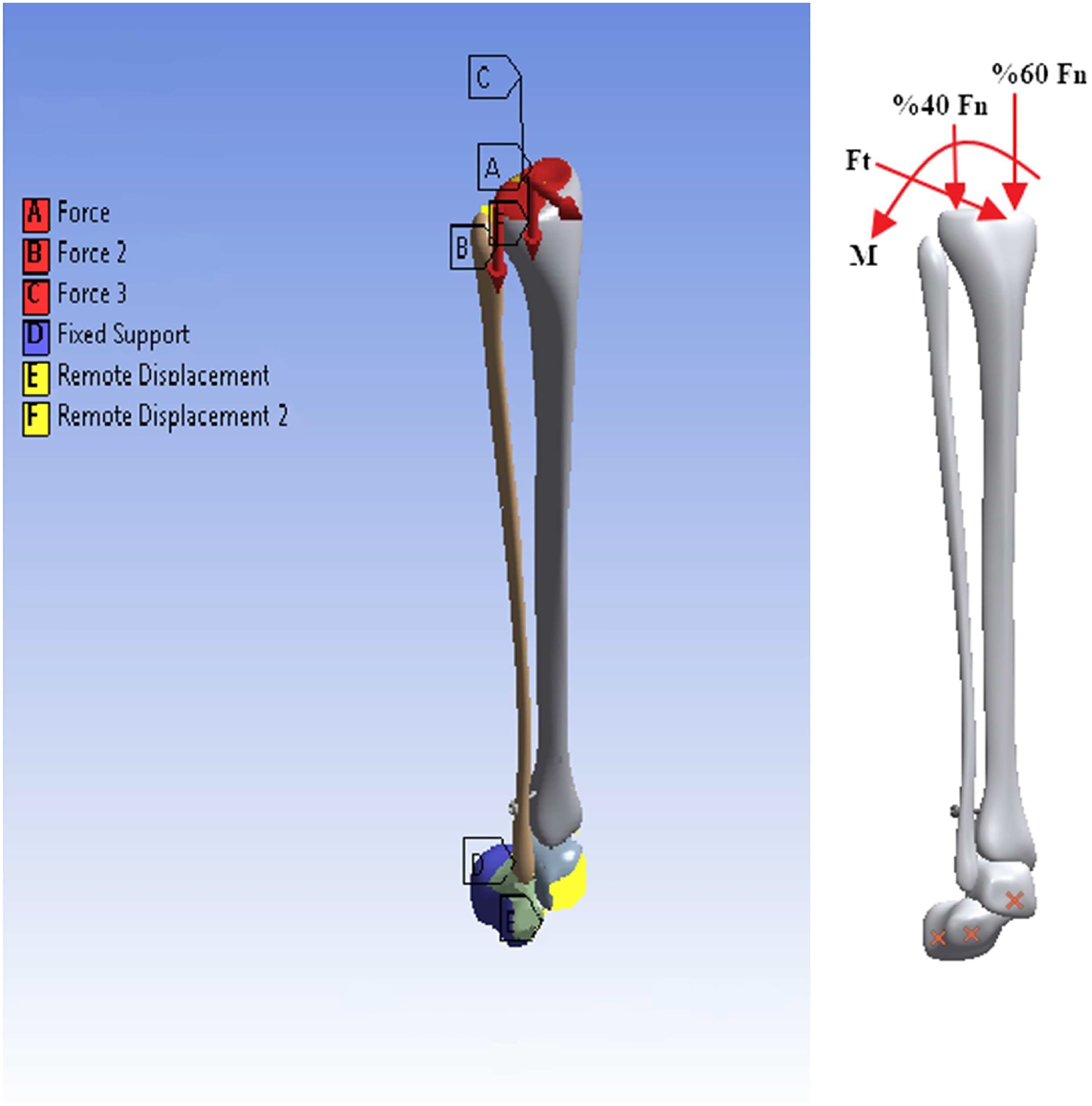
Boundary conditions and imposed loads;
Stiffness of ligaments. 25
Boundary conditions and loading
In the model, calcaneus of the foot is fully constrained and the other bones can move with respect to the calcaneus. Also, the talus bone is fixed against the posterior-anterior direction due to the imperfect bone of the forefoot (see Figure 3). The fibula is constrained by the ligaments of tibiofibular proximal and distal joints; tibia is fully constrained against any rotation. Furthermore, the coefficient of friction between the screw and bone is taken into account as done in the previous studies.
27
The physiological loads are calculated in terms of axial load
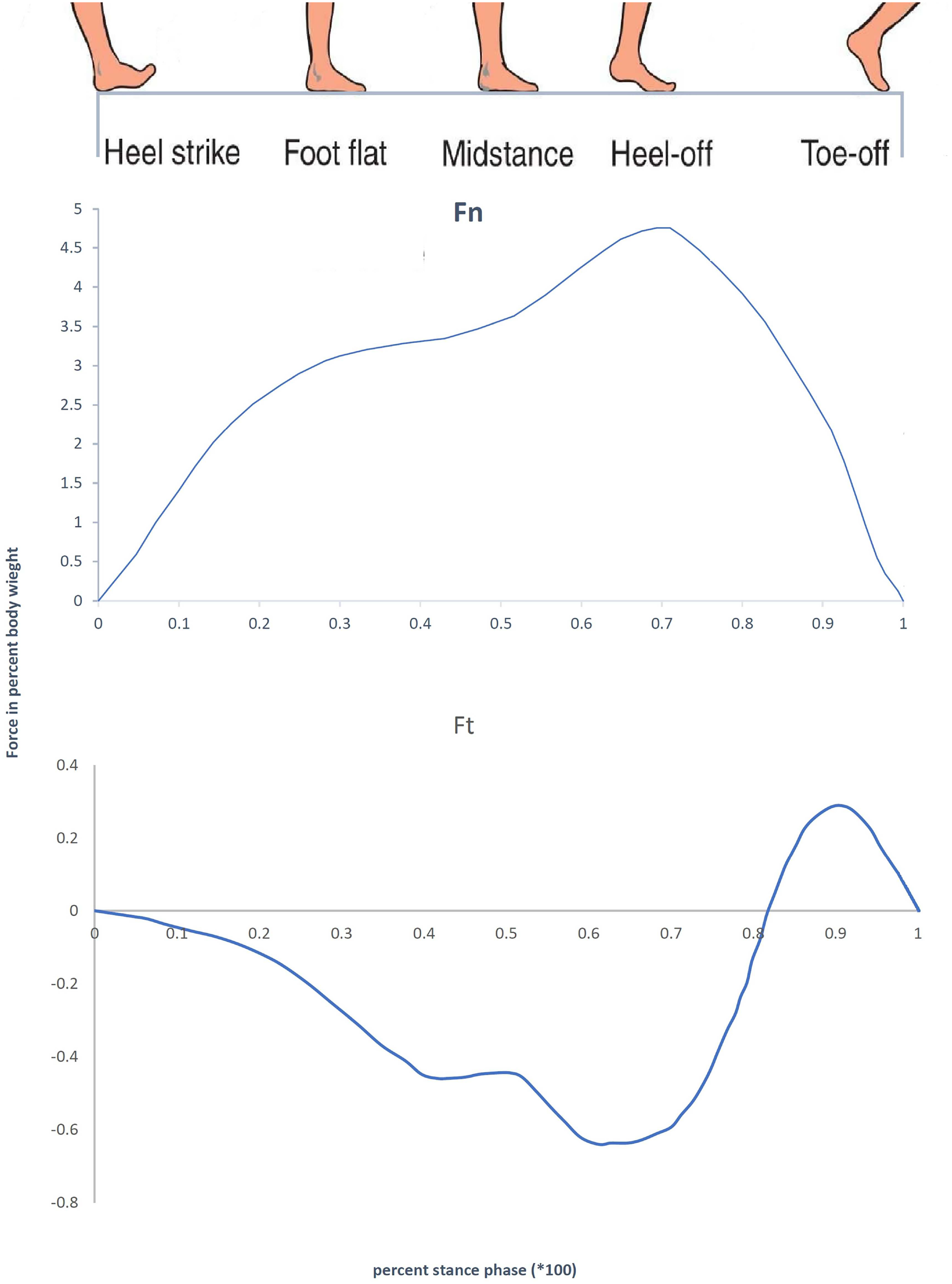
Variation of tangential and axial forces coefficients in different walking phases. 28
Fatigue analysis
The stresses obtained from the analysis are imported into nCode DesignLife V12, which is a finite element based software to determine the fatigue and lifetime of components. Taking into account the maximum stress values obtained from the analysis, choosing stress-life or strain-life method to determine the fatigue life for a high or low cycle one and using the most appropriate S-N diagram, 29 the life of screws are examined up to the moment of break. Finally, the maximum and minimum lifetime values are presented in terms of the day concerning the average of the maximum and minimum activity values available in the literature.22,24
Results
Stress results
Figure 5 shows the maximum stress variations for a body with a weight of
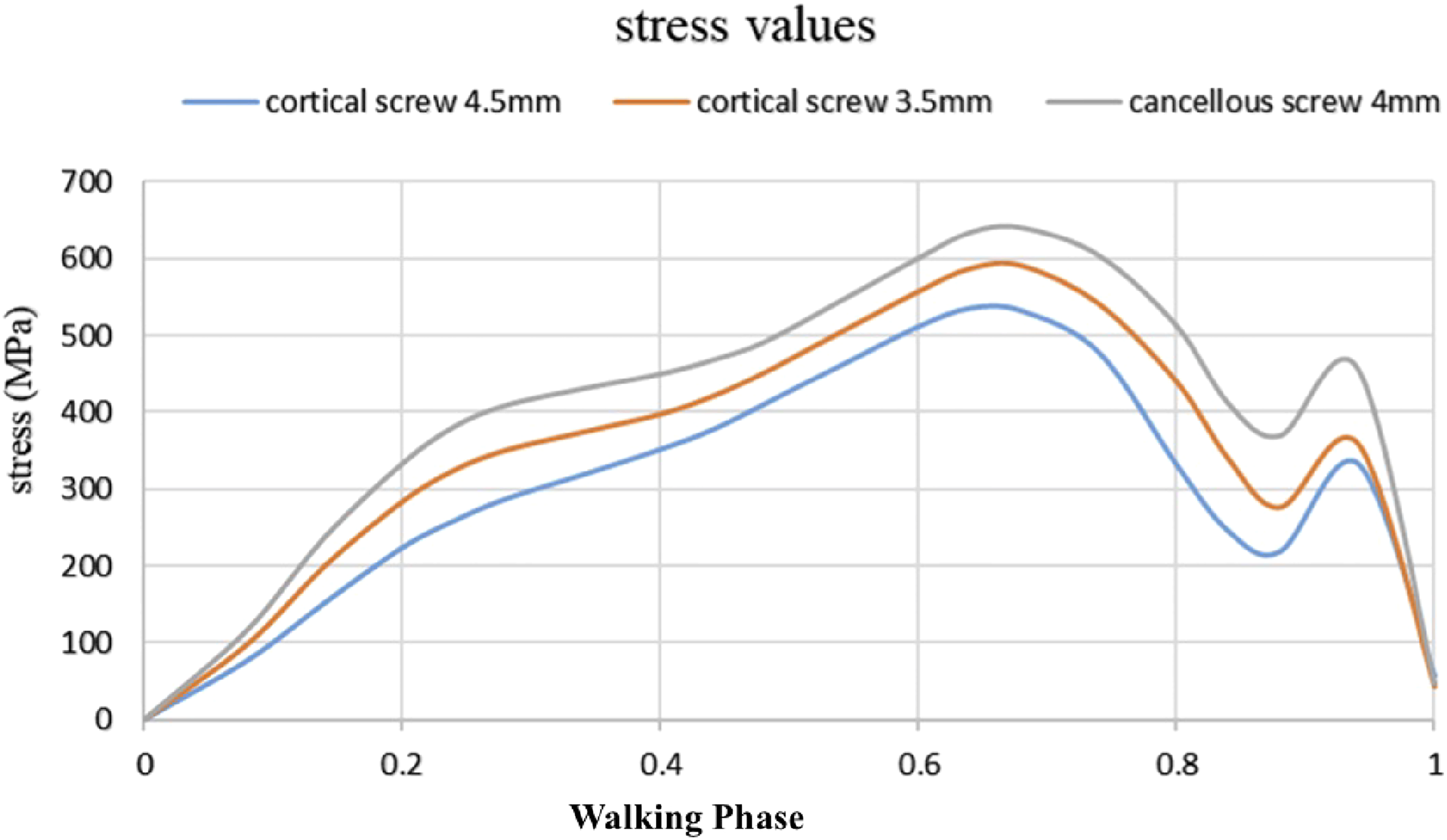
Stress variations for an individual with
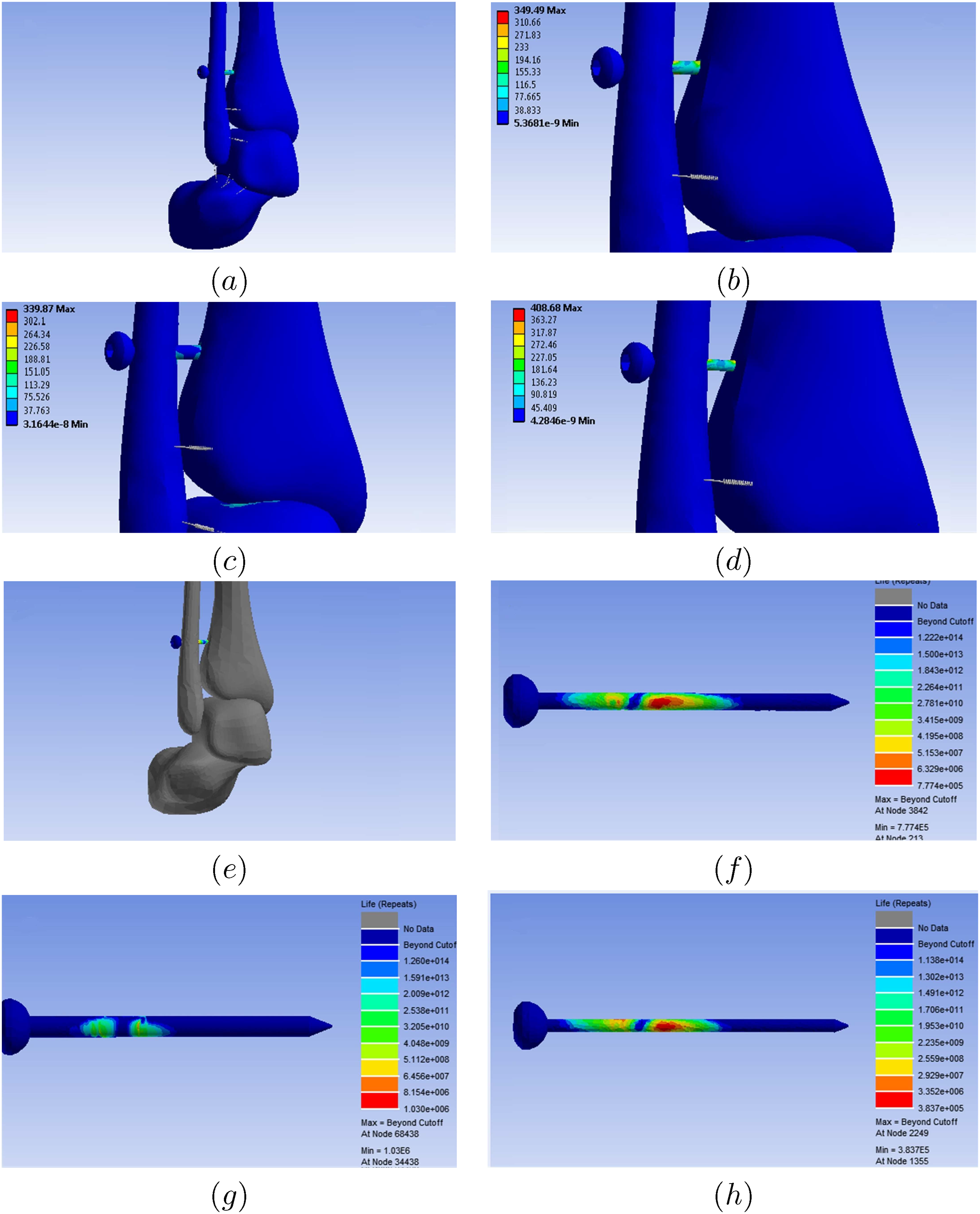
Stress concentration and lifetime for an individual with the weight of
Fatigue results
There is no yield condition in any screw investigated in the study. Then, the stress-based fatigue model is used to estimate a lifetime. The maximum lifetime is
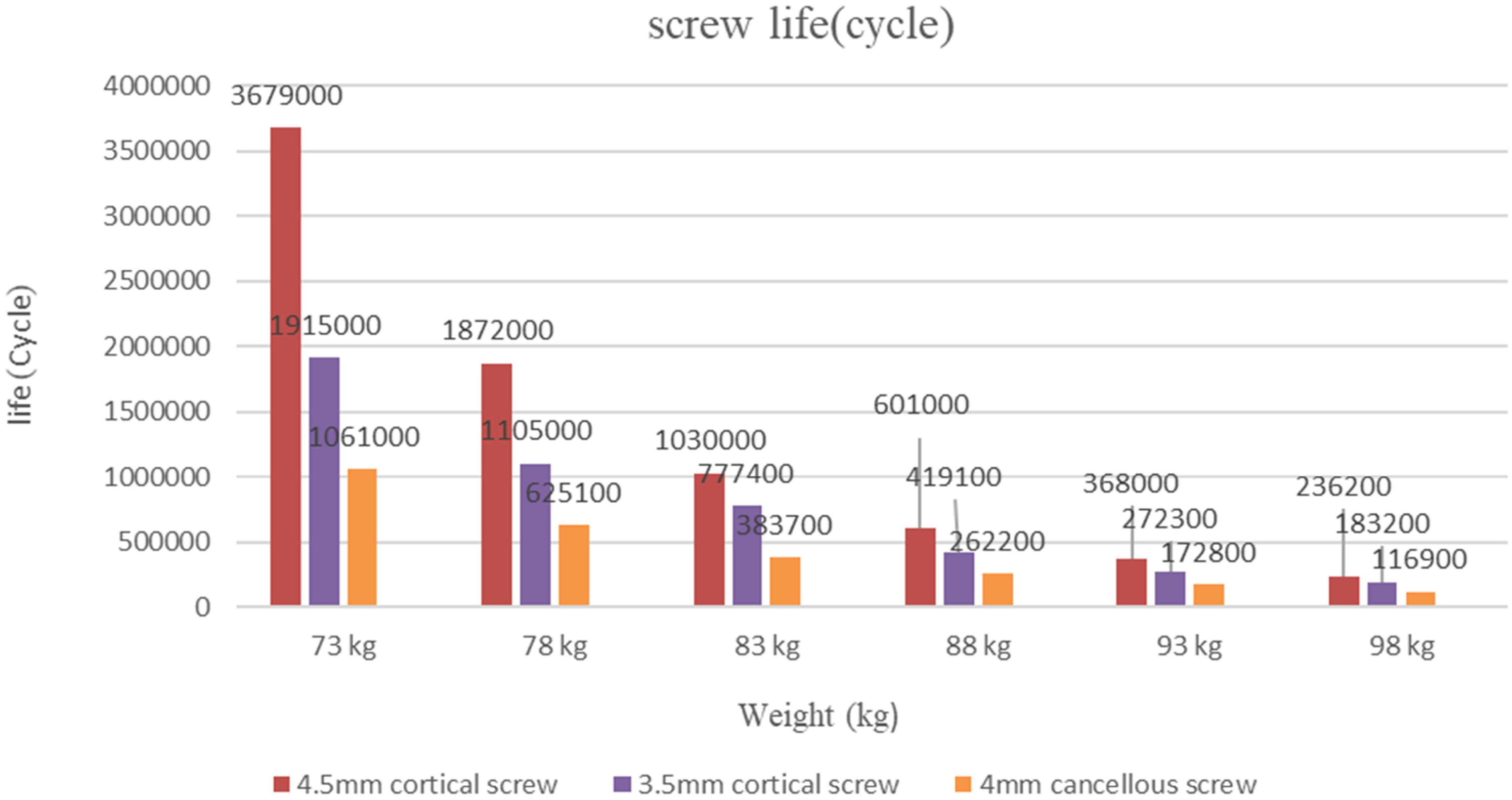
Screws’s lifetime in term of loading cycle.
Considering 2250 and 5000 steps as the minimum and maximum average daily activity for each foot and dividing the values of the fatigue cycles of the screws by these values, the maximum and minimum screws life in terms of the day can be calculated (Figures 8 and 9).
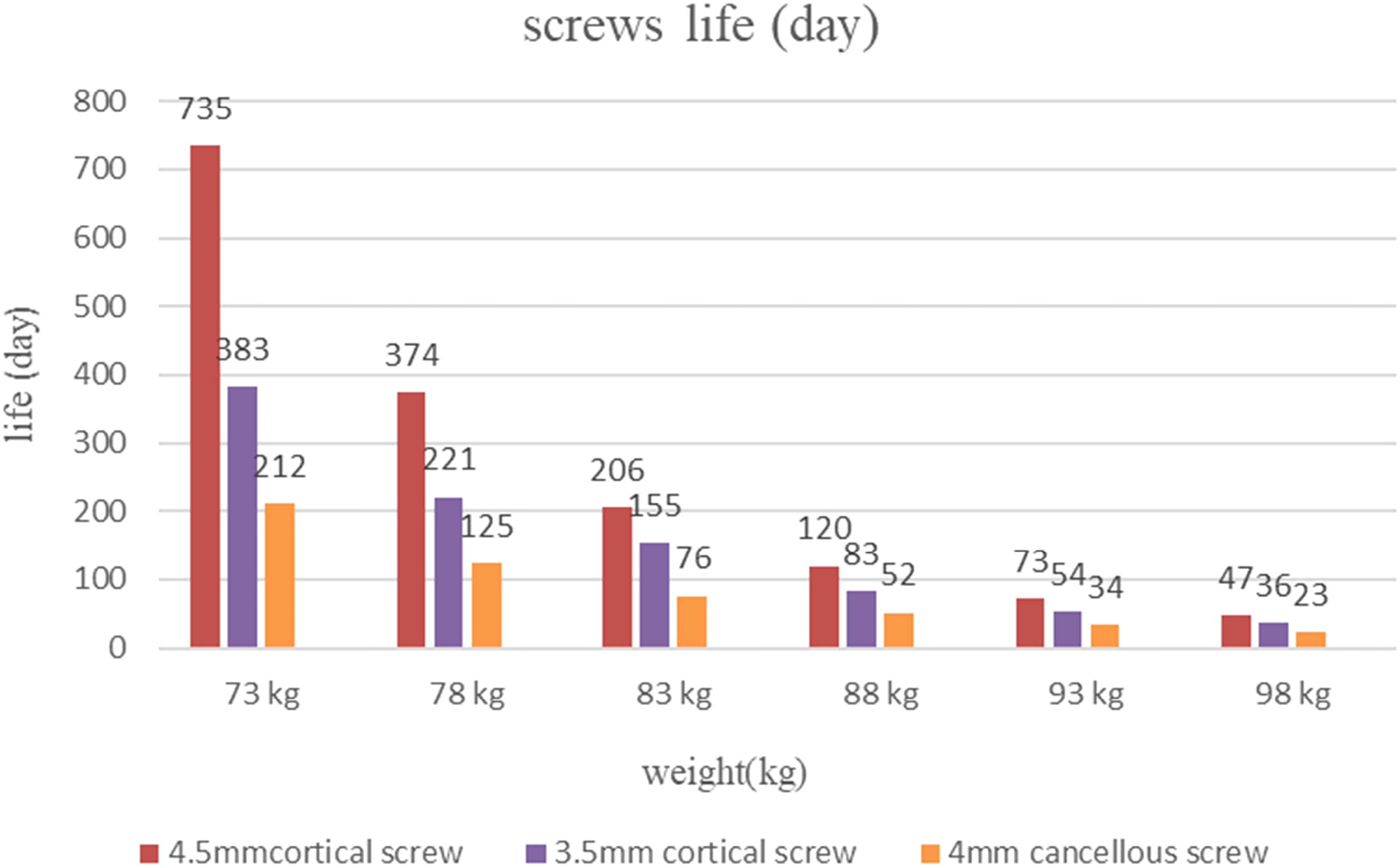
Lifetime of screws for an average of 5,000 steps per day.
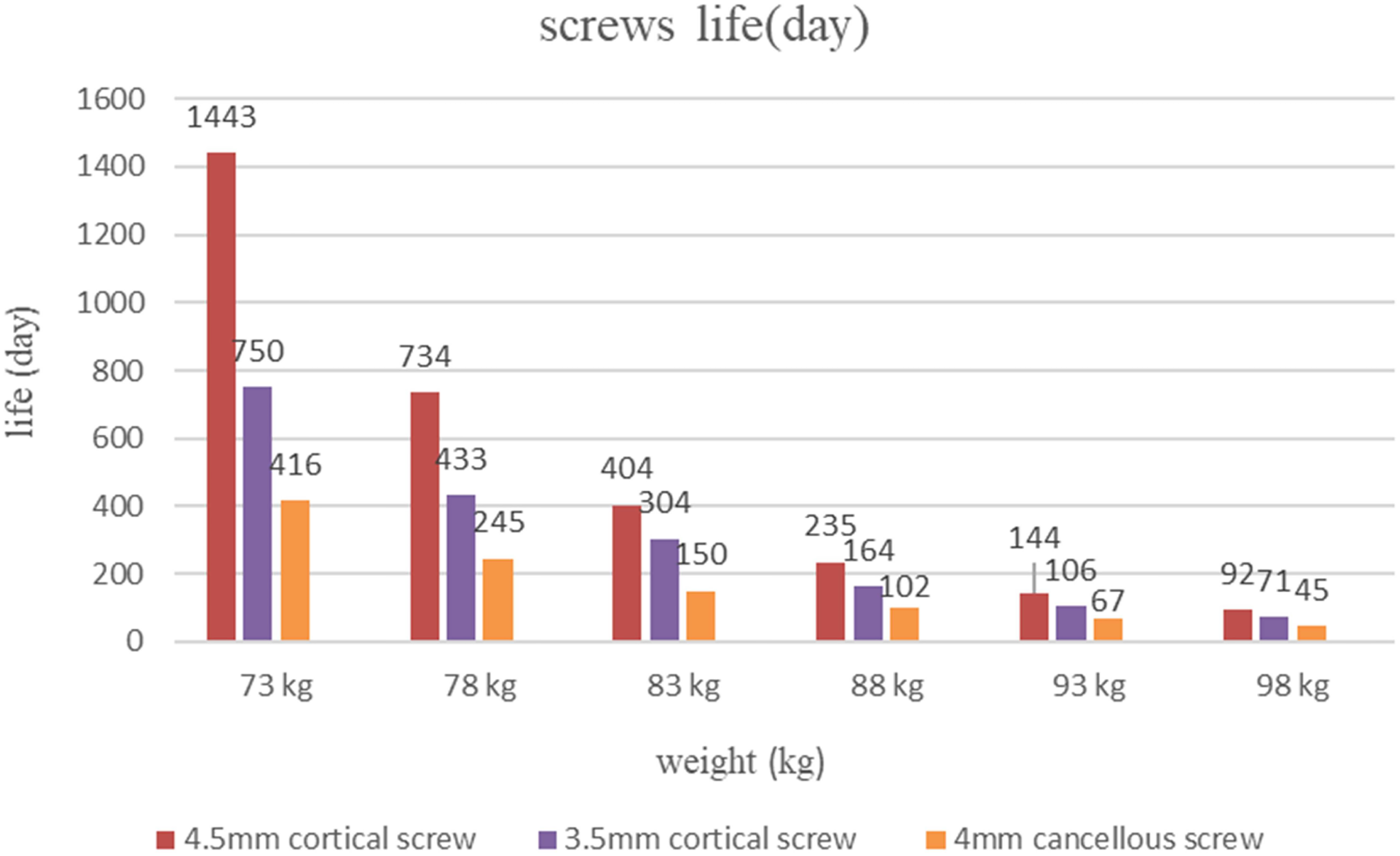
Lifetime of screws for an average of 2250 steps per day.
Discussion
The current study aimed to estimate the fatigue life of Syndesmotic screws. To this end, a three-dimensional finite element model of the right leg was provided and then, two
Results interpretation
Results of the current research were compared with those of the previous ones to interpret and discuss obtained values and their validity. A few studies were found to investigate the fatigue phenomenon in the Syndesmotic screw. A finite element study was conducted by Vermin et al., 2014 11 in which they showed that the diameter core has a significant effect on the stress values. In the current study, it is also observed that by increasing the diameter of the screw core, stress decreases. Also, by examining the stress variation (Figure 5) in each screw and comparing it with the load fractions shown in Figure 4, it is found that the tangential force has a greater effect than the axial one in creating the maximum stress and the stress variation in the screws during walking.
Hamid et al. in 2009
6
compared the clinical and radiographic results of patients under Syndesmosis surgery and found that within one year after the operation, 10 screws out of 52 ones had been broken. Stuart et al. in 2011
8
also reported that most patients experienced a fracture in the screws mounted in their bones between 3 and 6 months after surgery and the screws having smaller diameters show more tendency to break. To the best of authors’ knowledge, there is no study in which the estimated time of screw fracture is referred to with respect to the weight of patients and daily activities. Therefore, it is not feasible to make a rational comparison between the results of this study and the previous ones. Also, by examining the results, it can be seen that whichever the patient has more weight and the screw mounted has a smaller diameter, the screw is broken earlier. It is worth noting that an increase in body weight will lead to a sharp reduction of the screws estimated lifetime. The people weighing more than
Beumer et al. in 2005
12
examined the strength and capacity of stabilizing screws by applying an
Limitations
Limitations to be emphasized: Firstly, the bone model was made based on CT scan images and other features of the model are according to the data available in the literature rather than actual measurements. Secondly, since very few studies have been conducted on the fatigue of screws, and most of the studies have been statistically and without any detail, the experimental models and results were not used to prove our fatigue analyses. So, a comparison was made between the stresses created in the screws with those in the previous studies. In the current research, it is also assumed that the bone was in a completely improved condition and the ligaments were healthy in the model and the impact of the screw to improve the bone was not considered. Thirdly, some tendons such as Achilles ones passing through the ankle were not considered for simplification. This assumption may affect the result of the study. Fourthly, in this model, bones except fibula did not have full movement freedom and the loading conditions were calculated on a two-dimensional plane and the tangential force applied to the anterior-posterior direction was imposed in two-dimensional conditions. Therefore, we guess that as a result, the stress may differ slightly from the actual value. Fifthly, the S-N diagram used in this study was tested at room temperature and the test should be performed at the body’s one and in a simulated environment of the body. S-N diagram was used due to its completeness among published studies that may affect the results of fatigue. Finally, by performing a transient analysis, the results may be improved.
Conclusions
The purpose of this study was to estimate the fatigue life of a Syndesmotic screw mounted on a fractured ankle joint and then, estimating the time of second surgery for removing the implant. When the core diameter of the screw is reduced, the maximum stress increases and then, the lifetime estimated from fatigue analysis decreases. Cortical screws show more resistance and a cancellous screw having a
At last, considering the physiological activity differences between men and women, the estimated screw’s lifetime for female patients can be longer.
Footnotes
Declaration of conflicting interests
The authors declared no potential conflicts of interest with respect to the research, authorship, and/or publication of this article.
Funding
The author(s) received no financial support for the research, authorship, and/or publication of this article.
