



Abstract
Study Design
Bibliometric analysis.
Objectives
This study used bibliometric analyses to characterize the effect of AO Spine Knowledge Forum (KF) participation on publication trends among members. We examined associations of membership in KF organizations with academic productivity, collaboration, and scientific impact.
Methods
We queried the Web of Science database for publications by members of KF Tumor (N = 58), KF Trauma and Infection (N = 45), KF Spinal Cord Injury (N = 38), KF Degenerative (N = 54), and KF Deformity (N = 55). Resulting metadata were exported; statistical and bibliometric analyses were performed using Python packages.
Results
Our query returned 24,267 articles by KF members, of which 18,804 were identified as relevant to respective organizational themes through an algorithmic analysis of titles and abstracts. These works, published between 1980 and 2025, included contributions from 67,895 authors. Research productivity, co-authorship among members (P < 0.001), unique institutional affiliations per article (P < 0.001), and international collaboration increased contemporaneously with the first KF formation (2010). A positive association was found between the number of KF authors per publication and source journal impact factor (P < 0.001). Term analysis highlighted research foci within each KF and influential publications were identified.
Conclusions
These findings suggest that formalization of researcher relationships and the research infrastructure and support provided by the KF model was associated with increased and more impactful research output and collaboration. The KF model could be applied in other organizations whose mission includes collaborative research. Methods used in this study are easily replicable and may be applied to investigate the impact of other professional organizations across various fields.
Introduction
Spine research has shaped the current state of clinical practice, through progressively expanding and refining our understanding of spinal disease pathology, prognosis, diagnostic approaches, and treatment paradigms.1,2 Advances in surgical techniques, imaging, biologics, rehabilitation, pain management, radiation therapy, and systemic therapy have significantly improved outcomes for patients with spine pathology, while collaboration across subspecialties has fostered a comprehensive approach to diagnosis, treatment, and post-operative care.2,3
Bibliometrics, a method that quantifies research outputs, offers a structured way to analyze extensive data, aiding in understanding and organizing large bodies of work across various disciplines.4-6 This approach provides a systematic, objective, and reproducible means to explore a field’s academic evolution, spot new trends, and evaluate contributions from researchers and institutions.4,7-9 Previous bibliometric studies have been limited to a single spinal pathology or constrained by narrow time frames,10-14 or have examined spine surgery more broadly.5,6,15-24 Modern computing now enables analyses of unique and varied scope.5,7
The AO Spine Knowledge Forums were initially established in 2010 to generate and disseminate spine knowledge and to conduct research with the goal of improving spine care throughout the world. The KF organizations include clinicians with a broad range of experience, clinical practice settings, geographic representation and multidisciplinary representation that includes neurological and orthopedic surgeons, radiation and medical oncologists, and basic scientists. 25 The five AO Spine Knowledge Forums focus on Tumor, Deformity, Trauma and Infection, Spinal Cord Injury, and Degenerative disorders.
In this study, we sought to assess how membership in these specialized forums has shaped publication trends. We examined the collective body of research published by members of the five AO Spine Knowledge Forums, focusing on how membership has influenced collaboration patterns, research output, and the development of key contemporary topics in each focus area. Evidence that the effective structure and functioning of the KF model leads to improved academic collaboration and impact of research should strengthen the case for continued support, development, and replication of this model within spine research and other disciplines.
Materials and Methods
The five AO Spine Knowledge Forums were the subject of this analysis. Our literature search aimed to capture a comprehensive dataset of published works by current members of KF Tumor (N = 58), KF Trauma and Infection (N = 45), KF Spinal Cord Injury (N = 38), KF Degenerative (N = 54), and KF Deformity (N = 55). We chose Web of Science (WoS) as the database for our query, as it offers the widest coverage for the search and selection of academic literature at the journal, article, and reference level. 26 Each author was individually queried in WoS by full name, as well as initials, and search results we manually verified for accuracy using a combination of publication date range, geographic locations, institutional and departmental affiliations, WoS topic category, and unique WoS author identification numbers. Search parameters for each author were combined to generate a complete WoS query. The dataset was refined algorithmically, as described elsewhere, 7 to include only works specifically relevant to the focus of the respective KF (ie, spinal oncology works by members of KF Tumor).
Details regarding the search query, exportation of article metadata, refinement of the dataset, and bibliometrics methods employed are presented in the Supplemental Material. The dataset will be made available by the authors upon reasonable request.
Results
Descriptive Information for KF Member Publications
A final cumulative search query designed using the methods described was conducted on April 10th, 2025 and returned 24,267 total English language works spanning the past 45 years. Of the 24,267 initially identified research articles, 18,804 (77.4%) were algorithmically determined to be relevant to the respective KF focus areas (Supplemental Methods). The final dataset of relevant articles included 4784 articles by KF Deformity authors, 4563 by KF Tumor authors, 3571 by KF Degenerative authors, 3168 by KF Trauma and Infection authors, and 2718 by KF Spinal Cord Injury authors. These articles, published between 1980 and 2025, contained contributions from 67,895 unique authors and were derived from 1664 different source journals. The overall compound annual growth rate (CAGR) of the entire corpus was 15.88%.
Initially, publication output by the authors was modest, and the total number of publications was small throughout the period prior to 2003 (Figure 1). However, during this period, the growth rate was still notable, with a CAGR of 20.28%, albeit on a relatively small number of works. Sustained growth was observed thereafter despite the cumulative body of work being much larger, coinciding with both the establishment of the AO Spine organization in 2003 and the first KF in 2010. Between 2003 and 2010, the CAGR was 20.35%, and from 2011 to 2024, the growth rate moderated but remained substantial, with a CAGR of 11.52%. Notably, the largest share of publications produced each year were represented by original research articles (Figure 1A). Cumulative number of AO Spine Knowledge Forum publications over time. (a) The growth in publications by the members of each KF coincided with the founding of AO Spine and the KF organizations, and the majority of scholarly output was original research. (b) Each individual Knowledge Forum reflected the broader trend of significant and sustained growth throughout the time period examined.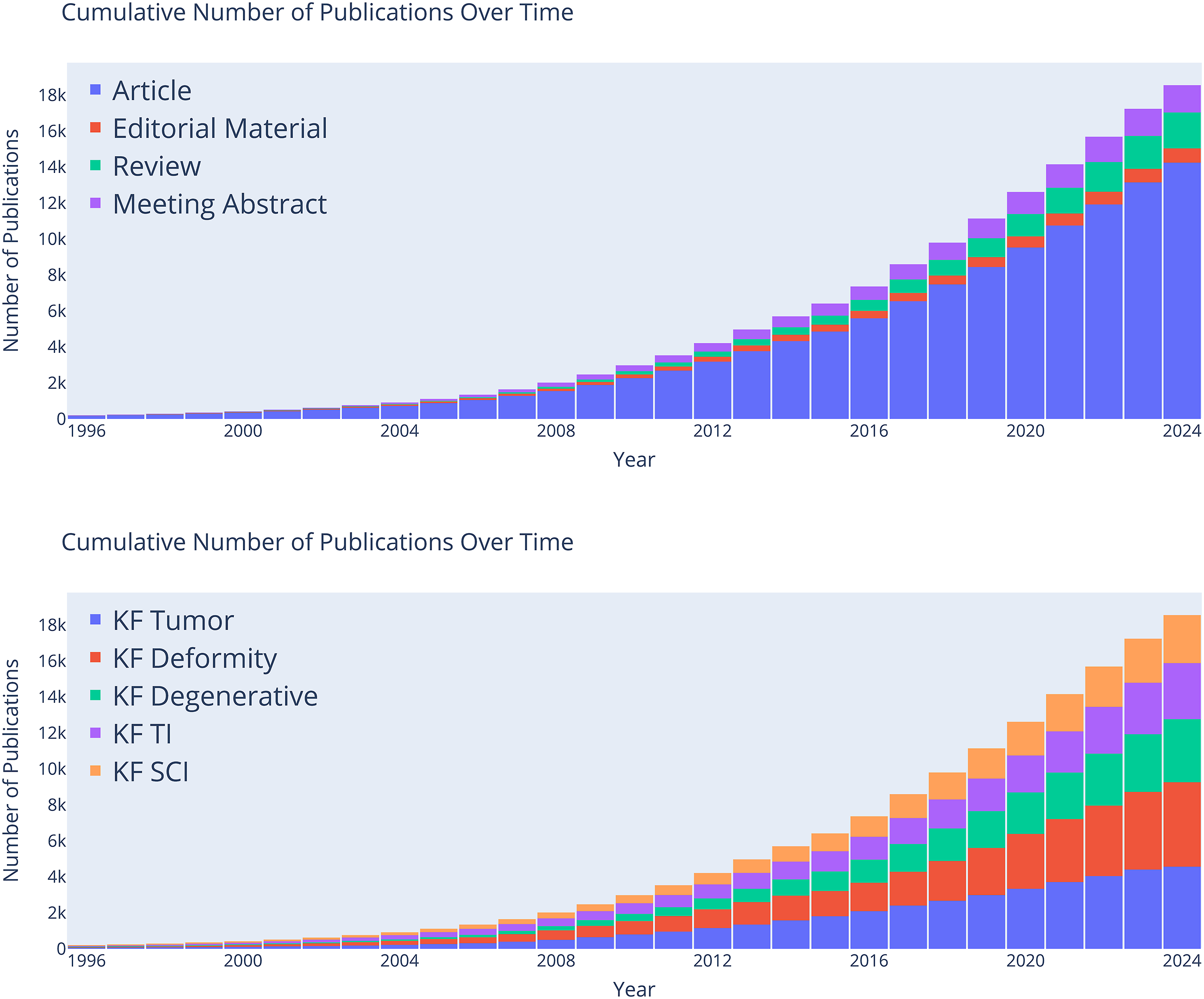
Compound Annual Growth Rate Values by Individual Knowledge Forum and Time Period.

The most represented publication sources for articles in the corpus were spine-research focused journals such as Spine, European Spine Journal, Journal of Neurosurgery: Spine, and Global Spine Journal, among others (Figure 2). Most common publications sources in the KF body of literature. The most represented publication sources for articles in the corpus were specialized spine-research focused journals.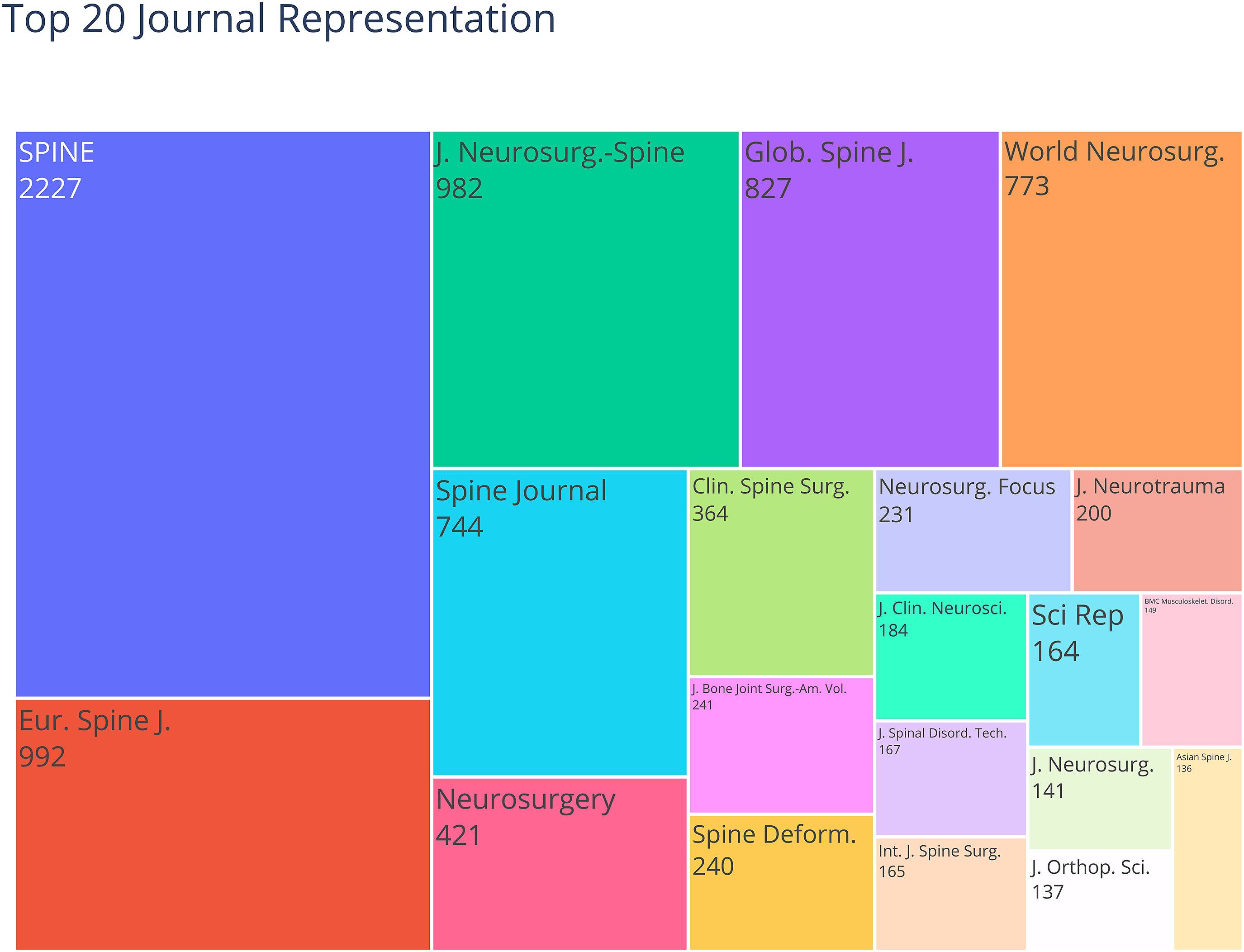
Co-Authorship Trends
Prior to the establishment of AO Spine (2003), there was minimal co-authorship between current KF members (Figure 3). Thereafter, the average number of KF authors per publication increased linearly, with the greatest collaboration observed following the formation of the first KF (R2 = 0.847, P < 0.001). The highest average number of KF authors per publication occurred in 2017 and 2024, corresponding to the two years with the most AO Spine Focus Issue publications (3 Focus Issues). A notable increase in co-authorship was also observed in 2016, the year marked by the first AO Spine Focus Issue specifically attributed to one of the KF groups. The 2016 Spine Oncology Focus Issue featured 16 publications by members of KF Tumor, including seven original articles on the management of primary tumors, seven articles focused on metastatic disease, and two editorial works.
27
Co-authorship trends among KF members. The average number of KF members per article increased over time (R2 = 0.847, P < 0.001). Peaks in collaboration occurred in 2016, 2017, and 2024, coinciding with specific landmark AO Spine focus issue years. Data points in blue correspond to the era prior to AO Spine, those in red correspond to the period after establishment of AO Spine and prior to KF Tumor, and those in green denote the period following establishment of KF Tumor.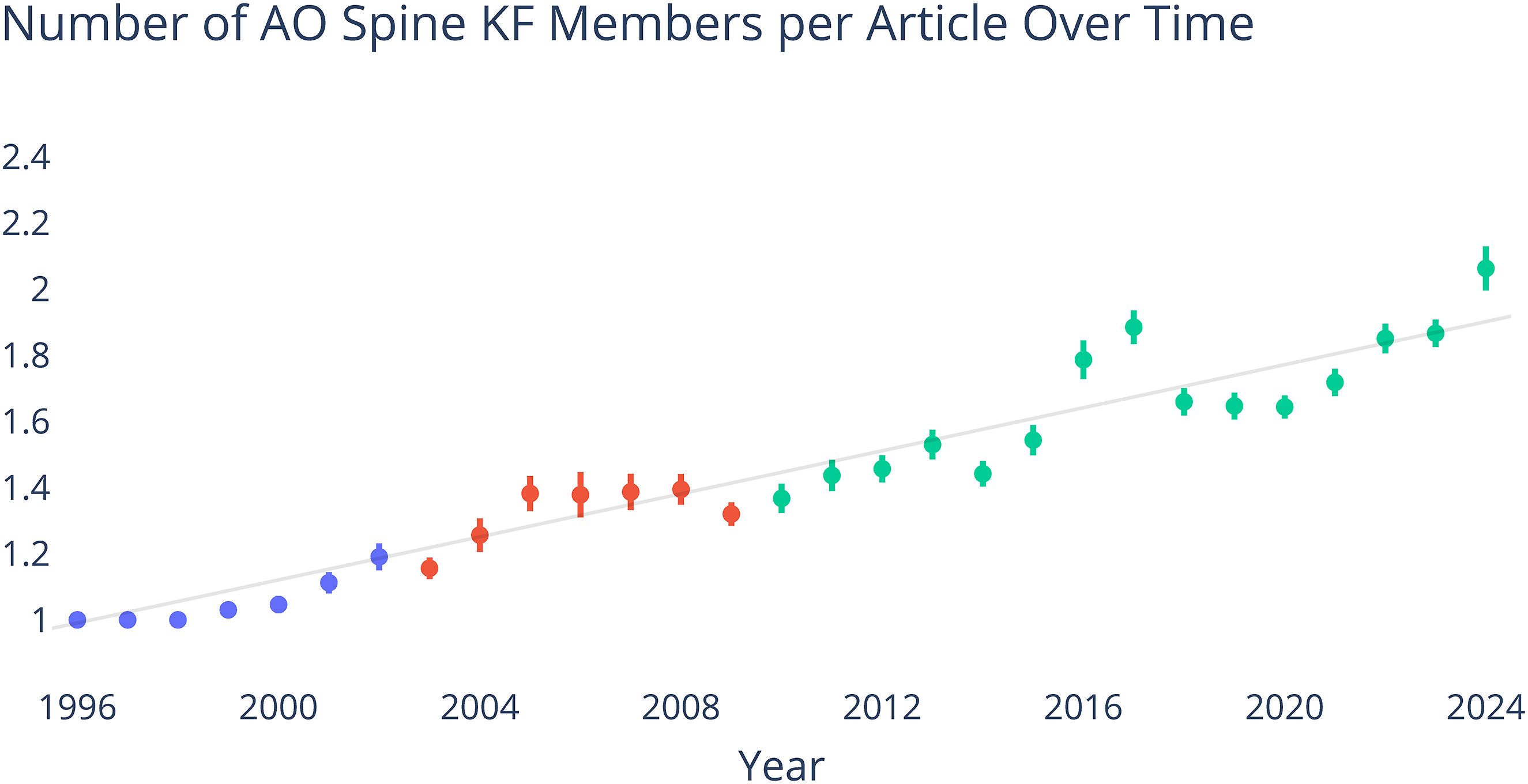
Trends in Research Impact
Coinciding with increased co-authorship among KF members, journal impact factor also increased over time (R2 = 0.240, P = 0.006), suggesting a shift in the overall quality of journals where KF authors published (Figure 4A). When stratified by the number of KF authors, the journal impact factor increased as the number of KF authors rose (Figure 4B). Publications with a single KF author were associated with the lowest impact factor (mean 2.81 ± 0.26), whereas articles with 2-5 KF authors showed a moderate increase in impact factor (mean 3.88 ± 0.85, P < 0.001). The highest average journal impact factor was observed for articles with 6 or more KF authors (mean 5.9 ± 1.66, P < 0.001 compared to both a single KF author and 2-5 KF authors), suggesting that increased collaboration among members was associated with publishing in higher-impact journals. Trends in publication impact over time and by number of KF authors. (a) Journal impact factor increased over time (R2 = 0.240, P = 0.006). (b) After stratifying by the number of KF authors, publications with 6 or more authors were associated with significantly higher journal impact factors (mean 5.9 ± 1.66) compared to single-author publications (mean 2.81 ± 0.26, P < 0.001) and those with 2-5 authors (mean 3.88 ± 0.85, P < 0.001). Data points in blue correspond to the era prior to AO Spine, those in red correspond to the period after establishment of AO Spine and prior to the KF, and those in green denote the period following establishment of the first KF.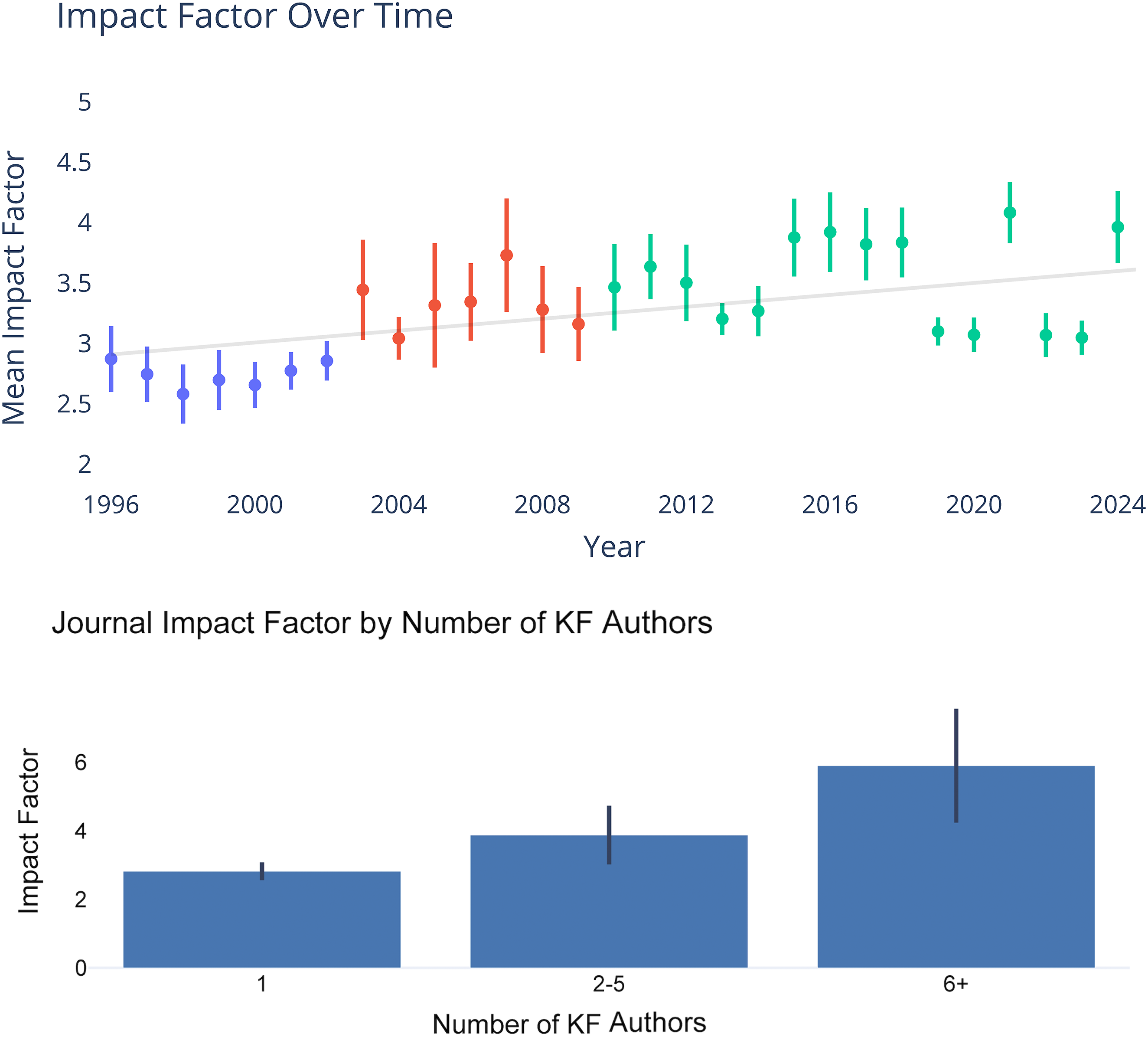
Trends in Institutional and International Collaboration
A strong linear increase in the number of institutional affiliations per article over time was observed (R2 = 0.635, P < 0.001), reflecting an upward trend in collaborative efforts (Figure 5A). Prior to 2003, the mean number of institutional affiliations per publication was 1.3 ± 0.9. From 2003-2010 (following the establishment of AO Spine) and after 2010 (formation of the first KF), the mean number of affiliations per article were 1.73 ± 1.4 and 3.3 ± 11.1, respectively, highlighting the progressive increase in multi-institutional collaboration after the formation of these organizations. This suggests that both AO Spine and the subsidiary KF groups fostered greater inter-institutional cooperation among current KF members, which may have contributed to the advancement and dissemination of research in spinal pathology and treatment. Trends in collaboration in publications authored by KF members. (a) The number of institutional affiliations per article increased significantly over time (R² = 0.635, P < 0.001), reflecting growing multi-institutional collaboration after the formation of AO Spine and Knowledge Forums. (b) International co-authorship increased, with 9.2% of publications involving international collaboration between 2003 and 2010, surging to 53.7% after 2010. This underscores the increasing global nature of KF Tumor research. Data points in blue correspond to the era prior to AO spine, those in red correspond to the period after establishment of AO Spine and prior to KF tumor, and those in green denote the period following establishment of KF tumor.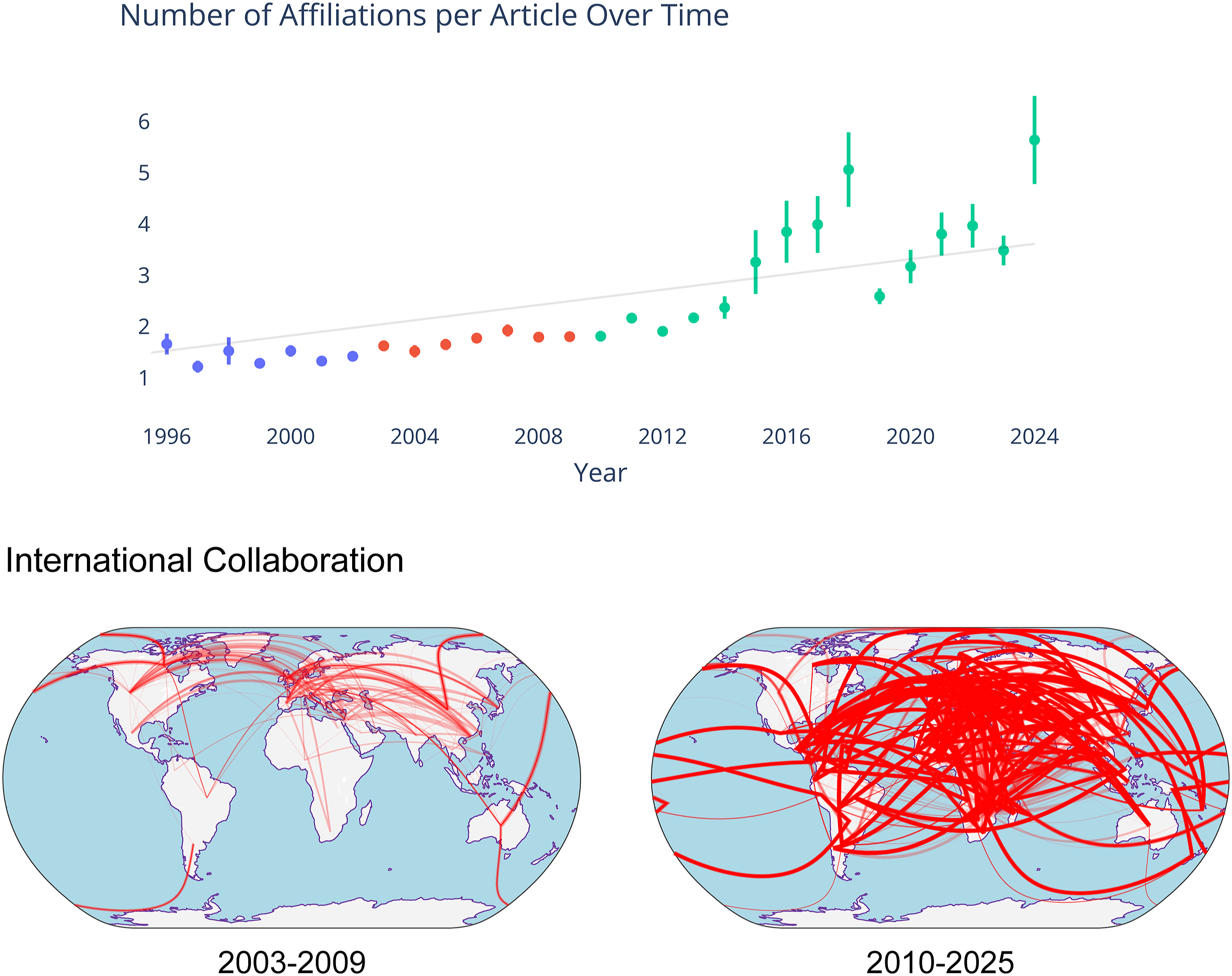
Similar trends were observed in the analysis of international co-authorship within the corpus (Figure 5B). Prior to 2003, international collaboration was sparse. However, between 2003 and 2010, it grew noticeably, with 9.2% (217/2,360) of publications involving authors from different countries. After 2010, the prevalence surged dramatically, with 53.7% (5,174/9,635) of publications featuring international co-authorship. This significant rise in both multi-institutional and international collaborations highlights the increasingly global and cooperative nature of research among KF members.
Topical Analysis of KF Member Publications
Our analysis of terms within this body of literature examined titles and abstract text to identify the most frequently occurring topics in the literature produced by each KF. This revealed a pattern of outcomes, management, and complications-focused research which was persistent among all of the KF groups (Figure 6). Beyond these common themes, more niche and varied themes, specific to the different KF groups, were also identified. These included topics related to specific treatment modalities, medications, pathologies, surgical methods, anatomical classifiers, and diagnostic tools, among others. Frequently occurring terms representing common research topics within publications authored by members from each KF. Outcomes, management, and complications-focused research was persistent among KF tumor, KF trauma and Infection, KF spinal cord injury, KF degenerative, and KF deformity. Beyond these common themes, more niche and varied themes, specific to the different KF groups, were also identified.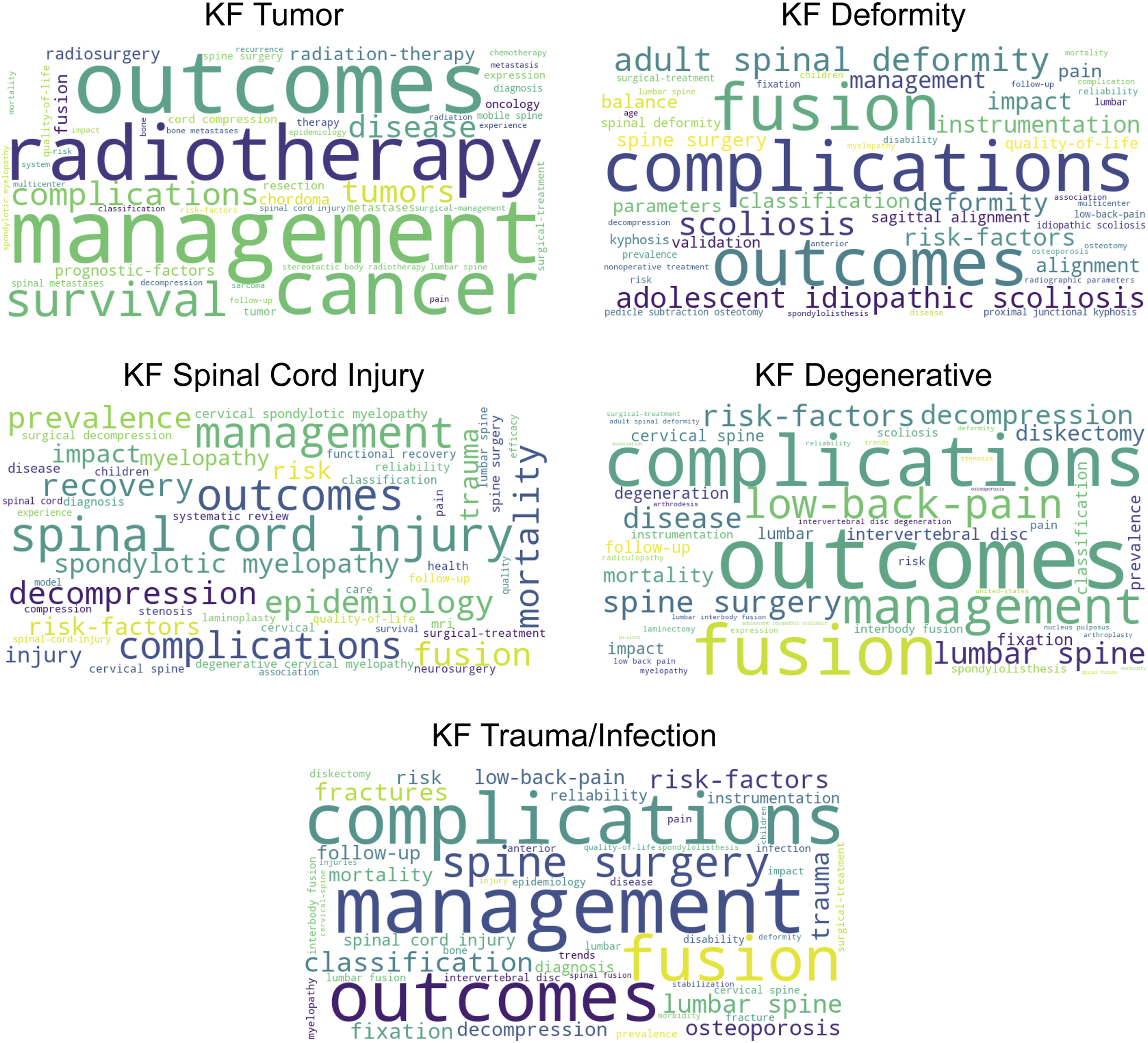
Significant Knowledge Forum Publications
10 Most Highly-Cited Publications Produced by KF Tumor.
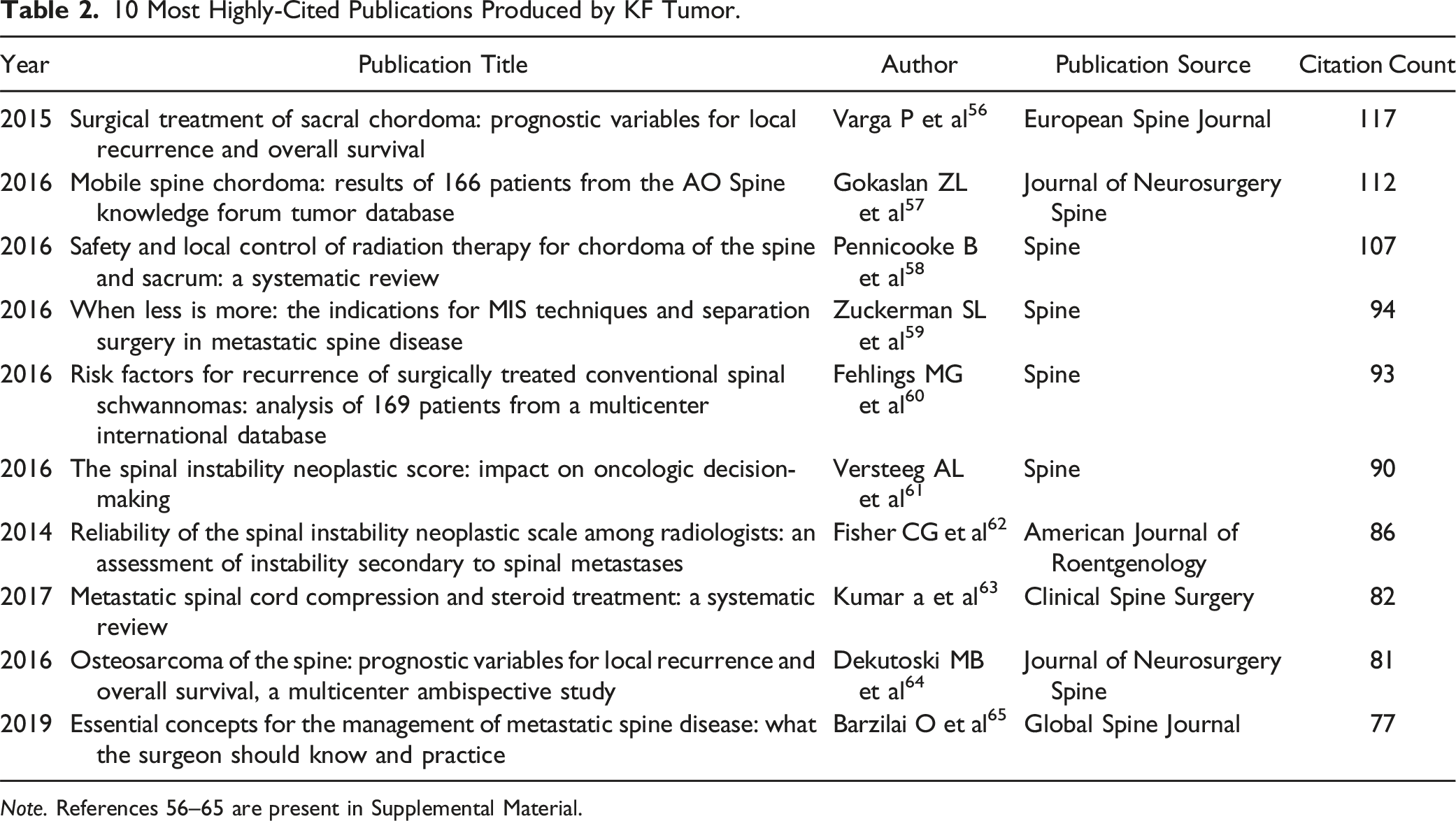
Note. References 56–65 are present in Supplemental Material.
10 Most Highly-Cited Publications Produced by KF Trauma and Infection.
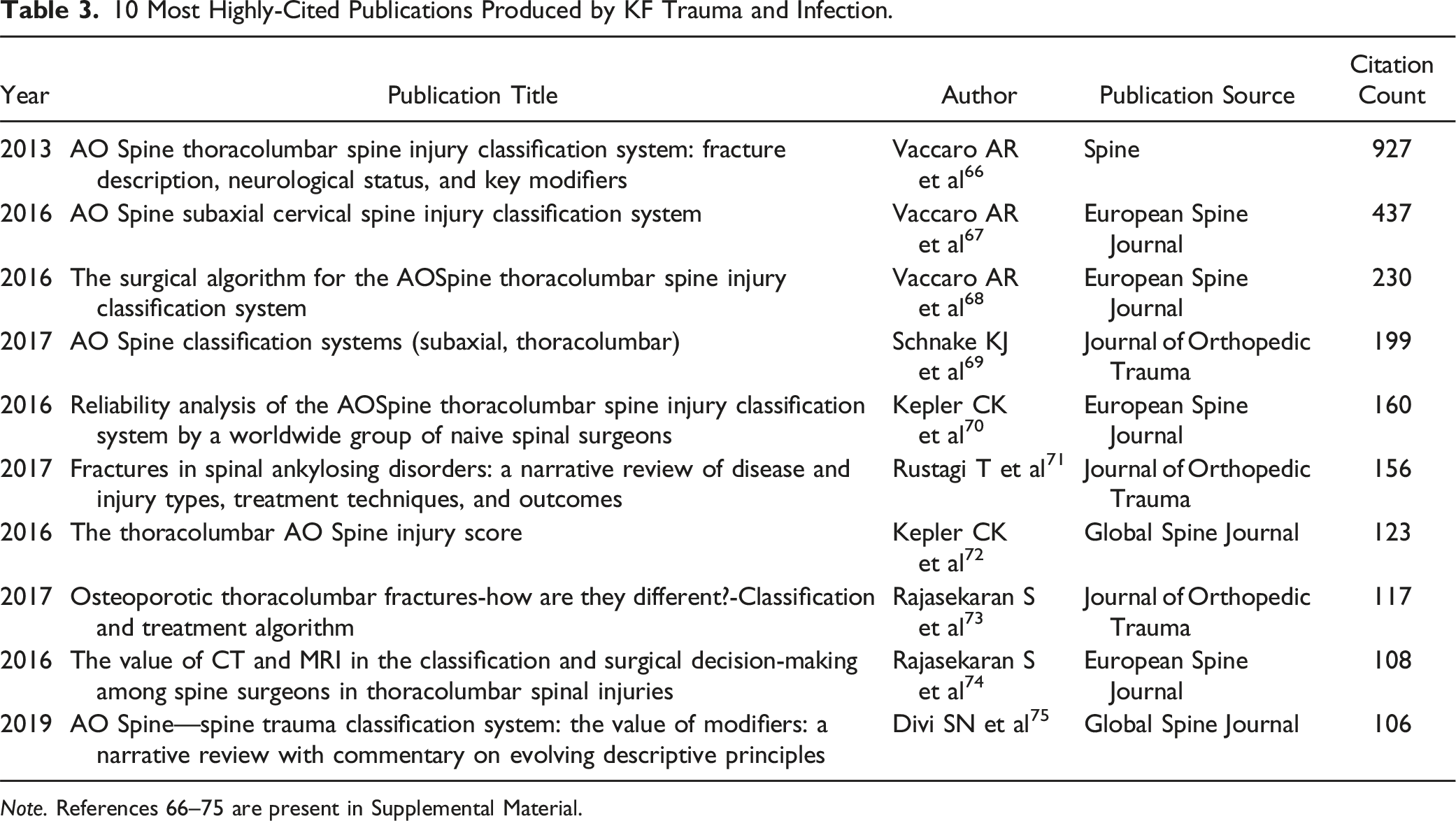
Note. References 66–75 are present in Supplemental Material.
10 Most Highly-Cited Publications Produced by KF Spinal Cord Injury.
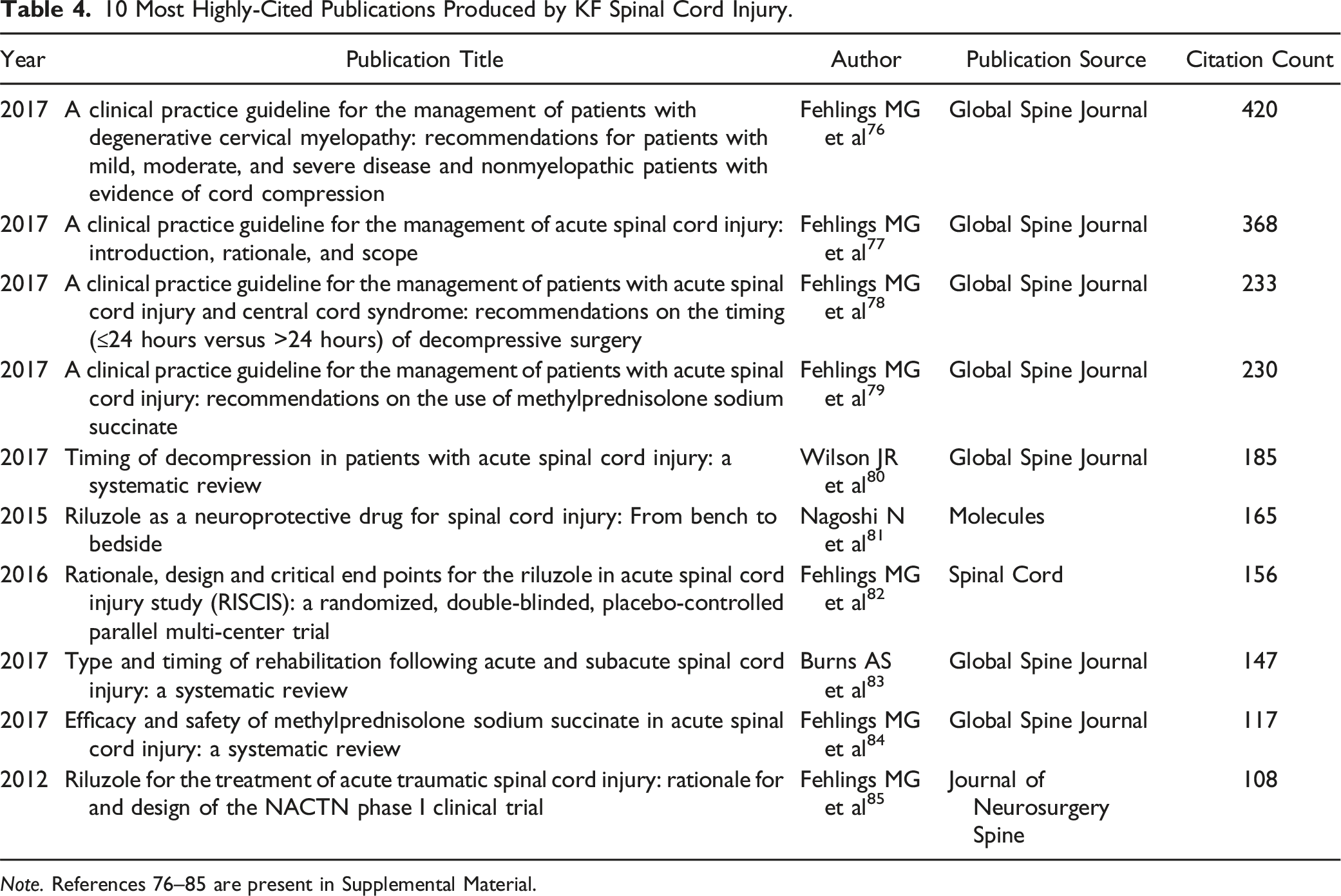
Note. References 76–85 are present in Supplemental Material.
10 Most Highly-Cited Publications Produced by KF Degenerative.
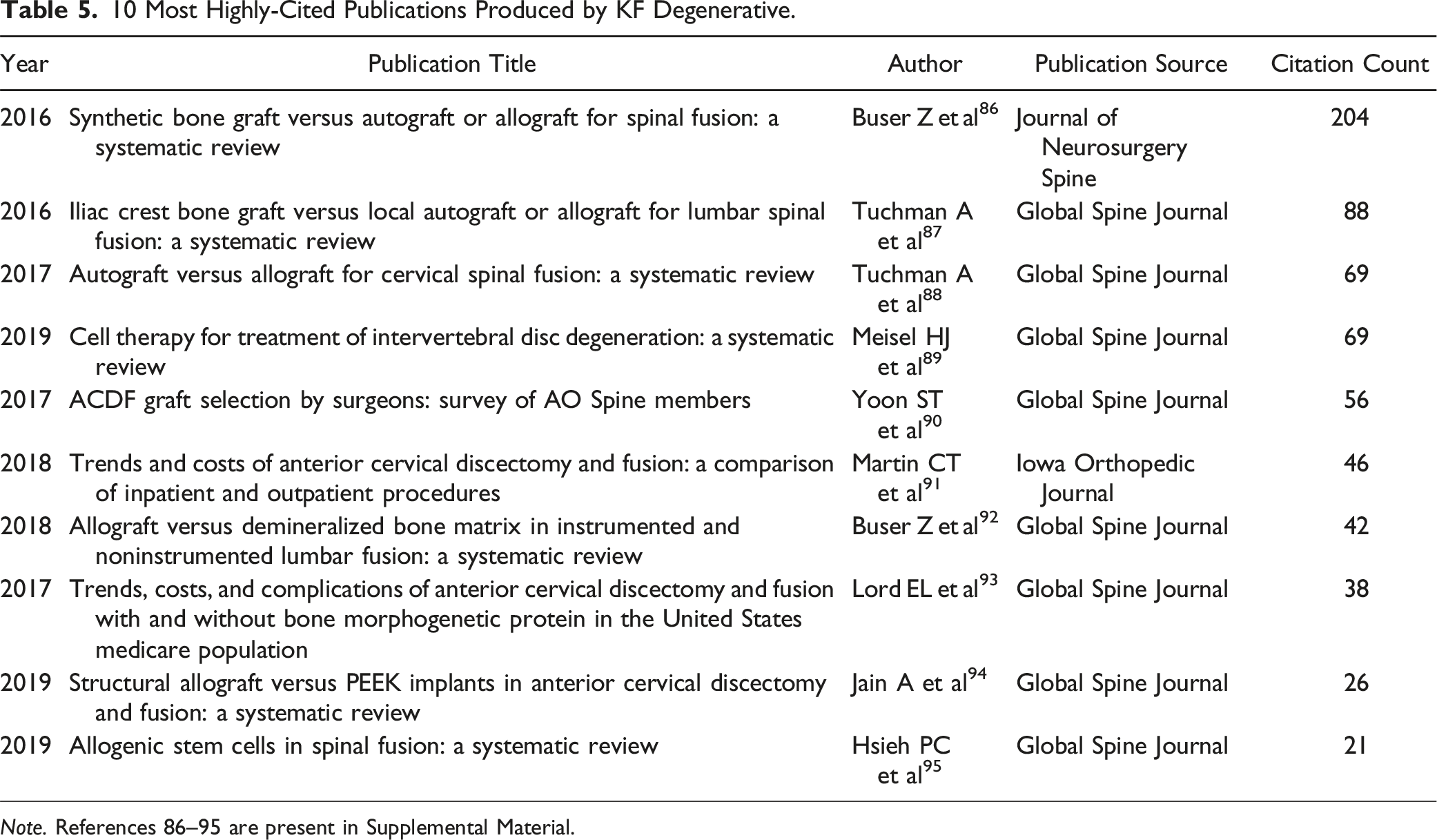
Note. References 86–95 are present in Supplemental Material.
10 Most Highly-Cited Publications Produced by KF Deformity.
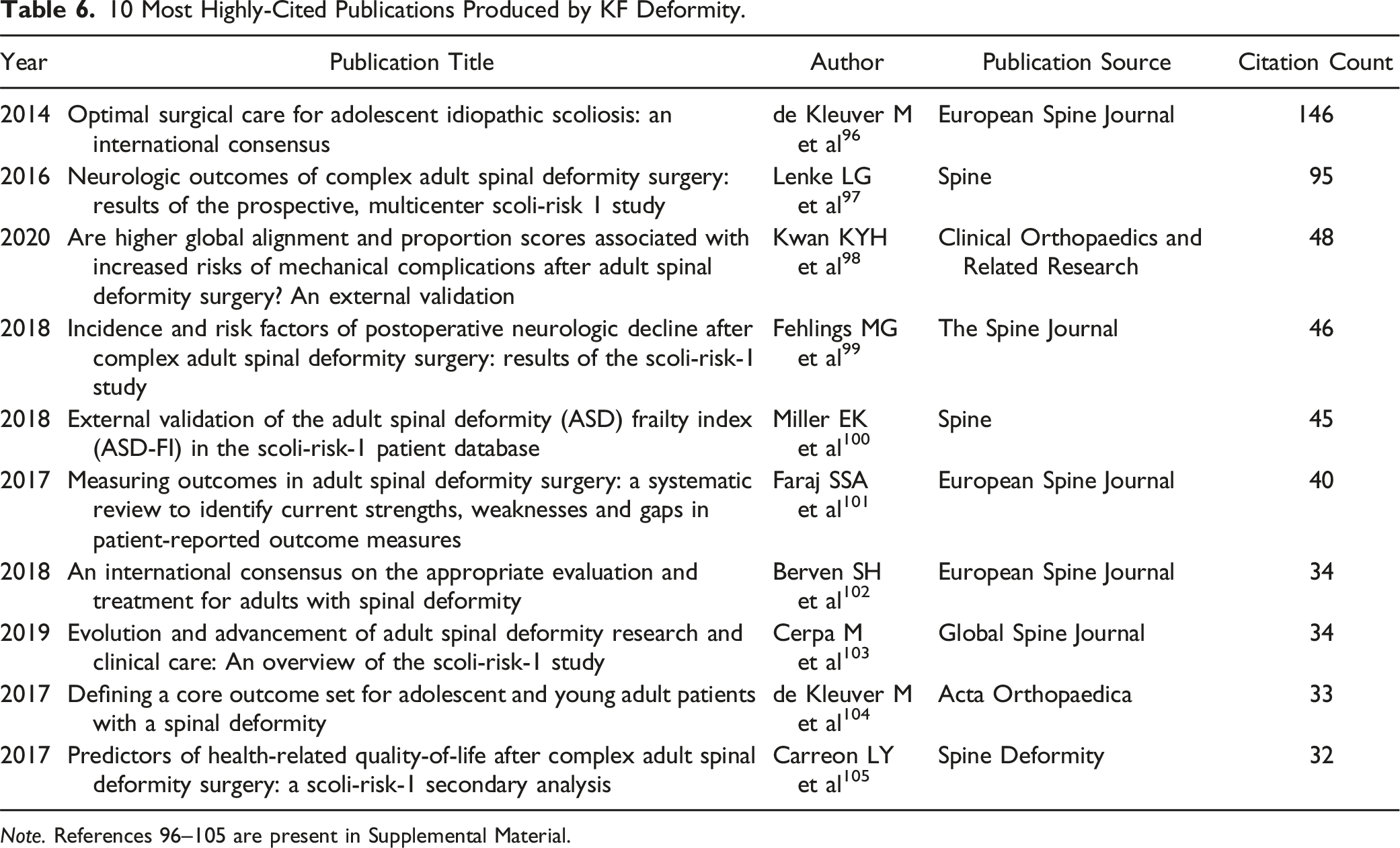
Note. References 96–105 are present in Supplemental Material.
Discussion
This was a bibliometric analysis of the career works produced by members of the AO Spine Knowledge Forums, with analyses focused on uncovering the effect that a formalized professional organization has had on publication trends and the advancement of spine research.
AO provides administrative and academic support for the collaborative work of all KF members, thereby enabling the exchange and generation of ideas, multicenter prospective and retrospective research, and the development and dissemination of treatment recommendations, all on an international scale. By brining experts together to define key questions, and fostering collaboration to answer these questions, the KF infrastructure catalyzes the generation of critical knowledge necessary to improve the care and treatment outcomes for patients with spinal pathology. Further, this infrastructure increases the generalizability of the generated answers and their impact throughout the world.
The establishment of the KFs coincided with increased productivity among authors in the examined cohort, with a great majority of their total works being published in the 14 years following the advent of the KF infrastructure. Though this may be somewhat reflective of publishing trends in general,5,24 or career development for individual authors who were not publishing articles early in the 45-year period, trends in novel research output remain salient.
The decrease in CAGR during the period following KF establishment (2010) is largely a mathematical consequence of the fixed author pool. As the cumulative baseline of prior work increased, sustaining the continuous rise in annual growth became less feasible, despite absolute output continuing to rise. In other words, the total number of publications grew, however because the number of contributing authors remained constant, the rate of growth naturally decelerated and stabilized over time.
The largest proportion of publications produced by KF authors were original research articles, with the number of reviews and editorials comprising a smaller share of annual productivity growth. This suggests that the KF model has been organically responsible for increasing amounts of novel research, and has been a driver of growth in spine literature. Concurrent with the observed increases in scholarly output was an upward trend in co-authorship among KF members. Notably, prior to the formation of AO Spine, publication collaboration among the group was minimal.
The increases in both institutional and international collaboration underscore the impact that the establishment of formal organizations such as AO Spine and the Knowledge Forums has had on advancing spine research. Before 2003, collaboration was limited, with few multi-institutional or international partnerships. However, the formation of these organizations catalyzed a steady rise in co-authorship, both across institutions and borders, suggesting that formalized networks have been instrumental in driving collaboration and research progress in this field.
This growing collaboration also correlated with greater research impact, as demonstrated by the positive association between co-authorship among KF members and higher journal impact factors. These findings highlight the facilitative role that organized research partnerships and international networks play in enhancing the quality and global visibility of research.
Notably, clinical algorithms, classification systems, systematic reviews, and clinical practice guidelines accounted for a disproportionate share of total citations and represented a large proportion of the most influential publications produced by the KFs. This suggests that these types of research outputs may benefit the most from international, institutional, and key opinion leader collaboration, as broad consensus and wide applicability across practice settings are essential to their uptake and impact.
This study adds to a growing body of focused bibliometric studies. Previous analyses have utilized similar methods to characterize trends in spine surgery more broadly, 5 individual spinal pathologies,28-33 neoplasms of the central nervous system,34-38 geographic representation in the literature,39-43 gender diversity in authorship,44-46 advanced and minimally invasive surgical techniques,47-51 and the role of artificial intelligence in spinal and oncologic disease.52-54 To our knowledge, this study marks the first time bibliometric methods have been applied to formally assess the influence of professional organization on the development of a specific field of study.
Recent work examining the structure and evolution of collaborative research networks has characterized authorship associations as naturally fragmented and usually dependent on centralized individuals or institutions. 55 The value in preventing disaggregated research efforts and fostering collaboration may seem self-evident, however this study more specifically quantifies the extent of the effect that a formalized organization can have and presents a specific model to be emulated in other fields. These data support further investment in formalized collaborative research networks within the AO Foundation as well as other organizations interested in promoting high quality research.
Limitations
While this study has many strengths, including the volume and breadth of publication data examined, there are also inherent limitations that warrant consideration. The approach of utilizing “big data” is associated with challenges due to the impracticality of manually verifying each data point considered. Due to the nature of our data collection methods it is possible that a marginal number of erroneous publications may have been included in the analysis. Furthermore, it is also possible, despite the comprehensiveness of the search query, that some relevant publications were excluded. This effect may have been exacerbated specifically with reference to non-English works by some of the international KF members.
It is also difficult to completely separate publication trends generally from the effects of the organizations examined. Entry of new authors into the field and KFs over time may have influenced temporal trends in publication. These factors may have confounded or amplified any of the associations observed in this study. These limitations however are understood and accepted as a potential factor in our analysis, as the data science and computational methods that enabled this study are designed to discern meaningful signal in the setting of this type of noise.
Conclusion
This bibliometric analysis of the combined works by members of the five AO Spine Knowledge Forums offers meaningful insights into their collective body of research. This study has characterized trends in productivity, collaboration, impact, and the thematic distribution of their works more thoroughly than any previous study on a professional organization. Among the most meaningful findings presented is the profound effect that formalizing researcher relationships into professional organizations has had on collaboration, productivity, and the impact of research. The state of modern spine research, and ultimately the patients being treated for spinal diseases, have benefited greatly from the more robust authorship networks and research relationships which have developed over the recent history of this field. The methods utilized are easily replicated and may be applied to assess the impact of other professional organizations on any specialty. These results support the expansion and replication of this research model to other organizations and disciplines.
Supplemental Material
Supplemental Material - AO Spine Knowledge Forums Promote Collaboration and Elevate the Impact of Research: A Bibliometric Analysis
Supplemental Material for AO Spine Knowledge Forums Promote Collaboration and Elevate the Impact of Research: A Bibliometric Analysis by Daniel N. de Souza, David B. Kurland, Luiz Vialle, Klaus J. Schnake, Shekar N. Kurpad, Stephen J. Lewis, Gregory D. Schroeder, Sangwook T. Yoon, Stefano Boriani, Ziya Gokaslan, Laurence D. Rhines, Arjun Sahgal, Charles Fisher, and Ilya Laufer in Global Spine Journal.
Supplemental Material
Supplemental Material - AO Spine Knowledge Forums Promote Collaboration and Elevate the Impact of Research: A Bibliometric Analysis
Supplemental Material for AO Spine Knowledge Forums Promote Collaboration and Elevate the Impact of Research: A Bibliometric Analysis by Daniel N. de Souza, David B. Kurland, Luiz Vialle, Klaus J. Schnake, Shekar N. Kurpad, Stephen J. Lewis, Gregory D. Schroeder, Sangwook T. Yoon, Stefano Boriani, Ziya Gokaslan, Laurence D. Rhines, Arjun Sahgal, Charles Fisher, and Ilya Laufer in Global Spine Journal.
Supplemental Material
Supplemental Material - AO Spine Knowledge Forums Promote Collaboration and Elevate the Impact of Research: A Bibliometric Analysis
Supplemental Material for AO Spine Knowledge Forums Promote Collaboration and Elevate the Impact of Research: A Bibliometric Analysis by Daniel N. de Souza, David B. Kurland, Luiz Vialle, Klaus J. Schnake, Shekar N. Kurpad, Stephen J. Lewis, Gregory D. Schroeder, Sangwook T. Yoon, Stefano Boriani, Ziya Gokaslan, Laurence D. Rhines, Arjun Sahgal, Charles Fisher, and Ilya Laufer in Global Spine Journal.
Footnotes
Declaration of Conflicting Interests
The author(s) declared the following potential conflicts of interest with respect to the research, authorship, and/or publication of this article: Luiz Vialle is the founder of AO Spine Knowledge Forums. Stefano Boriani, Charles Fisher, Ziya Gokaslan, Laurence Rhines, Arjun Sahgal, Shekar Kurpad, Stephen Lewis, Gregory Schroeder, Tim Yoon, and Ilya Laufer are all past or current KF chairpersons.
Funding
The author(s) received no financial support for the research, authorship, and/or publication of this article.
Correction (July 2025):
This article has been updated to correct Figure 4B and the figure legend.

Supplemental Material
Supplemental material for this article is available online.
References
Supplementary Material
Please find the following supplemental material available below.
For Open Access articles published under a Creative Commons License, all supplemental material carries the same license as the article it is associated with.
For non-Open Access articles published, all supplemental material carries a non-exclusive license, and permission requests for re-use of supplemental material or any part of supplemental material shall be sent directly to the copyright owner as specified in the copyright notice associated with the article.
