




Abstract
Study Design
Bibliometric analysis.
Objective
The study aims to comprehensively assess the literature related to gait rehabilitation for individuals with spinal cord injury (SCI) to identify significant contributors, and to explore the collaborations and emerging themes in the field.
Methods
Original and review articles in English using relevant keywords were searched in the Clarivate Web of Science database. The data from the selected articles were imported into R software. Bibliometric indicators were assessed to determine author contributions, country affiliations, journal sources, and thematic trends.
Results
A total of 1313 relevant articles were identified. The USA, followed by Canada and Switzerland were the most prolific countries contributing to gait rehabilitation research in SCI. The most relevant journals were Spinal Cord, Archives of Physical Medicine and Rehabilitation, Journal of Spinal Cord Medicine, Journal of NeuroEngineering, and Journal of Neurotrauma. The highest contributions came from Northwestern University, the University of Miami, and the University of Alberta. The analysis revealed an increase in research interest in gait rehabilitation after 2000, with a focus on interdisciplinary approaches and emerging technologies like robotics, exoskeletons, and neuromodulation.
Conclusion
The analysis demonstrates the importance of collaborative and interdisciplinary research in gait rehabilitation. The results indicate a shift in research focus from traditional methods to the integration of technology. The impact of publications from the USA and Europe is a notable finding. The study highlights the growth of articles related to technology-driven approaches and understanding neuroplasticity in gait rehabilitation.
Introduction
Each year, around 10.5 per 100,000 people in the world sustain traumatic spinal cord injury (SCI). 1 Another 6 to 76 people per million suffer due to non-traumatic causes of SCI. 2 In the United States (USA), there are approximately 282,000 individuals estimated to be living with SCI, 3 and the number in the world is estimated to be 20.6 million. 4
Individuals with SCI have multiple socio-economic consequences in addition to their physical and psychological outcomes.5,6 The burden is high on the individuals with SCI and their care-givers6,7 as they require a holistic rehabilitation program to become independent. 8 The ability to walk independently is considered one of the most important aspects of rehabilitation to improve the quality-of-life post-injury.9,10 Although a wheelchair can provide independence, walking on the ground provides a greater functional benefit. Walking reduces secondary complications such as pressure ulcers, edema, contractures, and bowel and bladder infections. 11 It also improves an individual’s mental health by improving self-esteem and confidence.12,13
The proportion of motor-incomplete injuries is greater than the complete injuries in the developed world. 14 Approximately, 50% of the sensory incomplete and 75% of motor-incomplete individuals with SCI may recover ambulatory function with orthotic assistance and appropriate training. 15 There have been multiple studies that have evaluated the effectiveness of different strategies to regain walking capabilities.16,17 The research regarding gait rehabilitation in SCI has been heterogeneous exploring various neurorehabilitation approaches, drugs, stimulation, orthosis, robotics, or exoskeletons.
Gait rehabilitation following SCI requires a multi-disciplinary approach that can be achieved by the collaboration of scientists with different expertise. The assessment of collaboration patterns across geographical, financial, or technological boundaries is essential and can be done by Bibliometric analysis. This is a systematic analysis of published literature that evaluates research trends and identifies knowledge gaps. This also helps to assess the scientific evolution of the field that occurs with technological advancements. Furthermore, bibliometrics determines the publication productivity of authors, countries, or affiliations. These assessments may provide insights for policymakers, funders, publishers, and future researchers.
Many bibliometric analyses have been undertaken in the past related to global research trends, pain, and stem cell therapy in SCI.12,18,19 But to the best of our knowledge, a bibliometric analysis of articles related to gait rehabilitation in SCI has not been done. The purpose of the current study is to conduct a comprehensive bibliometric analysis of the literature related to the gait rehabilitation of individuals with SCI.
Methods
Search Strategy
On 2nd August 2022, the Clarivate Web of Science (WoS) Citation Index Expanded database was searched using the keywords (“gait” OR “walking” OR “locomot* OR “Ambulat*”) AND (Spinal cord injur*)” for all articles that were published from the inception of the database till date. The WoS is considered one of the widest databases that covers various journals across 178 disciplines. For the current study, the filter for the English language was applied; and the type of articles was restricted to original articles (Randomized control and quasi-experimental trials, case studies, cohort studies, commentaries, methodological and other observational studies) and reviews. The data for all articles were extracted with their full records in excel and txt formats.
Inclusion and Exclusion Criteria
The titles and abstracts of the articles were screened to include those related to: • Objective and subjective assessments of gait after SCI including kinematic, kinetic, and electromyographic parameters; • Functional assessment of gait following SCI; • Neural networking/stereotyped rhythmic motor spinal patterns responsible for gait; • Ambulatory/locomotor training after SCI including physical therapy approaches, treadmill/overground training, assistive technology (orthosis/prosthesis), other technologies including but not limited to exoskeletons, robots, functional electrical stimulation (FES), neurostimulation, virtual reality; • Specific drug studies that affected locomotor capabilities after SCI; • Effects of locomotor training on other aspects of rehabilitation, and overall well-being
Relevant studies that included patients with other neurological disorders along with SCI were retained. All animal studies were excluded. Studies primarily related to other assessments/treatments for SCI with gait as one of many other outcomes were excluded.
Every article was at least reviewed by two of the co-authors of the study separately. In case of a lack of consensus between two assessors, a third assessor made the final decision.
Data Analysis
The data from all the relevant studies were imported into R software (version 4.2.1). 20 The Biblioshiny package 21 was used to assess the bibliometric indicators that determine the contribution and productivity of various authors, countries, and institutions. The most significant authors were estimated by the number of publications, and the number of total citations of the articles. The impact of these authors was determined by calculating the h-index which depicts the number of articles with at least that many number of citations per article - for example, an author with an h-index of 7 has at least 7 articles that have 7 or more citations. Similarly, the frequency distribution of the number of articles and their citations from different countries and affiliations was determined.
The bibliometric analysis also included citation analysis and identification of structural indicators that assess the connections between publications and authors. The latter allowed the analysis of the most relevant themes in the field of gait rehabilitation and their global trends. Graphical representation of the results for the network analysis performed by multiple correspondence analysis allowed for assessment of the structure of the scientific field.
The sources (journals) of these articles were analyzed using Bradford’s law to identify the journals where most of the publications related to the field occur. 22 The themes were identified using thematic map analysis following the Callon’s centrality and density ranks. 23 This identified four sets of themes - the motor themes indicated the established themes which are required for structuring the research; the niche themes indicated the themes of limited relevance; the emerging or declining themes indicated the less developed themes and the basic themes included the themes for transdisciplinary research.
Results
The search yielded 5630 articles out of which all animal study articles were excluded. The relevant articles after screening titles and abstracts were 1313, published from the year 1966 to 2022. Among the relevant articles, 1175 were original articles and 138 were review articles. The annual growth rate for publications was estimated at approximately 7% with the predominant growth occurring in the last decade of the last millennium. Out of the relevant articles, 1099 (83.7%) were published after 2000 (Figure 1). The number of articles published across the years.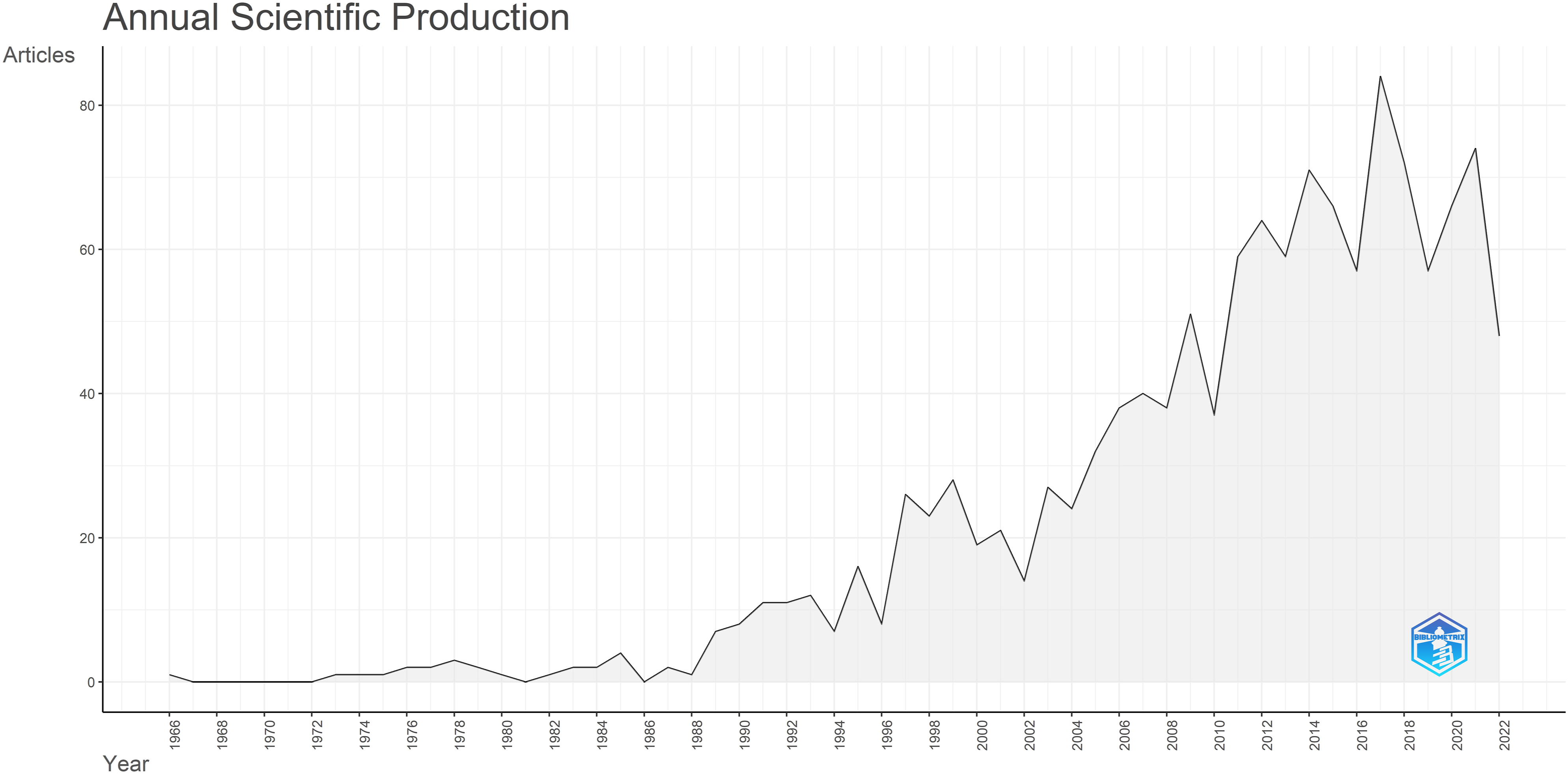
Authors and Co-Authors
The Number of Publications, Total Citations and H-Index of the Top 20 Contributing Authors in the Field of Gait Rehabilitation of SCI.
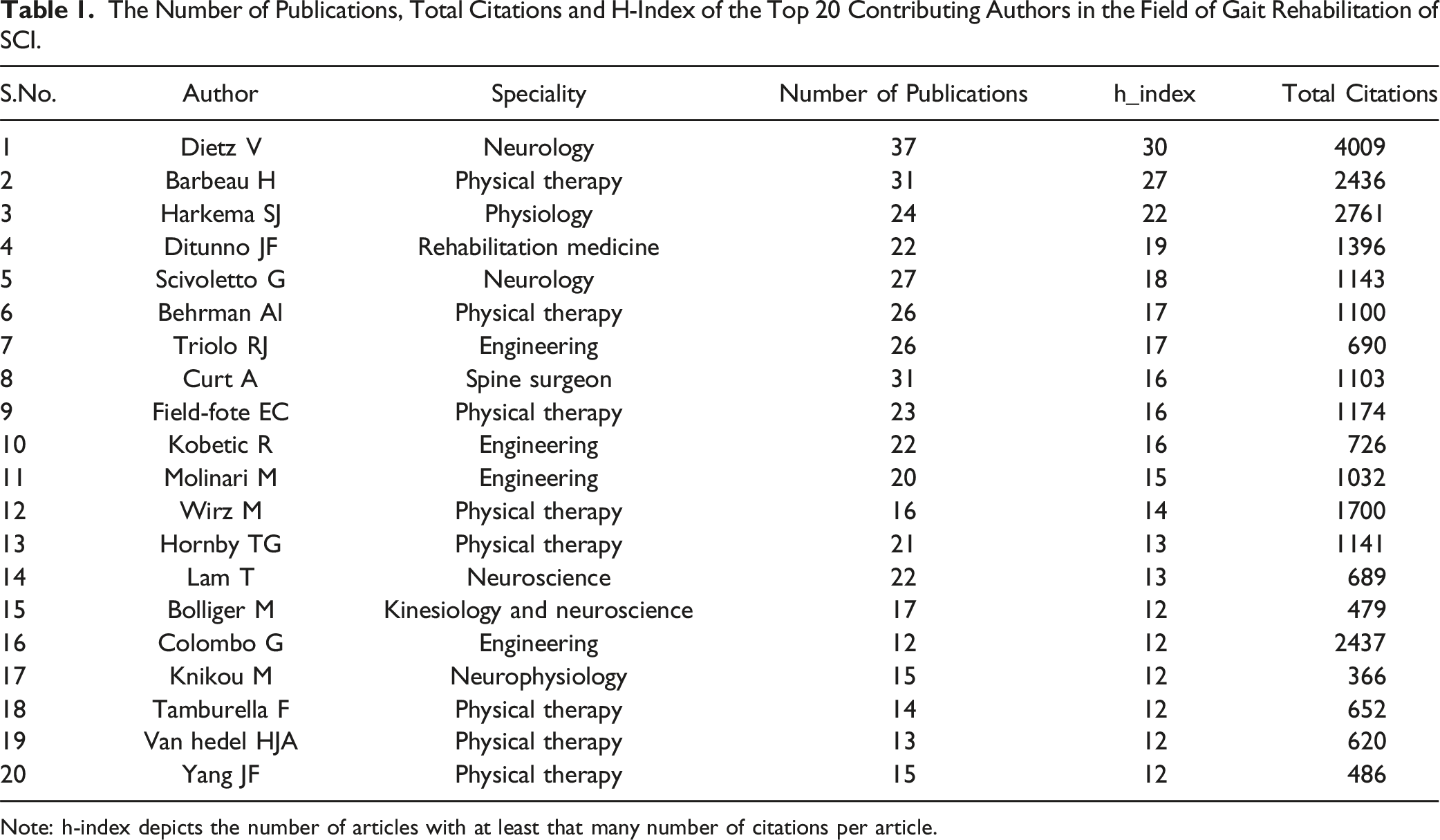
Note: h-index depicts the number of articles with at least that many number of citations per article.
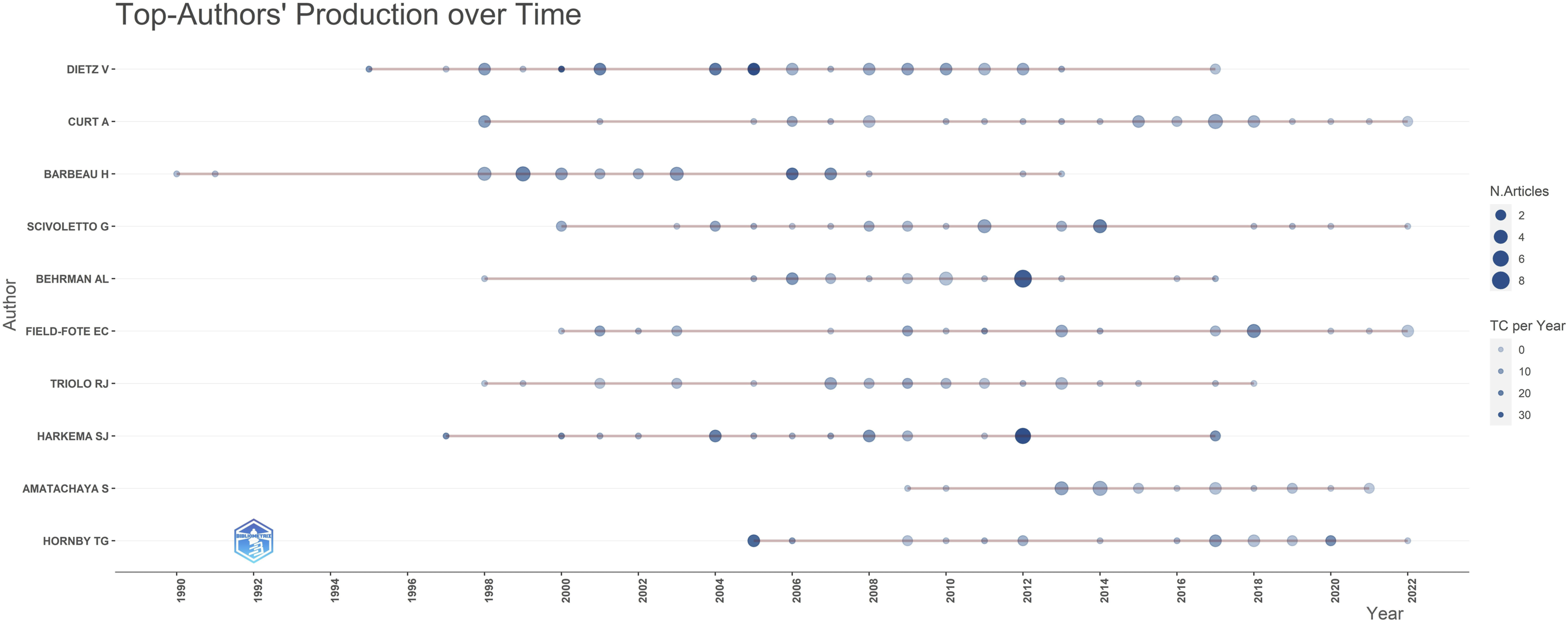
Years of publications of the most prolific authors in the field. Dark blue circles represent number of articles and light blue circles represents total citation (TC) of the articles.
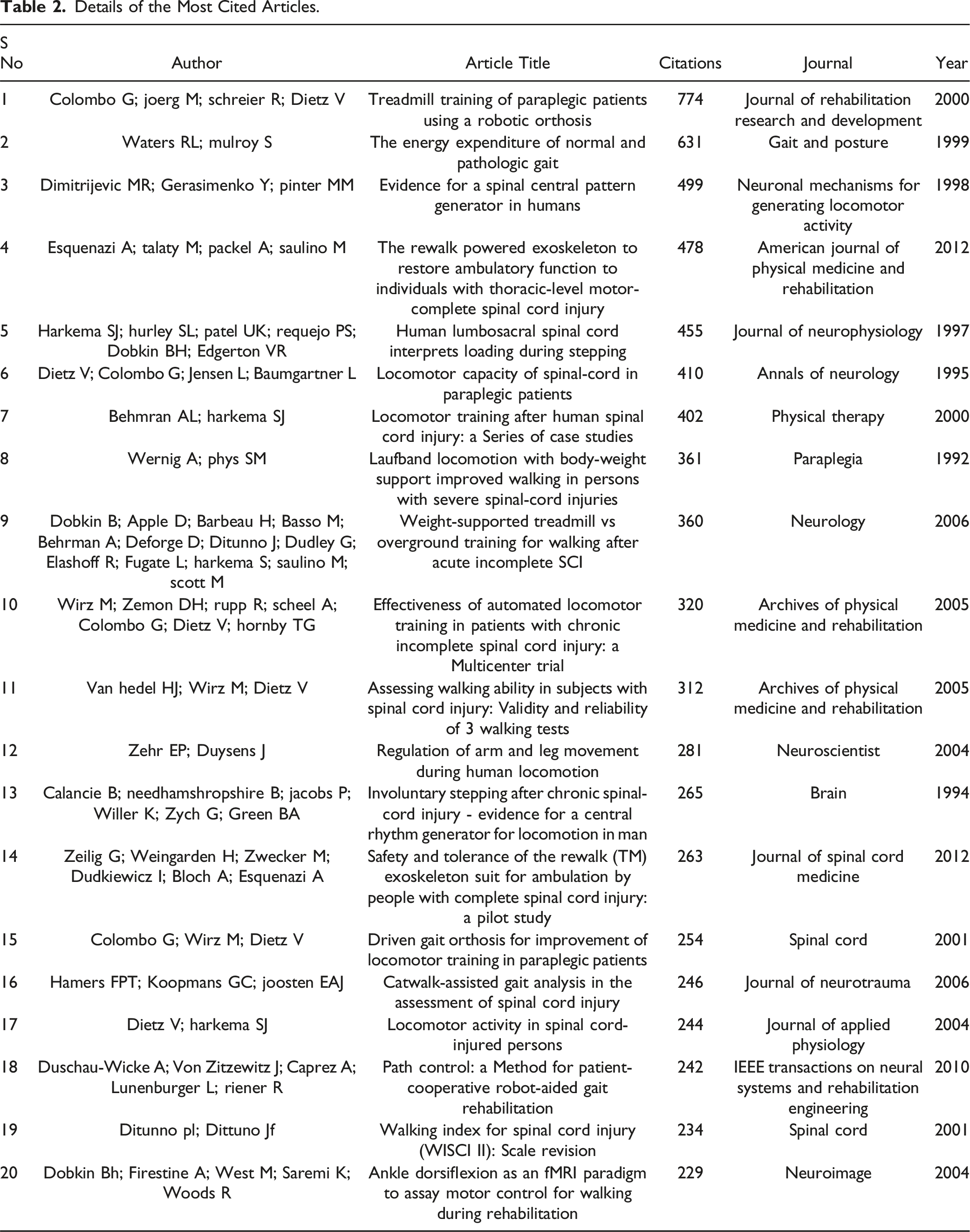
Details of the Most Cited Articles.
Sources (Journals)
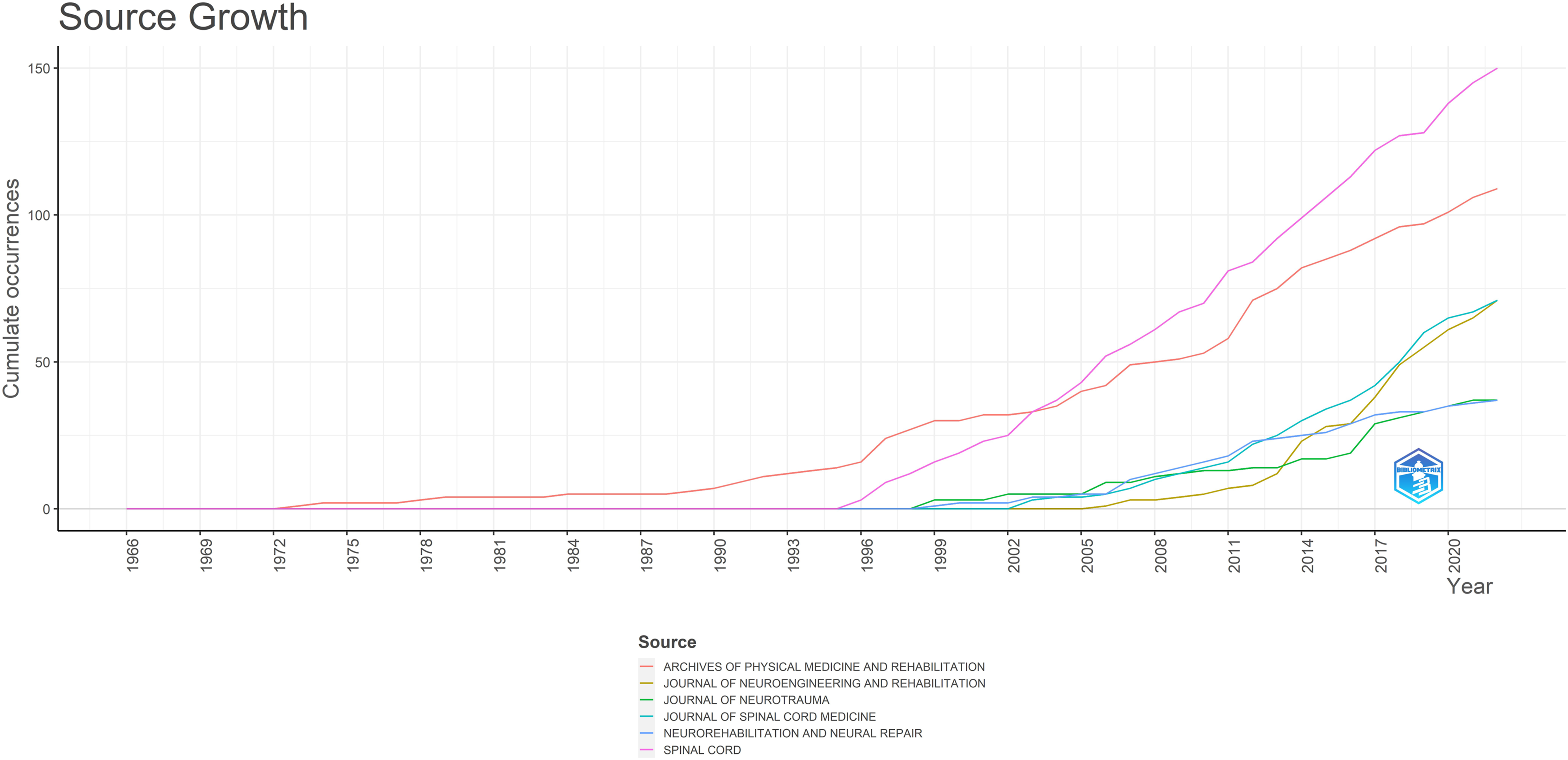
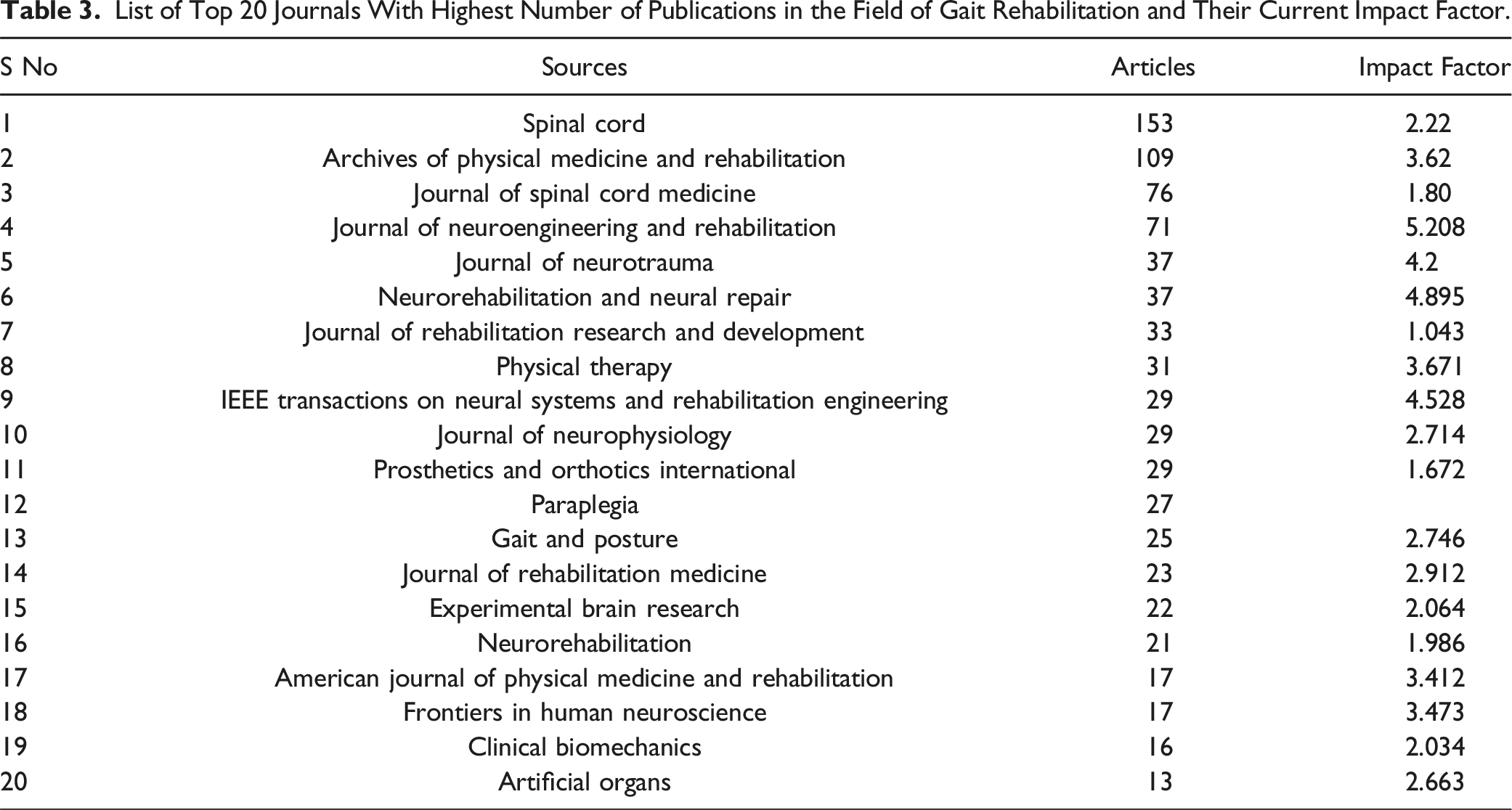
Using Bradford’s law for publications, the core journals that publish the main content related to the field were Spinal Cord (153 publications), Archives of Physical Medicine and Rehabilitation (APMR) (109 publications), Journal of Spinal Cord Medicine (76 publications), Journal of Neuroengineering (71 publications) and Journal of Neurotrauma (37 publications) (Figure 3). The number of relevant articles in other journals reduces exponentially after these 5 core journals. APMR has published results from the 1970s whereas the other journals have predominantly published in this millennium (Figure 4). The journals with the highest impact factor among the top contributors were the Journal of Neuroengineering and Rehabilitation (5.208), Neurorehabilitation and Neural Repair (4.895), and IEEE Transactions on Neural Systems and Rehabilitation Engineering (4.528) (Table 3). Bradford’s law identifying the core journals where most publications are made in the field. The cumulative occurrence of articles published in the core journals across the years. List of Top 20 Journals With Highest Number of Publications in the Field of Gait Rehabilitation and Their Current Impact Factor.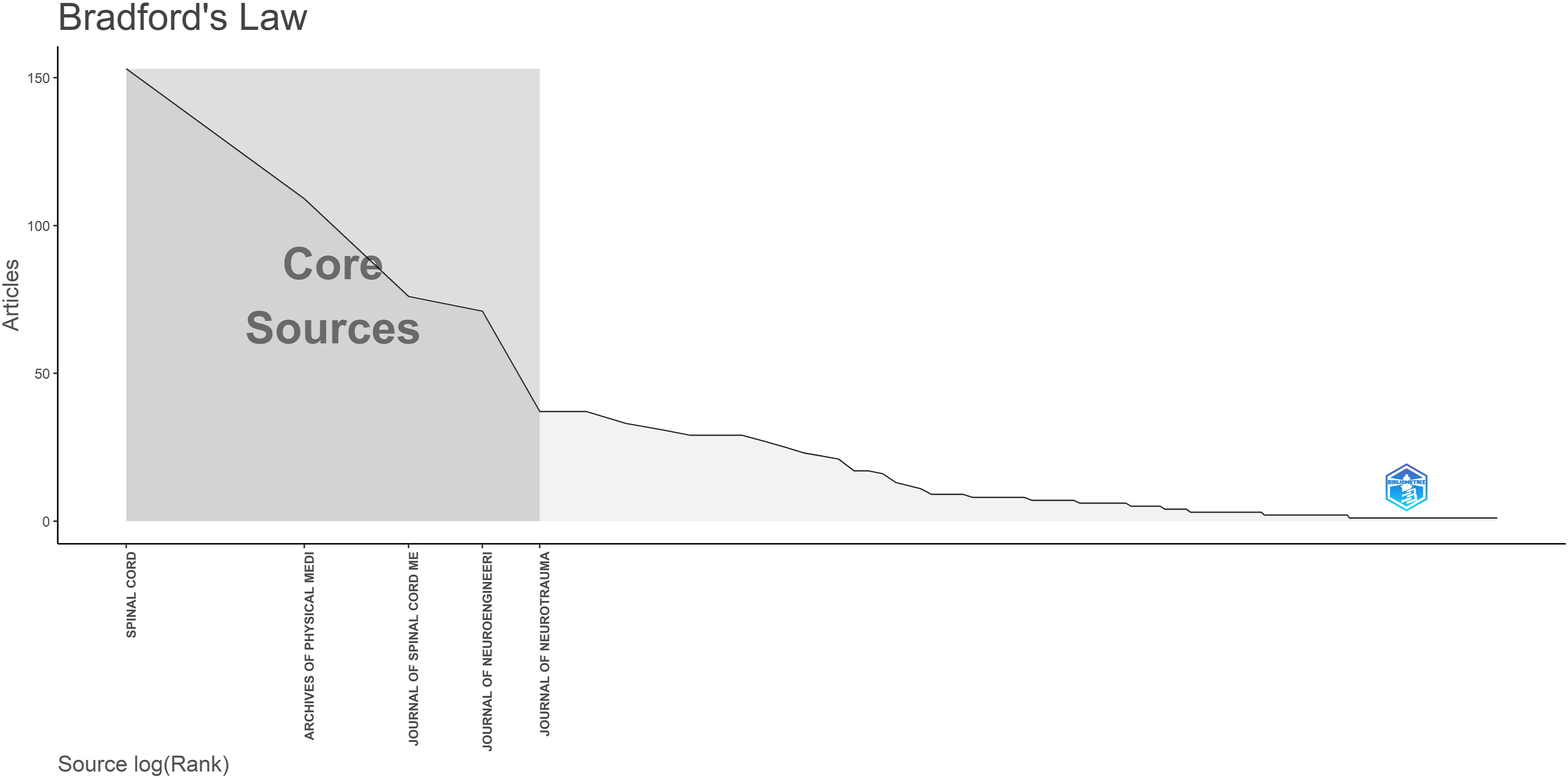
Affiliations, Countries and Collaborations
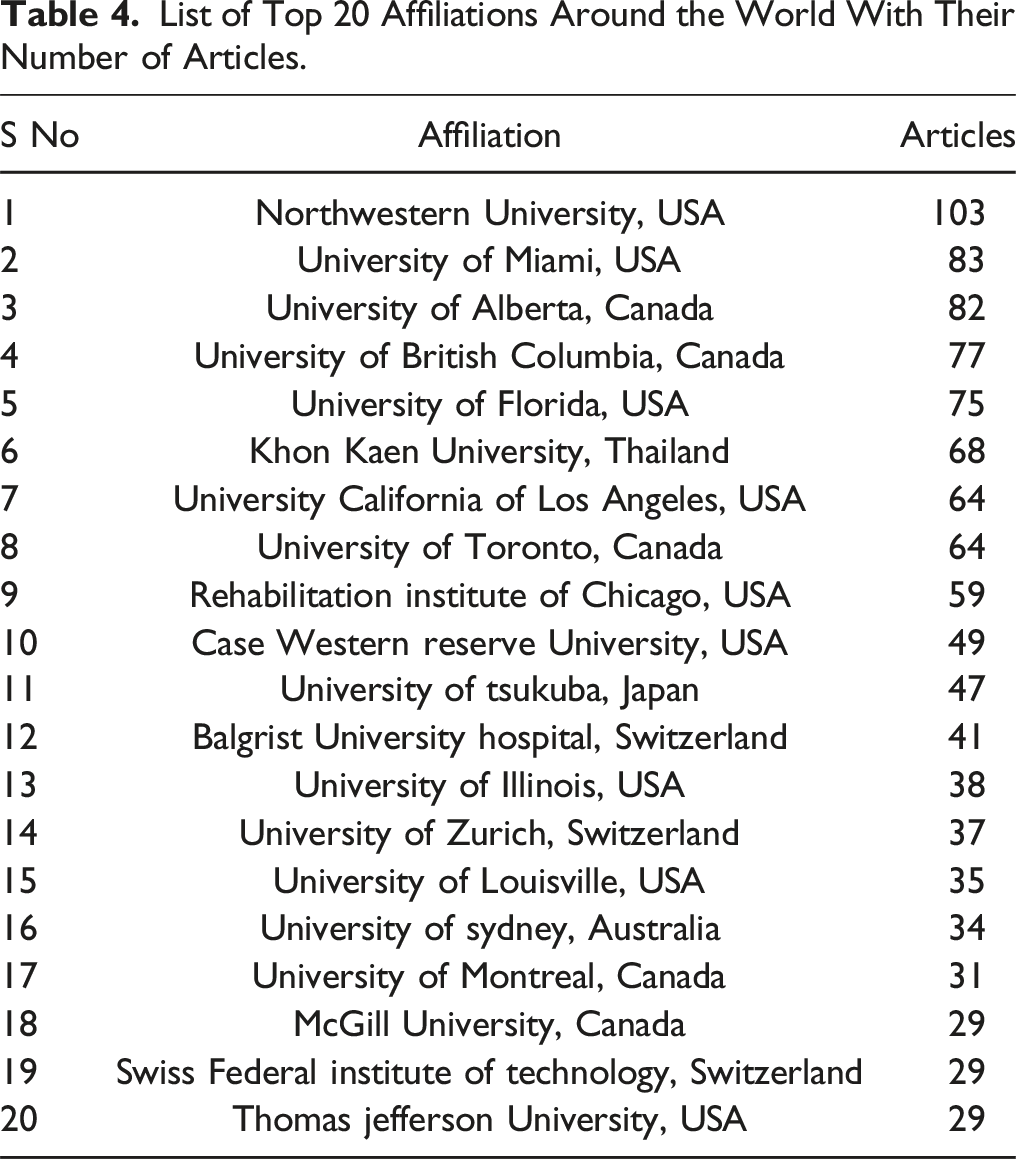
List of Top 20 Affiliations Around the World With Their Number of Articles.
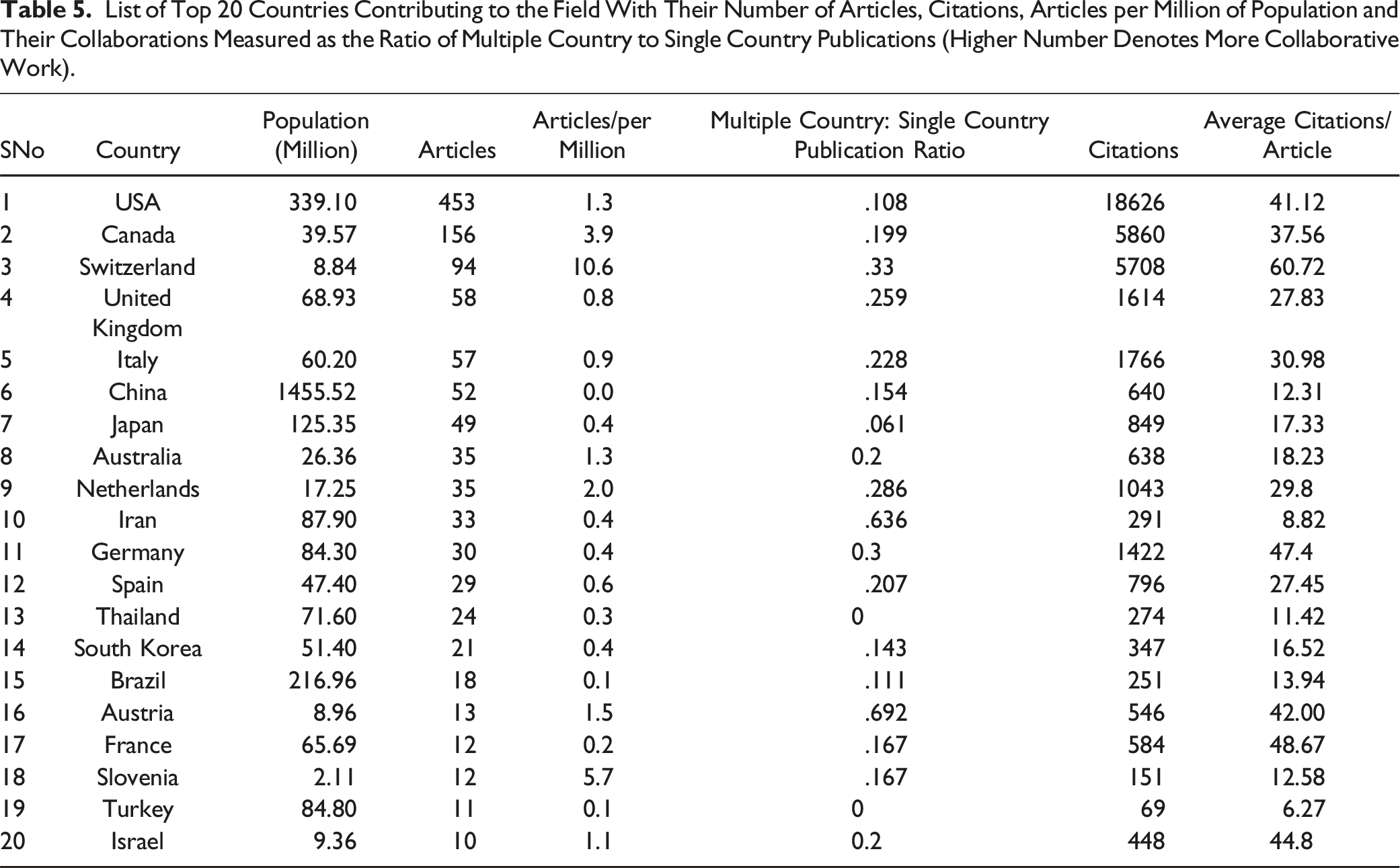
List of Top 20 Countries Contributing to the Field With Their Number of Articles, Citations, Articles per Million of Population and Their Collaborations Measured as the Ratio of Multiple Country to Single Country Publications (Higher Number Denotes More Collaborative Work).
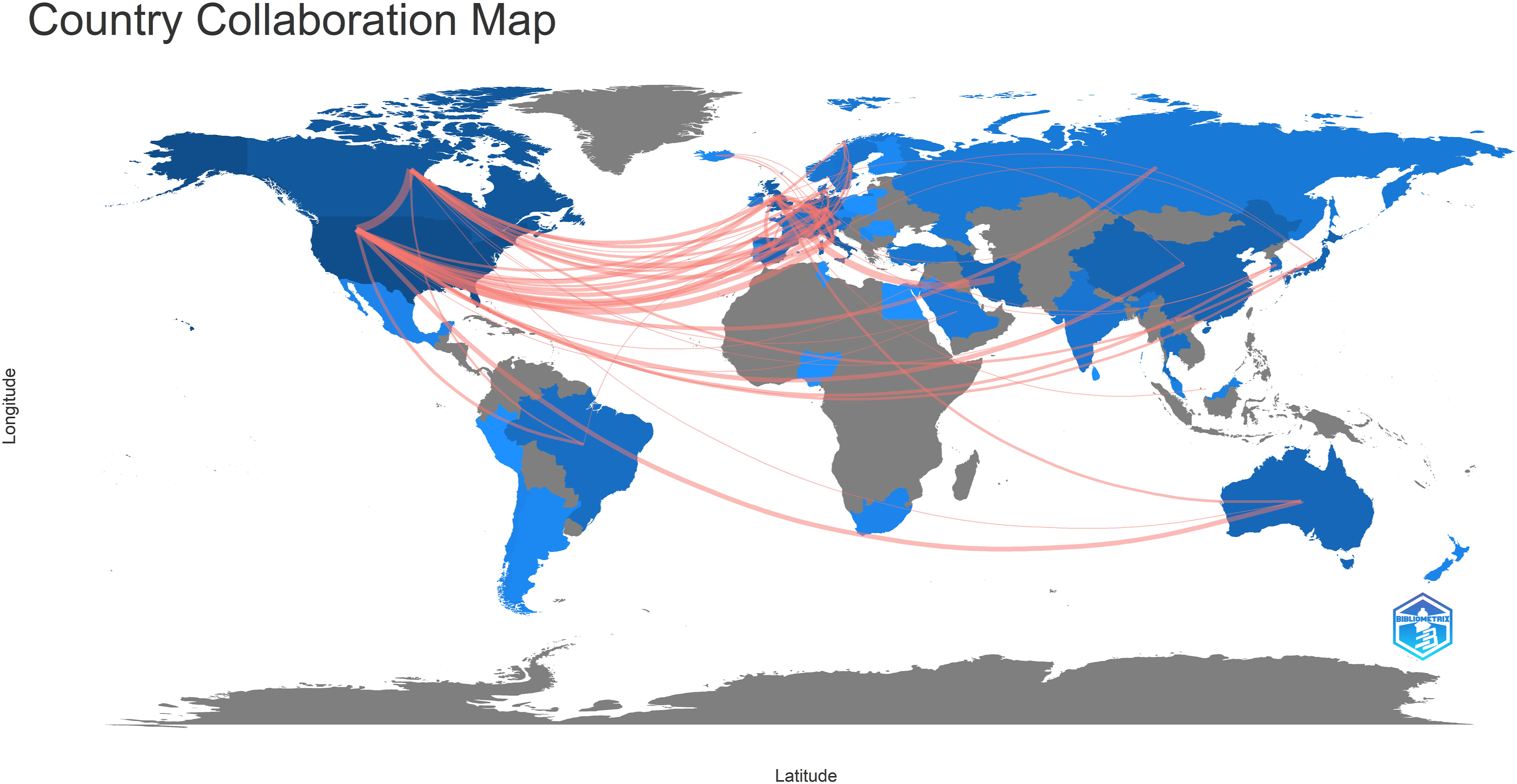
The world map showing the collaboration between countries.
Keyword Analysis
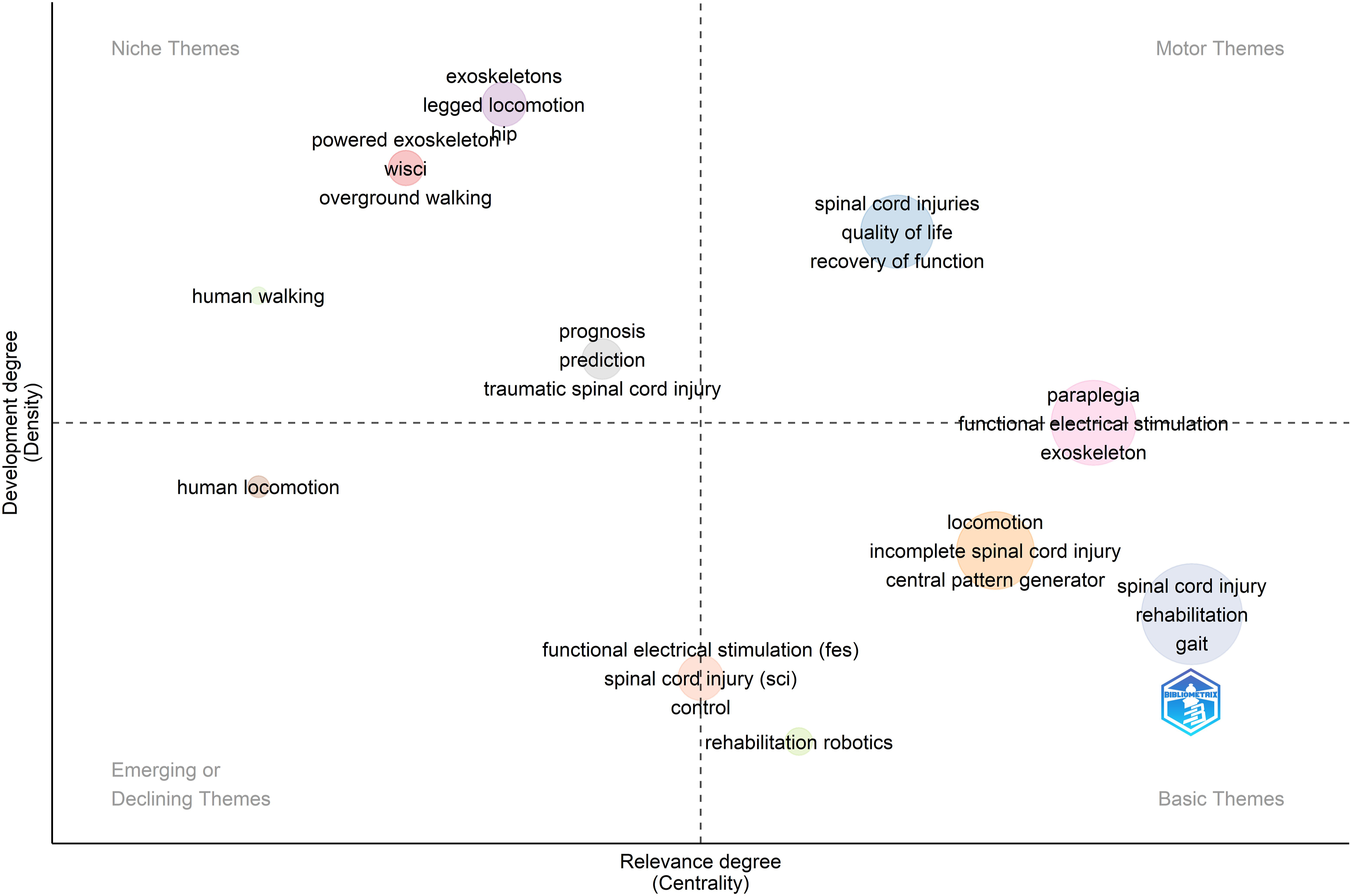
The predominant author-chosen keywords from the relevant articles (apart from gait, locomotion, and ambulation) were FES, exoskeleton, and robotics as depicted in Figure 6. A total of 2075 keywords were analyzed from the total publications for the cluster analysis. Certain common keywords such as SCI, SCI patients, paraplegia, tetraplegia, and walking were excluded and synonyms merged to make the analysis more relevant. The keyword analysis showed four distinct clusters. One cluster included reciprocating gait orthosis, biomechanics, FES, and robotics; a second cluster included physical therapy, treadmill walking, body weight supported treadmill training (BWSTT), ambulation and locomotor training; third cluster included exoskeleton, neuromodulation, central pattern generator (CPG), neuroplasticity, and electromyography; and another cluster including quality of life, pain and stimulation. The thematic analysis is depicted in Figure 7 where the main motor theme in gait rehabilitation was the effect on quality of life and recovery; the basic themes (for transdisciplinary research) were related to FES, robotics, and CPG. The niche themes were identified as studies related to exoskeletons. Author keyword co-occurrence network identifying four distinct clusters. Thematic analysis of author keywords.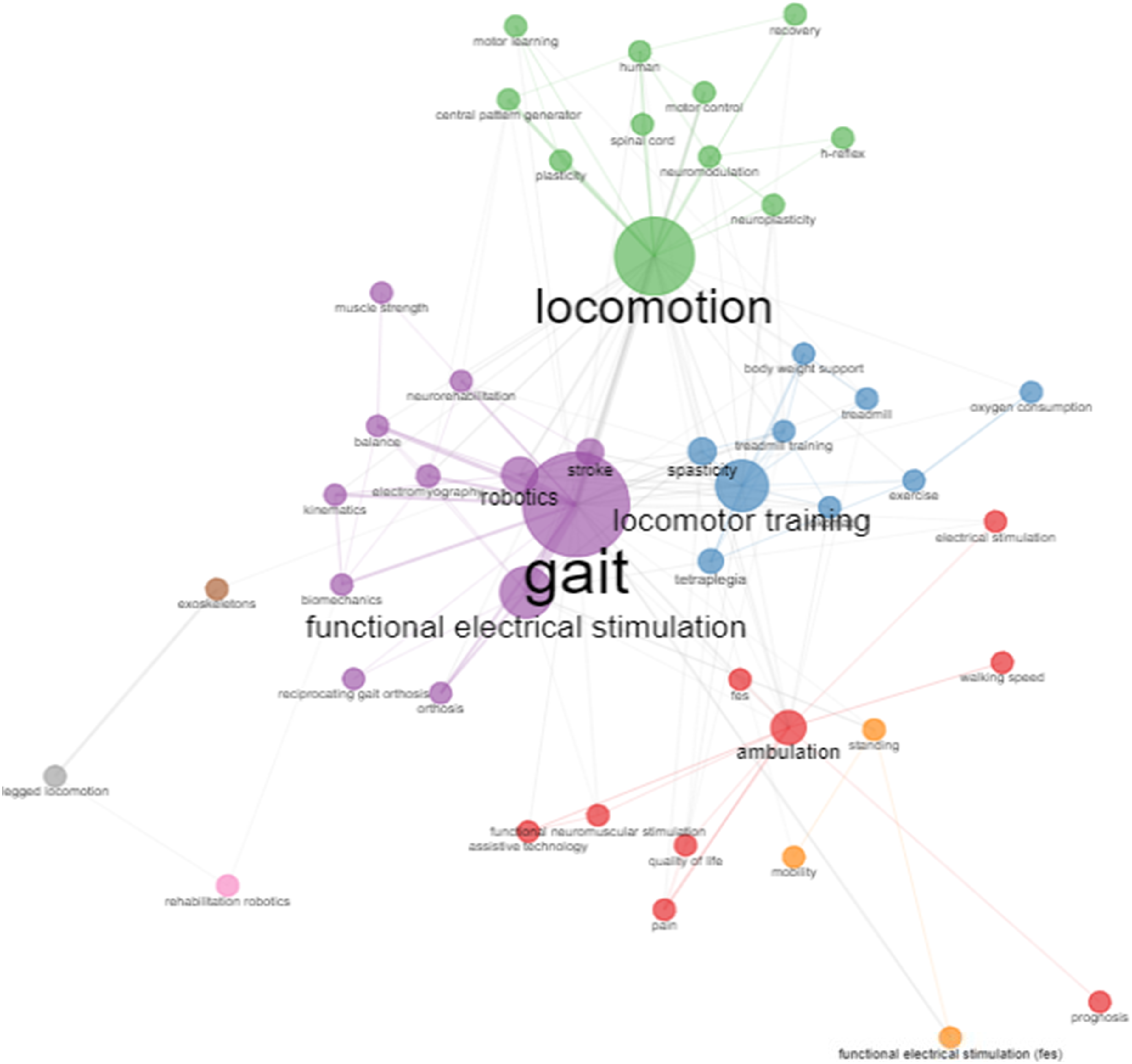
Nearly half (46%) of studies had declared a formal source of funding. These were from various national and international funding agencies.
Discussion
The relative importance of achieving ambulation for the spinal injured has resulted in making it an actively researched area. Similar to other bibliometric analyses in various health and allied fields, the USA tops as the most contributing country with its authors and affiliations as the most prolific in the field. However, the high average citations per article for publications from Europe suggest that they have been more impactful in this field. Despite a significant number of publications from Asian countries including China, Japan, Korea, and Thailand, their articles have a relatively lower average citation (<20). Switzerland had higher publications per million population and the second highest MCP: SCP ratio among European nations suggesting that it had one of the most prolific, and collaborative research as compared to its North American counterparts.
There may be multiple reasons for the relatively lesser multiple-country publications from the USA and other high-contributing countries. The relatively lower collaboration may be due to the high expenses involved in using certain technologies such as exoskeletons, FES, and BWSTT, or the relative dearth of motor incomplete individuals with SCI in less developed nations 24 (AIS A individuals with SCI choose wheelchair-based mobility instead of walking). These reasons may suggest that more research is required for finding low-cost solutions viable in developing nations and finding solutions that can be transferred across different geographical regions more effectively.
As depicted in Table 1 with author contributions - there is a diversity among the authors with physical therapists, surgeons, neuro physicians, neuroscientists, and engineers contributing to the field of gait rehab in SCI. This further corroborates the strengthening of interdisciplinary research for gait rehabilitation in SCI.
The current analysis regarding sources suggests that more predominant journals that are publishing results are related to spinal cord and engineering as compared to journals related to gait or biomechanics. The choice of journals suggests that the results are relevant for the group of clinicians and researchers working in the field of SCI.
An analysis of the most cited articles (Table 2) includes the following: An article by Colombo G. et al in 2000 was the most cited article on ‘Treadmill training of paraplegics using a robotic orthosis’ that described an adjustable gait orthosis for individuals with SCI with different degrees of paresis and spasticity to walk on a treadmill and attain physiological gait patterns. The second most cited article was a review by Robert L. Waters and Sara Mulroyin published in Gait and Posture journal in 1999 on ‘The energy expenditure of normal and pathologic gait’. This overview discusses the fundamentals of exercise physiology as it relates to human gait, the energy used during regular walking, and the findings of research done on the energy used in specific neurological and orthopedic impairments. The third most cited article was titled ‘Evidence for a Spinal Central Pattern Generator in Humans’ published by Milan R. Dimitrijevic et al in 1998. The results imply that human spinal circuitry can generate locomotor-like activity that can take the place of the tonic drive produced by the brain. This is possible even when it is not under the brain control or externally controlled sustained electrical stimulation, such as epidural stimulation of the spinal cord, can take the place of the tonic drive produced by the brain. The high citations for these articles also suggest the research trends among scientists around the world.
There has been a surge in the number of publications related to gait rehabilitation in SCI after 2000 with a steep rise in contributions from various countries rising only in the last decade. Beyond an increase in interest and awareness about gait rehabilitation, this may indicate the use of technology that provide a wide range of solutions. Similarly, there has been an improved understanding of neuro-plasticity and motor-control strategies for the rehabilitation of SCI that focuses on training for functional ambulation using repetitive goal-oriented tasks.25,26
The keyword analysis and the thematic analysis show that gait training in SCI has evolved over the years with emerging interdisciplinary technologies. 27 Previous literature shows that rehabilitative approaches for improving gait have evolved from those that counterbalance impaired or lost function to approaches based on the concepts of activity-dependent neuroplasticity and neural control of walking after SCI.28–30 Traditionally gait training included strengthening of lower limb muscles followed by parallel bar walking and using walking-aids to complement the residual muscle power. Over time technological advances have supplemented or replaced traditional gait rehabilitation 31 with newer techniques like low-weight exoskeletons or robotics, neuromodulation by spinal stimulation, electrical stimulation of muscles using algorithms to simulate gait, orthosis that provide adequate stability and controlled mobility of joints, partial weight-bearing treadmill walking capabilities, stem cell therapy, virtual reality therapy etcetera. Gait training has seen a paradigm shift from traditional methods to the amalgamation of technology with traditional methods.32,33
The articles about orthotic supports and ‘walking appliances’ appear as early as in the 1970s. After almost 20 years, studies related to energy expenditure, biomechanically analyzed walking styles, reciprocating gait orthosis and effectiveness of FES for gait got published. In the late 90s and early 2000, articles related to BWSTT and objective outcome measures were published. These are followed by articles that assess factors for the prediction of ambulation in individuals with SCI and robotic exoskeletons, neuroplasticity, and CPGs in the last decade.
An interesting observation in the thematic map analysis showed the shift of FES as the technique for gait rehabilitation from the basic themes to the motor themes. The results indicated that FES is now an established technique for gait rehabilitation. Similarly, the concepts of CPGs and robotics especially in incomplete injuries are the areas requiring trans-disciplinary research. Exoskeletons as a treatment option is a basic theme requiring transdisciplinary research, though powered exoskeletons as a treatment option may have limited relevance in gait rehabilitation indicating the high finances involved in conducting such study.
The strength of the current analysis is the comprehensiveness that spans over 6 decades. The study is however limited due to the following reasons: the analysis excluded animal studies where a bulk of research work is focused. The analysis is limited to articles published in English and those which are available on the WoS database. Only full-length original articles and reviews were considered that excluded conference proceedings and theses which are a source for finding the recent developments in the field. The articles that may be very relevant but recent may not get highlighted by this analysis as it depends on the number of citations. The more recent works may not be cited as many times as the older articles.
The results of the current analysis may find use with researchers to assess trends, know collaborators, and determine where to publish gait-related studies in SCI. The results may be useful for publishers and journal editors to know research hot spots. The funding agencies may use the analyses to know the direction of future research work and focus on developing suitable collaborations. The committees deciding promotions/tenure of faculties may use the information about scientific productivity.
Conclusion
The results from the current analysis identify the contributors across the globe. The role of rehabilitation in improving the walking capabilities of individuals with SCI has become very significant and has seen transformations over the years. The study reinforces the importance of a collaborative, multi-disciplinary approach to gait rehabilitation.
Supplemental Material
Supplemental Material - Global Research Trends on Gait Rehabilitation in Individuals With Spinal Cord Injury- A Bibliometric Analysis
Supplemental Material for Global Research Trends on Gait Rehabilitation in Individuals With Spinal Cord Injury- A Bibliometric Analysis by Vandana Phadke, Ridhi Sharma, Navita Sharma, and Shambhovi Mitra in Global Spine Journal.
Footnotes
Declaration of Conflicting Interests
The author(s) declared no potential conflicts of interest with respect to the research, authorship, and/or publication of this article.
Funding
The author(s) received no financial support for the research, authorship, and/or publication of this article.

Supplemental Material
Supplemental material for this article is available online.
References
Supplementary Material
Please find the following supplemental material available below.
For Open Access articles published under a Creative Commons License, all supplemental material carries the same license as the article it is associated with.
For non-Open Access articles published, all supplemental material carries a non-exclusive license, and permission requests for re-use of supplemental material or any part of supplemental material shall be sent directly to the copyright owner as specified in the copyright notice associated with the article.
