



Abstract
The long-term effects of the COVID-19 pandemic have only recently begun to be explored. Among college students, who were faced with sudden and unprecedented changes and challenges, it is likely that COVID-19 detrimentally impacted the establishment of a sense of self, a key developmental task of the college years. However, no research has examined the relationships among COVID-19 related worries, identity distress, and psychological and academic adjustment. To address these gaps in the current study, we examined the prevalence of identity distress, the relationship between COVID-19 related worries and identity distress, and the direct and indirect associations between COVID-19 related worries and psychological and academic adjustment among a sample of 1627 college students (M age = 20.51, SD = 2.21). Findings indicated that over a third of the sample reported high levels of identity distress and that COVID-19 related worries were negatively associated, both directly and indirectly through identity distress, with psychological and academic adjustment.
Keywords
Introduction
Erikson (1968) conceptualized identity formation as a fundamental psychosocial task of adolescence. However, due to several structural and sociocultural changes, such as the median age of “adult” milestones being progressively prolonged in tandem with industrialization during the latter half of the 20th century (Côté, 2019), a substantive amount of identity work today occurs during emerging adulthood (Schwartz, 2016). Indeed, emerging adulthood represents a period in which young people explore various career options, experiment with different types of adult relationships, and consider a number of religious and political systems, as well as their positionality within their specific society and sociocultural historical context (Arnett, 2007; Meca et al., 2021). For some individuals, however, this period is often fraught with worry regarding their future and anxiety associated with the process of reevaluating past choices and exploring new life directions (Côté, 2014). Collectively, these negative feelings of anxiety, depression, and obsessive rumination over the inability to resolve identity issues have been referred to as identity distress (Berman, 2020). Identity distress can not only interfere with normal adaptive functioning (Luyckx et al., 2008) and/or lead to feelings of rejection, disappointment, or disillusionment (Arnett, 2004), but it has also been conceptualized to represent an important risk factor for adverse mental and behavioral health outcomes (Berman, 2020; Schwartz, 2016).
The challenge of establishing a coherent sense of self and identity has likely been further exacerbated by COVID-19 (Meca et al., 2022). Indeed, college-attending emerging adults were forced to weather a number of sudden, abrupt, and prolonged shifts in educational and residential status (Associated Press, 2022). These shifts led to changes in lifestyle, reductions in social interactions with peers, faculty, family, and support staff, financial challenges, and broader uncertainty regarding the future. In turn, these changes have likely intensified existing mental health challenges experienced by college students (e.g., Rajkumar, 2020; Rossi et al., 2020). However, in our review of the literature, only one study to date has examined the impact of COVID-19 on identity distress (Wagaman et al., 2022). Specifically, Wagaman et al. evaluated the association between COVID-19 anxiety and various cultural processes on identity distress among immigrant college students and found that COVID-19 anxiety was positively associated with overall identity distress. However, the focus on college students from immigrant backgrounds and the single site nature of the study limits the generalizability of these findings to the broader college-attending emerging adult population. Moreover, the focus on overall identity distress masks potentially important findings regarding identity distress associated with specific domains (e.g., life goals, career, etc.). Indeed, prior work examining the associations across multiple domains of identity distress indicates that it is identity distress related to long-term goals and friendships that are associated with mental illness (Samuolis et al., 2015) and negative affect (Samuolis & Griffin, 2014). Nonetheless, these prior findings suggest that anxiety and worries about COVID-19 can compromise identity development among emerging-adult college students.
Expanding on the work of Wagaman et al. (2022), in the present study we sought to examine the degree to which COVID-19 related worries, including anxiety about COVID-19 and COVID-19 student stress, contributed to identity distress among college-attending emerging adults prior to the return to face-to-face instruction at many institutions for the Fall 2021 semester. Additionally, given the key role of identity distress in college students’ mental health and academic outcomes (Gfellner & Córdoba, 2020), we also sought to examine the relations of identity distress with well-being, internalizing symptoms, and academic motivation.
Identity Development in Emerging Adulthood
Much of the research on identity development has its roots in the seminal writings of Erik Erikson (1968). According to Erikson, the establishment of a sense of self and identity emerges from the tension between the potential for synthesis (i.e., a coherent and internally consistent sense of self) and confusion (i.e., a fragmented or piecemeal sense of self), with healthy identity development represented as a preponderance of synthesis over confusion. Although a certain degree of identity confusion, uncertainty, and distress is necessary for establishing a sense of self (Crocetti et al., 2009), the process of trying out new life directions and evaluating and reconsidering prior choices can result in severe and/or excessive and prolonged uncertainty that interferes with normal functioning (Luyckx et al., 2008; Montgomery et al., 2008). As a result, there has been a growing interest in understanding identity distress.
Berman et al. (2004) developed the Identity Distress Scale (IDS) which operationalizes identity distress across multiple identity domains, including long-term goals, career choice, friendships, sexual orientation, religion, values, and group loyalties. Subsequently, several studies have linked identity distress to a wide variety of adjustment variables including internalizing symptoms, such as anxiety or depression (Berman et al., 2009; Carlsson et al., 2016) and negative affect (Samuolis & Griffin, 2014). In addition, recent work with college students has focused on decomposing the links between identity distress and adjustment across sub-domains. Indeed, Samuolis and Griffin (2014) found differential associations across identity distress domains such that identity distress related to long-term goals, career, and friendships were the only domains positively associated symptoms of anxiety and depression. Building on these findings, Samuolis et al. (2015) found that identity distress concerning long-term goals and friendships was significantly associated with an increased likelihood of being diagnosed or treated for anxiety, depression, substance use or addiction, or other mental health issues.
The COVID-19 Pandemic
Exposure to trauma and processing posttraumatic stress also appear to be associated with identity distress (Scott et al., 2014; Wiley et al., 2011). Within the realm of natural disasters, we can also view the COVID-19 pandemic as both a world-wide disruption of young people’s identity development and a source of cumulative trauma that warrants further study. Indeed, the COVID-19 pandemic exerted devastating effects on the world’s population as well as profound societal impacts on health, the economy, and the environment (Gautam & Hens, 2020). As of November 2022, there have been over 85 million confirmed cases of COVID-19, including 1,068,667 deaths, within the United States (U.S.) alone (CDC, 2022). Moreover, with the shift of COVID-19 from a pandemic to an endemic disease (Nature, 2022), it is likely that COVID-19 will continue to carry pervasive and long-term implications for physical and mental health. Not surprisingly, research has suggested that the COVID-19 pandemic has brought forth a number of new stressors associated with the disease itself (e.g., fear of contraction, fear of losing a loved one), as well as loss of life and adverse effects of mitigation efforts such as lockdowns, masking, and social distancing (Ahorsu et al., 2020). The long-term impacts of these stressors are only now beginning to be examined and understood.
A growing body of work has begun to examine the mental health impacts of COVID-19 on college students (e.g., Elharake et al., 2022; Kim et al., 2022; Malik et al., 2023; Regan et al., 2023). This research trend is unsurprising given that college students faced an unprecedented number of abrupt changes and unique challenges during the pandemic (Lu et al., 2021). Although many campuses returned to in-person learning in Fall 2021, many students’ learning and socioemotional development was adversely impacted by the sudden shift to virtual learning in 2020 (Associated Press, 2022). A substantive body of work has emerged focusing on the negative effects of COVID-19 related anxieties and stressors among college students. For example, in a cross-sectional study, Perz et al. (2020) found a strong correlation between fear of COVID-19 and generalized anxiety. Moreover, Kleiman et al.’s (2020) ecological momentary analysis indicated extensive reporting of COVID-19 anxiety and found positive day-to-day associations of COVID-19 anxiety with sadness, general anxiety, and substance use desires. Utilizing a longitudinal study, Mauer and colleagues (2022) found that fear of COVID-19 predicted significant increases in symptoms of anxiety.
Taken together, accompanying anxieties and worries related to COVID-19 have been shown to impact young people’s mental health (Korte et al., 2022). Moreover, as previously reviewed, COVID-19 related worries have been found to be significantly associated with identity distress, highlighting the potential long-term impacts of COVID-19 on the establishment of future plans and identity development (Meca et al., 2022).
The Current Study
In the present study, we utilized data from the COVID-19 University Research on Education and Sustainability (CURES; Regan et al., 2023) Project, a multi-site study on students attending U.S. colleges during Spring and Summer 2021 (prior to when many institutions resumed face-to-face instruction) focused on understanding the impact of COVID-19. Data collected as part of the CURES project resulted in a large, ethnically/racially diverse sample that was balanced across age. We sought to (a) document the prevalence of identity distress, (b) examine the degree to which COVID-19 related worries, including anxiety about COVID-19 and general COVID-19 student stress, is associated with identity distress among college-attending emerging adults, and (c) examine the direct associations between identity distress and the direct/indirect associations of COVID-19 related worries, through identity distress, with a variety of indicators of psychological (i.e., symptoms of depression and anxiety, psychological well-being, satisfaction with life) and academic (i.e., intrinsic and extrinsic academic motivation, academic amotivation) adjustment. Additionally, we sought to examine identity distress across its 7 domains (i.e., long-term goals, career, friendships, sexual orientation, religion, values, and group loyalties). Given the detrimental effects of COVID-19, coupled with the broader uncertainty regarding the future that has resulted from the pandemic, we hypothesized that individuals who experienced COVID-19 related worries would exhibit heightened levels of identity distress, particularly in regard to long-term life goals and career domains. Moreover, we hypothesized that COVID-19 related worries would be negatively associated with psychological and academic adjustment, partially through its positive association with identity distress.
Method
Participants
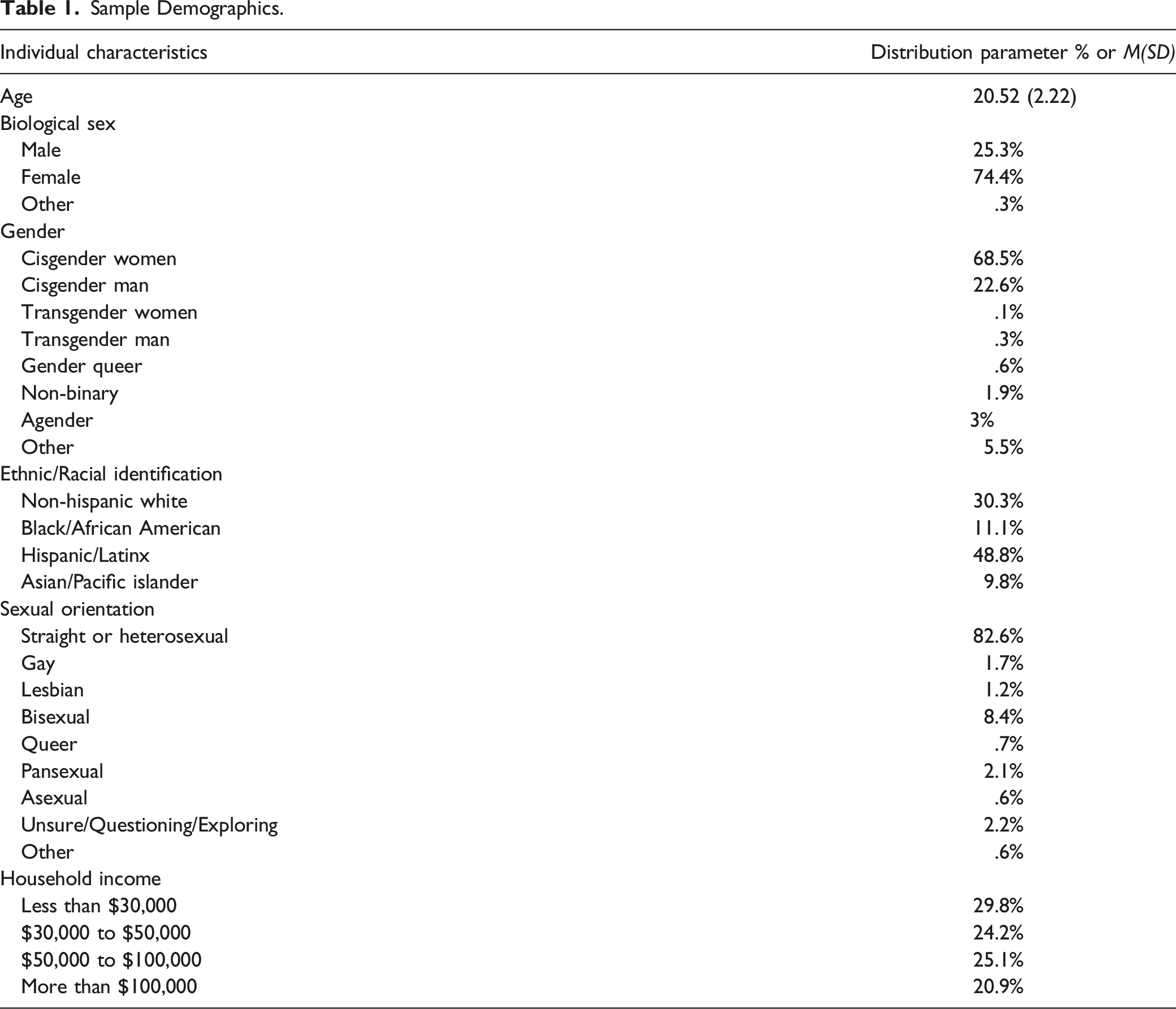
The current study utilized a subset of participants collected as part of a larger multisite study focused on adjustment and resilience among college students during Spring and Summer 2021, prior to the return of many institutions back to face-to-face instruction for Fall 2021 (see Regan et al., 2023; Schwartz et al., 2023). Given the focus on college-attending emerging adults, the sample was restricted to those between the ages of 18–29 years old. The sample for the present analyses was comprised of 1627 students (Mage = 20.51, SD = 2.21) across seven public universities in California, Florida, New York, Texas, and Virginia. The sample was primarily female (74.5%) and Hispanic/Latinx (48.8%), followed by non-Hispanic White (30.3%), Black/African American (11.1%), and Asian/Pacific Islander (9.8%).
Procedure
Although the majority (k = 4) of the seven sites primarily recruited students from their psychology department research pools, the remaining sites utilized a variety of methods ranging from flyers, social media and web posts, and word of mouth. After completing an institution-specific consent form, participants that agreed to partake in the study were directed to complete an online survey hosted on Qualtrics. The survey consisted of measures of identity, experiences with COVID-19, access to technology, mental health, resilience, and substance use. The survey took, on average, about an hour for participants to complete. The study was approved through an institutional authorization agreement among the sites’ Institutional Review Boards.
Measures
Demographics
Sample Demographics.
Identity Distress
Identity distress was assessed utilizing the 10-item Identity Distress Survey (IDS; Berman et al., 2004). The IDS consists of 7-items asking participants to rate the “degree to which they have been recently upset, distressed, or worried over the following [identity] issues” across key identity domains: long-term goals, career choice, friendships, sexual orientation, religion, values, and group loyalties. These items are rated on a 5-point scale ranging from 1 (Not at all) to 5 (Very severely). In addition, the IDS consists of three items that determine the overall degree of severity, interference, and duration of identity issues. General severity and interference are rated on a 5-point scale ranging from 1 (None) to 5 (Very severe), whereas the duration item is rated on a 5-point scale ranging from 1 (Never/Less than a month) to 5 (More than 12 months).
As part of the development of the IDS, Berman et al. (2004) suggested cut-offs for heightened identity distress. 1 Specifically, heightened identity distress would characterize participants who rated “distress in at least 3 of the 7 listed areas (items 1–7) at a level of ‘severe’ or ‘very severe’, indicated this distress has been present for at least 3 months (item 10), and indicated overall distress (item 8) or interference (item 9) as moderate or higher” (p. 3). In the present article, although we report the prevalence of heightened identity distress utilizing all 10 items based on these established cut-offs, primary analyses were conducted utilizing scores across the seven domain-specific identity distress items (α = .83) as well as the individual items capturing severity of identity distress within each domain-specific identity distress.
COVID-19 Related Worries
Two separate measures were utilized to assess COVID-19 related anxiety and stress. The 5-item Coronavirus Anxiety Scale (Lee et al., 2020) assessed dysfunctional anxiety connected to the COVID-19 pandemic in the past two weeks (α = .84; sample item = “I had trouble falling or staying asleep because I was thinking about the coronavirus”). Items were rated on a 5-point rating from 0 (Not at all) to 4 (Nearly every day) over the past 2 weeks. The 7-item COVID 19 Student Stress Scale (Zurlo et al., 2020) assessed college student’s COVID-19 stress related to relationships and academic life, isolation, and fear of contagion (α = .87; sample item = “How do you perceive your academic studying experience during this period of COVID-19 pandemic?”). Each item was rated on a 5-point Likert scale from 1 (Not at all stressful) to 5 (Extremely stressful).
General Well-Being
Two constructs including life satisfaction and psychological well-being were assessed for general well-being. The 5-item Satisfaction with Life Scale (Diener et al., 1985) assessed life satisfaction with items (α = .89; sample item = “The conditions of my life are excellent”) that tap into an individual’s happiness with life. The Scales for Psychological Well-Being, 18-item version (Ryff & Keyes, 1995) assessed psychological well-being (α = .81, sample item = “In general, I feel I am in charge of the situation in which I live”). Both measures were rated on a 6-point Likert scale from 1 (Strongly disagree) to 6 (Strongly agree).
Internalizing Symptoms
Internalizing symptoms were assessed utilizing the Center for Epidemiologic Studies Depression Scale Boston Form (CESD-10; Grzywacz et al., 2006) and the General Anxiety Disorder 7-item Scale (GAD-7; Spitzer et al., 2006). The CESD-10 consists of 10 items asking about depressive symptoms experienced within the past week (α = .89; sample item: “I felt that I could not shake off the blues even with help from my family or friends”). Items are rated on a 4-point Likert scale ranging from 0 (Rarely or none of the time) to 4 (Almost all the time). The GAD-7 consists of 7 items that reflect symptom criteria for generalized anxiety disorder (α = .94; sample item = “not being able to stop or control worrying”). This measurement tool asked participants how often during the last two weeks they were bothered by each symptom. Responses are recorded on a scale ranging from 0 (Not at all) to 3 (Nearly every day).
Academic Motivation
Academic motivation was assessed utilizing the 28-item Academic Motivation Scale - College (AMS-C; Vallerand et al., 1993). The AMS-C is composed of 12-items that capture intrinsic academic motivation (α = .93; sample item: “Because I experience pleasure and satisfaction while learning new things”), 12-items that capture extrinsic academic motivation (α = .93; sample item: “Because I think that a college education will help me better prepare for the career I have chosen”), and 4-items capturing academic amotivation (α = .89; sample item: “I don’t know; I can’t understand what I am doing in school”). Response choices for each item were rated on a 7-point Likert scale from 1 (Does not correspond at all) to 7 Corresponds exactly).
Data Analytic Strategy
The analytic strategy proceeded in five steps. First, we computed descriptive statistics and bivariate correlations for all study variables. Second, we estimated the prevalence of heightened identity distress based on cutoff scores established by Berman and colleagues (2004). Third, we estimated a path model utilizing Mplus 8.7 (Muthén & Muthén, 1998–2017), using a robust maximum likelihood estimation (MLR), to determine the direct associations between COVID-19 anxiety and COVID-19 college student stress with identity distress and the subsequent associations between identity distress and psychological and academic adjustment. We controlled for age, gender, ethnicity/race, sexual orientation, and income. Because this was a fully saturated model, we tested a more parsimonious model by trimming non-significant paths from the model to obtain estimates of model fit. Model fit was evaluated using the comparative fit index (CFI), the root mean square error of approximation (RMSEA), and the standardized root mean square residual (SRMR). According to values suggested by Little (2013), a good fit is represented as CFI ≥.95, RMSEA ≤.06, and SRMR ≤.06. Fourth, we assessed whether COVID-19 anxiety and COVID-19 college student stress was indirectly associated with indicators of psychological and academic adjustment through identity distress.
Fifth, we decomposed identity distress across the 7-specific identity domains to determine whether COVID-19 anxiety and COVID-19 college student stress were uniquely associated with specific domains of identity distress, and in turn, to determine the differential association between specific domains of identity distress and psychological and academic adjustment, adjusting for age, gender, ethnicity/race, sexual orientation, and income. Sixth, we assessed whether COVID-19 anxiety and COVID-19 college student stress were indirectly associated with indicators of psychological and academic adjustment through specific domains of identity distress. All indirect associations were estimated using the delta method, the default method within Mplus (Muthén & Muthén, 1998–2017).
Results
Bivariate Correlations and Descriptive Statistics
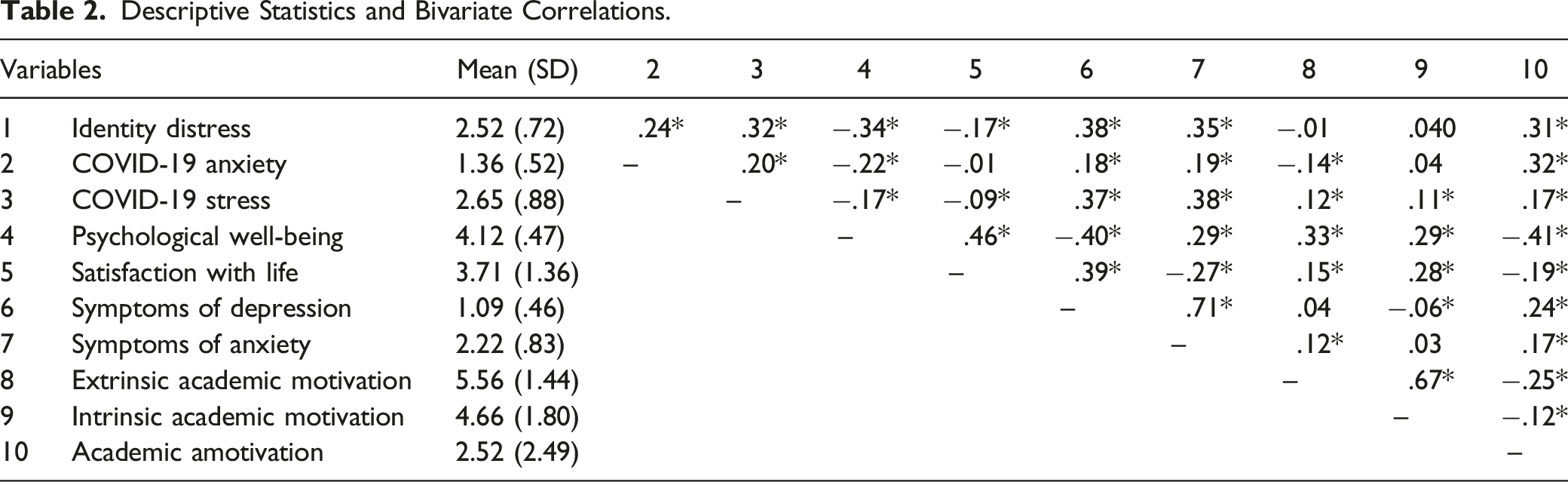
Descriptive Statistics and Bivariate Correlations.
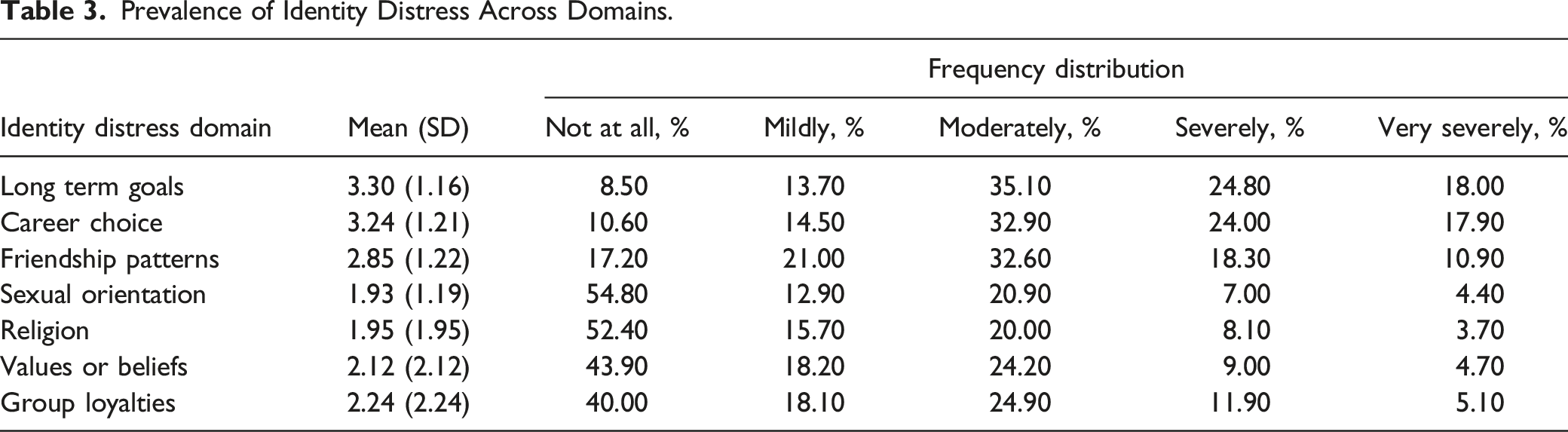
Prevalence of Identity Distress Across Domains.
Direct and Indirect Associations of Identity Distress and COVID-19 Related Worries
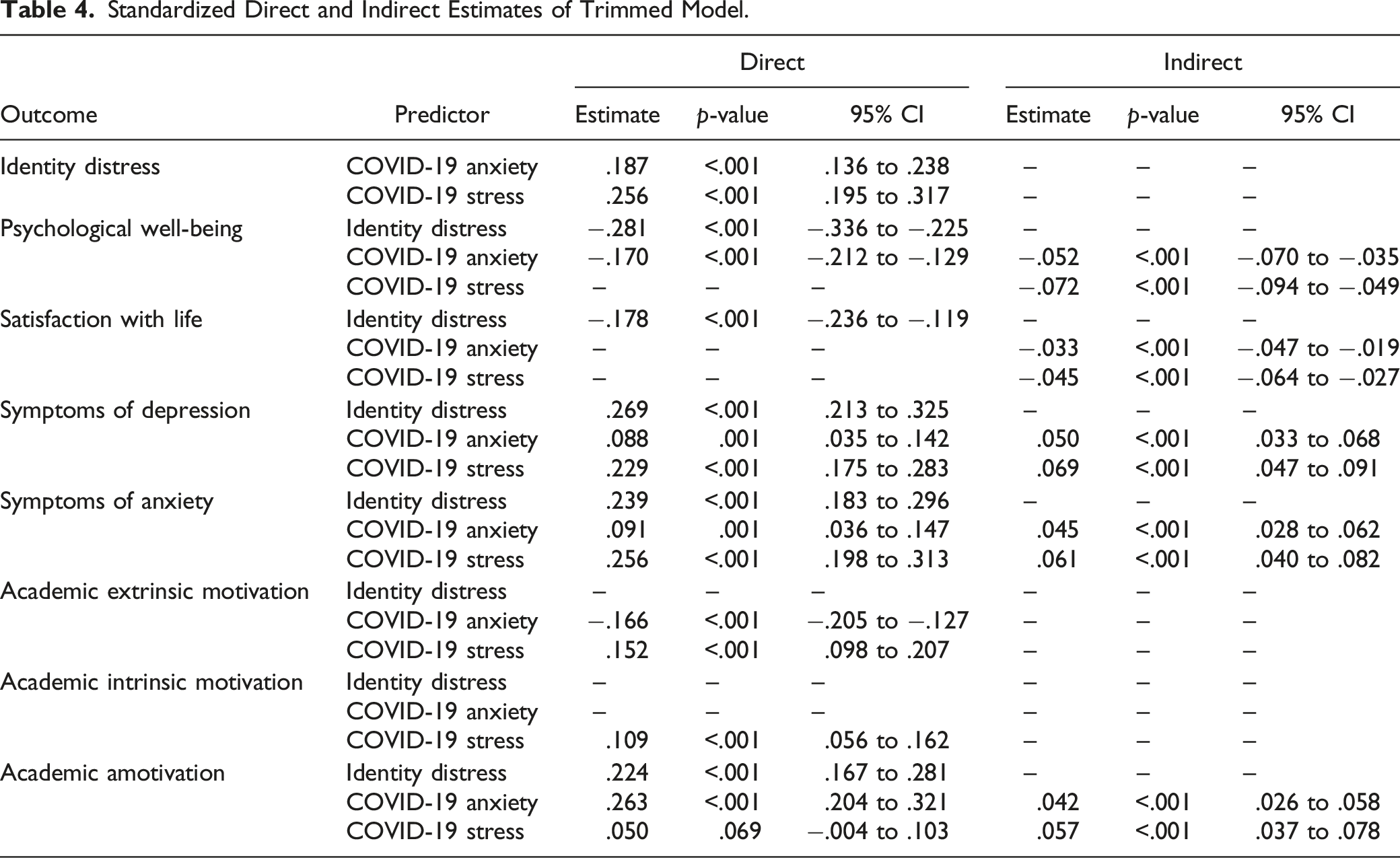
Standardized Direct and Indirect Estimates of Trimmed Model.
Indirect Associations of COVID-19 Related Worries Through Identity Distress
As indicated in Table 4, COVID-19 anxiety was indirectly associated, through identity distress, with five of the seven outcomes. Specifically, through identity distress, COVID-19 anxiety was indirectly associated with psychological well-being (β = −.052, p < .001), satisfaction with life (β = −.033, p < .001), symptoms of depression (β = .050, p < .001) and anxiety (β = .045, p < .001), and academic amotivation (β = .042, p < .001). However, over and above these indirect associations, COVID-19 anxiety was still directly negatively associated with psychological well-being (β = −.170, p < .001) and positively associated with symptoms of depression (β = .088, p = .001) and anxiety (β = .091, p = .001) and academic amotivation (β = .263, p < .001). Moreover, COVID-19 anxiety was significantly and negatively associated with extrinsic academic motivation (β = −.166, p < .001).
Similarly, through identity distress, COVID-19 college student stress was indirectly associated with 5 of the 7 outcomes. Specifically, COVID-19 college student stress was indirectly associated with psychological well-being (β = −.072, p < .001), satisfaction with life (β = −.045, p < .001), symptoms of depression (β = .069, p < .001) and anxiety (β = .061, p < .001), and academic amotivation (β = .057, p < .001) through identity distress. However, COVID-19 college student stress was still directly positively associated with symptoms of depression (β = .229, p < .001) and anxiety (β = .256, p < .001). Moreover, COVID-19 college student stress was, surprisingly, directly positively associated with extrinsic (β = .152, p < .001) and intrinsic (β = .109, p < .001) academic motivation.
Decomposition of Identity Distress Across Domains
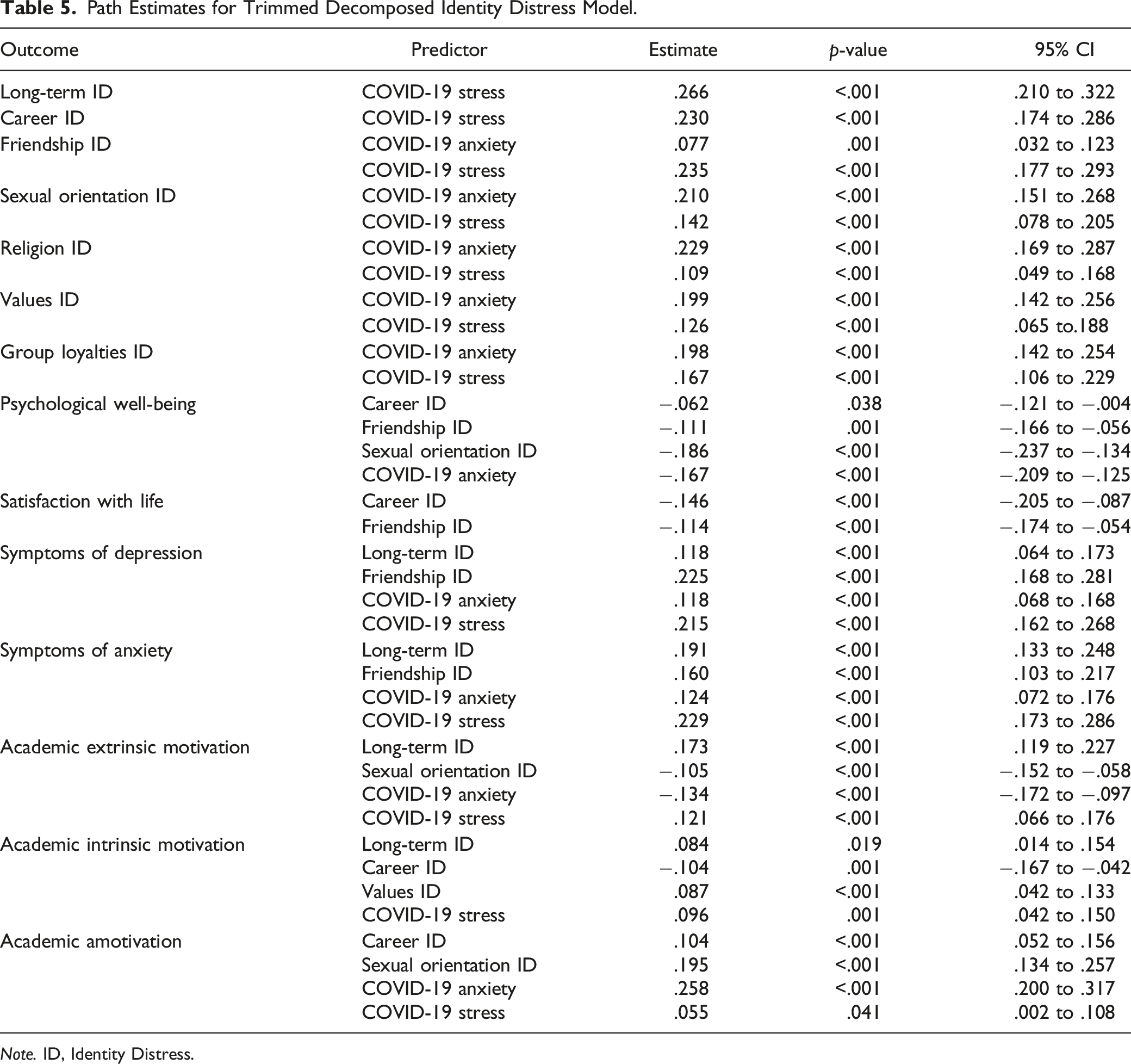
Path Estimates for Trimmed Decomposed Identity Distress Model.
Note. ID, Identity Distress.
Across psychological and academic adjustment, long-term goal identity distress was positively associated with symptoms of depression (β = .118, p < .001) and anxiety (β = .191, p < .001), as well as with extrinsic (β = .173, p < .001) and intrinsic (β = .084, p = .019) academic motivation. Identity distress related to career choice was negatively associated with psychological well-being (β = −.062, p = .038), satisfaction with life (β = −.146, p < .001), and intrinsic academic motivation (β = −.104, p = .001) and positively associated with academic amotivation (β = .104, p < .001). Friendship-related identity distress was also negatively associated with psychological well-being (β = −.111, p = .001) and satisfaction with life (β = −.114, p < .001), and positively associated with symptoms of depression (β = .225, p < .001) and anxiety (β = .160, p < .001). Identity distress associated with one’s sexual orientation was also negatively associated with psychological well-being (β = −.186, p < .001) and extrinsic academic motivation (β = −.105, p < .001) and positively associated with academic amotivation (β = .195, p < .001). Identity distress associated with one’s values was positively associated with academic intrinsic motivation (β = .087, p < .001).
Indirect Associations of COVID-19 Related Worries Through Identity Distress Domains
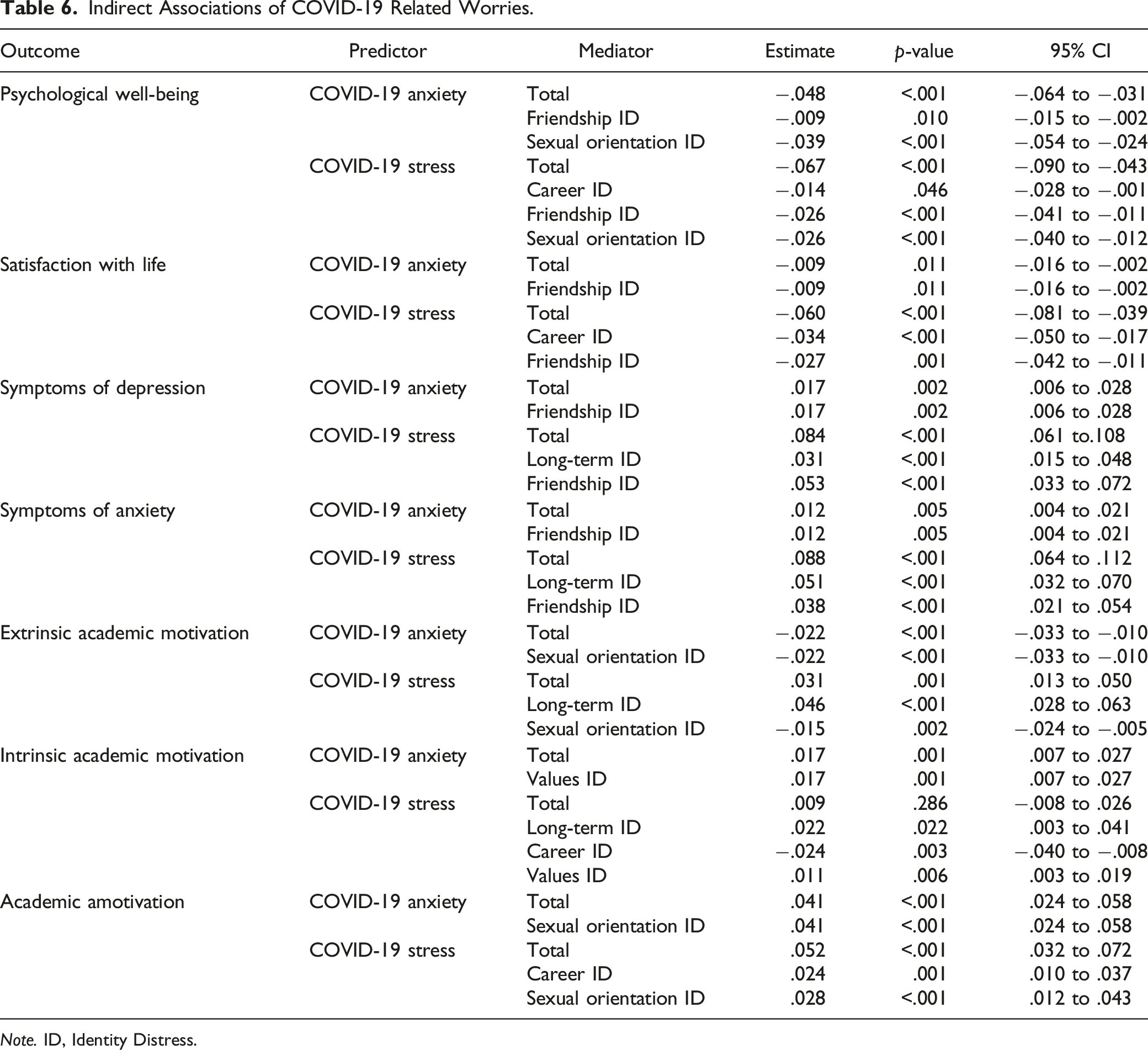
Indirect Associations of COVID-19 Related Worries.
Note. ID, Identity Distress.
COVID-19 college student stress was also indirectly associated with a variety of indicators of adjustment through several domains of identity distress. Specifically, COVID-19 college student stress was indirectly associated, through identity distress related to long-term goals, with symptoms of depression (β = .031, p < .001) and anxiety (β = .051, p < .001), as well as with extrinsic (β = .046, p < .001) and intrinsic academic motivation (β = .022, p = .022). COVID-19 college student stress was also indirectly associated, through career-related identity distress, with psychological well-being (β = −.014, p = .046), satisfaction with life (β = −.034, p < .001), intrinsic academic motivation (β = −.024, p = .003), and academic amotivation (β = .024, p = .001). Through friendship-related identity distress, COVID-19 college student stress was also indirectly associated with psychological well-being (β = −.026, p < .001), satisfaction with life (β = −.027, p = .001), symptoms of depression (β = .053, p < .001) and anxiety (β = .038, p < .001). Moreover, through sexual orientation-related identity distress, COVID-19 college student stress was indirectly associated with psychological well-being (β = −.026, p < .001), extrinsic academic motivation (β = −.015, p = .002), and academic amotivation (β = .028, p < .001). Finally, COVID-19 college student stress was also indirectly associated with intrinsic academic motivation through values-related identity distress (β = .011, p = .006). In addition, as indicated in Table 5, COVID-19 college student stress was directly and negatively associated with academic extrinsic (β = .121, p < .001) and intrinsic (β = .096, p = .001) motivation and positively associated with symptoms of depression (β = .215, p < .001) and anxiety (β = .229, p < .001) and academic amotivation (β = .055, p = .041).
Discussion
COVID-19, along with associated mitigation efforts, have had a profound impact on the lives of college-attending emerging adults (Regan et al., 2023; Tasso et al., 2021), resulting in unprecedented uncertainty, anxiety, and worries tied to COVID-19 that negatively impacted young people’s mental health and future plans (Korte et al., 2022). Consequently, in the current study we sought to document the prevalence of identity distress among college students during COVID-19, as well as to examine the degree to which COVID-19 related worries contributed to identity distress, and in turn, were associated with psychological and academic adjustment among college-attending emerging adults. Our findings highlight the detrimental impact of COVID-19 related worries on identity development among college students and the critical role of identity distress vis-à-vis psychological and academic adjustment during this period of uncertainty.
Prevalence of Identity Distress
A primary goal of the current study was to document the prevalence of heightened identity distress among college students prior to the point when most institutions were transitioning back to face-to-face instruction. Prevalence rates for heightened identity distress in prior studies have ranged from 8% to 12% (Berman, 2020). In contrast, 16.7% of our sample met criteria for heightened identity distress. Although our design was cross-sectional, our findings provide preliminary evidence indicating increased identity uncertainty associated with COVID-19 (Korte et al., 2022). At the item-level, identity distress related to long term goals and career choice were the domains particularly distressing to participants. Indeed, nearly half of participants indicated Severe or Very Severe identity distress in the domains of long-term goals and career choice. Although identity manifests itself across a variety of domains, personal identity includes domains referring to one’s life goals and career aspirations, in addition to values, beliefs, sexuality, and one’s general life story (Vignoles et al., 2011), and represents a critical developmental milestone during the emerging adult years. As such, it comes as no surprise that identity distress related to deciding who one wants to be and what one wants to do with one’s life, which represent key aspects of one’s personal identity (Cote & Levine, 2014), emerged as the two most highly distressing domains in our sample.
The Association between COVID-19 Related Worries and Identity Distress
As previously noted, COVID-19 and the subsequent mitigation strategies resulted in a number of sudden, abrupt, and prolonged changes in educational and residential status, lifestyle, and frequency of social interactions and resulted in significant financial challenges and uncertainty regarding the future (Associated Press, 2022). COVID-19 and these changes have not only intensified the mental health challenges experienced by college students (e.g., Rajkumar, 2020; Rossi et al., 2020), but have introduced new stressors associated with the disease itself and effects of mitigation efforts that have been found to exert detrimental impacts on the establishment of a coherent sense of self and identity (Wagaman et al., 2022). Consistently, our findings indicated that both COVID-19 anxiety and COVID-19 college student stress were uniquely and positively associated with identity distress.
To provide greater specificity related to our results, we decomposed identity distress to ascertain the association of COVID-19 related concerns vis-à-vis each of the 7 domains. Unsurprisingly, COVID-19 college student stress was not only significantly related with each of the identity distress domains but was more strongly associated with identity distress related to long-term goals, career choices, and friendships than was COVID-19 anxiety. Whereas COVID-19 anxiety largely focuses on somatic symptoms associated with concern regarding COVID-19 itself (Lee et al., 2020), COVID-19 college student stress captures students’ perceptions of their susceptibility to COVID-19 and, likely more importantly, its effects on their academic environments and interpersonal relationships (Zurlo et al., 2020). Indeed, the COVID-19 college student stress measure consists of items assessing COVID-19 related stress associated with students’ academic performance, connection with professors, social isolation, and maintaining interpersonal relationships. As a result, it is not surprising that COVID-19 college student stress would be strongly related to identity distress within the domains of long-term goals, career choices, and friendships.
In contrast, although COVID-19 college student stress was still significantly associated, COVID-19 anxiety was more closely and positively related to identity distress vis-à-vis religion, values, group loyalties, and sexual orientation. One explanation for COVID-19 anxiety being highly associated with religion could stem from the relation between fear of COVID-19 and death anxiety. Indeed, Lee and colleagues (2020) found not only that COVID-19 anxiety was associated with death anxiety, but also that it explained more variance in death anxiety than sociodemographic factors (i.e., age, gender, ethnicity, and educational level), COVID-19 factors (i.e., history of positive COVID-19 test for self or someone they know), or vulnerability factors (i.e., health anxiety, reassurance-seeking behaviors). Moreover, previous research has shown that religiousness and religious doubt are significantly associated with death anxiety, such that people with higher religiousness report lower death anxiety, and those who report higher religious doubt report higher death anxiety (e.g., Henrie & Patrick, 2014). Taken together, COVID-19 anxiety may heighten death anxiety, which in turn could lead someone to experience identity distress related to religion.
It is also important to note the politicized nature of the pandemic, which may contribute to the relationship between COVID-19 anxiety and identity distress related to values and group loyalties. For example, individuals’ trust in government has been found to be significantly associated with compliance with COVID-19 regulations (Gvozden et al., 2021) and fear of COVID-19 and COVID-19 consequences (Mevorach et al., 2021). In other words, one’s values and group loyalties in terms of political affiliations may play a role in COVID-19 anxiety or vice versa. Finally, the process of exploring one’s sexual orientation is likely exacerbated by COVID-19 anxiety and the subsequent adherence to COVID-19 regulations, which limited access to social interactions and LGBTQ+ spaces that would allow for a safe venue to explore one’s own sexual orientation (Riggle et al., 2021). It is also worth noting that, broadly, these domains largely correspond to larger collective identities. As such, the increased identity distress in these domains may be tied to greater adherence to COVID-19 regulations which may have diminished involvement in religious services, annual Pride/LGBTQ+ events, and other events tied to these collective identities.
Identity Distress and Psychological and Academic Adjustment
Consistent with previous work documenting the detrimental effects of identity distress on psychological adjustment (e.g., Berman et al., 2009; Carlsson et al., 2016), identity distress, over and above COVID-19 related worries, was negatively associated with psychological well-being and satisfaction with life and positively associated with symptoms of depression and anxiety. More specifically, although the establishment of a personal identity has been typically highlighted in the literature as a key developmental milestone (Meca et al., 2022), consistent with prior research on identity distress (Samuolis et al., 2015; Samuolis & Griffin, 2014), identity distress related to friendships emerged as a significant predictor of each indicator of psychological adjustment and was the strongest identity distress domain in terms of associations with symptoms of depression. Not only do peers and friendships serve as a critical context guiding identity formation, but in a recent study by van Doeselaar et al. (2018), interpersonal identity commitment, but not career commitment, was significantly and negatively associated with subsequent symptoms of depression. Moreover, in contrast to career identity commitments, interpersonal identity commitments were not linked to either depressive symptoms or stress life events in that study. These results suggest that interpersonal identity may be particularly salient for young people in distress (van Doeselaar et al., 2018). That being said, it is worth noting that these findings may be specific to the context associated with COVID-19. Indeed, COVID-19 and subsequent lockdowns and campus closures exerted a profound impact on interpersonal relations, particularly among college students who were expected to negotiate the sudden and abrupt shift to online learning (Associated Press, 2022). As a whole, these findings highlight the need for individuals to maintain positive connections with friends, families, and peers, particularly during times of uncertainty and change.
Consistent with recent research decomposing the association between identity distress and mental illness across domains (Samuolis et al., 2015; Samuolis & Griffin, 2014), identity distress related to long-term career goals was also significantly and positively associated with symptoms of depression and the domain most strongly associated with symptoms of anxiety. According to Erikson (1968), a central function of identity is to provide individuals with a future orientation that serves to create a sense of continuity among the past, present, and future (see also Seginer & Noyman, 2005). Although many domains may be likely to contribute to one’s future orientation, identity centered on life goals is most aligned with Erikson’s conceptualization of the role of identity in adolescence and early adulthood. It is likely for this reason that scholars have conceptualized life goals and future directions as one of the strongest indicators of personal identity (e.g., Luyckx et al., 2006). As the transition to adulthood has become more individually directed and less socially prescribed (Schwartz et al., 2005), the challenge of navigating this unstructured period and establishing life goals that provide youth with a sense of direction can be overwhelming without the proper support (Schwartz, 2016), resulting in some youth internalizing beliefs that they “just can’t” (Meca et al., 2021).
Whereas identity distress related to life goals was associated with internalizing symptoms, identity distress concerning career-related choices was primarily negatively associated with positive indicators of adjustment and academic motivation. This finding is particularly noteworthy given that research that has decomposed the associations between identity distress and mental health across domains (e.g., Samuolis et al., 2015) has largely found that career identity distress plays a minor role. Similar to life goals, career and occupational identity have often been considered as a central domain of one’s personal identity (Vignoles et al., 2011). Although life goals may provide a general sense of direction essential for mental health (Meca et al., 2021), identity tied to career development may be more tied to flourishing during this developmental period. Indeed, it is important to note that emerging adulthood, and the college environment in particular, represents a key period for career exploration (Manning et al., 2011). Moreover, career success is likely to be integrally tied to happiness and well-being (Shulman & Nurmi, 2010). Individuals experiencing distress related to career choice may feel they are failing to excel during this developmental period, and such perceived failure likely compromises positive adjustment.
Our findings also indicated that identity distress related to sexual orientation was negatively associated with psychological well-being and extrinsic academic motivation and positively associated with academic amotivation. Individuals experiencing high degrees of identity distress may be experiencing uncertainty or confusion regarding their sexual orientation. Prior research has indicated that individuals experiencing uncertainty regarding their sexual orientation report greater depressive symptoms and perceived stress (e.g., Borders et al., 2014). Although we found no association with symptoms of depression and anxiety, which may be reflective of social support towards the process of exploring one’s sexual orientation (Doty et al., 2010), the task of exploring one’s sexual orientation may prove overwhelming in light of the potentiality of facing discrimination (Espelage et al., 2008).
In terms of academic functioning, although general identity distress was not significantly associated with either intrinsic or extrinsic academic motivation, identity distress related to long-term goals was significantly and positively associated with both extrinsic and intrinsic academic motivation. Similarly, individuals experiencing greater identity distress related to their values reported increased intrinsic academic motivation. One possible explanation for these findings is that individuals experiencing uncertainty around their long-term goals and core values may seek to further explore their sense of self through coursework. Indeed, as previously indicated, college serves as a natural laboratory for working out identity issues as youth are exposed to a variety of different classes that challenge individuals' values and, potentially, their identified future direction (Montgomery & Côté, 2003). Alternatively, these youth may simply be placing greater focus and emphasis on scholastic achievement as a means of avoiding broader consideration surrounding their future life goals. Future research should consider employing a mixed-methods approach to better understand the potential role identity distress rooted in values, long-term and career goals have in academic motivation.
Indirect Associations of COVID-19 Related Worries Through Identity Distress
Although studies have documented the detrimental effects of COVID-19 related concerns on mental health (e.g., Hotez et al., 2022; Lu et al., 2021), few studies have sought to examine potential mechanisms underlying this effect. Given that exposure to trauma and processing posttraumatic stress have been found to be associated with identity distress (Scott et al., 2014; Wiley et al., 2011), we hypothesized that identity distress would serve as a potential mechanism through which COVID-19 related worries might be associated with psychological and academic adjustment among college-attending emerging adults. As a whole, our findings provided support for the role of identity distress as a potential partial mediator of the associations of COVID-19 related concerns with psychological and academic adjustment. Indeed, through identity distress, COVID-19 related worries was indirectly associated with satisfaction with life and psychological well-being, symptoms of depression and anxiety, and academic amotivation.
Practical Implications
Our results speak to the detrimental impact of COVID-19 on college students and highlight the role identity and identity distress play in the lives of college students. Indeed, COVID-19 related worries were associated with a number of indicators of psychological and academic functioning through their association with identity distress, particularly identity distress related long-term goals, career choices, and friendships. These findings not only highlight the negative consequences of COVID-19, but more critically, highlight the role that identity distress plays in psychological functioning. As such, echoing recent scholars’ call to action (Eichas et al., 2021; Meca et al., 2021), there is a clear need for interventions and prevention programs to target identity distress as a whole, not just during times of uncertainty and large-scale disruptions. This latter point is important to emphasize as colleges return to “normal” and fully transition back to face-to-face instruction. Doing so will not only serve to bolster youths’ mental health, but may serve to facilitate more effective adjustment when faced with another large-scale disruption (e.g., economic recession/depression, war, etc.).
Although research on identity-based intervention programs has been limited (Eichas et al., 2021), prior work has indicated that identity distress is amendable to intervention through promotion of positive identity explorations strategies (Meca et al., 2014). Moreover, as recently emphasized by Meca et al. (2021), identity-based interventions, and identity theory as a whole carry important implications for higher education professionals working with college students. Indeed, healthy identity development is maintained through frequent positive contact with others and reliable relationships, and necessitates proactive identity exploration which often involves gathering information from advisors and mentors. As such, higher education professionals, such as academic advisors and career coaches, can reduce identity distress by creating opportunities for positive identity exploration (e.g., raise students’ awareness of identity-relevant emotional information, encourage self-reflection related to career-related goal progress, introduce students to new experiences, etc.). For example, instructors can integrate self-reflection assignments that encourage students to reflect on content particularly relevant to their interests and career-goals. Moreover, advisors can encourage participation in internships and service-learning opportunities to ascertain relative fit between students’ career goals and actual interests. Additionally, given that proactive identity exploration often involves gathering information from advisors and mentors, higher education professionals can support positive identity development by establishing positive relations with students and affirming and recognizing students’ potentials and capacities (Meca et al., 2021). For example, advisors can affirm the student’s potential within their current major after a successful semester or completion of core courses.
Limitations and Future Directions
Results from the present study should be interpreted in light of several limitations. First, although our findings provide important insights regarding the impact of COVID-19 related concerns on identity distress, the cross-sectional design limits our capacity to establish directionality, which is critical for establishing mediation (O’Laughlin et al., 2018) and identifying strategic points of intervention (Maxwell & Cole, 2007). Future research is necessary to further map the directionality between stressors rooted in pandemics or broader socio-historical events (e.g., economic recessions, pandemics, political movements, etc.) and identity distress to ensure temporal precedence. Second, although the present study was conducted utilizing data collected across multiple universities across five states, given the wide variability in the timing and tempo of the COVID-19 pandemic, as well as differences in the pandemic response across states and universities, our sample may not be representative to other parts of the country. Lastly, the current sample was not randomly selected and was disproportionately female. As a result, appropriate caution must be taken when generalizing the results of the current study to other populations of interest.
Conclusion
Despite these limitations, the present results contribute toward a greater understanding of identity development in emerging adulthood, especially in the midst of a turbulent global pandemic. Utilizing a large and ethnically/racially diverse sample that was representative across age, our study was the first to examine the unique contribution of COVID-19-related worries and identity distress on psychological and academic adjustment, and explore the detrimental impact of COVID-19-related worries vis-à-vis identity distress. Identity formation is a crucial milestone in emerging adulthood, especially among college students, and the current research provides insight into the mental health implications of COVID-19 which may have broader implications for future events that create mass disruptions (e.g., natural disasters, economic recessions/depressions, etc.). Academic fortitude and anxiety are vital components of students’ mental health, and it is important for future research to examine remaining effects of COVID-19 related experiences on students’ mental health and identity formation.
Supplemental Material
Supplemental Material - Navigating Identity Uncertainty: Identity Distress During the COVID-19 Pandemic
Supplemental Material for Navigating Identity Uncertainty: Identity Distress During the COVID-19 Pandemic by Alan Meca, Kelsie K. Allison, Julia Passini, Taryn Veniegas, Bethany Cruz, Linda G. Castillo, Seth J. Schwartz, Byron L. Zamboanga, Minas Michikyan, Melissa Bessaha, Pamela C. Regan, Kaveri Subrahmanyam, John Bartholomew, Brandy Piña-Watson, Miguel Ángel Cano, and Charles R. Martinez in Emerging Adulthood
Footnotes
Declaration of Conflicting Interests
The author(s) declared no potential conflicts of interest with respect to the research, authorship, and/or publication of this article.
Funding
The author(s) received no financial support for the research, authorship, and/or publication of this article.
Transparency and Openness

ORCID iDs
Supplemental Material
Supplemental material for this article is available online.
Notes
Author Biographies
References
Supplementary Material
Please find the following supplemental material available below.
For Open Access articles published under a Creative Commons License, all supplemental material carries the same license as the article it is associated with.
For non-Open Access articles published, all supplemental material carries a non-exclusive license, and permission requests for re-use of supplemental material or any part of supplemental material shall be sent directly to the copyright owner as specified in the copyright notice associated with the article.
