




Abstract
This article provides an original contribution to the field of sports fandom by investigating the experiences of women football supporters on X (formerly Twitter). Drawing on data from an online survey of 1624 women supporters of UK-based men’s football teams, the study examines their digital interactions, gendered challenges, and subsequent coping strategies. Significantly, this study is the first to apply and extend Pope et al.’s (2022) Model of Men’s Performances of Masculinities, offering a new theoretical perspective and refinement of the original model. Through a thematic analysis, the results reveal the gendered dynamics that shape this specific sporting environment, highlighting the crucial role of social media in facilitating football-related discussions and promoting fan communities. At the same time, the study exposes the gender-based stereotypes, abuse, and discrimination that women face when expressing their identities and opinions within male-dominated football spaces. These insights not only advance understanding of gendered interactions in sports fandom but also call for enhanced measures to ensure safer online environments for women football fans.
In recent years, the rise of social media has facilitated a notable shift in the processes of sport fan culture (Fenton & Helleu, 2019). With a global social media user base exceeding five billion as of 2024 (Statista, 2024), sport remains one of the most enduringly discussed subjects (Fenton et al., 2023). Platforms such as Facebook, X (formerly Twitter), Instagram, and TikTok have become integral to today’s sporting milieu (Abeza & Sanderson, 2022), providing fans with a space to actively engage, discuss, and celebrate their passion for various events. Among these supporters, women football fans have increasingly utilized social media to express their love for the game, share insights, and connect with a global community. In the UK, more women have joined football fan communities in recent years (Braidwood, 2023). Nevertheless, they remain a considerable minority among men’s football audiences. For instance, they constitute 26% of attendees at live Premier League matches and 30% of viewers for these games on television or online (Fair Game UK, 2022), albeit up from 15% in 2005 (The Football Association, 2006). Despite this increase, the unique experiences of women football fans in the digital landscape remains relatively underexplored within academic literature. Although research into women’s sports fandom is a growing field (Antonowicz et al., 2020; Kossakowski & Besta, 2023; Pope, 2017; Symons, 2024; Toffoletti, 2017), it is still comparatively less developed than the extensive scholarship on male fandom, particularly within football (see, for example: Cleland & Cashmore, 2016; Davis, 2015; Magrath, 2021). Consequently, the diverse and distinctive experiences of women fans in online spaces are frequently overlooked. The imbalance highlights the need for further investigation into how women engage with, and experience, football through digital platforms.
This article contributes to work in both the sociology of sport and sports communication fields by advancing the current literature on social media and sports fandom through an examination into the layered experiences of women football fans on X. It offers an analysis of their interactions, challenges, and coping strategies, while also investigating how social media platforms facilitate community-building, and self-expression. The paper utilizes the theoretical model of Men Football Fans’ Performances of Masculinities (Pope et al., 2022), to explore women’s experiences. This theoretical framework provides a critical lens for analyzing the online experiences of women football fans by examining the impact of men’s behaviors within social media, demonstrating how performances of masculinity shape and influence the broader gender dynamics present within these digital spaces. This approach allows for a deeper analysis of how women negotiate and challenge the traditional masculine norms and expectations that are prevalent in football fan communities (Cleland et al., 2020) and answers Pope et al.’s. (2022) call for scholars to use their theoretical model to unpack masculinities. A strength of this research is its theoretical contribution, serving as the first empirical test of Pope et al.’s. (2022) model. This study not only assesses the model’s applicability but also offers a recommendation for its enhancement. Furthermore, the paper explores the potential implications of women’s experiences on wider issues such as gender equality, representation, and inclusivity within sports fandom. By uncovering the challenges faced by women football fans in online spaces, it contributes to discussions on how social media platforms can be more inclusive and supportive of diverse fan communities, advocating for a more equitable and welcoming environment for all fans, irrespective of gender.
Literature Review
Women Within Football Fandom
Traditional narratives have long characterized football, and sport more broadly, as predominantly male-oriented (Pitti, 2019; Pope, 2016), historically resulting in a dearth of research focusing on women sports fans (Pope, 2017; Toffoletti, 2017). Recently, women have gained increased visibility as consumers and enthusiasts within the global sports economy because of a shift in the relationship between women and sports fandom (Toffoletti, 2017). Although women’s involvement in sports fandom is not a recent phenomenon (Gemar & Pope, 2022), Pope (2017) theorizes a ‘feminization’ of sports fandom since the 1990s, referring to the recent growth in both women’s involvement as fans and the recognition of this involvement on the parts of sports leagues, corporations, and media (Allison & Knoester, 2021). Consequently, the number of women attending men’s games is steadily increasing (Kossakowski & Besta, 2023), and they now constitute a substantial portion of the football fan demographic (Fair Game UK, 2022). While Pope’s (2017) work addresses many shortcomings in the literature on women sports fans, there is room to challenge her theory of feminization. The experiences of women over the past two decades indicate that while their numbers have risen, the fundamental patterns and gendered structures within sports fandom have seen minimal transformation. This underscores the necessity for a more detailed examination of how the growing involvement of women intersects with established gender norms and structures within sports fandom.
A significant portion of recent research in this field has concentrated on the portrayal of women fans as inferior, inauthentic, or outsiders (see, for example, Chiweshe, 2014; Crolley & Long, 2001; Esmonde et al., 2015; Jones, 2008; Pfister et al., 2013), and presumed to possess limited sporting knowledge (Crawford & Gosling, 2004) compared to the perceived traditional and genuine male fan (Crawford, 2004). Women have historically encountered more ridicule than men for their fandom (Larsen & Zubernis, 2012), and are often patronized by male fans (Antonowicz et al., 2020). Similarly, women football fans have bemoaned being perceived as inconsistent, not true fans, ignorant about football matters, and solely attracted to the sport due to the appeal of male players (Symons, 2024). Sexism persists within fan communities, resulting in the marginalization of women fans (Lenneis & Pfister, 2015), where they feel a need to prove their fandom has equal status (Kossakowski & Besta, 2023). This sexism manifests as abusive behavior (Jones, 2008) or mockery (Allon, 2012), compelling women to validate their fan legitimacy (McGee, 2015).
Despite the growing body of academic research on women’s fandom, there remains a noticeable gender disparity, with women often being comparatively overlooked in studies on men’s football. One reason for this oversight may stem from the prevailing notion that football and its fandom are inherently male domains, which could influence scholars’ focus on men’s experiences. Existing studies focusing on women have often centered on their perceived ‘civilizing’ impact on male fans (Dunn, 2014), on comparative analyses between men and women fans (Hoeber & Kerwin, 2013; Kossakowski & Besta, 2023), or on general fandom (Jakubowska et al., 2020; Pope & Allison, 2022; Toffoletti, 2017). What remains relatively underexplored is the specific experiences of women football fans online, particularly when addressing this through the lens of fandom in the men’s game and within a UK context. The current investigation bridges this gap by answering Pope & Pfister’s (2018) call to undertake research into women’s experiences as sports fans.
Women and Social Media in Sport
The rise of social media has brought about a significant transformation in sports and football fan communication. By 2024, the number of worldwide social media users exceeded 5 billion (Statista, 2024), with sport emerging as one of the most discussed topics on platforms like Facebook and X (Fenton & Helleu, 2019). Social media serves various functions, including community building, promoting fandom, and enhancing user engagement (Doyle et al., 2022), offering women a virtual space to unite around a mutual interest in sports and/or their specific teams, sharing commentary and opinions (Kunert, 2021). It has been proposed that women can challenge prevailing male-centric interpretations of sports by constructing their own online communities, sometimes transcending national boundaries (Antunovic & Hardin, 2015). Toffoletti et al. (2021) argue that women’s presence on these platforms legitimize their participation as fans.
In respect specifically to Twitter (as it was known then), Coche (2014) uncovered that women football fans tend to use this platform primary due to its immediacy and exclusivity, to interact with other fans, and to feel involved with their team. Through an online community women are able to navigate their identity as sports fans amongst themselves and circumvent male dominated discussions (Azizi & Tambunan, 2018; Toffoletti, 2017). Although Pegoraro et al. (2018) contend that social media can provide women with a refuge from masculine sports discourse, this does not imply that women are immune to encountering gender-based discrimination in online environments.
Whilst social media has had a significant impact on sport and interactions (Lebel & Danylchuk, 2012) behaviors, scholars have raised concerns about the disproportionate levels of gender-based violence experienced in online spaces (Kavanagh et al., 2019). Women find themselves marginalized in virtual settings (Hynes & Cook, 2013), encountering infantilization and sexualization (Litchfield et al., 2018), and misogyny and violence (Moloney & Love, 2018). Jane (2018) documented instances where women face persistent unwelcome advances, hyperbolic rape and death threats, and sexually explicit invectives. A report by Amnesty International (2018) highlighted the high levels of abuse women encounter on social media platforms, indicating that 23% of women experienced online abuse or harassment. Meanwhile, Vogels (2021) found that the number of women reporting sexual harassment online has doubled since 2017.
The reinforcement of hegemonic masculinity linked to football fandom heightens opportunities for online sexism, bolstered by the anonymity provided by the internet, where sexism, racism and misogyny, as well as unwanted advances where women fans reveal their gender, are more likely to be found in relation to male dominated sports (Kunert, 2021). Additionally, the rapid dissemination of content on social platforms enables swift proliferation of sexist material (Hambrick, 2012). Consequently, online fan communities can become sites of exclusion for women fans (Crawford, 2004), potentially dampening their inclination to participate or necessitating alterations in their behavior when expressing their views (Fenton et al., 2023). This is similarly evident among women athletes, who often adopt a non-controversial demeanor and engage in self-censorship to mitigate the risk of negative reactions in online spaces (Rahikainen & Toffoletti, 2022). While the utilization of social media is prevalent in sport, research into online abuse is still relatively underexplored (Burch et al., 2023). Kearns et al. (2023) documented growth in this area, however, most articles have focused on abuse towards athletes, whilst other stakeholders such as fans, remain comparatively underrepresented.
To date, academic research tends to conclude that women are simultaneously empowered and oppressed in this space (Bruce, 2016). Baccarella et al. (2018, p. 432), support this view, asserting that social media embodies a duality, being ‘neither universally good nor universally bad, but simultaneously encompassing both positive and negative aspects’.
Theoretical Perspectives
Cultural and social norms have historically upheld football as a predominantly masculine domain, stemming from its inception in the 19th century, which was driven by men, and this trend persists as men continue to dominate football across its various levels. Connell (1987) used patterns of power relations between the sexes to explain the gender order in society, with hegemonic masculinity at the apex of the gender hierarchy, a concept which embodies ‘the most honored way of being a man’, legitimating ‘the global subordination of women to men’ (Connell & Messerschmidt, 2005, p. 183). However, contemporary perspectives suggest that Connell’s theory may overlook the evolving cultural landscape for women in sport, indicating a need for updated considerations of masculinity (Doehler, 2023).
Anderson (2009) presented an alternative viewpoint to Connell through the Inclusive Masculinity Theory (IMT), which interprets shifting masculine social dynamics during a period marked by diminishing homohysteria. IMT proposed a parallel alignment of two primary masculine forms: orthodox (characterized by homophobia, femphobia, and emotional and physical distance) and inclusive (exhibiting emotional and physical homosocial closeness). This theory suggests a reduction in the dominance of traditional masculinities, allowing for the coexistence of more accommodating and inclusive forms. Similar to Connell’s theory, IMT has faced criticism. O’Neill (2015) argued that it overlooks the relational nature of gender, failing to fully consider how gender roles are formed and understood through interactions and relationships between individuals. This critique is echoed by Pope et al. (2022), who note that IMT tends to ignore the specific dynamics between men and women, focusing instead on wider societal trends.
Recently, Pope et al. (2022) introduced an original theoretical framework, unveiling an empirically derived tripartite model interpreting the performance of masculinity among male football fans. This model delineates three categories: progressive masculinities characterized by gender-equitable attitudes akin to IMT; overtly misogynistic masculinities displaying open hostility and sexism aligned with hegemonic masculinity; and covertly misogynistic masculinities demonstrating public gender-progressive views while privately identifying with hegemonic masculinity. Illustrated in Figure 1, this model portrays masculinities as interwoven on a continuum and was specifically employed to investigate male football fans’ perceptions of women’s sports. The findings revealed a shifting attitude toward women in sports, alongside concurrent indications of resistance to advancements in gender equality. Given its recent development, this theory requires additional scrutiny and implementation to assess its alignment with already established models of masculinity. Hence, a significant merit of this paper is its scholarly advancement as the first to apply Pope et al.’s (2022) model, exploring its applicability through the experiences of women football fans, particularly in their interactions discussing football online. Pope et al.’s (2022) model of men football fans’ performances of masculinities.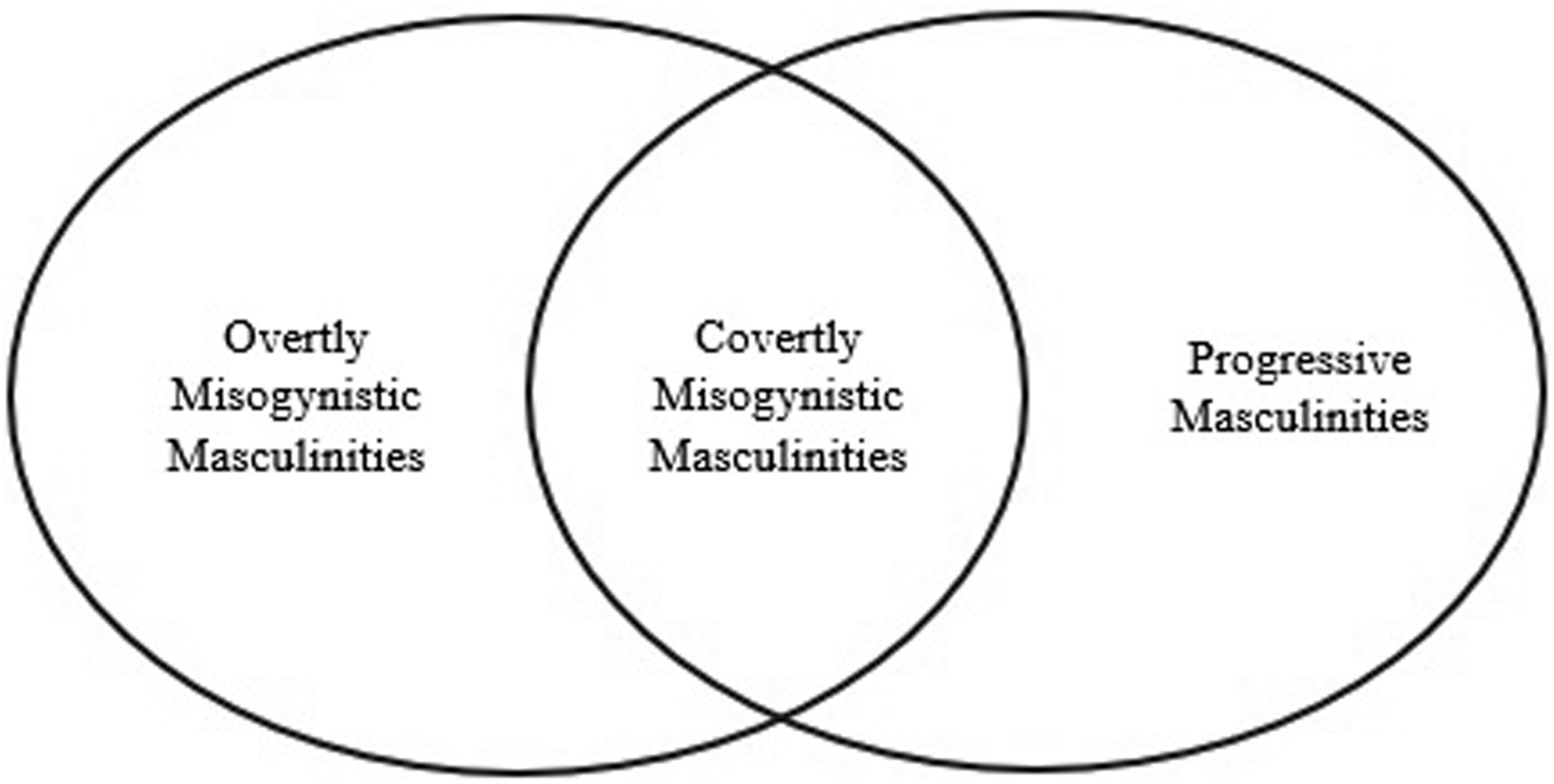
Summary and Research Questions
Despite advocacy spanning more than three decades urging for research within the sociology of football to investigate women’s experiences (Duke, 1991; Free & Hughson, 2003; Pope & Pfister, 2018), the predominant focus of academic inquiry into football fandom has primarily centered on male supporters. Research into the perceptions of women fans of elite male sports remains relatively limited but is progressively developing (Symons, 2024). Specifically, the experiences of women fans of men’s football in the UK - a sport that dominates the national sporting landscape - have been insufficiently explored. The integration of masculinities theory into this context highlights the innovative nature of this study. While traditional research in this area often examines masculinities by focusing on men, this investigation offers a fresh perspective by investigating masculinities through the experiences of those on the receiving end. This approach can enhance our understanding of how masculinities are prevalent in football related discussions on X and how they are interpreted by, and impact, women sport fans. By shifting the focus to the experiences and perceptions of women affected by sporting masculinities, the research provides a more comprehensive view of the underlying gender dynamics of online sport spaces. Guided by this summary, the study adopts an exploratory qualitative approach intended to answer two distinct research questions:
What are the experiences of women who discuss men’s football on X?
To what extent are these experiences reflected in the categories of masculinities outlined in Pope et al.’s (2022) model?
Methodology
Ethical clearance was secured from the researcher’s affiliated institution before any data was collected. Between March and July 2023, a survey was distributed aimed towards women football fans residing in the UK. The decision to allocate a five-month duration for the online survey was grounded in the need to ensure comprehensive data collection and maximize respondent participation, consistent with the timelines observed in similar research (Pope et al., 2022). The survey specifically sought the perspectives of women who engaged in discussion about men’s football on the social media platform, X. This platform was selected for this study because of its features that facilitate real-time engagement within communities, often involving individuals with whom one may not be personally acquainted. Due to its immediate and succinct style of communication and open-access design enabling direct user interaction, X stands out as a prominent platform promoting discussions and the exchange of opinions across various interests. Moreover, the platform’s trending topics and hashtags encourage the visibility and amplification of voices, providing an ideal environment to capture and analyze the experiences of women football fans within the digital environment.
Recruitment of participants occurred through social media and professional networks. Specifically, targeted posts were made on platforms such as Facebook, LinkedIn, and X. Additionally, professional networks and organizations relevant to the study’s focus were contacted, and requests for participation were disseminated through email newsletters, online forums, and association websites. To promote a diverse sample, snowball sampling was also encouraged, wherein initial participants were asked to share the survey link. To ensure methodological robustness, data collection was executed through an online survey via Microsoft Forms. This approach adopted a non-probability sampling technique, requiring participants to have access to the aforementioned social media platform or professional networks. Given the survey’s open nature, participants had the autonomy to opt in or out of participation. This approach was chosen for its ability to circumvent social desirability biases by leveraging the anonymity of the internet, aligning with the objective of gathering data in a candid and comprehensive manner. Moreover, utilizing this method facilitated geographic representation of respondents across the UK compared to alternative methodologies. A set of screening questions assessed the eligibility of potential participants for survey completion, covering aspects such as gender identity, age, location, and engagement in discussions about men’s football on X. To position this study within the existing body of literature concerning football fandom and specifically explore the experiences of women fans within environments typically characterized by predominant masculine influences, emphasis was placed on women who identified as supporters of a men’s teams. Ahead of accessing the survey, each respondent received relevant participant information and was required to complete an online consent form. To prevent potential biases while ensuring adequate disclosure levels, the research initially framed its focus as an exploration of women’s experiences on social media when discussing men’s football. In response to Pope’s (2017) recommendation to avoid narrow definitions of fandom in research involving women fans, this study did not impose specific criteria or limitations regarding what constitutes a fan, such as match attendance, the length of fandom, or the regularity of their engagement with the sport.
A total of 1624 women respondents completed the survey, representing the following age brackets: 11.6% aged 18–25; 37.5% aged 26–35; 35.8% aged 36–45; 7.1% aged 46–55; and 8% aged 56 or older. The ethnicity demographic was broken down as follows: 91.1% White; 1.8% Asian or Asian British; 5.4% Black, African, Caribbean or Black British; and 0.9% preferred not to disclose their ethnic identity.
The survey centered on their interactions while discussing men’s football on X, and this paper analyzes data from two open questions. These questions prompted participants to expand on and offer specific examples regarding their encounters with sexist or misogynistic behaviors, or instances of progressive attitudes toward sexist abuse from men during social media discussions about men’s football. In total, 1024 respondents completed at least one of these two open questions, approximately 63% of the overall sample.
Throughout the research, adherence to ethical guidelines outlined by the Association of Internet Researchers (2019) was maintained, addressing potential harm, privacy, consent, and deception. Considering the potentially sensitive nature of questions, participants were directed to support resources upon survey completion. Responses to the open-ended questions underwent thematic analysis, a robust and widely acknowledged method for interpreting qualitative data. This study employs Braun and Clarke’s (2023) refined approach to thematic analysis, which emphasizes a reflexive and iterative process driven by the active role of the researcher. This method involved a deep engagement with the data, starting with comprehensive immersion and familiarization which involved multiple readings of participant responses to understand their narratives. Organic coding assigned general concepts or themes to responses, which were then refined through observed patterns and connections and organized into potential themes that reflected the dataset. Ensuring that these themes emerged directly from the data itself was crucial, avoiding the imposition of preconceived notions or biases from previous research. This approach promoted reflexivity in the research process, allowing the findings to authentically represent participants’ perspectives and experiences without predetermined expectations influencing the analysis.
Results and Discussion
RQ1 sought to analyze the experiences of women when discussing men’s football on X, generating insight into their interactions and coping strategies. While the primary focus of this research revolved around two open-ended questions, it is important to feature key findings from the 1624 respondents. Notably, 46.6% reported encountering sexist or misogynistic attitudes, and 44.8% experienced sexist abuse during discussions about men’s football on X. In contrast, 74.1% encountered progressive attitudes from men in these online interactions. The reported level of abuse in this study is substantially higher than the 23% cited by (Amnesty International, 2018), which examined online abuse from a broader perspective rather than focusing specifically on sporting interactions. This comparison reveals that while abuse towards women is a prevalent feature of online interactions, sport is a particularly fertile breeding ground for such abuse to manifest. It reinforces that football remains a predominantly male-oriented domain where traditional masculinity is deeply ingrained. Despite the presence of some progressive attitudes, the online environment perpetuates behaviors and attitudes that undermine the inclusion of women, reinforcing the sport as a space where masculine ideals are celebrated and maintained.
The analysis identified four distinct themes that encapsulate the experiences of women football fans on social media. These themes reveal the complicated nature of their interactions, providing a comprehensive understanding of the nuances embedded in their engagement. The identified themes are: (1) motivations for utilizing social media; (2) the emergence of a vibrant online community; (3) encounters with gender discrimination; and (4) adaptive strategies.
All quotes from respondents included in this section have been presented exactly as stated, including any typographical errors. Certain quotes also contain explicit language and descriptions of violence. The selection of quotes to represent the themes followed a rigorous process aimed at capturing the diversity and depth of participant experiences. Each quote was chosen based on its ability to reflect key aspects of the identified themes, ensuring they authentically illustrated the range of perspectives expressed by participants. The quotes selected were not intended to exhaustively represent every instance but rather to depict the richness inherent in the themes.
Motivations for Utilizing Social Media
Although the survey did not explicitly inquire about the motivations behind respondents’ utilization of social media for football-related discourse, many opted to elaborate on this aspect in their responses. A predominant motive cited by respondents centered on the opportunity to share their analyses and insights often before, during, and after matches, supporting previous findings about reasons for engagement (Coche, 2014; Kunert, 2021). Examples of this narrative included, “I like to tweet about my team as a way of enhancing the in-match experience. It’s great to see what others are thinking about match selections, individual performances and so on” (Chelsea fan, age 36–45), and “I get to cheer for United and throw in my two cents on the game” (Manchester United fan, age 26–35). Moreover, for some respondents the appeal of social media discussions lay in its ability to replicate the solidarity experienced during physical attendance at matches, as expressed by this claim, “I used to attend lots of games in person but don’t so much now for various reasons. This is kind of the next best thing in terms of being able to engage with others” (Liverpool fan, age 36–45). These responses underscore the pivotal role of social media platforms as a forum for football fans to congregate, exchange perspectives, and develop a sense of community, particularly for individuals unable to attend matches. This aligns with previous research highlighting sport’s enduring prominence as one of the most discussed topics on social media (Fenton & Helleu, 2019), reaffirming the significance of online discourse in shaping contemporary sports fandom practices. While much of the existing research has emphasized the negative dimensions of women’s experiences online (see, for example: Hynes & Cook, 2013; Kavanagh et al., 2019; Litchfield et al., 2018; Moloney & Love, 2018), this analysis redirects some of the focus to acknowledge the underlying motivations that drive women’s engagement - an area that has historically been underexplored in academic literature.
The Emergence of a Vibrant Online Community
Building upon the first theme, respondents not only articulated their motivations for utilizing social media to discuss men’s football but also highlighted the emergence of a dynamic online community that transcends geographical boundaries, corroborating previous research (Antunovic & Hardin, 2015; Doyle et al., 2022). Within this theme, responses predominantly conveyed positive sentiments, explaining how engagement on social media platforms creates a meaningful and supportive digital environment where camaraderie flourishes. Several women discussed the impact of online connectivity, with one respondent stating, “I don’t have many female friends who like football so this sort of opens up my world” (Leeds United fan, age 36–45). Similarly, another participant expressed gratitude for the opportunity to engage with fellow fans on the platform, describing it as “really nice because I don’t have many friends who support Arsenal” (Arsenal fan, age 18–25). Responses of this nature, where women used social media to either connect with fellow women fans or supporters of their own teams more generally, were frequently reported. Respondents also highlighted the tangible social connections developed through online interactions. One such example claimed, “I’ve met up with a few at matches and made friends that I wouldn’t have otherwise” (Birmingham City fan, age 26–35). While gender was not explicitly incorporated into all responses, many acknowledged social media as facilitating interactions with fellow supporters, emphasizing the importance of shared interests in developing digital communities. For instance, “I tend to only follow Spurs fans, for my own sanity as much as anything else” (Tottenham Hotspur fan, age 36–45), underscoring the role of shared fandom in shaping online connections. Similarly, another participant recognized the interactive aspect of X, while also alluding to gender, “I like it when I see other woman talking about football on Twitter, even if they don’t support City. Women seem to talk more common sense in my experience. They can have a sensible conversation or debate without resorting to insults and abuse” (Manchester City fan, age 46–55). These narratives collectively emphasize the potential of social media in democratizing access to football conversations, overcoming traditional gender barriers to engagement and supporting inclusive digital communities centered around shared passions and mutual support. In doing so, this poses challenge to aspects of Crawford’s (2004) perspective on the exclusion of women from online fan communities. However, the outdated nature of Crawford’s research, coupled with the significant evolution of social media over the past two decades, may partially account for this.
Encounters With Gender Discrimination
While the first two themes highlighted several positive aspects, this theme corroborates some findings from prior research, reinforcing the notion that social media is not inherently positive or negative (Baccarella et al., 2018), but can serve to both empower and oppress women (Bruce, 2016). Here, respondents often exposed the gender-based discrimination they faced. Several women observed that their gender frequently led others to assume they had limited knowledge of football, highlighting little progression from research conducted two decades ago (Crawford, 2004; Crawford & Gosling, 2004). For example, “As soon as I get involved in a discussion, I get asked to name 3 players from my team or explain the offside rule” (Everton fan, age 18–25), reinforces previous findings that women have to prove their fandom (Kossakowski & Besta, 2023; McGee, 2015). This enduring stereotype persists as women are regularly disregarded or sidelined in football conversations based on their gender. For instance, numerous respondents recounted being explicitly told that their opinions lack relevance or comprehension of the game, exemplifying a patronizing and dismissive attitude prevalent within fan discourse (Antonowicz et al., 2020; Larsen & Zubernis, 2012). Examples of this narrative include, “Told my option is irrelevant, I don’t understand the game” (Manchester United fan, age 36–45) and “My views have been dismissed for being a woman, I’ve been told to get back to the kitchen, asked what do I know, laughed at” (AFC Bournemouth fan, age 46–55). These anecdotes emphasize the entrenched biases and discriminatory behaviors that many women sports fans encounter, perpetuating a culture where their expertise and perspectives are routinely undervalued and invalidated. Some women suggested that discrimination often came from opposition supporters, for instance, “It’s never been other United fans calling me out for me out for being a woman, only ever rival supporters” (Newcastle United fan, age 26–35). This tendency for gender-based discrimination to emanate from opposition fans suggests a cultural issue within football fandom. The perpetuation of sexist attitudes and behaviors across fan communities reflects not only individual biases but also wider societal norms regarding gender roles and identities. These attitudes are frequently strengthened and normalized within online echo chambers, where like-minded individuals validate and perpetuate discriminatory beliefs and behaviors. Many suggested they had been challenged on their fandom with assumptions of being attracted to players. For instance, “I receive comments that I must fancy players. Always from opposition fans” (Sunderland fan, age 36–45) and “I’ve had men tell me that women aren’t passionate, they only pretend to like football to impress blokes” (Birmingham City fan, age 36–45), reinforcing Symons’ (2024) findings. Importantly, certain fans derived humor from the sexist responses, as exemplified by the following examples, “I was once told ‘your analysis is as useless as your ovaries, stick to makeup tutorials’. I actually thought it was quite an amusing response, but others might have been really hurt or offended by it” (Watford fan, age 56+) and “An opposition fan tweeted ‘Women and football? A match made in hell. Stick to gossip, darling’. If you look beyond the clear sexism, it was a clever pun” (Aston Villa fan, age 36–45). These quotes, combined with comments from those acknowledging they have few women friends interested in football, provides an intriguing perspective on the gendered rhetoric among the respondents. For instance, the respondents who almost praised a sexist comments exemplifies how women can themselves perpetuate hegemonic masculinity and the belief that sports may not be suitable for all women. These internalized gender norms complicate the landscape of online interactions, indicating that women’s responses can simultaneously challenge and reinforce existing gender hierarchies. Beyond this, several respondents disclosed experiences of discrimination extending beyond mere stereotypes, describing instances of abuse and harassment. For instance, “I’ve been told I should stick to washing up or the kitchen. Told to Fuck off and go and knit. Told I’d be raped to name a few” (Manchester City fan, age 46–55). Similarly, another shared being called explicit terms such as “whore” for expressing “mild opinions” (Tottenham Hotspur fan, age 26–35), whilst one explained the abuse received by rival fans following a celebratory tweet following her team’s victory, “I was called all sorted of names, threatened with stalking and rape” (Manchester United fan, age 36–45). A significant proportion of women who reported experiencing online abuse also indicated encountering sexualized responses, including, “Someone said to me: I don’t care about what you think but show us your tits love” (Blackburn Rovers fan, age 18–25) and “I went through a phase of being inundated with inappropriate messages, asking for naked photos and so on” (Chelsea fan, age 18–25). These findings reveal the harsh realities that women sports fans endure in online spaces and echo existing research that underscores the widespread sexism (Pfister et al., 2013), unwelcome advances (Litchfield et al., 2018) and abuse (Amnesty International, 2018; Jones, 2020) they face. The experiences shared by respondents emphasize the agency of women sports fans as they navigate often hostile online environments. While Pegoraro et al. (2018) claimed that social media can serve as a refuge for women, providing a space away from the predominantly masculine discourse of traditional sports discussions, this study provides a critical perspective on this. These findings reveal that social media does not offer a haven from masculine dominance. Instead, it often reflects and perpetuates the same gendered dynamics found in traditional sports settings. Women fans frequently encounter a spectrum of negative experiences, including sexism and misogyny, which complicates the notion of social media as an empowering space. Rather than functioning solely as a sanctuary, social media can also act as a battleground where women’s participation is subjected to scrutiny and exclusion.
Adaptive Strategies
The final theme addressed how the respondents enact a series of adaptive strategies to navigate an online fraught environment and to date there has been limited research examining how women sports fans modify their behavior on social media platforms beyond Fenton et al.’s. (2023) work. Therefore, this paper contributes to the existing literature by providing new insights into these adaptive behaviors and highlighting their significance in understanding the broader dynamics of gender and sports fandom in online spaces. For some, the prospect of facing backlash for expressing opinions led to a heightened sense of caution and self-censor, reflecting findings from Rahikainen and Toffoletti (2022). Comments indicative of this narrative include, “I really question before I tweet and ask myself if I can be bothered with the backlash” (West Ham United fan, age 46–55) and “I second guess responses before hitting send” (Liverpool fan, age 36–45). Likewise, another individual disclosed their “internal debate about whether it’s worth dealing with the negativity” they might encounter from discussing men’s football (Arsenal fan, age 36–45). While Toffoletti et al. (2021) suggested that women’s presence on social media may legitimize their fandom, many respondents reported that their experiences led to behaviors of withdrawal. Others found refuge in maintaining a private profile, limiting interactions to those they trust. For example, “I’ve been lucky, mayb because I’m on a private profile so only those who I accept can talk to me” (Manchester United fan, age 18–25) exemplified this narrative. However, the toll of online abuse has driven some fans to disengage. Many supporters reported withdrawing from social media due to persistent abuse, and subsequently reengaging only under conditions designed to mitigate the harassment they experienced. For example, “I came away from all social media for a while. At times the abuse was relentless. Now I have a private account, which means I don’t get to engage as freely as I did (Fulham fan, age 36–45). For some others, seeking alternative platforms provides respite from the toxicity experienced on X, where one noted that Instagram offered “less abuse even if discussions don’t flow as naturally” (Middlesbrough fan, age 36–45). Moreover, numerous respondents emphasized the importance of forming supportive communities as a means of coping with the challenges encountered on mainstream platforms. For instance, one woman highlighted the value of an alternative social media space, noting, “I’m part of a women-only WhatsApp group that got set up through someone in my team’s supporters club. It’s become our safe space” (Burnley fan, age 36–45). This example reflected a pattern observed among some participants, who sought refuge in specialized, women-focused networks to escape the hostile environment prevalent on mainstream platforms. The responses indicate that strategic adjustments to online presence have often proven effective in mitigating online abuse. Many participants reported implementing various changes to their social media profiles to reduce harassment. For instance, one fan noted a significant reduction in abuse after updating their X profile picture to something gender-neutral, stating, “You wouldn’t believe how little abuse I receive now compared to a couple of years ago” (Manchester City fan, age 18–25). This action reflects a common strategy reported by many respondents, who similarly found success in reducing online abuse through such adjustments.
While these measures demonstrate resilience and resourcefulness, they also reveal a troubling reality: the need for such strategies is a stark reminder of the persistent nature of gender-based hostility within online communities. This research, therefore, not only documents these adaptive responses but also calls attention to the systemic issues that necessitate their use.
Reflecting Masculinities – Applying Pope et al.’s Model
RQ2 aimed to examine how the experiences and interactions of women on social media are reflected within the categories of masculinity outlined in Pope et al.’s (2022) recently developed theoretical model. Although this model was initially created through interpreting the attitudes and behaviors of male football fans, it also has potential to enhance our understanding of women’s experiences and investigating displays of masculinities - whether misogynistic, progressive, or somewhere in between - through the eyes of the recipients offers substantial value. This approach underscores the impact of these masculinities, which can have lasting consequences on those affected, and highlights the importance of examining the experiences of those on the receiving end to gain a more comprehensive understanding of the underlying mechanisms. The application of Pope et al.’s (2022) model here reveals nuanced patterns of interaction and identity negotiation within the online sport discourse.
Given that almost half of the survey respondents reported encountering sexist or misogynistic attitudes and abuse during discussions about men’s football, it is evident that overtly misogynistic masculinities are both prevalent and deeply ingrained in online football fan culture. Discourse within this element of the model not only perpetuates gender discrimination but reflects deeper societal attitudes towards women’s participation in traditionally male-dominated spaces where they might be considered outsiders (Chiweshe, 2014; Esmonde et al., 2015). Among the respondents who reported experiencing sexist attitudes and abuse in the survey, the majority provided specific examples of these encounters. These instances predominantly align with the theme of ‘encounters with gender discrimination.’ “I was told ‘Another girl pretending to be a football fan, save us the embarrassment’” (Cardiff City, age 46–55) was one of numerous instances cited where women’s fandom was dismissed, reinforcing the stereotype that women are inherently less knowledgeable or interested in sport (Crawford, 2004; Crawford & Gosling, 2004). This dismissive attitude not only undermines women’s credibility as fans but also emphasizes the exclusionary nature of hegemonic masculinity within football culture. Similarly, “I was recently told - fuck off, your opinion means less than nothing” (Manchester United fan, age 36–45), reflects the devaluation of women’s voices and perspectives. Such derogatory remarks not only attempt to silence women but also contribute to marginalizing their experiences in online environments, where misogynistic attitudes frequently escalate into abuse (Jones, 2008). This indicates that Connell’s (1987) traditional concept of hegemonic masculinity remains prevalent in football culture, emphasizing that it cannot be entirely dismissed as an outdated notion, as well as strengthening this element of Pope et al.’s (2022) model within online fandom. The need for women to validate their fandom to men further highlights the existence of gendered hierarchies within football fandom. An emphasis on femininity was evident in the women’s responses, where their perceived domestic roles were frequently employed as a means of criticism, as illustrated by this fan, “I was told ‘Go and make your fella a cup of tea luv, and stop talking about something you don’t understand” (Glasgow Celtic fan, age 36–45). Comments of this nature lend credence to research which suggests women fans face more ridicule than men for their fandom (Larsen & Zubernis, 2012). This aspect of Pope et al.’s (2022) model was notably evident in the present study, highlighting the persistent challenges faced by women football fans. This persistence occurs despite Pope’s (2017) claim that sports fandom has undergone feminization over the past three decades.
Diametrically opposing overt misogyny within Pope et al.’s (2022) model is the display of progressive masculinities exhibited by men. Whilst 74.1% of survey respondents indicated that they had experienced this, a marginally smaller number of individuals offered specific examples through the open-ended questions. In this context, the women gave insights into gender-equitable attitudes and inclusive behaviors observed online, which are reflected within the theme of ‘emergence of a vibrant online community.’ While this theme primarily emphasized instances of women supporting each other, it also included references to men contributing to the community in a constructive and engaging way. “There are a lot of gender equitable people on Twitter and they’ve always been very friendly and warm to me,” (Birmingham City fan, age 26–35) said one user. Another claimed “Many men have liked, praised and retweeted my posts regarding this season. Especially as my views and opinions have been proven correct” (Reading fan, age 46–55). Some scholars argue that feminism has entered a ‘fourth wave’ (Munro, 2013; Zimmerman, 2017), facilitated by the internet, which allows women to form a global community and encourages a ‘call-out’ culture to challenge sexism and misogyny (Munro, 2013). This study acknowledges the complex ways in which anti-feminist and feminist themes within modern online sports media culture are entwined (Antunovic, 2019). Some respondents noted that recent changes in gender relations were connected to broader shifts in sports culture and society at large, “Things are getting better now for women involved in sport more generally, and this is part of a bigger change happening beyond just sport” (Manchester City fan, age 36–45). Many also recognized the role of men in developing more supportive online environments. Examples included, “I’ve had male football fans from my club stick up for me in these situations (allyship)” (AFC Bournemouth fan, age 46–55) and “I’ve seen men correcting other men for their attitudes” (Manchester United fan, age 26–35). These narratives draw attention to the importance of men’s roles in addressing and challenging sexist attitudes and behaviors in online environments, highlighting the potential for collaborative efforts between genders to develop greater equality within sport communities.
The most challenging category of Pope et al.’s (2022) model to test was covertly misogynistic masculinities, reflecting extensive challenges with this theoretical perspective. Identifying covert misogyny involves interpreting complex and often subtle forms of discrimination, which can be inherently challenging to quantify and classify. Covertly misogynistic attitudes frequently manifest in less obvious ways, such as through implicit biases or backhanded compliments that superficially seem supportive but carry underlying discriminatory sentiments. These subtler expressions of sexism often escape direct observation and are thus more difficult to assess systematically. Moreover, covertly misogynistic masculinities are characterized by a duality: individuals may outwardly espouse progressive gender views while privately adhering to traditional hegemonic masculine ideals. This complicates interactions on social media, where users may present a facade of gender progressive attitudes to mask their underlying biases. This environment obfuscates the true nature of individuals’ attitudes, complicating the assessment of covert misogyny’s prevalence and impact, rendering this category of the model elusive and complex to evaluate. Pope et al. (2022) themselves acknowledged this complexity, noting that covertly misogynistic masculinities constituted a smaller component in their sample. Consequently, this paper argues for a more refined categorization to capture this intermediate nuance, enhancing the model’s applicability and accuracy in understanding the spectrum of masculinities encountered not only in online spaces but also in expansive social contexts and real-world interactions. Specifically, the concept of ‘conditionally misogynistic masculinity’ could offer a more precise understanding. This classification recognizes that while men’s responses might not always involve explicit gender-based abuse, they frequently incorporate implicit acknowledgments of gender within discussions. By focusing on conditionally misogynistic masculinity, this research reveals how gender is implicitly acknowledged and addressed in interactions, highlighting the persistent influence of traditional gender norms in online discourse, even in the absence of explicit sexist abuse. Although this was the least prevalent of the three categories, there were numerous examples within the findings, such as: “I’ve last count of the times I’ve been told that I’ve made a good opinion for a girl,” (Arsenal fan, age 26–35) and “There’s this underlying tone of surprise whenever I contribute to the conversation, as if it’s unexpected for a woman to have football knowledge” (Liverpool fan, age 36–45). Instances where men praise women fans for their insight while simultaneously acknowledging their gender validate the patronizing attitude experienced by women (Antonowicz et al., 2020), highlighting the tendency to diminish their contributions based on gender, thereby continuing to marginalize their fandom (Lenneis & Pfister, 2015). This paper argues that specific social contexts likely influence how men present or represent themselves on social media, with many understanding that displaying overtly misogynistic masculinities may provoke social censure or backlash from other users. Some men’s restrained responses may suggest defensive inclinations, signaling an emerging societal awareness toward progressive forms of masculinity. Nevertheless, these responses also unveil indications of ingrained sexism, albeit expressed in a more subdued manner.
Although we recommend amending one category, overall Pope et al.’s (2022) model of masculinities enriches our theoretical understanding of women’s experiences in online football discourse by highlighting the interaction between different forms of masculinity and their impact on gender dynamics. By situating women’s experiences within this theoretical framework, we gain valuable insights into the complexities of gender construction, power relations, and social norms within digital sports communities. However, it is important to acknowledge the limitations of applying the model, particularly in the current context, as both Pope et al.’s (2022) research and the present study are contextually bound to the British setting. This model reflects local characteristics of gender interactions, and it is not a universally applicable theory. Future research should validate the model in other national and regional contexts to assess its broader relevance and adaptability. Further theoretical refinement is also needed to account for the intricacies of gendered interactions in sports fandom, alongside intersectional factors such as gender, race, age, and other social identities that shape online interactions. Additionally, this model would benefit from wider application beyond sport to further validate its relevance and adaptability.
Conclusion
This paper set out to examine the experiences of women on social media while discussing men’s football. The findings reveal the multifaceted nature of women’s interactions and coping strategies when using social media platforms to discuss one of their interests, highlighting the crucial function of social media platforms in enabling football-related discussions and cultivating a fan community. Yet, they also expose the gender-based stereotypes and discrimination women face when asserting their identities and opinions in male-dominated football environments. The insights gathered here presents novel empirical data for UK football fans on X. By highlighting the specific manifestations of these issues within this context, the study enriches our understanding of how gendered interactions operate in a distinct sporting environment. For instance, specific patterns of exclusion and support that are characteristic of football culture in the UK, such as the prevalence of gendered language in fan interactions and the formation of online communities that both reinforce and challenge traditional gender norms. The findings reveal both congruencies with previous research, such as the prevalence of gender discrimination, and unique aspects, such as the role of supportive online communities in football fandom. These insights not only affirm established theories of gendered behavior in sports but also offer new perspectives on how these trends play out in a particular cultural and digital context.
The broader relevance of these findings lies in their potential application to other sports and regions. For instance, the study’s insights into gendered behaviors and community support structures could be extrapolated to different sports or geographical locations where fan cultures might exhibit analogous patterns. Overall, this study not only enhances our understanding of gender issues within men’s football but also provides an important reference point for examining gendered interactions in other sporting context. The distinct aspects of gender discrimination and solidarity observed within football fandom may mirror issues in other sports providing a comparative lens for analyzing how these dynamics operate across various sports, and this is a field of investigation that requires further attention. Future research should continue to explore varying masculinities across different sports and cultural contexts to deepen our understanding of how they influence the experiences of women in these environments.
The application of Pope et al.’s (2022) model provided valuable theoretical insights into the relationship between these interactions, becoming the first academic paper to test the model since its creation. Although, from a statistical perspective, a greater number of women reported encountering progressive attitudes from men online rather than experiencing abuse or sexist behavior, qualitative insights reveal that overt misogyny was still prevalent among those who shared their experiences. This illustrates that social media platforms can simultaneously serve as spaces for cultivating niche online communities with like-minded individuals and as environments that perpetuate hostile and discriminatory attitudes, thereby undermining the inclusivity of these digital spaces. This paper suggests an amendment to Pope et al.’s (2022) model whereby covert misogyny is replaced with conditional misogyny, and we would recommend that future research continues to scrutinize both the original model and the suggested amendment when exploring masculinities in different settings.
As with any study, this investigation is not without limitations. The reliance on self-reported data via online surveys introduces potential biases inherent to this methodology, such as selective participant disclosure. Moreover, the study primarily focused on interactions within a single social media platform, potentially overlooking nuances present in other digital spaces or offline contexts. Future research could explore the impact of specific platform features, such as anonymity or community moderation tools, on women’s experiences online. Investigating the role of social identity factors beyond gender, such as race, ethnicity, sexual orientation, and socio-economic status, would also provide a more comprehensive understanding of intersectional dynamics within digital sports communities. Furthermore, longitudinal studies could track changes in online behaviors and attitudes over time, shedding light on evolving patterns of gender and power relations within sports fandom.
Findings from this study raise important questions about the responsibility for ensuring the safety of women sports fans online. It could be argued that social media platforms need to implement more robust policies and technologies to detect and mitigate instances of gender-based discrimination and harassment. Conversely, there is a compelling case for sports organizations and governing bodies to take a more proactive role in advocating for and facilitating safer online spaces for their fans. Additionally, what role can individual users, both men and women, play in challenging sexist attitudes and behaviors online? We assert that addressing this issue requires collaborative efforts among various stakeholders, including policymakers, technology companies, sports organizations, and online communities, to develop comprehensive strategies for promoting gender equality and developing inclusive online environments for all sports fans.
Footnotes
Declaration of Conflicting Interests
The author(s) declared no potential conflicts of interest with respect to the research, authorship, and/or publication of this article.
Funding
The author(s) received no financial support for the research, authorship, and/or publication of this article.
