




Abstract
Through a systematic review of the literature regarding (science, technology, and innovation) STI policy and its parent domains—(science, technology, engineering, and mathematics) STEM and policy-making—this article presents a systematic discussion on the key factors perpetuating the underrepresentation of women within STI policy. Eighty-three articles met the inclusion criteria and were coded for the literature synthesis. The analysis identified gender bias and inequitable education as the two key factors perpetuating the underrepresentation of women in STI policy and four overarching themes emerged. These themes included: (1) the need for more women in STI policy, (2) intersectionality and the underrepresentation of women in STI policy, (3) systemic issues in education and gender bias, and (4) the role of education in addressing the underrepresentation of women in STI policy, which involves exploring education frameworks and their potential impact on student learning. Future research directions to counter the underrepresentation of women in STI policy are then proposed.
Plain language summary
This article presents a systematic discussion on the factors contributing to the underrepresentation of women in science, technology, and innovation (STI) policy. The authors conducted a systematic review of the literature, focusing on STI policy, science, technology, engineering, and mathematics (STEM), and policy-making. They reviewed 83 articles that met their criteria and analyzed the findings to identify key factors and themes. The analysis revealed that gender bias and inequitable education are the leading factors perpetuating the underrepresentation of women in STI policy. The authors identified four overarching themes: the importance of increasing female representation in STI policy, the intersectionality of gender and other identities in underrepresentation, systemic issues in education and gender bias, and the role of education in addressing the underrepresentation of women in STI policy. This includes examining educational frameworks and how they can impact student learning. Based on their findings, the authors suggest future research directions to address the underrepresentation of women in STI policy. These directions aim to promote greater gender equity and inclusivity in STI policy and educational systems.
Introduction
Effective policies boost economic growth, public health, and social well-being (OECD, 2019). Science, technology, and innovation (STI) policy is a significant area of academic investigation that creates, distributes, and utilizes information and technology to enhance society (Mowery & Sampat, 2005). This concept involves developing and implementing policies and strategies to enhance scientific research, commercialize technologies, and train skilled workers (Hall, 2011). This field emphasizes the government’s role in defining the innovation ecosystem and fostering scientific and technical growth (Edler & Fagerberg, 2017). Collaboration and co-creation between the public and commercial sectors are crucial to solving challenging STI policy issues and reaching common goals (Mazzucato, 2016).
Women’s underrepresentation in STI policy raises serious social issues that require global examination. The present review is comprehensive, incorporating global perspectives and literature from many nations. The utilization of this methodology was implemented to address the prevalent issue of inadequate representation of women in STI policy, a subject that extends beyond national boundaries. To address this issue, several interconnected inquiries must be considered and examined. STI policy constitutes a distinct sector encompassing two dimensions: science, technology, engineering, mathematics (STEM), and policy-making. STI policies adopt short-term, medium-term, and long-term activities to bring about significant improvements. These efforts encourage research and innovation among individuals and institutions (Government of India, 2021).
Women are underrepresented in STEM fields, which requires attention. This lack of representation includes researchers and low participation of women in research. This difficulty stems from the sector’s reluctance to acknowledge gender and sex as relevant characteristics. Insufficient attention to this issue has led to healthcare practices that fail to meet the demands of different societal groups (Woodward, 2019; Zucker & Prendergast, 2020). Women with cardiovascular illness have been misdiagnosed, resulting in negative outcomes and deaths (Woodward, 2019). Additionally, women have had an unequal distribution of adverse responses from multiple drugs because clinical trials have mostly treated average-sized men (Zucker & Prendergast, 2020).
The oversights mentioned above are most likely not intentional but rather from the insufficient attention given to gender and sex as variables in research (Del Giudice, 2014; Nielsen et al., 2021). Historians of science have attributed the underrepresentation of women in STEM to various cultural factors. These factors include society steering young girls toward alternative career paths, gender bias and workplace sexual harassment, and career obstacles encountered by women who have children (Del Giudice, 2014).
To understand why women are underrepresented in STI policy, STEM and policy design and execution must be examined. In line with the gender imbalance observed in STEM disciplines, the underrepresentation of women in policy-making must also be examined. The persistent challenge of restricted female participation at the highest levels of political decision-making remains an enduring concern in policy-making. Societal institutions, political processes, and dominant ideologies complicate the paucity of women in policy-making. These factors all contribute to the gender gap in policy-making (Rosen, 2012).
In conclusion, to understand the shortage of female representation in STI policy, two interrelated issues must be examined. First, an investigation of why women are underrepresented in STEM is needed. Second, the causes of women’s policy underrepresentation must be examined. By examining the root causes of these discrepancies, STI policy can become more diverse and inclusive.
Many nations’ constitutions guarantee equal rights for all genders in political activity, but women are underrepresented in senior political leadership positions worldwide due to societal attitudes (Paxton & Kunovich, 2003). In countries where women have equal voting rights and political participation, they often face significant obstacles and barriers due to societal and cultural perceptions of women in power (Celis & Childs, 2012; Schwindt-Bayer & Squire, 2009; Thanikodi & Surgirtha, 2007). Although there is little research on gender equity in STI policy, a significant amount of research suggests that gender bias and inequitable education are major contributors (Chiao et al., 2008; Makarova et al., 2019; Setzler, 2018; Williams, 2015).
This study examines how gender disparity persists across educational levels and STI policy, as well as which factors perpetuate STI policy lacking women. Educational, science, and policy studies literature intersect to examine these research inquiries, considering the complex interdependencies related to STI policy that perpetuate women’s underrepresentation in this domain. The causes of women’s underrepresentation in STEM and policy-making, which are the realms of STI policy, have been studied extensively. However, there is little study on gender equity in STI policy.
Research on gender equity in STI policy has shown that women experience inequities in science and technology. There are several barriers to women’s participation, even in highly developed nations (WISAT, 2012). The first nationwide study on the subject of girls’ engagement and representation in STI institutions was undertaken in 2012. This study found that all nations failed to represent women equitably. In several cases, inclusion was negligible (WISAT, 2012).
Inclusion should go beyond a simple increase in women in a system designed by and for men. To implement a sustainable strategy, an inclusive atmosphere that addresses gender equity is needed. This is crucial for women, who often face inequitable opportunities in a system that doesn’t match their needs (Mukolwe-Gallazzini, 2017). A gender perspective in STI policy means using science and technology to help women succeed in vital sectors. These policies must prioritize gender balance in science and technology (S&T) education, professional opportunities, and leadership. This approach could foster an environment that promotes women’s participation in innovation (UNCTAD, 2011).
A gender perspective is a big step toward equity, but it needs an intersectional perspective to be complete. Previous research has focused on race or gender, sometimes overlooking the intersection of both (Kozlowski et al., 2022). Prior research has shown a high association between scientists’ traits and their research field. These findings indicate that diversity affects the range of scientific efforts and may affect marginalized groups’ professional success. Science policies must support fair participation in the scientific workforce to strengthen the scientific enterprise (Kozlowski et al., 2022).
Through a systematic literature review on STI policy, this study seeks to identify the causes of women’s underrepresentation. A critical approach was used to conduct the systematic literature review. The technique, known for its critical analysis of power dynamics and cultural practices, was used to investigate STI policy’s lack of female representation. Critical methodology focuses on constructive social development and social theory rather than descriptive representations of social life (Ma, 2013).
Complementarity theory underpins the incorporation of diverse approaches in this systematic literature review. Complementarity theory highlights the benefits of incorporating both qualitative and quantitative research methods and seeks to understand complex phenomena thoroughly. This theoretical framework provides a systematic and logical methodology for qualitative and quantitative evaluative inquiries (Greene et al., 1989). Qualitative and quantitative data have different strengths, which this review integrates to understand women’s underrepresentation in STI policy. Qualitative research revealed complex and situation-dependent gender stereotypes and cultural norms. However, quantitative research allowed the quantifiable study of gender disparities in STI policy.
The primary research question examined in this study is as follows:
What are the key factors perpetuating the underrepresentation of women in STI policy?
To better understand the key factors contributing to this significant concern in STI policy and acknowledge the lack of research specifically focused on STI policy as an independent entity, this overarching question must be broken down into two interconnected STEM and policy-making inquiries. The questions are stated as follows:
What are the key factors perpetuating the underrepresentation of women in STEM?
What are the key factors perpetuating the underrepresentation of women in policy-making?
Despite scholarly interest in intersectional approaches to science, there is little current research on using an intersectional approach to address gender equity issues in STI policy (De Vita et al., 2016; Grzanka et al., 2023; Kozlowski et al., 2022; Seag et al., 2023; Seebacher et al., 2021). This research contributes to the ongoing discussion by examining the primary causes of women’s underrepresentation in STI policy. It also examines educational paradigms as answers to the root causes of this social dilemma.
There is substantial research on gender inequities in STEM and policy-making, but little on gender equity in STI policy as an integrated sector. This study contributes to the literature by identifying the leading causes of women’s underrepresentation in STI policy. This research also proposes integrating an intersectional lens with a gender lens to address this major social issue equitably.
Methodology
A detailed systematic review of interdisciplinary literature on the underrepresentation of women, particularly those from underrepresented racial and ethnic groups, in STI policy was undertaken by the authors. Critical theory underpinned the systematic literature review. Critical theory, which examines power dynamics and social norms, was used to examine women’s underrepresentation in STI policy (Ma, 2013). The authors selected this approach to critically investigate norms and power dynamics that contribute to gender stereotypes in the sector. Critical theory shaped the literature review, allowing the authors to analyze existing material. The authors critically investigated key assumptions and power dynamics, exposing gender inequities and cultural norms that lead to women’s underrepresentation in STI policy.
This systematic literature review uses a complementarity-based theoretical framework to identify and integrate mixed approaches. Complementarity theory emphasizes the benefits of using both qualitative and quantitative methods and makes mixed-method evaluations more deliberate and justified (Greene et al., 1989). This review acknowledges differences between qualitative and quantitative data and uses them to understand women’s underrepresentation in STI policy.
This review benefits from including qualitative and quantitative data, which validate and complement each other. Quantitative data is generalizable and statistically rigorous, whereas qualitative data provides in-depth insights into gender injustice. The combination of these methods improves the study and verification of literature themes and patterns. Quantitative data can be used to quantify women’s representation in STI policy, including diversity. Numerical evidence supports intersectionality-based qualitative research. Complementarity is vital to this explanation of women’s underrepresentation in STI policy. This systematic review includes a wide range of perspectives and uses qualitative and quantitative data to promote a thorough investigation, deepening understanding.
This review employed specific keywords, including “STI policy,”“gender parity,”“diversity,”“education frameworks,”“education reform,” and “systemic change,” in the search process. To enhance the search’s precision, the keywords “gender parity,”“diversity,”“education frameworks,”“education reform,” and “systemic change” were paired with “STI policy” to exclude irrelevant outcomes. Subsequently, following the initial search query, the four keywords, “diversity,”“education frameworks,”“education reform,” and “systemic change,” were further coupled with “STI policy” and “gender parity” to refine the search results.
The selection criteria encompassed the following:
Conceptual papers or studies that provided an in-depth examination or elucidation of the underrepresentation of women and gender minorities, particularly individuals from underrepresented racial and ethnic backgrounds, within the domain of STI policy. This included investigations into STI policy’s broader affiliations with its parent sectors, namely, STEM and the policy-making sphere.
Scholarly research reports and publications, which had undergone a rigorous peer-review process, and were either originally composed in English or had been accurately translated into English. In addition, official reports and articles disseminated by recognized organizations and companies were also considered for inclusion.
A timeframe for publication limited to the period from 1970 to 2023, ensuring that the selected literature was contemporary and pertinent to the research scope.
When selecting inclusion criteria to evaluate and validate data, source legitimacy, methodological rigor, documentation, and transparency were considered. A vast dataset of science and social sciences indexes and official publications of major academic and research institutions was examined to find relevant scholarly references. This included “Social Forces,”“Social Studies of Science,”“Social Sciences and Humanities,” and other important academic periodicals. The search approach also included official papers from UNESCO, UNICEF, and the World Economic Forum. To ensure a complete literature review, computerized bibliographic databases such as JSTOR, ERIC, and Academic Search Complete were added to the inquiry.
This review considered contributions from a global perspective, with literature sourced from various countries. This approach was undertaken due to the pervasive nature of the issue of women’s underrepresentation in STI policy, which extends across international boundaries. Furthermore, the limited research on the underrepresentation of STI policy as a distinct sector necessitated broadening the scope of the search to identify more pertinent studies.
The dataset was initially subjected to online searches, resulting in a significant number of articles. The search results yielded 3,352 articles when the keywords “gender parity” and “STI policy” were employed. Similarly, 2,064 articles were identified when the keywords “diversity” and “STI policy” were used. Furthermore, a substantial number of 28,508 articles were found when the keywords “education frameworks” and “STI policy” were employed. Likewise, a significant number of 25,676 articles were identified using the keywords “education reform” and “STI policy.” Lastly, 6,034 articles were found when the keywords “systemic change” and “STI policy” were employed. To enhance the precision of the search results, subsequent inquiries resulted in the discovery of 376 articles employing the keywords “diversity,”“gender parity,” and “STI policy,” 3,619 articles incorporating “education frameworks,”“gender parity,” and “STI policy,” 2,978 articles utilizing “education reform,”“gender parity,” and “STI policy,” and 834 articles encompassing “systemic change,”“gender parity,” and “STI policy.”
After removing duplicates and reviewing abstracts, 376 papers were chosen for further review. About 140 met preliminary selection requirements. However, while some articles discussed the relationship between gender equity in STI policy and its parent sectors, STEM and policy-making, 57 articles focused on key factors promoting gender parity rather than key factors causing the gender gap, which is the research question’s core issue. The subsequent coding process did not include these articles. Ultimately, a total of 83 papers were selected, focusing on the key factors that perpetuate the underrepresentation of women in STI policy. The papers underwent a rigorous coding process and were integrated into the comprehensive literature synthesis.
During the coding process, the researchers carefully searched for relevant publications that satisfied the inclusion criteria and helped build an analytical framework. This paradigm would guide more detailed comparative and categorical studies. Researchers created an initial coding scheme to categorize publications by primary search terms, study topic, research methodology, and main findings. As researchers examined these publications, they revised this coding framework to match the coding technique and systematic categorization. To maintain study consistency and accuracy, both researchers coded independently. Although one coder analyzed all the papers, the other distributed and scored them separately. Table 1 lists all literature coding results. After thorough evaluations and discussions, the coders unanimously agreed on the final coding outcomes, as shown in the table below.
Literature Synthesis Coding Outcomes.

Results
Literature Synthesis Coding Results
Scholarly studies on gender equity in STI policy are lacking. However, significant research has examined gender equity in STEM and policy-making, which constitute STI policy. Many academics have acknowledged women’s underrepresentation in STI policy (Jackson et al., 2022; Miroux, 2011; OECD, 2018). However, there is little scholarly research on the fundamental causes contributing to gender inequity in STI policy. Prior research suggests gender-responsive teaching methods and theoretical frameworks can help address this systemic issue (Heikkilä, 2020; Talks et al., 2019; Thornton, 2019), but there remains a lack of comprehensive exploration surrounding the issue. Thus, achieving a comprehensive resolution of this problem and effectively implementing preventative measures continue to prove challenging.
Critical methodology guided this systematic literature review as shown in Figure 1. This approach was specifically chosen to deconstruct the underrepresentation of women in STI policy. This methodology allowed the authors to address gender bias in this sector’s conventions and power relations. The critical approach influenced the literature review design, allowing the writers to synthesize and analyze pertinent literature. Complementarity underpinned the selection and integration of mixed approaches in this comprehensive literature evaluation. The compilation and careful examination of literature on STI policy and its parent domains—STEM and policy-making—can help scholars identify the key factors perpetuating gender imbalance in STI policy.

Methodology technical route.
This comprehensive review shows a deficit in empirical research, specifically lacking studies on the root causes of gender underrepresentation in STI policy. Only six of the 83 meticulously coded articles (for reference, please consult Table 1) addressed STI policy as an autonomous sector (EOLSS, 2010; Government of India, 2021; Mukolwe-Gallazzini, 2017; OECD, 2019; UNCTAD, 2011; WISAT, 2012). The remaining articles focused on STEM and policy-making, the sectors constituting STI policy. While it is still appropriate to examine and assess these sectors independently and combine their findings, more focused scholarly investigation into STI policy as a self-contained field is needed.
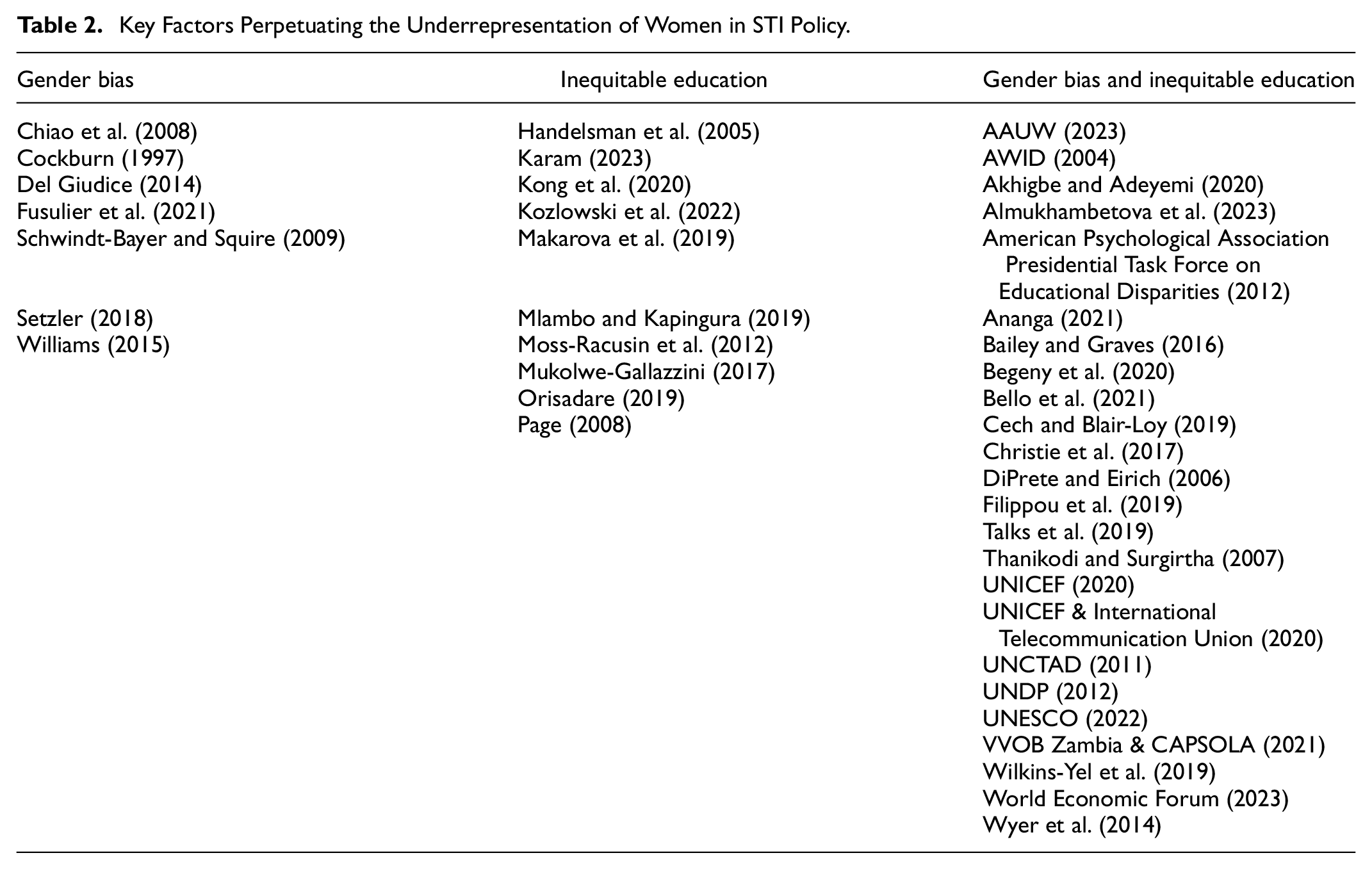
Seven of the 83 papers in the analysis addressed gender bias as a key factor perpetuating the underrepresentation of women in STI policy. Ten publications addressed inequitable education as a key factor perpetuating women’s underrepresentation in STI policy. Twenty-four papers simultaneously addressed gender bias and inequitable education as coexisting key factors perpetuating women’s underrepresentation in STI policy (Table 2).
Key Factors Perpetuating the Underrepresentation of Women in STI Policy.
This study examined the key factors perpetuating women’s underrepresentation in STI policy through a systematic literature review. A thorough synthesis of empirical and theoretical research yielded four primary themes. These themes play a crucial role in enhancing our comprehension of gender bias and inequitable education that contribute to STI policy’s gender imbalance. These themes clarify how these key factors manifest and suggest solutions. The four key themes encompassed in this analysis are: (1) the need for more women in STI policy, (2) intersectionality and the underrepresentation of women in STI policy, (3) systemic issues in education and gender bias, and (4) the role of education in addressing the underrepresentation of women, which involves exploring education frameworks and their potential impact on student learning.
These themes will be thoroughly examined in the following sections, incorporating significant research publications and a variety of perspectives. While these themes may not directly relate to the original research questions, they complement and expand the investigation. They provide a comprehensive perspective on the primary factors perpetuating gender underrepresentation in STI policy.
The Need for More Women in STI Policy
STI policies affect individuals, communities, and nations, emphasizing the need to improve women’s representation. Innovation requires team diversity to promote creativity, encourage new perspectives, and improve decision-making and problem-solving (Phillips, 2014). STI policy is comprised of two sectors: STEM and policy-making. Separately analyzing women’s representation in each sector can estimate the female population active in STI policy. Less than 30% of researchers worldwide are women, accounting for women in STEM (UNESCO Institute for Statistics, 2023). Women represent 26.1% of national parliaments (IPU Parline, 2023). These statistics indicate representation of women in STI policy is less than 30%.
Due to the scarcity of research on STI policy specifically, it is necessary to examine the two areas that constitute STI policy, STEM and policy-making, separately. This method is necessary to identify the key factors contributing to the underrepresentation of women in STI policy.
The existing literature on the underrepresentation of women in STEM fields that constitute STI policy suggests several theoretical explanations. One theory is a “leaky pipeline” framework, which includes individual and environmental factors, or that women may prioritize family over STEM careers (Almukhambetova et al., 2023; Cech & Blair-Loy, 2019). However, more empirical data reveals gender bias, in its various forms, discourages women from STEM careers. Additionally, this bias varies with a woman’s race or ethnicity (Bello et al., 2021; Moss-Racusin et al., 2012; Reuben et al., 2014; Stross, 2008; Williams, 2015).
The UNDP Gender Social Norms Index, which includes data from 75 countries covering over 80% of the world’s population, found that over half of men and women believe men make superior political leaders (UNDP, 2012). This index shows how ubiquitous gender bias is, which hinders women in policy-making that constitutes STI policy. The UNDP found that 90% of men and women worldwide are biased toward women (UNDP, 2012). While the variables that contribute to gender bias may vary across countries, inequitable education opportunities are a consistent factor that contributes to the underrepresentation of women in STI policy (Bailey & Graves, 2016).
Lack of gender representation in STI policy-making may hinder innovation. Research by Díaz-García et al. (2013) indicates gender diversity in R&D teams fosters inventive solutions and radical innovation. Additional research suggests variety is crucial to scientific problem-solving proficiency, especially when approached as a group rather than relying on individual intelligence (Gibbs, 2014). Page (2008) states the significance of diversity in issue solvers surpasses the importance of their individual abilities, making diversity integral to achieving overall quality.
The historical and systematic nature of gender-based exclusion across sectors highlights the need to increase women in STI policy. Gender bias, inequitable education, and other forms of gender exclusion in diverse fields frequently affect women’s educational and professional lives (AAUW, 2023; Begeny et al., 2020). To prevent these challenges from affecting females, new education frameworks could be adopted as preventative measures (Karam, 2023; UNESCO, 2022).
The authors agree that increasing female labor force representation is an advance toward gender equity. Still, it does not address the systemic issues that cause women’s underrepresentation in the two sectors, STEM and policy-making, leading into STI policy. Gender marginalization will continue unless systemic issues are addressed. The existing social, workforce, political, healthcare, and technical systems often favor men due to flawed assumptions that men’s standards apply to women and don’t need to be modified (Kong et al., 2020).
Research is abundant on the underrepresentation of women in STEM and policy-making, but little on the scarcity of women in STI policy (Charlesworth & Banaji, 2019; Clayton, 2021; Fernández & Valiente, 2021; Makarova et al., 2019; Prieto-Rodriguez et al., 2022). While gender lenses are often utilized to address gender disparities, they are rarely combined with intersectional lenses, which are necessary for holistic equity efforts (AWID, 2004; Woods et al., 2021).
Suffrage and other gender equity policies have been established for some time, but policies promoting gender equity in science and technology are more recent. The United States Women in Science and Technology Equal Opportunity Act was passed in 1980 to promote gender parity in scientific and technical education, training, and careers (Handelsman et al., 2005). Despite such policies, the STEM sector has continuously favored males and lacks inclusion, particularly in women’s underrepresentation. This is a noteworthy problem, given that the STEM profession is anticipated to spearhead societal progress through groundbreaking advancements.
Understanding the gender-science and technology dialectic is key to understanding why STEM has few women. Scholars believe that Western or Eurocentric perceptions of technology as a masculine realm have excluded women from technology. Technical talent is considered an essential part of masculinity. Concurrently, many people connect technical incompetence with femininity. Scholars including Cronin and Roger (1999), Cockburn (1997), McIlwee and Robinson (1992), and Wajcman (2000) have examined this stereotype. Research indicated that many 1990s barriers to women applying to STEM courses persisted in the 2010s. STEM students’ recruitment, retention, and success depend on their educational trajectories and transition to higher education. Due to a lack of support and encouragement to pursue STEM areas, female adolescents often lack self-confidence (Christie et al., 2017).
The underrepresentation of women in STI policy-making remains a gender stratification concern. Despite party quotas, women’s branches, and equal access to education and professional opportunities, societal perceptions of gender roles and the inclusion of more women in politics must also be addressed (Paxton & Kunovich, 2003). Women’s underrepresentation in politics is a major hindrance to economic success. Empowerment programs targeting women’s collectives must be implemented to help women realize the value of their participation in decision-making (Orisadare, 2019).
Mlambo and Kapingura (2019) found that women’s political participation positively correlates with labor participation, government functionality, political culture, and political engagement. UNDP (2012) recognizes women’s role in a nation’s growth and prosperity. Females must be represented in all their cultural, social, economic, and political diversity. The UNDP has made proposals to increase women’s political party representation. These recommendations include internal quotas, protected seats for women, and training and media exposure for women (UNDP, 2012).
Increased female presence in STI policy is crucial, and the underrepresentation of women in STI policy requires further study. An accurate quantitative measurement of female participation is needed to fully understand the underrepresentation in this domain. A detailed review of STEM and policy-making data shows that women make up less than 30% of STI policy. The lack of study on STI policy as a distinct field from STEM and policy-making makes it difficult to estimate the exact number of women in the sector. To calculate average gender representation among STI policy researchers, STEM and policy-making sectors were combined.
To understand the complex causes of women’s underrepresentation in STI policy, further academic research is needed. Promoting awareness and engaging women in this topic throughout their education is crucial. On closer inspection, STEM and policy-making sectors show consistent gender bias and inequitable education. These factors deter young girls and women from STI policy careers. A synergistic approach that integrates a gender lens and an intersectional viewpoint may be more comprehensive in assessing and addressing STI policy inequities.
Intersectionality and the Underrepresentation of Women in STI Policy
All aspects of equity must be considered when addressing an issue. Contemporary society emphasizes racial and ethnic disparities (American Psychological Association Presidential Task Force on Educational Disparities, 2012; Wu, 2020). To examine the underrepresentation of women in STI policy more equitably, an intersectional framework and gender-focused approach are needed. The New York Times asked scientific and STI policy journals or publication families for race and ethnic statistics on researchers who publish on these platforms. Several scholarly publications, such as Cell Press, eLife, PLOS, PNAS, the New England Journal of Medicine, and Springer Nature, were unable to monitor these metrics or provide statistics (Wu, 2020).
Although certain publishers have mentioned that they are in the early stages of data gathering or discussing this topic, no research exists to determine the current level of diversity within these institutions. Despite the claimed commitment to eradicate racial prejudice in research and medicine, this survey cannot assess diversity within these institutions. Wu (2020) reported that only the American Association for the Advancement of Science (AAAS) and the Royal Society provided writer and reviewer diversity data (Figure 2).
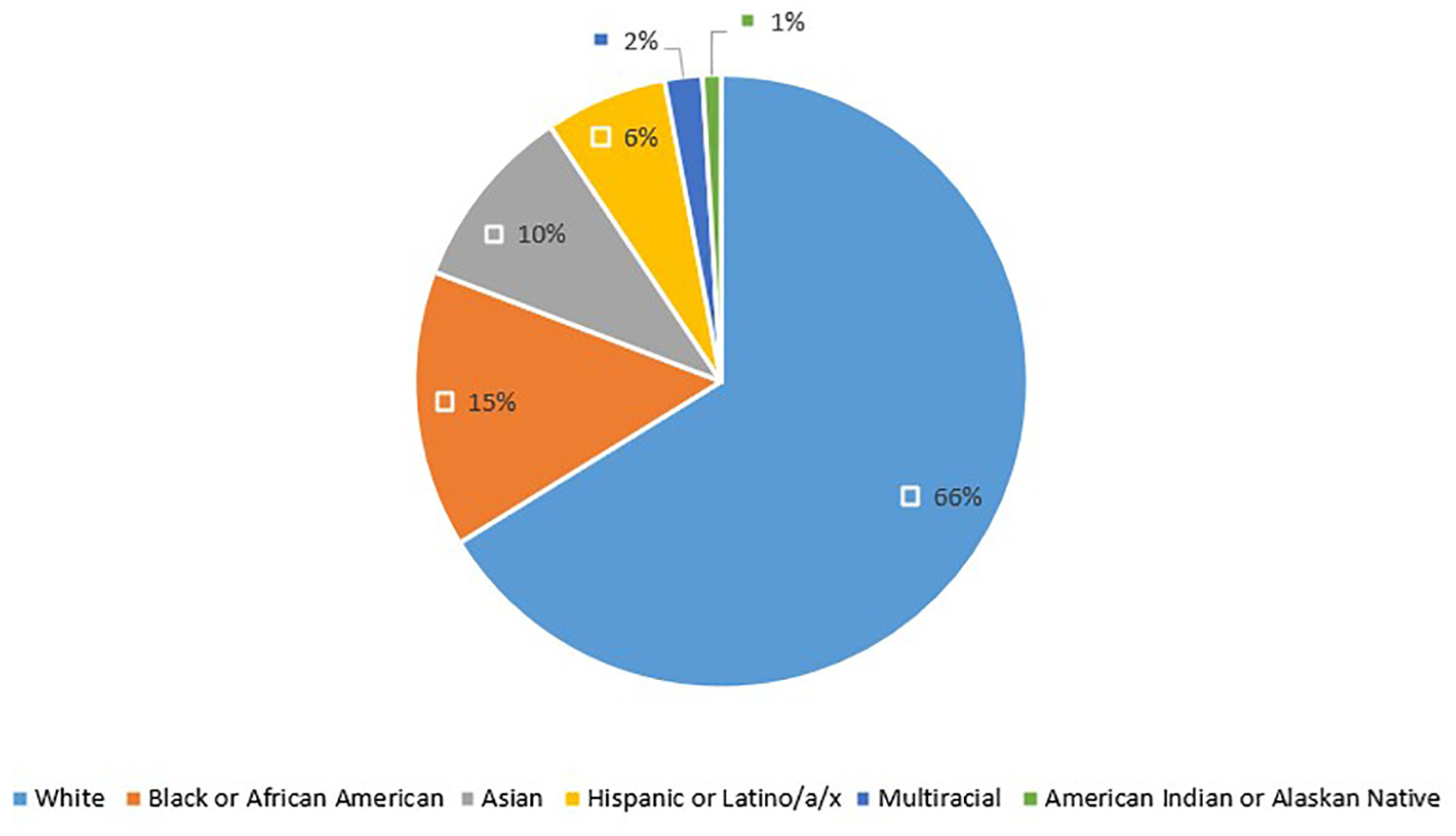
AAAS diversity data breakdown.
According to the AAAS, which publishes the Science family of journals, the data for 2020 indicated that 13% of authors and reviewers self-identified as White or non-Hispanic. Additionally, 7% identified as Asian or Pacific Islander, while 1% identified as Hispanic or Latino/a/x. Notably, a significant portion of the data, namely 79%, was missing (AAAS, 2022). Nonetheless, the data above exhibits variability in the latest 2022 report, wherein 38% of authors and reviewers identified as White or non-Hispanic, 31% of data was not available, 26% identified as Asian or Pacific Islander, 3% identified as Hispanic or Latino/a/x, 1% identified as multiracial or other, and 1% identified as Black or African American (AAAS, 2022). In contrast, according to a report by The Royal Society (2018), the proportion of authors and reviewers who self-identified as White was estimated to be around 75% to 80% in 2017. However, recent data from The Royal Society (2022) indicates that this figure has subsequently decreased to approximately 64% to 75% in 2021. In their response to The New York Times, various organizations, such as AAAS, Cell Press, The Lancet, and PLOS, emphasized their continuous endeavors to monitor and enhance the fair and equal representation of genders in science (Wu, 2020).
Although some organizations featured women in leadership and editing roles, male authors and reviewers outnumbered women. Not all organizations included nonbinary or gender minority options when collecting data (Wu, 2020). The authors maintain research needs to consider gender, racism, ethnicity, and other overlapping identities from an intersectional approach. While this compilation may not encompass all possible intersections that should be considered, it serves as a valuable initial reference for data collection.
Robert K. Merton contends when an organization is attacked or questioned, it must introspectively reassess its essential ideas, reassert its goals, and find its justifications. Merton’s fundamental work, “The Normative Structure of Science,” encourages crisis reflection and self-evaluation. Those in STI policy should be compelled to develop a heightened level of self-awareness in response to difficulties encountered. This will enable the STI policy sector to recognize itself as an integral component of society, with associated responsibilities and interests (Merton, 1973).
Instead of perceiving criticism as a disintegration of the STI policy community, it might be interpreted as an opportunity to reconstruct it in a manner that promotes equity. The primary objectives should involve examining the sector’s complexities, understanding biases’ mechanisms and rationales, examining how inequity affects individuals, and assessing institutional practices’ role in marginalizing women. The aforementioned objectives may prompt those in STI policy to examine the content being taught, existing knowledge, and future research topics (Wyer et al., 2014).
Understanding the nuances of inequities within larger issues is crucial. To attain comprehensive equity within a given issue, it is imperative to include an intersectional perspective alongside a gender perspective. Upon analyzing the domain of STI policy, it becomes apparent that women’s participation is less than 30%. Furthermore, within the STEM sector that contributes to STI policy, there exists a notable lack of representation of women belonging to racial and ethnic minority groups (Figure 3).
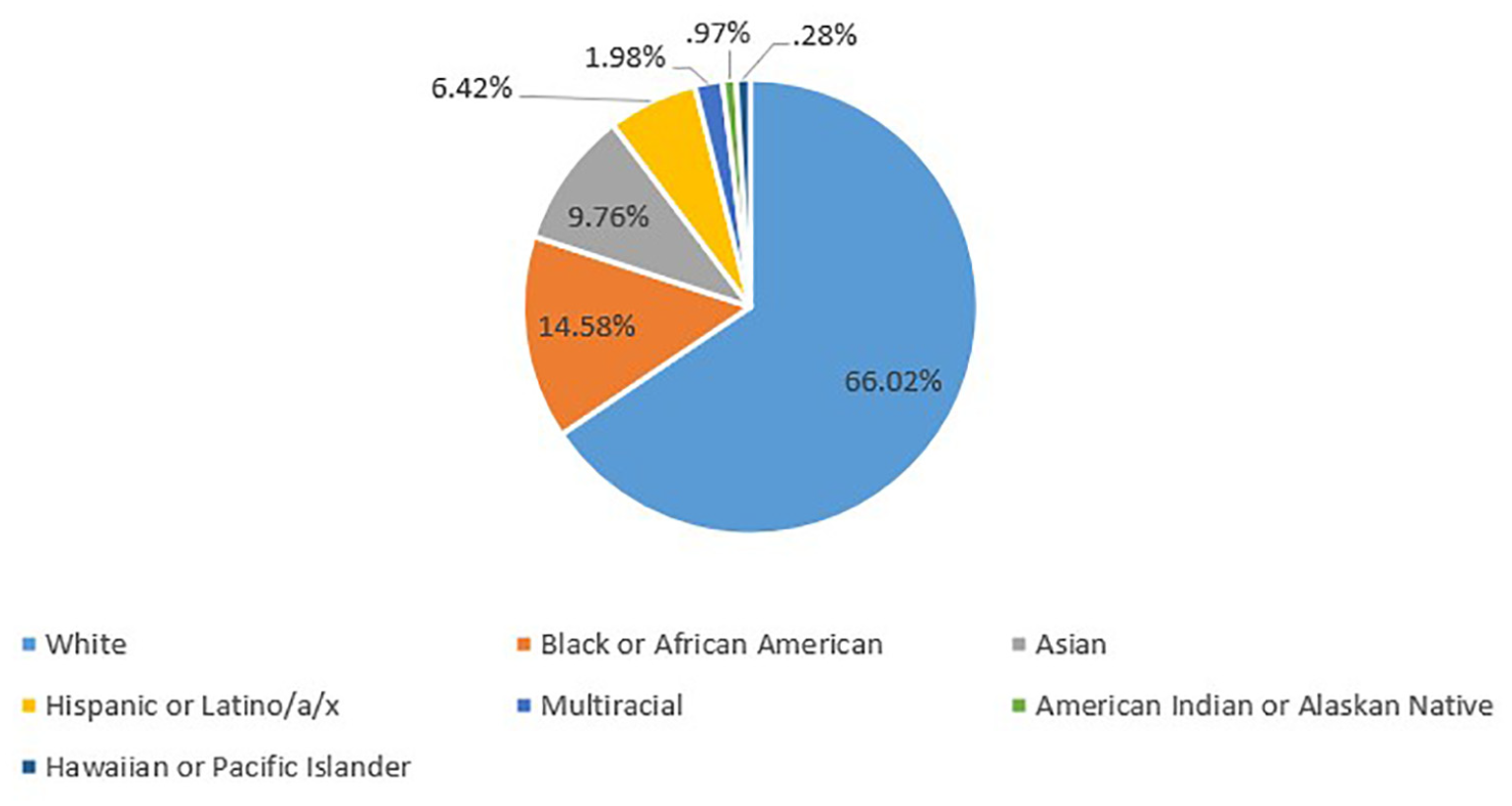
Percentage of women in STEM by race.
When evaluating the representation of women in the STEM sector in the United States, which leads into STI policy, approximately 66.02% of women in this sector identified as White. Additionally, 14.58% of women in STEM identified as Black or African American, 9.76% as Asian, 6.42% as Hispanic or Latino/a/x, 1.98% as multiracial, 0.97% as American Indian or Alaskan Native, and 0.28% as Hawaiian or Pacific Islander (U.S. Equal Employment Opportunity Commission, 2019).
To fully grasp equity challenges across all regions, especially in male-dominated STEM areas and policy-making that comprise STI policy, more international intersectional research is needed. Kimberlé Crenshaw introduced the concept of intersectionality in 1989 to describe how gender, class, race, and sexuality interact to form axes of subjugation and dominance (Crenshaw, 1989). Intersectionality has revealed that STEM and STI policy conversations do not effectively include women of racial minority groups. Their lack of visibility exacerbates their marginalized status, leading to increased isolation and heightened scrutiny from the dominant group (Crenshaw, 1991).
Intersectional invisibility enhances the experience of being a woman and a person of color in STEM by increasing the likelihood of scrutiny, marginalization, and isolation from the dominant group (Wilkins-Yel et al., 2019). Cumulative advantage holds various interpretations within sociological literature. It bears significance in the context of intersectionality in STI policy because it encompasses inequities across time. A favorable relative position that serves as a resource leads to extra relative gains (DiPrete & Eirich, 2006). “The Matthew Matilda Effect” states that people with fewer junctions have an advantage and recognition, whereas those with more intersections have a disadvantage (Rossiter, 1993).
A 176-person study studied how microaggressions make women of color invisible and hyper-visible in STEM disciplines. Participants felt excluded from STEM, had their voices and bodies ignored, and had gender and race-influenced encounters (Wilkins-Yel et al., 2019). The findings of this study show that “The Matthew Matilda Effect” may be evident in other STEM fields, like STI policy.
The authors contend the presence of numerous intersecting identities, including but not limited to race, age, gender, ethnicity, ability, religion, social class, and sexual orientation must be acknowledged. These identities contribute to inequity-related discrepancies. Therefore, to fully address these issues, it is necessary to examine and analyze how the STI policy domain perpetuates gaps and determine the need for a systemic reorganization to promote equity rather than hinder it.
Systemic Issues in Education and Gender Bias
The authors maintain that systemic issues in primary education for females, as well as in STEM education, are also of concern in politics, particularly concerning opportunities for women in STEM careers and policy-making. Specifically, these issues limit prospects for women in STEM jobs and contribute to their underrepresentation in policy-making. To achieve gender parity in STEM, girls must have equal access to STEM education. This is crucial to addressing gender disparities in these fields.
Understanding why women are underrepresented in STEM, policy-making, and other male-dominated sectors requires education on gender bias and an intersectional lens. To understand why women are underrepresented in STEM, policy-making, and other predominantly male sectors, the authors suggest it is necessary to acquire knowledge about gender bias and adopt an intersectional perspective, especially in disciplines that contribute to these domains. Gender bias in education, even if unintended, can perpetuate gender disparities and negatively impact marginalized girls (Bécares & Priest, 2015; Bešić, 2020; Copur-Gencturk et al., 2023).
Over the past quarter-century, global female enrollment has increased due to efforts to make basic education more accessible to females. The Global Business Coalition for Education and the Education Commission (2021) predicts that 880 million children will lack the necessary abilities to engage in the labor market by the year 2030. This statistic serves as a clear indication of the persistent learning crisis (Global Business Coalition for Education and the Education Commission, 2021). Gender equity in STEM education is especially critical because these disciplines are traditionally male-dominated. Makarova et al. (2019) found that reducing male stereotypes linked with science in educational settings may increase the likelihood of young women and men developing an interest in STEM careers.
Gender disparities in education have disproportionately affected marginalized girls (American Psychological Association Presidential Task Force on Educational Disparities, 2012). Young girls make up nearly half of the workforce. However, women make up less than 30% of researchers worldwide (UNESCO Institute for Statistics, 2023). STEM gender inequity in research reveals an underutilization of talent. The authors contend that by continuing from this perspective, a discernible pattern emerges that reveals the convergence of gender bias and inequitable education.
The United Nations (UN) attributes the underrepresentation of females in STEM to discriminatory gender stereotypes that promote that women are unsuitable for problem-solving and inquisitive fields (UNICEF & International Telecommunication Union, 2020). Gender-responsive STEM education can help girls succeed and excel in science, technology, and engineering. The implementation of such educational practices in all classroom environments would necessitate comprehensive reforms in the educational system (UNICEF & International Telecommunication Union, 2020). The authors’ conclusion from this analysis is that gender bias in education must be addressed to grant females equal chances in STEM and other disciplines. This pertains not just to students, but also to instructors, curriculum developers, and administrators.
Implicit biases, which may lead to discrimination, may pose significant challenges. Research indicates gender bias in urology residency recommendation letters. Letters written for male applicants are more authentic and emphasize personal desire, work, and authority more than those written for female applicants (Payne et al., 2018). The data shows that urological letters of recommendation for men and women differ significantly in language. The observation suggests that the resident recruiting process may be gender biased, which may penalize female applicants in urology job matching (Filippou et al., 2019).
The authors’ analysis of prior research indicates that gender bias persists in domains that have the potential to impact women’s underrepresentation in STI policy. Previous studies on recommendation letters and gender bias demonstrate that good intentions might unintentionally reinforce systemic biases against women. These findings emphasize the need for leaders to be aware of unconscious and explicit biases. Gender bias and inequitable education have adverse consequences for females in educational settings. The authors propose that leaders must actively endeavor to eliminate gender bias and promote fairness and inclusivity for all irrespective of gender.
Connecting Education as an Avenue to Address the Underrepresentation of Women in STI Policy
Exploring Education Frameworks
Due to gender bias and inequitable education, women are underrepresented in STI policy. These factors are systemic worldwide, but their extent varies by country (Filippou et al., 2019; UNESCO Office Bangkok & Regional Bureau for Education in Asia and the Pacific, 2020). To gain a better understanding of this issue and find potential solutions, it is valuable to examine countries that have achieved gender parity in education, specifically in traditionally male-dominated subjects like STEM and policy-making. Other governments can learn from these countries and adapt successful strategies to address women’s underrepresentation in STI policy (UNESCO Office Bangkok & Regional Bureau for Education in Asia and the Pacific, 2020). While the data is not novel, rethinking how education can be used to address STI policy lacking women could help implement educational frameworks that naturally eliminate these two indicators through all societies’ education.
By examining and focusing on parity-focused frameworks, models can evolve to address the two leading causes of women’s underrepresentation in STI policy, gender bias and inequitable education. This evolution can naturally promote gender equity (UNESCO Office Bangkok & Regional Bureau for Education in Asia and the Pacific, 2020). Feminist scholarship and science and technology studies (STS) help overcome education and opportunity gaps and gender prejudice through educational initiatives. Feminist STS critiques epistemologies, methods, and political futures. It promotes social justice by providing feminist frameworks for knowledge, design, and technology production. Scholarly interest in feminist science and technology studies (STS) has grown, enriching both disciplines (Wajcman, 2009). This interaction allows an intersectional gender perspective to study educational frameworks to sustainably eliminate gender bias and inequitable education. This intersection could further expand to include STI policy and the education sector.
The authors contend that numerous collaborative interventions warrant exploration by both STI policy and education sectors, yielding mutual benefits. One such endeavor is gender-responsive education, expounded upon in this study. The widespread use of gender-responsive STEM pedagogy in classrooms may help address educational inequity and gender bias in STEM. With STI policy, the education sector may create and implement gender-sensitive pedagogical frameworks. These frameworks design educational curricula, instructional methods, and academic contexts to promote equity and inclusivity. According to UNICEF & International Telecommunication Union (2020), such programs could increase female STEM engagement and facilitate entry into STI policy careers.
The authors propose early intervention as another collaborative method that could be used early in a student’s academic career. By encouraging girls and young women to study STEM, they can be exposed to mentors and role models who can motivate and guide them. Role-model interventions have been shown to improve math enjoyment, significance, expectations of achievement, and young girls’ STEM job ambitions. These interventions reduce long-held gender preconceptions (González-Pérez et al., 2020).
To achieve this goal, the authors contend that cross-sectoral cooperation can produce programs, workshops, and extracurricular activities that carefully encourage young girls’ STEM enthusiasm. The STI policy sector’s knowledge and support can help educational institutions, government agencies, and schools coordinate these programs. Additionally, STI policymakers can create internship and mentorship programs for university students, with a focus on women. This would provide firsthand experience in policy formation and decision-making. These programs can be effortlessly integrated into academic institutions, delivering academic credit and enhancing role-model interventions along the educational experience.
These initiatives, when realized, ideally result in collaborative endeavors that involve not only STI policy and the education sector but also education policy. Education policy is a separate sector that develops education regulations (Bell & Stevenson, 2006). The authors maintain that the formation of collaborative approaches between STI policy and the education sector demonstrates that education policy can promote policies that improve accessibility and expand the reach of these cooperative efforts. Initially, the foremost emphasis rests on the exploration and assessment of pre-existing educational frameworks that have exhibited success, with the intent to adapt and expand upon them.
While not the only measure of successful educational practices, countries that rank highly in the Global Gender Gap Report are relevant when examining the relationship between education frameworks and equitable education, particularly in inclusive STEM education. Iceland, Finland, and Norway have continuously performed well (World Economic Forum, 2023). Nordic countries are promoting gender parity in preschool and early childhood education. The primary objectives encompass altering attitudes and emphasizing the imperative of acquiring knowledge about the integration of gender within the broader framework of educational organization (Heikkilä, 2020).
The stated objective of Nordic preschools, as stipulated by national law, is gender-equitable education. This means treating females and males equally intellectually and emotionally. The co-education principle is an established practice (Heikkilä, 2020). Promoting gender equity in early education can cultivate attitudes that may sustain these principles throughout the educational trajectories of both students and instructors.
For nearly 40 years, Nordic countries have promoted gender parity. Nordic history is known for “state feminism,” which involves strong collaboration between feminists, equity officials, and gender researchers. Teacher Education (T.E.) was vital to Nord Lilia in the 1990s. This program sought to create a gender-equitable teacher education curriculum framework (Kreitz-Sandberg & Lahelma, 2021). The Nordic countries have had dedicated gender policies in their curricula and procedures throughout students’ education careers. The authors conclude that robust gender policies and state-feminist collaboration to address educational and gender bias issues have created a solid foundation for equal education opportunities.
Iceland, Finland, and Norway have led gender parity and collaboration, but complete gender equity has not yet been attained (Fusulier et al., 2021). These nations face enduring challenges despite significant progress. In the context of Iceland, it is observed that women constitute a larger proportion of the student population in higher education. However, their academic preferences tend to lean toward Social Sciences and Humanities disciplines. Conversely, men exhibit a higher representation in STEM subjects and occupy a greater number of higher academic positions (Fusulier et al., 2021).
In Finland, women are also prominent in academia. Their academic tendencies are inclined toward medical and humanistic areas, while males dominate natural sciences, mathematics, and computer technology (Kurki et al., 2001). Norway has made significant STEM gender progress. Norway, Sweden, and Denmark have 30% to 35% STEM graduates, a healthy trend. Not all STEM sectors have achieved gender parity. The difficulty at hand is exacerbated by the prevailing notion that Norway has already attained gender parity (Talks et al., 2019).
The World Economic Forum (2023) Global Gender Gap Report lists countries with STEM-inclusive programs for all genders. Asian countries including Azerbaijan, Thailand, Kazakhstan, Georgia, Armenia, and Kuwait have many female researchers. Bolivia, Venezuela, Trinidad & Tobago, Guatemala, Argentina, Panama, Tunisia, and New Zealand have research communities with over 50% women (Thornton, 2019). Understanding how these nations achieved gender balance in their research communities is crucial. Some countries, especially in Eastern Europe and Central Asia, credit the Soviet Union and its satellite bloc for gender parity in science. Government-funded educational institutions encouraged and supported female scientific engagement during this time. Several nations have adopted the Nordic countries’ comprehensive welfare and social policies to promote gender equality and support women in the workforce (Thornton, 2019).
Stoet and Geary (2018) found that girls outperform boys in science in 66% of countries. In nearly all nations, more women have the potential to study STEM fields than enroll in these programs. The phenomenon, known as “The Gender Equity Paradox,” appears to increase with gender equity in a nation (Breda et al., 2020; Guo et al., 2022; Stoet & Geary, 2018). In countries with increased gender parity, women are less likely to pursue STEM education. This tendency is due to a wider range of jobs and better living standards for all genders (Stoet & Geary, 2018). The authors assert more research is needed to understand this phenomenon’s cause.
Existing data implies that inadequate support for STEM women who start families hinders gender equity in the sector. Numerous nations have established structures to support female scientists and researchers who balance professional and familial obligations (Bello, 2020; Ng, 2016; The State Council Information Office: the People’s Republic of China, 2021). China has emphasized involving skilled female workers in the National Science and Technology Plan project evaluation. China boasts a friendly research environment for pregnant and nursing female scientists and technicians. This involves creating funding to help women return to scientific research after motherhood (The State Council Information Office: the People’s Republic of China, 2021).
Scholars have also suggested gender-responsive STEM instruction in classrooms to address STEM inequity and gender bias. Gender-responsive STEM education ensures that girls have equitable access to STEM education and leadership training (UNESCO International Bureau of Education, 2017). Gender-responsive STEM learning may challenge gender stereotypes and provide girls and women the confidence, autonomy, and resources to critically investigate global concerns and create new solutions. This method can also prepare girls for future jobs (UNICEF & International Telecommunication Union, 2020).
The aforementioned methods are used by nations that have made significant progress toward gender equity, particularly in STEM education. These frameworks can be adjusted and deployed in varied educational environments to increase female participation in STEM participation and STI policy.
Potential Impact on Student Learning
Inequitable education and gender bias cannot be solved by a universally applicable solution in all educational environments. However, further research into these topics can help discover successful methodologies, approaches, and frameworks, and inform future research.
The Gender Responsive Collaborative Learning Strategy (GR-CLS) has been tested for its impact on students’ academic performance and attitudes. Akhigbe and Adeyemi (2020) studied 218 same-sex and mixed-sex secondary school students. GR-CLS improved academic success and attitude scores of both male and female students in virtual and hands-on laboratory environments, compared to those who were not exposed to it. The study also found that GR-CLS was more effective in same-sex schools but remained effective in mixed-sex schools (Akhigbe & Adeyemi, 2020). The authors recommend science educators consider employing GR-CLS in classroom settings. This strategy creates an inclusive teaching environment that maximizes learning results for all students in lab exercises.
The aforementioned findings are promising, but gender-responsive STEM education’s success depends on educator and mentor training. Gender-responsive pedagogy in Ghana’s elementary teacher training program was examined in detail (Ananga, 2021). The study found that instructors used gender-responsive teaching more after training. Tutors were likelier to use gender-responsive teaching in math, science, and English classes. Ananga (2021) found that mentors of all genders engaged with their mentees using gender-sensitive approaches. The authors conclude this study shows that gender-responsive STEM training for instructors, regardless of gender, can improve educational outcomes.
The incorporation of gender-responsive pedagogy in the field of education is of utmost importance to foster equitable learning environments and eliminate gender bias. Mentors and tutors must receive ongoing gender-responsive pedagogy training to succeed (Ananga, 2021). Data indicates that the implementation of gender-responsive pedagogy yields positive outcomes. Textbooks that contradict this educational technique remain a hurdle. Thus, textbooks must be updated to reflect gender-responsive teaching practices in all gender-responsive learning situations (Ananga, 2021). A recent VVOB Zambia & CAPSOLA (2021) study found that gender-responsive interventions improve awareness, challenge gender stereotypes, and promote gender-neutral materials in early childhood education in Zambia.
While promising, the authors contend more research is needed to determine whether gender-responsive learning affects the issue of STI policy lacking women long-term. This educational paradigm shift’s global efficacy must be assessed in many situations through large interventions and long-term studies. Research shows that gender-responsive learning practices benefit all genders in education, including educators (Akhigbe & Adeyemi, 2020; Ananga, 2021; VVOB Zambia & CAPSOLA, 2021). A comprehensive approach that considers student and educator learning, textbooks, and the classroom environment is needed to promote gender-responsive learning (Ananga, 2021; VVOB Zambia & CAPSOLA, 2021).
The authors maintain that gender-responsive pedagogy in education is beneficial to reducing gender bias and inequitable education. Regular mentor and tutor training, gender-neutral instructional materials, and textbook changes are essential to this technique. While more research is needed, available research demonstrates that gender-responsive learning benefits all genders and provides a more inclusive educational environment (Akhigbe & Adeyemi, 2020; Ananga, 2021; VVOB Zambia & CAPSOLA, 2021).
Discussion
Discussion
The authors contend that gender bias and inequitable education are the key factors perpetuating STI policy lacking women. After a thorough literature assessment, the authors identified the underlying drivers and four overarching themes that provide insight into gender bias and inequitable education. These themes also provide ways to mitigate these influential factors.
These four emergent themes contribute to a nuanced understanding of STI policy lacking women. These themes include: (1) the need for more women in STI policy, (2) intersectionality and the underrepresentation of women in STI policy, (3) systemic issues in education and gender bias, and (4) the role of education in addressing the underrepresentation of women in STI policy, which involves exploring education frameworks and their potential impact on student learning.
The literature indicates that gender bias and inequitable education, separately or together, lead to women’s STI policy deficit. Inequitable education is a significant contributor, yet education can also help solve this issue. The academic literature suggests several instructional frameworks to address these issues (Heikkilä, 2020; Talks et al., 2019; Thornton, 2019). The authors maintain that increased awareness of gender bias and inequitable education, combined with the deliberate application of these frameworks, may improve and eliminate the widespread impact of these factors on women’s underrepresentation in STI policy.
Previous research has examined the paucity of women in STEM and policy-making as separate fields. The intersection of these two fields composing STI policy has been understudied. A growing body of empirical research highlights that gender bias affects women’s STEM careers. This bias hinders women’s participation in this sector in multiple ways. Scholarly studies have shown that race and ethnicity intensify this bias, complicating the issue (Bello et al., 2021; Moss-Racusin et al., 2012; Reuben et al., 2014; Stross, 2008; Williams, 2015).
Policy-making also presents gender-related challenges. UNDP’s Gender Social Norms Index uncovered a concerning revelation. The majority of people, regardless of gender, believe men are better political leaders (UNDP, 2012). This shows how gender bias permeates political decision-making. A worldwide perspective shows that 90% of people, regardless of gender, have some bias against women (UNDP, 2012).
Previous research indicates that political systems favor men. The false belief that standards created for men apply to women without adjustment drives this preference (Kong et al., 2020). This prior study independently revealed gender bias as a major hurdle in STEM and policy-making professions. This comprehensive literature review consistently identifies gender bias as a prevalent and influential factor that contributes to women’s underrepresentation in STI policy. Thus, gender bias is a persistent concern in many fields, contributing to women’s underrepresentation in STI policy, where STEM and policy-making intersect.
According to the American Psychological Association Presidential Task Force on Educational Disparities (2012), gender bias often causes inequitable education, which disproportionately affects girls and women of color. Inequitable access to high-quality education hinders women’s science and policy ambitions, especially marginalized women. Inequitable education causes females to be underrepresented in STEM disciplines. Social gender norms that say girls aren’t competent at problem-solving contribute to this underrepresentation (UNICEF & International Telecommunication Union, 2020). This perspective discourages young girls from entering STEM disciplines, perpetuating the gender gap.
Scholarly research on gender bias in education has evolved to include letters of recommendation for academic aptitude evaluation. In numerous situations, including residency programs, this research has shown gender bias in recommendation letters for female applicants (Filippou et al., 2019; Payne et al., 2018). The aforementioned studies show that gender bias permeates academia and professional spheres. Thus, this bias limits women’s STI policy opportunities.
This systematic literature review supports the notion that inequitable education and gender bias, either alone or together, contribute to women’s underrepresentation in STI policy. It is becoming increasingly evident that the focus on these aspects is crucial in the pursuit of promoting gender diversity in STI policy.
Limitations
The analysis of gender equity and diversity concerns is a complex undertaking, influenced by various elements that can have a substantial impact on research results. Researchers’ cultural backgrounds, motivations, and methodological skills may affect how they perceive relevant resources. Therefore, parallel international research studies are needed to build a firm foundation for substantial cross-cultural comparisons and methodological validation. This study has limitations, with the primary one being its lack of generalizability. The conclusions derived are solely based on the body of literature that has been evaluated and the statistical data that has been analyzed.
The critical methodology approach shaped the literature review, allowing the researchers to give a complete synthesis of available material and conduct a rigorous critical analysis. The research examined underlying assumptions and power structures to identify gender inequalities and cultural norms that harm women in STI policy. Critical methodology, while it can deepen research, may have flaws including subjectivity, selective interpretation, and an overfocus on power dynamics.
The lack of complete data, relevant statistics, and substantial literature on gender equity issues in the complex field of STI policy highlights the need for enhanced research attention in future studies. Additionally, systematic literature review methodology requires a thorough and thoughtful examination of its findings, preventing the formation of immediate or hastily drawn inferences.
Significance
Many studies have examined women’s underrepresentation in STEM and policy-making. However, there is little literature on gender equity in STI policy. This literature study has significance because it identifies and analyzes the key factors perpetuating women’s underrepresentation in STI policy: gender bias and inequitable education. This analysis expands on existing literature to uncover four main themes that demonstrate how these factors manifest. These themes include: (1) the need for more women in STI policy, (2) intersectionality and the underrepresentation of women in STI policy, (3) systemic issues in education and gender bias, and (4) the role of education in addressing the underrepresentation of women in STI policy, which involves exploring education frameworks and their potential impact on student learning.
This study also uses a gender lens and an intersectional perspective to address this critical topic more equitably and comprehensively. This study emphasizes the importance of varied educational techniques and the role of gender bias and inequitable education in the underrepresentation of women in STI policy. In conclusion, this study holds importance on three levels: firstly, it identifies the key factors that contribute to the underrepresentation of women in STI policy; secondly, it delves into the intricate themes associated with these factors; and thirdly, it examines the potential of education as an effective strategy to address and reduce the ongoing prevalence of this societal issue.
Conclusion
Conclusion
The current study used a systematic literature review to identify the main causes of the STI policy gender gap. The primary research question was:
What are the key factors perpetuating the underrepresentation of women in STI policy?
Nonetheless, comprehending the central determinants that contribute to this salient concern within STI policy necessitates the deconstruction of this overarching question into two interconnected inquiries addressing STEM and policy-making, the two constituent sectors composing STI policy. These inquiries were framed:
What are the key factors perpetuating the underrepresentation of women in STEM?
What are the key factors perpetuating the underrepresentation of women in policy-making?
This study examines key factors perpetuating STI policy lacking women by systematically reviewing the literature. The review’s authors found that gender bias and inequitable education are the key factors perpetuating this issue. The research has shown intricate patterns related to gender bias and inequitable education, providing insight into the various ways in which these issues emerge in communities and contribute to the underrepresentation of women in STI policy.
These themes include: (1) the need for more women in STI policy, (2) intersectionality and the underrepresentation of women in STI policy, (3) systemic issues in education and gender bias, and (4) the role of education in addressing the underrepresentation of women in STI policy, which involves exploring education frameworks and their potential impact on student learning. In contrast to previous studies that have generally highlighted gender bias and inequitable education as obstacles for women in either STEM and policy-making, the present study specifically examines these characteristics within the specific context of STI policy. This domain includes STEM and policy-making. The research has significance because it seeks to understand the key factors perpetuating STI policy lacking women. It investigates the various issues linked with these elements and whether education can solve this societal dilemma.
The intersectional framework used in this study supplements the gender lens, making the outcomes more impartial and inclusive. The findings show that gender bias and inequitable education perpetuate women’s STI policy underrepresentation. Studies also demonstrate that gender-responsive educational frameworks may solve this problem. Future scholars should examine the causes of gender bias and inequitable education and foster collaboration between STI policy experts and educational researchers. Increased female representation in this area is insufficient to address the root causes of gender inequity. Systemic solutions are needed to address gender bias and inequitable education, which disproportionately affect women of color and contribute to STI policy lacking women. Without such comprehensive solutions, the sector’s potential may remain unrealized.
This study sheds light on the causes of women’s underrepresentation in STI policy, but its limitations must be acknowledged. As stated in the Limitations Section (4.2), the conclusions are confined to the literature and statistics reviewed. The lack of data on this topic emphasizes the need for more investigation. Future research can improve and expand this study’s findings due to its limitations.
Recommendations for Further Research
To overcome the underrepresentation of women in STI policy, future research should focus on gender bias and inequitable education. Education can help solve these issues, but it requires collaboration between STI policy specialists and education scholars. Cooperative research can assist school reforms, especially regarding gender-responsive pedagogical frameworks within STEM subjects. To support these policy ideas, experimental trials must be broader and include a wide range of geographical regions and educational levels.
Future studies should focus on assessing the overall impact of gender-responsive education. This evaluation should evaluate student-teacher interactions and gender-responsive methods in STI policy beyond the classroom. Gender-responsive learning’s effects on students’ education must be assessed using an intersectional lens. These studies are essential for tackling the systemic issues that have prevented women from entering STI policy and increasing female representation in this field.
The complex and diverse challenges faced by the STI policy sector, particularly the COVID-19 pandemic and the global climate crisis, make it necessary to understand the root causes and systemic solutions to women’s underrepresentation. To create sustainable change, intersectional analysis of the underlying issues is essential to enhance equity within the sector.
The neglect of gender minority experiences in STI policy is a further concern in future research. The absence of gender minority data in STI policy makes it difficult to quantify their representation and undermines gender equity advocacy efforts. Research methodology must include inclusive gender assessment practices to explicitly include gender minorities to bridge this gap.
Educational reform must include gender-responsive initiatives to address gender bias and inequitable education, which contribute to STI policy underrepresentation. This technique can improve gender equity in STEM, politics, and other disciplines. Women’s underrepresentation in STI policy must be addressed to promote gender equity and innovation across disciplines. These sectors offer many research opportunities, and collaboration between STI policy experts and education researchers can help execute experimental efforts and gain more thorough insights. Analyzing cultural norms and policy structures is necessary to create inclusive policies that benefit all parts of society.
In conclusion, this systematic literature review identified and analyzed the key factors perpetuating women’s underrepresentation in STI policy. The findings underline the need to address gender bias and inequitable education to eliminate gender imbalance in this crucial sector. The aforementioned findings help clarify gender inequities and offer policymakers and organizations insightful recommendations.
This research has surpassed superficial analysis by exploring the intricate manifestations of gender bias and inequitable education in the context of STI policy, presenting a novel viewpoint. Through the adoption of an intersectional framework, comprehension of the effects of these issues on many demographics, such as women of color, has been broadened. Consequently, the significance of implementing comprehensive and systemic remedies has been underscored.
To progress, forthcoming research should prioritize the examination of the fundamental factors contributing to these issues, leveraging the collaborative efforts of specialists in STI policy and educational research. To develop comprehensive policy recommendations, experimental activities must be expanded across numerous geographical locations and educational levels to lay the framework. Gender-responsive education systems have shown promising results and require further study. These strategies could bring about significant changes, not just in STI policy, but also in various other domains. Although there is still much work to be done, collaborative efforts can speed progress and provide a diverse variety of perspectives to design comprehensive policies and societal improvements that benefit everyone.
Footnotes
Declaration of Conflicting Interests
The author(s) declared no potential conflicts of interest with respect to the research, authorship, and/or publication of this article.
Funding
The author(s) received no financial support for the research, authorship, and/or publication of this article.
Ethical Statement
An ethics statement is not applicable.

Data Availability Statement
Data sharing not applicable to this article as no datasets were generated or analyzed during the current study.