Abstract
In Turkey today, one of the most frequently mentioned issues in the media is the influx of refugees, mostly from Syria. While most refugees are attempting to reach Europe by crossing through Turkey illegally, some consider Turkey an asylum center. This study used a phenomenological approach and qualitative experiment to determine how the phenomenon of refugeehood discussed in the media in Turkey affects children’s views on the issue. The sample was determined using the convenience sampling method, and 31 seventh-grade students (18 girls and 13 boys, all aged 14 years old) were selected. “Having previously met refugees” was used as a basic criterion in the selection of students, while classroom activities, letters, and semi-structured interviews were used to collect data. Descriptive and content analyses revealed that there were both positive and negative changes in students’ views regarding refugees, depending on the content of the news in the media, which was an important factor in influencing these changes.
Introduction
One of the most important issues on the world agenda today concerns refugees, who are also known in international law as asylum seekers and immigrants (Boztepe, 2017; Nurdoğan et al., 2016). Although these three terms denote concepts that differ from each other significantly, they are often used interchangeably. A refugee is a person who is forced to leave his or her country after serious threats to his or her rights to life and freedom (Goodwin-Gill & McAdam, 2007; Malkii, 1995), and this was clearly defined in the 1951 Geneva Convention (Lavenex, 2017; United Nations High Commissioner for Refugees [UNHCR], 2010). An asylum seeker is a foreigner whose refugee status is examined and, if found eligible, is subsequently provided with temporary protection (Castles & Miller, 1998; Gibney, 2004; Poyraz, 2012; Servantie, 2017). An immigrant is someone who leaves his or her own country willingly for various reasons (Akbatur, 1996; Nurdoğan et al., 2016), including under negative conditions, such as economic problems and war, in an individual’s own country (Çakran & Eren, 2017). The main aim here is to achieve better living conditions, and it is performed completely according to the individual’s own wish. As for refugeehood, forced migration that occurs due to negativities in one’s own country represents a subject. While immigrants can go back to their native land whenever they want, it is not possible for refugees to return as long as such conditions remain unsafe (Bernard, 1976).
War, conflict, and human rights violations, especially in the Middle East in over recent years, have resulted in an influx of displaced individuals in Turkey. While some of these displaced individuals are headed to European countries illegally via Turkey, some regard Turkey as an asylum center (Boztepe, 2017). Therefore, Turkey has become a country that both welcomes immigrants and offers a transition area for displaced individuals by hosting a more permanent refugee population (Deniz, 2009; Ünal, 2014; UNHCR, 2018a). This influx of displaced individuals, which had previously occurred on a smaller scale in Turkey, has reached unimaginable dimensions since April 2011, following the Syrian crisis that started with the demonstrations known as the Arab Spring (Tunç, 2015). At the time, Turkey declared that it would adopt an open door policy toward Syrians and Iraqis (Lazarev & Sharma, 2017; Orhan & Gündoğar, 2015). In the UNHCR statistics published on October 30, 2018, it was emphasized that there were 3.9 million refugees in Turkey, the highest number of refugees hosted by a single country globally. The refugees mostly came from the following countries: Syria (3.5 million), Afghanistan (170,000), Iraq (142,000), Iran (39,000), and Somalia (5,700) (UNHCR, 2018b). The presence of such a large number of refugees in Turkey, as well as its outcomes, concerns both Turkey and the world. Consequently, the Turkish media has drawn its attention to all refugees, and Syrians in particular.
The legal differences between the concepts of refugee, immigrant, and asylum seeker are not recognized by the Turkish media. News content is not prepared with regard to these differences, while these three terms are used interchangeably, which leads to different perceptions (Erdoğan et al., 2017). However, the legal status of Syrians in Turkey is that of temporary asylum seekers (Nurdoğan et al., 2016; Poyraz, 2012; Reçber, 2014). Moreover, the word “refugee” is the most frequently used word in news statements regarding Syrian asylum seekers, even though they cannot legally be refugees. This means that the concepts of asylum seeker and refugee are used interchangeably and synonymously (Efe, 2015). Therefore, the concept of the refugee, which is the most frequently encountered concept in the Turkish media, was used in the study.
The term media covers all written, verbal, and visual mass communication tools, such as newspapers, magazines, radio, television, and the internet. The media is known as the fourth estate, but has unquestionably become the first power in today’s world (Aydeniz, 2012; Gezgin, 2002; Lentz, 2014; Poster, 1995). Nowadays, the media represents a powerful tool capable of mobilizing masses instantly and bringing any given subject or person to the forefront of the world’s consciousness (Gezgin, 2002; Türk, 2014). Moreover, the media fulfills the duties of informing, enlightening, educating, directing, and warning society (Arslan, 2004; Flew, 2018; Gezgin, 2002; Kantarcı, 2015). The Iraq War, which became the main subject in the American media during the first 3 months of 2007 and even overshadowed the 2008 presidential elections (Bryant & Oliver, 2009), is a good example of this.
The media has a great effect on both society and individuals. It deals with all topics, from daily life to international relations, and can use any subject as fodder (Cereci & Özdemir, 2015). The knowledge, opinions, attitudes, feelings, and behaviors of individuals are within the limits of the media’s influence (McQuail, 2013). Today, individuals shape their lives and thoughts according to what they have seen and learnt from the media and even make plans for the future accordingly (Flew, 2018; Lentz, 2014; Thoman & Jolls, 2003). The source of the information that reaches us shapes our perspective on the world, and we make sense of the external environment through the lenses of reality it creates (Türk, 2014). From this point of view, the media has a significant impact on our perspective regarding the subject of the news, and this impact can be positive or negative (McQuail, 2013; Potter, 2012). The effect of the media on individuals varies from individual to individual because many factors, such as past experiences, gender, age, and the religious beliefs of the individual, who is the receiver here, become involved. All these features related to the individual have the power to affect the type, shape, and severity of the effect that the media will have on the individual (Slater, 2007; Türk, 2014; Zillmann & Bryant, 2013). Several studies have shown that the media has mostly adverse effects on individuals (Jo & Berkowitz, 1994; Strasburger et al., 2009). These effects are more prominent among children and adolescents and manifest themselves in a wide range of ways, from sexual attitudes and behaviors to eating-drinking habits (Escobar-Chavez et al., 2005; Jo & Berkowitz, 1994; Werner-Wilson et al., 2004).
The increasing visibility of Syrian refugees in Turkish social and economic life and the impact of the media’s messages regarding them on the Turkish people are issues that should be examined. To create the desired effect, the media may present the news subject to people by presenting only certain aspects (Pierigh & Speicher, 2017). Therefore, the way in which sensitive issues, such as migration and refugeehood, are dealt with in the media is important. The media plays a critical role at this point as its discourse shapes the perspectives and policies of society, as well as its political structures, with regard to refugees (Boztepe, 2017; Esses et al., 2013; Kardeş et al., 2017; McAuliffe et al., 2017; Zetter, 2007). Both Van Dijk (2005) and Reisigl and Wodak (2005) state that the media influences individuals’ opinions and judgments, and even plays a determinative role in ideologies. Van Dijk (1991, 2000) has gone even further and stated that the media’s negative discourses on refugees could amount to racism.
The media directly affects and shapes our perceptions of refugees by objectivizing them through visual images without considering their historical, political, and cultural backgrounds and circumstances (Pierigh & Speicher, 2017; Van Gorp, 2005; Wright, 2002). This phenomenon is frequently used in the Western media, meaning the perspective regarding refugees is, to a significant extent, negative (Leudar et al., 2008; Van Dijk, 2000). In the United States and Australian media, immigrants are regarded as an element of threat and are addressed negatively (Dimitrova et al., 2018). Similarly, asylum seekers are described as “illegal immigrants” in the European media and are regarded as a threat to security (McAuliffe et al., 2017). Leudar et al. (2008) and Gabrielatos and Baker (2008) make it clear that immigrants are negatively represented in the British media. Similarly, Goodman (2007) and Blackledge (2005) have stated that the media has an impact on the formation of a negative perception of asylum seekers in England. Burnett (2013) indicates that there has been a negative perception in the Czech Republic for a long time, owing to the influence of the media. A report prepared in 2016 with the support of UNHCR, meanwhile, found that the media in Italy, Spain, and the United Kingdom showed refugees as a threat. It was determined that the most positive news about refugees in Europe was in the Swedish media, whereas the most negative news coverage was in the British media (Berry et al., 2016).
The way in which refugees are addressed in the Turkish media is similar to that of Western countries. However, it does not include such harsh representations as the discourses in the Western media. These representations are sometimes presented as victim-oriented, but mostly as a source of problems (Erdoğan, 2017; Göker & Keskin, 2015; Gölcü & Dağlı, 2017; Kalaman et al., 2017; Pandır et al., 2015; Tümeğ, 2018). Upon reviewing news contents, it is understood that negative situations, such as fights, death, and injury, are sometimes made the subject of news, and that they are sometimes shown as the source of problems regarding economic and social dimensions (Boztepe, 2017; Efe, 2015; Kolukırık, 2009). Paksoy and Şentöregil (2018) state that 12% of news texts use a discriminatory and racist language with regard to refugees. There are also studies showing that refugee children are subject to negative news in the Turkish media as well. For example, Çobaner (2015) determined that refugee children were mostly reported in the Turkish print media on the basis of negativities, such as disease, death, poverty, hunger, violence, and child employment. Similarly, Gök and Çifci (2017) stated that negativities and difficulties experienced by refugee children were portrayed in the printed media, and that they were shown as victims in most of the news. For example, the tragic story of Aylan Kurdi, a 3-year-old Syrian refugee, 1 made the headlines in all national newspapers published in Turkey on September 3, 2015 (“Bodrum’da Minicik Bedenler,” 2015; “Neredesin Vicdan,” 2015). This event also received widespread coverage in the world press and appeared in newspapers such as the Independent and the Daily Mirror (Robson, 2015; Withnall, 2015). In brief, this news shook the whole world and made people think about the plight of ignored refugees. Two photographs related to this event that appeared in both the Turkish and foreign media are presented below (Figures 1 and 2).

The lifeless image of Aylan Kurdi in the Turkish media (“İnsanlık Karaya Vurdu,” 2015).

The image of Aylan Kurdi in the foreign media (Robson, 2015).
The images and news about Aylan Kurdi in the Turkish and foreign media constitute a negative example of the victimization experienced by a refugee child. On the other hand, in a 2015 news item on the official news website of Milliyet (one of the major newspapers in Turkey), it was mentioned that Syrians were employed as cheap labor (Günde 15 TL’ye, 2015 2 ). The article claimed that Syrians coming to Turkey were employed as illegal workers with very low wages and poor living conditions, and that this caused them to be preferred by employers, therefore increasing the unemployment rate of Turkish citizens. In this piece of news, refugees are shown as the source of a problem. It is, therefore, an example of negative news.
In a project they prepared with the support of the European Union, Pierigh and Speicher (2017) determined that refugees were addressed in European media mostly in the axis of politics (55%) and the economy (19%), and generally from a negative perspective. In the project report, they state that the European media frequently used the concepts of refugee, asylum seeker, and immigrant interchangeably; however, 43% of the news presented only the nationalities of refugees without using any concept, whereas 23% used the concept of refugee and 15% used the concept of asylum seeker. They also found that refugees were presented as perpetrators of terrorist acts in 45% of the news, whereas they were presented as victims in the whole media at a rate of 26%. In Turkey, the findings in the report prepared by the Research Center on Asylum and Migration (İltica ve Göç Araştırmaları Merkezi) (İGAM), and also in the European Union, supported the report in showing significant similarities with the report prepared by Pierigh and Speicher (2017). In the report prepared in Turkey, it was also determined that there was confusion regarding the point of using the concepts of refugee, asylum seeker, and immigrant, and that a nationality-oriented use was preferred most of the time. In the Turkish media, the concept of refugee is used at a rate of 24%, whereas the concept of asylum seeker is used at a rate of 19%. Again, in the Turkish media, refugees are primarily addressed in terms of the economy, followed by crime and violence and integration, and mostly from a negative perspective. The drama and victimization that refugees experience is one of the primary themes of the news (İGAM, 2019).
As mentioned earlier, both the language and expressions used by the media and the method of news-reporting affect people’s opinions of the content (Flew, 2018; Lentz, 2014; McQuail, 2013; Potter, 2012; Thoman & Jolls, 2003). However, the issue overlooked here is the fact that the media is created by adults. In most cases, children are left out of this construct. Therefore, children consume media intended for adults starting in early childhood (Strasburger et al., 2009). The media also affects the attitudes, behaviors, and worldviews of children, just like those of adults (Buckingham, 2008; Lemish, 2015; Livingstone & Lemish, 2013). The globalization of the media presents different perspectives on children, posing a threat to their cultural identities and values. It may cause adverse effects in children, such as the conflict of generations, the deterioration of intra-family relationships, and a tendency toward violence. Furthermore, the media has the power to change and direct children’s value judgments and perceptions (Bigler, 1999; Turner & Brown, 2008; Wan & Gut, 2008). Antoniou and Zembylas (2019), Bigler (1999), and Turner and Brown (2008) state that refugee news in the media affects children’s perceptions of this subject. Antoniou and Zembylas (2019) determined in their study that the media was an effective factor in the formation and shaping of refugee perception according to teachers, and that the students’ main source of information regarding refugees was photographs and videos in the media. Vandenbroeck (2007) stated that one of the reasons why children could discriminate by race from a very early age was the media.
Nowadays, Turkey hosts the largest population of refugee/asylum seekers in the world. This situation has inevitably caused this issue to be discussed frequently in the Turkish media. Studies carried out in Turkey on this subject mainly consist of review studies concerning how refugees are addressed in the media and their representation. In the literature review, it was observed that the number of studies on the direct effect of the media on the refugee perception of children is quite limited. Considering the directive role of the media, it is important to investigate the effects of the discourse and news regarding refugees in the media on both the individual and society. As has been clearly stated above, refugees in Turkish media mostly become the subjects of negative news. Therefore, revealing the effects of the refugee representation in the media, especially on children and young adults, is quite important for Turkey. The main reasons for conducting this study are the lack of previous research on this subject in Turkey and the representation of refugees in the media becoming increasingly negative and increasing in number. As children today spend a great deal of their time interacting with media, it is important to examine the impact the media has on their worldviews. Considering the phenomenon of refugeehood, which has been frequently mentioned, especially in the Turkish media since 2011, it is important to reveal the impact of media representations on the subject on children. This study sought to answer the following question: How does media content on the phenomenon of refugeehood affect the views of seventh-grade students in Turkey?
Method
Among the qualitative research designs, phenomenology and a qualitative experiment were used together in this study. Although the main design was phenomenological, the qualitative experiment was also used as a subdesign. Phenomenology focuses on the meaning created by humans through daily experiences (Moustakas, 1994; Patton, 2015). Phenomenological studies begin and end with lived experiences (Creswell & Poth, 2018). This design accepts that experiences shape behaviors, and that behaviors are intentional and purposeful rather than simply responses or reactions. It also argues that human behaviors are shaped by objectives, beliefs, fears, wishes, or perceptions, and that the experiences of individuals who are exposed to the same phenomenon, as well as the meanings created by them, may differ (Ersoy, 2016).
Facts are examined using a phenomenological approach. Facts may be events, experiences, perceptions, orientations, concepts, and situations in the world we live in. However, this encounter does not mean that we have fully understood the facts. Phenomenology provides a suitable research basis for studies aiming at investigating the facts that are not completely unfamiliar to us, the full meaning of which cannot be comprehended by us (Yıldırım & Şimşek, 2013). In the phenomenological design of this study, this phenomenon represents the change in students’ views created by how the phenomenon of refugeehood is dealt with in the media.
The most important data-collection tool in phenomenological studies is an interview (Creswell & Poth, 2018; Moustakas, 1994). The purpose of the phenomenological interview is to reveal the meaning of the phenomenon shared by individuals. In this design, in addition to the interview, observation and written documents can also be used. The combined use of different data-collection tools ensures the triangulation of the data collected (Merriam & Tisdell, 2016; Yüksel & Yıldırım, 2015). In this study, activities, letters, and semi-structured interviews were used as data-collection tools (see Table 1).
Process Steps of the Data-Collection Process.

In the study, a qualitative experiment design was used in addition to phenomenology to determine the change in the structure of the phenomenon through a controlled intervention that is appropriate to the phenomenon (Mayring, 1996). Although the qualitative experiment design was neglected from time to time, it was discovered early in the history of modern science. This design was mainly used previously as a structured research process in the social sciences (Ravasio et al., 2004). Kleining (1991) lists the techniques that can be used in qualitative experiment as (a) separation/segmentation, (b) combination, (c) reduction/attenuation, (d) adjection/intensification, (e) substitution, and (f) transformation. One of the qualitative experimental techniques, substitution, was used in this study. Through this technique, certain parts of the phenomenon are replaced by other equivalent ones. In other words, one part of the phenomenon is replaced by a new one. Afterward, the following question is asked: What is the effect of these replacements regarding the phenomenon and do small changes cause a significant effect, or do significant changes cause a small effect? (Kleining, 1991; Ravasio et al., 2004). Robinson and Mendelson (2012) determined that, in media-focused studies in particular, the qualitative experiment design is more suitable than quantitative designs. This design was preferred, since the focus of this study was the media’s representations of refugees. In accordance with the phenomenon of the study, the media representations of refugees were intentionally changed during the practice, and an attempt was made to determine how this change affected students’ perspectives on refugees. These procedures are explained under the title “Collection and Analysis of Data.”
Sample Group
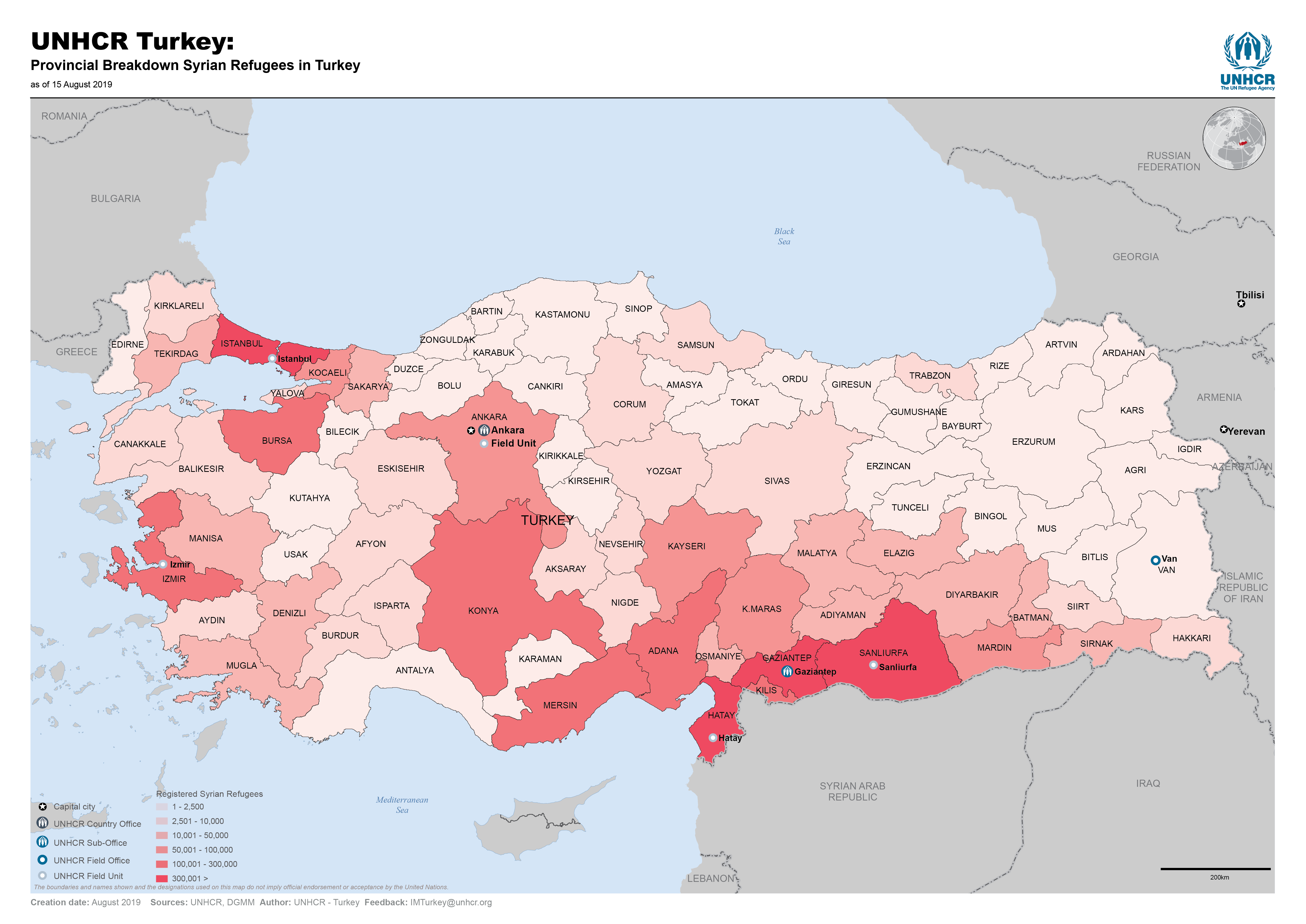
A phenomenological study requires a relatively homogeneous subject group. In other words, participants should have experience with the phenomenon under investigation (Creswell & Poth, 2018; Moustakas, 1994). In most cases, it is difficult to find people who have had identical experiences. Furthermore, in the phenomenological design, an attempt to obtain qualified information was made through in-depth study. For these reasons, the number of participants in phenomenological studies is usually small (Yıldırım & Şimşek, 2013; Yüksel & Yıldırım, 2015). It is usually recommended to use purposeful sampling methods in phenomenological studies (Creswell & Poth, 2018). Convenience sampling, one of the purposeful sampling methods, was used in this study. The study group was selected from those students who had met or lived with refugees, as well those who could be reached conveniently. According to the UNHCR data, there are 10,001 to 50,000 Syrian refugees in Sakarya province, where the study was conducted (UNHCR, 2019). There are four to five refugee students on average in almost every class in the school where the study was carried out. In almost all of the schools around Turkey, the children of Turkish citizens study in the same classes as the children of Syrian asylum seekers (Çetin, 2016). Therefore, the students selected for the study group spend time with refugee families and their children both in their neighborhood and at school. In summary, the study group consists of students sharing with refugees both inside and outside the school. Furthermore, the students selected for the study group were asked about this situation in the preliminary interview, and their confirmation was obtained. Through this sampling, a homogeneous group sharing the same experiences was created, and it was possible to carry out the study efficiently and in a short period of time.
The study was conducted at the Arifiye Middle School, located in the Arifiye district of Sakarya province. The participant group consisted of a total of 31 students, including 13 boys and 18 girls, all in the seventh grade. The main reason for selecting the study group from the seventh-grade level is that this grade level is critical for the study. A large number of Syrian refugees came to Turkey in 2011, and this number increased exponentially over the following years. The students, who were in the seventh grade in 2018, when the study was conducted, were first-grade students in 2011, when the first refugees started to arrive. Therefore, students at this grade level are the group with the greatest experience and knowledge of refugees. Before starting the study, both school administrators and teachers were interviewed, and the necessary legal permissions were received. Preliminary interviews were conducted with the students; they were asked whether they had lived with or met refugees, and then the researchers made their selection. The students selected from the preliminary interviews were informed about the study to be carried out and informed them that their participation was voluntary. After selecting 31 students, an informational letter about the study to be carried out was sent to their parents, and necessary permissions were also received from them.
Collection and Analysis of Data
The data-collection process lasted for a total of nine course hours, 3 hr per week, for 3 weeks. The tools used in the data-collection process were developed by the collaboration of three researchers, and the application was conducted by a researcher. The steps given in Table 1 were followed in this process:
The stages of the data-collection process given in Table 1 are explained in detail below.
Stage 1: Preliminary interviews were conducted with the students in the study group. This interview was conducted for two purposes. The first purpose was to identify students’ experiences with regard to refugees, whereas the second purpose is to determine students’ positive or negative perspectives on refugees living in Turkey. Therefore, within the framework of these two purposes, students in the study group were asked the following questions: (a) Have you had any experience with refugees in your neighborhood and in your school? Give examples and (b) What do you think about the presence of refugees in our country? Are you satisfied with this situation? Could you explain it by giving reasons? The first question aimed to confirm the status of students’ encountering refugees and was not shown in the study findings. All students in the study group gave examples regarding this question. The aim of the second question was to determine the perspectives (positive or negative) of students in the study group on refugees.
Stage 2: An activity paper including the news about refugees in the media and how the influx negatively affects the lives of Turkish people was distributed to the students (see the appendix for the activity paper). The activity paper included three examples of negative news taken from different news websites and newspapers. These pieces of news are titled as follows: (a) Syrian refugees tripled the rent, (b) Blow of Syrian refugees to unemployment, and (c) Fight took place between Syrian asylum seekers and tradesmen. If the content of these three pieces of news is examined carefully, it will be observed that these are examples of the news caused by Syrian refugees that adversely affect the daily life of Turkish society. The main purpose of this activity is to determine how the news on refugees, which adversely affects the Turkish social life, changes children’s perspectives on refugees. In the activity, the news content was first read by students, and they were given the opportunity to think about the news content. No comments were made to guide students in the process. At the end of the activity, the students were asked to write a letter to an authorized person (president, prime minister, minister of internal affairs, etc.) or institution (ministry of internal affairs, ministry of justice, etc.). The students were asked to choose the director or institution which they believed could find the solution to the refugee problem and that they regarded as the authority on this issue. The students were set free to choose. In the letters they wrote, the students were asked to express the problems they determined regarding refugees and their solution proposals.
Stage 3: A video consisting of news and images describing the difficulties experienced by refugees (struggle to survive, war and children, etc.) 3 was shown to the students, who then discussed it afterward. In this stage, as in the second stage, the effect of media news on the perception of individuals was taken as a basis, and refugees who were presented with negative representations in the second stage were shown as victims and individuals who struggled to survive to determine the change in perception among students at this stage. Here, in accordance with the qualitative experiment design, the phenomenon was intentionally modified, and the substitution technique was used. Again, as in the second stage, the students were asked to write a letter to an authority or institution which they believed could find a solution to the refugee problem, as well as to explain why this problem should be solved when doing this.
Stage 4: In this stage, the results obtained from the content analysis of the letters written by the students in the study group to authorities or institutions in the second and third stages were compared. The main purpose of this comparison was to determine whether there was a change in the students’ perspectives on refugees. As explained in the “Method” section, the effect of changes was investigated through substitution, which is a qualitative experimental technique. In the second and third stages, an attempt was made to determine whether the different media representations used for refugees caused a change in the students’ perspectives on refugees, while an attempt was made to determine both if there was any change and the extent and direction of this change. The student letters were also compared, based not on numerical data, such as quantitative experiment design, but on the change and transformation in the student discourses.
Stage 5: A final interview was conducted with the students. The primary aim of this interview was to confirm whether students’ perspectives on refugees changed after the activities (second and third stages). Whether there was a change, and if any, the direction of the change was determined by comparing the letters in the previous stage. The secondary aim of the interview was to clarify the accuracy or inaccuracy of the conclusions reached by interviewing the students for the last time. In this semi-structured interview, the following questions were posed to the students: You have participated in two activities. What was your previous view on refugees? What is it now? Has it changed? If so, why? The interview was recorded, and the students’ answers were written down.
Three researchers played an active role in the data analysis stage. Analysis was performed on the data obtained from the preliminary interviews, letters, and final interviews. The data were subjected to both descriptive and content analyses. The combined use of both descriptive and content analyses in phenomenological studies is common (Creswell & Poth, 2018; Moustakas, 1994; Yüksel & Yıldırım, 2015) because content analysis aims to both conceptualize data and reveal the themes therein. In line with this purpose, a descriptive expression, and in most cases direct quotations, are needed (Yıldırım & Şimşek, 2013). Accordingly, preliminary interview data and students’ letters were subjected to both descriptive and content analyses, whereas final interview data were only subjected to descriptive analysis. An attempt was also made to determine whether media-oriented activities caused a change in students’ views on refugees.
The eight steps recommended by Moustakas (1994) were used in the analysis of data. The first five steps provide access to phenomenological reduction, whereas the last three steps provide access to the final essence description. These steps and the procedures performed are presented below:
Listing all relevant expressions: Students’ expressions on refugeehood in both interviews and letters were listed.
Combining common expressions: Students’ common expressions were determined and grouped.
Transforming common descriptions into themes: The themes were created by combining the common expressions in the letters written by students (see Tables 4 and 5).
Comparison of data obtained by different data-collection tools: In this stage, the themes reached after reviewing the letters were compared with the observations made during the implementation of activities and the interview data. The accuracy of the themes reached was also checked.
Creating verbal descriptions for each participant: Each student description from the preliminary and final interviews, as well as the letters they wrote at the end of both activities, were combined, while their views on the phenomenon were determined.
Creating structural expressions for each participant: The verbal descriptions created for each student in the previous step were analyzed, and an attempt to determine the change in students’ views on refugeehood before, during, and after the application was made by considering the influence of the media.
Reaching a common structural description: In this stage, the textural descriptions reached by three researchers independently in the first six steps were combined, and an effort was made to create a common textural description.
Reaching a common synthesis description: The textural and structural expressions reached by each researcher by asking the questions Why? and How? were taken into account. Then, a synthesis; in other words, the essence of the phenomenon was reached in accordance with the following common structural expression: The way in which refugee news is presented in the media positively or negatively affects the students’ views on refugeehood.
The Validity and Reliability of the Study
Data triangulation was employed to ensure the credibility (internal validity) of the study. In addition to the activities conducted, letters and interviews were used together. A detailed description was made to ensure transferability (external validity), while the examples of expressions related to the codes and themes related to data were included. The fact that students at the relevant grade level lived and/or met with refugees was used as a basic criterion. The three researchers occasionally came together in the data analysis process to ensure consistency (internal reliability), and they exchanged views on the codes and themes reached. Furthermore, the researchers worked together in the last two steps of the analysis process (see data analysis process, Stages 7 and 8). They resorted to receiving opinions from different experts regarding the issues conflicted in this process. Furthermore, the formula, Reliability = Consensus/(Consensus + Dissension) × 100, recommended by Miles and Huberman (1994), was applied for the reliability of the analyses performed. A high ratio of 93% was obtained after calculation. The fact that the value of reliability calculated was found to be 70% and above is sufficient to prove that the analysis is reliable (Miles & Huberman, 1994). This ratio obtained indicates that the reliability of data analysis was ensured.
Findings
In the first stage of the study, a preliminary interview was conducted with the students in the study group (see Table 1). As mentioned earlier, this interview was performed for two purposes: (a) confirmation of the participants’ experiences with regard to refugees and (b) determination of their perspectives (positive or negative) on refugees. For the first purpose, the participants were asked the questions: Have you had any experience with refugees in your neighborhood and in your school? Give examples. All the participants answered these questions, and, in summary, it was found that the study meets the main criteria as “having previously met refugees.” This confirmatory question was not included within the scope of the research. For the second purpose, the participants were asked the questions: What do you think about the presence of refugees in our country? Are you satisfied with this situation? Could you explain it by giving reasons? The results obtained following the analysis of the answers given to these questions are shown in Table 2:
Students’ Views on Refugees/Satisfaction Status.

When the findings obtained after the preliminary interview were examined, it was observed that nearly half of the students (15/48%) stated that they were not pleased with the arrival of refugees; in other words, they had a negative view toward them. Although 13 students (42%) had a positive view, three students expressed unbiased opinions.
The students who were dissatisfied with the arrival of refugees mostly emphasized that problems such as “unemployment, infrastructure, health, and education” arise due to “a high number of immigrants [displaced individuals]” in Turkey. Examples of statements made by students with negative views are presented below:
The vast majority of the students with positive views regarding refugees expressed empathy with them by emphasizing values such as “cooperation, hospitality, and tolerance” and stated that “the same thing may also happen to them.” Examples of statements made by students with positive views are presented below:
Although the activities, including the news about the problems brought to Turkish people’s lives by refugees, were applied in the second stage of the study, the activities, including the news about the difficulties experienced by refugees, were applied in the third stage of the study (see Stages 2 and 3 in Table 1). After both activities, the students were asked to write letters on the relevant issue to the relevant authorities. In these letters, it was observed that the students addressed the refugee problems in a complaint- or solution-oriented way. It was determined that the students wrote letters to the same authorized person/institution in the letters they wrote following both activities. Table 3 shows the authorized person/institution addressed by the students in their letters following both activities, as well as the complaints and solution-oriented suggestions they proposed.
The Addressee (Person or Institution) of the Letters Written by the Students Following Two Activities and the Number of the Suggestions Proposed.

Since the students wrote letters to the same persons or institutions following the two activities, the number of the students was given jointly for both activities.
When Table 3 is examined, it is observed that the number of complaint-oriented proposals was quite high in the letters written following the activity, which included negative news on refugees, whereas complaint-oriented proposals decreased significantly following the video with sad images based on victimization. The number of complaint-oriented discourses, which was 55 in the first letters, decreased to 26 in the second letter, that is, a decrease of approximately 53%. Although the number of solution-oriented discourses in the first letters written following the negative news on refugees was 21, this increased to 24 after the second activity, which included sad events. There was an increase of approximately 15% in solution-oriented discourses. These situations are comparatively presented as complaint-oriented expressions in Table 4 and as solution-oriented recommendations in Table 5.
Students’ Complaint-Oriented Expressions on Refugees.

Students’ Solution-Oriented Recommendations on Refugees.

As it is seen in Table 4, the news about refugees influenced students’ views because, after negative news about refugees, the frequencies of expressions changed in terms of the themes of disturbing the social order/not acting in accordance with the law (29/16), the negative effect on the economy (18/7), safety problem (4/2), and environmental problems (4/1). The change, especially regarding the themes of disturbing the social order/not acting in accordance with the law, as well as the negative effect on the economy, attracts attention at first sight. Following the activity with negative news, the most repeated student discourses under the theme of disturbing the social order/not acting in accordance with the law were fighting (11) and increase in population (5), whereas increased unemployment (9) and rent increase (4) were those under the theme of the negative effect on the economy. Although discourses after the activity with sad news based on victimization were almost the same, it is observed that the frequency of discourses changed and that complaint-oriented discourses on refugees decreased significantly after the second activity. Therefore, it can be said that students’ complaints increased in line with the proliferation of negative news about refugees reported in the media, whereas their complaints decreased in line with the news about the difficulties they experienced. Although the subjects of unemployment, rent increase, and fighting were addressed in the examples of negative news presented to the students in the second stage of the study (see the appendix), it is noteworthy that the students used expressions such as substance abuse, fraud, begging, and right to education without examination, except these. It can be said that this kind of discourse reflects the content of the news that students have encountered before in the media, because these are the subjects that are frequently addressed in the Turkish media. The examples of the letters on the relevant issue written by the students to an authorized person are presented below:
After Negative News About Refugees
After Sad News About Refugees
There are also solution-oriented proposals in the letters written by the students to an authorized person or institution following the activities implemented in the second and third stages of the study. These recommendations are comparatively presented in the context of negative and sad news about refugees mentioned in the media in Table 5.
As it is seen in Table 5, after the negative news about refugees, students’ solution-oriented recommendations were collected in four themes, namely, political (11/2), meeting general needs (5/20), economic (3/0), and safety (2/2). In the letters they wrote following the negative news on refugees, the students mostly (20) made political solution proposals. Among these, the most repeated proposal was the return of refugees to their homelands. Following the negative news, the students also proposed solutions under the themes of meeting general needs (5), economic (3), and safety (2). Following the sad news on refugees, the number of themes in the letters decreased to 3. The highest number of solutions was proposed under the theme of meeting general needs (20). The most repeated proposal under this theme was to increase the accommodation opportunities for refugees (7). In addition to accommodation, they also proposed that clothing, nutritional, and heating needs should be met. In the letters written after the sad news activity, the students also made proposals under the political (2) and safety (2) themes. Therefore, it is evident that the students were affected by the news about refugees. The fact that the students focused on political solution recommendations in terms of negative news regarding refugees, but focused on meeting general needs after the news about the sad events and difficulties experienced by refugees, may be due to the influence of media coverage on the issue. The examples of the letters on the relevant issue written by the students to an authorized person are presented below.
After Negative News About Refugees
After Sad News About Refugees
After the analysis of the letters written by the participating students following the activities applied in the second and third stages of the study, the final interview was conducted with the students. In fact, the comparative analysis of the letters showed a change in students’ views regarding refugees. The purpose of the final interview was to reveal the change in students’ views on refugees after the activities more clearly. The change in students’ views on refugeehood is presented in Table 6.
Change in Students’ Views on Refugeehood.

Upon examining Table 6, it is clear that some of the students’ views on refugeehood changed in the final interview conducted after the study. The students who expressed positive views on refugeehood in the preliminary interview also said similar things in the final interview, and there was no change in these students’ views. It was determined that there were nine students with a negative view and three students with an impartial view before the activity on refugees who turned out to have positive views by the end of the study. No change was determined in six students who had a negative view in the preliminary interview. This result demonstrates that the media is influential in changing students’ views on refugees. The examples showing the change in students’ views are presented below:
Discussion
In this study, an attempt was made to determine how news on refugees in the Turkish media affects children’s perspectives on refugees. Toward this purpose, as a result of the preliminary interview conducted with the students in the study group, 13 students stated that they were pleased (42%), 15 students stated that they were not pleased (48%), and three students expressed that they were partially pleased (10%). From this point of view, when the students who expressed that they were partially pleased (10%) are excluded, it can be said that more than half of the remaining students (approximately 54%) have a negative view of refugees. The vast majority of the students who were pleased stated that they established empathy with refugees by emphasizing values such as cooperation, hospitality, tolerance, and concern that the same thing may also happen to them. The students who were dissatisfied stated that many immigrants (displaced individuals) caused problems such as unemployment, infrastructure, health, and education issues. In the report prepared by the Turkish Center for International Relations and Strategic Analysis (TÜRKSAM) in 2018, it was indicated that nearly half of the Turkish people (42%) held negative views regarding Syrian refugees (Tümeğ, 2018). Erdoğan (2017) stated that Turkish society primarily defines Syrian refugees as “victims escaping the war”; however, the gradual increase in the number of Syrian refugees has caused anxiety among the Turkish people, and a negative perspective has since become widespread across society. Similarly, Özdemir (2017) has stated that a negative perception toward Syrian refugees has spread gradually. The results obtained in preliminary interviews within the scope of this study are also consistent with the results achieved by Tümeğ (2018), Erdoğan (2017), and Özdemir (2017). The perception of refugees in Western societies (especially in Europe) is not much different from Turkey. In their studies, Van Dijk (2000) and Leudar et al. (2008) state that the perspective of Western societies on refugees was mostly negative. Similarly, Goodman (2007) and Blackledge (2005) mention the presence of a negative perception of asylum seekers in the United Kingdom. Burnett (2013) relays interesting results achieved in a survey conducted in the Czech Republic in 1998. In this survey, 44% of the people stated that the number of refugees/asylum seekers was very high, 82% stated that refugees increased the crime rates, and 53% stated that refugees stripped them of their jobs. These results show that the perception of refugees/asylum seekers in Western societies has been negative for a very long time. Unfortunately, this long-standing negative perception, which has existed in Western societies toward refugees/asylum seekers, has also been formed in Turkish society. The recent studies in Turkey (Erdoğan, 2017; Özdemir, 2017; Tümeğ, 2018) prove this situation. The preliminary interview results of this study also show that primary school students in Turkey have a negative perspective on refugees, just like adults.
In the preliminary interview, it was determined that the students had developed many positive and negative expressions related to refugees, such as anxiety for civil war, crisis, life safety, insufficiency of education, health, job opportunities, disruption of order and country safety, high number of immigrants and unemployment, infrastructure, right to life, cooperation, and tolerance (see Table 2). The media is not the only source of students’ discourses. What children see and hear both in the family and in their social environment has an impact on these discourses. However, in the studies conducted, it was determined that the effect of the media was both much higher (Potter, 2012; Reisigl & Wodak, 2005; Van Dijk, 2005) and mostly negative (Jo & Berkowitz, 1994; Strasburger et al., 2009) regarding controversial subjects such as refugeehood. Upon examining the studies in Turkey, Tümeğ (2018) has clearly indicated that the media was one of the most important sources shaping the Syrian refugee perception. Similarly, Efe (2015), Göker and Keskin (2015), Kalaman et al. (2017), and Özdemir (2017) have also demonstrated that the media directly affects the perception of refugees.
Nowadays, children and youth use the media designed by adults (Strasburger et al., 2009) and create a perspective within the framework of the representations provided by the media. Therefore, the media has a significant effect on the individual. Indeed, the studies conducted on this subject show that the media affects children as much as adults, and this effect is even much higher in certain subjects. Wan and Gut (2008) list this effect as the conflict of generations, deterioration in family relationships, a tendency to violence, cultural identity, and values being under threat, as well as to attract the attention to the negativities to be created by the media. A similar negativity also applies to toward refugees and individuals living together with them. Bigler (1999) once again emphasizes the media’s role and states that it affects children’s perceptions of foreigners in their social environment, especially in terms of refugees.
In the Western media, refugees generally become the subjects of negative news (Leudar et al., 2008; Pierigh & Speicher, 2017; Turner & Brown, 2008). The most negative news on refugees in continental Europe is in the British media (Berry et al., 2016; Gabrielatos & Baker, 2008), followed by Italy and Spain, respectively. This negative perspective of the media in the European media is also observed in countries outside continental Europe, such as the United States and Australia (Dimitrova et al., 2018). The way refugees are addressed in the Turkish media bears huge similarities with Western countries. Pandır et al. (2015), Göker and Keskin (2015), Erdoğan et al. (2017), Kalaman et al. (2017), Gölcü and Dağlı (2017), and Boztepe (2017) indicate that the news related to Syrian refugees mentioned in the Turkish media usually involves negativity. In the Turkish media, refugees are consistently mentioned with news items about robbery, purse-snatching, rape, conflict, and attacks (Erdoğan et al., 2017). Furthermore, negative metaphors, such as invasion, flood, wave, illegal, uninsured, and cheap are generally used for refugees (Özdemir, 2017; Tümeğ, 2018). In this context, the activity, including negative news about Syrian refugees, was first applied in the study (see the appendix for the activity paper). After the activity, the students were asked to write a letter to a competent authority or institution based on this news. Then, an attempt was made to evaluate whether these letters were complaint-oriented or solution-oriented. As a result of this evaluation, it was observed that the students wrote complaint-oriented letters in particular, expressing concerns such as unemployment, rent increase, increase in population, violence, threat, fear, and restriction of rights. The fact that the students described refugees as problematic factors and made complaints about them means that the news content changed their views. Göker and Keskin (2015) state that when the Turkish media is considered in general, 78% of the news about refugees has a negative approach, which contributes to the perception of refugees as a problem. Similarly, Kardeş et al. (2017) has concluded that the media is effective in the sense that the users of social media have negative perceptions of asylum seekers.
It is a fact that the media representations of refugees in Western media are mostly negative. However, although very few in number, some researchers also state that different representations are used as well. Among these researchers, Pierigh and Speicher (2017) state that refugees are shown as victims at the rate of 26% in the European media. Some research indicates that this rate is much higher in the Turkish media compared with the European media. Gök and Çifci (2017) have determined that refugee children are mostly represented as victims in the Turkish written press. Similarly, in the study carried out by İGAM (2019), the high number of the news content reflecting the drama and victimization experienced by refugees in Turkish media was emphasized. The victimization theme in the Turkish media was used in the creation of the second activity of the study. Refugees who had been negatively represented in the previous activity were represented as victims and individuals fighting for their lives in this activity. Then, they were once again asked to write a letter about the refugee problem to an authorized person or institution of their choice, as in the first activity. In the second letter written by the students, it was observed that they expressed similar recommendations as in the first activity following the influence of the video they watched. However, there was an increase in solution-oriented recommendations instead of complaint-oriented statements, which were more common in the first activity. It is noteworthy that damage to the economy caused by refugees was emphasized in the first activity that included negative news, but after the video activity, the students made recommendations for the basic needs of refugees, such as accommodation, heating, and food. After the second activity in particular, it was observed that there was a change in some students’ views on refugeehood, and that negative views showed a change.
After the activities, the final interview was conducted with the students in the study group. In the final interview, it was determined that there was a change in some students’ views of refugeehood. In particular, the video on refugees’ victimization used in the second activity was effective in engendering this change. Skolnick et al. (2004) state that materials such as videos and images are effective in decreasing children’s prejudices on a specific subject. After the second activity, in which video was used, 12 students’ negative views of refugees turned positive, a change of approximately 39%. This result indicates that the media is influential in changing students’ views on refugees.
As a result of this study, it was determined that the media in Turkey has the power to affect children in such a sensitive subject as refugeehood, just as in the wider world. This effect varies according to the content (positive or negative) of the refugee representation presented in the media. This is evidenced by the fact that the students generally developed complaint-oriented discourses after the first activity in which refugees were presented in the news containing negativities, and that they generally developed solution-oriented discourses after the second activity with victimization-based sad news. Following the negative news examples presented to the students, the students in the study group developed discourses beyond the news in the activity (unemployment, rent increase, and fighting). These discourses show that the students have previously encountered different forms of news on refugees in the media. Moreover, the fact that students with negative perspectives on refugees in the preliminary interview decreased in number in the last interview conducted at the end of the study should be considered as another piece of evidence. There are studies stating that the media affects children and young people at least as much as adults in many subjects (Bigler, 1999; Turner & Brown, 2008). Researchers have also determined that the media mostly affects children negatively, and that this negative effect is greater compared with adults (Escobar-Chavez et al., 2005; Jo & Berkowitz, 1994; Werner-Wilson et al., 2004). This negative effect of the media reveals itself more distinctly in such a controversial phenomenon as refugeehood. Bigler (1999), Turner and Brown (2008), and Antoniou and Zembylas (2019) state that the media is a directly effective factor in the formation of students’ perspectives on refugees. The aim, stages, and results of the study carried out by Antoniou and Zembylas (2019) show significant similarities with this study. The study was conducted to determine the perceptions of primary school students studying in the Greek part of Cyprus regarding refugees. The first result achieved at the end of the study, which used the phenomenological design, was that discourses on refugees in the media directly affect the perception of refugees among children. In the study, students were shown images and photographs of refugees and asked whether they had seen them before. All of the students stated that they had seen them in the media before. The second important result achieved at the end of the study was the determination of teachers. The teachers stated that the media was an effective factor in the formation and shaping of refugee perception. From this point of view, the researchers brought forward the following proposal to teachers: If you want to understand students’ perceptions of refugees, you should look at the media.
This is the first study to address and examine the effect of refugee representations in the Turkish media on children’s perspectives on such a highly sensitive issue as refugeehood. Therefore, in addition to making significant contributions to the field, it also has certain limitations. The study was conducted with a limited number of students (31 students) and only at one grade level (primary education seventh grade). This is a natural result of the study being arranged according to phenomenological and qualitative experiment designs because it is desired to keep the study group limited, especially in these two qualitative research designs. In this study, only two themes (negativity and victimization) related to refugeehood that are frequently encountered in Turkish media were used. New studies can be conducted using different media representations of refugees. Other factors (family, social environment, etc.) were excluded from the scope of the study because the focus of the study was the media’s impact on the perspective on refugeehood.
Researchers who have emphasized the high number of negative news on refugees in Turkish media (Erdoğan, 2017; Göker & Keskin, 2015; Gölcü & Dağlı, 2017; Kalaman et al., 2017; Pandır et al., 2015; Tümeğ, 2018) have, unfortunately, failed to address the short- and long-term results of these negative representations. Furthermore, their proposals for the solution to this problem were limited, while they stated the necessity of reducing negative representations in the media in common. Paksoy and Şentöregil (2018) have determined that a discriminatory and racist language was used at the rate of 12% in news texts on refugees in Turkish media. It can be said that this rate is quite low. Van Dijk (1991, 2000) states that negative discourses on refugees in the media may amount to racism, whereas Vandenbroeck (2007) has stated both that children can discriminate between races starting from very early ages and that the media is effective in the formation of this discrimination. Negative and racist discourses on refugees in the Turkish media increase every day (Gölcü & Dağlı, 2017; Kalaman et al., 2017). The fact that Syrian refugees have been in Turkey since 2011, and the presentation of negative news in the media, have created a perception of them both among adults and children. Unfortunately, this perception is mostly negative. Here, the only proposal for the solution to the problem can be regarded as softening or changing the representation of refugees in the Turkish media. However, what can be done to change the negative perspective on refugees among students is not limited to this.
At the moment, complaints about the presence of Syrian refugees in Turkey have significantly increased, and the concern that they will reach a massive size in the very near future is dominant. Currently, children of Turkish citizens and children of Syrian refugees study at the same schools (Çetin, 2016), including the school where the study was conducted. As has been clearly revealed, especially in the results of this study, a negative perspective on refugees is dominant among children under the effect of the media. The media must fulfill its duties in eliminating the current negative perspective on refugees among children. In addition to the media, especially if the necessary measures are taken by the state and realistic and healthy policies are implemented, the negative perception and marginalization with regard to refugees both in the society and schools can be prevented before they grow further. At this point, the Ministry of National Education has significant duties in this regard.
Turkish children studying together with refugee students at schools should be informed about refugeehood and refugees. In their study, Turner and Brown (2008) proposed two main suggestions to eliminate negative perspectives among schoolchildren regarding refugees. The first one is the friendship project, whereas the second one is multicultural education practice. The first proposal aimed to prepare a friendship project that will enhance positive relationships between refugees and local people, whereas the second one aimed to introduce the culture and life of refugees within the scope of multicultural education. Both proposals can be implemented in Turkey. However, multicultural education is a relatively new concept for Turkey. The Ministry of National Education initiated multicultural education practices with the curricula prepared in 2005 (Keskin & Yaman, 2014). Therefore, Turkey is only at the stage of crawling in multicultural education practices. However, the implementation of values education based on multiculturalism should be started urgently in any case in Turkey. Similarly, Bigler (1999), Murray (2012), and Antoniou and Zembylas (2019) also state that the use of multicultural programs and materials will reduce and even change prejudices against foreigners/refugees.
What can be done to eliminate the negative perspective on refugees among Turkish children due to the influence of the media is, to a large extent, not limited to those described above. Another suggestion is to increase the importance given to the media literacy course. This course has been taught as an elective course in secondary schools in Turkey since 2006. However, the content of the course is structured as media promotion rather than media education (Altun, 2009). The content of this course should be restructured to eliminate the negative perspective on refugees among students, especially due to the effect of the media. Here, again, the responsibility lies with the Ministry of National Education. Similarly, Scharrer and Ramasubramanian (2015) propose using the media literacy course for the prevention of negative perceptions regarding refugees. Based on the results of this study, another suggestion that can be made is the sensitivity and peace education practice that can be prepared within the scope of values education. With the help of this practice, it can be ensured that students become and act more sensitively toward people living under difficult conditions, such as refugees. Many researchers (Arnot et al., 2009; Neff, 2003) have stated that the implementation of sensitivity training could eliminate the existing negative perception of refugees especially among children. Antoniou and Zembylas (2019) also state that peace training can eliminate prejudices and hostility toward refugees. The last proposal is the use of public service announcements prepared both by nongovernmental organizations in Turkey and the state (especially the Ministry of National Education), whereas informative videos and banners regarding refugees should be used at schools. Kardeş et al. (2017) has stated that public service announcements on refugees might be effective in eliminating negative perspectives on them. In Turkey, there are public service announcements prepared by certain public institutions (Ministry of National Education, Presidency of Religious Affairs, and General Directorate for Migration Management) and nongovernmental organizations (IKADDER, We Are All Immigrants Platform, International Refugee Rights Association, etc.). These public service announcements are inadequate both in number and at the point of reaching students. More effective public service announcements on refugees should be prepared both by the state and nongovernmental organizations, and these should be shown to students at schools.
Footnotes
Appendix
1) Halis, M., & Çaparoğlu, Y. (2012, August 27). Suriyeli mülteciler kirayı üçe katladı [Syrian refugees tripled the rent]. Sabah. https://www.sabah.com.tr/gundem/2012/08/27/suriyeli-multeciler-kiralari-3e-katladi
2) Çetingüleç, M. (2014, July 9). İşsizliğe Suriyeli mülteci darbesi [Blow of Syrian refugees to unemployment]. Al-Monitor. https://www.almonitor.com/pulse/tr/contents/articles/originals/2014/07/cetingulec-syrian-refugees-turkey-unemploymentillegal-work.html
3) Çakılı, E. (2011, August 29). Suriyeli sığınmacılar esnafla birbirine girdi [Fight took place between Syrian asylum seekers and tradesmen]. DHA. http://arsiv.dha.com.tr/suriyeli-siginmacilar-esnafla-kavga-ettiflashaber_202189.html
Declaration of Conflicting Interests
The author(s) declared no potential conflicts of interest with respect to the research, authorship, and/or publication of this article.
Funding
The author(s) received no financial support for the research, authorship, and/or publication of this article.