




Abstract
Marine organisms are potentially a pretty good source of highly bioactive secondary metabolites that are best known for their anti-inflammation, anti-infection, and anti-cancer potential. The growing threat of bacterial resistance to synthetic antibiotics, is a potential source to screen terrestrial and marine natural organisms to discover promising anti-inflammatory and antimicrobial agents which can synergistically overcome the inflammatory and infectious disases. Algae and sponge have been studied enormously to evaluate their medicinal potential to fix variety of diseases, especially inflammation, infections, cancers, and diabetes. Cytarabine is the first isolated biomolecule from marine organism which was successfully practiced in clinical setup as chemotherapeutic agent against xylogenous leukemia both in acute and chronic conditions. This discovery opened the horizon for systematic evaluation of broad range of human disorders. This review is designed to look into the literature reported on anti-inflammatory, anti-infectious, and anti-cancerous potential of algae and sponge to refine the isolated compounds for value addition process.
Introduction
A natural product (NP) in the broadest term, include any chemical compound or substance produced from life. It bears molecular weight in the range of 1–3000 Da. 1 Over the past 50 years, plenty of reports have shown anti-inflammatory, anti-infectious and anti-cancerous potential natural products derived from plants and microbes of marine origin. 2 Marine ecosystem covers about 70% of earth’s surface. It is a vast source of broad range of flora and fauna. It produces variety of secondary metabolites which are being used to treat variety of diseases.3,4 Approximately, 28,000 NPs have been isolated from marine origin. Most of which belong to the phylum Porifera and actively used in drug development. 5 According to the reported literature, about 60% pharmaceuticals are comprises of drugs derived from NPs. 6 The extraordinary chemical/pharmacological scope of marine NPs play good role as a defense line against variety of lethal diseases in human body. For the purpose to obtain secondary metabolites, marine organisms have been explored widely. It was reported that about 5% of marine organisms of deep sea has been studied but only 0.01% results were reported. 2 From last two decades, medicinal potential of marine sponge and algae were reported extensively; however, the story of marine NPs is very old. 7 The Cryptotethya crypta, commonly known as Caribbean sponge, was the first marine organism to be investigated and reported in detail in 1940s. 8 Spongothymidine and spongouridine are two successful antiviral drugs isolated from Caribbean sponge which later on used to develop cytosine arabinoside as an anti-cancer agents. These successful studies accelerate the research on marine organisms. As a result, up till now >22,000 marine base secondary metabolites were reported which comprises of 10% of all known NPs. The sponge, alone contribute 30% in marine NPs.2,9 The algae comprises >90% of marine plant species and it has been reported that algae maintained a great chemical diversity in their secondary metabolites. Most of these secondary metabolites have been reported as anti-inflammatory, antifungal, analgesic, anti-bacterial, hypotensive, cytotoxic, anti-cancer, and spasmogenic agents.10–12 The major secondary metabolites found in marine sources are polyphenols, polysaccharides, and alkaloids but brominated phenol, oxygen, nitrogen-containing heterocyclic compounds, and sulfate derivative polysaccharides have also been reported.13–17
At present, variety of clinical threats, for example, bacterial resistance and over spreading cancers are at main priority order to handle. To fix these challenges in clinical setup, the idea of assembling the anti-inflammatory, anti-bacterial, and anti-cancer data of marine algae and sponge, which has been reported in last decade may help in sorting out the rout for further assessing and applications of marine algae and sponge NPs. Therefore, in this review, we have discussed the biological activities and medicinal potentials of NPs isolated from marine algae and sponge to provide the plateform to adress the clinical chaleges in fixing lethal diseases.
In the following section, we are presenting the statistics of infectious/malignant diseases, resistance of synthetic antimicrobial agents, cancer chemotherapeutic agents and their efficacy.
Statistical data on marine NPs research
Great efforts have been reported in the field of NPs. Since 21st century, huge number of marine NPs were discovered. Up till the year 2010, >15,000 marine NPs were reported while 8368 new compounds have been isolated in a period of 10 years (2001–2010).
18
Discovery of the huge variety of NPs revealed the broad range of chemical and biological diversity of marine NPs. Sponge and algae are two best known marine sources to isolate secondary metabolites of pharmaceutical interest. The Figure 1(a) and (b) is revealing the newly discovered NPs from sponges and other phyla. The increasing undeviating growth predicted that if it remained continuous, these will be hallmark in therapeutic strategies against deadly diseases.19,20 (a) Number of new compounds isolated from marine organisms per decade from 1970 to 2010; (b) Total number of new compounds isolated from different marine organisms from 2001 to 2010.
The discovery and reporting of new marine NPs were quite slow till 2009; however, it increases exponentially following the first decade of 21st century (Figure 2). This might be due to the overwhelming response by the pharmaceutical industries and clinical therapeutic results. Marine fungi has been reported for about 80% of the total marine isolated compounds, 16% were from actinomycetes and only 4% from marine bacterial species. Polyketides compounds were reported greatly which comprises of about 37% of total marine compounds. This huge quantity is followed by alkaloids (15%) and terpenoids (15%). Analysis of publications in an era from 2009 to 2018 with splitting of organisms in each year.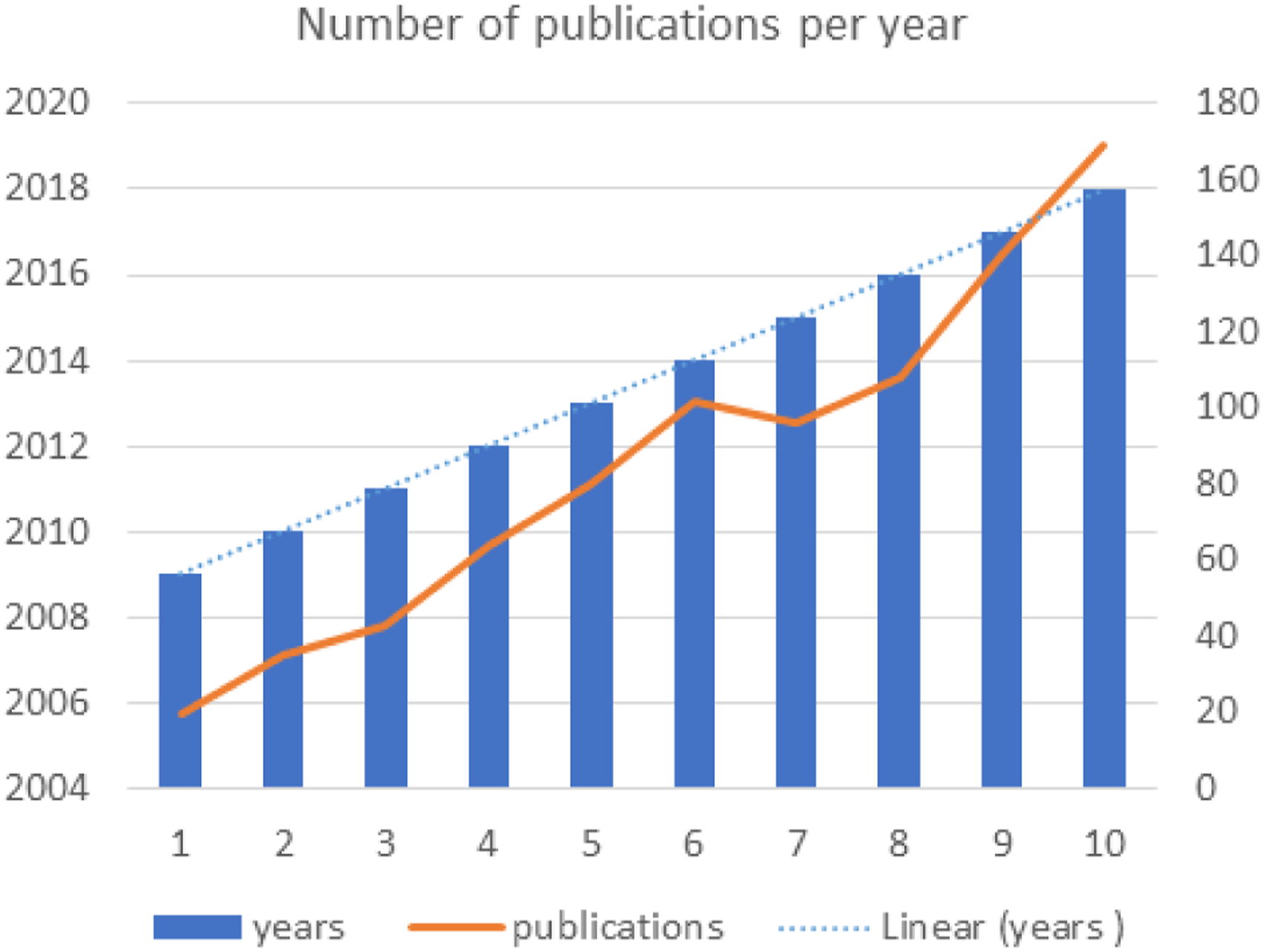
Algae and Sponge—Marine NPs sources
Algae
Algae are vital components of marine ecosystem and among the most ancient members of the plant kingdom, having size range from very small (3–10 μm) to very large (over 200 feet long). Some of the algae species can grow >10 inches per day. The secondary metabolites isolated from marine algae have been reported as good pharmaceutical and industrial applications.
21
However, great number of biologically active compounds have been reported for their mild to good biological activitiessince 2018. Bioactive secondary metabolic contents of algal species are affected by the changes in cultivation conditions such as time of harvest and temperature.
22
Commonly reported marine algae NPs, isolated from red algae (Rhodophyta), green algae (Chlorophyta), and brown algae (Phaeophyceae) have been screened biologically and found active in different disease models.23,24 Some of the key marine algae NPs isolated from red, green, and brown algae are shown in Figure 3. Some potentially bioactive key secondary metabolites isolated and identified in red, green, and brown algae.
Extraction of NPs from edible red macro algae in ethyl acetate showed great medicinal potential, for example, sarcodia ceylanica reported as free radical scavenger, anti-diabetic, anti-bacterial agent. 25
The bioactive metabolite contents in green algae species (Capsosiphon fulvescence, Enteromorpha prolifera, and Codium fragile) varies with the time of harvest. Ulva lactuca is a green algae species rich in flavonoids having strong antioxidant properties. 26 Hot water extract of Ulva reticulate have shown good potential to reduce hepatic oxidative stress. 27 Raw solvent extract obtained from green algae species have shown anti-inflammatory properties, for example, methanol extracts of Ulva conglobate and U. lactuca have shown anti-inflammatory effects in rats and hippocampal cell line.28,29
Majority of bioactive compounds, about 57.6%, having anti-bacterial, antioxidant, and anti-inflammatory activities are derived from Phaeophyceae.
30
2,2-diphenyl-1-picrylhydrazyl (DPPH, Figure 4) free radical was extracted from Eisenia bicyclis, Ecklonia cava, and Ecklonia kurome species of brown algae which was later evaluated as standard stable free radical to assess free radical scavenging activity of antioxidants. Structure of DPPH—Potentially bioactive as standard stable free radical to assess free radical scavenging activity of antioxidants extracted from Eisenia bicyclis, Ecklonia cava, and Ecklonia kurome species of brown algae.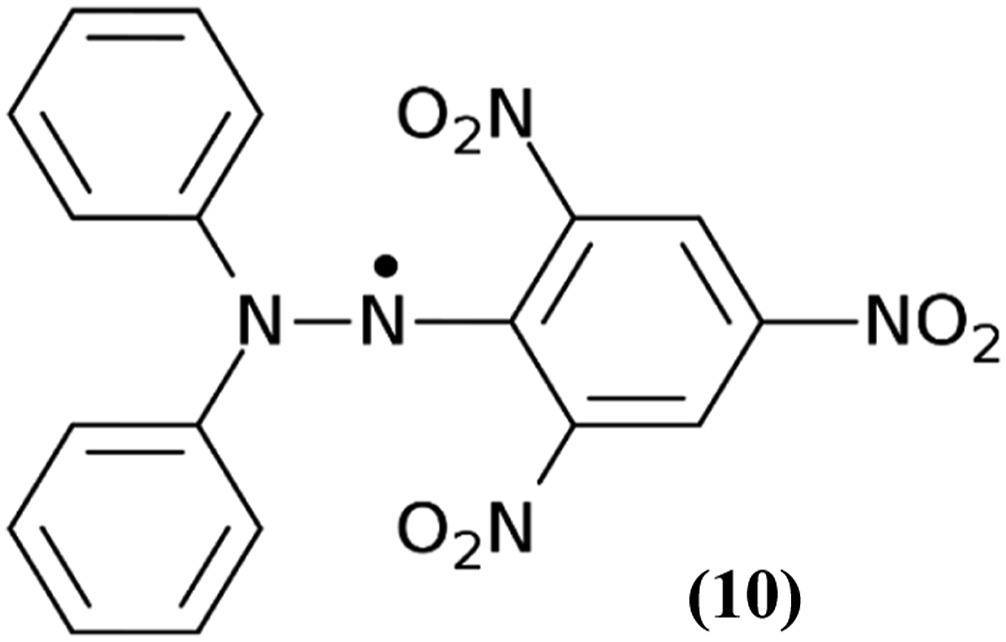
Extraction methodology for bioactive components
Algae species are well known natural resources due to their photosynthetic nature and reproductive constructions. Most of the algal colonies are adapted to live in saline environment with extreme temperature fluctuations that made them flourish with wide variety of influential secondary metabolites. Marine algal colonies can easily be cultivated at industrial scale by adopting artificial marine conditions to extract and isolate secondary metabolites. 31 Commonly in plants, secondary metabolites are accumulated in vacuole and extraction takes place into growth medium using different routes. 32
In extraction technology, revolutionary development was introduced with the title of green chemistry in the beginning of 1990s in response to extraction process carried out using hazardous solvents. Moreover, the technique was also favorite to obtain chemically sensitive secondary metabolites. Modern extraction techniques such as supercritical fluid extraction (SFE), pressurized liquid extraction (PLE), microwave assisted extraction (MAE), and ultrasound assisted extraction (UAE) are found to be favorable for the separation of bioactive compounds of marine flora. However, SFE was appeared to be more favorite for green extraction process using carbon dioxide (CO2) as solvent. Although there are many benefits to use CO2 as green solvent for bioactive compounds extraction, the less polar nature of CO2 creates some issues which are compensated by using polar modifiers, such as 10% methanol, increase scientific interest towards the analytes.
Various extraction modes have been reported but commonly used approaches are dynamic, static extraction process, or combination of both modes. Microalgae, sponge, and cyanobacteria are major sources of defensive volatile compounds with anti-bacterial, anti-inflammatory, and antifungal potential. Super critical fluid extraction which use CO2 to extract bioactive compounds, was used remarkably to extract biological active compounds from green algal specie Dunaliella salina. The extracted compounds showed good anti-pathogenic compounds against Escherichia coli, Aspergillus niger, Staphylococcus aureus and C. albicansa s compare to extracts obtained by other trivial methods. The general procedure for obtaining the bioactive compounds from sponges and algae are represented in Figure 5. Extraction scheme for marine natural products in order of increasing of polarity.
Moreover, extraction of carotenoids has also been reported from two prominent species, Chlorella vulgaris and Spirulina plantesis, under high pressure that help to increase production yield. An interesting feature of research using SFE is the isolation of phenols and flavonoids from distinct marine sources , that is, Sargassum muticum, Hypnea spinella, Chondrus crispus, Sargassum vulgare, Scenedesmus, and Nostoc. For comparison study, antioxidants were extracted from Chlorella vulgaris at the expense of SC-CO2 extraction with ethanol as polar ingredient and results were compared with ultrasonic extraction which proved SFE a way better extraction technique than all other described. 33
Sponges
Sponge are highly fertile and key sources of marine NPs with approximately 200–300 new metabolites reported every year. As the structure of these substances appeared similar, this confirmed the idea that all NPs from marine environment are of microbial origin.
34
The structural detail of sponges is shown in Figure 6. Reportedly, 1100 species of marine sponges have been discovered most of which are thought to exist in Caribbean, Mediterranean and British islands. Sponge categorization includes distinct classes, orders, families, and genera with >4800 compounds recognized yet. With this huge amount of production of natural compounds, sponges are prolific marine organisms.
35
Sponge anatomy and physiology—sea sponges are the world’s simplest multicellular animals that filter water through pores (reproduced from open access www.exploringnature.org).
Marine sponges of all the eco regions, 11 of which are hot spots of biodiversity, are proficient to filter million liters of water every day. They are found only in aquatic territory and distributes into distinct classes. 36 The most abundant and evident classes of marine sponges are calcarea, hexactinellida, homoscleromorpha, and demospongiae that signify about 83% of the defined species. In Vitro and In Vivo research on sponges potentially involves assessment of anti-proliferative, anti-cancer, antimicrobial, and anti-inflammatory proficiency of the isolated compounds. The class demosponge is quite important due to its morphological characteristics and molecular statistics; the data was assembled from scientific research over past decades. There are 22 proposed orders from spongologists designate higher taxa categorization.
Steroids, alkaloids, glycolipids, carotenoids, and bisuracil analogs are the secondary metabolites isolated from sponges which potentially act as cytotoxic, anti-tumor and enzyme inhibitor.
37
For example, compound (11) chemically known as agelasine (7,9-dialkylpurinium salts) extracted from marine sponge (Agelas species) potentially act as anti-bacterial and cytotoxic (Figure 7). Extract from various Agelas species exhibited potential activity to reduce growth factor of diverse bacteria such as Staphylococcus aureus (S. aureus) and Bacillus subtilis (B. subtilis) applying MIC of 8.0–32.0 μg/mL. Moreover, the inhibitory action against fungal species Aspergillus niger (A. niger), Trichophyton mentagrophytes (T. mentagrophytes), and Candida albicans (C. albicans) were reported similar or higher concentrations (IC50).
38
Structure of agelasine extracted from marine sponge.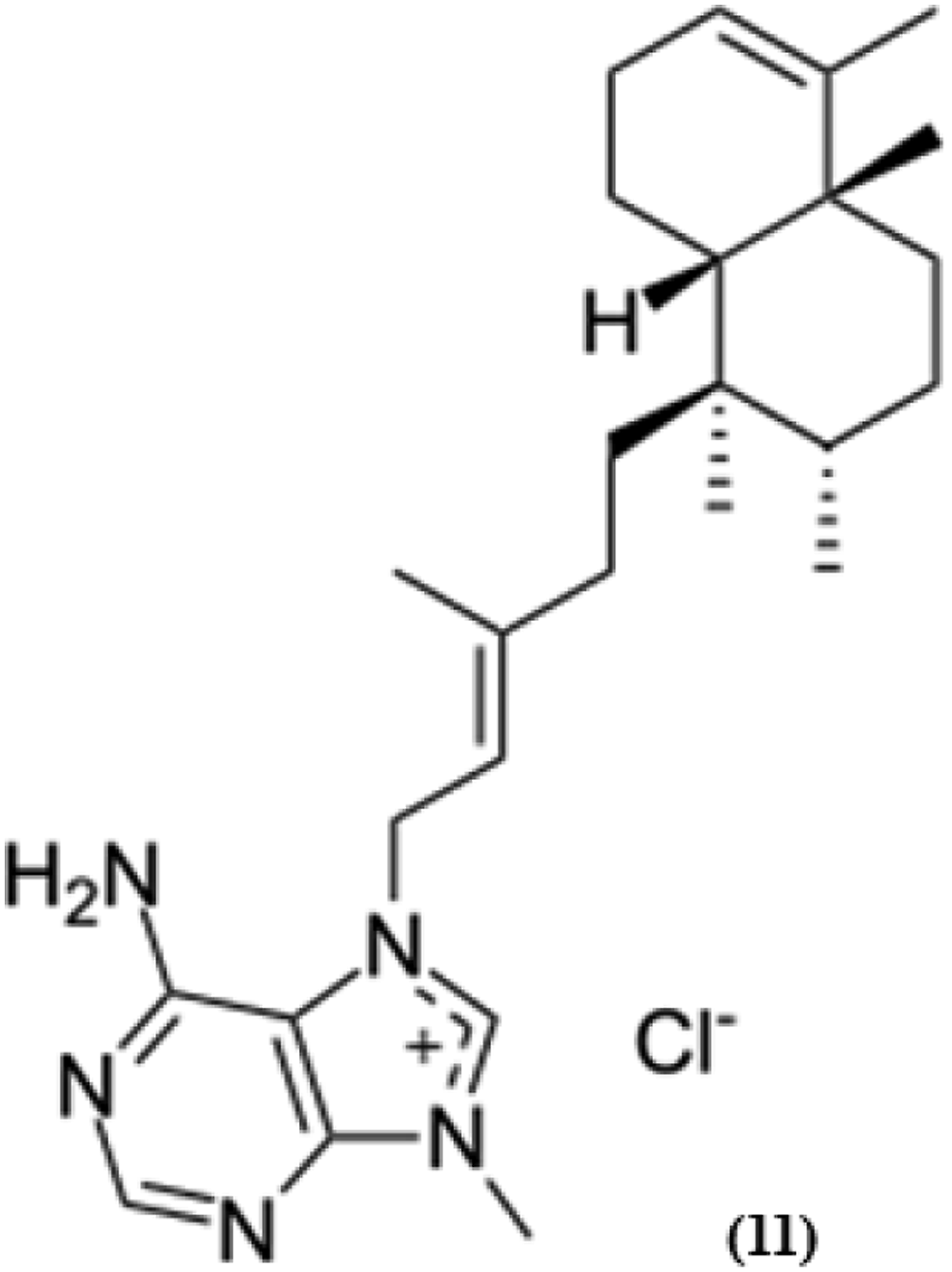
Asconoid, leuconoid, and solenoid are foremost body forms of calcarea sponges. Gigantic exoskeleton of calcite and thin tubular network are the hallmarks of class calcarea. Leucosolenia, Clathrina, Leucetta, Petrobiona with novel NPs are common members. Leuconoid body form with no exoskeleton and inflexibly hard surface fastened in sediments. No pronounced significance as bioactive species with production of secondary metabolites. 39
Bioactivities
Hundreds of pharmaceutical products have been discovered with unique biological properties since scientists took interest in marine organisms.40,41 Due to prevalent structural and chemical properties, marine sponges have remained at the top since the discovery of their bioactive components. 42 Now, it is acknowledged that more number of bioactive compounds are being isolated from sponges as compared to any other invertebrate phyla. 43 Bundles of functional enzymes are found to produce secondary metabolites in these marine species and the number of diverse products that are known from sponges are in the range of 5000–6000.3,44
Seaweeds are also well known for the production of remarkable compounds of biological interest. Structural intricacy of these compounds varied from linear acyclic compounds to complex fatty acids and alkaloids. 44 On the other side, numerous functional foods and sources of latent drugs have been discovered from them several decades ago. 30 From several forms of algae that discovered yet red, brown, and green algae are found to contain bioactive compounds showing anti-inflammatory, anti-cancer and anti-helminthic activities. 45 The first compound derived from natural marine products was an antibiotic named as pyrrole produced from a bacterium Pseudomonas bromoutilis. But the synthesis of drugs at large scale was started in 1980s after the joint collaboration between chemists and pharmacists against toxins that effect nervous system. 35
Biological activities of Genus Hyrtios of marine sponges
Genus Hyrtios belongs to kingdom animalia and phylum porifera of marine sponges is the rich source of biological compounds with potential pharmacological properties. The most frequently investigated species of genus Hyrtios are Hyrtios erectus (H. erectus), Hyrtios reticulates (H. reticulatus) and Hyrtios gumminae (H. gumminae). As shown in Figure 8, compounds 12, 13, and 14 were isolated from H. erectus species of marine sponges obtained from Japan, Ishigaki Island and showed anti-cancer activity against epidermoid carcinoma (IC50) with desired activity at the concentration of 4.3 μg/mL. An alkaloid (15) obtained from H. erectus species of red sea marine sponges exhibited suppressive activity against immune system with 50% desired activity at concentration of 2.0 μg/mL while Pentacyclic sesterstatin was also isolated from H. erectus species of marine sponges obtained from Maldives and inhibit the growth of cancer cells in pancreas and pharynx cell line. Secondary metabolites reported as potential bioactive in nature extracted from genus Hyrtios.
Compounds 16 and 17 are dichloromethane extract of H. erectus species of marine sponges collected from Filji. Bio-evaluation of these compounds showed potent activities against malarial infection with desired activity at the value of 14 and 50 ng/mL. While, an indole alkaloid isolated from H. erectus species of marine sponges, obtained from Iriomote Island, revealed biological activity against neuronal carcinoma at the concentration of 125 μg/mL. 46
Second most studied species of marine sponges is H. reticulatus and it is the novel source of alkaloids. Compounds 20, 21, and 22 were isolated from H. reticulatus species of marine sponges collected from Bone Lola Reef, Indonesia. These compounds exhibit anti-cancer activity against lungs cancer with concentration values of 1.2, 3.0, and 1.5 μg/mL, respectively. 47
Compound 23 and 24 are also the extracts of H. reticulatus species and act to inhibit enzyme that activated ubiquitin with concentration of 0.75 and 11 μg/Ml, respectively.
Furthermore, effectively studies species of marine sponges, H. gumminae, extracted from sponges and collected from Andaman Sea, Thailand were found as novel source of sesterterpenoid. The extracted compounds (25 & 26) showed activity against epidermoid carcinoma of mouth with IC
50
values between 5.2 and 57 μ Secondary metabolites reported as potentially anti-cancer agents (compound 20–22) and enzyme inhibitor (compounds 23 and 24) extracted from H. reticulatus. Secondary metabolites (compound 25 & 26) extracted from H. gumminae reported as potentially active against epidermoid carcinoma of mouth and compound 27–29 extracted from H. tubulatus show anti-cancer activity.

Anti-inflammatory potential
Characterization of algal species with renowned medicinal properties.

Secondary metabolites from marine algae present structural and functional complexity more than that of terrestrial equivalents. 52 A wide variety of anti-inflammatory compounds have been isolated from marine algae during the last few decades. Properties of these bioactives are of greater consideration because they provide required protection against inflammatory pathogens. Alginic acid was extracted from Sargassum wightii and used as inhibitory agent for the treatment of arthritis, paw edema and reduction of enzymes in rats. 53
A hydroquinone (31) was isolated from Cymopolia barbata species for inhibition of production of bee venom derived syndrome PGA 2.
54
Compound 32, isolated from Laurencia undulata (an edible red algae Anti-inflammatory compounds isolated from different algae.
An alkaloidal (33) extraction of green algae caulerpa, consisting of two indole groups exhibited anti-inflammatory activity. 59 Aqueous extract of G. textorii, when applied for testing at a concentration of 100 μg/mL, did not observe to prevent platelet aggregation caused by adenosine diphosphate and collagen. Various species of genus Gracilaria comprised of PGE2 that physiologically effect on different body parts and cause high temperature, low blood pressure, muscle dilation and inhibition of gastric secretions. 60 Cermak et al, in 2015, narrated production of a specific kind of fatty acids in algal specie Planktochlorella nurekis to be function as effective inhibitors, with the concentration vary between 0.75–6 mg/mL, against a range of bacterial strains including Escherichia coli, Salmonella enterica, Salmonella enterica, Lactobacillus johnsonii, and Campylobacter jejuni. 61 There are many other compounds were isolated from different algae (e.g., compounds 36–45) have shown promising anti-inflammatory activities. Most of the sponge species with numerous structural characteristics and distinct therapeutic properties produce potentially active e molecules with anti-inflammatory response. Two bioactive compounds avarol and avarone isolated from marine sponges shows anti-inflammatory activity against different type of skin diseases like leukocyte infiltration and inflammation of dermis and epidermis. 62 6-bromoindole derivatives separated from marine sponge Geodia barretti showed anti-inflammatory response. 63
Anti-infectious agents
Healing of wounds or disordered tissues, by the action of pathogenic bacteria, virus and hazardous chemicals, is convoluted process as it involves repairing and regeneration. A lot of factors hampered the healing route and damaged not only effected cells but also the surrounding area. 64 Due to all of this, the efficacy of anti-infectious therapy is now getting fame as success sensation in history of modern medicine. The introductory practice of antibiotics into this story has radically changed the survival conditions for human beings as well as their average life span. 65 Anti-infectious substances from salt-water surroundings have been considered particularly. Macro- and microalgae in the form of seaweeds and diatoms have developed ethnic systems to conflict pathogenic microorganisms. 24
Algal allelopathy
Algae released many chemicals into marine environment that help in their competition for space on rocks and sea beds. These chemicals are identified as bioactive substances from marine sources in solicitations against cancer, microbial infections, and viral toxicities. 21 Organic extracts and ingredients from algal species have been tested in vitro and proved active against various pathogens.
By chloroform extraction of G. edulis, anti-infectious constituents were detected and found active against bacterial strains including Vibrio cholera, Staphylococcus aureus, Shigella dysenteriae, and Pseudomonas aeruginosa. 66 The active compounds of species edulis, include β-cryptoxanthin, β-carotene, and carbohydrates. 67 Methanol (99%) and ethanol (95%) extractions were carried out using dried algal specie, named as G. corticata. Extracted concentration of 5.0 ppm that includes stearic lipids and capric acids (49–52) was vigorously active against Bacillus subtilis, Bacillus megaterium, S. aureus, and Streptococcus viridians. Some anti-parasitic constituents of macro algae were also tested in vitro but found inactive. 45
Various types of proteins were extracted from algae and their inhibitory activity was checked against pathogenic bacteria; Gram-positive and Gram-negative. An evident concentration of 1000 ppb inhibited the toxic activities of Pseudomonas aeruginosa, Enterobacter aerogenes, Serratia marcescens, Salmonella typhi, Klebsiella pneumoniae, and Proteus species. 68
The compound (53), extracted using ultrasonography in 0.1M HCl from brown macro algae Ascophyllum nodosum and Laminaria hyperborea expressively inhibit the microbial growth of Staphylococcus aureus and Listeria monocytogenes.
69
Beaulieu et al. separated anti-bacterial peptides with mass >10 kDa from brown algal species such as Saccharina longicruris, by using the method of enzymatic hydrolysis. After that, fractions were recognized via liquid chromatography-mass spectrometry and found analogous to ubiquitin, histone and leucine that build defense system of seaweeds. This hydrolysate significantly inhibited the growth of food putrefying bacterium Staphylococcus aureus at the concentrations of 0.31 mg/mL to 2.5 mg/mL, which could be used potentially as food preservative.
70
A greater number of terpenes and other compounds have been extracted from algae, for instance, diterpene benzoate bromophycolides that used to reduce the bacterial growth rate (compounds 54–59). The structure of all the compounds are shown in Figure 12. Lane et al. isolated certain varieties of macrolides from red algal species such as Callophycus serratus in water, methanol and dichloromethane solvents using convential shaking method. Extract was found to inhibit methicillin-resistant Staphylococcus aureus and Vancomycin-resistant Enterococcus faecium with MIC concentration of 1.4 µ Anti-bacterial compounds isolated from different algae.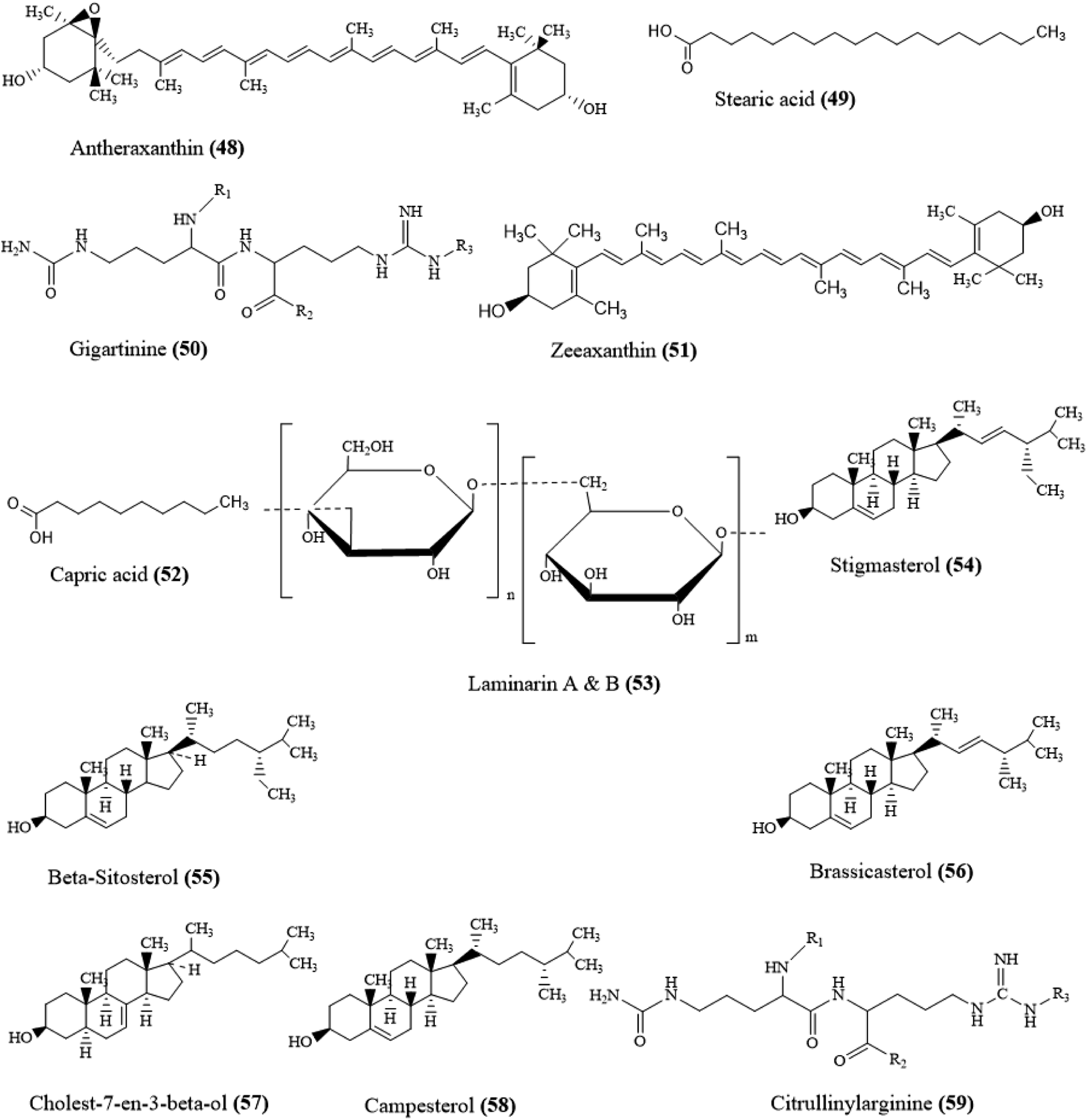
Rodrigues et al. used dichloromethane to extract bromoditerpenes from red alga Sphaerococcus coronopifolius that revealed inhibitory activities against Pseudomonas aeruginosa, Staphylococcus aureus, Escherichia coli, and Candida albicans. Highest activity was monitored against Staphylococcus aureus with IC50 value of 6.35 μ
Stearic lipids and capric acids were separated from G. corticata and G. pygmea that have no inhibitory action against Aspergillus niger, Fusarium solani, and Penicillium funiculosum. Petroleum ether, chloroform and methanol solvents were utilized in extraction process, however, the administrated concentration of 1.0 μg/unit showed inactivity during inhibitory mechanism of penicillinase enzyme. 73
Spongological activities
Marine sponges have also been reported as carrier of potential antimicrobial compounds as shown in Figure 13 (compounds 60–77). Sponges are discovered with >8600 useable species associated with bacteria that make up 35% of their total biomass.
74
This association provide beneficial effects towards sponges and include production of NP for chemical protection because crude products of sponges have less frequency of activity against marine bacteria. NP due to their structural and functional complexity are highly considerable for antibiotic innovation.75,76 Anti-bacterial compounds isolated from different sponges.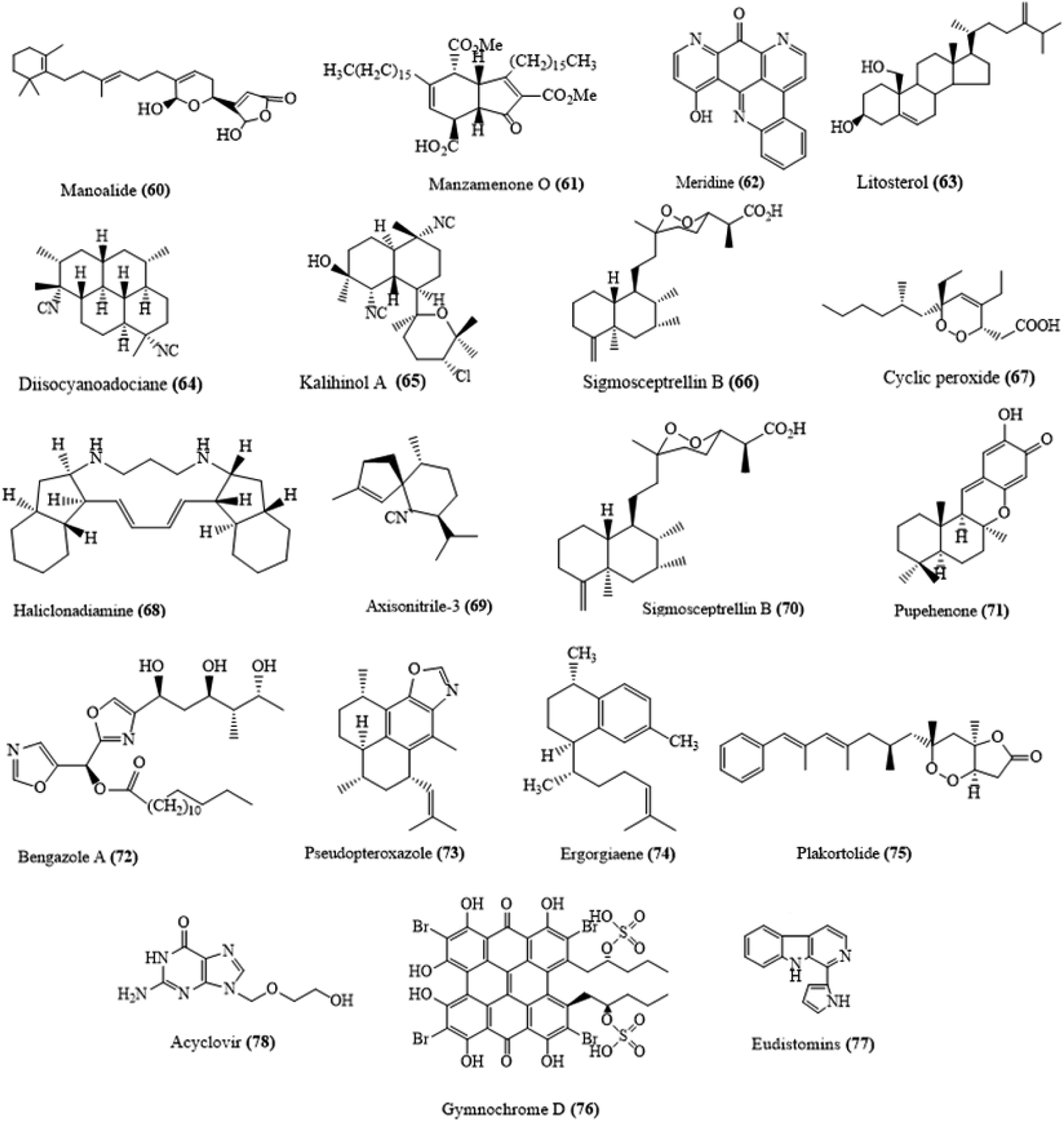
The very first sesterterpenoid (60) found with anti-infectious activity, extracted from marine sponge Luffariella variabilis. 77 Axinellamines B–D separated from Australian species Axinella sp. have shown anti-infectious activity against Gram-positive bacterium Helicobacter pylori, prominent for peptic ulcer and gastric inflammation. 34 A fatty acid (61) in which octahydro-indenone and dioxabicyclo-octane functional groups are linked with aliphatic chains, revealed anti-infectious activity in contradiction of Micrococcus luteus and Aspergillus niger. 78 FulvynesA–I, a butanol extract in the form of linear polyoxygenated acetylene derivative, was separated from Haliclona fulva. This Mediterranean sponge was found active against Bacillus subtilis. 79 Plakortis bergquistae, a marine sponge that was collected from islands of Sulawesi and Indonesia, produced secondary metabolite Manado Dioxane E. This NP with concentration range of 10–12 μg found anti-infectious against E.coli and Bacillus cereus. 80 Antimicrobial steroids (38) were extracted in the form of polyhydroxylated derivatives from sponge species Haliclona crassibola, showed efficacy against Enterococcus faecalis at the concentration of 4.0 ppb. 81
Anti HSV activity of marine sponges Petromica citrina
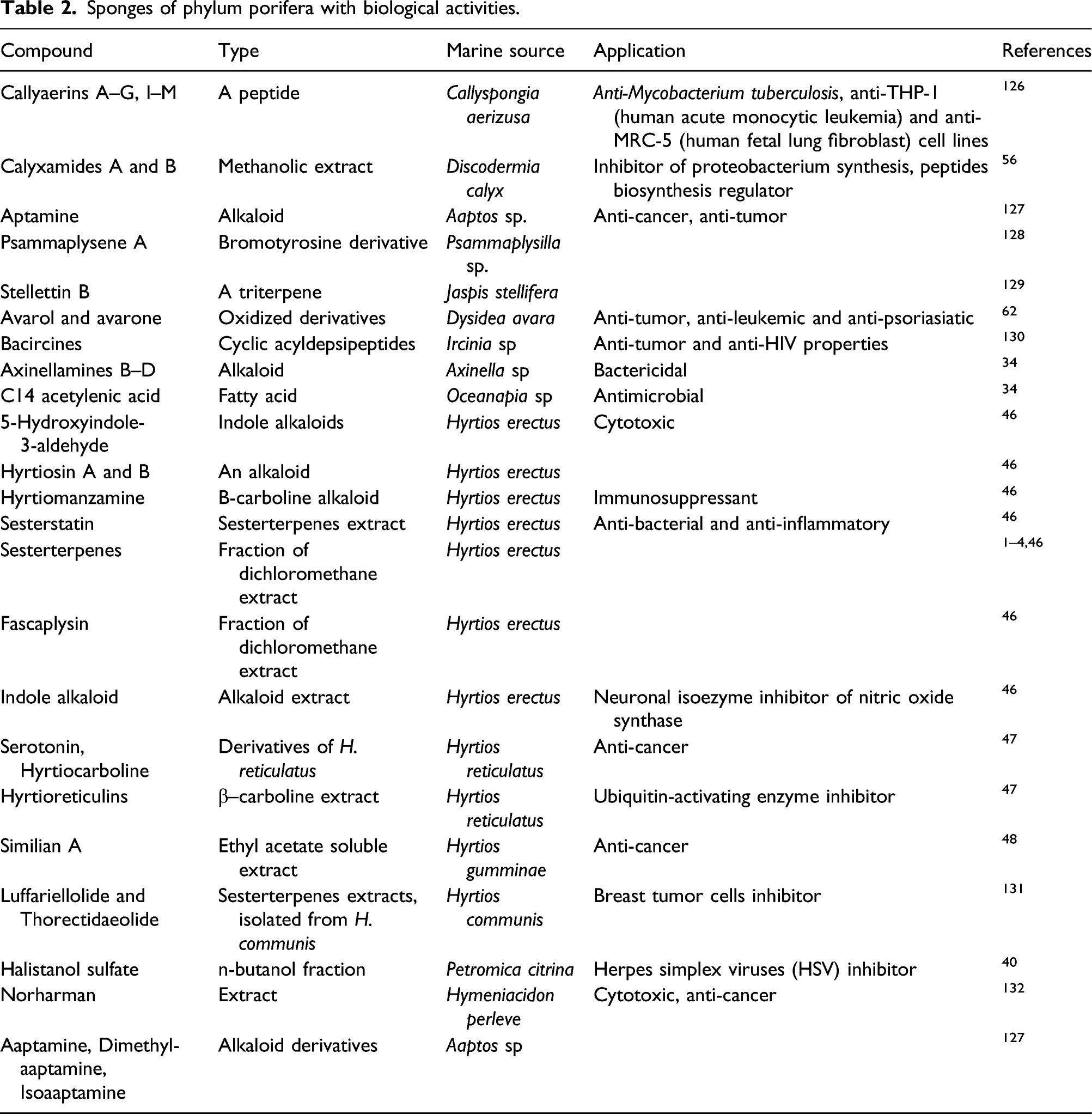
Guimaraes et al., studied the Brazilian marine sponges Petromica citrina, the crude extract obtained from Petromica citrina by using n-butanol fraction was richer in halistanol sulfate Antiviral compounds isolated from marine sponges Petromica citrina. Sponges of phylum porifera with biological activities.
Alcohol and protein extracts cytotoxic merits
Cell growth, proliferation and cell death are the major influential processes that were involved in cytotoxicity and direct the scientists towards therapeutic mechanisms. 82 Various aspects such as climate changes, genetic vulnerability, and aging agents interact to produce complex diseases in the form of carcinoma. 83 Although traditional and targeted chemotherapeutic treatments are subjected either by cytotoxicity or by tumor inhibition processes but effective anti-tumor remedies indicates the prevalent challenge in the history of modern medicine. 84
Papuamides (80) are cytotoxic depsipeptides separated from marine sponge of genus melophlus from Solomon Islands with characteristic activity against brine shrimp (Figure 15). Marine sponges remains the oldest multicellular organisms that produce an abundant amount of secondary metabolites in last decades with reported 39 apoptosis inducing complexes in only 1 year.
85
The first spongean origin nucleoside (81), approved in 1965, that streamed for the handling of myelogenous leukemia both in acute and chronic conditions.
86
Halichondria okadai possess macrocyclic poly-ether in the form of Halichondrin B that was the initiative of Halaven used for acute breast cancer treatment.
87
The compounds 81–104 have been isolated from different sponges and were reported as potential anti-cancer agents (Figure 16). Papuamides are cytotoxic depsipeptides separated from marine sponge of genus melophlus. Papuamides are cytotoxic depsipeptides separated from marine sponge of genus melophlus.

Compound 82 isolated from genus Reniera was firstly applied for clinical trials; after that revealed anti-cancer activity against cancerous lung cells through the pathway of p53-dependent process of apoptosis. At subtoxic quantity of 0.5–2.5 μ
A bromotyrosine derivative (105) as shown in Figure 17, extracted from marine sponge species Psammaplysilla has shown potential anti-cancer activities against various cell lines.
90
Various algal species with antioxidant assets has been explored further for anti-cancer and anti-nociceptive potentials. Ethanol and methanol extracted compounds from Gracilaria tenuistipitata, a red algae, were found sound anti-proliferative when investigated for oral cancer cell lines.91,92 Polysaccharides containing extract from green algae, Capsosiphon fulvescens, prompt apoptosis against cancer cell lines of gastric region.
93
Countless species of brown algae containing glycoproteins and fucoidans such as Laminaria japonica, Sargassum hornery, and Eclonia cava indicated anti-cancer properties for colon cells.
94
Methanolic extract obtained from marine sponge species Gracilaria tenuistipitata showed Anti-cancer activity when applied for clinical trials.
95
Aqueous extract of dried plant body, that is, thallus of species bursa-pastoris, at a concentration of 10.0 μg/mL, alongside alcoholic and chloroform extracts of distinct species showed no toxicity when applied into cell cultures. Macrocyclic peptide isolated from the marine sponge (105) a potent inducer of actin polymerization and arenastatin (106), a potent cytotoxic depsipeptide from the okinawan marine sponge Dysidea arenaria.
Compounds isolated from Marine Sponge Oceanapia sagittaria, Collected from the Gulf of Thailand, inhibit the proliferation of KB (human pharyngeal cancer) cell lines in vitro at an IC50 of 1 μg/mL. 96
Cyclodepsipeptides isolated from a novel sponge family comprises of rare amino acid chains and polyketides derivatives with cytotoxic properties. Inspite of this, most of the separated drugs have not been tested in clinical trials due to severely high intensity of cytotoxic affects. 97
Discussion
The ocean gives birth to unique and diverse bioactive substances. According to the reported literature, most of the ecosystem consist of marine environment which is big source of biological active compounds and, therefore, it plays pivotal role in the production of pharmaceuticals and other industrial products. About 50% of the FDA approved drugs and their synthetic analogue indicate marine origin and 1% of them express anti-tumor potential. They could be more valuable in the growth of pharmaceutical industry; however, some obstacles may slow down the drug development process. For example, there are some key factors that affect the development of drug development from marine NPs—these include the collection of marine algae and sponges, natural product isolation procedures to obtain intact compounds in bulk quantity and maintaining the stability to screen biologically. In the last two decades, the research on the extraction of bioactive agents from marine algae and sponges has greatly been improved.
This review mainly covered the algae and sponges’ natural products. Marine algae are a uni- or multicellular eukaryotes which lack a prominent vascular system. However, variety of color pigments such as gold, red, brown, blue, and chlorophyll assist in photosynthesis of variety of biological active compounds including vitamins, fatty acids, fiber, lipids, polysaccharides, minerals, proteins, and many essential amino acids. 98 Sponges are other class of marine natural sources which are sessile marine invertebrates (phylum Porifera). 98 They are also reported as “golf ball sponges or moon sponges”. 99 Similar to algae, sponges are also custodian of variety of anti-inflammatory, anti-tumor and immunosuppressant compounds.100,101 We in this review cited 106 different compounds that were isolated from algae and sponges and have been reported as medicinal active agents. Specific to marine algae variety of medicinal important secondary metabolites were reported such as phenazine derivatives, kainic acids, nitrogen-containing heterocyclics, amines, guanidine derivatives, sterols, brominated phenols, sulfated polysaccharides, and prostaglandins.14,16,102 These compounds have shown wide range of antioxidant, anti-inflammatory and anticarcinogenic potential. Sponges were also reported as a source of variety of highly potent medicinal compounds; for example, spongistatin-I as an agent for malignant cell death, heteronemin as suppressor of chronic myelogenous leukemia cells, manzamine A as strong anti-inflammatory, antifungal and anti-tumor agent, and 8-hydroxymanzamine A as moderate anti-cancer and antiherpes simplex virus-II agent.103–106
Irrespective of multiple medicinal potential, anti-inflammatory results of natural products obtained from algae and sponge were reported more promisingly. Inflammation is the body’s defense reaction in response to stimulations and is the basis of various physiological and pathological processes. However, chronic inflammation is undesirable and closely related to the occurrence and development of diseases. 107 Stylissatin A, a proline-rich cyclic heptapeptide extracted from the sponge, was reported to suppress NO production in LPS-induced murine RAW264.7 macrophage cells (EC50 = 87 μM). 108 Recently isolated Dactylospongins A and B from sponge can inhibit the production of various cytokines in LPS-stimulated THP-1 cells. 109 Similarly, lactin, lycopodium, fucoidan and sulfated polysaccharide were isolated from algae and reported good anti-inflammatory agents. Unlike to the medicinal merits of marine algae and sponge natural products, there are some demerits are also associated with compounds isolated from the marine natural sources such as inhibitors of protein kinase C (isolated from sponges) were reported as developer and progression of tumor in living system. 110
Conclusion
Isolation of natural products from marine algae and sponge and dominantly their potential medicinal importance was well documented in literature and trigger the attention of chemists, pharmaceutical experts and medical practitioners towards marine natural sources. Recent reported data is encouraging and have developed an auntheacism to address the common clinical challenges using marine natural products—importantly the development of anti-inflammatory and anti-bacterial agents to replace synthetic antibiotics that are facing bacterial resistance.
Footnotes
Acknowledgements
The authors are thankful to Higher Education Commission (HEC) Islamabad and Government College University Faisalabad for supporting this study.
Declaration of conflicting interests
The author(s) declared no potential conflicts of interest with respect to the research, authorship, and/or publication of this article.
Funding
The author(s) received no financial support for the research, authorship, and/or publication of this article.
