




Abstract
Identifying and employing the concept of sustainability in the social sciences remain a challenge. One approach presented here emphasizes its utility in examining past urban adaptations primarily from the archaeological record that demonstrate the role of low-density urbanism. Drawing upon early semitropical cities and their dispersed land-use and settlement patterns, both longevity and interconnectivity are shown to have developed in the context of environmental and societal diversity. The impact of climate change to our near-term futures can result in adaptations that accommodate positive societal transformations if all relevant disciplines are included in the dialogue. Past sustainable practices when melded with thoughtfully deployed technologies of today and tomorrow will assist with this new ecology. We argue that generating knowledge about tropical urban systems in the ancient past adds to a more diversified pool of urban models from which to draw for future urban planning. We specifically suggest that networked urban systems of distributed, low-density settlement repeatedly occurring throughout the tropical archaeological records have several social–environmental benefits toward a sustainability transition of cities in the era of climate change.
Introduction
A science of sustainability requires a multi-scalar temporal framework for assessing its analytical and practical merits in socio-environmental contexts, coupled with a critical history of its applicability. The discipline of archaeology, with its comparative global reach, robust datasets, and ability to track how social and environmental change relate to each other, is well positioned to interrogate how sustainability pans out over different temporal and spatial scales and how that knowledge benefits the viability to project sustainability into our futures. The aim of this article is to demonstrate how archaeology can inform adaptation planning by drawing on the vast record of past urban design. We highlight the distributed urban network systems in the tropical archaeological record and their adaptive capacity over the long term to suggest how these conditions can inform models for urban sustainability and futures in the era of climate change.
Defining sustainability is a major cause of disagreement in multi- and interdisciplinary research, and even more so when assessing processes in linked social–environmental systems that may act out over very different temporal and spatial scales. Archaeologists that apply a historical ecology lens are essentially concerned with examining social behaviors from the material record and assessing their consequences for subsequent generations and landscapes, with a particular interest in the multiplier effect of unintended consequences (Balée, 1998; Crumley, 1994; Crumley et al., 2001, 2018; Isendahl and Stump, 2019). Change is integral to both social and biological life, with intervals of stability and predictable routines of behavior much less the case over the longue durée (timescales up to several millennia). As a result, life and biophysical activity are subject to continuous stress (see Engle, 2011; Smit and Wandel, 2006). Change, of course, is not an indicator of unsustainable social–environmental interactions per se, nor does resisting change imply sustainability. As a science of social change, archaeology provides another route to track sustainability, contributing to an anthropocentric long-term perspective as well as a global record of social–environmental cause–effect dynamics frequently more revealing than that observed or extracted from other sources.
Because sociocultural change has outpaced biophysical evolutionary adaptations on several fronts (Wilson, 2017), accelerating socioeconomic and technological shifts imposes unanticipated, unintended, and unplanned outcomes with marked impacts on social, economic, and environmental sustainability. The changes and challenges of the Anthropocene’s Great Acceleration need to be immediately addressed and resolved (e.g. Bonneuil and Fressoz, 2016; Intergovernmental Panel on Climate Change (IPCC), 2014a, 2014b; Lewis and Maslin, 2018). In particular, informed decision-making, global consensus, and behavioral change are required to slow and reverse anthropogenic global warming trends and escape the cascading effects of overexploitation on ecosystem services and human well-being (Lenton et al., 2019). The urgency for addressing sustainability issues allows little time to experiment. Hence, we need to explore in greater profundity our existing pools of knowledge and the unintended consequences of human behavior.
Much has been made of the two shared tracks that most influence sustainability science: mitigation and adaptation. Mitigation attempts to change behaviors and circumstances to interrupt causal processes and events. It aims to do less harm to society and the environment often in reaction to human-induced, unintended consequences having deleterious effects. In concert with such mitigating efforts is the role of adaptation, meaning proactive changes in behaviors and circumstances to accommodate new and advantageous outcomes (see Jorgenson et al., 2019). Although adaptation has other contexts, here it is viewed as our societal ability to organize and institutionally reorient to best insure resilience and further well-being. Sustainable adaptations are attempts to do more good for society and the greater environment, though social costs or tradeoffs often influence our ability to project beyond our immediate conditions and result in the multiplier effects of unintended consequences (see Hegmon, 2017).
Perhaps the most immediate and pressing test of sustainability science is the current and near-future socio-environmental threats associated with global climate change (IPCC, 2014a, 2014b; Jorgenson et al., 2019; Lenton et al., 2019). The effects of markedly elevated atmospheric temperatures significantly induced by societal demands for carbon fuels and the unintended consequences of greenhouse-gas release is ultimately about water availability and distributional vulnerability (Scarborough, 2018a, 2018b; Scarborough and Isendahl, 2019). From the melting of the polar icecaps and sea-level rise, to warming oceans and the increasing impact of hurricane force wind and water, to changing jet stream tracks and drought-induced forest fires, both the overabundance and the striking lack of precipitation globally are the planet’s most serious sustainability issues.
Although communities around the world are implementing ways to mitigate climate change from building seawalls and relocating populations in vulnerable settings, to investing in non-carboniferous energy sources like solar and wind, or even the promise of breakthroughs in battery energy storage, projections suggest that temperatures will continue to rise. Temperatures are now predicted to increase by a global average of 3°C by 2100 CE (Brown and Caldeira, 2017). Associated global sea-level rise was estimated to approach 1 m (Church et al., 2013), but a more recent study indicates that the melting of Antarctica alone will raise oceans more than a meter in that time (DeConto and Pollard, 2016; Mann, 2019: 314–315). Climatic conditions have already upset acidity levels in our seas, altering coral reefs and the marine phytoplankton food-chain supply.
Given that three-quarters of the megacities on Earth—each with a population of 10 million or more—are located on shallow-shelf coastal settings (United Nations Department of Economic and Social Affairs (UN DESA), 2012), the effects of both sea-level and temperature rise have already induced the rapid harm of hurricane pulses (Emanuel, 2017; Mousavi et al., 2010) as well as the devastating warming of regions (Lionello and Scarascia, 2018; Vose et al., 2017) associated with the alarming effects of fire (Kirchmeier-Young et al., 2019). Cities inclusive of both their smaller urban and rural supply chains everywhere will be further challenged by our climatic realities (Figure 1).
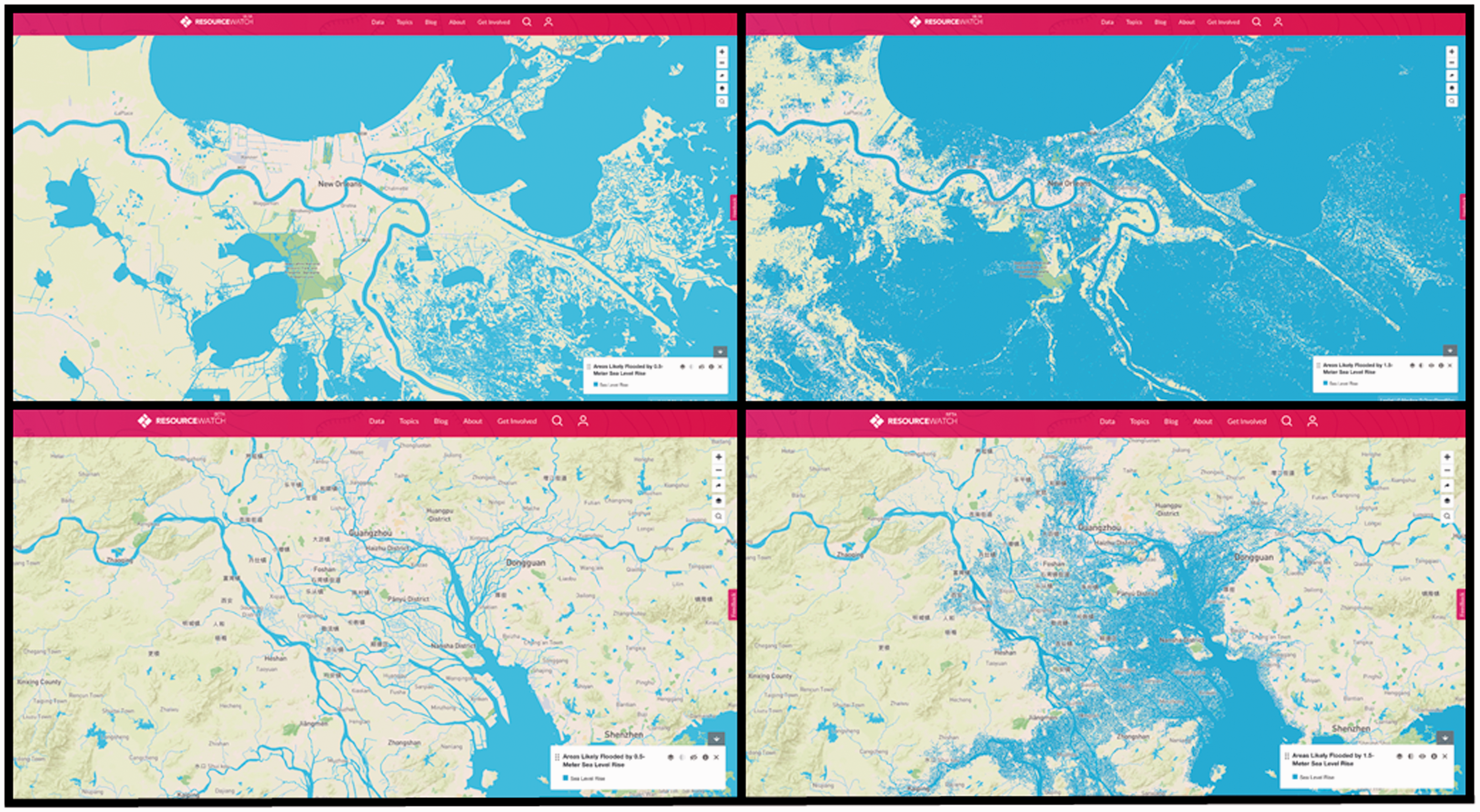
The effects of a 0.5- and 1.5-m sea-level rise at New Orleans (above) and Guangzhou (below).
The scope of an archaeology of urbanism
The archaeological and historical record demonstrates a remarkably diverse 6000-year-long human participation in organizing urban systems, articulated within distinctive cultural traditions, a mosaic of sociopolitical and economic structures, and a complex set of adaptations to local and regional environments (Barthel and Isendahl, 2013; Flannery and Marcus, 2012; Marcus and Sabloff, 2008; Sinclair et al., 2010; Smith, 2019). The context of urbanism has received a tremendous amount of interest with planners, architects, and policy makers, often arguing that cities are our powerhouses for innovation and productivity. Florida (2012), Glaeser (2011), and Rose (2016) each provides a contemporary critique of the densely nucleated urban model and holds general perception that a “creative class” is only possible in these settings because of the synergies created by living in immediate proximity to other “idea” people. Innovation is accelerated and compounded in such settings, an argument also raised from an archaeological long-term perspective on cities (Smith, 2019; van der Leeuw, 2019). Recent work at the Santa Fe Institute has refined their assessment of the city and its adaptability using highly quantifiable measures. Cities are understood as seats for innovation and have a “superlinear scaling” relationship with human ideas and innovation allowing them to exploit energy in a sustained manner (Bettencourt et al., 2007; West, 2017). Unlike organisms or even other social institutions like corporations, they suggest that today’s cities adhering to their present structures and functions have the potential to live indefinitely (West 2017: 409 and elsewhere). Yet greater energy efficiency with innovative technologies is the projection; however, they do concede that overexploitation remains a possible prognosis too, resulting in a significant social “reset” or fragmentation. The long-term archaeological record of urban systems and cities in the past makes it possible to test which factors have contributed to resilience and which have introduced vulnerabilities, as well as allow insights into the accumulative effects of human behavior for the sustainability of settlement systems.
Several issues require our attention in evaluating a highly concentrated and nucleated urban model, and viewing it as the ideal social geography for a sustainable future (cf. Graham and Isendahl, 2018; Scarborough, 2015, 2018b; Scarborough and Burnside, 2010; Scarborough and Isendahl, 2019; Scarborough and Lucero, 2011; Scott, 2017). Cities harbor great concentrations of crime, pollution, poverty, disease, and wasteful energy and resource consumption on massive scales, though proponents of nucleation argue that the latter remains the best infrastructural strategy because of the reduced distances associated with energy transfer, taking less account of the negative effects of densification, such as the loss of green urban space, increasing urban heat island effects, or reduced groundwater infiltration rates, among other costly infrastructural correctives. Densification drives a metabolic rift (Clausen, 2007) by which an increasing proportion of the urban population no longer has access to productive urban green space and is significantly disconnected from any sensory interaction with food production (Barthel and Isendahl, 2013; Barthel et al., 2015, 2019). At the same time, fundamental natural diversity has been markedly curtailed; the lack of community engagement with our biophysical environs may well have lessened the impact of society’s resolve to address climate change (see Crist, 2018). Because the city continues to draw migrants from smaller cities, towns, and hinterland villages with 68% of humanity anticipated to relocate into sizable cities by 2050 (UN DESA, 2018), some form of urbanism is here for the longue durée. It is in this context that the effects of climate change will continue to accelerate and exacerbate our complex futures.
Archaeology is rarely argued to have a pivotal role in assessing our sustainable futures, only our pasts (Fagan and Durrani, 2019; Sabloff, 2008). But it is precisely because it does examine the past that archaeology is most capable of addressing our futures and can project from a well-developed set of methodologies and techniques in the context of human impact on our environments and among ourselves (e.g. Allen et al., 2003; Fisher et al., 2009; Isendahl and Stump, 2019; Little, 2002; Matson et al., 2016; Redman, 1999; Redman et al., 2004; Rockman and Flatman, 2012; Scarborough, 2018a; van der Leeuw, 2012, 2019). Given archaeology’s engagement with the socio-environmental issues of millennial, centennial, and even decadal timeframes and its long history of interdisciplinary collaborations, what body of knowledge might better address present decision-making and actions when approaching the future (Figure 2)?
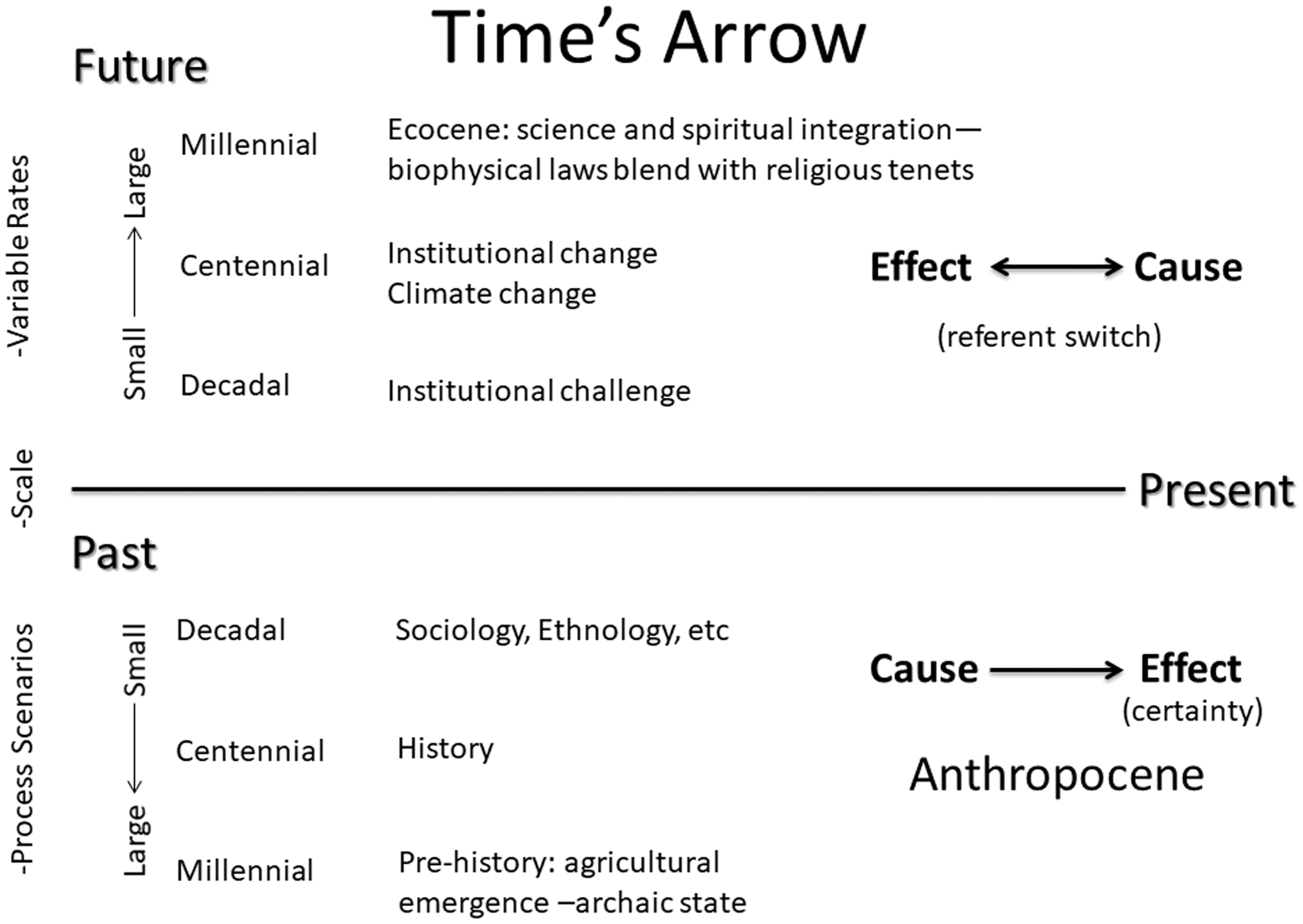
Graphic showing past and future timeline.
Archaeology identifies the many unexpected variables associated with cause, effect, and unintended consequences, and with a societal narrative that pieces together the past from meaningful though sometimes fragmentary information. This ability to project logical linkages into what was “a past future” gives archaeology a unique intellectual place of projection (Scarborough, 2018a). For the wicked problem of climate change (Sun and Yang, 2016), the scope of archaeology for understanding long-term social change by employing multidisciplinary and comparative approaches contributes to sustainability scholarship by detailing and explaining past human behaviors and their outcomes over different temporal and spatial scales as well as across those scales. Archaeological datasets are used for anthropocentric reconstructions of long-term, interlinked social–environmental processes and contribute case studies that may be different from those observed in the present as well as analogous comparative scenarios (Isendahl and Stump, 2019).
An integrated past-to-present perspective on urban futures
Given the planet that future generations are soon to inherit and the difficulties in deploying and instituting truly effective mitigating conditions for curbing warming climates worldwide, is it now time to begin projecting adaptive behavior? With sea levels projected to raise toward the end of this century, how do we change our shoreline communities by way of their relocation inland? Whole countries like Bangladesh or the island nations of the Pacific will be significantly inundated, with refugee populations numbering in the hundreds of millions globally. By thinking today about a projected sustainability in response to this challenge, our knowledge of past societal behaviors poses a planning opportunity and can lessen the disastrous effects of not discussing or investing in less flexible scenarios now.
If our largest cities will require significant relocation and setbacks to higher ground, how might they be re-envisioned? Are there ways of enhancing not only social diversity and equality but also biodiversity? Might there exist pathways for planning altered urban footprints to reduce concentrations of crime, pollution, poverty, disease, and wasteful energy and resource consumption, wicked problems that we faced before climatic deterioration, drawing on the experienced voices of a broadly defined swath of stakeholders (Bai et al., 2017)? Because of the scale of our climate change reckoning, many adaptation models will be posed with only a subset actually employed. However, in addressing these many negotiated interests, the human experience as identified in the archaeological record warrants considerable attention.
One model for settlement and land-use development draws from the tropical urban settings of past civilizations as far afield in time and space as the ancient Maya of Central America, the Khmer of Cambodia, the Sinhalese of Sri Lanka, and groups occupying portions of West Africa and Amazonia (Scarborough and Lucero, 2011). Although population aggregates identifying these varied cultures and geographies ranged widely, they all were associated in some manner with a low-density agrarian-based urbanism model (Fletcher, 2009, 2012; Fletcher et al., 2015; cf. Graham and Isendahl, 2018). They appear to have sustained themselves with centralized and long-lasting places orbited by smaller nodes—urban neighborhoods, towns, or villages—and interspersed with food production areas that formed complex and frequently vast agro-urban landscapes (Isendahl, 2012). Those groups with developed statecraft attributes—from writing to monumental civic constructions—are identified by cities like Tikal or Caracol (Maya) (Figure 3), Angkor (Khmer), and Anuradhapura (Sri Lanka) with truly sizable urban populations. Angkor alone is estimated to have had three-quarters of a million residents by 1100–1200 CE extending over a 1000-km2 area (Evans et al., 2007, 2013; Fletcher, 2012; Fletcher et al., 2015) (Figure 4). Although Angkor does reflect a very dispersed settlement pattern as apparent in all the tropical examples of urbanism noted, it did have pockets of higher density occupation within the concentrated temple enclosures; Angkor Wat is estimated to have had 3000–4300 people within an area of less than a km2 or about 3500 people/km2 (Fletcher et al., 2015; Stark et al., 2015), while much larger Angkor Thom had perhaps 16,000 residents or about 1800 people/km2 (Hanus and Evans, 2016: 91; see Carter et al., 2018).
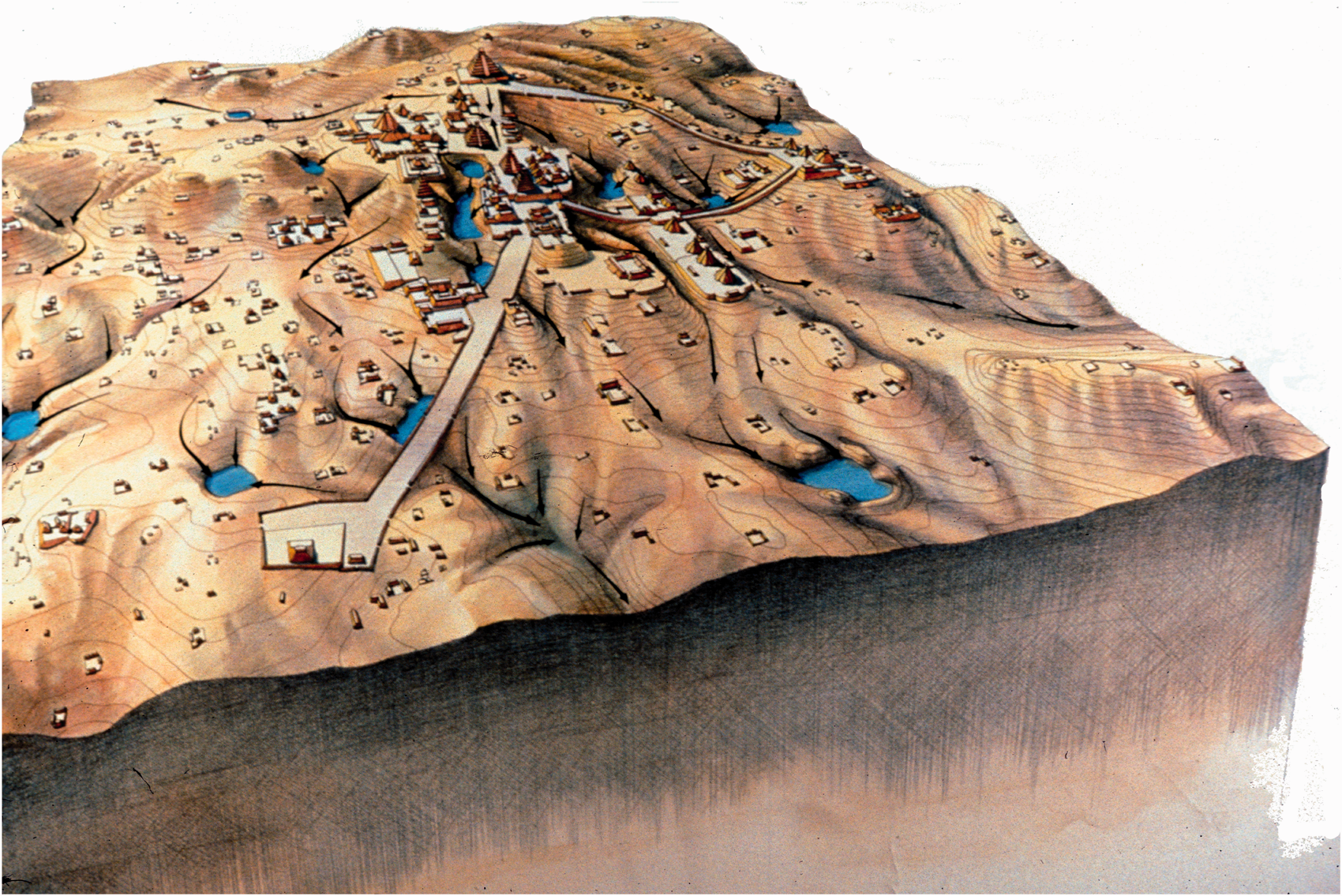
Isometric map of Maya urban center of Tikal, Guatemala (700± CE) illustrating its low-density settlement pattern. Courtesy of Vernon L. Scarborough.
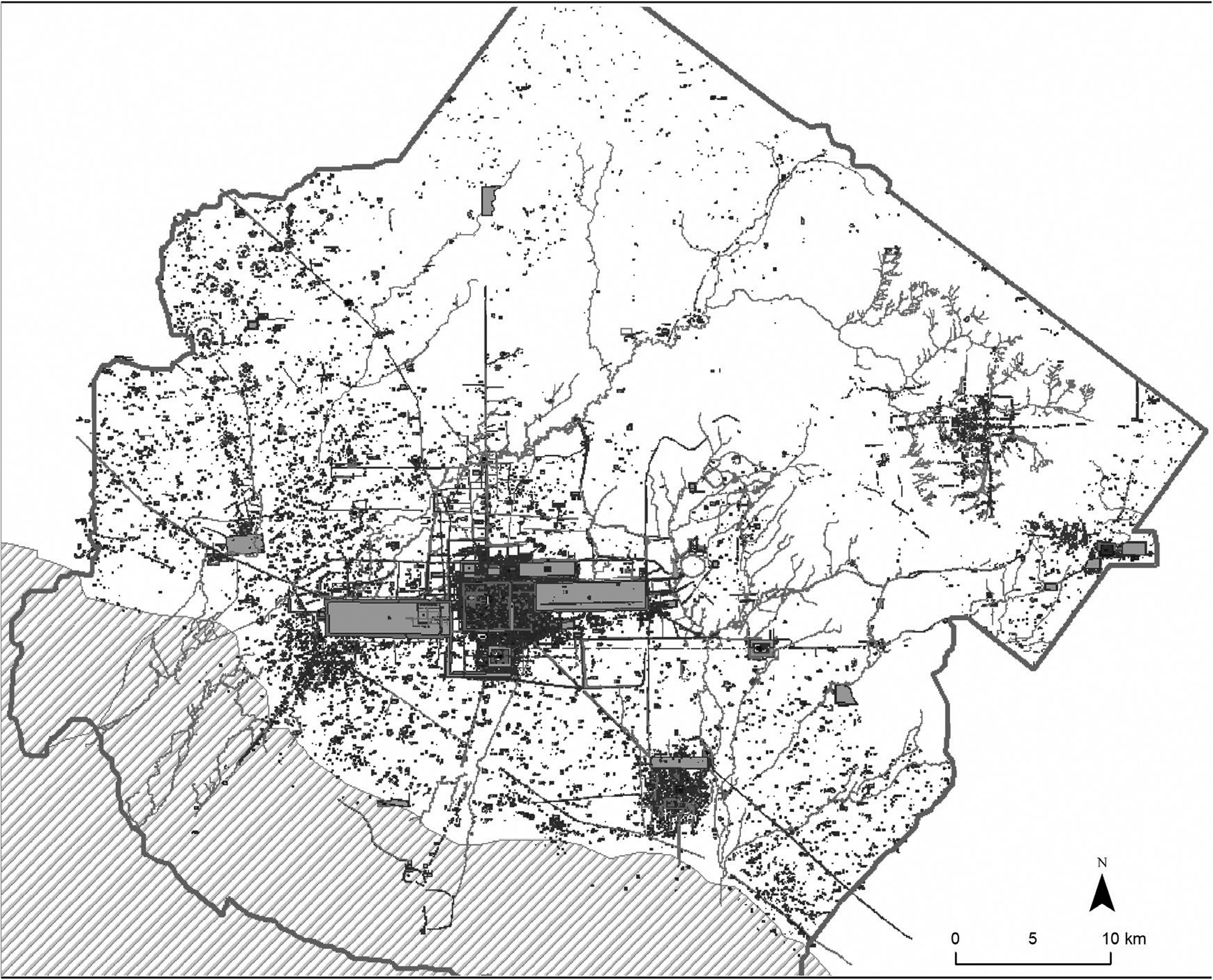
Map of Greater Angkor (2017) by Christophe Pottier, Damian Evans, Jean-Baptiste Chevance, Pelle Wijker, Nina Hofer, Sarah Klassen, Stéphane De Greef, and Leaksmy Kong (Greater Angkor Project (GAP)/Khmer Archaeology LiDAR Consortium (KALC)/Cambodian Archaeological Lidar Initiative (CALI)/Archaeology and Development Foundation (ADF)).
The longevity of the tropical state and their urban centers is attested most explicitly in the case of the ancient Maya with an uninterrupted span of 1300 years and a continuity of what was distinctly Maya culture extending even longer. Khmer culture may have been half that span, but much of what was Angkor was rooted in a pre-Khmer occupation of that greater region for a period comparable in total to that of the ancient Maya (Coe, 2003; Scarborough, 2003: 72–73). The Sinhalese of ancient Sri Lanka appear to have endured 1200 years, with Anuradhapura the principal urban node for at least half that period (Coningham, 1999; Coningham et al., 2007; Gunawardana, 1981; Lucero et al., 2015; Murphey, 1957; Scarborough, 2003: 134–140).
The principal cities in each case noted were enduring with actual population densities of less than 1000 people/km2 (Scarborough, 1993; Scarborough and Isendahl, 2019; Scarborough and Lucero, 2011; see Scarborough, 2003). This represents a very different assessment of cities than formal or standard models of nucleated centers driving levels of social complexity both in the past and in the present. In fact, our earliest cities are recorded in semiarid settings, with both towns and cities having densities a full order of magnitude denser than identifiable by tropical examples and sustained for half the length of time (Scarborough and Isendahl, 2019; cf. Yoffee, 2019). Perhaps the most “telling” comparison between these urban residential settings is the absence in the tropical context of the Near Eastern tell or the occupational stacking of mud brick structures through time, literally a reflection of communities “living on top of one another.” Such occupational densities and construction histories were seldom possible in the tropics.
The ancient tell of Uruk is widely attested to be one of the first “cities” by 2700 BCE with a population of perhaps 50,000 within a walled enceinte enclosing about 6 km2 (Redman, 1978: 245–253; Yoffee, 2005; Yoffee and Seri, 2019) (Figure 5). “It is estimated that in southern Iraq in Early Dynastic times (ca. 2900–2350 BC) more than 80 percent of the total population lived in relatively dense urban centers (Adams, 1981: 90–91) …” (Trigger, 2008: 56) (Figure 6). Although a small overall population, and a city density comparable to many standard definitions of urbanism today (cf. Childe, 1950), Uruk, its neighbors, their present-day predecessors, and much of the current academic literature remain distanced and less aware of any significant inclusion of the early tropical city as a highly persistent and consistent adaptation to social complexity and our humanity’s “urbanocene” (coined after West, 2017: 212).
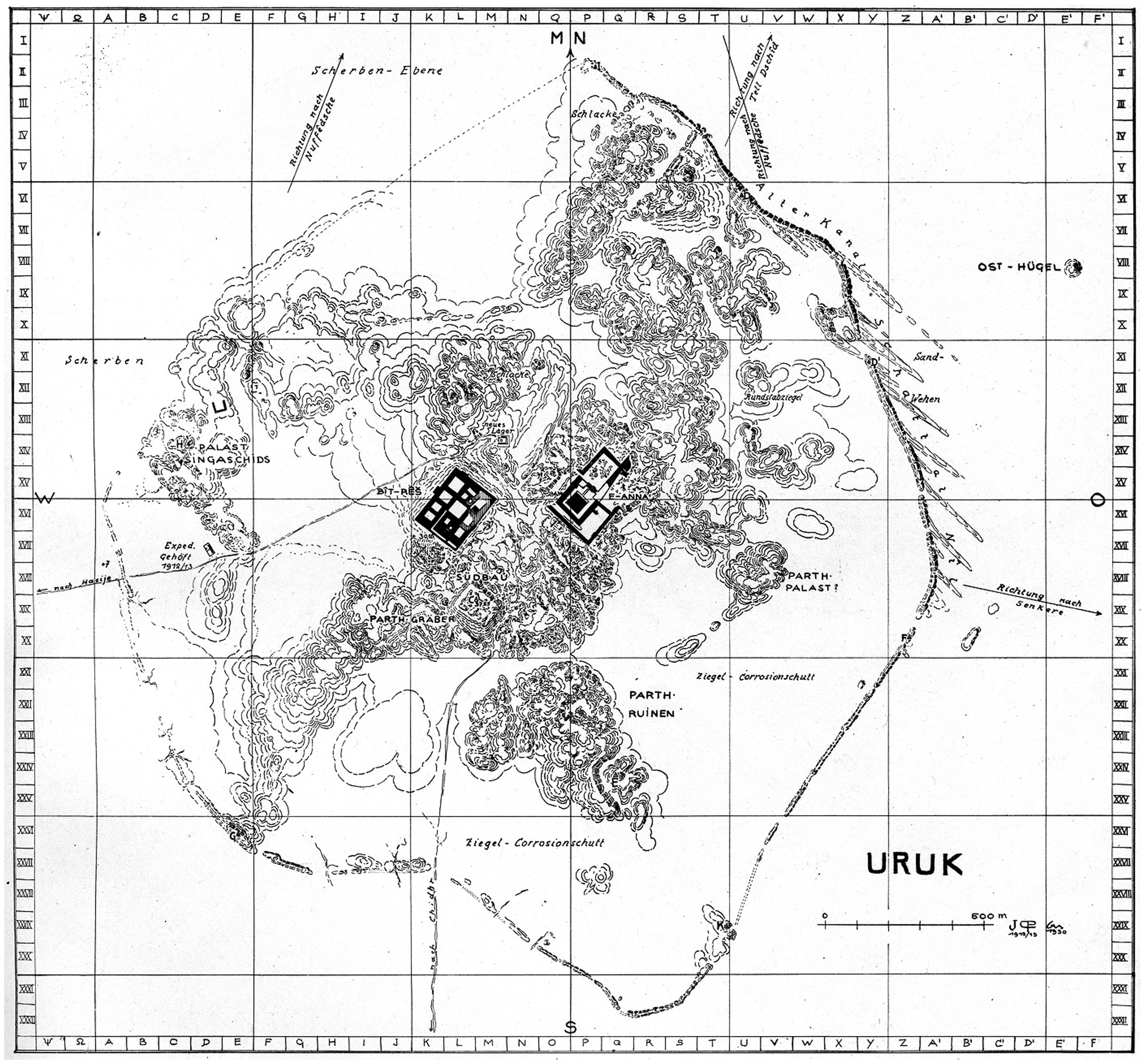
The city plan of Uruk in the late third millennium BCE (Jordan, 1931: Taf. 1).
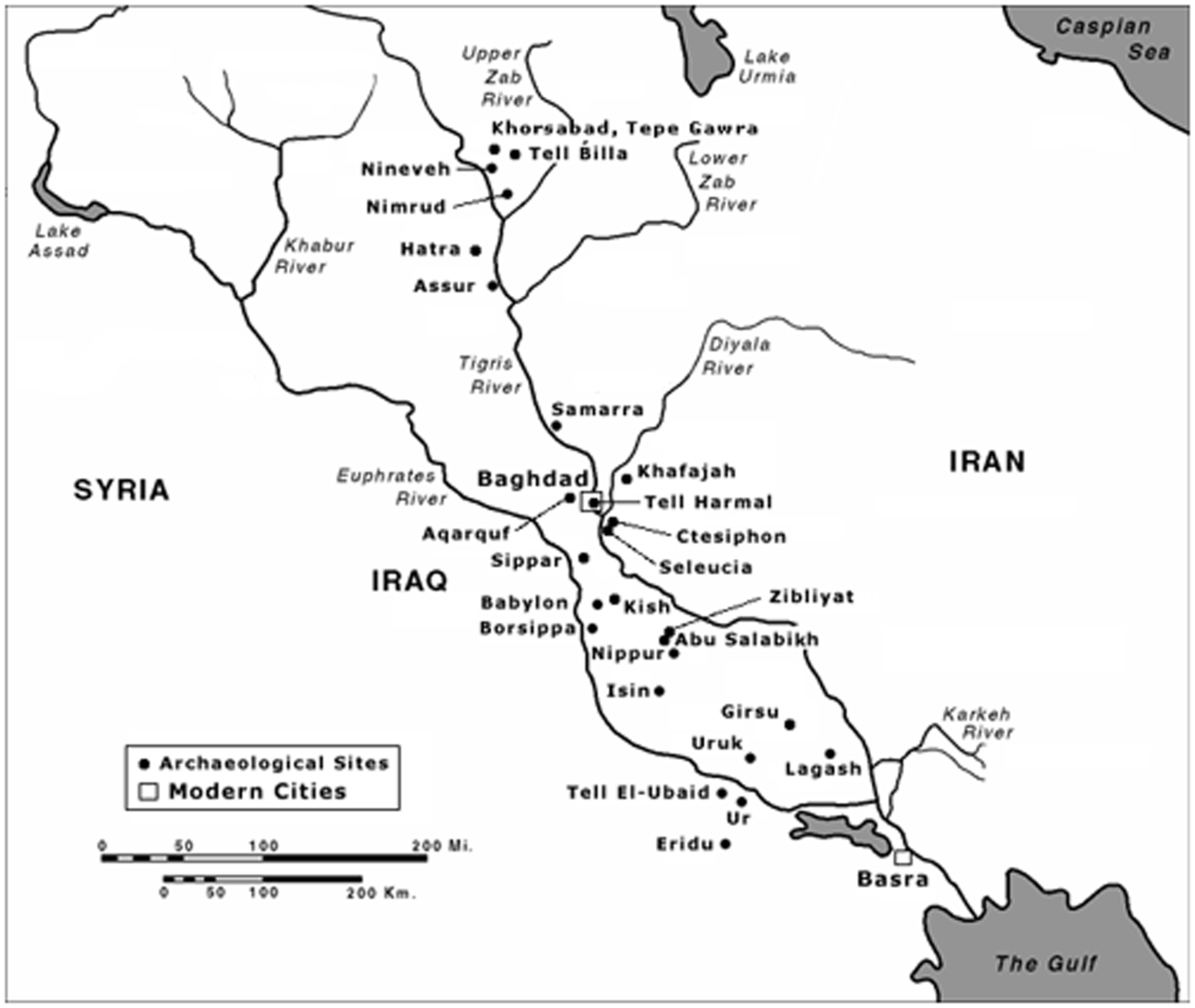
Mesopotamian cities. Courtesy of the Oriental Institute of the University of Chicago.
Scott (2017) makes the case that up until the 1600s the early state and its dense urban infrastructural components were highly fragile (after Yoffee, 2019), relatively short-lived, and dependent on domestication (principally grains) and the greater domestication process; the latter soon resulting in bondage over women and a deleterious environmental cascading effect of unintended consequence (see Scarborough, 2018c). Moreover, the recurrent fragmentation of the city state in particular, but state craft more broadly defined, did not result in greater degenerate social order, regional depopulation, or unfettered chaos. Rather, those “dark ages” through time were periods of greater well-being and resulted in increased levels of safety, health, and social order for the non-elite—the “99 percent” (though inequality was demonstrably lower in the past than today; Kohler and Smith, 2018).
Scott’s is primarily an assessment of the ancient Near East, but it is clear that elsewhere in the semiarid world where early state has evolved—Egypt (Morris, 2019), Indus Valley (Petrie, 2019), China (Li, 2019), Peru (Dillehay and Wernke, 2019), and Highland Mexico (Millon, 1988; Sanders et al., 1979)—cities and their states were identifiable by their high urban population densities and less lengthy and interrupted occupations when compared to their tropical cousins (Scarborough, 2018b; Scarborough and Isendahl, 2019; Scarborough and Lucero, 2011; cf. Scarborough, 2000).
It is true that today’s cities of several million people are sometimes associated with overall lower population densities not unlike those noted above from the ancient tropical context (Fletcher, 2009). However, those cities that are identified as having less dense sprawling city limits inclusive of industrial parks, airports, power plants, or even landfills do include several square kilometers of extremely dense architectural zonation associated with towering apartment complexes and downtown congestion unimaginable in the context of past tropical cities. In many situations, it is those zones within contemporary megacities that crime, pollution, disease, and poverty tend to be most pronounced. Although ancient tropical cities like Angkor may have had dense population concentrations in several temple complexes (Evans et al., 2013), densities were never as elevated as apparent in present-day urban pockets nor was impoverishment as identifiable within those ancient elite settings. Indeed, maintaining a capacity for residential dispersion and urban and peri-urban food production has proven a key resilience factor for sustainability both in the past and into the present (Barthel and Isendahl, 2013; Isendahl and Barthel, 2018).
Although the Urban Revolution was initiated some 5000 years ago in semiarid settings (Childe, 1950), several other environments supported urban systems given increasing investments in sedentism and centralizing economies of scale—the latter inclusive of spiking resource concentrations of food, water, and labor. Given the longevity of the tropical city and its enduring cultural associations for their regions, is there room for discussing some of the positive attributes that allowed these urban constructs to develop and last (Scarborough, 2015)? Can such attributes and the reasons for their appearance be of some aid in charting aspects of our futures?
Urban ecologies of distributed and networked tropical pre-industrial cities
The early tropical city developed in concert with ecological parameters very different from elsewhere. These settings were identified by extremely diverse and complex organic interdependencies with rapid food-chain feedback cycles entailing frequent plant and animal substitutions, and resulting in accelerated evolutionary changes (Scarborough and Burnside, 2010). Because these changes were not necessarily advantageous to a species highly adapted to large-scale group dynamics and their complex social relations, human systems patterned in a different manner than in semiarid settings. Our models for assessing the attributes for urbanism today exhibit foundations drawn from the first semiarid communities including (1) a limited amount of species diversity emphasizing specific kinds of gregarious herd animals and vast fields of dominant grasses; (2) the storage of surpluses initially made possible in those arid zones that accommodated organic preservation; and (3) the enhanced ability of society to accommodate great “propinquity” or close living quarters associated with fewer disease vectors because of the drier conditions, at least initially (see Algaze, 2018). Even with limited seasonal precipitation, these arid environments stimulated an early focus on “formal” agriculture, canalization, and the greater domestication process (e.g. Adams, 1981; Scott, 2017).
Tropical cities and their dispersed population aggregates were partially a function of the fecund environments that were colonized. Although plant and animal diversity was pronounced, there exists the biological tenet that no one species’ numbers or richness was sizable enough to harvest the necessary abundance for lasting societal support (Scarborough and Burnside, 2010). To accommodate sedentism and growing populations, two adaptations were required: (1) the spreading of populations across the landscape to cultivate and collect diverse resources within a relatively wide radius of one’s home and (2) the maintenance of flexible but persistent social relations with neighbors and kin. Although domesticates introduced from outside the tropics were frequently accepted, the difficulties associated with immediately elevated pest numbers and diseases made monocropping problematic in a wet, humid environment. By separating from one another, humans, plants, and animals were able to mimic, to some extent, the natural rhythms of the wet–dry forests and neighboring tropical settings in a manner beneficial to both resource harvesting and biodiversity maintenance. Because of the ecological diversity and the rapid organic “turnover,” societies were able to switch out and cultivate less economically useful plants and animals for those that best fit the needs of the human colonizers. Such substitutions are a hallmark of the fast changing mix of a tropical ecology, a condition in which sentient humans were able to alter their environments to productive and sustainable ends (Balée, 2013).
The resulting landscapes were slowly modified, producing an ever-evolving, yet highly sustainable social dynamic (Scarborough, 1993, 2003). Few animals were domesticated in the tropics, given the absence of (1) herds and the inability to substitute an alpha male bellwether for a human equivalent or shepherd and (2) the genetic predisposition necessary for wild and gregarious animals to accommodate controlled selective docility through human crossbreeding (Smith, 1995). Plant populations were more likely to lend themselves to conservation and the formal domestication process if preadapted genetically; but given the accelerated rate of species diversification in the tropics due to the intensity of light, temperature, and humidity, and the closeness of subspecies associated with the hybridity that results, many useful plant species—such as manioc (Isendahl, 2011)—developed feral-like properties (Balée, 2013). This condition allowed for an abundance of plant products to be harvested from both the forest and localized “kitchen gardens” without the drawbacks of monocropping, such as pest- and disease-specific attacks on homogeneous crops of a less diverse environment.
These ecological adaptations made for a very different kind of settlement patterning, much more dispersed and diverse in its sustaining properties. Although centers of concentrated populations frequently developed—“dispersed but compact”—the broadly occupied hinterlands were highly integrated by way of shared and interconnected resources linking less dense populations; overall, regional populations could be staggering with projected populations in 12th century CE Angkor of 750,000 (Evans et al., 2007, 2013), to say nothing of the Classic period Maya Lowlands (300–800 CE) now identified with a population a full order of magnitude more numerous than today (Canuto et al., 2018; Scarborough and Burnside, 2010: 347–348).
Diverse resources and the methods and techniques to harvest and exchange them entailed the inclusion of socioeconomically diverse populations frequently from different microenvironments and ecological settings. The ability of these early sedentary colonists to settle in the tropics followed by their subsequent sustainability was based on (1) a cultivated diversity of resources; (2) a flexibility in scheduling/coordinating resource availability, allocation, and use when substituting secondary and even primary assets in the context of a rapidly changing and ever-challenging set of environs; (3) the interconnectivity of growing centers and their regional hinterlands in a balanced and reciprocal manner (see Scarborough and Valdez, 2009, 2014); (4) the development of a shared region-wide governance and institutional order underwritten by physical infrastructures like land and water management, navigational and terrestrial corridors, and spirited resource exchange systems; and (5) the necessity of a social contract based on societal diversity in accenting access to resources.
Based on the five points noted above, we suggest that low-density cities established a “human economy” (Graeber, 2011) relying on community definitions for well-being. Resource-specialized community exchange systems (Scarborough and Valdez, 2009, 2014) developed in these settings as a form of economic capital to accommodate the difficulties and vagaries of storing organic surpluses inclusive of food, fiber, and fuel. These exchange systems were immediately economic but clearly political too, the latter necessary in providing a social order and institutional stability for cultivating a “predictable unpredictability” promulgated by a worldview in synchrony with the natural rhythms in and around these populations (see Descola, 2005; Lucero and Gonzales Cruz, 2020). The elaborate calendar systems that several of these tropical states invented were fundamentally grounded in event and process planning as well as prediction (Coe, 1992, 2003; Lansing, 1995). Although calendrical devices were appropriated by the evolving elite elements of society for political and ideological control and manipulation, they also reflect the less well-reported quotidian movements of goods, information, and services that interconnected with their otherwise uncertain environs, an ecology that required rapid communication networks and enhanced infrastructures—roads and canoe traffic ways (Scarborough et al., 2019). In the Neotropics, the lack of beasts of burden shaped terrestrial landscapes that pulsated with people moving about, carrying stuff, and disseminating information (Heckbert et al., 2019).
It warrants noting that in these environmental contexts, today’s frequently disparaged wetlands were not viewed as landscape obstacles but as localities for a wide range of harvested resources associated with landscape modifications accommodating shallow draft canoe traffic. Such transport exchange in these settings was many times more efficient than that of human burden carriers or deploying the wheeled vehicular movement of loads (Erickson, 2006, 2019; Scarborough et al., 2019; Scott, 2017: 205). As will become further evident below, the role of wetlands—as well as other “natural environments”—which are frequently drained, covered, or otherwise removed today can leave a set of communities or a region unnecessarily vulnerable to significant climatic disasters, while wetlands’ accumulated future reach will likely only increase with sea-level rise in several coastline settings. Storm surges are frequently absorbed by wetlands and attempting to remove them as well as other kinds of tropical settings without slowly assessing such changes can have long-term deleterious consequences.
The dispersed patterning of harvestable resources was mirrored in the settlement patterns of tropical cities such as those of the ancient Maya, where civic-ceremonial centers of elite residences centralized urban religious, political, and economic services with less elite residential areas radiating outward. Dwelling compounds were interspersed with blue-green infrastructure—household gardens, farm fields, orchards, reservoirs, and canals forming both intensive and extensive agro-urban landscapes (Isendahl, 2012). This engineered landscape was resilient and well adapted to the precipitation patterns of the seasonally dry tropics, with sectors covered by plastered limestone constructions channeling surface runoff into water storage devices, and where gardens and fields managed overflow and excessive inundation by facilitating subsurface infiltration. The urban and peri-urban agriculture of past tropical cities, inclusive of those reported above from ancient Khmer Cambodia to the Sinhalese of Sri Lanka, provided a significant amount of city dwellers’ subsistence associated with an energy-efficient strategy to build food security (Barthel and Isendahl, 2013; Graham and Isendahl, 2018; Heckbert et al., 2019; Isendahl, 2012; Isendahl and Barthel, 2018; Isendahl and Smith, 2013).
An integrated model for an alternative urbanocene
So how can the tropical city and its supporting landscapes assist in a discussion of our urban futures? Might the probability of near-term sea-level rise and global climate turbulence with its accompanying displacement of many populations force us to reimagine urbanism? Can the longevity of the tropical city of yesteryear assist in projecting an overall attractive form of social organization, land use, and institutional establishment that might best allow our numerous, successful, and socially engaged species to continue? If the “city” is not going to disappear—at least without a great deal of resistance—then drawing on all avenues of past behaviors (and not just the past 50 years or so) to project a realistic future is clearly appropriate.
Today with redirected technologies, our planetary rural populations—frequently seen as disenfranchised—have been empowered through the use of cell phones and laptop computers. Communities that were severely isolated from urban hubs can now communicate with one another. Technologies are in a position to level contrasts between the stereotypical innovative city dweller and the conservative rural townsperson. With investments in ground transportation, like grafting new trunk highways or implementing energy-efficient light rail systems to existing exchange networks, to say little of the increasing potential of drone delivery, humanity’s ability to schedule and rapidly move developmental resources into rural settings can cultivate, stimulate, and accommodate the local production of commodities and resources for both regional and global markets. Because there are as many cell phones on the planet as there are people—more than seven billion according to the World Bank Group (2017)—marketplaces and market connections are accessible to the most economically vulnerable. If the “battery revolution” in concert with solar and wind power were to be harnessed, the ability to integrate and elevate aspects of meaningful well-being is achievable using an ancient dispersed urban model. The track record for this kind of sustainability for a diverse and widely distributed regional population interspersed with the low-density city, the latter reconfigured to accommodate less crowding while still maintaining the obvious human diversity of any large city, could accommodate our “new ecology” (see Schmitz, 2017). The re-envisioned socio-environmental human, animal, and plant geography is then identified by expansive agricultural plots adjacent to low production-use landscapes as well as industrial- and service-oriented investments spaces, all in the context of a less densely defined urbanity. Wetland environments will require restoration for the reasons noted above (see Dong and Han, 2011, for the current role of “sponge cities” in China) as will the routine removal of forest cover when necessary by way of employing “low tech” terracing or check dams as a “best practices” requirement for curbing anticipated erosion and unwanted sediment aggradation. Because it has never been easier to “work at home,” making the myriad of Earth’s resources available in a much more equitable manner will have the effect of elevating the pivotal role of ecosystem services—a renewed worldview for how to truly appreciate the Earth’s many abundances while also controlling human intake and consumption of finite resources (Leach et al., 2018; Worster, 2018).
It is important to understand that we are not proposing that the new urbanocene be a set of invented cities misplaced in new geographies (referencing the problematic histories of hyper-planned national capitals such as Brasilia or Belize’s Belmopan), but rather the lateral relocation of inundated settlement to the elevated outskirts and beyond of the globe’s largest coastal cities. Reclaiming aspects of partially submerged building space and low-lying streets in the heart of today’s teaming cities may well benefit from a Bruges or Venice, cities that may not survive in a 2100 world but that have much to teach us about changing strandlines. Attempting to keep intact previously defined, positive community structures is necessary (see Jacobs, 1969, 2000), though the transition will clearly be emotionally and financially costly—an unavoidable contingency. Identifying and supplanting deleterious spatial relationships while engineering a new urban ecology is the required set of tasks before us.
Low-density cities and this “very new ecology” is viewed as the marriage of the “urbanocene” and what our future might call a planetary “ecocene” (Scarborough, 2018a) (Figure 2), it establishing community and redefining the notion of “common pool resources” (Ostrom, 1990, 2009; see Blanton and Fargher, 2016). Efforts afforded and necessary for the exchanging of goods, services, and ideas generated and consumed within these low-density cities will involve increased distances and transportation costs (Fletcher, 2009). On the other hand, the new urban ecology will locally produce a significantly larger share of urban consumables currently imported from the wider global support system (Graham and Isendahl, 2018). Technologies will surely advance in less predictable ways, but a working effort to scale and influence innovation to accommodate the new ecology will aid in directing the utility of invention or discovery. However, the role of unintended consequences associated with past technologies—ones that have fueled our current climate change debacle—will necessitate amelioration associated with an encompassing worldview that honors the environment and the worth of all humanity. The effects of automation and attempts to relieve laborers of the drudgery of work will always be of interest, but not at the expense of technology-unemployment displacement and lack of efforts to engage and challenge humanity physically, emotionally, and intellectually. A revised assessment of growth, prosperity, and exchange in the context of this new ecology will require an organic repose drawing from the sustainable rhythms of a pre-1600 CE global setting and a revitalized appreciation of the natural environs (Scarborough et al., 2019). Although many models already exist that best integrate a sustainable future for the several biomes in which people presently reside, those that have a deep archaeological past emphasizing both human engineering and landscape durability warrant particular attention. The role of local environmental context woven into the sociocultural backdrop of resource use-value when appropriately interconnected to an equitable global market in which locally unavailable resources are imported would allow the kind of economic well-being underscoring the new ecology (Leach et al., 2018; see Hornborg, 2019). The Balinese model articulated by Lansing (1991, 2006) and viewed as one appropriate for the ancient Maya (Scarborough and Burnside, 2010) is but one example.
Sea-level rise is among the most pressing of sustainability issues with projections now approaching 2 m in height by 2100 (cf. Church et al., 2013; DeConto and Pollard, 2016). As noted at the outset, of the 30-plus megacities on the planet, most are located on shallow-shelf coastlines with many other smaller cities geographically positioned in similar settings. In addition to the devastation of more frequent and severe hurricanes/typhoons owing to rising sea-level temperatures, there is the slow press of saltwater incursion eroding metal infrastructure—bridges, roads (rebar), building foundations—to say nothing about salinization of potable water supplies and agricultural soils, even sewage displacement. Moreover, there are and will be water deficiencies in other regions leading to the further extremes like forest fires of all degrees of severity. Mitigation is possible, but the cost and effectiveness of building sea walls, draining and pumping high water, or simply relocating populations without a long-term resettlement plan from both the overly wet and overly dry will surely be beyond taxing.
By employing a new socio-environmental order drawn in part from ancient past models, perhaps we can reimagine our otherwise dire futures. Capitalism and perhaps the Nation State will be challenged again soon (Hornborg, 2019; van der Leeuw, 2019). Given the tendency for contemporary cities to continue to grow at the expense of rural laborers and their resources, how might such a path dependency be redirected? Some well-informed estimates suggest that by 2050, as many as 75% of humanity will be living in cities, or two billion more than occupy them now (West, 2017: 9). By reformulating the urban construct to accommodate dispersion and the incorporation of the rural resource materials of the Earth, we will best serve our planet. Perhaps the immediate threat of pandemic proximity alone will awaken our senses to a different kind of social distancing. We need to “reset.”
Could a new “City State model” work whereby the reinvented city becomes the regional hub for rural communication, collaboration, and exchange—within not only the region but by way of a global network of ideas and socioeconomic exchange? The fractiousness within and between nation states may be ever more divisive with the stressors of nationalism and climate change.
Conclusion
The availability of water, soils, and their distributional vulnerabilities are a grave challenge to human existence. Wherever humans live, water and the food to which it gives rise are fundamental necessities. As greater percentages of the human population are drawn (or forced) to cities, climate change poses an existential threat to urban sustainability. A majority of the oldest and most long-lived cities are to be found in either arid lands or the tropics; they offer a remarkable opportunity for reflection because, as part of the global climate change dialogue, many regions of the planet will see both brackish- and fresh-water resources markedly reconfigured. The form that these ancient cities and their hinterlands have manifest has much to share in our search for present-day durable urban solutions to waterborne disease, pollution, poverty, and more. Tomorrow’s technological answers to rural isolation (cell phones, energy captures and transfers, transportation networks, etc.) can improve both quality of life and stimulate innovation as well as cultivate avenues for greater biodiversity in cities. To be sustainable, future cities must embrace peri-urbanism and related forms of local environmental enhancement that better fit a variety of old and new needs. It may be that future cities and their hinterlands develop decentralized models for more democratic governance and sustainable living within the planetary boundaries that support us.
The “first cities” on the planet developed during a period of sea-level encroachment at the margins of the Persian Gulf. At the mouth of the Euphrates River, Eridu, Ur, Umma, and Uruk formed proto-urban settlements around 6500 BCE (Scott, 2017: 44) associated with rich, new alluvial wetlands (see Day et al., 2007; Kennett and Kennett, 2006) (Figure 6). We are now poised for another set of major socioeconomic transformations (see Timmer, 2009) significantly catalyzed by our biophysical planetary realities that cannot be neglected or dismissed over their longue durée. We have argued here that generating knowledge about tropical urban systems in the ancient past adds to a more diversified pool of urban models from which to draw for future urban planning. We specifically suggest that networked urban systems of distributed, low-density settlement repeatedly occurring throughout the tropical archaeological records have several social–environmental benefits toward a sustainability transition of cities in the era of climate change.
The natural world is foisting on us a set of crises as well as an opportunity. We can rise to these challenges, provocations assailable and addressable when our ancient socio-environmental past is re-examined and redeployed into a new ecology.
Footnotes
Acknowledgements
Scarborough wishes to thank his coauthor for sponsoring his time and contribution to this work while at the University of Gothenburg, Sweden during a five-week invitation in the Fall of 2018. Bill Burnside, Carole Crumley, Brian Fagan, Sylvia Rodríguez, Jerry Sabloff, and B.L. Turner provided helpful commentary to various drafts. Our many colleagues over the years who have invested in IHOPE (Integrated History and Future of People on Earth) significantly impacted our thinking; with special thanks extended to that recent subset of IHOPE participants gathering in 2019 at the National Socio-Environmental Synthesis Center (SESYNC) in Annapolis, Maryland. We are grateful to Corey Filiault and the World Resources Institute for permission and assistance to use the maps in Figure 1.
Declaration of conflicting interests
The author(s) declared no potential conflicts of interest with respect to the research, authorship, and/or publication of this article.
Funding
The author(s) received no financial support for the research, authorship, and/or publication of this article.
