




Abstract
Media panics research is concerned with widespread social anxiety formed around a new technology or medium. This study adds to existing research by characterizing a new form of media panic around augmented reality applications, and specifically that which erupted concerning Pokémon GO, a popular augmented reality game. Based on a content analysis of items related to the game published in Israel's major print and online media in the period immediately following the game's launch, we classify the negative media coverage as a media panic and propose an explanation for its emergence. We argue that the negative reactions to the game stem specifically from the game's unique features and its mobile infrastructure, and especially its use of augmented reality that combines users’ virtual experiences and their interactions in actual physical space. We identify a third wave of mobile panic in this current phenomenon, one which takes into account the unique features of mobile technology as infrastructure for augmented reality applications. In contrast to previous incidents of media panic that focused on the harmful effects of increased technology use by young users, and their detachment from their physical environment, this wave represents an essentially opposite phenomenon, in which physical mobility itself, facilitated by the use of augmented reality, is deemed dangerous to players’ health and safety.
Introduction
Pokémon GO, an augmented reality (AR) application, quickly became one of the most popular mobile games in the world. In this game, virtual creatures called Pokémon appear on players’ mobile screens while interacting with the physical environment as if they were present in the real world as the players, who use their mobile cameras to find and “catch” the virtual creatures. The diffusion rate of Pokémon GO was unprecedented: merely one week after its official launch, it became the most popular mobile game in US history, and the application broke app store download records (Lovelace, 2016). The phenomenon was naturally accompanied by broad media coverage.
In this study, we examine media coverage of the phenomenon in Israel, focusing on the country's leading print and online news media. Based on quantitative and qualitative content analysis, we explore whether the media coverage of the game can be classified as media panic, and, if so, what its characteristics are, and how it differs from mobile panic. We believe that a disparity between the body of knowledge about the implications of mobile apps, and media coverage of the phenomenon that takes the form of a media panic, have significant consequences for public perceptions of the new technology, as well as perceptions of parents, professionals, and policy makers. On a theoretical level, we wish to further our understanding of mobile panic and its unique features in the context of mobile AR game platforms.
Theoretical background
Online games and social interaction
The rich social interaction that accompanies massive multiplayer online role-playing games (MMORPGs) is apparently one of the key reasons for their popularity. Studies on the features of inter-player communications in MMORPGs found that social interactions vary according to the nature of the game, the stage the players are in, and the goals of the interaction. In some contexts, the social dimension is mainly an exhibition. Other players are considered an audience rather than peers, and the game experience is defined as “alone but together” (Ducheneaut et al., 2006). In others, social interactions extend beyond the boundaries of the game: players communicate with fellow players outside the game, share experiences, and provide support and advice to each other (Seay et al., 2004). Occasionally, these interactions bring together people who would probably never form relationships otherwise (Steinkuehler & Williams, 2006).
Drivers of online gaming
Several studies examined the diverse motivations and gratifications that drive participation in MMORPGs. Yee (2006) develops Bartle's (1996) model and offers 10 motivations organized into 3 main categories. The achievement category includes desire to make progress in the game (gain power and community recognition), and the desire to acquire mechanical skills (familiarity with and mastery of game techniques). The sociability category includes social motivations related to practicing teamwork and establishing relationships outside the game. The third category is immersion, which includes a desire to discover information about the game that is not known to other players, role playing, a desire for customization, and escapism. The achievement component was reported in follow-up studies as the most important driver for most players, followed by immersion, and finally social motivations (Williams et al., 2008). Studies also found that the amount of time players invest in games positively correlates with social or achievement motivations. Other studies point to associations between a game's features and online gaming addiction (e.g., Linderoth and Bennerstedt, 2007).
Mobile media and AR games
Technological changes and, in particular, the integration of the global positioning system (GPS) in smartphones have led to the development of location-based AR applications. These applications display information to players based on their physical location, and combine—in real-time—virtual information with information about the physical world; for example, by integrating historical and contemporary events occurring in the player's vicinity (Gotow et al., 2010). Some extensions of MMORPGs position the game in physical locations and add virtual layers according to the game's narrative (De Souza e Silva, 2017).
In most AR games, the virtual information is presented on a map-based interface and information is dynamically adjusted to the physical space and objects surrounding the player. In this way, the displayed information is integrated with physical objects as well as with other players in the vicinity who are also connected to the game (Rashid et al., 2006). De Souza e Silva (2006) contends that AR technology creates “hybrid spaces” that help communities and social networks previously formed in cyberspace transport to physical spaces (De Souza e Silva, 2006; Hjorth & Richardson, 2017; Sutko & De Souza e Silva, 2011).
The shortcomings of these applications, compared to traditional online games, stem from the fact that such games are dependent on players’ physical mobility, which may restrict certain players. Another shortcoming is related to the difference between players who live in central locations and those living in remote locations, where the game interface is typically less rich, and technological challenges may also be greater due to these applications’ reliance on a large bandwidth and smartphones with advanced hardware and capabilities that allow a rapid, rich gaming experience (Gotow et al., 2010).
Mobility, the most important feature of this new technology, affords connectivity to and from anywhere, and transforms the user into a kind of mobile communications device (Campbell, 2020). Previous studies have pointed to the automation and “privatization” of the public sphere, on the one hand, illustrated by the use of smartphones for online gaming in the public sphere, and to the “publicization” of privacy, on the other hand, when private communications are conducted in public spaces (Humphreys, 2018; Potts & Yee, 2019). These norm changes are accompanied by the perpetual negotiation of the definition of these norms as proper or improper, and these practices were also seen as an important part of the continuous process of the “death of public spaces” (Zukin, 2009).
Pokémon GO
Pokémon GO is one of the most popular AR-based games. It was launched on July 6, 2016, initially in the US, Australia, and New Zealand, before expanding to the rest of the world. The game is a technological development of the classic role-playing game from 1998, and its nostalgic element apparently constitutes an important part of its success (Giddings, 2017; Keogh, 2017). In the game, players must leave their homes to search in various physical spaces for virtual creatures known as Pokémon, which appear on the map in the mobile game app that interfaces with the physical space. When a player reaches a physical location that corresponds to the location of a Pokémon on their screen, the player points his/her smartphone camera at the location of the virtual Pokémon to “catch” it. Players catch Pokémon to progress in the game (McCrea, 2017). Pokémon differ by the frequency of their appearance, their features, and their typical locations. Water Pokémon, for example, are found on beaches or lakes, while grass Pokémon are found in public parks, nature reserves, forests, etc. (Colley et al., 2017; Dorward et al., 2017). Competition among players is not only based on the number of Pokémon they collect, and fights are organized between Gyms that experienced players join. Group-based activities enhance player competition, collaboration and communal experiences (Humphreys, 2017), and engagement (Poor, 2014). Unlike other online games, Pokémon GO's interface has no chat features, and other players do not appear on the player's virtual map. This forces players to communicate and cooperate with other players in the physical world, eliminating the typical anonymity of MMORPGs (De Souza e Silva, 2017; Licoppe, 2017).
Pokémon GO's success was unprecedented: within a week it was ranked as the most popular in the history of mobile games in the US, and broke app store download records (Lovelace, 2016). Surveys conducted in the early months after the game's launch found that players invest more time in the game than on Facebook, Twitter, and Snapchat put together (Clark & Clark, 2016). Consequently, commercial organizations such as vacation and tourism companies have been using the game to attract consumers, by, for example, promoting rare Pokémon located in target destinations, or by paying the company that operates the game to increase the attractiveness of specific physical locations (Frith, 2017; Yong Jin, 2017).
A study conducted among “heavy” players in Israel found that the average player age is 25, and most players are men (74%), secular (64%), highly educated (64%), and middle-income and above earners (89%) (Laor, in press). Previous studies identified seven motivations for playing Pokémon GO: enjoyment, achievement, cultivating, socializing, physical activity, escapism, and nostalgia (Hamari et al., 2019). However, in Israel it was found that the game satisfies different player needs, primarily location-based escapism combined with everyday activities outside the home, and the need for social interactions with family and friends (Laor, 2020). Previous research discusses positive effects of the game, and argues that it encourages players to spend more time outside; improves physical fitness, as studies show that Pokémon GO players significantly increased the number of steps they walk every day (Althoff et al., 2016; LeBlanc & Chaput, 2017); encourages players to visit unfamiliar sites; and increases awareness of their environment and natural surroundings (Dorward et al., 2017).
Moreover, the game has positive emotional aspects: it involves players with other players to create a sense of community (Zach & Tussyadiah, 2017), even among socially inept users (Fernando, 2016).
Research also points to potential negative effects of the game, such as promoting violence, exploitation, and cruelty to animals, with Pokémon fights that constitute an important component of the game (Dorward et al., 2017). Additional negative implications include problematic behaviors resulting from the competitiveness and fantasy motivations associated with playing the game (Zsila et al., 2018), increased risk of kidnapping, trespassing, and high costs. The game may undermine players’ safety and welfare, and constitute a threat to the protection of children (Serino et al., 2016). Potentially harmful social effects include addiction, and physiological disorders (muscular pain and eye-related problems) stemming from continuous, excessive gaming (Kaczmarek et al., 2019).
It has been argued that Pokémon GO also discriminates against certain players, such as players living in remote rural areas (Colley et al., 2017), or excludes individuals with disabilities (Johnson, 2016). Players are also influenced by cultural and social factors: Players who live in areas of religious or racial tension, or are subject to security or safety risks, may avoid walking in areas where they feel insecure or unwanted (Tekinbas, 2017), although other studies showed that fear and reluctance to wander in public spaces (typically experienced more strongly by women) significantly declined while playing Pokémon GO (Potts & Yee, 2019).
Pokémon has also been censured for its use of inappropriate spaces such as commemorative sites (Barrat, 2016), and for the risk of accidents and injuries resulting from players’ need to closely track their mobile screen while moving in public spaces (Colley et al., 2017; Rauschnabel et al., 2017).
Media panic and mobile panic
The term “media panic” is based on moral panic, defined as widespread social anxiety concerning a phenomenon that is believed to be harmful to society or a threat to the collective social moral fiber (Cohen, 1972). Moral panic is typically characterized by intense media coverage and the involvement of social interest groups and government authorities, which converge around an emotionally charged issue, consequently exacerbating collective public anxiety. Often, moral panic revolves around a new medium or media technology, such that media are both the source and the medium of public response, a phenomenon known as media panic (Drotner, 1999). Media panics have emerged almost every time a new communications medium gained widespread public use, from the print press (Furedi, 2016), through visual media such as cinema and television (Drotner, 1999), to computer games (Byrd, 2007; Drotner, 1999) and social media (Marwick, 2008), where each medium, in turn, was accused of having a destructive impact on society, resulting from its unique features (Livingstone, 2002). Due to the prevalent idyllic perspective on childhood and the significance of family values, children and teenagers are typically considered the objects of the new medium's risks of sexual corruption and delinquency (Livingstone & Bovill, 1999), mental harm caused by an encounter with inappropriate content or medium (Furedi, 2016), and online or physical sexual abuse (Marwick, 2008).
The term “mobile panic” is also used to describe the moral panic around the rapid adoption of mobile media (Goggin, 2006). Mobile panic researchers addressed the emergence and spread of concerns regarding the adverse physical and moral effects of intense mobile phone use, such as increased sense of loneliness and narcissistic inclinations (Humphreys, 2018), health-related effects, loss of concentration, and distribution of offensive images (Goggin, 2006, 2010; Ravindran, 2009). Other researchers have also shown how journalistic coverage of mobile communication focuses on warnings against exposure to abusive (Drotner, 1999), violent, and sexual content (Orben, 2020; Ravindran, 2009).
Media panic occasionally leads to disproportionate responses by government authorities (Goggin, 2006, 2010); for example, in the form of legislation aimed at censoring content or restricting the use of technologies considered offensive (Choi et al., 2018). Often, these recommendations are not grounded in scientific evidence (Ophir et al., 2021; Orben, 2020) and turn out to be ineffective (Choi et al., 2018). However, Lim (2013) notes that scholarly classification of the debate over mobile technology's negative effects as a media panic disregards the range of studies that provide evidence of these harmful effects. According to Goggin (2006), in a media panic, public discourse tends to focus on the dangers and harms of the new medium, overlooking the complexities of the relationship between the medium and users, such as the development of diverse and original ways of using the medium or giving unique meanings to the new medium. Draper (2012) further argued that focusing the discourse around harms rather than risks tends to exaggerate the problem's severity, denies young people's agency, and encourages restrictions and monitoring of their use of the media.
The current study
The current study examines journalistic coverage of the Pokémon GO application as a basis for furthering our understanding of media panics, in general, and mobile panics, in particular. It has two main objectives. First, in light of the many studies that highlight the positive psychological and social potential of Pokémon GO, and in the familiar media panic dynamics in journalistic coverage of technological innovations, we examine the coverage of Pokémon GO to identify whether, indeed, it is disproportionately focused on the game's negative aspects at the expense of examples of media panic. The second objective is related to the platform itself, mobile network games, in an effort to characterize the uniqueness of this mobile panic phenomenon, whether, and in what ways, it differs from negative coverage of previous technologies.
Research questions
What is the context of Israeli media coverage of Pokémon GO? H1a: Most items concerning the game will appear in the technology section of newspapers, although a considerable proportion of the items will also appear in the news section, as the game uses innovative AR technology and has become a socially significant phenomenon due to its popularity. H1b: Items on Pokémon GO will cover physical, social, and behavioral aspects of the phenomenon more extensively than its economic or technological aspects, in a manner consistent with the features of a media panic, in which the physical and social consequences of intensive use of the medium are extensively covered. What are the tone and sentiment of the items concerning Pokémon GO? H1a: An emotional tone will be prevalent in coverage of the game. H1b: Emotional items will mainly be negative. H1c: The overall sentiment of the items will be more negative than positive. These hypotheses are grounded in studies that show that media panic is reflected in coverage that expresses anxiety and fears of negative moral effects on society, the use of harm-related words, and dramatic, negative headlines. What is the relationship between an item's context and sentiment? H3: Items published in the news and technology sections will be more negative, while items published in the financial and entertainment sections will be more positive, in view of the general tendency of news items to be more negative. What is the relationship between an item's sentiment and its content? H4a: Items related to the physical, behavioral, and social aspects of the game and its effects, and items concerning privacy, will tend to be negative. H4b: Items concerning economic aspects will tend to be positive.
These hypotheses are based on media panic's typical emphasis on the negative social aspects of media. In contrast, economic coverage is expected to focus on the benefits of the game to businesses involved in its applications.
Methodology
Sample
In collaboration with Yifat (see https://Ifat.co.il), Israel's leading media monitoring company, assisted by its media archive and search tools, the research team searched for all the items that contained the words “Pokémon GO” that were published in the two leading print newspapers (Yediot Aharonot and Israel Hayom) and two leading news websites (Walla and Ynet) in Israel between January 1, 2016 (the year of the game's launch) and June 1, 2017. The search yielded 243 items. Only items in which the topic of Pokémon GO accounted for more than 20% of the item's content were included. In several cases, the complete text of items published in print newspapers could not be retrieved and were therefore excluded from the analysis. A total of 113 items were analyzed: 71% were published online and 29% in print (see Table 1).
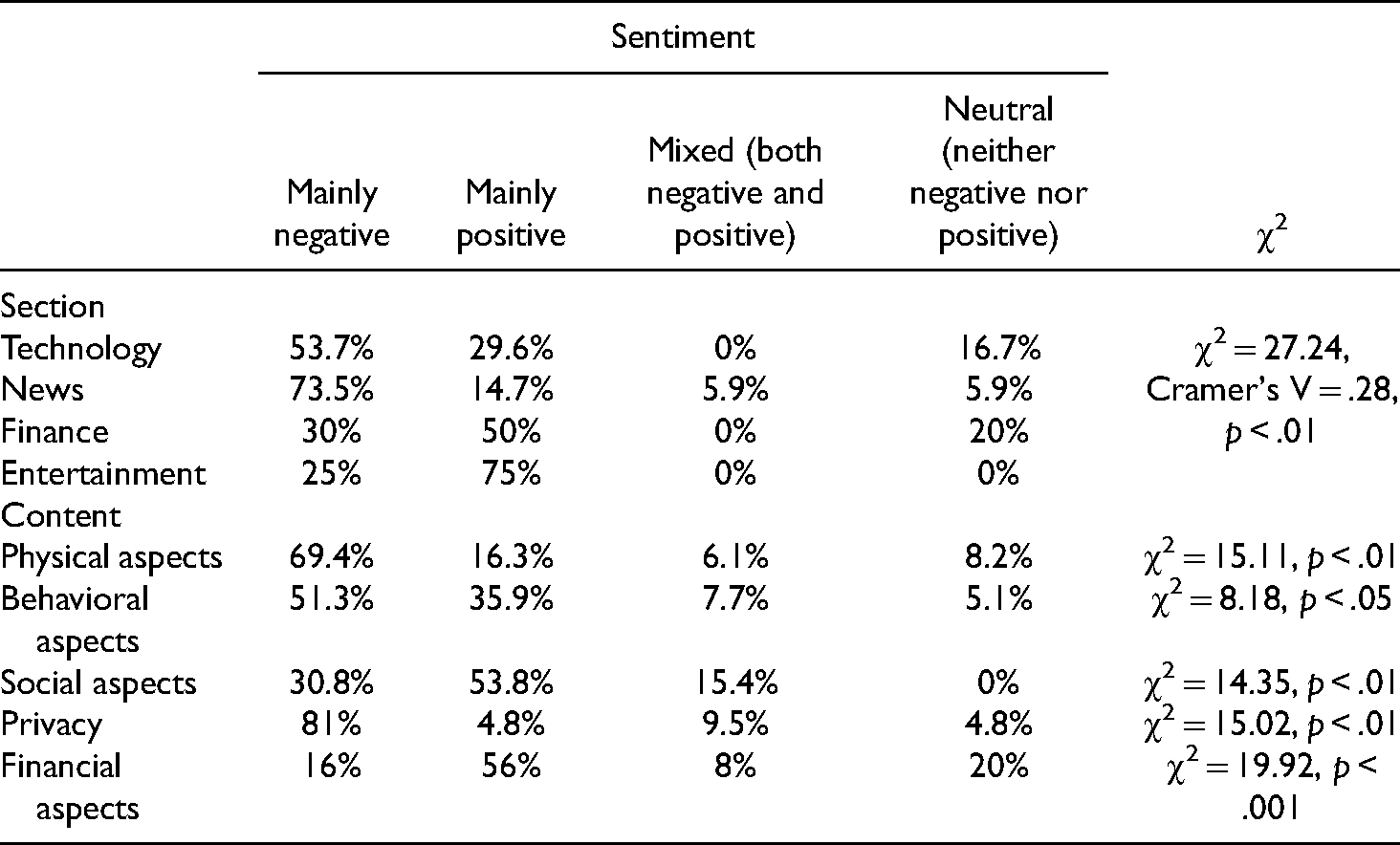
Results of a Chi-Square Test, and Distribution of Sentiment by Section and Category
Quantitative analysis
The items were coded by two coders trained by the researchers. Repeated training sessions were conducted for categories that achieved less than 90% reliability, until inter-rater agreement of 90% was achieved. See Appendix 1 for the categories coded by the coders.
Qualitative content analysis
A qualitative content analysis complemented the quantitative analysis in an effort to reveal implicit meanings by examining the linguistic messages, contexts, and connotations of the texts, and the narratives that emerge from them (Ettema & Glasser, 1988). The analysis included the text of the items, as well as examination of the actors presented in the texts (e.g., interviewees, players, experts), and their status and presentation (Klein, 2010). This method facilitates a deeper exploration of the meanings of texts, and a comparison of qualitative and quantitative findings.
Findings
Quantitative findings
RQ1: Context and content
The majority of the items concerning Pokémon GO were published in technology (48%) and news (30%) sections, while only a minority appeared in financial, entertainment, and other sections, supporting H1a. Most items (75%) were news stories, 14% magazine articles, and 11% commentaries (see Figure 1).
Coverage focused on, in descending order of frequency, the physical aspects of the game (e.g., risks resulting from playing in the street, near roads, etc.), behavioral aspects (e.g., the addictive nature of the game), financial aspects (e.g., discussing profits to Nintendo and other firms involved in the game, or players’ costs), issues related to privacy, social aspects (e.g., social interactions and unexpected collaborations, or social isolation and loneliness), psychological aspects (e.g., depression, anxiety, or empathy in game-related contexts), and finally cognitive aspects (e.g., disorientation resulting from play, issues related to memory and visual perception) which were least frequent (see Figure 2). These findings support H1b, which predicted that the physical and behavioral aspects of the game would appear most frequently. Social aspects of the game were less frequent than hypothesized.
RQ2: Tone and sentiment
Forty-one percent of the items reflected an emotional tone, mainly negative (see Figure 3). This is a rather high percentage considering that most of the items appeared in technology sections, and that 75% were news reports whose tone is generally neutral.
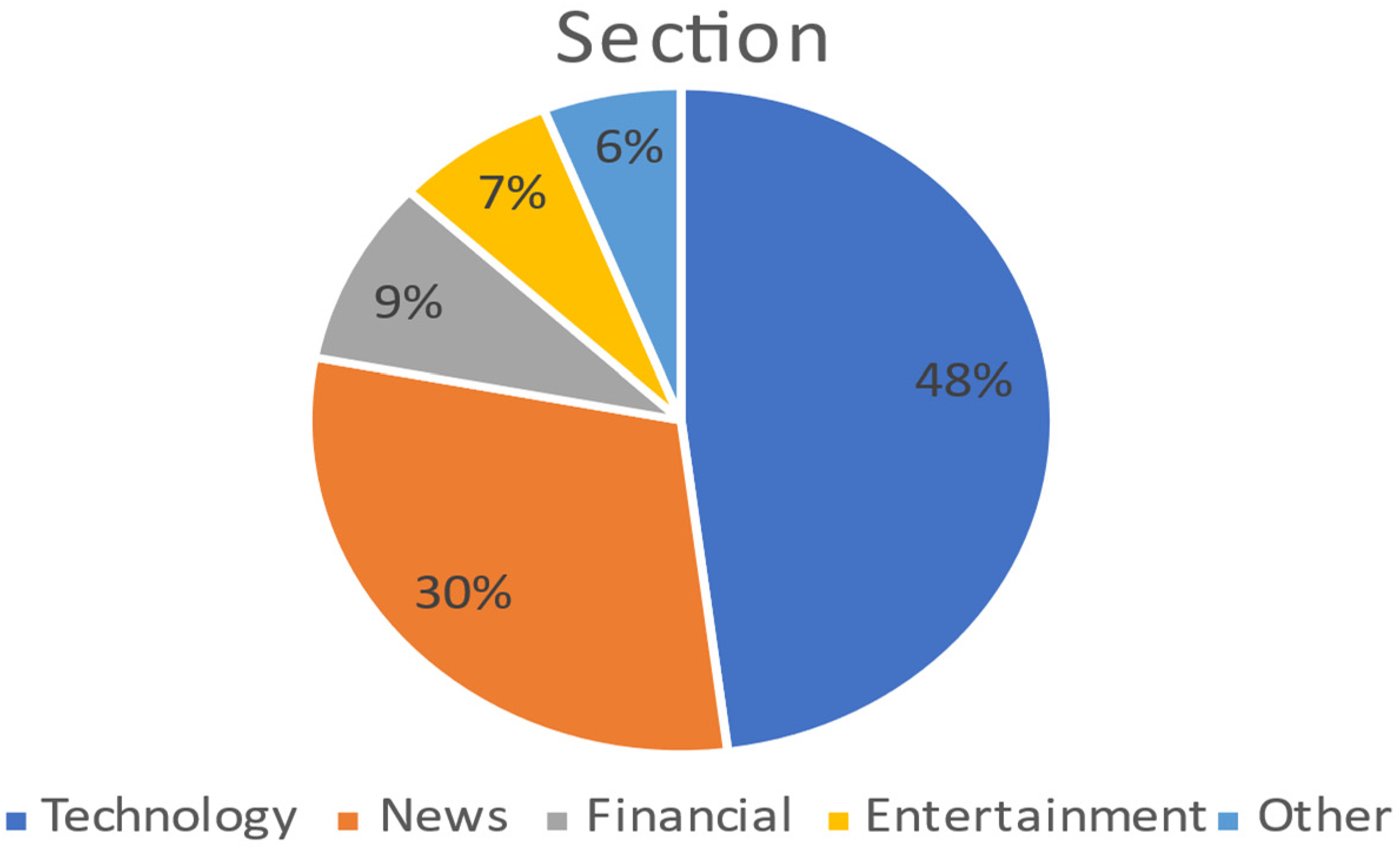
Distribution of Articles by Section
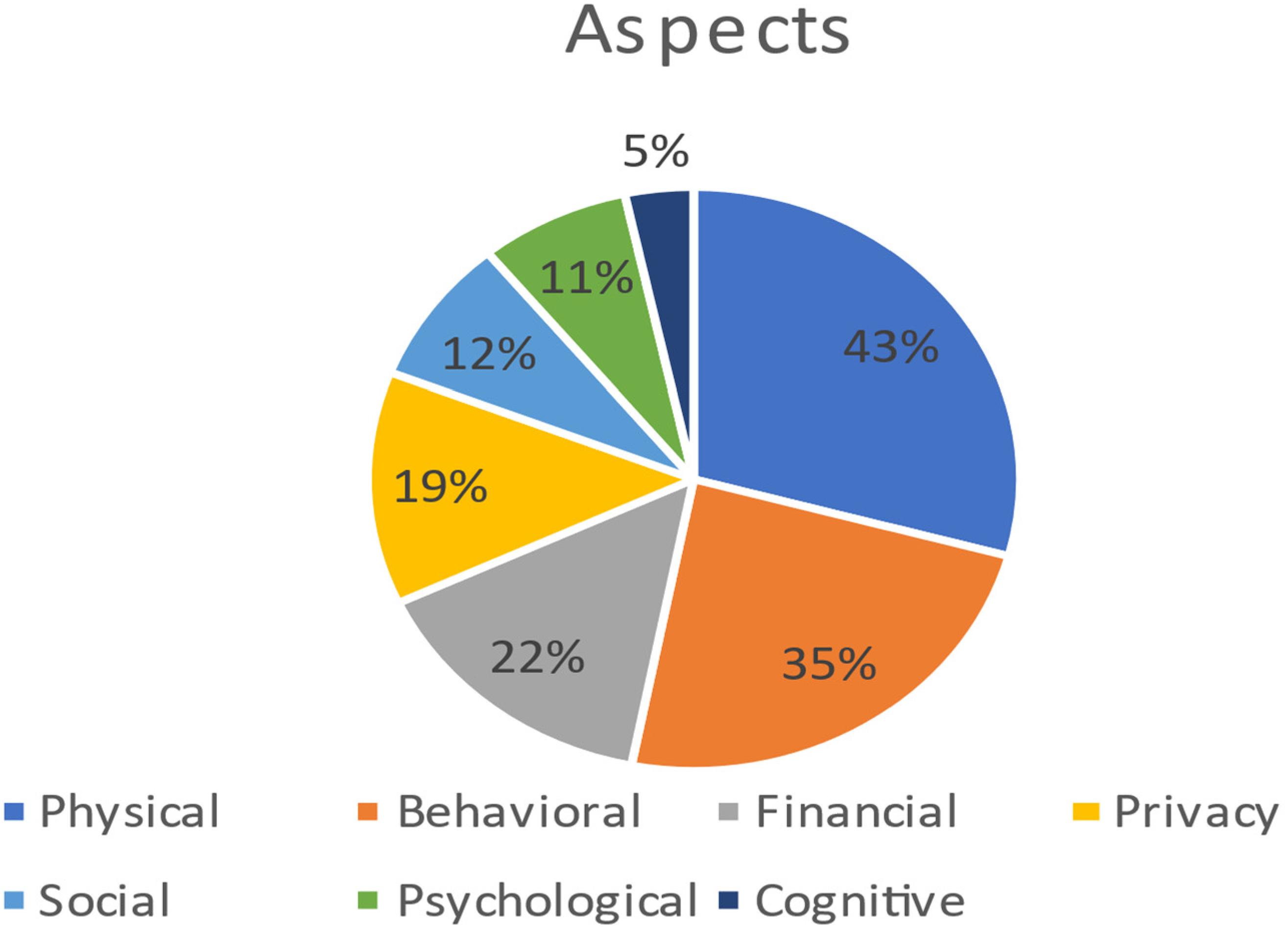
Distribution of the Aspects Covered in Articles
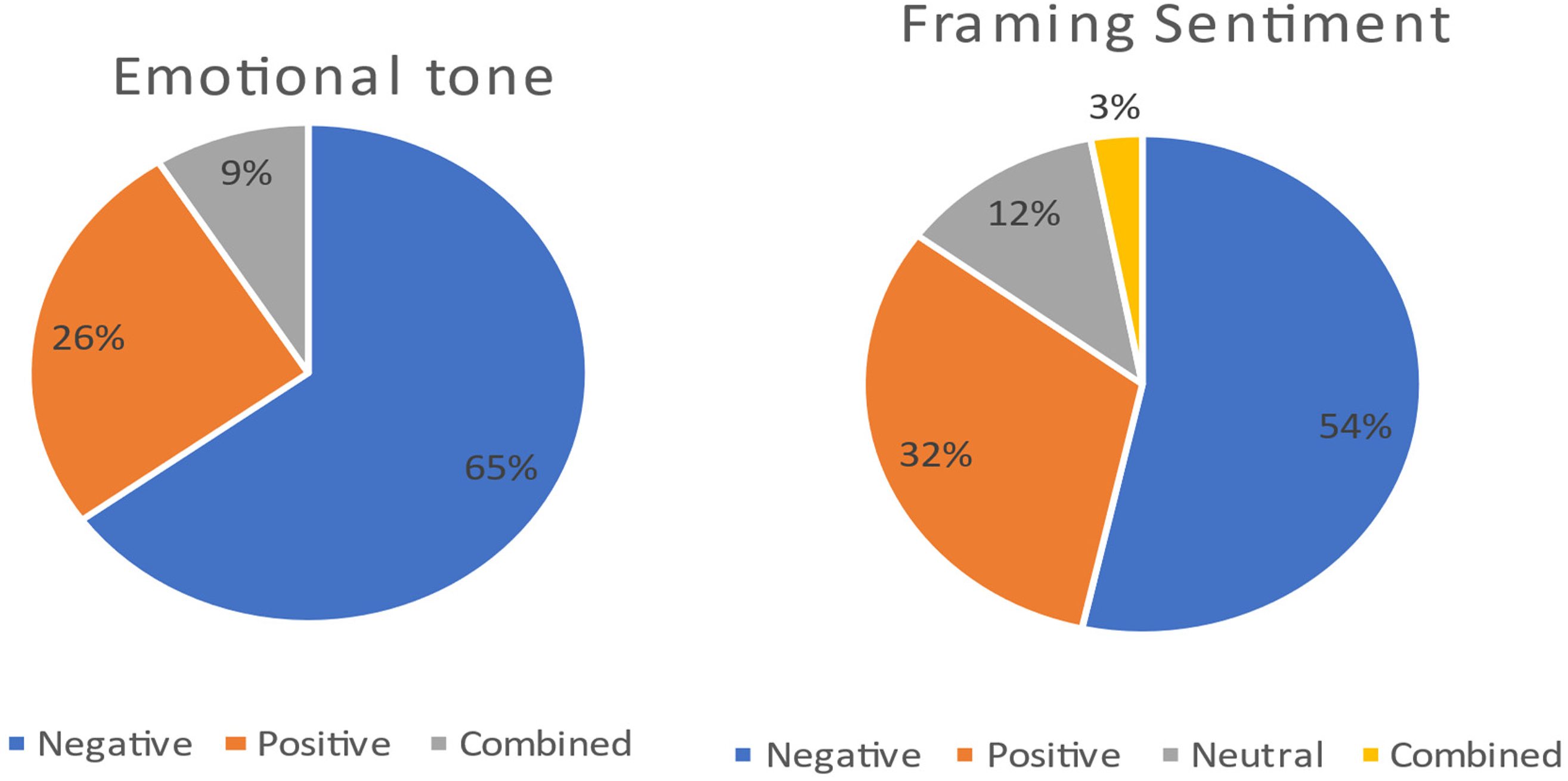
Distribution of Article Framing
With respect to framing (negative or positive), 54% of the items were negatively framed, 32% positively framed, 12% had a neutral framing, and 3% combined positive and negative framing. Results of a Chi-square test show that the emotional and unemotional items have significantly different frames (χ2 = 10.87, p < .05). While most emotional items were framed negatively (68.9%), and only 24.4% were framed positively, 44.1% of the unemotional items were framed negatively and 36.8% were framed positively (17.6% had a neutral frame).
These findings support H2a (which predicted a preponderance of emotional items), H2b (which predicted that emotional items would tend to be negative), and H2c (which predicted that the overall framing will be negative).
RQ3: Section and sentiment
To examine the relationship between section and sentiment, we performed a Chi-square test. Differences were found to be significant (χ2 = 27.24, Cramer's V = .28, p < .01). Items in the technology and news sections were mostly negative: 53.7% of the items in the technology section and 73.5% of the items in the news section were mainly negative, while 29.6% and 14.7% of the items published in these sections, respectively, were positive. In contrast, items in the financial and entertainment sections were mostly positive: 50% and 75% of the items in these sections, respectively, were positive, while 30% and 25% were mainly negative. These findings support H3.
RQ4: Content and sentiment
The findings support H4a, with the exception of items concerning the social aspects of the game. Our analysis shows that items concerning the physical and behavioral aspects, and privacy-related issues, tended to be more negative, while items addressing the social aspects of the game were more positive. The findings also support H4b: items that focused on financial aspects were more positive. See Table 1 for the distribution of sentiment by section and category.
Qualitative analysis
The qualitative analysis of the media coverage helps us obtain a more complete picture of the nature of the coverage and to more accurately identify the unique nature of the mobile panic in the case of Pokémon GO. The content analysis focused on the threat-related contents in the negative items, an analysis of the physical and psychological risks mentioned, and how these dangers are associated with the features of the game and the game platform.
The quantitative results above show that the coverage of Pokémon GO was mainly negative, especially in items on the physical and psychological implications of the game, and in items whose general sentiment was negative. The small number of positive items focused mainly on the financial aspects of the game or offered “tips” to players.
Theme #1: Criticism
The qualitative analysis finds mention of a wide range of risks in the negative coverage of Pokémon GO, which mainly fall into two categories: physical threats to players’ safety, grounded in the environment, and cultural risks related to threats to social norms stemming from players’ insensitivity to the environment.
Threats and physical injury
1.1. Risks of injury stemming from inattention to the surrounding physical space, as a result of players’ preoccupation with the game and focus on their mobile devices; for example, risks related to cars and transportation (“Health organizations caution: Pokémon GO can endanger children on the roads,” “Innocent game or life threat – Pokémon GO is seen on Israel's roads”); risks related to inattention to objects in the physical space (“35-year-old crashes into a glass window when chasing Pokémon – condition is fair,” “Two people fell off a cliff while playing Pokémon GO,” “Skull fracture to a 15-year-old who chased Pokémon and fell off her bicycle”). 1.2. Risks related to player's forays outside their safe, home environment into the dangerous “jungle” outside. The “dangerous jungle” can literally describe dangerous encounters with animals and forces of nature (“Played Pokémon GO and found a body in a river,” “A boy looking for a Pokémon was bit by a poisonous snake,” “Three boys injured by insect bites during a Pokémon GO game,” “Tried to capture a water-type Pokémon, collapsed in the water, and was saved”) or a metaphor for unimaginable dangers (“Armed robbers used Pokémon GO to ambush 9 victims,” “Young man murdered while searching for Pokémon in San Francisco,” “Woman allegedly raped by a Pokémon GO player,” “Man fires weapon at two boys playing Pokémon GO”). The physical threats described in the media brand mobile technology with dual meaning: not only is the space of the game—the outside—potentially dangerous, but players’ immersion in the game leads them to ignore these environmental risks. In this respect, the current media coverage follows the narrative of the previous waves of panic that framed mobile technology as a dangerous medium that threatens players’ physical safety and even their lives (Draper, 2012). These findings are especially interesting in comparison to players’ subjective experience, as previous studies show that Pokémon GO players who move in these public spaces as part of the practices of the game reported little fear, aversion, or sense of danger in public places (Potts & Yee, 2019). Moreover, many studies show that mobile phones are considered to enhance one's sense of personal security in public spaces from the early stages of this technology's adoption (Pain et al., 2005). Mobile technology's perception as a safety-promoting medium may be embedded in objective experience. Studies from the mid-1990s show how mobile phones assist individuals in war and disaster zones and in life-threatening situations in everyday life (Katz & Rice, 2002). In this respect, negative media coverage that stresses the dangers of the mobile game of Pokémon GO transforms mobile technology from “a medium of faith, hope, and redemption” (Katz & Rice, 2002, p. 252) to a source of danger and threat: rather than instilling and enhancing users’ safety when they are in dangerous surroundings, it encourages forays into dangerous spaces, responsible for these dangers, and, moreover, it creates dangers and transforms the public sphere into a dangerous sphere. Cultural and normative threats
A second theme to emerge from the qualitative analysis is related to the framing of Pokémon GO as a social-cultural threat, linking the game to violations of social conventions and cultural and ethical norms, distinguishing between spatial and temporal norm violations. Spatial norms are noted in critical comments on the game's use of spaces with sacred or symbolic meaning, such as museums, sites of religious worship, or cemeteries (“Captured Pokémon in church and sentenced to two months in prison”, “Virginia residents request: Please do not capture Pokémon in cemetery”, “Pokémon GO at the Holocaust Museum in Washington, DC”, “Petition in India: ‘Pokémon GO’ is a violation of religious feelings due to the display of game items in temples”) where such use is considered non-normative and sacrilege, or sites of national security significance such as military bases, where the game is considered a threat to the proper functioning of organization (“Pokémon GO out of bounds at IDF [Israel Defense Forces] bases,” “Instruction for police officers: Pokémon GO must not be played in the organization's facilities”). Many headlines concerned Pokémon GO in schools and the consequent impact on their functioning.
Another aspect of framing the game as a violation of social-cultural norms is related to time and how the application draws players into the game at inappropriate times and situations—during government press briefings news broadcasts, or parliamentary debates (“Journalist searches for Pokémons at State Department briefing on ISIS,” “Broadcaster addicted to Pokémon GO interrupted broadcast,” “Parliament go: Norwegian Prime Minister caught capturing Pokémon during discussion”). Schools also feature widely in these reports, stressing how children play during school hours and even during class.
This theme is linked to mobile users’ experience of hyperconnectivity (Brubaker, 2020), resulting from the mobility of mobile devices and their attachment to users’ body at all times and in all spaces. AR anchors the game app to users’ contexts in specific times and places, but the game itself is blind to the social-cultural stratification of the time and space in which the user exists. As a result, these spaces are violated and their association to the game becomes a threat.
Theme #2: Institutional support
Another dimension of Pokémon GO coverage is institutional mobilization, which is the involvement of public organizations and institutional representatives, and one of the factors that distinguishes media panic from merely negative framing by the media (Marwick, 2008). In effect, many media items include institutional warnings, such as local and national government officials (“Signs in Australia: Do not drive and play Pokémon GO”), agencies in charge of public safety (“First aid organization warns the public against Pokémon GO”), and schools, as well as interviews with professionals who encountered or even treated game “victims,” such as interviews with Emergency Medical Services (EMS) workers who treated injured players, and parents of injured children.
This emphasis on institutional response and public mobilization to the technological hazard is not only a reflection of the zeitgeist, but also reflects a constructed narrative that encourages counter responses and extensive institutional intervention, which in turn prompts calls for educational (Draper, 2012) and legal (Goggin, 2010) restrictions in order to cope with the threats. This narrative adopts a generalized stigmatization rather than a more complex, fine-grained analysis of the game's cultural contexts and the differences between phenomena that merely appear to be similar.
Theme #3: Adults versus teens
Another theme to emerge from the analysis of Pokémon GO coverage is the game's frame as the source of risks and dangers for all users, with no special emphasis on its younger users, children and teens. The absence of age in the game's coverage stands in stark contrast to previous media and mobile panics, whose target has traditionally been young people, building on an idyllic conception of childhood and the importance of family values joined to concerns of vulnerability, sexual corruption, and delinquency (Livingstone & Bovill, 1999). Moreover, researchers such as Drotner (1999) and Livingstone (2002) stress that one of the key features of media panic is adult discussions focusing on the phenomenon's effects on young people. In this respect, Pokémon GO coverage differs significantly from previous media and mobile panics. This point is elaborated further below.
Discussion and conclusions
The study examined media coverage of the Pokémon GO game application as a case study for media panic, in general, and mobile panic, in particular, focused on novel AR technology. Our goal was to determine whether coverage of the game in mainstream Israeli media is mostly negative, if it features media panic elements, and, if so, in what way. Quantitative and qualitative analyses were conducted of items taken from two leading print newspapers and two leading online news websites in Israel.
Limitations and future research
The current study examined the media coverage of the Pokémon GO application, focusing on the period immediately following the application's launch. Media coverage is typically dynamic and volatile by nature, and, similarly, the media panic surrounding any new technology varies over time and typically fades as the technology is assimilated. It is, therefore, reasonable to assume that the media coverage of Pokémon GO may also change in scope and nature over time. A follow-up study might examine trends in media coverage of Pokémon GO over time and investigate whether the negative aspects of coverage declined, and how the media interest in the game varies over time, after the initial enormous interest has subsided.
In this study, we selected the Pokémon GO application as a test case of unusual interest due to the combination of the technological innovation of AR and the game's unprecedented popularity. Nonetheless, in order to examine media panic in the broader context of AR technology, it would be interesting for future research to compare the findings of the current study to a similar analysis of media coverage around other popular AR-based applications that were extensively the target of media coverage, in other fields such as tourism, education, and entertainment, where the use of AR-based applications is also widespread.
Findings show that the majority of items concerning Pokémon GO were negative and many were emotional. Items mostly addressed the game's physical, behavioral, psychological, and privacy threats, consistent with previous research demonstrating how media panic reporting focuses on media's adverse impact on social norms and morals (Goggin, 2006, 2010; Ravindran, 2009).
This is despite the advantages of the game reported in previous studies such as encouraging outdoor activities and learning, as well as creating a sense of community among players (Althoff et al., 2016; Dorward et al., 2017; Fernando, 2016; LeBlanc & Chaput, 2017; Zach & Tussyadiah, 2017).
This media coverage pattern was strongly evident mainly in items published in the news and technology sections, in contrast to items that appeared in the financial and entertainment sections. News coverage typically tends to use more negative headlines (Soroka et al., 2015) and is consistent with the phenomenon of media panic, which conveys negative coverage of technology (Goggin, 2006, 2010; Ravindran, 2009). The items that addressed the social aspects of the application, however, tended to be more positive, in contrast to the study hypotheses and previous research (Furedi, 2016).
The qualitative analysis identified several themes and complements the quantitative findings, demonstrating negative framing focused on the game's risks: physical risks stemming from the “on the go” nature of the game, as a result of which players pay limited attention to their surrounding physical spaces; risks related to players’ venturing from the safe space of their home environment into the dangerous outside world; and the violation of public norms when the game is played in sites or situations deemed offensive and inappropriate. In many cases, media coverage included a wide range of institutional claims that highlight the application's dangers. Indeed, in cases of media panic, institutions and media coverage have reciprocal effects (Goggin, 2006).
The third wave of mobile panic
The current findings are linked to Goggin's (2006) argument that the rapid rate of diffusion of mobile phones is accompanied by media reports on mobile technology's negative effects, yet coverage of Pokémon GO in Israel, the focus of the current study, differs from the previously identified negative coverage of mobile technology, mainly in the symbolic meanings that it attributes to AR games as technological innovations (Bonn, 2015), especially in its integration into the mobile platform. A comparison of the mobile panic in the Israeli case of Pokémon GO with previous mobile panics highlights that media coverage in each context focused on different threats and presented these threats differently.
Taking a broad perspective, we can identify three dimensions or waves of mobile panic that stress distinct potential adverse effects of a new medium. The first wave focused on negative coverage that is similar to the media panics that accompanied the introduction of new technologies such as television and the internet: warnings of moral corruption (due to exposure to offensive contents such as violence and sex), physical harm (to sight and skeletal muscles caused by excessive use), and adverse effects on children's literacy (Goggin, 2006; see, in comparison, Drotner, 1999). Researchers noted that these harms were not created by mobile technology, but existed in similar form on the internet. Mobile phones became the target of attacks due to their ease of access to and sharing of information.
The second wave focused on offensive interactions that take place in public spaces, such as violent social network challenges and cyber-bullying (Mann, 2008) and vulnerability in private spaces such as documentation and dissemination of intimate images and contents, sexting, etc. (Goggin, 2020; Ravindran, 2009). In this wave, the features and affordances of mobile technology were identified as the source of the threat, and specifically its incessant presence that accompanies users in both public and intimate spaces. This presence enables recording and dissemination and the development of offensive practices that trigger media panic. (Lim, 2013).
The current study reveals a third wave of mobile panic, one that focuses on the physical features of mobile technology, and, more specifically, the identification of mobility itself as a source of threat. The experience of Pokémon GO relies on one's sense of mobility in space, which is enabled by mobile phone use and heightened by the interface between the physical and virtual worlds (Rashid et al., 2006). In this sense, the features of media panic converge. When media coverage focuses on harmful contents, mobile phones are conceptualized as the neutral medium through which access to problematic contents can be gained, not unlike other similar media. However, with media coverage of Pokémon GO, the neutral element in the equation is the game content, while the potential dangers are concentrated in the medium itself and in users’ interactions with the mobile platform. Another sense of the perceived threat of mobility is related to the tension between interior and exterior, and activity and passivity.
One theme that emerged strongly in the negative coverage of Pokémon GO was an emphasis on users’ presence in threatening public spaces rather than in their home environment. This narrative also fundamentally differs from previous cases of media panic. For example, a popular narrative in public and media discourse attributes the danger of screens to users’ passivity, and accuses the increasing use of screens for rendering users immobilized, entranced in the virtual world, disconnected from “real-life” events and social interactions (Ophir et al., 2020; World Health Organization [WHO], 2019). Moreover, digital media is deemed to potentially allow the infiltration of external threats into the user's home, such as digital predators, bullies, and harassers (Marwick, 2008). In contrast, with Pokémon GO the frame is reversed: the home is the safe space, and dangers are entailed in actively leaving home. The game's mobile platform compels users to go out into the “jungle” where the real threats are found.
Marshall McLuhan's metaphor for the media as a “rearview mirror” can help us understand this dynamic. This metaphor illustrates how, when a new medium emerges, it is deemed an extension of an older medium's capabilities (McLuhan & Fiore, 1967). Only when a new medium enters the arena is its precursor judged on its own unique characteristics, as they are reflected through the new medium. In this spirit, the media panic that accompanies the emergence of a new medium focuses on how it exacerbates the dangers that were already familiar with its precursor. For example, the internet is accused of exposing and facilitating children's access to violent and sexual contents, but these contents had already been discussed in the context of television watching (Ravindran, 2009). The massive negative coverage of the dangers of social media in the form of problematic social interactions recalls previous (albeit less intense) similar debates in the context of online chatrooms that preceded social media (Marwick, 2008). The media panic around Pokémon GO is unique in that it does not highlight familiar dangers discussed in relation to computer or networked games, but instead focuses on a new danger that stems from players’ use of space, and on its virtual reality feature, which enhances the experience of mobile-phone-based mobility.
This distinction is more easily understood in view of Campbell's conceptual distinction between mobile media and mobile communication: “Mobile media refer to devices, services, and content accessible on the go, while mobile communication points to the social practices enabled by and expressed through them” (2020, p. 101). In this sense, the significance of the transition to mobile communications does not lie in the mobility of the device, but rather in the mobility that it affords to the user (Smith, 2013). Indeed, the majority of the first wave of research on mobile phones focused on “issues pertaining to place and place experience” (Wilken & Goggin, 2017, p. 59) and addressed the disruptions that mobile communications create in interpersonal interactions (Fortunati, 2005), and especially in the public sphere (Okabe & Ito, 2005). Over time, the perspective on mobile media's redefinition of the meanings of existing spaces and places changed. While “space” came to refer to a physical site, the concept of “place” was used to describe a site of social meanings, constructed on layers of memories, accounts, emotions, cultural meanings, reciprocally related to other places. Places are not “encountered,” they are socially constructed. Mobile technology plays an important role in the construction of meanings attached to a place by charging it with digital contents, information, texts, and images, as a result of which it becomes part of its social context. This process is even stronger with respect to AR technology, which creates a complex interface between a geographic site and social content. As a multiplayer AR game, Pokémon GO not only transforms the urban environment into a game board (De Souza e Silva, 2006), but redefines the entire space itself, including sites considered “sacred” or “respectable,” and “wild” urban spaces. It is this process that emerges in media coverage of the game as the cause for the current media panic.
Footnotes
Funding
The authors received no financial support for the research, authorship and/or publication of this article.

Author Biographies
Tal Laor is the co-founder of the School of Communications at Ariel University and of its Radio, Broadcast, and Content Production Track, which he currently heads. A Research Fellow at the Institute for New Media Research, Society and Politics, Ariel University and at sport, media, and society (SMS) research lab, IDC. Dr. Laor is an expert in developing and implementing innovative and relevant media concepts to the new media.
Hananel Rosenberg is a senior lecturer at the School of Communication at Ariel University. His main research interests are the psychology and sociology of mobile phone usage and its implications on daily life, teacher-student communication in social networks technologies (SNT) and media usage among children & teens.
Nili Steinfeld is the head of the Digital Communications track at the School of Communications, Ariel University. She studies political and social implications of digital media, privacy and surveillance online, social networks as public spheres, and online intergroup dynamics. She employs quantitative and qualitative research methods as well as innovative technology, digital and virtual reality methods in her research.
Appendix
Length (number of words) Context or nature of coverage:
2.1. Context (section: technology, news, finance, entertainment and leisure, other) 2.2. Style: Is the item neutral, merely reporting on facts/events? (Yes/No) 2.3. Genre (report, commentary, magazine article) Tone and sentiment:
3.1. Emotionality (use of words describing emotions, mental state, emotional behavior; Yes/No) 3.2. Emotional bias (negative, positive, or mixed) 3.3. Framing (neutral, mostly negative, mostly positive, mixed) Reference to the game's effects (Yes/No):
4.1. Effects on minors 4.2. Physical effects (e.g., injuries) 4.3. Psychological effects (e.g., anxiety, depression) 4.4. Social effects (e.g., new friends, loneliness) 4.5. Economic effects (e.g., economic gains or costs) 4.6. Cognitive effects (e.g., learning, social perceptions, memory) 4.7. Behavioral effects (e.g., addiction) 4.8. Privacy effects (e.g., information security, safety).