




Abstract
The pandemic has brought many challenges to the restaurant industry but highlighted the importance of embracing digital transformation that enhances organisations’ competitive advantage and sustainable business. The success story of Haidilao, a popular hot pot restaurant, inspires those striving to overcome difficulties and learn from their digital transformation journey. By staying adaptable, proactive and customer-focused, Haidilao has leveraged digital platforms to offer new and innovative services, such as an online ordering and delivery, an intelligent kitchen, an innovative WeChat strategy and even a Cloud Video Conferencing Service to enhance the attractiveness of the dining experience. Haidilao’s story demonstrates the power of innovation and customer-centricity in driving successful digital transformations for sustainable business in the restaurant industry.
Introduction
The restaurant industry is constantly evolving to cater to ever-changing customer demands and provide unique gastronomic experiences on a global scale (Santiago et al., 2024). With a rich history, the industry has undergone significant transformative shifts driven by innovative culinary practices and advancements in service frameworks (Shen et al., 2021). However, the 2020 pandemic has presented unparalleled challenges in this sector. Widespread lockdowns and heightened health considerations have dealt with severe blows to businesses that thrive to provide in-person dining experiences and create a welcoming atmosphere (Byrd et al., 2022; Yost and Cheng, 2021). The resultant paradigm shift has necessitated an accelerated transition towards digital transformation.
Digital transformation is not only about integrating digital tools into business operations or shifting brick-and-mortar business models online (Jeannot et al., 2022; Santiago et al., 2024). It represents a comprehensive transformation and reengineering organisation’s way of doing business, including how organisations engage with customers and offer value-added services that could benefit society as well as sustainable business. In the hospitality sector, where the overall dining experience is as essential as the quality of food, digital technologies offer an opportunity to enhance and personalise this experience. Restaurants have been forced to adopt innovative strategies to meet not only basic sustainability needs, but also the growing demands of their customers (Santiago et al., 2024; Yost and Cheng, 2021). Digital technologies have opened opportunities not only to optimise operations, but also to increase outreach, improve convenience, and increase customer engagement and satisfaction (Santiago et al., 2024).
However, the transition to digital transformation involves more than simply moving business operations online or offering takeout options. For restaurants, this means delivering a seamless extension of their unique dining experience to customers even when operating remotely. The successful incorporation of technological advancements has emerged as a decisive factor in separating thriving businesses from those struggling to survive the pandemic. Haidilao stands out as a symbol of resilience and strength during challenging times. The brand is renowned for its hot pot traditions and exceptional in-house services, and rather than being complacent, it has adapted to prevailing circumstances (Wu, 2023). This exemplifies how a long-standing organisation can leverage digital technology while maintaining its core identity.
Examples of different types of automation in restaurants.
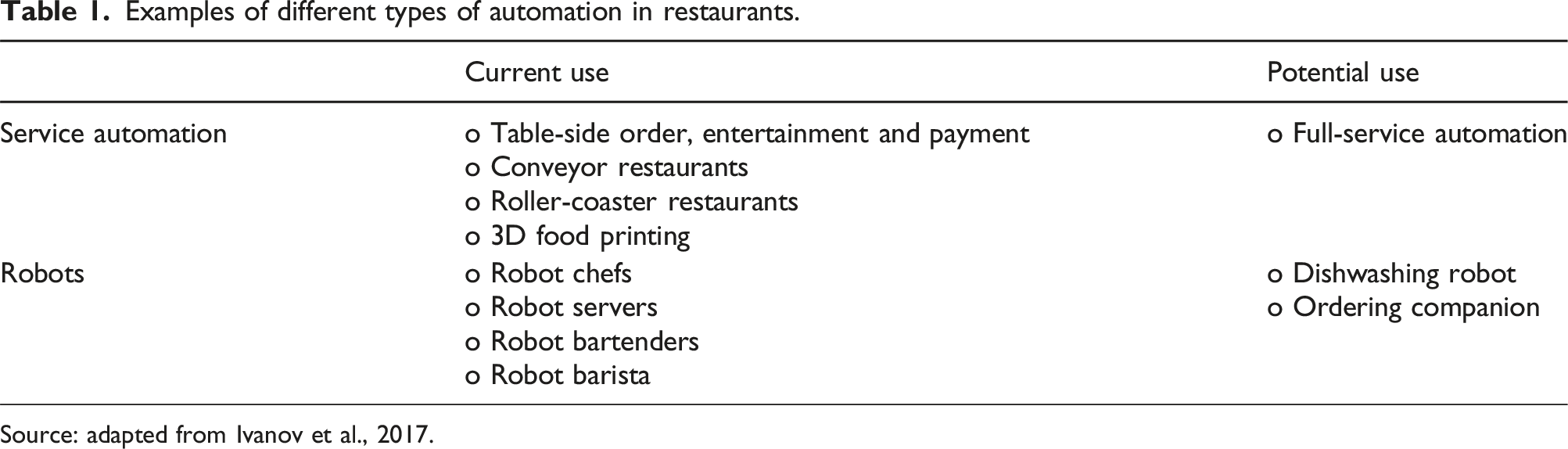
Source: adapted from Ivanov et al., 2017.
Technologies used to automate processes in different service stages.
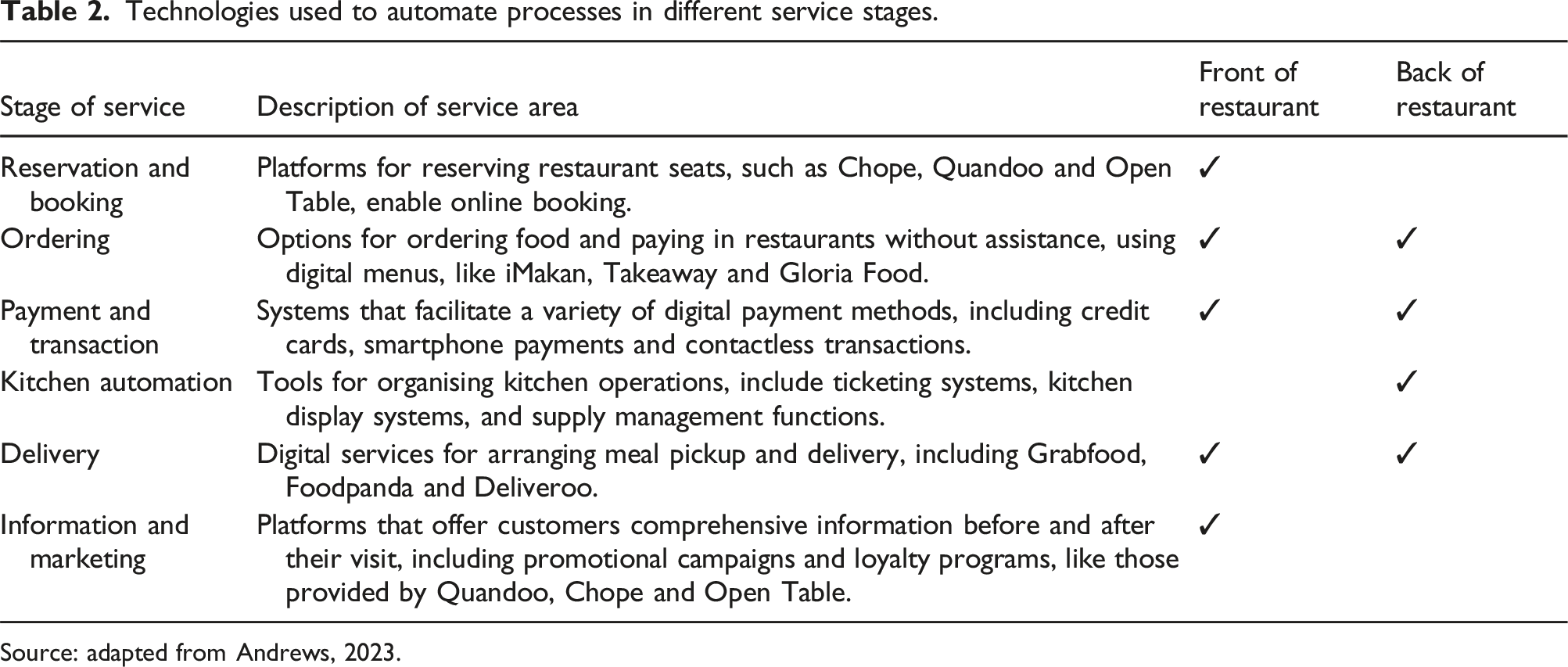
Source: adapted from Andrews, 2023.
The pandemic has unquestionably uncovered the vulnerabilities of the restaurant industry; however, it has also illuminated a promising path that deftly blends conventional methods with ingenuity and technology, incorporating environmental sustainability into digitalisation strategies (Biao and Rojniruttikul, 2023; Wu, 2023). Our case study elucidates how Haidilao, one of China’s preeminent hot pot chains, exemplifies the importance of adaptability, forward-thinking and meeting customer needs while simultaneously considering the environmental impact of its operations. By integrating digital technologies such as Enterprise Resource Management Systems and Intelligent Kitchens, Haidilao has not only enhanced its operational efficiency but has also made strides towards reducing waste and optimising resource utilisation. These efforts align with sustainable practices by minimising environmental footprint and advocating eco-friendly initiatives.
Using platforms such as innovative WeChat and Virtual Cloud Systems has also empowered Haidilao to engage customers more effectively, providing them with information about sustainable dining options and the chain’s environmentally conscious practices. As businesses worldwide seek insights into successfully navigating their digital transformations, Haidilao’s fusion of digitalisation with sustainability initiatives stands out. This approach shows how innovation and customer focus can coalesce to benefit profitability and contribute to broader sustainability goals, making Haidilao’s story a guiding light for the restaurant industry’s future trajectory.
Sizzling success from a singular Sichuan start
Haidilao International Holding Ltd (Haidilao) is an internationally recognised culinary sensation renowned for its authentic hot pot cuisine and unparalleled dining experience. From a single restaurant in the small city of Jianyang, Sichuan Province, China, in 1994, Haidilao grew into a global brand with 935 restaurant chains by the end of June 2020, with more than 36 million VIP memberships. The success story of Haidilao’s growth is a testament to the founder’s unwavering ambitions, tenacity and astute entrepreneurial prowess (McDougall, 2021; Wu, 2023).
Haidilao timeline.
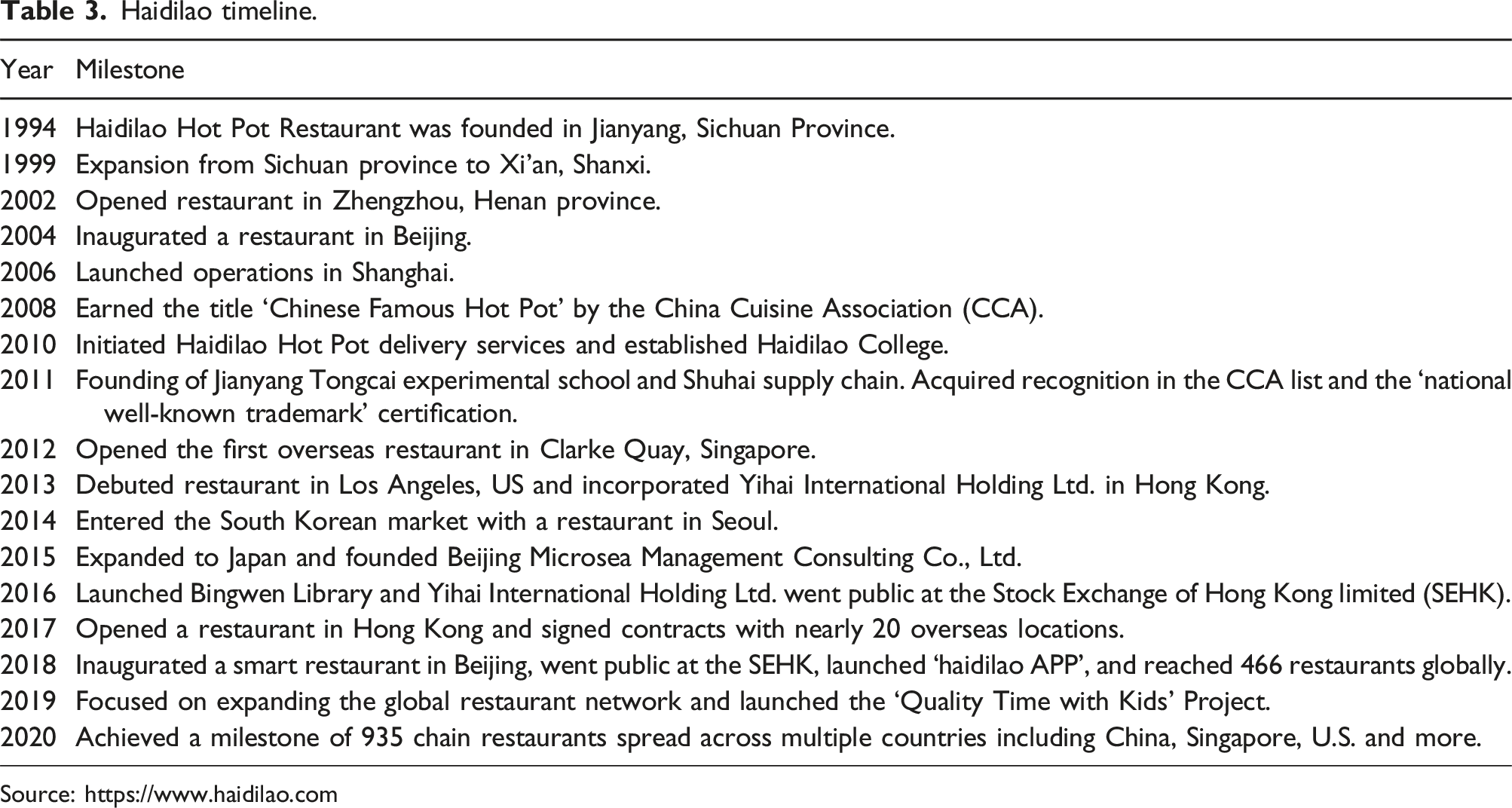
Source: https://www.haidilao.com
The journey from a single hot pot restaurant to an international chain is a story of strategic expansion and financial evolution (McFarlan et al., 2011). By 2019, Haidilao had cemented its dominance in China’s competitive hot pot restaurant market, with a compelling growth rate in revenues and profits. This is primarily attributed to the restaurant operations. Despite the challenges posed by the pandemic in 2020, which caused temporary closures and financial setbacks in its Mainland China operations, Haidilao remained undeterred in its ambition for global expansion (Du, 2023).
By 2023, the company had grown to operate more than 1400 stores worldwide, including over 114 international outlets managed by its overseas unit, Super Hi International Holding (Chan, 2022; Lin, 2023). Although overseas expansion initially resulted in a net loss of US$41.3 million for Super Hi in 2022, the company showed promising signs of recovery, with revenue growth and returning customer crowds hinting at an imminent return to profitability (Reuters, 2023). The company’s impressive performance is evident in its market capitalisation of $10.37 billion as of January 2024 and its success on the Hong Kong Stock Exchange. 1 This global expansion highlights Haidilao’s resilience and adaptability, marking its transition from a local favourite brand to a global culinary brand.
Haidilao serves as a reminder of the importance of cherishing culinary experiences and accompanying moments (Shu, 2023). Haidilao is an exemplary illustration of the notion that dining encompasses a holistic experience that extends beyond the food, encompassing all aspects of hospitality (Wu, 2023). During the pandemic, Haidilao quickly integrated its branches through its proprietary WeChat mini program and other third-party platforms, when dine-in services became infeasible. This digital initiative was not a temporary solution but a proactive approach to business continuity planning (Reuters, 2022). The initiatve ensured that, in the event of restrictions affecting any of their establishments, a seamless online transition could be easily implemented across the entire operation. Rapid adaptability and responsiveness are crucial not only in times of crisis, but also in enduring characteristics that contribute to the resilience and adaptability of organisations in the long run.
Haidilao’s digital transformation was more than merely enhancing its service-delivery capabilities. It involves thoroughly understanding customer preferences, providing tailored and personalised experiences, and implementing stringent quality service control measures (Biao and Rojniruttikul, 2023; Du, 2023; Shu, 2023). Haidilao aimed to recreate an in-person dining experience within a customer’s home, and transitioning to digital platforms allowed them to collect valuable customer behaviour data. These data were used to make informed decisions based on analytics, leading to improved customer satisfaction and a sustainable business in a competitive market.
Haidilao’s digital transformation journey has been highly successful, and has provided several key takeaways. The first lesson is the importance of adaptability and readiness to transform, regardless of industry dominance or established heritage (Wu, 2023). Furthermore, it highlights the significance of a proactive approach, in which digital adoption is considered a strategic initiative to foster future expansion and sustainability. This underscores the criticality of maintaining a customer-centric approach (Biao and Rojniruttikul, 2023; Shu, 2023). By capitalising on digital resources, the objective is to automate and improve the customer experience by prioritising their needs and preferences in all strategic decisions. In the following sections, we describe Haidilao’s digital transformation journey from hot pot to robot.
Where it all begins: Haidilao’s culinary odyssey amidst adversity
Haidilao established a dominant position in the culinary sector by upholding high-quality standards and delivering friendly and outstanding customer service beyond industry and customer expectations. The company’s restaurant operations account for over 90% of its total earnings (Shen, 2022), demonstrating Haidilao’s unwavering dedication to providing exceptional dining experience and delivering the highest quality food. This level of excellence has positively impacted customer satisfaction and retention, thus fostering a loyal customer base that continues to grow through Haidilao’s targeted advertising strategies and effective word-of-mouth promotions.
Moreover, Haidilao’s food delivery service experienced significant expansion, particularly during the pandemic, highlighting its agility and adaptability. Haidilao has also extended its operations to include the distribution of condiments and other food ingredients through diverse retail channels, such as convenience stores and supermarkets, further solidifying its position as a market leader committed to promoting consumer convenience and accessibility (Du, 2023).
However, Haidilao’s rapid growth has raised significant financial concerns. Opening new outlets resulted in notable staff expenditure relative to revenue (Cheng et al., 2022; Yang, 2022). It is well known that newly established outlets require a greater allocation of human resources, but have lower productivity levels than their well-established counterparts. Training new employees with limited experience further amplifies a company’s expenses. This poses a significant risk to future free cash flow for companies. The pandemic has further exacerbated these financial burdens because implementing and maintaining adherence to health protocols has increased staffing expenses (Cheng et al., 2022).
This pandemic has created unprecedented operational challenges for Haidilao. A significant proportion of its revenue comes from Chinese New Year celebrations in which families gather to dine and celebrate. However, the pandemic and lockdown measures disrupted this tradition and culture. Haidilao proactively decided to temporarily close all restaurants in mainland China starting on January, 2020, to support containment initiatives. 2 This resulted in a significant setback, with a loss of revenue and a substantial financial loss of 965 million yuan in the first 6 months of 2020 (Peilin and Cao, 2020).
Haidilao’s partnership with Honghuotai fuels rapid expansion
Technological intelligence is a future trend in businesses, including restaurants. Haidilao has been at the forefront of the industry as it recognises the value of technology in business. With technology-driven operations, from table reservations to food delivery, every aspect of operations becomes efficient and cost saving for the company. Haidilao has experienced remarkable growth over the past few years, expanding its presence from approximately 200 stores in FY17 to more than 1000 stores in FY21 (Shen, 2022). This rapid expansion was made possible, largely because of its strategic partnerships with leading technological companies, which helped boost Haidilao’s operational efficiency. One notable example of such collaboration is Honghuotai Catering Service Co., a renowned provider of Enterprise Resource Planning (ERP) solutions. 3 In 2017, Haidilao formed a partnership with UFIDA Group (now renamed Yonyou Network Technology Co., Ltd, a subsidiary of Honghuotai) to develop a cutting-edge Software as a Service (SaaS) platform (Kaizhi, 2019). This platform, built on state-of-the-art cloud infrastructure, offers a wide range of services, including an efficient meal ordering system, detailed operational management tools and robust ERP support, which have significantly contributed to Haidilao’s impressive business growth.
The company has undergone a successful digital transformation of its services by incorporating Honghuotai’s services into Haidilao’s business operations. Using Honghuotai’s services, restaurant staff members can collaborate seamlessly on coordinated digital platforms. Customers appreciate the ease of using Honghuotai’s digital platform to place food orders and manage their membership. Cashiers also find significant value in leveraging Honghuotai’s Cashiering application, which streamlines payment processing, facilitates quicker table turnover and increases revenues. Moreover, store managers possess in-depth knowledge of operational metrics such as food delivery duration and customer feedback, enabling them to optimise processes and enhance service excellence. Digital transformation revamping the entire operational process increases efficiency and enhances the customer experience. This has resulted in revenue growth through decreased costs owing to improved efficiency and/or increased profit margins from customer satisfaction and retention (Biao and Rojniruttikul, 2023; Shu, 2023; Yang, 2022). Technological integration and transformation enable Haidilao to achieve sustainable business objectives and practices to remain competitive.
Middle office operations were entirely transformed in parallel. Honghuotai provides Haidilao’s Marketing Department with valuable insights by monitoring prominent channels, thereby enabling the development of highly effective marketing strategies to attract new customers and retain loyal ones. Technology integration has significantly improved inventory management processes by offering chefs immediate updates on the availability and shelf life of ingredients. This system ensures that chefs are promptly informed about replenishment requirements and enables vigilant monitoring of the freshness of key ingredients, such as lamb obtained from Inner Mongolia (Ambler, 2019; Wu, 2023). Haidilao and Honghuotai’s partnership provides access to valuable customer preferences and behavioural data. Previously, restaurants maintained excess inventory to accommodate unpredictable surges in demand, resulting in food wastage. However, by using data analytics, Haidilao can reduce or eliminate this waste by utilising personalised offers tailored to individual preferences, optimising inventory turnover and cultivating deeper customer relationships. Such effective inventory management has improved cost savings and reduced food spoilage and food waste, which positively contributes to both company and society sustainability goals.
Analytic-based methodology is not limited to inventory management. Efforts have been made to ensure complete integration of back-end operations (Biao and Rojniruttikul, 2023; Wu, 2023). Haidilao uses big data analytics in multiple areas of its business, including accounting information, human resources and supply chain management, resulting in enhanced value extraction. Accounting teams can access automated bookkeeping, daily financial reconciliation and sophisticated financial analytics. Honghuotai consolidates the financial data from all its stores into a single, unified general ledger through integration. Senior management can use this data to efficiently allocate resources and facilitate effective budgeting across all restaurant operations. The platform offers a comprehensive overview of the supply chain, allowing Haidilao and its partners to proactively tackle issues such as ingredient scarcity and quality. Various human resource functions, including job scheduling, leave management, and salary calculations, have been optimised and simplified to improve transparency, increase operational efficiency, and employee satisfaction. The Human Resource Department also benefits from the system’s capacity to monitor and manage compensation, employee benefits, and performance metrics, ensuring that the workforce operates optimally. Haidilao leveraged extensive data to improve its operational processes and to gain a competitive edge.
The integration of Honghuotai into Haidilao’s operations in 2017 marked a turning point, with a notably significant impact. Substantial resources were invested in the system’s deployment across Haidilao restaurants, ensuring smooth and efficient implementation. This strategic move has yielded impressive results. Notably, Haidilao experienced a substantial boost in same-store sales with even more pronounced growth in secondary markets. This upward trend in sales performance is evident when comparing annual figures, reflecting a notable increase in average store sales. This positive sales trajectory led to considerable enhancement in total revenue across all Haidilao stores. The success of Honghuotai’s operational improvements was instrumental in invigorating Haidilao’s outlets, particularly those that might have otherwise plateaued. Haidilao tested the power of digital innovation and its pivotal role in enhancing business performance and sustainability. Through this initiative, Haidilao has optimised its operational efficiency and set a benchmark in the industry to embrace technological advancements (Lu et al., 2022; Shu and Zheng, 2019; Wu, 2023).
Honghuotai is a critical partner in Haidilao’s efforts to reduce environmental impact, particularly in waste management. This waste management system electronically streamlines waste storage, transportation, and transaction, ensuring smooth access and reliable data from supply chains (Haidilao International Holding, 2019). Such system features are crucial for streamlining waste management operations, ensuring proper documentation and facilitating accurate reporting. The system is integrated as part of the Business Intelligence (BI) system, which is instrumental in analysing and monitoring waste-related data, providing valuable insights into waste generation patterns, recycling rates and other key waste management metrics. These insights enable Haidilao to make informed decisions and optimise waste management strategies aligned with their sustainability objectives.
To further enhance waste management and resource efficiency, Haidilao utilises various enterprise management systems, including the Point of Sales (POS) system, Warehouse Management System (WMS) and Transportation Management System (TMS), to effectively track, manage and dispose of waste. Additionally, the company leverages e-commerce technologies to reduce risks in supply chain management while improving waste handling. By utilising the Internet and Global Positioning Systems (GPS) technologies, Haidilao can procure supplemental materials online and sell excess stocks, thus reducing the risk of reliance on a single supplier and minimising waste generation. Moreover, the integration of the WMS and TMS demonstrates Haidilao’s innovative approach to waste management. Haidilao anticipates a substantial reduction in kitchen waste at locations implementing these measures, which would significantly alleviate the challenging task of transporting and disposing of the waste. The estimated reduction ranges from 30% to 40% (Haidilao International Holding, 2019).
It is commendable that Honghuotai was smoothly integrated into Haidilao’s operations, with comprehensive training provided to all the staff. Haidilao’s excessive reliance on this platform, however, presents considerable potential risks that must be addressed. Service interruptions from server outages or system bugs can significantly impact operational efficiency. The Honghuotai platform is hosted on a cloud infrastructure with servers located in undisclosed facilities, making it vulnerable to various risks, including physical hazards such as fires or power disruptions as well as cyber threats such as distributed denial-of-service (DDoS) attacks or unauthorised access, which could lead to data breaches. In cases in which multiple servers experience simultaneous outages, the system can face significant strain, resulting in operational challenges. This was evident in the case of British Airways, where a comparable situation led to substantial financial losses (Kollewe and Toppham, 2017).
Key ERP features facilitating Haidilao’s digital transformation journey.
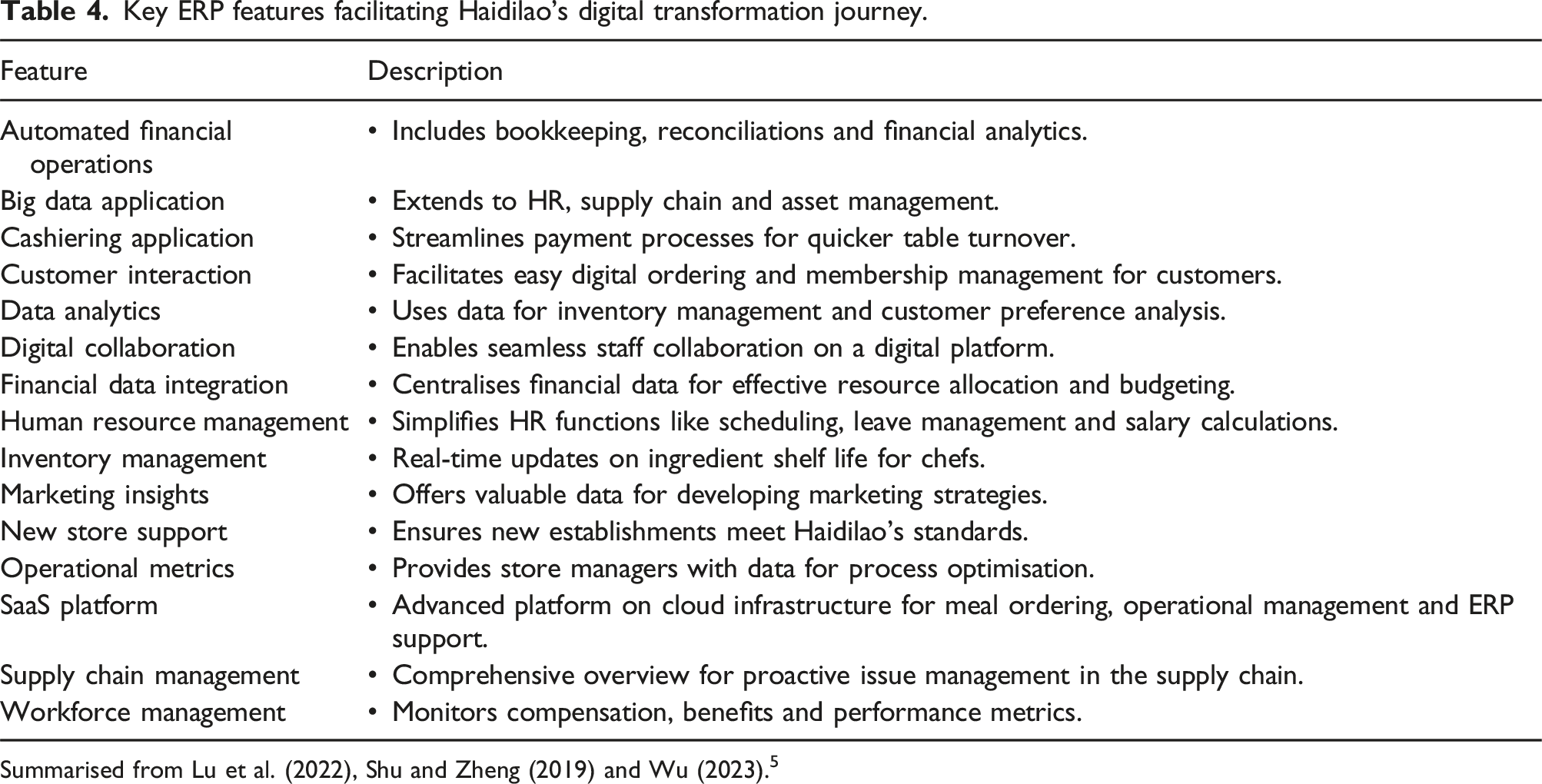
Summarised from Lu et al. (2022), Shu and Zheng (2019) and Wu (2023). 5
Haidilao’s bold move into automation with intelligent kitchen management systems
Haidilao’s success is attributed to its extraordinary customer service, which greatly depends on employee performance. Business strategy focuses on employee-centred strategy. However, this also creates a huge challenge for Haidilao, with increasingly high labour costs in recent years. Haidilao aims to optimise labour expenses by implementing an automated waiter system. However, significant obstacles must be overcome when working at establishments with multiple tiers. Developing the cognitive abilities of robots to effectively navigate stairs would significantly enhance their operational efficiency. This technological breakthrough has the potential to significantly enhance Haidilao’s operational efficiency and labour cost savings (Bandoim, 2018).
Haidilao’s upper management soon anticipated potential challenges primarily related to escalating staff costs. These costs can significantly impact a company’s free cash flow. To overcome this challenge, Haidilao has entered a strategic joint venture with Panasonic worth US$ 20 million to create fully automated kitchens to address this situation (Du and Maki, 2018). This initiative reduces the costs associated with staff training and program development and enhances operational efficiency.
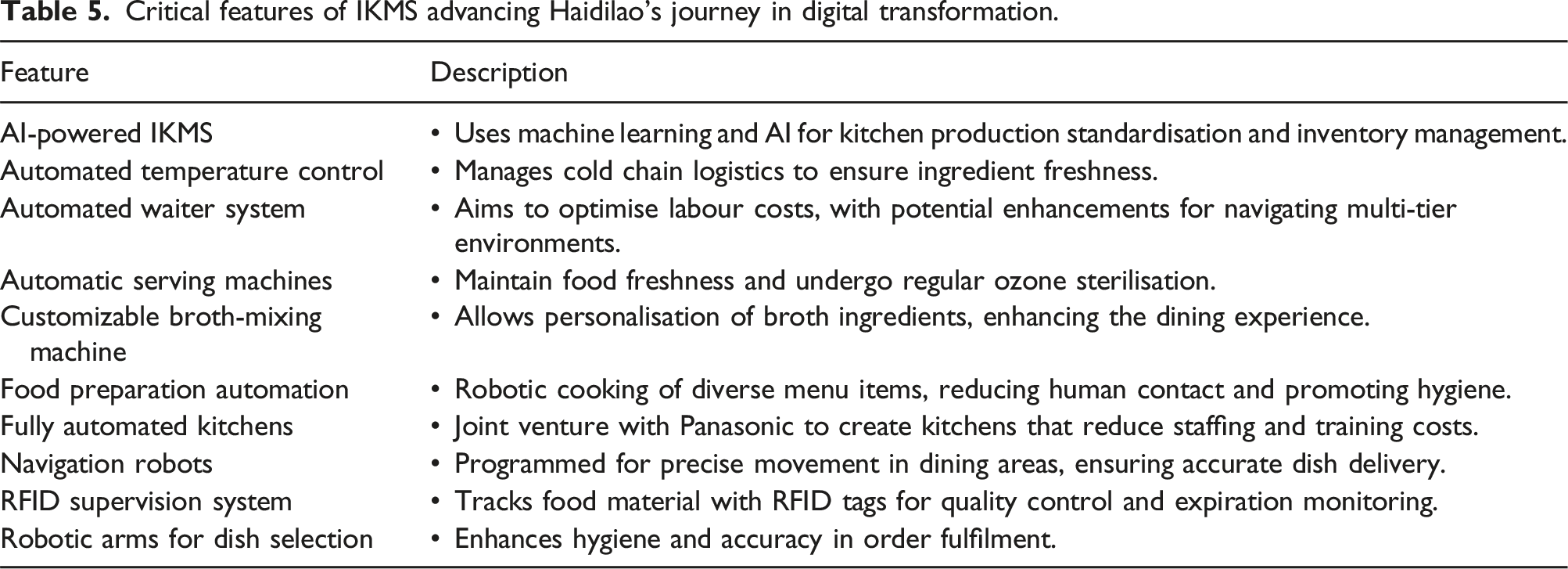
In October 2018, Haidilao opened its first smart restaurant with an automated kitchen in Beijing, and gradually rolled out automation technologies in a few traditional restaurants to ensure food safety and cost reduction. At the heart of this transformation is the Intelligent Kitchen Management System (IKMS), powered by machine learning and AI, designed to standardise and synchronise the entire kitchen production process (Bandoim, 2018; Du and Maki, 2018). It promises intelligent inventory management, informative visualisation of production data and thorough life-cycle monitoring of dishes to consistently ensure high food quality.
Safety and quality have always been top priorities for Haidilao; to maintain them, a Radio Frequency Identification (RFID) food material supervision system was installed in their IKMS. Each dish is tagged with a unique ‘ID’ allowing real-time tracking to monitor expiration dates and ensure optimal food quality. Furthermore, an automated temperature control system was used to control the entire cold chain logistics and ensure the freshness of ingredients. Robotic arms are used to select dishes based on customer orders, to reduce human intervention, and to maintain hygiene. These dishes are then transferred to automatic serving machines in stores, which also maintain food freshness and regularly undergo ozone sterilisation. In addition, the robots were programmed to navigate the dining space precisely, prevent collisions and ensure that each dish was delivered to the right table (Bandoim, 2018; Wu, 2023).
Haidilao introduced an innovative automatic broth-mixing machine that can be customised to cater to each customer’s specific preferences. This ground-breaking technology allows patrons to adjust the ingredients to precise measurements, such as choosing ‘less salt and oil’, reflecting the current health-conscious dining trends (Bandoim, 2018; Durbin, 2023; Seah, 2022). The cloud-based system stores past preferences and allows repeated customers to retrieve a unique broth mix for future visits. In addition, the Haidilao Application allows friends and families to compete to create distinct flavours. This machine is now efficiently operated by just one person, replacing the need for three staff members, which helps to solve the shortage of staff issues as well as cost savings.
The integration of robotic innovations, such as robotic waiters and the Broth-Mixing Machine, into operations such as those of Haidilao offers substantial financial benefits, primarily through enhanced efficiency (Bandoim, 2018; Durbin, 2023; Seah, 2022). These robotic solutions are markedly more cost-effective than traditional staff. For example, the operational cost of a Broth-Mixing Machine is significantly lower than that of a chef (Bandoim, 2018; Durbin, 2023; Tao, 2018; Wu, 2023). Robotic waiters are attractive economic alternatives when considering broader financial implications, including hiring and maintaining staff. The adoption of these technologies is not just a matter of short-term savings; it represents a strategic move towards long-term sustainability. By reducing staffing expenses, these robotic solutions offer a promising path for businesses such as Haidilao to maintain their financial health and a competitive edge. The shift towards such technology-driven efficiency is more than an operational update; it is a forward-thinking approach to ensuring business resilience and sustainability in an increasingly competitive landscape.
In addition to the automation of hot pot ingredient preparation and robotic serving, Haidilao’s diverse menu-cooking processes can be automated. Customers are paying more attention to food safety and protection (Cheng et al., 2022; Yost et al., 2021). To ensure a positive customer experience and address concerns regarding health and safety, it is wise to explore the adoption of robotic kitchens to prepare certain dishes, such as egg-fried rice and fried Chinese mini buns. This transition can effectively minimise human contact, foster hygienic practices and ensure a safer environment for food preparation. The Haidilao proactive approach to integrate technologies into business operations, such as IKMS, RFID and automatic broth-mixing machines, is a strategic long-term investment plan that helps solve manpower shortages in the industry, while simultaneously achieving cost savings that lead to improved profitability (Bandoim, 2018).
The transformation in Haidilao’s operations has the potential to rationalise processes and enhance consumer confidence. However, the fundamental principle revolves around prioritising the customer experience. This means that certain services, such as distinctive ‘noodle dance’ or personalised manicures, will continue to revolve around human interaction and emphasise individual needs (Ho, 2018; Koaysomboon, 2023). Although highly developed, contemporary technology still falls short of emulating complex human emotions and the personalised approach advocated by Haidilao.
The dining experience at Haidilao goes beyond food consumption; it is a manifestation of exceptional personalised services. Characteristics, such as complimentary manicures and live cultural exhibitions, are intricacies that may pose challenges to AI or robotic servers. Robots that replicate or simulate similar high-quality experiences would require advanced capabilities to emulate human emotions, a realm of functionality presently beyond the scope of existing technology
Critical features of IKMS advancing Haidilao’s journey in digital transformation.
Haidilao’s innovative WeChat strategy in catering
Haidilao, a highly acclaimed Chinese hot pot chain, has masterfully utilised WeChat to revolutionise its customer experience and operational efficiency (Koetse, 2017). The company has demonstrated an astute understanding of contemporary consumer behaviour and digital trends, and is committed to providing exceptional customer service. Haidilao recognises that, in the digital age, digital platforms are pivotal in enhancing customer engagement and satisfaction in the fiercely competitive catering industry, especially homogenisation in the hot pot industry and low barriers to entry.
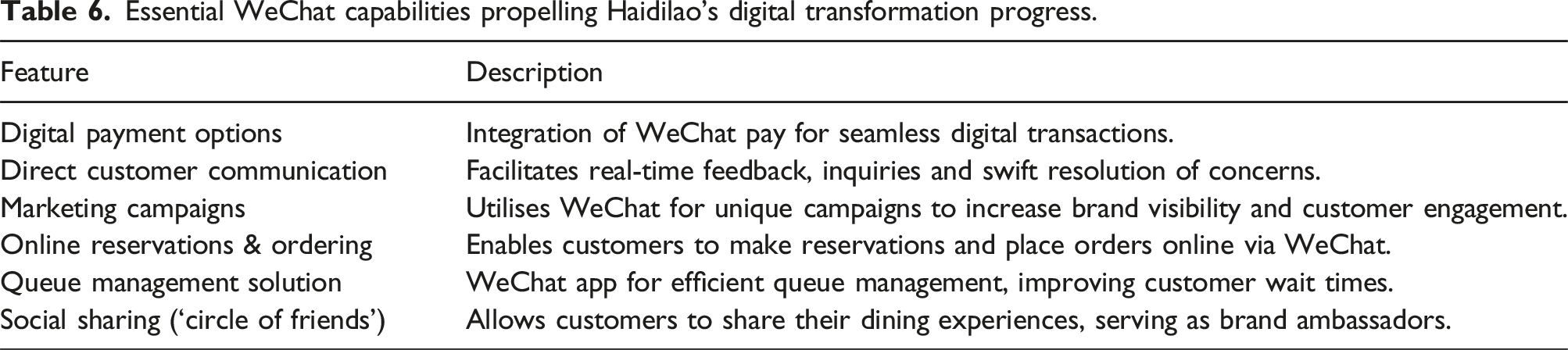
The integration of WeChat into Haidilao’s operations enabled the company to streamline its dining experience and significantly increased customer convenience. Through WeChat, customers can make online reservations, place orders and use digital payment options, such as WeChat Pays. Digital integration has substantially reduced waiting times and transaction hassles, which are crucial for retaining customers who value convenience. WeChat’s versatile platform allows Haidilao to engage in targeted marketing by delivering personalised messages and offers based on customer preferences and location data. This targeted approach attracts new customers and fosters loyalty among existing ones.
WeChat is a game changer for Haidilao that enables direct customer communication and interaction. This feature enables Haidilao to receive real-time feedback, respond to inquiries and address concerns swiftly, thus elevating the customer service experience. Moreover, the social nature of WeChat, notably the ‘Circle of Friends’ feature, empowers customers to share their dining experiences, effectively turning them into brand ambassadors. This aspect of word-of-mouth marketing significantly expands Haidilao’s brand reach and reputation (Guo and Zhai, 2021).
Despite its impressive benefits, Haidilao faces challenges in optimising its WeChat strategy. It is essential to balance the frequency and content of information pushed to customers to avoid overwhelming or engaging them. Shared content must be compelling and relevant to maintain customer interest and encourage participation in promotional activities. Moreover, effective interaction with followers is essential to making them feel valued and heard, a task that requires continuous innovation and attentive customer service to differentiate Haidilao from others.
Haidilao has successfully utilised WeChat to engage customers through innovative campaigns such as the ‘Tasting the Hot Pot in Haidilao’ series and the ‘Let Red Pockets Fly’ activity (Liang et al., 2016). These campaigns increase brand visibility and create a buzz that drives more traffic to outlets. Haidilao’s unique approach to managing long wait times through digital solutions, such as the WeChat code-scanning app for queue management, exemplifies how digital technology can solve traditional business challenges while upholding core values and services. Customers can remotely check their place in the queue, allowing them to use their waiting time more enjoyably, improving their overall experience with the brand, increasing customer satisfaction and enhancing their loyalty.
Essential WeChat capabilities propelling Haidilao’s digital transformation progress.
A culinary revolution: Haidilao’s video conferencing service transforms dining experience
In response to the 2019–2020 pandemic, many countries imposed strict travel restrictions to contain the virus. In light of this, Haidilao went beyond ordinary customer service and launched its Cloud Video Conferencing Service (VCS) to enable people living in different countries to easily connect with their loved ones, acquaintances and business contacts (Si, 2021). VCS are available at Haidilao restaurants across multiple cities, including Beijing, Shanghai, Thailand, Malaysia and Indonesia.
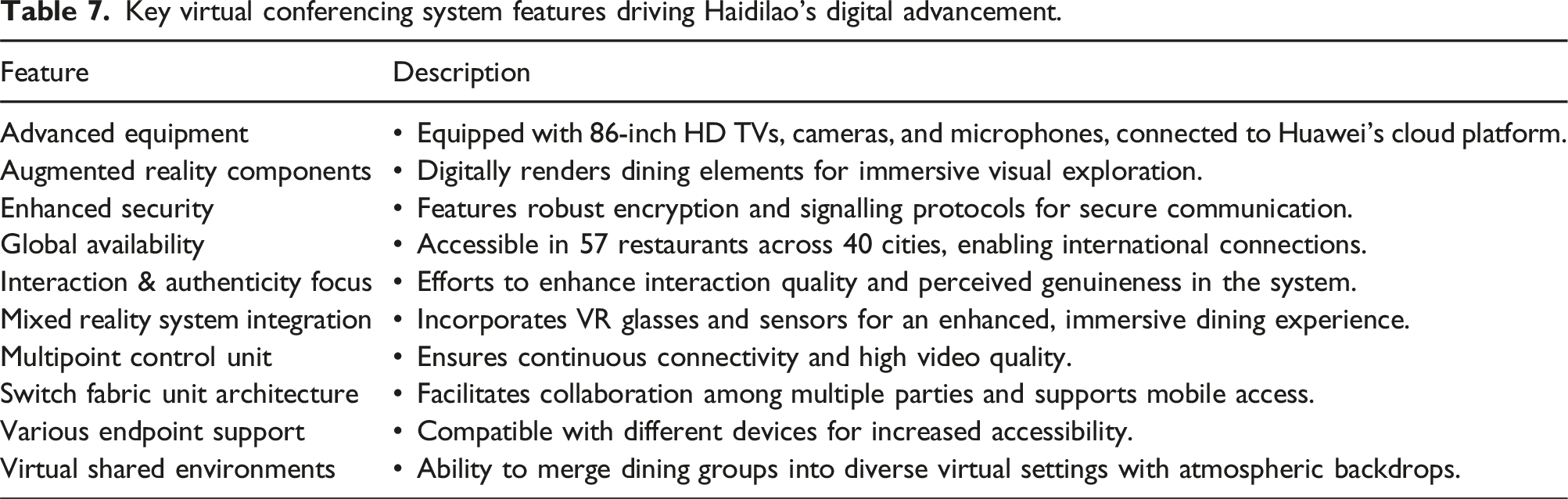
Haidilao’s restaurant offers customers the latest technology, including an expansive high-definition TV with an integrated camera and microphone that connects to Huawei’s cloud-conferencing platform. This advanced setup allows video conferencing between multiple Haidilao sites and teams. The VCS is built on advanced technologies, including a highly efficient Multipoint Control Unit that ensures uninterrupted connectivity and video quality and a Switch Fabric Unit architecture that enables easy collaboration among multiple parties and mobile accessibility. The platform also supports various endpoints and provides robust encryption and signalling protocols to enhance security.
Implementing the VCS significantly enhanced Haidilao’s brand reputation and customer appeal to the next level, particularly during the pandemic. With international travel restrictions, businesses have turned to virtual communication platforms such as Zoom and Microsoft Teams for meetings. However, Haidilao recognised this as an opportunity and strategically entered the market, providing a platform for international business partners to hold meetings and enjoy dining experiences with VCS at their restaurants.
The VCS also addressed another challenge during the pandemic, namely, the inability of many people to reunite with their families during the festive period. With its cloud technology, the VCS has revolutionised how people engage in celebratory activities, enabling digital gatherings and reunion dinners regardless of distance. Haidilao’s VCS provides a unique and impressive hot pot dining experience and demonstrates the company’s unwavering commitment to customer service and corporate social responsibility. Implementing innovative solutions during challenging times has strengthened Haidilao’s brand reputation and position as a pioneer of culinary ingenuity.
Before implementing a VCS, Haidilao introduced Virtual Reality (VR) and Augmented Reality (AR) to provide entertainment for customers while waiting for tables through designated ‘5G corners’ (Teh, 2019). Haidilao aims to engage in interaction and immersion at the next level by integrating a Mixed Reality System (MRS) into their dining experiences. With the incorporation of MRS, the latest implementation of the VCS can be substantially enhanced. The proposed system includes VR glasses fitted with screens, cameras and speakers, while miniature sensors are affixed to different anatomical regions, such as the head, hands and feet, to record the gestures and actions of the diners. The system also scans patrons to generate a three-dimensional image seamlessly integrated into the MRS.
Haidilao is confident that this cutting-edge system offers the unique capability to seamlessly merge diverse dining groups into virtual shared environments, offering them an extensive selection of atmospheric backdrops ranging from opulent hotel banquets to charming rustic village settings. By leveraging AR glasses, the components of the dining experience, such as utensils and cuisine, can be digitally rendered for visual exploration (Batat, 2021). The venture holds immense promise for delivering an enhanced and more engaging dining experience, particularly for individuals seeking virtual connections with distant loved ones.
However, Haidilao acknowledges that its VCS presents unique challenges. Establishing each video conferencing room requires significant upfront capital expenditure, encompassing the procurement of high-definition television, a comprehensive surround sound system, and execution of all necessary installation procedures. If the proposed plan were to be executed company-wide, encompassing Haidilao’s massive outlets, it would have a substantial financial impact.
Key virtual conferencing system features driving Haidilao’s digital advancement.
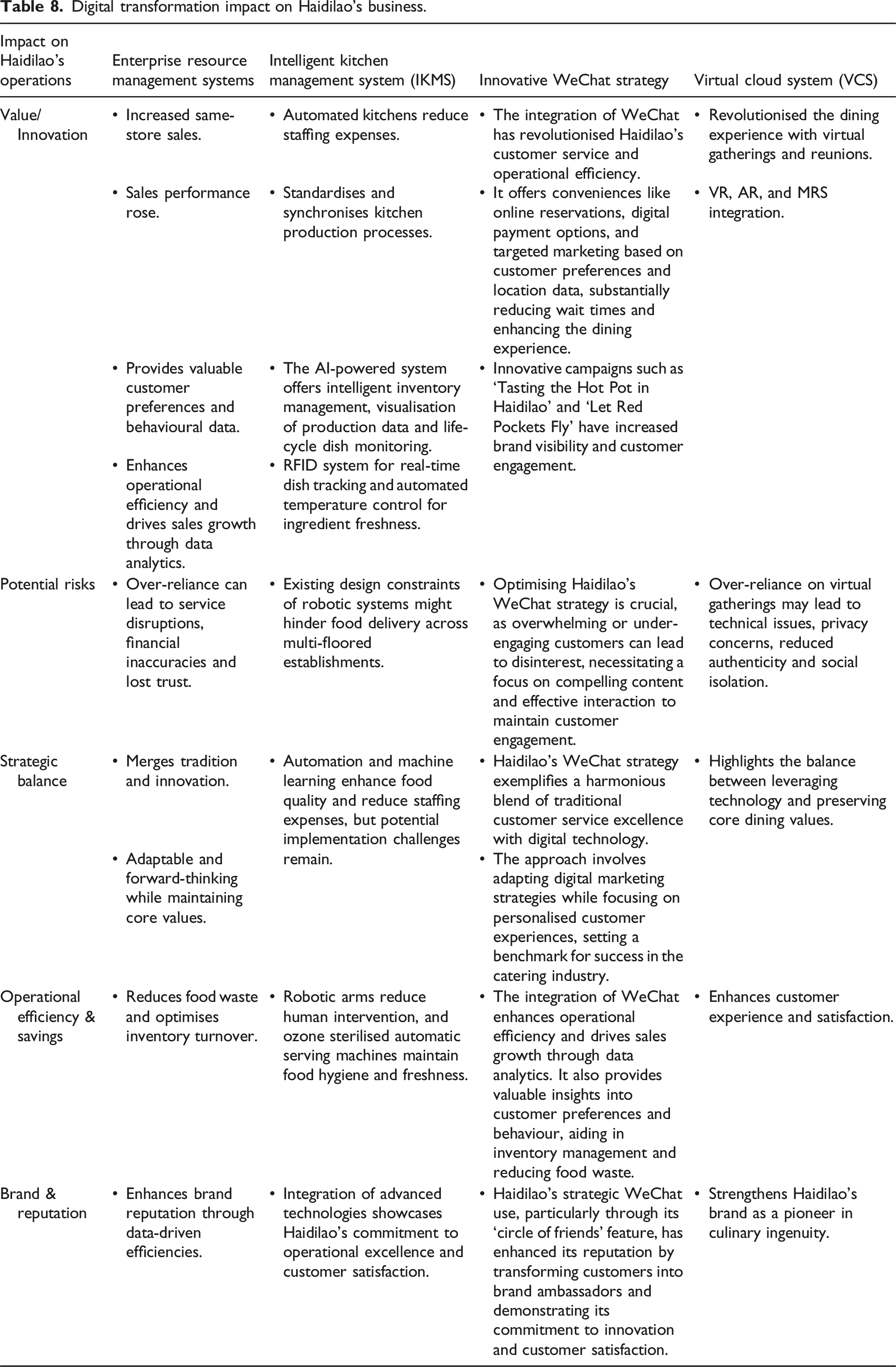
Digital transformation impact on Haidilao’s business.
Conclusion
Haidilao’s innovative spirit has made them a shining example of the hot pot industry. Embracing digital transformation in the restaurant industry is a holistic approach that improves operational efficiency and enhances customer service and experiences. Haidilao has been at the forefront of adopting advanced technologies to provide exceptional customer services, setting it apart from its competitors. From a single hot pot restaurant in a small city in Sichuan in 1994, to the global brand restaurant company today, Haidilao has indeed become a leader in the restaurant industry through its various proactive strategies in digital initiatives.
Haidilao offers several worthwhile practices for the restaurant industry. Haidilao takes ‘people-oriented’ focused on employees and customers, as the primary strategy for enterprise development and differentiates its services by giving full play to the initiative of its employees and providing quality services to customers, thus improving customer satisfaction and loyalty, and ultimately achieving sustainable business growth.
The strategic use of advanced technologies has driven remarkable growth through effective planning and integration of technologies into business operations. Their partnership with Honghuotai and IKMS has become the standard for operational efficiency, environmental friendliness and cost reduction across all channels. Their adoption of automation has made dining safer during the pandemic, and has shown their commitment to innovation and progress (Bandoim, 2018). Haidilao’s Cloud VCS has connected people worldwide, proving that technology can bring us closer despite physical limitations. Digital technologies have the potential to enhance social presence and engagement, particularly during pandemics, resulting in increased customer satisfaction and loyalty. Haidilao has successfully gained significant value through tangible and intangible technology for business growth and sustainability in the short- and long-term. To ensure the success of technology integration, a company must ensure that such initiatives are aligned with its information system, business strategies and objectives. Hence, for continued success, Haidilao needs to remain adaptable and forward-thinking in its strategic approach to stay competitive. Their commitment to technological integration is a testament to their pioneering spirit and determination to remain at the forefront of their industry.
Discussion questions
1. What is digital transformation in the restaurant industry? Discuss digital strategies Haidilao has effectively integrated into its business operations for sustainable business objectives and practices. 2. Haidilao’s success is linked to its ‘service strategy’. How can AI improve customer service and enhance Haidilao’s business sustainability? 3. Food safety is one of the main concerns of customers in the restaurant industry. How can Haidilao use advanced technologies and AI to improve and enhance food safety? 4. Haidilao is at the forefront of the advanced technology in the restaurant industry. How did Haidilao use technological advancements to solve critical issues faced by the industry to remain sustainable during the pandemic?
Footnotes
Declaration of conflicting interests
The author(s) declared no potential conflicts of interest with respect to the research, authorship, and/or publication of this article.
Funding
The author(s) received no financial support for the research, authorship, and/or publication of this article.
