




Abstract
Many institutions of higher education systems worldwide are transitioning from face-to-face modality to e-learning as a means of solving issues of limited resources and access to quality education. One of the crucial prerequisites for the successful implementation of e-learning is a careful consideration of emerging technologies and the underlying pedagogy of how learning takes place using a virtual platform. In practice, however, this consideration is often a neglected aspect in developing countries’ context, and this neglect results in several challenges in academic setups. This study identifies and evaluates clusters of e-learning features and implementation strategies in use and challenges sought at the ET Online College located in Addis Ababa, Ethiopia. The features of these strategies are briefly discussed, as well as how these strategies evolved during the implementation processes. The college’s e-learning components have achieved merits for quality by their primary users (online students, e-course instructors, and technology, instructional design, and curriculum experts), web designers and graphic designers, and administrators within the college. These also achieved acceptance nationally by the larger key stakeholders. The findings and recommendations of the study can be used as empirical evidence-base to help policymakers strategically think about the implementation of e-learning in the Ethiopian Higher Education institutions, and other similar contexts at large.
Background
In this 21st century, technology-integrated higher education (HE) system is seen as one of the determinant factors for a nation’s competitiveness in the growing knowledge economy (Butum et al., 2015). A nation’s route to becoming a successful knowledge economy heavily depends on its ability to become a learning society (Webber and Johnston, 2014). Becoming a learning society can be possible through developing essential competencies such as mutual understanding, numeracy, problem-solving, creativity, critical thinking, cooperation, and resilience (Kokko, 2011; Lee-Post, 2019; McCrae, 2011). For this, e-learning can be taken as one suitable option.
Today’s students, particularly the millennial, are technophiles, well-versed in social media and collaborative technologies, and are well positioned for the use of e-learning in their studies (Montalvo, 2010). With the help of e-learning, students will become self-directed independent learners, and may even become life-long learners (Baldiņš, 2016). The use of social media and widening access to the web has made the 21-centry students more aware of their place in a diverse world. Nowadays than ever before, students are involved in conversations and issues that need to be tackled on a global scale. For example, health concerns, environmental protection, and economic growth, are now becoming routine issues that students are keen to follow (Webber and Johnston, 2014).
As an emerging area, e-Pedagogy does not have a universal agreed upon definition. For example, (Hin and Subramaniam, 2009) define e-Pedagogy as representing approaches to teaching that utilize the affordability of digital information and communication technologies, and cater for the learning preferences of the digital generation. Also, (Salmons, 2008) defines it as teaching and learning strategies developed specifically for online and/or blended environments.
Thus, e-Pedagogy can be considered as a learning design that incorporates educational quality, values and effectiveness of teaching, learning and assessment activities supported by technology (Mehanna, 2004). This implies that, in the sense of pedagogy, e-learning is more than slides and lectures; requiring, among others, simulations that mimic real applications, games to put them in challenging situations, storytelling videos that highlight experts in their field, or simple assessments that require critical thinking instead of rote memorization (Gordon et al., 2010).
Statement of the problem
Despite the multiple benefits of developing essential competencies via e-learning platforms, traditional teachers still struggle with implementing such strategies such as multimedia instruction, online discussion, and making use of open resources for instruction (Chiasson et al., 2015). The very reason for this maybe teachers face several challenges to convert the face-to-face curriculum to an e-curriculum (Crawford et al., 2020), in part, may be due to a lack of understanding of what e-learning is and how to teach effectively through e-learning instructional tools (David et al., 2020).
The situation further complicates for teachers due to poor internet connectivity and weak E-Resources development (Naveed et al., 2020). This adversity can be particularly more challenging in low socio-economic status (SES) countries such as Ethiopia, where teachers often tend to transmit information using the traditional face-to-face instruction rather than facilitating students learning, for example, through utilizing e-learning platforms and encouraging students to use virtual or online learning (Idowu et al., 2004; Raspopovic et al., 2014).
One of the crucial prerequisites for the successful implementation of e-learning is a careful consideration of the underlying pedagogy, or how learning takes place with a virtual platform. In practice, however, this is often the neglected aspect that results in several problems. In this study, the researchers identified the theory, conceptual model, and clusters of e-learning implementation strategies in use at the ET Online College located in Addis Ababa, Ethiopia. This article reports a research project that established an e-learning institution called ‘ET Online College’ that may be used as an empirical evidence-base to help decision-making and strategic thinking about e-Learning implementation in the Ethiopian HE and other similar context at large.
Study objectives
The overall research objective was to explore the development and implementation of e-learning from a broader perspective, and further explicate the contributions and challenges of e-learning in the Ethiopian HE context. The specific objectives of this study include the following. • To identify the features of e-learning from the perspectives of design, development, implementation and management of e-Learning in HE institutions in Ethiopia. • To evaluate how the e-learning at ET Online College does work and how events played out for students, teachers and administrators during implementation process.
Research methods and materials
Research paradigm and study design
In this study, the researchers followed a critical research paradigm (McPherson and Nunes, 2008) since it provides a holistic, consultative, and emancipatory perspective (McPherson and Nunes, 2006). Based on this, a phenomenological research design (Groenewald, 2004), was applied centring on one virtual college. This design was found important to generate rich, evocative and detailed insights into the key domains of e-learning (Gill, 2014).
Study participants
The participants of the study included diverse key stakeholders. These included research participants from the college administrations (n = 10, female = 2 and male = 8), e-course teachers (n = 11 male and 1 female), and online students (n = 20, female = 10 and male = 10), technical experts (5 males), quality assurance experts (n = 10, and females = 2 and males = 8), and media and marketing experts (n = 2 males).
Instruments for data collection
In this study, the researchers gathered qualitative data regarding the contexts, input, process, and products of e-learning established at ET Online College. The qualitative data collection methods included key informant in-depth interview and Focus Group Discussion (FGD). The sources of data included stakeholders that are purposively selected based on their practical experiences and richness of information.
Documents as sources of qualitative data
The researchers conducted desk study to evaluate existing online learning processes at ET Online College. In this study, documents served as objects of investigation (Cardno, 2019). This study used document analysis as one of the primary tools for data collection. The researchers interpreted National and institutional documents to provide pieces of evidence about e-learning in the Ethiopian HE.
Regarding the types of documents used, the researchers used public records, comprising of official files of the Higher Education Relevance and Quality Agency (HERQA), now named Education and Training Agency (ETA) and the corresponding documents found at ET Online College. Examples include program mission statements, annual reports, policy manuals, strategic plans, and curricula of specific academic programs. Moreover, the researchers used physical evidence such as Physical objects found within the study setting (often called artifacts). Examples include agendas, handbooks, and training materials. More specifically, we focused on some questions to elicit more information related to the context and inputs of the e-Learning processes and outcomes.
In-depth interview
The purpose of the interview, in this qualitative inquiry, was to create a conversation that invites the key informants to tell stories, accounts, reports, and descriptions about their perspectives, insights, experiences, feelings, and emotions about the research question(s) (Smith and Shinebourne, 2012). In-depth interviews were prepared for five people, including the college president, program administrator, student service manager, technology department head, and quality assurance director. In each in-depth interview, the researchers used a pre-planned interview guide to ask the interviewee relatively focused, but open-ended questions about specific topics (i.e. the enablers, implementation, consequences, challenges, and recommendations for better future) of interest related to e-Learning at ET Online College.
FGD
In this study, the researchers used FGD (Fiske et al., 1956) for gathering qualitative data about a variety of educational issues related to the implementation of e-learning at ET Online College. An FGD guide was prepared for academic staff, technical staff, quality assurance experts, and media and marketing experts, respectively. It involves in-depth, group discussions consisting of items similar to the in-depth interview items with minor modification to fit the participants in this group.
Data analysis
Interpretative phenomenological analysis (IPA)
In this study, the researchers employed interpretative phenomenological analysis (IPA) of qualitative data to generate a rich description of lived experience (Smith and Osborn, 2004) related to e-learning at ET Online College. IPA aims to explore in detail how participants are making sense of their personal and social world. The main currency for an IPA study is the meanings particular experiences hold for participants. At the same time, IPA also emphasizes that the research exercise is a dynamic process with an active role for the researcher to get close to the participant’s world, and form an insider’s perspective. The researchers used Hycner (1985) guidelines for the phenomenological analysis. By performing an IPA and transforming descriptions to meanings contained in the expression, the researchers related the identified meanings to relevant themes that guided the writing of this report. In the results section, the substantive contents of each theme will be presented in detail with illustrations and discussions as needed.
Inductive coding
We used manual analysis of themes, particularly inductive coding, which finds themes in the text by analysing the meaning of words and sentence structure (Castleberry and Nolen, 2018). This inductive coding process started from scratch and creates codes based on the qualitative data itself. Through this process, we were able to identify themes in an accurate, actionable way (Maguire and Delahunt, 2017). All codes arose directly from the study participants’ responses. Having only six emerging major themes and hierarchical framing makes it easier to group different words and phrases under one theme (Linneberg and Korsgaard, 2019).
We used the following inductive coding procedures in our manual coding: 1. Read through our data to get a sense of what it looks like and assign our first set of codes. 2. Go through our data line-by-line to code as much as possible. 3. Categorize our codes and figure out how they fit into our coding frame. 4. Identify which themes come up frequently and act on them (Alhojailan, 2012).
Our inductive coding was an iterative process, which means it took longer and was thorough, and it gave a more complete, unbiased look at the themes throughout our data (Chandra and Shang, 2019).
Hierarchical coding frame
We used a hierarchical coding frame to organize our codes based on how they relate to one another. We organized the codes generated from the data based on how an effective E-Learning system can be understood. Our interpretations suggest that effective E-Learning is a local phenomenon that arises from six essential ingredients, including 1. Contextual environment, enablers, and planning hierarchies, 2. Infrastructure and E-Resources, 3. Implementation process, 4. Benefits and positive contributions, 5. Implementation challenges, and 6. Recommendations. This hierarchical framing allowed us to be able to generate three levels of coding. Figure 1 presents a hierarchical coding frame we used to generate the qualitative results at three levels. Hierarchical coding frame for effective e-learning in HE.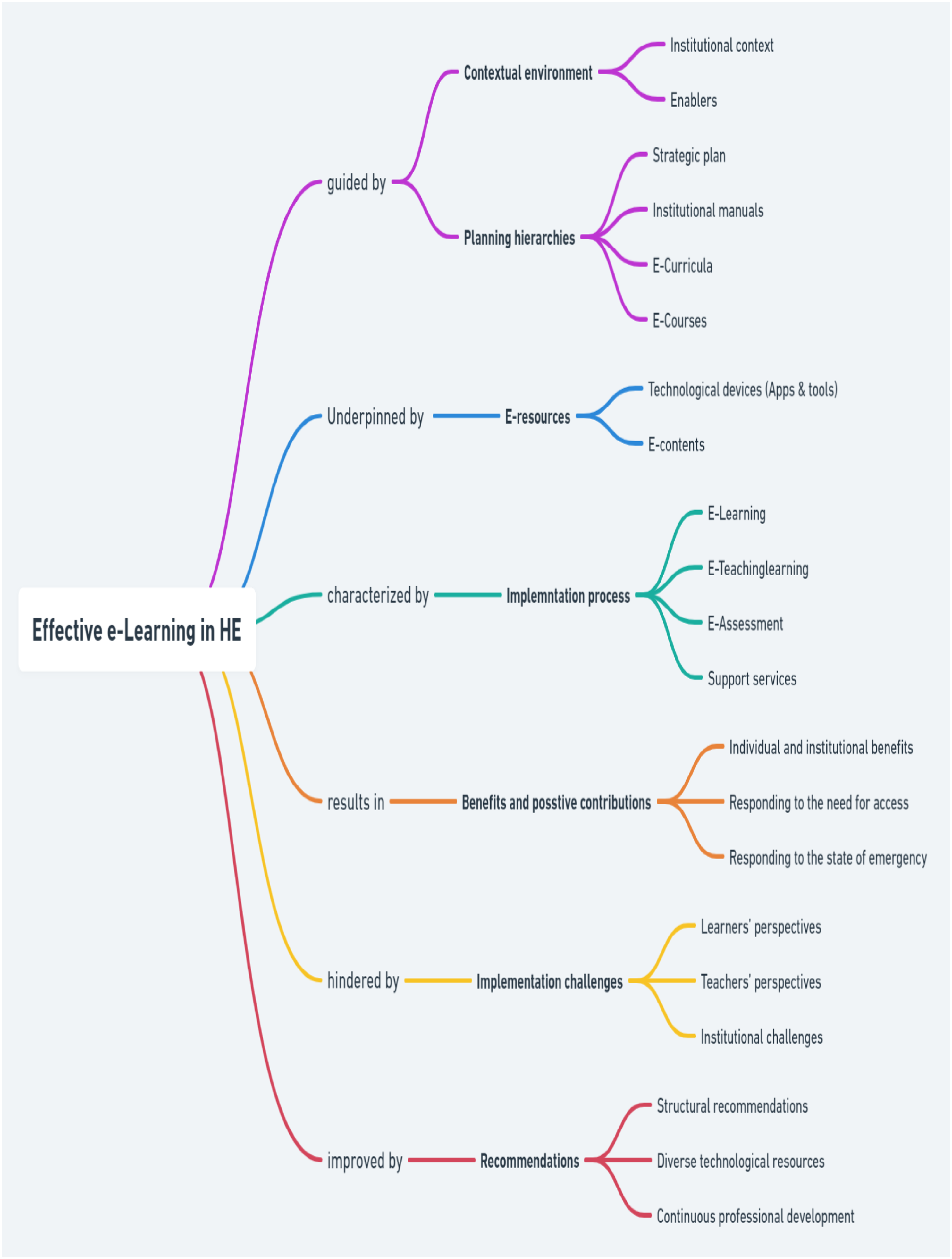
As shown in Figure 1, the top-level code describes the main topic, that is, “Effective E-Learning.” The mid-level code specifies the major theme that emerged from the qualitative data of the current study. The third level details the attribute associated with the major theme. The connector word or phrase between the top-level code and the major theme explains how the major theme relates with the main topic of interest.
Results and discussion
Contextual environment
Based on document analysis and examination of the FGD and interview data, it was clear that the need for e-learning has been a felt need both at the national and institutional levels. Also, it was clear from the qualitative data that there are some enabling conditions that leveraged the implementation of e-learning in the ET Online College.
Institutional contexts: The needs for virtual teaching and learning in HE
The Growth and Transformation Plan (GTP) and education policy of the Ministry of Education of Ethiopia (MoE), both aspire a unified and complex integration of innovative educational technologies to the existing educational system (FDRE, 2010; FDRE, 2015; FDRE, 1994). This aspiration is remarkable as integration of e-learning in HE has multiple benefits, including expansion of educational opportunities (Frehywot et al., 2013), enhancing quality education (Kituyi and Tusubira, 2013), and providing flexible options for learning, thereby substantially reducing poverty and scaling up the country’s development into a middle income country, in the years to come.
As the findings from the Ethiopian HE roadmap indicate that there is an entire neglect of the HEIs in maintaining and ensuring quality across the continuing distance programs as well as e-learning programs. Also, it reveals that the continual decline of quality education across the different modes of delivering instructions. As a result, students’ capacities to use higher-order thinking are deteriorating (Woldehanna et al., 2018). This clearly suggests that there needs to be an urgent paradigm shift in the existing instructional and pedagogical model of HE in the nation.
This study describes the details of an emerging e-learning implementation as a standard for e-learning quality in HE in Ethiopia. In Ethiopia, assuring the quality of HE is a mandate of the HERQA, which is the accrediting body of public and private universities and colleges in Ethiopia. As a pioneering experience, HERQA has a keen interest and full support for e-learning implementation. Very recently, HERQA developed standards and guidelines for focus areas and the quality components of e-learning quality assurance of e-learning in the Ethiopian HE context (Higher Education Relevance and Quality Agency, 2020).
At present, the Ethiopian HE institutions are highly challenged with reshaping their courses, professional practices, and administrative procedures to address the emerging demands of the Information Society. As such, e-learning instruction has been called upon as one of the desired solutions. However, this causes pressure on educational managers and practitioners to adopt e-learning solutions, which may not have been thought through and may not be sustainable in the longer term. Thus, universities and governmental bodies are now called upon to implement sustainable and efficient e-learning strategies. Any such strategy needs to ensure that academic programs consider the specific organizational contexts within the university environment.
However, the urgency of the demand for e-learning, compounded with the large number of students requesting this approach to learning, requires HE academic members to rethink their teaching strategies at short notice. Yet, because academics and practitioners involved in setting up e-learning courses and programs have tended to concentrate their focus on face-to-face teaching and learning, rather than on management issues, there is a very little integrative approach, incorporating elements of the e-learning process.
Using a full e-learning program for teaching and learning purposes is still an emerging phenomenon in the Ethiopian HE. Particularly so following the COVID-19 Pandemic crisis. Due to this, previous optional choices of either to use or not to use online technology for teaching and learning purposes are now replaced by mandatory programs. However, these programs focus predominantly on the administrative roles and responsibilities of the teachers, attempting to provide technical fixes without fully considering the difficulties and complexities involved in e-learning instruction.
Moreover, online learning was misinterpreted by much HE academic members as a means of availing face-to-face learning resources such as PPTs and some PDF materials through email and/or telegram. On top of that, existing studies on e-learning has been only an embryonic field of research, particularly in the sub-Saharan Africa. Taken as a whole, problems surrounding e-learning are complex and are contextually embedded.
Online learning is a growing response to universities’ closures due to the COVID-19 crisis. Following the rapid spread of COVID-19, online learning has become an avenue for constraining the spread of the coronavirus (Pena and Lim, 2020). To continue functioning, private companies and higher education institutions (HEIs) have made a rapid switch to remote video conferencing and other digital solutions (Crawford et al., 2020). The challenge; however, is how to convert those classroom-based course materials into online learning resources; and make sure that it does not bring new challenges.
Enablers
The e-learning drives a significant paradigm shifts in teaching and learning in HE (Kumar Basak et al., 2018). Thus, prioritizing learning theories and designing and delivering instruction improves the success of e-learning programs (Bigirwa et al., 2020). As one of the interviewee expert stated, using constructivism as a theoretical rationale, the ET Online College, drew Dick and Carey (1978) instructional model as a framework for instructional design. Figure 2 presents the components of the model and how they are related to one another. Dick and carey instructional design model (Dick and Carey, 1978).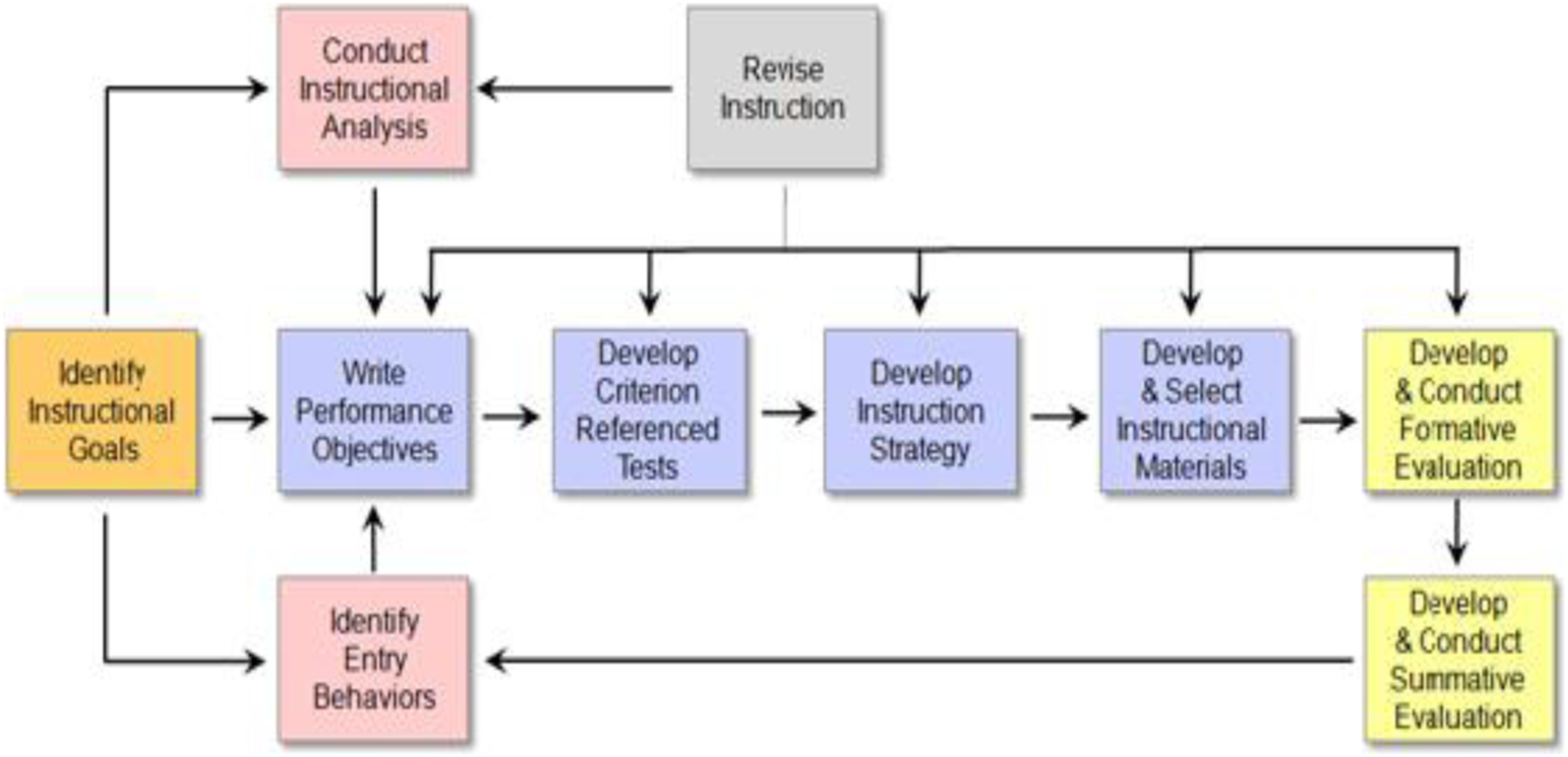
It is clear from Figure 2 that the Dick and Carry model represents a systematic approach for instructional design that describes the relevant phases of an iterative process that starts with an identification of instructional goals and ends with summative evaluation (Kurt, 2015). This model is relatively better than any other models for guiding instructional design because it considers components such as the instructor, learners, materials, instructional activities, delivery system, and the learning and performance environment (D'Angelo et al., 2018). As the instructional design expert commented, adopting this model includes preparation, software design and system specifications, communication, digital content, assessment, and maintenance.
This model is important because it encompasses a set of interdependent phases of instruction, including analysis of learners, contexts and goals; design of objectives, strategies and assessment tools; production of instructional materials; and evaluation of learner performance and overall instructional design effort (Debattista, 2018).
Due to this, the integration of e-learning platform with the Dick and Carey Model makes the learning process more effective (D'Angelo et al., 2018). The components of the Dick and Carey model are meant to provide a cohesive and effective tool in developing an organized unit of instruction. As per the views of the participants of this study, the following three enablers were also found important to keep going with the e-learning implementation at ET Online College. (a) Enthusiasm and consultative meetings with HERQA experts, and other stakeholders. (b) State-of-the art technology and ease-of-use (c) Students’ and instructors’ motivation and high satisfaction with the blended learning.
Evidence from the literature supports the relevance of these enablers. For example, research has shown that successful E-Learning implementation depends on individual’s readiness and getting easy access for digital technologies (Uppal et al., 2018).
Planning hierarchies
This section takes a look at the planning hierarchies as a process that takes place from the general strategic plan up to the specific E-Course. It covers plans at four levels, and describes the specifications and examples. Figure 3 presents the planning hierarchy. Planning hierarchy at ET Online College.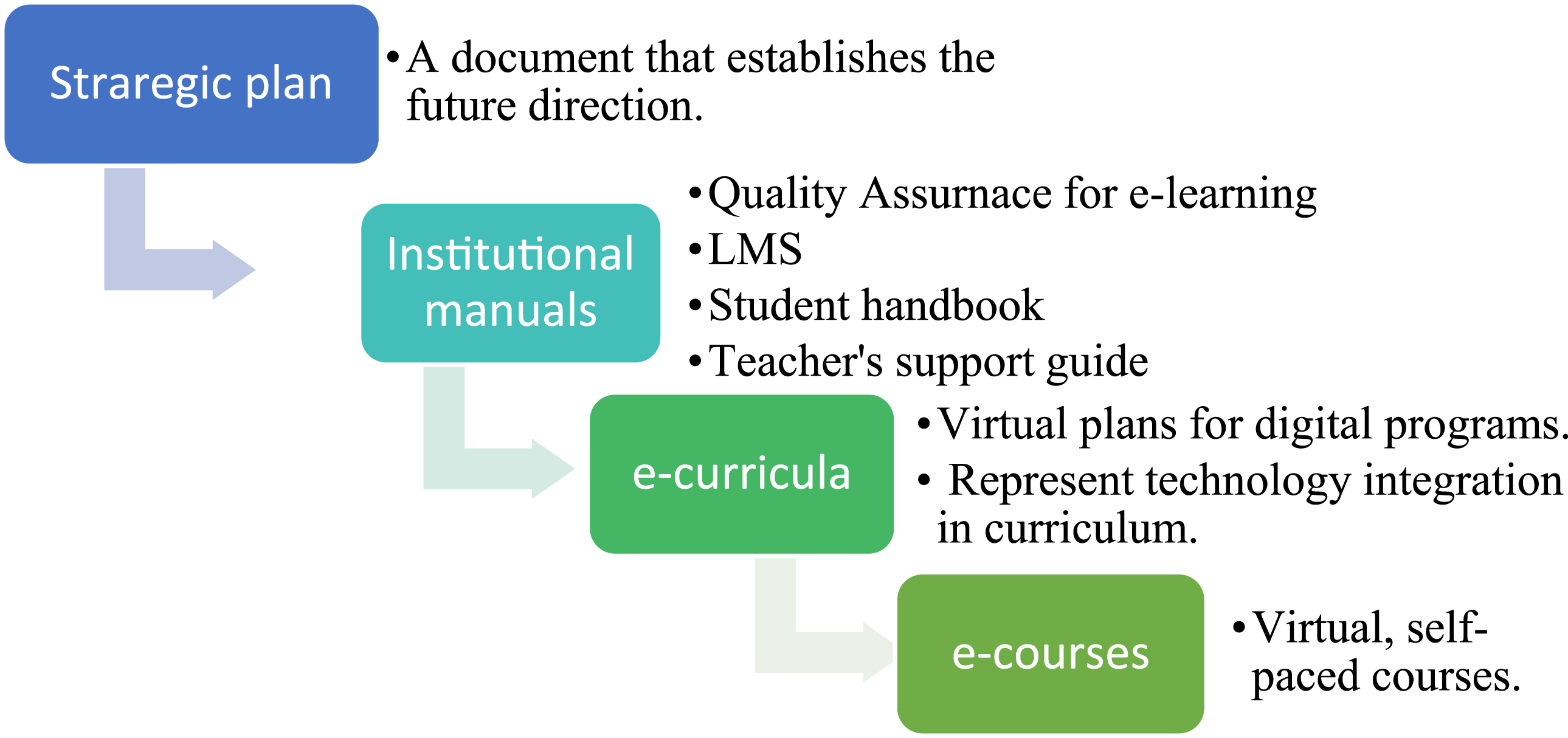
As can be seen in Figure 3, the planning hierarchy first level is strategic plan. This is then, followed by institutional manuals and E-Curricula. The fourth level is E-Course.
Strategic plan
According to the interviewee senior managers, the ET Online College has a comprehensive strategic plan, consisting of five fundamental functions of the college that fits with its vision and mission. The interviewed senior managers view that the College strategic plan is a forward looking that sketches the institute future operations for the next 5 years to come.
Institutional manuals
The students and teachers participants of this study reported that the manuals prepared by the ET Online College are the best places to start learning how to teach or learn using the virtual platform as well as the face-to-face learning. Students and teacher participants felt that the materials are helpful to find relevant information for self-management of different activities related with their course works or any other purposes. Also, they reported that, the presence of ET Online IT department assists in so many ways to get more information and guidance about learning resources and engaging with the tutorials.
The e-curricula
E-curriculum is a new lexicon in the HE curriculum that represents electronic curriculum, consisting of computer-based plan of actions for learning, including educational materials available on CD or DVD, online courses, electronic mechanisms and processes for facilitating virtual learning. Moreover, it includes tools and processes to search the literature, and email for teaching and learning purposes. It also includes various applications of instructional technologies by providing laptops to students, multimedia projection systems, and Internet-compatible classrooms. In the ET Online College there are currently four postgraduate e-curricula prepared to meet online students’ needs in the business and economics and engineering major fields. Figure 4 presents an aspect of the e-curriculum feature for the e-program in Civil Engineering. Aspect of the e-curriculum feature for the e-program in civil engineering.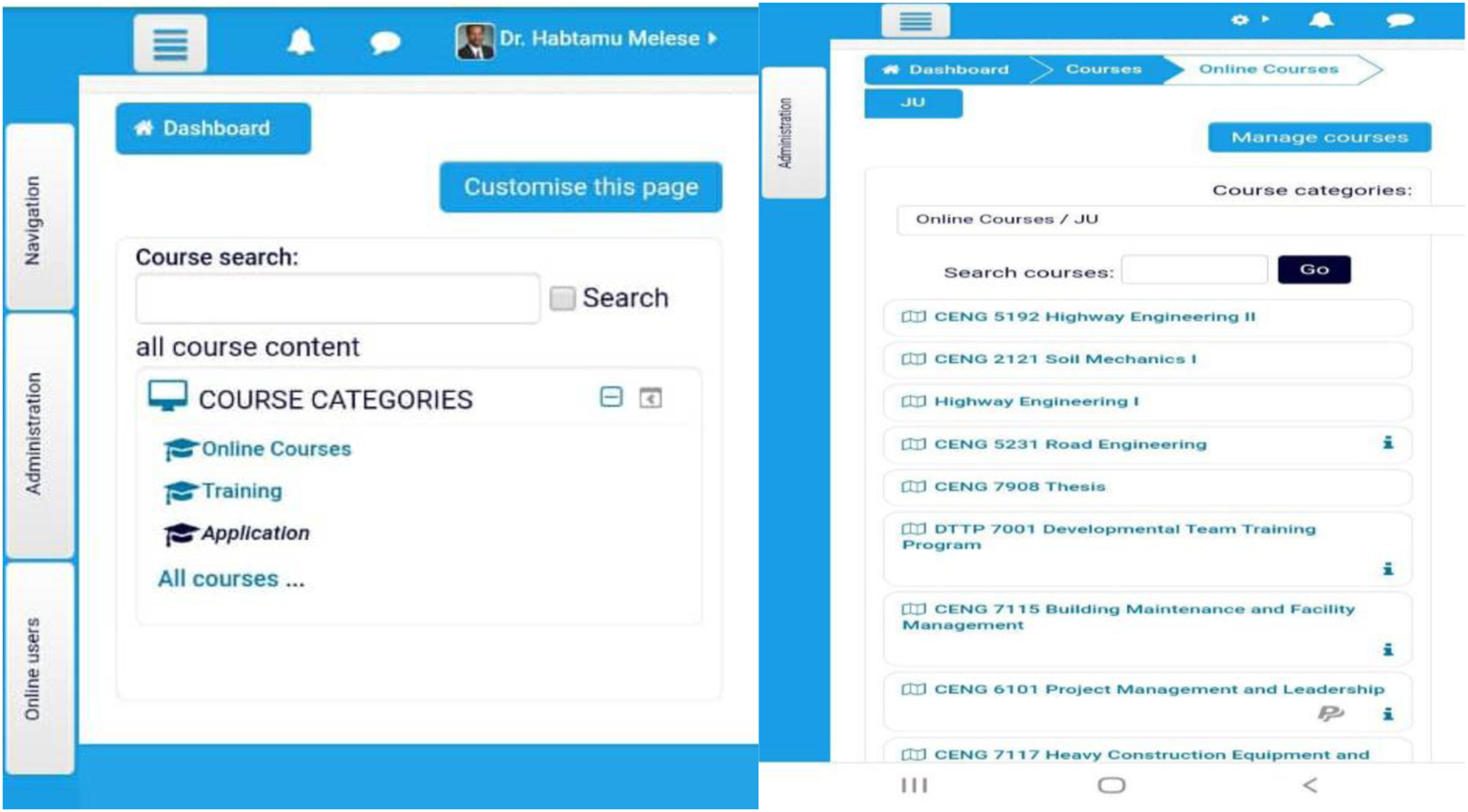
As shown in Figure 4, e-curriculum for the program of Civil Engineering consists of aspects of a computer-based learning plan, including the different e-learning courses as components of the e-program and other electronic mechanisms to search for and communicate with people.
The e-courses
At ET Online College, each e-course is implemented through the utilization of various digital technologies for learning purposes, including both synchronous and asynchronous technological resources. For the purpose of facilitating online learning, ET Online College has 70,000 e-journal subscriptions and some e-books that students and teachers get access via registration using their ET Online email accounts or user names.
Similarly, each e-course utilize different ‘e-assessment’ methods via digital technologies to create, distribute, assess, and provide feedback for formative, summative, diagnostic, or self-assessment purposes. Figure 5 presents aspect of the e-course designed for Engineering e-curriculum. Aspects of an e-course in engineering.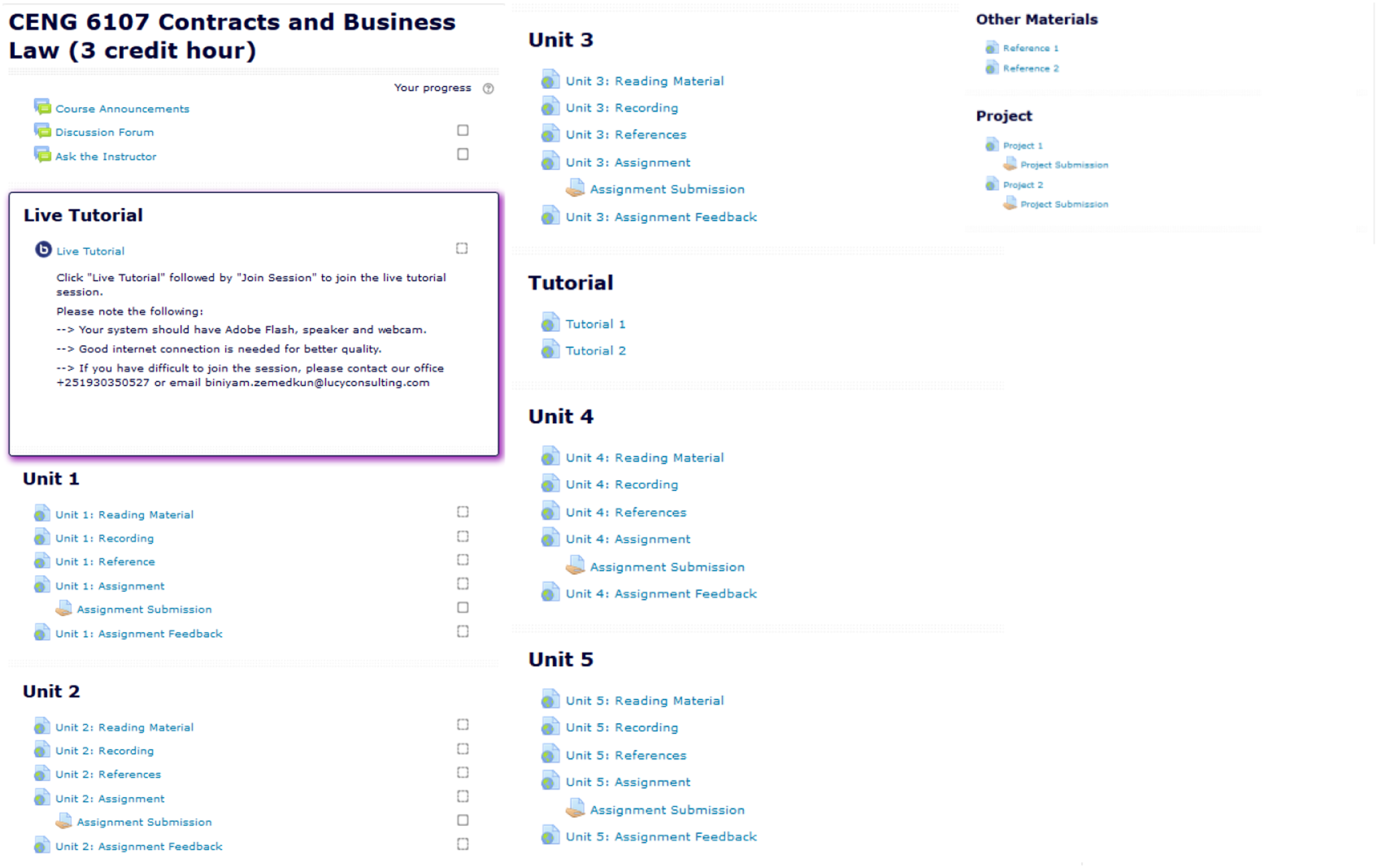
As shows in Figure 5, the e-course has several features that make the e-learning possible. For example, the e-course design makes it available to the students’ opportunities such as reading course announcements, participate in discussion forums, and ask question for the e-course teacher. The pedagogically driven approach to e-learning at ET Online course design allows e-course teachers make the link between pedagogy and different learning systems (Conole et al., 2004). For example, the use of virtual laboratory is one of the interesting features rated very high by the different stakeholder groups involved in the current study.
E-resources
At the institutional level, ET Online College operates as a dynamic system so that the cloud-based LMS, digital contents, and quality assurance of e-learning smoothly interact to offer high quality services. Figure 6 illustrates the major components of the college’s operations and their relations. The major ingredients of ET Online College operations.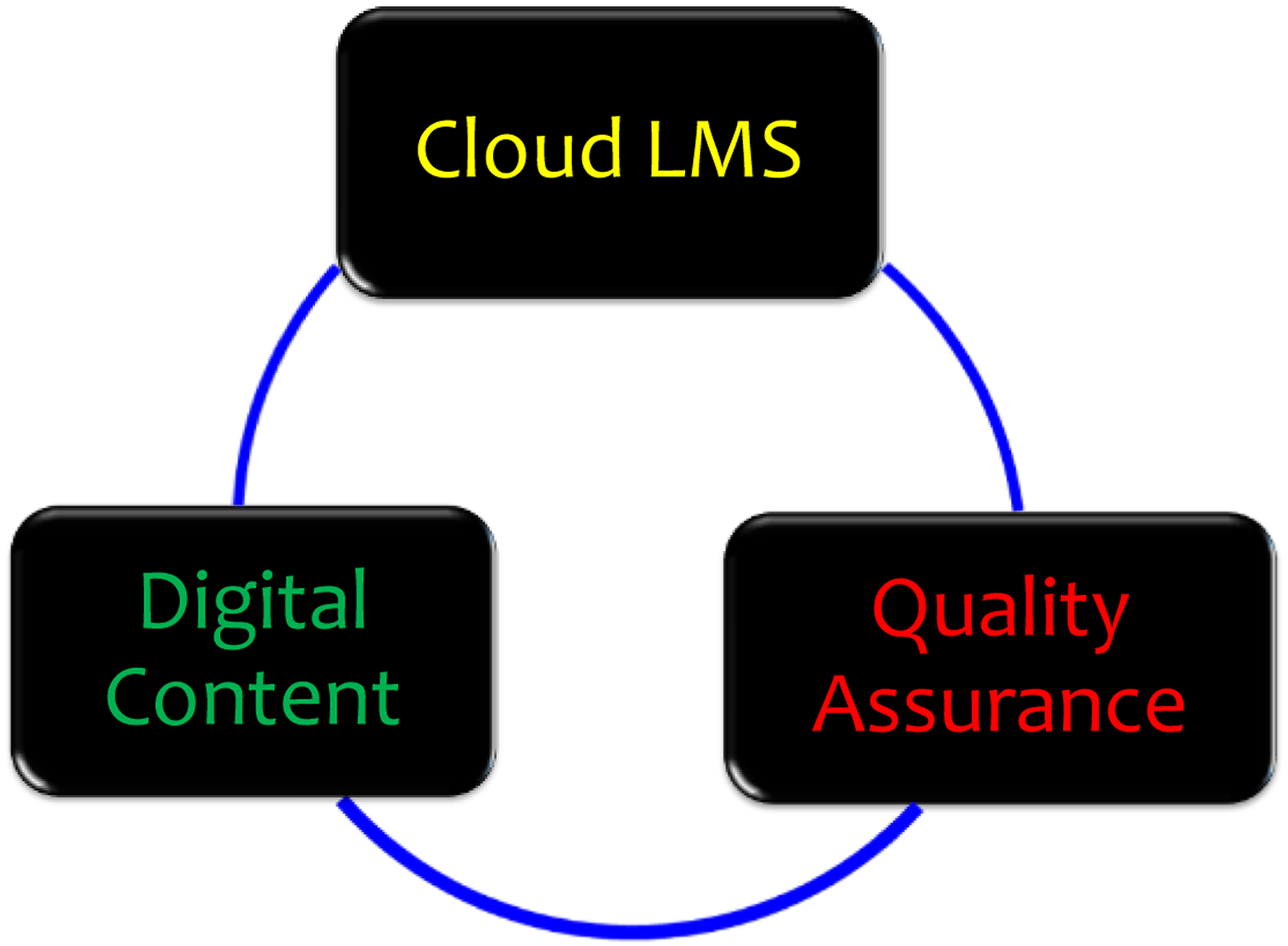
As can be seen from Figure 6, the ET Online College operates as a system, primarily based on a sophisticated Learning Management System (LMS) with a cloud server operating from the US-based hosting company. Given that the LMS uses the cloud server, which is a powerful platform for monitoring the safety and security of the LMS, could mean that the college operates with the high standard of safety and security for the academic processes and outcomes. As the entire academic and administrative operations are easily facilitated through the LMS, the college primarily uses digital contents (The platform is found on this website: https://www.etonline.edu.et). Both the LMS and digital contents are always under the surveillance of its own inbuilt quality assurance system. Figure 7 illustrates how the cloud server functions. The major ingredients of ET Online College CLOUD system.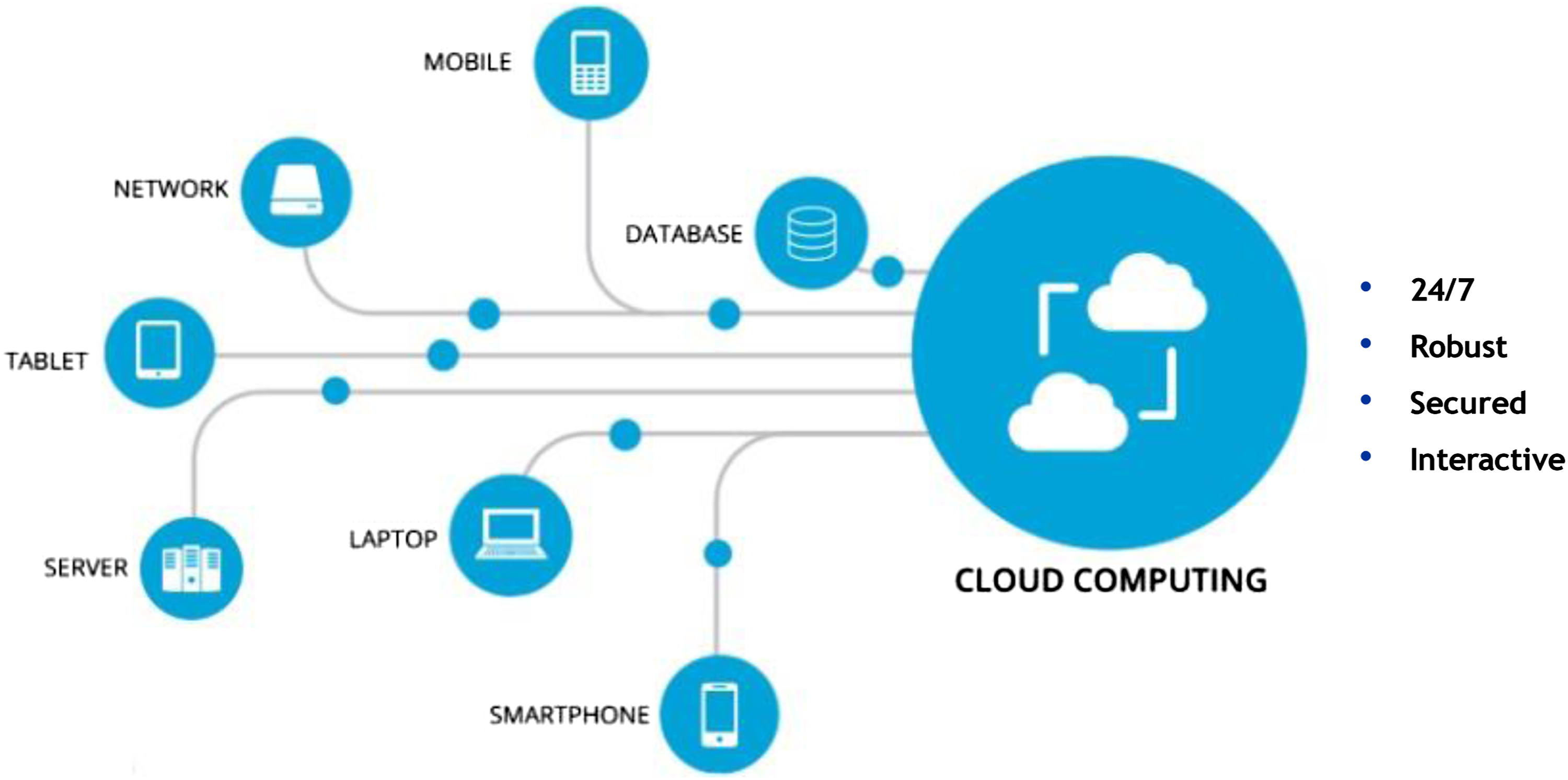
As can be seen in Figure 7, the cloud server controls every operation in the College, including the server, laptops, Tablets, networks, mobile, database, and smart phone setups. Hence, the cloud monitoring fully protects each and every activity going on with the different technological gadgets with its interactive and robust cloud computing system. This cloud works for 24 h per week, and the security complies with cybersecurity standards. The digitization follows high quality tools and techniques. One of the basic elements of the LMS is students’ services. Currently, student services include, for example, registration, which is fully online. Figure 8 presents the features of student services. Features of the student services.
As can be seen in Figure 8, the student services include a dedicated webpage (URL), technological services, English proficiency, and content with personal learning advisor. Also, the webpage has help desk (live chat), which is integrated with whatisup-a mobile application.
In addition, the ET Online College has capabilities to archive hard copies course resources to e-books. The content digitization consists, for example books digitization, and the digitized materials will be catalogued in different digital formats, including PDF, Excel, Word, and others. This offers flexibilities for students to get access into the learning resources. Content digitization is basically the process by which all the contents of a relevant document are added to the website in the digital format. While preparing digital contents, there are texts and lots of images inserted to make the content suitable for a digital platform. Figure 9 presents an example of the interactive nature of the digital contents. Examples of digital contents across few postgraduate courses.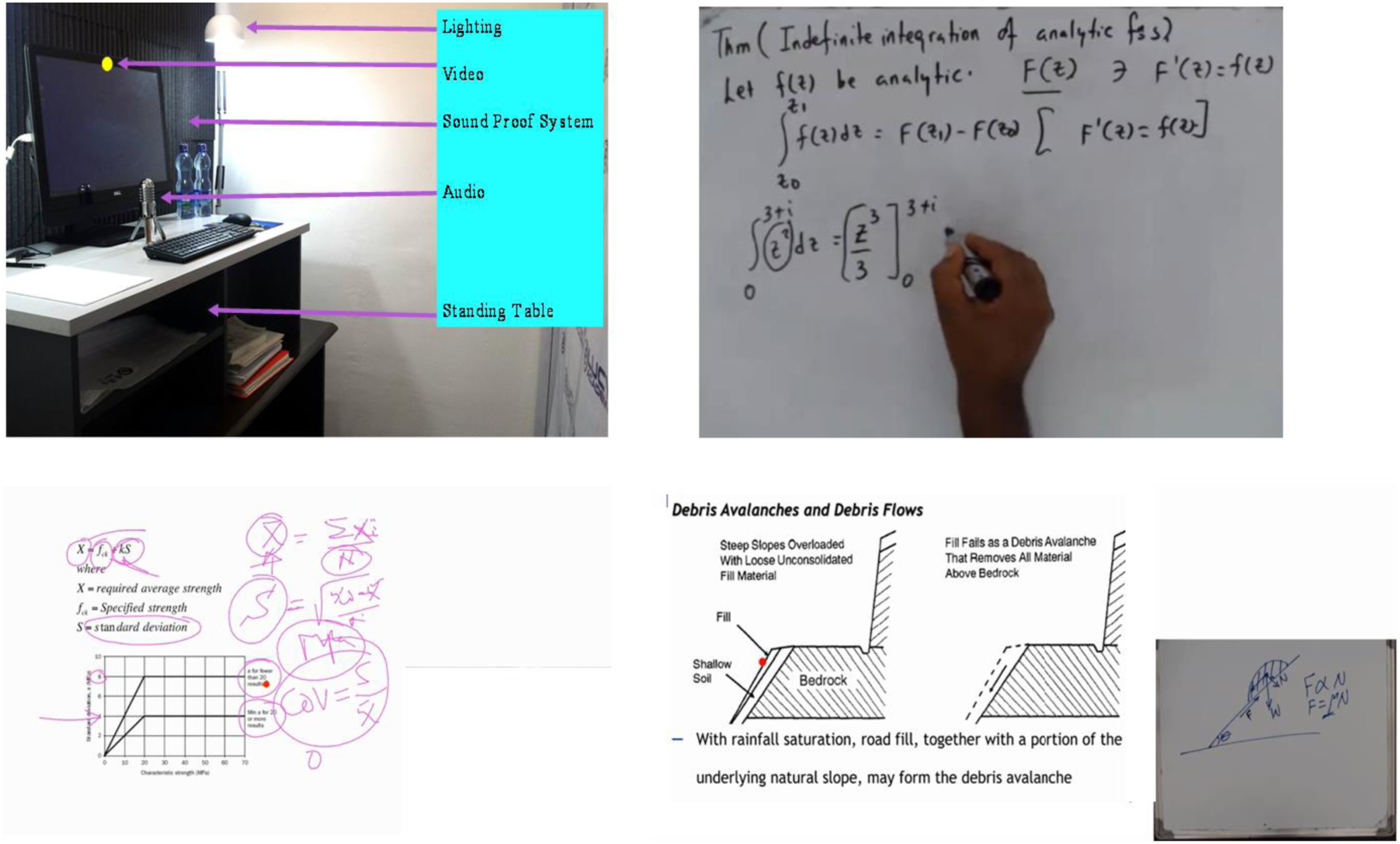
These digital content examples presented in Figure 9 highlight the interactive nature of the digital contents. By way of digitizing the contents of the various courses, ET Online College improves the efficiency of its academic or teaching and learning process, consistency, and quality. While integrating conventional records into a digitized system removes redundancies and shortens the communications chain, the digital nature improves accessibility and facilitates better information exchange for staff and users.
Implementation process
As a virtual institution, the ET Online College provides degree programs through electronic media, typically the Internet. As one of the interviewed senior managers stated, while the virtual environment is its core operational space, ET Online College also uses physical spaces to run its administrative duties and facilitate students’ and the production of E-Resources for the teaching and learning purposes. In addition to this, the same interviewee said, ET Online College uses the public partner universities such as Jimma University, Arba Minch University and Arsi University, for example, to provide cloud services and course laboratory works as part of their e-courses. Accordingly, a blended (integrated) approach, consisting of e-learning and face-to-face learning strategies have been adopted in the College (Baragash and Al-Samarraie, 2018; Liu et al., 2016).
Research findings suggest that there are nine pedagogies that are worthy of inclusion in the online teaching and learning processes. These emerging nine clusters of pedagogies include similarities and differences, summarizing and note taking, reinforcing effort and providing feedback, homework and practice, non-linguistic presentation, cooperative learning, setting objectives, generating and testing hypotheses, and providing questions and cues (Mehanna, 2004). In the two professional development programs, the ET Online College heavily applied these clusters of pedagogies in a more authentic environment using the LMS.
As can be seen from the findings of this study as well as others, the utilization of technology in e-learning requires specific functionalities for effective collaborations and contextual alignments. In the context of developing countries, high quality e-learning in HEIs primarily focuses on removing barriers to access learning (Kituyi and Tusubira, 2013), provide opportunities for flexible learning provision (Chernikova and Varonis, 2016), promoting student-centred learning (Glancy and Isenberg, 2013), supporting students, and constructing learning programs (Ginns and Ellis, 2009). These features are congruent with the actual purposes of e-learning established at ET Online College.
Currently, the ET Online LMS provides additional services for the other public universities in Ethiopia as there has been established partnership over the last 2–3 years. So far, these partner universities are satisfied with the services rendered and the ET Online management believes that such extra advantages may be a point of sharing responsibilities of quality teaching and learning and a means of strengthening partnership. The e-learning platform established by the ET Online College integrates state-of-the-art e-learning with the contextual realities of the country, and hence it is believed in rescuing the declining trend of quality of higher education in Ethiopia.
One of the success ingredients of ET Online College is its ability to use a more comprehensive and authentic e-learning model that seeks to go beyond administrative or communicative functions. The authors have ample evidence which demonstrates how an ET Online College programs are designed to address these difficulties and thereby effectively manage to respond to the teachers’ and students’ developmental needs respectfully and sensitively. Furthermore, the programs are developed and designed to address the demands posed by quality assurance agency of the nation.
As per the HERQA requirements, a fully online/virtual institution of higher learning should have a safe and secure infrastructure and facilities, organizational structure and administrators; virtual learning management system (LMS), e-curriculum, e-courses, online-students and teachers support services, institutional manuals, students’ services, and research and community services. As the evidence in this study show, these features are well accommodated at ET Online College. Also, the ET Online College e-learning features are in line with the characteristics stated in the literature on this field (Tony et al., 2015). Research shows that quality assurance, responsiveness, tangibility, course website and digital contents have a positive correlation with the perception of e-learning quality in HE (Uppal et al., 2018).
Benefits and positive contributions
Individual and institutional benefits
Higher Education Institutions (HEIs), teaching staff, and students may get several benefits because of the emerging e-learning model of instruction. As the study participants reported, this is mainly because e-learning applications facilitate not only online access to learning content and administration, but also the interactive discussion and exchange of resources and learning tools and services via internet.
Also, universities benefit through the establishment of web-supported classrooms in such a way the technology helps the learner as well as the educator ensure the possibility of maximizing learning and development. Similarly, it enhances the responsibilities of universities so that they can easily adjust themselves to any platform depending on the emerging needs for postgraduate education within the country and abroad, and especially so during times of state of emergencies such as the COVID-19 pandemic.
Responding to the need for access
By way of launching the ET Online College, this contributes its fair share to increase access to quality HE as the College enrols students across a range of programs. Again, from the quality of education perspective, the launching ET Online College increases access to qualified instructors by picking high-quality academics from every part of the country and abroad to deliver courses and advise students’ research work. This is possible because ET Online College uses a virtual platform so that high-quality academics can offer the needed services with little inconvenience. Once the production of virtual learning resources has been completed, it would be much easier to offer the services. In this regard, currently, lecturers for the different programs in Business, Engineering, Technology and Public Health are from various public universities, including Addis Ababa University and Jimma University and others. The establishment of collaborations between ET Online College and the public universities helps to improve the public-private partnership. This can be considered as an additional benefit.
In the views of the five interviewees of this study, the opening of an ET Online College can be considered as one of the strategic efforts for the HE sectors to promote internationalization. The College has five undergraduate programs (i.e. Accounting and Finance, Management, Marketing Management, Logistics and Supply Chain Management and Economics) and two graduate programs (i.e. Master of Business Administration and MSc in Development Economics). The College has submitted four graduate programs in Technology, Engineering and Public Health programs for HERQA’s accreditation processes.
In addition, according to one interviewee senior manager (Interviewee 2), there are student enrolees from South Sudan in one of the graduate programs at ET Online College. Also, the same interviewee commented that there is a demand from international students in the African and Gulf countries to start online learning. Also, another interviewed senior manager (Interviewee 1) viewed that the opening of the ET Online College might be considered as part of the government effort to environmental conservation by way of managing activities to attend and reducing the costs of building infrastructures and facilities.
The ability to attract students from neighbouring countries likely creates an opportunity to access foreign currency. At the same time, the ability to enrol a large volume of students from the neighbouring countries has a positive impact on reducing the costs of HE enrolment.
Responding to the state of emergencies
ET Online College established e-learning platform has been one of the important reasons to maintain smooth teaching and learning during the time of COVID-19 Pandemic Crisis. Students and teachers FGD participants pointed that their courses did not have interruption due to COVID-19 Pandemic. As one teacher participant (T5) states: ‘for us it is business as usual because we have been predominantly working with the virtual platform for teaching, learning and assessment purposes.’
Empirical evidence supports this claim. Due to its state-of-the-art built-in tools, accessibility, and user-friendliness, e-learning is vastly and continually expanding. More importantly, e-learning is becoming an ideal choice for any level of education, especially for responding to emerging urgent situations such as the COVID-19 pandemic (Aristovnik et al., 2020; Crawford et al., 2020). Therefore, its application and implementation needs to be a priority concern (Debattista, 2018).
Implementation challenges
Learners perspective
According to the student participants responses, three key factors that represent barriers to e-learning include the nature of e-learning as a new learning approach, the use of technology, concerns about lack of time and meeting deadlines, and potential network interruptions when trying to complete e-learning. The present study revealed similar results reported in the literature on E-Learning challenges in HE. The challenges reported in prior studies included low internet bandwidth, insufficient support (financial and technical), lack of ICT infrastructure, frequent electricity shortage, ICTs, and lack of awareness, interest, and motivation toward e-learning technology (Al-Azawei et al., 2016; Shahmoradi et al., 2018). Other challenges included the ever-evolving technologies and negative perceptions towards E-Learning (Kibuku et al., 2020).
Teacher-related challenges
Teachers have electronic devices and laptops that could facilitate e-learning but cannot effectively use these devices for teaching purposes, primarily due to lack of technological skills. On the students’ part, have electronic devices and laptops were apparent as every one of the FGD participants reported as possessing one, however they were ineffective in using them for learning purposes. This implies that the facilities related problems are much more about utilization than availability.
From the teachers’ perspective, some implementation barriers, including lack of time, skill, and incentive to develop e-resources have been reported from the FGD participant teachers. Also, student participants had the opinion that conducting practical lab and timely conduct of the tutorial sessions need improvement. Empirical results provide support for this. For example, teachers’ heavy workload, insufficient Internet connectivity, limited information and communication technology (ICT) skills, shortage of computers/laptops, inadequate computer laboratories, and insufficient time for online interaction are the major factors that affect the adoption of e-learning in higher education (Mutisya and Makokha, 2016).
Challenges at the institutional level
The institutional challenges were forwarded by the quality assurance experts who participated in FGDs, as well as teachers and students’ participants. The FGD participant quality assurance experts have the opinion that the college organizational structure creates a lot of burden on the part of the college president as currently every administrative matter requires the president decision. From the strategic implementation perspective, there are still gaps in accommodating students from disadvantaged regions and strategies to support women and students with disabilities. There are no adequate e-learning infrastructures for effective teaching and learning at ET Online College to deliver the e-learning services at broader scale as desired. Also, from operational perspective, quality assurance experts had the opinion that the administrative assignments consider more of fulltime administrators than part-time administrators.
Recommendations
Administrative assignments
Also, from operational perspective, quality assurance experts had the opinion that the administrative assignments should consider the hiring of more fulltime administrators than part-time ones.
Diversified technological tools (apps)
A couple of college administrators who participated in the interview had the opinion that the additional apps would help to keep up-to-date with the changing nature of technologies and maximize the possibilities of becoming more flexible.
Continuous professional development opportunities
All teacher participants of this study felt that more professional development opportunity was found very interesting, particularly in terms of learning software applications on e-learning and e-assessment than others. Student participants also commented that capacity building activities should be prepared regularly so that they can keep up-to-date with the technology. Obtaining teachers’ commitment to implement e-learning by changing the way they organize their teaching and how they interact with their students not only requires professional development that is relevant (Niculescu et al., 2017), but it also needs to provide opportunities for teachers to reflect critically on their practice in order to develop new knowledge and beliefs about e-Pedagogy and e-learning (Ehlers, 2007; Zhang and Cheng, 2012). This requires close partnerships and sustained involvement with teachers working together and across departments to implement an e-learning program and courses, which will support and encourage the development of e-Pedagogy that enables students to achieve greater understanding, engagement, and higher learning outcomes (Gordon et al., 2010).
Study limitations
This study has several limitations that need to be acknowledged. First, we conducted this study using phenomenological case study in a single college. Thus, this study established a case, indicating the ingredients of an effective E-Learning in the Ethiopian HE context. It is important to conduct a quantitative investigation to obtain more generalizable findings. Second, we have used only six domains to conceptualize effective e-learning. Future research should provide a broader analysis of the factors and consequences of e-learning implementation in the HE context. Third, we used manual analysis of themes by analysing the meaning of words and sentence structure. Hence, failure to use a qualitative software can be considered as one limitations of the study.
Conclusions
This explorative phenomenological study described the specifications of an e-learning platform established at ET Online College, Ethiopia, and further explained the significance of this platform in the context of HE in Ethiopia. We explored the practical implications of e-learning integrated learning model for HEIs and educators, especially those who work with students in Ethiopia and beyond.
This study’s findings illuminate the importance of contextual environments, hierarchical E-planning, E-Resources in the E-Learning implementation process. However, it should be noted that preparing institutional conditions and fulfilling relevant E-Resources are not self-sufficient entities for effective E-Learning. Instead, during implementation, emphasis should be placed on the processes, the benefits and positive contributions, potential challenges, and the recommendations from the different stakeholders.
It is pertinent to underscore that the e-learning platform established by ET Online College is a state-of-the-art e-learning technological platform, and it is believed that the platform not only rescue the currently declining trend of the quality of education in Ethiopia, but it further helps in effective continuation of learning processes particularly in times of emergencies such as the COVID-19 pandemic.
To validate the proposed model, a comprehensive evaluative research is underway, which includes testing and evaluating this e-learning Model. How the proposed e-learning instructional model impacts learning outcomes, study strategies, perceptions, and learning experiences remain open for future investigations. The future of e-learning is bright, with huge prospects and intensified demand for its greater use in HE.
Implications
Establishing an e-learning platform in the HE context is a key strategy to address issues of access and quality through a comprehensive mechanism and processes of building human capacity, partnership and support. Quality HE is viewed as critically important in contemporary knowledge-building society, as it provides opportunities for students to develop broader competencies, including critical thinking, problem-solving, communication, and teamwork (Arum et al., 2016). As the evidences in this study, as well as others, show, e-learning is one important avenue to enhance the quality of learning and teaching, meet the learning needs of students, improve the efficiency and effectiveness of instructions (Uppal et al., 2018), and improve user-accessibility and time flexibility to engage learners in the learning process (Tegegne, 2014).
An examination of the challenges facing graduate education in Sub-Saharan Africa, Ethiopia included, reveals problems associated with quality education (Hayward, 2015). For example, a shortage of faculties with higher academic qualifications and poor research culture are problems encountered with previous studies (Hayward and Ncayiyana, 2014). In response to this, there has been a trend, featuring a shifting away from the accumulation of knowledge to the development of a variety of cognitive and non-cognitive skills (Ehlers, 2007; Martinez-Mediano et al., 2013; Newton and Newton, 2014).
In addressing these, it appears that online learning extends the possibility of reaching out to a wider audience, at the same time enriching quality to HE provision (Warner, 2016). Meaning, e-learning responds to the questions of both access and quality at the same time. In a true sense, online learning not only extends access to lifelong education, but also makes higher education accessible to a broad group of people (Leire et al., 2016). From the pedagogical standpoint, leveraging learning with technology maximize the learning potential of students (Jung, 2011; Oliver and Goerke, 2008).
Before the emergence of COVID-19, the rationale for online learning has been from diverse perspectives, including access, affordability, flexibility, and life-long learning, among others. In terms of access, online learning makes high-quality university courses and programs available to those who live a significant distance from campus, living in rural or remote communities (Gaskell and Mills, 2014).
Online learning is significantly more affordable than campus-based courses because the costs of travel, accommodation, and the related cost of campus-based studies are extremely high compared to online learning (Chernikova and Varonis, 2016). Also, having access to courses and programs online gives students who are working full or part-time greater latitude in planning their course completion strategy (Palmer, 2011). Hence it is relatively more flexible to accommodate their needs.
In this millennial time of the 21st century, the world is changing very dynamically, and many new skills are needed to enable these changes to achieve the expected social, economic, and other impacts (Tarbutton, 2018). Under this circumstance, e-learning is a powerful way of ensuring that those who need to develop the required skills have access to learning anytime, anywhere (Ramírez-Correa et al., 2015).
Footnotes
Acknowledgements
The researchers appreciate the invaluable contributions of ET Online College students and teachers, administrators, and IT staff. Moreover, external stakeholders such as quality assurance experts from HERQA, technology experts, and other participants from the media and marketing departments of EBS deserve massive respect and recognition. We also appreciate the institutional support of ET Online College management in facilitating the collection of the relevant data for the study.
Declaration of Conflicting Interests
The author(s) declared no potential conflicts of interest with respect to the research, authorship, and/or publication of this article.
Funding
The author(s) received no financial support for the research, authorship, and/or publication of this article.
