




Abstract
This article addresses student challenges posed by the need for distance learning in architectural design courses during the COVID-19 pandemic in Shiraz, Iran, in order to ascertain the student perception of a virtual learning experience. It also outlines the methods of managing an affordable education agenda to design online courses in Iran as a part of global efforts. For this purpose, an online survey was conducted in October 2020 based on the exploratory factor analysis. The research sample included architecture and interior architecture undergraduates and postgraduates. Data analysis was performed in SPSS 24. The survey identified six factors as (1) design process and communication skills; (2) self-directed learning; (3) digital sketching, drafting, modeling, and presentation; (4) acquaintances and experiences; (5) technical devices and facilities; and (6) tutorials and assessments. The findings showed some obstacles to the conventional education system in architecture and emphasized the need to redefine the education system based on the new sustainable design pedagogy framework. Therefore, the article proposes a model in which tutors act as consultants and facilitators, whereas students act as self-directed learners. In addition, the e-studio is considered an activity-oriented space to provide an opportunity for interaction, connection, and creativity. The proposed model requires novel learning strategies and tactics.
Keywords
Introduction
The COVID-19 pandemic now poses a global challenge in various therapeutic, economic, social, cultural, political, and even educational aspects. Iran is one of the top 15 countries affected by the COVID-19 (WHO, 2020: 166) and is among first nations where this epidemic spread. Therefore, it is no surprise that the pandemic has forced the nation to employ online teaching. The first confirmed cases of COVID-19 were reported officially on 19 February 2020, in Iran; as a result, schools and universities were shut down until 20 March 2020. During the lockdown, the National Anti-Coronavirus Headquarters ordered academic administrations to launch online learning management systems to proceed with their educational programs. In response to the situation on short notice, all universities provided basic software infrastructure and necessary facilities for online or distance learning. Although e-learning or distance education programs are not unprecedented in Iran where there many similar cases in recent decades, providing services such a large number of students in various fields raised serious concerns and confused the academic community. Accordingly, schools of architecture transited their routine curricula to online or virtual courses, which were considered a new concept for them. There was no clear idea among architecture academicians regarding the nature and efficiency of online teaching. After nearly seven months of experience in online education and with the beginning of the first semester of the Iranian new academic year, the time has come to address the consequences and achievements.
This study focuses mainly on the student challenges in online architectural design learning during the COVID-19 pandemic in Iran. Traditionally, “The design studio education is deeply rooted in one-on-one teaching activities between the faculty and every student” (Ahmad et al., 2020: 164). Educators’ face-to-face communications with the tutors, site observation and analysis, and teamwork and collaboration would require physical presence in the studio. However, these conventional teaching strategies and tactics must be changed. A preliminary study by Sangster et al. (2020) revealed many worldwide efforts at realigning learning and teaching strategies away from the comfort of traditional formats. Peters et al. (2020) argued that returning to “normal” from this “new abnormal” situation is not only so problematic but also impossible. Recently, the research results of online architecture education have gradually been published in various countries; however, the number is still small. In Belgrade, Milovanović et al. (2020) assumed that online workshops could offer a unique experience for higher education students in architecture. Their theory was based on emergency design and education for reaching sustainability. Khogali (2020) in Riyadh, Saudi Arabia, emphasized sustainable teaching and learning in architecture. By analyzing the responses acquired from 54 students, Khogali assumed that workshops and continuous training programs were crucial to teaching architecture. Ahmad et al. (2020), at a university in the United Arab Emirates, used virtual reality as a design tool for interior architecture studios and showed how challenges could turn into an opportunity for design and teaching. Despite these efforts, various aspects of the subject still remain unknown.
This article analyzes the experiences of virtual classes and online learning of architecture students in Shiraz, Iran, as the first case of distance education in design courses. The study was designed to obtain students’ perception and viewpoints to address this unique new abnormal condition in Iran. This article also outlines some suggestions for educators and academic administrations to manage the new program for design online courses. Thus, this survey aims to identify the strengths and weaknesses of e-learning in architectural design courses from the students’ point of view, classify the factors affecting the quality of virtual education in the student experience, and suggest strategies for reviewing the virtual training for design courses in the future.
Architecture online learning and COVID-19: An overview
Online education in architecture was precedent even before the recent pandemic. In the past decade in Australia, Curtin University (2021) has offered the world’s first online accredited architecture, innovative interior design, and architectural science undergraduate and postgraduate online programs through self-directed learning and visual, verbal, and written communication techniques. Moreover, Cape Peninsula University of Technology (2021) in Cape Town, South Africa, offers a two-year part-time program through block-release in a blended format involving online learning, on-campus blocks, and work-based mentoring.
However, changing education from face-to-face to virtual screen-to-screen formats has had a variety of effects and reactions in architectural departments and among various scholars and students worldwide. In general, a review of achievements in distance education has shown that despite widespread developments in many countries, e-learning sometimes works based on traditional aspects due to the lack of new educational strategies (Wotto, 2020). This makes universities a fragile community (Szacka, 2020). Not only the education system but also students had insufficient experiences of facing virtual education. In a survey, art students showed higher scores related to anxiety, depression, and stress during the early months of the COVID-19 pandemic (Odriozola-González et al., 2020). In a world where distance learning has already existed prior to the current pandemic, there can be three main reasons for the abovementioned problems, that is, lack of preparation time, teacher/student isolation, and the need for new effective pedagogical approaches (Huang et al., 2020: 2).
Yorgancıoğlu (2020: 29) described what we would be experiencing today in a variety of notions ranged from forced into an emergency change to the conscious and desirable teaching strategies including remote emergency teaching/learning and online distance teaching/learning. The architectural design studio pedagogy, as she categorized, consists of three main components, that is, the learner-centered approach used as an effective paradigm, the communication/interaction method between the actors of the learning experience, and the design studio used as a physical and social space including the learning experience and interaction between these actors. All three faced a sudden challenge during this pandemic. The National Design Studio Survey in July 2020 at 25 schools of architecture in Britain revealed that overall satisfaction with remote learning fell by 58% in comparison to the physical studios. In addition, the studied factors such as the sense of being part of a community, peer learning, and motivation support were considered to have been negatively affected by the decision to use online teaching. Telecommuting has also highlighted the disparity in resource availability (Grover and Wright, 2020: 6). Access to a satisfactory Internet service and other necessary pieces of equipment as well as appropriate financing and use of technology have also been mentioned in other studies as the pillars of virtual architecture education (Milovanović et al., 2020). Alnusairat et al. (2020) reported that technical factors such as poor network quality and lack of familiarity with the new applications as well as the tutors’ lack of expertise in online teaching were the most important challenges to online design studios in Jordan. Ceylan et al. (2021) conducted a survey and revealed that students of architectural design studios in the host university also saw digital tools as an advantage in e-learning. In India, low satisfaction with the effectiveness of online teaching in a design studio conveyed the need for more engagement with digital tools and representational software on integrated platforms (Varma and Jafri, 2020). Such studies emphasize the communications and interactions between tutors and learners.
More learner-centered approaches could be seen in the RIBA advisors who asked the students in any stages of architectural design courses to focus on the long view to go online and use new media and digital representation by participating actively in virtual class meetings and submitting their homework assignments on time. The students are also asked not to forget other classmates (Gloster, 2020). However, online learning is generally a tool that makes the teaching–learning process more student-based, creative, and flexible than ever before but also faces some difficulties. For instance, students want two-way interactions, whereas learning process could not reach its full potential without student practice. They may also face technical problems and difficulties in understanding instructional goals. Other problems include students’ weaknesses in balancing work, family, and social life as well as virtual exams and competitions (Dhawan, 2020: 7, 8).
Studying virtual studios in architecture education, Iranmanesh and Onur (2021) revealed that virtual design studios could be much more applicable for senior students. Employing the virtual reality (VR) technology within the design pedagogy in interior architecture is an effort to overcome some of these constraints on the third dimension of architecture education, that is, the design studio. The VR be used as “a tool and a methodology to virtually transport students, visitors, and guests back into the boundaries of a familiar environment” during the pandemic. Therefore, the virtual reality exhibition was utilized to develop an online viewer experience for the final student exhibition called the virtual showcase (Ahmad et al., 2020: 168, 171). Many other research efforts are being made to provide new horizons for architecture education. All of them represent new opportunities that should probably be noted as a new normal (not abnormal) situation. For future architectures to be equipped to face these challenges, a review of the architectural syllabus is required where equal emphasis is provided on the studio just as much as other dimensions. In addition, it may also be the time to expand the architectural curricula, merge different disciplines, and truly try to make the future (Allam et al., 2020).
Research method and context
Having a history of more than 80 years in Iran, the architecture education curriculum includes undergraduate, postgraduate, and doctoral degrees. Architecture education in Iran began with the establishment of the Faculty of Fine Arts at Tehran University in 1940. The founders were French archaeologists and architecture graduates of the French National School Supérieure Des Beaux-Arts, and the faculty education was based on the method of teaching architecture in France. At the beginning of the establishment, the training course was taught in three programs, that is, introductory practical work as well as the first and second stages. Theoretical courses were limited to spatial geometry, technical and perspective drawing, statics, concrete and steel, surveying, building elements and details, history and art, and the French language. Architecture students have been admitted to the Faculty of Fine Arts since 1956 with a special entrance exam. After passing the introductory course, the students entered the first and second stages and experienced the practical work of modern architects. The faculty education program changed from 1962 to 1967, and the first and second stages were merged into a single system.
In the new architecture education program implemented in undergraduate and postgraduate course in Iran recently, architecture education was dedicated to training experts with more general and professional abilities. The bachelor’s degrees of architecture and interior architecture emphasized more on design studios and practical works. Courses are organized in many design studios for understanding and expressing the environment, applied geometry, materials, and construction. However, the master’s degrees of architecture aim at strengthening the imagination, spatial visualization, expressive skills, the power of creativity, and self-confidence as the main goals of courses. The PhD program of architecture in Iran was established in 1990 for the first time ever by the School of Architecture at the Faculty of Fine Arts in Tehran University and was approved by the Supreme Planning Council of the Ministry of Science. Currently, there are 12 majors in architecture education in different educational levels in Iran, the notable majors of which are landscape architecture, interior architecture, architectural technology, energy and architecture, Iranian architectural studies, and restoration. Nearly four decades ago, the first nongovernmental university called the Islamic Azad University was established in Iran. Over the past two decades, a significant number of private higher education institutions with a smaller structure than an ordinary university have also been founded.
The applied method in this research is a kind of correlational research using factor analysis as a tactic focusing on the relative salience of key variables in predicting the outcomes of other variables. It aims to articulate an overall structure or pattern among the variables to identify thematic clusters called factors (Groat and Wang, 2013: 305) or parameters. In other words, factor analysis is a method that reveals meaningful latent clusters of variables to reduce and simplify big observation data (Mvududu and Sink, 2013). This study adopted the explanatory factor analysis to discover the underlying structures of the observed variables.
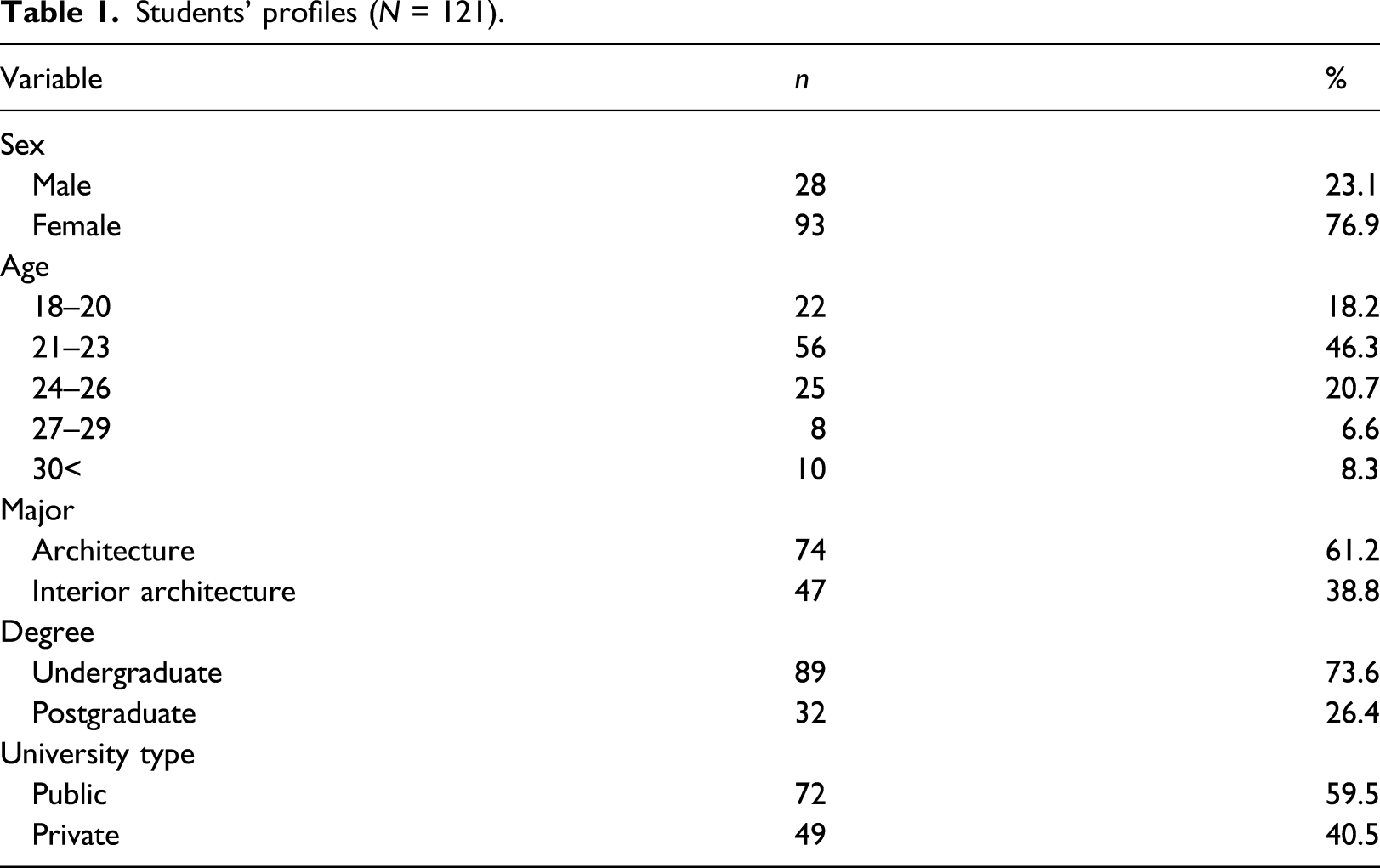
The research sample included undergraduates and postgraduates of architecture and interior architecture in Shiraz known as the most popular city in the south of Iran and the capital of Fars Province. Therefore, students at Shiraz University, Shiraz University of Arts (the only two public universities in Fars Province), and Apadana Institute of Higher Educations (one of the main private higher education institutes) were selected to participate in an online questionnaire survey. Approximately 375 students are majoring in architecture and interior architecture in these three educational centers. Nearly 290 of them were the students who had experienced design courses in the previous semester.
The online questionnaire consisted of 51 items categorized as two sections, the first of which was dedicated to demographic data (8 items on gender, age, major, academic year, virtual class software, etc.), whereas the second section included items scored in a 9-point Likert scale to measure students’ opinions and expectations of e-learning (43 items). The Likert survey of opinions used in several different response formats such as five possible choices were identified as the Likert scale responses (Batterton and Hale, 2017: 32). Although the most common research scales are five or seven choices, 100 Likert scales (Thomas et al., 2020) have also been used in the studies on the teaching programs. According to Russell and Bobko (1992), if the Likert scale increases to be able to approximate sequential measurements, it will be possible to obtain more information from the respondents. Therefore, a 9-point Likert scale was used in this study to obtain more accurate responses and to prevent too general feedback.
The questionnaire was prepared and powered by Porsline, and its link was distributed twice via SMS and WhatsApp among all participants from October 4 to 18, 2020. There were 121 participants (61%) who started filling out the questionnaire by submitting their final responses. Data analysis was performed in SPSS 24, and Cronbach’s alpha of the questionnaire was reported 0.96.
Students’ profiles (N = 121).
Findings
Statistics
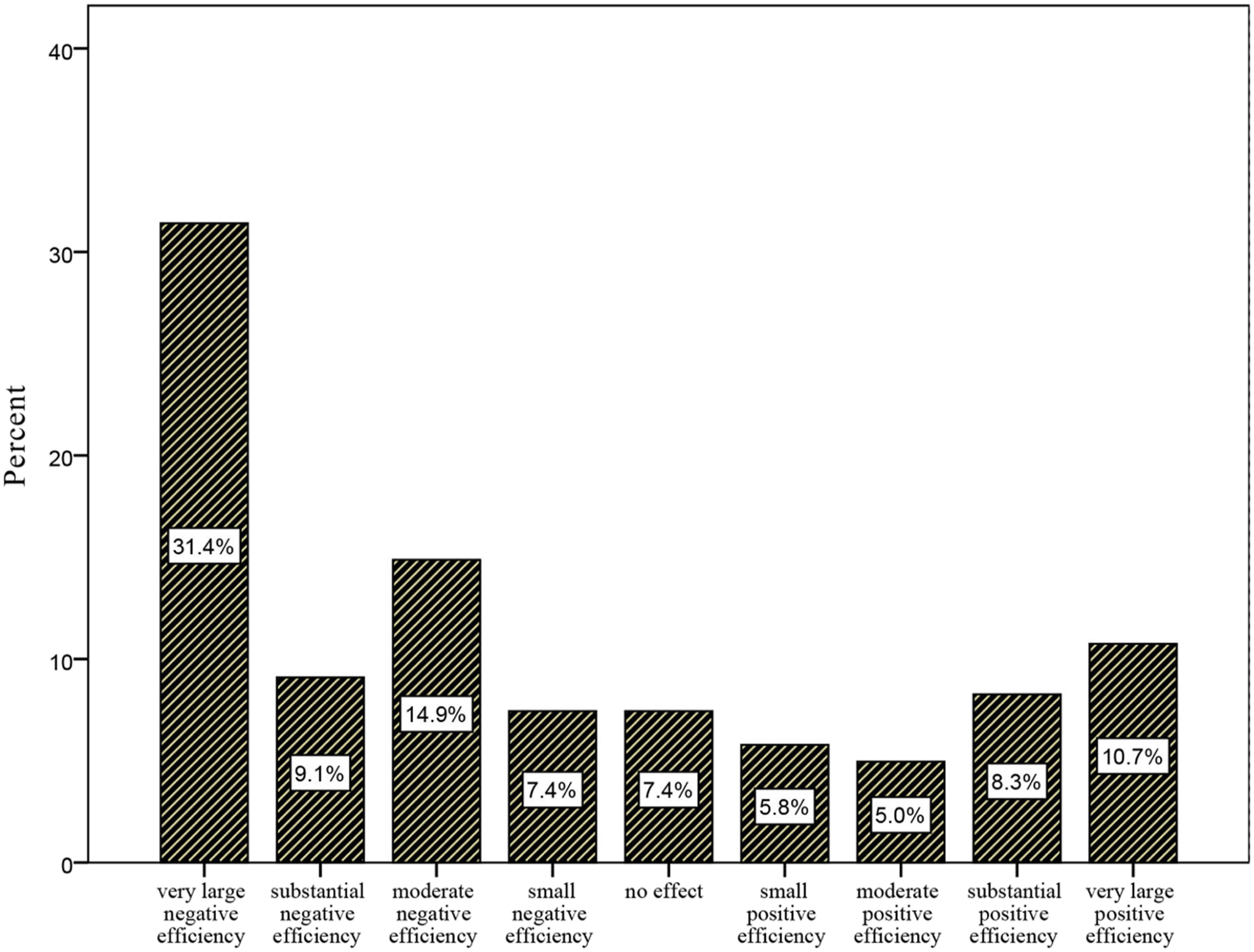
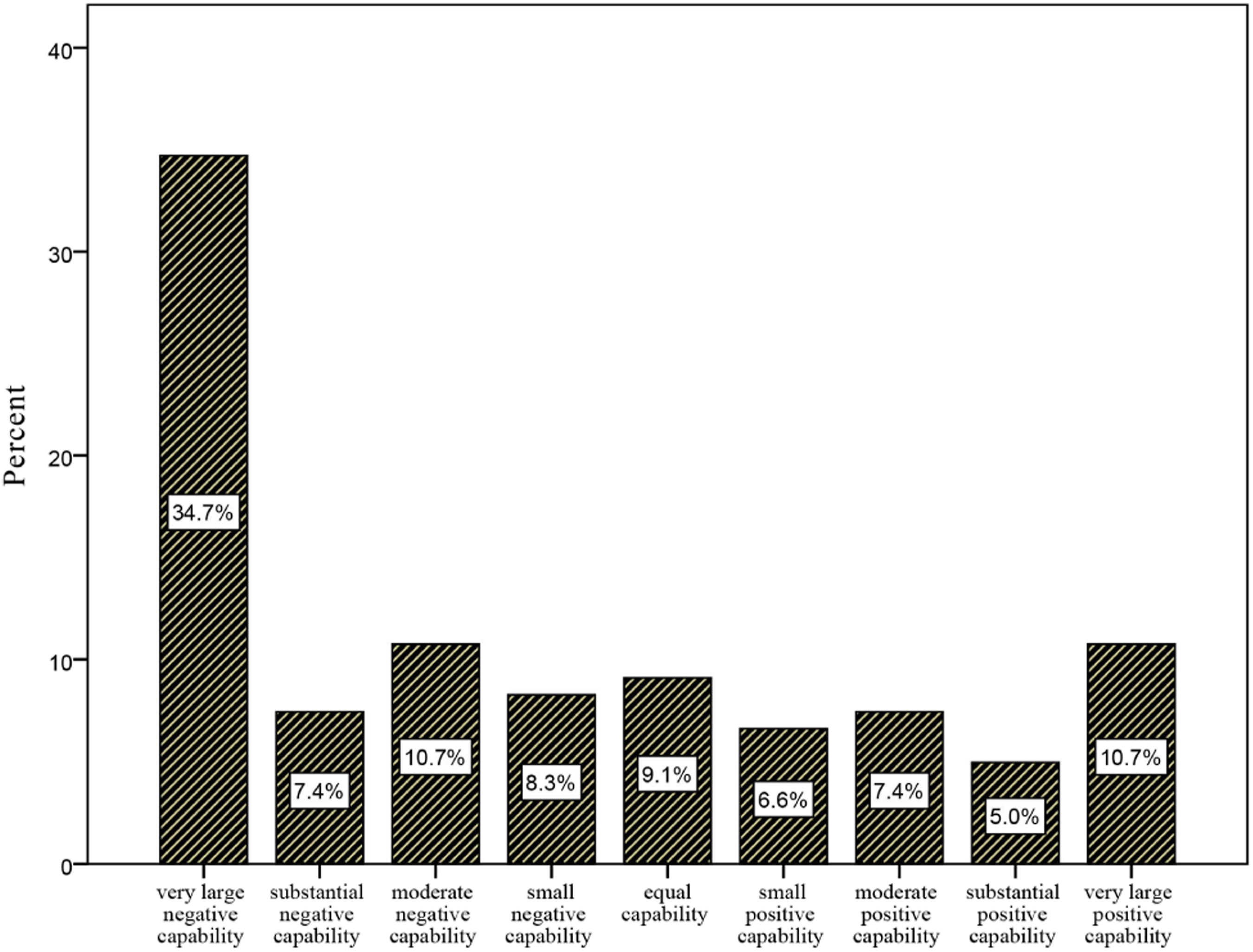
Overall, the following results show that students generally evaluated the effects of the virtual design studio courses on their design negatively. According to Figure 1, more than 63% of respondents evaluated the effect of e-learning design on the final quality of their projects within the range of small to very high negative degrees, in which more than 50% of them had experienced these effects as substantial and very large negative degrees. Only nearly 12.5% of students rated virtual design training as a very large positive effect on the quality of their design projects. Students’ opinions about the usefulness and efficiency of virtual training in design courses (Figure 2) indicate the fact that this type of training has not been effective enough. Moreover, 62.8% of the participants evaluated the e-learning methods as a range of negative degrees. Only a little over 10% of them experienced virtual design education efficiently and usefully. Therefore, it can be expected from the feedback of virtual classes that this method will fail to meet the expectations and demands of students. Furthermore, 61.2% of students had negative opinions in response to the question of “How much do you consider e-learning as a new alternative to design courses in the future?” According to Figure 3, only 10.7% of them considered this method a suitable alternative. The effects of not attending physical studios on the final quality of projects from the students’ perspective. Students’ opinions about the usefulness and efficiency of virtual training in design courses. Students’ responses to the possibility of replacing virtual education as a new education method in design courses.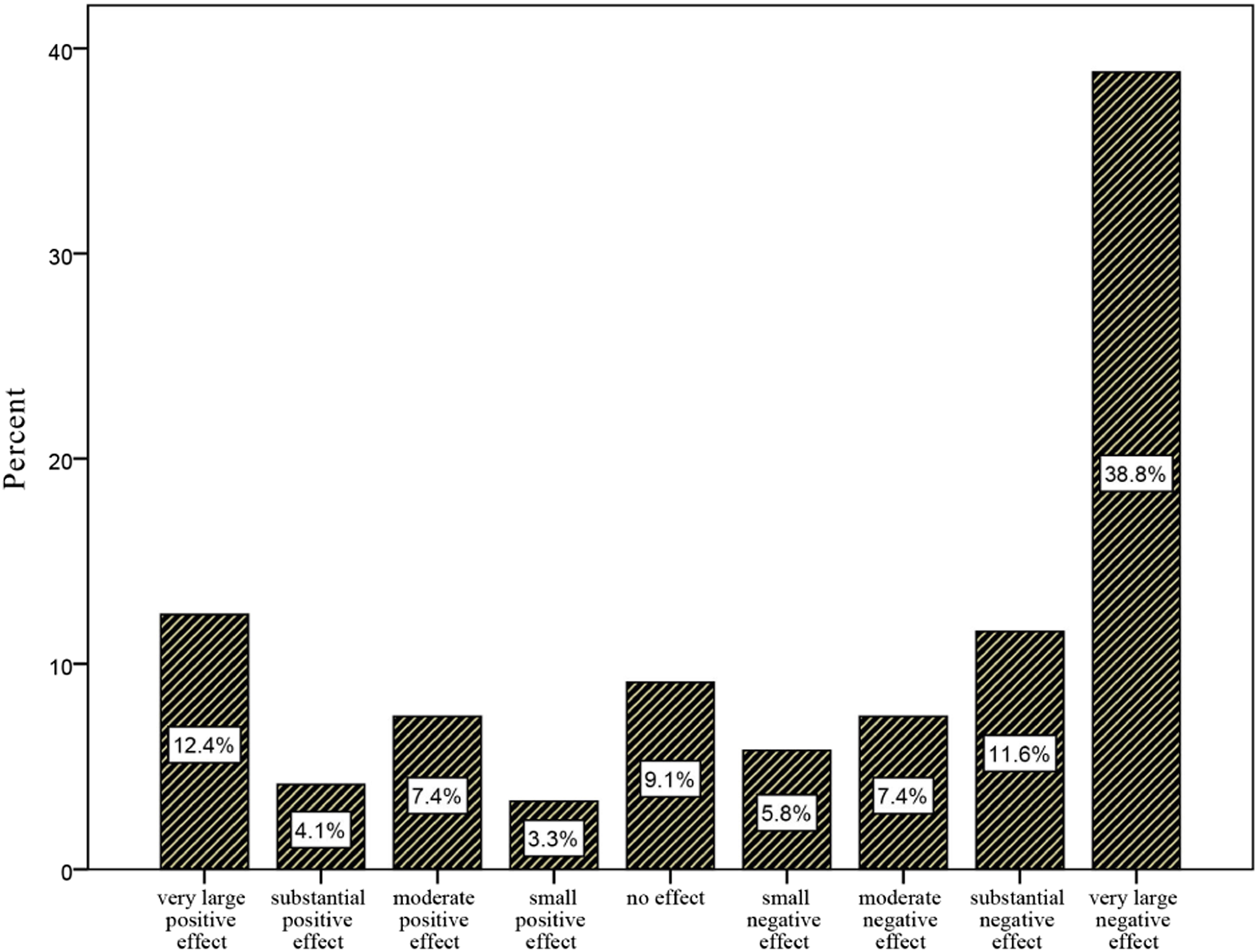
Factor analysis
The exploratory factor analysis(EFA) was conducted to analyze 41 measurement items of students’ opinions and expectations about e-learning by using the principal component analysis with varimax rotation to identify the underlying factors. The appropriateness of factor analysis was determined through the Kaiser–Meyer–Olkin (0.91) measure of sampling adequacy and Bartlett’s test (approx. chi-square = 3590.2, df = 780, Sig. = 0.00). The scree plot graph showed six actual numbers of factors that should be retained (Figure 4). Accordingly, six factors were extracted with eigenvalues greater than 2.00 and factor loadings more than 0.50. Table 2 shows the factor analysis results briefly. The scree plot graph of the factors. Factor analysis results. Note: Total variance explained = 63.38%; Kaiser–Meyer–Olkin measure of sampling adequacy = 0.91; Bartlett’s test of sphericity p < 0.00.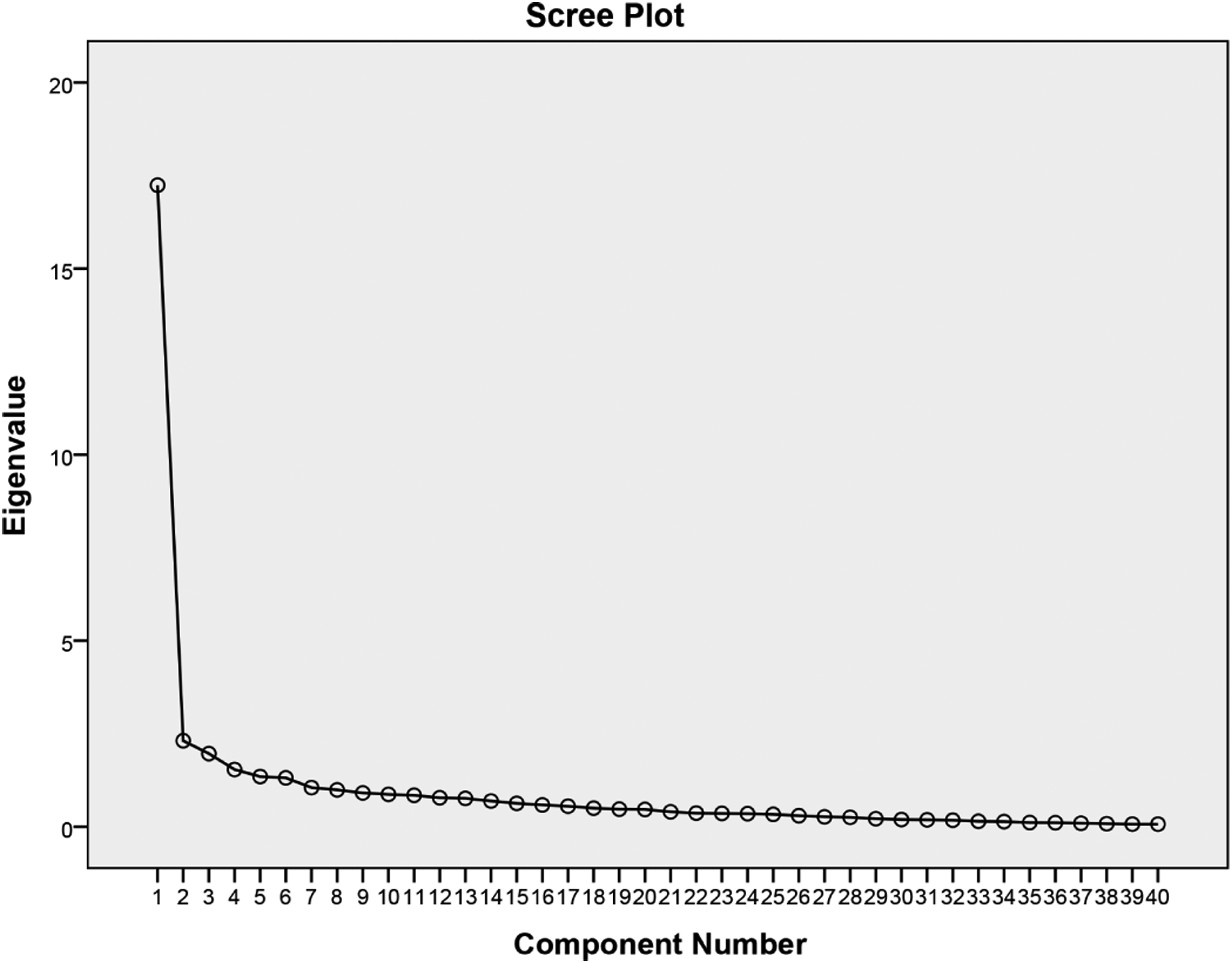
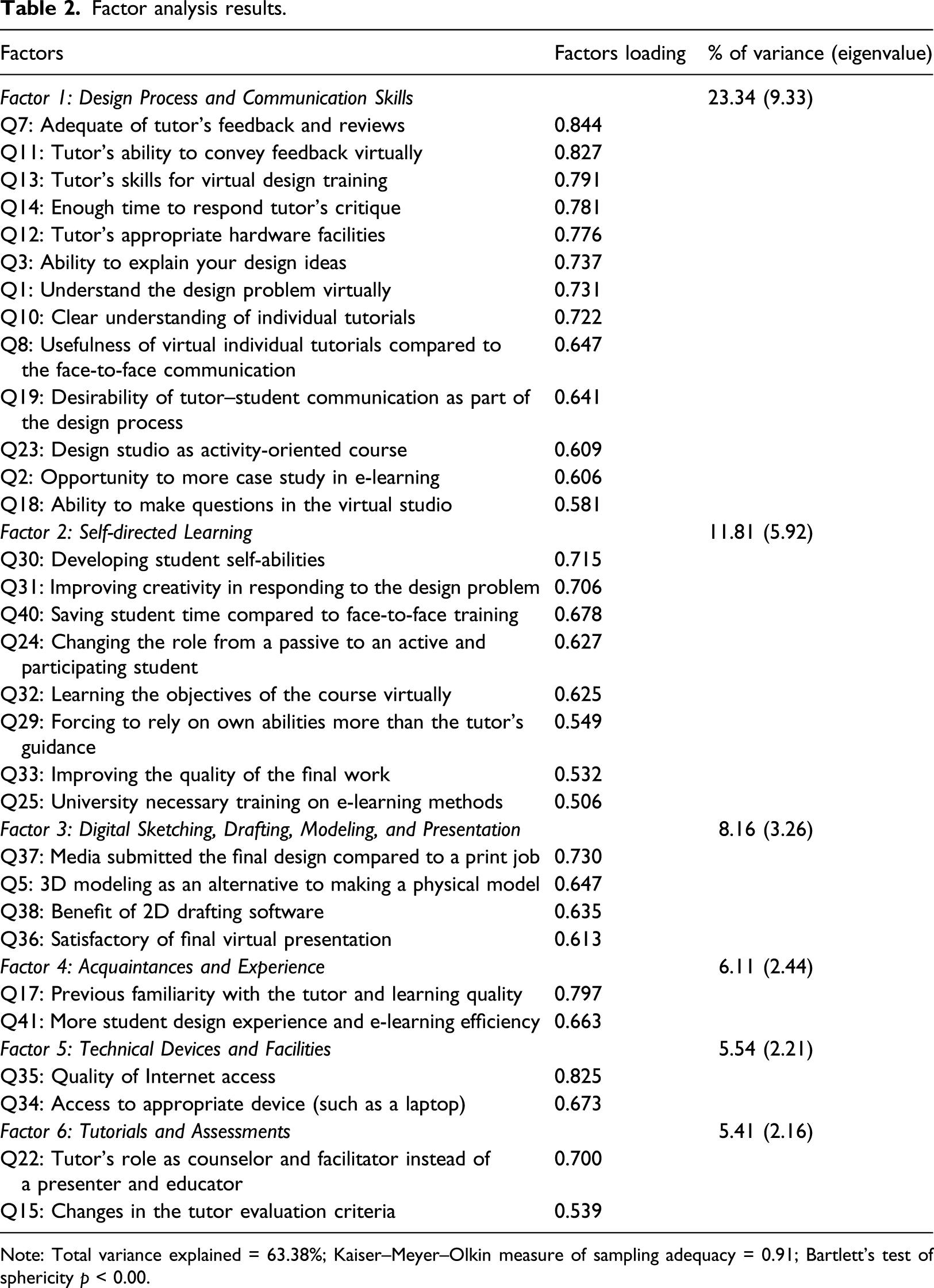
These six factors explained 63.38% of the variance in students’ responses regarding their experiences. The first factor, labeled design process and communication skills, explained 23.34% of the variance (eigenvalue = 9.33), whereas the second factor, labeled self-directed learning, explained 11.81% of the variance (eigenvalue = 5.92). Moreover, the third factor, labeled digital sketching, drafting, modeling, and presentation, explained 8.16% of the variance (eigenvalue = 3.26), and the fourth factor, labeled acquaintances and experiences, explained 6.11% of the variance (eigenvalue = 2.44). The fifth factor, labeled technical devices and facilities, explained 5.54% of the variance (eigenvalue = 2.21), whereas the sixth factor, labeled tutorials and assessments, explained 5.41% of the variance (eigenvalue = 2.16). Based on the factor analysis ranking, it could be concluded that the participants considered the factors important in the following order: 1: acquaintances and experiences (M = 6.35); 2: technical devices and facilities (M = 6.19); 3: digital sketching, drafting, modeling, and presentation (M = 5.80); 4: tutorials and assessments (M = 5.71); 5: self-directed learning (M = 4.75); and 6: design process and communication skills (M = 4.46). Every factor is now described in order of variance.
Design process and communication skills
This factor includes 13 indicators that could be divided into three categories. The first category, which includes four indicators, refers to the tutor’s skills, abilities, and facilities. In addition, 62% of students rated the tutor’s ability to convey his or her feedback on the student project intermediate and extremely weak, whereas only 12.4% found their tutors capable in this regard. Similar results were also obtained for the time allotted to every student’s tutorial. The study showed that most students (43%) received less than 10 minutes of individual tutorials and project reviews. The results also indicated that more than half of the students (56.2%) evaluated their tutors’ skills moderate and positive in virtual teaching so that nearly 15% of the respondents considered their tutors to be extremely skilled. Approximately a little less than that (13.2%) also assessed the tutors’ teaching skills extremely poor.
The second category includes four indicators showing the students’ cognitive skills, activity, and proficiency in understanding the design project objectives and expressing their design ideas and concepts in a virtual studio. Nearly 15% of the students declared that they perceived the design objectives as average, whereas only 38% believed that they were able to find the design objectives as above average. In other words, more than half of the students had no clear perception of what they should design during the semester. Nearly half of the students stated that they did not properly understand the tutors’ feedback and criticisms of their designs. Moreover, 64.5% of respondents even stated that they had insufficient ability to express and present their design ideas in the virtual studio. Evidently, it is impossible to claim from these findings that virtual training and the absence of face-to-face communications in the design studios resulted in the research results. The negative tendency of students toward changing the teaching method to online and their unwillingness to use such a method should be treated with caution based on the statistical findings. Therefore, this bias should be considered in future studies.
The third category of indicators includes five items referring to the studio nature and management during e-learning courses. Only 30.6% of the respondents stated that they were able to ask questions in class. Nearly 60% of them even considered the opportunity to respond to the tutors’ feedback on their designs to be below average and poor. The replacement of face-to-face communications with screen-to-screen relationships has been highly undesirable in the eyes of 38% of students. In general, more than 70% of respondents have evaluated the effects negatively. Approximately 30% of students rated the relationships between themselves and the tutors, regarded as the partial requirements for the optimal design process, extremely unsatisfactory. Generally, nearly 65% of them were dissatisfied with this kind of interaction and did not find it desirable. It can then be concluded that the design courses have not been managed properly. A primary reason for this could be the domination of the tutor-centered studio rather than being activity-oriented. The research results revealed that only over 40% of students in their classes considered themselves to be actively involved in various degrees. On the contrary, nearly 25% considered the class to be highly tutor-centered. All the three indicator groups share the fact that communication skills and participant capabilities faced many challenges in distance and virtual education systems.
Self-directed learning
This factor consists of eight indicators. Although more than 25% of the participants believed that their faculties had not provided them with any training on e-learning methods, 62.8% of them believed that virtual education made them more positively rely on their abilities rather than the tutors’ assistance. These facts had probably led 43% of e-learning participants to believe that their abilities were developing through course attendance. The consequences of such changes on the final quality of students’ design projects in their thoughts were not so positive that only nearly 34% of them evaluated the effects of e-learning on their final design as advantageous, whereas nearly 22% considered the effects to be completely negative. Approximately one-fifth of the participants believed that e-learning had no effects on the progress of their designs creativity, and more than half of them believed that e-learning design courses had moderate to a very positive effects on their creativity development. Nearly 85% of students believed that they learned the main objectives of courses very negatively to moderately well. Among them, nearly 57% achieved the course objectives below the average. However, they admitted that they made insufficient efforts at changing their roles from passive to active to become participating students (64.5%).
Digital sketching, drafting, modeling, and presentation
E-learning has made the use of drafting and modeling applications inevitable. Having four indicators, this factor explains the same issue. In fact, 64% of students found the virtual presentation of their final projects very useful compared to printing it. Nearly the same results showed their satisfaction with the use of 2D and 3D software applications in the virtual design process. Interestingly, the importance and desire to develop a physical model during the design process decreased to nearly the same extent.
Acquaintances and experiences
The majority of the students (less than 70%) believed that previous familiarity with the tutor had some positive effects on the quality of their designs. In other words, the tutors who were not previously known to students may have faced more challenges in communicating properly with them and presenting favorable tutorials. In addition, more than 66% of students described having more design experiences in the past as useful in the effectiveness of e-learning. More than half of them (51.1%), who also had the highest frequency, considered this effect from moderate to extremely positive. As discussed earlier, more than half of the participants stated that they had no clear understanding of the design objectives and feedback of their tutors. Apparently, the students’ design experiences and acquaintances with the tutor provided an opportunity to partially fill this gap. Therefore, it may be concluded that postgraduates, juniors, and seniors with more design experiences could evaluate e-learning more effectively than those in the first and second stages.
Technical devices and facilities
Although nearly 40% of the respondents stated that they had excellent Internet connections for virtual classrooms, the problem of the Internet disconnections (76.9%) along with the technical problems of the educational applications (56.2%) had still been mentioned as one of their main difficulties in virtual education. Nearly a quarter of respondents introduced their access to appropriate devices such as laptops as an extremely key factor in the quality of their education. However, it is as important as the Internet access quality (37.2%).
Tutorials and assessments
This indicator focuses on the tutor’s role in distance learning and the need to revise it. The majority of students (more than 60%) believed to various degrees that tutors were expected to change their conventional roles as presenters or educators and become counselors and facilitators. For this reason, more than a third of the students (38%) were strongly convinced that the tutors needed to review and modify the previous evaluation criteria in virtual education design courses.
Discussion
In particular, the research findings revealed the fragile structure of architectural education which continued to operate in its conventional ways but only virtually. Interestingly, the EFA confirmed six key indicators in responses as the most influential factors challenging their satisfaction with distance learning and virtual design courses. To be more accurate, some of them caused dissatisfaction and reduced the quality and effectiveness of the design studios.
Generally, these factors could be classified and analyzed with regard to their relations with tutors and the students. According to Figure 5, these factors could be arranged in their roles and positions. Four of these exclusive factors belonged to students. The use of a software application at various levels of sketching and design to presentation became an efficient, useful, attractive, and practical tool for most students in virtual education. Statistical findings showed that these tools improved students’ roles in education and partially filled the gap caused by the elimination of face-to-face communications. Prior acquaintances with the tutor and more design experiences of the students had significant effects on the quality of e-learning in distance design studios in students’ opinions. However, lack of facilities and devices to attend classes as well as problems related to the quality and cost of the Internet usage posed a serious challenge that would be traced in the country’s technological infrastructure. However, it should not be overlooked that the increase in the Internet usage density during the COVID-19 pandemic was not predictable. Six key factors in e-learning architectural design courses in students’ experiences.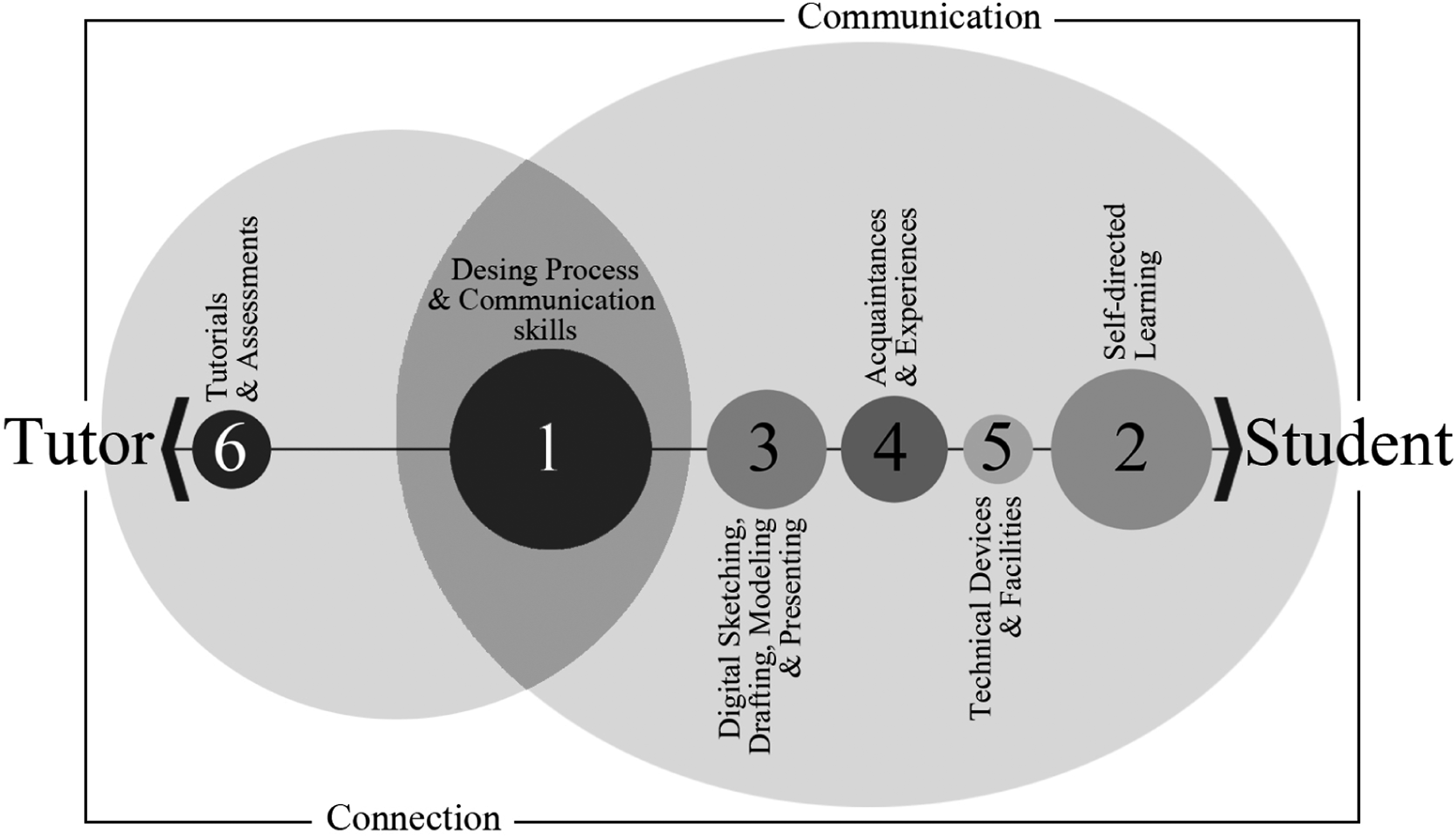
Educational technology companies are making headway for better and more inclusive education services to make learning easier and streamlined by integrating technology and education. In addition, this can give a voice to students. Edtech Industry provides classroom assessment tools for teachers, education-specific fundraising sites, reader-adaptive eBooks, and other similar services which could be useful in e-learning and distance education in architecture. According to Kiran et al. (2020), Edtech is a tool for updating and upgrading students’ skills. Except for device requirements, the user-friendliness of technology is a strong effect of Edtech subscription. Comparing trends across major domains in Edtech research indicated that technology integration and learning environments were on the rise in the first decade of the 21st century (Hsu et al., 2013). With the widespread availability of Edtech tools such as Wiki pages, discussion boards, online whiteboards, screen-casting, collaborative content creation, Web-based platforms, collaborative word processing, online chat rooms, and collaborative learning can take place anywhere and anytime (Wardlow and Harm, 2015: 32, 33).
Finally, the most important factor that has been uniquely effective as a result of virtual design education is student-centered or self-directed learning. Although this has occurred unintentionally with the students having often turned to it not out of willingness but out of compulsion, it is the main key to improve and promote teaching and learning in virtual architectural design courses. In recent decades, studies have indicated that student learning self-regulatory skills can lead to greater academic achievement and increased the sense of efficacy as an important component of academic success in motivating students and increasing their ability to shoulder the learning responsibility (Dembo and Eaton, 2000: 473, 474). According to Zimmerman (2008: 166), self-regulated learning refers to the self-directed processes and self-beliefs that enable learners to transform their mental abilities into verbal or written formats. This is viewed as a proactive process which students use to acquire academic skills such as setting goals, selecting and deploying strategies, and self-monitoring their effectiveness. In general, becoming an effective learner can occur through the deployment of effective learning strategies which need internal self-regulation as a solution to overcome the inherent limitation of executive control to engage in simultaneous learning (Iran-Nejad, 1990: 583, 584). Self-regulation is a skill acquired from social sources such as parents and teachers as well as instructional activities (Williams and Hellman, 2004: 72).
Turner (2006) expanded the definition of self-regulation from person to activity by shifting the focus from learners’ thinking to what they are doing. To overcome the challenges of motivating students to support self-regulation, Ley and Young (2001) identified four instructional principles as follows: 1: guiding learners to prepare and structure an effective learning environment, 2: organizing instruction activities to facilitate cognitive and metacognitive processes, 3: using instructional goals and feedback to present the learners with monitoring opportunities, and 4: providing learners with continuous evaluation information and occasions for self-evaluation. Maintaining motivation to learn is also crucial to successful online education. According to Sansone et al. (2011), two kinds of motivation are essential to self-regulation of motivation called goal-defined (i.e., value and expectancy of learning) and experience-defined (i.e., interesting learning). Not only is self-regulation about learners but teachers also needed to self-regulate their learning experiences. A survey by Van Eekelen et al. (2005) indicated that the teachers’ learning experiences were not as self-regulated, planned, reflective, or spiral as some other researchers assume.
Unlike the self-directed learners, tutorials and assessments point out the tutors’ new roles in distance education as counselors and facilitators. In addition, this factor refers to the necessity of changes in the conventional formal assessment criteria for evaluating students’ performance. In fact, the students believed that there should be a change in the conventional role of a tutor. The same factor between students and faculty, which is common to both, is the first and most important factor in these six indicators, the design process and communication skills. The process of architectural design requires a proper perception of design issues, creativity in finding solutions, having the ability to express design ideas and concepts, having enough opportunity to present these ideas in the studio, and requiring the tutors’ skills to provide feedback and convey critical concepts to the class accurately. All of these require adequate communications, which have been seriously challenged by the physical removal of studios. These relationships must be redesigned in an activity-based context. All six factors require communications and connections between faculties and students in the virtual atmosphere which requires skills and facilities, respectively.
It is essential to remember the key role of communications in creating students’ well-being as an integration of general life satisfaction and positive emotions regarded as happiness (Lin and Yeh, 2014). Many international studies support the claim that students’ feeling of connection to their teachers and overall school community and learning in such conditions of positive social and emotional environments can exhibit more positive well-being and higher academic performance (Awartani et al., 2008: 53). With the elimination of social connections between students and tutors as well as the virtualization of education, this academic function has been practically threatened. In particular, some students or relatives may have experienced mental health problems, depression, and illness due to epidemics and lockdowns.
According to the implications of e-learning and the specific results of this study, a new education system must be defined as not only stable but also sustainable. Although sustainable pedagogy has been a well-known higher education subject in the recent decade (see Medrick, 2013; Mintz and Tal, 2018; Sandri, 2020), it is still neglected in many architectural education systems. Sustainable pedagogy emphasizes the revision of an instructor’s role, a student’s role, and the educational content at ontological and epistemological levels. It has been described by collaborative, cross-campus, creative, and repurposing notions. The significant findings of this study somehow emphasize these concepts and propose an educational method of design studio as the sustainable design pedagogy (SDP). Figure 6 shows the proposed model, in which the tutor acts as a counselor and a facilitator, whereas the student acts as a self-directed learner, and the e-studio is considered an activity-oriented space used as a container for interaction, connection, and creativity. A proposed model of sustainable design pedagogy in architecture e-studio.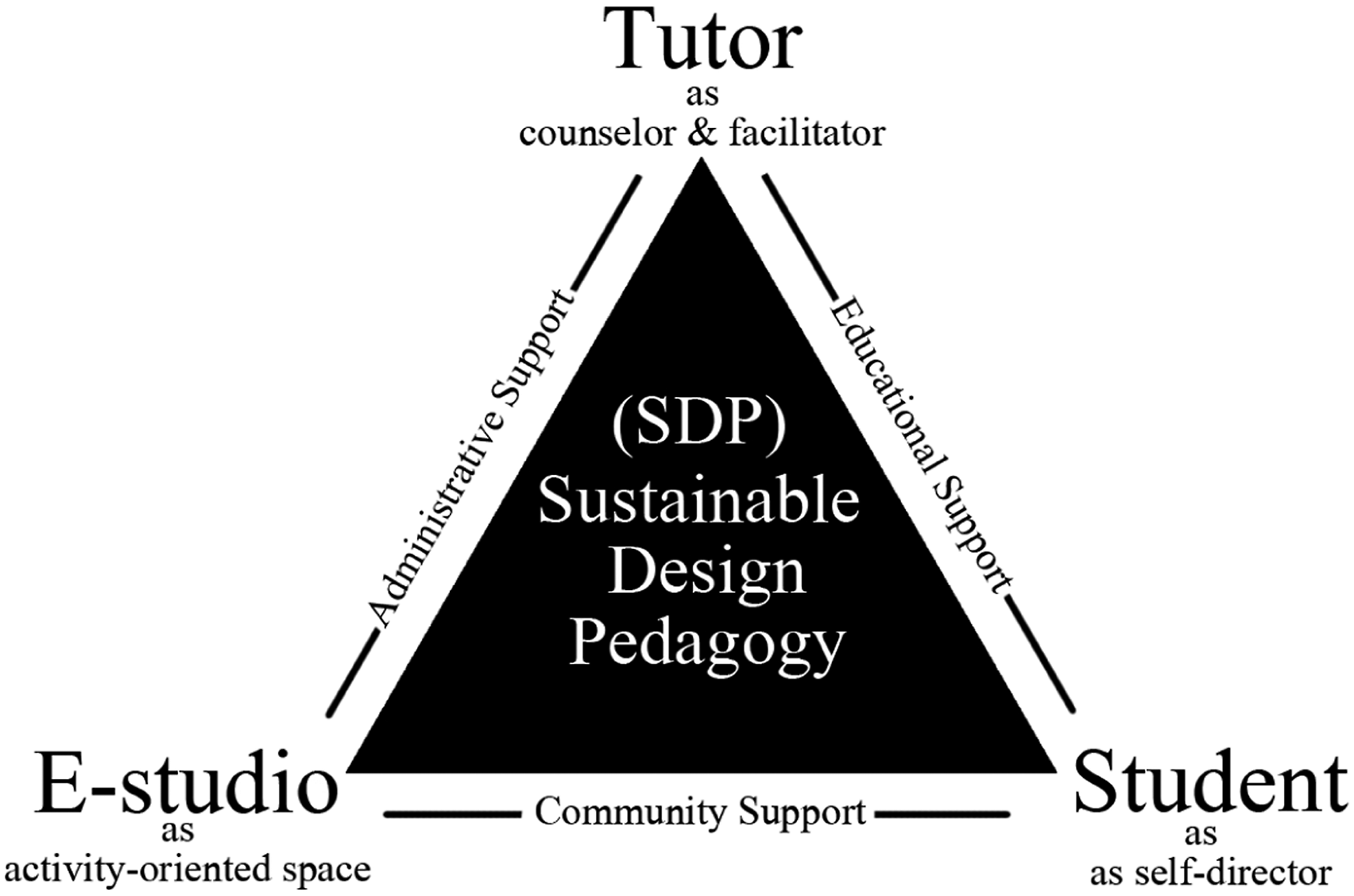
The concept of e-studio refers to the use of educational technologies now available worldwide in any formats and levels. For instance, the virtual online boards to sketch conceptual designs (AWW App, BaiBoard, Conojo, and AirSketch) or a forum where students of a particular class join to discuss topics with the tutor (Google Hangouts, TodaysMeet, Zoom, and Skype) could assist the tutor to provide more vivid and communal space like those in a real studio. Virtual reality tools may present a sense of visiting a physical design studio and also provide a better perception of design modeling. Virtual meetings, web videos, or voice conferences have facilitated the students, cyberspace for discussions, and presentation and sharing of knowledge. Access to technology is not the only important issue. In fact, individual creativity, planning, collective participation, empathy, and companionship are the basic concepts in this regard.
Three supporters are also required to break free from conventional teaching design methods to the new sustainable design pedagogy. Students demand educational support and need peer learning and motivations on the part of tutors and community as well as the social support provided by the e-studio. They need to reconstruct their senses of being part of the studio community and receiving motivation and peer tutorials. The community support means more communications in social media, the ability to use platforms in parallel with the main e-learning applications, and the feasibility to share photos, drawings, and designs with classmates as well as the opportunity in the studio for casual chats experienced in faculties. Setting a time to discuss side issues in the e-studio can probably help re-establish bonds and a sense of group support among students. In the context of e-learning, especially in the current global pandemic, the e-studio should not be limited to academic topics but should be employed to create a new network of relationships. Tutors require serious formal or administrative support provided by faculties and universities. Changing the role of a tutor and revising the nature of the e-studio would require training, guidance, and legal and even technical support. These will not be possible without the immediate support of the university administration.
Conclusions
The COVID-19 pandemic and the subsequent lockdown, which occurred shortly after the start of the previous fall semester, has challenged the conventional architectural design courses and led everyone to make hasty and immediate decisions. This incident not only revealed the shortcomings and weaknesses of the old education systems but also provided new opportunities for review and reform. Since the challenge has occurred on a global scale and continues to exist, scattered experiences could be integrated to come up with effective strategies and tactics locally. In brief, the results of this survey highlighted some significant factors. The six particular indicators obtained from the factor analysis reflected the students’ evaluation of their early experiences in virtual design courses and also indicated that the factors resulted from the ongoing implementation of conventional teaching methods. These factors were identified as 1: design process and communication skills; 2: self-directed learning; 3: digital sketching, drafting, modeling, and presentation; 4: acquaintances and experiences; 5: technical devices and facilities; and 6: tutorials and assessments. Accordingly, their structural features and relationships were analyzed with respect to their relationships with the two pillars of design education, that is, tutors and students apparently, the general essence of communication skills, both physically and virtually.
There is evidence that these factors result from the traditional roles of education actors and curricular contents. To overcome the challenge that seems to be persistent for the foreseeable future, a pre-model of SDP was proposed as a strategic solution that would invite everyone to participate in rereading the new interactive space in the activity-oriented e-studio. Although the students insisted on changing the role of the tutor as a facilitator and a counselor, they consciously refused to accept the role of an active self-directed participant in the design studios. An important part of the education system, at least in developing countries, focuses on the improvement of teaching skills and ignores encouraging and motivating learners. Now that e-learning has prioritized individual skills, there is a good opportunity to move toward sustainable education in architecture. Furthermore, changes in teaching methods require structural reforms in educational contents and the improvement of tutors’ skills, none of which would be possible without the support provided by the architecture faculties.
The obscure future and the expectation of the education systems to shortly return to its previous normal state led to procrastination in decision-making and an insufficient will to act. The following primary solutions can illuminate this current path and act as an introduction to achieve a new normal situation. 1: Short-term workshops and courses for students and faculty may partially fill the gap between conventional beliefs and new real situations. 2: New configurations should be developed to redefine e-studio contents, procedures, and outcomes to ensure the learning efficiency of students, performances of evaluation and assessment methods, and key course objective achievements. All of these should be based on new communication skills as part of the media literacy. 3: Peer, emotional, social, and economic supports should be considered in curricular planning policies and the definition of new e-design studios. Isolation, loneliness, and the disadvantages of using social media should also be considered as part of strategic planning for both students and faculty. 4: Limitations on national resources and university facilities should be taken into account in any planning and structural reforms. The results of some recent studies have shown that e-learning has led to further gaps between rich and poor students. 5: Finally, global online communication in the transfer of experiences between architectural colleges and schools must be further enhanced. Sharing university facilities virtually can fill some gaps in other universities and improve a sense of empathy.
Limitation and future scope
The research sample included architecture and interior architecture students from two types of public and private institutions in Iran. However, the study was limited to an exploration of students’ perception, and it excluded the points of view of tutors and decision-makers. At the same time, the research questionnaire was completed in the early months of the pandemic, something which can show students’ reactions to their sudden encounters with new distance learning conditions. Subsequent studies can reveal more realistic findings of students’ perceptions of the characteristics of distance learning benefits. Future studies may focus on the educational contents of design courses. Virtual teaching methods can be an important topic which other researchers hope to address in the future. Cultural and personal differences between students, especially in international universities that include a variety of nationalities, can be a future topic in the study of virtual architecture education. Paying attention to mobile-based learning and practical ways of using low-cost, simple, and accessible technologies for developing countries can be another issue in the field of architecture distance education research.
Footnotes
Acknowledgement
I wish to acknowledge the help provided by Dr Sanaz Haeri and Dr Maryam Ekhtiari members of the Faculty of Art and Architecture at the Shiraz University and Mr Hadi Nikounam Nezami at the Apadana Institute of Higher Educations. I would like to express my deep gratitude to anonymous referees for their useful comments and suggestions. Finally, I wish to thank all the students who participated in this survey.
Declaration of Conflicting Interests
The author(s) declared no potential conflicts of interest with respect to the research, authorship, and/or publication of this article.
Funding
The author(s) received no financial support for the research, authorship, and/or publication of this article.
