




Abstract
As coronavirus disease 2019 swept through mainland China, students were forced to quickly switch to learning online. This study aimed to capture college Chinese English as a Second/Foreign Language (ESL/EFL) learners’ perceptions of rapidly switching to online learning at two colleges in China’s southern Guangdong Province. A bilingual (Chinese/English) online survey was used to collect data. The participants (n = 504) responded to a survey about their feelings and perceptions of sudden online learning, a term the authors call “learning whiplash.” We asked students about how much they liked online at the beginning of learning online, how long students have been taking online courses, and how many online courses the students were currently taking. We also asked about the students’ perceptions of the quality of online learning when compared to physical learning. Finally, we asked students about getting drowsy and/or falling asleep during their online classes. We found that students were taking on average five to seven online courses and that they did not like learning online early in the epidemic. Our study confirmed that students preferred a hybrid learning environment. Seventy-nine percent of students admitted to getting drowsy and/or falling asleep during their online classes. Specific suggestions are given for teachers to keep students active and engaged in online learning. Practical guidance and strategies for creating vibrant online learning environments are provided. This research informs both the communities on online and e-learning as well as ESL/EFL teaching.
Keywords
Introduction
In December 2019, the coronavirus disease 2019 (COVID-19) broke out in Wuhan city and spread quickly through China (Almarzooq et al., 2020; Shereen et al., 2020). The spread of the virus continued quickly with the approach of the Chinese New Year and Spring Festival. These holidays are responsible for the largest yearly human migration on earth (Wang, 2017). Chinese people inside and outside of the country travel to their hometown or village to visit and celebrate with family and friends. These are the largest holidays of the year in China. University students also return home. This turned out to be a perfect breeding ground for COVID-19 (Assapari, 2021).
University students, teachers, and staff look forward to the Spring Festival and the time off to spend with friends and family. One does not normally take textbooks or office laptops off-campus during the Spring Festival. The goal is to do no work and enjoy reconnecting with family. By leaving papers, books, and laptops in the classroom or office, it ensures less temptation to study or do work. No one anticipated the calamity that would come as the holiday moved on, especially for teachers and students. Virtually, all students and staff departed for the holiday ready for a rest after a long semester in schools all over the Chinese mainland.
Almost all students have mobile phones (Turner, 2021). The phones or mobile devices usually work when students are at the school due to the internal Wi-Fi networks. The devices do not always work in remote villages and other parts of China. Normally, this is not a problem because the goal of the holiday is to pay attention to family and friends. It can be a relief to not worry about one’s phone, messages, and tasks when the holiday is in full swing. Many students and teachers are content in their home village without connections to the outside world. However, when it became necessary to use mobile devices as the new primary learning environment, this caused a series of problems.
As the time came for schools to resume, many postponed the physical return of students. The country pushed the responsibility to individual college and school officials to decide how and when to properly carry out the task of educating students. Almost every school from primary, middle, and high school to college went online. In some cases, the Chinese government used its government-sponsored China Central Television Network channels to host learning programs for small children where online learning would not be possible or practical. Streets cleared, businesses emptied, and school gates were shuttered.
Many businesses closed their doors in accordance with a national 14-day quarantine. All people were directed to stay indoors, wear masks when outside, and only to go outside when absolutely necessary. Food orders were made online by families and then delivered to the gate of the apartment or housing community. Payment was made in advance for food and goods, and then an additional delivery fee was paid by the family. At the appointed time, one member of the family was permitted to go down and retrieve the food and goods they had ordered. Some supermarkets closed, but the larger chains stayed open.
Large supermarkets allowed one member per family to enter per day with one shopping cart. A face mask and temperature check was required prior to entry. Police guarded the entrances to supermarkets and grocery stores to maintain order. Chinese locals were allowed to enter, however, most foreign nationals, even with residence and work credentials were denied entry to shopping districts. There were thousands of foreign nationals from the United States, United Kingdom, and dozens of other countries who became stuck in China as a result of the travel restrictions put into place as the outbreak continued to spread. All of these factors had an impact on the field of education, which was now largely looking toward deploying education online.
School leaders were tasked with sourcing technology themselves. What learning platform would be used? Would it be Zoom? Tencent Classroom? WeChat? How do leaders keep the quality of education high? How can leaders validate classes are happening when they are scheduled? Who is taking attendance? All of these questions factored into the decisions moving ahead in the process of facilitating e-learning in the COVID crisis in China.
When it became apparent that normal physical learning was not going to be possible, universities moved their teaching and learning to the online environment (Gewin, 2020). Apps such as Zoom and Tencent Classroom were the main platforms used by the universities in this study. In late March 2020, the two universities in this study went to all online learning. All three authors of this study used Tencent Classroom. None of the teachers had used this platform prior to this time. Students were required to attend classes online. In order to assist students in rural or remote areas, the two universities in this study purchased Internet network cards, modems, and other technology to ensure 100% of the students were able to connect to their online classes. While network issues were still present, in general the mission of getting students and teachers online was accomplished.
Teachers were still required to teach their specific content even without their textbooks or normal class materials. One college in this study mailed textbooks to students, but those were only new books for the new term. Existing textbooks were left in the classrooms and not mailed to students or teachers. This left the majority of students and teachers without any textbooks to guide learning and teaching. For teachers without their laptops or desktop computers at home, it meant they had to teach from their phones. This presented enormous difficulty in teaching and learning.
Students and teachers were not prepared to teach and learn online (Melvina et al., 2020). The effect of suddenly being forced to learn totally online we call “learning whiplash.” Students had to very suddenly change their entire learning modality. While teachers had an equal whiplash in teaching, this article focuses on the whiplash experienced by English as a Foreign/Second Language (EFL/ESL) students and their online learning. Other studies focused on the affect of teachers and students suddenly switching to online learning with varied results (see Allo, 2020; Almarzooq et al., 2020; Assapari, 2021; Dahmash, 2020; Tarihoran et al., 2021).
For example, Allo (2020) found that students believe online learning was good and helpful during the COVID-19 pandemic, while Assapari (2021), Dahmash (2020), Gewin (2020), Melvina et al. (2020), and Tarihoran et al. (2021) all cited numerous challenges in teaching online during the pandemic which were in agreement with the results we found in our study.
English language teaching has a unique set of stressors that other subjects do not have (Harmer, 2018; Woodward, 2009). There are four parts of language learning which are reading, writing, listening, and speaking (Saville-Troike, 2012). Any language course should be designed to incorporate all four of these elements in an order that makes sense and is a good fit for the students according to Saville-Troike (2018). When creating online classes, there are two common kinds: synchronous and asynchronous.
Chinese pedagogy is traditionally synchronous and teacher-centered (Watkins and Biggs, 1996; Zhao et al., 2014). The students listen to a lecture, view a PowerPoint presentation, memorize material, and then demonstrate their ability to remember the material on a test. Language teaching and learning are not consistent with this pedagogy because language learners must be the center of the language learning environment according to Li (2013). Chinese students traditionally learn in a synchronous environment in a physical classroom, but hybrid classes sometimes exist.
Hybrid classes
We use the term “hybrid” to mean classes with a combined synchronous in-person element, as well as a secondary online element. Many students later indicated in our study that they preferred hybrid classes. Other studies also concluded that students preferred a hybrid classroom environment (Mansour and Mupinga, 2007; Means et al., 2013).
Very few students in our study were taking hybrid classes prior to the pandemic. When learning was moved fully online, it was directed that the online classes be synchronous, mirroring the schedule of learning during the day. Students would sit at home, log on to their mobile device, and check in to the class. The teachers would lead the class through the lesson. While this was okay for other classes, language learning requires special features.
Gewin (2020) suggests that teachers not rely entirely on their streaming live video lecture. Gewin suggests that network and connectivity issues should be considered in advance and teachers could alternate between live video and prerecorded content or videos to keep the class moving forward. Gewin also suggested that teachers check in with students often and invite student feedback. Gewin finally recommends that teachers identify and make a plan to support students who are struggling in the class.
Problems unique to ESL/EFL learners
The four parts of language learning are listening, reading, writing, and speaking (Li, 2013), but not necessarily in that order. The language teacher must blend these competencies into the course at levels and pacing according to their classes unique needs. Incorporating the four parts of language learning into an online-only class proved to be difficult for the researchers because students had Internet connectivity issues, or became disengaged in the lesson because of lack of stimuli.
Speaking (pronunciation)
Pronunciation is one of the most important parts of language learning. To learn pronunciation the EFL/ESL students must be able to see the teacher’s mouth, tongue, and teeth. Pronunciation is a key component to all three authors’ ESL/EFL classes. The online teaching platform provided some better outcomes with regard to pronunciation. Online learning allowed the teacher’s mouth to be seen better than in the classroom using webcams or camera already embedded in phones, PCs, or laptops. The teacher could simply move their phone or camera closer to their mouth, and the students could see the pronunciation very clearly.
When new vocabulary words were presented, the teacher would use drawing software in the classroom to “break up” the syllables of the words, so students could better understand how to speak the words. Chinese is a phonetic language, and language transfer can be a problem for Chinese students who are learning English. Teaching English vocabulary words in terms of syllables can reduce transfer and help students learn the correct way to speak words. See Figure 1 for an illustration. Breaking up syllables.
Listening
Other features of language learning such as listening could be enhanced by students turning up the volume if needed. Tencent Classroom allowed a feature where students could record the class and repeat the video and audio later if needed. There was also a feature which would repeat the last word or phrase spoken, so students could listen to it many times. However, listening to a purely online class could be difficult for students who only had phones. Even at maximum volume, phones only were a poor excuse for live speaking. Students combated the difficulties in listening with the use of headphones, earphones, and the use of external speakers if they were available. It was not known how many students were using phones, laptops, or personal computers to access their online classes in this study. The overwhelming student feedback was that most of them were using only their mobile phones. Online learning platforms seem to have many capabilities which help learners hear the teacher or the content very well. Listening was not a big problem among the students in our study.
Reading
Online classes are heavily dependent on reading. In ESL/EFL classes, the teacher must decide how much content to present in the student’s native tongue (L1: Chinese) or the target language (L2: English). The authors used both languages as part of the teaching pedagogy. The authors strongly believe that in order for students to make a cognitive connection to the material being presented, some instructions and discussion must be had in the L1. If only the L2 is used, students may get entirely lost and disconnect with the class. Mak (2011) discussed the importance of working with both L1 and L2, as well as giving students enough time to answer questions as being important to keeping students engaged. Disconnection is precisely what the authors wanted to avoid; therefore, both languages were used. In synchronous online classes, the instructor can write in the chat column and students could read and then write their responses.
Writing
ESL/EFL learners in China learn how to write English in primary school when they begin to learn Pinyin (H. Baoju, personal communication, 17 March 2021). Chinese learners often rate their English reading and writing ability higher than speaking and listening. However, in the fully online class environment, students had to write their responses in the chat column of the classroom. The teacher would instruct the students as to which language to respond in. The two foreign teachers wanted students to respond in English, and the Chinese teacher would accept answers in Chinese. However, English replies were not corrected unless it was a part of the lesson. We know that students become frustrated and disengaged when teachers correct the students in the middle of trying to respond to a statement or question (Mak, 2011). In the all online environment, ESL/EFL learners were able to use their writing skills very often, much to their credit.
Tencent Classroom limitations
The problem with Tencent Classroom was that teachers were unable to see the students. Teachers could use their camera to speak to the students, share their screens, take screen shots, etc. However, those functions did not exist for the students. The teacher could allow students to digitally “raise their hands,” and then the teacher could activate the audio for up to six students at a time. This would allow the student’s voice to be heard, but not their face to be seen. It is difficult to see how the student is pronouncing words when one cannot see the student’s mouth. Other difficulties included network problems. Network problems were heavily cited in the literature as an issue with online learning (Allo, 2020; Assapari, 2021; Dahmash, 2020; Mansour and Mupinga, 2007; Melvina et al., 2020; Tallent-Runnels et al., 2006).
Tencent Classroom has icons which lets the teacher know if a student’s network is poor (the light is yellow) or very bad (the light is red). Students would be called upon individually by the teacher to speak, and the students would not materialize. Many students would later say they had a bad network connection (which the teacher knew to likely be untrue because of the network indicator signals) when in fact they were logged in, but off doing other things. A study was needed to capture students’ perceptions of this whiplash. The following are the results of our study.
Learning whiplash
With the outbreak of COVID-19 in early 2020, most Chinese college ESL/EFL students were forced to take their learning entirely online. Online learning is nothing new, and many academics predicted that online learning would continue to grow in the future according (Means et al., 2013). Online proliferation for ESL/EFL classrooms has been widely predicted (Sain et al., 2016). As early as 2010, China had seen increased use of technology to deploy classes to EFL learners (Li and Walsh, 2011).
Areas impacted
We know that the global professional medical and business learning modes were highly affected by the outbreak (Almarzooq et al., 2020; Krishnamurthy, 2020; Sandars et al., 2020). However, before the outbreak, most college students in China did not go to school entirely online. China’s education pedagogy is strongly centered on a brick-and-mortar classroom with the teacher providing face-to-face instruction (Watkins and Biggs, 1996). In fact most of the recommended classroom activities for ESL/EFL learners are meant to take place in a face-to-face environment as demonstrated in Lindstromberg (2009). What we do not know is the perception of Chinese ESL/EFL college students when they had to switch to 100% online instruction as the outbreak of the virus spread through China and eventually the world.
As students (and teachers) went online, they were interacting with a convergence of language in that language is a media transmitting culture (Lu, 2011), and online classrooms are also a media transmitting culture. The field of Applied Linguistics is still learning about online language teaching, and the authors hope to inform the field of education and linguistics with the results of this study. The scope of this research is limited but provides some insight into Chinese College ESL/EFL learners’ perceptions of sudden online learning.
Methods
Participants
Gender.
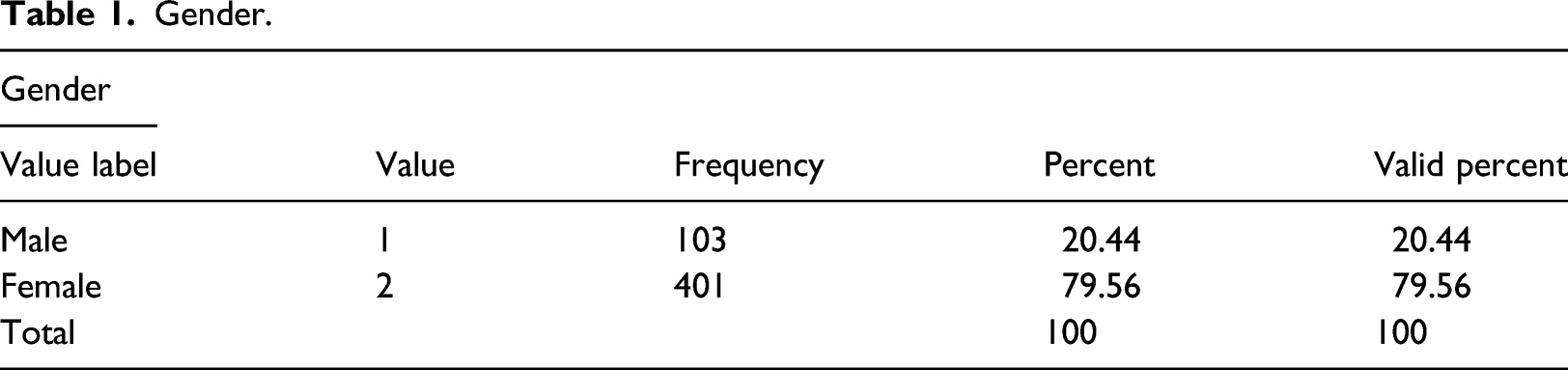
While some students had already been taking blended online classes, 53% of students had been taking 0–1 online class per month. Most of the participants are digital natives and found the survey quick and easy to complete. All of the participants were enrolled in ESL or EFL programs at their respective college.
There were approximately 30–35 students per online class. Classes were conducted strictly online. Students would log on to the classroom, listen to the lecture, and view the PowerPoint presentation, video, and audio. They would complete in-session polls and quizzes. The final exams for these students included oral speeches for the two classes taught by native speakers and a written exam for the class taught by the Chinese teacher.
Survey instrument
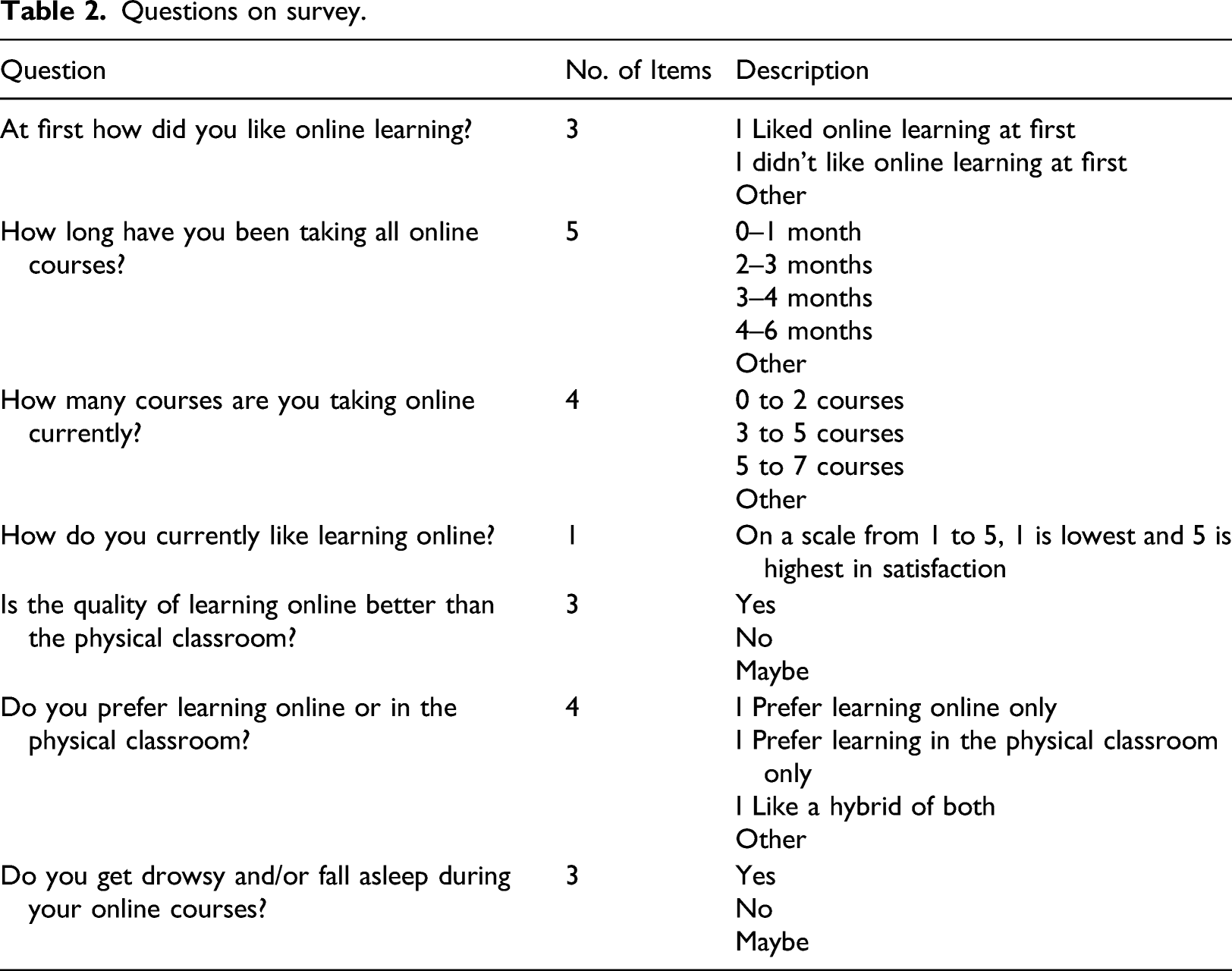
A 10-question online survey was designed by the authors using Microsoft Forms. Three questions were demographic questions. The survey itself was composed of seven core questions. The survey was designed to be fast and easy to complete to avoid survey fatigue. Each question was written in both English and Chinese for a clear understanding of the question to the participants. Survey methodology was used in this research. The survey was administered in April 2020 online to Chinese college students using a Chinese social media application. A QR code was sent to students, and those who wished to participate completed the survey. The results were automatically captured and downloaded in spreadsheet form. The authors used PSPP and Microsoft Excel to analyze the data. The online learning platform which the students were in was Tencent Classroom.
The researchers were full-time college faculty in the English department at two colleges in China’s southern Guangdong Province. Two of the teachers had Master’s degrees and one of the teachers had a Bachelor’s degree. All of the faculty were Teaching English as a Foreign Language certified. All together these teachers had been teaching English in China for 18 years.
Questions on survey.
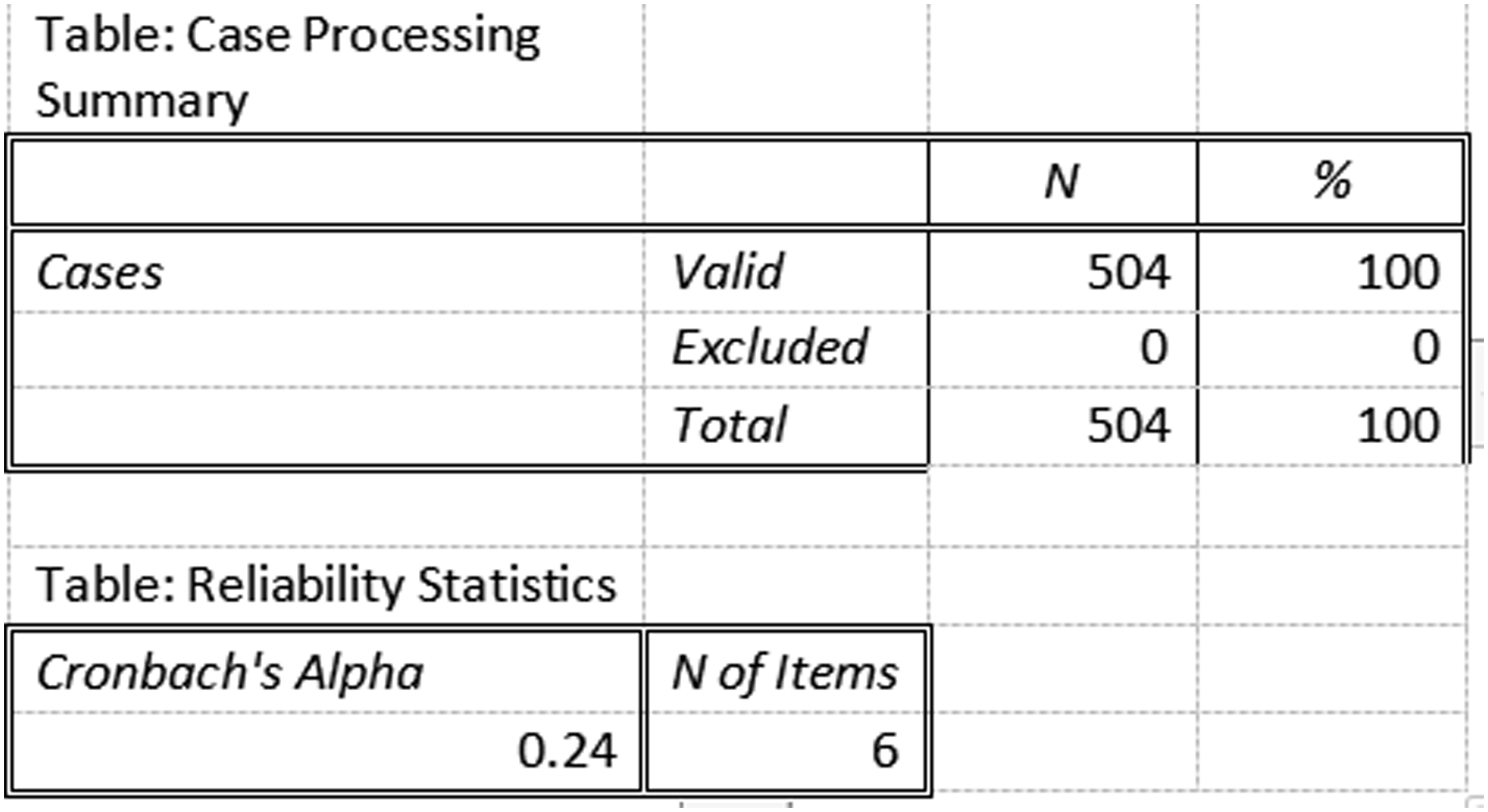
Cronbach’s alpha
The Cronbach’s alpha for the six questions was 0.24. This is likely because the research instrument measured such different parts of students perceptions, as well as the fact that no survey instrument already existed to capture this information. The researchers believe that while the Alpha is low, the data reveal a unique portrait of Chinese ESL/EFL learners’ perceptions of online learning where no other study exists. This advances the knowledge of both e-learning and digital media, education, and ESL/EFL learning.
Results
During the time this survey was administered, China was at its peak of the COVID-19 outbreak in February 2020. It would not be long before almost every country had cases of their own. These students were dealing with the stress of the epidemic, as well as the stress of educational learning whiplash. In some cases, the colleges in this study purchased phones and Internet cards for the students in order to facilitate learners in remote regions of China. The students participated in the online classes from their respective hometowns. The results of the survey were complied in April of 2020. The results of the survey are discussed here.
At first how did you like learning online?
Many students (52%) did not like learning online at first. About 45% of students liked learning online at first, and 0.02% said “other.” The stress of having to learn a new platform (Tencent Classroom) may have contributed to the negative feelings associated with learning online at first. Many students reported they were not adequately prepared for 100% online learning. The authors and their students still had technical difficulties, but eventually created workarounds and were able to deliver content to students (see Chart 1). Students who liked online learning at first.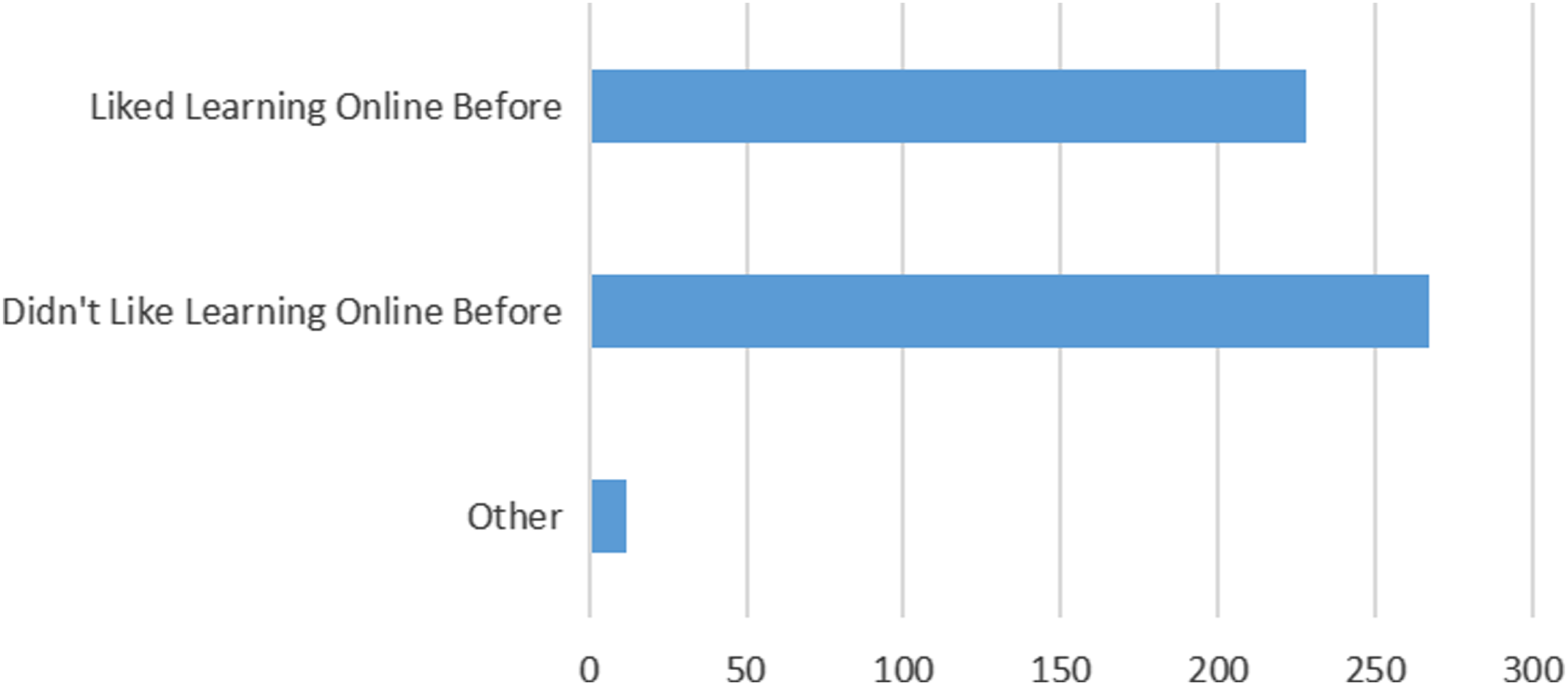
How long have you been taking online courses?
At the time of this survey, most students (52.78%) had 0–1 month of experience with online courses. China is very focused on education and prides itself on large brick-and-mortar institutions. Therefore, student culture is fixed on a social life within the confines of a physical classroom, with a teacher in the room disseminating knowledge (Mak, 2011). While online learning at colleges and universities in China no doubt existed before, in this group of students, the data show that most students were new to the concept of online learning. Chart 2 illustrates the responses. How long students have been taking online classes.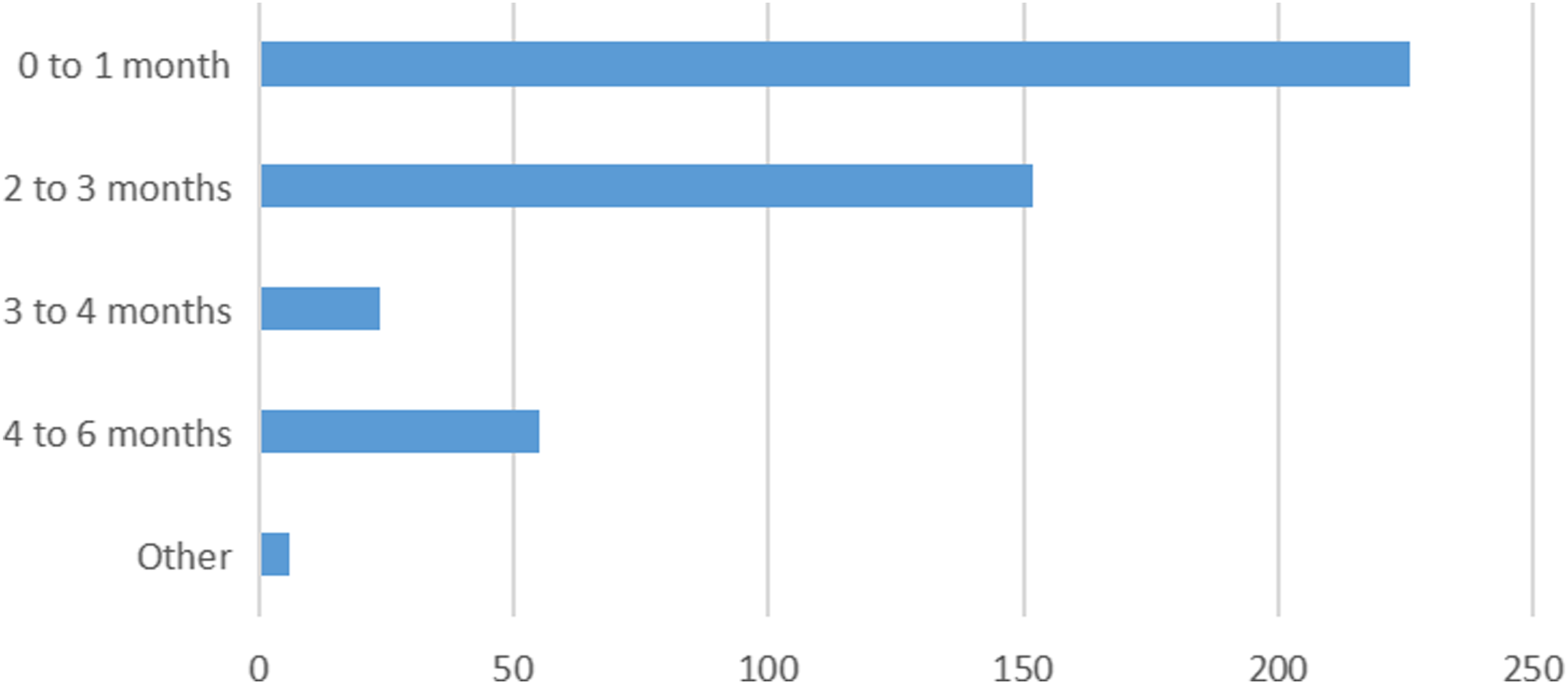
How many courses are you taking online currently?
Course load and cognitive load should be considered when creating students’ schedules (Saville-Troike, 2018). It is important to understand how many courses ESL/EFL students were taking at the time of this survey. The majority (58.73%) were taking five to seven courses online. These mirror students’ schedules from when they were in the physical classroom. Some students (23%) put “other” because they were taking greater than five to seven courses. Chart 3 illustrates the data. How many current courses being taken online.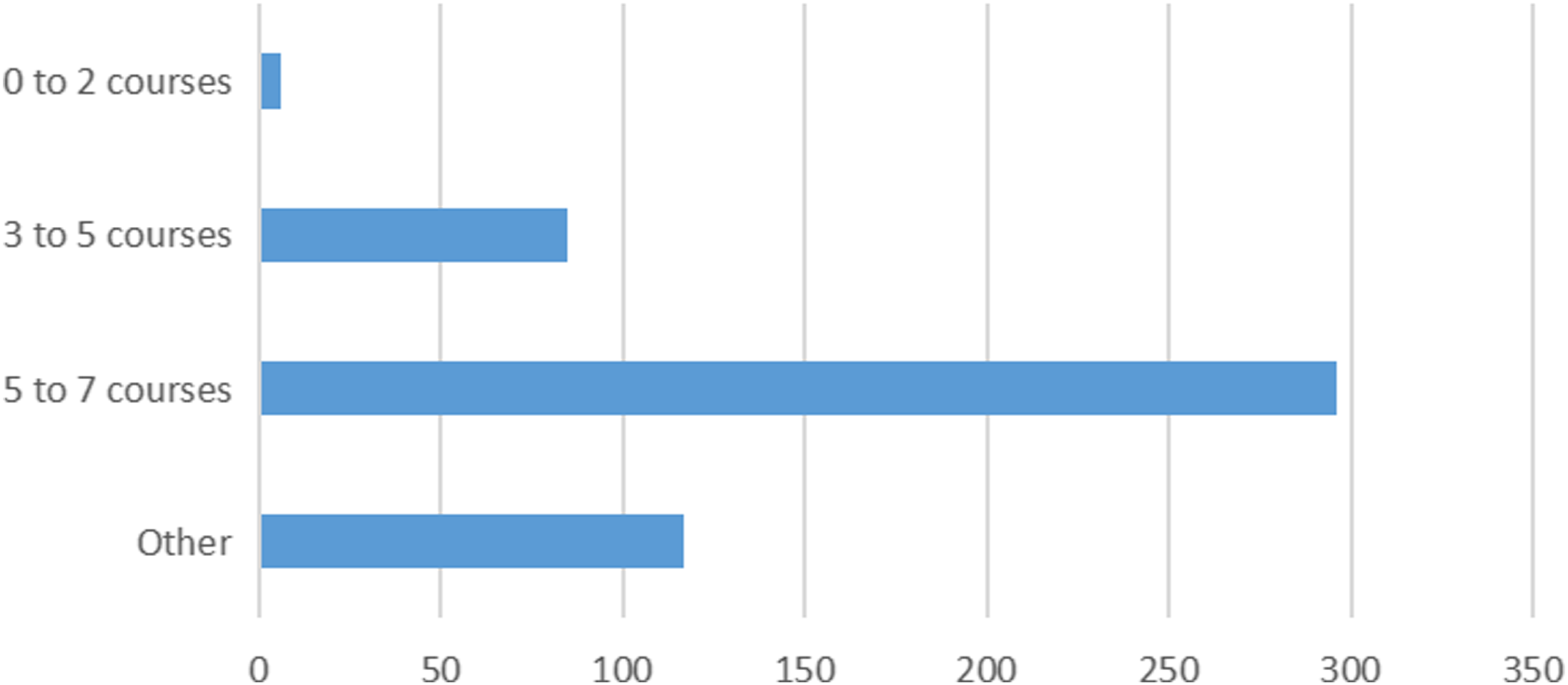
How do you currently like learning online?
This question was scored on a Likert scale from one to five. One was the lowest score, and five was the highest level of satisfaction. The average number was 3.39. This indicates students were more than halfway (2.5%) satisfied but not entirely happy with their online learning at the time of this survey. This also begs the question about students’ perception of quality of online learning.
Is the quality of learning online better than the physical classroom?
Participants were very cautious when answering this question. Their verdict? Maybe. About 47% of participants said “maybe” the quality of learning online is better than in the physical classroom. Forty-three percent said “no” (see Chart 4 for the data). Quality of online learning versus physical learning.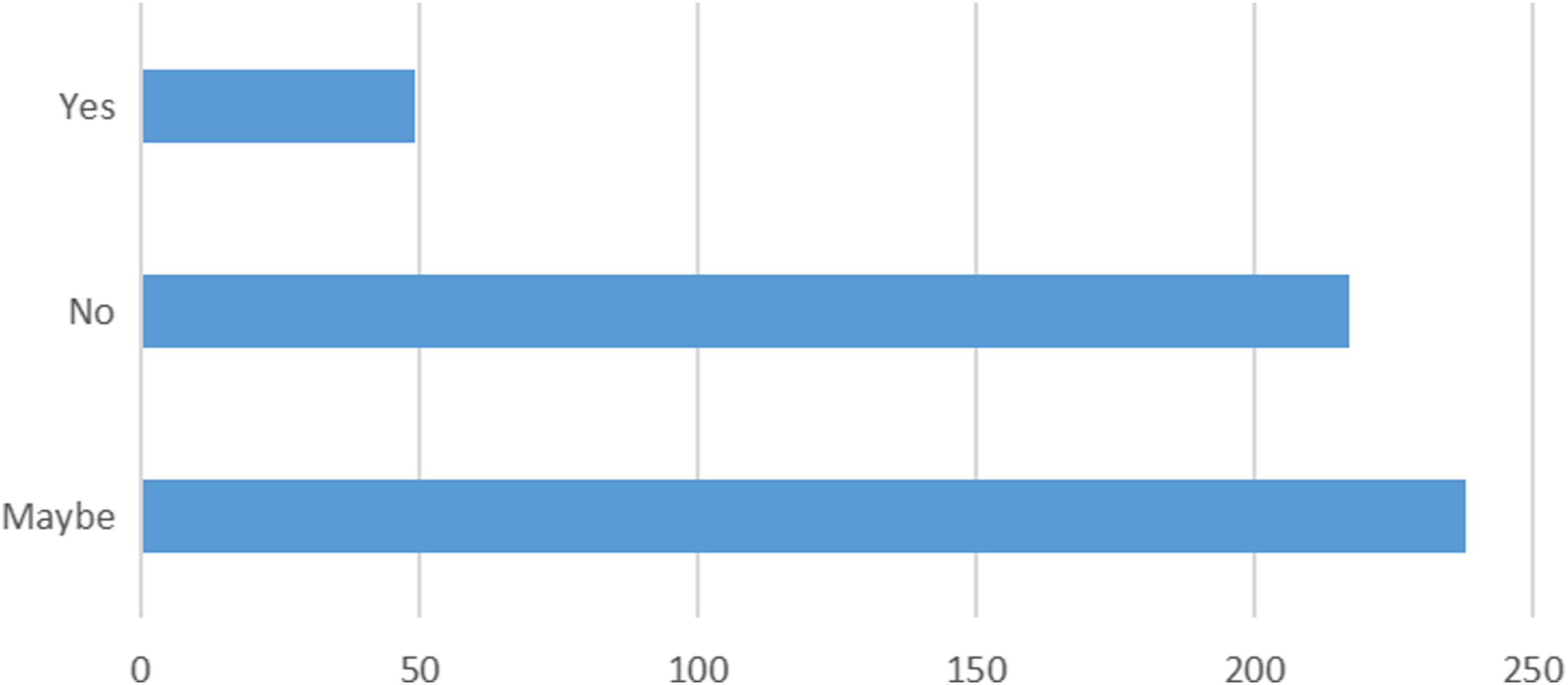
Tan (2015) noted that ESL learners indicated that learning in an online environment was more convenient. The students in this survey are not yet sure if learning online is better or worse than learning in the physical classroom. According to these data, they are leaning toward no. The online classrooms for these students were synchronous. Baker (2010) found that students were more actively and involved in synchronous online learning platforms as opposed to asynchronous classrooms. Our research confirms this.
Do you prefer learning online or in the physical classroom?
Chinese students are used to physical classroom environments and it is linked to their learning culture according to Watkins and Biggs (1996). In this survey, the majority of students (46%) indicated that they would prefer a hybrid approach to learning. Hybrid or blended learning has shown to be a popular and effective model for student learning (Levy, 2017; Washington et al., 2020). The responses in this survey support these findings See Chart 5. Student learning modalities may also be a mediating affect on student judgments about quality in online classrooms versus the physical classroom (Mansour and Mupinga, 2007).
Do you get drowsy and/or fall asleep during your online courses?
The authors noted many instances where students checked in for attendance in the online class platform and then were never heard from for the rest of the class, even when specifically called upon to give an answer to a question or problem. Many of the students later said they had network or other technical issues. In Tencent Classroom, there is an indicator which shows the instructor if the network connection is weak (the network speed signal turns yellow) or almost nonexistent (the network speed signal turns red). Therefore, instructors knew if a student was having network issues or not. Students cannot see this feature. The participants shed some light on what may have happened to the students missing in action.
The participants were conservative but honest when answering this question. The majority of students (67%) said “sometimes” they get drowsy and/or fall asleep during online classes. However, 12% said “yes.” If we add those together, then 79% of students indicated they sometimes or did get drowsy and/or fall asleep during their online courses. This points to a need for teachers to keep classes engaged and active. Chart 6 shows the data for this question. Preference of online versus physical learning. Students who get drowsy or fall asleep in online class.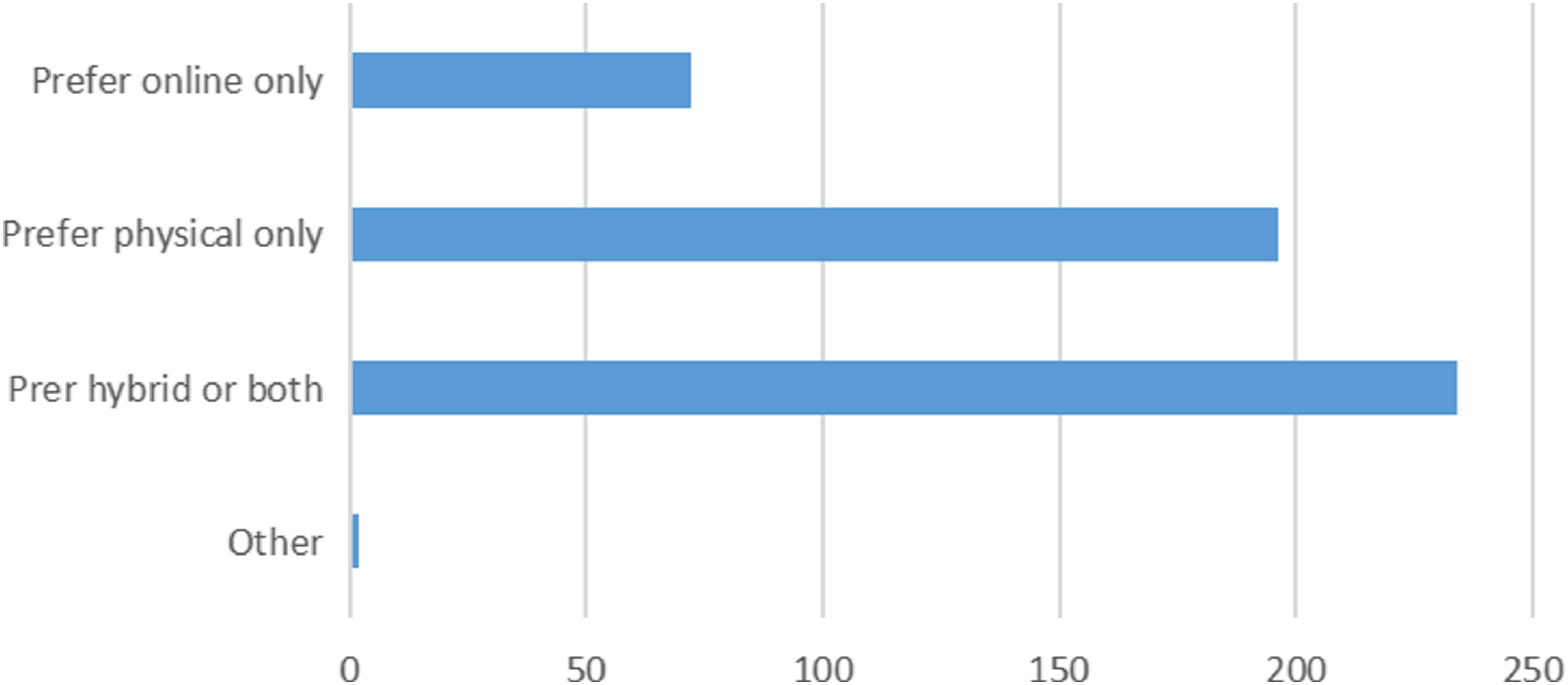
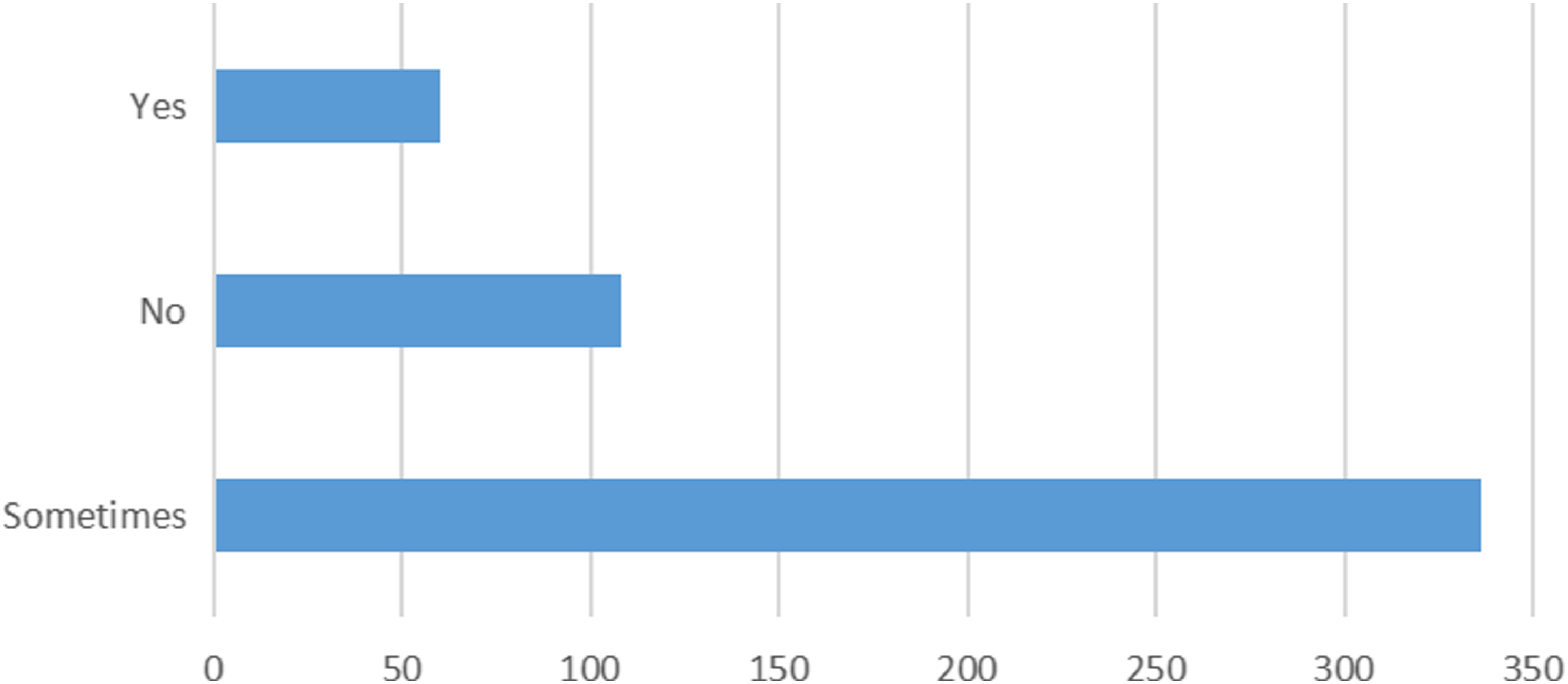
Some of the students’ classes began at 8:15 a.m. and some would have night class from 7:30 p.m. to 9:10 p.m. Most students were accessing class from their mobile phones, and such small screens likely prohibited immersive classroom interaction. Further, it is possible that Asian students’ norm of sleeping during the day and studying through the night could have contributed to this issue according to Steger (2006).
Discussion
Suggestions for teachers
Entirely, online classes are not necessarily fun or easy for teachers or students. However, it does not have to be that way. There are some specific actions teachers can take to make online learning more engaging and effective. In this research, the authors found the following very effective.
Take breaks as needed using music videos
We know that students attention spans are only about 10–15 min long (Bradbury, 2016). A lecture or PowerPoint that goes longer than 15 straight minutes will lose the attention of the students, especially in a distraction-rich environment such as the students’ home. In the universities where this study was carried out, each class consisted of two 45-min lessons. After about 20 min of lecture or presentation, it is helpful to take a break by using a music video. A song of just one or two minutes will be enough to refocus students and give them time to reflect on their learning. After the video is over, teachers can engage students about the video or they can carry on with the lessons. It is best to ask students what they remember about what they have just learned so as to re-engage their learning.
For ESL/EFL learners, music videos in English are helpful in allowing students to see the mouths of the performers and hear the pronunciation of the words. The music videos help reinforce the lesson that in order to reduce accents, students must open their mouths wider. Music videos also improve morale in the classroom and prevent learning fatigue.
Using video clips and animations
During class lectures or presentations, the use of videos and animations is very helpful to keep students engaged. The online classroom is a multimedia environment; take advantage of that. Using videos to illustrate definitions or applications of words and phrases is very effective. Some online dictionaries offer video explanations of English words in the students’ native language. Baidu offers some words and definitions explained in Chinese videos. Learners always reported better understanding of vocabulary words when these videos were shown in combination with the lecture or presentation. PowerPoint slides and presentations can also be animated so as to reduce learning fatigue from just flipping through the slides.
Calling students individually to answer questions
It was more effective to engage learners by calling upon a specific student or students to answer questions. Teachers should avoid passively present a lesson because they will get passive participation as well. The authors found it was better to have a copy of the class roster and call students directly to answer questions.
Sometimes students would have a poor network connection, and the teacher can call upon other students. Sometimes students just would not respond and could have walked away or fallen asleep (see above research). However, it was still better to conduct mini-formative assessments with students directly. As for asking for volunteers, teachers will find the same effect which occurs in the physical classroom, and the same few students volunteer each time. The teacher should resist the urge to use the same students and use the class roster to dig deeper and try to engage as many students as possible.
Forgiving background noise
In the process of calling upon students and activating their microphones, teachers will encounter a variety of background noise. The authors heard various wildlife, chickens, and birds. Also it was not uncommon for smaller brothers or sisters to be curious and want to climb on or around their older siblings to hear or try to participate in the lesson. To prevent distractions, teachers should try to forgive the background noise and carry on with students as normally as possible. Sometimes if the background noise is a disruption to learning such as construction sounds, teachers can ask or call upon different students.
Using polls and online assignments
The use of quick polls is very effective in keeping students engaged. For example, after a topic is covered in the lecture, a quick multiple-choice poll can check students’ understanding of the topic. Even a poll which says “Do you understand what we just learned? Yes or No” will give the teacher meaningful feedback. Some students will always click that they understand, which is why more creative questioning is recommended.
Also the use of online websites to collect formative or summative assessments (Tate, 2016) is very helpful in keeping students engaged. Sites such as Microsoft Forms are free to use and allow teachers to quickly gather poll responses, or even homework. Since students cannot submit paper-based assignments, the use of online portals was very helpful. Some schools may have their own platforms to distribute and collect assignments. There are some limitations with using school-designated platforms for foreign teachers.
Foreign teachers may not know Chinese and hence would have difficulty working in a Chinese platform, which is why sites like Microsoft Forms are so helpful. The foreign teacher can write the assignment or poll in English and Chinese and collect the data quickly and easily which thereby enables more effective learning. Most Chinese college students are digital natives and have no trouble navigating various online platforms to complete paperless work. It is important that the teacher give clear communication and guidelines about what is expected with online assignments or polls. It is also helpful to explain why the teacher is collecting this information: “I just want to make sure you understand,” or “I am collecting this data because…” are helpful statements in keeping student engaged in their online polls or assignments.
A vocal warm-up
At the beginning of the ESL/EFL class, it is helpful for the teacher to hold a vocal warm-up. This helps students to open their mouths, exercise their jaw, and strengthen their tongue muscles. A strong jaw and tongue are needed to enunciate in the English language. By holding a vocal warm-up where the teacher calls out a phrase or tongue twister and students repeat it is very helpful in focusing learners for the language class. It also keeps online learners engaged in their learning. We found that the majority of students reported that, despite being in their home or room, they did participate in the vocal warm-up even if they looked or sounded silly.
Related materials to the lesson
The authors found it helpful to choose materials that were related to the teaching topic helpful for engaging students. For example, if the topic is “giving/getting directions,” the teacher could use the map of the school as the example. This helps students not only learn the lingual parts of language, but to apply that learning in an environment that is relative to them. Applying the learning to relevant materials engages the brain (Tate, 2016). Teachers should consider that types of materials they can use that are relevant to the lesson. A map of the city can also be helpful. Another example can involve a virtual field trip.
Very few Chinese college students have ever traveled outside of the mainland. If the topic of the class involves destinations other than China, such as Paris, or Rome, a “virtual field trip” can happen. The teacher can use the Internet to find pictures or videos of the city or country and ask students to research some basic facts about the destination. Calling on students to “present” the country or city in the target language (L2) has been found to keep students engaged by stimulating their imagination and showing them exciting and new places of the world. The students in this study seemed naturally curious about the outside world and were excited and engaged in this topic among others using the same technique.
Talk and tell
Teachers are likely already familiar with a version of this activity. Allow two or three students to engage in a dialogue. Allow the other students to give feedback or score the quality of the dialogue. Giving the other students a task to complete while the dialogue is being discussed keeps students in online class engaged. It is also helpful for the students who spoke the dialogue to debrief what was the most difficult part of the process and how can the other classmates overcome this in the future. Try to keep the discussion in the target language (L2).
Advanced release
Appealing to students’ curiosity and desire to engage with materials, teachers can coordinate the advanced release of materials before class. Some kind of “nugget” or hint about the lesson can be released in advance. For example, if the discussion is going to be about Chinese idiom stories, then the teacher can release some photos or symbols in advance of the class for students to think about. Once the class begins, the teacher can call upon students to share their guesses about the pictures or symbols. The teacher may be able to have the students discuss it within their learning group depending on what online platform is being used for class. According to Tate (2016), student learning can be increased by working in groups of around five. The authors recognize there are limitations to creating online working groups.
After sufficient discussion and conjecture about the pictures or symbols, the teacher can then unpack the lesson as part of the normal teaching plan. Engaging students’ curiosity and imagination is essential in creating meaningful online learning environments the authors found.
While each teacher will have different approaches to online learning, the authors found these specific activities/suggestions helpful in creating a vibrant online learning environment which kept students engaged and invested in their learning. Teachers should curate their own online learning environments with online resources that will be relevant to the students’ learning and thinking. We understand there are limitations.
Conclusion and limitations
Chinese college students had to rapidly adapt to online learning in the early part of 2020 as the COVID-19 virus disrupted the way classes were taught. Students and teachers had to quickly make adjustments. This caused a “learning whiplash” for students. This survey provided some insight into the perceptions of Chinese college students at a time when they were first adapting to the change to online learning. We learned that these students had very little previous experience with online classes. We also learned that students actually prefer a hybrid learning experience. This is consistent with Dahmash (2020), Levy (2017), Mansour and Mupinga (2007), Means et al. (2013), and Palmer et al. (2010). The students also indicated that they were not sure if the quality of online education was better than the physical classroom experience. Students were candid in admitting that they sometimes get drowsy and fall asleep during the online class.
This survey was limited in scope to just Chinese ESL/EFL college students in two colleges in Guangdong Province, China. The authors were unable to find other articles which addressed sudden online learning in Chinese college students. This article contributes to online learning theory (Shai, 2007; Tallent-Runnels et al., 2006), pedagogy, social science, and teaching and learning by providing a unique experience in Chinese college students. More research is needed to deepen these findings and expand on the students’ experiences while switching to sudden online learning and then back to physical learning. It is likely that many students have adapted to online learning by now. This article provides a timely snapshot of the “whiplash” of student learning. More research is needed to expand the body of knowledge in this realm of pedagogy.
We also made some specific recommendations for teachers on how to best keep their online classes engaged and active. ESL/EFL learners have a unique set of barriers in online learning because of the components of language learning: reading, writing, speaking, and listening. While sudden online learning had its challenges, there were also some benefits.
Students were better able to see the teacher and the teacher’s mouth with regard to pronunciation. Students were better able to listen by using repeat and recording of the class’ audio and the use of headphones, earphones, and exterior speakers. Students were better able to strengthen their reading and writing of English in the chat column of the online class. These are unique benefits that students do not have use of in the physical classroom.
While students experienced learning whiplash, they also adapted quickly to their new online learning environment. However, it is important to take specific actions to engage and keep students active which include calling students by name to answer questions, using video and animations, music videos, and quick polling, and curating a vibrant online learning environment.
Online learning environments should be feature-rich and have many resources which allow students to explore their learning beyond the time of the class. We found that by equipping students with resources such as websites, online dictionaries, and online translation dictionaries, they were able to more deeply connect and explore their own learning. Not all students will be totally successful in online learning, but the teacher can do everything possible to create a rich and vibrant learning experience.
Further research is needed to understand the motivation and incentives of 100% online learning in Chinese college students. Further research can also explore comparisons of early online learning challenges with later challenges. It is also suggested to research teachers’ perceptions of sudden online teaching.
Footnotes
Declaration of Conflicting Interests
The author(s) declared no potential conflicts of interest with respect to the research, authorship, and/or publication of this article.
Funding
The author(s) received no financial support for the research, authorship, and/or publication of this article.
