



Abstract
Background
Orbito-ocular tumors are rare, but they cause significant morbidity and mortality. There are reported variations in their pattern of presentation and frequency of occurrence.
Objective
To evaluate the occurrence, clinico-pathologic spectrum, and patterns of orbito-ocular neoplasms as well as the treatment and outcome profiles.
Methods
A 5-year retrospective analysis of consecutive patients treated for orbito-ocular tumors. We evaluated patterns of occurrence, clinic-pathological concordance, and outcome of treatment. Associations were evaluated with chi square and confidence interval. Data analysis was performed using SPSS for windows version 23 and inferences were judged using the 95% level of significance.
Results
Among 100 patients with orbito-ocular masses, 62 were histologically confirmed. The female to male ratio (F:M) was 1.0. Their ages ranged from 7 months to 93 years, mean = 33.4 ± 2.7 years. There was an age variation among tumor types. Patients with squamous cell carcinoma (SCC) had a mean age of 46.4 years, while for retinoblastoma the mean age was 3.09 years. All patients with retinoblastoma had proven macroscopic orbital extension. SCC was the most common tumor type (n = 19), however, among children, retinoblastoma (n = 11) was more common. Melanocytic nevus, sebaceous gland carcinoma, and adenocarcinoma of lacrimal gland (n = 6, n = 5, n = 5), respectively, among other tumors were treated. Concordance between clinical and histopathological diagnoses was obtained among 30 (48.3%) cases. 1-year and 3-year survival for retinoblastoma was 90% and 72.9%, respectively, and 78.9% and 68.4% for SCC.
Conclusion
SCC is currently the most common orbito-ocular tumor in our setting.
Introduction
The management of orbito-ocular tumors present significant challenges to ophthalmologists practicing in the developing countries.1,2 The mean reported incidence of these lesions among African countries varies between 0.5 and. 1.4 per 100,000 population.1–3 Most cases of orbito-ocular tumors reported among the underdeveloped nations are malignant.3–5 Studies from different parts of Nigeria have documented varying patterns of presentations and occurrence profiles with frequencies of occurrence ranging from 56 to 73.8%.6–9 A previous study form our center more than a decade ago reported retinoblastoma as the most common orbito-ocular tumor with squamous cell carcinoma as the second most common sub group. During the period of the review above, our center had no multidisciplinary tumor board. Hence, management decisions were made solely by the treating ophthalmologist. We aim to study the patterns of presentation and management outcomes of these lesions under contemporary practice conditions in our setting with the availability of a multidisciplinary tumor board and adjuvant modalities of care.
Inclusion criteria
All cases of orbito-ocular tumor with a clinical diagnosis made by an ophthalmologist in our center.
Cases must be registered and treated in our center.
All cases with histopathologic confirmation.
Exclusion criteria
Cases surgically treated in other centers and referred to our center for adjuvant treatment cases in which clinical diagnosis was uncertain and histopathologic review negative for orbito-ocular tumor. Based on the presentation and tumor type, treatment varied from excisional biopsy, enucleation to exenteration. Our current protocol of care includes a multidisciplinary tumor board review of cases, determination of appropriate adjuvant treatment for malignant cases, follow-up review, and outcome evaluation.
Data obtained from above records were analyzed to determine patterns of occurrence, clinic-pathological concordance, and outcome of treatment. Associations were evaluated with chi square and confidence interval. Data analysis was performed using SPSS for windows version 23 and inferences were judged using the 95% level of significance.
Results
Tumor subtypes and association with premorbid diseases.

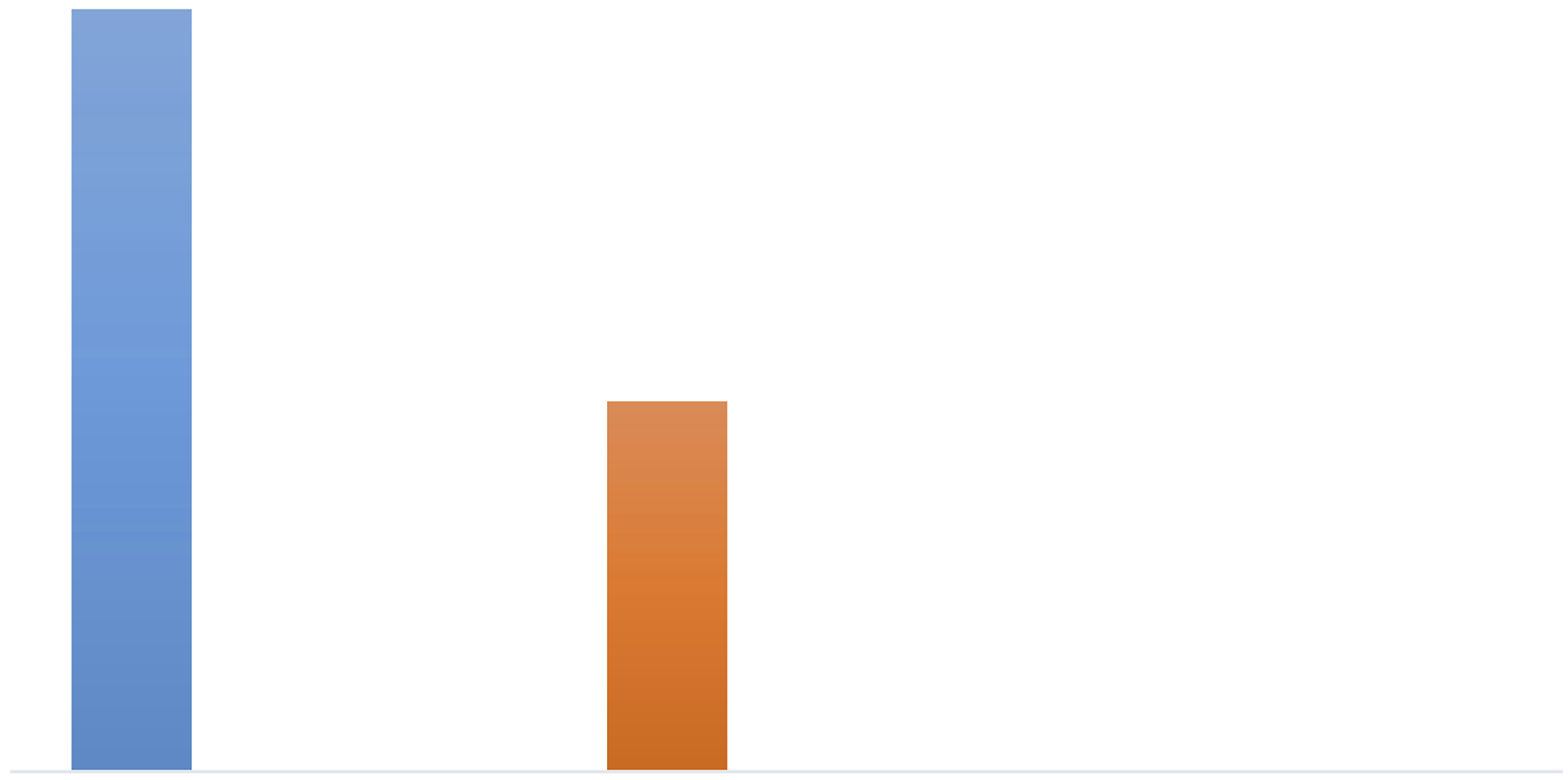
Concordance between clinical and histopathological diagnosis (n = 48.4%).
Treatment options and outcome.

Discussion
In our current series, a significant proportion of clinically suspected orbito-ocular neoplasms were histologically confirmed as non-tumor lesions highlighting the role of histopathological examination in verifying clinically suspected mass lesions. Among histologically proven cases, the clinico-pathological concordance was low suggesting that reliance on clinical suspicion for diagnosis may be deceptive or inaccurate in our setting. Ocular tumors in our series showed no gender bias, however, there was a significant variation in the histological profile of tumors between adults and children. Squamous cell carcinoma was the most common tumor overall but it was predominantly reported among adults, whereas retinoblastoma was the most commonly diagnosed tumor in children. History of hypertension in a setting of ocular mass lesion among adults was associated with an increased occurrence of a malignant orbito-ocular pathology. Rhabdomyosarcoma was associated with the worst survival profile among malignant tumors. In a previous study on orbito-ocular tumors from Lagos, Southwest Nigeria, Anunobi and co-workers found retinoblastoma the most common orbito-ocular tumor in general, whereas rhabdomyosarcoma was the most common orbital malignancy.
9
This is corroborated by a previous study from our center almost two decades ago which also reported retinoblastoma as the most common orbito-ocular neoplasm followed by squamous cell carcinoma. Another publication by Olurin and Williams almost five decades ago also reported retinoblastoma as the most common orbito-ocular malignancy in our country.
5
In contrast, however
However, retinoblastoma remains from our study the most common orbito-ocular tumor among children as was reported in previous clinical and histopathological series from our sub region. 10,11 Our suspicion of the role of secular trends in the current profile of orbito-ocular neoplasms is corroborated by the results of a more recent morphological study performed by Onwubuya and co-workers in a center from North central Nigeria which showed a preponderance of squamous cell carcinoma in their series similar to our index study. 12 Beyond elucidating the current status of the distribution of tumors, our findings suggest a possible association between premorbid hypertension and increased occurrence of malignant orbito-ocular disease. Although many ocular conditions such as hypertensive retinopathy, glaucoma, vitreo-retinal hemorrhages, age-related macular degeneration, and retinal detachment among others have been associated with hypertension, no previous study has reported a specific association between orbito-ocular neoplasms and hypertension.13–15 We believe the association between hypertension and ocular tumors will need to be further evaluated through a large multicenter prospective observational study. A previous report on the role of plasma vascular endothelial growth factor as a marker for early vascular damage in hypertension may further lend support to a possible link between the up regulation of growth factor activity and neoplastic initiation or proliferation. 16 Our study is the first from our country to report survival profiles of cohorts with malignant orbito-ocular tumors. It is interesting to note that the 1-year and 3-year survival profiles of patients with retinoblastoma were better than those of other malignant tumors. However, the patient survival rates for retinoblastoma in our series were significantly less than the rates reported from other developing nations such as Jordan and Iran as well as the developed western nations.17–21 The globe survival rate in our series of 1.6% poorly contrasts with 44% in Iran and 62.1% reported from Jordan. We did not find the globe survival rates from other sub-Saharan countries in the literature. Apart from the role of poor health systems leading to late diagnosis, lack of infrastructure for multimodality care and the slow pace of oculoplastic subspecialty development in our setting, the survival disparity between our patients, and those of the other nations cited above may also be related to the high burden of orbital extension which was found among all our retinoblastoma patients. Orbital retinoblastoma has been previously associated with poor survival. 22 Although we found a low early postoperative mortality rate in this series from postoperative sepsis and meningitis in a patient with squamous cell carcinoma. The possible risk of a life threatening systemic post-surgical infection should be considered in the work-up of patients with malignant orbito-ocular neoplasms. Local recurrence was experienced mostly with squamous cell carcinoma (SCC) and rhabdomyosarcoma in our study. The recurrence rate of SCC found in our study differs from a previous report from Germany although their study was limited to advanced SCC of the conjunctiva. 22 The poor concordance between clinical and histopathological diagnosis may highlight the need for more collaborations between anatomic pathologists and ophthalmologists caring for patients with orbito-ocular tumors. One of the ways this could be achieved is by establishment of a separate orbito-ocular tumor board.
Footnotes
Acknowledgements
We sincerely acknowledge the invaluable assistance of the ophthalmic clinic and theatre nurses of our department especially Mrs Obuezue.
Declaration of conflicting interests
The author(s) declared no potential conflicts of interest with respect to the research, authorship, and/or publication of this article.
Funding
The author(s) received no financial support for the research, authorship, and/or publication of this article.
Informed Consent
Our unit protocol for retrospective studies involves obtaining consent from patients regarding the publication of results during admission and follow up. This was applied to all our study cases.
Ethical Approval
Ethical Approval was obtained from our institution’s Health and Research Ethics Committee (HREC)
Contributorship
UNJ designed the study concept acquired and analyzed data, drafted the initial manuscript, OOn discussed core concepts, analyzed data and revised initial draft, OOb, discussed core concepts, and revised the draft, OI discussed study concepts, contributed to data acquisition, UEO, participated in study design, analyzed data, revised the initial draft manuscript. All authors approved the final draft for publication.
