




Abstract
The research initiative titled “About Time” undertaken at the Institute of Art, Design + Technology (IADT) in Ireland, sought to develop and assess design-led methods aimed at shaping and influencing attitudes towards the long-term future. The primary focus was influencing behaviours concerning individual futures and the planet. This study encompassed exercises and experiences to explore the intricate connections between past and future, delving into the multidimensional nature of time, art and creativity. Additionally, it aimed to foster positive futures and long-term thinking, reflect on ways to respond to global uncertainty, effect transformative change, and open new dimensions of understanding. The outcome of this research is The Barometer - a template of a journal/sketchbook intended to facilitate deep contemplation of the subject of time and the futures. Filled with creative tasks and prompts, it serves as a vehicle and tool to enhance futures literacy in participants. Seamlessly blending foresight, art, and creativity it extends a playful invitation to engage in reflection, futures thinking, speculation, and world-building. It also serves as a starting point for fostering long-term thinking, by establishing a close emotional connection to future generations, as well as nature connectedness, while addressing the challenges posed by the climate emergency. In this reflection, the author of the study offers insights into the research process, the underlying concept of the journal, and feedback obtained from the test group. The reflection delves into the synergy of creativity and art with future-focused journaling portraying it as a means to enhance futures literacy capabilities. Furthermore, this approach represents a significant stride in fostering sustainable practices and holds the potential to become a robust support tool for resilience, particularly in the face of uncertainties, trauma, and challenging circumstances. Further details: https://pdl.iadt.ie/programme/about-time/
Introduction
Simon underscores the normative aspect of design, contending that it transcends mere alterations and extends to defining “how things ought to be.” While traditionally, these “things” referred to products or services, the evolution of design for sustainable behaviors suggests an expansion of the concept to encompass human behavior (Simon 1996).
The study, titled “About Time,” conducted at IADT, Dublin, was to develop and test design-led methods to shape and influence attitudes towards the long-term future, with a view of affecting behaviours toward individual futures, and towards the future of the planet which next generations will inherit. It also aimed to explore contemporary perceptions of time, while fostering a reconnection with what is considered sacred. Drawing inspiration from indigenous wisdom, the research endeavor was to provoke contemplation on the temporality of human existence. The quote “How to embrace ethical responsibility not only towards current contemporaries but towards future contemporaries” became guiding principle and research motto (Adam and Groves 2007).
In a more personal dimension, during the research process, the author, a native of Poland with a family history marked by wars, displacement, and communism, confronted unspoken and unresolved intergenerational trauma, silencing, and grappled with questions of belonging and resilience. Throughout this exploration and questions about time, she aimed to understand how to embrace uncertainty, reframe the past, and envision a different future. Simultaneously, she aimed to delve into the roots of human resilience, and acknowledge the power of open communication and futures thinking, to create and reimagine a “better tomorrow”.
Finally, while navigating life's uncertainties, the author found solace and direction through the practice of maintaining a creative diary. Serving as a guiding beacon throughout her unique experiences, the concept of The Barometer - journal dedicated to the exploration of time, arose from the author’s personal journey. This reflection about the method, a fusion of artistic expression, sketching, speculation, art, and written reflections about the future is driven by a compelling motivation to share the insights garnered. This approach, characterized by the amalgamation of diverse materials and techniques, subsequently functioned as a pivotal tool for advancing explorations and instigating inquiries. Figure 1 illustrates the cover of the book, which is a collage created by the author. The Barometer, book cover, by Justyna Doherty, 2022.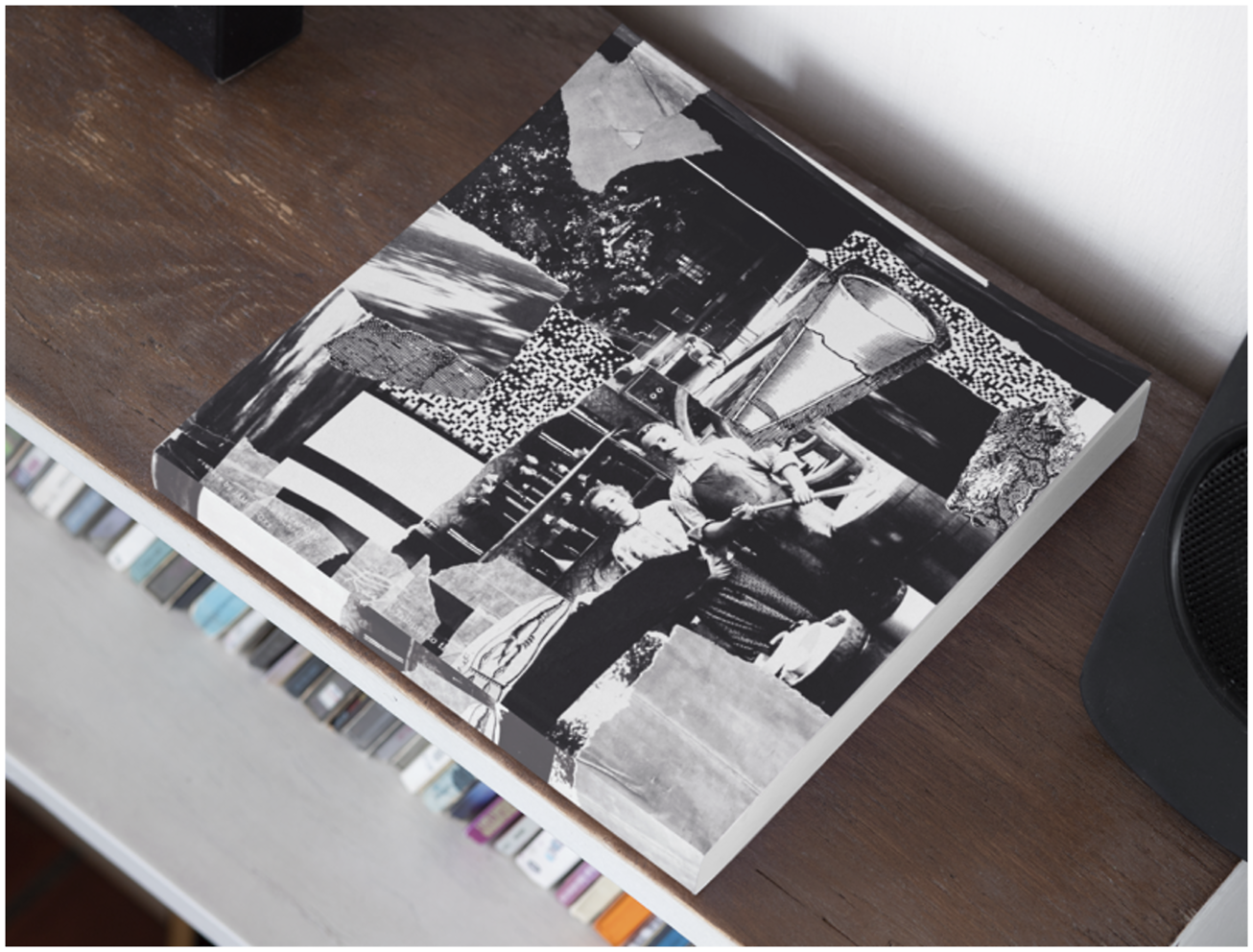
The print, referred to as The Future Is Now (Figure 2), constituted one of authors initial endeavors in mixed-media art to illustrate the multidimensional aspects of time. Justyna Doherty, The Future is now, Chine collé and watercolour, 2021.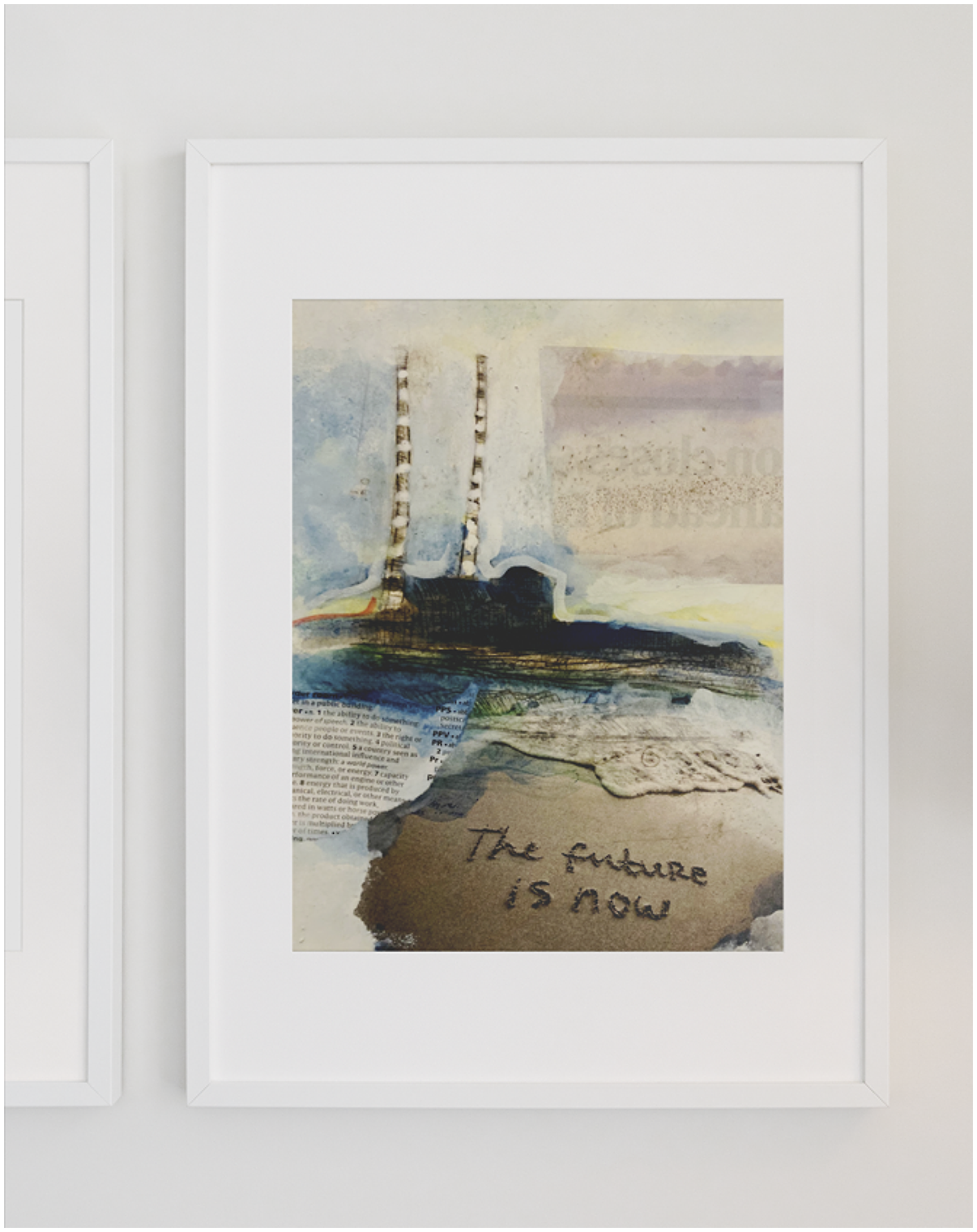
Research
As the study progressed, the researcher considered the importance of future and long-term perspectives, exploring diverse methods and themes for engaging the vast subject of time and the long-term futures. It became apparent that delving into the long term requires addressing five key themes, subsequently shaping the foundational content of The Barometer: (a) Deep Time (b) Connecting to Future Generations (c) Speculation (d) Mortality Consciousness (e) Legacy (f) Connecting with the More-Than-Human World
These concepts appear to be straightforward. However, the application of these as “thematic frameworks” enabled an in-depth exploration of time from diverse perspectives, integrating them into the evolving structure of the journal. In the following section, a brief summary and reminder will be provided for each section. (a) Deep Time
The Anthropocene, marking this era of modern humanity, signifies how industrial civilisation has altered the Earth in a manner akin to deep-time geological processes. The repercussions of our actions extend far into the future, impacting humanity and all other life on the planet for millions of years (Rose et al. 2012). We, as humans, are shaping a future where our influence will persist as enduring echoes. Acknowledging these profound facts prompts reflection and catalyses embracing long-term thinking. (b) Future Generations
The co-founders of The Long Times Project, Ella Saltmarshe and Beatrice Pembroke, posit that the ensuing decades carry profound significance for the well-being of countless future generations. Through strategic and thoughtful interventions, they advocate for the endurance of humanity and the preservation of Earth’s habitability for an extended temporal scale, potentially spanning up to a billion years. Conversely, they caution against a bleaker prospect: the failure to implement requisite changes in a timely manner, leading to the peril of human extinction and the concomitant loss of numerous other life forms. While individuals frequently nurture potent positive or negative sentiments towards relatives encountered throughout their lifetimes, cultivating an analogous emotional affinity with as-yet-unborn progeny poses a notable challenge (“Why Do We Need to Get Long-Term?” n.d).
Consequently, almost five decades ago, Allan Tough asserted that envisioning humanity in the distant future should involve people of all ages playing, working, talking, building, laughing, crying, and loving. He advocated for the concept of future generations. He also suggested their needs be central to global ethics—“a kind of international religion” that would provide new perspectives to find meaning and purpose in life. Furthermore, he believed this approach could propel human civilisation to its highest potential (Tough n.d).
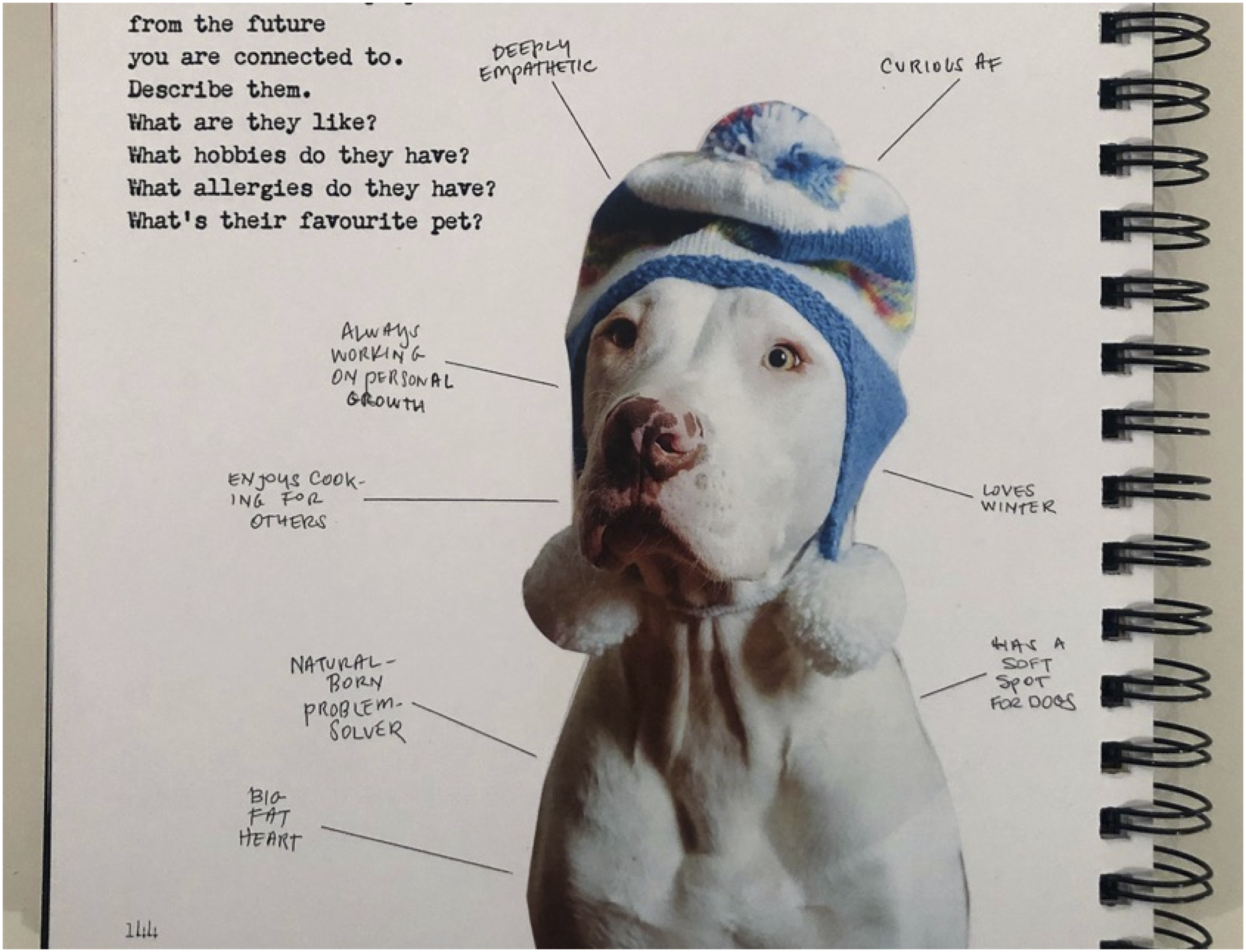
Connecting with future generations as living, breathing, and feeling individuals emerged in our research as a powerful tool, as it extends our thinking beyond the present and fosters empathy toward future individuals, including those we will never know. Establishing a personal connection with future generations became a cornerstone of the study. Consequently, we developed various engagements and workshops to forge personal and emotionally resonant connections with future people. These initiatives laid the foundation for exercises incorporated into the Barometer. As an illustration, when participants formulated individual timelines and extended them to encompass the experiences of individuals in their social circles, they were encouraged to contemplate their contributions to shaping the planet's future as a habitat for those connected to them.
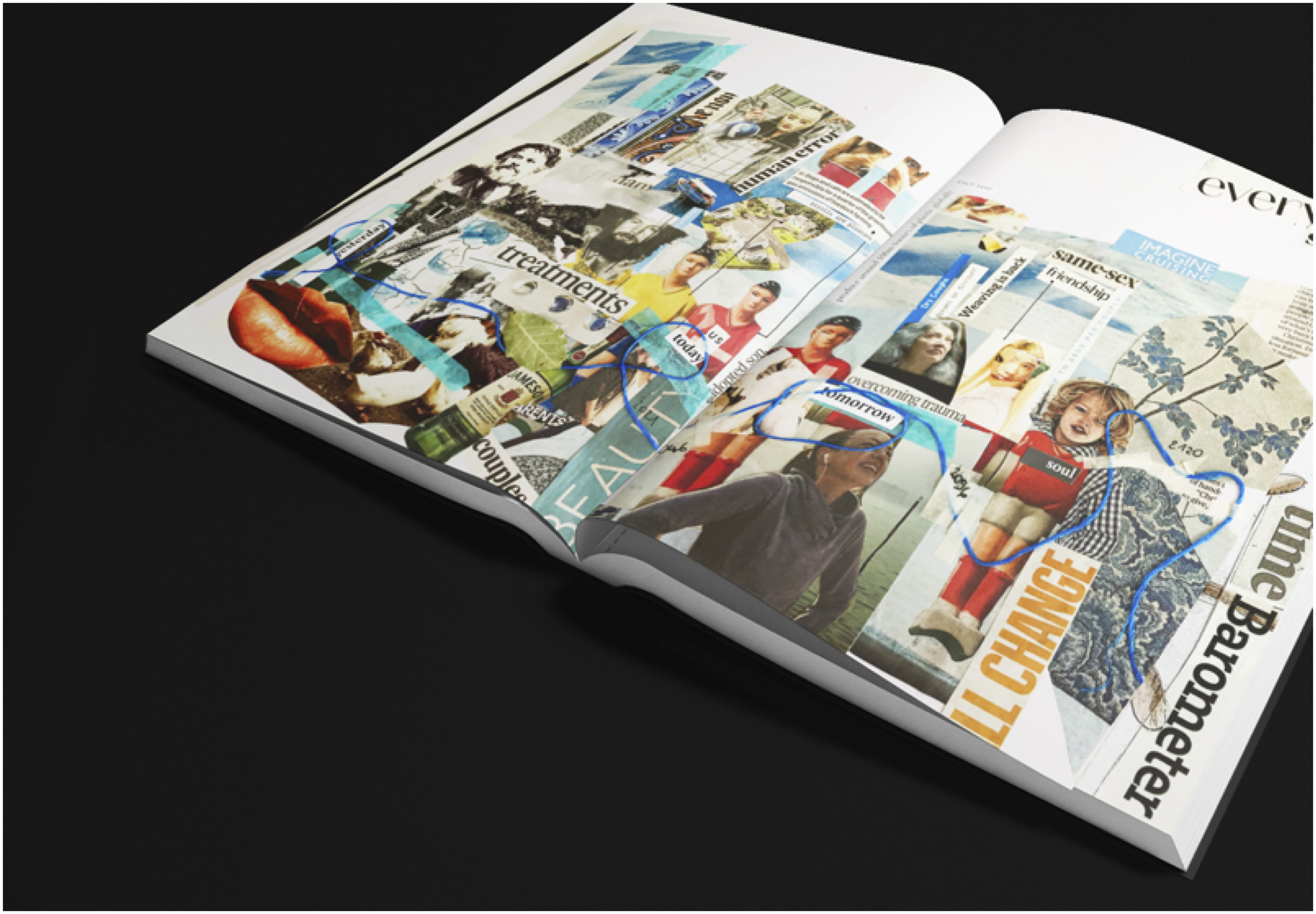
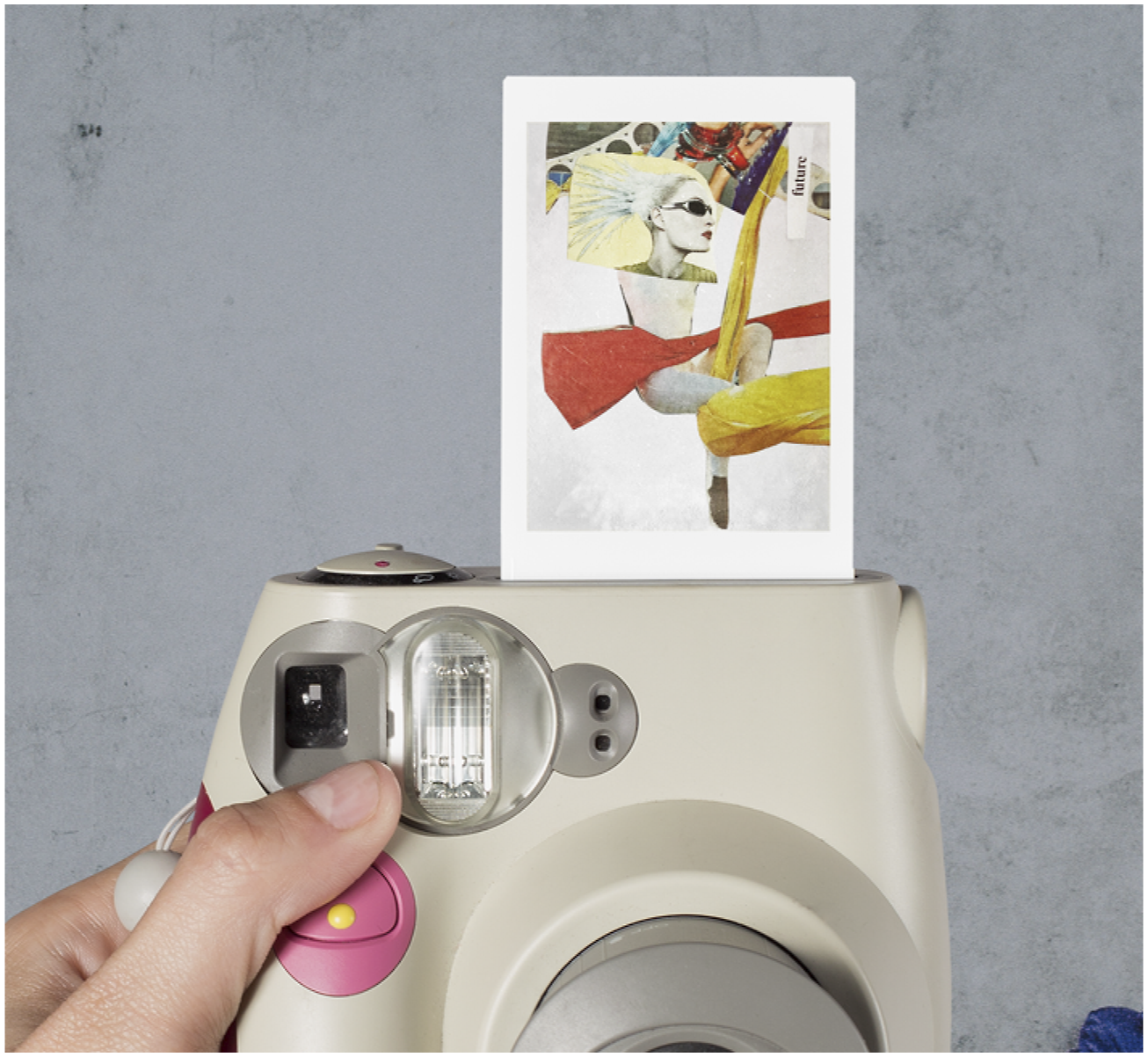
Figures 3 and 4, featured in The Barometer, depict collage artworks conceived during contemplation of the interconnections between past and future generations. The authors endeavored to establish cognitive connections with future generations, concurrently refining their visual representation and contemplating their attributes. Subsequently, this form of collaging evolved into a foundational framework for workshops and other modes of engagement. (c) Speculation Justyna Doherty, Future generations, collage, 2022. Justyna Doherty, Future you, collage, 2021.
Fischer delves into the concept of our perception of the future, positing that current images of the future play a role in shaping present actions and decisions and underscores the importance of reflective thought. Treating ‘the future’ as an impending state, even if only implied, stimulates considerations of predictability, likelihood, and potential outcomes (Fischer and Dannenberg n.d.). In other words, ascribing meaning to the present is facilitated through the incorporation of future images.
Consequently, in the realm of intellectual exploration, involvement in speculative endeavours holds the potential to liberate individuals from the limitations of pragmatism, enabling them to contemplate and formulate innovative visions of the future (Pembroke, “How Art and Culture Can Help Us Rethink Time” n.d). The act of speculation allows us to undertake mental experiments and contemplate existence in hypothetical realms separate from our current reality (Whitehead n.d). In short: upon venturing into these alternate realms, we investigate their distinctiveness and reflect on our connection to our tangible world. While it may not yield insights into the future, this exploration generates knowledge concerning our prevailing shared assumptions, traces ongoing discourses, and unveils the social imaginaries prevalent in the present (Nordmann n.d).
In The Barometer, participants are encouraged to formulate prospective scenarios and engage in reflective discourse through various prompts concerning the inherent assumptions concomitant with this process.
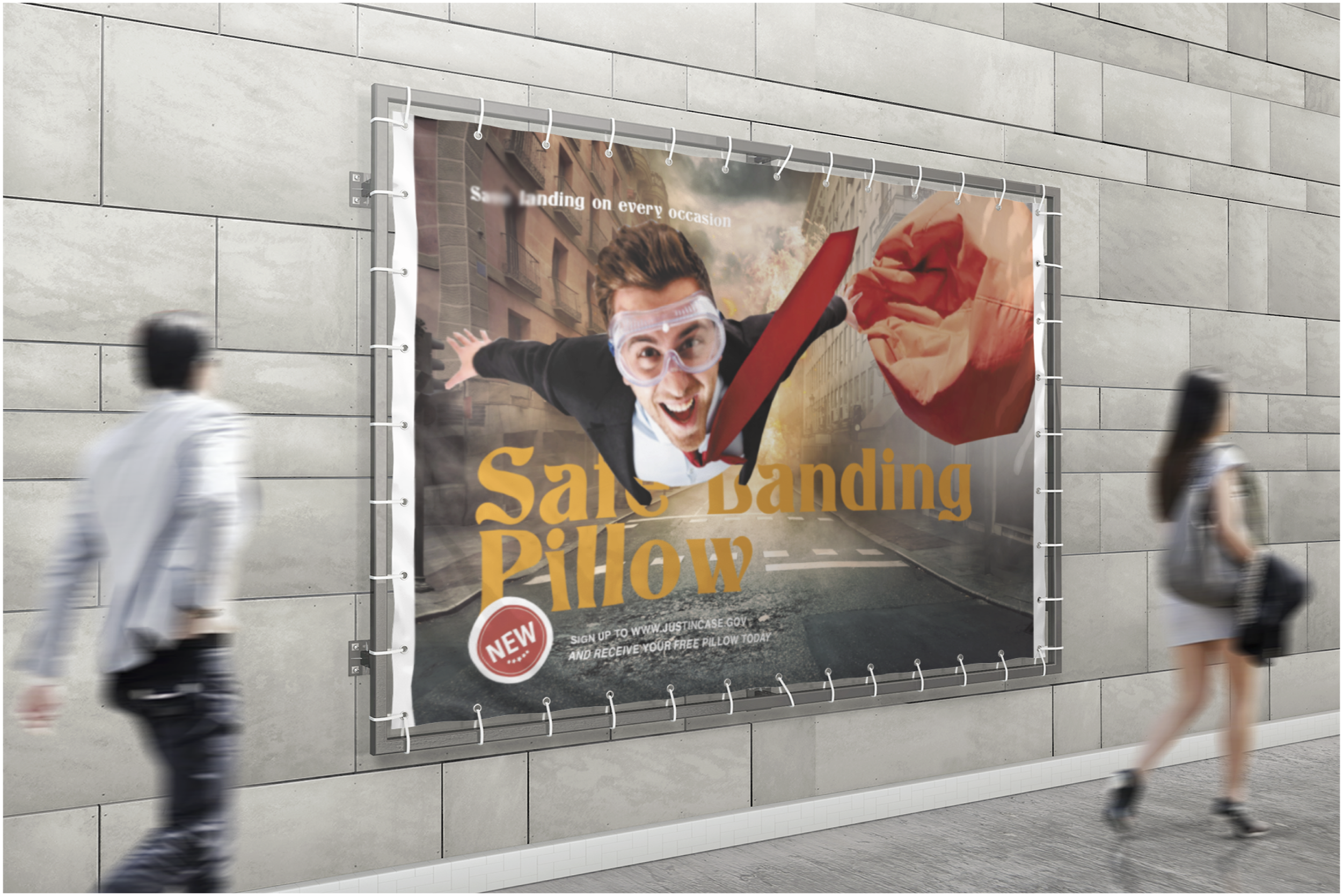
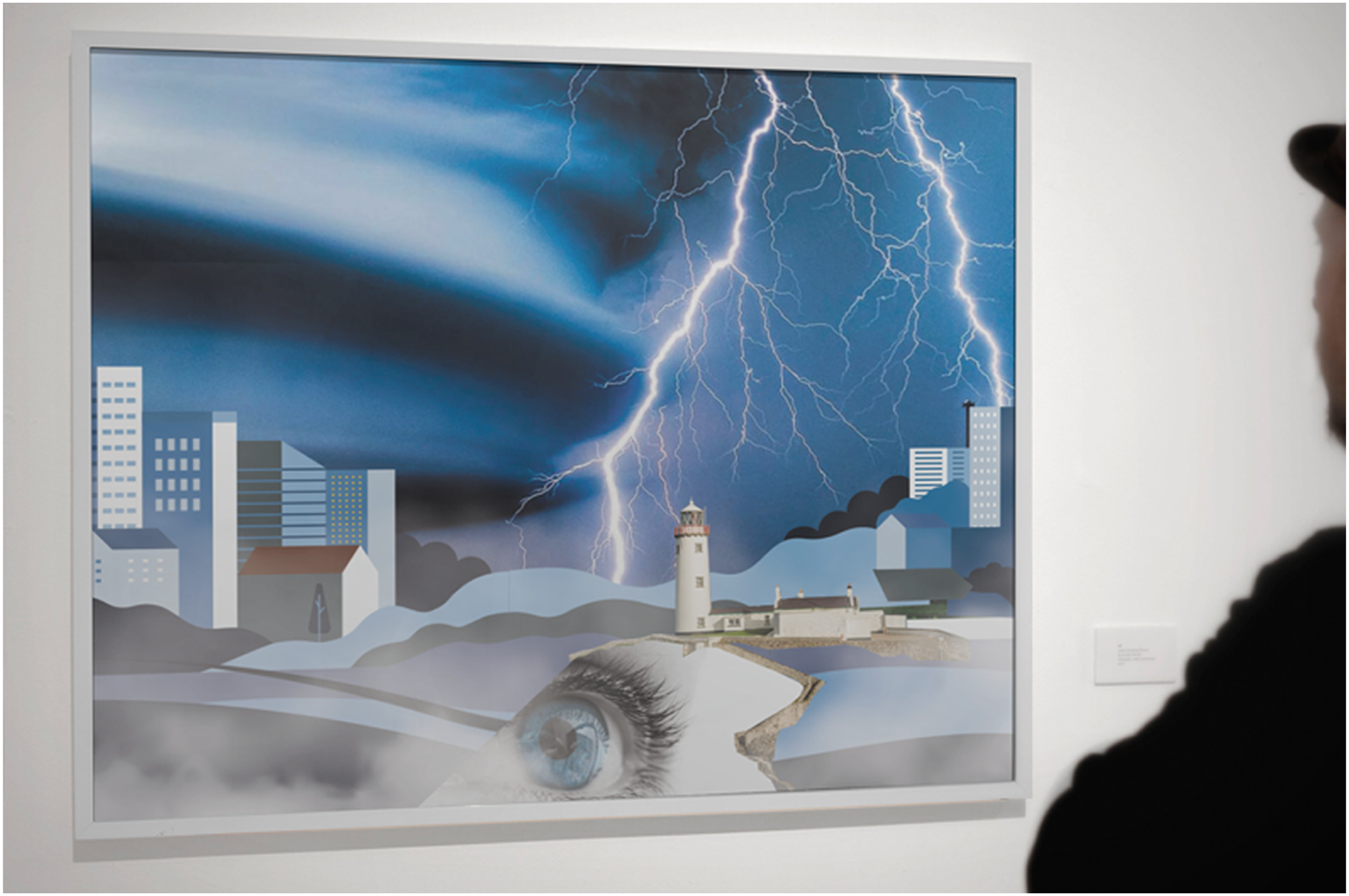
In Figures 5 and 6 (below), the author integrates visuals from personal dreams, serving as speculative glimpses into the future. Notably, one envisions an advertisement for a ‘Safe Landing Pillow,’ proposed as a safety measure in the event of explosions. These dreamscapes function as a reflective device, unveiling underlying assumptions about the future. (d) Mortality Conciousness Justyna Doherty, Safe Landing, collage, photoshop, 2021. Justyna Doherty, Speculation, collage, photoshop, 2021.
According to Joanna Macy, the avoidance of acknowledging our mortality or the negation of one’s mortality impedes meaningful engagement with the prospect of the long-term future (Macy and Johnstone n.d). Recent years, the COVID-19 pandemic and the harsh realities of wars in our immediate vicinity have brought us face to face with the stark aspect of our existence, prompting deep reflections on our future. Out of ethical considerations, we chose not to delve explicitly into mortality; instead, we left a blank space for contemplation.
However, recognizing the power of poetry to convey sentiments that words may struggle to express directly, the researcher incorporated art and poetry into The Barometer, which served as a framework for exploring the theme of mortality, providing participants with the space to offer their perspectives on this profound subject.
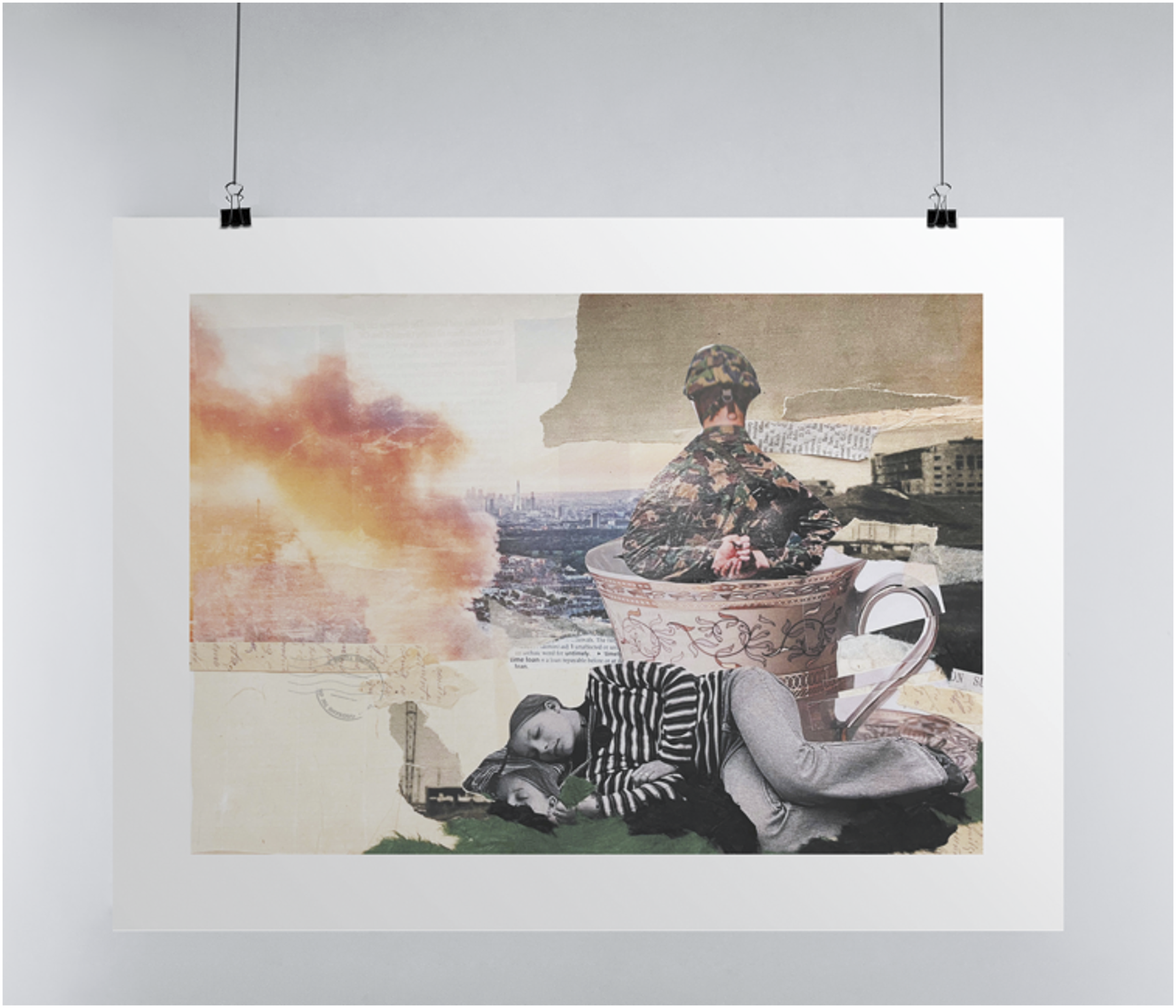
The artwork ‘Sleep’ (Figure 7) exemplifies the author’s personal creations, offering a contemplation on mortality, consciousness, and conflict. (e) Legacy Justyna Doherty, Sleep, collage, 2023.
The concept of ‘Legacy’ encompasses a multitude of meanings shaped by our perceptions, judgments, and worldviews. It revolves around our desires and agency to influence the future, positively impacting those affected by our legacy.
In early workshops and experiments, and consequently, in The Barometer, participants of the research were prompted to contemplate their impact across different scales. This included smaller aspects such as material waste and more significant, constructive contributions with lasting effects on the distant future. The use of sketches, drawings, and doodling was employed to prompt reflection on this theme, fostering playful and creative discussions about the subject.
The featured artwork (Figure 8) is part of the original journal/sketchbook and encapsulates the artist's introspection on the notion of legacy. In this exploration centered around the seemingly ordinary act of breakfast, the artist delved into the collective efforts of individuals worldwide who contributed to this daily experience. Moreover, by meticulously collating tags from the products and fruits procured for this routine—such as blueberries from Peru and raspberries from Morocco—the artist reflected on the profound impact of globalization on the individual. Justyna Doherty, Breakfast, mixed media, 2021.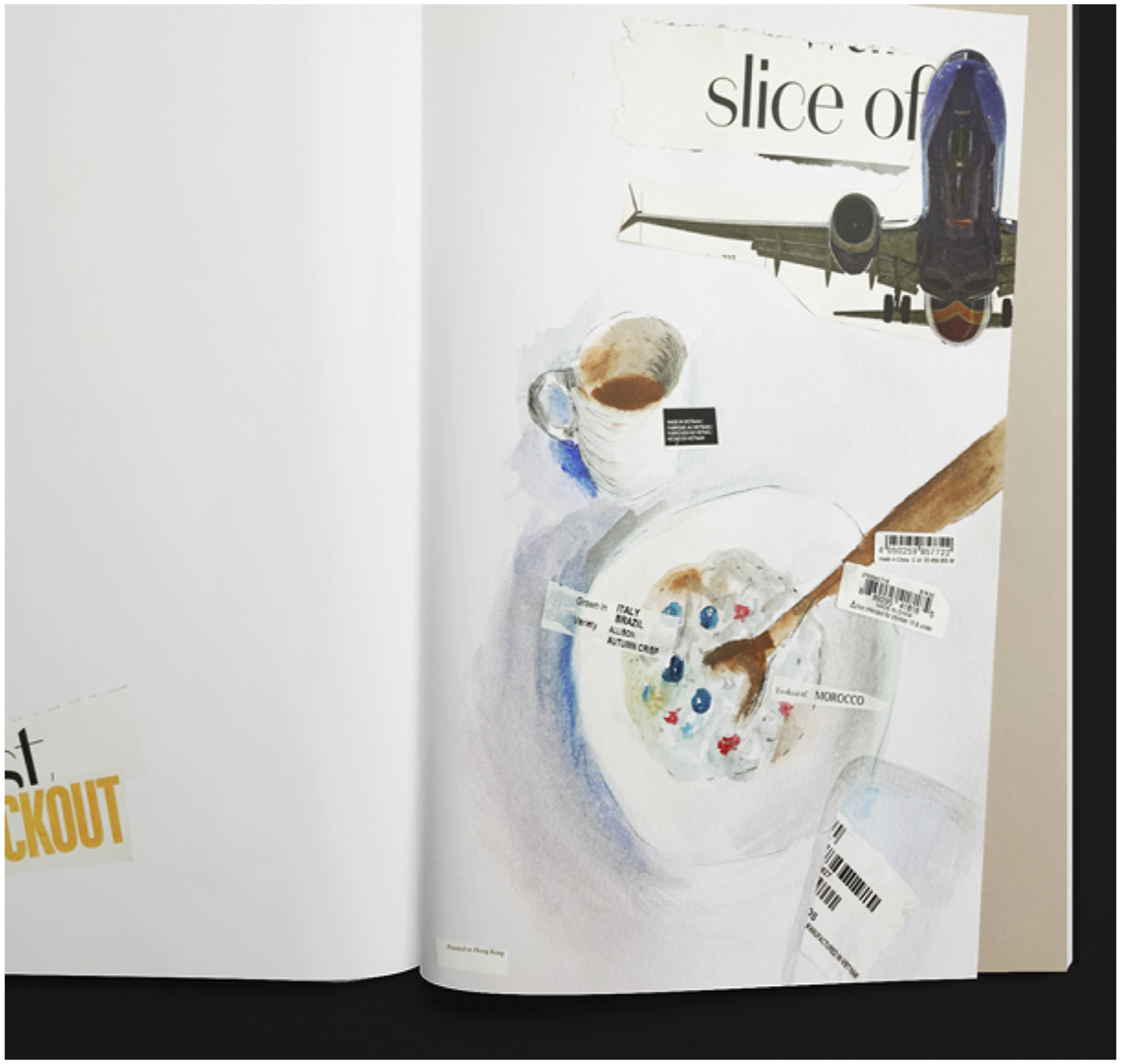
(f) Connecting to the More-than-human World
A prevailing motif discernible in recent literary works, is the Anthropocene, a concept which necessitates a nuanced reconsideration of the intricate interplay between humans and the environment. This introspection is notably directed towards relationships that sustain the concept of human detachment from the multifaceted biophysical landscapes in which we reside (Davies n.d). Critical post-humanist scholars inquire about the strategies to articulate human identities and responsibilities within the framework of understanding ourselves as participants in multispecies communities (Rose et al. 2012).
Aligned with these explorations, to investigate and acknowledge accountability for the world beyond human entities, we aimed for employing observation, empathy, and reflection. Within the context of The Barometer, a range of prompts and reflections were introduced to disrupt and broaden our anthropocentric perspective, with a view to altering how we think, perceive, and feel.
As a visual example incorporated into the journal, the collage below (Figure 9) illustrates a simple attempt to look at the world from the spider's point of view, decentralizing the human perspective. Justyna Doherty, Spider, collage, 2021.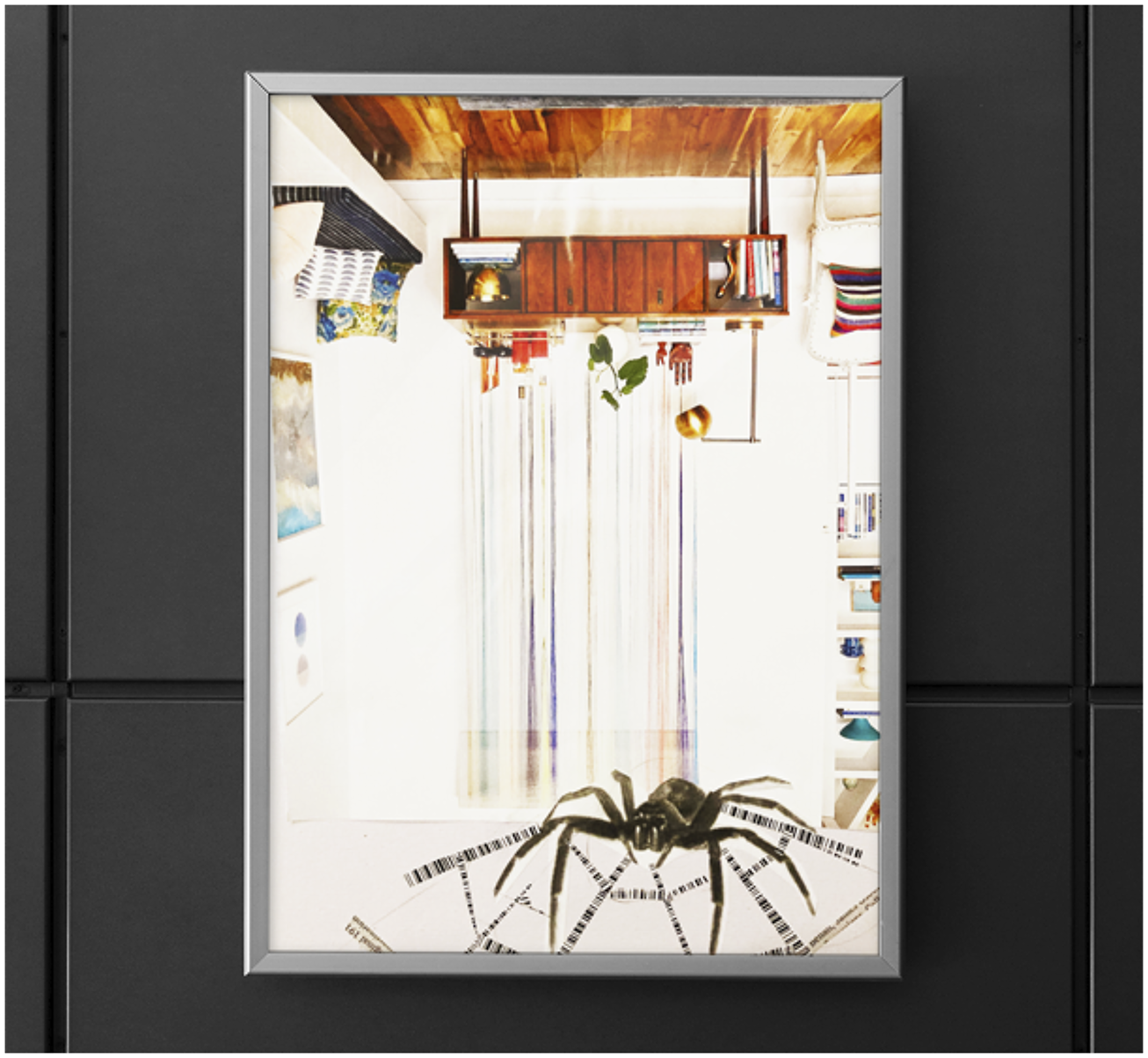
Futures Literacy
Acknowledging the journal's emphasis on exploring the nuances of time, the futures, and long-term thinking, a realisation surfaced: fostering long-term thinking often involves individuals cultivating the ability to casually reflect on and grasp the concepts of time and the futures in straightforward terms, at basic level. Consequently, it was deduced that a simplified tool encouraging reflections on time and the future, even at a simple level, could provide valuable benefits. As futures literacy is a skill attainable at all levels, such a prompt holds the potential to establish a foundation for cultivating long-term thinking in the subsequent stages of the process.
Tool for Growth
As the volume of personal journal and sketchbook increased, the author immersed herself in literature, investigating the intrinsic benefits of maintaining such private records. This inquiry led to the contemplation of creating a diary template as an effective means to encourage personal reflection, promote reading, learning, inspire creativity and curiosity. Beyond being a repository for individual insights, this devise would enable participants to record and disseminate their findings, reflect of past and the future. Consequently, the journal would function as a versatile instrument for personal development and the collaborative construction of knowledge.
Figure 10 illustrates one of the sketches/collages revealing reflections about self and personal insights. Justyna Doherty, The Barometer, 2021.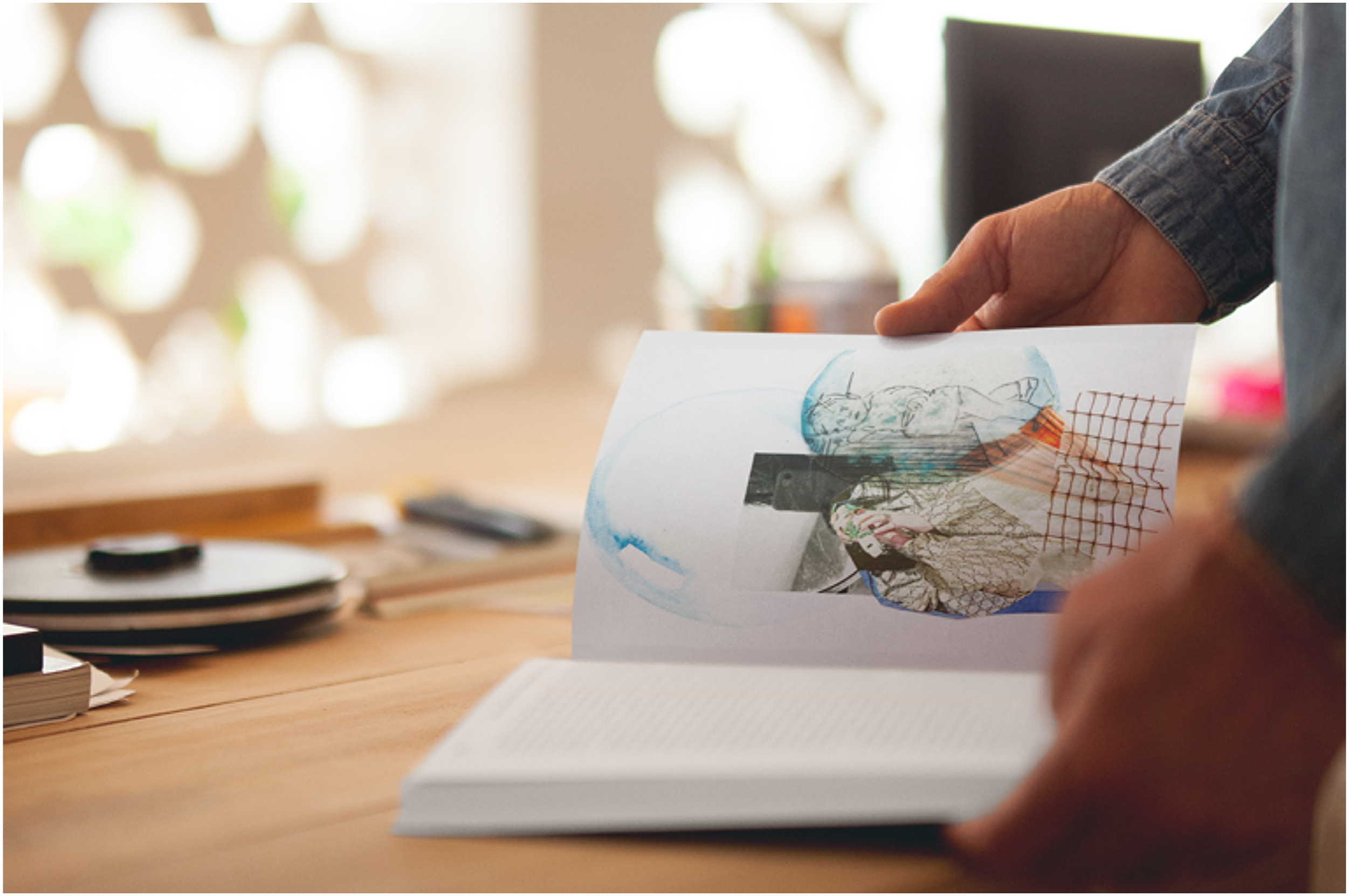
Challenging Assumptions
Beyond simply facilitating future-oriented thinking, another primary objective of creating The Barometer was to foster creativity and self-expression. Author reflected on the fact, that a diary format could prove particularly effective by offering individuals a means to engage in future thinking at their own pace, without external judgment or pressure. The journal's deliberate and intimate nature caters to various personality types, accommodating both extroverts and introverts and enabling them to express themselves authentically. Incorporating diverse prompts for creative engagement could function as a conduit for enhancing creativity, seamlessly intertwining reflections on future thinking with artistic expression. The inclusion of poems, insights, and quotes would further serve to inspire and impart knowledge.
Ingraining New Perspectives
During the research, an examination of initiatives pursued by other futurists and designers engaged in the subject of time and futures highlighted a consistent emphasis on reflective processes in long-term future endeavors. Notably, this observation revealed a lack of formalised documentation capturing these reflective elements and outcomes.
Consequently, an assumption was made that a longer-lasting artifact could serve as an archive, record-keeping, and recollection, potentially transferable from one individual to another. There was also an element of “learning by doing.” The small creative prompts incorporated into the introductory “Play” section of the Barometer served as uncomplicated art and creativity exercises, playing a pivotal role in embedding new perspectives in a more profound and meaningful manner.
Think and Play
In other words, the objective was to incorporate a variety of playful elements and prompts designed to steer participants and observers towards a deeper self-observation, an exploration of their surroundings, and an appreciation of nature. By adopting a futuristic perspective, the intention was to foster a playful contemplation of these aspects.
Figure 11 shows an example of one of the playful reflective pages created by participants of the test group. The Barometer - extract from the test group, 2021.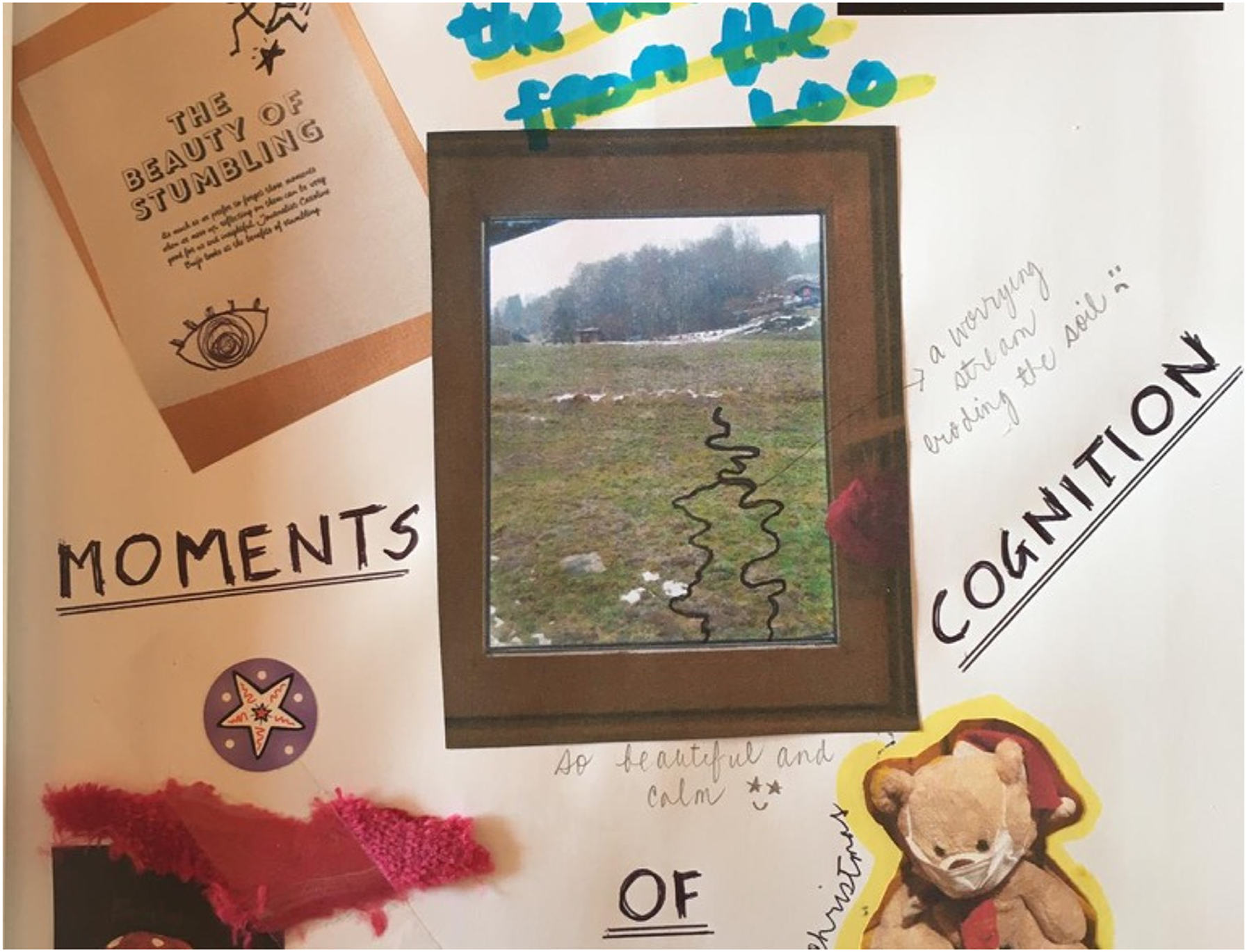
Art as a Companion
During the research and testing of the journal, the author, reflecting on her role as a designer, recognised that her deep connection to art and design was not incidental. These elements have seamlessly intertwined with the fabric of her life and identity. Throughout the years, growing up, they provided her with constant sources of gentle support, a solace during challenging times, guiding her in moments of reflection, aiding in the expression and navigation of her thoughts, and allowing what truly matters to emerge organically.
In that sense, art has become a nurturing mother, fostering growth and nourishment.
Figure 12 features an author’s painting, integrated into the pages of The Barometer. This artwork serves as a reflection on the author's identity as a mother, exploring the intricate connections with her physical mother, but also delving into the nurturing and creative role that art plays in her life, as well as in the broader context of the human experience. Justyna Doherty, Mother, acrylic on paper, 2023.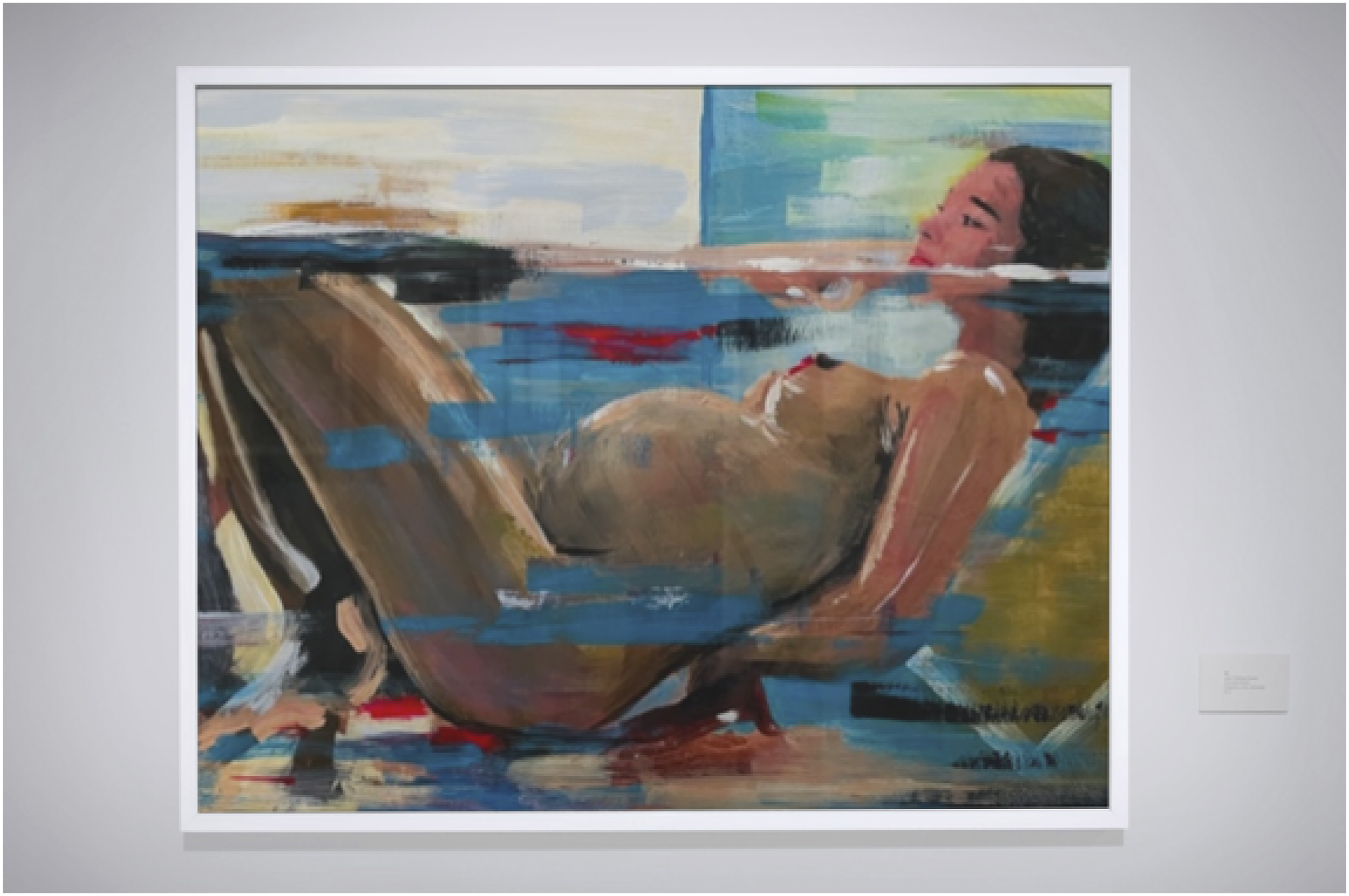
Art as a Container
Throughout the research, insights have been gained into art therapy, in particular as a practice that utilises creative processes to enhance mental health and overall well-being. The research shows, that engaging in artistic activities provides individuals with a means to express emotions, thoughts, and experiences that might be challenging to convey verbally (Stempsey 2012). Furthermore, the reflection on art itself serves as a mechanism for self-discovery, introspection, and understanding (Perkins 1988).
Researchers’ consideration was given to how creative practices enable individuals to access their subconscious, explore the nuances of their emotions, and engage in profound communication (Ahessy, 2013). In conclusion, it was deduced that art can essentially function as a facilitative “container,” bringing forth the content within individuals; concurrently, it could also evoke anticipations about time and the future.
Art and Futures Thinking - Combined
In summary, the contemplation focused on how the integration of artistic practice with futures thinking has the potential to effortlessly reveal future assumptions and serve as tools of resilience due to its properties enhancing well-being. Expanding on this insight, during various creative experiments that bolstered her research, the author of the study explored alternative methodologies to enhance the expressive essence ingrained in artistic engagement.
One of the illustrative examples here is Figure 13, a collage - reflection on the subject of Mother and Baby Homes in Ireland, its legacy today, and its consequences for the future, in light of unresolved traumas and unspoken grief and pain. Justyna Doherty, Is it wrong, collage, 2023.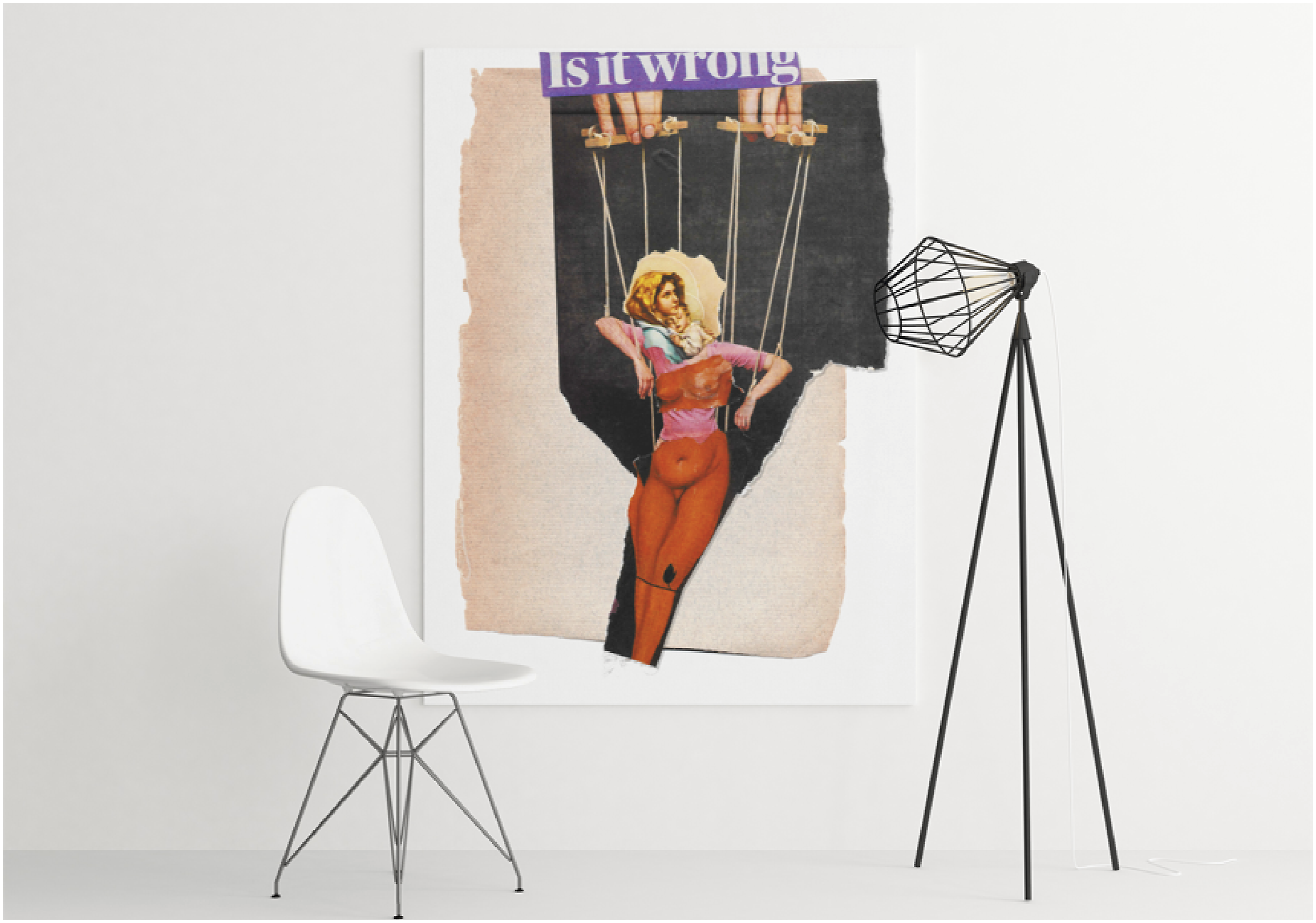
In addition, this exploration of the themes of past and the futures led to an expansion of authors research, through a Master in Fine Art (MFA) at the National College of Art and Design in Dublin. The primary emphasis of this academic pursuit became the investigation of the interconnected advantages and tools for hope and human resilience emerging from the synergy of art and futures thinking.
Why Journaling?
Journaling is a powerful tool, offering benefits such as thought clarification, enhanced self-understanding, and stress reduction, where expressing emotions contributes to a sense of calmness and improved problem-solving (positivepsychology.com 2018).
Support Tool
Several studies underscore its positive impact on emotional distress; journaling emerges as a valuable support tool for managing depression, anxiety, and stress (PsychCentral n.d). Its advantages include boosting mood, improving overall well-being, reducing pre-event depression symptoms, alleviating post-trauma intrusion and avoidance symptoms, and enhancing working memory.
Fostering Creativity
Furthermore, journaling and writing are recognised for fostering creativity by engaging the analytical left brain, allowing the intuitive and creative right brain to flourish (sarahdrees.co.uk n.d). It plays a pivotal role in the learning process, aiding in processing complex ideas, memorising information, and generating new ideas. Advocated by figures like Michel Foucault (writing as self-formation), Oscar Wilde, and many others, it has become a potent instrument for self-reflection (Faust 1998; Mason n.d).
Figure 14 illustrates one of the creative collages/exercises from The Barometer pages undertaken by an author. Justyna Doherty, Hello, collage, 2023.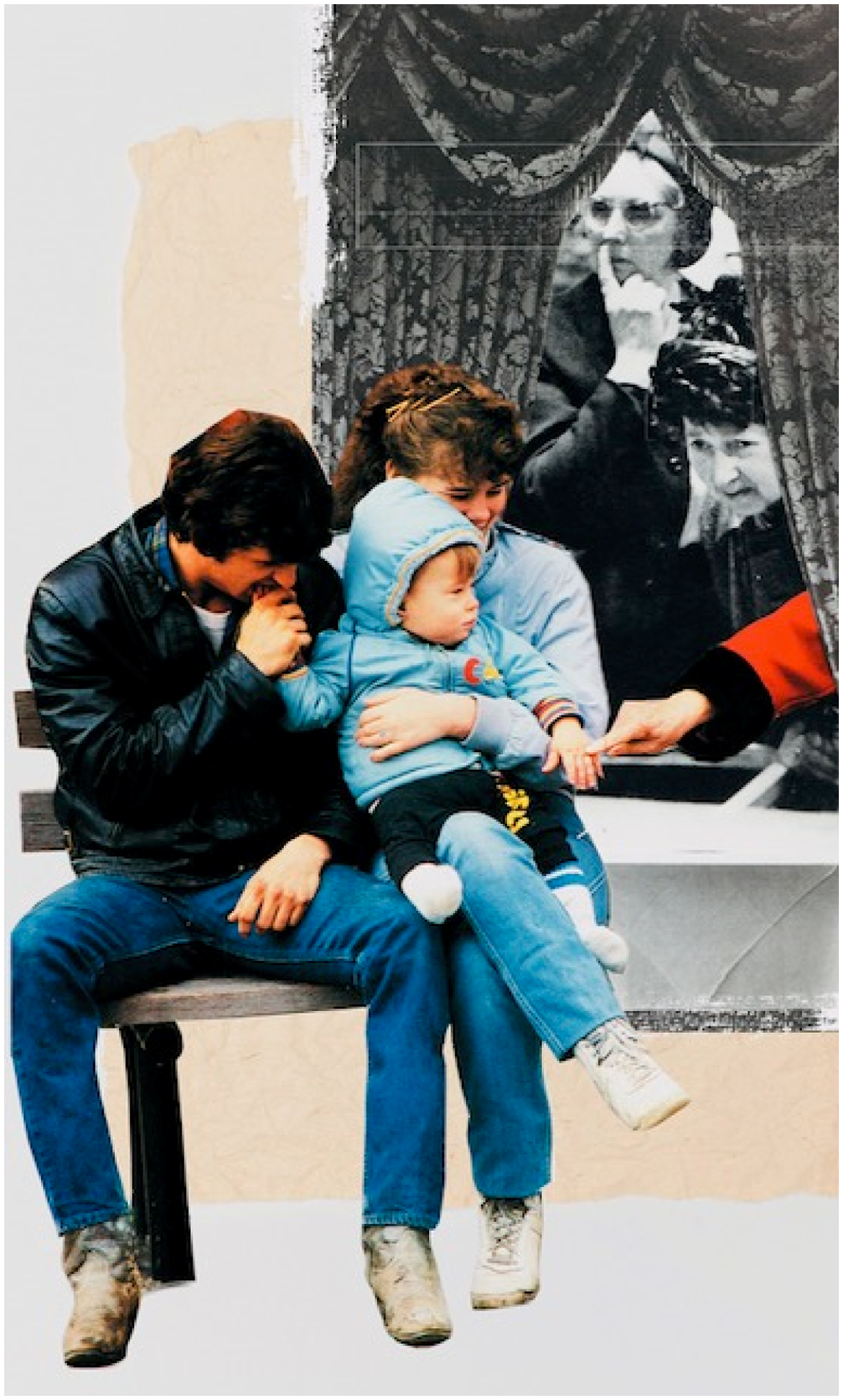
Future Self
The emerging trend of future self-journaling, highlighted in contemporary psychology literature, demonstrates its efficacy in cultivating conscious awareness and proficiency in crucial areas like financial planning and health maintenance (ScienceDaily 2019). This approach underscores the significance of establishing a robust connection with one’s future self, distinguishing it from approaches with a weaker association with future selves.
Figure 15 depicts a watercolor sketch employed to illustrate a dedicated page in the Barometer focused on future visioning. Justyna Doherty, Dream, watercolours, 2023.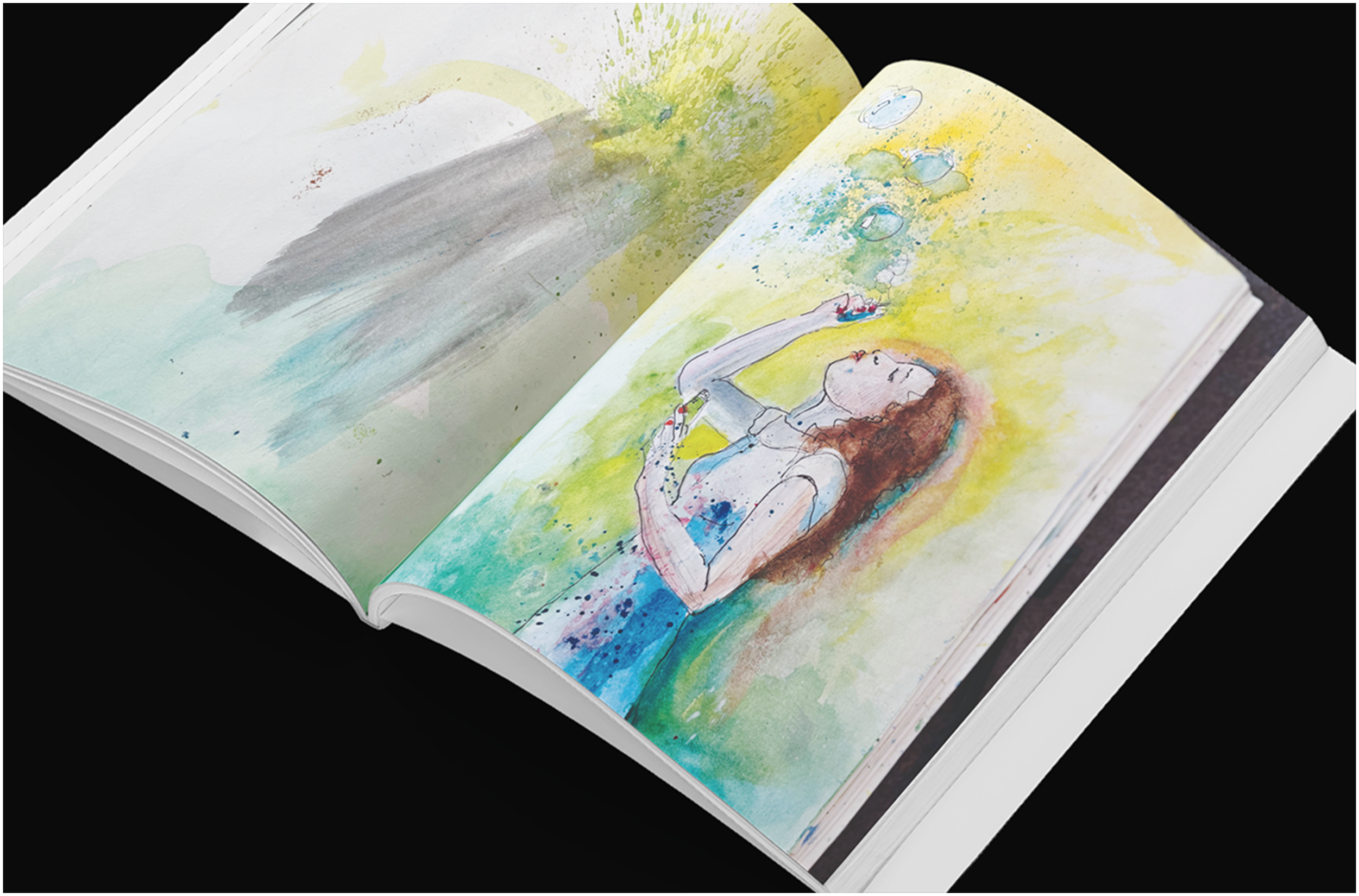
Finally, Reflexive Journaling, as elucidated by Luescher, introduces versatile conceptualisations such as ‘logbook,’ ‘itinerary,’ ‘personal diary,’ ‘scribble,’ and ‘sketchbook,’ with a specific emphasis on its academic relevance (Luescher and University of the Western Cape 2010). These diverse elements informed authors conception of journaling to ensure that The Barometer serves as a space for writing, doodling, sketching, reflection, and creative expression involving various senses, extending beyond academic pursuits.
Building Resilience
While exploring the correlation between time perspective, modes of thinking about time, and psychological well-being, the authors focus was on understanding how individuals framed their thoughts, emotions, and behaviors concerning the past, present, and future, and how the configurations of time perspective played a decisive role in determining individuals’ susceptibility to higher or lower vulnerability Figure 16. Justyna Doherty, War, acrylic, photoshop, 2023.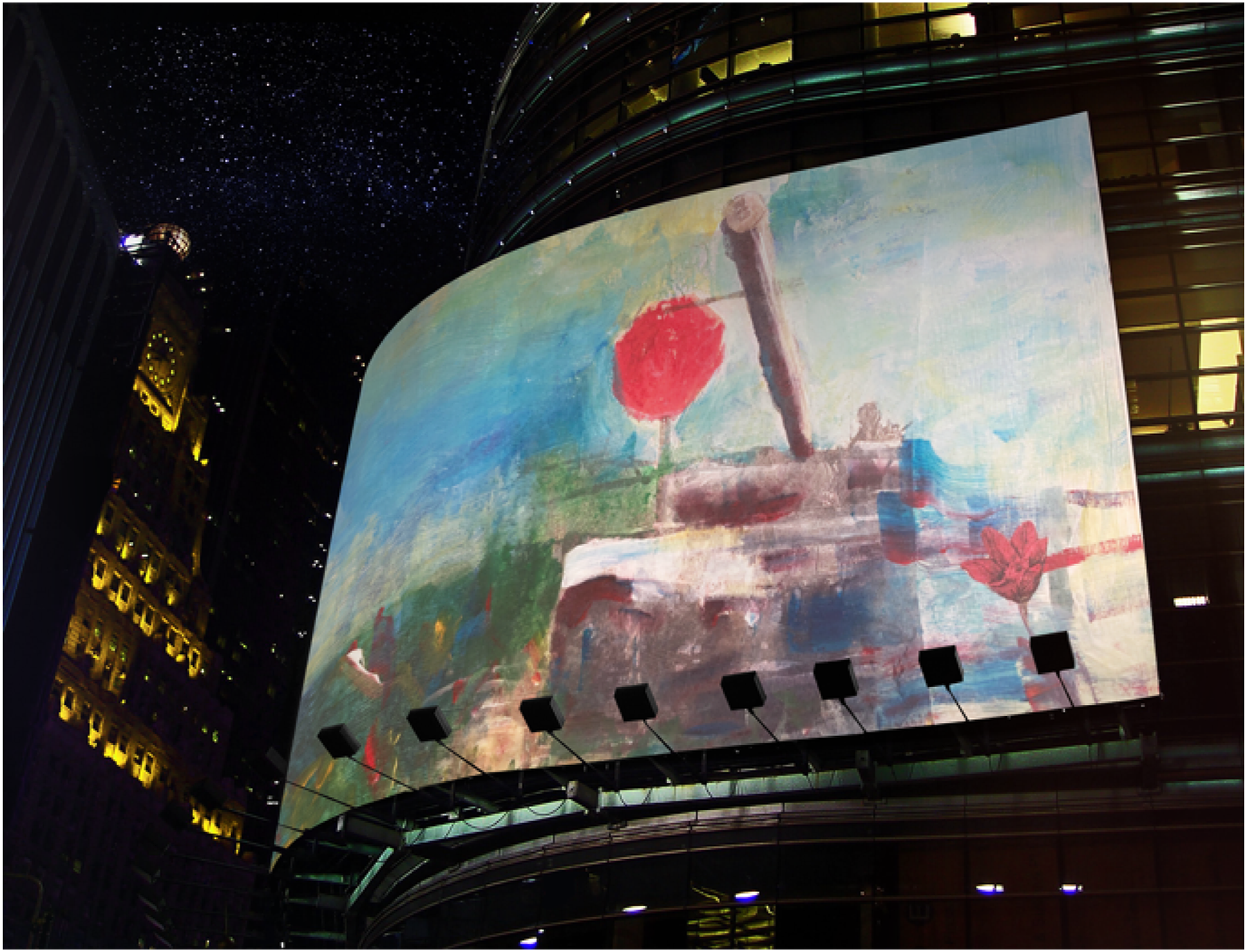
Kossewska, Tomaszek, and Macałka (2023) provide evidence that diminished time-orientation resources are connected to challenges in education and mental health. Zimbardo and Boyd conceptualize Time Perspective (TP) as an intrinsic mechanism influencing individual responses to various situations. Essentially, how individuals perceive and evaluate the progression of time plays a crucial role in motivating and regulating behavior (Zimbardo, Keough, and Boyd n.d).
In other words, exploring the dimensions of time and broadening the focus beyond immediate concerns fosters an expansion of cognitive processes. This expansion, in turn, contributes to the cultivation of refined future visions, heightened creativity, increased empathy, and a rejuvenated sense of purpose and agency.
Consequently, the contemporary concept of Time Perspective (TP) could serve as a foundational framework for understanding the interconnections among attitudes, values, mental health, and human behaviors (Kossewska, Tomaszek, and Macałka 2023).
Reflecting on how broader temporal perspectives could potentially yield significant positive outcomes, enhancing creativity and supporting the development of more sustainable futures, prompts consideration of the potential therapeutic application of The Barometer in addressing trauma and other mental disorders.
This research holds personal significance, resonating closely with the author's family's post-traumatic experience, which serves as additional motivation to continue and share the study’s results. The intention is to further extend this research in the near future with the aspiration that this type of journaling could potentially serve, at the very least, as a readily achievable and cost-effective prevention tool for mitigating anxiety, uncertainty, or depression.
Feedback – Summary
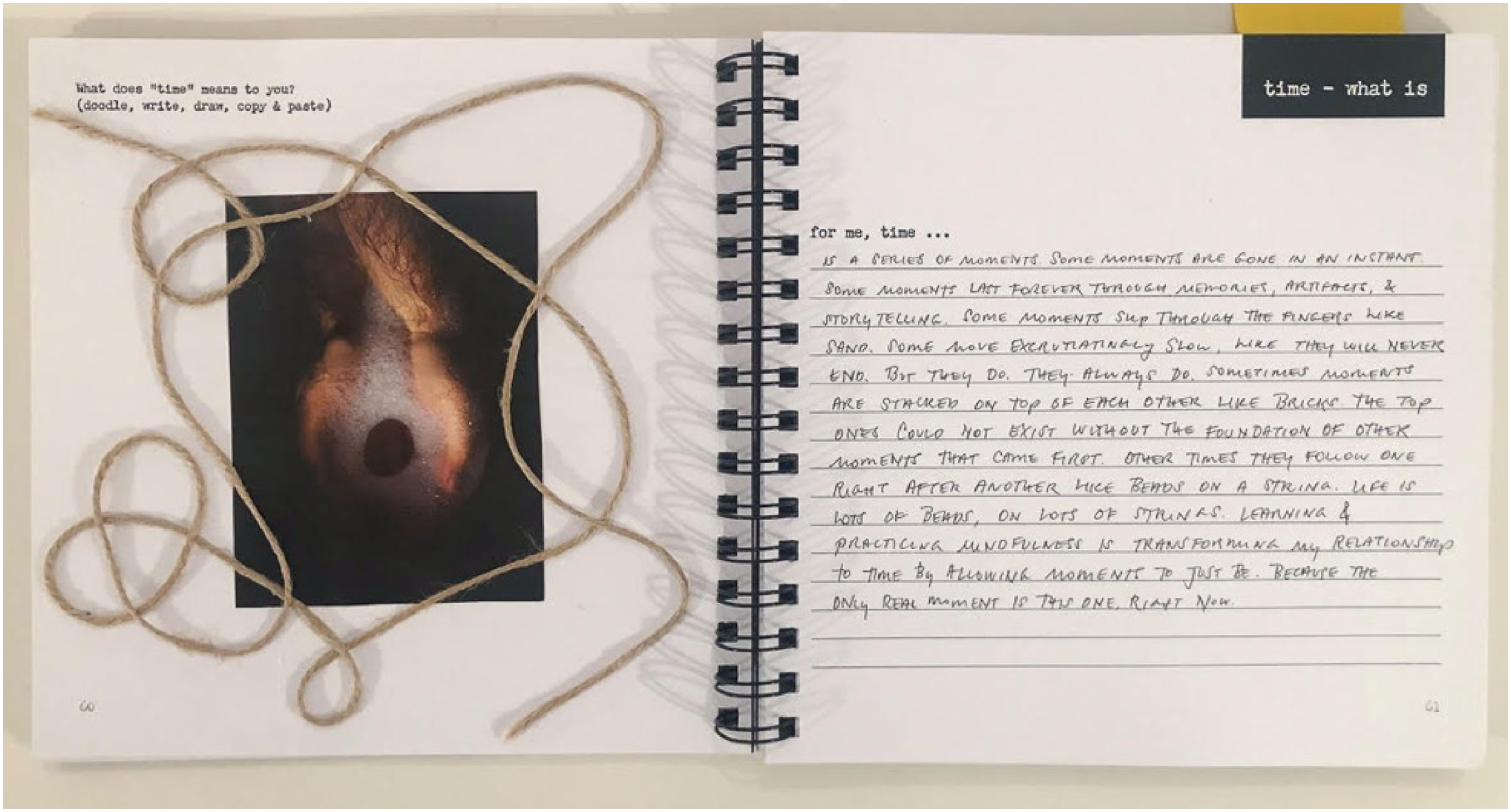
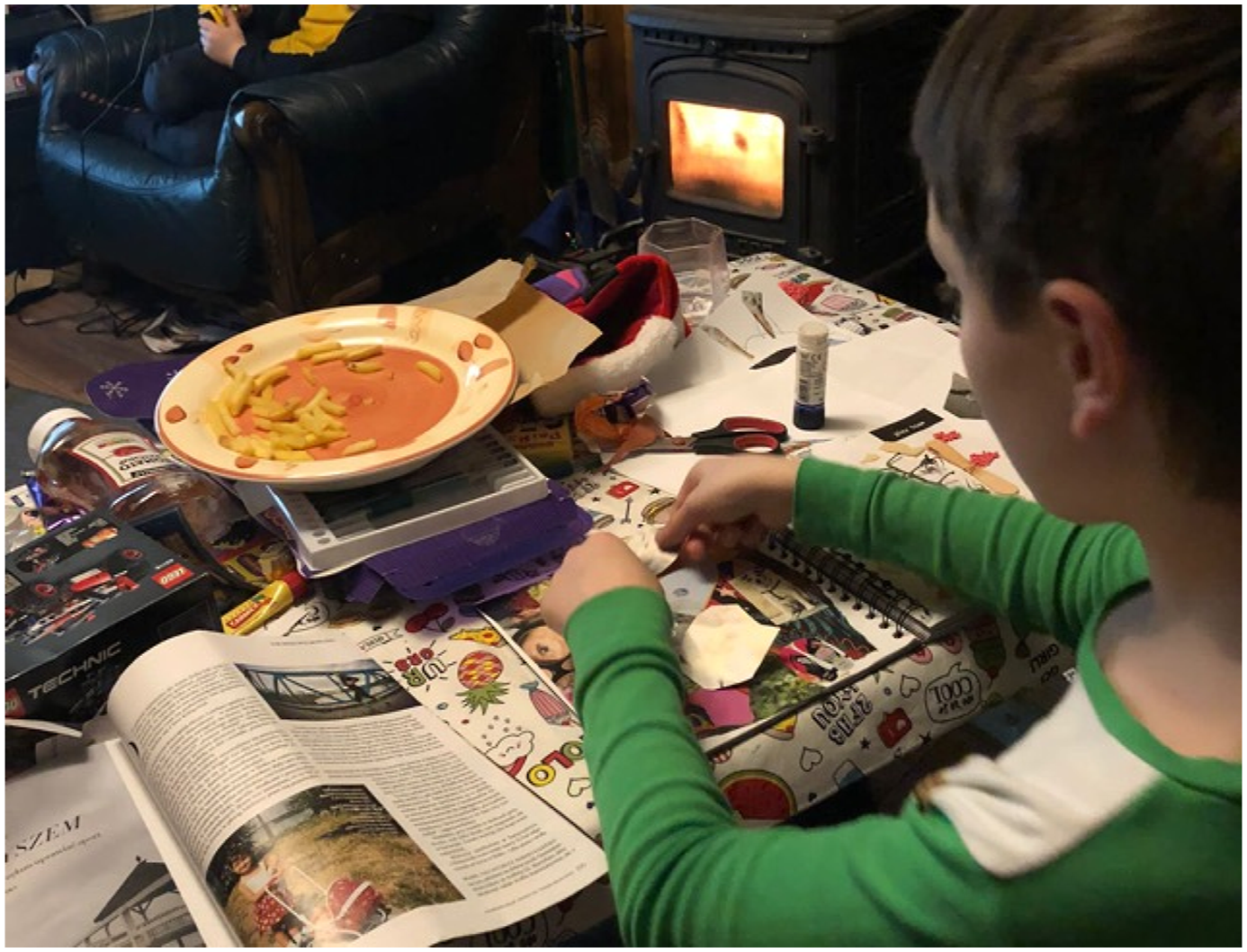
In this concluding chapter, the author will present the prototype test and provide an overview of the valuable insights derived from the feedback generously shared by the esteemed test group members. Figures 17–25 The Barometer – sample extract from the test group, 2021. The Barometer – extract from the test group, 2021. The Barometer - the test group, 2021. The Barometer - extract from the test group, 2021. The Barometer - extract from the test group, 2021. The Barometer - extract from the test group, 2021. The Barometer - extract from the test group, 2021. The Barometer - extract from the test group, 2021. The Barometer - extract from the test group, 2021.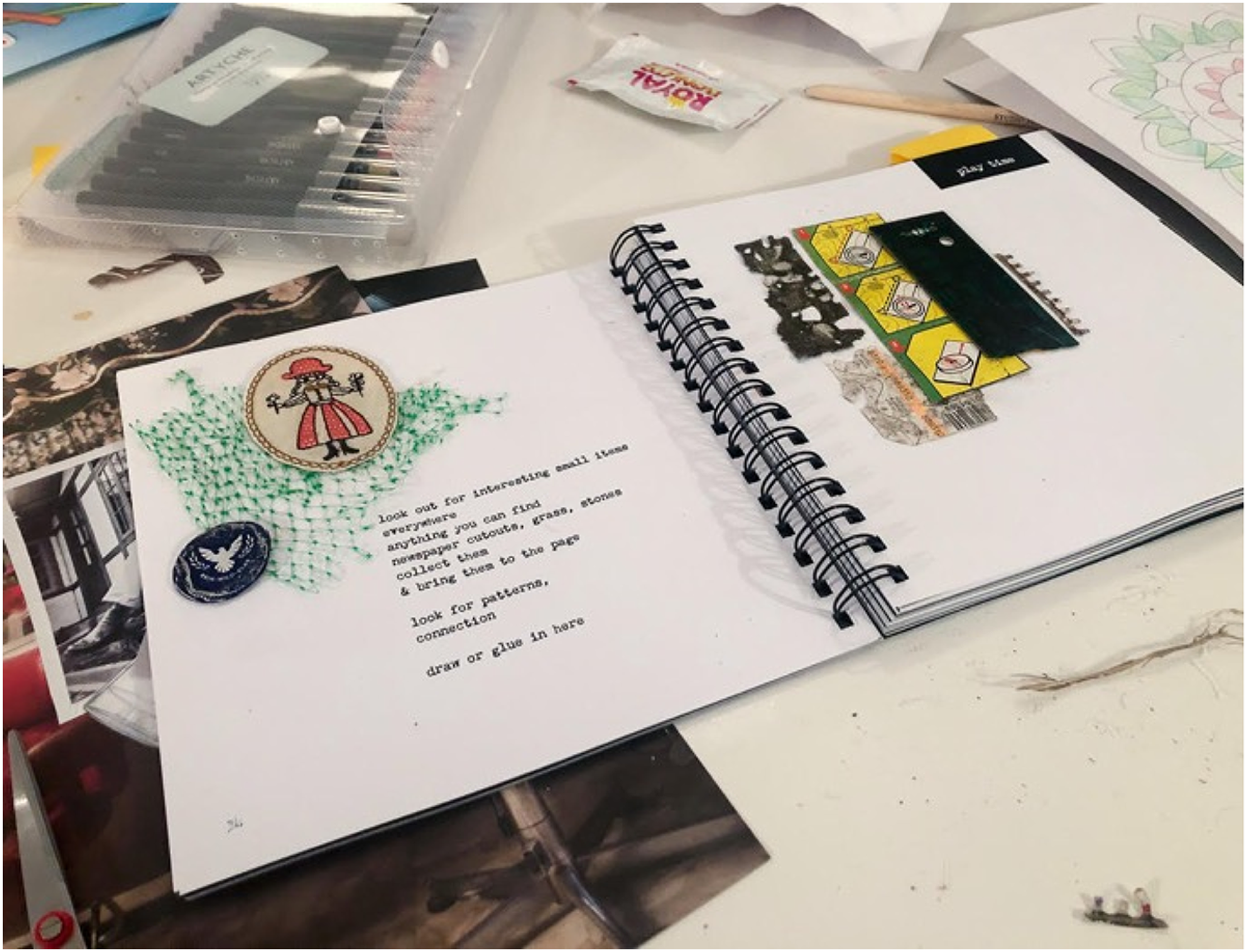
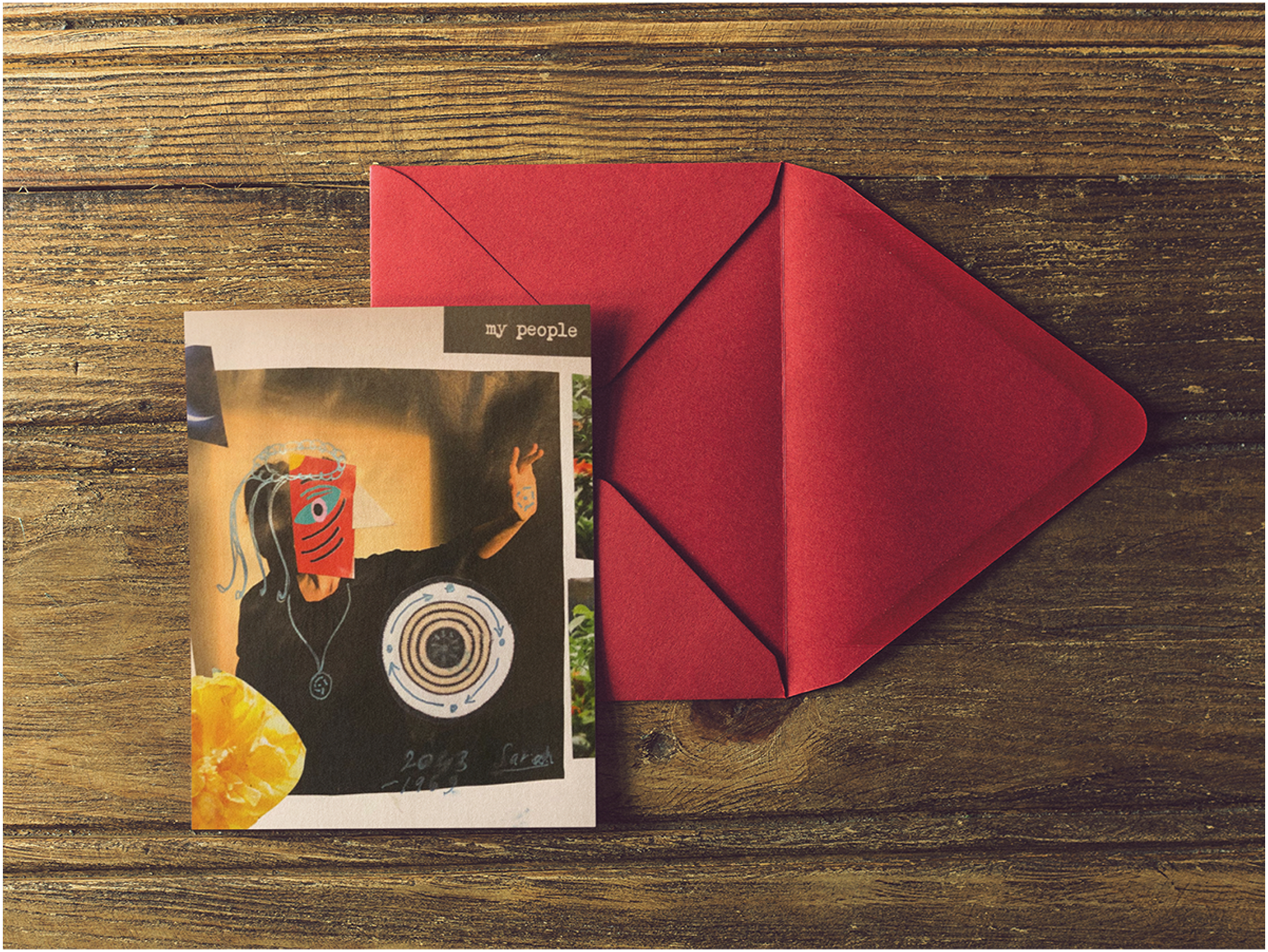
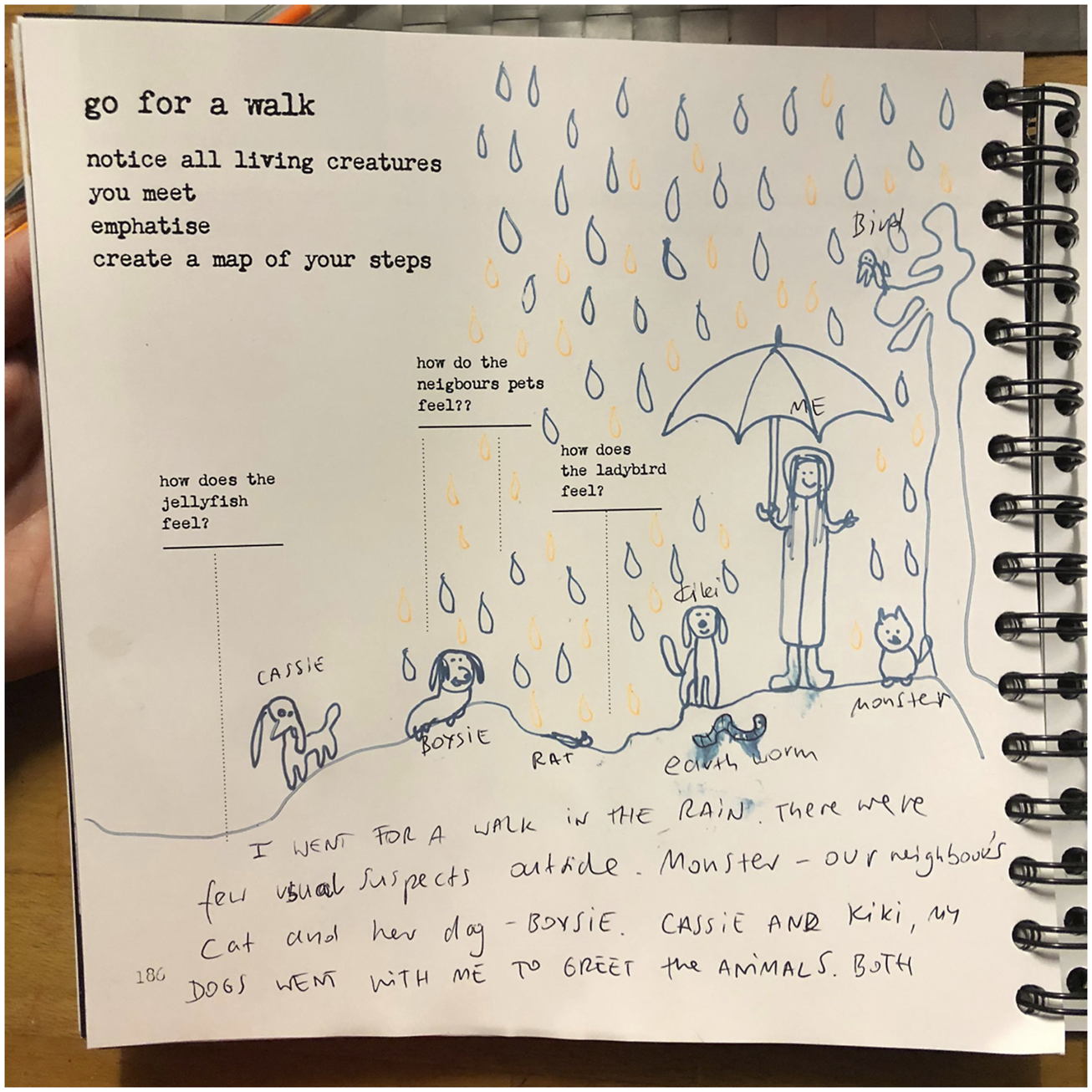
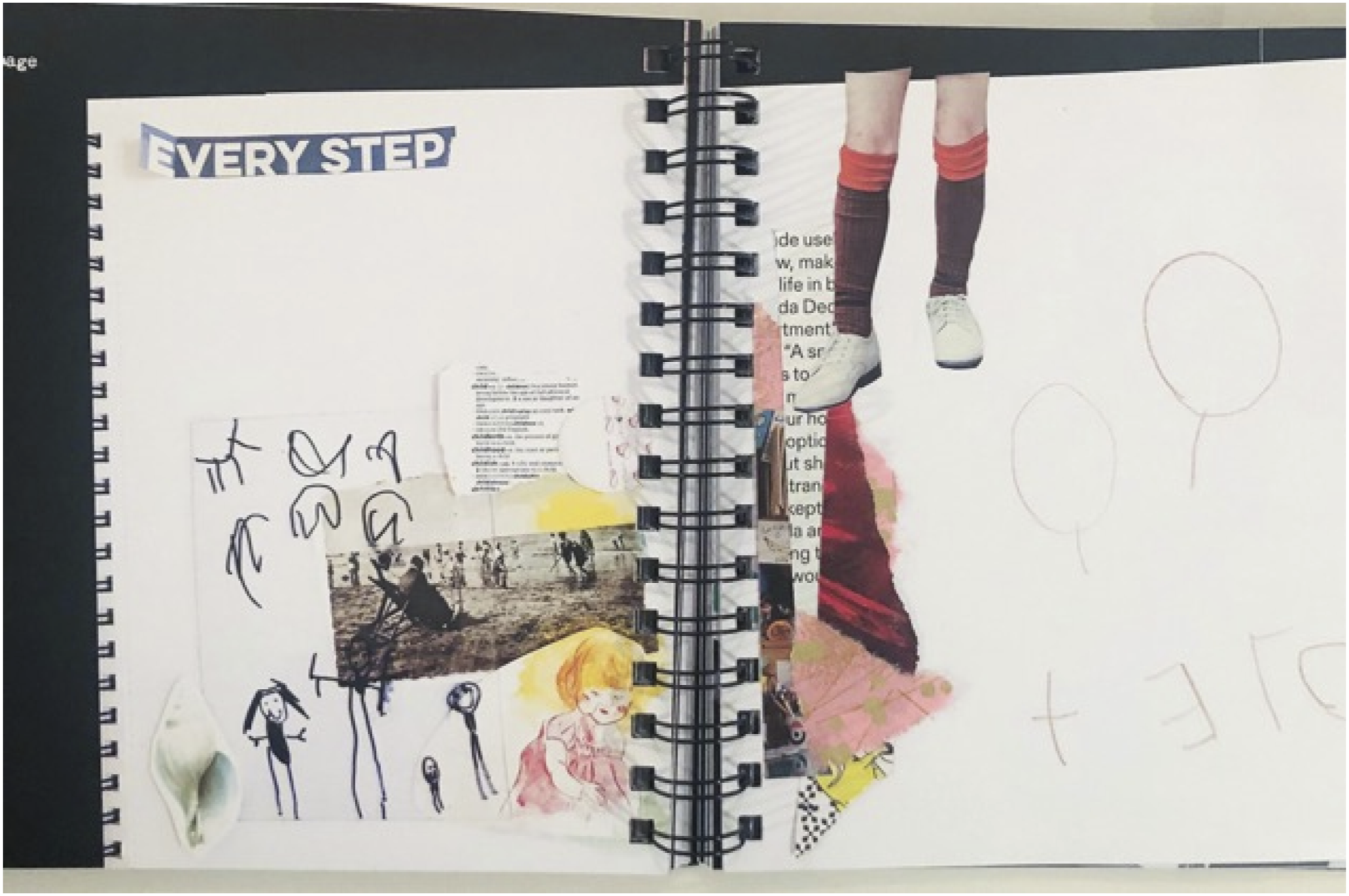
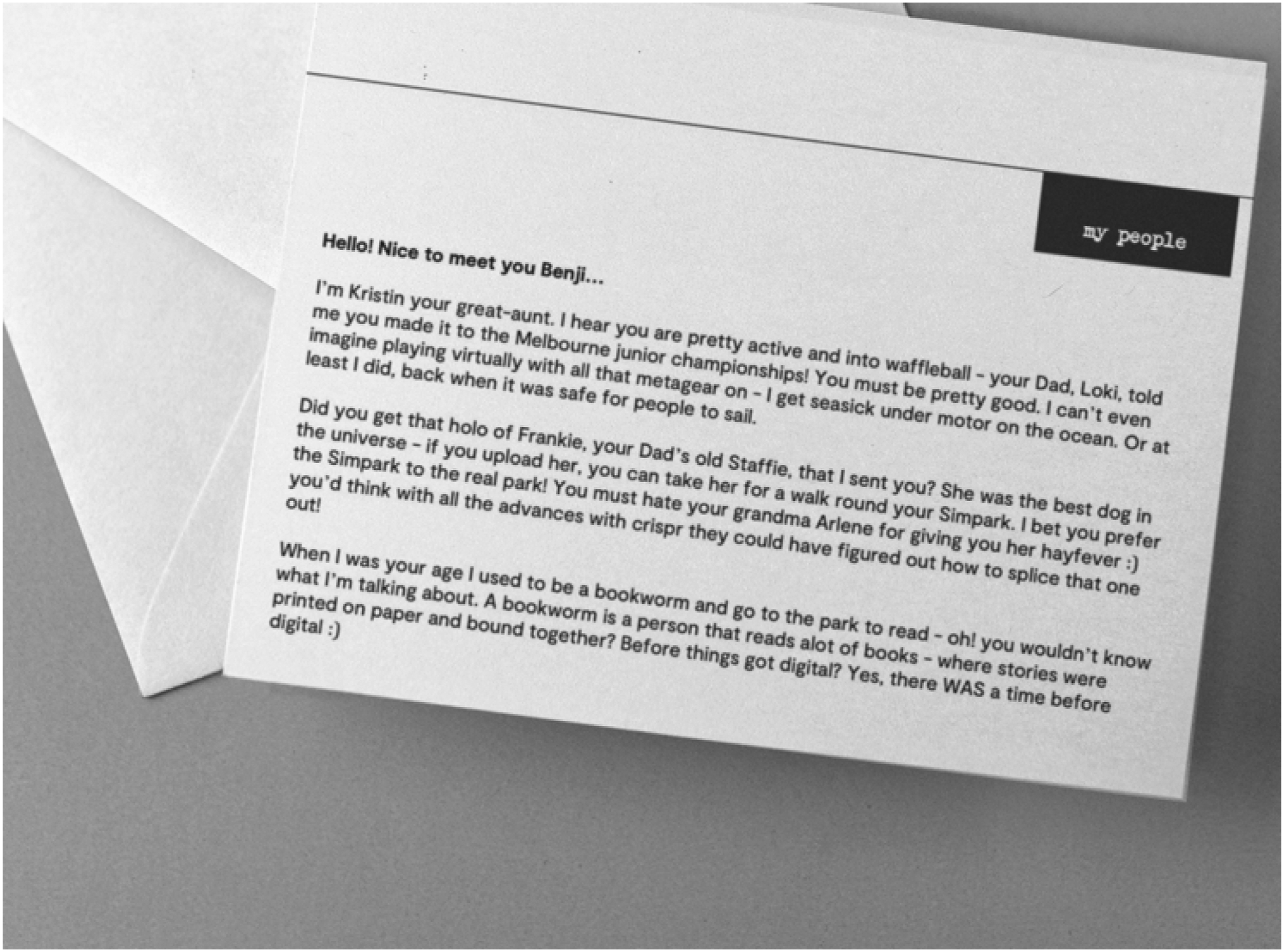
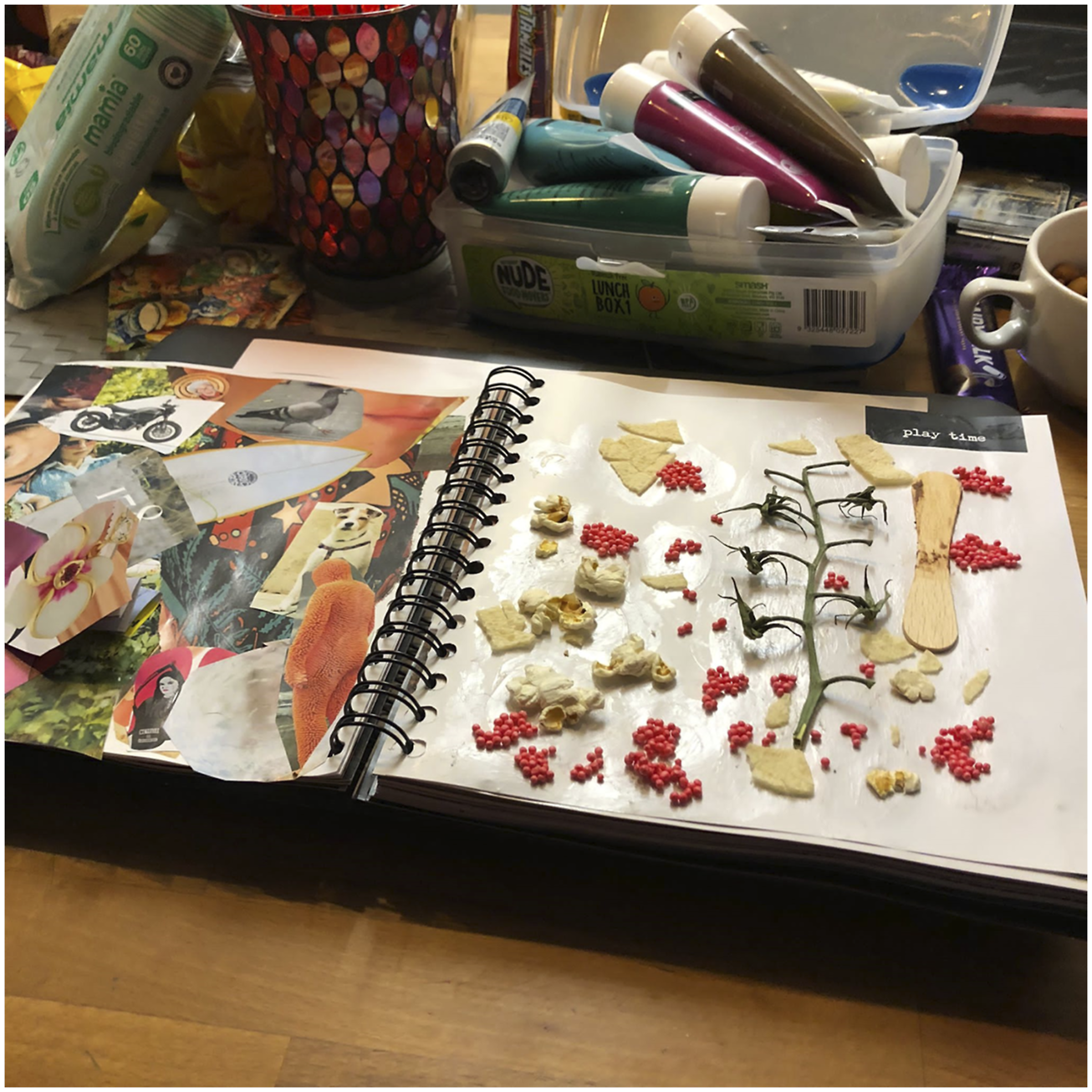
The initial sample, conducted in December 2022, comprised 28 participants from five countries who were provided with a copy of the journal. They were tasked with completing, at the very least, the prescribed set of five exercises. Following this, they were administered a survey as part of the study.
The substantial engagement observed with the journal was manifested in the high quality of feedback received and the commendable volume of responses. Participants demonstrated a discerning recognition of the inherent benefits of the book and its format.
80 percent of participants unanimously concurred that their involvement with The Barometer transformed their perspectives on how they think about time.
77 percent agreed that The Barometer helped them view future people as personally connected.
Most respondents concurred that this journal about time facilitated their reflection on the future. Finally, a notable portion of participants were willing to dedicate more time to the journal, intending to delve into more profound reflections in the future.
In addition, the visuals included in the journal and the design of the book garnered praise for its notable strengths, with descriptors such as “very engaging visually and physically,” “inspiring,” and “thought-provoking” employed by participants.
Furthermore, several respondents expressed that the book fostered creativity in them, providing an encouraging influence.
Child-And-Family-Centered
A few participants highlighted engaging in activities from The Barometer with children and family and suggested that completing the pages could be a more anticipatory experience. Subsequently, experiences tailored for children based on The Barometer were developed.
Iterative Process
When asked about spaces for improvement, respondents, including one in a work/office setting, faced challenges with the “playful” aspect of open-ended questions, leading to adjustments in past iterations to create a safer engagement environment. Despite instructions emphasizing the absence of right or wrong answers, one respondent expressed apprehension about making mistakes, highlighting the need for a prominent reiteration of this point at the book’s outset.
Few respondents reported confusion about the “Appendix”, perceiving it as more explanatory than a reference. In past iterations, it was renamed Reflection Capsule for clarity. This adjustment transformed it into a chapter designed for learning about the fundamental concepts of future thinking and journaling, aligning with its informative purpose.
Feedback in Quotes
In this section, a curated compilation of remarks and quotes from the test group is presented, aiming to provide a nuanced elucidation of the feedback.
Generic Remarks and Comments
“Given the strange effects on time experienced by most of humanity during the last two years, this work feels very ‘timely’!!”
“I like how it invites me to challenge me, my memory, my beliefs about time, about future in a very free, creative way, without a predetermined outcome, without a specific agenda. I felt safe doing the exercises and they definitely have a profound impact on me; as I go back to them, I analyse what I have done and what else I could have done.”
“Thought-provoking, reflective quotes and excerpts from writings, the nostalgic photos and creative illustrations, the prompts/exercises that made me take a pause and think about my relationship with time, the concepts and meanings I attach to it, my days and life in general.“
“Its very engaging visually and physically. I wanted to pick it up and play with it, flick through it. I loved the variety of activities - e.g., drawing on the timeline, looking at visual stimuli. I loved where activity opened up new perspective or helped challenge my assumptions (or at least see them) - e.g., the timeline activity or the place activity where asked to imagine the future of the place (made me see how pessimistic I feel and that this is based on unfounded assumptions and therefore its possible to re-imagine more positively)”
“Beautifully designed and thought provoking - its like a personal journal that I will treasure and will keep coming back to over the years as a check in with myself and how my views of the world and time will change. I feel I will pick it up, doodle and put it back down but back to it many times in years to come”
Question: Did the Barometer Help you to Reflect on the Future?
“Yes, I think about the future more now. We talk about global warming, but it’s never a personal perspective; it’s more like reading a future history book-things that don’t happen to me. By designing the future in The Barometer, it became a very personal matter to me. I could travel in time to experience the future; it became a part of my own existence. It is not an abstract concept anymore. I can feel it and touch it by touching the pages of The Barometer.”
“Yes, it forced me to think about it a bit more deeply and in detail because I haven't really done that (partly because I don't really want to). It actually helped me be more imaginative about the future, gave me permission to fantasize!”
“It’s a very participatory experience. It’s deeply personal and forces the reader to get heavily involved with themselves and others.”
“It got me to think about how I think about the future.
“Inspiring; Thought-provoking; Visually attractive”
Question: what did you Find Challenging?
“Thinking about the far future... perhaps because I haven't really given myself the luxury to do that now that I am taking things slowly, a day at a time, understanding that it sometimes feels futile to plan or think too far ahead.”
What did you Find Challenging?
“Designing a future family member, future space (…). I had to take some time and change my take on it. I did it in a playful way, without too much overthinking. I was designing it spontaneously adding objects and personal descriptions. It was nearly like daydreaming.
“The overall concept of time is challenging - I would need to spend more time working my way through The Barometer to really get to grips with the concept.”
“Thinking about time in a perspective that makes me realise how small and insignificant my life is on the grand scheme of things!”
Findings
The Barometer champions an empathetic approach to future thinking by leveraging a diary/sketchbook format as a versatile tool for personal and collective sustainable growth. This innovative method seamlessly integrates expressive journaling and creative practices, advancing futures literacy, nurturing long-term perspectives, and promoting sustainable behaviors. In essence, it weaves elements of play, inspiration, meditation, and reflection into a cohesive document that integrates the benefits of futures-oriented thinking with creative expression.
Moreover, aligned with post-humanist inquiries, the prompts within The Barometer challenge anthropocentric thinking and call for a reevaluation of human-environment relationships. Consequently, through the cultivation of a personal connection to future generations, this journal/sketchbook becomes an alternative pathway for emotionally resonant links with the futures, empowering participants to envision, embrace, and innovate within that cognitive framework.
In addition, maintaining a diary about the future and time prompts individuals to engage in more profound and explicit reflections on their beliefs, perceptions, and preferences than their usual contemplations. The integration of artistic elements allows the expression of emotions and a dive into the subconscious, enhancing thought clarification, self-understanding, and stress reduction. This approach contributes to creativity, improved mood, and enhanced well-being. Simultaneously, the focus on the futures provides a seamless way to strengthen participants’ crucial futures literacy capabilities.
In summary, the impact of such journaling was observed internally, fostering connections with personal goals and visions. Externally, it promotes a stronger bond with nature and the planet while cultivating empathy and ethical responsibility for the collective future, underscoring the challenge of forming emotional ties with future generations.
Next Steps
To fully explore the potential of The Barometer and unlock full capabilities of journaling about time and futures, a cross-disciplinary collaboration among futurists, psychologists, educators, and designers would be necessary. This collaboration is essential to refine and adapt the diary approach. For instance, refining and expanding themes and prompts within the journaling format could address a broader array of perspectives and challenges associated with the futures theme.
Education
The Educational realm presents a promising arena for applying The Barometer, wherein its content and prompts could seamlessly operate as a workbook, fostering futures literacy and anticipatory practices while inspiring actions towards a better world.
Incorporating the distinctive journaling format into educational settings also presents significant opportunities, as it could enhance students’ future-oriented perspectives, stimulate creativity, and involve them in discussions and actions related to sustainability, climate change, and their capacity to address these issues.
Therapeutic Applications
Further studies exploring the use of journaling about the futures in therapeutic practices could also reveal its effectiveness for individuals dealing with anxiety or depression, combined with investigating the impact of long-term thinking on mental health and overall well-being, providing valuable insights.
Community Engagement
On the other hand, community-based initiatives using the journaling approach or elements/exercises taken from The Barometer could also contribute positively to community dynamics and collaborative efforts and be employed as tools in sustainability education; combined with well-being. Investigating cultural differences will reveal how effectively the journaling approach fosters long-term thinking across diverse contexts.
Technology
Exploring technological integration is a final consideration, potentially enhancing the journaling experience and sustaining engagement in certain instances.
Testing Effectiveness
In addition, quantitative analyses can measure correlations between consistent journaling about the future and variables like increased optimism and futures literacy. Comparative studies can evaluate the proposed approach's effectiveness compared to other future-oriented interventions.
Limitations of the Study
While the feedback underscores the potential of future-oriented journaling, it’s crucial to acknowledge its limitations. The initial sample size was minimal, and a larger, more diverse sample would offer a more robust foundation for drawing conclusions. Additionally, it's worth considering the possibility that participants who willingly took part in the study might already possess an inclination or interest in future thinking or creative practices, potentially introducing a selection bias.
Consequently, since the study was conducted by a single person, there is a potential for bias and limitations in the diversity of insights. Including a more varied research team and a broader test sample could mitigate these concerns, providing a more comprehensive and unbiased perspective.
Final Conclusions
In conclusion, analysing the findings of this research has unveiled a crucial insight, highlighting the significant potential in combining creative practices with future thinking, as exemplified by The Barometer.
Since bringing the prototype to life, modest funding has been secured for this research, enabling the journal's reprint and exploration among new audiences. This initiative propelled The Barometer to Vienna (Austria), Dublin (Ireland), Warsaw and Rzeszów (Poland), where workshops echoing its ethos were curated in. The resounding feedback from these endeavors observed to fortify the profound insights previously uncovered.
Beyond these horizons, conversations have been initiated to explore the latent possibilities of infusing future-centric journaling into the realms of education and psychology—a prospect that captivates enthusiasm for deeper exploration (Figure 26). The Barometer, collage page 3, by Justyna Doherty, 2022.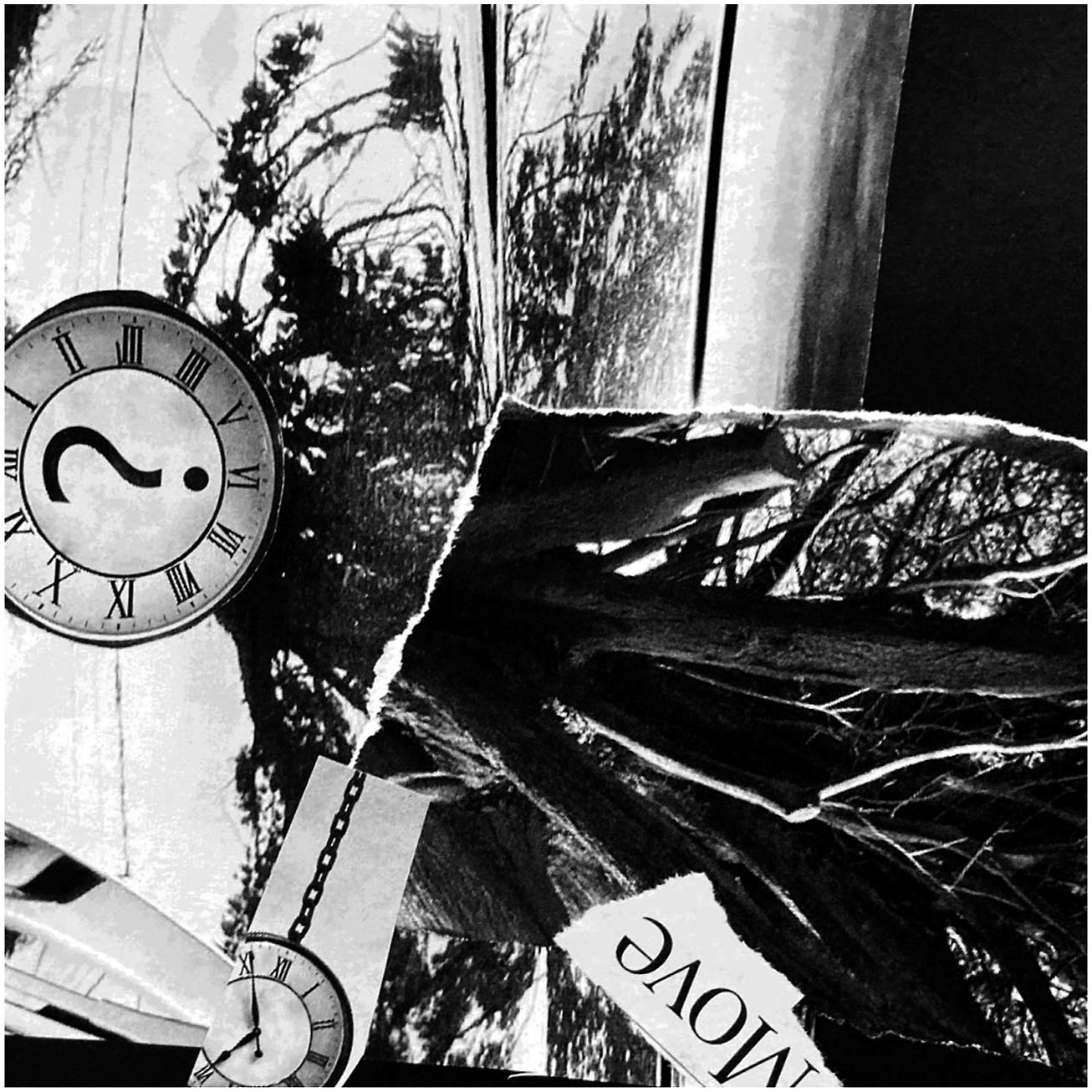
Footnotes
Declaration of Conflicting Interests
The author(s) declared no potential conflicts of interest with respect to the research, authorship, and/or publication of this article.
Funding
The author(s) received no financial support for the research, authorship, and/or publication of this article.
Author Biography
