




Abstract
What do the images of our futures tell us about the world we live in? Whose preferred future do we often imagine? That of the people, the planet, or solely made for profits of a few masters? If it is for the benefit of the people, who are they, how much do they benefit, and how will their lives be better? What unforeseen implications might this have for the planet? Speculation is famously a provocative medium that allows us to start crucial conversations without explicitly referring to sensitive anecdotes. In an increasingly polarised and fragmented world, these images hope to spark empathy, and promote a holistic, considerate discourse.
Keywords
Consider if you will: the idea of a spatial version of the internet, now dubbed ‘the Metaverse’. Businesses and their near-future strategies, technologies, and digital design and developer ecosystems seem to now have realigned their efforts in realising a vision of the spatial version of the internet. Taking
These disparate efforts to make ‘the Metaverse’ a reality can be seen as a ‘push’ from big-tech towards people. We’re still struggling to see the ‘pull’, or a truly valuable place in our lives. There is much precedent for top-down visions of corporate, and even social futures; and for larger organisations to sell (or impose) those visions to people.
I’d started ‘
As someone who’s primarily a practitioner of futures and foresight methods, I apply them to design and technology projects of various complexities. Other times, I use them in art projects such as Postcards from the Future. I often find that futures and foresight methods augment qualitative and quantitative research methods. They help cast a wide net and intend to bring in holistic, unconsidered voices that would not have otherwise been included in discourse of projects, all in service of moving towards a preferable future.
To be able to speak with myriad voices who have deep expertise in research and academia when it comes to futures is always enriching and rewarding. Furthermore, the format of panel discussions enables comprehensive consideration of many topics touching upon diverse social, cultural, technological, and ecological visions of the future. In the panel discussions of
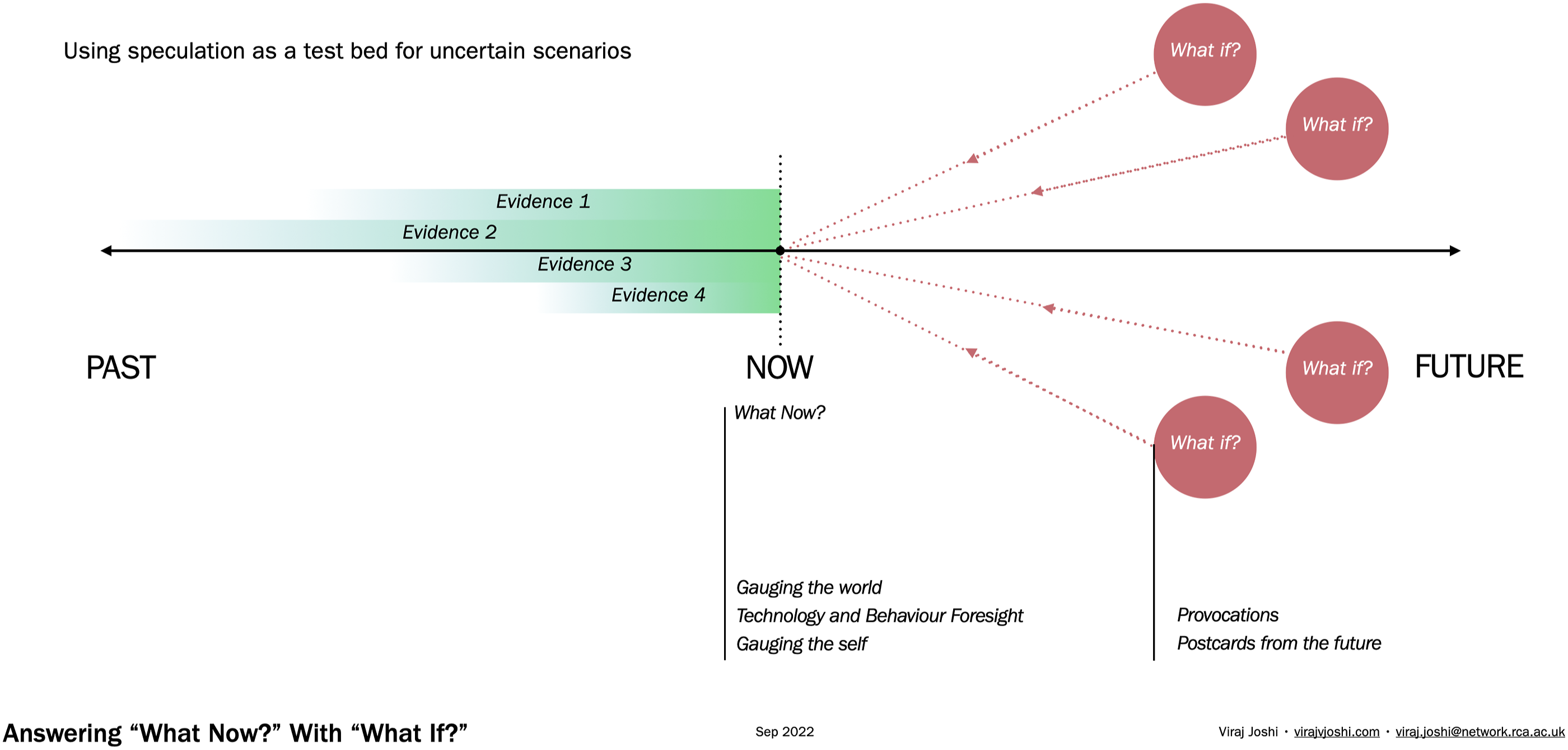
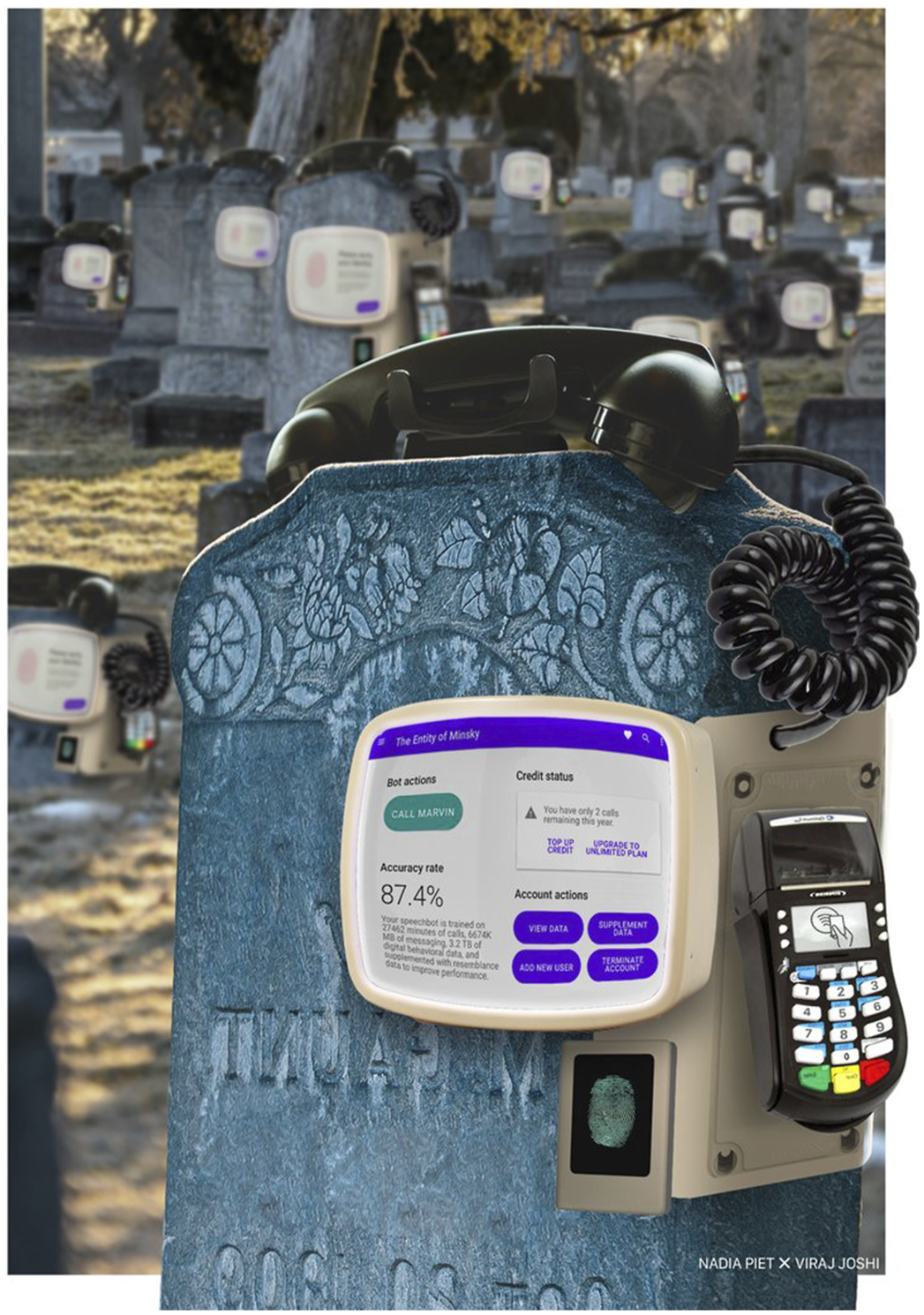
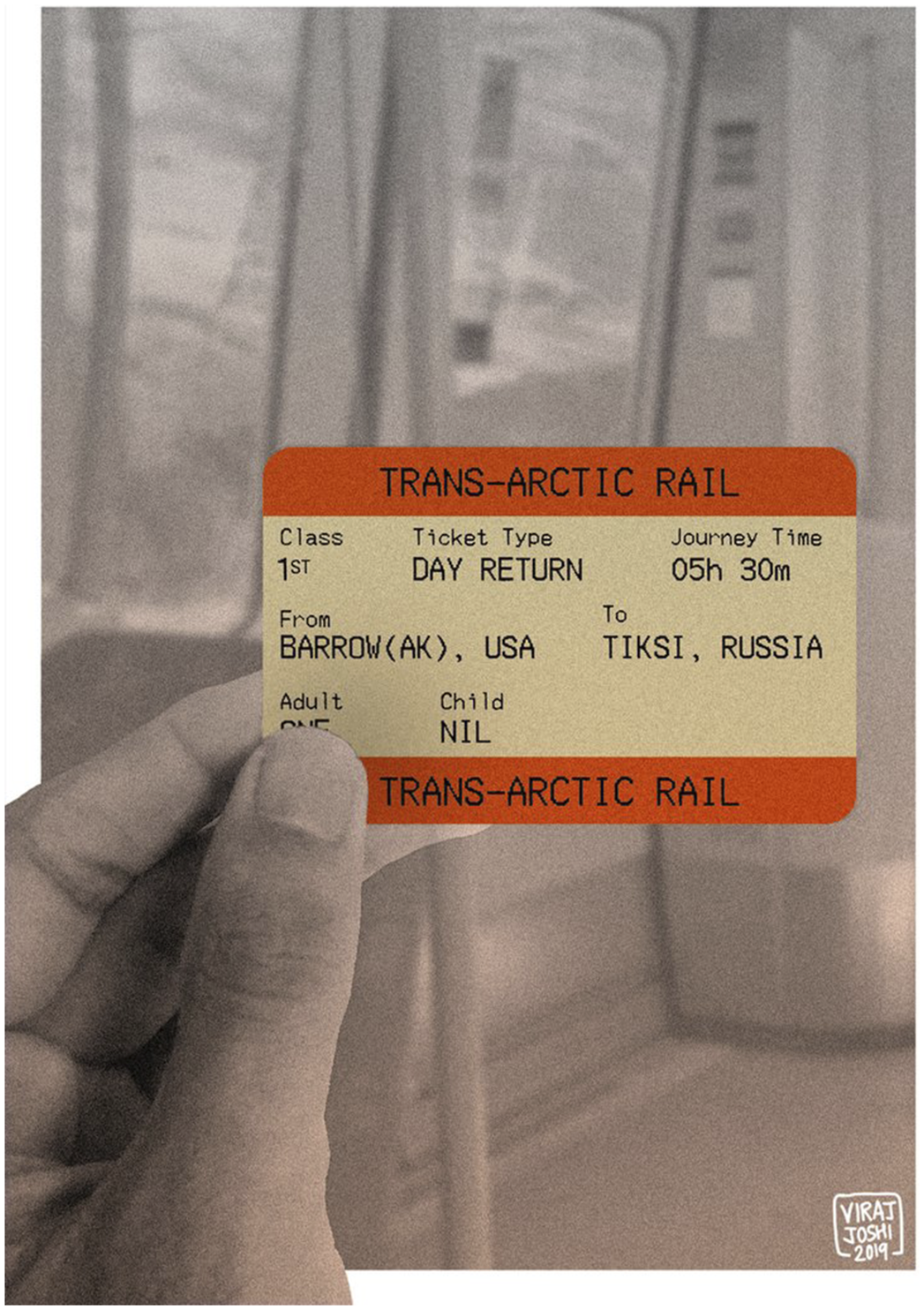
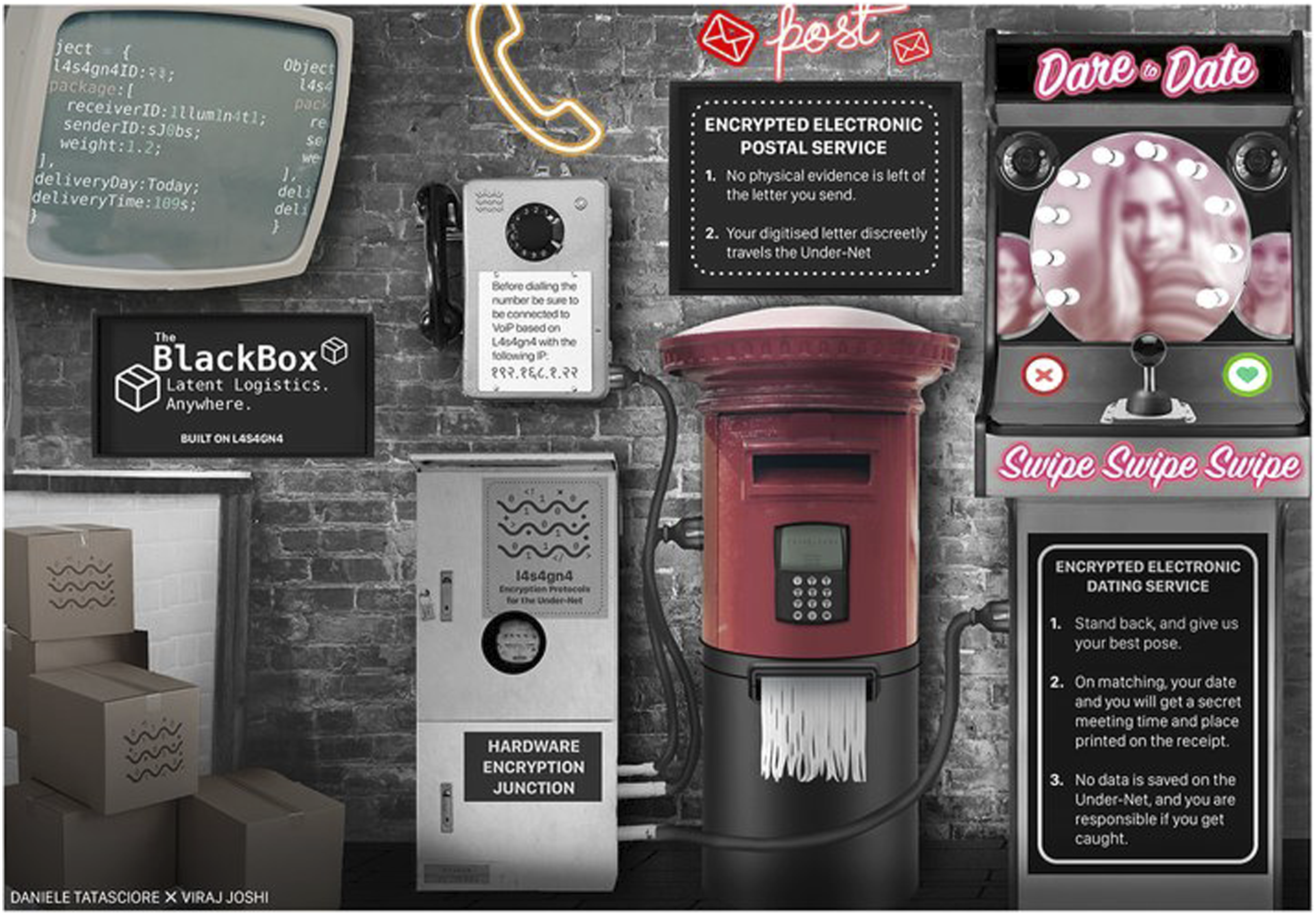
‘Deglitcher’ by Martín Perez Comisso and Viraj Joshi [02]. Postcards from the Future no. 33. When sources of truth are sanctioned and controlled by the state, deciphering the truth becomes the responsibility of buggy, malware-like niche software, all developed underground. The ‘deglitcher’ is a tool for those who dare to find decentralised, documented truths. With this device, someone can compare the observed information with ‘deep archives', to avoid being fooled by uncontrolled algorithms, deep fakes, or even the victorious stories of the government of the day. Answering ‘What Now?' with ‘What if?' by Viraj Joshi (http://virajvjoshi.com | http://virajvjoshi.medium.com) ‘Posthumous Conversations’ by Nadia Piet and Viraj Joshi [02]. Postcards from the Future no. 27. When computers apply the ability to imitate speech nuances, patterns, and behaviours by learning from a continuous stream of recorded text messages, emails, audio, and video media of a person to simulate the person himself, where is the line between a person and his digital double? Would corporations own this data, and charge us to speak with someone who we have lost? What might be the economic models they use to let us access those we love? Would policy be enough to regulate this and protect the mental health of the living, and the sanctity of the dead? What ethical principles must the wizards who produce these interactions stick to? ‘The Trans-Arctic Rail Ticket’ by Viraj Joshi [02]. Postcards from the Future no. 01. With climate change looming over us, most of the Arctic ice will melt by the year 2030. Countries around the Arctic Circle have already started talking about a new ‘Arctic Silk Route’ to make trading easier, cheaper, and faster. Profitability utopia/environmental dystopia. ‘Going underground for the free use of the internet’ by Daniele Tatasciore and Viraj Joshi [02]. Postcards from the Future no. 22. In a world where all of the internet is moderated and wardened, would the very act of speaking to someone, sending and receiving texts, and being oneself need discretion and cloaking from the system? Would underground, unlawful businesses become the new hubs for people to do everyday-internet-things?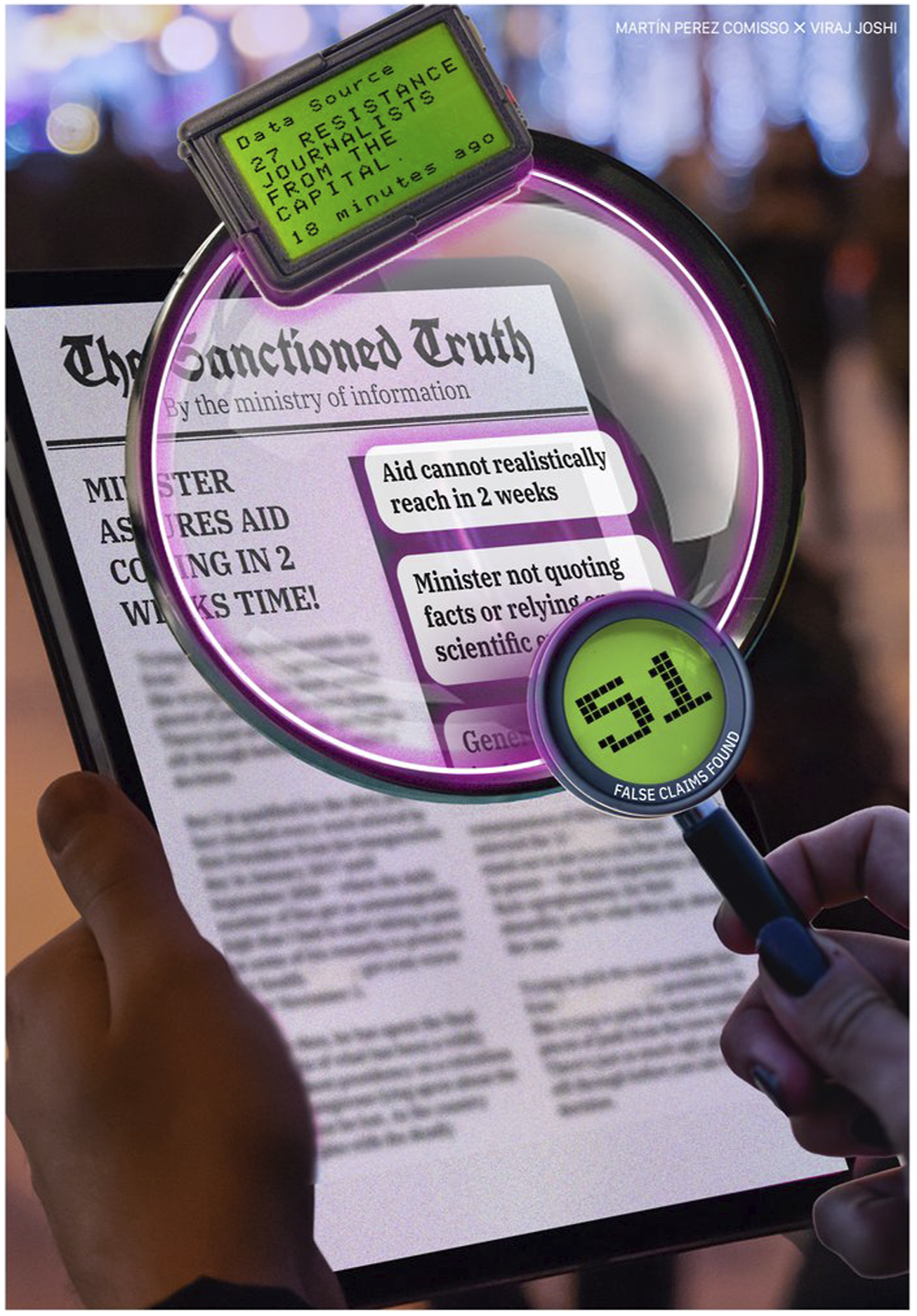
On Possibility
When grounded thoroughly in evidence, visions of the future can be most poignant and provocative. For creating the postcards, we looked at evidence around us and asked
In other words, we could very well use speculation as a test bed for uncertain scenarios. This can then be used to inform our own behaviour, to help us as individuals and professionals to head into a preferred future, or indeed away from an unfavourable one. In ‘Posthumous Conversations’, Nadia and I took the idea of big-tech owning our data farther, in order to make a tongue-and-cheek provocation.
On Potential
The
On Plurality
Investigations into alternate futures allow us to compare our situations with those that might soon come to be, and to think of things in a plural, intersectional sense. For example, whilst a great number of people are reaping benefits of an open, democratic internet, there are others under the shadows of a government-curated experience. This postcard brings to light this plurality.
Speculation is famously a provocative medium that allows us to start crucial conversations without explicitly referring to sensitive anecdotes. In an increasingly polarised and fragmented world, these images hope to spark empathy and promote a holistic, considerate discourse.
Footnotes
Declaration of Conflicting Interests
The author(s) declared no potential conflicts of interest with respect to the research, authorship, and/or publication of this article.
Funding
The author(s) received no financial support for the research, authorship, and/or publication of this article.
