



Abstract
Backgrouds
Chronic gastritis is a chronic inflammation of the gastric mucosa caused by various etiologies. Many studies in recent years have shown that certain Chinese medicines and their bioactive components possess potential therapeutic effects on chronic gastritis.
Methods
This review focused on promising medicine food homology species used in China for the prevention and management of chronic gastritis, and their bioactive ingredients and underlying mechanisms were summarized and discussed.
Results
Finally, flavonoids, saponins, terpenoids, alkaloids and polysaccharides were found to be effective in preventing and/ or managing chronic gastritis by combating Helicobacter pylori infection, reducing the inflammatory response and gastric mucosal irritation, and regulating the intestinal microbiota.
Conclusions
The review is valuable to future studies and the development of medicine food homology species for the management of chronic gastritis.
Keywords
Introduction
Chronic gastritis, a chronic inflammation of the gastric mucosa caused by various etiologies, ranks first among all types of gastric diseases. It is estimated that more than half of the global population suffers from this disease to some extent, suggesting that hundreds of millions of people worldwide might experience some form of chronic gastritis. 1 Usually, chronic gastritis may present no symptoms, but when symptoms do occur, they can include indigestion, loss of appetite, pain, and nausea. If gastritis persists for for a long time, it can lead to anemia or pernicious anemia, seriously reducing the quality of life. Moreover, it can even lead to gastric ulcers and increase the incidence of gastric cancer. Chronic gastritis can be classified according to the underlying causes, such as Helicobacter pylori (Hp) infection, bile reflux, long-term use of non-steroidal anti-inflammatory drugs (NSAIDs), ethanol ingestion, and other infections 2 (Figure 1).

The etiology and chronic complications of chronic gastritis.
It is generally acknowledged that Hp infection is the most prevalent cause of chronic active gastritis worldwide. And a small proportion of cases, typically inactive gastritis, are believed to be caused by chemical agents and autoimmune processes. 3 Drugs such as aluminum hydroxide, omeprazole, sucralfate, and some antibiotics are currently commonly used in the treatment of chronic gastritis. Their mechanisms mainly include neutralizing gastric acid, inhibiting gastric acid secretion by proton pump inhibitors (PPIs), protecting the gastric mucosa, and eliminating Hp.2,4 Although these drugs exhibit good therapeutic effects, their long-term usage might cause some adverse events, such as skin rash, muscle pain, nervous system reactions, and might even cause damage to other organs. 5
Traditional Chinese medicine (TCM) and its theories have been used extensively in healthcare and treatment of diseases for thousands of years in China. Several Chinese herbal formulae and herbs have been frequently prescribed to patients with gastrointestinal diseases. In recent years, an increasing number of researchers have delved deeply into the study of TCM. Compared to modern chemical drugs, TCM formulations can relatively safely enhance intestinal permeability, change the composition of intestinal microbes, improve gastric mucosal secretion, regulate gastrointestinal motility, and alleviate inflammation. 6 Besides, TCM often has fewer side effects.
Since ancient times, many Chinese herbal medicines have been used as food safely and effectively for a long time. The concept of “medicine and food homology” was mentioned in the Huang Di Nei Jing, “eating on an empty stomach as food and administering to the patient as medication”. The “homology of medicine and food” means that medicine and food originate from the same source, and both can be used to prevent and treat diseases. The difference between medicine and food is that the therapeutic effect of food is not as prominent and rapid as that of Chinese medicine, but food is relatively safer and can be used for a long time.7,8 For instance, in traditional Chinese culture, foods like ginger, garlic, and ginseng have been used for centuries not only as part of the daily diet but also for their medicinal properties to address various health issues. In terms of nutrition, they provide essential nutrients, vitamins, and minerals that support the body's normal physiological functions. Simultaneously, in the therapeutic aspect, they may possess properties such as anti-inflammatory, antioxidant, or immune-modulating effects, helping to prevent and treat diseases.This integration reflects a holistic approach to health, emphasizing the importance of maintaining balance and prevention rather than just treating diseases after they occur. Currently, there are 110 kinds of Chinese medicine belonging both medicine and food (CMMF, including those that are being piloted) and 113 kinds of Chinese medicines that can be used in health food (CMHF) in the catalogue of medicine food homology published by the National Health Commission of the People's Republic of China. CMMF refers to substances that can be used both as food ingredients and as medicinal substances in TCM. These substances like Sojae Semen Nigrum (Heidou), Caryophylli Flos (Dingxiang) are generally considered to have relatively mild properties and can be consumed regularly to maintain health and prevent diseases. CMHF are specific Chinese medicinal materials that are permitted to be used in the production of health food. These medicines are selected based on their known therapeutic effects and safety profiles. For instance, Ginseng and Astragalus are often used in health food products.
TCM views chronic gastritis as often caused by imbalances in the body, such as improper diet, emotional stress, and weakness of the spleen and stomach. CMMF and CMHF can be used to address these issues. For example, some CMMF substances like Dioscoreae Rhizoma (Yam/Shanyao) can tonify the spleen and stomach, improve digestion, and help restore the normal function of the digestive system. CMHF ingredients like astragalus can enhance the body's immune function and promote the healing of damaged gastric mucosa. Moreover, these substances are often used in combination in TCM prescriptions to achieve synergistic effects. By adjusting the overall balance of the body and targeting the specific causes of chronic gastritis, CMMF and CMHF offer a natural and holistic approach to treatment and prevention. Table 1 and Table 2 showed the CMMFs and CMHFs most related to the prevention and treatment of gastric diseases, and their main applications. The complete items of CMMFs and CMHFs related to gastric diseases were shown in Table S1 and Table S2.
CMMFs Most Related to Gastric Diseases.

CMHFs Most Related to Gastric Diseases.

The aim of this review is to preliminarily uncover the bioactive components of CMMFs and CMHFs and the underlying molecular mechanism for the management of chronic gastritis. This review provides valuable information for future research and development of medicine food homology species for the prevention and management of chronic gastritis.
Bioactive Ingredients of CMMF and CMHF Species for Treating Chronic Gastritis
The bioactive ingredients of CMMF and CMHF species for treating chronic gastritis were summarized, mainly including flavonoids, saponins, terpenoids, alkaloids, and polysaccharides.
Flavonoids
Flavonoids are a class of phenolic compounds widely distributed in plants. Over 8000 compounds with flavonoids structure have been identified, and several of them are the sources of the attractive colors in flowers, fruits and leaves. Flavonoids have high specific medicinal value. Many studies reveal that flavonoids possess anti-bacterial, anti-viral, anti-inflammatory and anti-oxidation effects. And they exert protective effects against various diseases such as cancer, cardiovascular disease and human immunodeficiency. 9 Besides, flavonoids also exhibit significant effects on gastric diseases. In addition to protecting gastric mucosa, flavonoids could assist in the healing of gastric ulcers. 10
Specifically, the kaempferol in Kaempferiae Rhizoma shows gastroprotective activity at doses of 50 and 100 mg/kg in mice model, but when the dose is increased to 250 mg/kg, it has no activity. 11 Rutin (50-200 mg/kg) has been reported to ameliorate gastric mucosal lesions in animal models and the mechanism might be closely associated with antioxidant activity.12–14 Quercetin, a kind of flavonol compound, was widely distributed in some medicine food homology species, such as Crataegi Fructus and Hippophae Fructus. A study investigated the effects of oral administration of quercetin on Hp-induced inflammation and lipid peroxidation in guinea pigs, and the results indicated that quercetin could reduce the infection rate of Hp and decrease the inflammation reaction and lipid peroxidation. 15 Some animal studies have shown that administration of 50–200 mg/kg of quercetin could protect the gastric mucosa and significantly reduce the severity of gastric ulcers. In which, quercetin with 50 mg/kg was proved to have antioxidant effect and can protect gastric mucosa against indomethacin-induced gastric ulceration than famotidine.16–18 A clinical studie has proved that total flavonoids of Glycyrrhiza uralensis (10 g /dose, 3 times/day, orally, with 14 days) could improve the clinical symptoms of patients with chronic superficial gastritis. 19 The evidences imply that flavonoids could be used to treat chronic gastritis. The structural diagrams of some flavonoids for treating chronic gastritis in CMMF and CMHF species were shown in Figure 2.
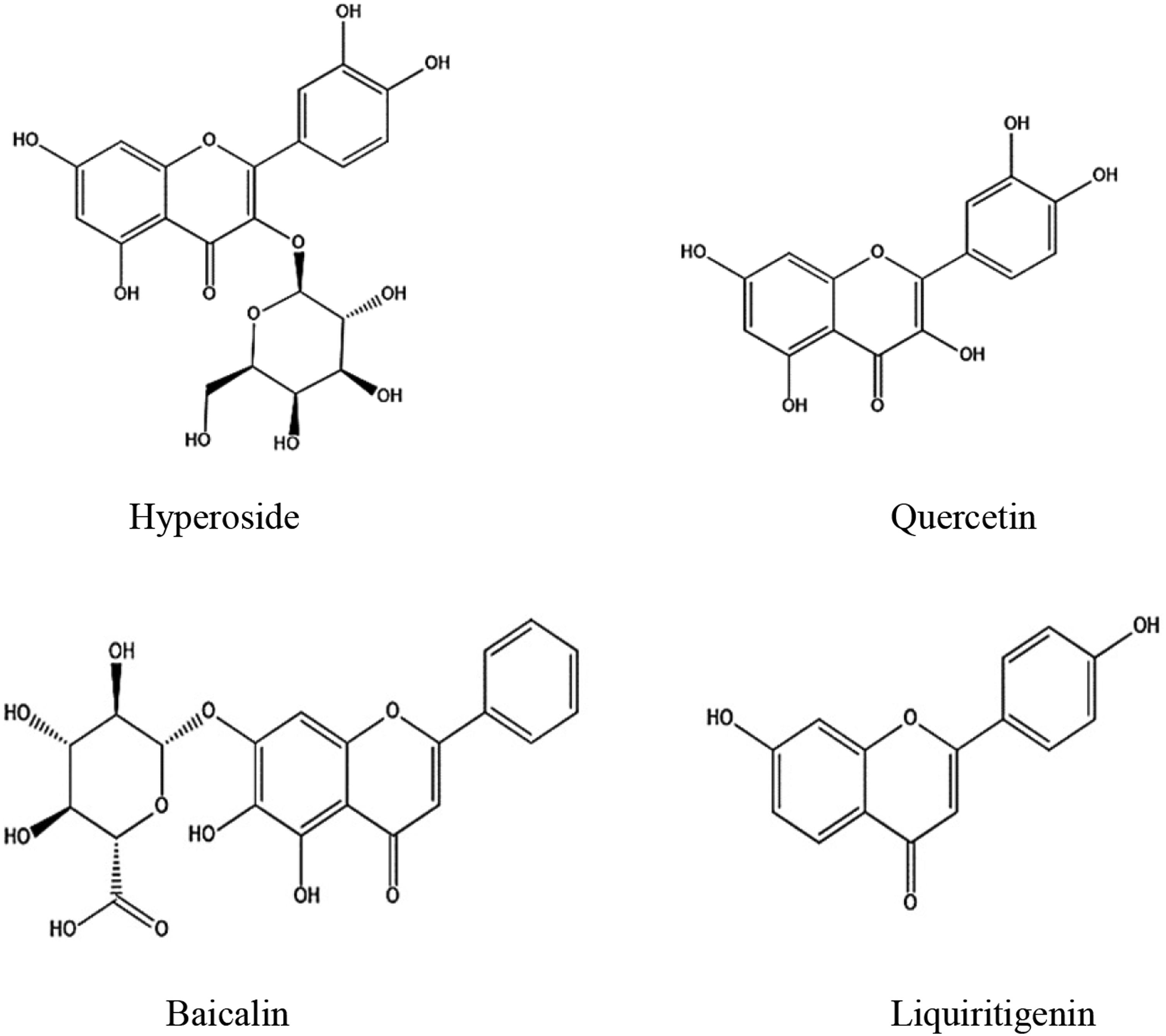
The structural diagrams of some flavonoids exhibiting significant effects on chronic gastritis.
Saponins
Saponins are glycoside compounds whose aglycones are triterpenoids or spirostanes, which are mainly distributed in terrestrial higher plants and a small amount in marine organisms such as starfish and sea cucumber. Many Chinese herbal medicines also contain saponins. 20 In recent years, saponins have shown various effects such as anti-cancer, regulation of immune function, lowering of serum cholesterol levels, prevention of cardiovascular disease, anti-bacterial, anti-viral, liver protection and weight loss. Some structures of saponins for treating chronic gastritis in CMMF and CMHF species were summarized in Figure 3.

The structural configuration of certain saponins for reducing gastric mucosal inflammation.
Some studies have shown that saponins could reduce the inflammatory response of gastric mucosa, lower gastric acid, combat Hp and protect gastric mucosa. It has been reported that ginsenoside Rg1 and ginsenoside Rh2 extracted from Ginseng Radix et Rhizoma, and astragaloside I in Astragali Radix (AR) have the effect of reducing gastric mucosal inflammation. Jeong et al demonstrated that 70% ethanol extract of AR has a strong acid neutralizing ability and partial cytotoxicity against Hp and human gastric cancer cells, and Astragaloside I isolated from AR significantly inhibited HCl/ethanol-induced gastric lesions. 21 Zhang QX et al found that Panax quinquefolius saponin (162 mg/kg) has a certain repairing effect on gastric mucosal injury caused by dual antiplatelet drugs, and the mechanism may be related to antioxidation and anti-inflammation. 22 Panax ginseng total saponin (75-300 mg/kg) from Notoginseng Radix et Rhizoma has been demonstrated that it could significantly improved typical gastric precancerous lesion lesions in mice, such as incomplete intestinal epithelialization and heteroplasia. 23 These results suggest that AR may be a good candidate for the prevention or treatment of gastritis. The study by Zhang SY et al 24 proved that the combination of Ginseng Radix et Rhizoma and Atractylodis Macrocephalae Rhizoma could treat chronic atrophic gastritis by regulating the intestinal flora.
Terpenoids
Terpenoids are a class of compounds widely present in plants, which are linked in a variety of ways by isoprenes or isopentanes. Terpenoids can be divided into monoterpenes, sesquiterpenes, diterpenes and triterpenes, and different structures have different pharmacological activities. Terpenoids are widely used in pharmaceuticals, food and cosmetics as raw materials, in addition to their involvement in physiological processes such as plant growth and development and environmental response. Besides, terpenoids have been found to have anti-tumor, anti-inflammatory, antibacterial, antiviral, antimalarial effects, as well as the effects of promoting percutaneous absorption of drugs, preventing cardiovascular disease and lowering blood glucose. 25 Figure 4 listed the structural formulas of terpenoids for treating chronic gastritis in CMMF and CMHF species.
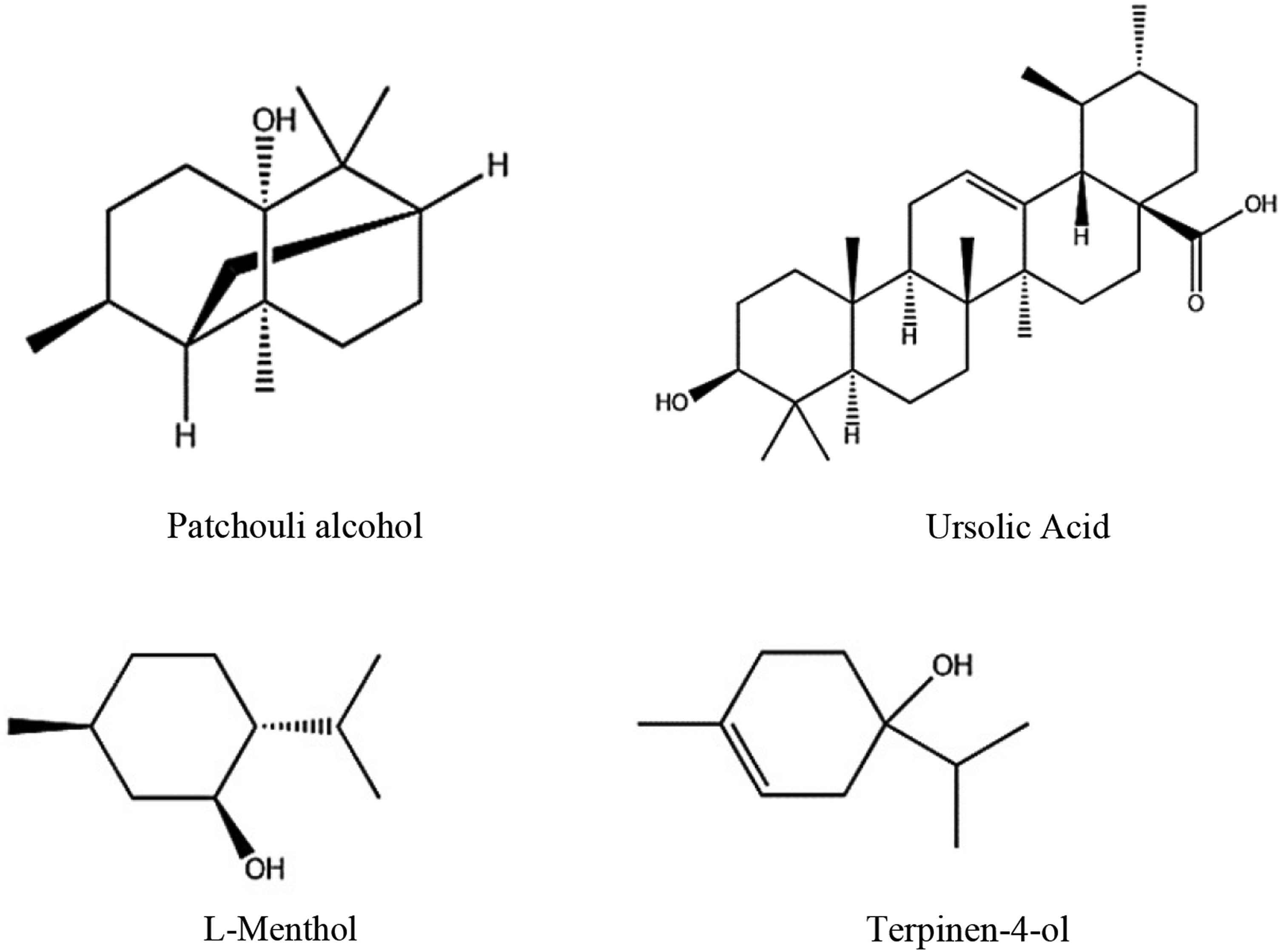
The structural formulas of terpenoids for treating chronic gastritis in CMMF and CMHF species.
Studies have shown that terpenoids have antibacterial activity and are effective in fighting Hp infection, in addition to the effects of gastric mucosal protection, anti-gastric damage and anti-gastric cancer, which suggest that terpenoids may be effective in chronic gastritis. 26 Patchouli alcohol (PA), the major active ingredient of Pogostemonis Herba, has been reported to have anti-Hp and gastroprotective effects. PA significantly inhibited the adhesion, motility, ultrastructure and flagella of Hp. 27
Zheng YF et al 28 found that PA (10, 20 and 40 mg/kg) counld significantly decreased ethanol-induced gastric ulcer area in rats. However, only when the administration dose of PA was 10 mg/kg, it resulted in a significant reduction in ulcer area. Yuan et al found that atractylenolide I with 25 and 50 mg/kg could alleviates indomethacin-induced gastric ulcers in rats by inhibiting NLRP3 inflammasome activation. 29
Alkaloids
Alkaloids are a class of nitrogen-containing organic compounds mainly found in nature, which represent a wide variety of chemical structures. Scholars have found that alkaloids have a variety of pharmacological activities, mainly including anti-tumor, anti-inflammatory, analgesic, antibacterial, antiviral effects, as well as acting on the cardiovascular system, and being used as pesticides. Alkaloids have also been found to antagonize the Hp and have a therapeutic effect on bile reflux gastritis. 30 In addition, alkaloids can also protect the gastric mucosa and reduce gastric mucosal inflammation.31,32 The structure of alkaloids from CMMF and CMHF species in treating chronic gastritis were shown in Figure 5.

The structure of some alkaloids for protecting gastric injury and alleviating pain.
Alkaloids are the earliest chemical compounds isolated from Dendrobium genus. Alkaloids from Dendrobii Caulis present the effects of protecting gastric injury and alleviating pain from stomach ulcers. 33 Piperine is the main alkaloid in black pepper. Bai YF et al demonstrated that piperine with 25, 50, 100 mg/kg i.g. protected animals from gastric ulceration in a dose-dependent manner. 34 6-gingerol is richly contained in Zingiberis Rhizoma Recens and it showed anti-ulcerogenic effect against rthanol/Hcl-induced gastric ulcers in rats. 35 Clinically, Dendrobii Caulis, Paeoniae Radix Alba, Ophiopogonis Radix and Glehniae Radix are often combined for the treatment of chronic atrophic gastritis.36,37
Polysaccharides
Polysaccharides are high molecular polymers composed of 10 or more monosaccharide molecules linked by glycosidic bonds. Most polysaccharides with medicinal effects in TCM are distributed in organisms such as fungi and algae. 38 Polysaccharides have various significantly biological activities, such as anti-inflammatory, anti-tumor, immunomodulatory, antioxidant, and hypoglycemic effects. Some studies have shown that polysaccharides have effects on gastritis, such as repairing gastric mucosal damage and reducing inflammation. Some plant polysaccharides with auxiliary protective effects on gastric mucosa, such as astragalus polysaccharides (APS), have protective immune responses against Hp. 39 The polysaccharides from CMMFs and CMHFs for the treatment of chronic gastritis were shown in Figure 6.

The structure of certein polysaccharides for ameliorating the injury and inflammation of gastric mucosa.
It has been reported that APS is capable of ameliorating the injury and inflammation of gastric mucosa. Tang et al found that APS with 20, 40, 60 mg/kg could inhibit apoptosis and inflammation to alleviate chronic atrophic gastritis through NF-kappa B signaling pathway in rats. 40 It was also found that polysaccharides with 100 mg/kg and 300 mg/kg from Dendrobium nobile have pharmacologic effects on gastritis infection.41,42 Ye et al found that a crude extract from Angelica sinensis (ASCE), which mainly consisted of polysaccharides, significantly promoted the migration and proliferation of normal gastric epithelial cells and promoted ulcer healing. 43
Others
In addition to the aforementioned bioactive components (flavonoids, saponins, terpenoids, alkaloids, polysaccharides), other components extracted from CMMFs and CMHFs also present therapeutic effects on chronic gastritis. The active compounds for treating chronic gastritis in CMMF and CMHF species were shown in Figure 7.

Other active compounds for treating chronic gastritis from CMMF and CMHF species.
Some studies have shown that anthraquinone derivatives, such as aloe-emodin from Aloe vera, and Polygonum are effective in preventing gastritis and gastric cancer. 44 Wang et al investigated the mechanism underlying the protective effects of ginger against gastric damage induced by aspirin in rats, and the results found that ginger powder (200 mg/kg), 6-gingerol and 6-shogaol could reduce aspirin induced ulcer formation, mucosal iNOS and plasma TNF- and IL-1 levels. 45
Mechanisms of Treating Chronic Gastritis with CMMF and CMHF Species
The etiology and pathogenesis of chronic gastritis are multifactorial. The mechanisms of treating chronic gastritis with CMMF and CMHF species were analyzed in the following sections.
Anti-Hp Infection and Reducing Inflammatory Response
Hp is a spiral-shaped, gram-negative bacterium that can cause chronic gastritis, peptic ulcer disease and even gastric cancer in humans. Hp infection adheres to the host's gastric epithelium and induces a pro-inflammatory immune response through a variety of virulence factors. These inflammatory immune responses can affect the viability of host cells and produce excessive gastric acid, further leading to ulcers or atrophy and malignant growth of the gastric mucosa.
Currently, the clinical management against Hp are antibiotics and proton pump inhibitors, but there are certain limitations. Besides, the use of antibiotics also has problems such as bacterial resistance. 46 Therefore, an increasing number of researchers seek to use Chinese herbal medicine to combat Hp. Studies have found that many CMMF and CMHF species have antibacterial activity. 47 Curcumin, resveratrol and quercetin were found to exhibit antibacterial properties against Hp in vivo, and they have the ability to reduce the inflammatory response caused by Hp.48,49 Quercetin was found to modify Hp apoptosis in gastric epithelial cells, and had the effect of reducing inflammation in the gastric mucosa. 50 Curcumin extracted from Curcumae Longae Rhizoma, attenuated mRNA expression of the Hp virulence genes cagE and cagF in a dose-dependent manner and inhibited translocation and phosphorylation of CagA in gastric epithelial cells. Hp strains isolated from dietary curcumin-treated mice showed an attenuated ability to induce cSrc phosphorylation and the mRNA expression of the gene encoding for IL-8, suggesting long-lasting effects of curcumin on the virulence of Hp. 51 In rats infected with Hp, curcumin inhibited nuclear factor (NF)-κB p65 expression and macromolecular leakage, thereby lowering the inflammatory response. 52 Resveratrol and quercetin extracted from licorice and cinnamon both exhibited significant anti-Hp activity in vivo. 48
Reducing Gastric Mucosal Injury
Gastric mucosal injury is another crucial risk factor for chronic gastritis. Various factors can cause gastric mucosal injury, such as ethanol, NSAIDs, and so forth. Studies have indicated that the administration of NSAIDs, like aspirin, typically leads to gastric injury and gastric ulcers, which exert a detrimental effect on gastric mucosal cells, thereby causing the development of gastritis. 53 Gastric irritation may lead to disruption of gastrointestinal hormones, gastric acid, and mucus secretion in the gastric mucosa, further affecting the peristalsis and contraction of the gastrointestinal tract, reducing blood flow to the gastric mucosa, leading to hypoperfusion of microcirculation and weakened defense mechanisms, and consequently damaging the gastric mucosa. Regarding gastric mucosal injury, the treatments mainly include promoting gastric mucosal healing or preventing gastric mucosal injury. A variety of bioactive compounds in CMMF and CMHF species have the effect of repairing gastric mucosal damage, and usually have minimal stimulatory effect on the gastric mucosa itself, which is one of the important reasons why they can be used to treat chronic gastritis.
It has been found that quercetin from Crataegi Fructus and Hippophae Fructus, and curcumin from Curcumae Longae Rhizoma have protective and anti-injury effects on the gastric mucosa.54,55 Quercetin has an antioxidant effect and can reduce gastric acid secretion, as well as repair the gastric mucosa and damaged cells. 18 In addition, curcumin has a preventive effect on gastric mucosal inflammation and gastric cancer. Chrysanthemum leaf extracts can alleviate gastric mucosal irritation and gastric mucosal lesions by reducing gastric acid secretion and total gastric acid content, thereby reducing the gastric inflammatory response. 56
Regulation of the Intestinal Microbiota
In addition to Hp infection and the use of NSAIDs, an imbalance in the gut microbiota may also contribute to chronic gastritis. The stomach has long been considered as a sterile organ unsuitable for the development of microbiota. However, the discovery of Hp has overturned this concept, and the advancement of molecular techniques has resulted in the identification of multiple several bacteria in the stomach. According to some research data, the occurrence and progression of gastric disease may be significantly influenced by the gastric microbiota. Studies have shown that only a few bacteria in the gastrointestinal tract, such as bacilli and streptococcus, can cause inflammation and even cancer, while the vast majority of gastrointestinal probiotics have a protective effect on the gastric mucosa and can reduce the possibility of gastrointestinal lesions. 57
CMMF and CMHF species and their bioactive compounds have a regulatory effect on the intestinal flora. Studies have shown that the polysaccharides in Ganoderma help maintain the balance of the gut flora. 58 Polysaccharides extracted from Portulacae Herba have the ability to control intestinal flora, promote the development of probiotics, and prevent the growth of harmful bacteria. 59 Curcumin, isolated from Curcumae Longae Rhizoma, and its metabolites affect the microbiota in the gastrointestinal tract and play a regulatory role on the microbiota in the stomach. In addition, there is also an interaction between curcumin and the microbiota, forming a strong connection, which is crucial for the activity of curcumin and the microbiota and the regulation of the gastrointestinal tract. 60
The relationship diagram of the bioactive components of CMMFs and CMHFs and the underlying molecular mechanism for preventing and treating chronic gastritis was shown in Figure 8.
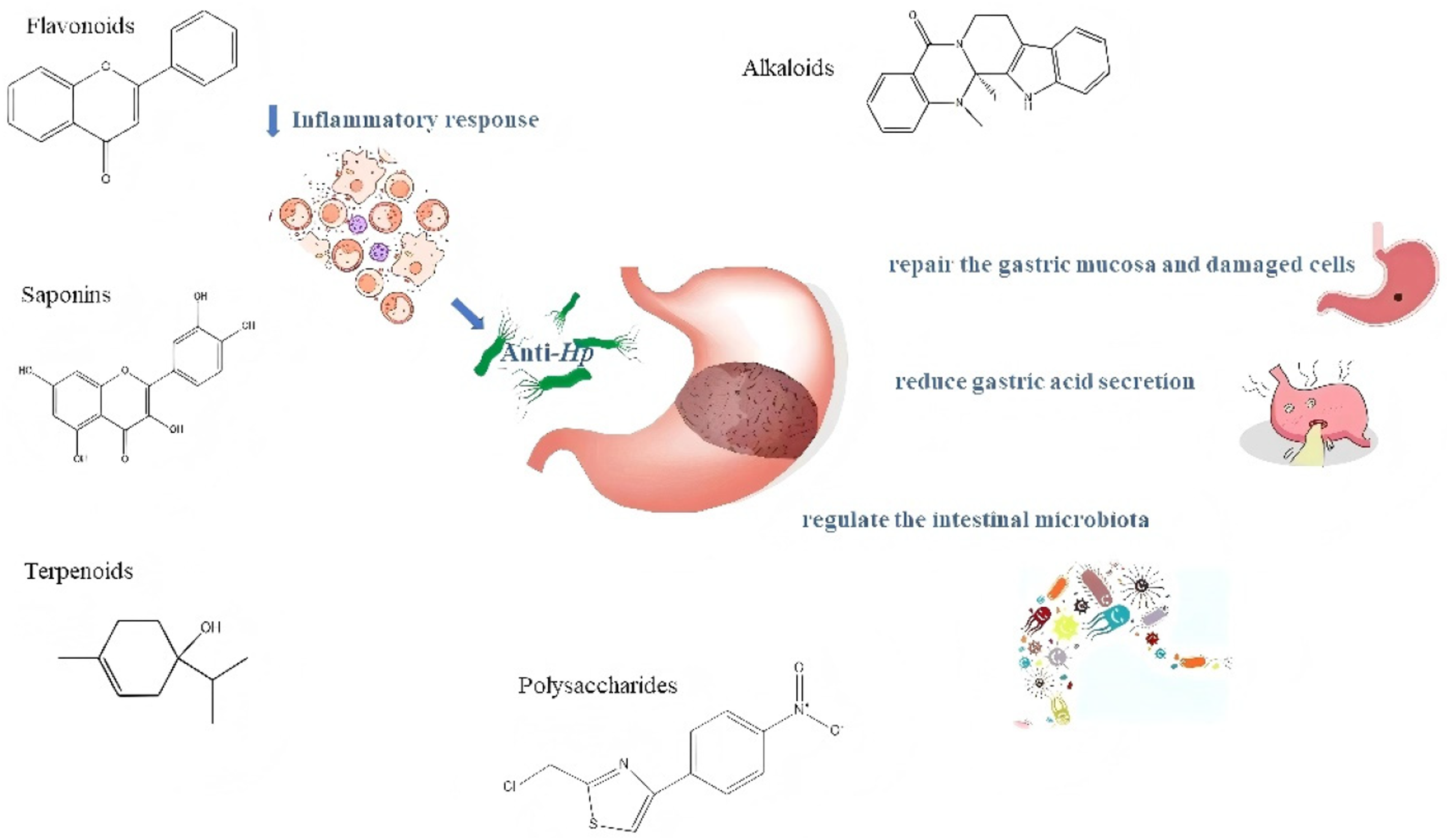
The relationship of the bioactive components of CMMFs and CMHFs and the underlying molecular mechanism for preventing and treating chronic gastritis.
Discussions
CMMF and CMHF species offer a natural and gentle approach to maintaining health and preventing diseases. These ingredients often contain essential nutrients, bioactive compounds, and antioxidants that contribute to overall well-being. They are generally well-tolerated and have fewer side effects compared to synthetic drugs. Incorporating them into the diet can be a preventive measure, reducing the risk of various chronic conditions such as cardiovascular diseases, diabetes, and certain cancers. Moreover, they are accessible and relatively affordable, making them suitable for widespread use.
However, there are also some limitations in their broader adoption for therapeutic use. The efficacy of these ingredients may vary depending on factors such as the quality and source of the ingredients, as well as individual differences in metabolism and physiology. Therefore, more research is needed to establish clear guidelines and protocols for their use in treating specific diseases.
The above-mentioned studies indicate that CMMF and CMHF species have notable preventive and therapeutic effects on chronic gastritis. Chronic gastritis, being a chronic disease, might bring many inconveniences to our daily life. The pathogenesis of chronic gastritis is associated with multiple factors. The long-term utilization of drugs employed for treating gastritis, such as antibiotics and proton pump inhibitors, may have issues like drug resistance and gastrointestinal irritation. Nevertheless, natural plant-based drugs have many advantages, such as fewer side effects, higher safety and reliability. In recent years, CMMF and CMHF species have received increasing attention and it is more acceptable to study CMMF and CMHF species for the prevention and treatment of chronic gastritis.
CMMF and CMHF species contain many natural active ingredients, such as flavonoids, saponins, terpenoids, alkaloids and polysaccharides, which exhibit anti-inflammatory, antibacterial, and gastric protection effects. In the treatment of chronic gastritis, CMMF and CMHF species and their bioactive compounds exhibit the effects of anti-Hp, reducing and eliminating related inflammatory response, reducing and repairing gastric mucosal damage, and regulating gastrointestinal flora. The active doses of CMMF and CMHF species employed in these animal experiments were converted in accordance with the dosages for humans. Hp is one of the most common causes of gastritis. The research results found that the alkaloids, flavonoids and polyphenols in CMMF and CMHF species could effectively resist Hp. These indicate that CMMF and CMHF species and their bioactive compounds have great potential in the prevention and treatment of chronic gastritis, and also helps to lay the foundation for the development of drugs for chronic gastritis. In addition to the role in preventing and treating chronic gastritis, these compounds also have extensive pharmacological activities, such as antioxidation, anti-cancer, and anti-aging (Figure 9).
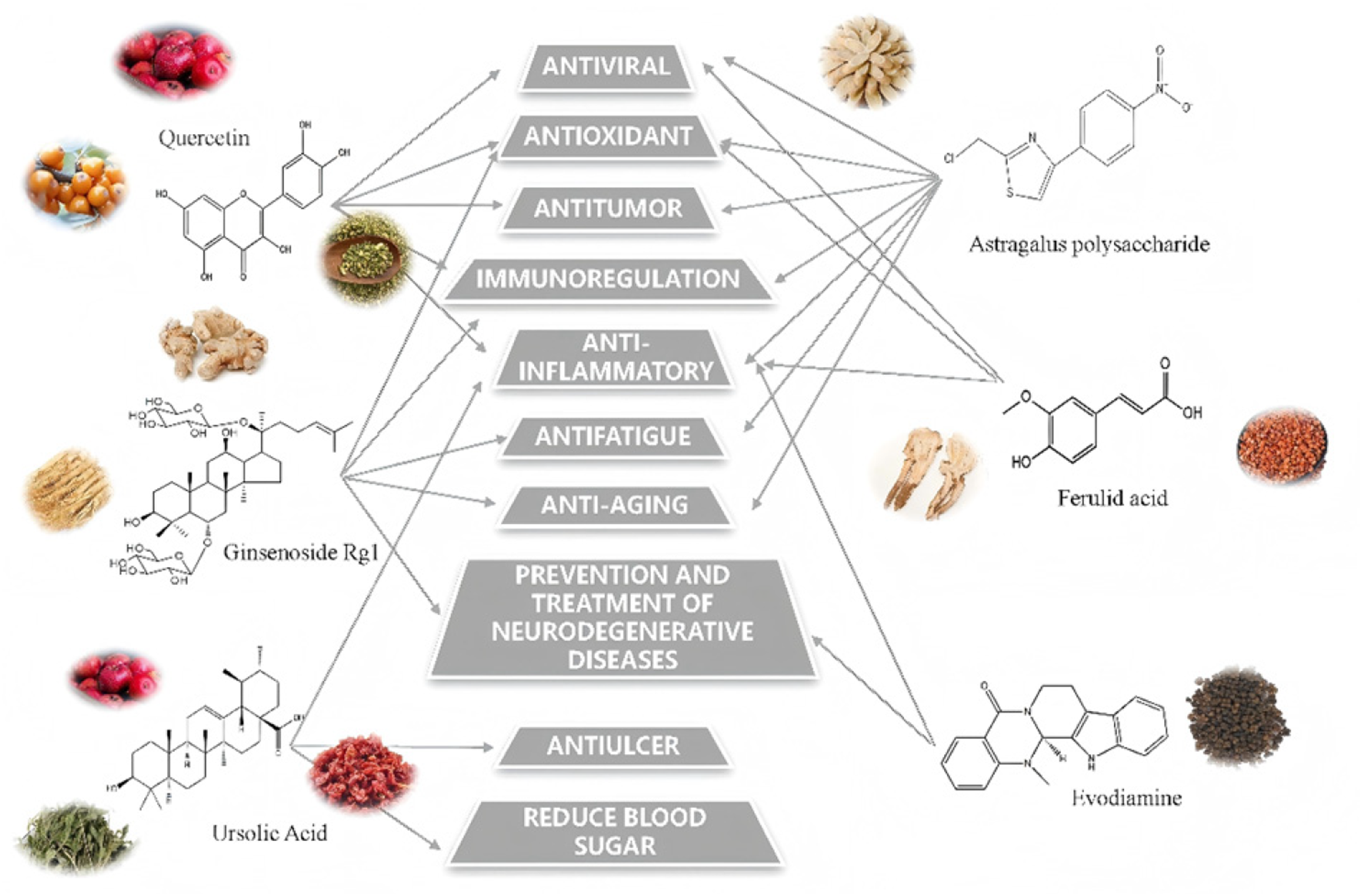
The pharmacological activities of some common compounds from CMMF and CMHF species.
Although modern pharmacology has conducted research and provided explanations for these traditional practices, the combination of the two still faces many challenges. This is mainly due to the significant differences between the two in terms of concepts, methods and evaluation criteria. In terms of standardization, factors such as the source of medicinal materials, growing conditions and processing techniques all have an impact on their quality and efficacy. Furthermore, the doses in traditional usage are usually determined based on experience and lack precise data based on scientific research. In addition, when using modern pharmacological research methods to evaluate the efficacy and safety of CMMF and CMHF species, some difficulties may be encountered. For example, the components of CMMF and CMHF species are complex, and its mechanism of action may be multi-target and multi-pathway, which undoubtedly increases the complexity of research. Therefore, when applying CMMF and CMHF species to the prevention and treatment of gastritis, solving problems such as standardization and dose is a key challenge to achieve the combination of tradition and modernity, which requires gradual overcoming through interdisciplinary research and cooperation.
Additionally, the findings from this review can have several applications in clinical settings. Practitioners can consider incorporating these CMMFs into dietary recommendations for patients with gastritis. For example, recommending certain foods like lotus seeds or Chinese yam, which have been shown in TCM to have properties that soothe the stomach and regulate its functions, could be part of a comprehensive treatment plan. In terms of integration with conventional treatments, it is recommended that practitioners have a basic understanding of TCM principles and the properties of these medicinal and food homologous substances. They can collaborate with TCM experts or refer patients to TCM practitioners when appropriate to ensure a well-coordinated and holistic treatment approach. It is worth noting that in contrast to drugs, food has a relatively mild nature. Therefore, long-term and consistent consumption is necessary to achieve certain effects.
Conclusion
In conclusion, overcoming barriers to medication adherence for chronic diseases is an important and challenging task that requires more discoveries and explorations in basic and clinical research. CMMF and CMHF species are renewable resources, which are expected to be developed into more new drugs or nutritional products for the prevention and treatment of chronic gastritis.
Supplemental Material
sj-docx-1-npx-10.1177_1934578X251315061 - Supplemental material for Role of Bioactive Ingredients from Medicine Food Homology Species in the Regulation of Chronic Gastritis
Supplemental material, sj-docx-1-npx-10.1177_1934578X251315061 for Role of Bioactive Ingredients from Medicine Food Homology Species in the Regulation of Chronic Gastritis by Yan Danxi, Zhuang Likai, Deng Bohui, Qiu Xiaorou, Zeng Ziyun, Zhang Yuxuan and You Jieshu in Natural Product Communications
Footnotes
Acknowledgements
The investigators thank Wen Shuyi and Liu Zhang for their assistance in the optimization of figures.
Authors’ Contributions
Conceptualization: Yan Danxi, Zhuang LK, You JS.
Data collection: Yan Danxi, Zhuang LK, You JS.
Analysis and interpretation of the data: Yan Danxi, Zhuang LK, Zeng ZY, Qiu XR, Zhang YX.
Investigation: Yan Danxi, Zhuang LK, Deng BH.
Methodology: Yan Danxi, Zhuang LK.
Project administration: You JS.
Writing-review & editing: Yan Danxi, Zhuang LK, Deng BH, Zeng ZY, Qiu XR, Zhang YX.
Availability of Data and Materials
All data generated or analyzed during this study are included in this published article [and its supplementary information files].
Declaration of Conflicting Interests
The authors declared no potential conflicts of interest with respect to the research, authorship, and/or publication of this article.
Ethical Statement
This article does not contain any studies with human or animal participants.
Funding
The authors disclosed receipt of the following financial support for the research, authorship, and/or publication of this article: This work was supported by the the Natural Science Foundation of Top Talent of SZTU, (grant number GDRC202123).
Supplemental Material
Supplemental material for this article is available online.

References
Supplementary Material
Please find the following supplemental material available below.
For Open Access articles published under a Creative Commons License, all supplemental material carries the same license as the article it is associated with.
For non-Open Access articles published, all supplemental material carries a non-exclusive license, and permission requests for re-use of supplemental material or any part of supplemental material shall be sent directly to the copyright owner as specified in the copyright notice associated with the article.
