



Abstract
The latest ILO 2023 resolution on informal economy statistics endorses the use of data integration from labour force surveys and administrative records to measure informal employment. This article presents an approach to measuring informal employment in Spain that follows these guidelines. It stems from a microdata-level coherence study between the Spanish Labour Force Survey (EPA) and Social Security affiliation records. By analysing discrepancies and aligning definitions, the study estimates the informal employment rate and provides a detailed examination of the characteristics of informal workers, contributing to more effective labour market policies and better understanding of informal employment dynamics in Spain.
Keywords
Introduction
Tools for measuring informal employment
The 2023 ILO resolution on the informal economy marks the culmination of more than 30 years of international efforts aimed at establishing common guidelines for defining and measuring informal economic activities. This resolution introduces a comprehensive and coherent framework, providing clear operational criteria for identifying informal activities. Crucially, it extends the applicability of these definitions beyond countries where the informal economy is widespread and socially accepted, highlighting their relevance for developed countries as well.
In developed economies, where the informal economy is less visible but still present, directly measuring it through traditional statistical methods can be challenging. Surveys targeting informal employment often require individuals to acknowledge participation in irregular activities, which may lead to biases. However, by focusing on the concept of formal employment, the resolution encourages the use of available administrative records. These records, typically of high quality, can be combined with survey data to indirectly estimate informal employment. This dual approach provides a robust methodological tool for improving the measurement of informal work, enhancing international comparability, and supporting the development of more effective policies.
Measuring informal employment in Spain
The informal economy involves economic activities that are not regulated by registration systems, complicating their precise measurement and, therefore, making it difficult to include them in the official Gross Domestic Product (GDP) calculations. Informal workers may include unregistered self-employed individuals, undeclared employment in small businesses, temporary workers without official contracts, among other situations.
In this document, we present an approach to measure informal employment in Spain based on a study conducted in 2016. 1 The main objective of this study was to analyse the coherence of results between the two main sources of information related to the labour market: the Spanish Labour Force Survey (EPA, its acronym in Spanish) and the Social Security Affiliation Statistics. 2 This analysis, which did not aim to measure informal employment, provides a very robust approximation to measuring the group of people completely involved in informal productive activities, i.e., workers with informal employment in the informal sector according to the 2023 resolution.3–5
Indeed, the 2023 resolution provides a comprehensive methodological framework to consider the residual employment obtained from surveys, which is not found in the affiliation register, as an estimate of the informal economy. However, there remains the need to analyse the part of the informal economy carried out by workers with formal relationships, but whose working time is not fully formalised. This phenomenon is much more complex to analyse and requires the use of alternative statistical models and techniques to evaluate which part of the working time is formal/informal in each employment relationship. This analysis is crucial for developing a more complete understanding of the informal economy and its impact on the labour market and social policy in Spain. To achieve this, it is necessary to delve deeper into the content of the variables available in the registry sources and collaborate closely with the National Accounts units responsible for applying the guidelines of the System of National Accounts to share methods assessing time work declared in different source (surveys vs, available registers).
Reconciliation exercise between EPA and social security affiliation in Spain
Description of data sources
The employment information sources used in the 2016 report include the Spanish Labour Force Survey (EPA) and the Social Security Affiliation Register. The EPA, included in the national statistical plans, 6 is compiled quarterly by the National Statistics Institute (INE), providing a detailed view of the labour situation of the population. It is the main source of harmonized labour data in Spain and offers data collected through surveys following ILO definitions.
In Spain, there is another official statistic, included in the national statistical plans 6 and compiled by the current Ministry of Inclusion, Social Security, and Migration, which gathers information on Social Security affiliates. 7 This statistic collects administrative data on Social Security affiliations, including information on the type of affiliation, sector of activity, and demographic characteristics of the affiliates. This data source covers all workers registered in the Spanish Social Security system, excluding those in other social protection systems such as mutual societies for civil servants and other professional mutual societies. Notably, although all newly hired civil servants have been included in the affiliation register since 2013, not all long-serving civil servants are covered. The affiliation register also does not fully cover specific professions whose social protection may be provided by professional mutual societies (architects, lawyers, etc.). Affiliation data collection is conducted and updated continuously, systematically producing statistical results on a monthly basis.
On the other hand, the EPA 8 aims to understand the economic activity related to the human component, providing data on employment, unemployment, and other labour characteristics. The EPA covers the entire national territory and targets the population residing in main family dwellings, excluding collective households and secondary dwellings. This continuous survey is conducted through homogeneous interviews throughout the 52 weeks of the year. In Spain, this operation is carried out using a two-stage sampling method with stratification in the first-stage units for each province, where the first-stage units are census sections, and the second-stage units are main family dwellings. 9 Under the ILO definitions observed by the EPA, the coverage of various employment-related situations is comprehensive.
To arrive at a plausible estimate of those employed in informal jobs, it is necessary to consider the specific characteristics mentioned of the administrative register. In Spain's case, in particular, we must take into account the existence of workers not included in the Social Security Affiliation Register because they belong to other social protection systems, such as mutual societies for civil servants or other professional mutual societies. Additionally, the study reveals specific demographic and labour patterns among those not found in the affiliation records, such as differences in age, gender, and employment sector.
Data integration process
This analysis was conducted using the microdata files from the second quarter of 2016 EPA as the initial population scope, meaning the population residing in main family dwellings. The study analyses the coherence between the concept of being employed in the EPA, obtained from interview responses, and the Social Security affiliation records of those same individuals (i.e., the coherence is analysed in terms of microdata). The EPA weighting factor allows for the provision of estimates for the involved groups.
Several elements come into play when calculating EPA estimates. The survey results are obtained through personal or telephone interviews, allowing information about some household members to be provided by another qualified household member (proxy interview). Additionally, in 2016, for households not interviewed in the current quarter but with information available from the previous quarter, the non-response was handled by using the information collected in the previous period. These survey characteristics are designed to obtain a more robust estimate of employment and unemployment (the fundamental variables of the survey) but can introduce additional incoherence in microanalysis. Eliminating these effects is not straightforward and would mean losing the reference to the published EPA results. Therefore, an estimate of coherence was offered considering the EPA in its entirety. To evaluate the effect of the specific features of the EPA on coherence, a set of tables accounting for these features were included in the annexes to the study report.
The coherence analysis conducted involves integrating data from both sources, necessitating a fully identified EPA sample. During the survey data collection phase, only names, surnames, birth dates, and addresses of each person are collected, meaning there is no identifier to link the survey information with affiliation data. Therefore, an initial process assigns identifiers using a linkage based on the literal distance calculation of the variables name, surname, birth date, and address. Subsequently, using this identifier (DNI, NIE, or passport), a request for the information regarding these identifiers contained in the General Affiliation File (FGA) of the General Treasury of Social Security 10 is made. A validation process was then conducted using names, surnames, and birth dates to verify that the person from whom the information was received was the same as the one in the EPA sample. This validation process was crucial to ensure the accuracy and quality of data linkage. Various challenges were encountered, such as errors in personal data and discrepancies in records, which were addressed through a systematic review and correction protocol. The practice of incorporating information from external sources using identifiers in Spain began around 2011 to obtain the main employment salary decile variable using only administrative records, 11 and has continued with the development of labour market operations linked with other administrative sources, particularly with administrative register data on disability. 12
It is important to remember that by using the EPA quarterly file as a basis, the analysis restricts the population scope to individuals residing in main family dwellings, excluding those residing in collective establishments. Additionally, residents in Spain who work abroad are considered part of the EPA scope and may be affiliated with social security systems in other countries, so they may not be listed as active affiliates in the Spanish Social Security System.
Methodology of the study
Conceptual coherence is defined as the condition that a person classified as employed in the EPA is also registered as “affiliated in an active status in Social Security” during the same reference week of the survey. The definition of employment in the EPA follows ILO guidelines, which consider employed persons those who have worked at least one hour during the reference week for monetary or in-kind compensation or for a business benefit, as well as those who have a job but are temporarily absent from it. Meanwhile, a person “affiliated in an active status in Social Security” during the reference week is defined in the study as someone who has at least one active work relationship during at least one day of the reference week. For the implementation of this variable, Social Security affiliation files were used, considering different employment situations. Situations of active affiliation were selected for workers with types of employment relationships equivalent to ‘being employed,’ without considering situations assimilated to active status, special agreements, etc.
The methodological approach used in the report is based on a coherence table between the status of each person according to their classification concerning activity in the EPA and whether they are considered “affiliated in an active status during the reference week.” That is, coherent cases are considered as employed affiliates, meaning people registered with work relationships during the reference week, as well as unemployed and outside of the labour force EPA individuals who were not “affiliated in an active status” during the reference week. The rest of the population not meeting any of these two characteristics is considered incoherent. This way, an initial coherence index is constructed for the total population aged 16 and over living in family households. Starting from this coherence index, incoherent groups are analysed, characteristics collected in the EPA on employed individuals not found in affiliation are studied, and the particularities of work relationships found in affiliation of people classified as unemployed or outside of the labour force in the EPA are examined. This process allowed the creation of coherence tables using the EPA weighting factor, facilitating an exhaustive analysis of non-coherent groups and identifying possible causes of observed inconsistencies. The analysis begins at the most global level and examines the various groups and subgroups that emerge when evaluating the different variables.
This methodological approach allowed for a comprehensive evaluation of the coherence between the EPA and Social Security Affiliation records (SS files), providing a solid basis for interpreting the results and formulating recommendations to improve the quality of labour data in Spain.
Main results
The study begins by analysing the coherence results obtained according to the relationship with activity and, in the case of the employed persons, according to the professional situation. Employed individuals found in the Social Security affiliation files and non-employed individuals for whom no work relationship was found during the reference week are considered coherent. With these definitions, we obtain the following initial results:
Initial coherence situation between the relationship with activity recorded in the EPA and the situation in the Social Security files for the population aged 16 and over.
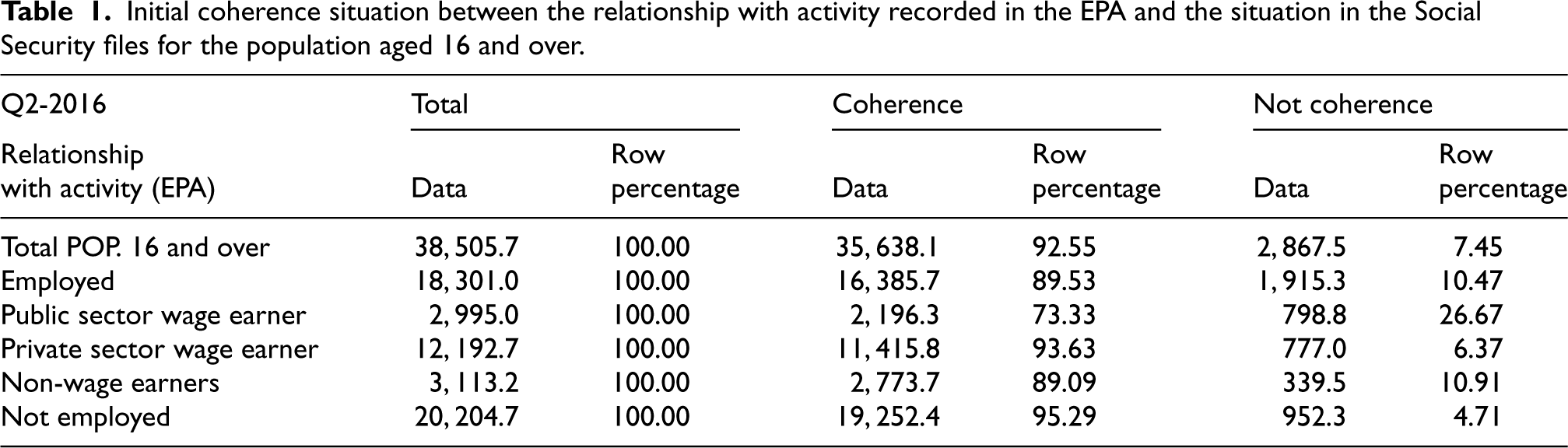
Initial coherence situation between the relationship with activity recorded in the EPA and the situation in the Social Security files for the population aged 16 and over.
Table 1, From the table, we see that we obtain an initial coherence index of 89.53% for the employed, 95.29% for the non-employed, and a total coherence index of 92.55%.
Next, an analysis of the characteristics of the non-matched employed individuals is conducted based on the information collected by the EPA questionnaire. The following groups with plausible explanations for their incoherence are identified:
Some of the EPA-employed persons classified as public sector employees are not found in the affiliation records because they are registered with specific mutual societies (MUFACE, MUGEJU, and ISFAS). Therefore, these individuals have explained incoherence. Some individuals with professional occupations are not found in the General Affiliation File because they are incorporated into professional associations with social security mutual societies alternative to the Social Security System. This is the case for some lawyers, architects, doctors, administrative managers, chemists, etc. Lastly, we have EPA-employed individuals who declare to be working abroad, making it plausible that they are affiliated with social security systems of other countries and thus not registered in the Spanish Social Security System.
At this point, to continue the coherence analysis, all non-matched employed individuals who meet any of these three characteristics are also considered coherent, leading to the following classification table:
Coherence situation between the relationship with activity recorded in the EPA and the situation in the Social Security files for the population aged 16 and over after studying explained incoherent employed persons.
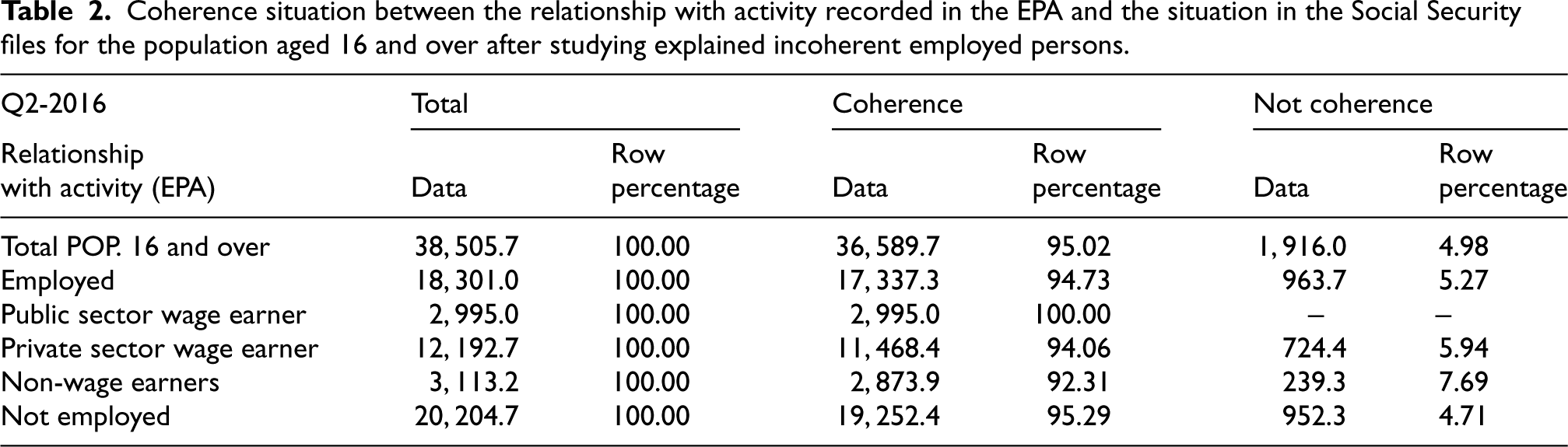
Table 2, In this way, we have increased the coherence index among the employed to 94.73%, resulting in a total population coherence index of 95.02%.
Using the same methodological approach, we analyse the group of non-matched non-employed individuals, i.e., those classified in the EPA as unemployed or outside of the labour force but registered with at least one work relationship during the reference week. The characteristics of these work relationships are analysed, leading to the following conclusions:
A large part of affiliates to the Special System for Agricultural Workers are found to be outside of the labour force, making their affiliation status compatible with being classified as non-employed according to the EPA. During the analysed period (second quarter of 2016), there was the possibility of being registered with an active status through a partial retirement contract. The characteristics of such contracts imply that the individual may not have worked during the reference week of the interview, thus being classified as non-employed.
Again, we consider these groups to have explained incoherence and therefore treat them as coherent in our study. This leads us to the final classification table:
Coherence situation between the relationship with activity recorded in the EPA and the situation in the Social Security files for the population aged 16 and over after studying all explained incoherent groups.
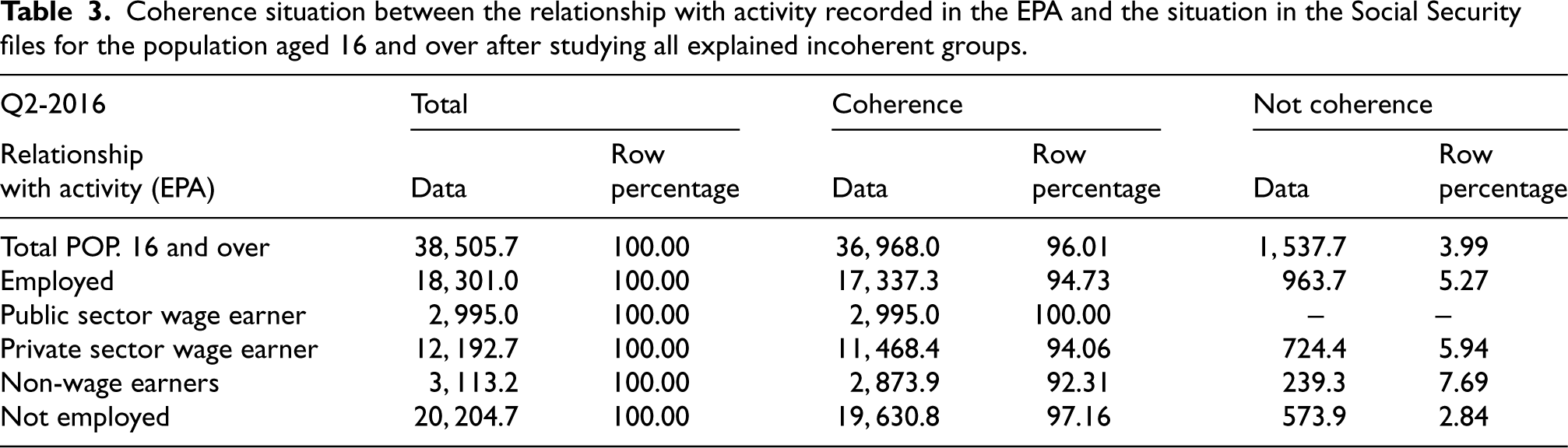
Table 3, As we can see, the final total population coherence index is 96.01%.
In the next section, we will focus on analysing the group of non-matched employed individuals, which would be considered informal employment according to the methodology of this study.
In this section, we will analyse in more detail the group related to the informal economy, that is, individuals classified as employed in the EPA but not found in the affiliation records with a work relationship, and for whom we have no reasonable explanation for their absence from these records.
Analysis by economic activity
First, we examine the characteristics of this group according to the economic activity of their main employment declared in the EPA questionnaires.
Table 4. Unexplained EPA Employed Individuals by Economic Activity of Main Employment
Unexplained non-affiliated employed persons by CNAE section (A21), ordered by descending count.
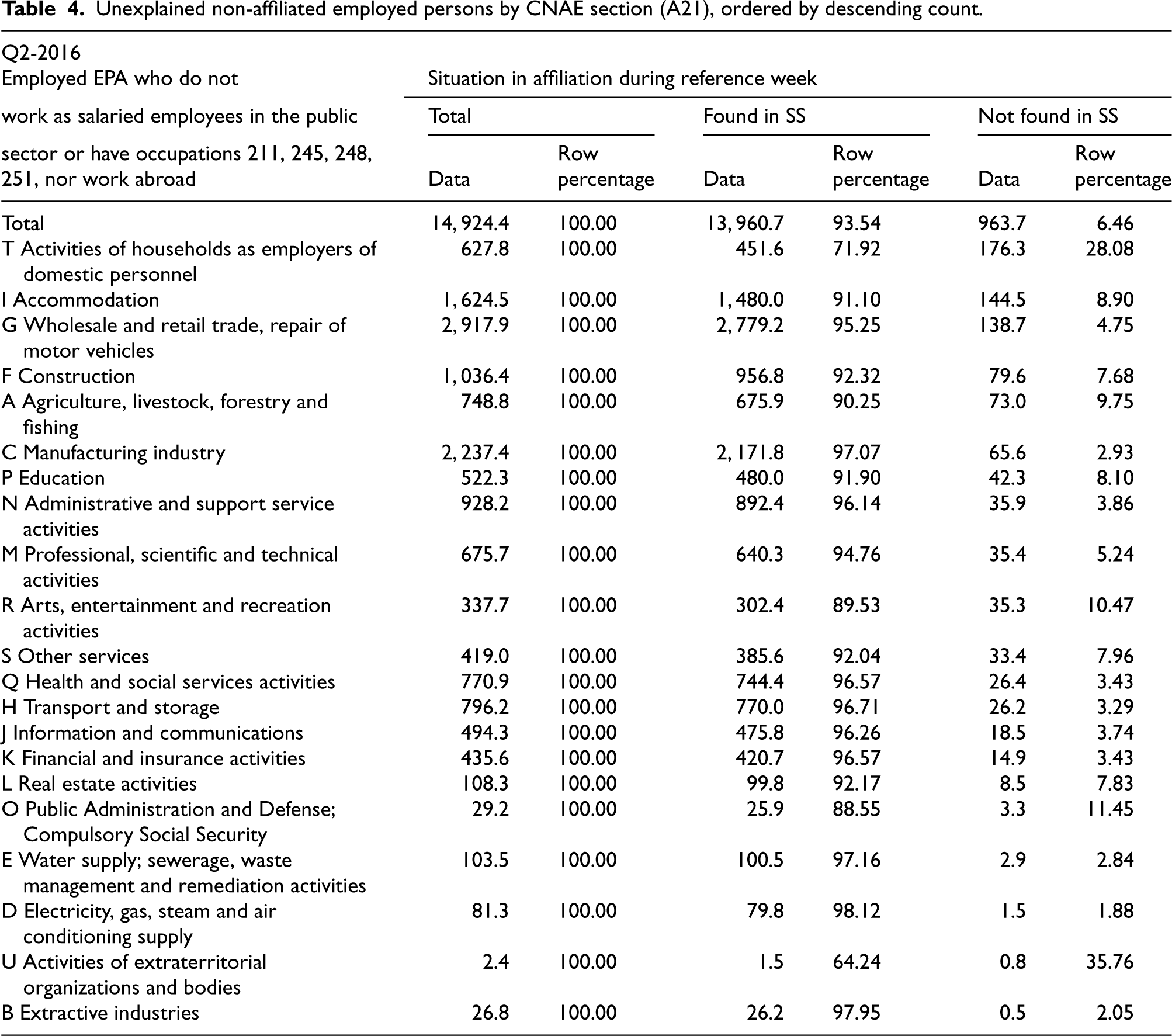
Unexplained non-affiliated employed persons by CNAE section (A21), ordered by descending count.
The economic activity sections that present the most numerous groups of employed individuals according to the Spanish Labour Force Survey (EPA) who are not affiliated with Social Security during the reference week are sections ‘T-Activities of households as employers of domestic personnel’, ‘I-Accommodation’, ‘G-Wholesale and retail trade, repair of motor Vehicles’, ‘F-Construction’, ‘A-Agriculture, livestock, forestry and fishing’, and ‘C-Manufacturing industry’. It is important to highlight that although sections ‘G Wholesale and retail trade, repair of motor vehicles’ and ‘C-Manufacturing industry’ are among the top positions in absolute terms of non-affiliated employed, their percentage relative to the total employed in their activity section is below the general average of 6.46%. This situation is mainly due to the large size and volume of workers in these activity sections.
In the context of the informal economy, the activity sections most prone to having non-affiliated workers during the reference week, potentially involved in irregular employment situations, are: ‘ T - Activities of households as employers of domestic personnel’ with 28.08% non-affiliated employed, ‘ R- Arts, entertainment and recreation activities with 10.47%, ‘A-Agriculture, livestock, forestry and fishing’ with 9.75%, ‘ I-Accommodation’ with 8.90%, ‘ P- Education’ with 8.10%, ‘S- Other services’ with 7.96%, and ‘L-Real estate activities’ with 7.83%.
Notably, section ‘T - Activities of households as employers of domestic personnel’ stands out with 28.08% of non-affiliated employed, representing 176,300 workers in this situation. This high percentage underscores the relevance of unregistered employment in the domestic service sector, an area historically linked to the informal economy.
Section ‘ I-Accommodation’ is also significant, with a total of 144,500 employed individuals not found in affiliation, representing 8.90% of the section's employed persons. The accommodation sector, characterised by high turnover and temporary employment, shows a considerable proportion of non-affiliated workers, indicating possible areas of intervention to improve employment formalisation in this sector.
The 11.45% in the ‘O Public Administration and Defense; Compulsory Social Security’ section corresponds to a very small group (3,300), which may be due to characterisation issues in distinguishing between private sector employees and Public Administration workers. This high percentage may also reflect peculiarities in the administrative records of this sector.
Finally, section ‘R-Arts, entertainment and recreation activities’ presents a high percentage of non-affiliated individuals (10.47%). These sectors offer short-term employment more frequently than other activity sections.
To analyse informal employment in greater depth across different economic sectors, additional work would be required, involving a detailed comparison based on working time with other sources and the estimation of the percentage of the informal economy by sector derived from national accounts. This comparison entails greater complexity and has not yet been addressed.
The following table breaks down the unexplained EPA-employed individuals by occupation recorded in the EPA questionnaire:
Table 5. Unexplained EPA Employed Individuals by Occupation of Main Employment
Unexplained non-affiliated employed persons by occupation.
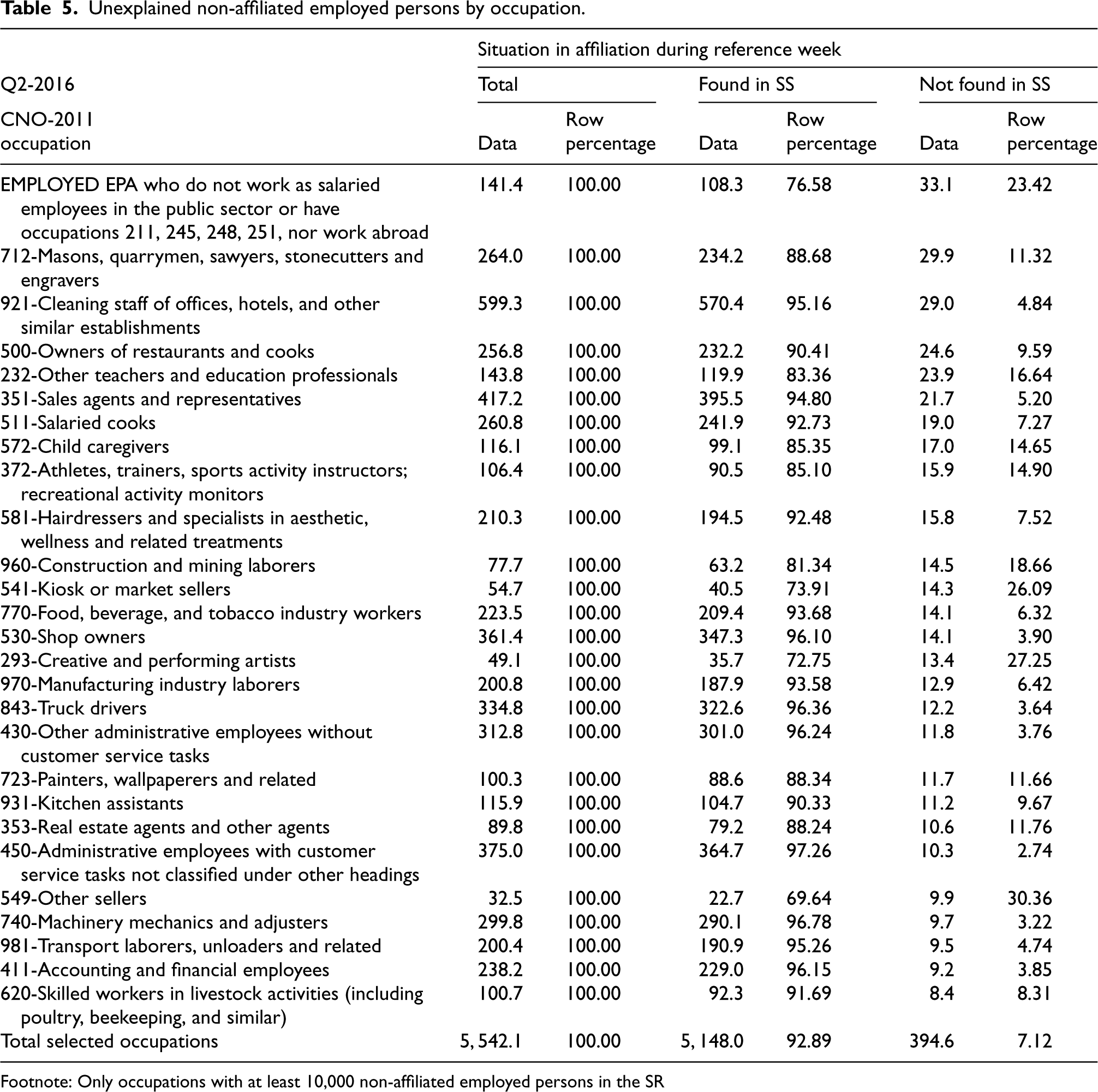
Unexplained non-affiliated employed persons by occupation.
Footnote: Only occupations with at least 10,000 non-affiliated employed persons in the SR
When considering occupations with the highest number of non-affiliated workers according to the EPA, several categories stand out in absolute terms (i.e., occupations with 20,000 or more non-affiliated workers during the reference week). These occupations include ‘910. Domestic employees’, ‘512. Salaried waiters’, ‘951. Agricultural labourers’, ‘522. Shop and warehouse salespersons’, ‘571. Personal care workers at home (except child caregivers)’, ‘712. Bricklayers, stonecutters, carvers, and engravers’, ‘921. Office, hotel, and similar establishment cleaners’, ‘500. Waiters and cooks who are self-employed’, ‘232. Other teachers and education professionals’, and ‘351. Sales and commercial representatives’.
In terms of the proportion of each occupation within those listed in Table 5, those with a percentage exceeding 20% of non-affiliated individuals include ‘293. Creative and performing artists’, ‘541. Kiosk or market stall vendors’, ‘910. Domestic employees’, and ‘571. Personal care workers at home (except child caregivers)’. These high percentages indicate a greater degree of informality in these occupations, suggesting key areas for employment formalisation intervention.
Despite this concentration in certain occupations, there is a considerable variety. Table 5 includes occupations that contribute at least 10,000 non-affiliated workers during the reference week, collectively representing a total of 640,700 non-affiliated workers. This represents two-thirds (66.47%) of the total EPA-employed individuals not found in affiliation. This diversity reflects the extension of labour informality and the need for differentiated approaches to address it.
The analysis of behaviour by sex, age, and nationality reveals that incoherence in employment, i.e., the proportion of non-affiliated employed, is significantly higher among foreigners (or individuals with dual nationality) than among Spaniards. This trend suggests that foreign workers face greater challenges in terms of employment formalisation and access to Social Security affiliation.
Unexplained non-affiliated employed persons by demographic variables.
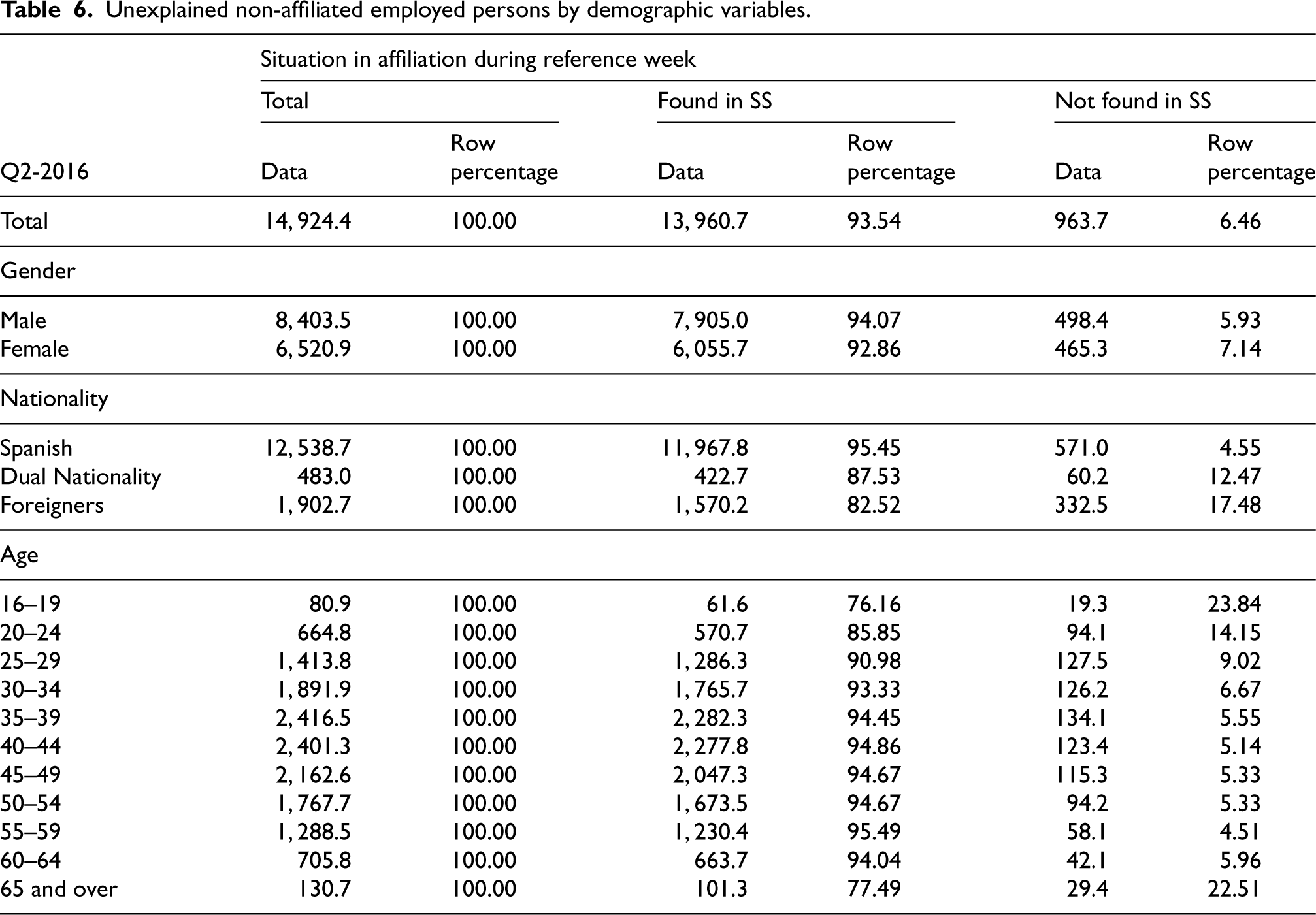
Unexplained non-affiliated employed persons by demographic variables.
Table 6, Additionally, women exhibit a higher rate of non-affiliated employed compared to men. This disparity may be linked to the nature of female employment, which often includes more part-time jobs and less formalised sectors.
In terms of age, the percentages of non-affiliated employed persons are notably higher among young people (especially those in the 16 to 24 age group) and among workers over 65 years old. Among the youth, this may be due to the prevalence of temporary and part-time jobs, as well as higher job turnover. In the case of older workers, the trend may be related to the transition to retirement and participation in informal or less regular jobs.
These observations point to the need for specific policies aimed at improving employment formalisation among the most vulnerable groups, such as young workers, older workers, women, and foreigners, to ensure adequate Social Security coverage and improve job quality.
Regarding the type of employment relationship, the percentage of non-affiliated employed persons is significantly higher among part-time workers (13.55%) compared to those working full-time (4.99%). This difference suggests that part-time jobs, which are often less stable and more flexible, are associated with greater informality and lower affiliation rates.
Unexplained non-affiliated employed persons by variables associated with the type of EPA employment relationship.
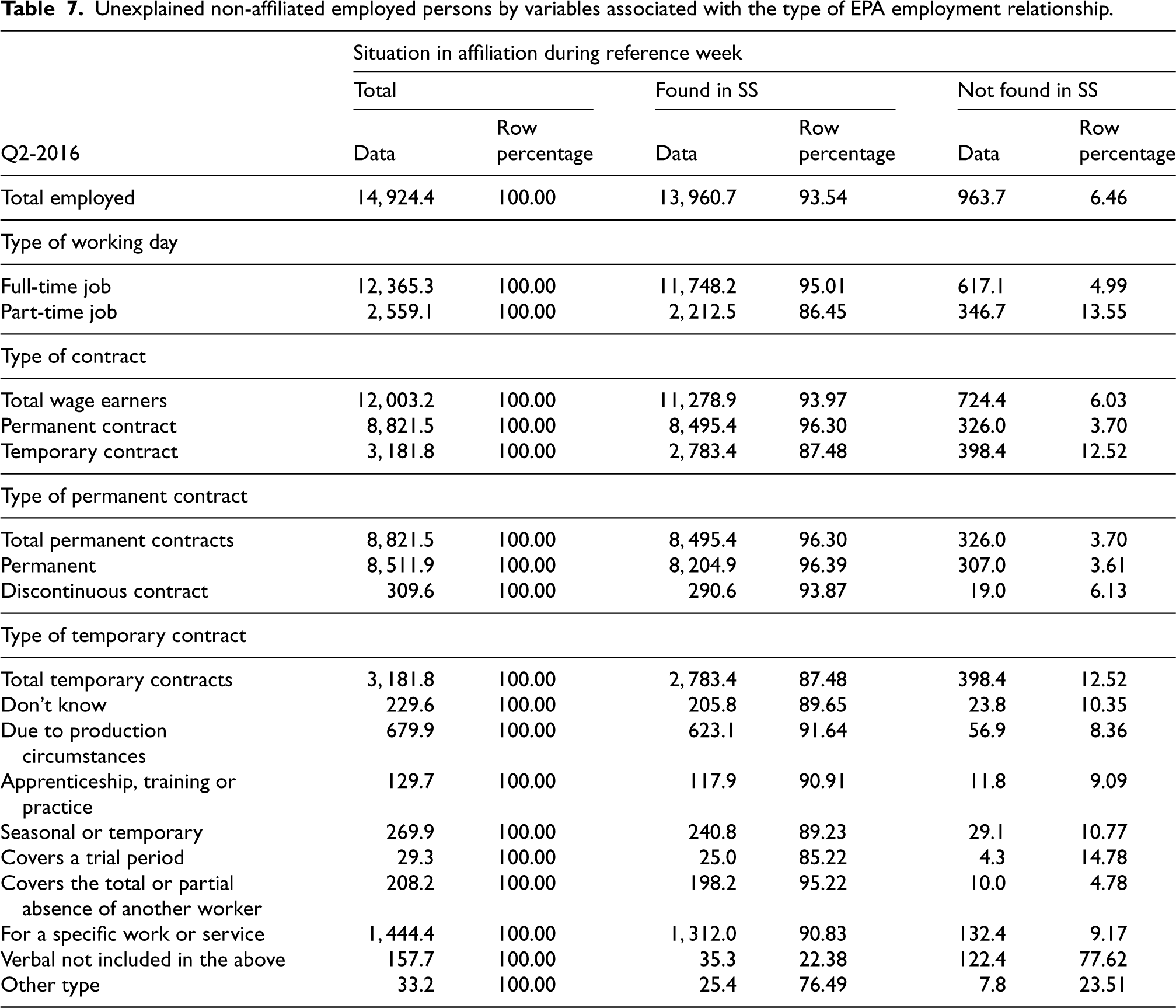
Unexplained non-affiliated employed persons by variables associated with the type of EPA employment relationship.
Table 7, Additionally, contract types also influence the non-affiliation rate. Temporary contracts present a considerably higher percentage of non-affiliated individuals (12.52%) compared to permanent contracts (3.70%). Among permanent contracts, discontinuous permanent contracts have nearly double the proportion of non-affiliated individuals (6.13%) compared to other permanent contracts (3.61%).
Among temporary contracts, the ‘Verbal, not included in previous options’ category shows an extremely high non-affiliation rate (77.62%). This highlights the vulnerability of workers with verbal temporary contracts, who have significantly less access to Social Security affiliation.
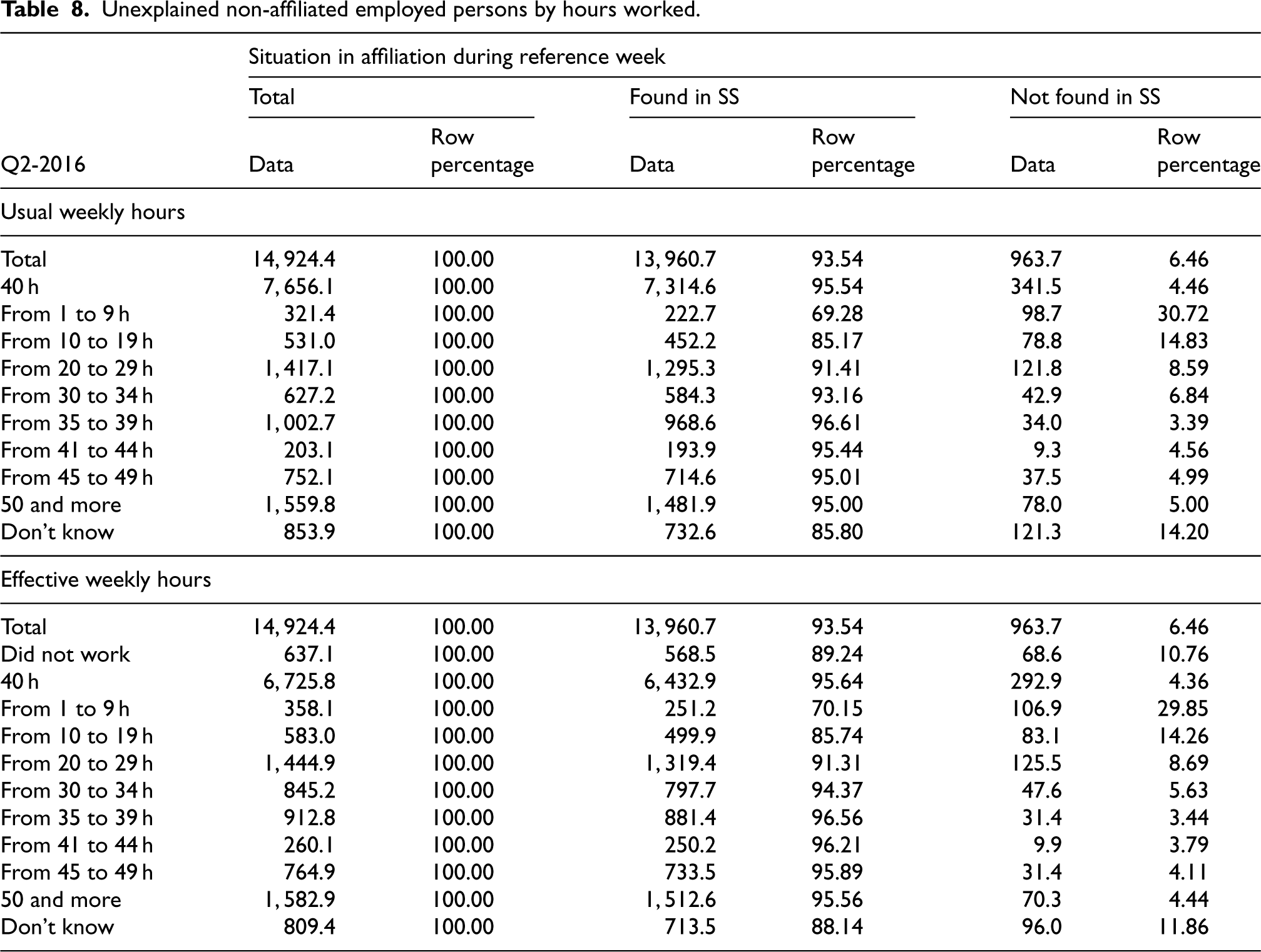
The analysis of working hours reveals that the percentages of non-affiliated employed persons are considerably higher among those working few hours, not working during the reference week, or not knowing the number of hours worked. This observation suggests a strong correlation between labour informality and the number of hours worked (Table 8).
Unexplained non-affiliated employed persons by hours worked.
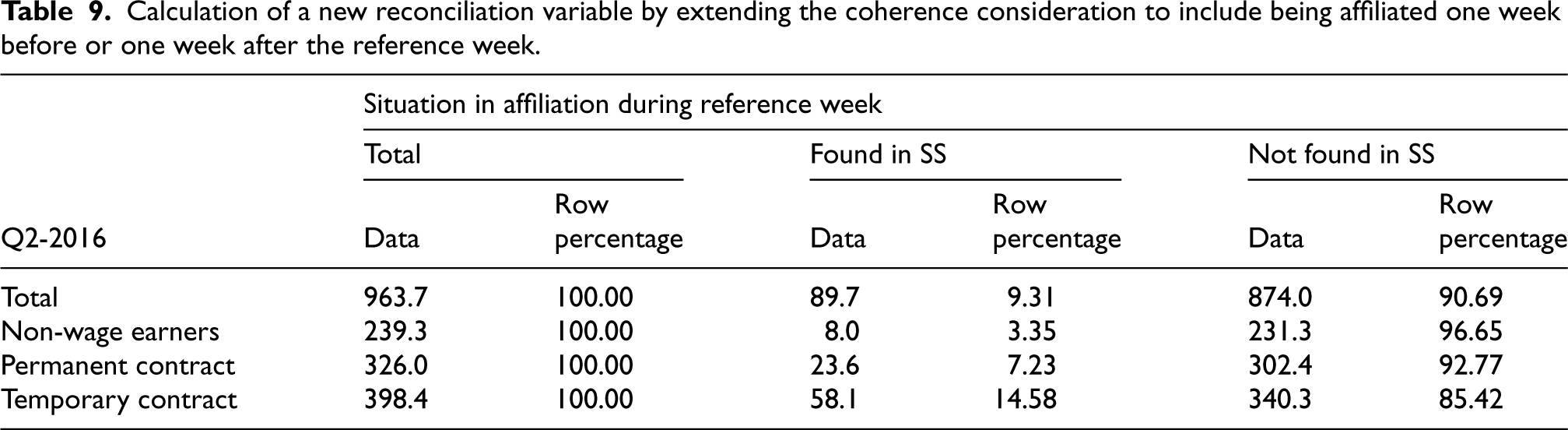
To assess the sensitivity of the coherence condition (EPA-employed persons = affiliated persons during the reference week) to possible memory effects in the survey response or small temporal disturbances in the affiliation record, we extended the coherence period to three weeks: the reference week, one week before, and one week after (Table 9).
Calculation of a new reconciliation variable by extending the coherence consideration to include being affiliated one week before or one week after the reference week.
Calculation of a new reconciliation variable by extending the coherence consideration to include being affiliated one week before or one week after the reference week.
The results presented in Table 8 indicate that coherence increases by 9.31% when relaxing the coincidence condition in the reference week. This represents an increase of 89,700 additional employed individuals considered coherent under this new temporal definition. Of these, 58,100 have a temporary contract according to the EPA.
This 9.31% increase in coherence of non-affiliated EPA-employed individuals provides an estimate of the proportion of people whose “incoherence” could be due to small temporal variations (one week before or after) in the operational determination of employment status between both data sources. This finding suggests that part of the incoherence may be attributed to these temporal variations. Considering wider temporal windows in coherence studies between labour surveys and administrative records would be a matter to evaluate when establishing a robust methodology for monitoring the phenomenon.
The coherence between the Spanish Labour Force Survey (EPA) and Social Security Affiliation regarding employment measurement is substantially high. The initial coherence index is established at 92.6%, indicating that most individuals aged 16 and over are consistently classified concerning their labour activity by both sources. By considering the specific affiliations of certain groups, such as civil servants under mutual societies, workers contributing to other social security mutual societies, residents in Spain employed abroad, individuals in the ‘Special Agricultural System. Inactive’ and those under partial retirement in 2016, the explained coherence index increases to 96.0%. However, there remains a 4% of individuals whose incoherence is not explained.
Detailed analysis shows that there are 963,700 EPA-employed individuals not registered in Affiliation and 573,900 non-employed EPA individuals who appear as affiliated during the reference week. Thus, we would have a percentage of around 5,27% of the total employed persons in Spain (just under one million in Q2-2016) who would be entirely informal workers. This discrepancy may be due to the difficulty of precisely timing short-term labour episodes in both the survey responses and Affiliation records. Additionally, there are indications of unregistered employment in Affiliation, especially in temporary work relationships, specific sectors, and occupations, as well as possible cases of contributing without actual work or inaccurate survey responses.
In summary, the results underscore that labour informality in Spain particularly affects certain sectors, occupations, and demographic groups. A typical profile of a person classified as employed by the EPA but not found in Affiliation records would be a foreign woman or someone with dual nationality, working in the domestic service or hospitality sector. This individual is likely to have part-time employment or a temporary contract, often of a verbal nature. Additionally, it is probable that this person is a young worker, aged between 16 and 24, due to high job turnover and the less stable nature of their jobs. This profile highlights the need to implement policies aimed at improving employment formalisation, especially among the most vulnerable groups, such as young workers, older workers, women, and foreigners. Furthermore, extending the reference time window can provide a more accurate view of labour coherence and help better identify areas that need intervention. This analysis offers a solid basis for future research and policy development to enhance the quality and formalisation of employment in Spain.
Conclusions and future challenges in measuring informal employment
The approach used in the 2016 reconciliation 1 naturally determines the group of people fully involved in informal employment. These are individuals who report working for remuneration in the survey but are not found in the affiliation records (nor are they part of the groups of public employees, occupations with alternative mutual societies, or people working abroad who may have formalised their employment relationships in other protection systems outside Spain).
It is crucial to consider the importance of having a legal basis for conducting this type of analysis. Spanish statistics allow for the use of existing information in administrative records in general, and particularly, for linking with the information collected through surveys conducted by the INE. This enables the extension and expansion of this methodological approach to other aspects that have not yet been studied.
Improving quality issues
One potential improvement to this exercise would be to extend the analysis to an annual periodicity, which would allow us to mitigate possible biases due to seasonality.
In the development of any statistical product, it is necessary to identify potential sources of error to minimise them, if possible, and to consider them in analyses to avoid drawing erroneous conclusions. In this case, it would be beneficial to review the distribution of sampling and non-sampling errors for employed individuals, disregarding if they are found in the affiliation records or not, as well as other aspects derived from questionnaire collection, such as the collection method, proxy responses, etc. The administrative register also suffers from recording and data cleaning errors, in addition to potential errors in assigning EPA identifiers and their subsequent integration with registry data. 13 To improve the quality of the analyses conducted, it would be beneficial to include a study of all these aspects and their impact on the conclusions drawn.
Throughout the methodology used in the study, various factors explaining the initial incoherence of certain groups were identified. Specifically, in this study, we assumed that public employees, certain professions, and employed individuals working abroad not found in the affiliation records do not contribute to the informal employment estimate. To the extent that administrative sources on employment can be accessed to register the formalisation of employment for these groups, the precision of the informal employment estimate can be improved. In the specific case of Spain, the study could be supplemented with information from mutual societies for civil servants, social security mutual societies, as well as data from labour force surveys of other countries (not necessarily neighbouring).
Similarly, it would be interesting to consider including tax files, although in this case, it would be necessary to ensure that the declared concepts correspond to formal productive activities. In addition to administrative sources, this study could be refined by including other data sources that record the digital footprint of employment-related events, such as commutes from residence to work, collected from mobile phone data, transport card data, vehicle GPS data, etc.
The implementation of advanced data analysis techniques, such as machine learning and data mining, can help identify patterns and correlations between formal and informal employment. These techniques can facilitate the detection of undeclared informal activities and improve the accuracy of estimates.
Application to specific group studies
In this initial study, we restricted ourselves to the global analysis of the coherence situation between the two data sources. However, based on this methodology, we can study the situation of specific groups of interest in the labour market in detail. One such group is ‘dependent contractors,’ which can be approximated by individuals classified as employees in the EPA according to ‘de facto’ relationship criteria of their professional situation but who, in the affiliation register, are found as contributing to a self-employed regime. According to this operational approach to the problem, the group would be around 350,000 in the Q2-2016 period. This estimate is double that obtained from the EPA questionnaire information. 14 The accuracy of this approach can be verified in the next future, when the new ICSE-2018 is introduced in the European LFS.
One group that has gained significant interest in recent years is the one of those engaged in activities through internet platforms for which they receive remuneration or benefit. The proliferation of various platforms or mobile applications that facilitate interaction between service providers and users has created new business models and labour relationships, such as Uber, Airbnb, or food delivery services, among many others. The inclusion of an ad hoc module in the labour force survey in 2026 will allow analysing the extent to which work declared through internet platforms or mobile applications aligns with the variables obtained in the survey. Adding the analysis of administrative information from the registers that would provide the previously described micro coherence would offer a wide range of elements to work with to characterise different situations.
Another interesting aspect in mapping informal employment is identifying and quantifying additional informal activities performed by formal workers. It requires additional analysis and effort to estimate the part of ‘informal employment’ carried out by workers who partially have a formal employment relationship, either because part of their working time is performed informally, such as additional informal jobs, or because part of their formally worked hours or days has not been formally declared. This includes secondary or additional jobs that are not registered, such as informal domestic services, undeclared freelance work, or unreported temporary economic activities.
Some sectors are more likely to the present the coexistence of formal and informal work, such as retail, agriculture, construction, and personal services. A specific sectoral approach can help identify the specific dynamics of informal employment in these sectors and develop more effective intervention strategies.
If we extend the approach to resident records, combined with affiliation databases, we can gain insights into those who reside in a given country but work abroad, or those who work in the reference country (Spain, in our case) but are not listed as residents.
The new developments in the national accounts system (NSA) currently underway, which include the integration of measuring other forms of work and particularly emphasizing methods for accounting the informal economy, offer a much more promising informational horizon on this phenomenon than we had previously. Specifically, the measurement possibilities within the statistical system of developed countries multiply, moving beyond more or less successful inference exercises based on hypotheses that are difficult to replicate from one country to another.
Use of statistics based only on administrative data
In the study conducted in Spain, we started with a statistical product, the EPA, which presumably measures both formal and informal employment and linked it with a non-statistical data source that, by definition, only records formal employment, in our case, Social Security affiliation files. Another approach could be linking the microdata files of two statistical products, where one measures overall employment, and the other estimates only formal employment. Specifically, in Spain, we have a project to develop a statistic based solely on administrative records that will measure ILO-analogous concepts such as employment, the population outside the labour market, etc. By linking the EPA files with this statistical product, we can provide an estimate of informal employment, allowing us to deeper examine the profile of individuals involved in informal productive activities.
In summary, thanks to the concept and methodological developments agreed upon internationally at the instigation of the ILO, we are now in a better position to contribute to the effective comparability of informal work between different countries around the world.
Utility in promoting work formalisation
One of the major achievements of the ILO resolution on informal employment is that it provides a meaningful concept not only for developing countries but also for developed countries.
The 2023 resolution on the informal economy 3 has actually captured the essence of informality in labour relations: the absence of effective labour formalization, which leads to worker protection, at least in terms of paid vacations, healthcare, and state-backed retirement rights, among other benefits. It distinguishes between the characteristics typically associated with informality (precariousness, discrimination, etc.), which are undoubtedly of great interest but relate more to job quality than to formality itself.
Thus, the resolution provides an additional dimension that highlights the deficiencies in the quality of labour relations brought about by informality, suggesting that formalizing work is a solution for improving labour conditions. The connotations of previous definitions of the informal economy, which are prevalent in developing countries, strongly influenced the process of analysing and developing concepts. A long path of analysis and study was necessary to truly unravel the essence of concepts related to informality. Consider, for example, the notion of decent work and all its complexity. But we have now surpassed that point.
This definition of informal work suddenly makes the concept applicable worldwide, and particularly in countries with mature administrative records that precisely collect comprehensive records of labour relations, its application, although not without practical difficulties, is conceptually straightforward.
It is true that the definition depends on the different organization of social protection in various countries, but the promotion of formal work faces different challenges in different places. Therefore, the level and characteristics of informal work can mean different things in different countries. This, among many other issues, will need to be analysed. However, we are now confident that we have a common conceptual framework that allows us to do so effectively.
Indeed, the characteristics of the informal economy in countries where public social protection systems are weak mean that the challenge of combating informal work cannot be the same as in countries where protection systems are fully implemented or universal.
Specifically, in countries with developed protection systems where, in general, every significant labour relationship must be registered, it is very complicated to investigate the informal economy through household surveys like the LFS. Doing so would effectively mean asking about irregular behaviour of the respondent or a household member, with the difficulties and negative consequences this could have for response rates and the collection of other survey information. However, by contrasting LFS information with that obtained from relevant records for the same individuals, we obtain the necessary information without additional burden on the respondent while maintaining the freshness of the data collected in the survey.
Footnotes
Acknowledgements
We express our gratitude to our colleague Cristina Leonor González-Pacheco Barreiro for her diligent review of this study. Her insightful feedback and meticulous attention to detail have greatly enhanced the quality and coherence of our analysis.
Funding
The author received no financial support for the research, authorship, and/or publication of this article.
Declaration of conflicting interests
The author declared no potential conflicts of interest with respect to the research, authorship, and/or publication of this article.