



Abstract
Young children learning through play is a central and embedded aspect of their lived experiences. The ubiquitous access to digital devices has expanded play into digital and online spaces, with the nature and potential of digital play remaining an ongoing debate. We conducted a rapid evidence review to map trends and identify high-priority research areas that can inform policy and practice in the New Zealand early years context. Our findings, based on a thematic analysis of 38 peer-reviewed studies, offer insights into the extant literature and the affordances of digital play for supporting young children’s exploration and learning. More nuanced understandings are needed on how digitally-supported play can facilitate young children’s sense of belonging and wellbeing, including their identity, language and culture. Our study has implications for policy, practice, and research priorities in New Zealand and internationally to contribute to the wider discourse on digital play in early childhood education.
Keywords
Introduction
Young children at play are a natural and integral aspect of their growth and exploration of the world around them. Over the last few decades, the landscape of young children’s play-based activities is increasingly marked by diverse digital, online, hybrid, and virtual games and toys including mixed and augmented realities. The increasing access to these technologies where children interact with touchscreen mobile devices, digital toys, wearable devices, and even artificial intelligence (AI) enabled chatbots, have broadened conceptions of play in the early years to include the notion of digital play (Edwards, 2018).
Despite a growing literature on digital play internationally, there is a lack of studies focused on the notion of digital play in the Aotearoa New Zealand early childhood education (ECE) context although work investigating young children’s interactions with digital technologies has been ongoing (Note: Aotearoa is the Māori name for New Zealand). In this article, we report findings from a rapid evidence review (Garritty et al., 2021) aimed to scope current trends in digital play and young children’s learning. We were specifically interested in how research conducted albeit internationally aligned with the principles and values held within the early childhood curriculum in Aotearoa New Zealand to understand the relevance of the research base for policy and practice. Our findings highlight the potential of digital technologies in supporting play-based learning activities. At the same time, more nuanced understandings of how digital play can foster children’s sense of belonging and wellbeing are needed. This includes considerations for building on children’s funds of knowledge through supporting their home language, culture, and learner identity.
Exploring the Potential of Digital Play in the Early Years
Rapid advances and integration of digital technologies across many spheres of societal life has led to the broadening of young children’s digital landscapes across home and in early childhood learning contexts to significantly shape their lived experiences in new and exciting ways (Livingstone & Blum-Ross, 2017). Digital play denotes children’s active use of digital technologies in play-based learning environments (Disney & Geng, 2021). This definition emphasises children’s active roles (alongside the influential adults in their lives) in using digital technologies for meaningful learning and exploration, contrasting with views of digital devices as passive ‘digital babysitters’ (Andrisano Ruggieri et al., 2024; Schriever, 2021).
Scholars of digital play have noted the ways contemporary play draw from both the digital and non-digital properties of tools and artefacts which enables children to move fluidly across boundaries of space and time; a fluidity not possible in the pre-digital era (Arnott, 2016; Marsh et al., 2015). Young children’s digital play activities are thus distributed across various technologies and (re)combined in new configurations in their interactions with others or exploration on their own (Edwards et al., 2020). This said, the recent COVID-19 pandemic propelled their increasing access to digital communicative practices and earlier exposure to online content prompting more immediate, cooperative, and fluid play practices (McKinty & Hazleton, 2022).
The role of digital play in ECE remains contentious (Edwards, 2018) with concerns associated with digital device use, access to rapidly evolving and untested technologies, and the potential developmental harms that may follow (Bittner, 2021). Moving beyond the ‘moral panic’ surrounding children’s digital access—characterised by widespread public concern about children’s digital technology usage and often exaggerated by the media (see Facer, 2012)—scholars are advocating for a critical examination of current rhetoric that transcends a technocentric view (a view prioritising digital technologies as a key solution to educational issues while neglecting sociocultural factors) (Stephen & Plowman, 2014).
Productive interactions with digital technologies occur when young children use them to enrich their play repertoire—communicating, role playing, reading, exploring, researching ideas, constructing, reflecting, and recording experiences in ways that foster imagination, encourage collaboration, and extend opportunities for sustained imaginative play (Bird & Edwards, 2015). Indeed, the way young children take up digital technologies in their play can be nuanced and varied depending on factors such as their motives (Fleer, 2014), supportive interactions with peers and significant adults (Plowman, 2020) and the coherence between digital device design and children’s play goals (Marsh et al., 2015).
Digital Technologies and the Aotearoa New Zealand Early Childhood Context
Te Whāriki, the Aotearoa New Zealand early childhood curriculum, is a unique bicultural and bilingual curriculum for infants, toddlers, and young children. The curriculum foregrounds a relational pedagogical approach in the ways teachers partner with children, parents and whānau (a Māori term referring to extended family or family group) to ensure all children grow up as competent and confident learners, strong in their identity, language, and culture (MOE, 2017).
Te Whāriki Strands in Relation to Digital Technologies
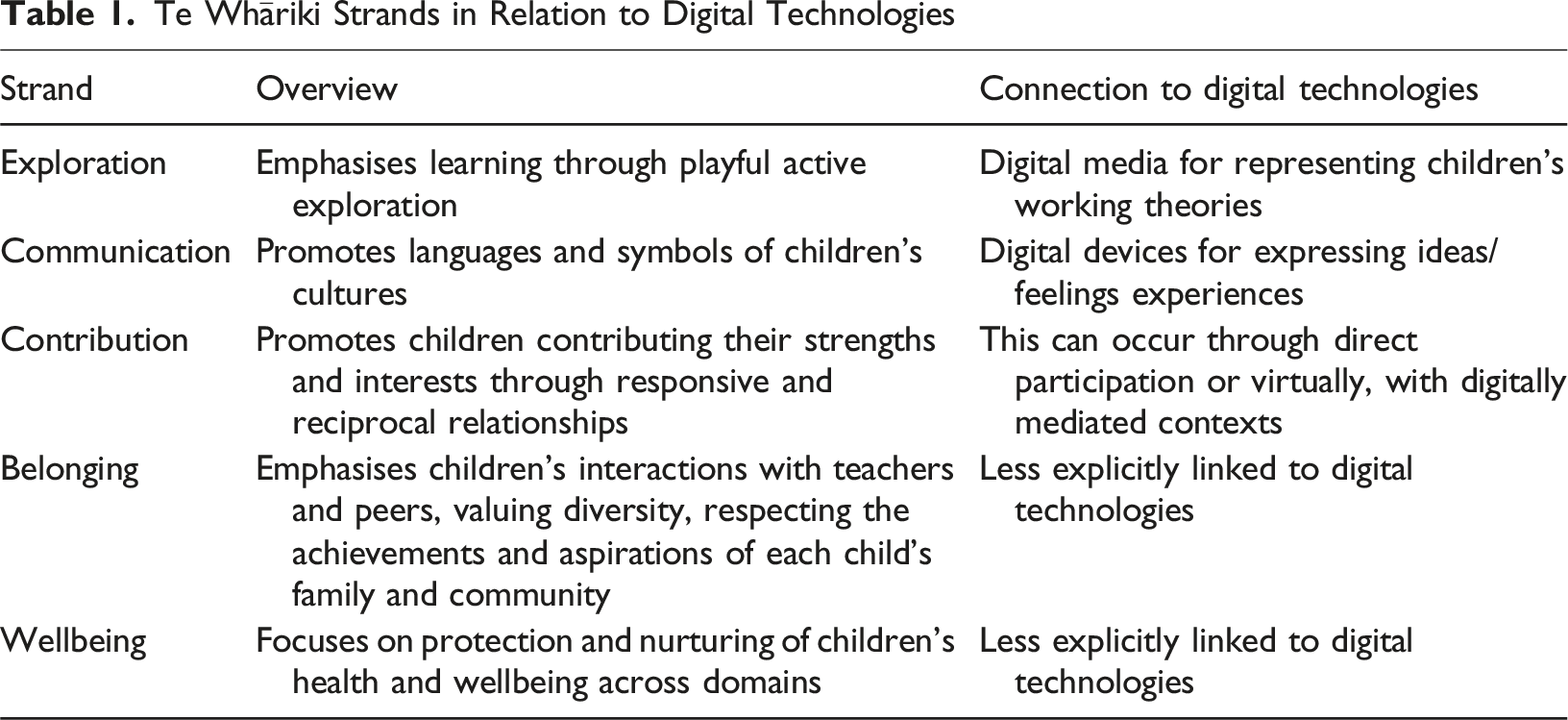
Te Whāriki (2017 update) emphasises children’s home language and cultures as central to their learning identity. As such children’s culture, language, and world views should be respected and valued in the ECE setting (MOE, 2017). The recent updated version of Te Whāriki emphasises supporting children to “understand and make the most of the technologies they encounter” (MOE, 2023, para. 1) and encourages teachers to be “critical and intentional in their use of digital technologies” to preserve children’s health and safety (MOE, 2023, para. 3). The addition of digital technologies in the updated curriculum is an important step forward for Aotearoa New Zealand as the 1996 version only mentioned technology and most frequently in reference to the school curriculum.
Occurrence of the Term ‘Digital’ in Curriculum Documents by Year
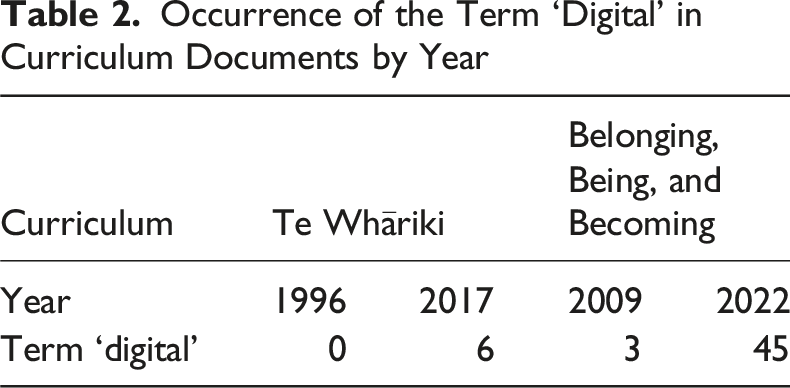
Of note, the Australian curriculum includes 45 references to the word ‘digital’. These are inclusive of reference and guidance about e-safety; children’s learning with and through digital technologies, devices, and media; digital literacy; using digital technologies to enhance teaching and learning environments; and at least one specific reference to digital play. While Te Whāriki provides a cohesive framework to approach children’s learning in ECE, further guidance for ECE teachers and professionals is urgently needed if they are to understand the use and place of digital technologies in ways that invite and include children’s interests and digital funds of knowledge (Archard & Archard, 2019). Given the need to respond to the complexity of the digital play research landscape and its implications for the Aotearoa New Zealand context, we sought to gain a broad understanding to inform the development of potential areas for further research to inform policy and practice through a rapid review of the current evidence.
Methodology and Analysis
Rapid Review: A Fresh Look at Making Sense of Literature
A rapid review is a high-quality knowledge synthesis that expedites traditional systematic review processes through reviewing secondary evidence to produce evidence. It provides actionable evidence for high-priority policy decisions, have shorter timelines, use flexible methods, and are increasingly used in the education sector (Cirkony et al., 2021; Cordingley et al., 2015). Comparisons between rapid reviews and full systematic reviews show minimal discrepancies in quality and general agreement in their findings and essential conclusions (Garritty et al., 2021). As variations in rapid review methods exist, it is important that rapid reviewers are transparent in terms of methods used, limitations and biases of each study context.
Study Context
Our study adopted a rapid review of the research evidence to provide broad oversight for research, policy and practice initiatives related to young children’s learning and development through digital play. Given we were limited by time and resources, a rapid review was a useful way forward to identify high-priority areas for further decision-making. Our review adopted the guidance suggested by the Cochrane rapid reviews methods group for research in healthcare (Garritty et al., 2021) with adaptations for application in education (Cirkony et al., 2022).
The following research question guided our work:
What is known about young children’s learning and development through digital play?
This is expanded through the following sub-questions: (1) What is the nature of young children’s digital play? (2) How has digital play been examined? (3) How do studies in digital play relate to the New Zealand ECE curriculum?
We undertook the following four steps in our review process: (1) Identification of search terms and relevant studies (2) Screening for relevant articles, (3) Eligibility for selection, and, (4) Inclusion of eligible studies for analysis.
Due to constraints of time, resources and scope, most rapid reviews are limited to a single phase. Our review was conducted in two phases. In our context, as a limited number of relevant secondary studies were identified from our initial searches (first phase), we extended the search to include relevant primary studies from the first phase to generate further evidence that would yield more contextually relevant results suited to our research aims and applicability for our research context (second phase). Others have made similar adaptations to rapid reviews of secondary sources to identify primary evidence in a shorter timeframe than full systematic reviews (Hartling et al., 2015) or employed additional informal search methods (Cirkony et al., 2021) to expand their search. Given that the use of secondary studies can preclude important contextual details of the original individual primary studies, such adaptations can ensure the fitness of purpose of the rapid review to researchers’ own context to better understand how the findings might inform their own decisions and initiatives to ensure maximal relevance to education (Cirkony et al., 2022).
Phase 1: Search Procedures and Identification of Sources
Keyword Search and Potential Combinations of Search String
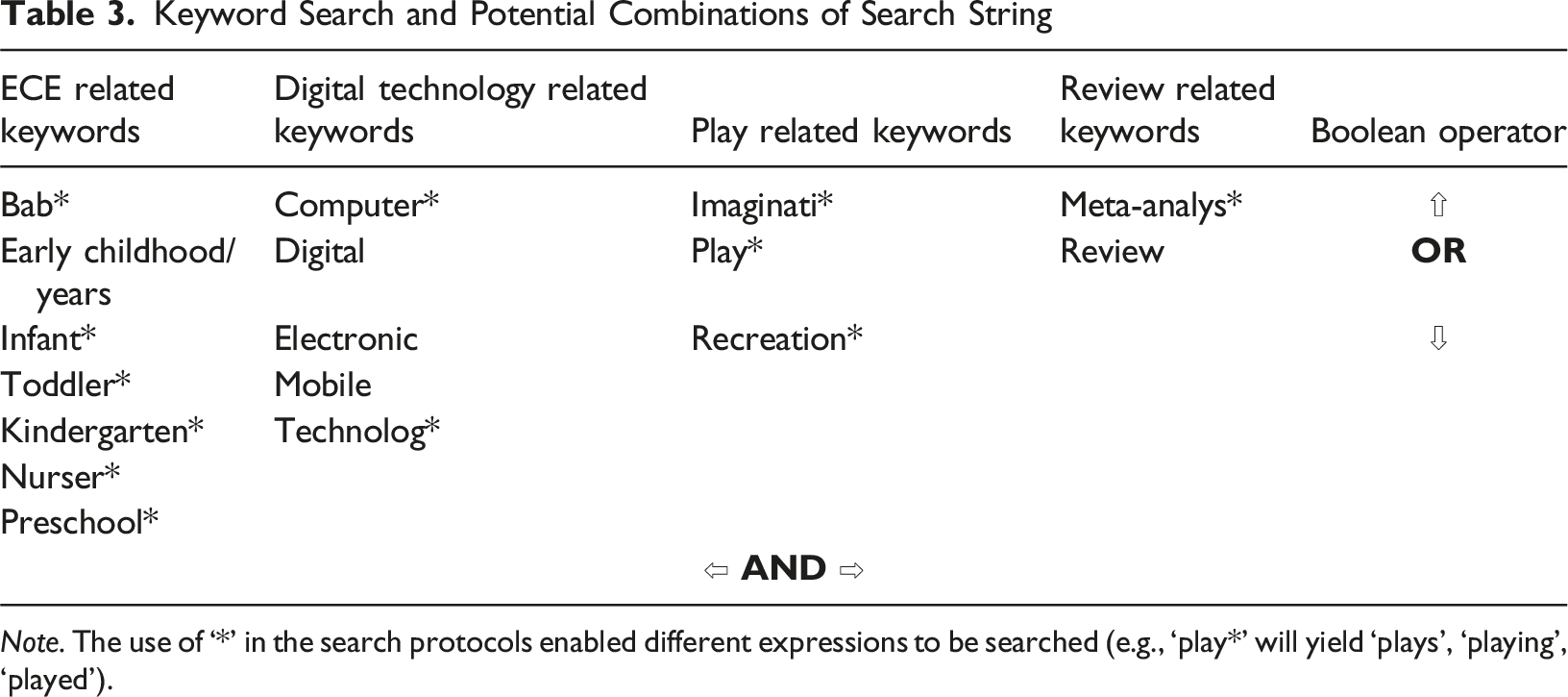
Note. The use of ‘*’ in the search protocols enabled different expressions to be searched (e.g., ‘play*’ will yield ‘plays’, ‘playing’, ‘played’).
Phase 1: Screening, Inclusion and Exclusion Criteria
Figure 1 shows there were 457 potential sources screened for inclusion in the first phase of our research. Phase 1 Overview of the Rapid Evidence Review Process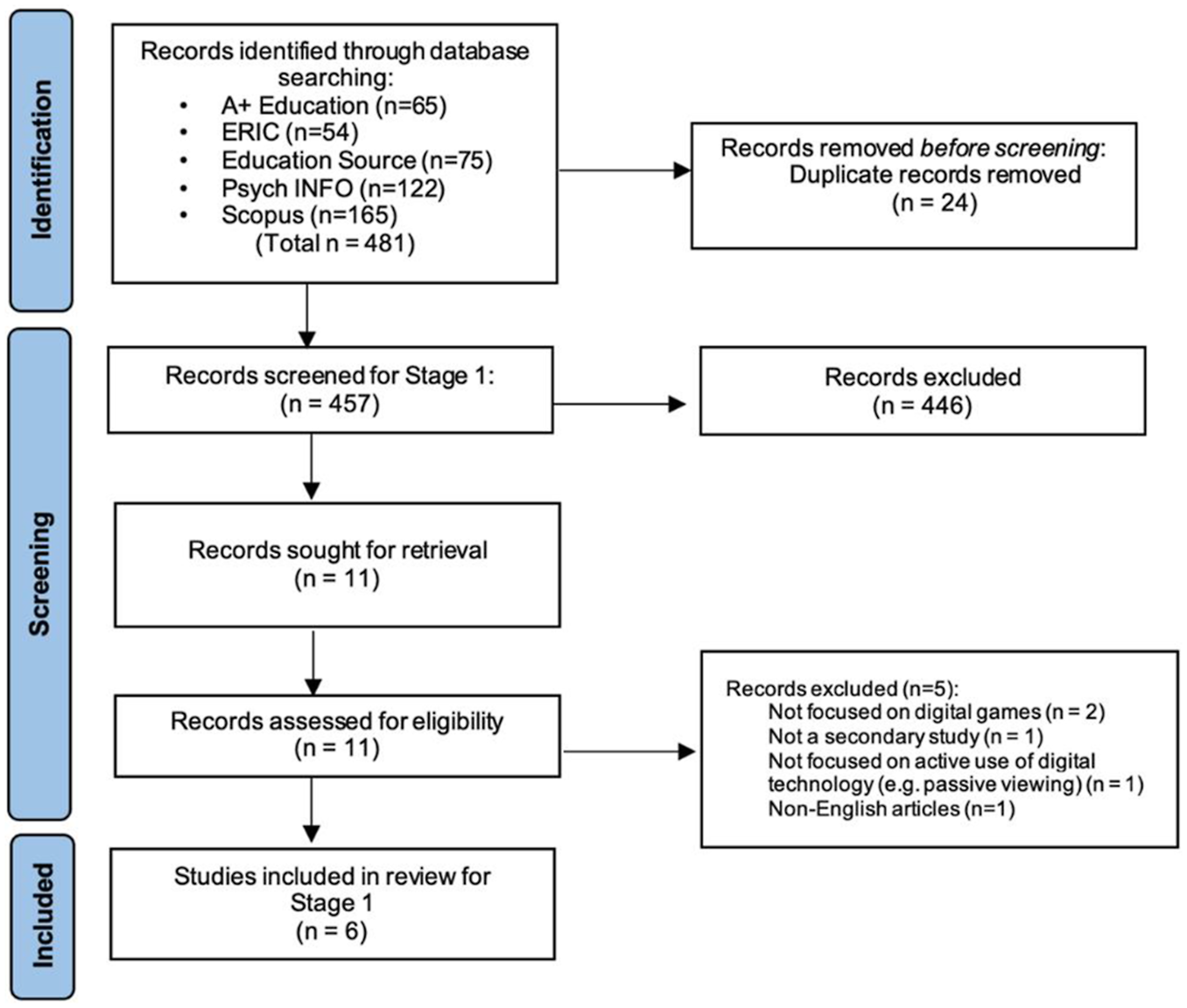
Inclusion and Exclusion Criteria
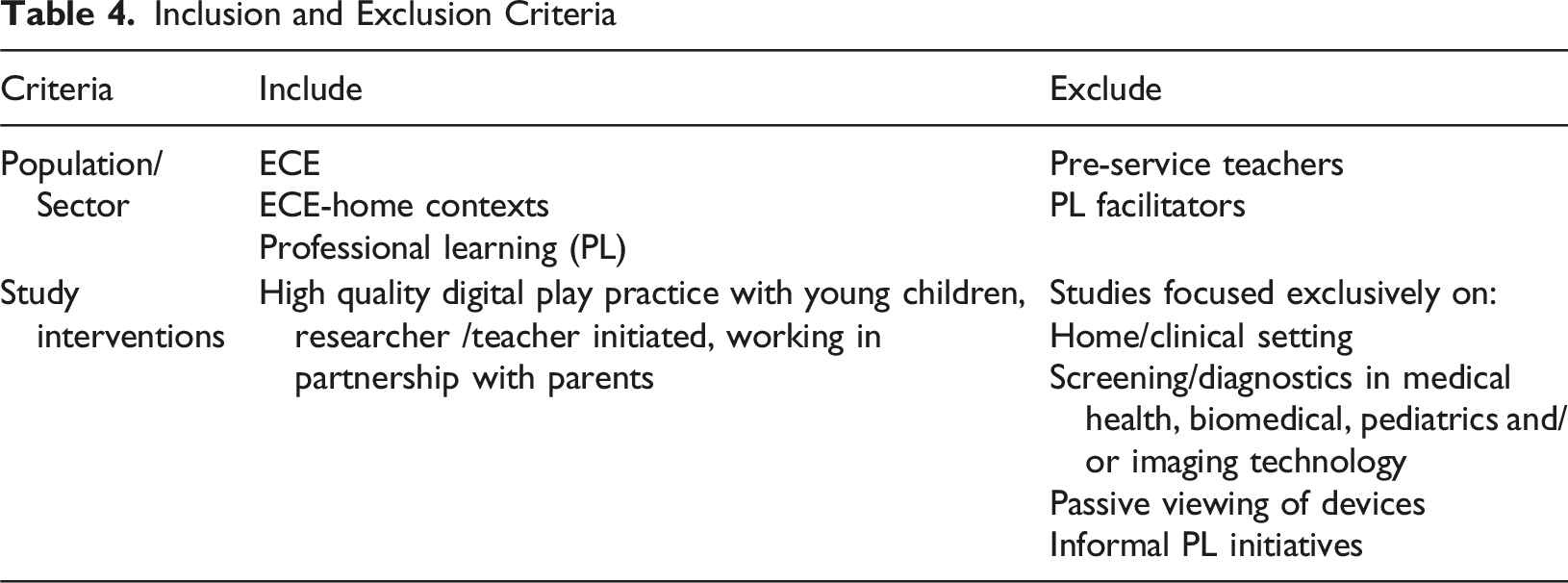
Phase 2: Screening, Eligibility and Inclusion
In Phase 2, the primary studies cited in the six secondary sources from Phase 1 were compiled and cross-checked. Duplicates were removed, resulting in 44 possible primary studies. Each of these possible sources were obtained and screened for our inclusion and exclusion criteria along with applying our study parameters. Six studies did not meet the search parameters, resulting in a final corpus of 38 studies that were included in our review for data extraction (see Appendix 2 in Figshare: https://figshare.com/s/143b43965fcc16a9ec5f). Figure 2 details our Phase 2 process. Phase 2 Overview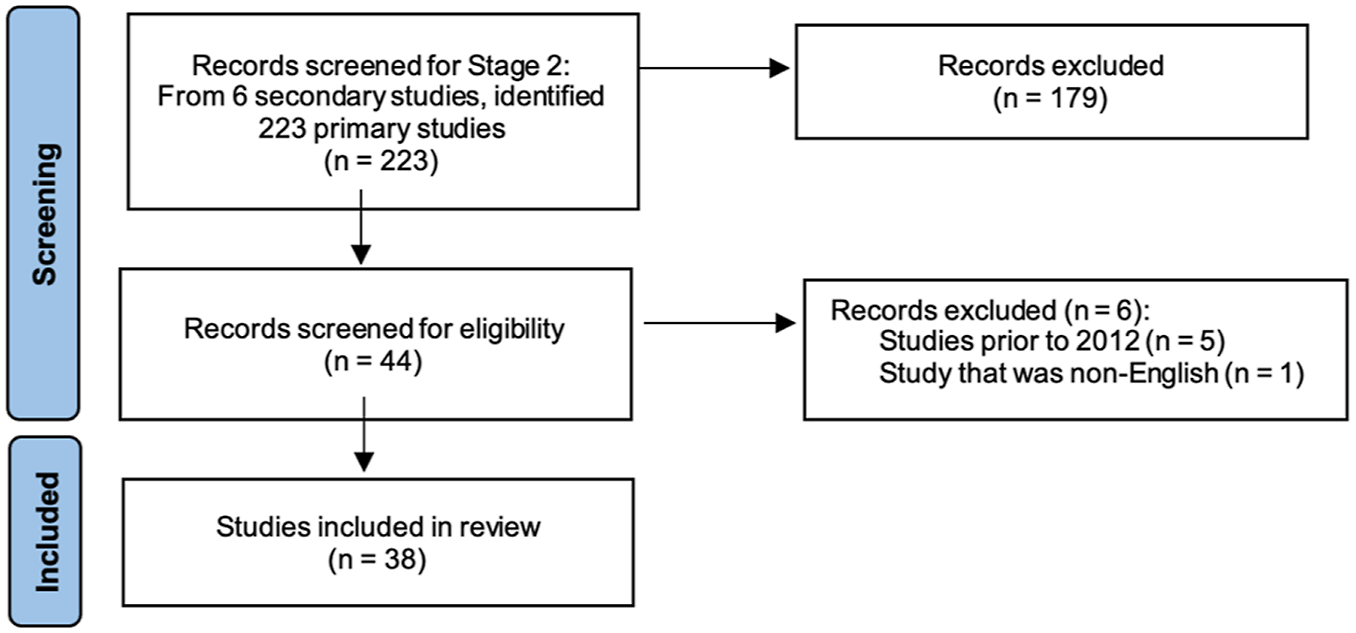
Phase 2: Analysis
We used Zotero (a free online bibliographic reference management software) to collate the study sources. We developed a basic structural coding sheet in a shared spreadsheet to outline each study’s key features. The following were coded: authors, year, citation, abstract, country(ies) , participants, setting, research design/ methods, and an overview of key findings. The first and third author coded the studies. When study features were not clear, they were reviewed and discussed by the entire team to arrive at a consensus.
We also created a conceptual features coding sheet to explore and record information about the purpose of the study; the nature of play types; the curricular areas addressed (content areas as well as links to Te Whāriki’s five strands); the extent to which children’s home language, cultures and identity, were considered or discussed consistent with Te Whāriki; and the theoretical perspectives that underpinned the studies.
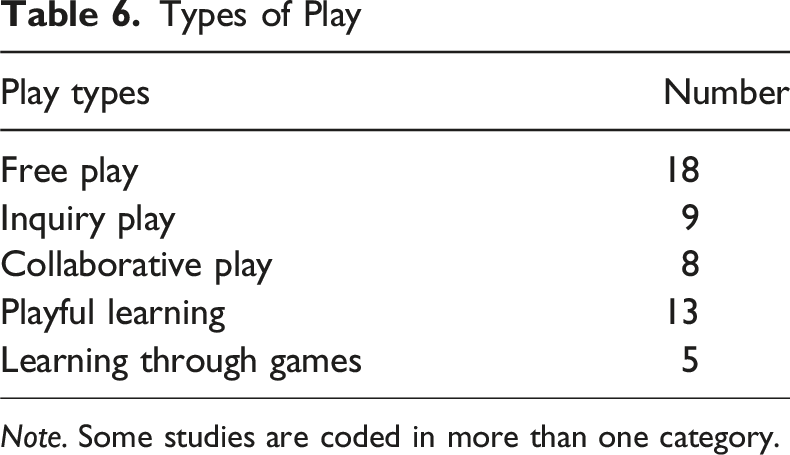
We turned to Pyle and Danniels’ (2017) continuum of play-based learning to analyse the nature of play types described in the studies. Although their work did not take account of the digital, their continuum was broad enough and provided a useful lens to understand the extent of educator involvement in the support of children’s digital play. In their continuum, teacher involvement ranges from children-initiated activities to teacher-guided experiences to teacher-led activities. These correspond to five play styles; Free play (child-directed with minimal teacher involvement), Inquiry (teacher extension of child-initiated ideas and explorations through dialogue and questions, investigations), Collaborative (both teacher and children have shared locus of control, co-designing the environment to facilitate child-directed play), Playful learning (teachers incorporate targeted skills into children’s play narrative) and Learning through games (teacher prescribed activities and learning outcomes for children, utilising games as a structured approach to learning).
Finally, we developed a thematic coding form to summarise key aspects of children’s or teachers’ teaching and learning stances that were represented in the study and key features or insights pertaining to specific studies. We used inductive thematic analysis (Braun & Clarke, 2019) to identify, organise and summarise the features within and across all studies. It is important to note, that across the 38 studies identified, the quality and consistency of reporting varied widely. This was somewhat related to the diversity of studies and range of foci that were addressed, but also due to the strong emphasis on theorising notions of play and digital affordances in this literature base. A strong theoretical stance is important and useful, however, the style of writing, combined with limits on journal space, may have resulted in a lack of clear procedural details or participant information. Where studies or specific codes were difficult to discern, all three authors reviewed and discussed them before final coding (see Appendix 3 in Figshare: https://figshare.com/s/143b43965fcc16a9ec5f for our analysed dataset).
Findings
Overview of the Studies
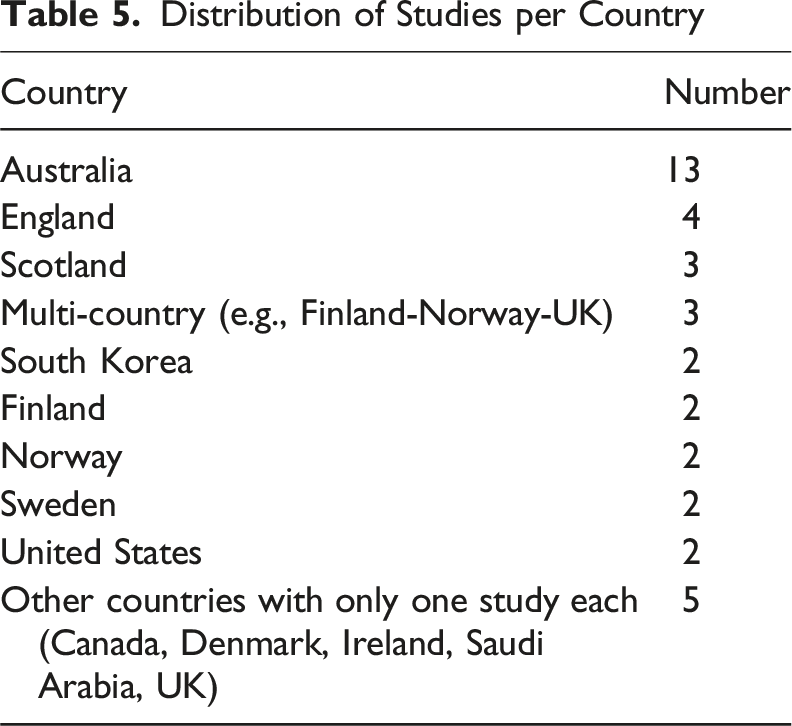
Figure 3 illustrates the number of primary literature sources reviewed with most published between 2014 and 2016 (n = 16). Distribution of Studies by Publication Year Distribution of Studies per Country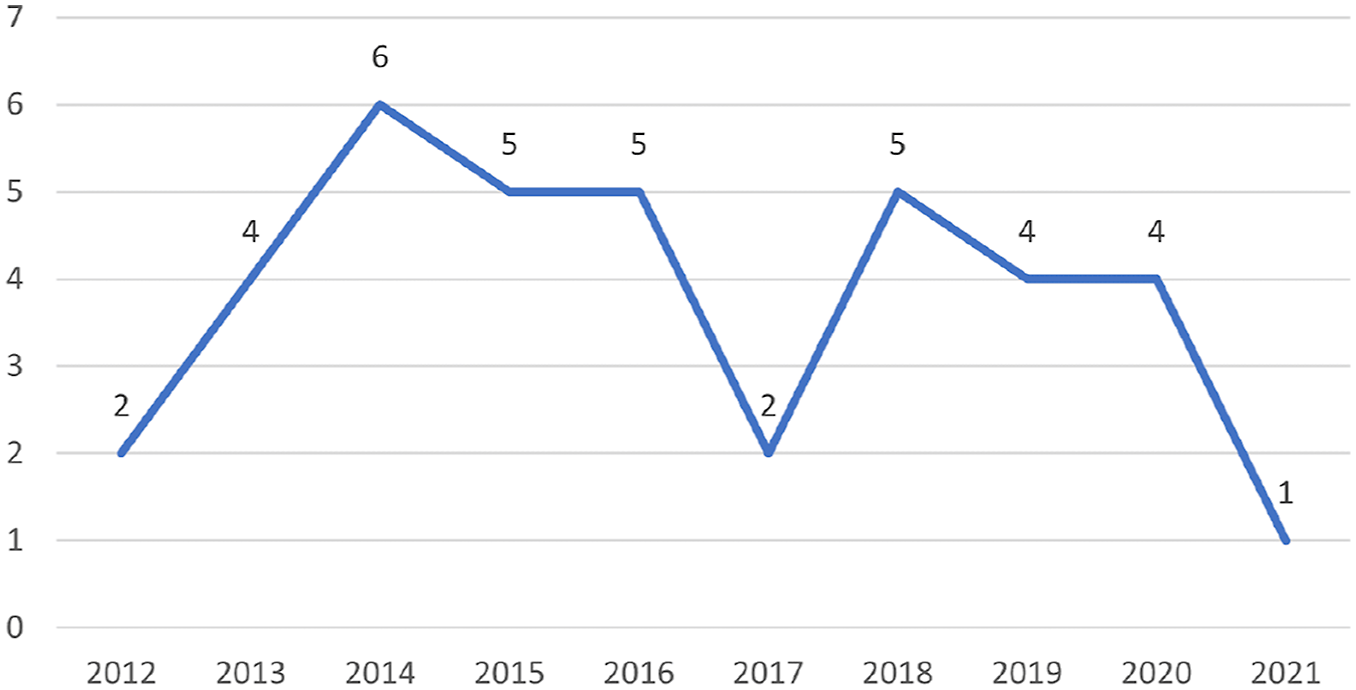
Investigations into the nature of young children’s digital play
To understand the nature of young children's digital play from the identified studies, we analysed their purposes, and types of play.
Purposes of the Studies
Four purposes for investigating young children’s digital play were evident (see Figure 4). The first focused on the use of digital tools for learning and play (n = 27) particularly on the impact of using digital technologies for supporting a variety of curriculum learning areas or skills through play (n = 14), or the affordances of a digital technology for play (n = 13). Distribution of Studies according to their Research Purposes. 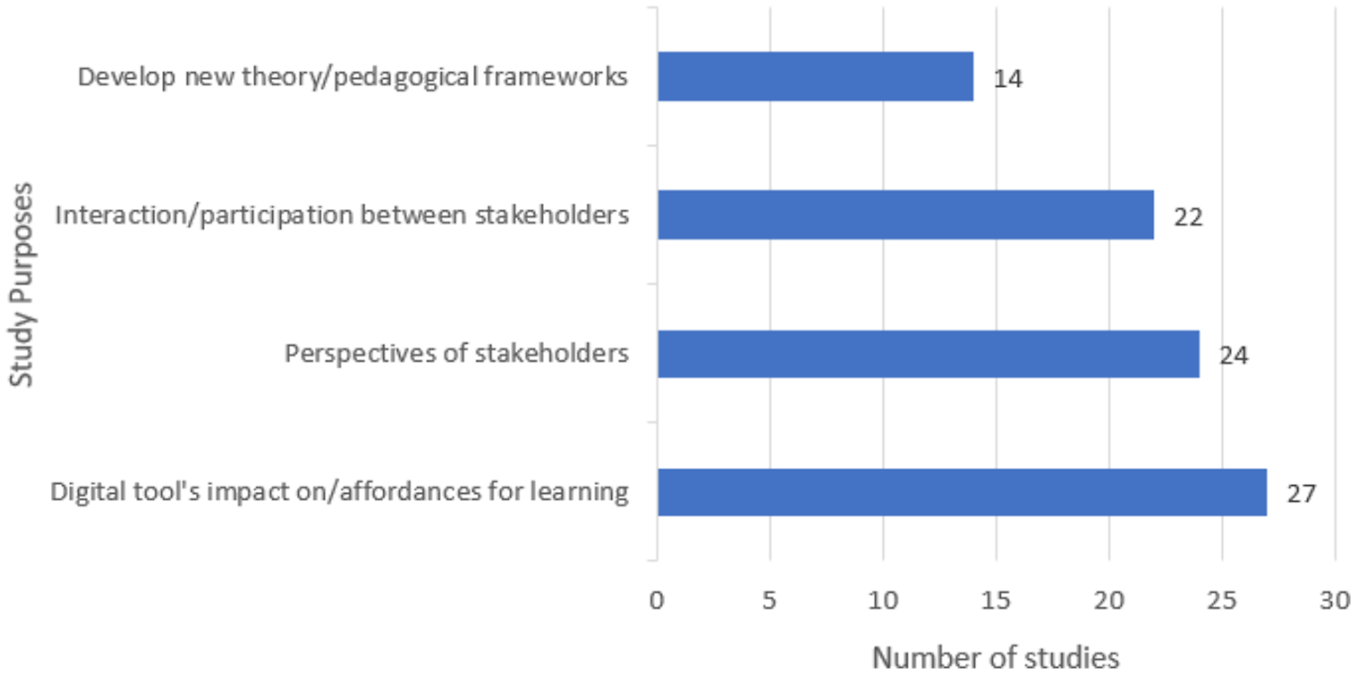
The next group of studies explored stakeholder perspectives on adopting digital technologies for play (n = 24) with 17 studies focused on gathering children’s perspectives, four on teacher perspectives and two on both teacher and child perspectives. Only 1 study regarded family and child perspectives.
The third group of studies considered teacher and/or children interactivity and participation with digital technologies (n = 22). Of these, nine studies investigated teacher-child interactions, eight on children-peer interactions and five examined individual children’s interaction with a digital tool for play. The final group focused on developing new theoretical or pedagogical approaches to digital play (n = 14).
Play Types and Pedagogical Interactions
Types of Play
Note. Some studies are coded in more than one category.
Investigations into how Digital Play has Been Examined
Research Methodologies and Study Duration
Theoretical Perspectives
Note. Some studies combined theoretical perspectives and are coded in more than one category.
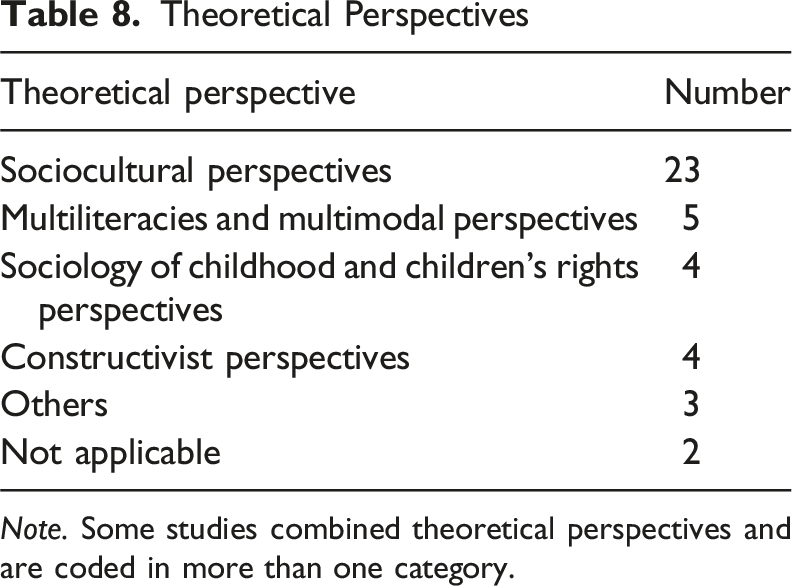
Many studies were influenced by sociocultural perspectives (n = 23). Some scholars drew from sociocultural or cultural-historical ideas to advance new theoretical frameworks for understanding children’s play, learning and development (Fleer, 2014). Other studies applied well-known conceptual ideas regarding multiliteracies/ multimodality (n = 5) (Cowan, 2018). Four studies each held constructivist perspectives (n = 4) (Lim, 2015) or took an agentic view of children’s digital play as espoused through the sociology of childhood and children’s rights paradigms (Dunn et al., 2018). Other scholars were concerned with sociomaterial post-human understandings of children’s digital play (Lafton, 2019) or expanded on ecological ideas of learning (Arnott, 2016) while others focused on children’s play immersion emphasising dialogic and interactive activities (Björk-Willén & Aronsson, 2014).
Investigations into How Studies in Digital Play Relate to the Aotearoa New Zealand ECE Curriculum
A key interest for our research team was understanding the extent the studies analysed were relevant to Te Whāriki in terms of its five strands. We were also interested in the extent to which the studies addressed language, identity and culture as espoused in the curriculum. In particular, we examined whether references were made to children’s home languages and cultures in ways that fostered a learning identity, including references to teachers working in culturally responsive ways.
The Extent the Strands in Te Whāriki are Reflected Across the Studies
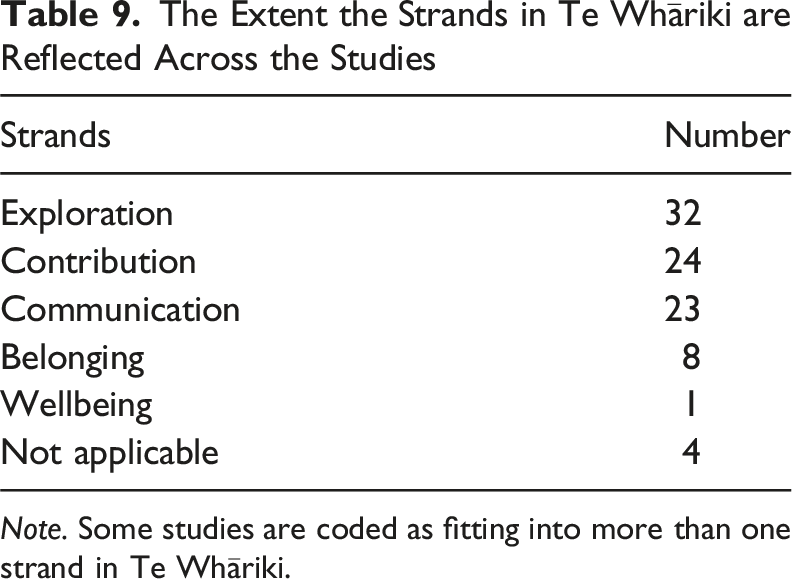
Note. Some studies are coded as fitting into more than one strand in Te Whāriki.
With reference to young children’s language, culture, and identity, only one study exemplified how teachers were using digital technologies in support of young children’s learning of their home culture. Marsh et al. (2018) discussed a Finnish maker project connecting children’s learning to their home culture through mythology, fostering children’s learning identities, agency, and belonging while developing maker literacies and citizenship.
Additionally, while there was a dearth of studies referring to the curriculum’s priorities on identity, language, and culture, we noted eleven studies that referred to the broader context of current and emerging digital cultures and the development of young children’s digital identities. They raised ideas on the ways different digital technologies, toys, games, and media are shaping (and being reshaped by) pedagogical and learning opportunities for young children. These investigations expand on, for example, children’s digital cultural identities (Roberts-Holmes, 2014), digital literacy identity (McGlynn-Stewart, Brathwaite, Hobman, & et al., 2018), digital identities (Dunn et al., 2018) and digital-consumerist cultures (Edwards, 2014).
Discussion
Young children’s digital play represents an exciting convergence of traditional and digitally-mediated play. Understanding the ways these technologies are taken up by young children, their interactions and impact from these interactions in their play-based activities and teachers’ roles have become an urgent research agenda. This requires ECE teachers and leaders, policymakers, ministry officials to be cognisant of insights from current evidence-base to be strategic in establishing policies and practices relevant to maximising young children’s learning and development. Our rapid evidence review adds scholarly insights into the state of digital play, specifically informing the Aotearoa New Zealand ECE sector and adding to current corpus of research on young children’s interaction with digital technologies aligned with the aspirations of Te Whāriki. Overall, our findings suggest the discourse on digital play is continuously evolving regarding conceptualisations, research designs, pedagogical approaches, and interactive practices through and with digital technologies.
With regards to play types and teacher pedagogical involvement, child-led forms of play (Free play, Inquiry and Collaborative play) dominated, aligning with more agentic and child-led learning philosophies. The range of teacher involvement was dependent on factors such as children’s interest, age, culture, development, curricular emphasis and the focus of the studies. Pyles and Daniel’s (2017) continuum, although developed originally for non-digital contexts, is broadly applicable to understand the range of play in digital contexts and as a starting point for teachers to locate their practice. Further exploration of a digital play continuum may be a useful tool for digital play researchers to use to describe their focus and intent using a shared framework and language for the nature of teacher and child interactions within digital play. This might extend, for example, on aspects of children’s engagement in digital play or with digital tools as presented by Arnott (2016) and Edwards and Bird (2017) or the affordances of technology and teacher support described by Dittert et al., 2021.
Although smaller in number, studies focused on new theoretical and pedagogical approaches represented significant and exciting developments in strengthening the theoretical base and explanatory power for ways of working with young children, teachers and caregivers and technologies themselves. While sociocultural views of learning and development guided many studies, the emergence of new theoretical framings and conceptual tools such as the ‘web-mapping' described by Edwards et al. (2020) illustrate pioneering efforts to explain how play is influenced and enacted in new and deeper ways. The exploration of sociomaterial and post-human understandings of children’s digital play expands the theoretical landscape by considering the entanglements between human and non-human actors in shaping play experiences (Lafton, 2019). These draw attention to the multifaceted nature of children’s digital play experiences, guiding deep and critical understandings including further collaborative and interdisciplinary investigations to address the complex dynamics and support needed for enhancing quality interactions.
In the Aotearoa New Zealand context, all five learning strands within Te Whāriki are referenced, particularly on Exploration. Only a handful of studies connected with the Belonging strand, and one related to the Wellbeing strand. Further, investigations across the studies generally considered children’s emerging digital identities and their development within digital cultures, taking into account the broader sociocultural, economic, and commercial trends influencing young children as they engage with both physical and digital tools for play. Only one study was relevant to Te Whāriki in terms of home language and culture shaping children’s learning identity (Marsh et al., 2018). A handful of studies mentioned the ethnic culture within the wider context of their studies, but this was not an area of focus in their investigations (Sulaymani et al., 2018).
Recommendations for Further Research to Inform Policy and Practice
Our review identifies research priority areas crucial for informing policy and practice regarding young children’s digital technology adoption within play-based settings and national curricular frameworks aligning with international efforts such as those reported by Mantilla and Edwards (2019) and Undheim (2022). Firstly, our findings suggest areas for further investigation relevant to the wider international scholarly community and the Aotearoa New Zealand context. Most of the research reported is from Western developed nations; findings from other countries were limited. This could be due to the limitations of our rapid review search parameters, including the possibility that researchers from different countries use varied terminologies and understandings of play when studying young children’s interactions with digital technologies. Indeed, this was our experience in having to negotiate the connotations on digital play that are expressed or understood across the studies. This raises the potential for further clarity of definitions of digital play and what it means as a way forward to inform policy and practice.
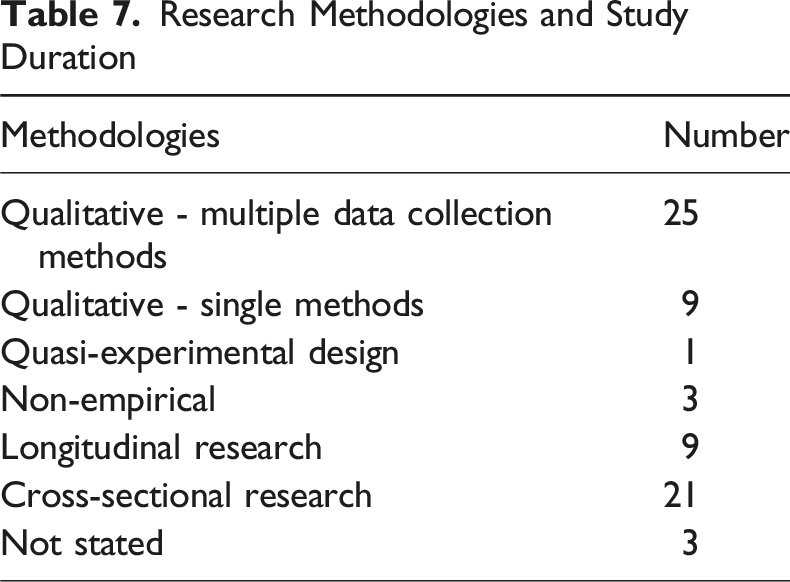
Expanding future studies to include large scale cross-country collaborations or longitudinal studies involving mixed-methodologies, can provide insights into digital play experiences over time and across diverse contexts not evident in smaller-scale studies. Future studies could expand the search terms to include those emerging from interdisciplinary fields such as games studies, media studies, health, and psychology. This approach would foster potential cross-collaboration and interdisciplinary understandings of young children’s digital play, its impact and ways to better support young children, educators, and caregivers. This could also open further avenues for researchers and practitioners to collaborate with designers and developers of digital toys and platforms to enhance the quality and appropriate support for young children’s long term learning outcomes, wellbeing, and development.
With reference to local contexts, most of the studies were conducted in Australia followed by the United Kingdom and Europe, highlighting that more studies are needed in Aotearoa New Zealand to add to the corpus of understanding in the field. This is important as the effective integration of digital technologies in the early years requires alignment between research, policy, and practice that acknowledges sociocultural contexts (e.g., Arnott et al., 2019). The expansion of Aotearoa New Zealand-based studies is not merely beneficial but essential for developing evidence-informed approaches that acknowledges Te Whāriki and its unique bicultural nature. Looking to Australia as an example, Table 2 showed the increased and extensive reference to the term ‘digital’ embedded throughout the updated EYLF. It is clear that the extensive research in this area could be translated into specific curriculum policy guidance that will directly impact practice. The rapid evolution of digital platforms requires ongoing local studies and researchers to ensure policies remain relevant and responsive to supporting teachers’ professional growth and children’s learning needs.
Our findings further underscore a significant gap in understanding young children’s belonging and wellbeing (as understood in the Aotearoa New Zealand ECE context), during digital play. While there was limited discussion on young children’s digital wellbeing, including ethical use of digital technologies (Bittner, 2021) and critical evaluation of digital and online platforms (Edwards, 2021), emerging views consistently advocate for fostering agency, self-regulation, and critical thinking in children’s digital play, rather than restricting or removing their access to digital technologies. This is a potential area for collaboration between interdisciplinary researchers, practitioners, and policymakers to develop appropriate policies that can guide the strategic introduction and use of digital devices for educators and caregivers in supporting young children in play-based settings.
Studies are urgently needed to understand the ways digital technologies can support young children’s play by drawing from their cultural funds of knowledge and interests in ways that recognise their home language, culture and identity. Although broader notions of digital identity and digital culture were noted in our analysis, there is a dearth of studies on digital play as underpinned in Te Whāriki for acknowledging and extending young children’s home language and culture as part of their learning identity including ways of working with whānau. Indeed, others have argued that children’s play is crucial to their developing a cultural identity and sense of belonging within their early childhood settings. This is particularly important in Aotearoa New Zealand’s increasingly diverse ECE landscape, highlighting the need for more critical intercultural pedagogies (Archard & Archard, 2019; Arndt, 2020). Efforts in this direction can go some ways towards ensuring an inclusive and equitable quality education for all young children, thereby supporting learning that can lead to societal improvement.
Limitations
Our study was limited to a specific set of keyword terms, included only studies published in English, and excluded grey literature. As a result, it is possible that a small number of relevant studies including those from Aotearoa New Zealand may have been overlooked. Restricting to only English publications also runs the risk of possible cultural and contextual bias. We have sought to be transparent in our reporting and indicate potential limitations to our findings consistent with the methodological guidance on rapid reviews. We are confident that our rapid review findings have provided a broad overview and guidelines typical of such approaches, allowing us to gain a snapshot understanding of the field to identify high-priority areas for further research, policy, and practice initiatives. Going beyond reference to peer-reviewed journal articles, future investigations can consider broader systematic reviews or scoping reviews covering diverse sources (book chapters, conference proceedings, theses) to enhance further insights.
Conclusion
Digital play research and practice have undergone a discernible shift towards understanding the potential applications, affordances, and impact of emerging digital technologies. As is expected with research with digital technologies, new frontiers are emerging all the time. As we were completing our review, new technologies for generative artificial intelligence (GenAI) were emerging in the public domain. Comprehending the potential and limitations inherent in these technologies enable new ways for empowering children to create, communicate, collaborate and curate their ideas including new understandings on fostering conducive digitally-supported play-based learning environment. Given the rapid evolution and change in digital technologies, the use of the rapid review methodology can be a particularly valuable approach to assess the existing knowledge base at key points in time. While the methodology is widely established in health research and increasingly adopted in education research, our study demonstrates its potential as a cross-disciplinary approach to reviewing and synthesising literature on priority areas in early childhood education.
Supplemental Material
Supplemental Material - Digital Play in the Early Years: Exploring Research Trends Through a Rapid Review of the Literature
Supplemental Material for Digital Play in the Early Years: Exploring Research Trends Through a Rapid Review of the Literature by Elaine Khoo, Tara McLaughlin, and Stacey Rowe in Australasian Journal of Early Childhood
Footnotes

Author Contributions
EK: Led the study, conceptualisation, methodology, data analysis, writing - original draft, writing - review and editing. TM: Contributed to conceptualisation, methodology, data analysis, writing – contributed to manuscript revisions and editing. SR: Data search, curation, coding and analysis, contributed to writing parts of original draft. All authors have read and agreed to the published version of the manuscript.
Funding
The author(s) received no financial support for the research, authorship, and/or publication of this article.
Declaration of conflicting interests
The author(s) declared no potential conflicts of interest with respect to the research, authorship, and/or publication of this article.
Data Availability Statement
Data can be made available on request.
Supplemental Material
Supplemental material for this article is available online.
References
Supplementary Material
Please find the following supplemental material available below.
For Open Access articles published under a Creative Commons License, all supplemental material carries the same license as the article it is associated with.
For non-Open Access articles published, all supplemental material carries a non-exclusive license, and permission requests for re-use of supplemental material or any part of supplemental material shall be sent directly to the copyright owner as specified in the copyright notice associated with the article.
