



Abstract
Engaging with learning and development opportunities is the hall mark of a committed lifelong learner. In this study, we aimed to highlight the benefits of the learning and development achieved by participating coaches on the Olympic Solidarity (OS) Tennis programme. This coach development programme is a joint venture between OS, the International Tennis Federation, and its member nations to deliver certification courses for the coaches of advanced as well as high-performance players. This study is presented in two progressive parts: a web-based survey (Part 1) and semi-structured interviews (Part 2). In Part 2, we interviewed 12 participants from 12 different countries and four coach developers/tutors involved in programme delivery. The coaches in Part 1 were characterised by long-term engagement with tennis coaching and enhancing their own learning and development. Statistical analyses showed no significant difference between any of the variables examined. The interview analyses revealed three main themes: direction and strength of effort; perceived status and prestige of completion; and positivity and purpose. We conclude by discussing short-, medium-, and long-term advantages coaches identified from the programme.
There are a number of benefits associated with continuous learning and development, especially in the high-performance environment. Gaining new skills, knowledge, understanding and values can be achieved at an individual level but is considered easier with some form of educational support. 1 However, in the sports context it is important that both organisations (i.e. federations, universities, etc.) and individuals (i.e. coaches, support personnel, etc.) are aware of the myriad of reasons why people choose to invest time in their development to further refine their learning. Further developing existing skills and improving limitations can be useful for organisations and individuals when looking to progress a programme or performance activity, plus proactive learning is invaluable across all areas.
Becoming a lifelong learner has become increasingly important in the constantly changing workplace, both for job security and continuing success in sport coaching.2,3 However, this approach is becoming more common as the margins between top performers narrow and the competition between organisations and coaches for more participants and fans is growing. In this dynamic and uncertain ecosystem, coaches need to take advantage of all the available resources to effectively fulfil their role at all levels of sport. This continuous learning approach will enable coaches to meet personal goals by enhancing their skills, thereby making themselves more valuable to the organisation, especially in the long term. 4 An adaptable, knowledgeable and current coach is a competitive advantage to an organisation, especially where high performance and winning are crucial. 5 It has also been acknowledged that there is a significant difference in coaching elite performers, compared to those on a performance trajectory, many coach education and development programmes do not address. 6
These differences have been recognised by organisations, such as the International Tennis Federation (ITF), which provides information, education, certification and continuous professional development (CPD) opportunities for coaches at different stages of their careers. 7 Furthermore, a CPD pathway offers content related to the developmental stages of the coaches throughout their coaching career (i.e. novice, coach, expert, master, etc.). 8 The comprehensive understanding of the intricacies, individual approaches, specific frameworks, player-centred mindsets and adapted contents as they pertain to each one of the stages form a crucial part of the art and science of coaching at different levels of the game.
In a context where individuals combine learning with work, as is the case for tennis coaches of high-performance players, adults are more motivated to learn if the learning is enjoyable but also if they can see the direct relevance to their job. 9 Boateng and colleagues 10 highlight the importance of support, whether that be peer or an instructor/teacher driven, as this accelerates the creation of new knowledge through critical thinking and social interactions. This encourages a more positive experience and contributes to the achievement of both academic and social educational goals. 11 In this type of coaching programme, coach developers must promote the benefits of self-directed learning, encouraging coaches to become proactive in their own development. 12
This process is not without its challenges, Pilgrim and colleagues 13 highlighted barriers to learning as including course content, relevance, clarity and structure, pre-requisite knowledge, skills and experience. The focus on active learning over passive consumption of content can be key to engagement with the course content, especially given the perceived relevance to the learner. 14 Within sport coaching, the translation of theory into practice is paramount as coaching is a practical activity, not a theoretical exercise.
There are a number of factors that encourage people to continue learning and developing. Engaging successfully with this process is also easier when certain constraints are removed. Offering coaches opportunities to learn, improve and develop is instrumental and this coach development programme, a joint venture between Olympic Solidarity (OS), the ITF and the member nations is designed for coaches of advanced as well as high-performance players. Specifically, this programme forms part of the OS World Programmes, targeting improved recognition of the Olympic Games, called the ‘Olympic Scholarship for Coaches’. In short: these scholarships allow coaches officially recognised by their National Federations (NF) and active in their country to benefit from continuous high-level training and acquire experience and know-how, which they will then be responsible for placing at the service of their national sports system. (Campos Rius
15
; p. 3)
The certification courses delivered through this programme are funded by OS and their contents designed by the ITF Development Department and approved by the ITF Coaches Commission, formed of representatives of some of the world's most successful tennis nations. As a result, these courses are regarded as of the highest quality and are used worldwide.16,17 The main selection criteria include safeguarding and integrity standards, appropriate certification level, current or recent coaching activity, playing record, tutoring expertise, good standing with the National Association, availability to commit to the course, academic qualifications and language proficiency. Scholarships for this programme are extremely limited globally; however, demand is high.
No previous research has explored the characteristics of a multicultural high-performance coach education programme delivered by an international federation. Therefore, the aim of this study is to highlight the benefits of the learning and development achieved by participating tennis coaches on the OS Tennis programme. A secondary outcome is to provide coaching organisations with an effective developmental framework for high-performance coaches. To achieve this, this paper is presented in two progressive parts: a web-based survey (Part 1) and semi-structured interviews (Part 2).
Part 1
Method
Participants
Participants included 122 tennis coaches (male = 108; female = 14), who had participated in the ITF/OS coaching advanced and/or high-performance players coaching course. All participants had been selected by their National Associations, endorsed by the ITF, and approved by their respective National Olympic Committees and OS. Ethical approval was provided by the University of Edinburgh Ethics Committee prior to data collection (CN17032021), and each participant provided informed consent prior to completing the survey.
Procedure
A draft survey was constructed based upon key elements outlined by Nash and Sproule, 18 consisting of six sections: demographic data; learning outcomes; on court/practical experiences; theoretical topics; learning in the tennis environment and general course outcomes. Participants were asked to complete Likert Scale (1–5) responses for Sections 2–6. The survey, provided via Online Surveys (www.onlinesurveys.ac.uk), was distributed via e-mail to 140 (87% response rate) past participants of the ITF/OS coach education programme. An explanation of the study aims, purpose and an electronic link to the survey were provided in the e-mail. The survey was available for completion for a period of 2 months and took approximately 30 minutes to complete. Data are available upon request.
Data analysis
Statistical tests were performed in RStudio (v2022.07.2). Statistical tests and diagrams were generated using the package ‘ggstatsplot’. 19 A Kolmogorov–Smirnov test verified deviations in the normality of the variables, necessitating the use of non-parametric statistical tests. Chi-square relationship tests were performed to assess the differences in coaches’ responses according to key variables. Cramer's V was calculated to measure the strength of the relationship, considering small (V = .06), medium (V = .17) and large (V = .29) effects. Significant values were considered for p < .05.
Results
Demographic statistics generated from the 122 respondents indicate that the tennis coaches had the following profiles:
Represented 60 different countries. Of these, 18% were from the African region, 18.8% from South America, 23.8% from Asia, 27.9% from the Caribbean, 6.6% from Europe and 3.2% from Oceania. 88.5% male and 11.5% female, aged between 28 and 67 years (mean age: 44.1 years, SD = ± 9.5) Time in coaching ranged from less than 10 years = 5.7%; 11–20 years = 50%; 21–30 years = 26.2%; over 30 years = 18.1% The breakdown of coaching qualifications as reported by the coaches was 27.8% ITF Level 2 (coaching advanced players); 68% ITF Level 3 (coaching high-performance players); 4.2% other tennis qualification (i.e. non-ITF or the National Tennis Federation). Coaches reported being at their current level of qualification for less than 5 years = 35.2%; 6–10 years = 31.1%; 11–15 years = 22.1%; over 16 years = 11.6% Coaches primarily worked with participants at the following levels, beginners = 0.8%; intermediate = 5.7%; advanced = 44.2%; high performance = 49.3% Hours per week coaching were reported as, 5 hours or less = 4%; 6–10hours = 7.3%; 11–16 hours = 9%; 16 hours plus = 79.7% Highest level of educational qualifications were reported as completing secondary school = 7.3%; pre-graduate = 18.8%; graduate = 34.4%; postgraduate = 39.5%
Figures 1 to 3 show the responses of the coaches according to their coaching experience. No significant differences were found in the responses related to motivation to learn (χ2 = 5.62; p = 0.93), improving as a coach on-court (χ2 = 7.54; p = 0.58), improving as a coach off-court (χ2 = 8.81; p = 0.46) and improving the overall learning (χ2 = 5.16; p = 0.52). In all cases, regardless of their experience, the coaches overwhelmingly reported that the course was of significant help to their practice (p < 0.01).
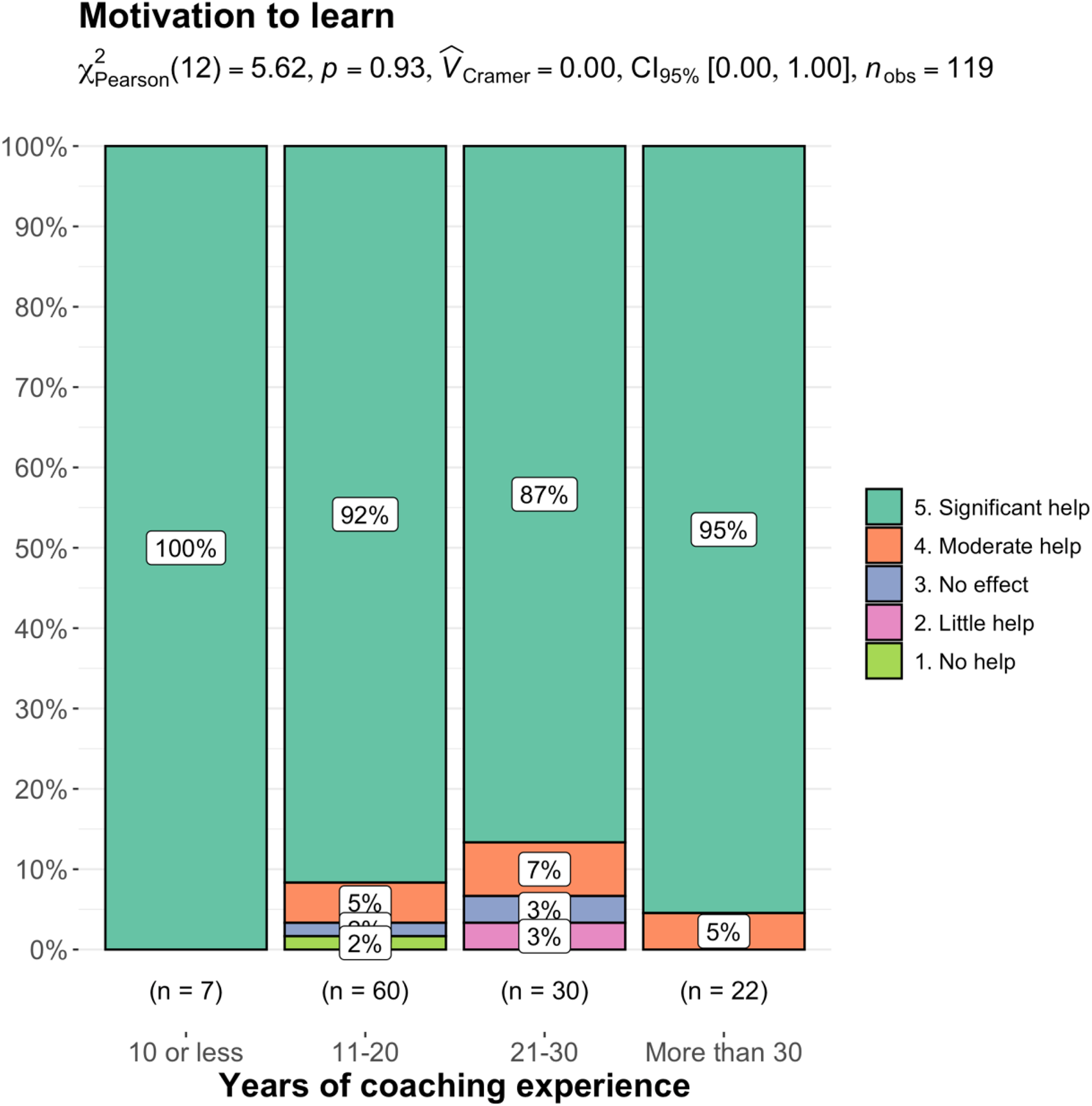
Motivation to learn vs. years of coaching experience.
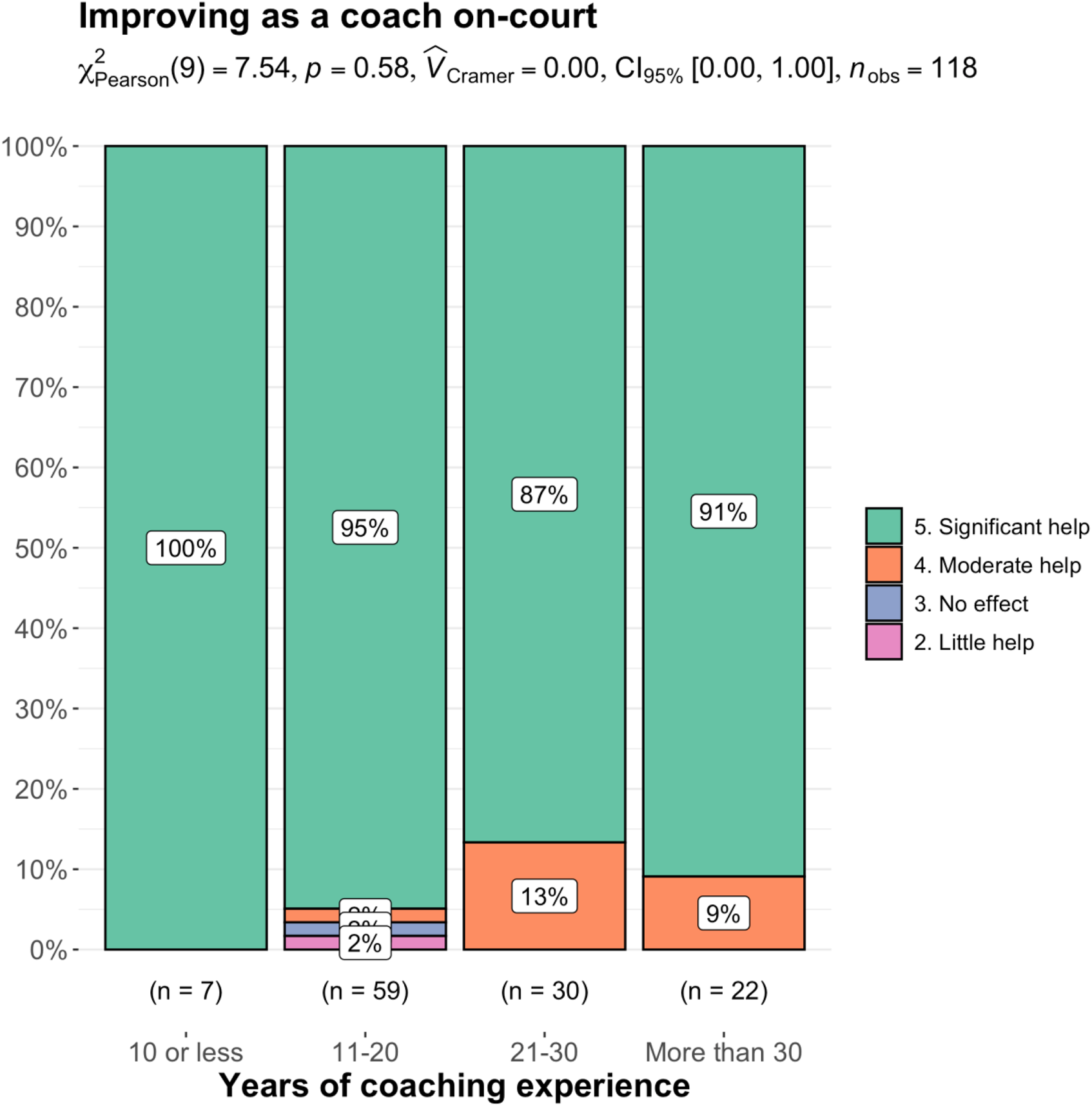
Improving as a coach on-court vs. years of coaching experience.
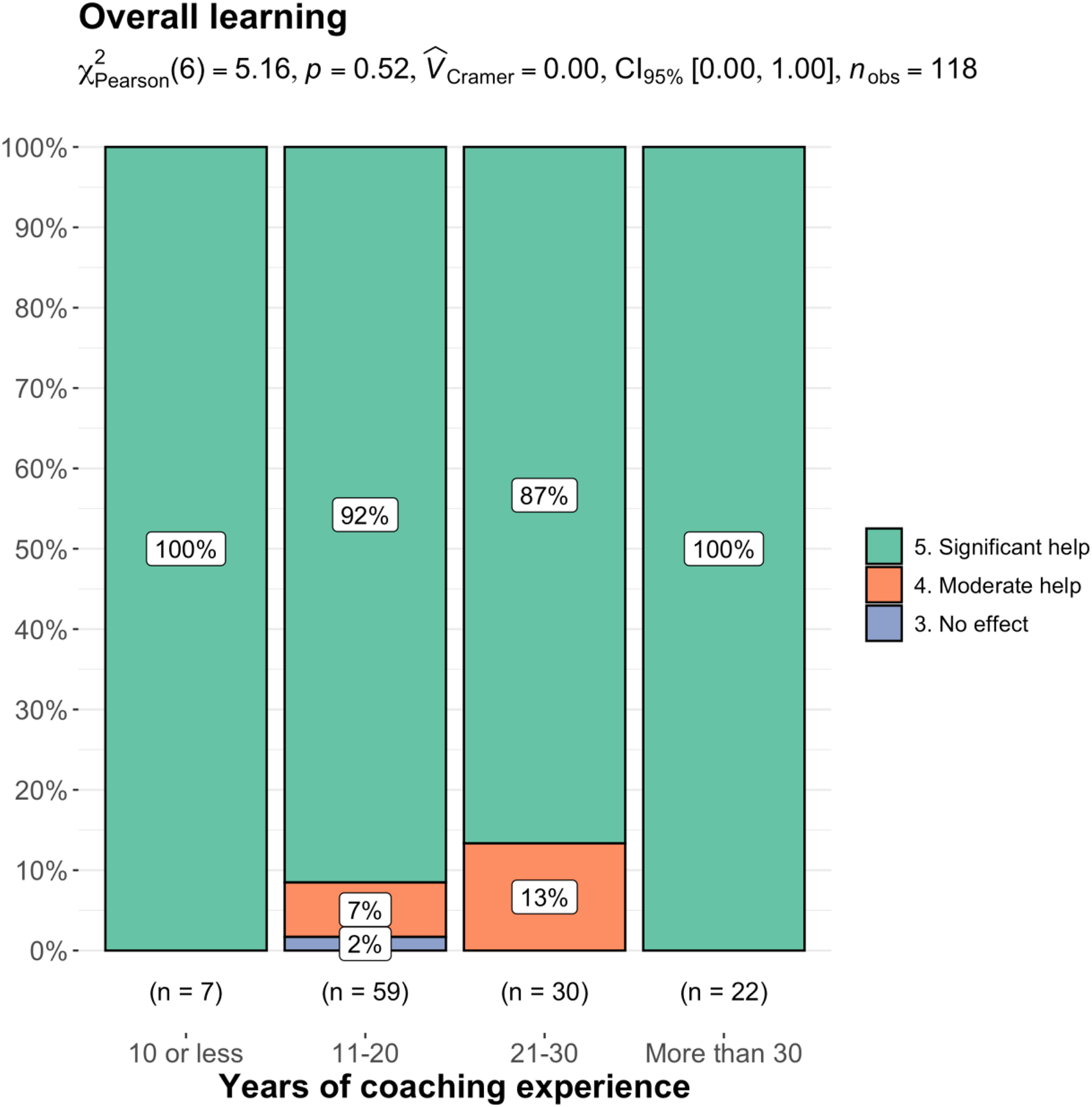
Overall learning vs. years of coaching experience.
In Figures 4 and 5, no significant differences were found related to the number of hours coaches spent coaching for: knowledge of training the fundamental skills of tennis (χ2 = 2.56; p = 0.46), motivation to learn (χ2 = 2.65; p = 1) and learning from other coaches practice (χ2 = 3.04; p = 0.80). Regardless of the number of hours spent coaching, all coaches reported that the course was of significant help in all cases (p < 0.01).
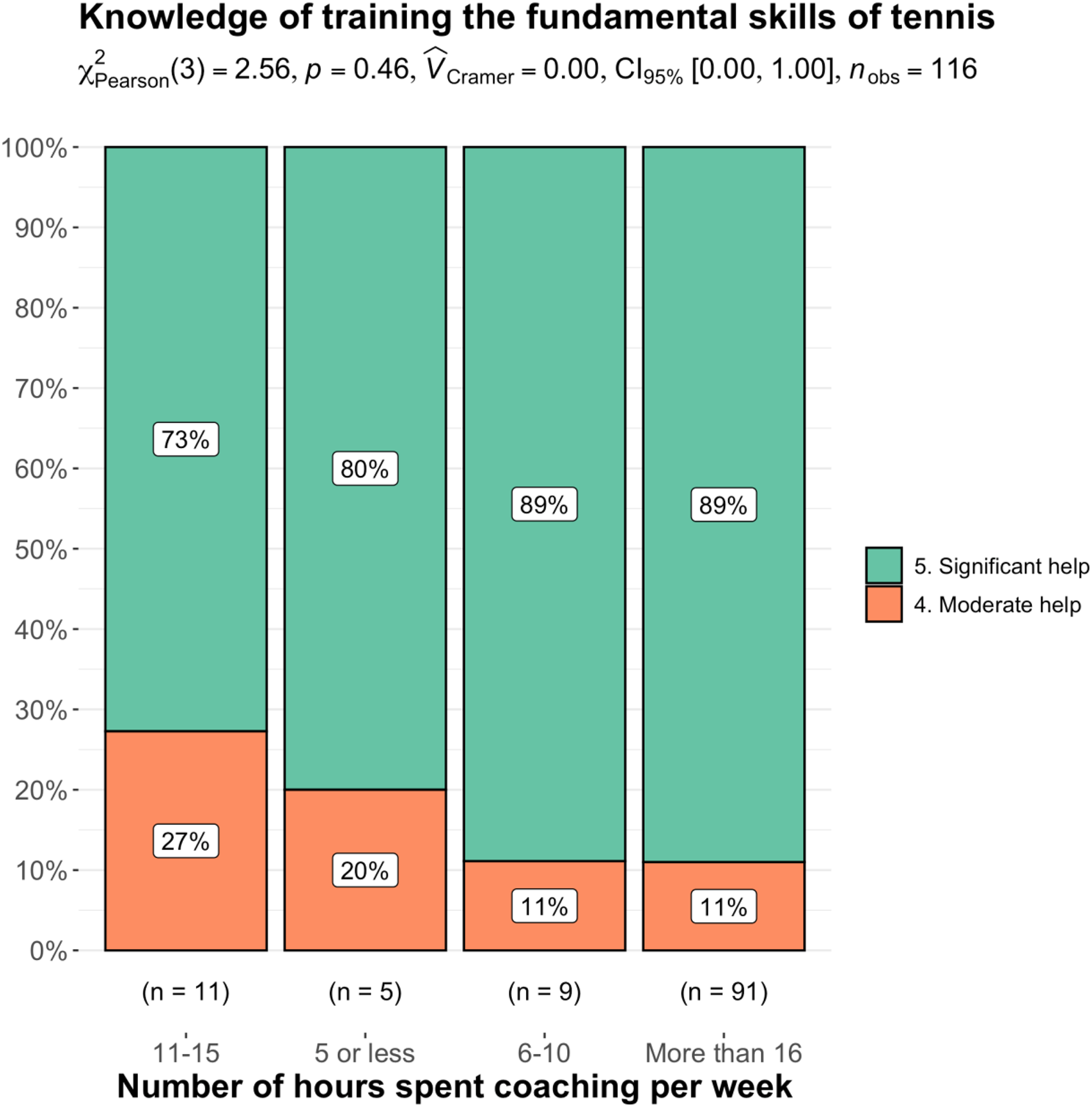
Knowledge of training the fundamental skills of tennis vs. number of hours per week.
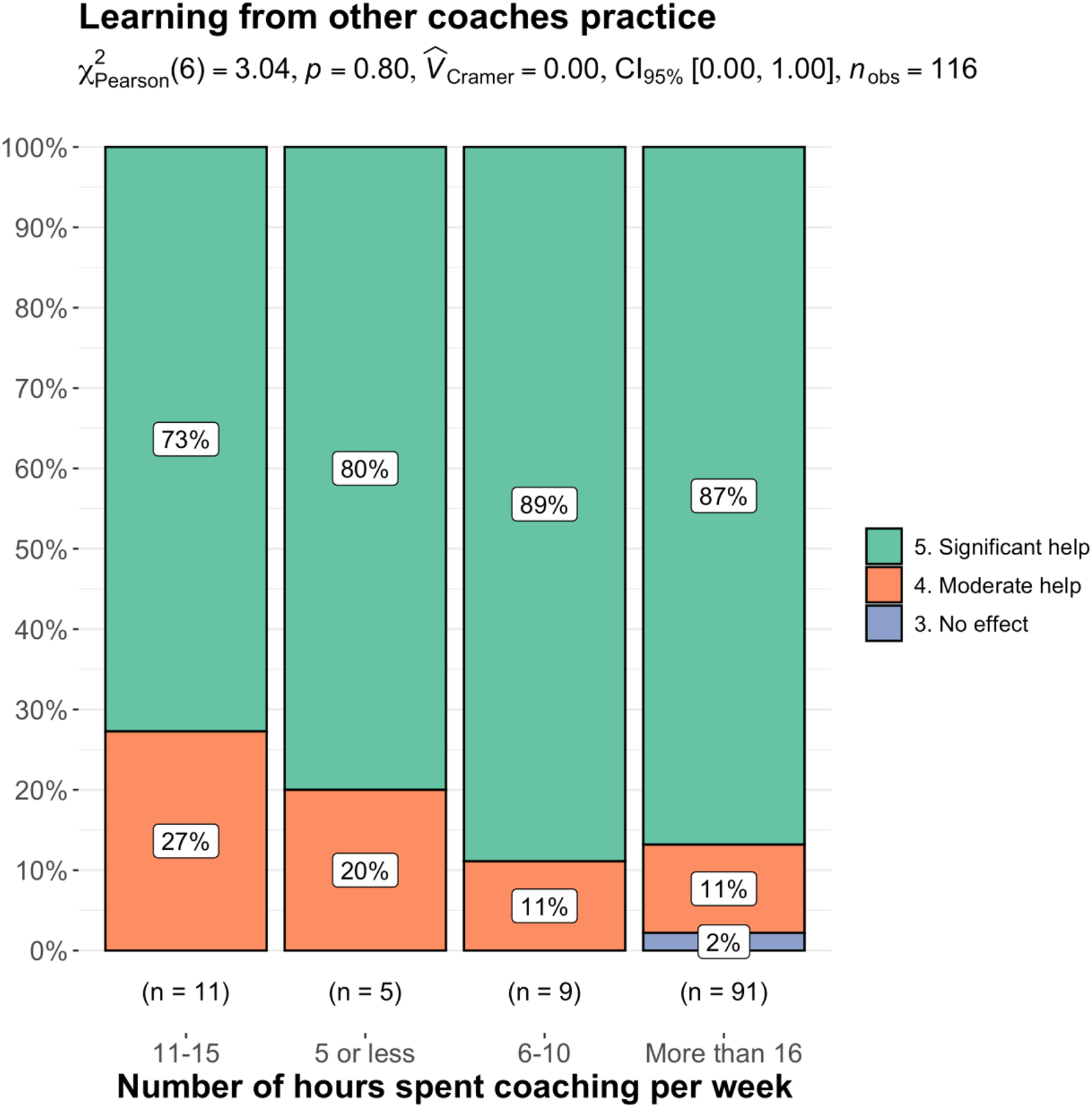
Learning from other coaches practice vs. number of hours per week.
Figures 6 and 7 show the responses of the coaches according to the time spent at the current level of certification. No significant differences were found in the responses related to motivation to learn (χ2 = 9.61; p = 0.85) and improving the overall knowledge (χ2 = 7.54; p = 0.60). For both variables, the coaches reported that the course was of significant help, regardless of the time spent at their current level of certification (p < 0.01).
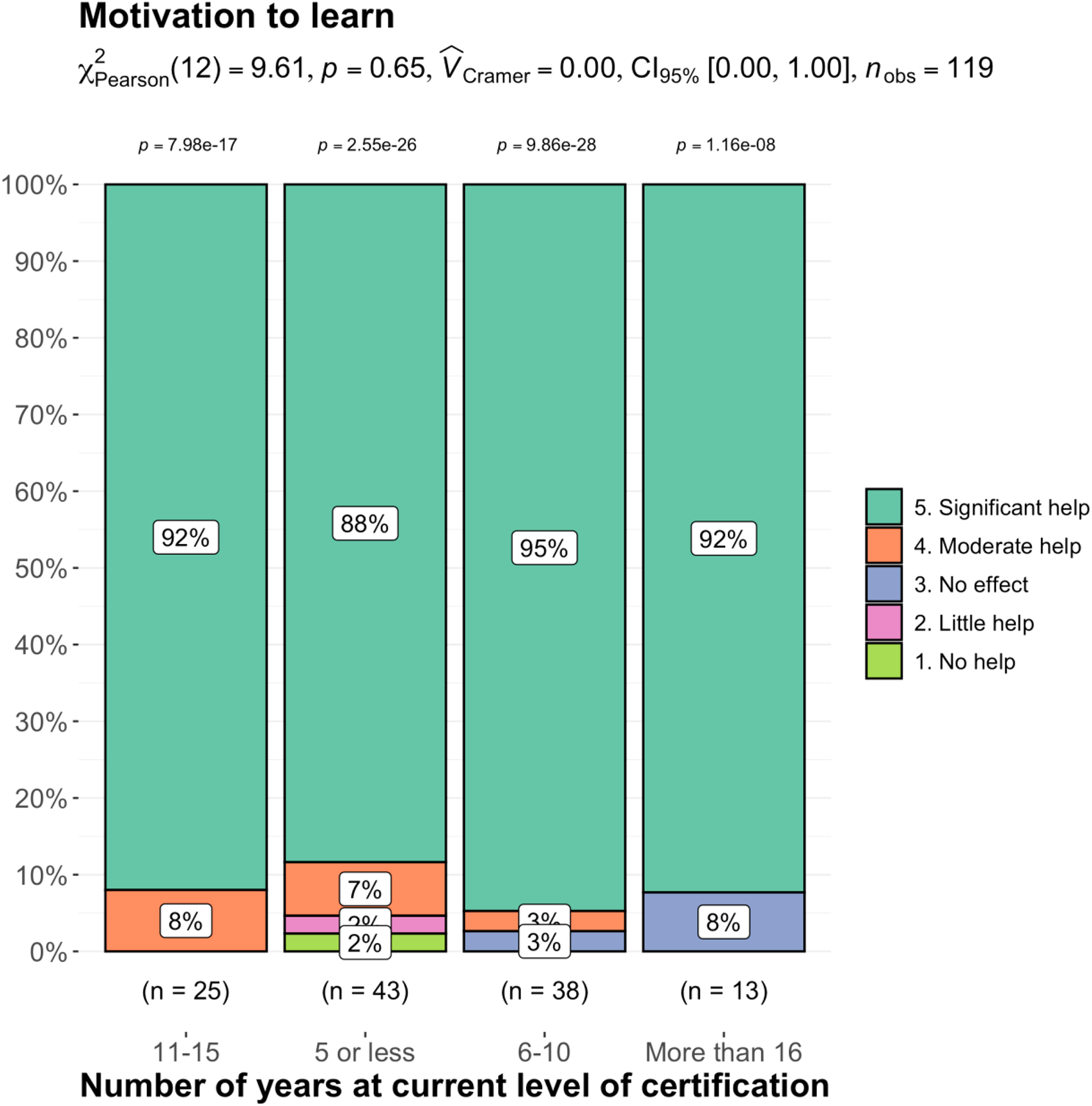
Motivation to learn vs. number of years at current certification.
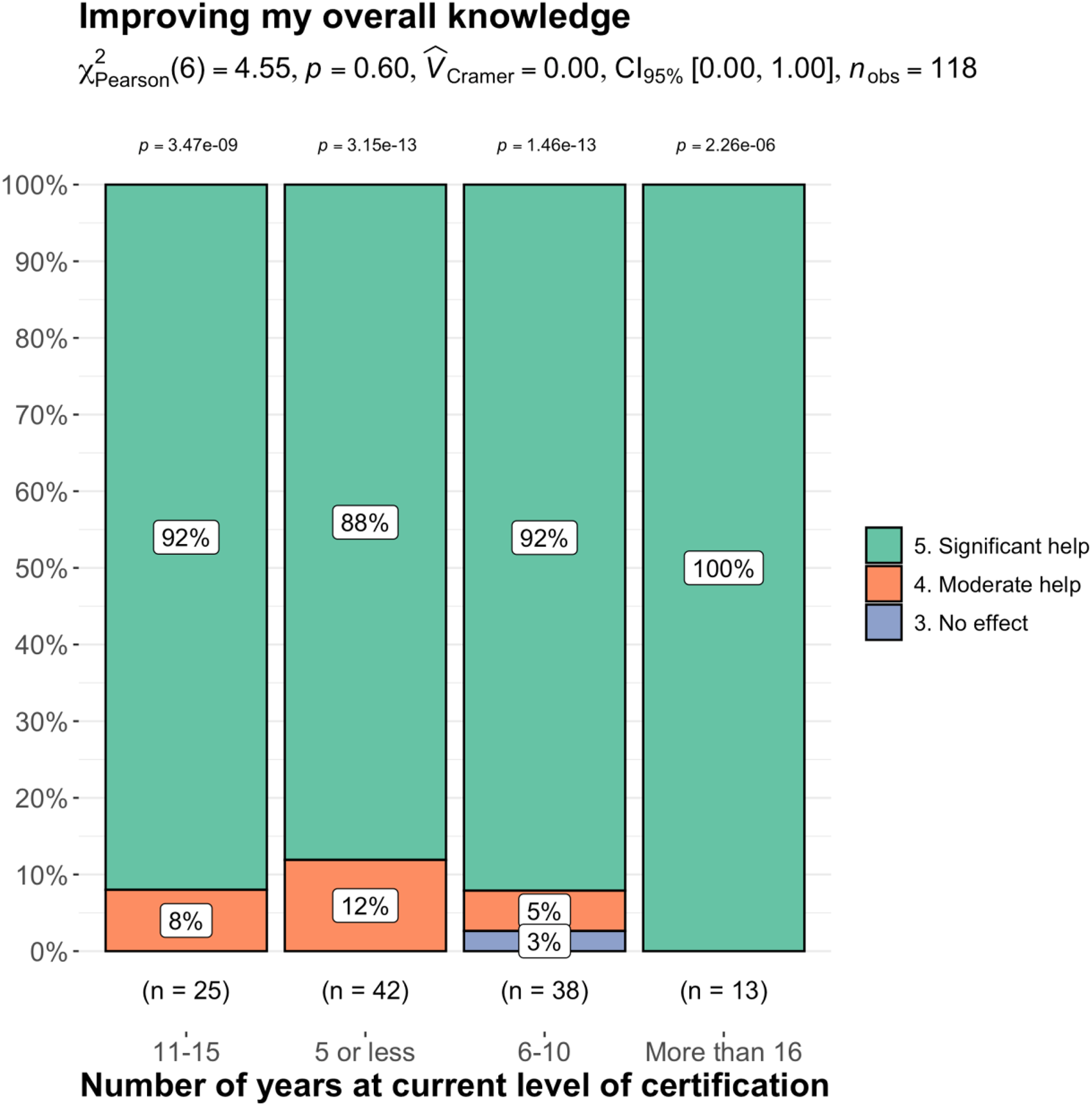
Improving my overall knowledge vs. number of years at current certification.
A number of coaches (N = 31) considered that the ITF courses required hard work and effort to complete successfully, while one coach likened it to a Master's degree. Furthermore, coaches (N = 42) expressed interest in further learning, perhaps as an ongoing developmental opportunity.
Discussion
These coaches were characterised by long-term engagement with tennis coaching, evidenced by the number of years involved in coaching plus the time spent coaching on a weekly basis. These coaches did not view coaching as episodic and short term, which has been seen as detrimental to coaching in the past. 18 Over two-thirds of this cohort of coaches held the highest level of ITF tennis coaching qualification (coaching high-performance players – Level 3) and were graduates of higher education programmes. Almost 40% of these coaches held a postgraduate qualification, perhaps explaining their engagement with learning and development on this programme.
Interestingly, the chi-squared test showed no significant difference between any of the variables examined, painting a picture of tennis coaches who were highly engaged not only with their coaching practice but also committed to their own learning and development, despite the differences in background and experiences. Previous studies conducted in tennis coach certification courses evaluating the competences needed by the candidates have produced similar results. 16 However, other studies have provided some negative views by novice tennis coaches and in the wider context of coaching.17,18 The characteristics of this cohort of high-performance coaches are representative of the selection criteria employed by both OS and the ITF, and exemplified by the lack of significant differences in the statistical analysis. All of these coaches, despite the differences in the level of tennis in their country (N = 60), were motivated to take advantage of the opportunities on offer. There is an underrepresentation of coaches from Europe and Oceania as many of the national federations in these continents have tennis coach education systems that are fully recognised by the ITF and, therefore, are self-sufficient in the delivery of their own coach certification programmes.
Part 2
As the ITF/OS programme was considered of considerable benefit by the coaches in this survey, we initiated semi-structured interviews to provide a richer and more in-depth exploration of the benefits of the programme.
Method
Participants
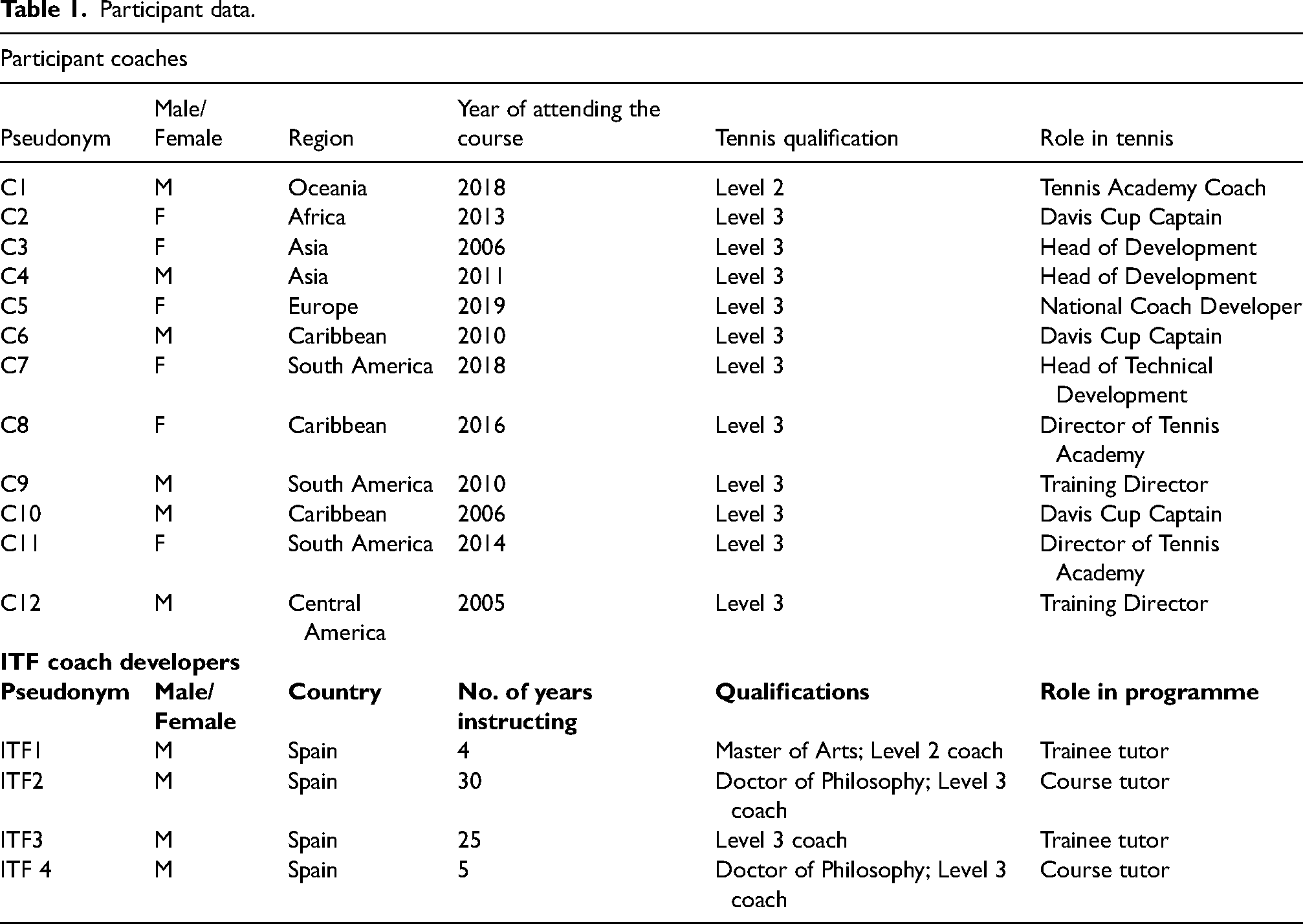
Twelve participants (Nfemales = 6, Nmales = 6; Mexperience = 23.58 years, SD = 8.37 years) were purposively recruited from 12 countries, due to their current position in tennis, their attendance on the course and their qualifications. Four key coach developers (all male) were also recruited for the interview process (see Table 1).
Participant data.
Prior to data collection, ethical approval was gained by the University's Ethics Committee and all participants provided signed informed consent.
Procedure
Interviews were organised and conducted online using the Teams platform (Microsoft Teams, www.microsoft.com/microsoft-365), due to geographic limitations and COVID-19 restrictions. A semi-structured interview guide was created from the responses to Part 1 and used with all participants to ensure coherence and consistency between interviews. 20 Probes and prompts were used to help participants further clarify their answers. The interview guide was piloted with two participants from the tennis coaching domain and no adjustment was deemed necessary following their feedback. Reflecting the richness and depth of responses provided, interviews lasted between 45 and 60 minutes (Mduration = 51.96 min, SD = 3.23).
Data analysis
Interviews were transcribed verbatim and analysed through reflexive thematic analysis [cf. 21 ]. Familiarisation and immersion with the data was achieved through repeated readings of each transcript. 22 Following an inductive analysis, deductive analysis was used to answer the research objectives. Data codes were collated into lower-order themes based on common features, and then subsequently grouped together under higher-order themes representing the highest level of abstraction.
The trustworthiness of the findings was established using three procedures: member reflection, critical friends and the use of direct quotes. According to Smith and McGannon, 23 the sharing of findings with participants is not to verify conclusions but to gain more insights into the matter at hand. The researchers acted as critical friends discussing, challenging and revising the themes until consensus was reached. These themes are highlighted in the findings section using direct, anonymised quotations, enabling sensemaking to happen within the context of the high-performance environment.
Part 2
Results
The analysis of the interviews revealed three main themes from the participant coaches and the course instructors. These were (1) direction and strength of effort; (2) perceived status and prestige of completion and (3) positivity and purpose.
Direction and strength of effort
Motivation determines how engaged these coaches were with the course and their subsequent efforts in applying their knowledge back in their home environments. As coach C10 said: Taking the course was an eye opener for me. You’ve got to experience this kind of environment. I can come back home, and I know for 200% what I’m talking about. If we’re talking about a Davis Cup team needing to go and compete at a certain level, I'm able to say that this is what it takes to come from point A to point B to Point C. It’s just not as easy to translate that onto court and that is what I felt I understood as a result. We tell the coaches today's work is going to be this, or it might be this, because the coaches are divided in the courts with different [developers], so they take part immediately. Already minute one we tell them: Hey, you must feel like you’re at home, like you’re coaching. Forget that you are on a course, forget that you have exams later. And then? Well, I think in a way it also gives them that confidence, to see that it's real and they need to put the effort in. And they do!
Many of the coaches explained that their efforts were focussed on more procedural elements. Coach C12 thought: The assessment process was a lot of pressure but for me it wasn’t that negative pressure. It would have been very negative if I hadn’t passed, it would have been a complete shock. I had to repeat one exam, one practical exam. I had to repeat it and I didn’t like it. It was a disaster. So, I took it again, I heard the comments I worked on that and then the next time I came to [the courts] with the team even ITF2 said, I see how well you coach and so it's really obvious that you really improve those points. I’m not a big fan of testing and exams and notes and stuff – it takes a lot of effort. But again, I don’t know how it's possible to control the whole thing without it.
For me personally, the biggest problem was the language. I didn’t feel like there was anything not clear. I just had problem processing some of the terminology stuff and coaching in that language. You need to write as well in this Level 3, it’s not just thinking you know it's not what you are understanding, as you needed to write as well. That was the thing that took a lot of energy.
Despite the difficulties these coaches encountered, they all remained very focused on overcoming these to be successful on the ITF/OS programme.
Perceived status and prestige of completion
Research suggests status can be achieved through skill, knowledge, respect and success, with social learning integral to this process.
24
Individuals follow paths that maximise social status and capital in careers and social life – the selection process for coaches for the ITF programme reinforces this notion. ITF1 said: The federations encourage their best coaches to obtain these certificates so that they can be Davis Cup or Billie Jean King Cup captains. They have a lot of power to motivate these coaches, so that if they want to continue to succeed at the national level and be a focal point in tennis, this type of certification is fundamental and that is a motivation for the coaches. I took the course because now I’m the current Davis Cup captain of my country where we were in Group 1 for many years. We are now in Group 2 which is very high for a country of our size. But it also gives me a lot of tools to apply to my tennis under 10 s players as well so I can actually train them a lot better to prepare them for the future. Now I can train from zero to hero.
These coaches appreciated the immersion in tennis coaching in terms of raising their knowledge and application into practice, reflecting the competitive advantage that was associated with this qualification. Coach C9 explained: In Latin America and Central America there are top coaches that more or less share a common level of tennis. So, you go to ITF Level 3 and that pulls you up to another level at home. I know the Argentinians have a good tennis programme, good tennis results. Colombia is having good results. Brazil has good results but on the Level 3 programme you get a little edge that is very difficult to get it at home. It puts me in a great position.
Coach C5 agreed. Yeah, one important thing is that I met a lot of good people and the coaches from the same sport. I widened my network with people who could help – very, very important. And another thing that I changed the path of my coaching, so I was more than just coaching. Now what I see after a few years is that I’m changing my path and now I’m more coach to the coach than coach to the player. A real change!
All of these coaches reflected on the benefits that successful completion of this programme would bring them, however, although there were perceived personal gains, the most prevalent thought was the realisation of how this learning could help the coaches develop tennis in their countries.
Positivity and purpose
The positivity and purpose described by all coaches can be related to the concept of grit, where the attainment of long-term goals is accomplished by overcoming obstacles.
25
Coach C4 considered: I would like to see a continuation of a course like that so that it's not a one off. There needs to be a refresher course for coaches from certain regions to be able to do that again. That would be nice and something to look forward to. The amount of information given, was academic information and because I studied architecture, I didn’t come from sport, so I knew tennis just by playing it. The level 1 and level 2 went in depth to the sport sciences stuff and that’s that really added something to my knowledge. I started to read more and more books and articles and I was more involved in this more academic, scientific sport in general and tennis in specific, so this gave me a lot of confidence, having passed the course.
This positive view was shared by all of the coaches despite the challenges they faced. The culture of tennis in Spain was a clear attraction for the coaches and ITF4 thought: Travelling to a country like Spain with a great tennis tradition and receiving training in their sport makes them highly motivated. In addition, the good examples they usually have from other coaches make them all come to the courses with a high motivation and with a very positive predisposition to learn and take this knowledge back to their country.
Coach C11 said: We were kind of hoping that we could be a bit more engaged in the practical, but we understood it's a private Academy. We were coming from, like almost no name, countries in tennis. And at the end we were able to be more engaged. So, they gave me a few tasks and I was like really excited [….]. Yeah, I could do that, and I could do this, and it gave me a real direction.
This positivity and intention for impact in practical terms was highlighted by all the coaches – the link between theory and practice. It was also noticeable that the coach developers demonstrated similar characteristics as explained by Coach C8, saying: You know those sorts of coaches who have made themselves very accessible. You learn so much from watching them and then you just get thrown into working with this player boom boom boom. I mean, it was a little intimidating at first, to be honest, but they were there to help you where you fell short and then to give you the positive feedback. We did things right and it was priceless. It was really, really good. And then you debrief with ITF1 and ITF4 and we talked about different experiences, their experiences and they give us advice and whatnot. So, it's very very good.’
Discussion
The enthusiasm, importance and positivity expressed by these coaches about the learning and development experienced on the ITF/OS programme plus the sense of status this gave them on return to their own environments is unusual. Previous research and programme evaluations have not reported the same levels of engagement or satisfaction.18,26,27
All coaches in this study reported the level of challenge engendered by this programme. This challenge was manifested in many situations, for example, language, time, course material, on-court activities, reading academic texts and assessment. Much of the research looking at the effects of many of these aspects upon learning has been carried out in the classroom, rather than the context of coach development. For example, language can be a significant barrier, not just to learning but also to building relationships and responsive instruction. 28 The coaches in this study reported language as a difficulty but considered that they were missing out on valuable information due to lack of understanding of cultural nuances, as well as technically coaching in an unfamiliar language.
Another challenge was the length of time (three months) spent immersed in a tennis academy in Spain while also studying tennis theory. These coaches appreciated the extended period of study, reinforcing findings that this provides diverse learning experiences and enables informal learning when embedded in formal ITF/OS programme. 29 However, being away from family and job for this time caused some coaches to question whether this could be sustained.
The ITF/OS programme appears unique as it relies heavily on academic texts for theory linked closely to on-court coaching, translating theory to practice, identified by coaches as demanding and effortful but valuable. Using top-level tennis players involved in participating tennis academies demonstrates that this programme is addressing ‘the gritty realities of practice’ [ 30 ; p. 313]. These coaches come from diverse backgrounds, given the level of tennis playing and coaching in their countries plus the theory/practice approach is new to most. The applied plus academic briefs presented by this method of delivery were challenging to the participants, despite the attempts by the course instructors to put them at their ease.
The role of the coach developer is key to the success of both the programme and the participating coaches evidenced by reports of the positive environment, the accessibility of the instructors and the willingness to engage and work hard set high standards. 31 Lyle 32 reflected that the creation of positive learning environments coupled with a robust delivery structure that emphasises the importance of coaching practice are essential elements in coach development programmes.
The desire to overcome all challenges and the appreciation of the effort and hard work this would entail was evident from all participating coaches. Perhaps this is a manifestation of the robust process of selection of these coaches, referred to by ITF1 earlier, and the recognition by the coaches that they were being offered an exceptional opportunity to learn and develop their tennis coaching skills. The inclusion of a short Grit survey in any future studies may demonstrate clear links between perseverance, ambition and commitment to long-term goals. 33 Clearly many of the long-term goals expressed included the desire to develop the tennis system in their respective countries to allow more players and coaches to develop expertise. The senior positions now held by many of the participants in their federations will make achieving these long-term goals more likely.
Limitations and future lines of research
This research is novel as it is the first attempt to evaluate this specific OS/ITF tennis programme, however as a consequence several limitations can be identified. For example, the sample is limited to coaches who took part in the joint programme. Including a larger sample of tennis coaches participating in national courses from their federations would add a comparison of delivery methods, motivations and the importance of the residential experience mentioned here.
Furthermore, the number of female coaches participating in the study is low but, unfortunately, is in line with the percentage of female tennis coaches in developing countries. The ITF are currently implementing new gender equality programmes, 34 so future research could examine if the number of female coaches able to access these high-performance programmes are increasing as a result. Subsequently, ascertaining their views as numbers grow, would be advantageous to both the ITF and other organisations.
Finally, the survey did not ask the participants on how they consume content digitally (i.e. the ITF Academy) to keep abreast of new advances in coaching practice. Responses from both the survey and interviews highlighted the desire for follow up courses as a form of continuing professional development. This could be a useful avenue for the ITF to consider extending their portfolio of programmes plus an area worthy of further research. 35
Conclusions
The aim of this study was to highlight the benefits of the learning and development achieved by participating coaches on the OS Tennis programme and we highlight the key points for high-performance organisations wanting to adopt a similar approach. The creation of a context in which effort is rewarded and work is valued similar to playing high performance tennis is very relevant for high-performance coaches participating in the programme. This could not be accomplished without the expertise of the coach developers, demonstrating their awareness of the organisational, administrative and managerial demands required to run the programme, as well as the high costs and stakes involved. Recognising hard work as essential to the success of the programme is paramount, and organisations should ensure they employ individuals who share this philosophy.
In the short term, coaches were challenged and ‘disturbed’ by the level of tennis in Spain, the evidence-informed, academic nature of theory and the exams. However, in the medium and long term, they were able to see the benefits when they returned to their home environments, appreciating the status they were given within their systems, such as Davis Cup captaincies and coach developer roles. Despite the challenges, the motivation and engagement of these high-performance coaches remained high, recognising the investment that had made in them. This must be attributed to the selection process, identifying the most likely to benefit from this type of learning. The environment also plays a significant role once the coaches are in situ, again reflective of the expertise of the coach developers. Similarly, coach developers and organisations should be clear about the level of expectation required from the potential candidates and outline the potential challenges. Pre-course preparation, delivered online, perhaps in this case through the ITF Academy, would assist participants to meet the challenges outlined above.
The practical implications for the different organisations (OS, ITF and national federations) are articulated on the basis of a coordinated, robust and efficient administration of a joint venture project, an in-depth knowledge of the programme requirements that facilitates the identification and selection of suitable candidates, and a curriculum design that combines sport specific knowledge, sport science input and practical experience to provide the best opportunity for coaches to engage in and adopt a culture of effort that is fundamental to high performance.
With these participating high-performance coaches, it is important to highlight the need for commitment, involvement in the process and the desire to learn as some of the fundamental drivers of the success of this programme. Throughout the research it has been noticeable that the motivation to improve, open-mindedness, and acceptance of the course as a process of continuous development, regardless of its outcome, are principles that could be suggested and applied with other samples of coaches with similar profiles. For the coach developers, the importance of generating a learning context that values effort, reflection and putting into practice what has been learned both through theory and previous and current experiences is seen as crucial to foster curiosity in the coaches and the ability to share knowledge, experiences and feelings in a culture of support and community.
Footnotes
Declaration of conflicting interests
The author(s) declared no potential conflicts of interest with respect to the research, authorship, and/or publication of this article.
Funding
The author(s) received no financial support for the research, authorship, and/or publication of this article.
