




Abstract
Despite the importance and complexity of developing sprint performance in football code athletes, there are limited studies exploring practitioners’ practices to improves Sprinting. Therefore, this study aimed to describe and evaluate the practices used with elite football code athletes to develop sprint performance. Ninety subjects completed a survey comprised of four sections (coaching demographic, evaluation of training, organisation of training, and training protocols). Survey responses showed that 98% of practitioners monitor sprint performance, and 92% integrated monitoring strategies into sprint development programmes to inform training. All practitioners used combined training methods including specific (e.g., sprints with or without overload) and non-specific (e.g., strength training or plyometrics) methods targeting the underpinning determinants of sprint performance. Most practitioners reported prescribing 1–3 or 2–4 days · wk−1 for sprint development, both in-season and pre-season. Sprint development programmes were uncommon in the off-season. Most specific sprint training sessions were reportedly shorter in duration (5–15 and 15–30min) than non-specific sprint training methods (30–45 and >45min) irrespective of the season phases. Sprint development was integrated before and after sport-specific training, regularly using warm-ups and gym sessions. Specific training methods were also implemented in separate sessions. The specific content (e.g., exercise selection, training load prescription) was highly variable between practitioners. This study represents the first detailed survey (practices and justification) of sprint development practices (evaluation and organisation of training protocols) in football code cohorts. These findings present multiple methods of structuring, integrating and manipulating sprint training based on the training aims and the individual context.
Introduction
The football codes (i.e., soccer, American football,Australian Rules football, rugby union, rugby league, rugby sevens, Gaelic football and futsal) are characterised by multi directional, intermittent bouts of high intensity running and sprinting (i.e., running at maximal or near-maximal velocities 1 interspersed between moderate and low-intensity activity.2–5 Time-motion analyses have indicated that sprinting in the football codes involve athletes repeatedly performing short-sprints (∼5–20 m distances and ∼2–3 s duration) and less often sprints >20 m (e.g., 30–50 m), both initiating from static and more commonly moving start positions.2–4 From a static start position, football code athletes typically require ∼15–40m to achieve max velocity (vmax)(∼7–10 m · s−1 6, 7 ), however, from a moving start (i.e., walking or running), athletes may be exposed to vmax sprinting patterns when performing short-sprints.2,8 Therefore, proficiency in each sequential phase of sprinting (e.g., early and late-stage acceleration; max velocity 9 ) is essential for football code athletes.
Developing sprint performance (e.g., time for distance and instantaneous velocity) is considered a vital component of athletic performance within the football codes. 10 Linear sprint performance at various distances (e.g., 0–10, 0–20 and 0–40 m) has been shown to be a factor differentiating between playing standards,11–13 as well as being associated with success in key attacking and defensive performance indicators across football codes (e.g., tries scored, line breaks, defenders beaten, tackles attempted and evaded14,15). This body of evidence emphasises the importance of sprint performance and its expression in game-specific outcomes for football performance and player development. Accordingly, football code athletes routinely undertake sprint development programmes to enhance performance.16–19 The underpinning factors to sprint performance are consistent across sports.9,20–22 Practitioners can target the determinants of performance, including (i) optimising the sequencing of stride length and frequency, (ii) enhancing the athlete’s physical capacities relative to body mass (e.g., lower limb force-velocity-power and stiffness (ability to absorb the displacement of the leg and return high ground reaction forces 23 )) and (iii) increasing the mechanical effectiveness of force application.20,22,24–26 However, it is the content (e.g., exercise selection, training load prescription), the individual and the context (e.g., training and competition demands, sport and club infrastructure) that varies across and within sports.16–18,27,28 Sprint development is commonly approached to stimulate favourable neural and morphological adaptations using either or both non-specific (i.e., strength, power, and plyometric training) and specific training methods which simulate the sprinting action (i.e., technical drills and sprints with various formats of overload).20,22,24–26 This provides practitioners with multiple methods of developing sprint performance.20,22,24–26 Hence, reviews of training studies have reported enhancing sprint performance concurrently alongside football code specific training.20,22 However, such research often fails to reflect the contextual factors (e.g., timescales required to deliver outcomes, specific expertise, experience and resources) common in applied practice. Therefore, although all programmes should be based on current best evidence, professional reasoning is necessary to fill in the gaps and drive applied practice forward. 29
Although multiple methods of enhancing sprint performance are available,20,22 it has been reported to be the most difficult physical capacity to improve, especially within elite and experienced athletes. 30 Programmes are implemented within a complex training system constrained by logistical and contextual factors while simultaneously training multiple other (potentially) contrasting physical capacities (e.g., endurance) alongside the technical-tactical skills required for the football code.16,19 Therefore, developing sprint performance is a challenge for all practitioners involved in the football codes. Despite this, there is limited available research examining football code athletes’ sprint development training practices at the elite level.16–18 Previous investigations use surveys related to the general strength and conditioning practices within rugby,16,17,19,31 and American football.18,32 Conducting a multi-football codes survey design would provide a more comprehensive overview of the contextual solutions to the performance problem (sprint performance development) than an individual sport alone. Thus, providing a more valuable resource to practitioners and researchers alike. Accordingly, investigating practitioner’s practices for developing sprint performance is important to understand real-world methods for enhancing this physical capacity. Therefore, the purpose of this study was to describe and evaluate practitioner’s practices and justifications for the organisation and evaluation of the training protocols for the development of sprint performance within football code athletes.
Method
Subjects
Ninety (n = 86 male; n = 4 female) practitioners participated. The standard of athletes that the practitioners worked with ranged from semi-elite to world-class(“semi-elite” n = 30, “competitive-elite” n = 30, “successful-elite” n = 24, “world-class elite” n = 6) based upon the definitions of Swann and colleagues. 33 No sex, age (both senior and youth teams included),nationality, qualifications, or experience restrictions were applied. The practitioners represented multiplefootball codes (soccer n = 38, rugby union n = 25, rugby league n = 18, rugby sevens n = 3, Australian rules football n = 3, American football n = 2 and Gaelic football n = 1). Ethics approval was obtained, and all subjects were informed of the risks and benefits of the study before providing electronic informed consent form.
Study design
This exploratory study implemented an online self-administered survey titled “Speed development practices in football code teams” which was adapted from previous surveys and interviews of coaching practices.16,18,34 The survey was modified to reflect the current practices, the rationale for decision making, and the practicalities of implementation in applied practice for developing sprinting performance in football code athletes. The survey was circulated internationally on a criterion-based sampling method of practitioners responsible for the physical preparation of football code athletes (practising between 2016–2019, e.g., strength and conditioning coach, athletic performance coach, sports scientist).
Procedures
The survey required practitioners to self-report a retrospective description of how they integrate sprinting development within their physical development practices. The survey consisted of four sections: coaching demographic, evaluation of training, organisation of training, and training protocols (Figure 1). Subjects were asked to give their most common or typical training values for each question. The survey instrument was developed, reviewed, and pilot tested, assessing for content and face validity by experienced practitioners in strength and conditioning coaching and applied research in athletes’ physical development (>5 years experience). 35 Practitioners were recruited and provided access to the survey through professional networks via email and contact through social media platforms. Survey responses were collected and analysed using Qualtrics software (Qualtrics, Provo, USA) and Microsoft Excel. Only completed surveys were included.
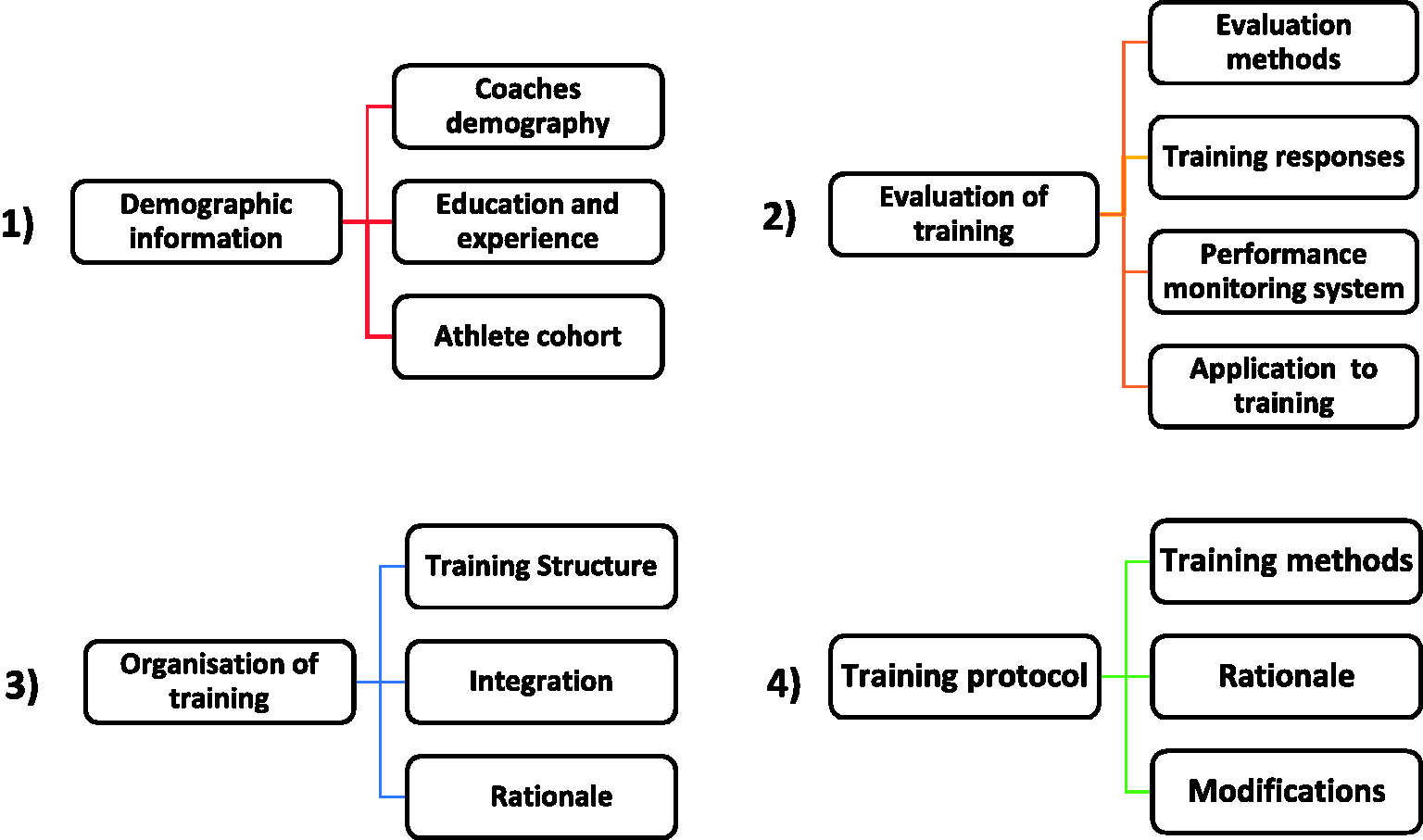
Thematic mind map of the survey.
Data analysis
The survey contained fixed-response and open-ended questions. Fixed responses questions were reported as means and standard deviations or frequencies and percentages of total responses where appropriate. Answers to open-ended questions were analysed according to the inductive and then deductive content analysis methods described by Elo and Kyngäs 36 to identify, analyse, and report common patterns (main categories) within the data. In cases where subjects provided a greater depth of information representing more than one concept, the responses contributed to more than one main category. Data rigour was enhanced as explored in Smith and McGannon 37 1) through a process of critical dialogue and reflection, challenging and developing the interpretation of the content analysis with a critical friend (experienced in both strength and conditioning and applied research in practice), and 2) member reflection of the results.
Results
Practitioner demographic
Practitioner role
Ninety practitioners (n = 86 male, n = 4 female) of the 221 contacted (41%) responded to the survey. Thirty-two practitioners identified their roles as “head” (“italicised text” are direct quotations taken from the survey), “lead”, “senior”, “director” or “manager” of “Sports Science”, “performance” or an “athletic” or “physical”, “performance” or “development” roles, or “S&C”, “Athletic Performance” or “physical performance” coaches. Fifty-eight practitioners identified as “S&C”, “performance”, “athletic performance”, or “athletic development” coaches or “sport scientist” roles. Seven of which were “assistant” or “intern” roles. Ten roles involved dual roles such as “sport scientist and strength and conditioning coach” or “rehab co-ordinator & sports scientist” or academic roles (e.g., “professor”, “research fellow”, “MRes”, “PhD Student” and “lecturer” roles).
Education and experience
Collectively practitioners reported 7.4 ± 4.9 years of experience delivering strength and conditioning/speed training with athletes. The cohort included 26 certified strength and conditioning specialists (NSCA), 15 accredited strength and conditioning coaches (UKSCA), and 9 ASCA professional coach accreditation scheme (ASCA PCAS). Other physical preparation certifications held by the practitioners included “USA” and “British weightlifting Level 1”, “strength and conditioning coach certified (CSCCa)”, “ASCA – not part of PCAS”, “EXOS performance specialist”, “EXOS strength sensei”, “NSCA-certified personal trainer” and “Level 4 in strength and conditioning”. Seven coaches reported holding more than one certification. Twenty-eight practitioners did not hold accreditation to the relevant coaching professional bodies. The majority of practitioner’s highest level of formal education was to a master’s degree (n = 58).
Athlete cohort
Thirty-nine respondents reported working with senior athletes, and 51 with youth/academy players. Eighty-seven practitioners identified having worked with male athlete cohorts, whereas only 7 with female athletes.
Evaluation of sprint training
Evaluation methods
Ninety-eight percent of practitioners indicated that monitoring sprint performance was conducted with their athletes. Figure 2 shows the multiple monitoring methods used by practitioners. The practitioners reported monitoring variables such as “mechanical profiles and peak velocity”, “kinetic and kinematic variables”, “time” for a given distance (e.g., “0, 5, 10, 20, 30 and 40 m”), “mean velocity, momentum” and “daily % of a players best vmax for the season”. As well as exposure “% above 7.0 m·s−1 threshold” and “accelerations and decelerations (number of)”. The two practitioners not implementing monitoring methods reported financial or time constraints.
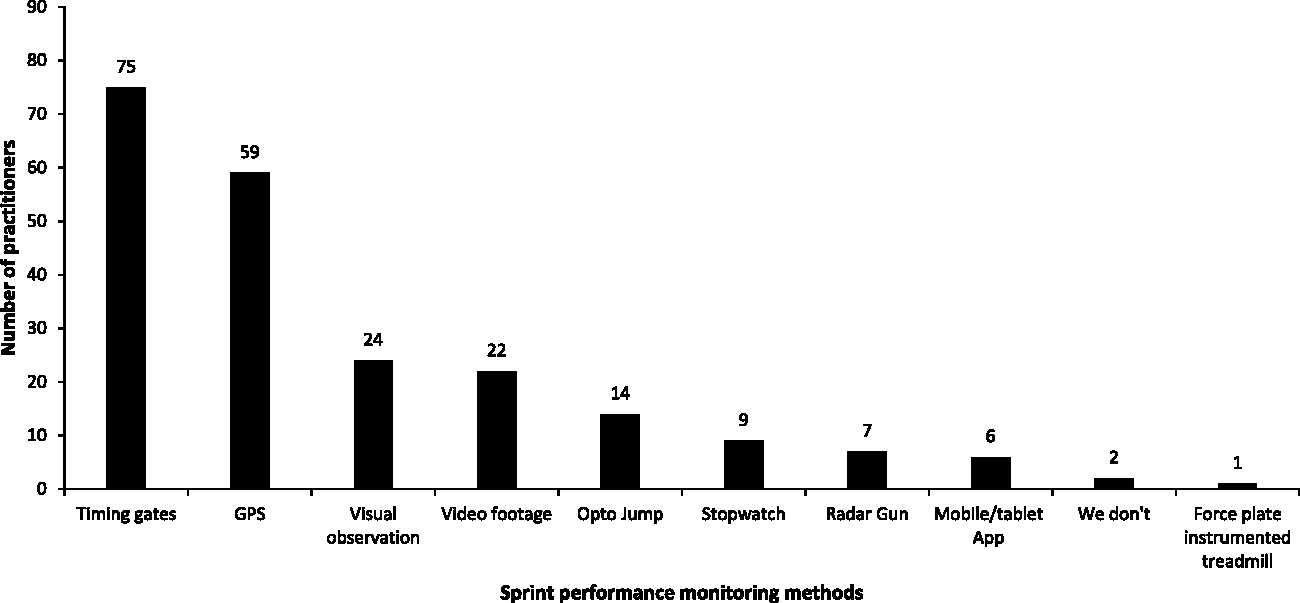
Sprint performance monitoring methods.
Training responses
Table 1 shows that most practitioners reported sprint performance improvements in pre-season and in-season and reductions over the off-season period regardless of the distance outcome.
Sprint monitoring
Table 2 depicts the details of the content analysis presenting the main categories, the total number of subjects and the select raw data that represent each main category for their performance monitoring system. Practitioners reported monitoring sprint performance using (a) periodic testing, (b) integrated into the weekly micro-cycle, (c) during sprint training sessions, (d) during return to play and (e) miscellaneous responses. The most common method reported was periodic testing (e.g., the start and end of training mesocycles or various time points across season time points [e.g., pre-season and in-season]).
Seasonal distance specific performance changes.

Data presented as n,
Sprint performance monitoring behaviour.
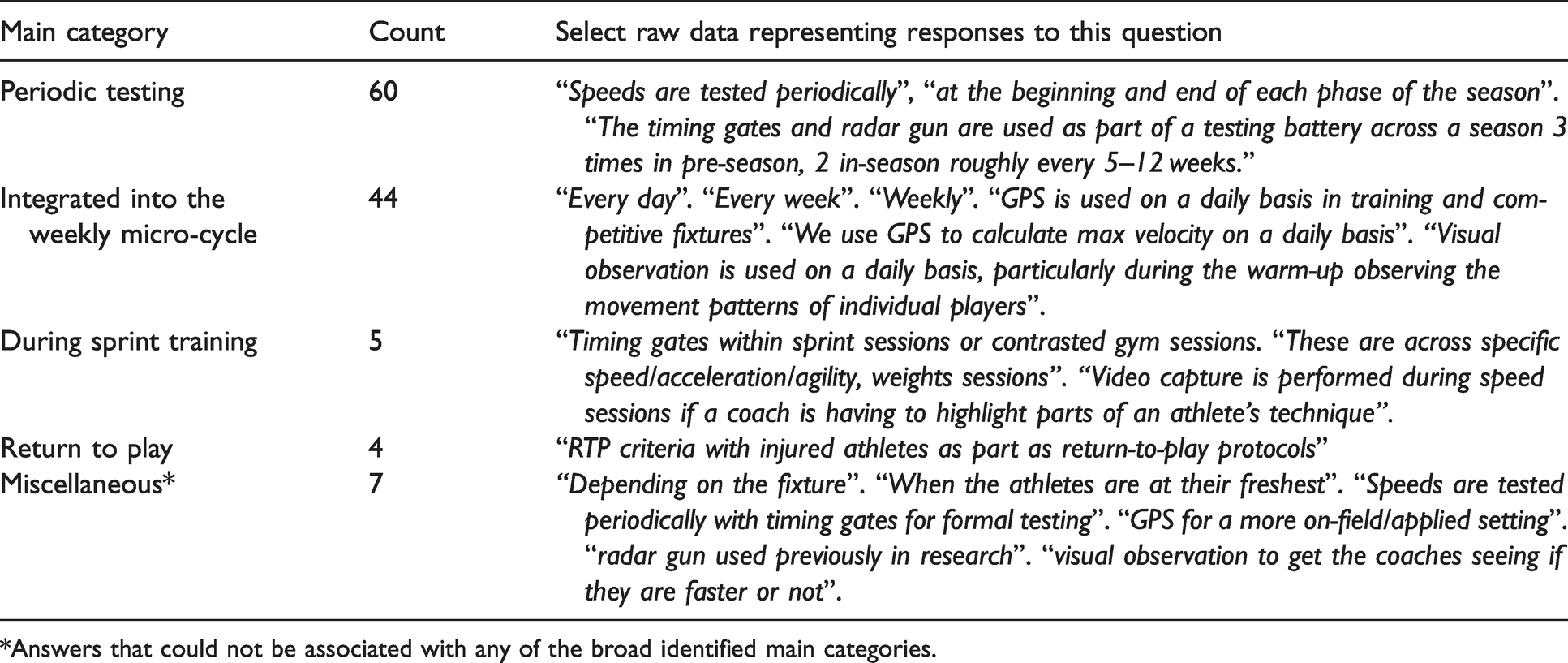
*Answers that could not be associated with any of the broad identified main categories.
Applications to training
Table 3 shows the reasons for monitoring sprint performance. This included (a) individualised training, (b) training validation, (c) identifying individual athlete requirements (d) data does not inform training prescription and (e) miscellaneous responses.
How sprint performance monitoring informs training practices.
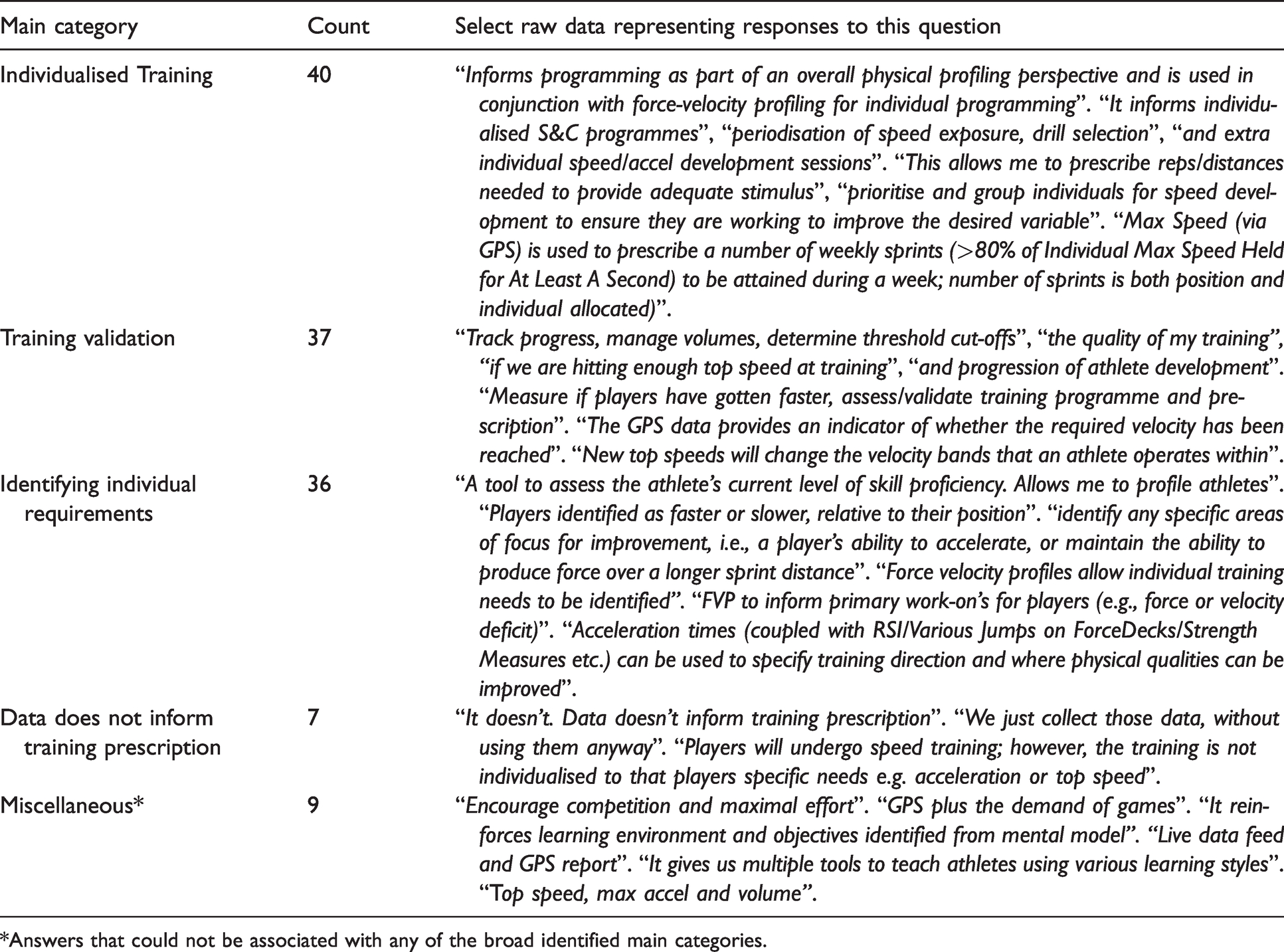
*Answers that could not be associated with any of the broad identified main categories.
Organisation of training
Training structure
Practitioners reported a broad range of training frequencies (0 to 5d·wk−1) and durations(0–5 to >45 min) of both specific and non-specific sprint training methods (Tables 4 and 5). Most practitioners prescribe 1–3 or 2–4d·wk−1for both specific and non-specific training methods. For some practitioners, they varied training frequency and duration in line with phases of the season (pre-, in- and off-season). Pre-season represented the only period that >10% of practitioners reported prescribing non-specific training 3–5d·wk−1. Both specific and non-specific training methods training prescription was uncommon in the off-season. The most frequently reported durations for the specific sprint training sessions were consistently shorter than non-specific sprint training methods (5–15 and 15–30 min vs. 30–45and >45 min) across each of the season phases (pre-, in- and off-season).
Days per week "specific" and "non-specific" sprint training methods used during pre-season, in-season and off-season.
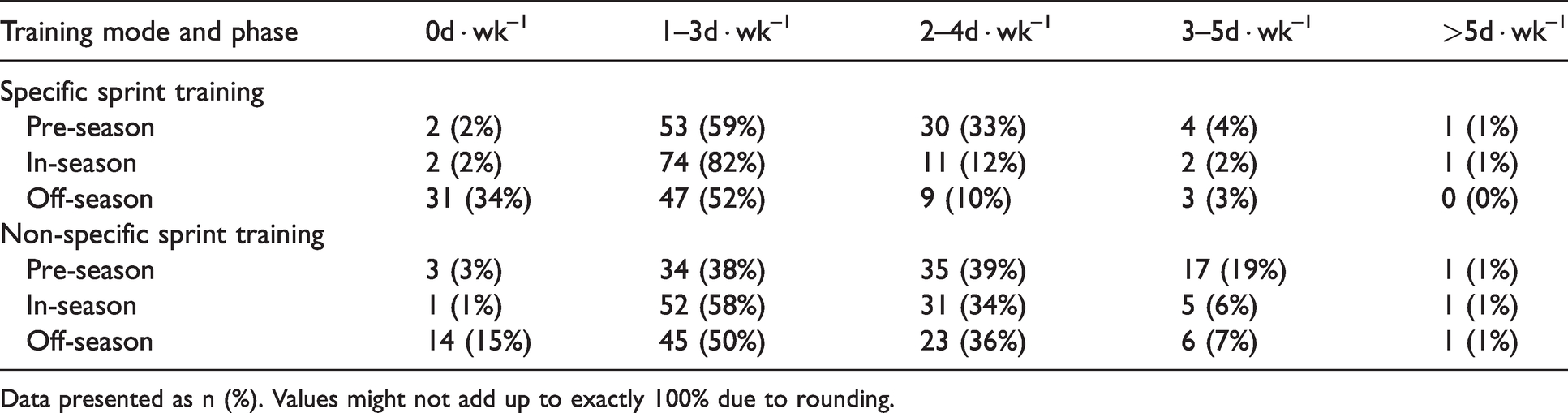
Data presented as n (%). Values might not add up to exactly 100% due to rounding.
Time typically spent on “specific” and “non-specific” sprint training methods within a training day during pre-season, in-season and off-season.
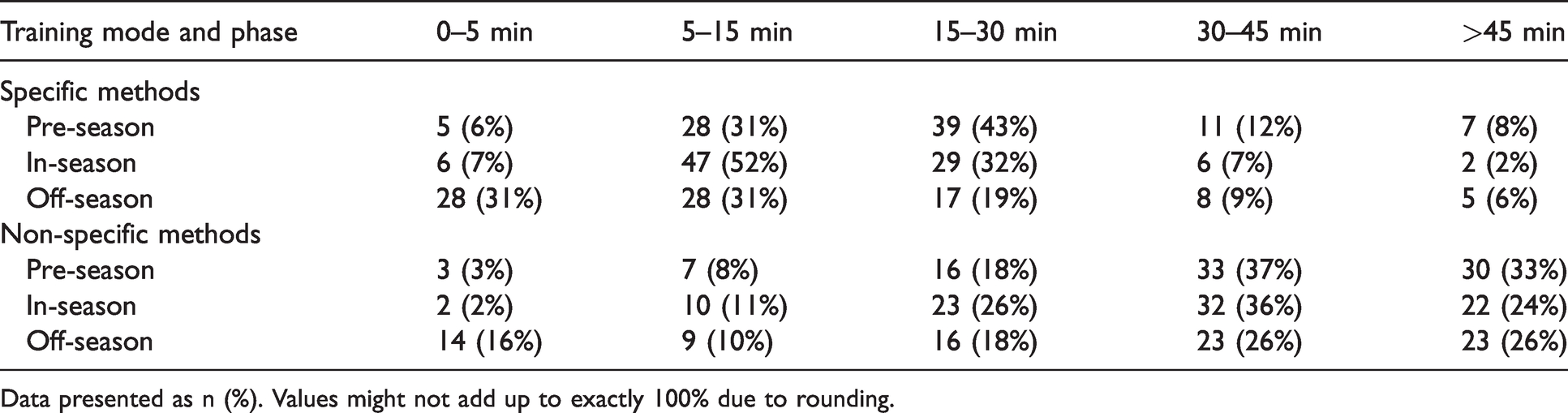
Data presented as n (%). Values might not add up to exactly 100% due to rounding.
Table 6 shows the duration between specific and non-specific sprint training methods and technical/tactical training and/or competitive matches. Practitioners reported a range of durations from the same day to >48hrs. Most practitioners reported training both specific and non-specific on the same day as a technical/training session. Whereas, before a competitive match, more practitioners reported providing 48 or >48hrs recovery between specific and non-specific training and the match.
The average time between “specific” and “non-specific” training methods and technical/tactical training and/or competitive matches.
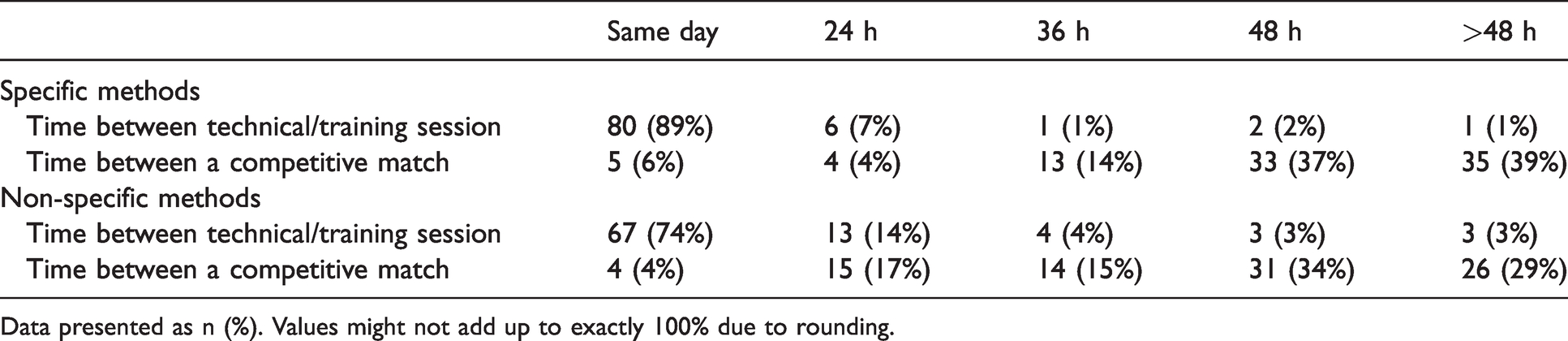
Data presented as n (%). Values might not add up to exactly 100% due to rounding.
Integration of sprint training
All practitioners reported using both specific and non-specific training methods. The specific and non-specific training methods were integrated into the programme using multiple methods (Figures 3 and 4). Specific training integration methods included; during the warm-up, in separate speed sessions, integrated within the gym programme, at the start of technical/tactical sessions, manipulation of technical/tactical drills and at the end of technical/tactical sessions. Other methods included” used in small doses where appropriate around the programme”, “pre-activation sessions”, “we have an hour to work with the players, the start of that hour will be dedicated to sprint mechanics etc.”. Non-specific methods included; integrated within the gym programme, during warm-ups, through manipulation of technical/tactical drills, at the start of a technical/tactical session, at the end of technical/tactical sessions. The other method reported was a “special session for that”.
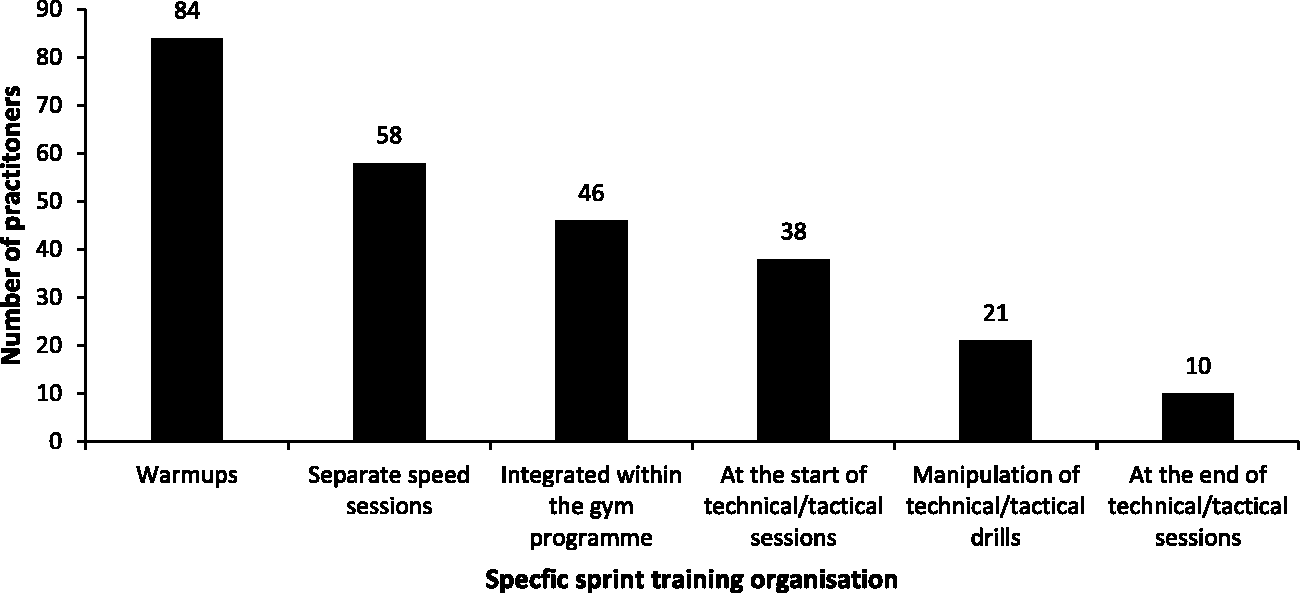
How “specific” sprint training is integrated into the whole training programme.
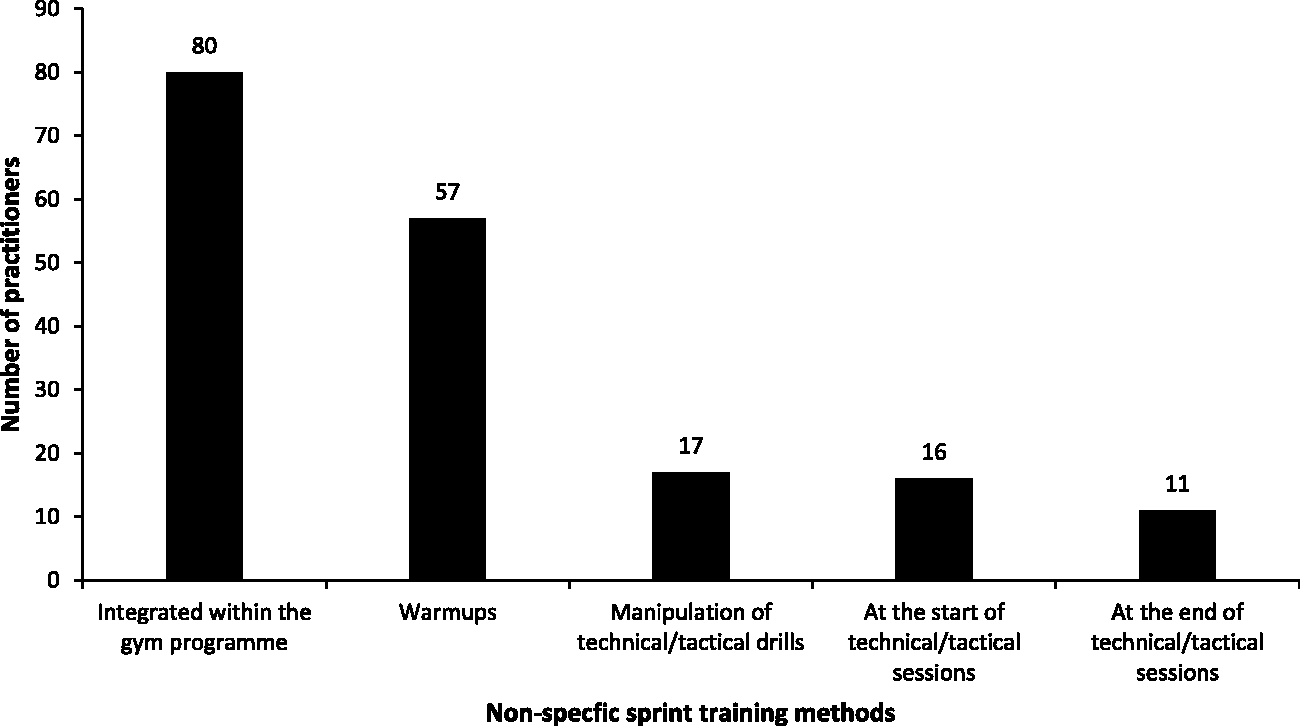
How “non-specific” sprint training is integrated into the whole training programme.
Rationale for sprint training structure
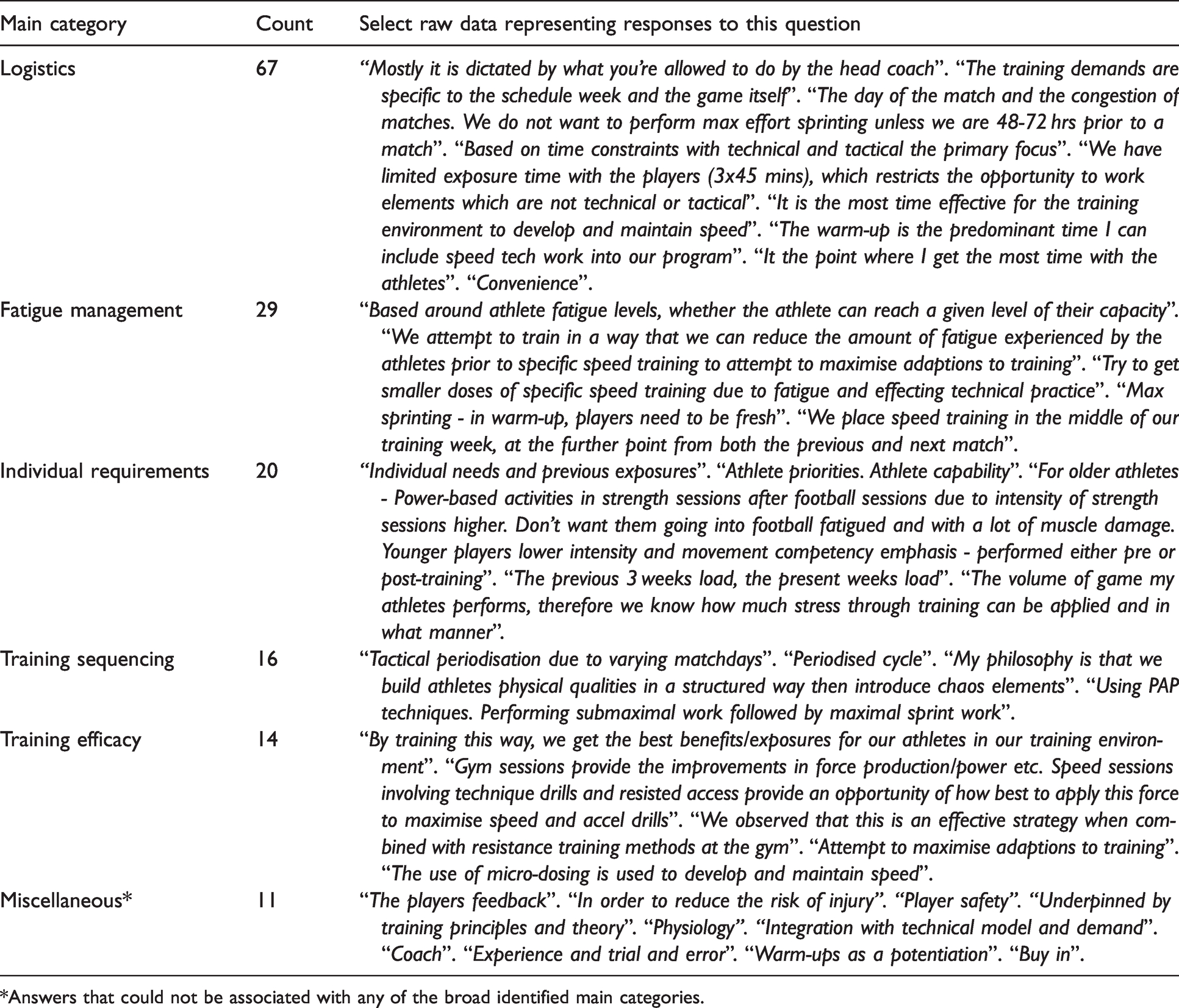
Table 7 shows the rationale for the structure of non-specific training methods. This included (a) logistics (e.g., fixture proximity, schedule, time, facilities), (b) fatigue management, (c) athlete’s individual requirements, (d) training sequencing, (e) training efficacy, and (f) miscellaneous responses.
The rationale for the structure of speed training.
*Answers that could not be associated with any of the broad identified main categories.
Training protocols
Content of training protocols
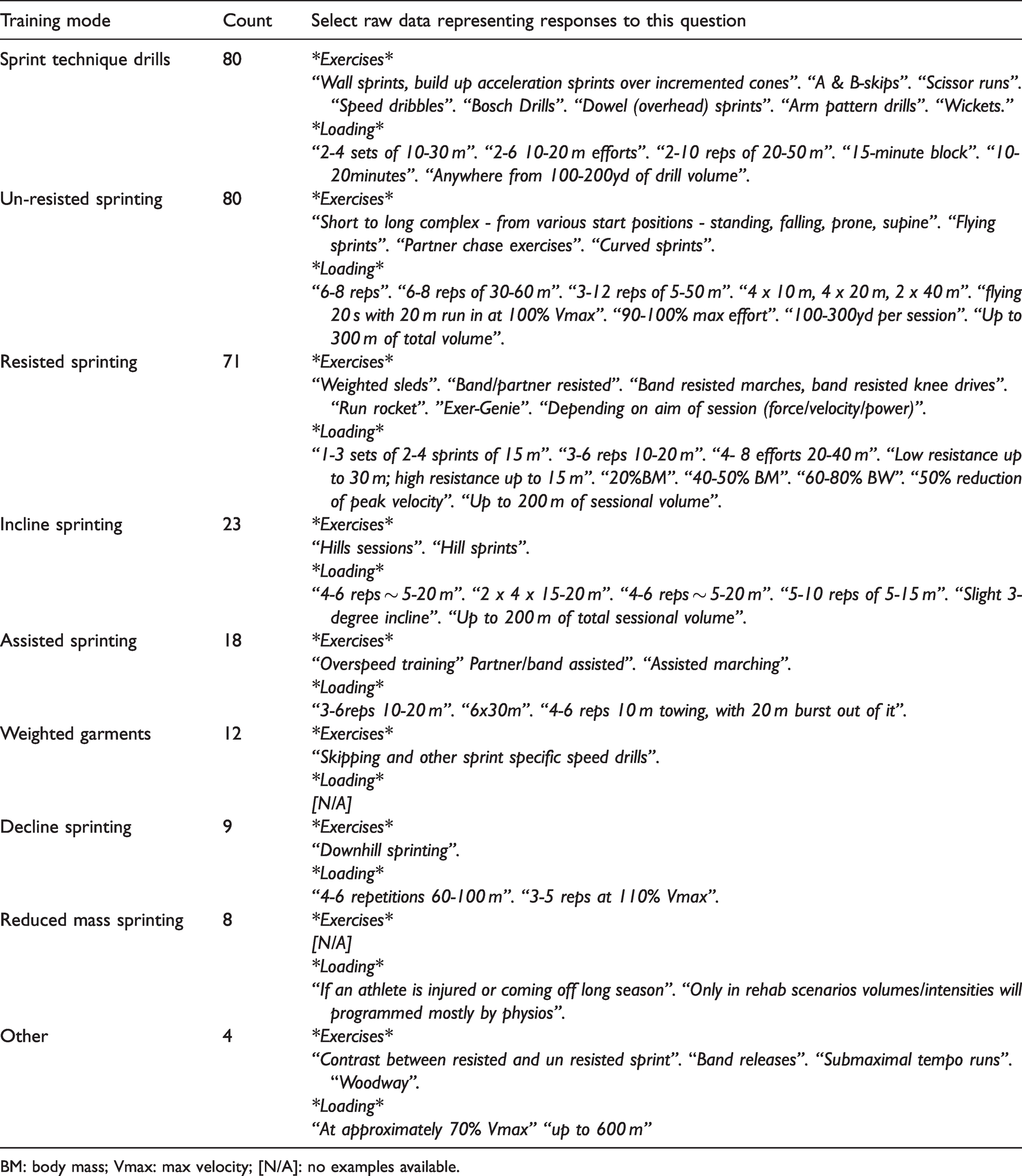
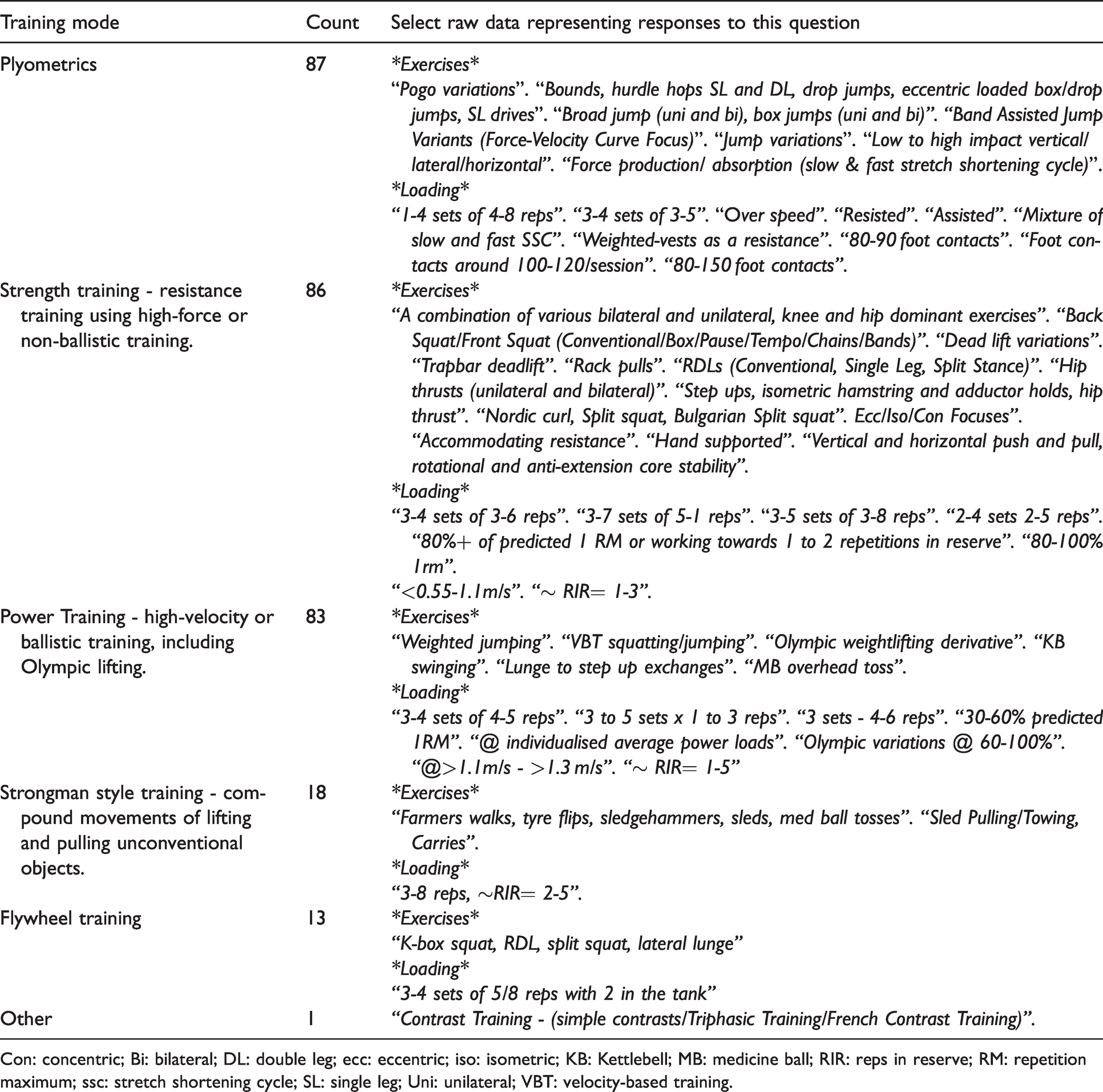
Tables 8 and 9 show the reported training protocols for sprint development. The specific methods reported included (a) sprint technique drills, (b) un-resisted sprinting, (c) resisted sprinting, (d) incline sprinting, (e) assisted sprinting, (f) weighted garments, (g) decline sprinting, (h) reduced mass sprinting methods and (i) other responses (Table 8). Non-specific training methods reported included (a) plyometrics, (b) strength, (c) power, (d) strongman style, (e) flywheel training and (f) other responses (Table 9).
Specific sprint training methods used to develop sprint performance.
BM: body mass; Vmax: max velocity; [N/A]: no examples available.
Non-specific sprint training methods used to develop sprint performance.
Con: concentric; Bi: bilateral; DL: double leg; ecc: eccentric; iso: isometric; KB: Kettlebell; MB: medicine ball; RIR: reps in reserve; RM: repetition maximum; ssc: stretch shortening cycle; SL: single leg; Uni: unilateral; VBT: velocity-based training.
Rationale for training protocols
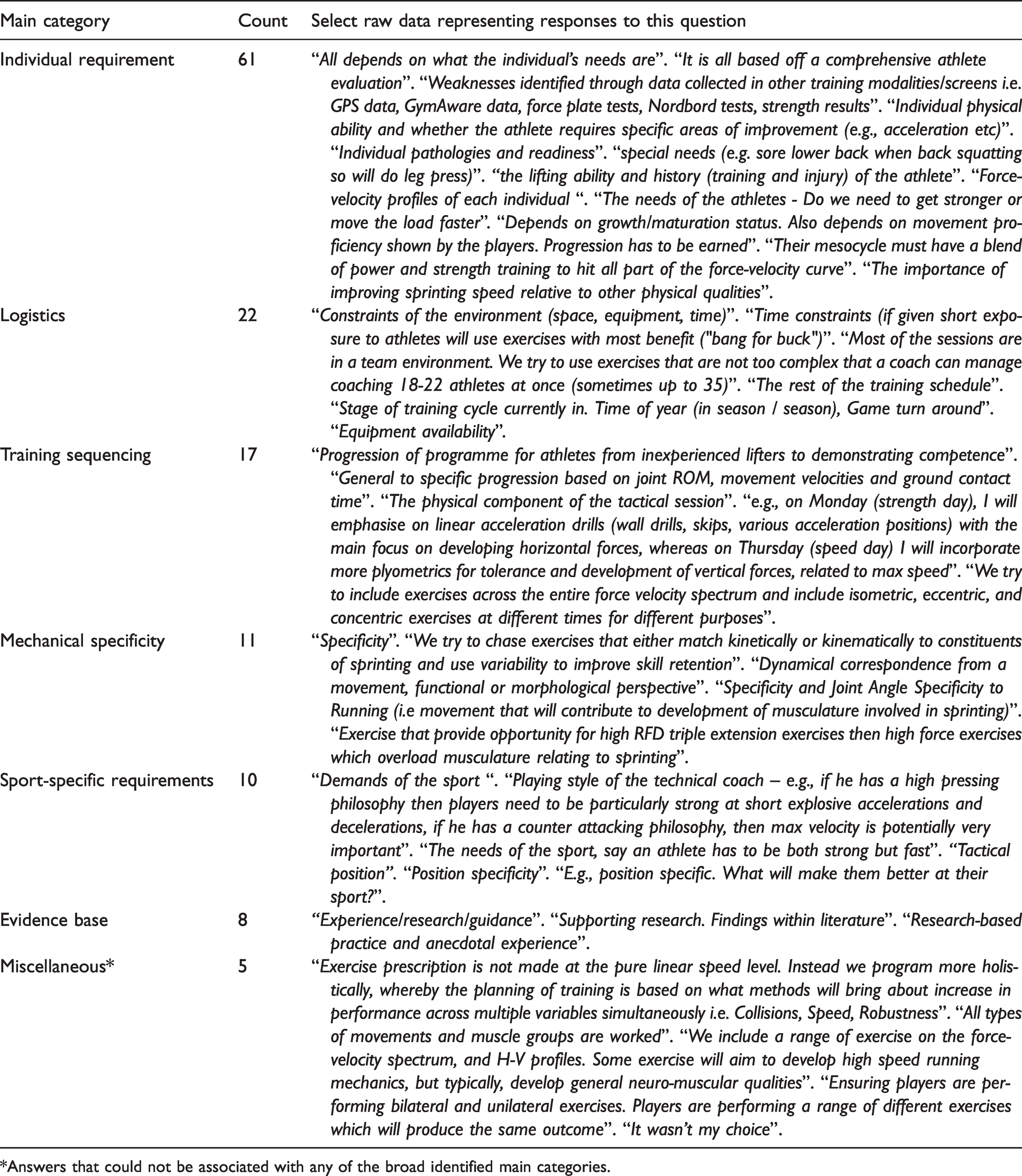
Table 10 shows the rationale for the exercise selection for developing sprinting performance. These included (a) individual requirements, (b) logistics, (c) training sequencing, (d) mechanical specificity, (e) sport-specific requirements, (f) evidence base and (g) miscellaneous responses.
The rationale for the training prescription for developing sprinting performance.
*Answers that could not be associated with any of the broad identified main categories.
Figure 5 shows that practitioners reported targeting multiple capacities using non-specific sprint training methods. These included the rate of force production, lower limb stiffness, vertical ground reaction forces, reduced ground contact times, force generation capabilities, force absorption capabilities, force transmission capabilities and inter- and intramuscular coordination, increased stride length and stride frequency. Other responses included, “not sure”, “force-velocity profile” and “technical efficiency”, “increased contact times” and “joint kinematic”.
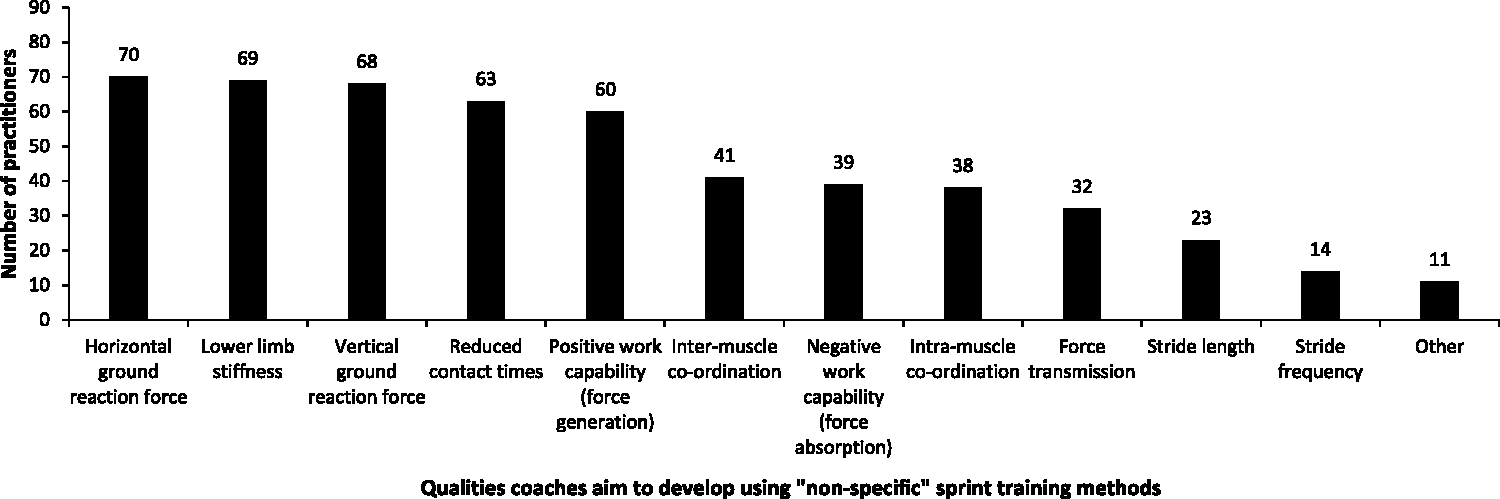
Qualities practitioners aim to develop using non-specific sprint training methods.
Modifications to sprint training
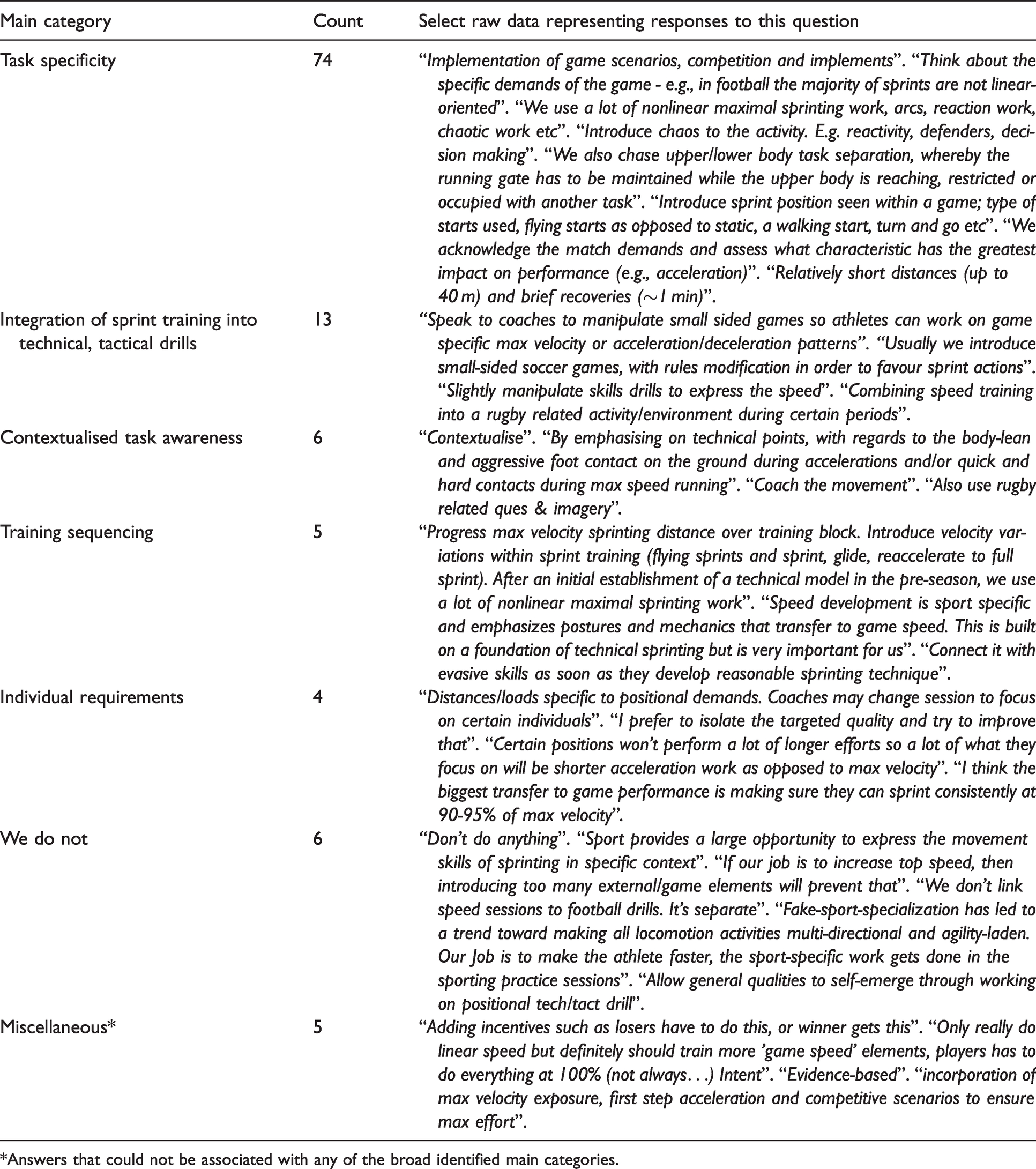
Table 11 shows the practitioner's modifications to specific training methods to improve transfer to game performance. These included (a) task specificity, (b) integration of speed training into technical, tactical drills, (c) contextualised task awareness, (d) training sequencing, (e) individual requirements, (f) we do not, and (g) miscellaneous responses.
The rationale for modifications used to specific speed training methods to improve transfer to game performance.
*Answers that could not be associated with any of the broad identified main categories.
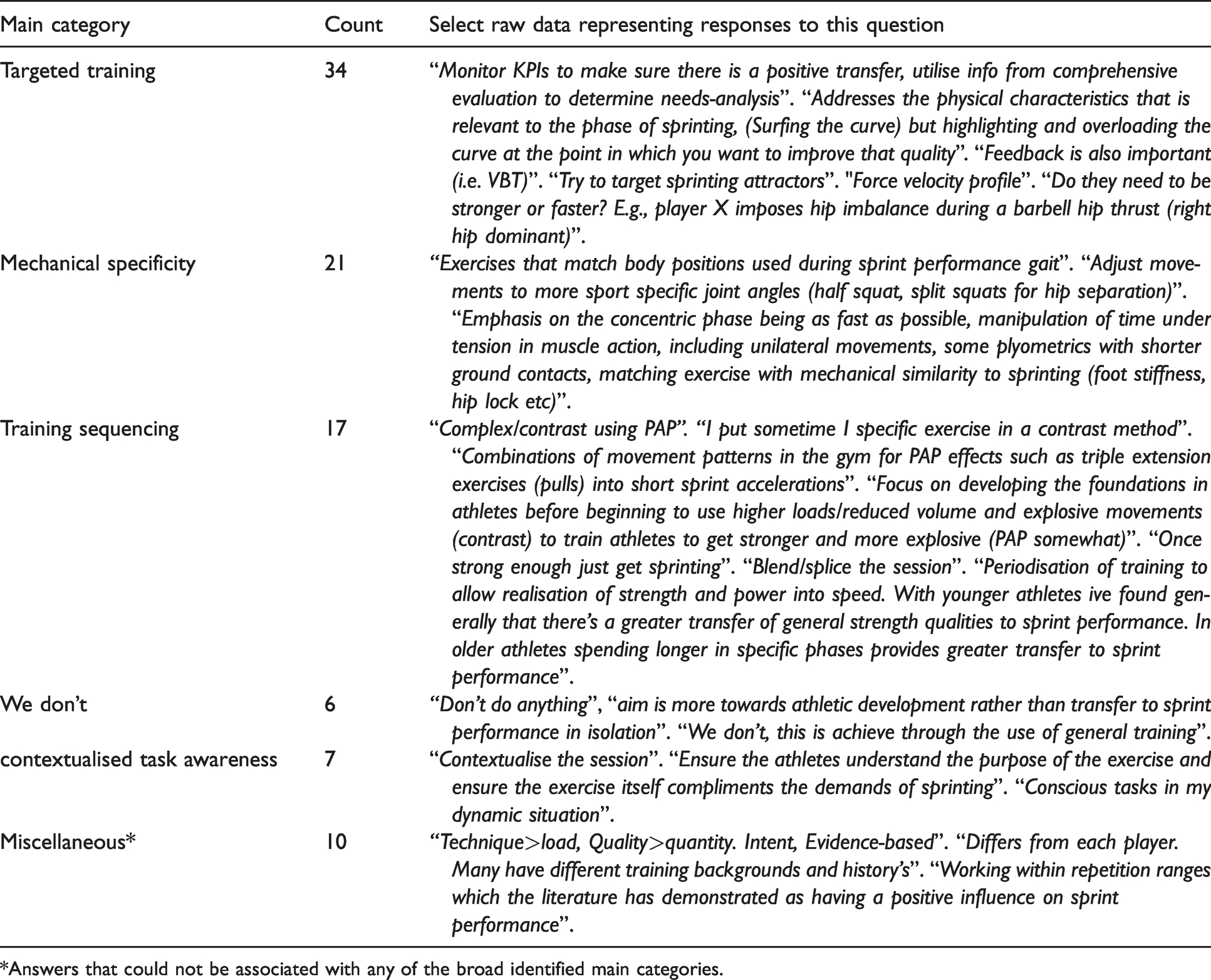
Table 12 shows the practitioner's modifications to non-specific training methods to improve sprint performance. These included (a) targeted training, (b) mechanical specificity, (c) training sequencing, (d) we do not, (e) contextualised task awareness and (f) miscellaneous responses.
The rationale for modifications used to non-specific training methods to improves print performance.
*Answers that could not be associated with any of the broad identified main categories.
Discussion
This paper is the largest sample (n = 90) evaluating practitioner’s practices and the first to identify the justifications for the organisation and evaluation of the training protocols for the development of sprint performance within football code athletes. In summary, the key findings were that practitioners 1) support sprint performance development programmes with monitoring strategies to inform training practices (i.e., individualised training, training validation, identifying individual athlete requirements) and 2) use a combination of specific and non-specific training methods to target the underpinning determinants of sprint performance (i.e., magnitude and orientation of force application). However, the content of training factors (e.g., training frequency, exercise selection, training load prescription) is highly variable across practitioners. This variability most often exists because of the logistics of the context (e.g., fixture proximity, schedule, time, facilities, stakeholder relationships) with the football codes.
Evaluation of sprint training
Survey responses showed that 98% of respondents indicated that they evaluated sprint performance, presenting a higher frequency than previously reported (e.g., 77 ± 25% in rugby and American football16–18,38). Of which 92% reported using the data to inform training practices. The widespread use of evaluation methods suggests that practitioners consider evaluating sprint performance an important factor for athlete development programmes within the football codes. This is consistent with the plethora of research investigating sprint exposures, changes in sprint outcomes and its associations with performance in both research and practice.11–15,39 Most practitioners (54%) identified integrating sprinting monitoring within their regular training practices (e.g., weekly micro-cycle, during sprint training and return to play) in addition to periodic testing (e.g., pre-, mid-and end-of-season). The training literature base reports periodic sprint testing (e.g., every ∼6-8 weeks, in both the pre-and in-season phases) with limited studies implementing weekly monitoring, which may be a future direction for scientific research.20,22 Integrated sprint monitoring may be beneficial to practitioners by providing a greater frequency of information to guide decision making. 27 However, it may also represent increased demands in the collection and the interpretation of the data. This highlights, the importance of strong collaboration within the performance team and systems in place to ease the burden of data collection and analysis.
Practitioners application of evaluating sprint performance has not previously been reported in the research.Current findings reported that practitioners identified individual requirements of athletes (40%), to provide individualised training (44%), alongside validating the training programme (41%) as important factors.Despite recording the data, 8% of practitioners reported not using it. Hence, profiling and individualisation of training, as well as measuring and producing quantifiable changes in sprint performance, are important to most practitioners. Future research should investigate practitioner’s athlete profiling methods and the applications to practice to improve the understanding of how the data is informing individualised training.
Consistent with previous research, sprint performance evaluation is being achieved using velocity or time for distance measurements across a range of distances common in the football codes (e.g., “0, 5, 10, 20, 30 and 40 m”16–18,38). For practitioners to evaluate changes in sprint performance or inform training prescription effectively, they require valid and reliable testing equipment. 1 Numerous devices are capable of obtaining the required information, 20 hence, multiple methods were reported to measure sprint performance (e.g. timing gates, global positioning systems [GPS], video footage, radar guns and mobile applications).Only 2% of respondents report not testing sprint performance for logistical reasons (e.g., financial/time constraints). The widespread use of GPS (66%) and timing gates technology (83%) likely reflect their accessibility to practitioners and ease of use to collect reliable and valid data within applied environments. 1 Inconsistent with previous surveys,16–19 practitioners reported measuring both “mechanical profiles” and “kinetic and kinematic variables”. Rather than simply understanding who is relatively faster or slower for a given distance, these methods allow practitioners to understand the limiting factors underpinning the athlete's sprint performance (e.g., maximum relative force production).1,9,25,40 Using more comprehensive methods such as combined modelling of velocity-time curves with the assessment of kinematics (e.g., step length-frequency, contact-flight time interactions, segmental positions and motions) and stance kinetics (e.g.,ground reaction force magnitude, orientation, and impulse) changes performed at more frequent intervals would enable practitioners to isolate and confirm a time course of adaptations and the underlying determinants to performance changes.9,20,40
Practitioners reported observing both positive and negative changes in all sprint performance outcomes (0–5, 0–20 and 0–>20 m) at each phase of training (pre-, in-, off-season). The distance outcomes used were selected to represent several components of sprints performance which are prevalent in the research literature, such as 1) initial acceleration/first-step quickness (0–5 m), 2) short sprint/acceleration performance (0–20 m) and 3) longer sprint/max velocity performance (0–>20 m).6,7,20,22 Most practitioners reported improvements in sprint performance in pre- (≥70%) and in-season (≥62%). The pre- and in-season changes are consistent with previous research presenting positive20,22,41,42 and negative20,22,41,43 responses. Therefore, when sprint development programmes are prescribed appropriately, practitioners appear to enhance sprint performance across the pre- and in-season training periods. Most practitioners did not respond to performance changes in the off-season period regardless of the distance outcome (≥51%), indicating either being unsure and/or not testing for that distance outcome. The majority of those who reported off-season changes reported reductions in performance for all distances. Several reasons have been suggested for lack of improvements in sprint performance, including methodological considerations (e.g., equipment and environmental factors), residual fatigue, the accumulation of conflicting training volume and interference effects, providing insufficient stimulus, individual requirements and adaption kinetics not presenting changes at that testing timepoint.1,20,22,41 Practitioners should be aware of this within their planning and delivery of training within football code athletes. Further research is required to explore the gaps in understanding seasonal changes in sprint performance and underpinning mechanisms.
Organisation of training
Consistent with previous research,16–19 all practitioners undertake sprint training within their programmes. All practitioners reported providing a combined approach using both specific and non-specific training methods consistent with previous coaches in rugby and American Football16–19 and recent meta-analysis findings for short and medium to long-distance sprints.20,22 Combined training methods are likely the most effective as they enable practitioners to provide stimuli to develop neurological and morphological adaptations associated with enhancing both the lower limb's physical capacities and the athlete's mechanical efficiency concurrently.20,22 These results indicate that practitioners consider these training methods important for developing sprint performance alongside other physical capacities required for the football codes. However, the challenge with combined training is the organisation of the frequency, volume, intensity and order of training methods specific to the individual's requirements within the constraints of the context to elicit an enhanced performance.20,22,26,30
Most practitioners reported prescribing 1–3 or 2–4d·wk−1 for both specific (pre- and in-season =>92%) and non-specific (pre- and in-season = >77%) training methods. Previous surveys reported that the most common training frequencies reported were 1–2d·wk−1 for specific methods 38 and 3–4 d·wk−1 for non-specific training methods.16,17,38 These training frequencies align with the ranges prevalent in the training literature, presenting an evidence base for effective training programme design.20,22 Despite the consistency in the training frequency, there are variable weekly practices across both pre- and in-season periods ranging from a minimum of 1–2 to at most 3–4d·wk−1. The variation in training frequency likely reflects the weekly and seasonal fluctuations in training volumes and intensity, the turn around between fixtures and the individual requirements of athletes.19,20,22 Novel findings included reporting the duration of both specific and non-specific training methods. Specific sprint training sessions (5–15 and 15–30 mins) were consistently shorter than non-specific training methods (30–45 and 45–60 mins). Considering the requirement of full recovery between each sprint, to achieve maximal intensity when sprinting and the volumes required to enhance sprint performance (100–300 m of acceleration vs. 50–150m of vmax phase running 25 ), the prescription of shorter durations (5–15 min) may represent sub optimal volume or intensity to illicit favourable adaptations. 25 The reduced time provided for specific training potentially suggests a lower prioritisation of specific speed training methodologies. This may be because of the multiple physical capacities needed within the football codes (e.g., strength, power, endurance). As with previous surveys,16–19 the practitioners reported variation in the organisation of their training protocols and seasonal variations in training structure.
Consistent with previous literature, the sprint training methods were integrated into the training system through various formats. Although variation was present between specific and non-specific training methods, sprint development involved training implemented in warm-ups (specific = 93%; non-specific = 63%), within the gym programme (specific = 51%; non-specific = 89%), pre (specific = 42%; non-specific = 18%)and post (specific = 11%; non-specific = 12%) technical/tactical sessions, and manipulation of technical/tactical drills (specific = 23%; non-specific = 19%). The high prevalence of specific sprint training in the gym programmes may reflect accessibility to specialist facilities (e.g., artificial turf tracks) or implementation of various formats of “sprint technique drills” which can be performed stationary or over a small area. The novel finding presented that practitioners were also performing individual sessions for specific training methods (64%). The main reason reported for the training structure was due to logistics (e.g., fixture proximity, schedule, time, facilities; 74%). In practice, limited time is available for strength and conditioning sessions.19,30 When planning, training practitioners should consider the time-cost of training from the overall sport skill development and the potential implications of residual fatigue on the quality, risk and rewards of training considering the organisation of training.20,22,44 Practitioners also reported athletes’ structuring training based on individual requirements(22%), training sequencing (18%) and training efficacy(16%). Therefore, practitioners require simple, effective training methods, that address the individual needs within the sequencing of training and within limited resources (e.g., time, equipment, non-specialist facilities) while concurrently enhancing several locomotive-specific actions. These methods should be underpinned with an evidence base to understand the potential acute and chronic effects on performance while achieving the greatest gains in performance for a given amount of work effort.
Practitioners reported structuring training for fatigue management (32%). Both specific and non-specific training methods result in acute neuromuscular fatigue. 25 This is evident in that practitioners reported variation between the organisation of training concerning proximities to fixtures, the frequency and duration of training. Most practitioners reported training both “specific” (89%) and “non-specific” (74%) training on the same day as a technical/training session. Whereas, before a competitive match, more practitioners reported providing 48 or >48 hrs recovery between specific (37 and 39% respectively) and non-specific training (34 and 29% respectively) and the match. As a result of non-specific and specific training methods, athletes develop fatigue (e.g. muscle soreness, reductions in substrate availability) and require recovery between sessions and competition to maximise training and playing intensity capabilities.20,25 Consequently, many practitioners appear to accept the residual fatigue from training; however, they attempt to minimise training near fixtures providing 48 hrs recovery before games.
Training protocols
Sprinting is not solely a physical capacity, but a fundamental skill based on coordination and precision.9,45 Hence, the magnitude and orientation of ground reaction forces that can be achieved within the mechanical limitations of sprinting (task constraints; e.g., reduced stance time to apply force at greater velocities) are identified as the largest determinants of maximal running speed in humans.9,45 Thus, the interplay of technical skill and physical capacities provides practitioners with numerous methods to improve sprinting ability alongside the underpinning adaptations (neurological and morphological) responsible for the mechanical determinants of sprinting.9,20,22,25 Consistent with previous findings, performance development is being approached using combined methods of specific and non-specific training methods, targeting the underpinning determinants of sprint performance.16–18,38 However, the content (i.e., exercise selection, training load prescription) varied across practitioners, as previously reported in football cohorts (rugby and American football) and even in elite sprinters.16,17,46
The rationale for the sprint development training prescription most frequently was the individual’s requirements (68%). Although less common, practitioners reported sport-specific requirements (11%) contributing to training prescription such as positional differences, which have previously identified differences between performance standard in football code athletes.11–13 Research has shown that training programmes can provide targeted stimuli to the underpinning mechanical components of the neuromuscular system that determine sprint performance (e.g., force-velocity-power outputs and relationships) as well as the mechanical effectiveness of the athlete (orientation of forces applied into the ground as velocity increases).20,22,26 Consistent with reviews of the training literature20,22,26 practitioners reported targeting favourable adaptations for sprint performance. These were represented as improved physical and technical outputs either individually or in combination, i.e., increases in impulse (greater generation of ground reaction forces in shorter ground contacts, >70%), stiffness(43%), force transmission (36%) and inter- (46%) and intra-muscular coordination (38%). These were reported in conjunction with improving stride parameters, such as length (26%) and frequency (16%). The practitioners also reported logistics (24%), training sequencing (19%), mechanical specificity (12%) and evidence base (9%) as a rationale for their training prescription. Thus, presenting several factors that may contribute to the variation in training prescription and their reported effectiveness.
Practitioners rationale for training prescriptionvaried depending on their perceived transfer to sprint performance, resulting in several variations in specific and non-specific training methods. Practitioners reported using variations of these movements in which they felt best enhanced sprinting performance based on mechanical specificity (e.g., the amplitude and direction of the movement, the accentuated region of the force production, the dynamics of the effort, the rate and time of maximum force production, and the regime of muscular work9,47). The current evidence base suggests that there are multiple methods of enhancing sprint performance; however, no specific exercise or programme is considered the most effective for all athletes.20,22 Instead, practitioners have multiple solutions to approach targeting the underpinning capacities, and skills and practitioners should aim to provide appropriate training prescription for the athlete relevant to the context at that time point.
Practitioner's reported modifications to both specific and non-specific training methods to improve transfer to game performance. Specific methods modifications included task specificity (e.g., game-specific distances sprints with non-linear and task constraints; (82%)) and integration of sprint training into technical, tactical drills (e.g., rules modification to favour sprint actions in-game scenarios (14%)). Less common were contextualised task awareness (7%), training sequencing (e.g., manipulating the order of training to maximise the stimulus (6%)) and individual requirements (4%), targeting players specific needs. Non-specific training methods modifications included targeted training (38%), mechanical specificity (23%), training sequencing (19%) and contextualised task awareness(8%). These factors provide several potential options for practitioners to modify training prescription for increased transfer to performance. Further research is required to assess the efficacy of these methods.
Football codes performance is a multifaceted and complex phenomenon that requires the combination of physical, perceptive, cognitive, technical, and tactical capabilities. 48 Practitioners, therefore, are concurrently training multiple capacities simultaneously to develop general athleticism (e.g., multiplanar movement skills) and the underpinning capacities (e.g., lower limb strength, power and stiffness).16,17,19 Although less frequent, practitioners report not modifying specific (7%) or non-specific (7%) training methods, potentially reflecting contrasting training philosophies on the specificity requirements of training methods. Most practitioners reported trying to maximise task specificity, attempting to replicate “game-specific” patterns (e.g., non-linear, varied distances/starting formats and contextual scenarios3,48). In contrast, several practitioners suggest this is “hyper sports specialisation” inferring contextualisation as potentially detrimental to developing sprint capacities and instead “allow general qualities to self-emerge through working on positional tech/tact drill” and focus on providing maximal intensity of the training exposures using traditional linear sprint training. Despite a clear continuum, comprehensive athletic development would involve combining both approaches. Therefore, sprint development needs to be context-specific, and professional reasoning is necessary to fill in the gaps in the literature for the relative contribution of each domain (general vs specialised).27,48
Limitations
Whist this study represents the largest and most comprehensive evaluation of the sprint development practices within elite football codes, limitations exist. First, despite the criterion-based sampling method, the completed survey data may represent non-response and self-selection bias, potentially missing practitioners whose non-response is related to the propensity towards involvement in sprint development. 49 Secondly, a multi-football code approach was used to provide a “big picture” overview of sprint development practices. However, given the differences in competition structure and support levels around different competition levels, age groups and sports, this likely reflects some of the variations in training organisation based on individual contextual demands (i.e., logistical constraints). It is important to note although this cohort includes responses from practitioners working with “elite” football code athletes, the playing standard of the athlete is not a measure of the quality of the practitioner’s capability or competency. Therefore, these responses should not be considered best practice; instead, as a source of the collective ideas from practitioners for comparison, critique and potentially application into practice.
Practical implications
Where possible, practitioners should use valid and reliable monitoring methods that can be integrated into the training process to provide frequent, actionable information to guide their decision making. By supporting monitoring with more comprehensive methods such as combined modelling of velocity-time curves with the assessment of kinematics (e.g., step length-frequency, contact-flight time interactions, segmental positions and motions) and stance kinetics (e.g., force magnitude, orientation, ratio, and impulse) objective data can expand on measures of time/velocity to identify limiting factors for sprint performance to guide training. Although variable, there appear to be several effective methods of appropriately structuring and prescribing combined approaches of non-specific and specific sprint performance development strategies across a season. These methods involve increasing either or both the magnitude and the orientation of force an athlete can generate and express in the sprinting action. Practitioners should consider the order of their training and the potential implications of residual fatigue on the quality, risk and rewards of sprint development. Applied sprint development involves adapting to the constraints of the environment and the athlete's requirements (s). Therefore, a one size fits all approach to sprint development is not applicable; instead, training strategies need to be context-specific.
Conclusion
These findings present multiple methods of structuring, integrating and manipulating sprint training based on the aims and the individual requirements of athletes,and the constraints of the context. Most practitioners support sprint development programmes with integrated monitoring strategies to inform training and implement combined training methods to target and enhance the underpinning determinants of sprint performance, including several formats and content of both specific and non-specific methods (e.g., exercise selection, training load prescription and distribution of specific and non-specific training). The variation in training content between practitioners (e.g., exercise selection, training load prescription) and training effectiveness (i.e., performance changes) presents that despite the apparent multiple effective sprint development methods, effective training likely represents a narrower range of practices than those reported. During the in-season and pre-season period, most practitioners reported prescribing 1–3 or 2–4 d·wk−1 for sprint development. However, sprint development programmes were uncommon in the off-season. Shorter durations were more frequently prescribed for specific training methods (5–15 and 15–30min) compared to non-specific (30-45 and >45min) irrespective of the phase of the season. Sprint development was integrated both before and after sport-specific training, regularly using warm-ups and gym sessions. Separate sessions were frequently reported for specific training methods. Practitioners now have a source of data describing sprint performance development practices across the elite football code athletes, which can be used as a centralised resource to inform, challenge and develop current practices. Future researchers could use the presented data to design experimental protocols examining the effect of existing or new sprint performance development practices in football code athletes.
Footnotes
Acknowledgements
The authors would like to thank all individuals who participated in the study.
Declaration of Conflicting Interests
The author(s) declared no potential conflicts of interest with respect to the research, authorship, and/or publication of this article.
Funding
The author(s) received no financial support for the research, authorship, and/or publication of this article.
