




Abstract
‘Vulnerability’ is a key concept used to understand the ethical implications of conducting refugee-focused research. This case study illustrates the need to follow Luna’s (2009) call for a shift from a ‘labels’ to a ‘layers’ approach to vulnerability by analysing how two university ethics committees responded to issues of informed consent in two similar refugee research projects using the PhotoVoice method. The following commentary argues that, when driven by a research governance regime, ethics review risks viewing refugees through a static label of vulnerability, negatively affecting research viability and data quality. In contrast, a layers approach opens space for understanding the potential for vulnerability amongst refugee research participants while supporting PhotoVoice’s goals of empowerment and facilitating agency. The case study highlights the need for national-level ethics statements that encourage a more flexible approach within research institutions.
This case study tracks two similar PhotoVoice projects in Australia (Study 1) and New Zealand (Study 2). Photovoice is a community-based research tool where participants take photographs of the people and things that have meaning to them, explaining to researchers what each picture represents (Palibroda et al., 2009). Informed by Paulo Freire’s influential pedagogy on critical consciousness, PhotoVoice allows ‘the researched’ to become active participants in the research process, rather than simply passive respondents to researcher-led questions, by creating opportunities for participants to voice and reflect upon their social, cultural and political histories and ascribe meaning to their lived experience (Carlson et al., 2006). Evidence suggests that PhotoVoice offers greater potential than traditional research methods for refugee background participants to reflect on positive settlement experiences, not just the many hurdles faced (Thomas et al., 2011; Fozdar and Hartley, 2012).
Study 1, conducted in Perth, Western Australia, used PhotoVoice as part of a broader project that sought to understand the settlement experiences of resettled refugees at different stages of the settlement process (Fozdar and Hartley, 2012). A sub-sample of 10 humanitarian entrant families 1 from Sudan, Iraq, Burma, Afghanistan, Palestine and Sierra Leone participated. Study 2 focused on young people, responding to the lack of research on young refugee experiences in Auckland, New Zealand. It aimed to recruit 10 young adults (aged 18–25) who had either gained permanent residency themselves under the refugee category or whose parents had. However, ultimately only six participants took part: five young women identifying as Eritrean and the one young man identifying as Congolese.
Despite using a slightly different sampling strategy, Study 2’s design was heavily informed by Study 1 and each met, and in some cases went beyond, all the ethical best practice guidelines for PhotoVoice identified by Wang and Redwood-Jones (2001). Thus, both studies:
Invited refugees to represent their lives through photographs, focusing particularly on key themes including ‘my home’, ‘my learning experiences’, ‘my employment experiences’, ‘my friendships’, ‘my life in Australia/New Zealand’ and ‘where I feel I belong’;
Undertook photographic training with participants (a half-day group session in Study 1; a one-on-one session in Study 2), which focused both on photographic skills and ethical issues of informed consent, privacy, confidentiality and anonymity. Also available was continuous mentoring for ‘all involved on the ethical principles and actions underlying photovoice’ (Wang and Redwood-Jones, 2001: 569);
Gained informed consent from both photographers and those being photographed (only verbal consent was obtained in Study 1, while written consent was required in Study 2);
Provided written and/or verbal information so the participant photographers could easily explain the research to those they wished to photograph;
Ensured photographers explained the meaning of each image to the researchers (in both studies this was achieved through a one-on-one post-fieldwork interview with the participant photographer);
Provided copies of photographs to the photographer participants;
Gifted participants the digital cameras used to take photographs as an incentive and expression of gratitude for participation;
Planned exhibitions as a way of involving the research participants beyond the simple collection of data, while giving something back to the communities involved, and raising refugee visibility within the wider community;
Ensured participants were not passive respondents to research questions but active participants in the research process.
Similarities and differences in research findings and experiences
Responses to the PhotoVoice task were mixed in both studies, with some participants taking many photos and being able to articulate their reasons for taking them, whilst others took limited or no photographs in some of the themed categories and/or found it difficult to discuss the rationale for taking them. There were also varying levels of creativity in the responses and of photographic skill demonstrated, as would be expected from any population.
Similarities in the findings of the two projects included representations of a strong connection to family and the difficulty of straddling two cultures, yet also hope and optimism for the future. The majority of photographs taken in both studies were of friends, family and other important people within participants’ lives. Even when representing their homes, education and employment, images of people dominated. In Study 1, recurring themes also included a connection to nature, the importance of finding meaningful employment and the longing for friends and family back ‘home’. The younger age of the participants in Study 2 generated a greater focus on school experiences, while many of the photographs also demonstrated the ways in which the young participants helped reinforce an Eritrean national identity in the New Zealand context.
One of the greatest differences between the two studies was the significantly fewer usable photographs from Study 2. This was due to the higher burden of having to gain written consent from those photographed, a requirement imposed by the institutional ethics review committee. Roughly 60% of the photographs of people in Study 2 could not be used because consents had not been recorded sufficiently to meet ethics committee requirements, although participant photographers confirmed consent had been gained verbally. In contrast, Study 1’s researchers could use virtually all of the photographs taken because of the lower ‘standard of proof’ regarding consent required by their ethics committee: that is, verbal confirmation from participant photographers that verbal consent had been gained from those photographed. These differing requirements were at least partly influenced by the institutional ethics review committee’s understandings of ‘vulnerability’, which shaped decisions about informed consent.
Establishing informed consent
In Study 1, the ethics review committee recognised the potential cultural and contextual inappropriateness of requiring written signed consent, giving the researchers unconditional approval to gain only verbal consent from both participant photographers and those photographed. This approach valued the refugee photographers as active agents within their new country, able to make choices about participation, while simultaneously considering the cultural (in)appropriateness of requiring signed consent. In practice, signed consent was secured from the participant photographers, as they were comfortable providing it, but they were not required to seek signed consent from those being photographed. It was assumed people would simply choose to accept or decline a request for their photo to be taken, when asked.
The ethics approval allowing verbal consent may have been influenced by the fact that the committee was enabled to look beyond an automatic presumption that signed consent was required by the National Statement on Ethical Conduct in Research (Australian Government, 2015). Sections 2.2.3–2.2.5 explicitly note:
1) a consent process should be appropriate for the potential participant pool (language, delivery and information will need to be accessible, relevant and respectful for the pool); . . . 3) consent could be expressed in any number of ways (e.g., orally, by establishing a meeting appointment based on a voluntary, informed and competent understanding of the research purpose, by signing a form, by returning a completed questionnaire); 4) rather than merely a discharge of a regulatory process, the informed consent process should provide an opportunity for discourse between the potential participant and the researcher(s), where questions can be asked and clarification sought.
Thus, the National Statement explicitly leaves open a space for other forms of consent, including verbal and participatory. Additionally, the Statement also requires researchers to consider beneficence, the likely benefit of the research to participants, when considering risks of harm or discomfort (Australian Government, 2015; see also Connolly and Reid, 2007, in the Canadian context). It is likely that the committee accepted the argument that representing their settlement experience in a public photographic exhibition was likely to have positive benefits for not only the direct participants, but the wider refugee communities from which they hailed, and the general Australian public.
Obtaining consent in Study 2 proved somewhat more complicated. Researchers sought approval to seek written informed consent from the photographer participants but only verbal consent from those being photographed, using arguments informed by Study 1’s ethics application that was approved three years earlier. Their argument was as follows:
We believe it would be culturally inappropriate, given the refugee community in which the research is being undertaken, to seek written consent for such a small task, potentially making participants suspicious and thus alienating them from taking part. It would also be too cumbersome to require written consent of such people, given the researchers cannot predict who they might be (and thus which language they speak, their age etc). Requiring written consent could thus inhibit the photography of the participants (for instance, they may not take a photograph because they forgot to bring a hardcopy consent form, even though the people s/he is with have significant meaning for him/her). As indicated above, if the photographer participant wishes to include a person or persons in a photograph, s/he must briefly explain the project to them and indicate that the photograph may be selected for presentation in the community exhibition or academic publications (see attached verbal consent blurb). If s/he wishes to photograph a child under 16 years, s/he must seek permission from the child’s parent or guardian. Training will be provided so that the photographer participant clearly understands these requirements and will be asked to record and confirm verbal consent has been gained both in the interview and when photographs/captions have been selected for public presentation/publication.
The consent form signed by photographers also stated: ‘I understand that I must seek verbal permission to take the image of any people included in my photographs; in the case of children under 16, I must seek parent or guardian permission, and I’ve received training on how to do so’. The application further included a ‘verbal consent statement’ to guide the participant photographers in gaining verbal consent.
The institution’s ethics approval body rejected arguments that verbal consent was sufficient. While acknowledging that many PhotoVoice projects do obtain written consent from those being photographed (e.g. Aldridge, 2014; Wang and Redwood-Jones, 2001), the researchers appealed the ethics committee’s decision by reiterating in detail the arguments made in the ethics application and, when these were again rejected, by requesting a formal meeting with key ethics review personnel. After initial arguments that: (a) it was not reasonable to ‘trust’ that the photographer had gained verbal consent; and (b) refugees were a ‘vulnerable’ group and written consent provided a protection against this perceived vulnerability, it was acknowledged that (c) the ethics committee concerns were more about managing the legal risk to the university than ethical issues, implying that only a signed piece of paper could mitigate such risk if complaints were received. In an attempt at compromise, the ethics review personnel suggested each photographer need create only one long list that each participant signed, meaning the names of those who had already participated would be revealed to new participants. This denial of privacy and anonymity suggests ethical issues were not the committee’s highest priority.
Ethics review personnel explicitly noted that refugees were ‘vulnerable’ people for whom informed consent was particularly important. They framed refugees as largely without agency and thus in need of protection. The researchers argued that verbal rather than written consent was more appropriate exactly because of this, noting research evidence that some refugees may treat the need for written consent suspiciously if their particular historical and current circumstances have led them to distrust government and other officials. The researchers also highlighted the way in which the PhotoVoice methodology aimed to empower participants by giving them the freedom to capture images that told their own story without unnecessary hindrances that limited their spontaneity. Ultimately, the ethics review committee prioritised presumed vulnerability, requiring the researchers to ask participant photographers to obtain written consent from every person photographed.
Negative impacts resulting from the written informed consent requirement
We believe requiring written consent impacted the study in three specific ways. First, it hindered recruitment of young people willing to take photographs. As noted, Study 2’s researchers planned to train 10 photographer participants and, although more than this number initially showed interest, only six carried through with the project. Despite efforts to recruit through several relevant agencies and networks, participants were ultimately recruited through just one refugee-focused organisation and were from similar ethnic backgrounds, limiting the diversity of participants and images taken and potentially diminishing the quality of the research.
Second, the requirement to gain written permission constrained the freedom of participants to take photographs of whom they wished, due to the inconvenience or inappropriateness of gaining written consent. This is difficult to measure but the lack of usable photographs suggests this conclusion, and is supported by Hannes and Parylo’s (2014) experience of participants choosing not to take a photograph, rather than ask people to sign a written consent form, thus missing potentially valuable research data. This lack of data made it impossible to compare findings across the two studies, one of the goals of the researchers.
Third, the requirement did not actually ensure written consent was, in practice, obtained. Despite training and multiple confirmations of informed consent by the participant photographers, many images could not be used because appropriate permission had not been gained; indeed, the lists used to document written consent were often not only incomplete but were difficult to match with particular individuals in the photographs. Participants had high levels of English language and New Zealand-based educational qualifications (including tertiary qualifications), so this lack of compliance cannot be attributed to a lack of understanding of the ethical implications discussed in their training. Rather, participant photographers made their own judgements about what was ethical practice in the context of their own families and communities, and written consent was evidently not a high priority.
For instance, Figure 1 demonstrates how some photographers took group shots of a community or school group but obtained written consent only from a community leader or teacher (in this image, a view from behind protects the identity of students). This highlights cultural differences in understandings of consent as an individual versus collective endeavour (Tauri, 2017; Wynn and Israel, 2018) and suggests their perception of risk has more to do with community politics than the Western, institutional concerns with anonymity and confidentiality. Study 2’s participants also bypassed the consent form by taking pictures only in public spaces or taking photographs of themselves, objects or landscapes rather than other people. Figure 2, for instance, represented integration because it told of how the participant embraced New Zealand as well as Eritrean foods. Drawing on Hannes and Parylo (2014: 255), who found that raising awareness about ethical aspects of conducting visual research could ‘prompt avoidance behaviour’, we believe these strategies directly resulted from knowledge gained in the training sessions, demonstrating how participants internalised ethical principles differently.
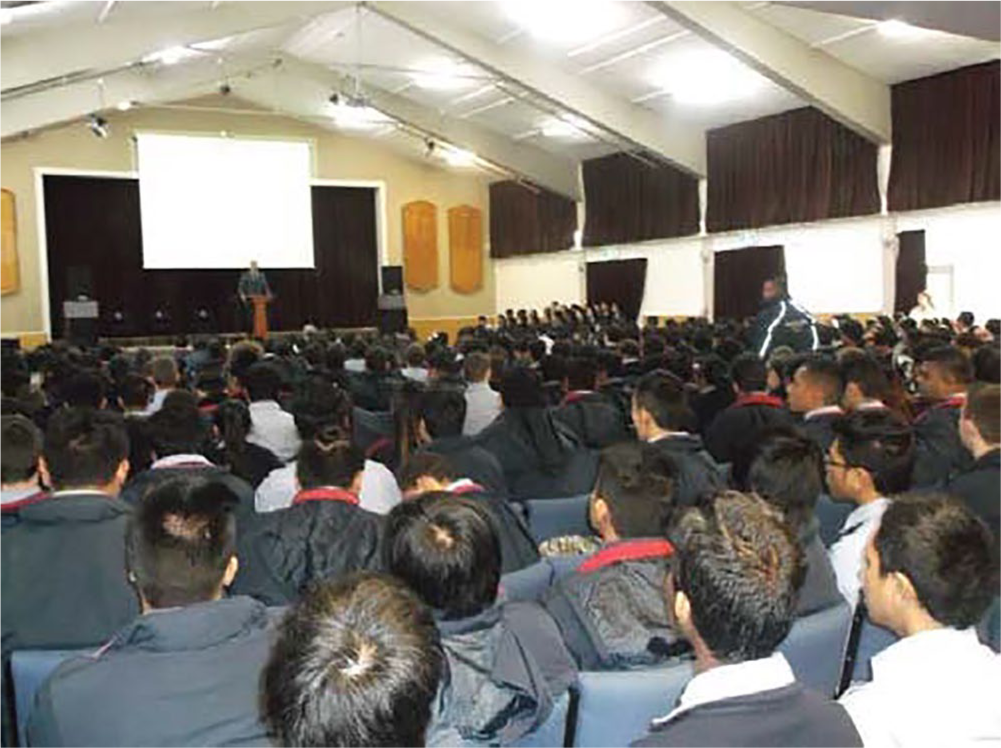
My school community

Belonging through food
We find it troubling that Study 2’s data was thus constrained. Participants or, subsequently, researchers were forced to exclude photographs of people where written consent was not fully obtained. The result is that the images take on a particular tone: they are slightly impersonal and objectified, in the sense that they are about ‘things being done’ rather than about ‘people doing things’. They actually remove the sense of agency that PhotoVoice is supposed to engender. Figures 3, 4, 5 and 6 from Study 1 offer insight into the different feel generated by being able to represent (and therefore see) people’s faces. People were clearly a key part of the story of settlement and excluding them significantly changed the tenor of this story. The Study 1 images clearly demonstrate active engaged migrants settling into the community, engaging socially, at school, at home, in the community, living everyday lives.
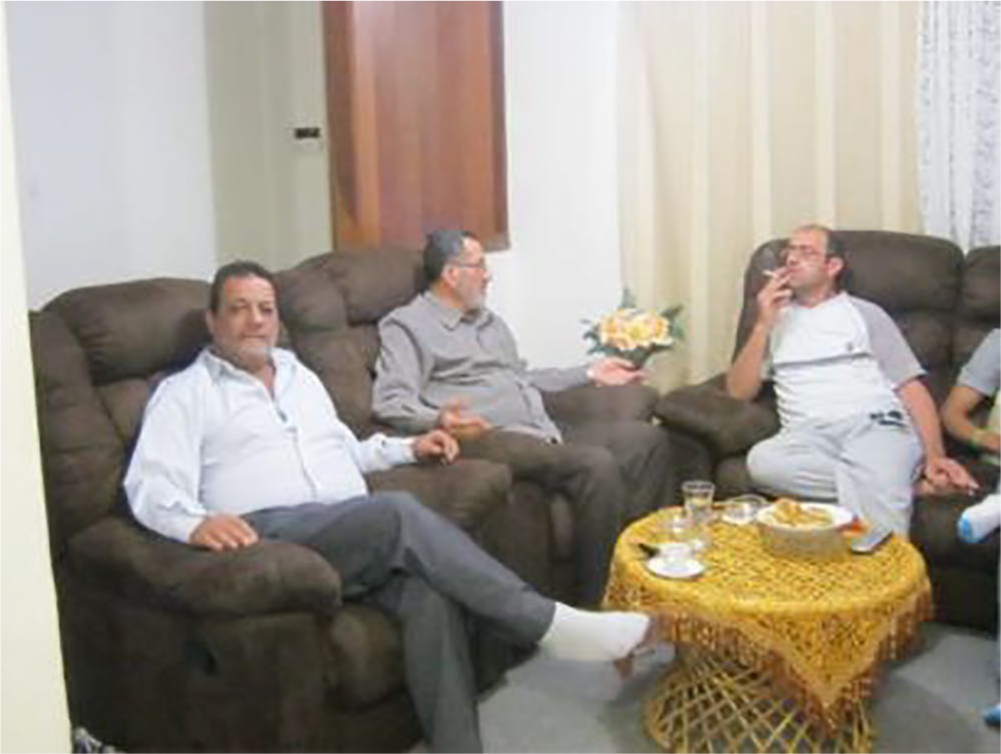
Feeling at home
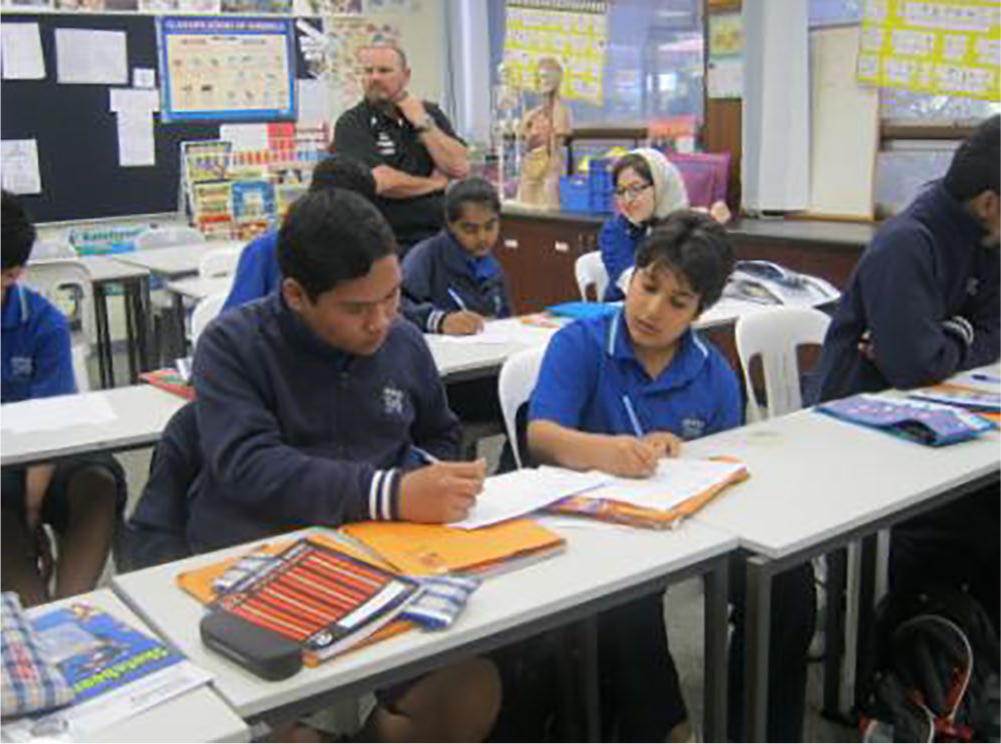
My school
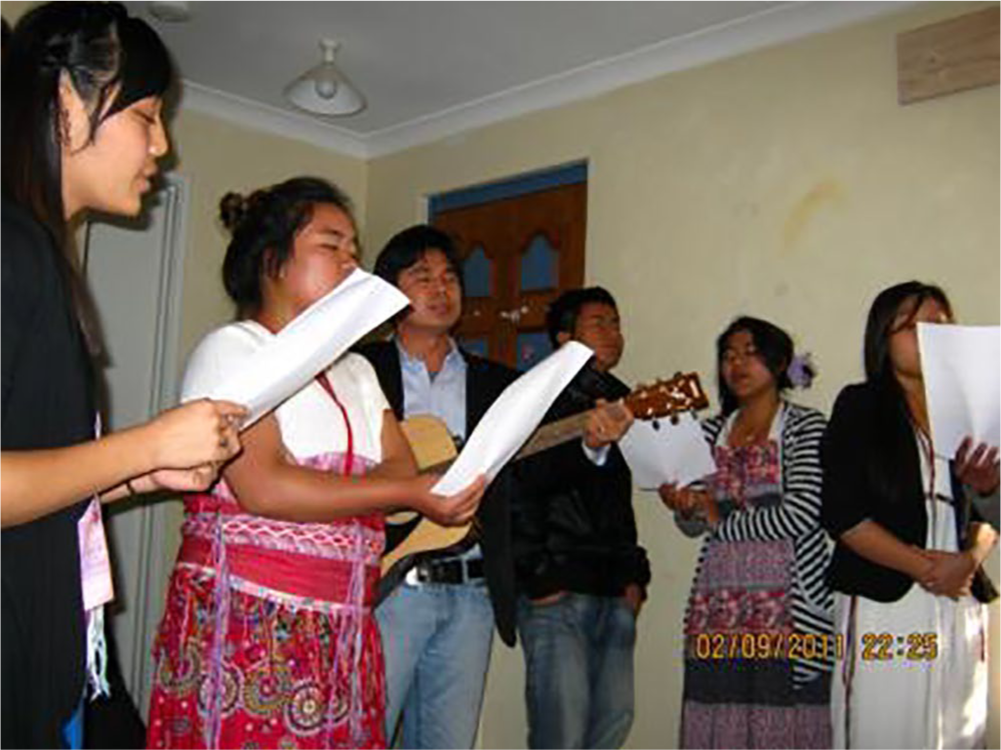
Choir group
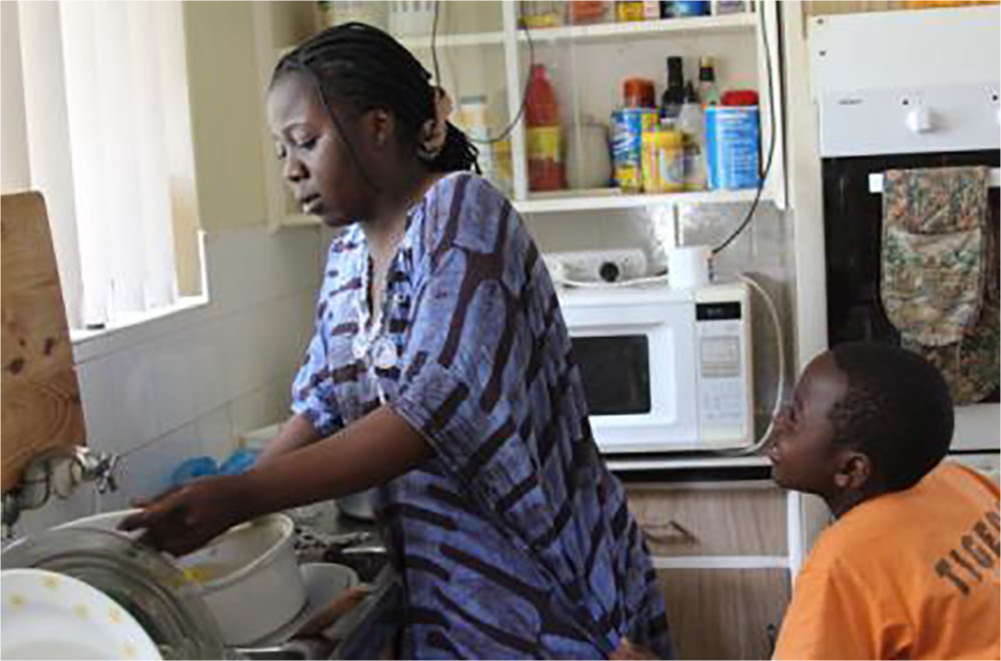
Family stress
Study 2 researchers did attempt to include some such photographs by cropping them to protect identities, or alternatively describing a photograph without reproducing it. But Figure 7 indicates how the first practice disembodies individual actors (literally ‘decapitating’ them) and potentially misrepresents the data, impacting interpretation and conclusions (Jordan, 2014; Phelan and Kinsella, 2013); simply describing a photograph also makes the whole PhotoVoice exercise redundant.
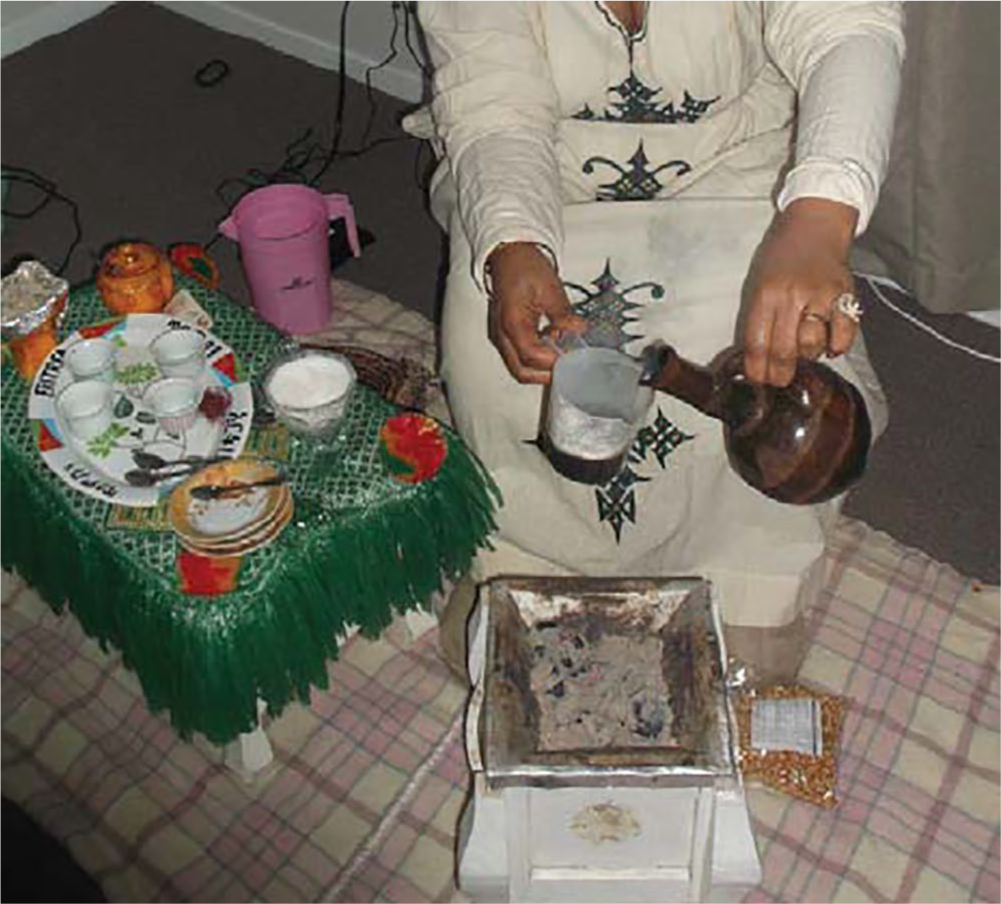
Making Eritrean coffee
Finally, while Study 1 photographs were displayed at the West Australian State Library for two weeks following the launch of the project report, Study 2’s planned photographic exhibition could not be held because the researchers could not guarantee that written informed consent had been gained for all photographs. This was disappointing because the exhibition had been conceived as a way of thanking participating communities, enhancing respect for the participant photographers (especially given young people are often framed in negative terms) and providing an opportunity for positive engagement with the wider community.
Commentary
The case study highlights some of the dangers of viewing refugees through what Gifford (2013) would call a protection, rather than a respect, lens. Study 2’s institutional ethics committee appeared to apply a blanket label of ‘vulnerability’ to potential participants, triggering a protection lens. ‘Vulnerability’, in a research context, applies to those with diminished autonomy, who are disenfranchised, subject to discrimination or stigma, or more susceptible to certain risks (Liamputtong, 2007) and who are therefore said to deserve special safeguarding of their rights.
This framing is commonly used when discussing ethics issues in researching refugees, ignoring an individual’s specific structural/environmental/contextual and personal circumstances in favour of presumed group characteristics (Block et al., 2013; Larkin, 2009; Perry, 2011). While those who have experienced forced migration and resettlement may have been exposed to traumatic experiences and/or have limited support in settlement contexts, this does not mean they are indelibly vulnerable. A growing literature on the resilience of refugees demonstrates that vulnerability is an inappropriate lens through which to view their experience (Hutchinson and Dorsett, 2012; Obijiofor et al., 2016; Perry, 2011). Indeed, the fact that refugees have survived, and often thrived in a new country, attests to their capacities to respond to adversity. Research designs must ensure that they are not solely informed by pathologised discourses that imply an automatic ‘deficit position’. Rather they should acknowledge people’s agency, aspirations and capacities to recover from adversity. Thus, a respectful approach that recognises resilience and agency is preferable to one that presumes vulnerability (Gifford, 2013).
Useful here is Luna’s (2009) distinction between the ‘labelling’ lens that automatically assumes particular groups are indelibly vulnerable and a ‘layered’ approach, which offers new ways for researchers, participants and ethics committees to think about vulnerability. She recognises the importance of recognising vulnerability, while refusing to regard it as absolute or inevitably tied to particular social locations or experiences defined by age, gender, class, migration status, ethnicity, sexuality, and so on. In doing so, she highlights the importance of context – including institutional practices, societal norms and existing power relations – that renders someone more or less vulnerable (see also Block et al., 2013).
Vulnerability is not fixed but dynamic and layered in complex ways. Context, culture and interpersonal dynamics become relevant, as does understanding history and the structures/systems that inform people’s opportunities. Researchers therefore must be cognisant of how ethical processes and methodological choices can reinforce or minimise layers of vulnerability. Connolly and Reid (2007), for instance, note that an ethics review committee accepted that participants with cognitive impairments could give informed consent, because the alternative – not including this group in the research – was more discriminatory than any potential risks with consent.
This nuanced approach is particularly relevant to the PhotoVoice methodology and in negotiating an ethics in practice when working with refugees. If beneficence had been considered as part of a layers approach to thinking about vulnerability, for example, Study 2’s planned exhibition might have been viewed as a significant benefit, by challenging stereotypes about young refugees and thus reducing their ‘vulnerability’. This was certainly the feedback the researchers in Study 1 received following their exhibition; photographed participants expressed considerable pleasure and pride at seeing their images publicly displayed. Notably, none of the individuals photographed in Study 1 via verbal consent complained of any false representation of their permission or of themselves in the images selected, something feared by Study 2’s ethics committee.
Institutional ethics review committees play an important role in encouraging researchers to think reflexively about potential risks to participants and themselves in the research process, as well as how to best meet government requirements around privacy. But the case study outlined supports Dingwall’s (2016: 25) view that the current model of research ethics regulation is not always ‘fit for purpose’, being an ineffective and inefficient use of societal resources and, more importantly here, often obstructing innovation and infantilising research subjects. Others have discussed the ways in which ethics review institutions find themselves in a balancing act of negotiating research ethics and research governance, with the former placing more focus on the ethical implications of the research methods and design and the latter focusing on risk mitigation, often for the sake of the institution rather than participants, which may have little to do with research ethics (Halse and Honey, 2007; Iphofen, 2009; Stark, 2012). Whilst research ethics and research governance are not mutually exclusive, a focus on governance means that ethics review committees may question, or even block, ethically responsive research (and ethical researchers) because of perceived risk. The focus on risk becomes even greater when working with populations to which a blanket categorical label ‘vulnerable’ is applied.
National ethics statements: part of the answer?
We are wary of framing the Australian Government’s (2015) National Statement and Study 1’s ethics committee’s enactment of it as ideal, since the Statement is still quite prescriptive (see Halse and Honey’s critique, 2007) and often used by institutional review committees to limit researchers’ activities. But it clearly enabled a more positive outcome than the New Zealand institution’s approach. Importantly, the guidance provided by the Australian National Statement offers the researcher a reference and appeals point when dealing with ethics committees.
Of course, the content and scope of any national statement matters. At the time of writing, the New Zealand National Ethics Advisory Committee (NEAC, 2018: 29) was consulting on a draft National Ethical Standards for Health and Disability Research, which stated that: ‘[p]otentially vulnerable participants [refugees were specifically included in this group] should receive specifically considered protection’. This suggests a ‘labelling’ approach is still evident. The NEAC (2018: 29) does goes on to state that ‘researchers should not think solely in terms of entire groups being vulnerable. Instead, they should look for the specific characteristics and contexts that may create vulnerability, particularly where multiple risk factors co-exist, and address them with appropriate protections’, and it allows room for modifications to the traditional consent model, including documenting verbal consent and allowing that ‘[c]onsent can also be demonstrated by a participant’s actions, such as returning a completed questionnaire’ (NEAC 2018: 36), as in the Australian Statement. Researchers are, however, required to explain ‘how traditional consent would impact on the study, and examine to what degree proposed alternatives affect participants’ rights’ (NEAC, 2018: 42).
Although the draft standards share some similarities with the Australian National Statement, they are not as expansive, do not consider the issue of beneficence and do not cover all researchers in New Zealand. Indeed, given Study 2’s researchers were not conducting research into health or disability issues, their research would not have been considered within its remit. Other institutional ethics statements exist but suffer similar limitations. The case study illustrates the need for a statement at the national level that is open enough to respond to researcher calls for more comprehensive and responsive reflection on research ethics and allows acknowledgement of the relational, dynamic and structural contexts that shape people’s experiences of vulnerability. A lack of such recognition limits the potential for innovative methodologies such as PhotoVoice to empower refugee populations to tell their own stories.
Conclusion
This case study has explored the differing experiences of two PhotoVoice projects focused on refugees, demonstrating differences between institutional ethics review committees’ orientations to vulnerability when establishing informed consent. We particularly noted how these differences impacted the quality, effectiveness and utility of the research, affecting the fundamental goal of PhotoVoice – empowerment. We have argued that a ‘layers’ rather than a ‘labels’ approach may be usefully applied in ethics review, reshaping how we understand refugee participants’ vulnerability and agency away from research governance approaches that regard informed consent as an individualised, one-off process where legal risk to the institution is best managed through written consent. Although an overarching national ethics statement itself cannot ensure a more nuanced approach to vulnerability – responsibility for such reflexivity lies with the researcher – we argue that an appropriately written statement may help to overcome institutional inconsistencies by guiding both individual institutional ethics review bodies and researchers trying to make the case for different approaches to consent (see Connolly and Reid, 2007).
Certainly, Study 1 illustrates how a review committee can be supported to apply an approach to vulnerability that is focused less on labelling and more on recognising capacity and agency, given a national-level research ethics statement that allowed for the specific needs and contexts of participant groups to be taken into account, and prioritised the likely benefit of the research to participants themselves. Such statements provide the space to peel back the structural, relational and contextual elements of human experience and enables researchers to consider what informed consent really means to participants and address participant concerns through ethical practice that is centred on them – not on the legal risk to the institution in which the researcher is based. This approach is all the more important as new and creative methodologies, such as PhotoVoice, are increasingly employed to conduct research with potentially vulnerable communities.
Footnotes
Declaration of conflicting interets
The author(s) declared no potential conflicts of interest with respect to the research, authorship, and/or publication of this article.
Funding
All articles in Research Ethics are published as open access. There are no submission charges and no Article Processing Charges as these are fully funded by institutions through Knowledge Unlatched, resulting in no direct charge to authors. For more information about Knowledge Unlatched please see here: 