




Abstract
This study explores the optimization of kinetic facades to promote environmental sustainability in building designs, addressing the critical issues of high energy consumption and CO2 emissions prevalent in the construction sector. The focus is on achieving an intricate balance between maximizing natural daylight and minimizing solar radiation using innovative kinetic facade designs. Parametric modeling tools are utilized in the design process to experiment with various facade configurations. The effectiveness of these designs is then validated using both digital and physical prototypes, with their adaptability to diverse climatic conditions evaluated through dynamic simulations. A key component of the study is the application of the Wallacei plugin for Grasshopper, which assists in multi-objective optimization to determine the most effective facade aperture ratios. The results demonstrates a substantial reduction in solar radiation levels, with a 70% decrease on the first floor and a 76% decrease on the seventh floor, achieved by optimizing aperture ratios. The study concludes that optimizing kinetic facades significantly improves building performance compared to traditional glass facades, offering an effective balance between daylight enhancement and solar radiation reduction, influenced by seasonal changes. It also emphasizes the importance of factors such as building height and the surrounding environment in facade design. Overall, the findings highlight kinetic facades as a viable solution for improving building efficiency and occupant comfort, suggesting a promising avenue for advancements in architectural design and construction.
Keywords
Introduction
Buildings play a pivotal role in environmental sustainability, accounting for 40% of global primary energy usage and a significant portion of CO2 emissions (Ahady et al., 2022; Zhuang et al., 2023), as well as consuming about 70% of electricity (Hinkle et al., 2022; Jiang et al., 2023). Current trends in architecture, however, often favor glass-heavy designs. Despite their aesthetic appeal and the health benefits of natural light (Shahbazi et al., 2019; Yılmaz and Yılmaz, 2020; Yu et al., 2020; Zhou et al., 2020), these designs are thermally inefficient (Axaopoulos, 2019; Tabadkani et al., 2018) and lead to higher energy consumption (Tabadkani et al., 2019). In contrast, sustainable building designs, especially adaptive ones like kinetic facades, have been recognized as potential solutions to reduce energy usage by up to 60% (Sadegh et al., 2022). Despite the long-standing importance of kinetic facades in enhancing energy efficiency since the early 20th century (Tabadkani et al., 2019), a significant research gap persists in their optimization, particularly with the use of advanced methodologies such as genetic algorithms. This highlights the need for more comprehensive research, focusing on the transition from a single-objective to a multi-objective optimization approach in facade design (Talaei et al., 2021; Yi, 2019). This approach is important for improving building performance, especially in terms of optimizing natural daylight and reducing solar radiation (Attia et al., 2018; Hosseini et al., 2019a), within dynamic systems such as kinetic facades designed to adapt to environmental changes (Makki et al., 2018; Shahbazi et al., 2019). However, there is a notable lack of studies effectively applying this strategy, underscoring a research opportunity in this area.
This research introduces a novel method for optimizing kinetic facade designs in buildings, focusing on the ideal aperture ratios for balancing daylight and solar heat gain. Applied to a specific building type with a modular kinetic facade system, this multi-objective approach moves beyond seeking a single optimal solution to proposing a spectrum of viable options (Yi, 2019). This broader range of optimal solutions enables decision-makers to choose designs that best balance conflicting criteria like light and heat (Hosseini et al., 2019b; Kültür et al., 2019; Yılmaz et al., 2022). The paper progresses by exploring recent advancements in kinetic facades and multi-objective evolutionary algorithms, providing a thorough background for the study. It aims to make a significant contribution to the field of sustainable architecture by offering a practical decision-making framework for architects and designers in facade design.
Kinetic facade
Kinetic facades have gained recognition in contemporary architecture for their dynamic adaptability and multiple comfort benefits (Bedon et al., 2019; Tabadkani et al., 2018). They effectively adjust to environmental conditions (Isaia et al., 2019; Mols and Blumberga, 2020; Voigt et al., 2023), enhancing daylight performance (Hosseini and Heidari, 2022), reducing glare (Kahramanoğlu and Çakıcı Alp, 2023), and controlling solar heat gain (Hosseini et al., 2019b; Sadegh et al., 2022). This adaptability allows them to maintain indoor comfort across seasons, preventing overheating in summer and conserving heat in winter (Talaei et al., 2021). Consequently, kinetic facades are praised as an energy-efficient and sustainable architectural solution. Real-world applications further underscore their utility and versatility. For example, Al Bahr Tower employs hexagonal panels to modulate daylight and control glare (AHR, 2022; Tabadkani et al., 2019). Similarly, the Helio Trace Centre has proposed a kinetic curtain wall concept that would adapt to the sun’s path (Hosseini et al., 2019a). A distinctive feature of kinetic facades is their range of possible movements, which are most commonly executed as secondary facade layers. These systems can fold, rotate, or undergo other unconventional transformations in response to the environment (Hosseini et al., 2019b; Tabadkani et al., 2021).
Kinetic facades employ five main motions: folding, sliding, expanding, retracting, and transforming (Figure 1). Material properties significantly influence the range of these movements (Hosseini et al., 2019b). Additionally, geometric constraints limit the object’s freedom of motion, making material selection critical (Bedon et al., 2019; Sheikh and Asghar, 2019). Folding is a commonly used kinetic motion in facades and relies on predefined creases that serve as hinges (Tabadkani et al., 2021). This allows the material to contract and expand without stretching until a stable form is achieved. Origami art often inspires folding techniques in various studies (Le-Thanh et al., 2021; Yi et al., 2020). Sliding is another key motion and involves the use of rail tracks for transformations, which can occur vertically, horizontally, or diagonally. Expanding refers to a motion that changes material properties in response to environmental conditions, while retracting modifies the scissor surface or structure to react. Transforming is a kinetic motion that allows multiple configurations and forms to be created simultaneously. For instance, the facade of the Institut du Monde Arabe employs sliding, while the facade of the SDU Campus utilizes folding (Le-Thanh et al., 2021). Kinetic facades can either be a single large surface or a combination of independent modules. These modules can operate either individually or synchronously to adjust light ingress. Notable examples include the Al-Bahr Tower (Shahin, 2019) and the Showroom Kiefer Technic, which employ these modular designs (Le-Thanh et al., 2021).
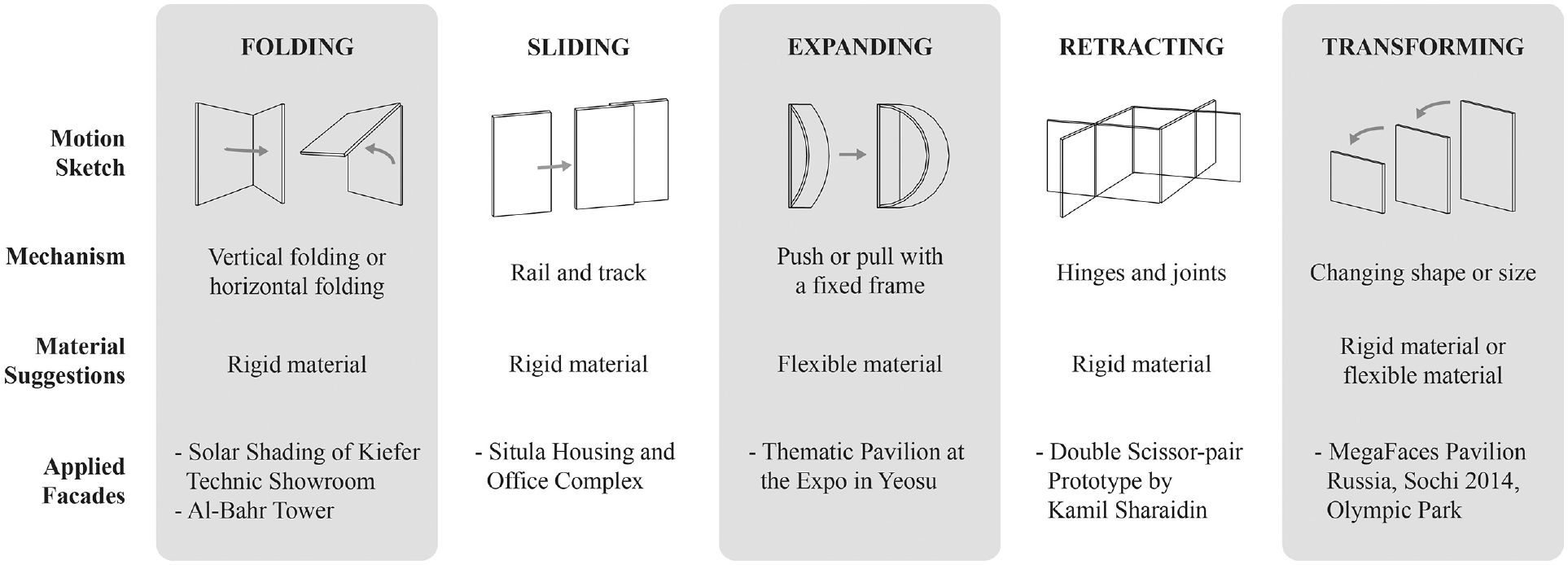
Kinetic motions.
Multi-objective evolutionary algorithms
The paper explores multi-objective evolutionary algorithms, including genetic algorithms, to find an optimal balance between daylight and solar radiation in buildings. The illuminance and daylight factor serve as the primary quantitative measures for assessing daylight performance. Multi-objective optimization is categorized into traditional and non-traditional methods. Traditional methods use mathematical principles to convert multiple objectives into a single weighted objective (Lan et al., 2019; Yi, 2019). In contrast, non-traditional methods employ stochastic rules to generate Pareto-optimal fronts (Zhai et al., 2019), offering a broader range of optimal solutions that balance conflicting objectives (Jalali et al., 2019; Yi, 2019). For example, non-traditional methods were used in a Tehran office building to optimize the placement of windows for optimal energy and daylighting outcomes, utilizing tools like Ladybug, EnergyPlus, and Octopus (Pilechiha et al., 2020). Similarly, various U.S. office buildings in Miami, Atlanta, and Chicago used EnergyPlus, Radiance, and Octopus to optimize building geometry and window sizes (Fang and Cho, 2019). In Athens, the window-to-wall ratios and cooling set-points were optimized using DesignBuilder, EnergyPlus, and Daysim to improve energy efficiency and thermal comfort (Giouri et al., 2020). A heritage palace in Cairo examined skylight configurations for optimal thermal and visual performance using Octopus, Diva-grasshopper, and ArchSim (Marzouk et al., 2020).
Methodology
This study outlines a systematic framework for optimizing kinetic facades in early design stages. The framework is divided into three key steps: parametric modeling, performance simulation, and multi-objective optimization, as illustrated in Figure 2. Initially, Rhino/Grasshopper is used for the parametric design, where the kinetic pattern and its constraints are identified (Hinkle et al., 2022; Talaei et al., 2021). The focus is on specifying the type of kinetic movements and geometric constraints for the pattern. In the subsequent phase, simulation tools investigate the impact of various shapes and proportions on kinetics, daylight, and solar radiation throughout the year (Hinkle et al., 2022). For this performance analysis, environmental plugins like Ladybug and Honeybee are utilized (Tabadkani et al., 2019). The final stage involves multi-objective optimization with the aim of maximizing daylight and minimizing solar radiation. Wallacei, a plugin for Grasshopper, evaluates different criteria to identify the optimal solutions. Through iterative refinements based on the Pareto front, the process eventually leads to the most effective opening ratios that are responsive to dynamic daylight conditions.
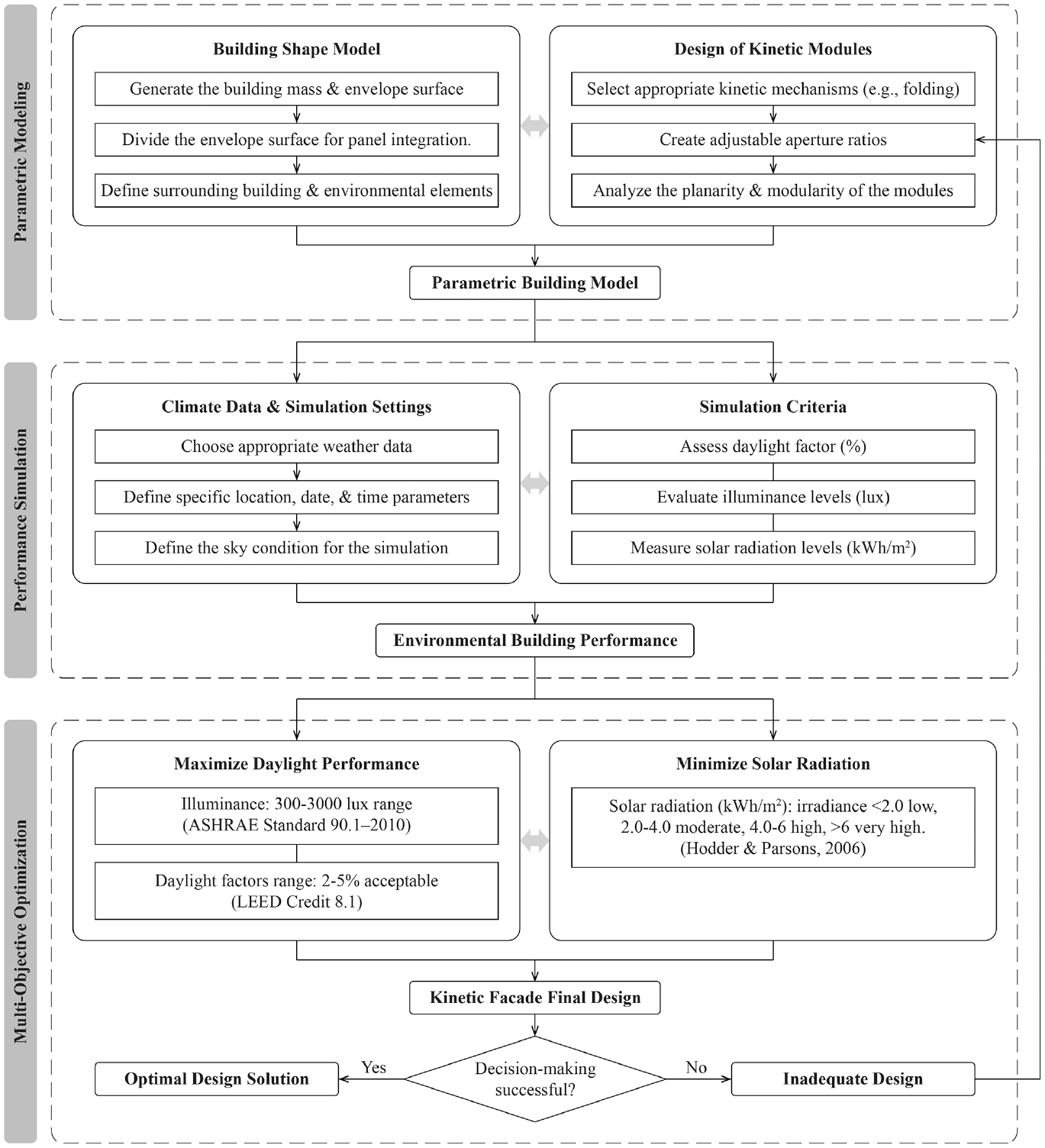
Research framework.
Parametric modeling
Parametric modeling is the initial and crucial step that uses computational algorithms to create adaptable building models (Shahbazi et al., 2019; Talaei et al., 2021). In this framework, various parameters such as the building’s context, shape, envelope characteristics, and kinetic modules are defined and manipulated to explore a wide range of design possibilities. Choosing a building context involves considering various factors, including facade geometry (as a planar or curved surface), concept design, and site topography. Rather than employing a simple box as the building model, the study uses a real architectural building, IKMZ (Informations-, Kommunikations- und Medienzentrum) building in Germany as its contextual reference. However, it is important to note that the simulation is conducted using the site of Taipei, Taiwan, representing a humid subtropical climate (Zhang and Gao, 2023). The design of IKMZ was selected for its geometric complexity, parametric shading design, and iconic value. While its existing facade features glass embossed with stylized graffiti to reflect its educational purpose (Degkwitz, 2010), this detail is omitted in simulations, leaving just the glass facade. The kinetic module will then serve as a secondary facade. This case study will only focus on the facade surface, site location, building program, and kinetic facades.
Design of kinetic modules
The module was designed with simple geometry to clearly demonstrate its kinetic motion. It disregarded construction details and primarily relied on push-and-pull mechanisms, with folding serving as the main type of movement (Figure 3). The module enables the control of microclimate forces entering interior spaces by changing aperture’s direction, depth, and size. The aperture may vary between being fully open, partially open, or closed, depending on different facade orientations and weather conditions (Moolavi Sanzighi et al., 2020). During the initial design phase, straightforward folding techniques were explored to evaluate possible design options.
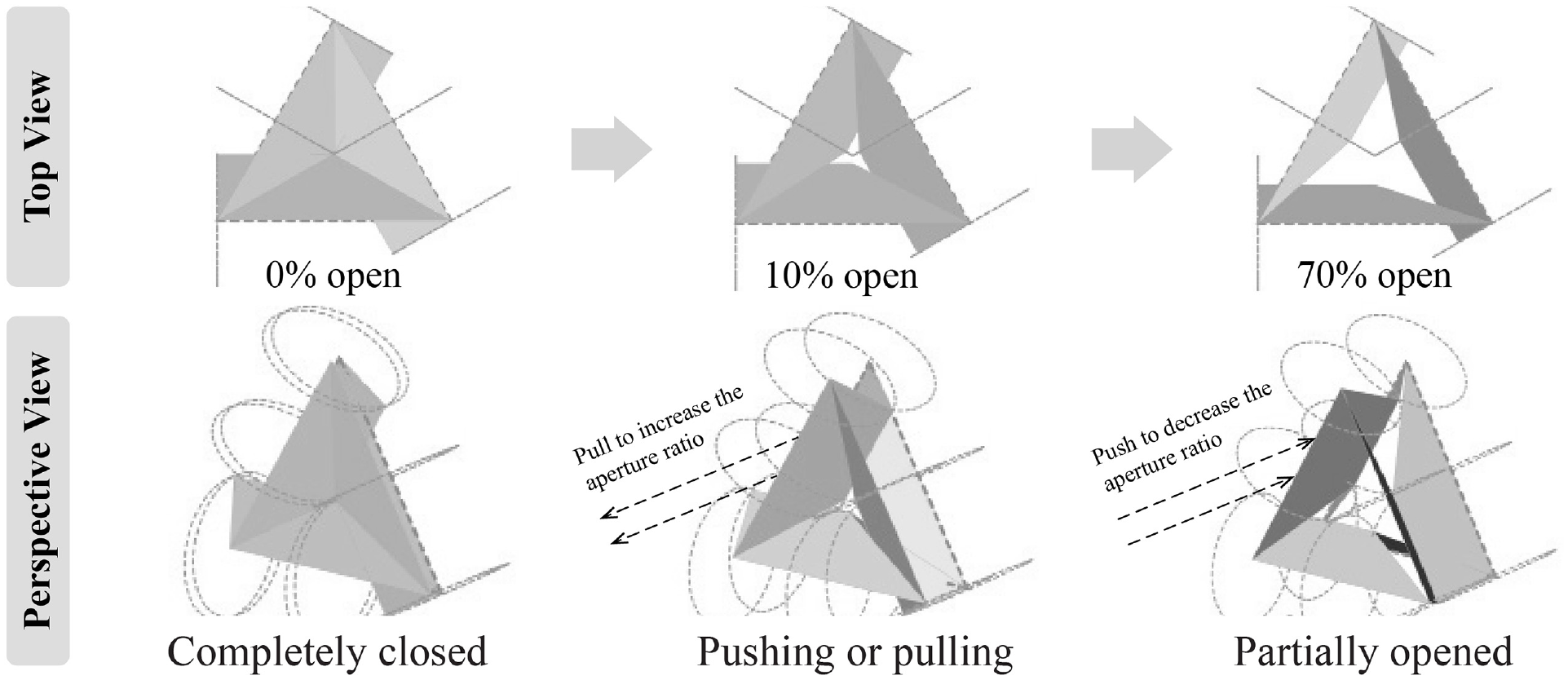
Transformation of the module’s aperture ratio.
Folding mechanisms have been used in various facade designs, offering architects, and structural engineers the opportunity to achieve lightweight yet highly actuated building facades (Bedon et al., 2019; Hosseini et al., 2019b; Sheikh and Asghar, 2019). In a modular kinetic system, folding mechanisms create various aperture sizes in response to environmental conditions. The foldable surface makes the system easy to transport and compact. Kinetic panels can take on multiple shapes, such as concave, convex, or flat. For example, a concave envelope concentrates solar radiation within an indoor environment. In contrast, a convex envelope allows heat to escape (e.g. during the summer or on a rainy day) from the inside. Furthermore, a flat envelope minimizes area and slows heat transfer. However, there are several issues related to the design of modules and panels in terms of their shape, size, and system that will be discussed in the following sections.
Kinetic skins can be developed by analyzing motion and geometric transformations through both digital and physical prototypes. Parametric modeling and simulations are key tools in this process. Scripts developed in Grasshopper help to understand how individual modules function based on their aperture ratios, mechanical systems, and movement ranges. Unlike the auxetic structure (Hosseini et al., 2019b), this modular base geometry can be transformed independently, without requiring rescaling or affecting adjacent modules, resulting in improved building envelope coverage.
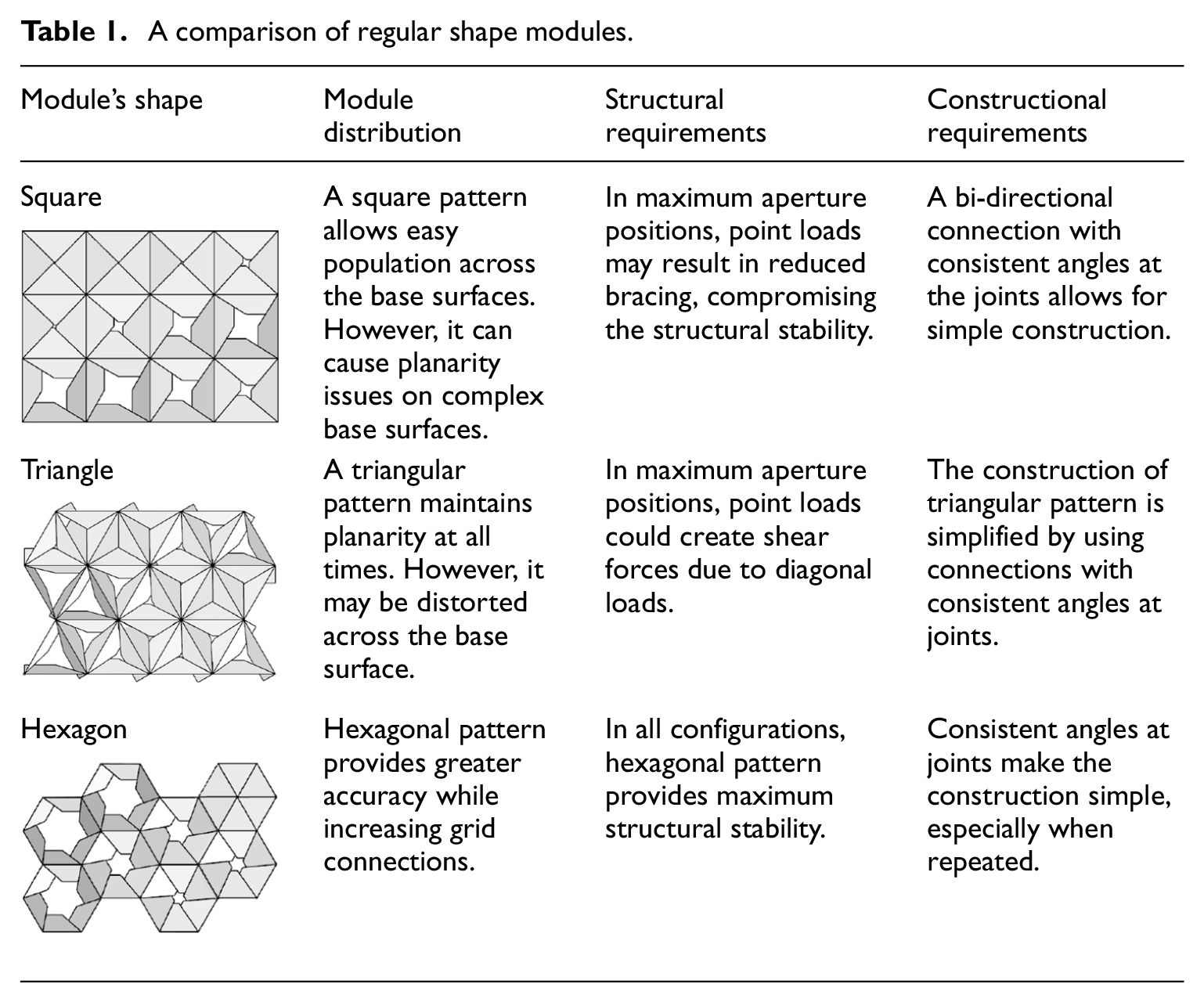
As a result of the centralized aperture, movement is simplified and all joints are uniform, simplifying overall operation. Evaluation of basic geometric shapes, such as square, triangle, and hexagon, involves simulation software and physical prototype testing. This evaluation encompasses module distribution, as well as structural and construction requirements (Table 1). Figure 4 illustrates the panel transformation sequence, wherein a small aperture is formed in the module’s center by adjusting the panel’s height. Lines drawn from each corner to the center guide the panels’ folding ability and aperture ratio. A folding mechanism alters the panels to set the aperture percentage, eliminating glare and direct sunlight due to the absence of gaps when the panels are open (Meloni et al., 2023).
A comparison of regular shape modules.

Transformation of the panels’ geometry.
In this hexagonal module, three types of panel shapes exist: parallelograms, trapezoids, and triangles (Figure 5). Due to the material thickness, the folding mechanism for the parallelogram panels are not able to operate properly at 40% aperture, whereas triangle panels exhibit large gaps between panels at apertures ranging from 30% to 100%. Therefore, trapezoid panels with a small central (Figure 5) are recommended. These allow natural light into the building while maintaining effective coverage at various aperture percentages. The hexagonal shape offers efficient edge detection and a high level of shade distinction. At a 0% aperture, this modular design provides solid coverage level (Figure 6), while the increased depth at 100% aperture offers shade but reveals structural weaknesses.

(a) Parallelogram panel, (b) trapezoid panel, and (c) triangular panel.
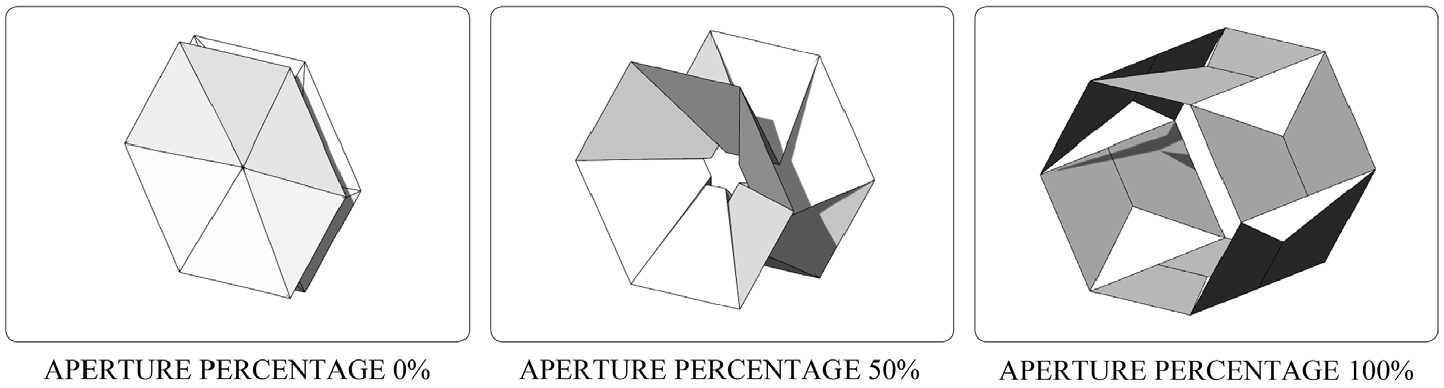
Aperture percentage of hexagonal module.
A better understanding of kinetic motion principles and mechanical behavior can be achieved by studying small-scale models while setting aside construction details and focusing on material constraints. The fabrication process begins with creating a two-dimensional plan for the frames and the panels (Figure 7) based on the chosen kinetic patterns. These plans are then processed through a laser cutting machine, as cardboard serves as the material for the prototype. Given the challenges of attaching hinges to cardboard, a folding mechanism facilitated by an engraftment process replaces traditional hinges. This method yields a design that is simple, inexpensive, and low in friction. Nonetheless, the use of cardboard does come with limitations, such as susceptibility to fatigue and eventual breakage when folded multiple times.
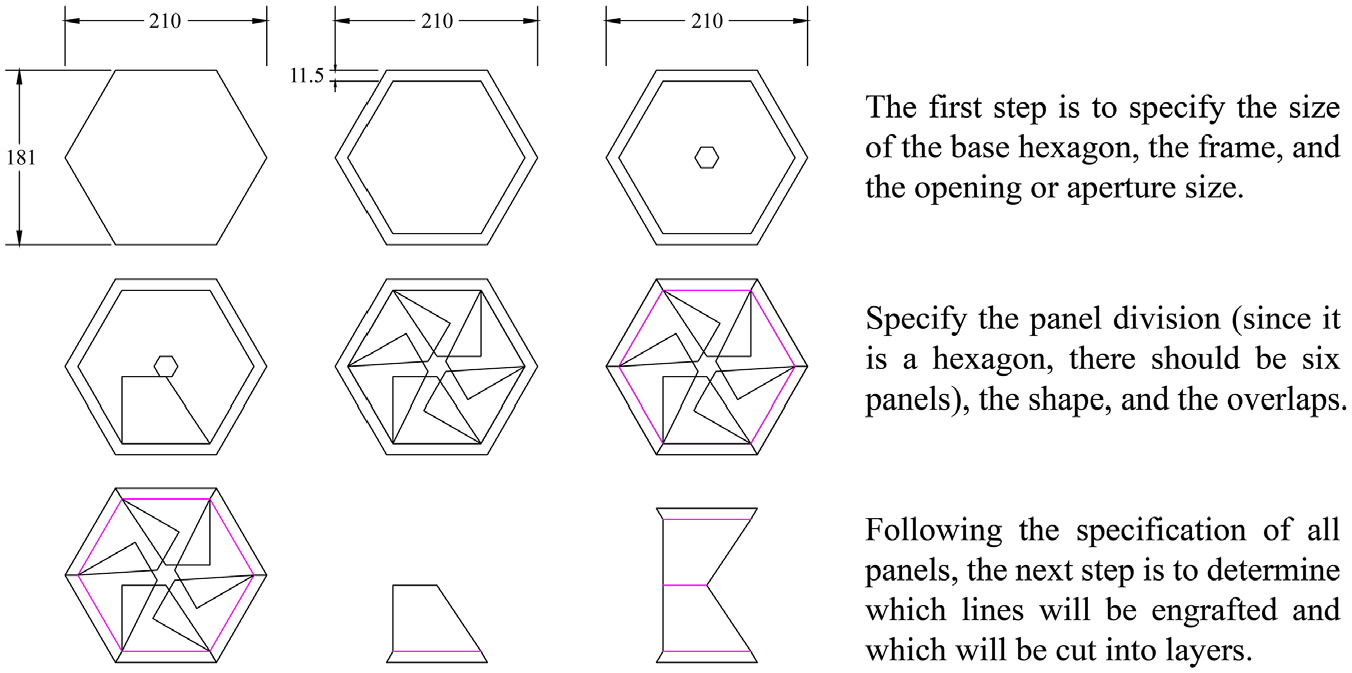
A two-dimensional drawing of the panels and frame for laser cutting.
In larger-scale fabrication, metal will replace cardboard, and hinges capable of altering the fixed axis’s rotation angle will be used (Globa et al., 2021). The complete module comprises twelve panels and two frames. By mirroring half of the module (Figure 8), six panels and a frame are created. Each panel side is extended by approximately 1–2 cm to facilitate attachment to the frame. Once mirrored, the panels are glued on both sides according to their mechanical functions. This assembly process continues until all panels have been attached. As illustrated in Figure 9, the final module’s depth measures roughly 5 cm when closed (with a 10% aperture) and expands to 15 cm when fully opened (with a 90% aperture). Like mechanical hinges, the module’s aperture widens by moving the panels outward.
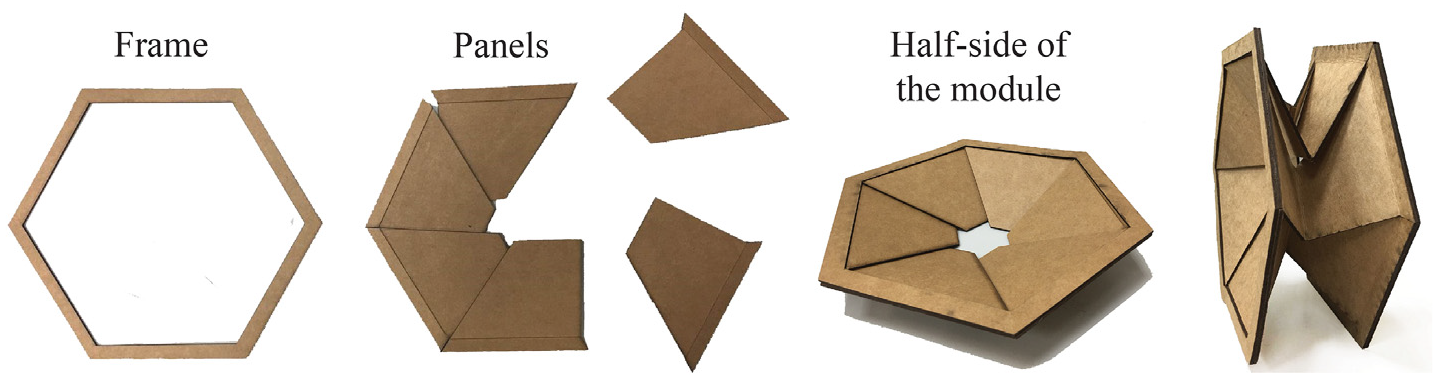
Module’s components.
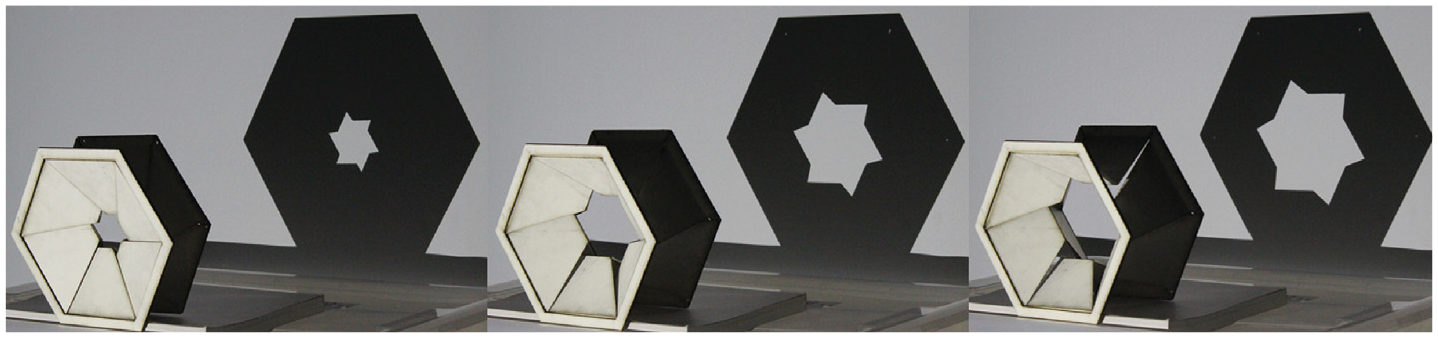
Kinetic simulation with physical prototypes.
The facade system comprises six panels that respond uniformly when activated. Horizontal movement from the structure’s central point results in either an opened or closed facade. Adjusting the module’s thickness affects the aperture size, giving rise to relief patterns resembling three-dimensional sculptures on the surface (Figure 10). As the panel thickness increases, so does the aperture size. Since the hexagonal grid is interconnected, altering the width could distort the grid or dislodge the modules. Hence, it is the thickness that should be adjusted rather than the width or shape. Moreover, black and white images may be more effective for setting the aperture size, as they clearly indicate levels of brightness. For environmental reasons, the amount of solar radiation and daylighting determines the aperture ratio to maintain comfort within the space.
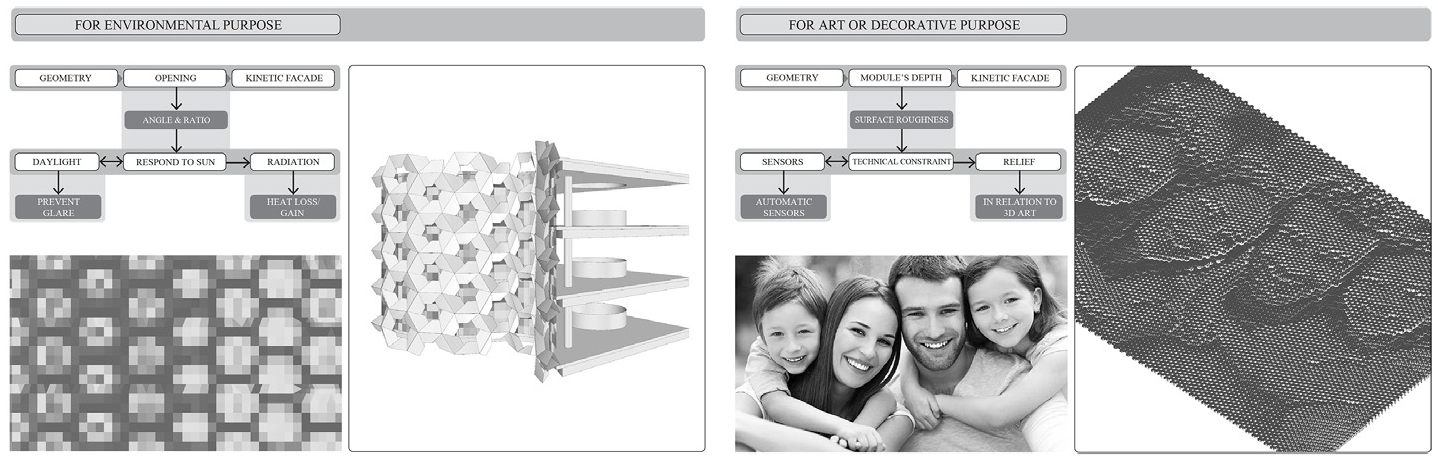
Design application.
Building shape model
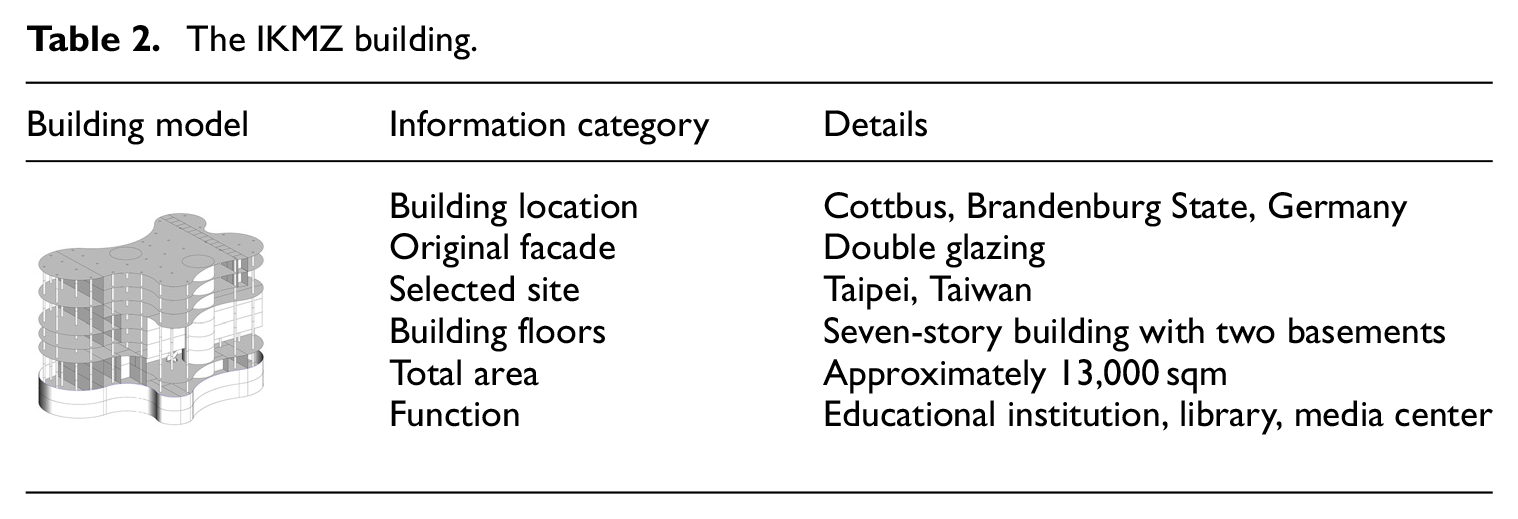
To evaluate the effectiveness of the proposed kinetic facade design, a case study was carried out using the IKMZ building in Cottbus, Germany, while selecting Taipei, Taiwan as the site for the analysis. Choosing Taipei as the study site provides an opportunity to assess the effectiveness of kinetic facades in a humid subtropical climate. Unlike Germany’s heating-dominant climate, which benefits from increased solar radiation for thermal comfort, the climatic conditions in Taipei require a different approach to facade design. In this context, the primary challenge is to optimize natural lighting while simultaneously minimizing the effects of direct solar exposure, due to the pervasive hot and humid conditions (Meng et al., 2019). Therefore, understanding the interaction between kinetic facades and Taipei’s climatic conditions could yield crucial insights into the optimization process.
The building has a total of seventh floors, in addition to two basements, and serves as both a library and media center. Detailed information about the building is provided in Table 2. The IKMZ building is a 32-m-tall structure made of reinforced concrete and features a glass facade adorned with stylized graffiti. Its unique design resembles an amoeba, characterized by a curved glass exterior without distinct corners (Herzog & de Meuron, 2023). Given that each floor follows the same design, simulations were conducted only on the first and seventh floors of the building. The results were then generalized to represent all other floors.
The IKMZ building.
To integrate the kinetic modules, the building’s existing irregular envelope was modified to fit a hexagonal grid pattern that aligns with the interior floors. This process involved four main steps (Figure 11): (1) a facade surface that represents the original envelope was created, (2) the surface’s curvature was analyzed, (3) this surface was segmented into hexagonal patterns based on predetermined grid size, (4) these grids were refined with regard to planarity and modularity considerations.

Setting up a building model for facade analysis and optimization.
Figure 12 displays the results of a Kangaroo simulation that aims to planarize the modules. The simulation maintains the modules’ original lengths, their proximity to the base surface, and their internal angles. The colors in the images, ranging from blue to red, signify the degree to which individual panels deviate from an optimal flat plane. Blue indicates low deviation, and red indicates high deviation. The more colorful images on the right demonstrate the system’s modularity, with each color representing a different type of module. Each row in the figure features different input parameters and simulation results. The number of simulations indicates the number of iterations needed to achieve the desired outcomes. Generally, a higher number of simulations leads to results that are closer to the goals. However, if the goals are conflicting, fewer simulations may produce better outcomes. The results suggest that 200 simulations yield poorer planarity, likely because the grid size exceeds the curvature of the surface. According to the analysis, an increase in planarity strength results in greater module numbers and more irregular panel shapes.
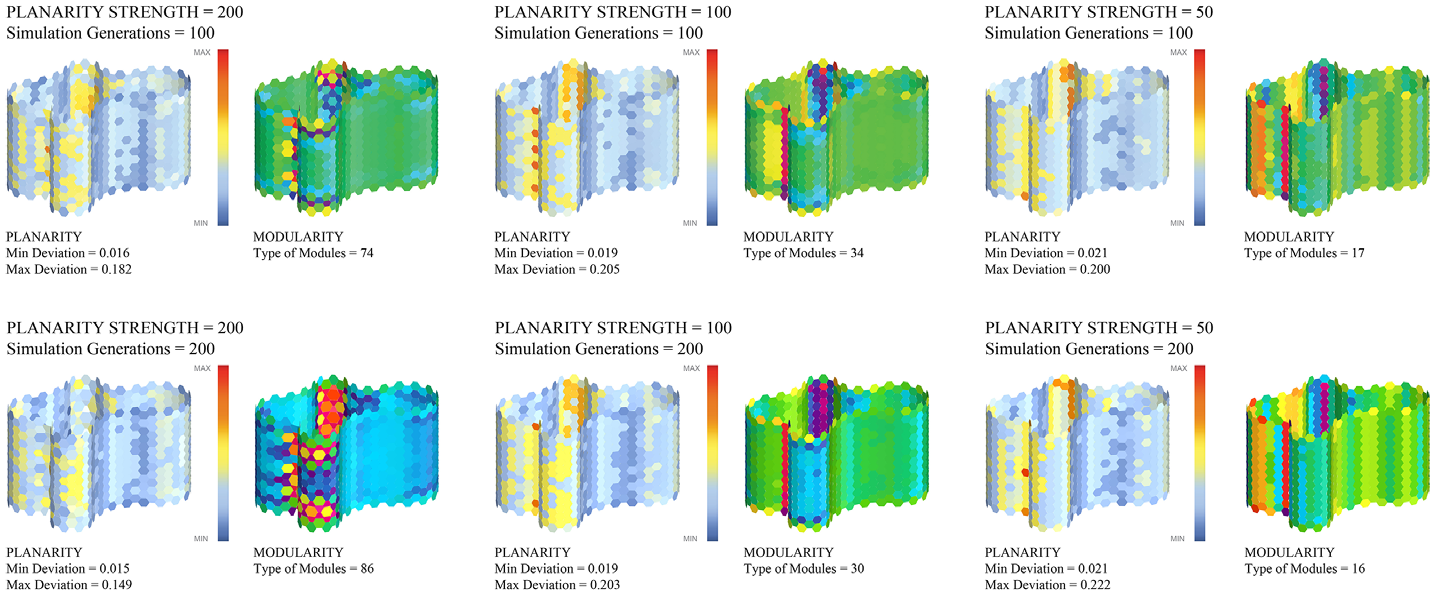
Planarity and modularity.
Performance simulation
This section will focus on simulations evaluating daylight and solar radiation. To conduct the environmental analysis, several parameters must be defined, including the building site, massing, facade surface, and the design of the kinetic module. Two surfaces will be generated: one for the existing glass envelope and another for the offset surface where the hexagonal kinetic panels will be affixed. The simulations utilized Radiance and Daysim, integrated through the open-source Honeybee and Ladybug plugins, which are open-source platforms specializing in weather visualization (Meloni et al., 2023). These tools will offer real-time feedback, and the data collected will be integrated into the subsequent optimization process.
Climate data and simulation settings
Climate plays a crucial role in facade design and early-stage decision-making (Kumar et al., 2020). The chosen site, Taipei, falls under the Köppen climate category “Cfa,” which signifies a subtropical climate with hot, humid summers and mild winters. This classification relies on the Köppen system, based on average monthly temperature and precipitation data (Hobbi et al., 2022). To gain a comprehensive understanding of the climatic conditions, weather data were sourced from the Energy Plus website and analyzed using Climate Consultant. The data correspond to Taipei, which has an average annual temperature of around 23.0°C. Winters are generally mild, with January being the coldest month, characterized by the lowest recorded dry-bulb temperature of around 6°C. Summers are hot and humid, with temperatures frequently rising above 30°C and peaking at around 38°C in July. Directional exposure to sunlight also influences facade design. In winter, the northern side remains shaded, while in summer, it receives minimal sunlight. The east and west orientations experience direct sunlight during the mornings and evenings, respectively, due to their low angles. The southern side is the most exposed to direct solar radiation, particularly from June to September, emphasizing the need for effective shading solutions during these hot and humid months (Figure 13).
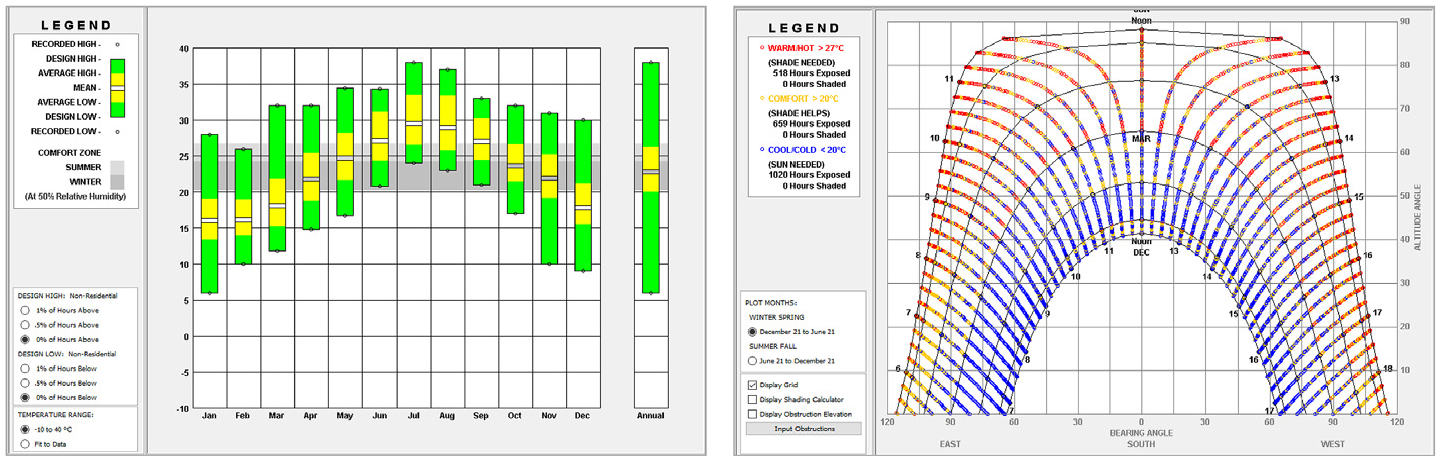
Dry-bulb temperature chart (left); Sun shading chart (right).
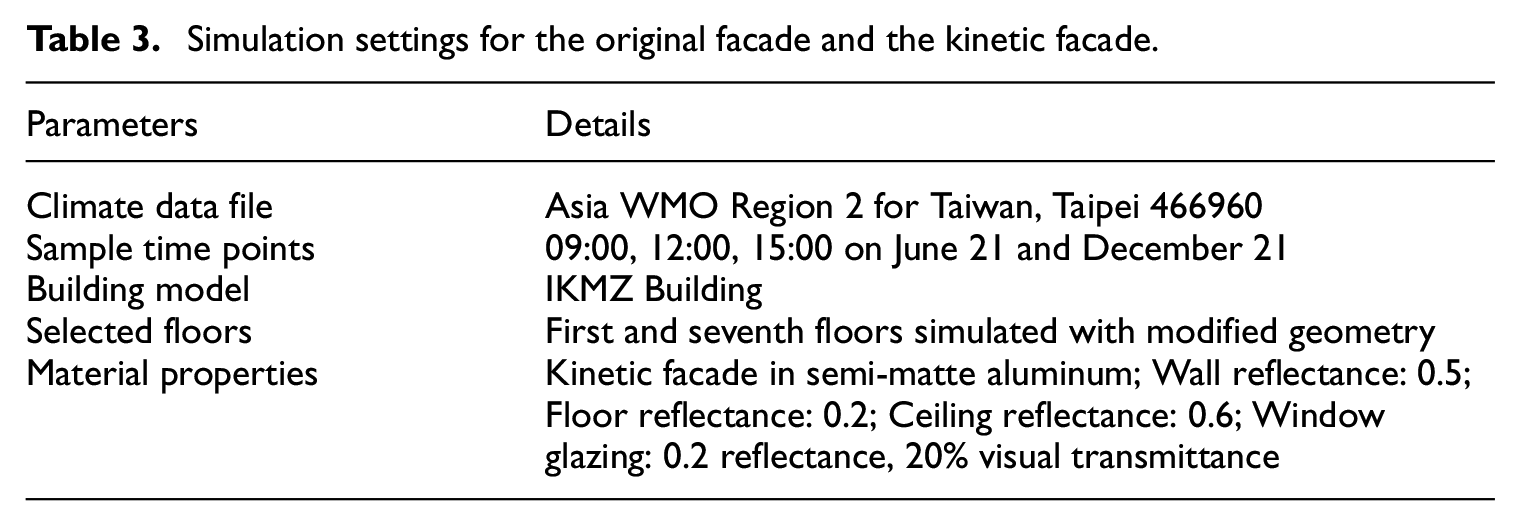
Performance simulations were conducted under clear sky conditions at three specific times: 09:00, 12:00, and 15:00, on June 21 (for the summer solstice) and December 21 (for the winter solstice). These dates and times were specifically chosen to capture the sun’s highest and lowest altitudes, as well as its most extreme azimuth angles to the north and south. This approach provides a comprehensive understanding of the system’s performance throughout the day. Table 3 provides a detailed overview of the settings used for the simulations.
Simulation settings for the original facade and the kinetic facade.
Simulation criteria
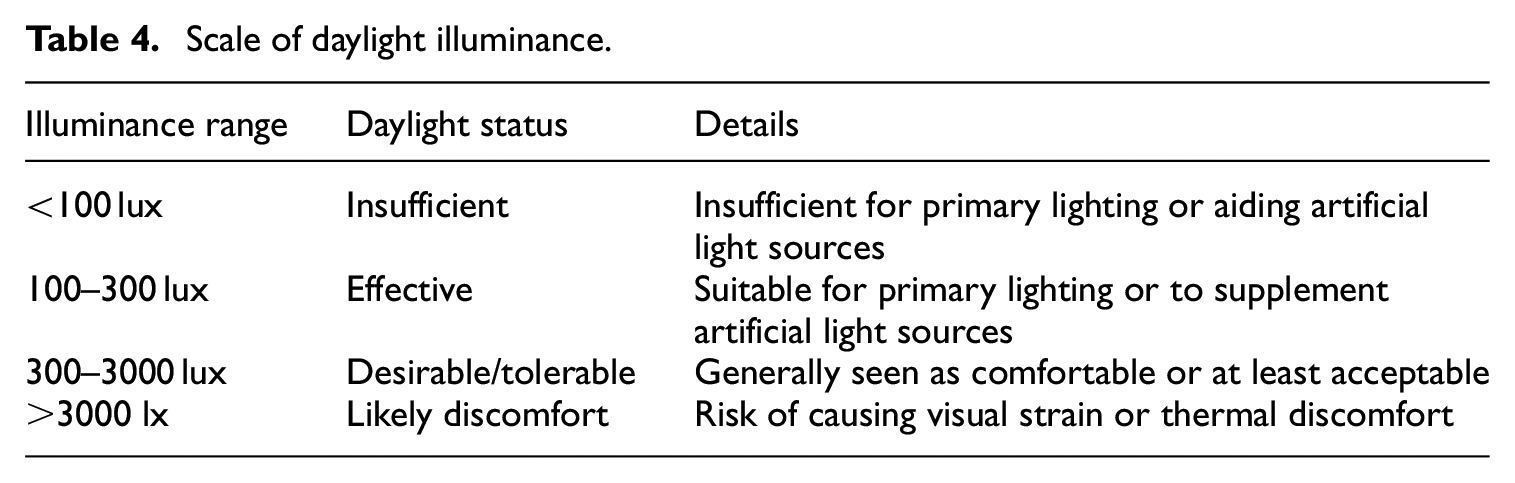
Daylight illuminance refers to the measurement of the amount of natural light (sunlight and skylight) that falls on a specific surface or point within an interior space (Sun et al., 2018; Yu et al., 2020). It is typically measured in units of lux (lx). According to this metric, it is proposed that any daylight illuminance in the range 300–3000 lux should be considered as offering potentially useful illumination for the occupants of the space (Talaei et al., 2021). In this threshold, spaces with illuminance lower than 300 lux are below the required useful illuminance, and need for artificial lighting sources, while spaces with illuminance higher than 3000 lux are a proxy indicator for glare (Kızılörenli and Maden, 2023; Talaei et al., 2021). A more detailed threshold is presented in Table 4.
Scale of daylight illuminance.
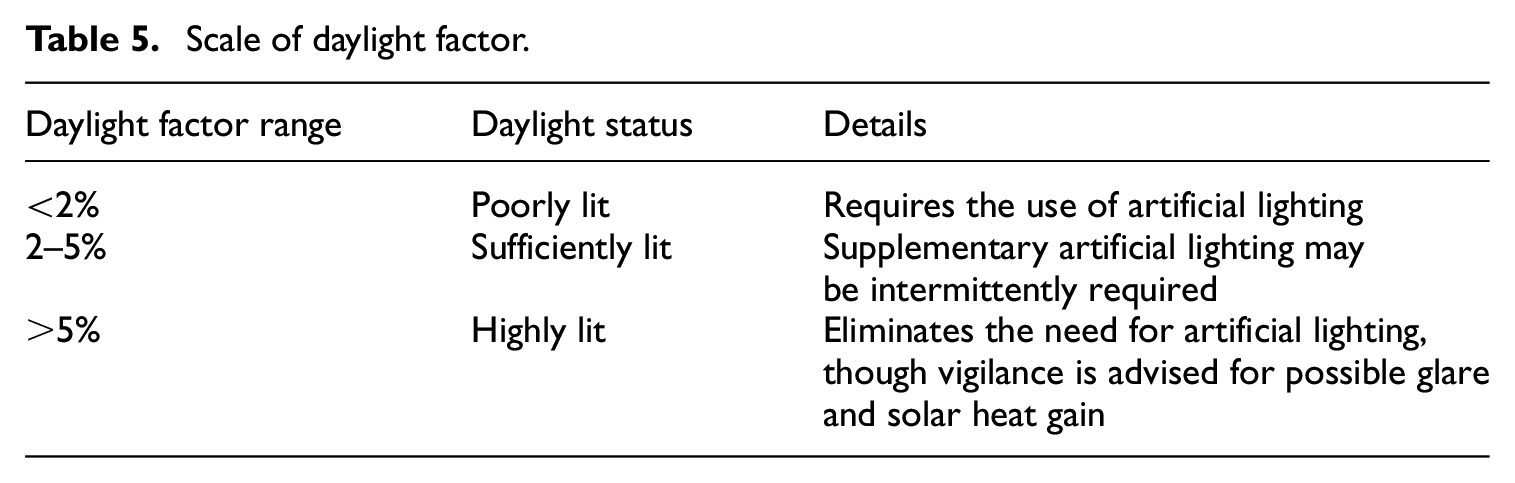
The Daylight Factor (DF) is another key performance metric in this study. It quantifies the interior daylight level as a percentage of the available outdoor daylight under overcast conditions (Vaisi and Kharvari, 2019). The average DF value depends on a room’s floor area, where a larger area typically results in lower mean illuminance and, consequently, a reduced average DF. The DF can be mathematically represented by Equation 1, which calculates the ratio of internal illuminance

Essentially, the DF is a ratio of indoor to outdoor illuminance and serves as an indicator of daylighting efficiency (Vaisi and Kharvari, 2019; Yu et al., 2020). The study employs the CIE overcast sky model to interpret the DF scale, and the results are detailed in Table 5 indicate that a daylight factor of 2–5% in over 75% of the interior space is desirable, with a maximum of 5% to prevent glare.
Scale of daylight factor.
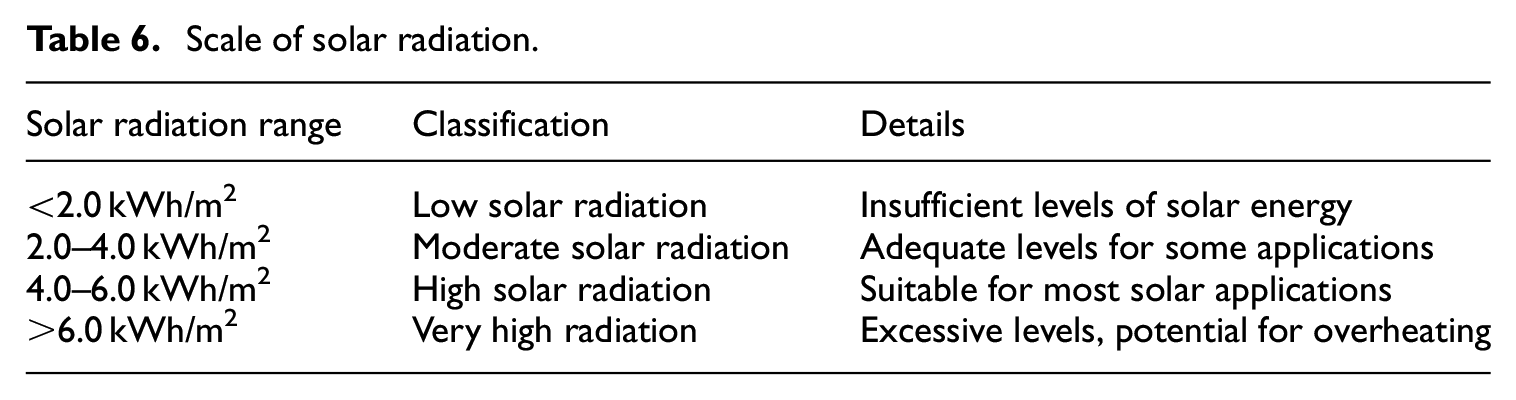
Another factor to be simulated is solar radiation. Adjusting the angle of façade panels or deploying shading devices can reduce the amount of direct sunlight entering the building (Kwon et al., 2018), thereby minimizing heat gain (Bui et al., 2020). Effective facade coverage can substantially lower heating costs in winter and cooling costs in summer. According to Hodder and Parsons (2006), solar radiation levels within the range of 2.0–4.0 kWh/m2 are classified as moderate. In contrast, solar radiation falling between 4.0 and 6.0 kWh/m2 is categorized as high solar radiation. A more detailed threshold can be found in Table 6.
Scale of solar radiation.
Multi-objective optimization
In this research, the “Wallacei” add-on for Grasshopper is employed, renowned for its effectiveness in addressing multi-objective challenges. The benefit it provides has been thoroughly documented in architectural research (Sadegh et al., 2022). The “Wallacei” add-on utilizes the Non-dominated Sorting Genetic Algorithm II (NSGA-II) as its primary evolutionary algorithm, chosen for its efficiency and adaptability (Zhai et al., 2019). This add-on excels in exploring a broad spectrum of Pareto optimal solutions, rendering it exceptionally well-suited for intricate optimization tasks. In this case, the facade aperture ratio is optimized by modifying its value. The optimization process comprises 10 generations, each encompassing 20 simulations, resulting in a total of 200 runs. The entire optimization process takes 64 h and 57 min to complete, with the aim of identifying the best trade-offs between illuminance, daylight factor, and solar radiation. The ensuing section will provide a more detailed elaboration of the findings.
Results
The kinetic facade significantly outperforms the original glass facade in regulating solar radiation and optimizing daylight, as illustrated in Figure 14. This advanced system adjusts its apertures based on external conditions, ensuring optimal indoor comfort. For example, the maximum aperture is designated in areas with the least solar energy exposure, thus allowing sufficient daylighting when shading is unnecessary. In the original facade, the building geometry provided curvature and partial self-shading; however, parts of the southern facade still experience increased solar radiation, partially shaded by existing trees or nearby buildings. The northern interior floors also experience high levels of solar radiation. Moreover, an analysis of the interior reveals problematic levels of illuminance for over 12 h, particularly impacting reading and lecture areas located in the southern section of the building. By incorporating the kinetic facade, these issues are largely resolved. Solar radiation on the glass is drastically reduced, creating a more stable and comfortable indoor environment. Direct sunlight is restricted to a maximum of 3 h, and most areas are shielded from direct glare. As a result, larger apertures can be utilized in shaded areas without compromising the facade’s performance, while still allowing for a clear view of the landscape.
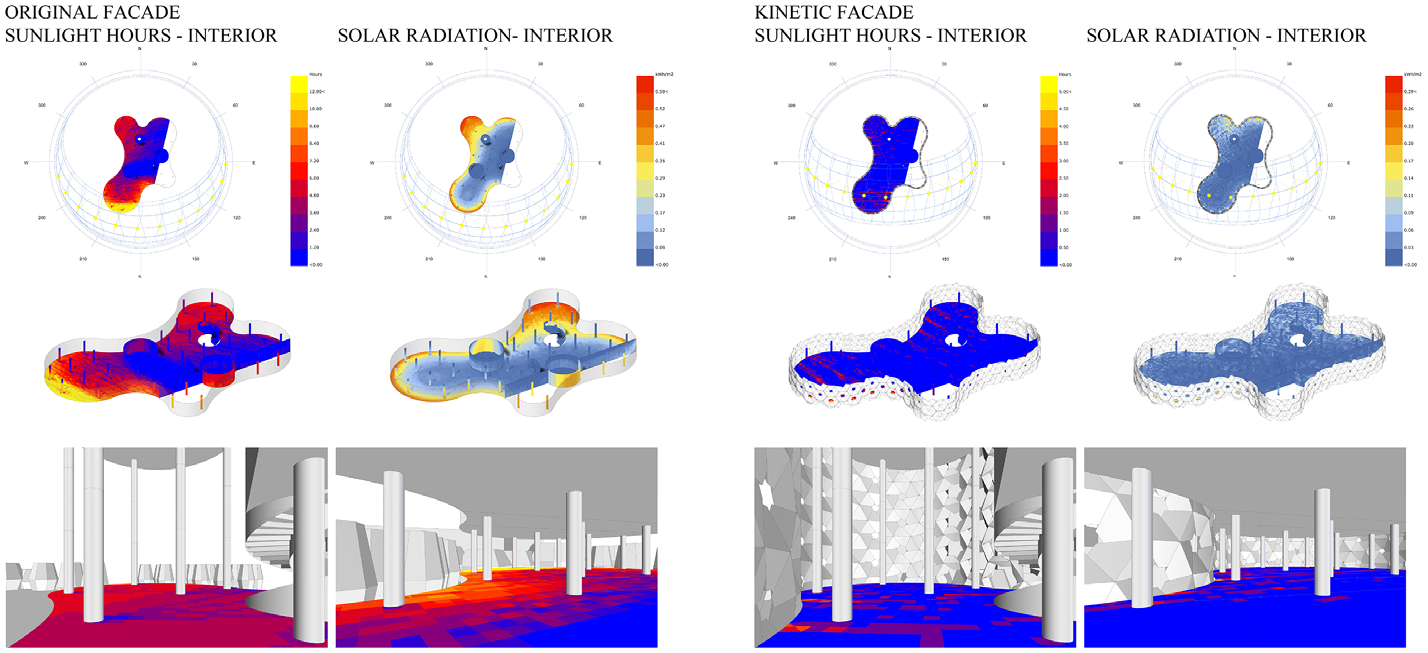
Sunlight hours and interior solar radiation of first floor: a comparison between the original and kinetic facades.
To gain a deeper understanding of the kinetic facade’s impact on the IKMZ building and to validate its efficacy, this study carries out environmental simulations in three criteria: illuminance (lux), daylight factor (%), and solar radiation (kWh/m2) for first and seventh floor based on different opening ratios of the kinetic system.
Daylight illuminance
According to Table 7, illuminance levels on the first and seventh floor show significant seasonal variations. On the first floor during the summer solstice, illuminance levels are much higher than those observed in winter. Specifically, at 9:00 AM with an aperture ratio of 0.9, illuminance peaks at 2689.1 lux in summer, while it only reaches 394.1 lux in winter. This distinct difference underscores the influence of seasonality on lighting conditions. The summer reading of 2689.1 lux fits comfortably within the “Desirable/Tolerable” category as defined by Table 4, but near the threshold for “Likely Discomfort,” suggesting a potential need for shading or diffusive elements. During the winter solstice at 9:00 AM, when the aperture ratio is at 0.9, the illuminance significantly drops to 394.1 lux, but it still remains within the “Desirable/Tolerable” range. An interesting observation is that when the aperture ratios vary from 0.1 to 0.7, the illuminance levels during the winter morning span a range from 146.4 lux to 238.3 lux, falling into the “Effective” range. This implies that these settings may be adequate for serving as primary lighting or as supplementary sources during the winter season.
Illuminance analysis based on the kinetic facade.
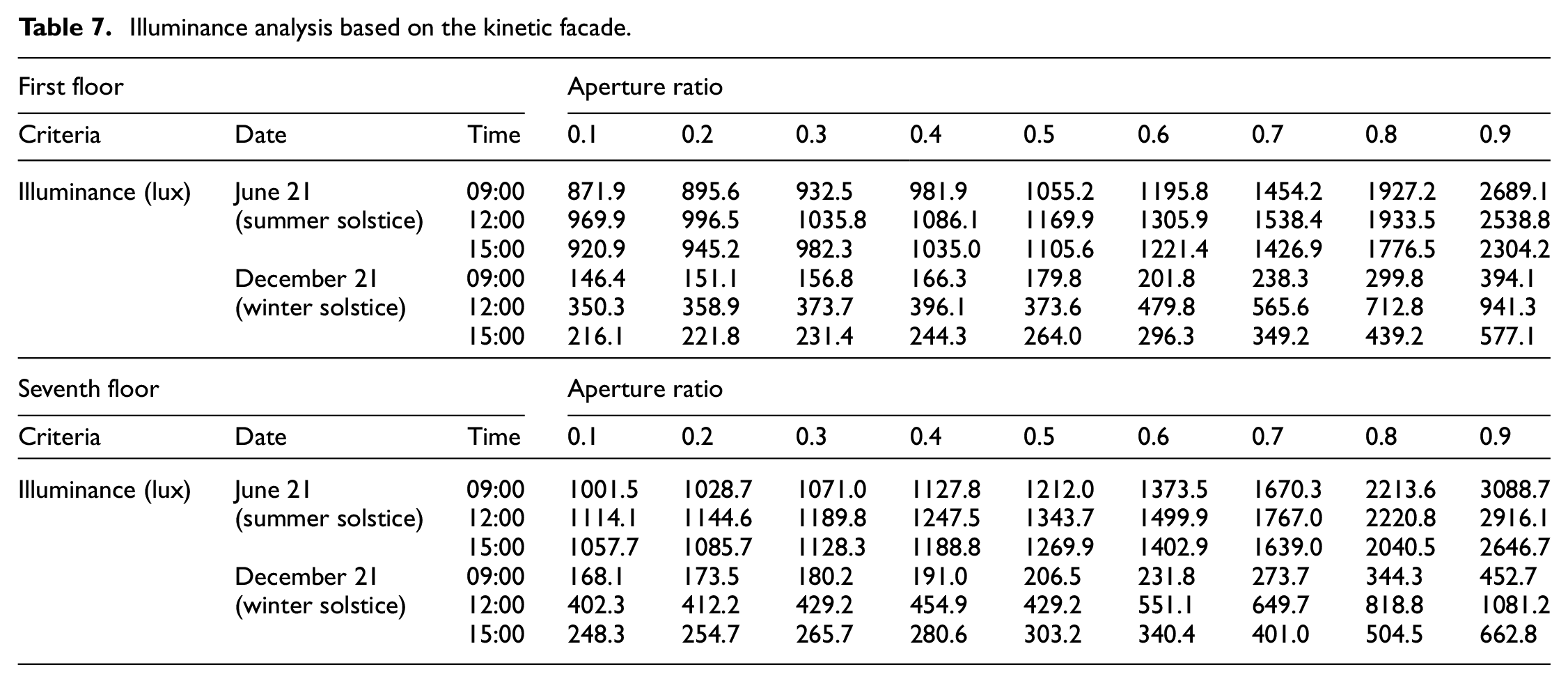
On the seventh floor at 12:00 PM during the winter solstice, an illuminance level of 1081.2 lux is achieved with a 0.9 aperture ratio, surpassing the peak level observed on the first floor during winter at the same time. This implies an inherent advantage of the seventh floor in capturing light, possibly due to its elevated position, fewer obstructions, or a combination of factors. At noon during the summer solstice, the illuminance level reaches 2916.1 lux, approximately 15% higher than the 2538.8 lux recorded on the first floor at the same aperture ratio of 0.9. This significant increase in illuminance suggests that occupants on the seventh floor might consistently experience lighting conditions close to the “Likely Discomfort” range during peak summer days. This situation necessitates meticulous design considerations to prevent potential visual discomfort.
Daylight factor
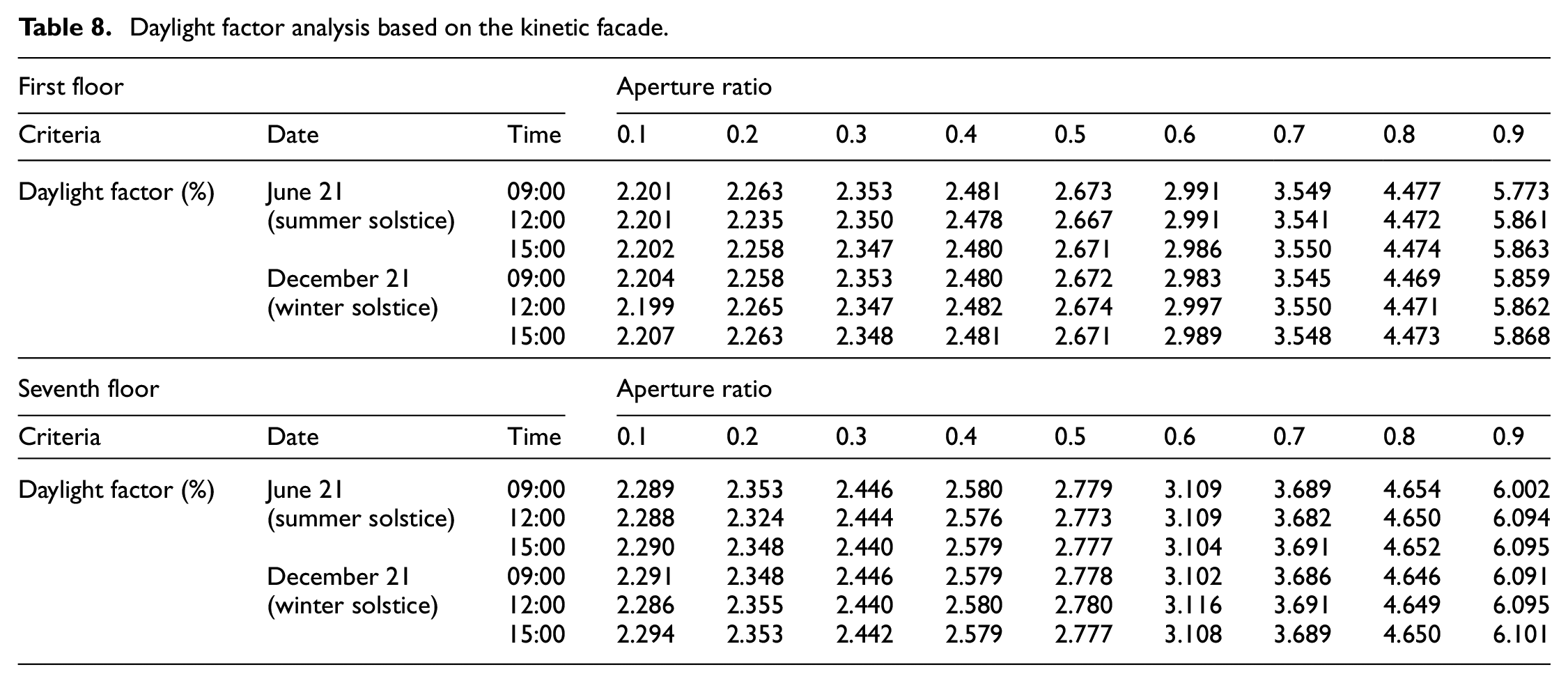
The data in Table 8 indicates that daylight factors are generally lower on the first floor compared to the seventh floor. During the summer solstice, for example, the first floor has daylight factors that range from 2.201% at 09:00 with a 0.1 aperture ratio to a maximum of 5.773% at 09:00 with a 0.9 aperture ratio. These values demonstrate minor fluctuations throughout the day but show some differences between summer and winter. On the first floor, most of the daylight factors fall within the “Sufficiently Lit” category, according to the thresholds set in Table 5. On the seventh floor, the daylight factors are markedly higher, emphasizing the advantage of elevation in building design for better natural lighting. The lowest observed value is 2.289% at 09:00 during the summer solstice with a 0.1 aperture ratio, which qualifies as “Sufficiently Lit.” Exceptionally, during the summer and winter solstices with a 0.9 aperture ratio, the daylight factor exceeds the “Sufficiently Lit” range and enters the “Highly Lit” category.
Daylight factor analysis based on the kinetic facade.
Solar radiation
According to Table 9, first floor experiences varying levels of solar radiation that can reach up to “Very High Radiation” during the summer solstice, especially when the aperture ratio is at 0.9, indicating a potential for overheating during peak summer hours. For instance, at 09:00 AM during the summer solstice with an aperture ratio of 0.9, the interior solar radiation reaches as high as 24.281 kWh/m2. This falls into the “Very High Radiation” category as per Table 6. During the winter solstice, the first floor primarily exhibits “Low Solar Radiation” to “Moderate Solar Radiation,” emphasizing the need for additional solar applications or heating solutions.
Interior solar radiation analysis based on the kinetic facade.
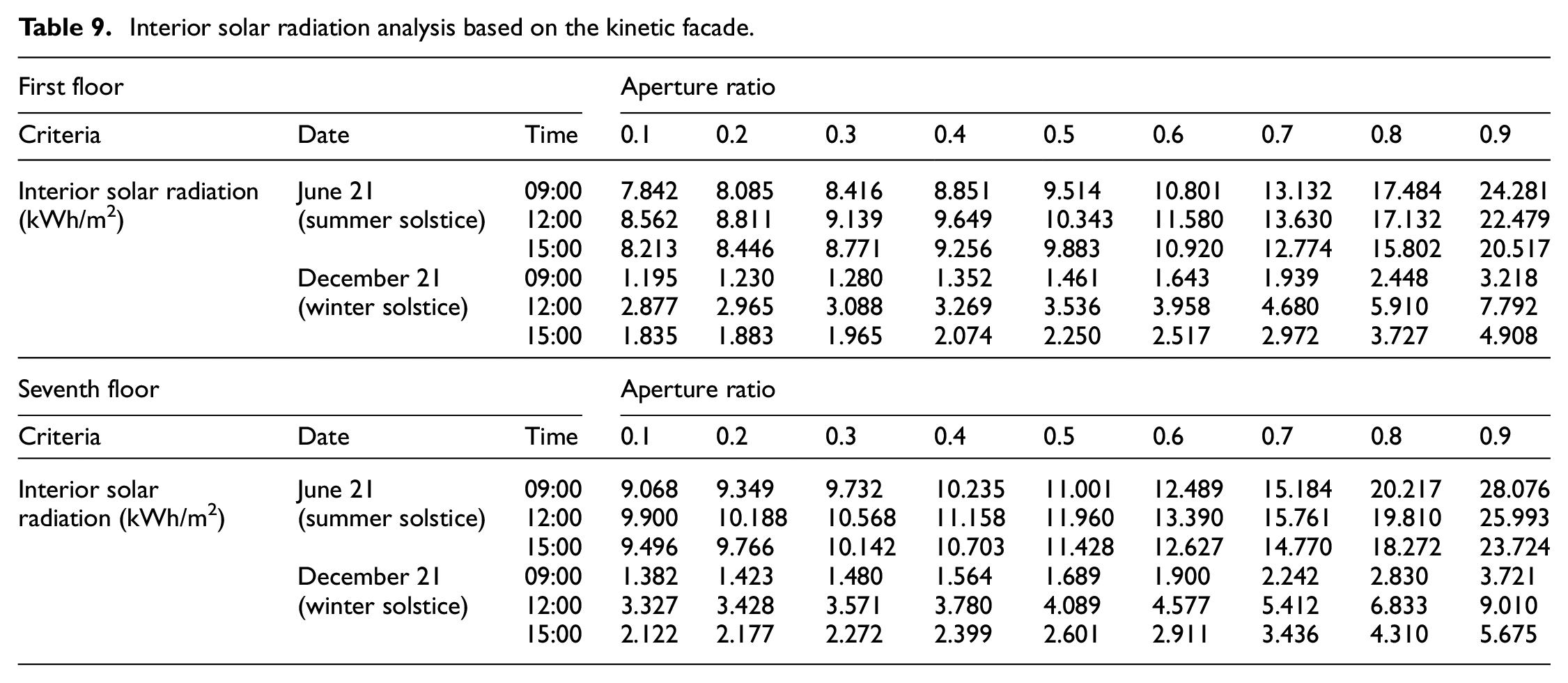
On the seventh floor, the interior solar radiation levels are noticeably higher. For example, during the summer solstice at 09:00 AM with a 0.9 aperture ratio, the value peaks at an astounding 28.076 kWh/m2, well within the “Very High Radiation” classification. The lowest observed value on the seventh floor is 1.382 kWh/m2 at 09:00 during the winter solstice with a 0.1 aperture ratio, which falls into the “Low Solar Radiation” category according to Table 6. Thus, seventh floor experiences higher solar radiation levels compared to the first floor, emphasizing the potential benefits of elevation in building design for optimizing solar applications, while also highlighting the need for careful management to avoid overheating.
Optimization: Non-dominated sorting genetic algorithm II (NSGA-II)
To identify the optimal aperture ratios for kinetic facades throughout a year, a set of 100 solutions was evaluated. Using the Wallacei plugin, these solutions were assessed based on three fitness objectives: illuminance (F01), daylight factor (F02), and solar radiation (F03). The diamond charts in Figures 15 and 16 show the best-performing solutions, ranked as 0, for the first and seventh floors. The closer a red dot is to the center, the better the solution. Since Wallacei requires minimization objectives, maximization metrics like illuminance and daylight factor were converted to negative values. Interestingly, the chart shows a contradiction in the third fitness objective, solar radiation. When this fitness achieves an optimal rank of zero, indicating minimized solar radiation, the ranks for other two objectives are at their worst. For instance, on the first floor, while illuminance receives a rank of 0 and daylight factor receives a rank of 16, the rank for solar radiation is 190. This observation suggests a clear trade-off between solar radiation and other fitness objectives.
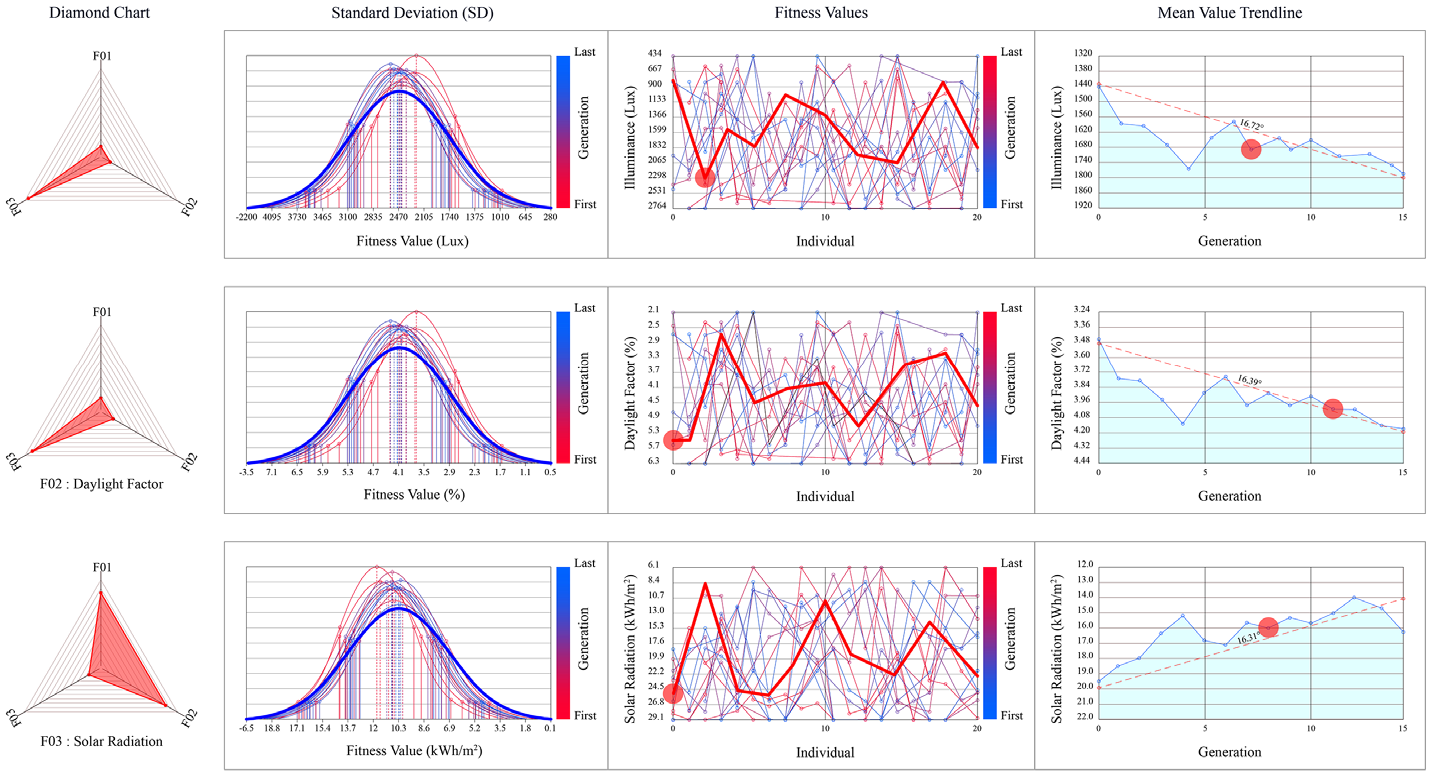
Visualization of the three fitness objectives for first floor.
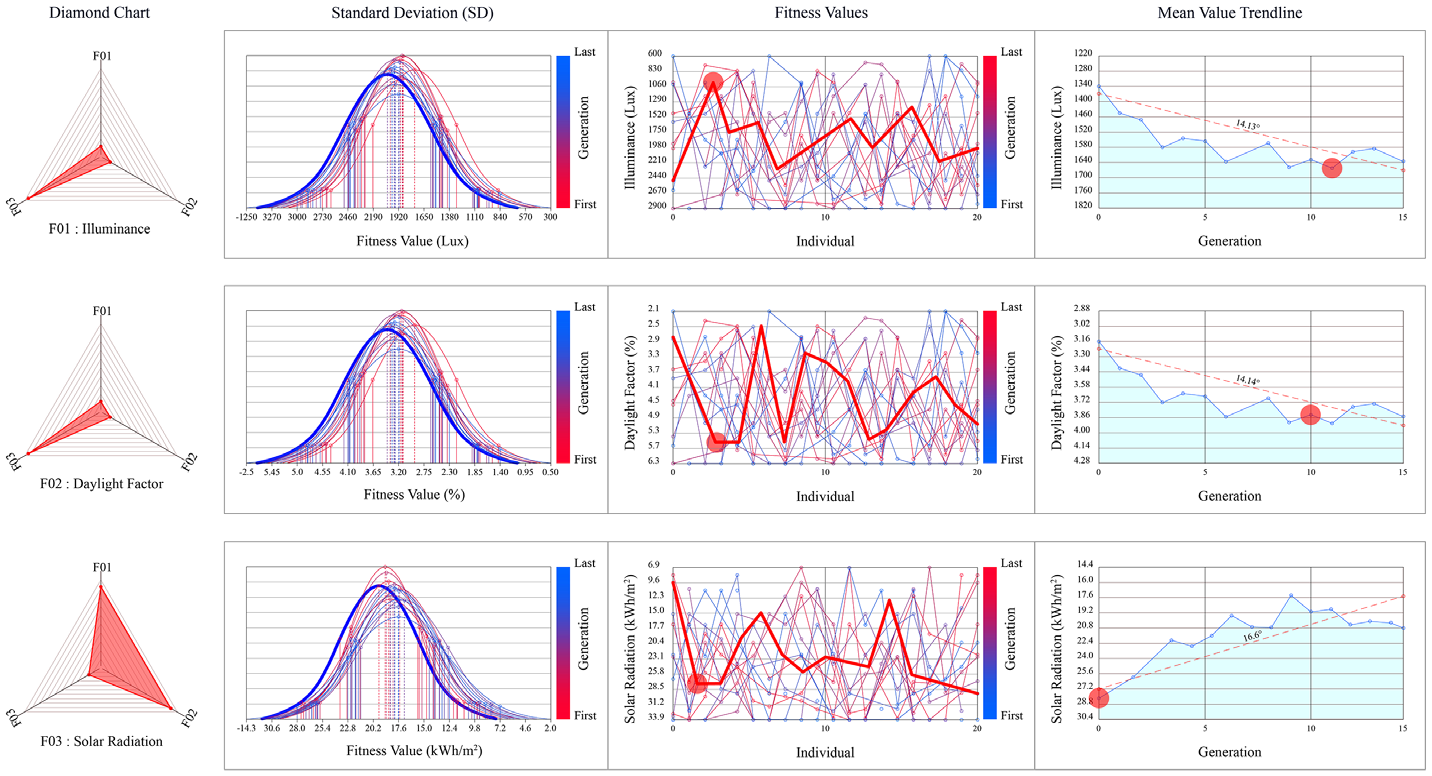
Visualization of the three fitness objectives for seventh floor.
The analysis also employed standard deviation (SD) to assess data distribution. A low standard deviation implies limited variation among solutions, while a high one indicates more diverse performance outcomes. The purpose of the standard deviation chart is to visualize the range of solution performances and their improvement over time. Flat and narrow curves signify increased variation and convergence, respectively, while a leftward shift in the curve suggests better overall performance. Two additional charts further clarify the findings. The Fitness Values chart showcases the solutions’ fitness per generation, connected by polylines and color-coded from red (first generation) to blue (last generation). On the other hand, the Mean Fitness Trendline chart aims to highlight overarching trends in average performance across generations. This chart plots each generation’s mean fitness value from left to right, constructing a surface for enhanced visualization. Figures 17 and 18 represents the most optimal solution, aligns closely with the average values for all three fitness objectives, marking a substantial advancement in key performance metrics.
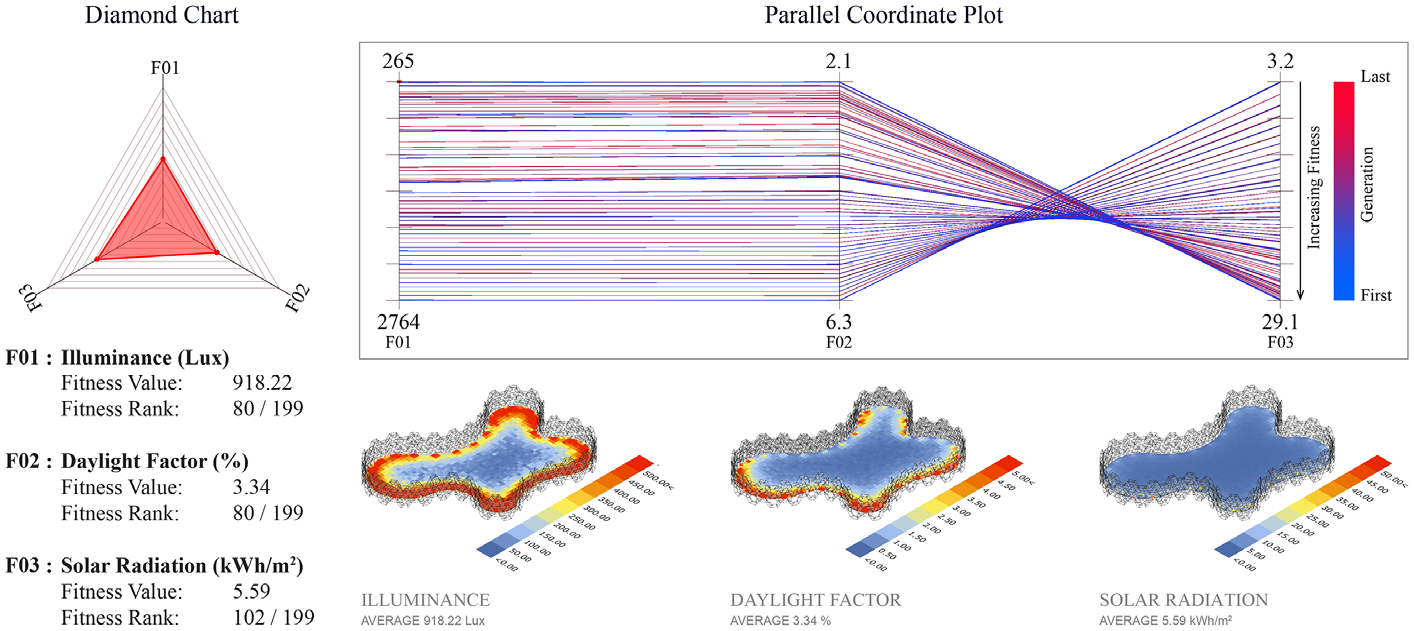
Optimal solution for first floor.
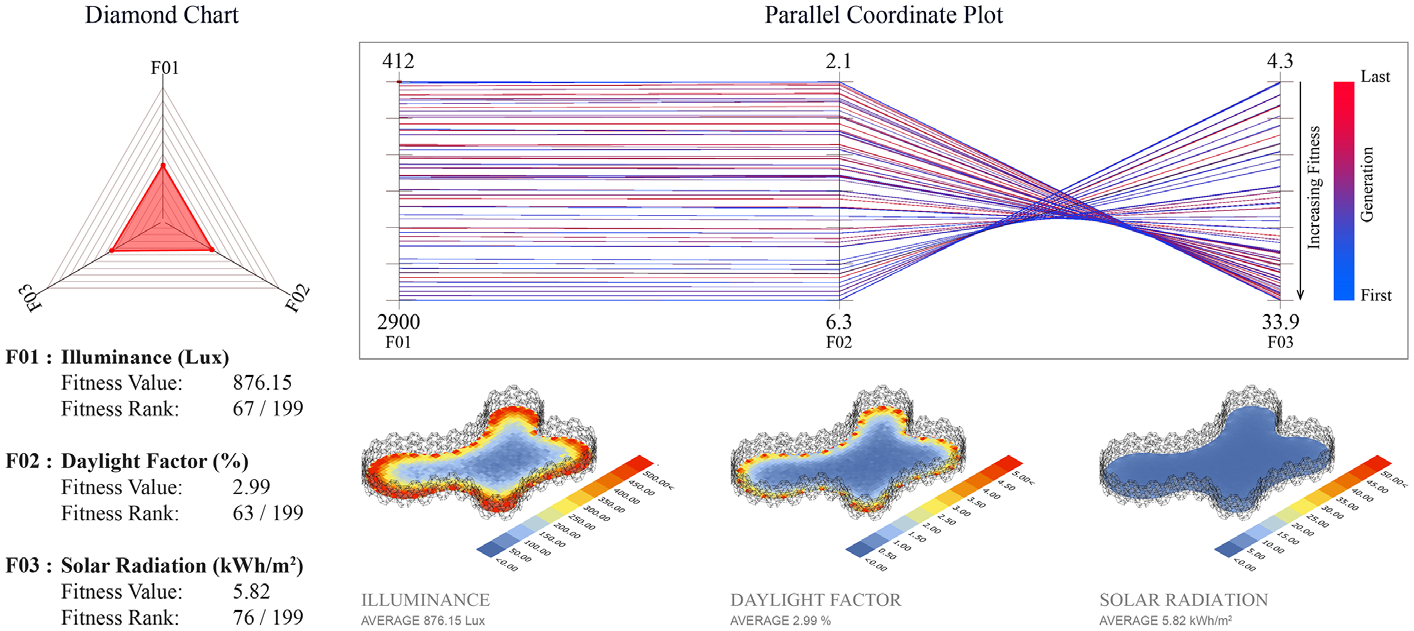
Optimal solution for seventh floor.
Discussion
Based on the data from Tables 7 to 9, the first floor generally experiences lower daylight provision and solar heat gain compared to the seventh floor, which is in line with expectations due to the higher elevation allowing more direct sunlight. Moreover, increasing the aperture ratio consistently leads to higher values for all three criteria, signifying greater natural light intake. However, careful consideration must be given to the impact on solar heat gain, underscoring the vital role of architectural design and facade opening size in optimizing daylight while managing excessive solar heat. Seasonal variations in illuminance are evident, with the summer solstice providing significantly higher illuminance levels due to extended daylight hours and more direct sunlight angles. Conversely, the winter solstice results in reduced daylight and lower illuminance values. This substantial improvement compared to the original glass facade is statistically significant. The kinetic facade excels in ensuring that over 80% of the internal floor area enjoys illuminance levels within the desirable 300–3000 lux range. This enhancement not only enhances occupant visual comfort but also reduces reliance on artificial lighting, fostering a stronger connection with the outdoor environment. Furthermore, the kinetic facade’s optimization process effectively addresses issues related to excessive illuminance levels along the northern perimeter by dynamically controlling aperture ratios. It mitigates glare readings exceeding 5% within a 1–2 m radius, a problem faced by the original glass facade. Given Taiwan’s warm and humid climate, these findings suggest that the kinetic facade holds the potential to significantly reduce the demand for cooling systems, ultimately leading to lower energy consumption and reduced environmental impact.
Table 10 showcase the remarkable improvement in building performance achieved by the optimized kinetic facade in comparison to the original glass facade. One of the most significant challenges posed by the original glass facade was the excessive solar radiation it allowed, especially during the summer season. The optimization of the kinetic facade substantially reduces average solar radiation levels on the first floor by approximately 70%. This reduction brings the levels down from 18.78 kWh/m2 to 5.59 kWh/m2 with a dominant 0.7 aperture ratio (75.6%), ultimately resulting in significantly improved indoor comfort conditions. The reduction in solar radiation is accompanied by well-illuminated spaces, with illuminance levels reaching 918.22 lux, categorized as “Desirable/Tolerable,” and a daylight factor of 3.34%, falling within the “Sufficiently Lit” range. These improvements collectively underscore the kinetic facade’s capability not only in controlling solar radiation effectively but also in creating a more comfortable and well-illuminated indoor environment.
Comparison of the original facade and the kinetic facade.
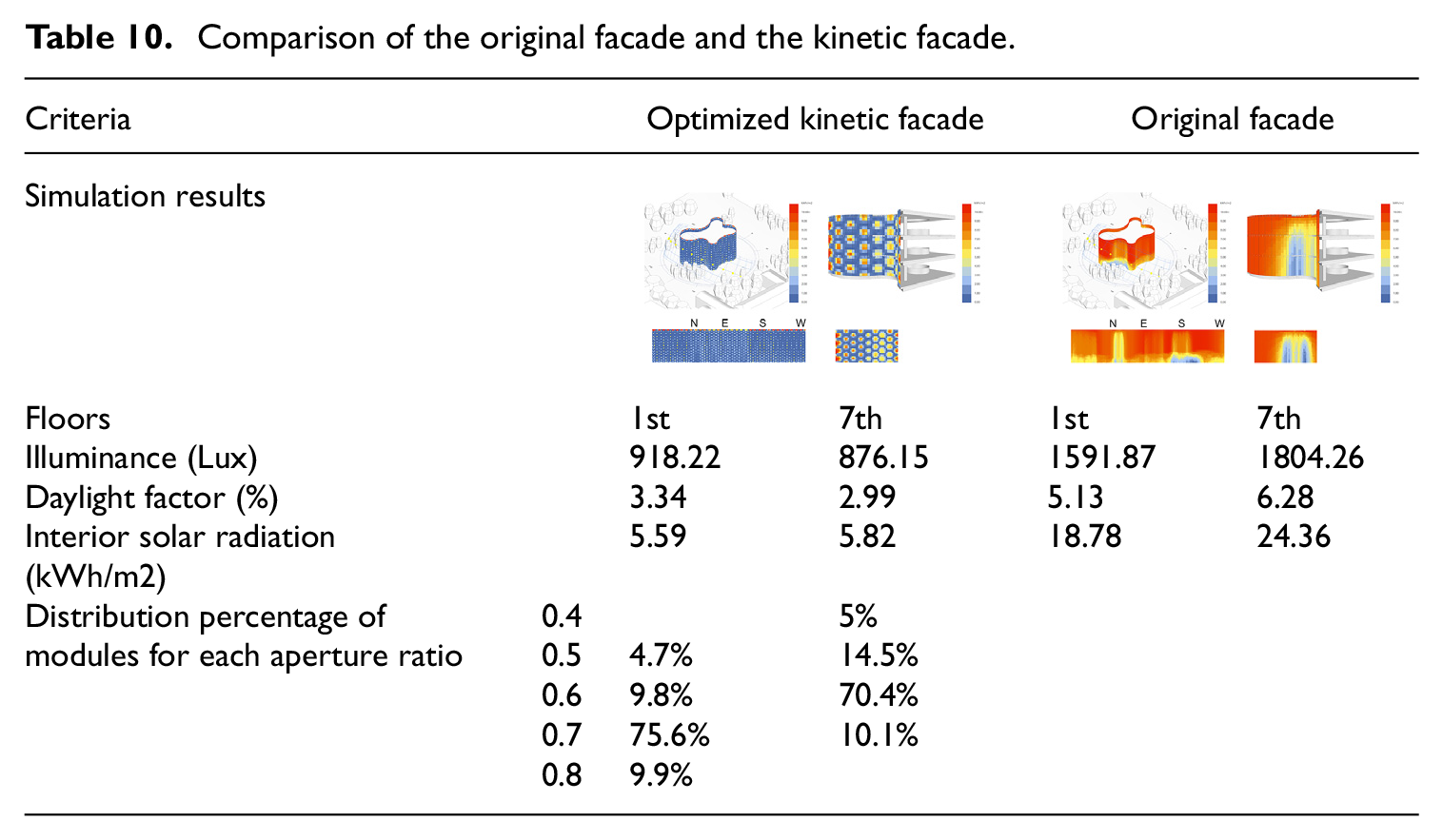
This transformation represents a shift from a static, one-size-fits-all solution of the original design to a dynamic, adaptable system that intelligently responds to changing environmental conditions. The limitations of the original facade in maintaining consistent and comfortable illuminance levels, especially during peak daylight hours, are clearly contrasted by the kinetic facade’s ability to regulate and optimize daylight provision effectively, achieving an average illuminance of 876.15 lux and a daylight factor of 2.99% with a dominant 0.6 aperture ratio (70.4%) on the seventh floor. Furthermore, the optimization process has not only improved daylighting but also demonstrated remarkable control over solar radiation. The original facade allowed higher levels of solar radiation. In contrast, the kinetic facade has managed to reduce internal radiation levels by a substantial 76%, from 24.36 kWh/m2 to 5.82 kWh/m2. This reduction is particularly crucial in Taipei’s humid subtropical climate, where excessive solar radiation can lead to overheating and increased cooling demands. In summary, the integration of an advanced kinetic facade offers substantial advantages over the existing static facade. While empirical testing through simulations and practical applications will be necessary for validation, this premise has the potential to revolutionize sustainable building design, particularly in regions with climates similar to Taiwan’s.
Conclusion
In this study, a computational design tool was employed to create hexagonal kinetic facades, with a particular focus on the IKMZ building as a case study and Taipei, Taiwan as the chosen site. Various aperture ratios were examined to determine the ideal conditions for both daylight distribution and solar heat management. Based on the research findings, the following conclusions can be drawn:
The study highlights the effectiveness of multi-objective optimization in balancing the complex interplay between optimizing natural daylight and reducing solar radiation, specifically by adjusting the aperture ratios of kinetic facades. Figures 17 and 18 demonstrate that in Taipei, Taiwan, a region characterized by a humid subtropical climate, smaller aperture sizes prove to be more appropriate. However, it is important to note that aperture ratios can vary across different building floors and seasons.
The findings derived from the analysis of illuminance (Table 7), daylight factor (Table 8), and solar radiation (Table 9) highlight the significant influence of factors such as building height, aperture ratio, and the surrounding environment on facade performance. These critical aspects should be carefully taken into account during the initial design stages to make informed decisions regarding facade design and the potential incorporation of adaptive facade systems.
The results presented in Table 10 clearly demonstrate the substantial enhancement in building performance achieved through the optimization of the kinetic facade when compared to the original glass facade. This improvement underscores the potential benefits of embracing advanced kinetic facade technology in architectural design and construction.
This research employed scaled-down prototypes while preserving the original kinetic mechanisms. Simplifying these mechanisms in the early design phases streamlines the assembly process, but also presents challenges when scaling up, particularly when incorporating sensors and advanced technology. Additionally, assessing the modules’ scalability and proportionality is crucial, as issues may not emerge in small-scale tests. Therefore, further exploration of technology and materials is essential for improving the effectiveness of kinetic facade transformations.
The NSGA-II algorithm proves effective in optimizing building design for comfort and performance, allowing for trade-off evaluations and user involvement. Future research should encompass diverse criteria, including human reactions, assess building orientation, and explore adaptive facade and control system integration to further enhance building performance.
Footnotes
Declaration of conflicting interests
The author(s) declared no potential conflicts of interest with respect to the research, authorship, and/or publication of this article.
Funding
The author(s) disclosed receipt of the following financial support for the research, authorship, and/or publication of this article: This research was financially supported by Gomore Material Technology Co., Ltd.
