




Abstract
This systematic review aimed to examine the evolution of middle leadership research in a 21-year period, starting from 2002 to 2023, by employing bibliometric methods to examine the metadata of 181 documents. It summarised the key features of the middle leadership knowledge base by analysing its descriptive trends, distribution of knowledge production, key scholars, journals, and documents, and uncovered its underlying intellectual structure. The review offers insights into the development of the literature on middle leadership – a relatively new concept. The findings from this review would help scholars understand the nuances of middle leadership as well as provide insights to researchers on the current and future development of middle leadership research in schools.
Introduction
School leadership is pivotal in improving teacher quality and student achievement (Adams, 2023; Bush, 2021a). School heads are expected to meet the needs of different learners, and the demands of various stakeholders at the same time (Day et al., 2020; Harris et al., 2019a). Over the years, research on school leadership has advocated for inclusivity, distribution of power, and autonomy for teachers to ensure school management is a shared endeavour (Adams et al., 2023a; Bush, 2021b). In the twenty-first century, effective management practices, categorised as instructional and transformative leadership, yield significant influence over school performance (Pan et al., 2023). The integration of the leadership between teachers, and the school administration substantially improves education quality, and student outcomes (Hallinger and Kovačević, 2021; Wenner and Campbell, 2017).
As research into various leadership models continues to progress over the decades (Gumus et al., 2018), there has been a growing emphasis on alternative approaches to educational leadership, such as middle leadership (ML) (De Nobile, 2018; Harris et al., 2019a; Lipscombe et al., 2023). Interest in ML has surged in recent years as its advantages for schools have become increasingly evident, such as enhancements in teaching and learning practices, and greater teacher support for school reforms (Gurr, 2019; Lipscombe et al., 2023). However, given that the ML field is relatively new, further analysis could prove beneficial.
In general, the literature lacks a clear definition of ML. Despite that, there are shared understandings that provide some clarity to these roles (De Nobile, 2018). From an organisational structure perspective, middle leaders are those holding positions between the school's senior leadership and the teaching staff. Middle leaders are given a formal position in schools to support the school leadership team and are involved to some extent in school-wide decision-making initiatives (Gear and Sood, 2021).
Reviews of existing literature on ML reveal a growing interest among educational researchers in this field, and the increased attention reflects a recognition of the importance of ML in schools. There have been several systematic reviews of ML, analysing the definition of ML as well as its antecedents, implementations, and outcomes (Harris et al., 2019a; Lipscombe et al., 2023; De Nobile, 2018). However, there has been a notable absence of science mapping to reveal the citation patterns, and the intellectual structure of ML.
Instead of relying solely on research syntheses through systematic reviews, utilising science mapping and bibliometric analyses offers a differing view of presenting research findings through bibliographic data (Aung and Hallinger, 2022). The purpose of the bibliometric review is not to evaluate the quality of research, or to delve into the definitions of particular terms, but rather to provide a broad overview of the literature. Hence, in order to acquire a more comprehensive understanding of the ML literature, this review presents a bibliometric analysis that focuses explicitly on ML research from over two decades (2002 to 2023). The specific research questions that guided this review were:
What is the volume and geographic distribution of literature on ML published between 2002 and 2023? What journals, authors, and documents have the greatest influence on ML? What is the intellectual structure (the influential research traditions, and their inter-relations) of the knowledge base on ML?
This bibliometric review offers insights into the development of ML in schools – a relatively new concept. The findings can be used to help understand the nuances of ML as part of the school structure as well as to provide insights to researchers on the current research and future development of ML in schools.
Conceptual background
Middle leadership (ML) has been a challenging concept to fathom, and its actual practices in schools even more elusive to capture. This is mainly due to the fact that attention on school leadership practices is often geared towards the senior leadership team (Adams and Velarde, 2021), and middle leaders often go unnoticed although research has shown their importance and contributions in improving teaching practices, and student learning outcomes (Harris et al., 2019b).
Middle leaders have become key actors in schools as their position allows them to have direct contact with both the teachers and students, a position that senior leadership may not have (Grootenboer et al., 2020). However, in ML research, a common question that arises is regarding the nature of its roles. Research on ML has only just begun to receive the necessary attention to fully comprehend and appreciate the intricacies and complexities of this role (Adams et al., 2023b; De Nobile, 2018). Managing a middle position can be challenging, particularly if the role is novel or intricate (Lipscombe et al., 2020).
Initial research on ML adopted a compartmentalised approach by breaking down its roles based on their specific responsibilities, where these roles may focus on teachers’ professional development, community engagement, or administrative work (De Nobile, 2018). Recent studies, however, have shown that middle leaders often hold multiple positions simultaneously, indicating the comprehensive, yet diverse responsibilities they shoulder (Bryant and Walker, 2024). Thus, it has become vital to understand the nature of ML roles, and the ways in which middle leaders navigate the complexities of their multifaceted work.
There is consensus regarding the distinctiveness of ML from teacher leadership although evidence suggests that the boundary between these two is somewhat blurred (Gurr and Drysdale, 2013). Likely owing to the emerging nature of the former, or the similarities shared between them, a significant portion of ML studies draws on teacher leadership research as teachers are seen as leaders (e.g., Nguyen et al., 2020; Wenner and Campbell, 2017; York-Barr and Duke, 2004). Teacher leaders and middle leaders exercise leadership roles both inside and outside the classroom, with the critical difference being the presence of a formalised position for middle leaders, with its associated leadership responsibility (Lipscombe et al., 2023).
Method
In the current study, bibliometric methods were applied to systematically review the literature on middle leadership (ML). Bibliometric analysis allows for a greater number of research documents to be reviewed, providing numerous insights into research trends, and the growth of the intellectual knowledge of a specific research interest (Hallinger and Wang, 2020). By tracking authorship trends and research productivity, a bibliometric analysis forecasts and assesses research performances and outputs, supporting potential research opportunities, and future impact (Donthu et al., 2021).
Leveraging the use of a software (i.e., VOSviewer), utilising a large number of research documents covering vast geographical areas, wide authorship, and in-depth studies create opportunities to understand a broader knowledge base and concepts that may be challenging in systematic reviews of literature (Hallinger and Kovačević, 2021). A bibliometric review analyses relevant literature to produce ‘science maps’ that visualise networks of various research dimensions carried out by researchers and scholars (Hallinger and Nguyen, 2020). The next section is divided into three parts, namely, identification of sources, inclusion and exclusion criteria, and lastly, data extraction and analysis.
Identification of sources
The initial stage in crafting a bibliometric review involves selecting a specific topic. This review specifically explored the literature concerning ML within schools worldwide. Subsequently, a searchable database was chosen to identify relevant literature. The two primary databases commonly used for bibliometric analyses are the Web of Science (WoS), and Scopus. However, WoS is known for its limited dataset, and Anglo-centric journals (Hallinger and Kovačević, 2021).
Following the recommendations and methods of previous bibliometric reviews (Gumus et al., 2018; Kovačević and Hallinger, 2020; Pan et al., 2023), Scopus was selected due to its broader journal coverage, advanced search functionalities, and quality bibliometric data. Using the database, the literature search was then conducted to identify documents related to social sciences and education, leveraging on the ease with which bibliographic data can be analysed on VOSviewer. The keyword strings TITLE-ABS-KEY (‘middle leadership’) OR TITLE-ABS-KEY (‘middle leader*’) AND TITLE-ABS-KEY (‘school*’) were used within the subject area (Social Sciences, and Arts & Humanities). The search was also limited by document type (articles) and language (English), enabling the search for relevant documents within the time frame of 2002 to 2023. The search identified an initial 214 documents.
Inclusion and exclusion criteria
Several inclusion criteria were used at the initial stage of this review, where first, the topic of middle leadership (ML) and middle leaders were selected. Second, the nature and research of ML and middle leaders were contextualised to within schools. The third criterion was the source types, comprising journal articles. Fourth, the duration of 2002 to 2023 was selected. Fifth, the selected articles had to be peer-reviewed, and finally, they must be written in English.
Exclusion criteria were established to ensure specific and relevant documents were selected for this review. First, documents comprising books, book chapters, conference papers, data, and editorials were excluded. Secondly, documents were excluded if the main text was written in any other language apart from English, even if the titles, abstracts, keywords, and references were in English. This screening and assessment process yielded a total of 181 journal articles for review. This screening process is illustrated in Figure 1.
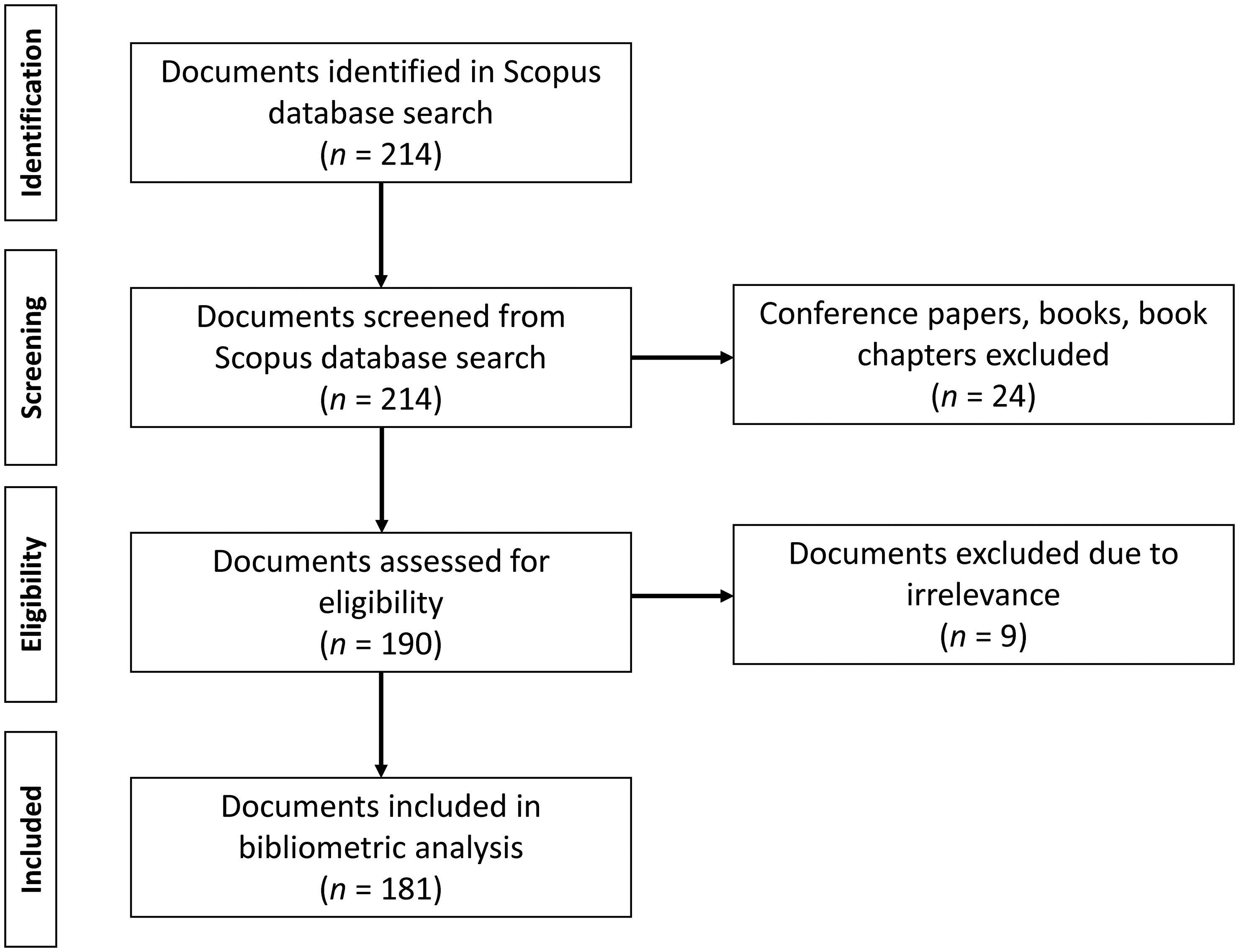
Data identification flow chart.
Data extraction and analysis
A dataset was extracted, comprising information that included the author name, document title, publication year, journal source, citation count, author affiliation, abstract, and keywords. The dataset was scrutinised and cleaned, and missing information was rectified. For example, if the publication year was absent, it was subsequently added by referring to the actual article.
The dataset was subsequently organised and exported to an Excel file (csv format). Descriptive and bibliometric analyses were conducted for data analysis. The descriptive analysis centred on tracking the growth trajectories within the field of ML, providing a chronological perspective of the evolution of scholarly discourse from 2002 to 2023. The number of articles published over this timeframe provided the progression of research on ML. For the geographical distribution of ML research, the affiliations of authors, and the global distribution of their scholarly work were scrutinised.
Also, within this review, the top journals that have published articles on ML were identified. Data from the Excel sheet were entered into VOSviewer to generate a visualisation of the research landscape on ML (Hallinger, 2019; van Eck and Waltman, 2017). This procedure is referred to as co-citation analysis, in which the frequency of two documents, authors, or journals being cited together is examined (Small, 1973). For example, if two cited articles emerged in the same reference list, they are considered co-cited (Batistič et al., 2017). Similarly, the author co-citation illustrated the relationships between the scholars, and their work through prevailing research trends on ML (Bunjak et al., 2022). Using ‘science mapping’ to generate networks, clusters of authors who shared similar themes within ML were obtained. A minimum threshold of 20 citations was set so that the VOSviewer software could generate a relationship map with sufficient authors, and citation numbers.
Findings
The result of this bibliometric review is presented according to the sequence of the research questions.
Volume and geographic distribution
The initial step after identifying the 181 articles on ML was to map the chronological growth of the literature from 2002 to 2023. Figure 2 depicts the growth of the literature on ML over the stipulated timeframe. The growth trajectory illustrated the contributions pertaining to ML, with discernible trends revealing the increased scholarly engagement in this field.
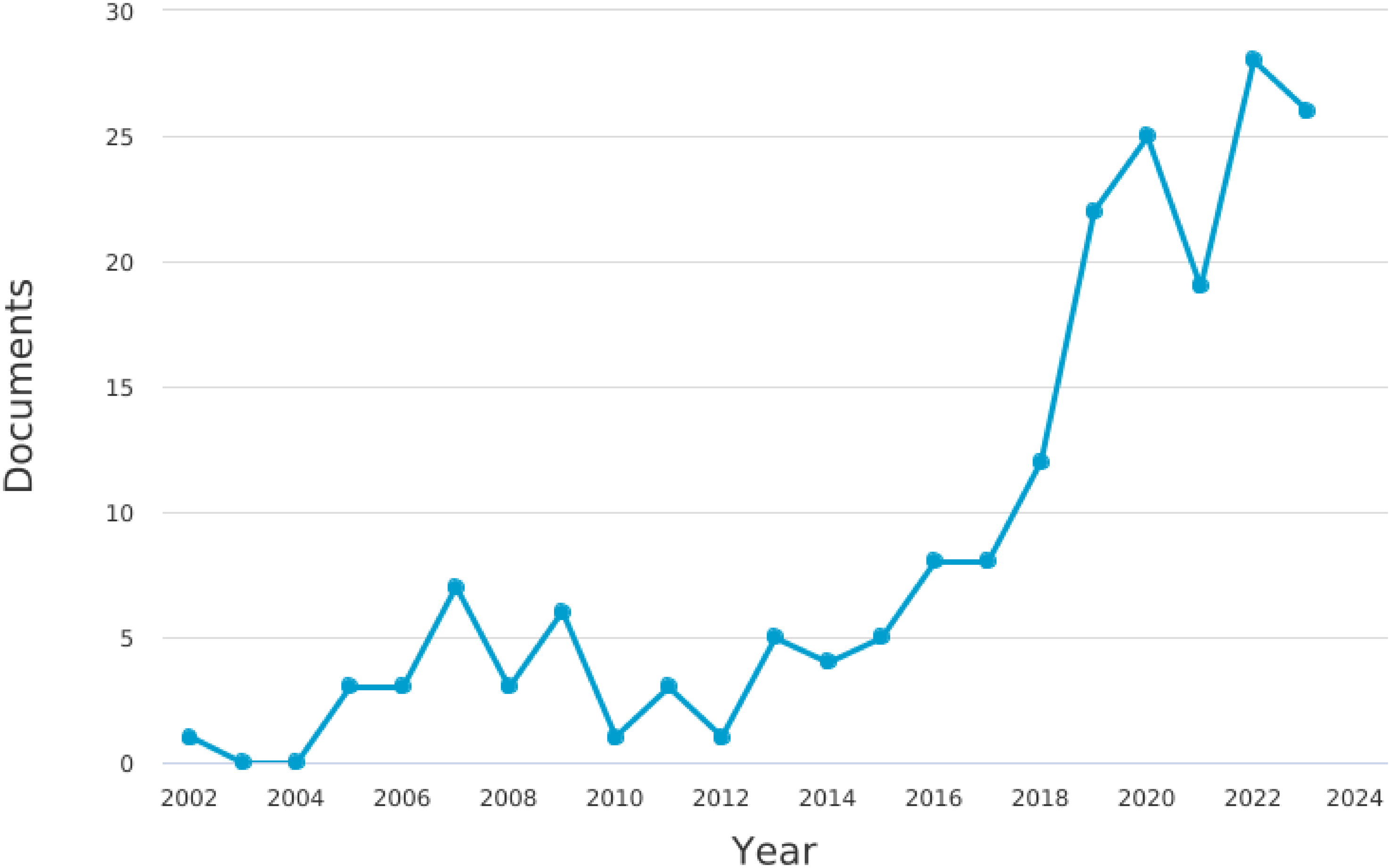
Growth trajectory of middle leadership literature. Note: Data as of July 2023.
Research on ML began slowly with a gradual upward momentum until 2007 before publications became inconsistent until 2014. Nevertheless, there was a subsequent sudden growth of interest in this field, as seen from the trajectory in 2016 onwards, as early research spanning from 1980 to 2018 had concentrated mainly on teacher leadership (Nguyen et al., 2020; Wenner and Campbell, 2017; York-Barr and Duke, 2004) before the focus shifted towards ML. For example, an earlier review by Bennett et al. (2007) on 152 articles published from 1988 to 2005 focused mainly on teacher leadership.
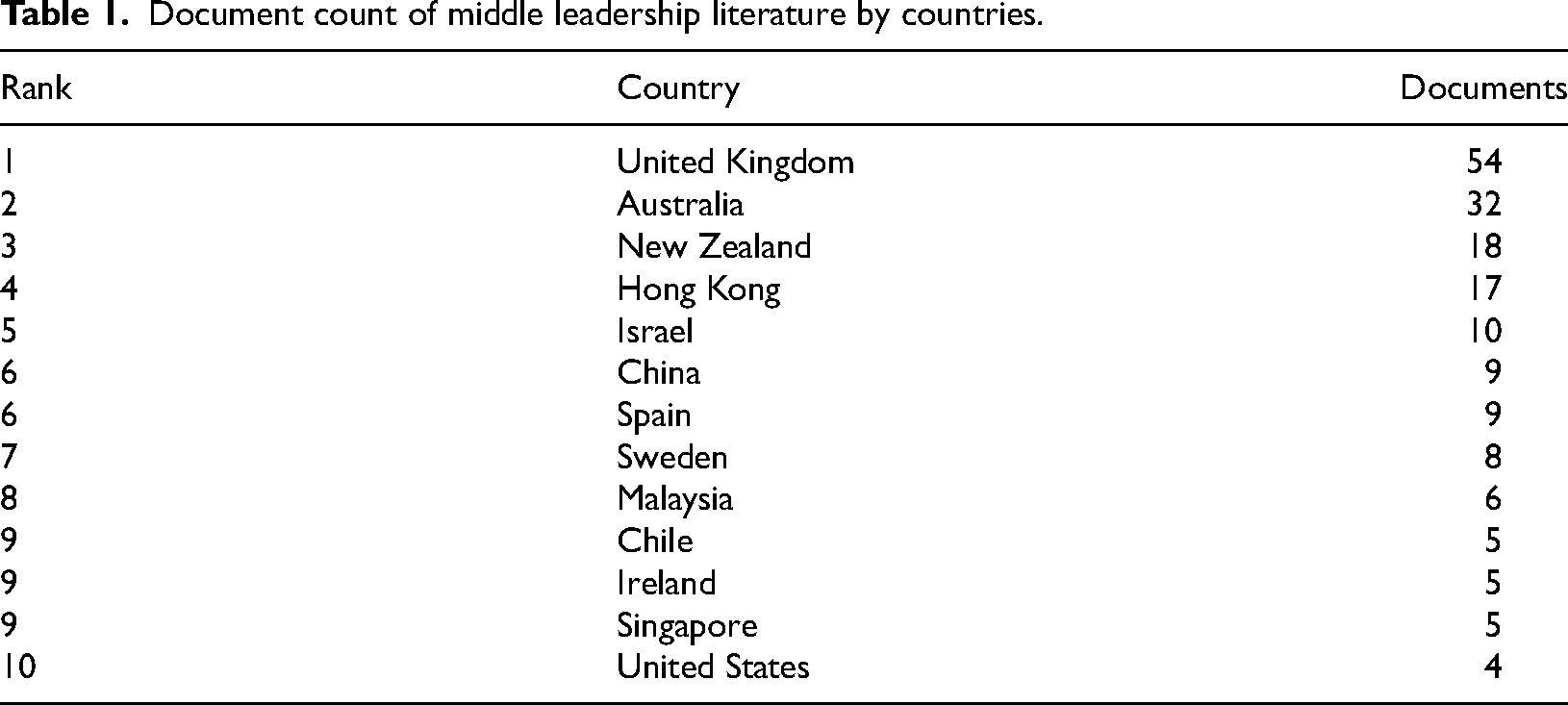
In terms of growth trends over regions (see Figure 3), the United Kingdom published the highest number of the literature (n = 54), followed by Australia (n = 32), New Zealand (n = 18), and Hong Kong (n = 17), with other countries having 10 publications or fewer (see Table 1).
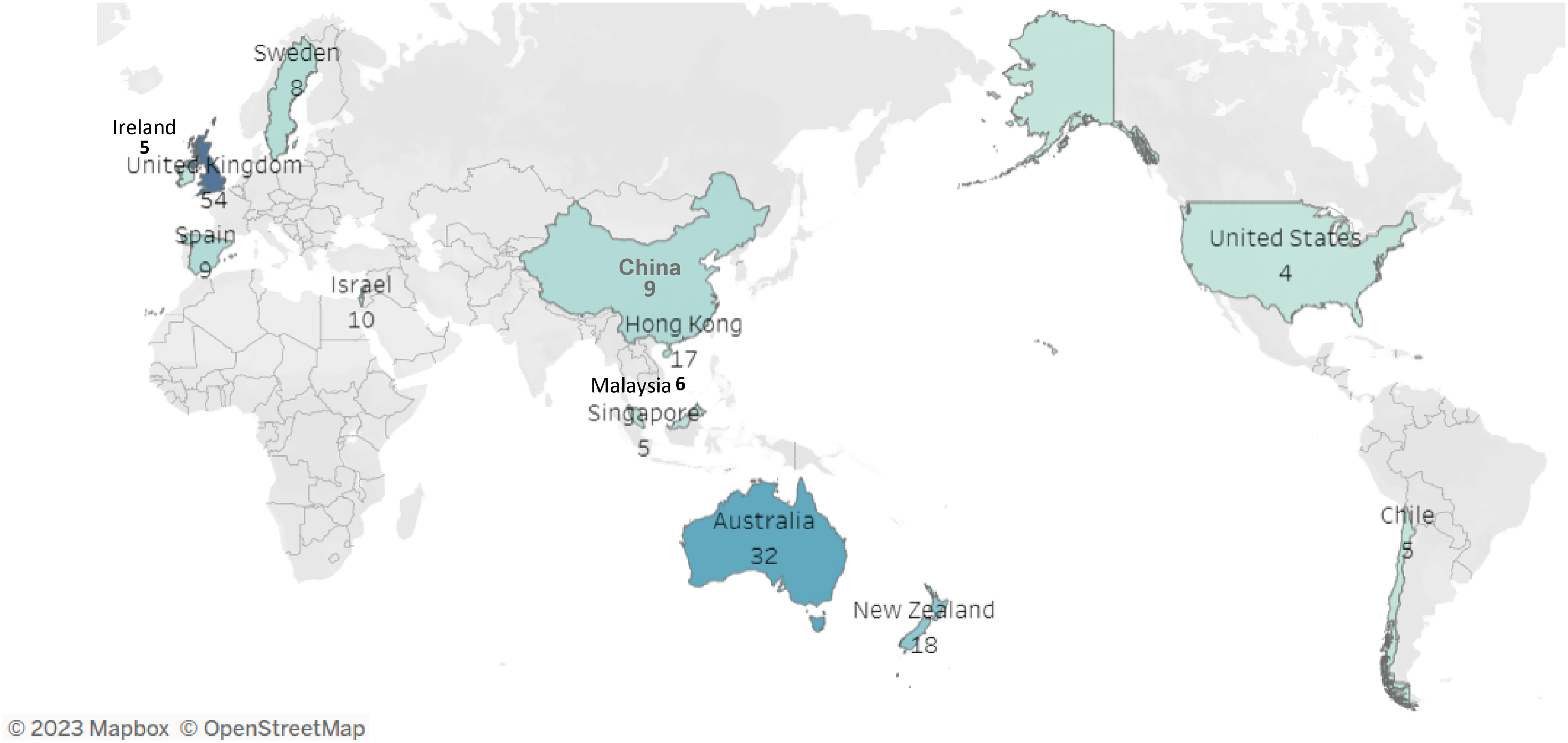
Geographical distribution of middle leadership literature by countries.
Document count of middle leadership literature by countries.
Influential journals and authors on middle leadership
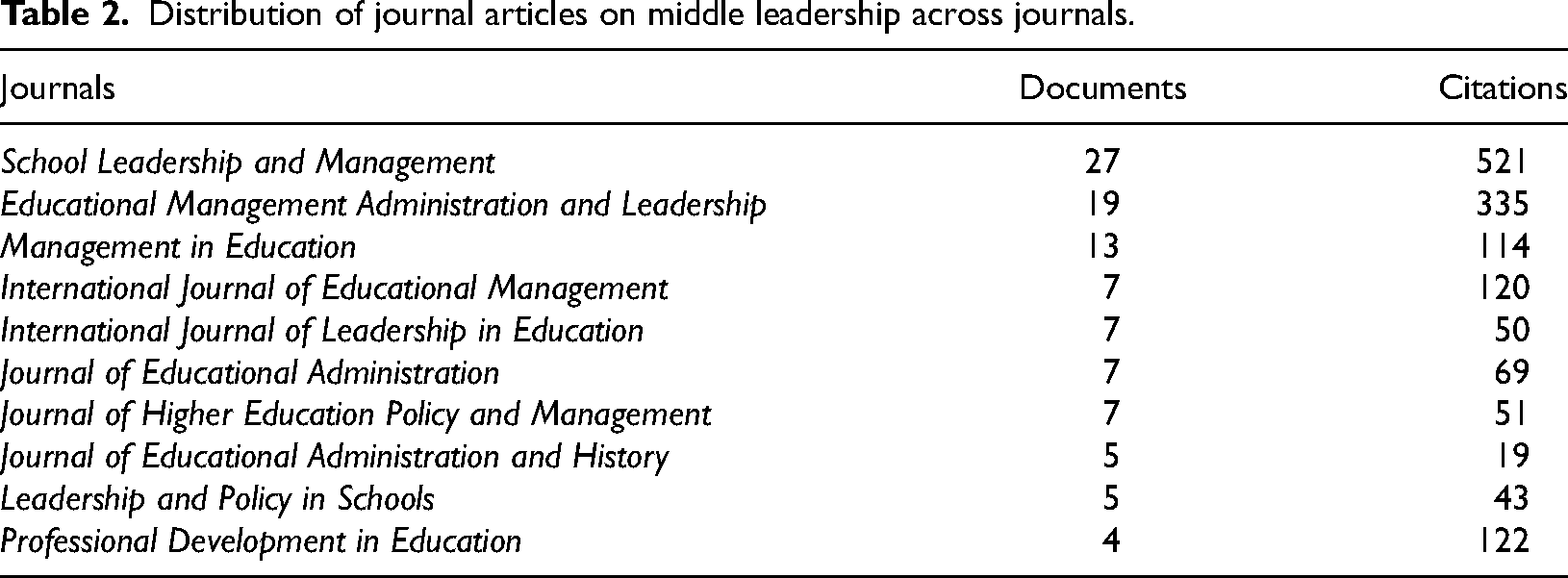
Publication of research on middle leadership (ML) saw an increase from 2016 onwards (see Figure 4), with the School Leadership and Management journal publishing 27 articles (see Table 2). School Leadership and Management, and Educational Management Administration and Leadership were the top two journals, with 521 and 335 citations respectively. However, with regard to the frequency of citations by journals, ‘more articles do not necessarily mean more impact’ (Pan et al., 2023, p. 5). This was evident when comparing the journals Management in Education, and Professional Development in Education. The latter was ranked 10th despite having more citations (122 citations) than the former, which was ranked 3rd (120 citations).
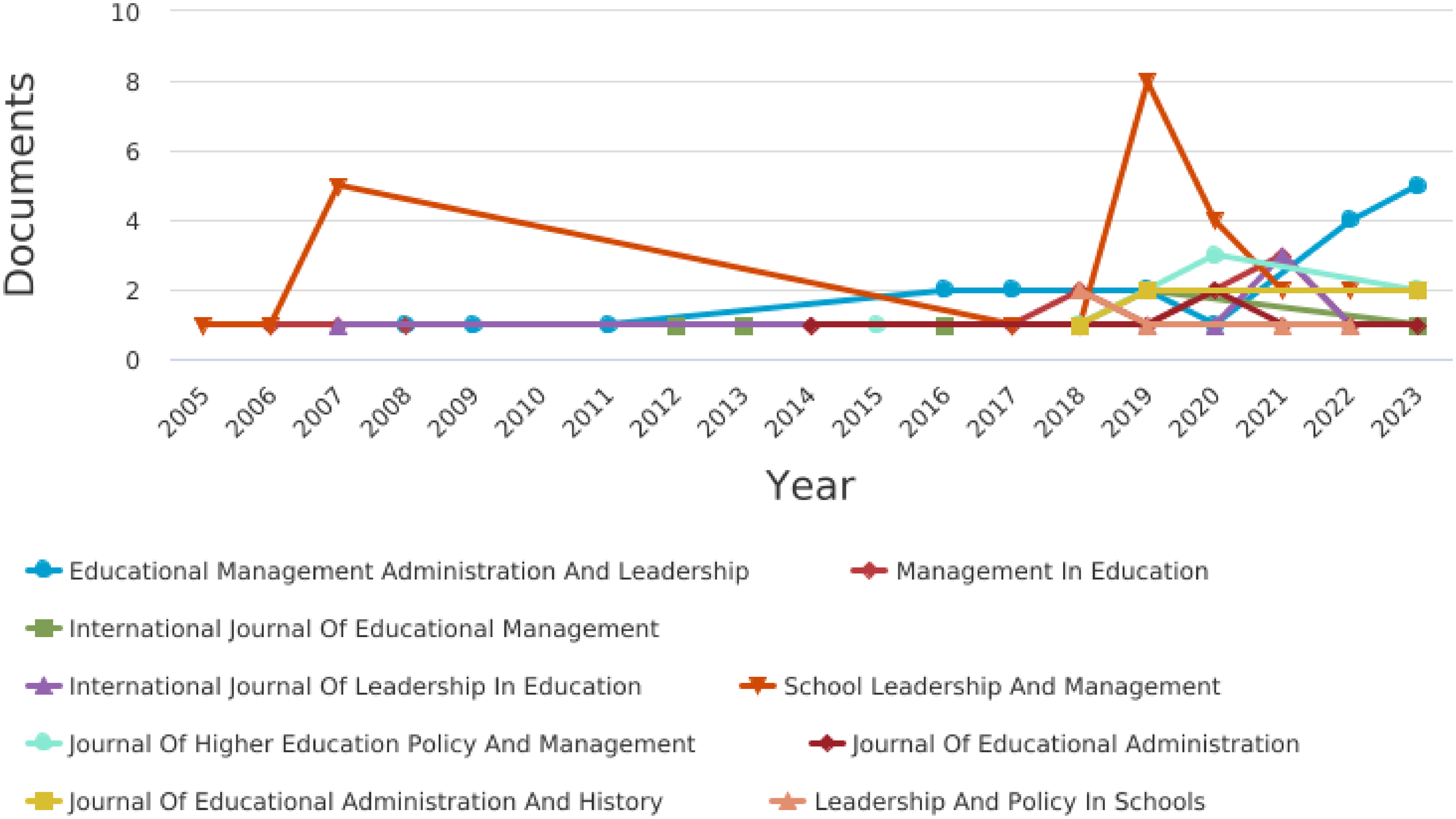
Journals publishing literature on middle leadership.
Distribution of journal articles on middle leadership across journals.
The key authors in the field of ML were Grootenboer with nine articles, followed by Bryant with eight articles, Brundrett and Edwards-Groves with seven articles each, and Rhodes, Schechter, and Shaked with five articles each (see Figure 5).
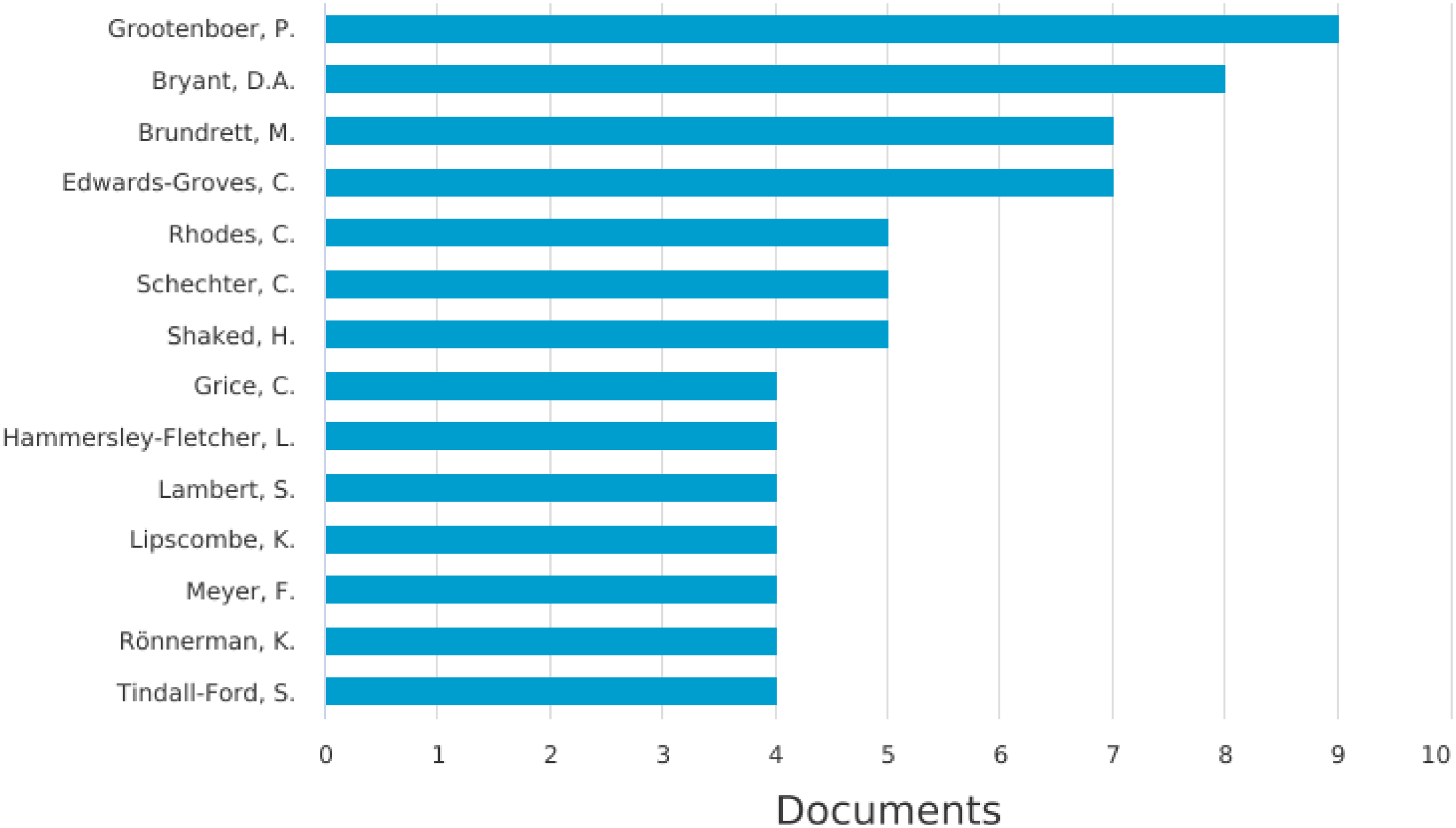
Number of publications of key authors in middle leadership literature.
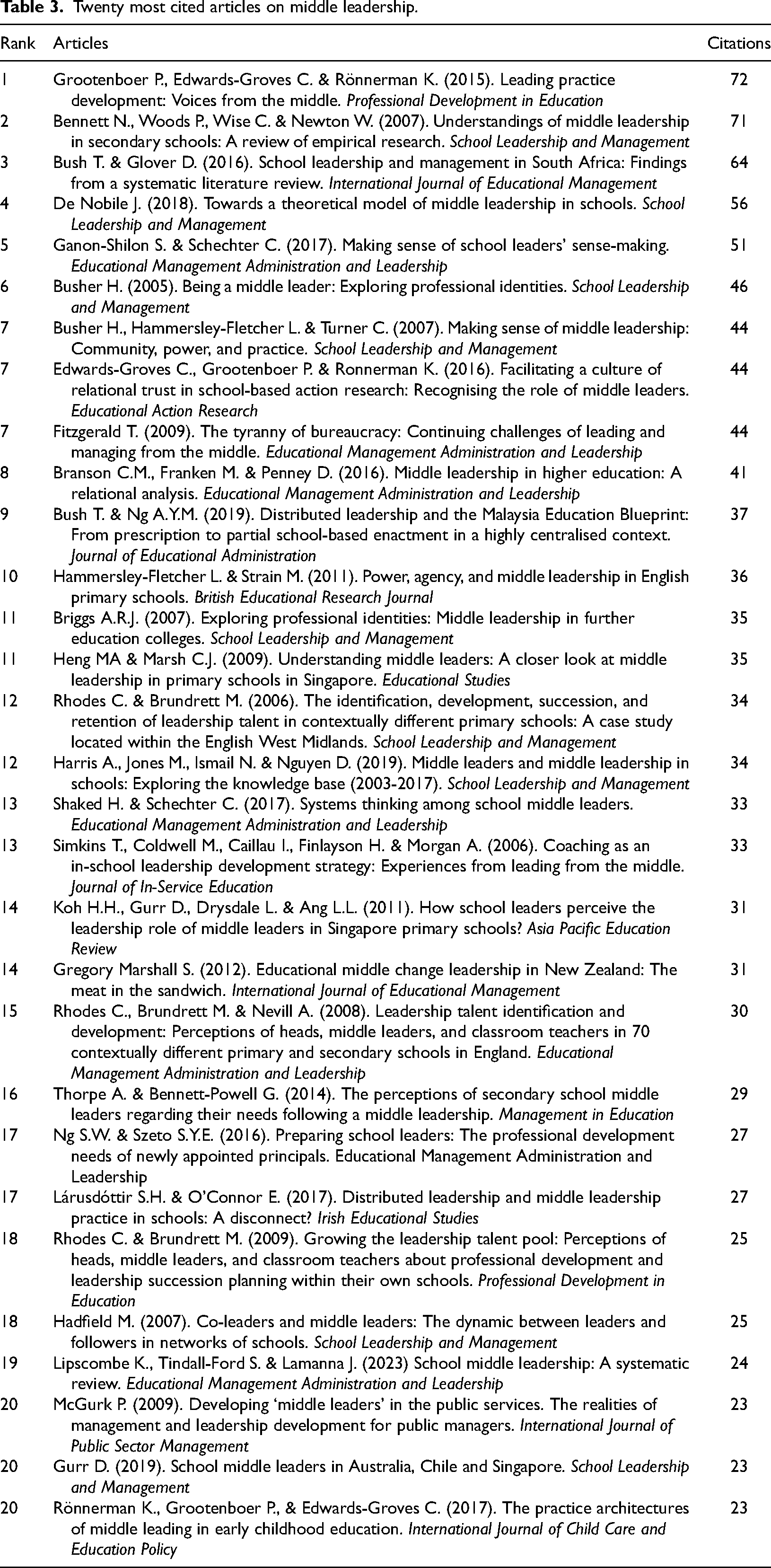
Table 3 shows the 20 most cited articles on ML, collectively presenting a diverse collection of research foci. Approximately 15% (three articles) of these articles explored the professional identities among middle leaders, shedding light on the intricate facets of their roles. A notable 5% (one article) focused on the challenges faced by middle leaders, addressing the complexities of leadership and management. Another 5% (one article) contributed to the understanding of the development, succession, and retention of ML talent, emphasising context-specific insights. Articles on the dynamics of power, agency, and ML constituted an additional 5% (one article). Professional development needs, and the examination of the potential disconnect between distributed leadership, and ML practices each contributed 5% (one article) to the overall research foci. This unevenly distributed literature underscores the multifaceted nature of ML research.
Twenty most cited articles on middle leadership.
Intellectual structure of middle leadership knowledge base
The intellectual structure of the middle leadership (ML) knowledge base relates to the key themes in which research in this field is carried out (Aung and Hallinger, 2022). These themes were identified when analysing the articles in this review, derived from clusters of specific areas of interest within ML, which provide valuable information based on the author co-citation. The analysis used bibliometric data on author co-citations to provide an overview of the intellectual structure of ML, and highlighted areas of interests, limitations, and avenues for future research.
The author co-citation map was generated using VOSviewer based on a minimum number of 20 citations per author, with 75 authors meeting the threshold (see Figure 6). This would mean that the smallest nodes at the very least represented authors who were cited 20 times while nodes of larger sizes represented those cited more often. The lines connecting each node represented co-citations by linking authors, where links with a high colour intensity suggested increased frequency in co-citations while the proximity of the nodes indicated similar topics or themes researched.
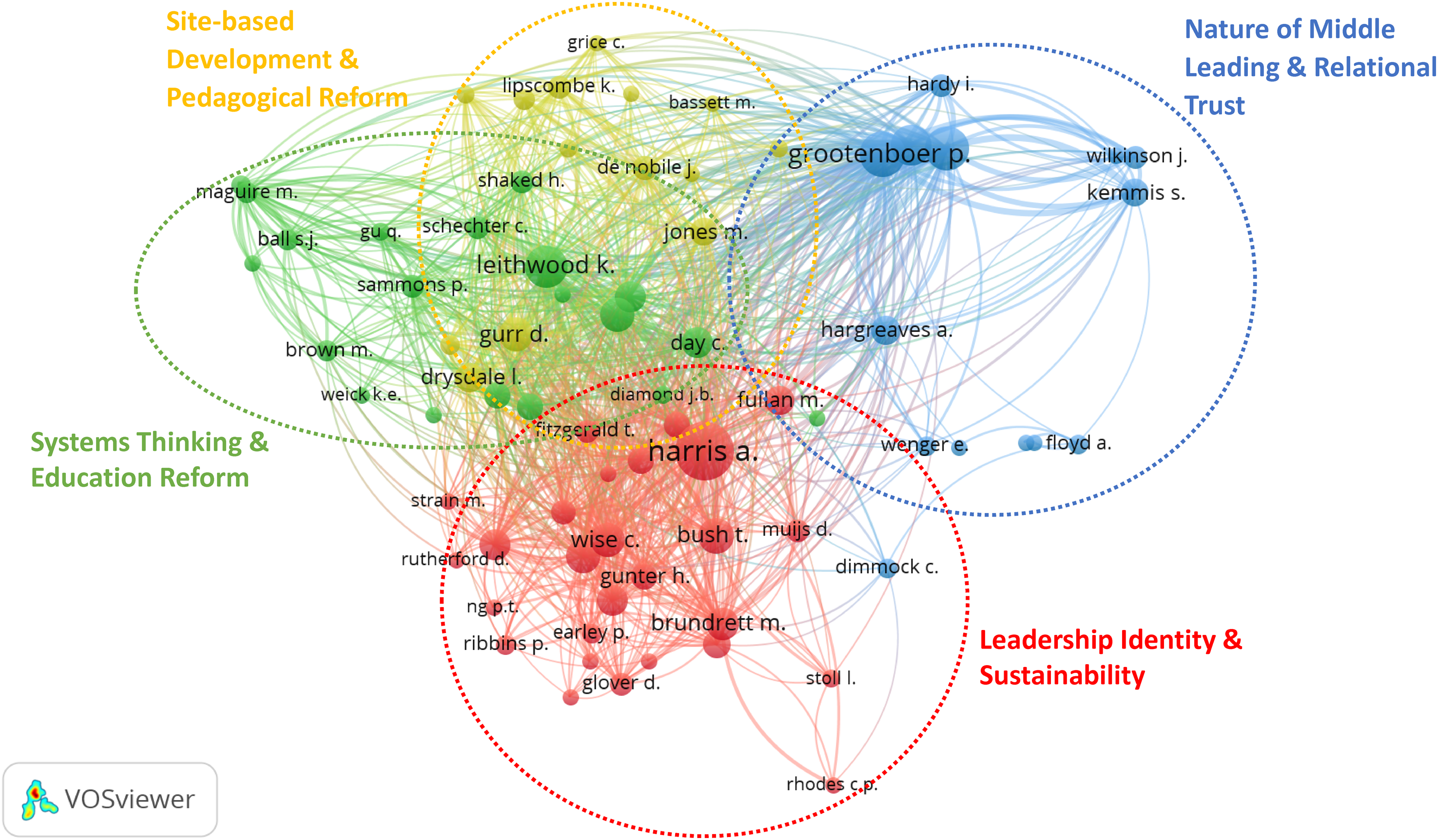
Author co-citation map of the literature on middle leadership.
The above author co-citation map yielded four clusters, representing four varying themes or ‘schools of thought’ (Kovačević and Hallinger, 2020). The red cluster had a total of 27 authors; the green cluster had 20 authors; and the blue and yellow clusters had 14 authors each, amounting to 75 authors. The map also indicated the ML themes for the four clusters – Leadership Identity and Sustainability (red), Systems Thinking and Educational Reform (green), Site-Based Development and Pedagogical Reform (yellow), and Nature of Middle Leading and Relational Trust (blue).
Leadership identity and sustainability
The largest cluster (red) revolved around the theme of leadership identity and sustainability. Authors leading this school of thought were Harris (262 citations), Bush (93 citations), Wise (90 citations), Bennett (80 citations), and Busher (73 citations). These researchers highlighted the importance of middle leaders in schools, and the complexities they face in navigating their roles. Their collective work emphasised the significance of the middle leader's influence on educational reform agendas, and the need for them to negotiate power dynamics within their institutions.
Systems thinking and education reform
Researchers in the green cluster focused their research on systems thinking and education reform. Research in this school of thought was led by Leithwood (130 citations), Hallinger (85 citations), Day (76 citations), Spillane (74 citations), and Walker (55 citations). Within this school of thought, researchers emphasised the importance of distributed leadership in ML roles within educational institutions. They discussed how middle leaders contribute to school improvement efforts through collaborative decision-making, shared responsibility, and mobilising others to lead. Additionally, they highlighted the significance of middle leaders in creating a positive school culture, and promoting teachers’ professional development.
Site-based development and pedagogical reform
The yellow cluster comprised authors who have explored areas in the professional development of middle leaders and teachers through site-based development and support as well as pedagogical reforms. Leading this cluster were Gurr (86 citations), Drysdale (63 citations), Jones (61 citations), De Nobile (48 citations), and Lipscombe (41 citations). These authors discussed the pivotal role of ML in facilitating organisational change, and innovation within educational institutions. They emphasised the importance of middle leaders in translating strategic goals into actionable plans, mobilising resources, and fostering a culture of continuous improvement. Additionally, they highlighted the need for middle leaders to effectively communicate and collaborate with various stakeholders to ensure the successful implementation of change initiatives.
Nature of middle leading and relational trust
Authors leading in the blue cluster included Grootenboer (156 citations), Edwards-Groves (145 citations), Ronnerman (120 citations), Hargreaves (63 citations), and Kemmis (61 citations), with an emphasis on middle-leading practices that encompass interrelationships through relational trust. These scholars argued the significance of distributed leadership in the middle management of educational institutions. They underscored the idea that effective middle leaders empower and distribute leadership responsibilities among teachers and staff, fostering a collaborative and inclusive decision-making process. Relational trust plays a crucial role in this process as it forms the foundation for effective collaboration and communication among stakeholders. When middle leaders prioritise building and maintaining relational trust, they establish an atmosphere of mutual respect, transparency, and shared accountability, which are essential for distributed leadership practices to thrive within educational institutions.
Discussion
The purpose of this review was to analyse the intellectual structure of ML literature over two decades (2002 to 2023) using a bibliometric analysis approach. This section interprets the findings based on the sequence of the research questions, namely the total volume, and geographic distribution; the journals, authors, and documents; and the intellectual structure of the knowledge base on ML.
The growth trajectory of literature on ML, depicted in Figure 2, signalled a significant shift in scholarly attention over the last two decades. The initial slow development until 2007 gave way to a remarkable surge in interest from 2016 onwards. This transformation is particularly noteworthy, considering the historical emphasis on teacher leadership in prior research (Nguyen et al., 2020; Wenner and Campbell, 2017; York-Barr and Duke, 2004). The substantial increase in research post-2016 suggests an evolving recognition of the pivotal role ML plays in educational settings, and signals a need for more in-depth exploration into the evolving dynamics of ML roles and practices. Understanding the factors contributing to this shift could provide valuable insights into the changing nature of ML in response to contemporary challenges.
Additionally, although ML has drawn academic attention from developing countries like Malaysia (e.g., Bush and Ng, 2019) and Chile (e.g., Gurr, 2019), its distribution of the literature highlighted a concentration in developed regions, such as the United Kingdom, Australia, New Zealand, and Hong Kong. This pattern of distribution aligns with reviews from other related areas of school leadership (e.g., Adams et al., 2023b; Chen and Cheng, 2022; Hallinger and Kovačević, 2019), where Anglo-American societies usually take the lead. This suggests that the perspectives, challenges, and practices of middle leaders in many other regions have not received adequate attention in the current body of literature. This emphasises the need for more diverse research efforts to ensure a comprehensive understanding on educational leaders’ roles and practices globally (Hallinger and Kovačević, 2021).
Findings from the top 20 documents on ML showcased the influential contributions that have significantly shaped the discourse in this field. Notably, Grootenboer, Edwards-Groves, and Rönnerman emphasise the importance of voices from the ML tier. Bennett et al.'s (2007) exploration of the ML understanding in secondary schools reflects the academic community's recognition of its significance. The diversity of topics covered in these highly cited articles, ranging from theoretical models of ML to systematic literature reviews on school leadership and management, underscores the multidimensional nature of the research.
Another contribution of this review is the identification of the intellectual structure of ML. With the author co-citation technique, four schools of thought were identified (see Figure 4), namely leadership identity and sustainability (red cluster), systems thinking and educational reform (green cluster), site-based development and pedagogical reform (yellow cluster), and the nature of middle leading and relational trust (blue cluster). When scrutinising the intricate role of middle leaders, there is an inherent tension that emerges internally, and externally (Buchanan et al., 2022) as middle leaders are constantly trying to balance their accountability towards the administration, and at the same time, cultivate and foster collaborative relationships with teachers (Edwards-Groves et al., 2023).
In bridging the gap between administrative directives, and classroom practice, middle leader roles are difficult to define as there is a lack of a specific delineation of their responsibilities (Gear and Sood, 2021). Nevertheless, bridging this gap is important as middle leaders play a crucial role, with a strong emphasis on their accountability in schools (Darling-Hammond, 2020). The duality of the role and position of middle leaders was inherent in the red and blue clusters. In this context, middle leaders are accountable to their schools as they are seen as change agents responsible for implementing school policies, managing resources effectively, and ensuring the schools’ goals and objectives are met (Amey and Eddy, 2018). Middle leaders are expected to execute decisions made by the school administration. From navigating bureaucratic processes, meeting performance targets, and managing expectations from the entire school community, middle leaders are conduits for translating administrative instructions into concrete, visible actions towards achieving school improvement goals (Day and Grice, 2019).
At the same time, middle leaders need to forge relationships based on trust among teachers to affect whole-school improvement, as advocated by the blue cluster. Working closely with teachers, middle leaders are viewed as catalysts for teachers’ professional growth and development, which in turn, improves classroom practice, and student outcomes (Edwards-Groves et al., 2019), both of which lead to school improvement. With the emphasis on distributed leadership, middle leaders are seen as essential in co-creating meaningful and relevant administrative and educational experiences with school leaders and teachers alike (Grootenboer et al., 2020). The dual nature of the middle leader role is complex, requiring skilful navigation of expectations, negotiation, and cooperation from all relevant stakeholders for support as they champion school initiatives and endeavours (Hargreaves and Shirley, 2020). This, in turn, leads to the question pertaining to the professional development needs of middle leaders themselves as an important precursor for them to carry out their work effectively (Bryant and Walker, 2024), which was evident in the literature by researchers in the yellow cluster.
A recurrent trend was seen when researching the professional development of middle leaders and teachers in schools (Rhodes and Brundrett, 2012). There was obvious importance given to onsite professional development and learning, highlighting the effectiveness and value of contextualising capacity-building opportunities (Bryant and Walker, 2024). The convergence of the red, yellow, and blue clusters in this area of school-based professional development, and job-embedded opportunities were emphasised to ensure practices are bespoke to the needs of middle leaders and teachers (Edwards-Groves and Grootenboer, 2021). The intrinsic value of cultivating such experiences within the immediate school environment was seen to facilitate relationships that are more dynamic (Busher et al., 2007). It is integral for any professional development to go beyond developing merely intellectual stimuli, but also cultivating emotional well-being in order to encourage a supportive and trusting ecosystem (Chaaban et al., 2023). For such an ecosystem to thrive, the mechanisms of a strong foundation or architecture must be embedded within the practice.
The theory of practice architectures, as evidenced in the yellow and blue clusters, was significant as it provides the interconnectedness (Kemmis, 2022) of tangible practices, and the corresponding structural architecture within which middle leaders work (Gibbs et al., 2022). When different professional development avenues that meet the needs of middle leaders are explored, they are then better equipped to support teachers in improving teaching methods, which is key to effective classroom practice. Strengthening pedagogy is also critical, supported by the school system and well-structured architecture, the pillars of good teaching practices. In addition to this practice-architecture framework, there is a sense-making process that middle leaders rely on to make sound decisions, and judgement calls (Ganon-Shilon and Schechter, 2017), as expounded by the green cluster. This forms a part of the middle leaders’ lived realities (Branson et al., 2016). Furthermore, they act as change agents in schools, supporting their school's reform agendas (Ainsworth et al., 2022).
Implications and future directions
The growth of research on middle leadership (ML) is progressing albeit at a slow pace, with the United Kingdom, Australia, and New Zealand taking the lead. Studies in the African continent are limited while research in Asia is dominated by China, and Hong Kong, with some interest in a few European countries. The concentration of research in only these certain countries depicts the skewed and unbalanced contribution in the field of ML. This calls for a more concerted effort to recognise the roles played by middle leaders in their schools, and how these roles differ in the various contexts in which schools operate globally. Future research on ML within the different social and cultural environments of the schools will not only see a growth across the globe, but also garner a body of work that reflects the unique structures and mechanisms in which ML thrives.
Secondly, the theoretical underpinnings of ML need more attention as the practical aspect of the work carried out by middle leaders is difficult to explain compared to that of school leadership. While ML manifests itself in many ways through the very nature of leadership, it differs significantly from school leadership theories. The advent of the theory of practice architectures provides the foundation upon which the nature of ML is built. However, more work needs to be done to understand the ways in which ML practice is weaved into the structure of schools.
Limitations
This review has three limitations that should be taken into account. First, in this review, although Scopus was selected as the database of choice due to its broader coverage of scholarly publications compared to the Web of Science, most of its indexed journals predominantly feature articles written in English. This limitation restricts the inclusivity of the middle leadership (ML) literature, particularly regarding non-English sources and perspectives, potentially overlooking valuable insights from non-Western contexts. Second, is the nature of ML in schools. There are varying definitions and views of middle management – from teacher leaders to subject-matter experts. However, this review only delved into research that specifically mentioned ML, with definitions in relation to the manner in which these middle-leader responsibilities were undertaken. Third, although research surrounding ML is growing, it is still relatively new. In comparison to school leadership, the number of articles obtained was far fewer, indicating that it has not yet been explored to the fullest. As such, it stands to reason that the theories underpinning ML are also uniquely different to those of school leadership. While the theory of practice architectures was mentioned in this review, it was not thoroughly nor exhaustively analysed as that was not the goal.
Conclusion
This bibliometric analysis offers a comprehensive examination of the intellectual landscape within the domain of middle leadership (ML) in schools, identifying and delineating four distinct schools of thought – Leadership Identity and Sustainability, Systems Thinking and Educational Reform, Site-Based Development and Pedagogical Reform, and Nature of Middle Leading and Relational Trust. These schools of thought not only provide a structured framework for understanding the multifaceted dimensions of ML, but also underscore the diverse and evolving nature of research in this field. The findings accentuate the pivotal role of ML in fostering school improvement and progress, emphasising its significance in the broader context of educational leadership. Identifying key contributors, examining trends, and exploring the geographical distribution collectively contribute to a nuanced understanding of the evolving landscape of ML research. Moreover, these findings serve as a catalyst for future explorations, opening avenues for continued research on effective educational leadership. Consequently, this study not only enriches the existing literature on ML, but provides insights to scholars into the current and future research directions of ML in schools.
Footnotes
Declaration of conflicting interests
The authors declared no potential conflicts of interest with respect to the research, authorship, and/or publication of this article.
Funding
The authors received no financial support for the research, authorship, and/or publication of this article.
