




Abstract
In most industries, such as aerospace, manufacturing, transport and energy sectors, maintenance plays a vital role in improving the performance of safety critical equipment and facilities. It also helps industries achieve the largest possible efficiency, ensure workplace and environmental safety, and reduce unnecessary breakdowns and costs. Therefore, it is crucial for industries to adopt an optimal maintenance strategy for their critical systems and infrastructure. In this study, we aim to propose a novel analytical multi-criteria decision-making (MCDM) methodology for selecting the most suitable maintenance strategy in distillation units of oil refinery plants. The alternative maintenance strategies include run-to-failure (RTF), preventive maintenance (PM), condition-based maintenance (CBM), and reliability centered maintenance (RCM), which are evaluated with respect to 12 sub-criteria in three categories of economical, safety, and sustainability issues. The MCDM methodology consists of a DEMATEL-based analytic network process (ANP) method to determine the importance weights of decision criteria and a VIKOR method to rank the maintenance strategies. Also, interval type-2 fuzzy sets are used to capture uncertainty in experts’ individual judgments. Finally, a real case study is provided to show the applicability of the proposed methodology to an oil refinery plant. The results show that, thanks to advances in degradation modeling, sensor technology, and data analytics platforms, the RCM and CBM are the superior maintenance strategy for crude oil distillation systems.
Keywords
Introduction
Over the past decades, industrial maintenance has evolved from a set of tasks executed by operators to maintain equipment into a more strategic management issue. 1 A survey conducted by MIT showed that over $200 billion is spent annually on maintenance by companies in North America. 2 It is indispensable to mention that maintenance costs may rise to 70% of the total operational expenses or even could exceed annual net profit in some cases. 3 Thus, industries are under increasing pressure to reduce their expenditure while enhancing customer service. 4 To achieve this aim, organizations and companies need to adopt an efficient and effective maintenance strategy for their critical equipment and facilities.
The development of a maintenance strategy can help businesses provide a plan of action containing specific recommendations on how to maintain their assets in a safe and serviceable condition. The implementation of this plan can result in a significant increase in the availability of assets, workplace safety, and environmental integrity. Up to now, many different types and approaches of asset maintenance management have been proposed by researchers and practitioners. Recent advances in technology and data science have also made it possible to detect faults within the system and predict potential breakdowns. New maintenance strategies such as condition-based maintenance (CBM), reliability centered maintenance (RCM), and predictive maintenance (PdM) are considered as promising technologies to monitor the condition of the equipment and determine its health and performance. However, the initial cost of implementing such technologies can be very high as they require a significant investment in sensor equipment and/or staff up-skilling.
Determining an optimal maintenance management strategy is one of the most important decision-making processes in industrial organizations. 5 Choosing the most suitable maintenance strategy among a set of available options for a piece of equipment involves numerous evaluation criteria, such as cost, safety, time, added-value, reliability, etc. In addition, today’s concerns about global warming, depletion of energy resources, and increased greenhouse gas emission levels have introduced several environmental, social and governance factors, known as “sustainability” indicators, to consider in the maintenance decision-making. 6 Poor maintenance practice in industrial plants may result in increased energy consumption, waste, and greenhouse gas emissions, and may cause severe water, air, and soil pollutions. Every unplanned shutdown could also have negative impacts on habitats in the neighborhood area as well as the families of personnel and customers. Therefore, sustainability factors play an important role in the evaluation of maintenance strategies.
To solve the maintenance strategy selection problem, there is often a need to collect qualitative and quantitative failure data from many sources (such as interviews of stakeholders, observations from the field, historical records, etc.) and then compare different maintenance strategies with each other with respect to multiple criteria. Therefore, the maintenance strategy selection process is considered as a group multi-criteria decision making (MCDM) problem.7,8 MCDM is a technique that can be used to solve decision-making problems where multiple criteria, often conflicting, must be considered. 9 In recent years, several MCDM techniques and approaches such as simple additive weighting (SAW), analytic hierarchy process (AHP), analytical network process (ANP), technique of order preference similarity to the ideal solution (TOPSIS), etc. have been suggested to determine the optimal maintenance strategy for industrial assets. For a comprehensive review of the literature regarding the application of MCDM in maintenance decision-making, the readers can refer to Shafiee. 10
The diversity of components, complexity of failure mechanisms, and existence of various dependencies among components in engineering systems have caused the process of maintenance strategy selection to be very complicated. 11 In addition, some of the maintenance evaluation criteria are non-financial and therefore hard to convert into a sensible measure. 4 In such cases, it is more convenient for experts to express their opinions in linguistic terms than in numerical terms. The emerging methodology of fuzzy-set theory provides the necessary tools for dealing with such judgmental imprecision and uncertainty. The fuzzy set theory uses fuzzy numbers to capture the imprecision or vagueness in expert linguistic assessments. In the present study, interval type-2 fuzzy numbers which are a subset of type-2 generalized fuzzy numbers are used to handle uncertainty arising from judgment of multiple experts.
The objective of this paper is to propose a novel hybrid fuzzy MCDM methodology for selecting the most suitable maintenance strategy in safety critical equipment and facilities. The alternative maintenance strategies include RTF, PM, CBM, and RCM which are evaluated with respect to three distinct criteria, namely cost, safety, and sustainability. These criteria are further broken down into 12 sub-criteria, such as: cost of materials, cost of manpower, mean-time between failures (MTBF), mean-time to failure (MTTR), acceptance by personnel, energy consumption, and environment protection. The decision-making process consists of a DEMATEL-based ANP method to determine the importance weights of decision criteria and a VIKOR method to rank the maintenance strategies. The applicability of the proposed methodology is shown through a real case study of an oil refinery plant. The results indicate that our methodology has huge potential to enhance the performance of maintenance decision-making process, making it more user-friendly and efficient in use.
The remainder of this study is organized as follow. Section 2 provides a comprehensive review of the literature related to the selection of an optimal maintenance management strategy with the use of MCDM methodology. Section 3 gives a brief introduction of interval type-2 fuzzy sets. Section 4 presents the proposed methodology. Section 5 discusses the results of the case study. Finally, section 6 concludes the paper and suggests further possible works.
Literature review
A brief review of the literature shows that many studies have been conducted to identify an optimal maintenance strategy for different industry sectors, ranging from oil and gas to railway transportation and pharmaceutical industry to mining. The MCDM methodology, as one of the most common maintenance decision-making approaches, has received reasonable attention from the research community over the last two decades. Table 1 summarizes some of the most relevant studies with a focus on the use of MCDM techniques to solve the maintenance strategy selection problem.
Summary of some important studies on the use of MCDM to solve maintenance strategy selection.
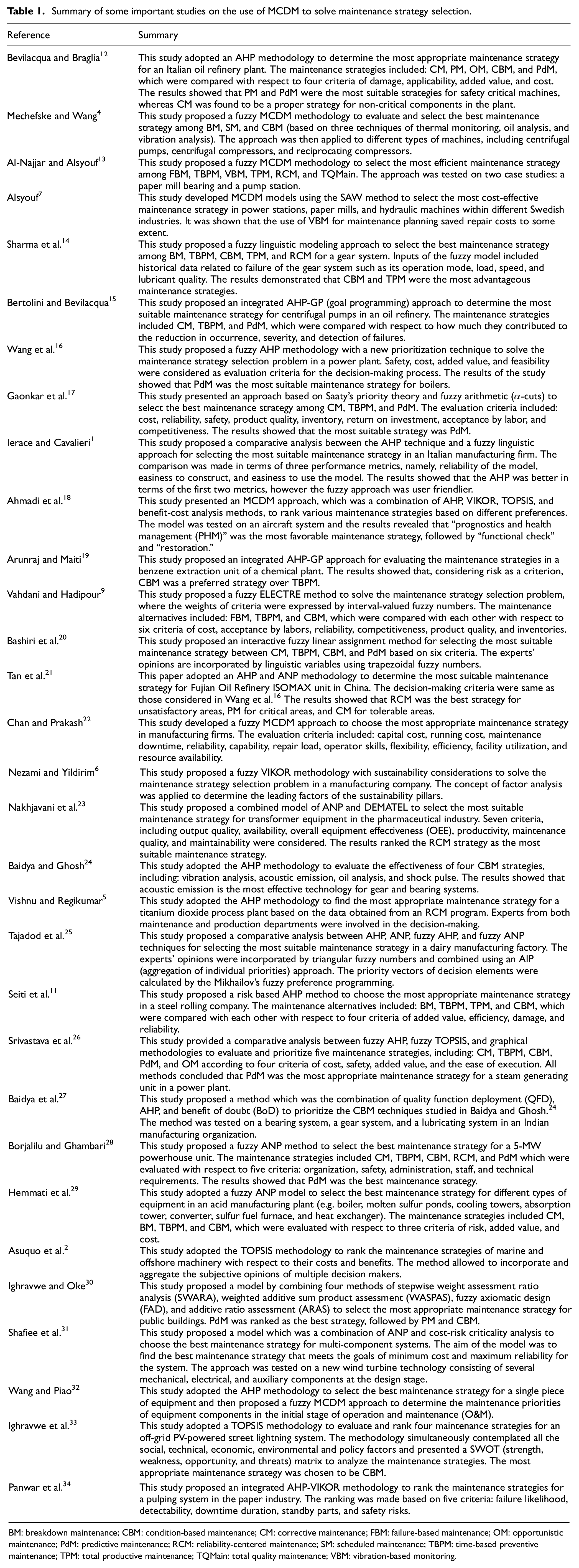
BM: breakdown maintenance; CBM: condition-based maintenance; CM: corrective maintenance; FBM: failure-based maintenance; OM: opportunistic maintenance; PdM: predictive maintenance; RCM: reliability-centered maintenance; SM: scheduled maintenance; TBPM: time-based preventive maintenance; TPM: total productive maintenance; TQMain: total quality maintenance; VBM: vibration-based monitoring.
Some observations from the literature review are as follows:
The classical MCDM methods have their own strengths and weaknesses. The integration of MCDM models can overcome the limitations of the individual methods and improve the efficiency of the decision-making process. The hybrid MCDM methods have received the most attention lately. However, to the best of authors knowledge, there is no study integrating the MCDM techniques of DEMATEL, ANP, and VIKOR to solve the maintenance strategy selection problem. This study proposes a hybrid DEMATEL-ANP-VIKOR approach to determine the importance weights of decision-making criteria and evaluate the performance of different maintenance strategies.
Fuzzy set theory is a powerful tool to deal with vagueness of human thoughts and take the imprecision of qualitative assessments into consideration. The fuzzy MCDM approaches have received increasing attention for the analysis of maintenance strategies. This study, for the first time, proposes an interval type-2 fuzzy set (as a generalization of the interval-valued fuzzy sets in Vahdani and Hadipour 9 ) to characterize the uncertainties associated with experts’ judgments.
Although cost and safety are important criteria, the sustainability factors must not be ignored. The review showed that there is very little knowledge about how sustainability factors affect maintenance decision-making. This paper involves all the economic, societal, and environmental factors related to sustainability of maintenance strategies.
No study was found investigating the efficiency of different maintenance strategies for distillation units in the oil refining industry. This paper provides a real case study of determining the best maintenance strategy in a crude oil distillation unit.
Interval type-2 fuzzy sets
The theory of type-2 fuzzy set (T2FS) was introduced for the first time by Zadeh 35 as an extension for traditional or type-1 fuzzy set (T1FS). Mendel et al. 36 provided numerous examples about the interval type-2 fuzzy sets (IT2-FS). T2FS is called a “fuzzy-fuzzy” set since it has a membership function whose membership grade is a T1FS in the [0,1] interval. Although T2FS is more practical for characterizing the uncertainty and imperfection in the data, IT2-FS is exploited to overcome computational complexity and difficulties of T2FS in practical settings. 37 In this section, some fundamental concepts of IT2-FS are briefly introduced, which will be used in the subsequent sections.

It can also be represented by equation (2):

The symbol ∫ switches to ∑ for discrete space.


The geometrical representation of a trapezoidal IT2-FS number.
Therefore, the main arithmetic operations for IT2-FSs are defined as follows: 41



where:


For further reading on the interval type-2 fuzzy sets the readers can refer to Li et al. 42
The proposed methodology
In real-world situations, the decision-makers might encounter uncertainty when assigning numerical values to their preferences. The maintenance decision-making process involves subjective judgments by domain experts, which may be inconsistent or sometimes contradictory. In this study, we propose a fuzzy group decision-making methodology to overcome difficulties of subjective assessments.
Figure 2 represents the flowchart of the proposed maintenance strategy selection methodology in the IT2-FS environment. As can be seen, a three-step process is employed to solve the decision-making problem. These steps include: (1) initial step, where the decision makers define linguistic measures for the evaluation of criteria, dimensions, and maintenance strategies using IT2-FS models; (2) weight determination step, where the DEMATEL-ANP (DANP) method is applied to identify the importance weights of criteria and sub-criteria; and (3) maintenance selection step, where the VIKOR method is used to prioritize the maintenance strategies.

The proposed fuzzy group MCDM methodology for maintenance strategy selection.
In what follows, the details of implementing the interval type-2 fuzzy DEMATEL-ANP-VIKOR technique are presented.
Interval type-2 fuzzy DANP
The DANP is a novel MCDM method that combines the individual DEMATEL and ANP techniques. The DANP method is used to identify the relationships among criteria, and then obtain the importance weights of criteria. This hybrid MCDM method is evolved from Dinçer et al. 43 and contains the following steps:

Linguistic variables used for comparing criteria.

where
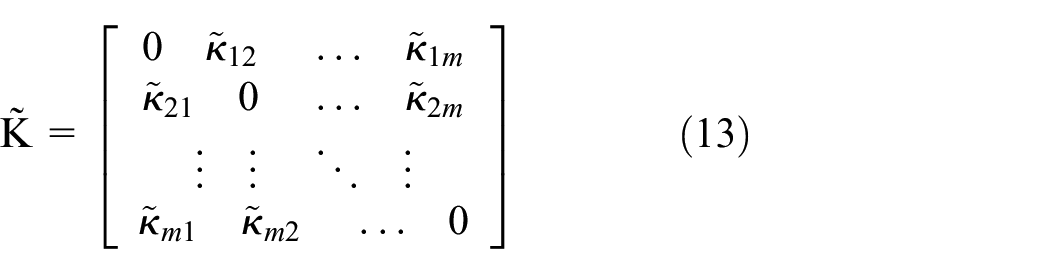
where
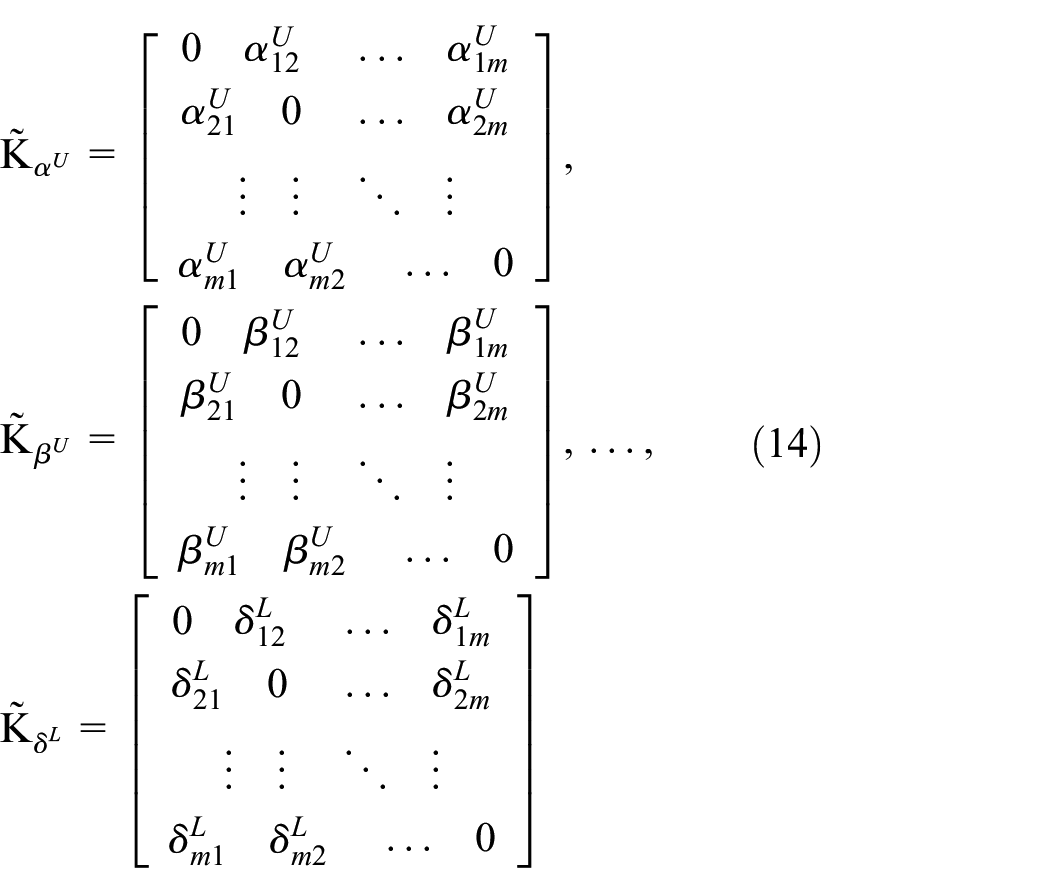
The largest element in

The normalized direct relation matrix,

where the matrix elements are calculated by equation (17):


The total relation matrix is denoted by


Then, the influential network relation map is formed with respect to values of r and s.

where



Equation (28) gives the matrix

where


where
Interval type-2 fuzzy VIKOR
VIKOR (VIseKriterijumska Optimizacija I Kompromisno Resenje) is an MCDM technique that determines the compromise ranking of alternatives. The basic idea of VIKOR method was proposed in a PhD dissertation by Opricovic 44 and later some extensions were made to the method by Opricovic and Tzeng.45,46 In the recent decades, numerous studies have used the IT2-FSs to overcome uncertainty.37,47–49 In this study, we use the IT2-FS VIKOR functions for prioritization of maintenance strategies in a distillation unit. It is worth mentioning that the weight vector for IT2-FS VIKOR is calculated by the IT2-FS DANP method. The method is explained below in a step-by-step manner:

Linguistics variables for the evaluation of maintenance strategies.

where


where

It is noted that defuzzified values are calculated by equation (11) to determine the minimum and maximum values.


The weight vector (


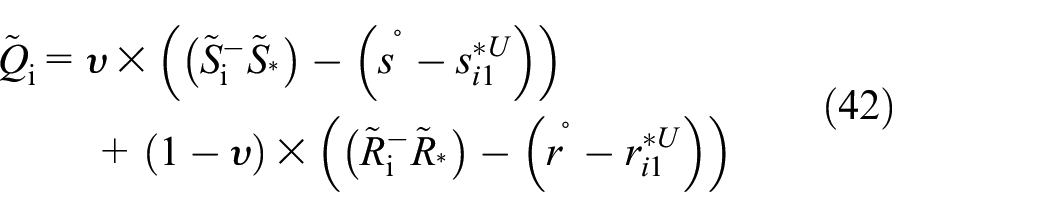
where
where
In case the condition 1 is not met, the inequality
Case study
In this section, the proposed MCDM methodology is applied to determine an optimal maintenance strategy for a distillation unit in an oil refinery plant. Firstly, a brief explanation of the distillation unit under study is given. Secondly, applicable maintenance strategies are identified. Thirdly, performance evaluation criteria and sub-criteria are presented. Fourthly, the IT2-FS DANP method to determine the criteria’s weights is presented. Lastly, the IT2-FS VIKOR method to rank the maintenance strategies is explained.
Distillation unit
The distillation unit is the heart of any oil refinery plant as it is the first process unit to receive crude oil. The primary function of the distillation unit is to distill the crude oil into numerous fractions of varied boiling ranges, each of which are then processed further in the other refinery processing units. A typical crude oil distillation unit consists of an atmospheric distillation column for separation of lighter components and a vacuum distillation column for further separation of hydrocarbons under reduced pressure. A schematic illustration of the distillation unit under study is shown in Figure 3.
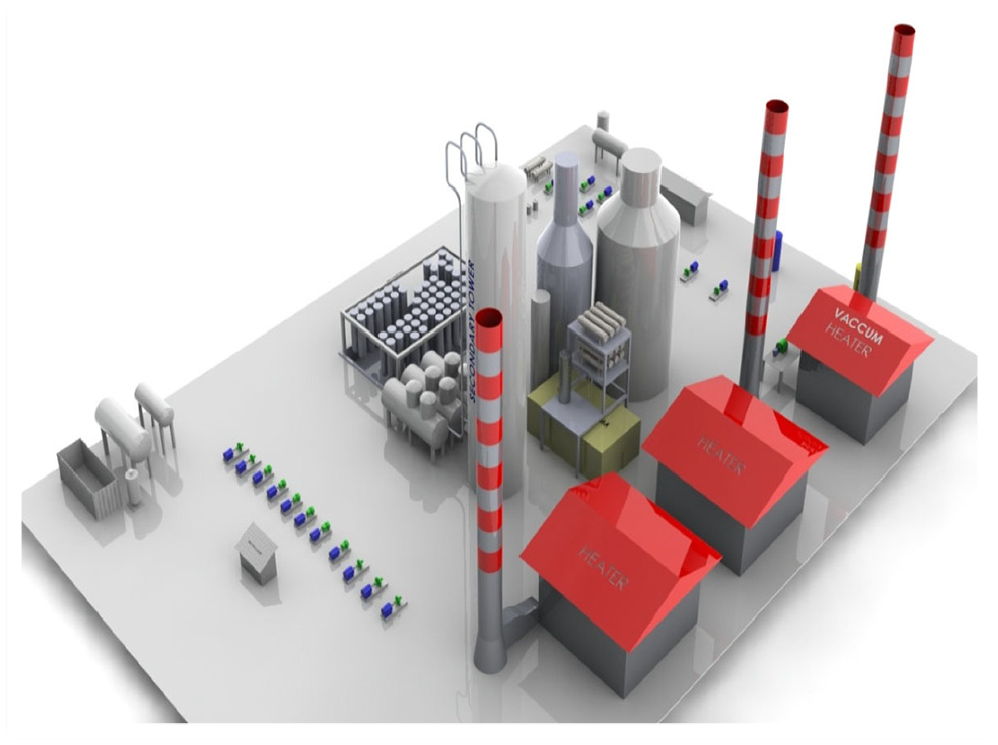
A schematic illustration of a crude oil desalination unit.
The first stage in a distillation unit is pre-heating, which is performed in exchanger bay. In this step, hot products and cold crude oil are entered in shell and tube heat exchangers to interchange the heat. This process will cause an increase in crude oil temperature and decrease in the temperature of products. Now, the pre-heated crude is pumped to the primary atmospheric tower and subsequently, the primary flash distillate (PFD) and light gases will be extracted from top of the tower. The rest of the oil will pass to heaters, where its temperature is raised to approximately 350°C. Afterwards, it enters from the bottom into secondary atmospheric tower. The light oil products will be obtained from the distillation of vapors on different elevation trays in a way that lighter ones are on upper trays. At the bottom of the tower, a dense product called residue will be transferred to the vacuum stage. Like atmospheric site, the residue will be abstracted to a hot environment in a vacuum heater. Then, the hot residue will be distillated in the vacuum heater. The products that are obtained in this step include: vacuum gasoil, wax, slops, and vacuum bottom. The processes and the transmission of products in atmospheric and vacuum crude distillation units are shown in Figure 4.
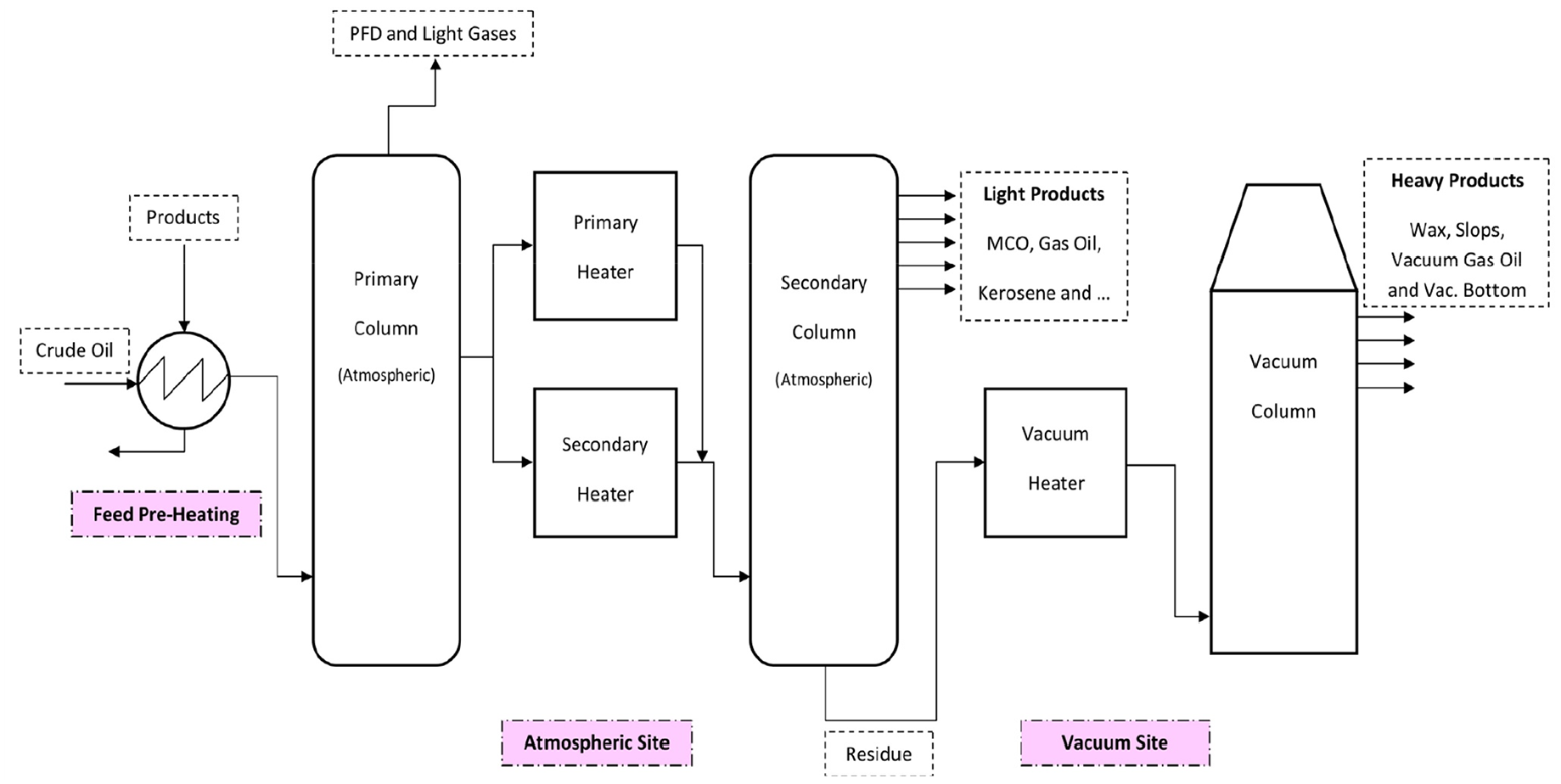
Atmospheric and vacuum crude distillation units.
The most critical components in distillation units include fans of heaters, crude oil pumps, heaters, and columns. The performance and operations of distillation unit intensively depend on these components and any failure of them will result in a wide range of serious issues, from feed reduction to total plant shutdown. Additionally, owing to production chain in a refinery, every failure in critical components may affect other units. Downstream units may encounter limitation for feeding upstream units, and therefore it will cause disruption. As a result, the oil refinery industry must prevent any possible failure in their critical equipment. To achieve this, selection of an efficient maintenance strategy for critical components of the distillation unit is crucial to save cost and effort, reduce energy consumption, and protect the environment.
Maintenance strategies
Four maintenance strategies for the crude oil distillation unit are taken into consideration. These strategies are explained below:
Run-to-failure maintenance
This maintenance strategy – also known as reactive or corrective maintenance – is usually recommended for non-critical and low-cost assets. 2 Under this strategy, no action will be taken until a failure occurs.
Preventive maintenance
This maintenance strategy – also known as scheduled maintenance – involves the repair or replacement of equipment components at regular time intervals. Though PM is not necessarily the most cost-effective strategy, its effect on controlling the degradation rate and reducing the likelihood of catastrophic failures cannot be neglected. Therefore, PM improves the availability of equipment and saves O&M costs. A major limitation of this strategy is that it occasionally causes unnecessary repairs to be performed on systems that do not actually require maintenance. 50
Condition-based maintenance
This strategy involves performing maintenance based on the condition of the equipment being monitored, rather than on a fixed schedule. CBM is the best choice in situations where the asset is critical, and a reliable and economical monitoring system is accessible. The condition monitoring systems collect and analyze data describing the operating condition of the components. 2 These data are collected either continuously or periodically. A major limitation in implementing CBM is its relatively high costs in terms of hardware. Therefore, CBM strategy is suitable for safety critical and high value assets. 50
Reliability centered maintenance
This maintenance strategy is a systematic approach to identify the equipment function, determine failure modes associated with the function, prioritize the failure modes based on their risk, identify maintenance requirements, and select the most appropriate maintenance task. RCM aims to optimize the maintenance activities by evaluating the types of failures that affect the function of an equipment. To do this, many different tools such as the failure mode and effects analysis (FMEA) and fault tree analysis (FTA) are utilized.
Decision-making criteria and sub-criteria
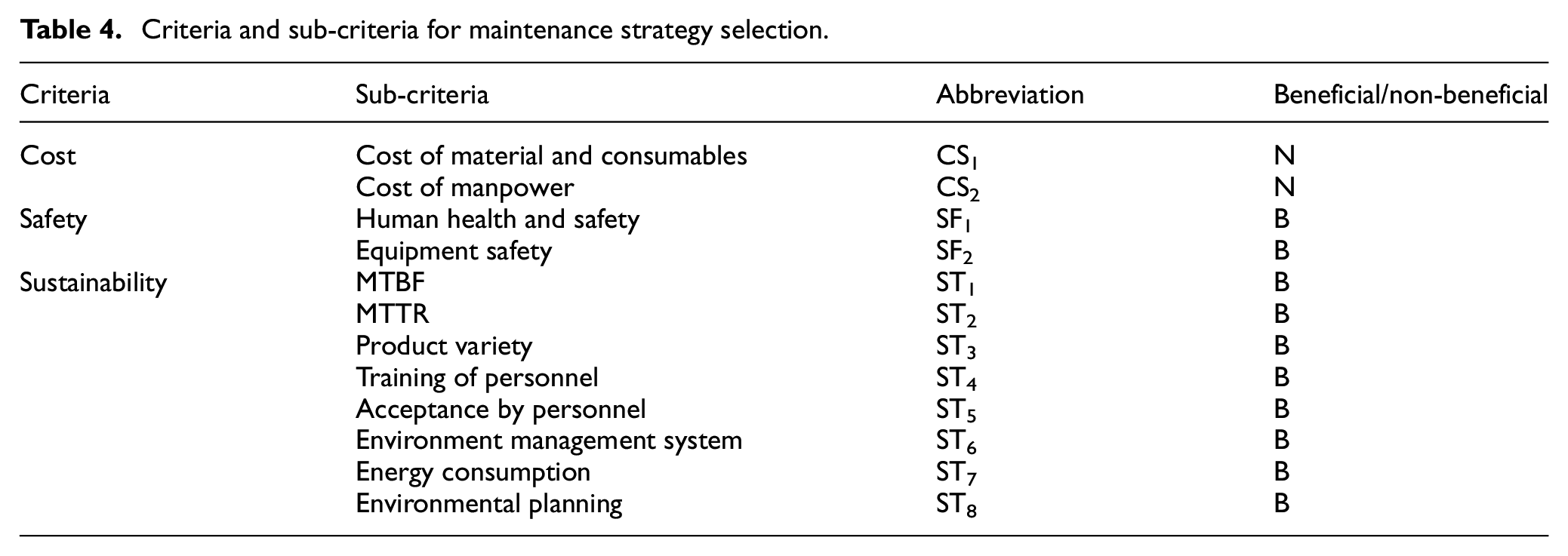
After reviewing the literature and consultation with the plant stakeholders, three key criteria were considered for selecting the most suitable maintenance strategy. These criteria include cost, safety, and sustainability, which are further broken down into 12 concrete sub-criteria. Table 4 lists the criteria and sub-criteria considered for maintenance decision-making.
Criteria and sub-criteria for maintenance strategy selection.
The maintenance decision-making criteria and sub-criteria are described below.
Cost
Each of maintenance strategies has its own cost implications that must be taken into account. The costs associated with maintenance operations vary depending on the type of maintenance strategy adopted. 50 The cost sub-criteria considered in this study include:
Cost of manpower: This includes expenses associated with training and technical assistance of maintenance team. Some strategies like CBM and RCM need a wealthy experience in maintenance and a high level of training about how to use monitoring devices or data analytics platforms.
Safety
Safety is defined as the freedom from unacceptable risk of a specific hazard that may result in loss of life, injury, or property damage. In the oil refinery industry, it is vital to protect all the machine operators and maintenance technicians against numerous hazards including fire, chemicals, and over-pressurization. 2 In this study, the safety criterion is broken down into two sub-criteria:
Sustainability
Three sub-criteria of sustainability, namely economy, society, and environment, with their associated dimensions are described as following: 6
Mean time to repair (MTTR): This is a metric defined as the average length of the time required to troubleshoot and repair a failed system. In general, the shorter the MTTF the larger the availability of the equipment. Therefore, an optimal maintenance strategy should have the potential to decrease the MTTF.
Product variety: The ability to extract different products from crude oil is an important merit for an oil refinery. However, a diverse set of equipment and machines will also be required to produce diverse products in the same system, necessitating a comprehensive maintenance program for the entire plant.
Energy consumption: The adoption of a proper maintenance strategy can reduce the energy consumption and thus also CO2 emissions.
Environmental planning: This is the practice of determining how maintenance strategies can be executed in a way that are not harmful for the ecosystem.
Weights of criteria
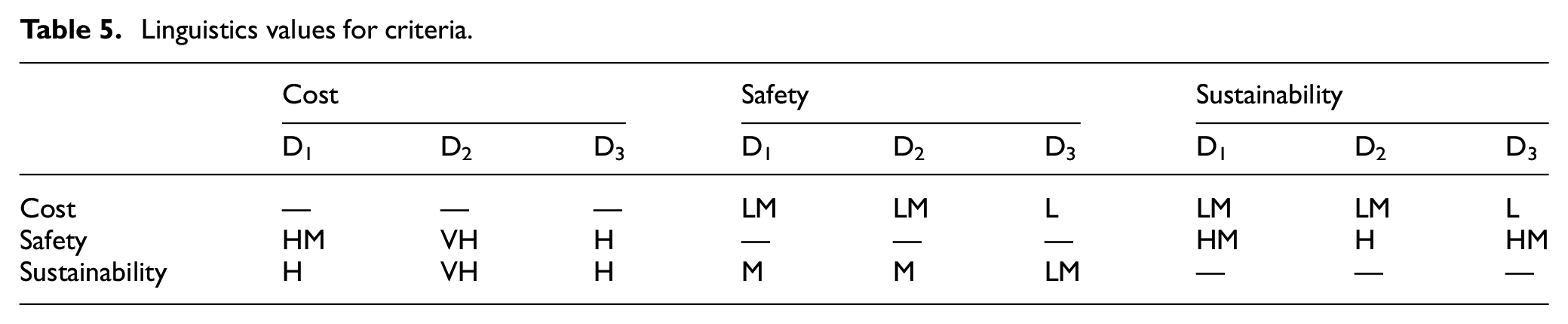
In this subsection, we obtain the weights of criteria and sub-criteria using the IT2-FS DANP method. The decision-making team includes three experts labeled as D1, D2, and D3. These experts specialize in the field of oil and gas facility management and have over 15 years of experience in implementing maintenance management systems. The experts express their opinions in linguistic terms instead of crisp numbers. Tables 5 and 6 give the linguistics values by each expert to 3 criteria and 13 sub-criteria, respectively.
Linguistics values for criteria.
Linguistics values for sub-criteria.

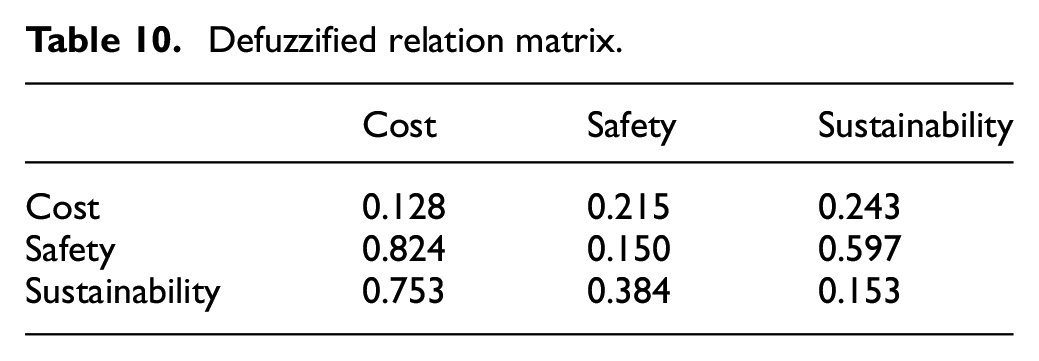
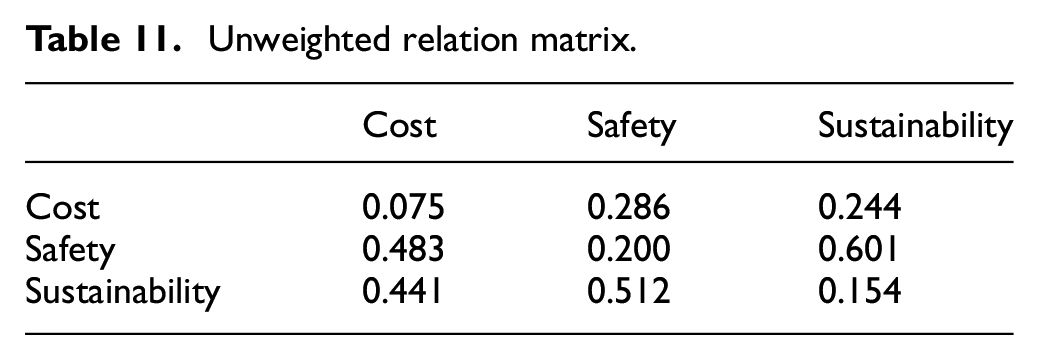
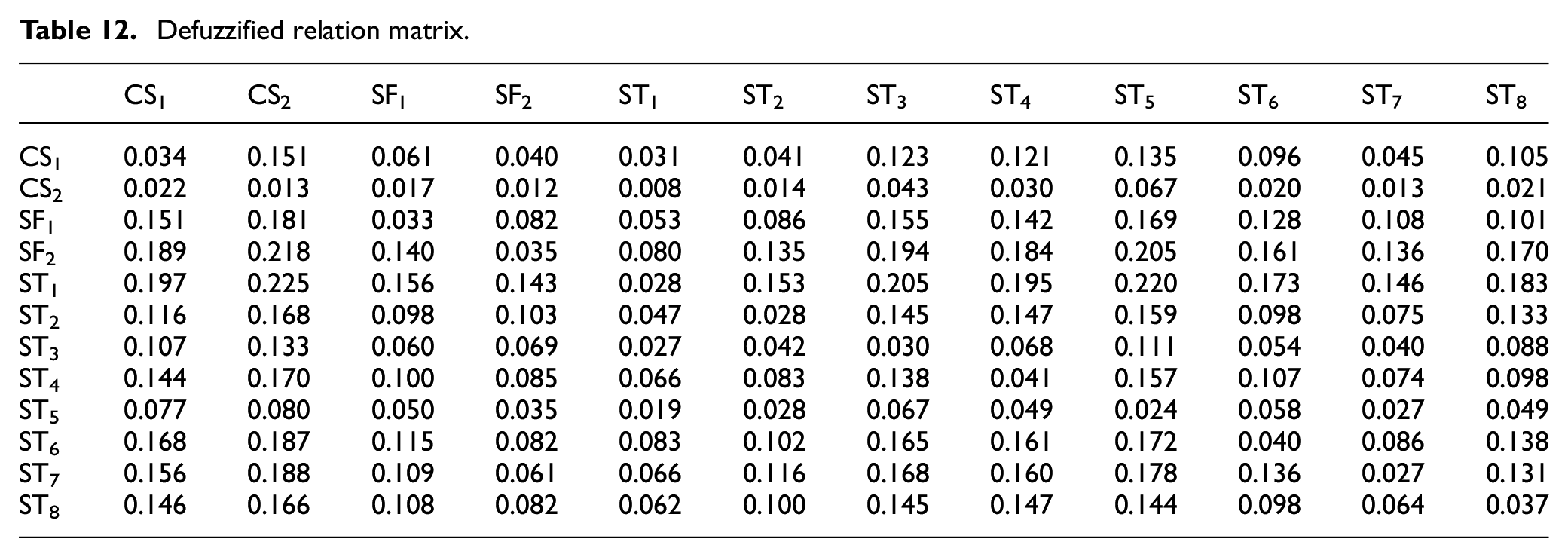
Using equations (12)–(31), the weights of criteria and sub-criteria were calculated. Results of the IT2-FS DANP method are presented in Tables 7 to 15. As Table 15 shows, the weight vector (
Aggregated initial direct relation matrix.

Normalized initial direct relation matrix.

Total relation matrix.

Defuzzified relation matrix.
Unweighted relation matrix.
Defuzzified relation matrix.
Unweighted supermatrix.

Weighted supermatrix.

Limit supermatrix.

Optimal maintenance strategy
In this subsection, we determine the optimal maintenance strategy using the IT2-FS VIKOR method. It was mentioned earlier that four maintenance strategies, including RTFM, PM, CBM, and RCM were considered in this study. Also, like the previous subsection, three decision makers provided their assessments on maintenance alternatives (strategies) with respect to criteria using linguistic terms. Table 16 gives the evaluations made by the three experts.
Linguistic evaluations of maintenance strategies.

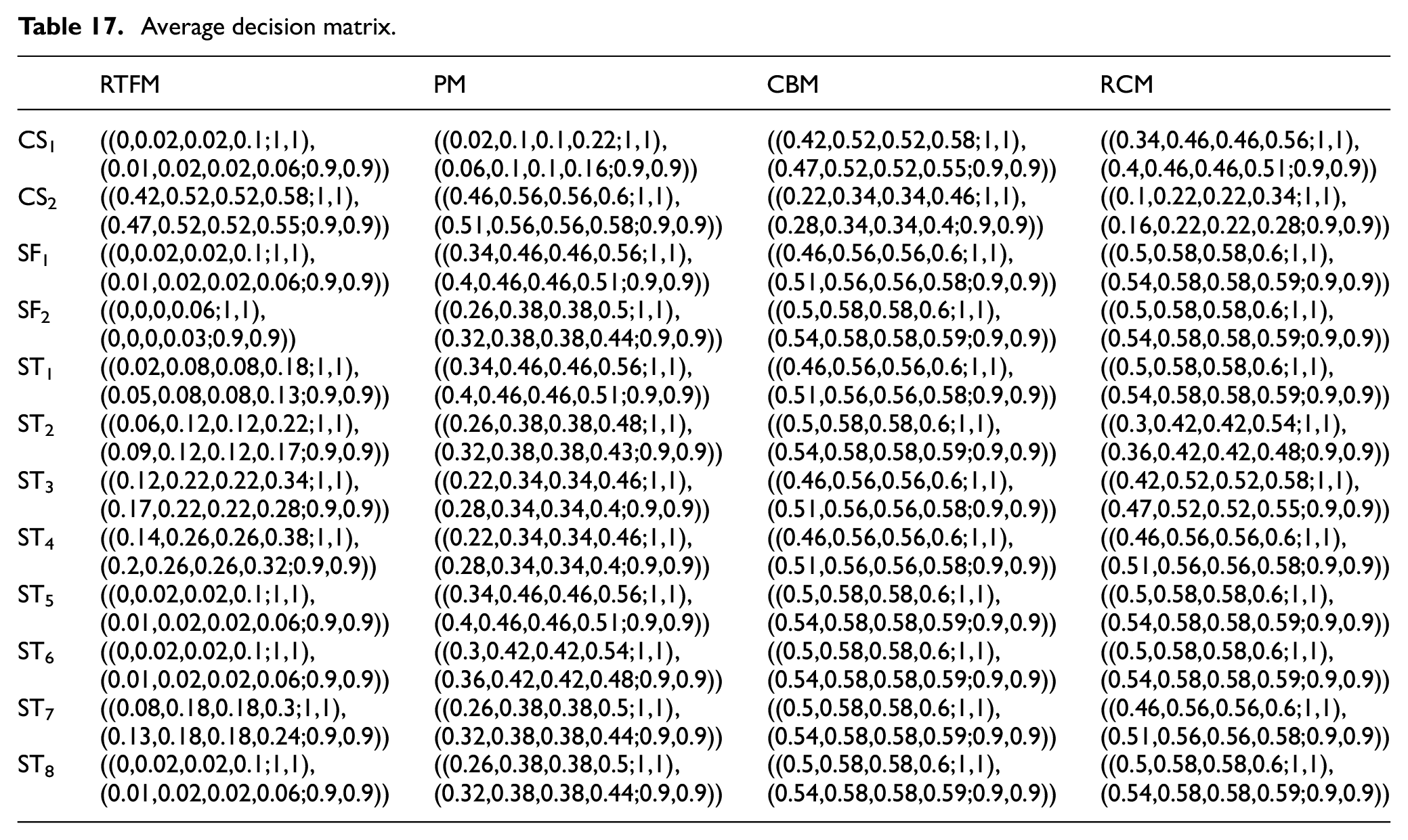
The average decision matrix (
Average decision matrix.
To calculate the ideal (
Ideal and null values.
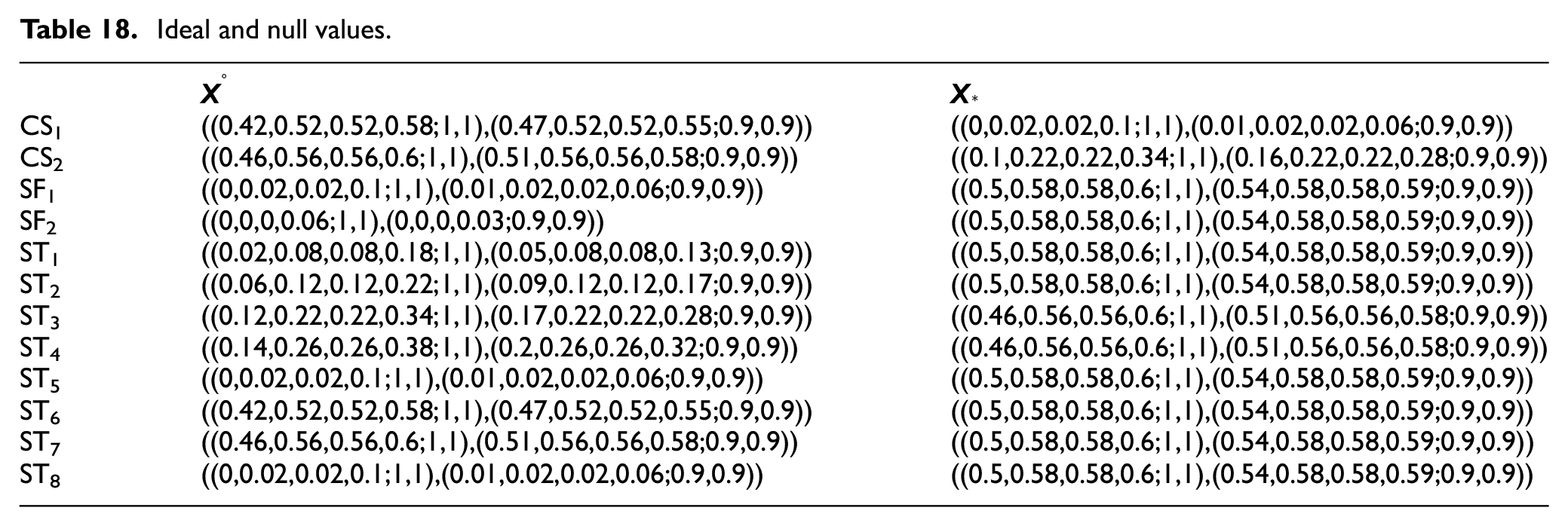
After obtaining the fuzzy differences from equation (36), we calculated
Fuzzy and defuzzified values of

Fuzzy and defuzzified values of

Based on equation (42), we obtain the values of
Fuzzy and defuzzified values of

Fuzzy and defuzzified values of

Fuzzy and defuzzified values of

Fuzzy and defuzzified values of

According to conditions 1 and 2, we conclude that the ranking of maintenance strategies from best to worst performance was found to be RCM, CBM, PM, and RTFM.
Conclusion and future works
In this study, we developed a fuzzy group MCDM approach by combining three techniques of DEMATEL, ANP, and VIKOR, to determine the most sustainable maintenance strategy for distillation units in the oil refinery industry. To overcome the deficiencies of crisp decision-making approaches, we utilized interval type-2 fuzzy sets which are generalization of interval-valued fuzzy sets. Four main maintenance strategies were considered for the evaluations, including run-to-failure maintenance (RTFM), preventive maintenance (PM), condition-based maintenance (CBM), and reliability centered maintenance (RCM). After reviewing the literature and consultation with the plant stakeholders, three competing criteria including cost, safety, and sustainability were identified. These criteria were further broken down into 12 concrete sub-criteria. The IT2-FS DEMATEL-ANP (DANP) method was applied to determine the importance weights of criteria and sub-criteria, whereas the IT2-FS VIKOR method was proposed to prioritize the maintenance strategies from the perspective of three experts. The results showed that, thanks to advances in degradation modeling, sensor technology, and data analytics platforms, the RCM and CBM were the superior maintenance strategies for crude oil distillation systems.
The work done in this study can be extended in many directions in future. For example, the results of this study can be compared with other hybrid MCDM methods which have been used to solve the maintenance strategy selection problem. Some other theories, such as grey theory and rough set theory would also be promising methods to determine the optimal maintenance strategy under uncertain conditions. The proposed maintenance strategy selection model can also be adopted in other industries, such as renewables.
Footnotes
Handling Editor: James Baldwin
Declaration of conflicting interests
The author(s) declared no potential conflicts of interest with respect to the research, authorship, and/or publication of this article.
Funding
The author(s) received no financial support for the research, authorship, and/or publication of this article.
