



Abstract
China has the most elderly people in the world, and home-based care is the best choice. Existing Chinese home smart health monitoring products and service systems for the elderly are relatively lacking. Numerous clinical and epidemiological studies show that grip force has the potential to be a predictor of short-term and long-term mortality and morbidity. Better collection and investigation of elderly grip force can help achieve real-time monitoring of their physical condition and healthy aging. This research studied an intelligent grip force collector and service system for the elderly. First, shortcomings of existing grip force collectors were examined; user needs, product functions, and system requirements were summarized by researching 60 target users. Then, hand model data of the elderly were collected and exploratory adjustments were carried out for the hardware product design. Next, six target users were invited to test the interactive prototype; finally, the interface design of the service system was optimized and completed. The study incorporates consultation with rehabilitation doctors from a hospital in Hangzhou. The final product design makes combined software and hardware innovations, guiding self-health monitoring and management of the elderly, strengthening prevention of health risks, and improving user experience compared to that with existing products.
Introduction
Population aging
At the 1982 World Assembly on Ageing in Vienna, it was clarified that if the proportion of the elderly population aged 60 and above in a total population exceeds 10%, then that country or region is aging. 1 In 2017, the total Chinese population above 60 years was over 240 million, thus accounting for 17.3% of the total population. 2 At present, China has become the country with the most elderly population in the world and one of the countries with the fastest aging population. 3
Some studies have indicated that it is estimated that, by 2030, the Chinese population aged 60 and above will reach an aging rate of 25%. 4 The next 20–40 years will be the peak stage of Chinese population aging, 5 which intuitively shows that China has begun to enter the stage of being a “deep aging” society.
As one of the countries with the greatest potential in the global aging industry market, there are still many urgent needs for the improvement of the Chinese old-age care industry. The most prominent is the lack of supply. 6 According to a survey conducted by the Chinese Society of Sociology, approximately 90% of the elderly in China will choose aging care at home, and only approximately 10% of the elderly choose to go into institutional care facilities. 7
Health monitoring and management needs of the elderly
According to a report by Accenture, the proportion of older people who want Internet health tools to access health care at home is 67%. Approximately 70% of the elderly think that technology is very important for managing their health. Among the elderly who think that technology is “very important,” 75% will monitor their weight, 50% will monitor their cholesterol, and 41% will track their physical activity. In addition, more than two-thirds of the elderly prefer to use self-health management tools to manage their health. More than 3/5 of the elderly are willing to track their vital signs by wearing health monitoring equipment. 8
Current status of intelligent health product design for the elderly
The aging of the population is a global problem, and the health problems of the elderly are a topic to which the national government attaches great importance. Developed countries and regions such as the United States, Britain, and Germany have entered the aging society ahead of China. The design and market of elderly products have been relatively mature. There are various smart products and health monitoring products for the elderly. For example, a visual company in the United States has developed an automatic zooming smart electronic eyeglass that can adjust the focus point of the lens at any time according to the distance of the person wearing the lens, which will allow the elderly to not have to repeatedly take their reading glasses on and off. There is a blood pressure ring that is popular among middle-aged and elderly people in the Swiss market. This kind of ring shows different colors with a slight change in the finger temperature. Hypertensive patients can observe the color difference of the ring at any time, master the temperature change and exertion degree, and then relax in time to avoid complications of the disease. 9
The existing elderly service design in China is slightly lacking. The existing elderly service industry is mostly limited to medical institutions, old-age care institutions, or the less developed community elderly service system. Related intelligent products are popular among the elderly, such as automatic dispensing medication timers, elderly mobile phones, other daily necessities, grip force collectors, and sphygmomanometers. Since home-based care for the elderly is the best choice in Chinese national conditions, the design of home intelligent health products and service systems for the elderly needs to be evaluated and innovated.
Grip force collection: the way of healthmonitoring for the elderly
At present, there are an increasing number of domestic and foreign health monitoring products for the elderly, such as portable intelligent blood pressure meters, body temperature monitors, pulse monitoring smart bracelets/watches, and grip force collectors. Among them, the grip force collector is the most scientific and accurate medically certified device. Generally in the elderly population, a decrease in grip force implies a decline in independence. Epidemiological studies have demonstrated that low and medium grip forces in healthy adults predict the risk of a functional disability after aging and indicate an increase in all causes of death. The grip force value is a common indicator of nutritional status and is increasingly being used as a result variable for nutritional intervention studies. 10
Numerous clinical and epidemiological studies have shown that grip force has potential as a predictor of short-term or long-term mortality and morbidity. The abnormal grip of a patient indicates an increase in postoperative complications, a prolonged hospital stay, the increased probability of re-entry into the hospital, and decreased physical indicators.11–14 The grip force value can also be used as an objective indicator for determining the ability to function in daily life. Reverbel da Silveira 15 believes that grip strength is the only indicator that can predict important complications in patients with cirrhosis. Guo Chuanbin et al. 16 have shown that grip strength can be used as a nutritional indicator to reflect the degree of skeletal muscle gain and loss, and postoperative complications can be estimated using it. After a substantial amount of research and investigation on the physical examination items, Crosby et al. 17 suggested that the measurement of the grip force should be regarded as an important physical examination item for the elderly, similar to blood pressure measurements.
It can be seen that the measurement of the grip force is an increasingly important indicator in the assessment of the health of the population. The measurement and analysis of the grip force can help predict potential health threats. Although the grip strength is not the only indicator of the body physical fitness, the grip strength has the potential to be the reflection of human health.
Research objectives and research ideas
In the era of home health care and healthy aging, how to better study and help the elderly to monitor their physical condition at any time is becoming an increasingly important issue. Current Chinese intelligent product service systems for physical fitness monitoring of the elderly are also lacking. The existing research has found that better collection and analysis of grip force data of the elderly can help in the real-time monitoring of their physical condition and help to achieve healthy aging and maintain the stable development of society.
This research took the grip force collection service system for the elderly as the research object and sought to design a new intelligent grip force collection device and a complete analysis service system for the elderly. This device and system could collect users’ personalized data, integrate users’ daily grip force data, and visualize the data to guide elderly individuals’ self-health monitoring and management while enhancing the prevention of health risks, thereby improving the user experience compared to that with existing grip force collectors.
The general idea of the study was as follows:
Research on existing grip force collector products;
Target user research;
Product positioning;
Design, testing, and implementation of the final hardware and software products.
Methodology and results
Research on existing grip force collector products
Grip force is inseparable from human health. In the current research, the maximum grip force value is generally used to judge the force strength of the patients. Studies have shown that a maximum grip force of 9 kg (20 lbs) is the lowest required value for all activities in daily life, 18 and studies have used the grip endurance and grip explosive force as variables.
According the domestic and foreign literature, the most studied grip force measurement instruments are hydraulic (such as Jamar; Figure 1(a)), pneumatic (such as Matin Vigorimeter; Figure 1(b)), and electronic reading (such as BTE Primus; Figure 1(c)). Relevant research has confirmed their reliability, and they are often used as a data acquisition tool during experiments.
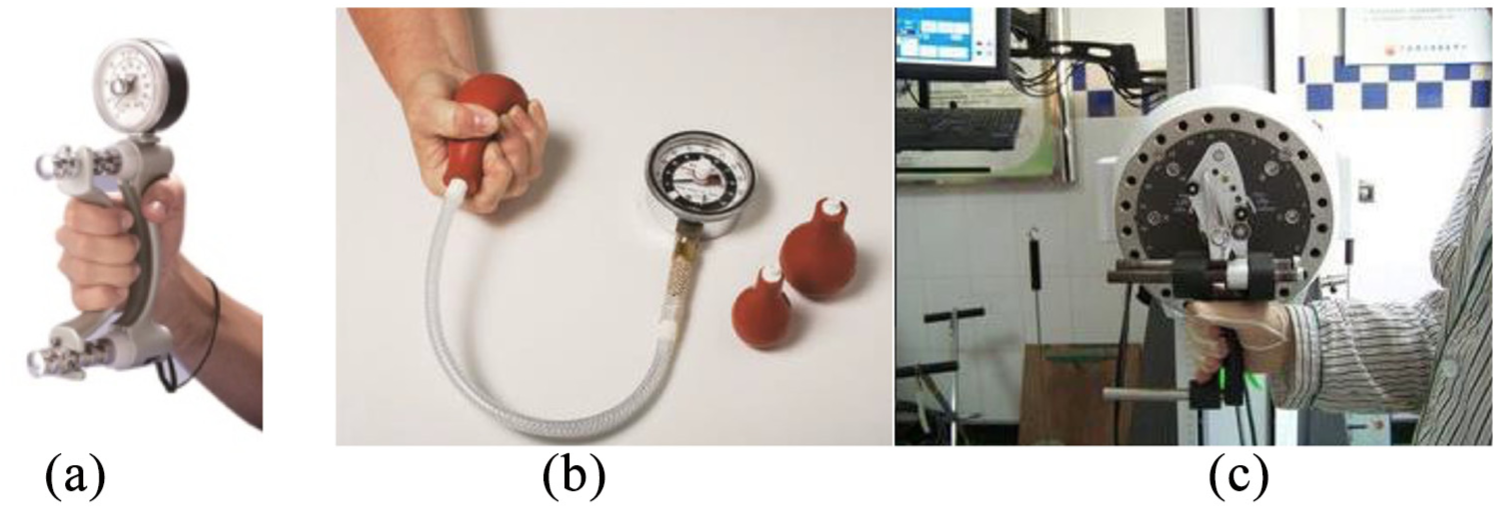
Classic grip collection device: (a) Jamar dynamometer, (b) Martin Vigorimeter, and (c) BTE Primus.
There are also many types of portable grip exercise equipment (Figure 2) and electronic grip force collectors (Figure 3).

Portable grip exercise equipment.

Electronic grip force collectors.
Among them, the electronic grip force collector is more accurate and easier to read than the non-electronic type, and it can record the overall process of the grip force. It can obtain not only the maximum force value but also other analytical values as references through these data, such as the durability and explosiveness. It can also store the data into the cloud for further analysis and research.
However, these measuring instruments (or systems) still have some drawbacks when measuring and studying the physical health of the elderly:
At present, most of the data collected by the grip force collection devices are on the overall grip force, and the device only has a single function. For the case of a partial hand injury, it is impossible to collect the force of a finger separately, and it is difficult to determine the specific situation of the muscle damage or recovery more clearly, which is not conducive to the customization of a targeted rehabilitation program.
Some grip force measuring devices are not easy to carry. They are just suitable for professional testing and research and are not suitable for daily use and monitoring. A grip force collection device that is easy to operate, simple, portable, and can reduce the time of use and environmental requirements is more suitable for monitoring and researching the grip force of the elderly.
The hand position of most grip force measuring devices is not adjustable, thus causing these devices to be unsuitable for users with different palm sizes.
In daily measurements, the grip force itself does not have a clear meaning, and its relationship to the health of the individual needs to be revealed through professional research. In addition to the grip force measuring devices for professional research use, household devices basically have no data storage function, only show the measurement process, and do not directly process the measured grip force value. Therefore, the health problems reflected by the grip force cannot be presented to the user.
Studies have shown that the contributions of the index finger, middle finger, ring finger, and little finger to whole grip strength are 17%, 22%, 31%, and 29%, 19 respectively, which indicates that the four-finger multichannel grip force data have certain significance for the resultant value. In the development of the intelligent product service system for elderly grip force monitoring, multichannel data measurement is a new direction, and it is also missing from the existing related product research and development. It will also be the core starting point for this study.
Target user research
The design and development of intelligent products and service systems for the elderly need to be practical and based on careful consideration of the physiological and psychological characteristics of the elderly. Product design for the elderly is usually characterized by simple functions and simple operation; in addition, it is necessary to meet and respect the psychological needs of the elderly to achieve humane care for the elderly, thereby effectively improving the quality of life of the elderly. 20
In response to the problems found in existing grip force collector product research, our user research included a questionnaire survey for the elderly to collect the basic characteristics of the modern older people. The World Health Organization (WHO) classifies people aged between 60 and 74 as the younger elderly and those aged above 75 as the elderly because the popularity of smartphones among people above 75 years is relatively low, so the survey aimed at the younger elderly.
The questionnaire included statistical problems (such as age, height, and weight), living habits, and health monitoring–related questions. A total of 60 questionnaires were distributed, and 54 valid questionnaires were ultimately collected. The detailed questionnaire is shown in Appendix 1, and the results of the questionnaire survey are shown in Appendix 2.
According to the results of the questionnaire survey, the younger elderly group had the following characteristics:
Women were more concerned with their diet and nutrition than men, and therefore, men were more prone to nutritional imbalances than women.
With respect to health monitoring equipment, all 54 elderly people had spare thermometers at home. In addition, use of sphygmomanometers was common among the elderly respondents.
On average, their children were more concerned about and wanted to know the physical conditions of their parents.
With respect to grip force, at the time of the survey, the popularity of household grip force collectors was very low, and all 54 elderly people lacked knowledge about the relationship between grip force and health.
These older people above 60 years of age suffered from cardiovascular disease; decreased bone density in the spine, femur and forearm, psychological loneliness, depression, cancer, and so on, all of which can be monitored over the long term by grip force.
Product positioning
Combined with the existing basic research, the shortage of existing products, and the user research, the final intelligent grip force collection service system of this study includes the following functional innovations:
The grip force collection service system is composed of hardware products and software products. The hardware products are portable and easy to use; the size of the palm grip part can be adjusted, and the measurement data are simply displayed. The interface of the software part is clear and intuitive.
The hardware product of the grip force collection service system supports multichannel data acquisition and supports the single output of four-finger grip force data. In addition to displaying the maximum force, it also displays explosiveness and endurance, thereby improving the product accuracy and data integration.
The software part of the grip force collection service system supports daily exercise volume and diet information data collection of users, enhancing the accuracy of grip force data analysis. At the same time, it generates historical data comparison maps for users, visualizes the health management data, and forms personalized services. In addition, it has a data sharing function, helping children of the elderly know the health status of their parents at any moment.
The software part of the grip force collection service system provides users with timely health information to strengthen the health management awareness of the elderly.
Hardware and software product design
Combined with the above user demand analysis and functional positioning of the grip force collection service system for the elderly, the hardware and software parts were continuously explored and designed.
Hardware product design
Appearance
The hardware appearance design of the product has undergone several rounds of exploratory research. First, the average size of the Chinese palm was assessed and compared to the size of the existing grip force collectors on the market and the gripping modes of the international grip force collectors. Next, target users were invited to participate in the grip collection model data acquisition experiment and participate in the consulting and testing during the design process (Figure 4). This process obtained the basic size and range of the palm grip part of the hardware product. In the early stage of the appearance design exploration, because designers mainly referred to the grasping method of the internationally popular grip force collectors (shown in Figure 1), the first round design proposals were mostly cylindrical, which are shown in Figures 5 and 6(a)–(c); all these proposals could support the single grip force data output of four fingers. Proposal (a) in Figure 6 has a combination of hardware and software where users would rely on the software part to view the grip force data, so the screen display section on the hardware product was omitted. In this proposal, the users could not use the hardware product separately. Proposals (b) and (c) in Figure 6 added the display screen on the top of the device; however, the size of the palm grip part could not be adjusted, thus leading to its inability to be applied to users with different palm sizes. The proposal (d) in Figure 6 was approaching the product that best fits the product positioning, and it added one adjustment button to adapt to different palm grip sizes. Furthermore, the display screen kept the basic measurement and data display functions of the hardware products after leaving the software system. Because the curved arc that fits inside of the thumb did not fit all users and the contact part with the four fingers could not fit the shape of the human fingers, which was not ergonomic, the user experience was not good.

Hand grip collection model.
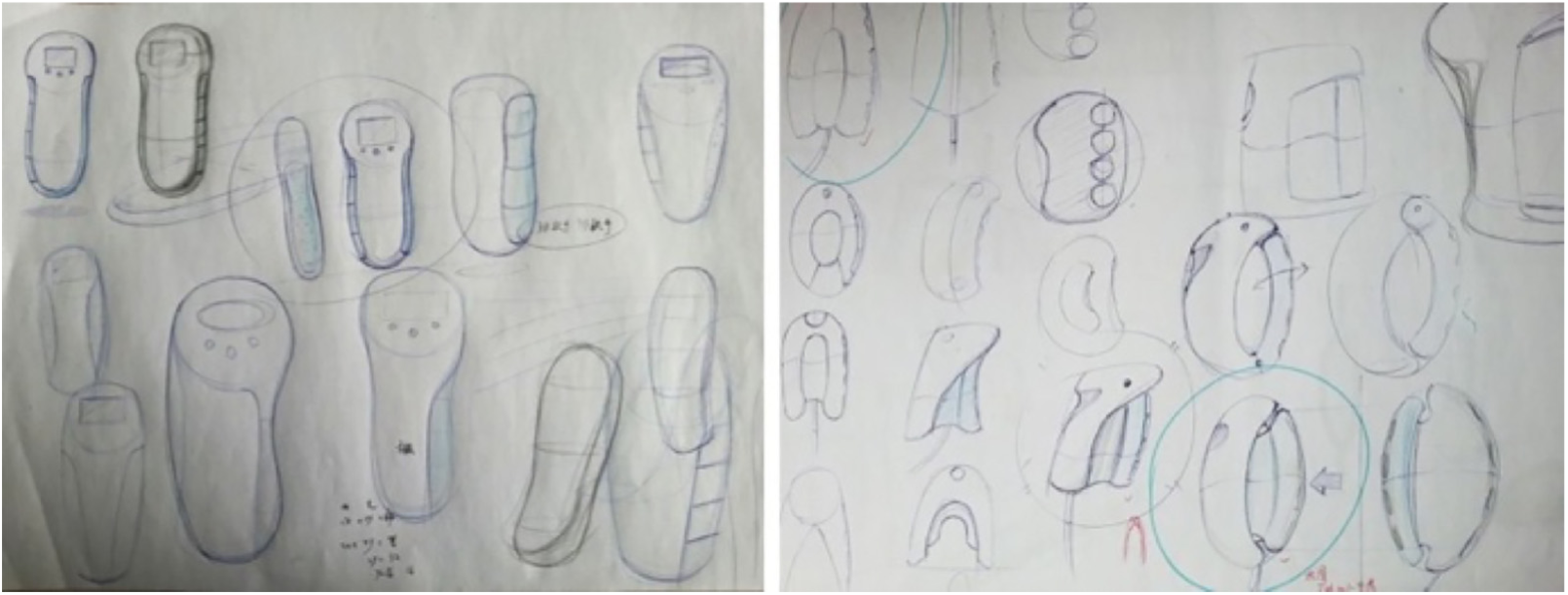
Sketch modeling exploration.

Eliminated proposals in the appearance design exploring process: (a–c) First round proposal and (d) second round proposal.
After the series of product improvements and target user testing, according to the product positioning, the hardware product solution was finally determined, as shown in Figure 7. By rotating the middle adjustment button (knob), the black portion could be stretched up and down to increase or decrease the distance between the four finger pressing buttons and the bottom of the thumb grip area to accommodate different palm sizes. The internal circuitry of the grip was packaged in a shell design, and the display screen shows the real-time resultant grip force value and the force of each finger (Figure 7).

Hardware product implementation of the grip force collection service system.
Circuit implementation
The multichannel acquisition and storage analysis system designed in this research required a mobile terminal to communicate with the server side, and web services were used to communicate, which was beneficial to the modular implementation and maintenance. The overall framework of the acquisition and analysis system of the grip force collection service system is as follows (Figure 8).

Multi-channel acquisition and analysis system framework.
Grip force data acquisition module: This module realizes the basic data acquisition function, uses the pressure sensor and digital circuit to complete the data acquisition, uses the Arduino board to realize the conversion of the analog signal and digital signal, and delivers real-time results to the display screen of the collection device. In addition, the data are transmitted to the mobile receiving module through Bluetooth.
The data acquisition system includes a pressure sensor, a signal amplifying circuit, a bias circuit, an A/D sampling, an electronic display screen, and a Bluetooth communication module.
Data reception and real-time calculation module: To make data viewing easier and more feasible, the product uses the mobile terminal as the actual data receiving and analysis processor. The acquisition module transmits real-time data to the mobile phone through Bluetooth. Then, the Bluetooth module displays the data in real time after being received and simultaneously calculates and displays the relevant values of the force (such as explosive force and grip endurance). Once the measurement is complete, it uploads the data to the server. In addition, the user can obtain the historical measurement data of the user and some other related data (such as the grip force data of the same region and the grip force analysis results of last 7 days). The overall function of the mobile phone is shown in Figure 9.

Mobile phone terminal function module.
Cloud storage and analysis module: To ensure the consistency of the data on different mobile terminals and to maximize the data collection for analysis, the data obtained by the user each time are stored in the cloud. The data storage and analysis functions are implemented on the remote server side. The server side is responsible for maintaining user tables and measurement data tables. The user table records the basic information about the user, such as their height, weight, and body fat index, for reference during server analysis. The measurement record records each measurement result of each user, the force value of each finger, the resultant force of the four fingers, the explosive force value, and the grip endurance value. After the user finishes measuring, the mobile terminal sends a request to the server, and after storing the recorded data, the server returns the corresponding detection result. The overall architectural diagram of the server side is shown in Figure 10.
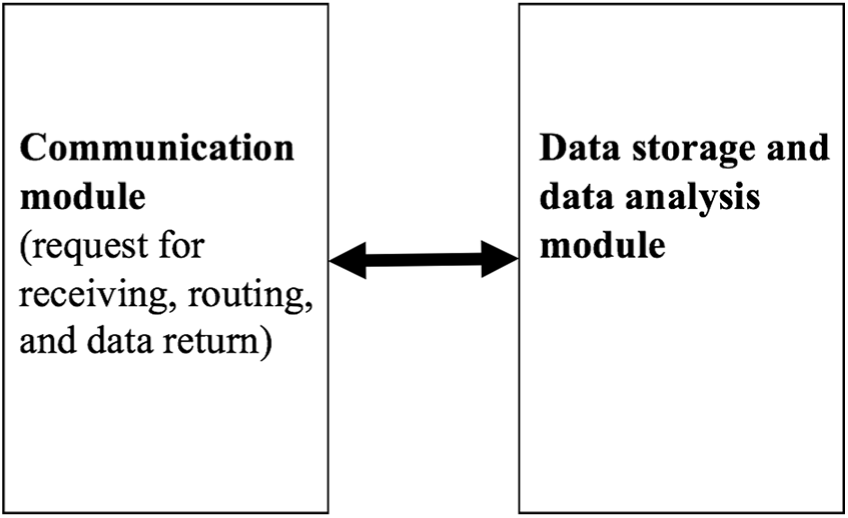
Server-side functional module division.
In this study, the LAMP (Linux–Apache–MySQL–PHP/Python/Perl) architecture was used to build servers. LAMP has the characteristics of being lightweight and having rapid development and rich web resources. Compared to the NET architecture of Microsoft, LAMP has the advantages of being universal, cross-platform, high performance, and cost effective. 21 In addition, considering the interfaces that might be added in the future, in order to facilitate communication and maintenance between the client side and the server side, web services were applied for the communications, and the Simple Object Access Protocol (SOAP) extension that comes with PHP could support the implementation of web services well.
Software system interface design
Based on the product positioning, the functional flow chart of the product service software system is shown in Figure 11.
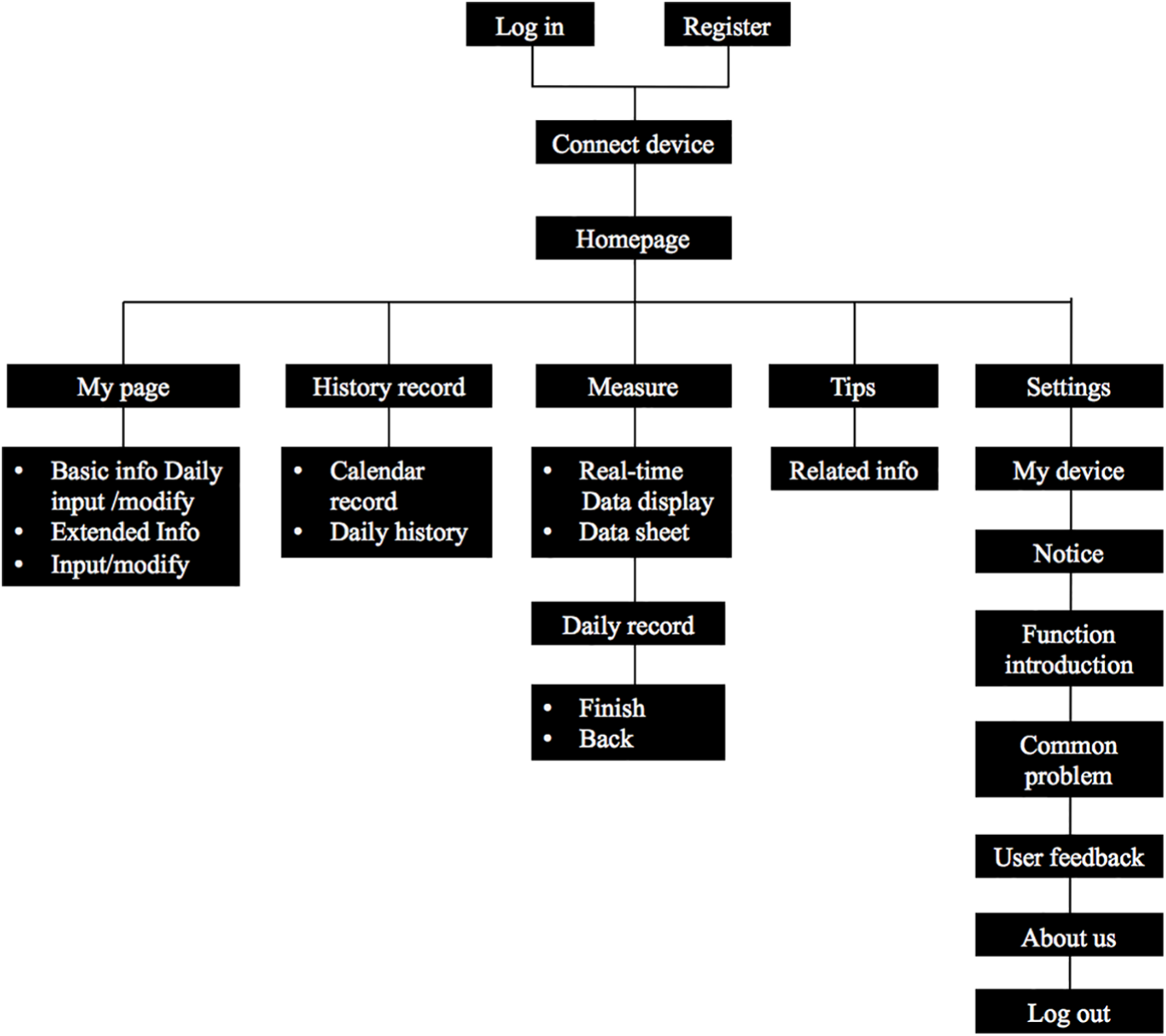
Software function flow chart.
First round of the interface design
The key interfaces of the first round of low-fidelity interactive prototype design were as follows.
The registration interface: This was mainly used to record users’ basic information, had large icons and large font sizes to ensure the readability and interactions with the interface, and it used mainstream interaction methods to reduce the learning costs (as shown in Figure 12).

Registration interface.
User daily information collection interface: The grip force strength is affected by the amount of exercise, diet, physical conditions, weather, and temperature. Therefore, the software system simply recorded the activity and dietary conditions of users, which did not require much thought and recollection for the elderly. The record had multiple options. In terms of diet, it was simple to record, regardless of whether the user had three regular meals (Figure 13).

User daily information collection interface.
The interface in Figure 14 was the interface for the real-time data display during the gripping process of the user. The curves showed the real-time grip force value and grip strength of four fingers. The resultant force was the combined force of the four-finger grip strength assessed according to their respective contribution percentages. After the grip force collection, the values of the explosive force and endurance would also be displayed below the resultant force value.

Acquisition system implementation: real-time data acquisition calculation.
The user could click the back button in the upper left corner of the interface to jump to the daily information recording interface (Figure 13). In addition, the user could click the finish button to jump to the historical grip force data storage interfaces (Figure 15).
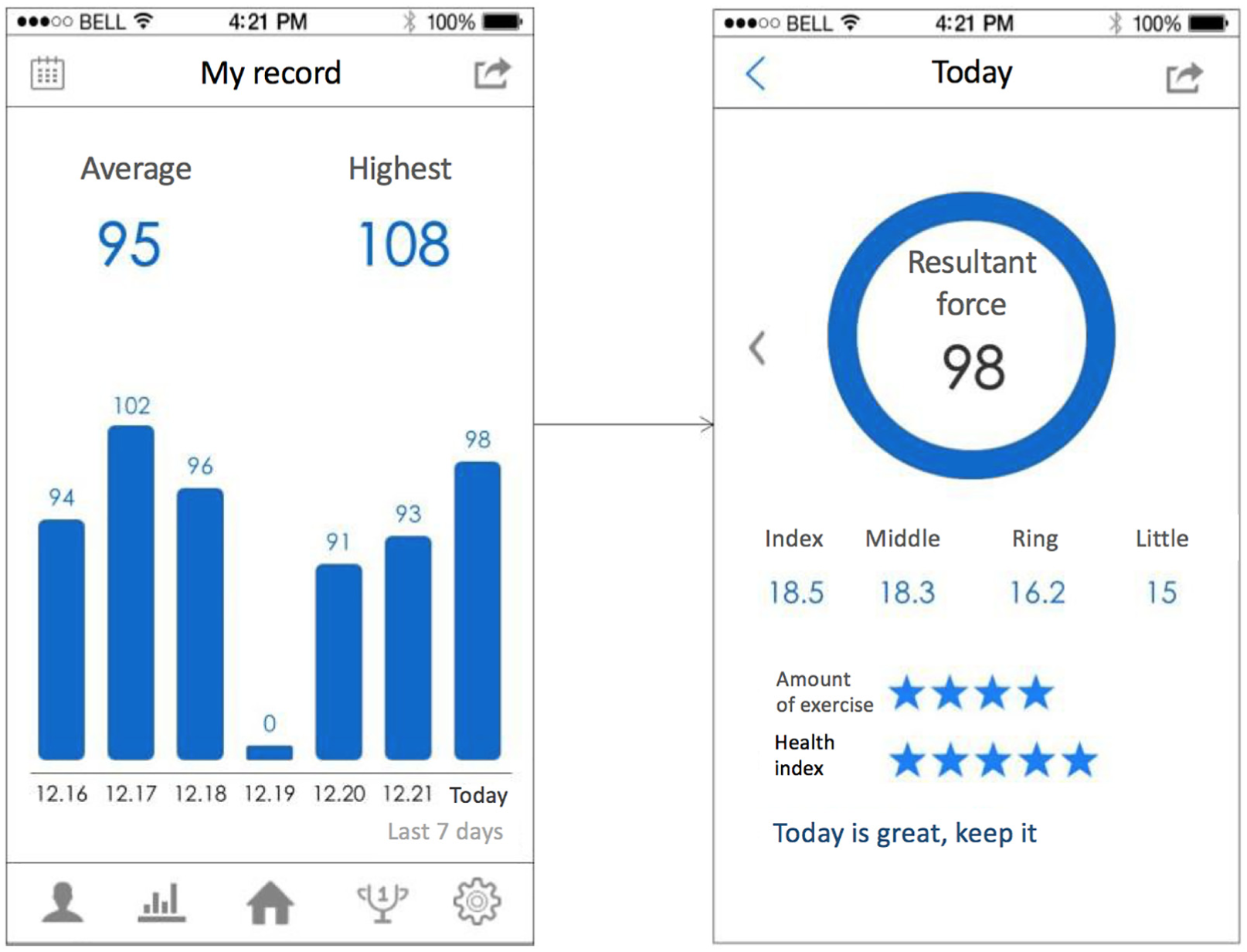
Historical data storage and analysis.
The historical data storage interface displayed the histogram of the grip force records, the historical average grip force values, and the historical maximum grip force value of the past 7 days. The left side of the status bar was a calendar list, which was convenient for quickly locating the date that the user wanted to view. The icon on the right side of the status bar enabled the one-click sharing of the histogram analysis interface. The single cylinder in the histogram represented the corresponding grip force of that day, and clicking on one single cylinder would jump to the data recording interface of that day (Figure 15).
Considering that elderly people are more concerned about health issues and have access to relatively few information channels, a health consultation and tips module was added to improve health and grip force–related knowledge and increase user stickiness and dependence on the products (Figure 16).

Health consultation tips.
To alleviate the loneliness of the elderly and satisfy their emotional needs for communication and care, the function of friend ranking was added. Users could add friends by way of social platform links. Although some elderly people are new to social networks, as a sustainable product service system, this product will add more new senior elderly in the next 5–10 years (Figure 17).

Additional features—friend ranking.
Except for the above key interface, more interfaces were displayed in the task schedule table for usability testing (Appendix 3).
Software interface usability testing
After the first round of the interface design was finished, a usability test was conducted for the software system design part.
The tasks of the usability test allowed users to complete operations through low-fidelity interactive prototypes by setting up 12 tasks and discovering the product software interaction problems and functional issues during operation. The test site was one hospital in Hangzhou. Six young elderly people were selected who were aged between 60 and 74 years, including three males and three females. The test uses the usability test plus the user interview. The total time for each user is approximately 50 min. The specific task schedule for the usability testing is shown in Appendix 3.
Satisfaction evaluation
After the usability testing, based on the 12 usability test tasks, the 6 young elderly people were also invited to evaluate their satisfaction with the software interaction interface design with respect to four aspects: ease of use, interaction mode, hardware and software matching, and task accuracy. The satisfaction evaluation was based on a seven-point scale (satisfaction gradually increased from zero to seven).
According to the satisfaction analysis results (Figure 18; 12 bars corresponded to 12 test tasks), the average satisfaction score of the mobile phone application is 4.89, and 11 of the 12 items exceed 4.0 points (above the middle score), thereby indicating that the application achieves a good user experience satisfaction. However, one of the tasks (task 7) was not satisfactory (below the middle score) and needed to be revised.

Results of satisfaction evaluation.
According to the results of the usability testing, user interviews, and satisfaction evaluation, oral feedback and statements of users were collected, which would be used to optimize the software interface design. After analysis, it was found that the first round of design solutions mainly had the following problems that need to be optimized.
Task 3. Users had doubts about the daily information collection interface. When choosing, they did not know that they could choose more than one option, which means that the corresponding prompt for multiple selections in the interface was missing. Furthermore, after in-depth interviews, it was discovered that users preferred to first quickly enter the grip force measuring interface; the design process would be optimized later based on this finding.
Task 4. Users wanted to compare the grip strengths of the four fingers.
Task 5 and Task 6. Most of the users were unwilling to share their own data because if there were embarrassing data, they did not want it to be seen by others.
Task 7. The friend ranking feature had very low attraction for users. These elderly users had a mentality that they feared not being as good as others. In addition, most of the users were not familiar with social apps. Therefore, this task obtained the lowest score in the satisfaction evaluation (Figure 18).
Task 10. On the personal information page, they did not know their body mass index (BMI) data and body fat ratio.
Task 11. The registration interface was too cumbersome for them.
Final software interface design proposal after optimization
Based on feedback from the user testing, the interface design was optimized. The final solution was as follows.
Registration interface: Based on user testing, the interface was optimized by simplifying the registration information into one interface. When users register for the first time, they can input their basic information, such as their age, height, and weight and can change the settings later, as shown in Figure 19.
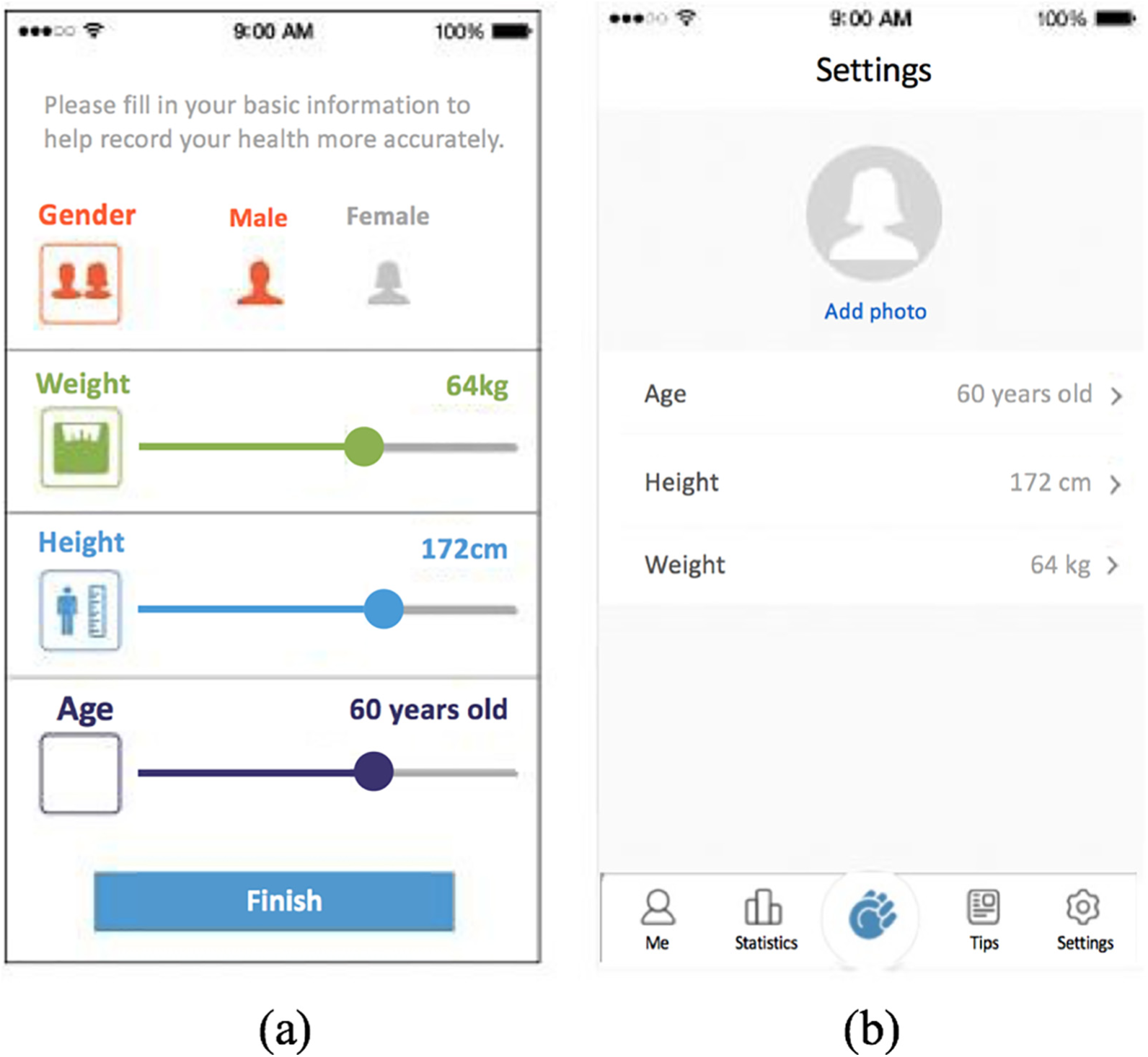
Acquisition system mobile terminal implementation: basic information collection: (a) Registration interface and (b) Personal information editing interface.
Based on the analysis results of Task 3, the interaction process of the interface was optimized. After finishing the basic information collection, tapping the finish button directly jumps to the grip force measurement interface (Figure 20).

Acquisition system implementation: real-time data acquisition calculation.
In addition, the BMI and fat ratio required special instruments for measurement, so these two data were deleted in the optimized interface (Figure 19 (b)).
Main interface: Based on the analysis results of Task 4, the display form of the real-time grip force value in the measurement interface was changed to a histogram, which is more intuitive. The grip force collection interface is directly used as the application homepage. For the real-time data collection and calculations, the mobile terminal calculates and displays it in real time after receiving the data, as shown in Figure 20.
After the measurement is finished, the interface jumps to the daily information collection interface. A tip was added in the interface for multiple options (from the feedback of Task 3; Figure 21). After finishing the daily information collection, the interface jumps to the record interface. According to the feedback from Tasks 5 and 6, the share button was deleted in the optimized interface (Figure 22).

User daily information collection interface.
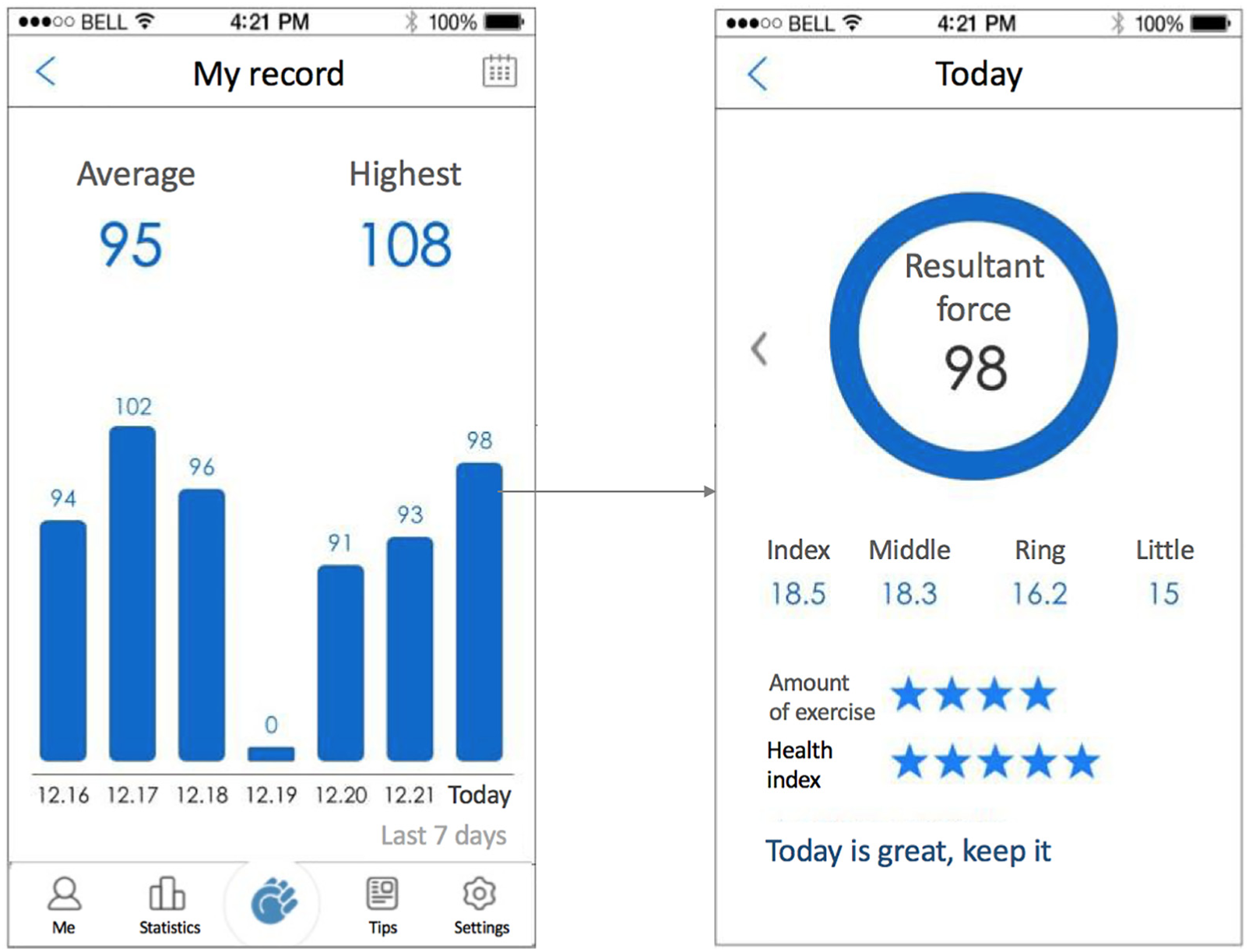
Historical data storage and analysis.
Additional features of the application: Based on user feedback of Task 7, the friends’ ranking feature was deleted (Figure 23).

Health consultation tips.
After all the interfaces were modified and optimized, a follow-up visit to the same hospital was conducted, and the same six users were invited to be interviewed. The feedback that was received was that the previous problems in the usability test were all improved.
Conclusion
With the aging of the global population, home-based care for the elderly is the best choice based on Chinese national conditions. The health service system designed for the elderly is becoming increasingly more imperfect. Furthermore, an increasing number of elderly people are willing to track their vital signs and health status in real time through health monitoring equipment. A large amount of domestic and foreign literature has confirmed that the grip force of the human body is directly related to the health level. Therefore, the health condition of the human body can be reflected by the grip force value. At present, the mainstream grip force collection tools have different shortcomings, such as insufficient accuracy, the inability to record large amounts of data, difficult operations, and the inability to adjust the size of the grip. Therefore, there is still room for adjustment.
This research took the grip force collection service system for the young elderly as the research object and aimed to design a new intelligent grip force collection device and a complete analysis service system. This research examined the shortcomings of existing grip force collectors and systematically summarized users’ needs with respect to product functions and system requirements by researching 60 target users. The final product formed was a combination of software and hardware. The research collected the hand model data of the elderly users through experiments and assessed four exploratory designs and adjustments on the hardware product design. Six target users were invited to test the interactive prototype interface design through user interviews combined with usability testing and satisfaction evaluation. Then, the software interface design of the product was optimized and completed according to the experimental results.
The final product design made innovations in the combination of software and hardware products. By collecting user personalized data, integrating the daily grip force data of the users, and visualizing the data, the results were used to guide the self-health monitoring and management of the elderly, strengthen the prevention of health risks, improve the user experience over the existing grip force collectors, and finally contribute to the safety of the elderly in China.
The study involved consultation with the rehabilitation doctors at one hospital in Hangzhou, incorporating their opinions and suggestions in a timely manner. In the future, more in-depth research on online medical cooperation will be carried out. For example, doctors can monitor the physical indicators of at-home patients and conduct remote monitoring and consultation through mobile devices in real time. The knowledge related to grip forces and health monitoring will be promoted and popularized among more elderly people.
There are still many shortcomings in this research. Existing research emphasizes the correlation of grip force with human body indicators and human health. However, there is no accurate mathematical relationship between grip strength and height, age, body weight, and so on. The investigation of this relationship needs to be improved through further cooperation with the hospital. After the system collects enough data, it can analyze the modeling based on these data to assess the relationships as references for future research.
Footnotes
Appendix 1
Appendix 2
Appendix 3
Handling Editor: Shengfeng Qin
Declaration of conflicting interests
The author(s) declared no potential conflicts of interest with respect to the research, authorship, and/or publication of this article.
Funding
The author(s) disclosed receipt of the following financial support for the research, authorship, and/or publication of this article: This research was supported by the National Natural Science Foundation of China (no. 51675476).
