



Abstract
Numerous real-world applications can be solved using the broadly adopted notions of intuitionistic fuzzy sets, Pythagorean fuzzy sets, and q-rung orthopair fuzzy sets. These theories, however, have their own restrictions in terms of membership and non-membership levels. Because it utilizes benchmark or control parameters relating to membership and non-membership levels, this theory is particularly valuable for modeling uncertainty in real-world problems. We propose the unique concept of linear Diophantine fuzzy set with benchmark parameters to overcome these restrictions. Different numerical, analytical, and semi-analytical techniques are used to solve linear systems of equations with several fuzzy numbers, such as intuitionistic fuzzy number, triangular fuzzy number, bipolar fuzzy number, trapezoidal fuzzy number, and hexagon fuzzy number. The purpose of this research is to solve a fuzzy linear system of equations with the most generalized fuzzy number, such as Triangular linear Diophantine fuzzy number, using an analytical technique called Homotopy Perturbation Method. The linear systems co-efficient are crisp when the right hand side vector is a triangular linear Diophantine fuzzy number. A numerical test examples demonstrates how our newly improved analytical technique surpasses other existing methods in terms of accuracy and CPU time. The triangular linear Diophantine fuzzy systems of equations’ strong and weak visual representations are explored.
Keywords
Introduction
The branch of applied mathematics that has numerous applications in multiple fields of science that is generally referred as solving a system of linear equations. Some of the system parameters are unclear or vague in many problems that can be resolved by answering a system of linear equations. Fuzzy mathematics is better as compare to crisp mathematics for mathematical of these particular problems, Therefore, it can be said that solving a system of linear equations where some aspects of the system are fuzzy or vague is crucial. Zadeh first introduced and investigated the concept of fuzzy numbers and arithmetic operations with these numbers. 1 One of the major applications using fuzzy number arithmetic is treating linear system their parameters are all partially valued by fuzzy number.2,3 Friedman et al. 4 gave a general model for solving on FSLE which coefficient matrix is crisp and the right hand side is arbitrary fuzzy number vector. They used the embedding method and changed the original fuzzy linear system by a crisp linear system. Then explaining fuzzy linear system is equivalent to solving crisp linear system. Allahviranloo et al. 5 presented the Jacobi, Guass-Seidel, and SOR techniques for calculating FSLE solutions. Deghan and Hashemi 6 suggested a number of iterative methods for strictly diagonally dominant FSLEs with all positive diagonal entries. Abbasbandy et al. 7 proposed and analyzed LU decomposition and conjugate gradient methods for systems of FSLFs. Abbasbandy and Jafarian 8 introduced steepest Descent method. Multiple techniques have been established for solving system and Allahviranloo 9 applied Adomian Decomposition method to find iterative for FSLEs. The HPM, introduced first by He10,11 for solving differential and integral equations, linear and nonlinear, has been the subject of extensive analytical and numerical studies. The method, which is a coupling of the conventional perturbation method and Homotopy in topology, distorts continuously to minimal problem which is easily solved. In most cases, utilizing HPM results in a very rapid conjunction of the solution series, with only a few repetitions usually leads to an extremely exact answer. The HPM is used to solve volterra’s integro-differential equation, 12 nonlinear oscillator, 13 bifurcation of nonlinear problems, 14 nonlinear wave equation, 15 boundary value problem, and other problems. 16 The HPM was used to solve linear systems in Keramati, 17 Yusufglu. 18 In particular, in Liu, 19 the point HPM approach for solving a non-singular fuzzy linear systems was studied, while in Allahviranloo and Ghanbari, 20 the Modified Block Homotopy Perturbation Method (BHPM) for solving full fuzzy linear systems was considered. The BHPM is efficient and practical since it only involves the coefficient matrix of a fuzzy linear system to be non-singular, whereas the point HPM method requires the diagonal entries of the coefficient matrix to be nonzero. 20 The BHPM converges to the exact solution of the triangular linear Diophantine fuzzy system, according to the numerical results.
Atanassov proposed the unique concept of “intuitionistic fuzzy sets” (IFS), 21 which is defined as having a “membership degree (MSD)” and a “non-membership degree (NMSD)” that are both less than or equal to 1. The IFS hypothesis has been shown to be one of the most powerful and successful methods for dealing with ambiguous, imprecise, or insufficient knowledge. This IFS component is important for a lot of professionals that deal with real world problems within an IFS framework. The restrictions imposed by MSDs and NMSDs on the structures of FS, IFS, “Pythagorean fuzzy set” (PFS), 22 and “q-rung orthopair fuzzy set” (q-ROFS) 23 were thoroughly analyzed by Riaz and Hashmi in 2019 and defined. They created the “linear Diophantine fuzzy set” (LDFS) 24 with IFS-specific reference parameters to address these issues. They claim that the LDFS concept will remove the limitations imposed on the choice of features in use by the approaches currently in use for the various sets, allowing for limitless feature selection. They were also able to demonstrate that the universe of this set had more occurrences than the FS, IFS, PFS, and q-ROFS did by using the arbitrary quality of the reference parameters 25 .
A well-known mathematical method for simulating vagueness and uncertainty in multi-criteria group decision-making problems is the use of linear Diophantine fuzzy sets. This theory is particularly useful for modeling uncertainty in real-world problems because it uses benchmark or control parameters relating to membership and non-membership grades.
After LDFN was introduced, various researchers were able to address various physical issues, as seen, for example Almagrabi et al.
26
provided a novel method to the usage of linear Diophantine fuzzy emergency decision support systems, while Ayub et al.
27
employed linear Diophantine fuzzy relation and their algebraic features, Kamaci
28
introduced linear Diophantine fuzzy algebraic structure, and Riaz and Hashmi,
25
Raiz et al.
29
also discuss the application of spherical and linear Diophantine fuzzy number in decision making problems. Different researchers used various fuzzy numbers to solve fuzzy linear systems of equations. For example, Akram et al.30–32 used the LR-bipolar fuzzy number to solve the bipolar fuzzy linear system of equation, Rehaman et al.
33
used the neutrosphic fuzzy number, Nasseri and Zahmatkesh
34
used triangular fuzzy number to solve fully fuzzy linaer system of equations, Akram et al.
35
linear system of equations in m-polar fuzzy environment, Matinfar et al.
36
used Householder Decomposition method, Muzzioli and Reynaerts
37
used triangular fuzzy number to solve
Motivated by the aforementioned work, we modify the Block Homotopy Method in this research to solve systems of linear equations using a more generalized fuzzy environment than IFS, PFS, and q-ROFS, that is, a triangular linear Diophantine fuzzy set.
The main contributions of this research work are summarized below.
To provide new ideas about triangular linear Diophantine fuzzy systems of equations.
To adapt the Block Homotopy Perturbation technique to handle triangular linear Diophantine fuzzy systems.
Utilizing a triangular linear Diophantine fuzzy system of equations, solve some few engineering applications.
Finding the precise solution of the triangular linear Diophantine fuzzy system of equations for comparison using exact technique.
The efficiency and applicability of the suggested method are analyzed using computational tools.
By using numerical examples, the comparative study of different techniques is discussed.
The graphic representations of the strong and weak solutions to the triangular linear Diophantine fuzzy system of equations are described and explored.
This article is organized as follows: We went over some important concepts in Section “Preliminaries and basic definitions” that will be used in the sections following. The proposal’s Section “Triangular linear Diophantine fuzzy number (TLDFN)” contains our suggested procedure. Applications in Section “Modified Block Homotopy Perturbation Method” have demonstrated the efficiency of this method. Section “Numerical Outcomes” concludes the paper.
Preliminaries and basic definitions
This section will go over several key principles that will help you better comprehend the current model.


where
such that;

The hesitation part can be written as:

where
Thus, we have


LDFS that is empty can be written as


be an LDFS. 25
For any constants
such that
with

define the
Triangular linear Diophantine fuzzy number (TLDFN)
(i) a LDF fuzzy subset of the real line
(ii) normal, that is, there is any
(iii) convex for the membership function

(iv) concave for the non-membership function

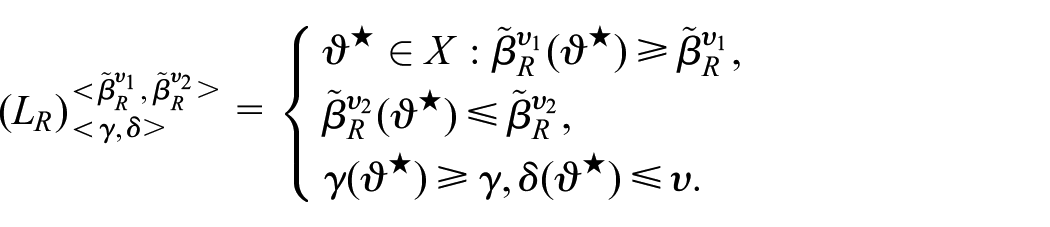
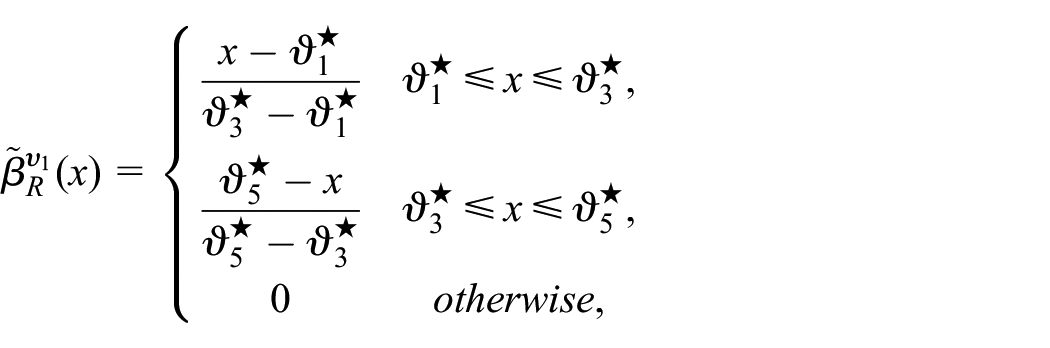
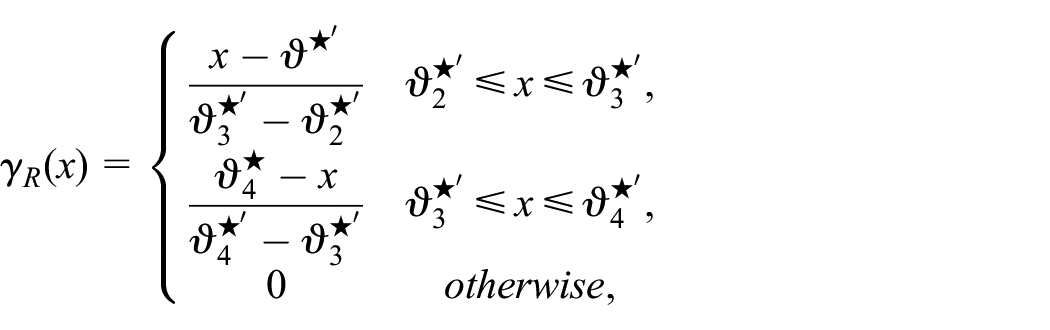
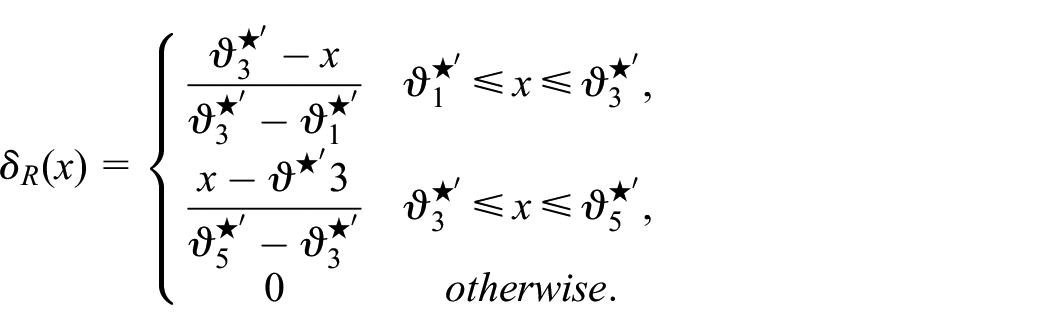
The four types of triangular LDF numbers are now available.

where
(i) A triangular LDFN of type -I if
(ii) A triangular LDFN of type -II if
(iii) A triangular LDFN of type -III if
(iv) A triangular LDFN of type -IV if
throughout the study, only triangular LDFN of type-I is considered, and this kind is referred to as TLDFN.

Figure 1(a-c), illustrates the type-I TLDFN.

then
(i)

(ii)
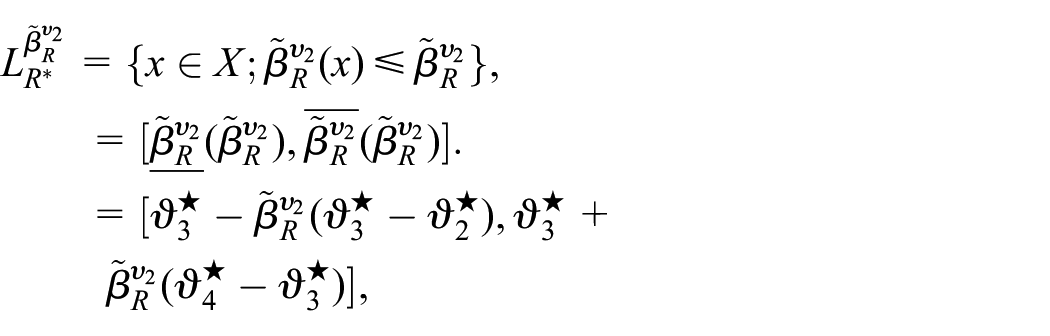
(iii)

(iv)


(a, b) Shows the membership and non-membership function of TLDFN where (c), shows both member and non-member ship function of TLDFN: (a) the figure of
we denote the

by

For example we consider a TLDFN as:

where
Cut-set of the


we denote the set of all TLDFN on R by
The following are the arithmetic operations that use the extension principle.

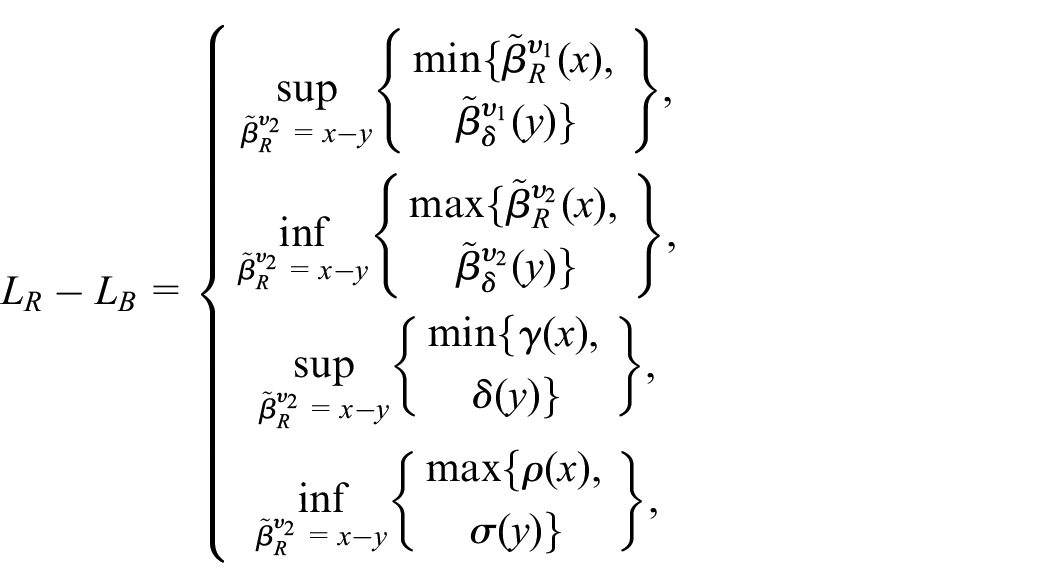


is said to be positive if and only if


and

said to be equal if and only if

and
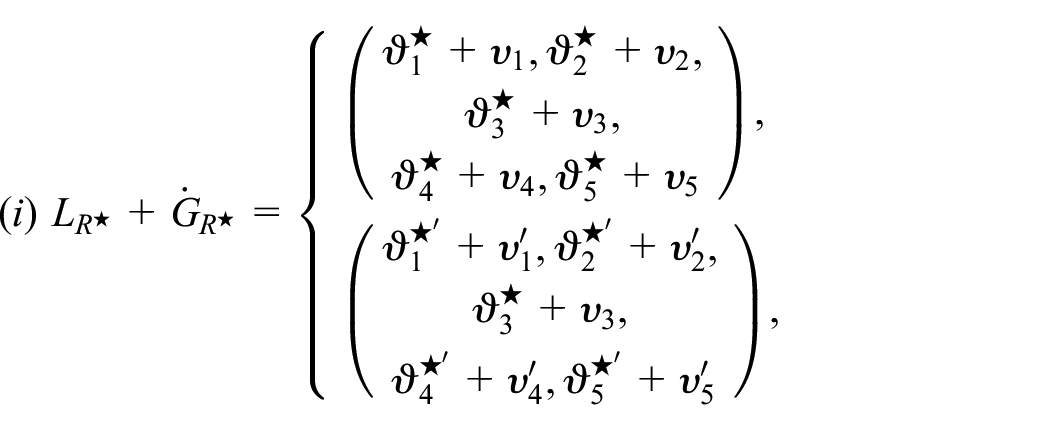
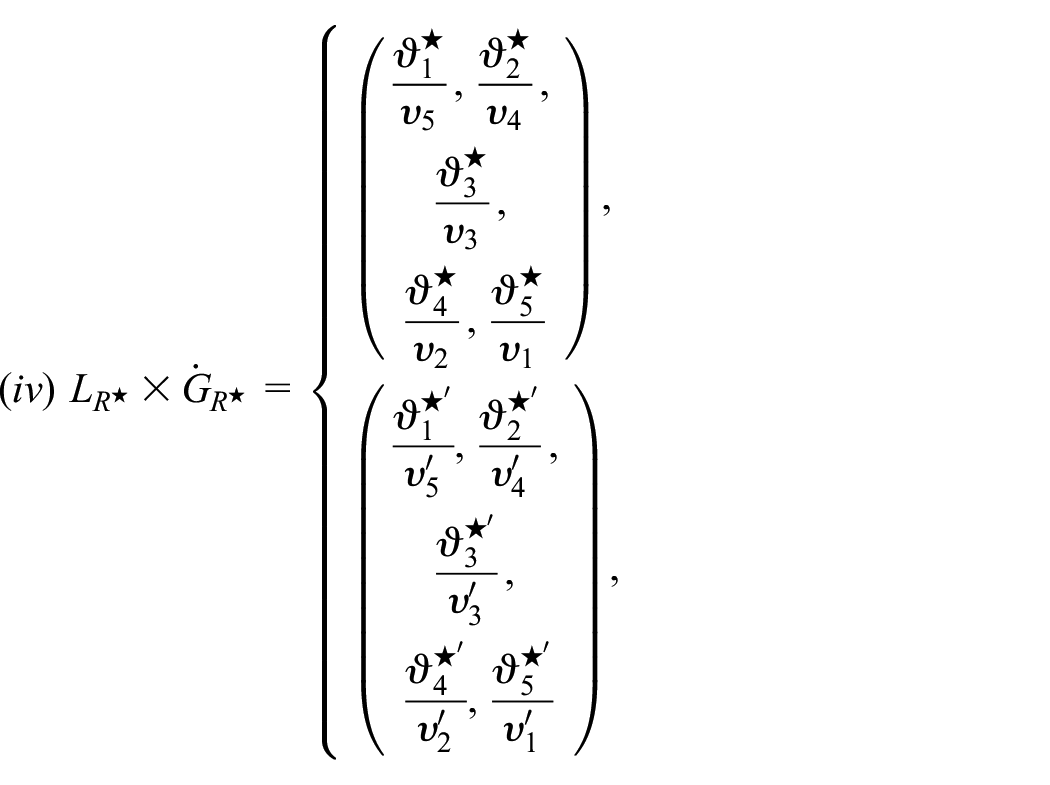
The concept of interval arithmetic is now used to define the arithmetic operation on TLDFNs.

and

Then,




or

where the coefficient matrix

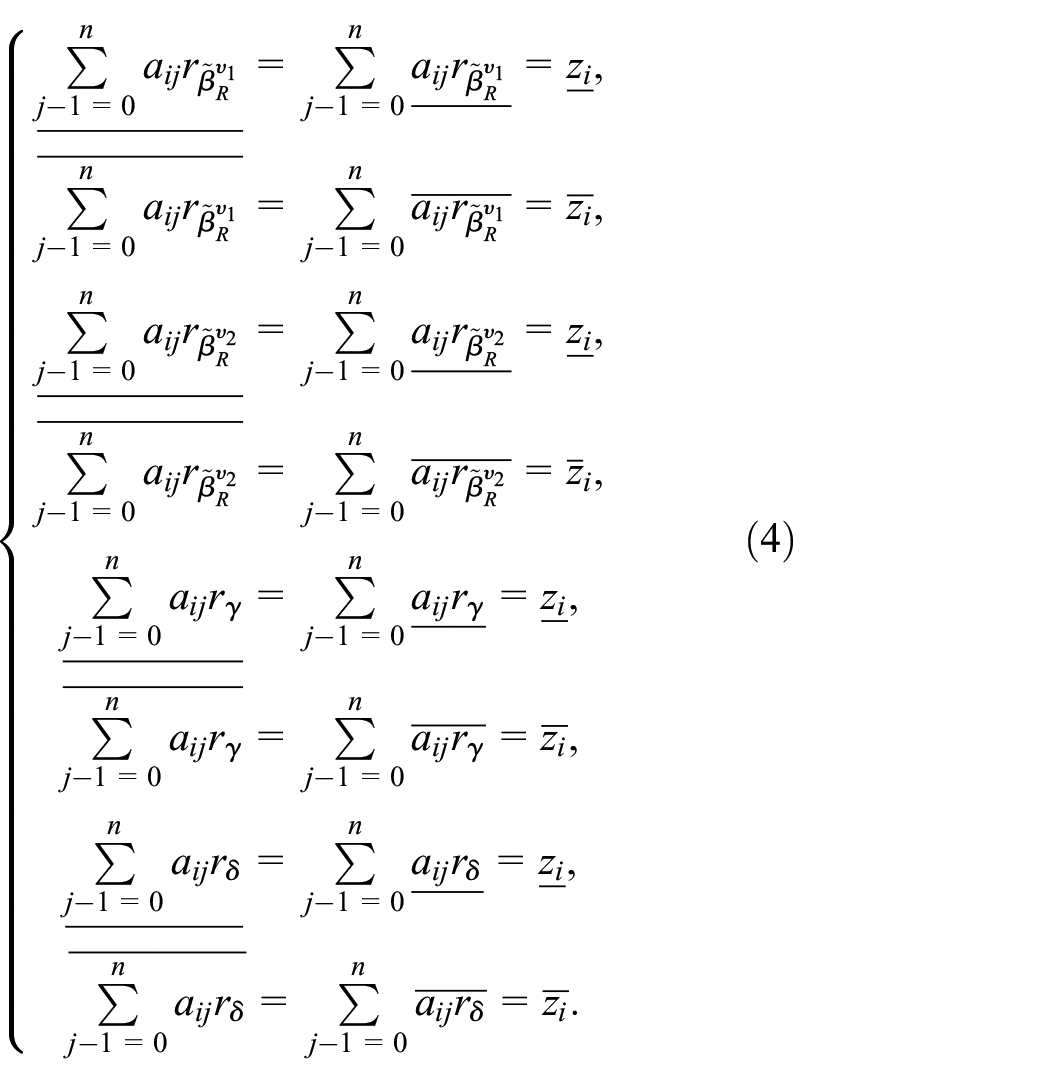
is called solution of the system defined in (3) if

or


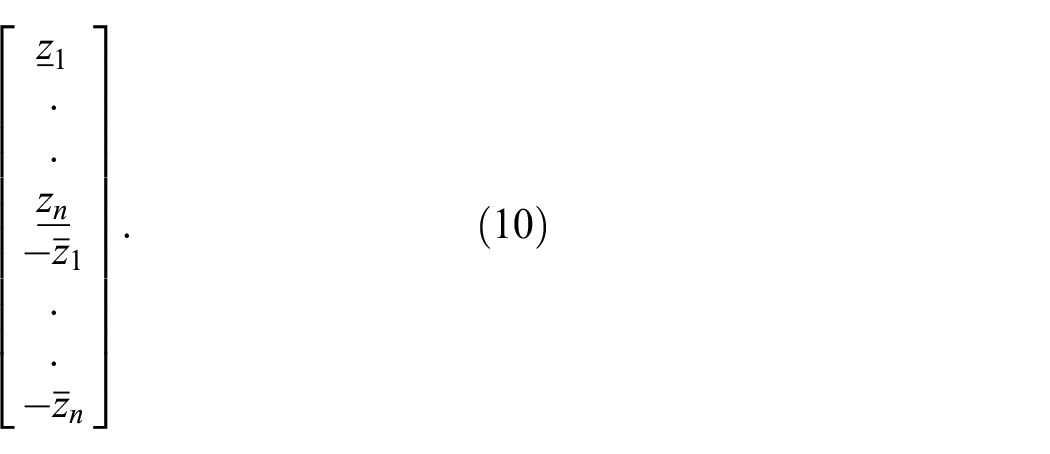
where

and any


When
If the matrix

is triangular linear Diophantine fuzzy number for all





is called fuzzy solution of (14).
If


Modified Block Homotopy Perturbation Method
The fact that the HPM series expansion about the initial solution component function permits recursive solution, in which the aforementioned rearrangement is carried out by choosing the right recursion scheme, is a key concept. The BHPM generates a fast convergent set of analytical functions that represent the approximations of the original mathematical model’s solutions. As a result, the BHPM is capable of understanding even the existing power series technique, and any analytic non-linearity is added to the list of acceptable non-linearity’s. The HPM was generalized to the BHPM in order to solve the triangular linear Diophantine fuzzy system of equations. Suppose that the crisp linear system (1) and
let

where

We have the option of selecting a convex homotop

and continuously trace an implicitly defined curve from a starting point

when

Substituting (27) into (28) and equating the terms with identical power of

where
This implies that

where

where
Hence, the solution of (1) can be of the form

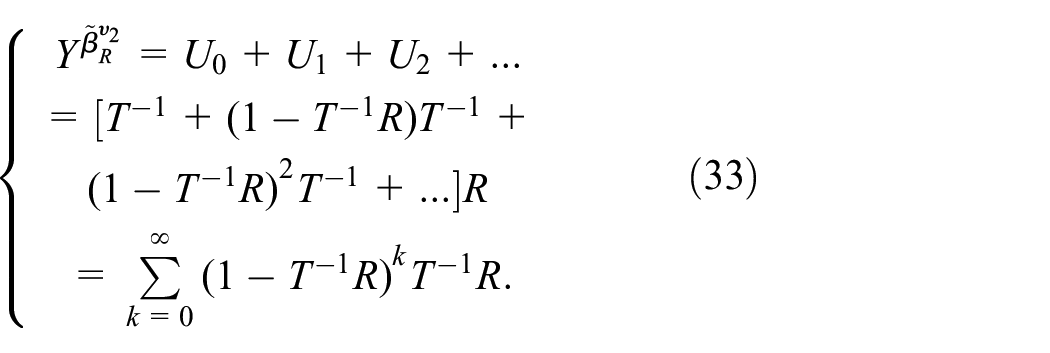


In practice, all terms of series cannot be determined and so we use an approximation of solution by the following truncated series:

The following theorem gives the convergent result of the above series.
The sequence

is convergent if

where
or

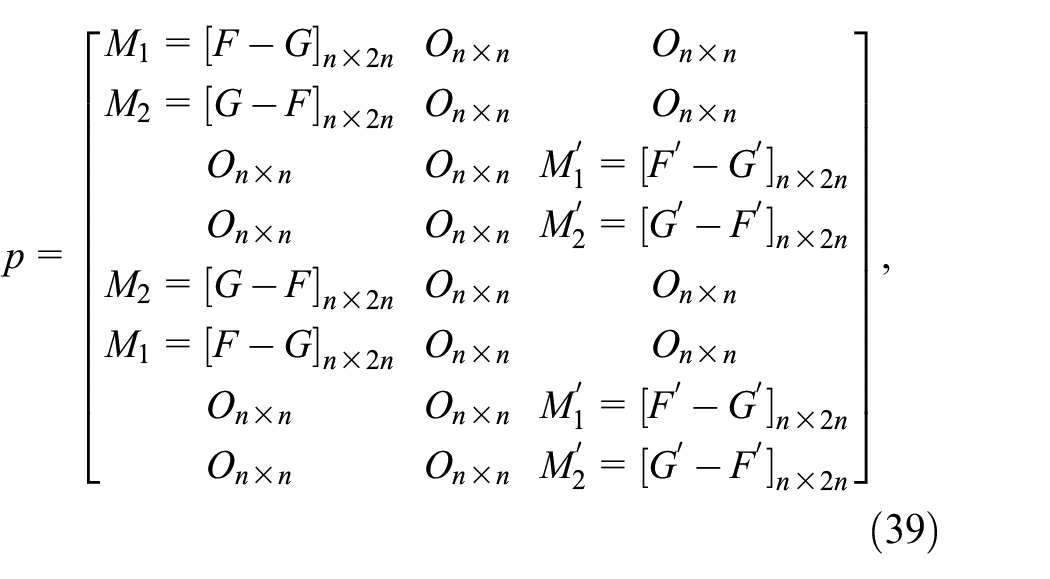
If P is defined as the matrix
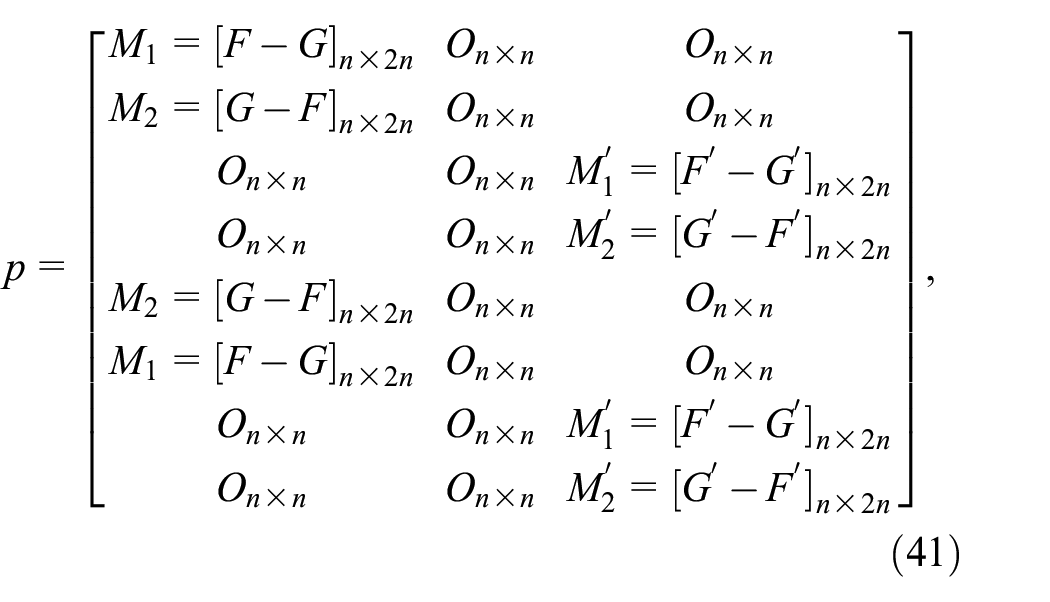
then we have

where

where
Numerical outcomes
Here, we present some examples to illustrate the performance and efficiency of MBHPM to solve TLDFSEs. CAS-Maple 18 with stopping criteria are used to terminate the computer program42–44:

We consider the following example and
Example 1: Engineering application
Electrical networks are a particular kind of network that provide data on power sources, such batteries, and the devices they power, like light bulbs or motors. 45 Systems of linear equations are used to determine the currents through different branches of electrical networks. A power source forces a current to flow through the network, where it encounters various resistors, each of which requires a certain amount of force to be applied in order for the current to flow through.
Ohm’s law
The voltage drop across a resistor is given by
Kirchhoff’s law
Junction: All the current flowing into a junction must flow out of it.
Path: The sum of the IR terms in any direction around a closed path is equal to the total voltage in the path in that direction.
Method
We wish to determine the currents

Illustrates the engineering application’s usage of the electrical network problem in Example 1.
B:
D:
These two equations result in a single linear equation:

ABDA:
CBDC:
We know have a system of three linear equations in three unknowns. The problem thus reduces to solving the following system of three linear equations in three variables:


The parametric form the above system is
The extended
let

where
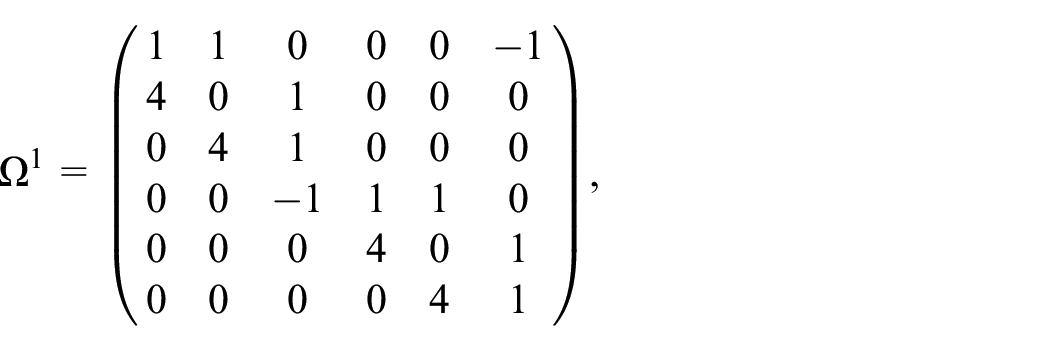


where


Matrix inverse method

Where

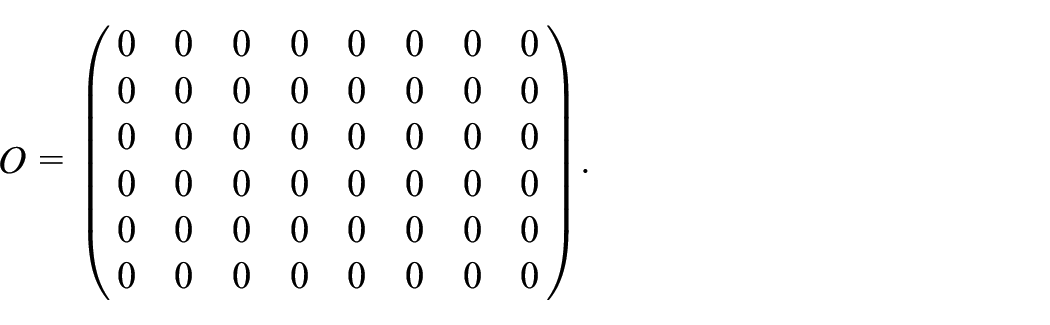
The exact solution is


(a–c) Clearly shows that numerical approximate solution obtained by MBHPM are exactly matched with analytical solution of system of triangular linear Diophantine fuzzy system of equations used in Example 1: (a) numerical and analytical approximate solution of TLDFN variable
To solve TLDFSEs by using iterative technique, we split the main matrix into sub-matrix as;


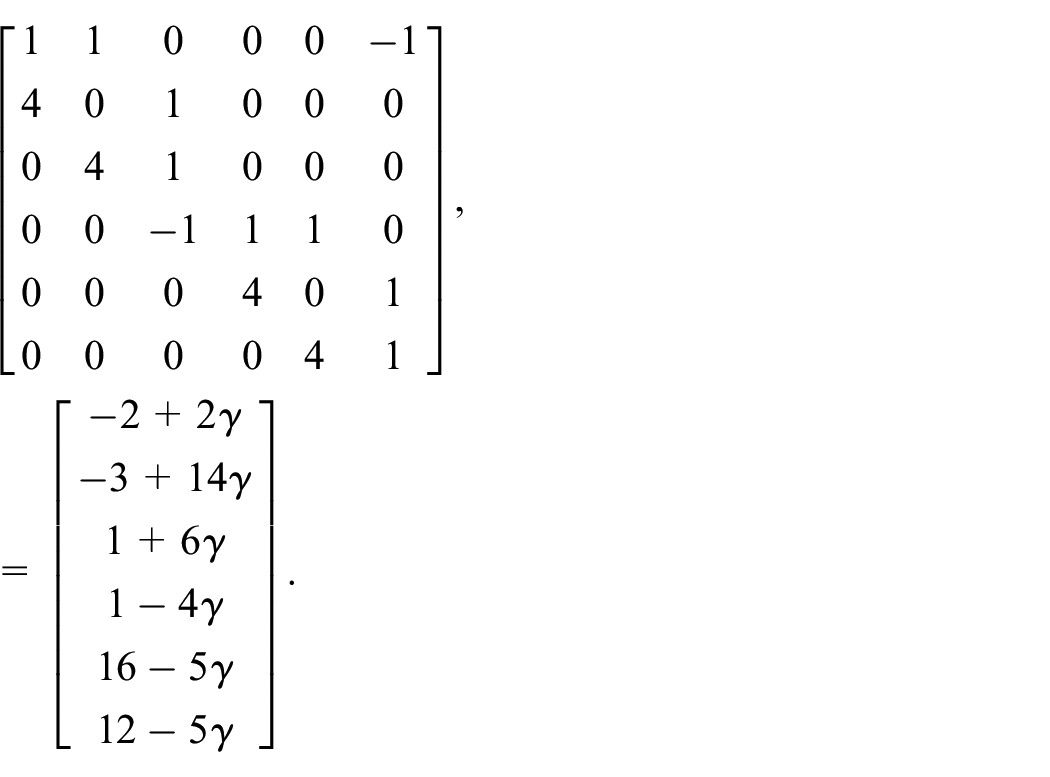

Using HPM and using HPM and


Thus the approximate fuzzy solution of this example is


Example 2: Traffic flow problem
A system of linear equations was used to analyze the flow of traffic for a network of four one-way streets in Kumasi, Ghana.
45
The pioneering work done by Gareth Williams on Traffic flow (see Figure 4) has led to greater understanding of this research. The
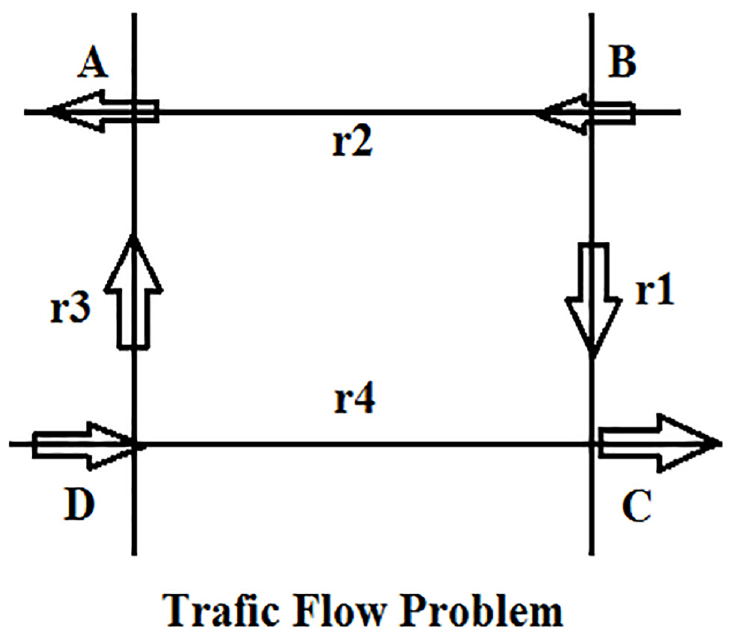
Illustrates the engineering application’s usage of the traffic flow problem in Example 2.
Model assumptions
The following assumptions were made in order to ensure the smooth flow of the traffic;
(i) Vehicles entering each intersection should always be equal to the number of vehicles leaving the intersection.
(ii) The streets must all be one-way with the arrows indicating the direction of traffic flow.
The system of equations for the model was formulated as follows:
At intersection W: Traffic in

At intersection X: Traffic in

At intersection Y: Traffic in

At intersection Z: Traffic in

The constraints were written as a system of linear equations as follows:




The parametric form the above system is
The extended
let


where


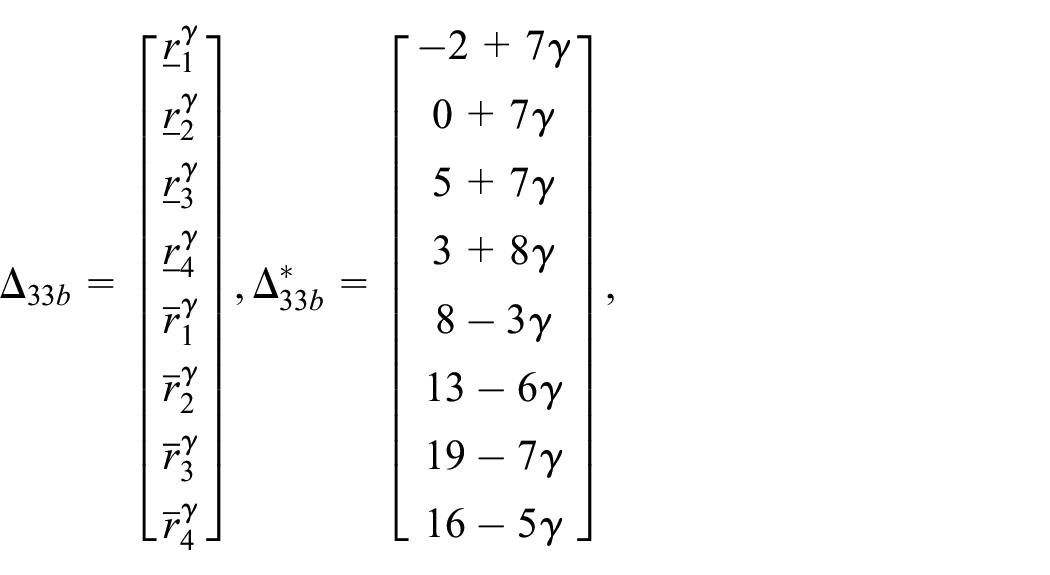

matrix inverse method

where

The exact solution is


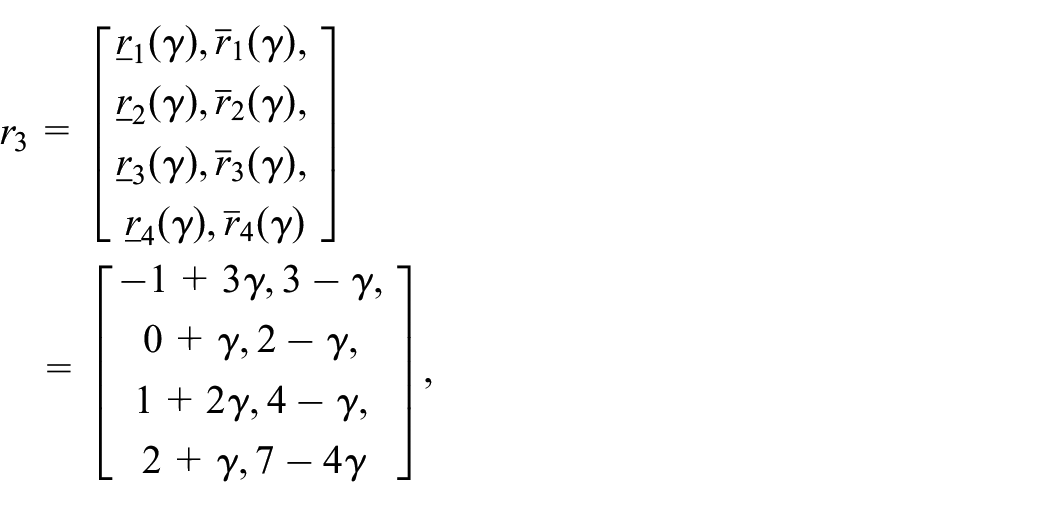


(a–d) Clearly shows that numerical approximate solution obtained by MBHPM are exactly matched with analytical solution of system of triangular linear Diophantine fuzzy system of equations used in Example 2: (a) numerical and analytical approximate solution of TLDFN variable
To solve TLDFSEs by using iterative technique, we split the main matrix into sub-matrix as;

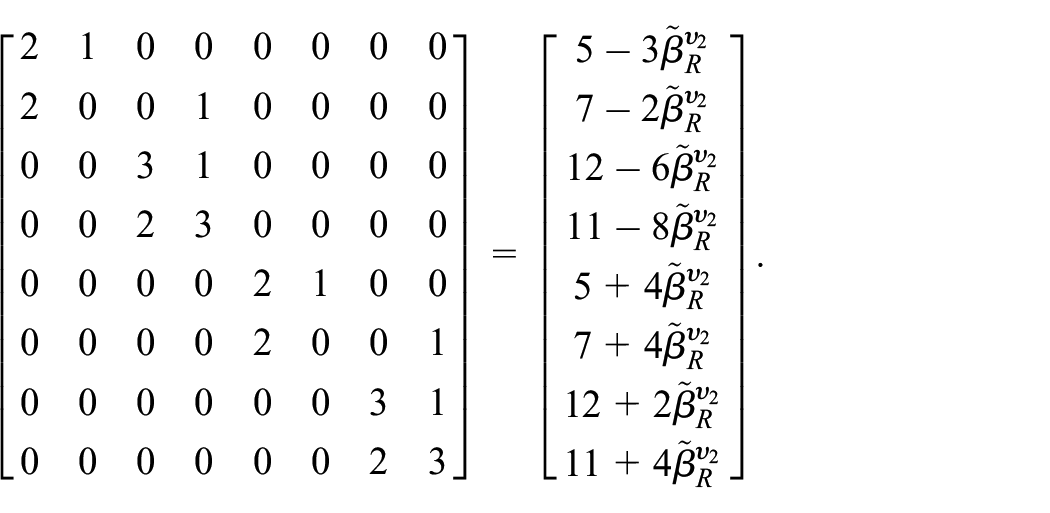


Using HPM and using HPM and
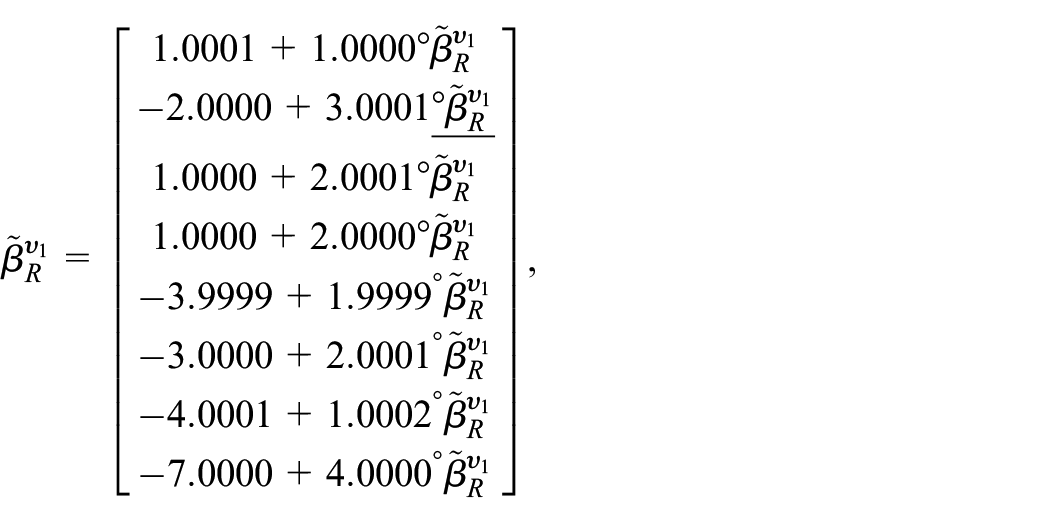


Thus the approximate fuzzy solution of this example is

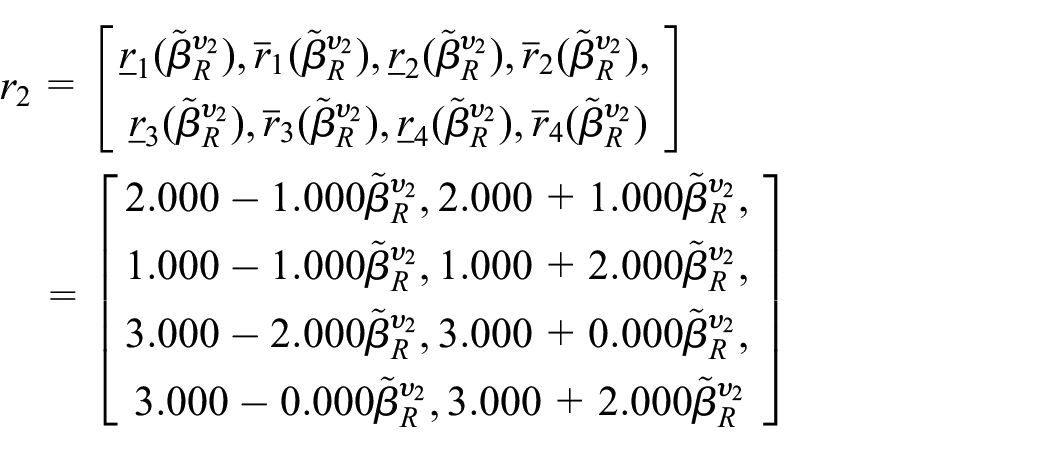


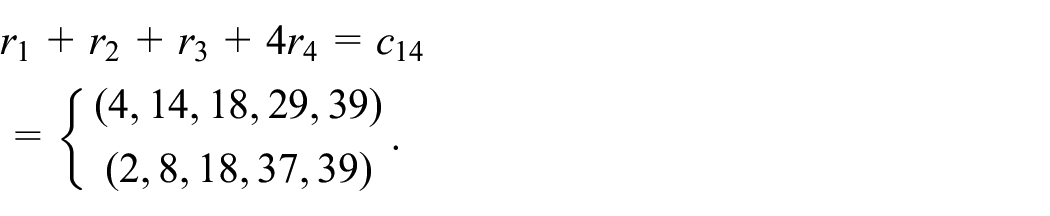
The parametric form the above system is
where

The extended


where


where
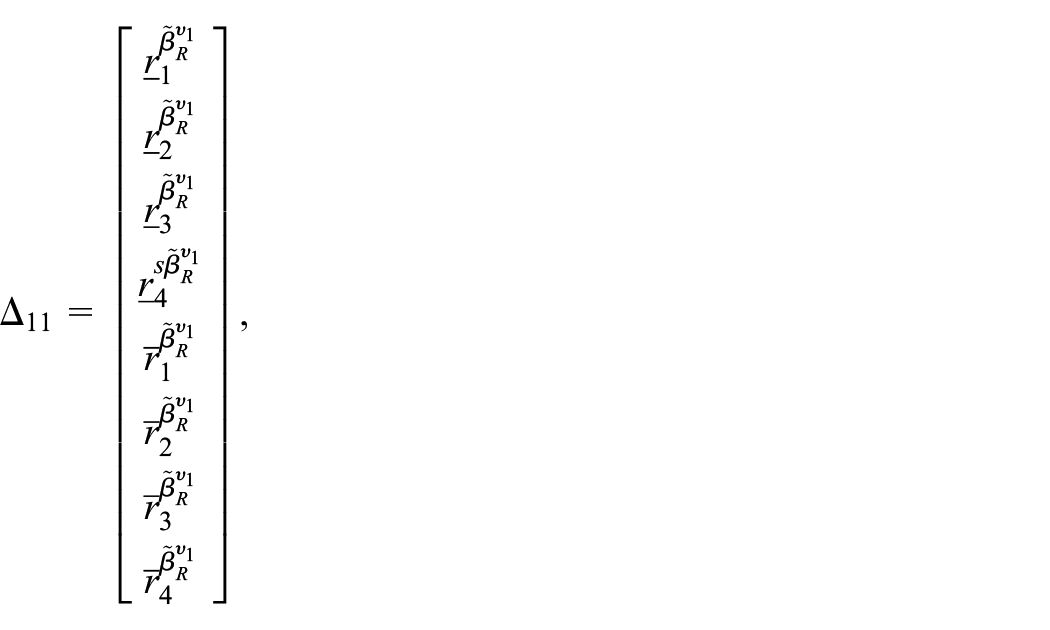


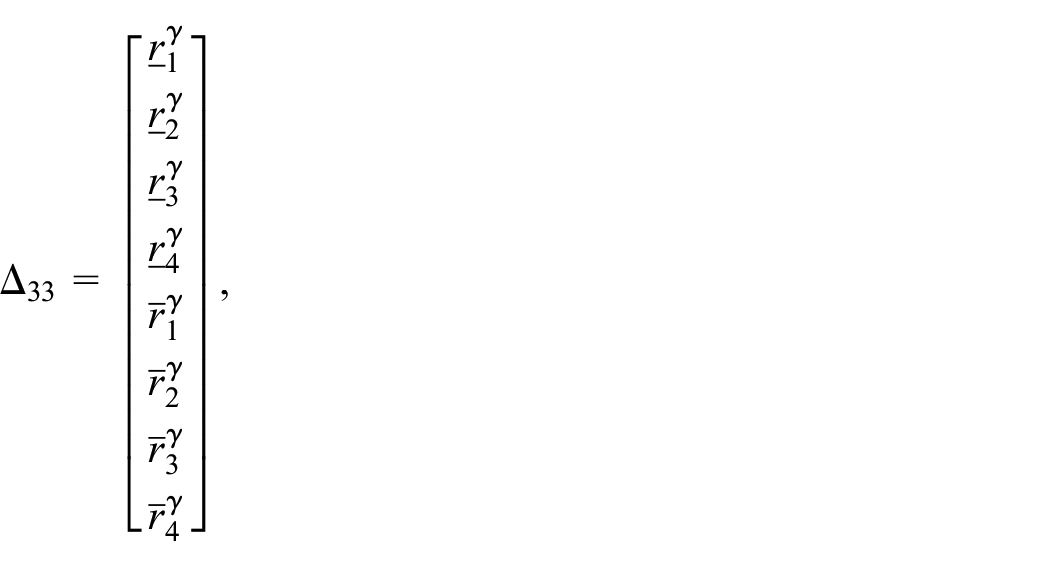
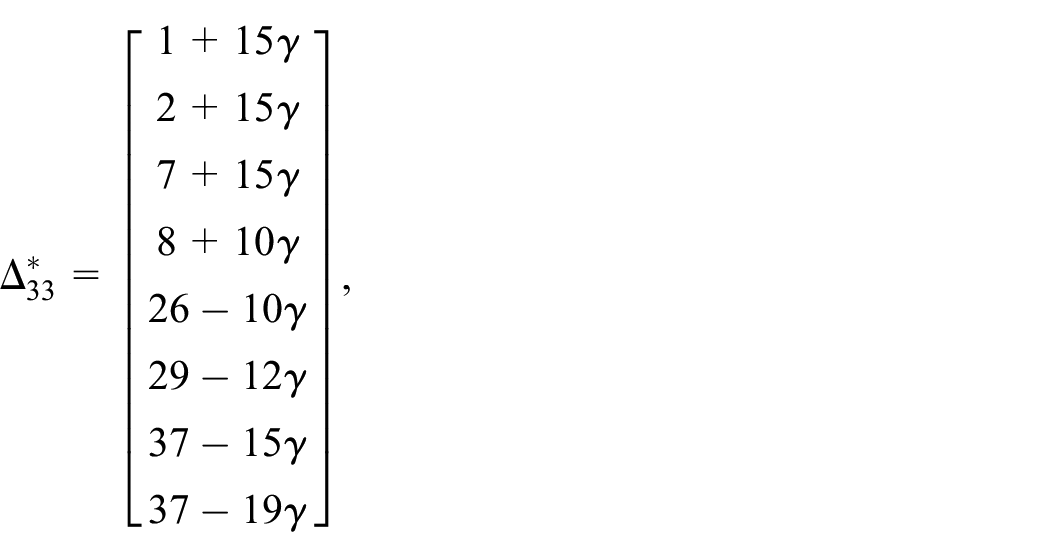


Matrix inverse method

where


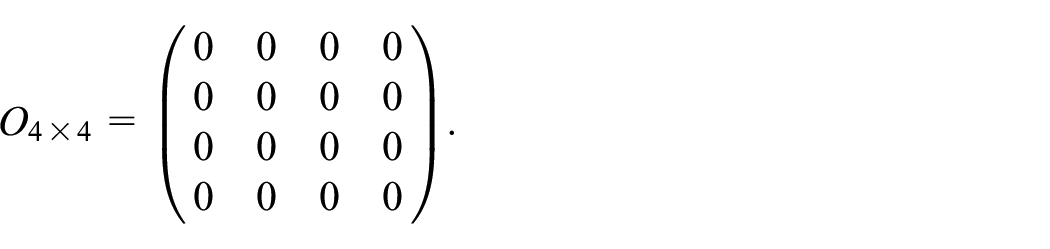
The exact solution is:


(a–d) Clearly shows that numerical approximate solution obtained by MBHPM are exactly matched with analytical solution of system of triangular linear Diophantine fuzzy system of equations used in Example 1: (a) numerical and analytical approximate solution of TLDFN variable
To solve TLDFSEs by using iterative technique, we split the main matrix into sub-matrix as;

where
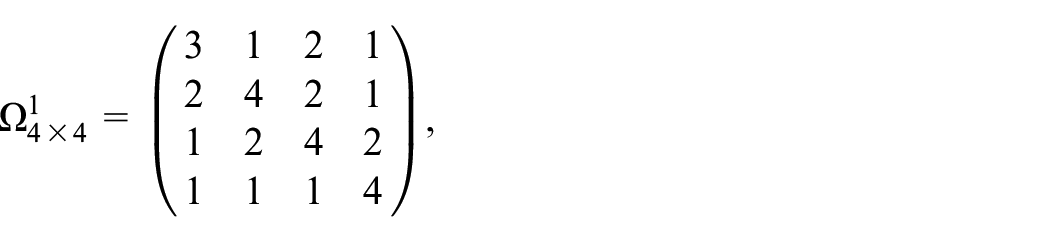


where


where


where


Using


Thus the approximate fuzzy solution of this example is


The parametric form the above TLDFSEs is
where

The extended


where
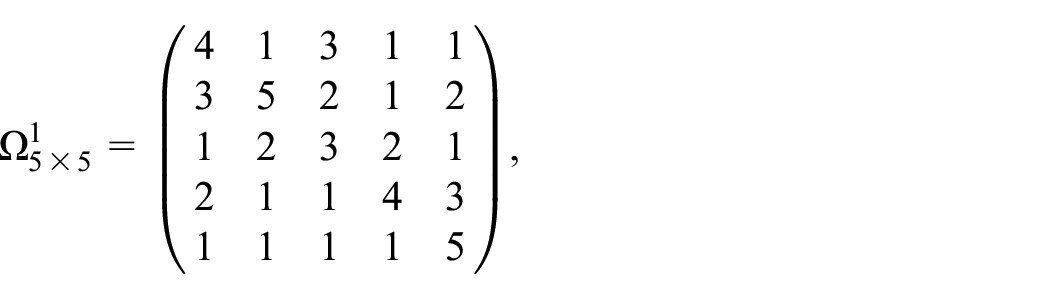


where


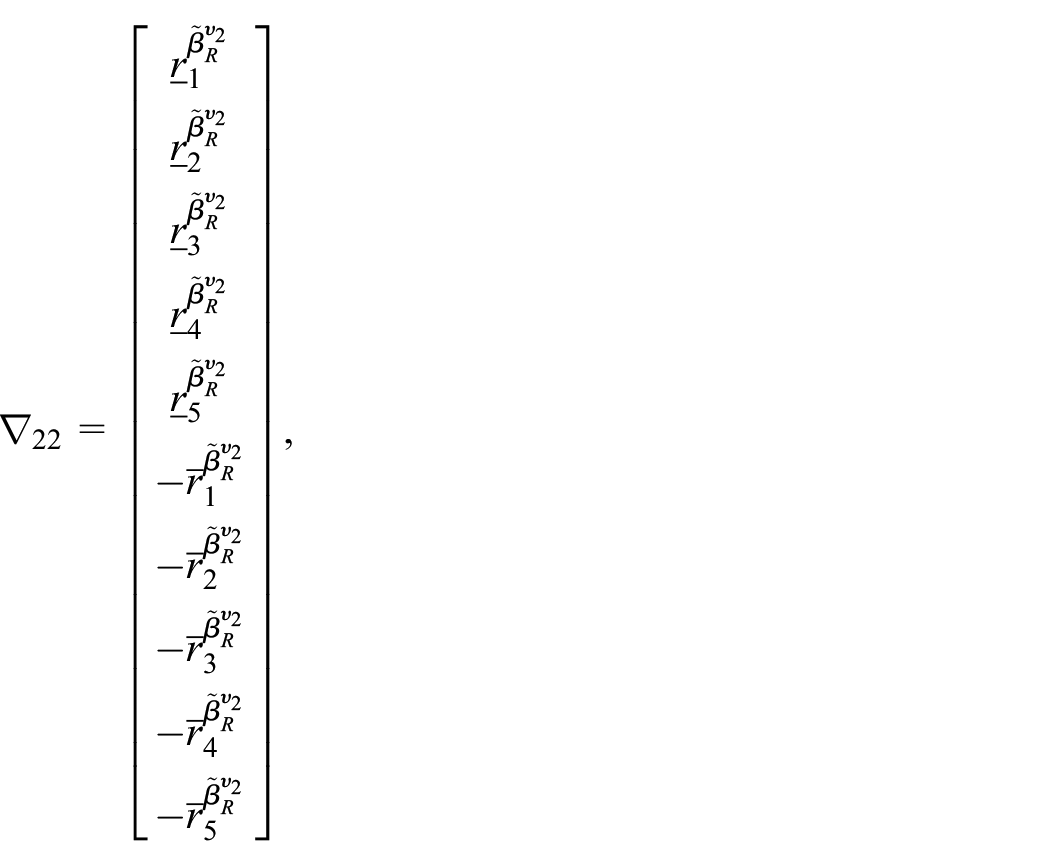

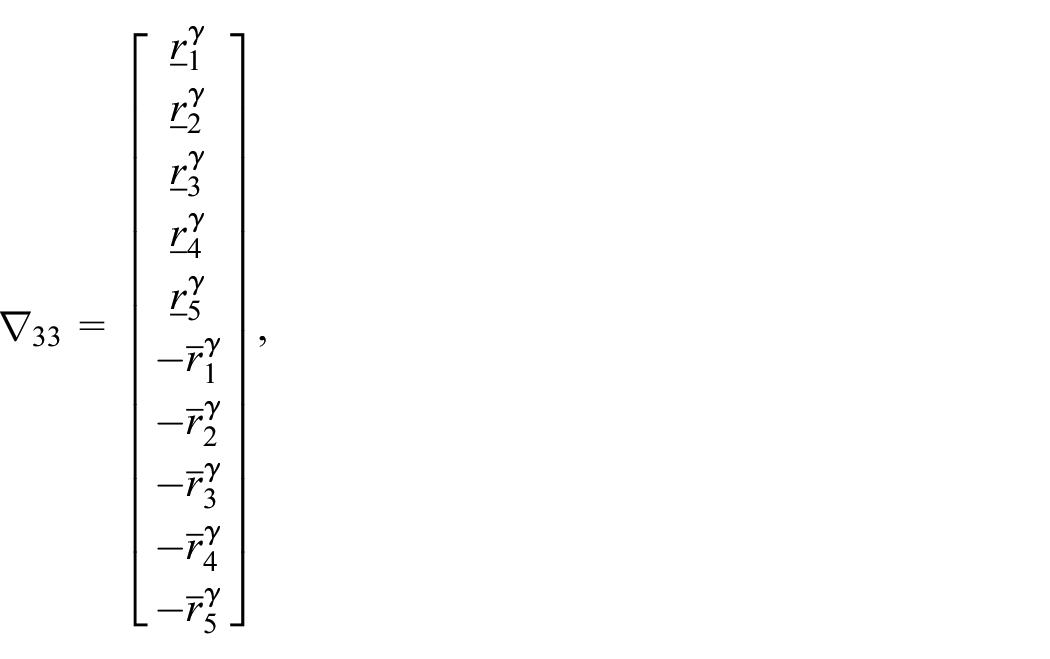


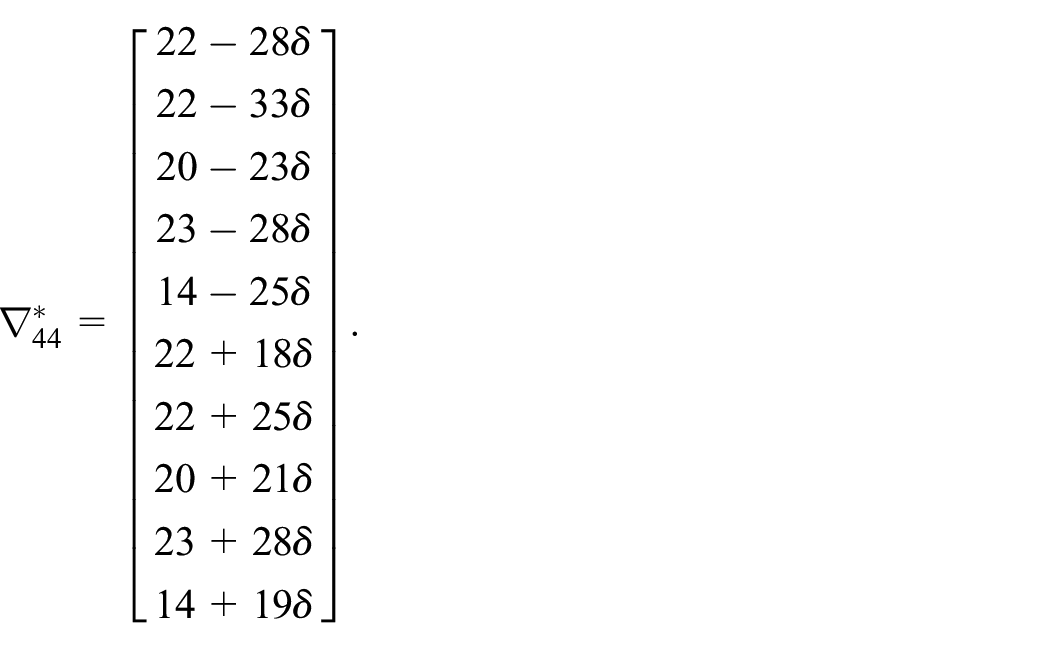
Matrix inverse method

Let


where

The exact solution is


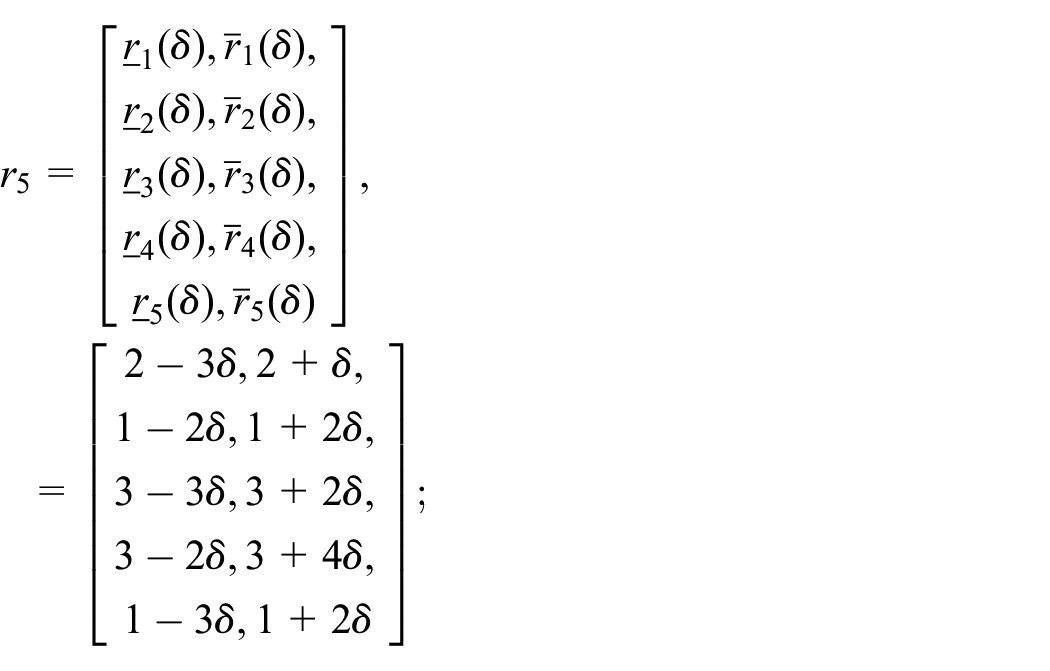

(a–e) Clearly shows that numerical approximate solution obtained by MBHPM are exactly matched with analytical solution of system of triangular linear Diophantine fuzzy system of equations used in Example 2: (a) numerical and analytical approximate solution of TLDFN variable
To solve TLDFSEs by using iterative technique, we split the main matrix into sub-matrix as;
let

where


where


where
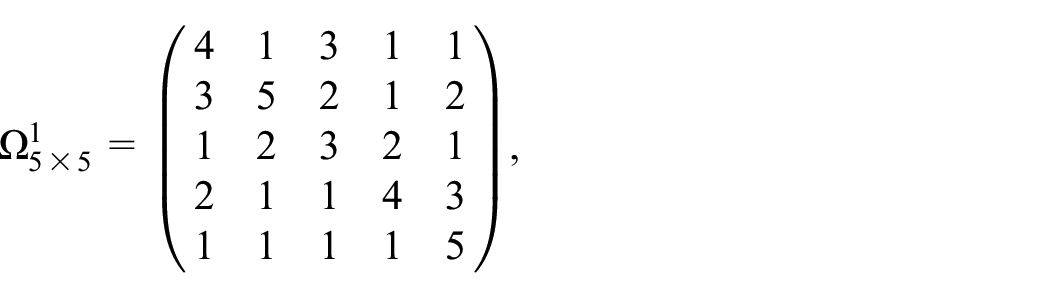

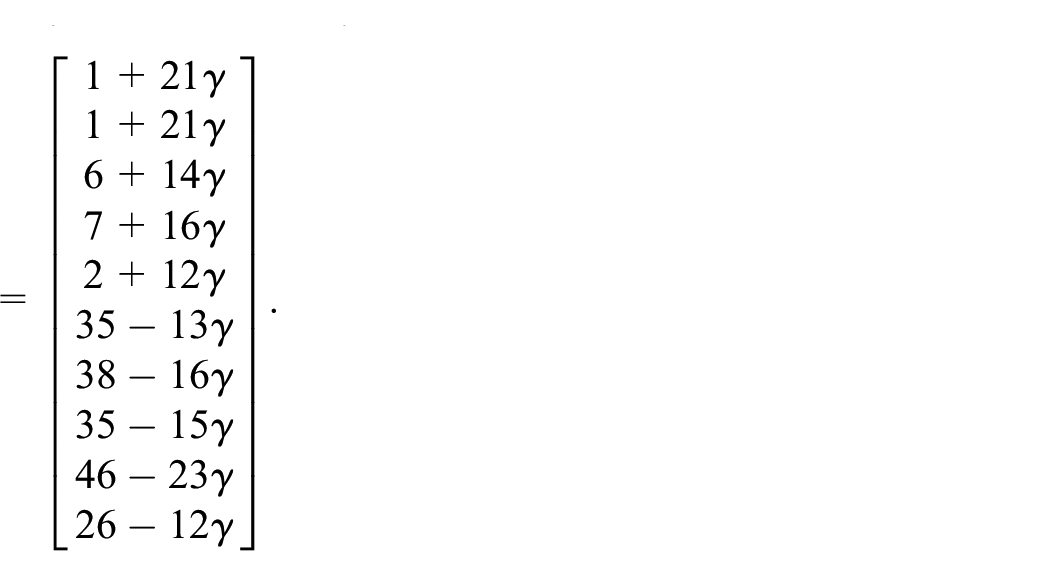

where


Approximate solution of TLDFSEs using MBHPM after


Thus, the approximate fuzzy solution of this example is
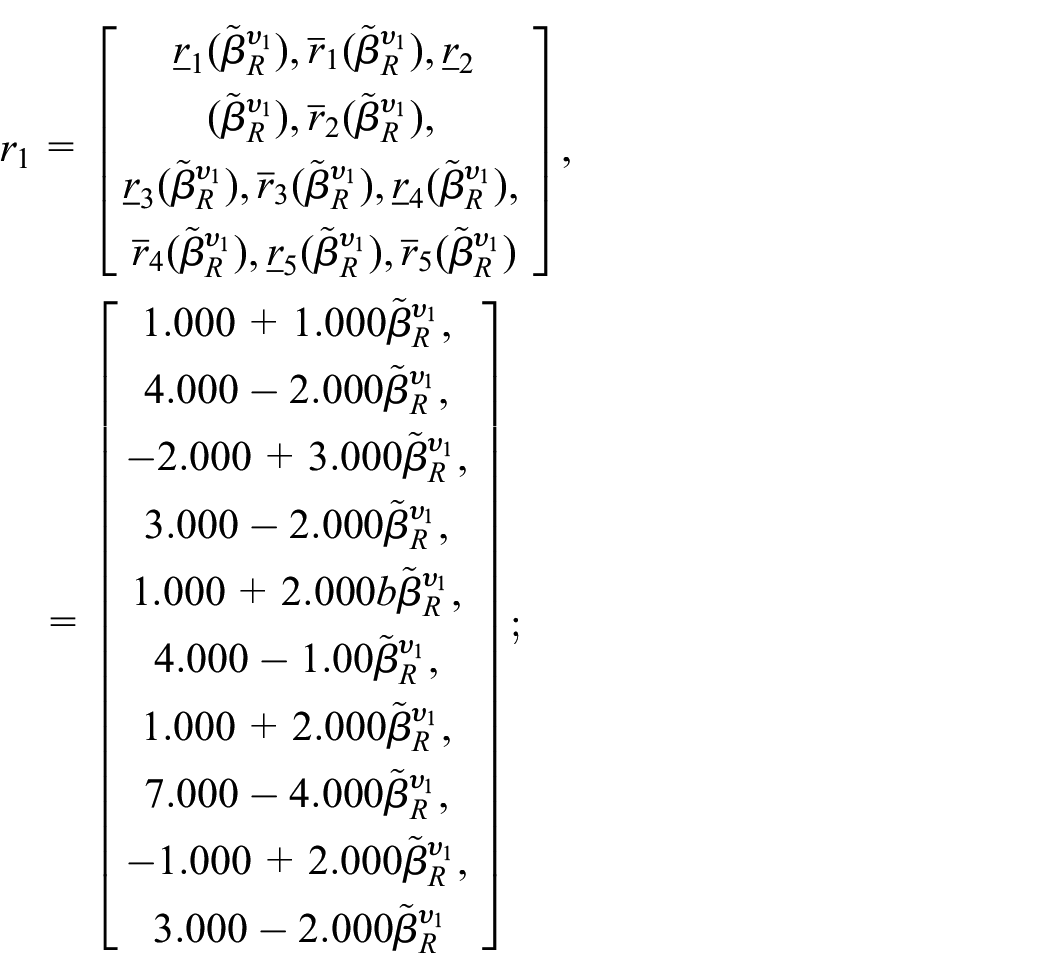


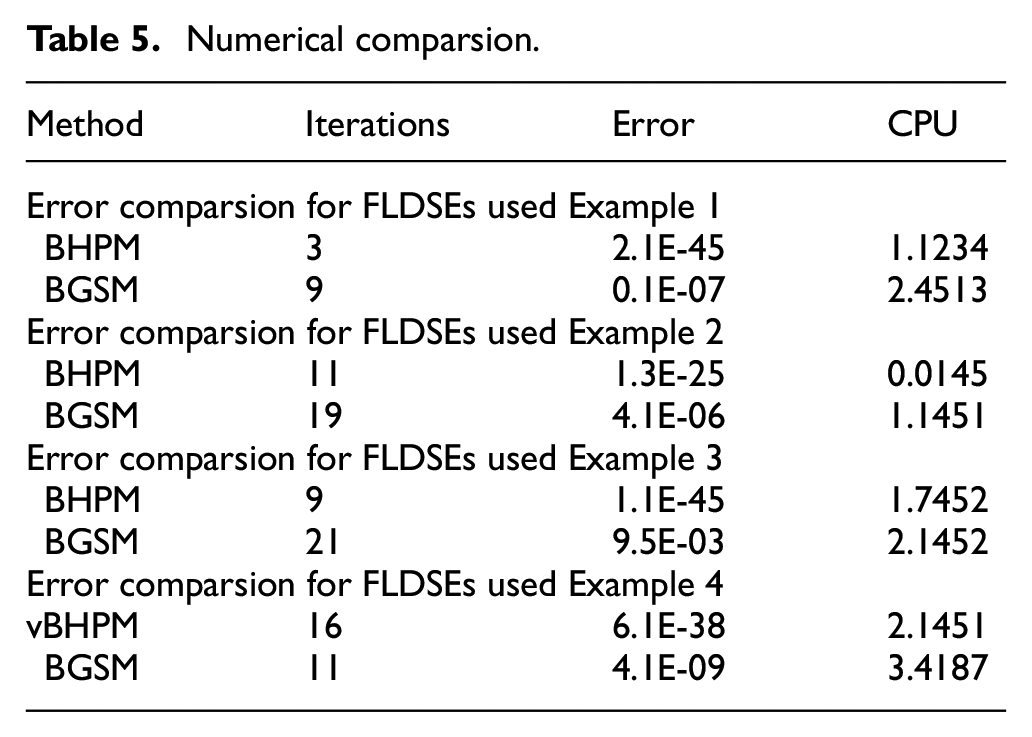
Table 5 shows numerical comparison of computational time seconds (CPU), number of iterations (Ns) and residual error (Error) of BHPM, and Block Gauss-Seidel method (BGSM) respectively for solving triangular linear Diophantine fuzzy system of equations used in Examples 1–4. Table 5 clearly shows the dominance efficiency of our technique to BGSM in terms of iterations, residual error, and CPU time.
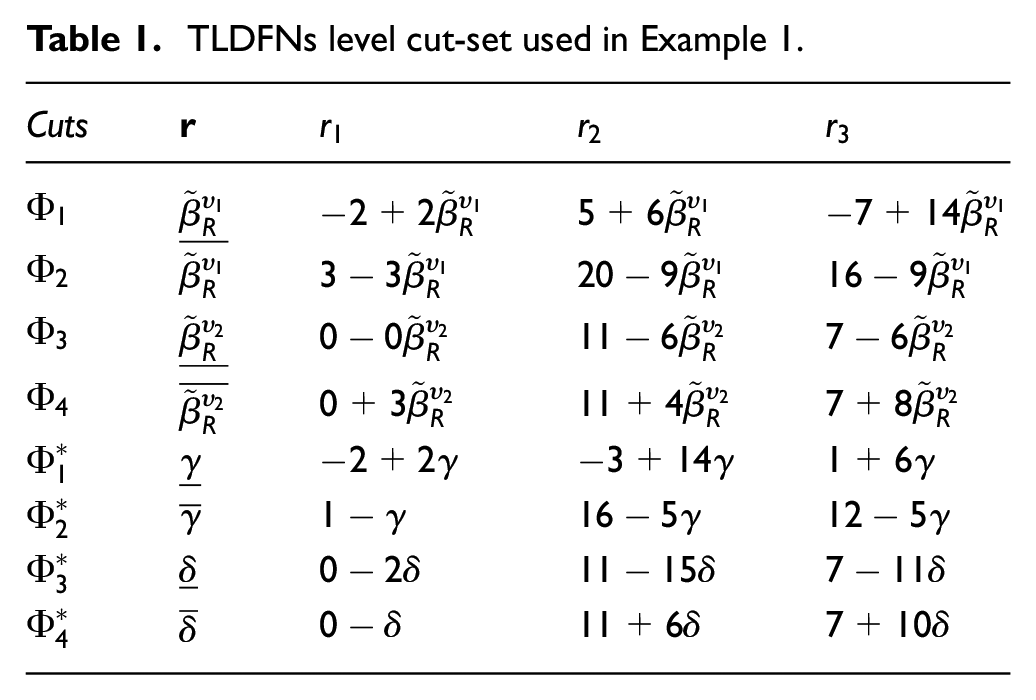
TLDFNs level cut-set used in Example 1.
TLDFNs level cut-set used in Example 2.

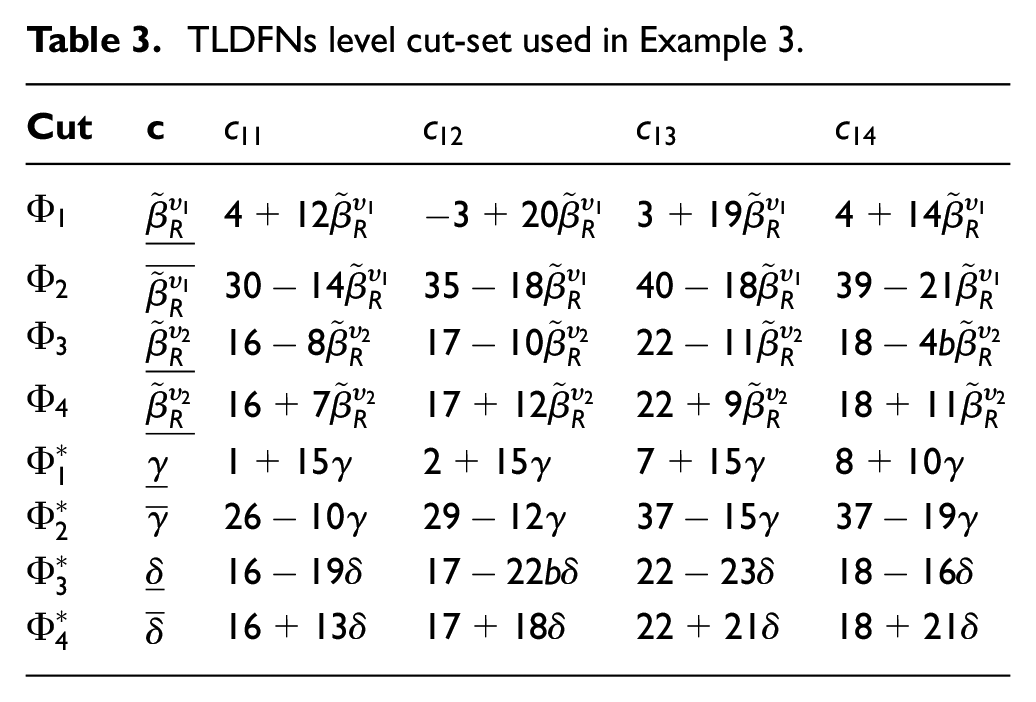
TLDFNs level cut-set used in Example 3.
TLDFNs level cut-set used in Example 4.

Numerical comparsion.
Results and discussion
In order to solve a triangular linear Diophantine fuzzy system of equations, it is revealed that the Block Homotopy Perturbation algorithm converges much more quickly and accurately than the existing method.
The BHPM method’s main benefit is its ability to use more encompassing fuzzy numbers to resolve any kind of fuzzy linear system of equations.
The BHPM also offers the practical advantage of lowering computing costs while maintaining better numerical solution accuracy.
With closed form solutions that quickly converge to exact solutions, the BHPM is able to solve a large class of fuzzy triangular linear Diophantine equations.
The BHPM has proved to be very efficient and yields significant accuracy and computation time savings, as illustrated in Figures 1 to 7 and Table 5.
Conclusion
We introduce new notions for the triangular linear Diophantine fuzzy system of equations in this study. Furthermore, we developed a technique for solving a triangular linear Diophantine fuzzy system of equations as Block Homotopy Perturbation Method. A numerical examples show the efficiency of our newly proposed method in comparison to the exact and analytical techniques that are currently used in the literature. The exact solution is matched with graphic representations of both the strong and weak solutions of the triangular linear Diophantine fuzzy system of equations.Therefore, future research will concentrate on the solution of large systems of triangle linear Diophantine fuzzy system of equations as well as a system of nonlinear equations, and their engineering and managerial application46–49 in a triangular linear Diophantine fuzzy environment.
Footnotes
Acknowledgements
Thanks to American University of the Middle East for their support in this research.
Handling Editor: Chenhui Liang
Author contributions
All authors contributed equally to the preparation of this manuscript.
Declaration of conflicting interests
The author(s) declared no potential conflicts of interest with respect to the research, authorship, and/or publication of this article.
Funding
The author(s) received no financial support for the research, authorship, and/or publication of this article.

Data availability
No data were used to support this study.