




Abstract
Photography has been increasingly used in qualitative research. However, little is known about the benefits of photography-based research from the perspective of the research participants. This article aims to investigate the views of a group of fifteen mental health service users on the therapeutic benefits and limitations of photography as a research method. For this purpose, visual and textual data from four weekly photography workshops, photo-elicitation interviews, and a reflection and feedback group were thematically analysed. Four overarching themes were identified in support of the therapeutic value of photography: (1) forging social companionship and camaraderie, (2) intra-personal reflection and self-awareness, (3) connection with nature, and (4) photography as an occupation. Therapeutic limitations and challenges of photography as a research method are also discussed. The findings of this study may be applicable beyond the area of mental health and contribute to enhancing the ethical principle of beneficence in research by creating opportunities for personal growth and wellbeing for research participants involved in photography-based studies.
Keywords
Introduction
Photography as a Qualitative Research Method
Photography has been increasingly used in qualitative research since the mid-twentieth century when Collier (1957) introduced the term photo-elicitation to describe the use of photographs in conjunction with interview-based research. Photography has since opened new horizons and perspectives on how qualitative research is conducted. A wide range of photography-based techniques have been evidenced in various areas of research: autophotography (Dollinger, 2017), photovoice (Barry & Higgins, 2021; Han & Oliffe, 2016; Vansteenkiste et al., 2021; Wang & Burris, 1994), photo-narratives (Sitvast et al., 2010), digital storytelling (De Vecchi et al., 2016; Linz et al., 2022), photo-essay (Quinn et al., 2006), photo-diaries (Cox & Brewster, 2018), and, more commonly, photo-elicitation (Edmondson et al., 2018; Milasan, 2022; Saint Arnault & Sinko, 2019; Sinko & Saint Arnault, 2021; Smith et al., 2021).
Regardless of the particularities in the way photographic techniques are applied and generate research data, they ‘are charged with unexpected emotional material that triggers intense feelings’ (Collier & Collier, 1986, p. 131). This aspect is compatible with the constructivist and interpretivist nature of the qualitative inquiry aiming at understanding and interpreting subjective meanings through words and images (Braun & Clarke, 2013). It may be for this reason that photography has been successfully incorporated in a variety of qualitative research designs: phenomenology (Bennett, 2014; Plunkett et al., 2013), grounded theory (Freedman et al., 2014; Taylor, 2022), ethnography (Fleming et al., 2009; van Zyl et al., 2020), case study (Posada-Abadía et al., 2021), narrative inquiry (Harrison, 2002), and action research (Camar, 2015; Clements, 2012). Furthermore, embedding photographs in the research process is considered to contribute to democratising qualitative research and balancing the relation of power between the researcher and the research participants (Edwards & Brannelly, 2017).
Photography as a Therapeutic Tool
In parallel with the development of photography as a research method, imagery has been widely used for therapeutic purposes. Photo-therapy (Weiser, 2004) and therapeutic photography (Gibson, 2018; Loewenthal, 2013) are two major areas of employing photographs therapeutically with and without the input of a trained counsellor or therapist, respectively. More recently, Lowenthal (2023, p. 18) advanced the concept of ‘talking pictures therapy’ referring to taking photographs not only as an outcome, but also as a therapeutic process. Therapeutically, photography has become a catalyst of communication revealing aspects of the human experience that may be latent in the human subconsciousness (Smith & Sliwinski, 2017). Furthermore, the cathartic effect of photography has been explored in a variety of health and social care settings (DeCoster & Dickerson, 2014; Diehl et al., 2016; Halkola, 2009; Quaglietti, 2018; Saita & Tramontano, 2018; Tourigny & Naydenova, 2020). As a result, several mental health interventions are based on imagery as a source of personal and community change (Mizock et al., 2015; Russinova et al., 2014; Sitvast, 2015).
The use of photography in research and therapy may have different purposes i.e., to generate rich qualitative data and promote psychological healing, respectively. Therefore, therapy and research may be perceived as two different entities. However, the therapeutic nature of photography as a research method has been pointed out in a review of the literature on the use of photography in mental health research (Milasan et al., 2022). Similar findings have been emphasised by Gale (1992) and Morecroft et al. (2004) supported by Rosetto (2014) in relation to research interviews and their therapeutic value for some research participants e.g., developing a more meaningful appreciation and understanding of their experiences. This is particularly important from an ethical perspective focused on beneficence i.e., to maximise the benefits of the research for the participants (Beauchamp, 1990).
For example, in a review of the advantages, challenges, and opportunities of photovoice research with young people and their families, Zurba et al. (2017) emphasise the therapeutic benefits of this approach that contributed to the development of positive thoughts and feelings, reflection, communication, and stress relief. Moreover, the photovoice process offered those involved an alternative language to “clinical labelling” within a safe space conducive to personal growth and creativity. These findings are in line with the transformative potential of photovoice as a participatory research method, particularly in relation to self-perception, self-awareness, feeling valued and empowered, and listened to (Budig et al., 2018).
The therapeutic value of photography was also demonstrated by Werremeyer et al. (2020) in a participatory study with college students whose anxiety levels were significantly reduced following a photovoice intervention when compared to usual group counselling. However, these findings are based on a small sample with high attrition rate, therefore not generalisable. Additionally, Werremeyer et al.’s (2020) study is limited with regards to participants’ perspective on photovoice as a therapeutic tool. This is due the study using a randomised control trial design focused on measuring variables in the selected population which is characteristic to this research approach (Sanson-Fisher et al., 2007), instead of an in-depth exploration of the research phenomenon from an individual perspective.
Studies from educational research also shed some light on the therapeutic use of photographs as shown in a review of using photo-elicitation interviews to reveal students’ lived experiences and perception of educational contexts (Zhang & Hennebry-Leung, 2023). Key findings such as the potential of photography-based interviews to uncover emotional reactions, empowering the research participants and promoting agency, capturing more nuanced lived experiences, and attributing them meaning through reflection are some of the benefits of photo-elicitation interviews identified by Zhang and Hennebry-Leung (2023).
Photography is widely used in mental health research with a range of benefits for participants such as enhanced awareness and understanding of own and others’ lived experiences of mental distress and recovery (Horsfall, Patton & Carrington, 2018), improved self-esteem and confidence (Noland, 2006), increased engagement at community level (Clements, 2012), and empowerment (Anderson-Clarke & Warner, 2016).
Empowerment is a recurrent theme in photography-based research at individual, group, and community levels in various areas of research (Budig et al., 2018; Duffy, 2011; Haultain, 2013; Hopkins & Wort, 2020; Liebenberg, 2018; Teti et al., 2013; Tourigny & Naydenova, 2020). This aspect is highly relevant to reinforcing the therapeutic dimension of using photographs in research considering that therapy and empowerment are inter-connected concepts that overlap in relation to individuals’ strengths and potential for growth (Rolvsjord, 2006). Moreover, empowerment is one of the main pillars of recovery models that guided this study e.g., The Strengths Model (Rapp & Goscha, 2012), The Tidal Model (Barker & Buchanan-Barker, 2005), and the CHIME framework for personal recovery (Leamy et al., 2011). The latter also emphasises social connectedness, hope for the future, identity, and meaning-making as essential dimensions of the recovery process.
Finally, photography-based research methods have been shown to mitigate for linguistic limitations evidenced in research with people with severe mental health problems (Moretti et al., 2021), intellectual disabilities (Sigstad & Garrels, 2021), immigrants and refugees (Feen-Calligan et al., 2023), and children (Vänskä et al., 2020), that often can hinder the engagement with therapy (Karp & Vögele, 2016).
Challenges and Limitations of Photography-Based Research
There seems to be a consensus in the literature regarding the therapeutic benefits for participants in photography-based research. However, several challenges and limitations of this approach have also been evidenced, including the ethical complexities associated with visual approaches (Allen, 2012; Brigham & Kharbach, 2020). Furthermore, Murray and Nash (2017) refer to ethical challenges in photography-based studies such as confidentiality and consent issues, copyright, storage of photographs, and additional time and emotional burden for participants, particularly in participatory studies. Dignity is another ethical issue in research data collection and analysis of photographs discussed by Langmann and Pick (2014), who point out the risk of images demeaning the participants or being presented in an unauthentic manner by researchers. Murray and Nash (2017) also discuss practical issues in photography-based research such as the large volume of photographs and training needs of the research participants who may lack digital literacy. Additionally, they comment on the methodological limitations of research drawing on images e.g., photography being perceived as a category of data subordinated to textual data, lack of rigour in coding, analysing, and potential bias in interpreting photographs. It is equally important to acknowledge the risk of triggering potentially distressful thoughts and feelings in the research participants using photography which could be therapeutically counterproductive, if there are no appropriate mechanisms in place during the research process such as debriefing opportunities and psychological support (Bates et al., 2017; Kantrowitz-Gordon & Vandermause, 2016).
Knowledge Gap and Research Aim
Despite a wide range of publications on the therapeutic benefits of photography in research, there seems to be a knowledge gap in what concerns participants’ own perception and experiences of photography-based research. However, there are some notable exceptions. For example, the study conducted by Budig et al. (2018) aimed at exploring the transformative effects of participating in a photovoice project revealed the potential of knowledge creation and changes in self-perception through photography. Positive outcomes of using photography as a research method e.g., developing a more positive outlook on life, have also been reported by LaVela et al. (2018), with emphasis on the perspective of the research participants. As illustrated in these studies, exploring photographic research techniques from the stance of the participants could provide the research community with a deeper insight into the benefits of, and challenges to, using images for research purposes. Additionally, triangulating researchers’ and research participants’ views on this topic may reduce the bias and enhance the robustness of photography-based research (Glaw et al., 2017).
Photography has been traditionally used as a method of data collection in arts-based projects in conjunction with more established types of arts such as painting, drama, and creative writing (Hacking et al., 2006; Stickley & Eades, 2013). This poses some challenges to delineating the therapeutic potential of photography as a stand-alone approach (Milasan et al., 2022).
In order to address this research gap, this article aims to investigate the research participants’ perspective on the therapeutic benefits and limitations of photography as a research method. This was a secondary aim of a photography-based cultural study exploring the lived experiences and meanings of recovery from the point of view of a group of mental health services users in Romania. While the overarching conceptual findings of this study are presented elsewhere (Milasan, 2022), this article is focused solely on participants’ own perception of the therapeutic benefits and limitations of photography as a research method throughout this study. This investigation is necessary considering the increasing use of photography beyond healthcare research e.g., environmental studies (Guell & Ogilvie, 2015), sociology (Ronzi et al., 2016), education (Wass et al., 2020), psychology (Bates et al., 2017), and other subjects.
Research Question
The research question that guided this study was: What are the therapeutic benefits and limitations of using photography as a research method, from the perspective of the research participants?
Method
Characteristics of the Research Participants.
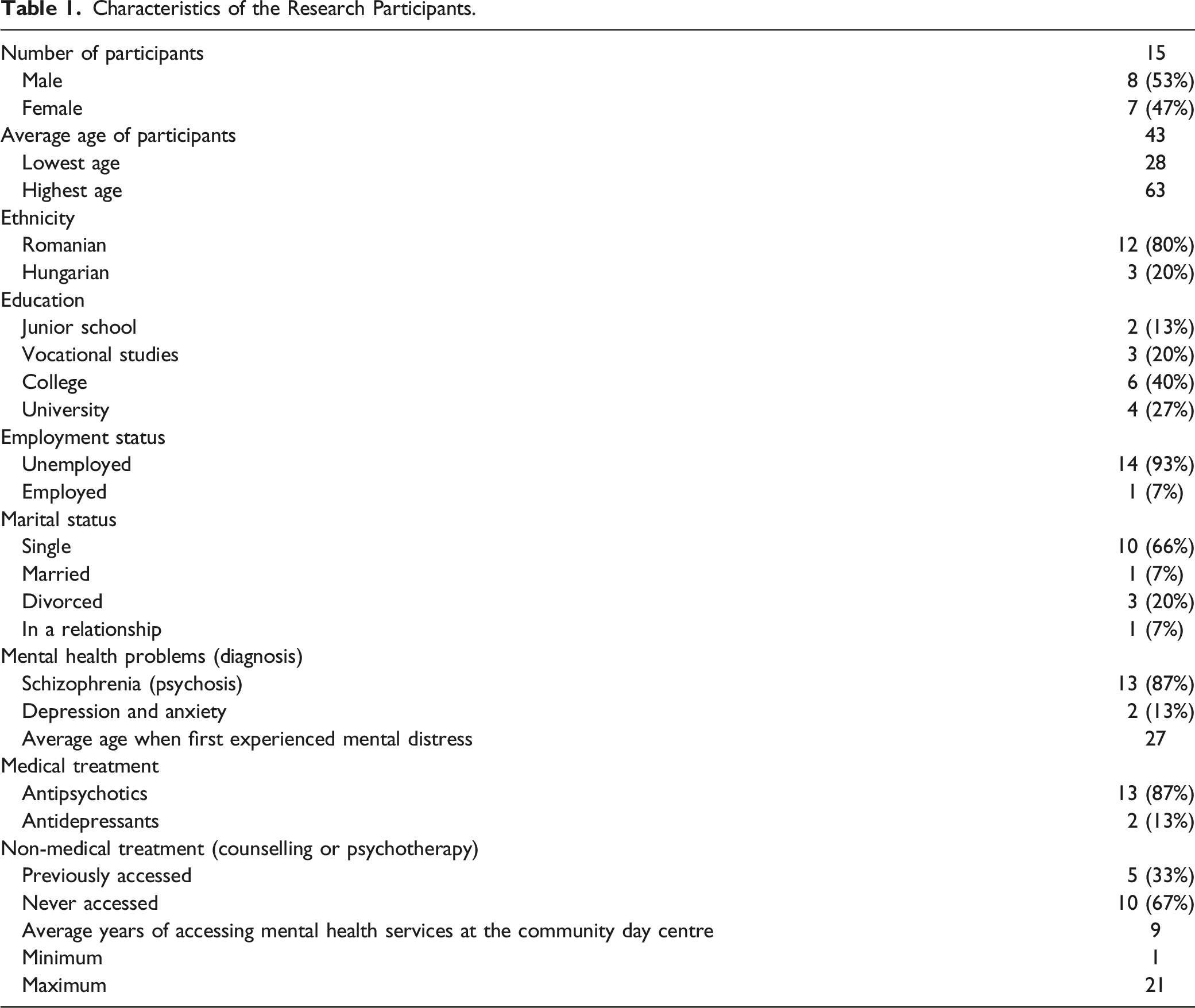
The study was granted ethical approval from the Faculty of Health and Medicine Research Ethics Committee at Lancaster University (FHMREC18047/25th February 2019) and also permission from the host organisation in Romania. Attention was given to providing the prospective participants with detailed information about the research, including potential benefits and risks, prior to consenting to take part in the study. Consent was also sought verbally at the start of each research activity.
Data Collection
The data collection of the overarching study consisted of four weekly photography workshops followed by twelve semi-structured photo-elicitation interviews held on a one-off basis to explore in more depth some of the key topics discussed in the workshops. A combination of interviews and group activities was employed to enhance data richness while exploring both individual and contextual circumstances of the phenomenon under research (Lambert & Loiselle, 2007). The research participants were provided with detailed training and instructions on how to use the photographic equipment at the start of the project, including ethical guidance e.g., written consent from subjects in their photographs. However, the set of instructions given to participants with regards to the content of the photographs was minimal in order to prevent bias, as recommended by Boamah et al. (2022). Participants were free to choose the topics they considered relevant for their experiences of recovery to support their decision-making and empowerment throughout the project. To prevent distractions and generation of irrelevant visual data, the participants were frequently reminded of the project aim and encouraged to explore in more detail some of the aspects of recovery they brought to the group.
Most of the research participants chose to take part in both photography workshops and interviews (n = 8), while some participated only in interviews (n = 4) or workshops (n = 3). Eleven participants also took part in a reflection and feedback group organised at the end of the study in which they verbalised their perspectives on the therapeutic use of photography. While the reflection and feedback group was directly related to the aim of this study, visual and textual data from the photography workshops and interviews also informed the findings. The researcher’s insights and observations were not directly triangulated with participants’ view on using photography in the findings section for consistency with the research aim. However, some of the researcher’s reflections complemented the discussion of the results particularly with regard to challenges and limitations to using photography as a research method.
The interview transcripts were translated from Romanian (the language in which the interviews and workshops were conducted) into English by the researcher (bilingual in English and Romanian) before the data analysis. Attention was given to the risk of potentially losing or altering the original meaning and interpretations from a participant perspective (McKenna, 2022).
Participants’ journey throughout this photography-based study is illustrated in Figure 1. The research participants’ journey throughout the study.
Data Analysis
In line with a constructivist/interpretivist paradigm (van der Walt, 2020), a six-step thematic analysis approach (Braun & Clarke, 2006) was employed by the researcher aided by Atlas.ti®: (1) familiarisation with the textual and visual data from the photography workshops, photo-elicitation interviews, and the reflection and feedback group in line with the research aim (i.e., to investigate the research participants’ perspective on the therapeutic potential of photography); (2) coding the textual and visual dataset; (3) identifying patterns across data and provisional themes related to participants’ therapeutic experiences of using photography throughout the study; (4) reviewing and refining the provisional themes; (5) defining the final themes; and (6) writing up the findings. Participants were actively involved in reviewing and refining the provisional themes during the feedback and reflection group. During this activity, the researcher and the participants had the opportunity to address any misunderstanding or misinterpretations of the visual and textual material collected throughout the study and summarised by the researcher and the research participants in provisional themes.
Relation Between the Researcher and Participants. Reflexivity
The research participants were unknown to the researcher except for three service users who were accessing mental health support from the day centre in 2007–2008 when the researcher was employed as a project manager at the host organisation. However, the researcher had no personal or professional relationship with any of the participants involved in this study.
Potential sources of bias were reflected upon in the researcher’s reflexive diary and memos including notes on the professional background of the researcher i.e., mental health social worker, and their experience with using photography therapeutically in a personal and professional capacity. Notes on observations, thoughts and feelings related to the researcher’s involvement throughout the research process were also recorded to support reflexivity and, consequently, enhance the methodological rigour of the study (Jootun et al., 2009).
Results
Following the thematic analysis of the visual and textual data generated throughout the project, four overarching themes reflecting the therapeutic benefits of photography, as perceived by the research participants, were identified: (1) forging social companionship and camaraderie, (2) intra-personal reflection and self-awareness, (3) connection with nature, and (4) photography as occupation. These key themes are presented below and illustrated with verbal and visual contributions from the research participants (referred to in this section by their chosen pseudonyms). Challenges and limitations to the use of photography from the participants’ perspective are also included to provide a more balanced account of the research topic.
Forging Social Companionship and Camaraderie
One of the most prominent therapeutic benefits of photography identified by participants in this study was the social aspect of taking photographs. The social function of photography was evident from the early stages of the project when images played the role of a social catalyst by providing participants with a universal, yet diverse and creative language of recovery. This aspect was amplified by the group approach to photo-elicitation and the research participants’ shared passion for photography that resulted in understanding their own experiences by comparing and contrasting them with their peers’ accounts of recovery. “For me it [the project] was something interesting. I managed to get to know my peers better and also understand my [mental] illness.” (Ioana, Feedback and Reflection Group)
Interestingly, the research participants created social opportunities outside the photography workshops by spontaneously developing photographic “missions” that allowed them to team up with their peers. As a result, the project contributed to creating a variety of social encounters on which participants reflected at the end of the project: “I learned how to socialise better. I went out with Cristi [one of the research participants/pseudonym] one day. It was a completely different experience. It’s fine to be by yourself, but sometimes it’s nice to have someone else’s opinion. It’s all about sharing.” (Robert, Interview)
Collaborative photographs (Figure 2) reflect participants’ dialogue-building around mental health and recovery outside the research activities, negotiating meanings and photographic perspectives, sharing technical skills, making decisions in partnership, and having fun. Moreover, reflecting on, and sharing, views on the research topic while forging social connections, participants identified similar perspectives that were methodologically beneficial through collective meaning-making and also through critical discussions of the preliminary themes with the research participants. “Diversity and togetherness” (collaborative photograph by Robert and Cristi).
Similarly, a high frequency of positive comments and participants complimenting each other’s photographs were observed during the study. This indicated that participants’ photographic journey throughout the project had a pronounced social dimension, supportive and developmental in nature in terms of building peer-support and validation, confidence, increased self-esteem, and awareness of self in the social context of the group. This is best illustrated in Figure 3 that represents the idea of togetherness, interaction, and communication in a stylised way, inspired by the peer interactions throughout the study experienced by one of the participants. The leaves represent “a group of people communicating with each other. Some of them are withered, lacking hope, while others are green and full of life” (Agnes).
The project culminated with a celebration of the photographic work generated by the research participants and collated in a collective narrative of recovery during the last photography workshop (Figure 4) that enhanced their sense of belonging and togetherness. This was illustrated by Robert in a poem he wrote for this special occasion to express his gratitude for being part of this supportive environment, along with developing awareness of the importance of peer-support in recovery: “Peers dear to me, social workers, / they all welcome you with a friendly face, / People so dear, such a nice place, / Wait for you warmly, such a quiet space! / All you want is to discover them, / To keep them in your memories, to cherish them.” (Robert, Interview) The research participants working together on the final collage of pictures and messages of recovery.
Intra-Personal Reflection and Self-Awareness
Participants perceived the photography-based methods employed in this study as being essential to creating a therapeutic space conducive to trust building between participants (and the researcher) and enhanced personal disclosure. This resulted in rich insights that benefitted both the research participants and the qualitative design by elevating the researcher’s understanding of the subjective experiences and meanings attributed by participants to their visual accounts of recovery.
Photography was generally perceived by participants as a form of therapeutic expression alternative or complementary to verbal narratives that allowed those involved to engage in deep reflections on self, identity, mental distress, and recovery. “Photography is a way of expressing feelings, capturing the nature, expressing something from the outside, but also inside.” (Agnes, Reflection and Feedback Group)
The idea of “inner beauty” was recurrent in participants’ accounts facilitated by a variety of visual metaphors that allowed them to travel from a medicalised language e.g., “illness”, “disease”, “diagnosis”, “symptoms”, at the start of the activities, to personal expressions supported by photographs toward the end of the project e.g., “wounds of the soul” (Figure 5). “I am like a body of water that seeks the easiest way forward” (Rodion).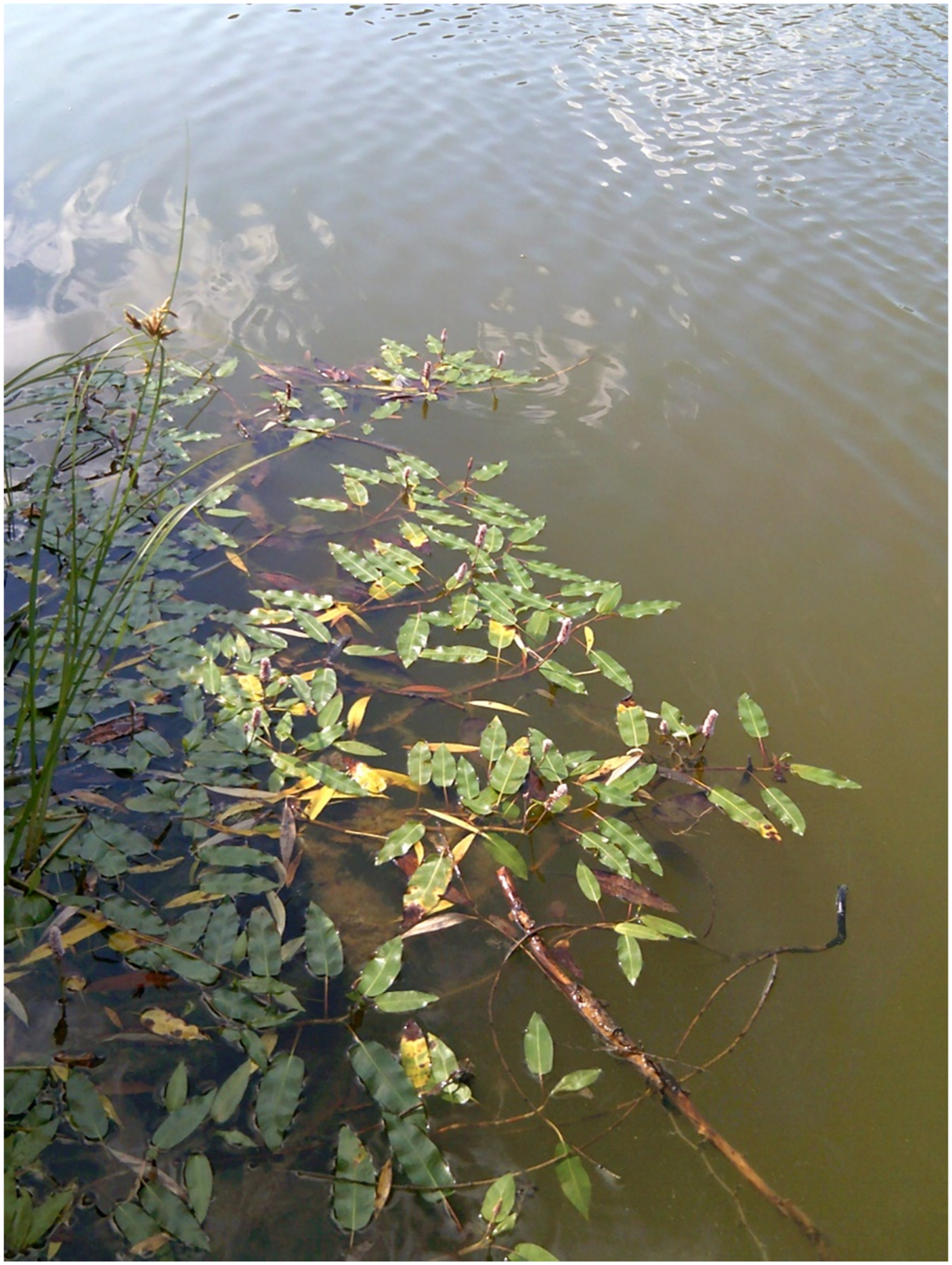
Another example was provided by Robert who captured a sense of stability and inner balance he discovered after many years of battling with schizophrenia (Figure 6). “The rock is a symbol of resilience, while the tree represents growth and stability” (Robert).
In contrast, some participants reflected on negative aspects of their personality revealed through photography, that made them more aware of the “bridges” they need to cross through recovery (Figure 7). The group approach created opportunities for some participants to contrast and compare their experiences with others, concluding that they may be far from being recovered. They also questioned whether recovery was indeed possible, based on personal experiences and knowledge acquired from psychiatrists and significant others. “[the padlocks represent] the idea of inferiority, of incapacity […] worthlessness that build numerous nests in the tangled forest of a tormented psyche.” (Deirdre).
Regardless of the nature of their messages, the research participants identified the therapeutic potential of photography beyond its aesthetic function that facilitated deep reflections, as summed up by one of the participants: “Photography is the expression of the human soul.” (Tincuta, Reflection and Feedback Group)
The results of personal introspection elicited by photography reached existential notes at times as verbalised by a participant who was contemplating one of their pictures centred on the metaphor of the river as life (Figure 8): “We cannot swim or bathe twice in the same river. This is because the river changes. The same way, we are not the same anymore. Each second, we are a little different, closer to death. So, in a way, the river represents the perishability of life, but we can also say that it flows to better things in the future: better states of mind, better self-esteem, and good feelings. I think the message is that life must be lived because it’s short.” (Deirdre, Workshop 3) “The river of life flows to better things in the future” (Deirdre).
The therapeutic aspect of photography in relation to self and hope for recovery was also highlighted by participants who opted for one-to-one interviews, which suggests flexibility in using the photographic instrument in group and also individual activities. Some of the insights portrayed photography as a form positive psychology in action: “Photography gives you joy and colour. It helps you see life in colours. It’s good to see the bright side of life, not only, you know, obstacles, uncertainties. [It’s good to see] something beautiful, a beautiful future.” (Loredana, Interview)
Equally therapeutic, photography provided some participants with a tool for documenting their journey through recovery similar to a photo-diary, photo-journal, or a photo-autobiography. For example, Daniela mentioned her routine of collecting images related to positive aspects of her day-to-day life, including achievements related to her mental wellbeing that continue to fuel her reflection, confidence, and self-esteem: “I created a habit of taking pictures of positive things… I have a folder on my computer called ‘Special Moments’. And every time I access it, it gives me such a good feeling! I even have a picture of myself in a lift when I managed to overcome my phobia of lifts [laughs].” (Daniela, Interview)
One of the participants in this study took the personal aspect further by advocating for the potential of photographs to capture experiences of psychosis and other mental states that are difficult to express verbally. He even suggested sharing photographic accounts of mental distress and recovery with doctors and mental health professionals to support the therapeutic communication: “Photography could be another way through which we could show the sounds we hear or hallucinations, our illness. And it could be evidence for the doctors as well.” (Rodion, Reflection and Feedback Group)
Such accounts demonstrate that photography was perceived by participants beyond its creative and recreational functions, although the aesthetic aspect was not entirely divorced from the therapeutic dimension of images and their potential to support recovery: “We discover such beauty in the photographs and that helps us go through illness by expressing something beautiful in an image.” (Tincuta, Reflection and Feedback Group)
Connection with Nature
Nature was another recurrent theme in the research participants’ feedback on the therapeutic use of photography in support of their recovery. Connections with nature were facilitated by individual or group photography trips to capture aspects of mental distress and recovery reflected in natural elements anthropomorphised by the participants, such as “tranquil” or “angry” skies, “turbulent” waters, “clouds of depression”, “weeping willows”, “sedated” birds, flowers in bloom to symbolise “personal growth” and “awakening”, rainbows as symbols of “inner peace”, and change of weather to illustrate “mood swings” (Figure 9). Collage of natural elements that facilitated participants’ expression of mental distress and recovery (top-left and bottom left: Emilian; top-right: Deirdre; bottom-right: Agnes).
Nature was associated by another participant with a “state of regeneration” that was key to his recovery (Figure 10): “For me, nature means the return from illness. The return from the burden of medication. Nature is a state of regeneration… like in this picture here by the river [Figure 10]. When you first look at it, it may not seem that interesting… but it is alive and it inspires me joy, makes me smile… that reflection in the water, that moment in time…” (Robert, Interview) “Nature is a state of regeneration” (Robert).
The restorative power of nature was echoed in the narratives of other participants, explaining why nature was the most prominent subject chosen by participants to represent their recovery: “I like spring when trees are coming back to life, blossoming… and this gives me a feeling of happiness…. I like nature very much and I like flowers and the trees… It makes me feel good, healthy and hopeful…” (Loredana, Interview)
Apart from providing the research participants with visual metaphors that resonated with their expression of thoughts and feelings, nature also played a therapeutic role as a space for reflection and relaxation. For example, the photography workshops created opportunities for Mihai to leave his house which was normally problematic due to his experiencing high levels of anxiety. He used this opportunity to spend some time contemplating the nature and life in the local park on his way to the day centre, an experience that he described as “relaxing” (Figure 11). He stated that the viewfinder of the camera helped him become more focused and observant, an aspect that was reflected in his peers’ feedback on his “well-thought”, and “symmetrical” pictures that they interpreted as a sign of “inner balance”. As a result, Mihai concluded that the time he spent taking photographs in the park was an important part of his “road to recovery” that he was planning to revisit more often with his camera (Figure 11). “There is light at the end of the road to recovery” (Mihai).
Nature was interpreted by participants as a tranquil place that provided them with an escape from personal worries. This opened up some critical group discussions about how the environment could help or hinder their recovery. One of the participants raised awareness about the detrimental effects of the city life such as noise, pollution, and crowds of people, on his anxiety levels that he countered by spending more time in nature (Figure 12): “I grabbed the camera and I climbed the hill… you forget that the city is on the other side… it’s all forest… Sometimes you connect to the city but sometimes you just need to leave it behind.” (Rodion, Interview) “You climb the hill, and you forget that the city is on the other side” (Rodion).
For other participants, nature was a source of inspiration for their crafts or creative writing, equally therapeutic and beneficial for their state of mind. Some accounts also revealed that nature was the place of choice for exercising regularly. Therefore, nature was perceived by participants as a mediator for activities conducive to an improved state of both mind and body: “I run about four laps of the park. “Mens sana in corpore sano [Latin for “a healthy mind in a healthy body”] [laughs]. If your body is deteriorating, then your brain is deteriorating too.” (Rodion, Interview)
Photography as Occupation
On a more pragmatic level, although less frequent compared to the themes listed above, photography was perceived by participants as key to developing new practical and technical capabilities. This aspect was highly relevant particularly for participants whose perception of recovery was closely linked to developing new interests, skills, and occupations that could potentially help them cope more effectively with losses caused by their mental health problems e.g., loss of health, jobs, and studies. It is notable that taking digital pictures was a novel activity for some of the research participants which increased their curiosity, stimulated them intellectually, and provided them with a sense of reward, achievement, and enjoyment: “I’m not as good as some other people here who know how to set up the camera and capture perfect images. But I did learn. I eventually learned how to take pictures.” (Ioana, Interview)
During the reflection and feedback group, some participants expressed their desire to further develop photography skills as a stand-alone activity or combined with other hobbies such as writing poems, crafts, travelling, and story-telling: “I would love to travel and take many pictures and write stories while perfecting my photography skills as well.” (Ioana, Reflection and Feedback Group)
Some other participants were focused on photography as a potential freelance job in the future: “Well, recovery is about the future, it is about getting a job. I do have an ambition – to have a professional camera one day and set up a business, but I don’t have money for something like that right now.” (Rodion, Interview)
In relation to photography, the research participants identified a series of other benefits of photography such as organisation and planning (“sometimes you have to make an action plan first and then take the pictures”, Ioana), discipline and consistency (“necessary to fulfil the weekly tasks as we had to bring pictures for each group”, Deirdre), and decision-making in terms of choosing the location, the photographic subject, setting up the scene, and selecting the final set of pictures for each workshop.
This adds to the personal benefits of photography and its therapeutic value with impact on improving participants’ psychological wellbeing by fostering positive feelings, providing a channel to express distressful experiences difficult to verbalise, and creating opportunities for improved cognition that is often affected in individuals with lived experience of mental distress.
Therapeutic Limitations and Challenges of Using Photography
The perspective of the research participants with regards to the therapeutic use of photography was overwhelmingly positive summed up by one of the participants (Rodion) in the reflection and feedback group: “Taking pictures is like treasure hunting!”. This is also reflected in the limited number of challenges identified by participants when asked about this aspect during the interviews, photography workshops, and the reflection and feedback group.
It was mentioned previously that some of the participants used a digital camera for the first time. This resulted in a sense of reward and curiosity for some participants, but also negative feelings such as intimidation, embarrassment, and anxiety for others due to the novelty of the photographic activities and various levels of skills within the group: “I had some technical problems that made me anxious at the start of the project, but then I developed some technical curiosities about the [digital] camera.” (Rodion, Feedback and Reflection Group)
One participant expressed feelings of being overwhelmed due to exacerbated perfectionism caused by his inability to take the pictures he planned. This was partly due to the technical limitations of the digital cameras provided: “I was involved in a photography group a few years ago. I always found it difficult to take pictures. For some reason, I never seem to take the pictures I have in mind. [I am] a perfectionist! [laughs]” (Raul, Interview)
However, this was an opportunity for peer-support, peer-learning, and skills development within the group, and also for social interactions with more experienced peers who expressed a sense of reward helping others with the technology: “It took me a while to get my head around the camera. Rodion [pseudonym] is an expert [laughs]. He helped me a lot.” (Ioana, Interview)
Some more challenges and limitations of photographic techniques are reflected upon in the discussion section from the stance of the researcher based on insights from the field diary and reflective notes following interactions with the research participants.
Discussion
The aim of this article was to investigate the therapeutic benefits and limitations of photography as a research method, from the perspective of individuals with lived experience of mental distress involved in a photo-elicitation study of recovery in Romania (Milasan, 2022). The starting point of this investigation was a literature review (Milasan et al., 2022) suggesting a crossover between photography as research method and therapeutic tool. This may be due to photography-based studies generally pointing out the beneficial effects that using pictures has on research participants (Buchan, 2020; Trombeta et al., 2021). However, a limited number of studies present such benefits from the perspective of the research participants. The findings from this study address this gap by adding another layer of knowledge on using photography in research from the perspective of the participants.
The findings of this investigation indicate that photography is generally perceived by the research participants as a therapeutic tool at inter- and intra-personal levels, and also at environmental level by facilitating meaningful connections with the natural elements that participants related to their mental health. This aligns with the results of the original study claiming that mental health recovery processes take place at individual, group, and community levels contextualised in the wider environment e.g., socio-economic, cultural, political, and natural (Milasan, 2022).
Inter-Personal Benefits of Photography as a Therapeutic Tool
It is unanimously accepted that recovery does not take place in isolation. Meaningful social connections and inter-personal relationships e.g., family, friends, and peers, play a crucial role in mental health recovery as stressed by some of the most influential recovery frameworks (Barker & Buchanan-Barker, 2005; Leamy et al., 2011; Rapp & Goscha, 2012). The therapeutic impact of social relationships on mental well-being has been widely evidenced showing that having a supportive social network can significantly contribute to recovery (Bathish et al., 2017). Concurrently, the therapeutic value of social connectedness and its importance for mental health e.g., maintaining positive inter-personal relationships, emotional support, reduced feelings of loneliness, and increased sense of belonging, also has been explored in depth (Adams & Morgan, 2018; Martino et al., 2015).
The social function of photography was prominent in participants’ narratives in this study with strong indications that it benefitted intra-group communication of feelings, thoughts, and opinions beyond the language of psychiatry and diagnosis. Participants’ feedback captured the benefits of taking pictures for initiating and maintaining social relationships (with peers involved in this study, but also people outside the project). Similar results have been reported by Daneshvar et al. (2019) in a study highlighting the beneficial effects of a photography-based social skills programme for children with autism. Bratchford et al. (2018) also identified increased social engagement and participation in a photographic exploration of wellbeing in a deprived community in England.
Photography-based studies of mental distress and recovery (Anderson-Clarke & Warner, 2016; Horsfall et al., 2018; Mizock et al., 2014) frequently list empowerment as a key aspect of using photographic techniques. Although empowerment is one of the main pillars of recovery (Leamy et al., 2011), this aspect did not figure prominently in the participants narratives. This may be due to the word “empowerment” not having a clear translation in Romanian as its literal translation e.g., “împuternicire” has pronounced legal connotations (“power of attorney”) in Romanian. Moreover, a sense of disempowerment was noted in the original study (Milasan, 2022) in what concerns the experiences of people with mental health problems in Romania due to the particular cultural, socio-economic, and political context in this country.
However, it can be claimed from the research observations and reflections that photography empowered the research participants. This was evident especially at the last stages of the project when participants became more aware of the language of recovery developed through photographic metaphors, took ownership of their pictures and narratives of recovery, and created collective stories of recovery as a group. One empowering dimension was highlighted in the process of involving participants in the decision-making throughout the process e.g., selecting their photographic subjects, locations, and collaborating with their peers, facilitated by the minimal set of instructions provided by the researcher, as suggested by Tran-Smith et al. (2015).
Another important aspect that contributed to building meaningful connections within the group of participants was the collective construction of meanings of recovery through photography while respecting each other’s individuality in what concerns their experiences. The photography workshops created opportunities for participants to share personal experiences within a safe and supportive space conducive to developing communication skills such as active listening, empathy, peer feedback, negotiation of meanings, and verbal and nonverbal communication.
The collective narratives resulting from participants’ construction and deconstruction of their personal accounts within the group aided by photographs is highly relevant from a hermeneutic perspective (Gonçalves, 1995). This can be embedded as a group therapeutic process that allows the conceptualisation of human experiences as embodied photographic metaphors (Casasanto & Gijssels, 2015).
Intra-Personal Benefits of Photography as a Therapeutic Tool
The social function of photography allowed participants to forge meaningful relationships and trust within the group that was conducive to personal disclosure revealing several intra-personal benefits of photography. This is highly relevant from a recovery-oriented perspective currently shifting from a patriarchal bio-medical view on recovery to a personal understanding of this phenomenon led by the individual (Slade, 2009). For this reason, personal insights on recovery are critical, hence the increasing use of participatory research designs in photographic studies in mental health (Milasan, 2022).
On a personal level, one key therapeutic benefit identified in this study was the exploration of self through photography that highlighted the importance of the visual language and metaphors that complemented or even substituted participants’ verbal narratives. It has been emphasised in the literature that experiences of mental distress are often difficult to verbalise (White et al., 2022). Therefore, alternative forms of communication such as photography or other creative arts can be therapeutic in terms of facilitating expression of feelings and thoughts (Ingeberg et al., 2012). This aspect was reflected in this study through a shift of the language used by the research participants from pathologising to personalising lived experiences which was essential to capturing their authentic views. This inspired one of the participants to suggest using photography beyond the personal and therapeutic use as a form of documenting lived experiences of distress that could be shared with psychiatrists. Such accounts promote photography as a tool for advocacy and activism with potential to inspire action and bring awareness to social issues that has been increasingly used in mental health (Young, 2021). In this study, such accounts can be interpreted as an expression of travelling from personal insights into the therapeutic use of photography to collective use of therapeutic photography to instil change and challenge the way experiences of distress are perceived by mental health professionals and the general public.
Another shift noted at personal level was from the use of photography as a recreational and aesthetic tool to a therapeutic instrument that aided participants’ introspection. The reflective nature of photography has been consistently documented in the literature, especially in relation to phenomenology (Fisher, 2008). This may explain participants’ deep reflections on self having surfaced to the consciousness during the research process with photography playing an important role, as reflected in the links between the photographs and corresponding quotes in the findings section. Self-awareness is an important component of identity building (Mullen et al., 2003), and identity is key to recovery (Wisdom et al., 2008). Therefore, using photography as a tool for personal reflection and identity exploration may be therapeutically beneficial to the individual, and also methodologically for the qualitative researcher striving to collect rich insights from the participants’ perspective.
Photography has been widely used as a window into individuals’ lifeworld in both research (Holm, 2020; Langmann & Pick, 2018), and counselling/therapy (Ginicola, 2012; Weiser, 2004), that may not be accessible through verbal methods. In this study, photography was occasionally used by participants as an existential tool that helped them explore life and put recovery in perspective in more depth, philosophical in some instances. For some participants in this research project, photography became a platform for voicing their own existential concerns, latent thoughts and feelings from the past, present reflections, and hopes for the future. Therefore, it can be claimed that the reflexive dimension of photography adds to the metaphysical and phenomenological coordinates of recovery that have been discussed by Moore and Goldner-Vukov (2009) and Brijan (2020).
Therapeutic Connections with the Natural Environment
The research participants placed their experiences of mental health in a variety of environments e.g., socio-economic, political, and cultural. However, the natural environment was the most prominent in participants’ feedback in relation to the therapeutic value of photography. Nature nurtured participants’ language of recovery with photographic metaphors inspired by natural elements such as water, skies, rocks, and vegetation. Moreover, photography brought participants closer to nature by creating therapeutic encounters that participants perceived as regenerative or restorative. Engaging with nature has been long associated with various therapeutic benefits of mental, emotional, and physical wellbeing such as reduced stress and mental fatigue, improved mood, enhanced creativity, opportunity for physical activity, connection, and social support (Hunt et al., 2022, Naor & Mayseless, 2021), also described by the participants in this study. In other words, they instinctively engaged with a process of “ecotherapy” or “nature therapy” (Bratman et al., 2019; Chalquist, 2009) that was enhanced by introducing photography in this process. As a result, it can be claimed that participants literally put ecotherapy into the picture and improvised a new approach coined here as “photo-ecotherapy”. This approach shares some commonalities with “mindful photography” or “contemplative photography” i.e., a form of mindfulness involving being fully aware and present while taking photographs (Kurtz & Lyubomirsky, 2013). Similarly, eco-art therapy i.e., creating art in the natural environment, has been recently advanced as an alternative to holistic and integrative care in mental health (Bourassa, 2021).
While most of the natural elements captured by the participants in this study were associated with positive emotions, some focused on the dark side of nature to express feelings of distress by anthropomorphising stormy skies, turbulent waters, and withered vegetation. Anthropomorphism i.e., the tendency to attribute humanlike characteristics, emotions, or motivations to non-human agents, is related by (Epley et al., 2007) to individuals lacking a sense of social connection to other humans, which was the case with some of the research participants. As a result, the shutter of the camera opened a world of unexpected memories and emotions that, although negative at times, helped participants release them in supportive and therapeutic discussions with the group members.
Photography as occupational therapy
Photography has been perceived by the research participants in this study as a meaningful and purposeful activity with potential to enhance their mental wellbeing e.g., stress reduction, improved mood, and cognitive skills such as memory, attention, problem-solving, planning and organisation, time management, decision-making, and attention to detail. It is evidenced in the literature that such skills are profoundly affected by mental distress and trauma (Grahek et al., 2019; Keller et al., 2019). Therefore, creating opportunities for participants to develop these skills through photography can be interpreted as a form of occupational therapy, as suggested by Lal et al. (2012). One approach illustrated in this study is photo-journalling that some participants relied on to document various aspects of their day-to-day life relevant to their mental health and recovery. While photo-diaries are increasingly used in qualitative data collection (Kuo et al., 2022), there is evidence that supports their therapeutic use as well (Saita & Tramontano, 2018).
In this study, photographic diaries encouraged some participants to become more proactive in relation to their social networks, hobbies, and self-care. Therefore, it can be claimed that increased levels of social and cognitive tasks through photographic activities can be conducive to higher levels of independence and potentially improved quality of life (Doroud et al., 2015). Moreover, some of the research participants considered ways to embed photography in their daily routine after the project concluded indicating that this technique is sustainable, supported by the widespread use of digital photography via smartphones and other electronic gadgets. On the same note, some participants suggested the combined use of photography with other arts. Although this may pose some methodological challenges to identifying the benefits of particular artistic media (Milasan et al., 2022), it can enhance creativity and accessibility, along with empowering participants to design therapeutic tools that meet their needs and preferences.
Reflections on Challenges and Limitations to Using Photography
Challenges and limitations to using photography were rarely mentioned by the research participants throughout the study, despite the researcher seeking their perspective on this aspect. To enhance the methodological value of this article, some lessons learned from the use of photography are reflected upon from the researcher’s perspective.
The apparent imbalance between participants’ perspectives on benefits and challenges may be explained by considering participant bias i.e., participants’ tendency to respond to questions asked by researchers based on what they perceive to be the right answer, which is common in research (Bergen & Labonté, 2020). This is despite considering practices to reduce participants bias in this study through a semi-structured approach to interviews (Bergelson et al., 2022). The creative nature of the project could have also introduced bias as participants with interest in, skills and passion for, photography may have been more inclined to take part (although for some participants this was a novel activity).
It became clear from the recruitment stage of the project that photography was not the artistic expression of choice of all the people invited to take part in this study. For example, two prospective participants would have preferred creative writing, painting or drawing that they considered to be more therapeutic and expressive of their experiences compared to photography. It was also noted that some research participants showed a tendency to combine photography with other types of arts e.g., creative writing inspired by photographs (or vice-versa) or using photography to create a visual repository of their crafts and paintings. This was facilitated by the flexibility of the instructions provided by the researcher that did not rule out the creative use of photography in combination with other techniques, as long as the focus was on photography.
From a methodological point of view, distractions from the research topic were counterproductive, for which reason some participants, for whom taking photographs became a purely recreational activity, needed frequent reminders of the research focus. However, from a therapeutic perspective, distractions appeared to be beneficial to some participants who were detracted from negative feelings associated with their mental health problems.
While most of the aspects mentioned above originate from the researcher’s notes and reflections throughout the project instead of direct quotations from participants that were overwhelmingly positive, the challenges and limitations of photography-based techniques are equally important to consider when evaluating and potentially replicating this research method.
Strengths and Limitations
The emphasis of this study was on promoting the use of photography as a method for data collection with potential to enrich the dataset in qualitative research, and also as a therapeutic tool that may benefit the research participants. Although this study is more relevant to mental health research, the findings can be extended to other areas in which researchers may wish to consider a data collection approach with a therapeutic value. For example, researchers in psychology, social work, nursing, and other social and healthcare related subjects with a pronounced psycho-social aspect, may find the results of this study relevant.
Photography has been traditionally used in therapy (photography-during-therapy, i.e. photo-therapy) in which case it requires the guidance of a trained therapist who assists the clients throughout the process of resolving personal psychological issues (Weiser, 2004). Unlike photo-therapy, therapeutic photography (photography-as-therapy) promoted here can be used more autonomously by individuals in practice and research without the direct assistance from a trained mental health professional (Gibson, 2018). However, practitioners and researchers are required to have knowledge of the benefits and challenges of such approaches to make an informed decision on the relevance of photography-based methods for their practice and research, respectively.
This study adds to an increasing body of knowledge on the therapeutic use of photography in mental health research. The main strength of this study relies on the perspective of the research participants that remains disproportionate in exploring this topic compared to the view of researchers that may be subjected to bias. The triangulation between authentic images and narratives from the research participants in this study is another strength that elevates the methodological value and the trustworthiness of the findings. This has been corroborated with the researcher’s reflections, observations and field notes that captured some additional therapeutic benefits and limitations that may have been less evident in participants’ accounts, but noticeable in their photographic interactions throughout the project. Therefore, this study provides a balanced view of the therapeutic benefits and challenges to using photography in mental health research. A limitation of the study is the small sample of participants – individuals with severe mental health issues recruited from a day centre in Romania. Therefore, the generalisability and applicability of the findings to other settings and cultural contexts may be limited. For this reason, more research on this topic is needed alongside developing participatory designs that include feedback from the research participants on using photography as a research tool in mental health and other subjects.
Conclusions
Photography is increasingly embedded in studies from a wide range of subjects such as psychology, social work, nursing, and education. However, little is known about the therapeutic impact of photography-based methods on the research participants. This research gap is addressed in this article by investigating participants’ perspective on the therapeutic benefits and limitations of photography as a research method. A multitude of therapeutic benefits of photography were identified by the research participants in this study at inter- and intra-personal levels, along with developing practical and cognitive skills, and therapeutic connections with the natural environment facilitated through photography. Photography is promoted here as a valuable research method with potential to enrich the qualitative dataset. Beyond its methodological value, photography has the making of a creative and cathartic tool that could potentially support research participants’ psychological wellbeing. This is highly relevant from an ethical perspective considering the potential of photography to enhance the benefits for research participants.
Footnotes
Acknowledgments
This study would have not been possible without the participation of the fifteen service users at the community day centre in Romania (pseudonymised in this study), the host organisation (Estuar Foundation), and Mrs. Evelin Kulcsar (former Day Centre Manager). The input from my PhD supervisors at Lancaster University (Dr Amanda Bingley, Dr Naomi Fisher, and Dr Mark Limmer) alongside their constant support and feedback throughout the research process was also invaluable.
Declaration of Conflicting Interests
The author(s) declared no potential conflicts of interest with respect to the research, authorship, and/or publication of this article.
Funding
The author received no financial support for the research and authorship of this article. The Open Access fees for this publication were funded by the Institute of Health and Allied Professions at Nottingham Trent University.
