




Abstract
Individuals with profound motor, communication, and/or cognitive impairments may face difficulties describing subjective or experiential information through (i) speech, (ii) writing using a pencil and paper, and (iii) typing using a standard computer keyboard. Although patient-reported outcome measures and patient-reported experience measures can capture information about this group through proxy-report, we cannot solely rely on the responses of a single proxy for experiential information. Research methods to understand the experiences of individuals with profound motor, communication and cognitive impairments are not well defined in the literature. Purpose: To provide guidance to disability researchers on how to explore the subjective and personal experiences, of individuals with profound, motor, communication, and/or cognitive impairments. Three axes are proposed as important to the structure of the “recreated experiences” method: (i) informants, (ii) data collection methods, and (iii) analyses and reflexivity. Different types of information can be gained by involving different informant groups in research about the central person’s experience. Primary guardians can provide information about interpreting central persons’ indicators of expression and broad assessments of their personal life. Other adults can provide insight relative to the central person’s capacities outside of the primary guardian-central person dyad. Peers can provide insight about personal characteristics (i.e., personality traits). Utilizing different data collection methods can foster manifest and latent content to emerge. Analyses and reflexivity which involve diverse perspectives are essential to ensure findings are grounded in lived experience and professional lenses. The method highlights the importance of furthering research to understand the experiences of individuals who cannot traditionally self-express, which may influence possibilities for enhancing care, participation opportunities, and overall well-being.
Keywords
Introduction
Individuals with profound motor, communication, and/or cognitive impairments encompass children, youth, and adults who face difficulties in the self-expression of exhaustive dialogue or personal narratives (Beukelman & Mirenda, 2005; Darrigrand et al., 2011; Geytenbeek et al., 2014; Sigafoos et al., 2000; Simpson et al., 2000; Zhang et al., 2015). Approximately 1.5% of Canadians over the age of 4 years old have difficulty being understood due to communication impairments (Statistics Canada, 2001); therefore, their experiential information might be missed or not comprehensively understood. Traditional methods used to obtain information related to self-reported experiences have primarily involved writing (using a pencil and paper), using a standard keyboard, or verbal report, with some recent exceptions/emerging research, which involves augmentative and alternative communication (AAC) aids (Aiyegbusi et al., 2019; Bennett et al., 2012; Raine et al., 2016; Rozario, 2019). Without developing data collection approaches with the central person (i.e., participant with severe motor, communication, and/or cognitive impairment) in mind, researchers may continue to overlook the personal experiences of this group of individuals. A comprehensive approach is needed to better understand the experiences of individuals who are unable to access traditional methods of self-report or provide narratives through AAC.
Insight regarding components of daily life and well-being can be missed without comprehensive approaches to understand experiences of individuals with profound motor, communication, and/or cognitive impairments. The experiences of individuals with less profound impairment have been explored in qualitative research with respect to physical and mental health; being detained; friendship and relationships; aging; and quality of life and identity (Cookson & Dickson, 2010; Corby et al., 2015; Mason et al., 2013; Umb-Carlsson & Lindstedt, 2011). Previous research has investigated the experiences of adults with intellectual disabilities within residential placement; participants’ challenging behaviors were further understood by conducting qualitative interviews, where participants shared stressful experiences of restrictive schedules and lack of autonomy within their home setting (Griffith et al., 2013). One study described the daily experiences of children with speech impairments (McCormack et al., 2010). Findings from interviews with children emphasized their frustration with communication partners “not listening” (McCormack et al., 2010). Efforts to understand communication in daily life further enabled the development of interventions to enhance child experiences (McCormack et al., 2010). While individuals with more profound and/or concomitant impairments are unable to provide experiential information through their own self-report (using traditional methods or AAC), this does not diminish the importance of understanding and reacting to their subjective and personal experiences.
Children and individuals who are unable to complete traditional forms of patient reported outcome/experience measures often have a proxy report on their behalf (Coster et al., 2011; De Kruif & McWilliam, 1999; King et al., 2014; McWilliam, 1991), however this approach cannot comprehensively describe their experiences (Davis et al., 2017; Orsmond & Kuo, 2011). Research has shown parent-child agreement is frequently incongruent in general and chronic condition pediatric populations (Upton et al., 2008). The information provided by a single proxy report may be incongruent with the individual’s deliberate intent or response (Bamford & Bruce, 2000; Upton et al., 2008). Previous research has identified incongruency between caregiver-adult agreement about quality of life experiences for adults with cognitive impairment (i.e., dementia); for example the importance of “sense of autonomy” for adults was overlooked by caregivers (Bamford & Bruce, 2000). It is necessary to explore the experience of individuals with profound impairment from multiple familiar perspectives and use novel approaches to data collection such as photo-based strategies.
Furthermore, if only one data collection method is used, there may be bias that leads to incomplete descriptions of experiences of individuals with profound motor, communication, and/or cognitive impairments (Axelsson et al., 2014; Foreman et al., 2004; Green & Reid, 1999; Ogawa et al., 2017). Researchers investigating educational and positive emotional experiences of children with profound multiple disabilities have solely relied upon researcher or familiar person observation of behavioral expression (Foreman et al., 2004; Green & Reid, 1999). Observation-based data collection may be limited to one point in time and may be restricted to specific contexts depending on the research focus (Green & Reid, 1999). For example, parents might observe their child’s feelings at home, while teachers might be more aware of a child’s interpersonal interactions with peers. Qualitative interviews have been utilized by researchers to gain insight from familiar communication partners who described the preferences and behaviors of individuals with multiple disabilities (Lyons, 2005). Although involving multiple informants can enhance the knowledge gained as compared to a single proxy report (Axelsson et al., 2014; Lyons, 2005), combining visual data collection in addition to qualitative interviews may enrich the comprehensive understanding of an individual’s own experience and enhance their representation in the literature. Photo-based research methods are abundantly used in the literature (Bender et al., 2018; Castleden et al., 2008; Hussey, 2006; Wang, 1999) and have also been used by parents of children with medical complexity to describe family experiences transitioning from hospital to homecare (Barone et al., 2020). The photo-based approach enabled families to determine what aspects of their experiences they wanted to share. Clinicians involved in the families’ hospital care gained insight into family experiences which they otherwise would be unable to observe (Barone et al., 2020). Research has considered the experiences of individuals with profound motor, communication, and/or cognitive impairments and/or their families; however, it would be beneficial to develop a comprehensive approach to describe the experiences of this group of individuals using multiple informants, and data collection methods.
The objective of this manuscript is to provide a scaffolding for conducting research using the “recreated experiences” method to understand the experiences of people unable to self-express exhaustive personal narratives through speech, writing (using a pencil and paper), using a standard computer keyboard, or using augmentative and alternative communication aids. This research provides groundwork for other disability researchers, to conduct studies with individuals with profound motor, communication, and/or cognitive impairments, enabling their representation in research.
Components of “Recreated Experiences” Method
Underlying Components of Each Axis.

Informants
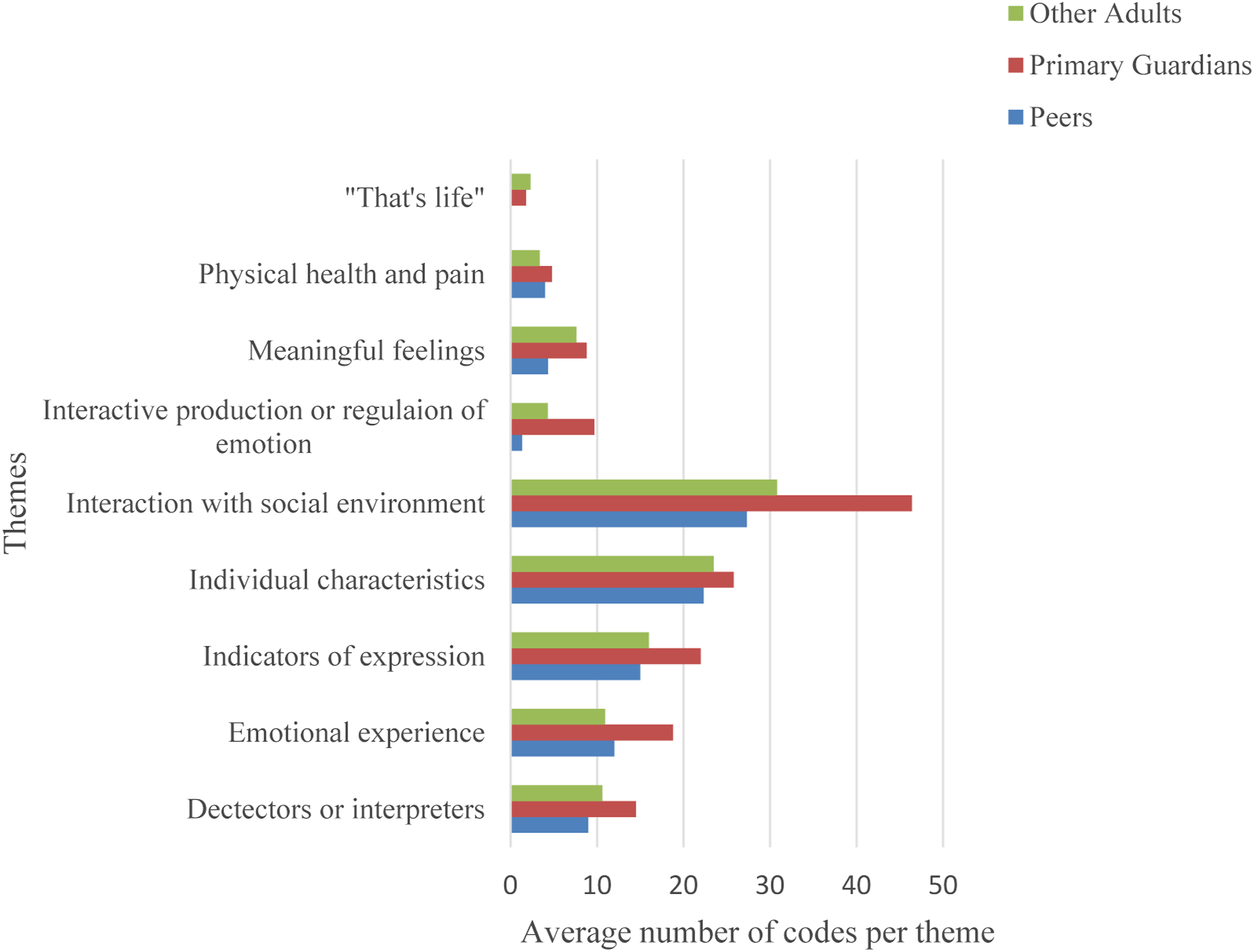
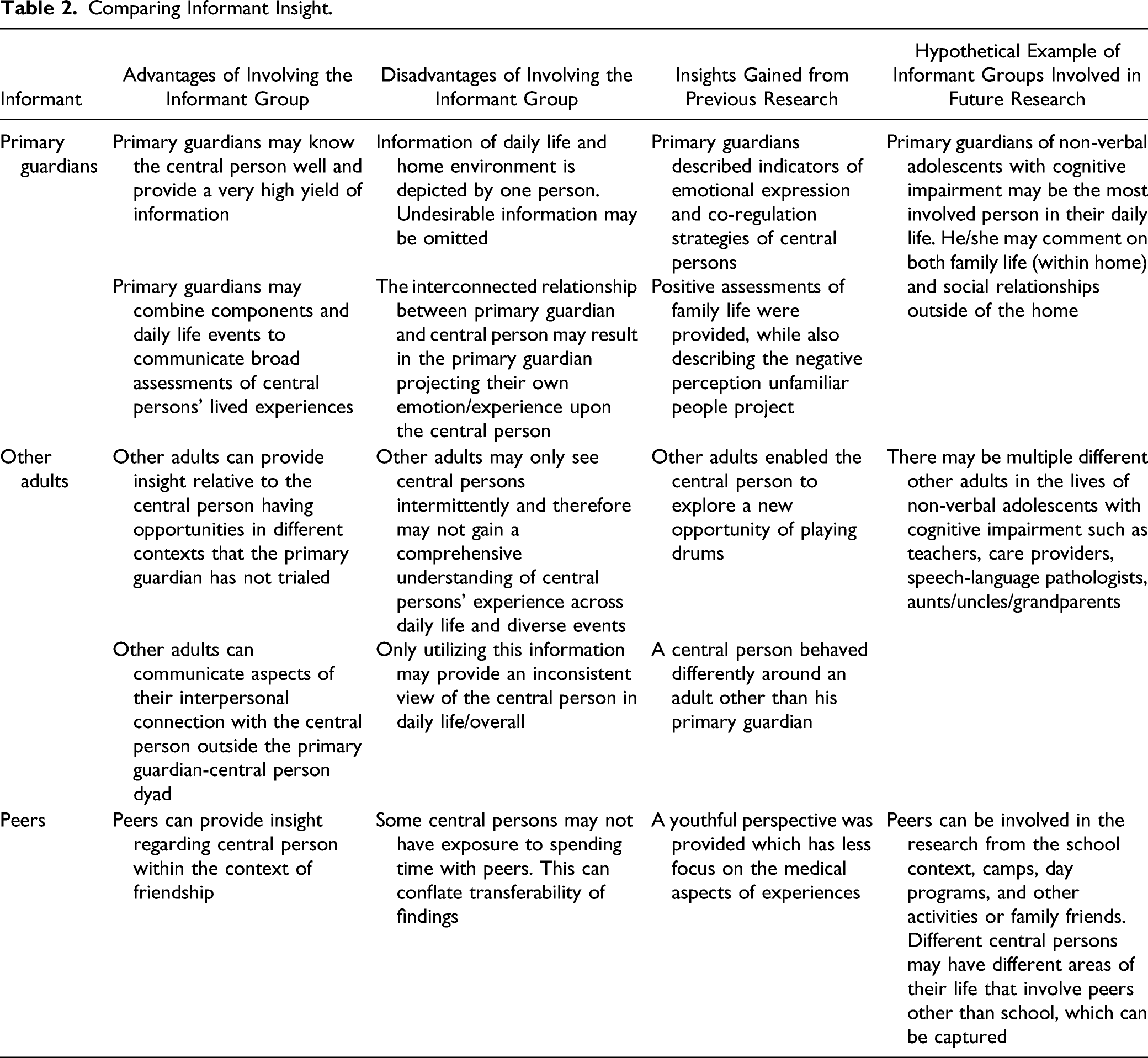
Informant groups involved in the “recreated experiences” method considers primary guardians, other adults (other than primary guardians), and peers (see Figure 1). Primary guardians provided a high yield of information across all themes of qualitative analyses. Primary guardians in general often spend the most time with central persons and are likely to provide significant insight relative to experiential information about the central person. The researchers found that by recruiting other informants “close to the central person,” a variety of friends, family members, peers, etc., were involved that were tailored to each individual central person, without being limited to a specific role in the central persons’ life (i.e., only including siblings). By enabling the perspectives of familiar people outside the dyad of primary guardian-central person, the researchers gained diverse types of information about the experiences of central persons. By quantifying the number of codes generated from independent qualitative interviews (see Figure 2), the researchers found that primary guardians provided a higher yield of information (greater number of codes per theme) across all aspects of central persons experiences, except for the theme “That’s Life” (i.e., challenging life events in central persons’ lives). Future researchers can consider that while primary guardians may provide the most information about central persons’ experiences in most areas, other informants can be involved to more holistically understand the central person’s experience. The type of information that was gained from different informant groups and how this can be helpful for future research, is described next. Informant groups. Summary of data across informant group.
Type of Information Provided by Each Informant Group
Primary Guardians
Primary guardians consistently provided insight about their advanced abilities related to the interpretation of central person’s self-expression. Although other informant groups (other adults and peers) provided information related to central persons’ indicators of expression, the previous study provided insight that this high-quality interpretive ability is not a specific strength of other informant groups. The themes in Figure 2. “Indicators of Expression” and “Detectors and Interpreters” are related to the known cues/idiosyncratic behaviors of central persons’ and the skills/learned experience of being able to pick up on these expressions. As presented, primary guardians provided far more insight into this area of knowledge, whereas other adults and peers provided a smaller number of codes (similar quantity to one another) relative to the themes about their interpretation of central persons’ self-expression. The authors’ previous work has found that all central persons have a primary guardian that can act as a high-quality interpreter of indicators of expression, yet this may not always be the case for all individuals with profound motor, communication, and/or cognitive impairments. Future researchers can use the knowledge gained about primary guardian insight to approach their research, while considering the context of the population. For example, primary guardians may be highly skilled interpreters for their children/youth with profound impairment whereas adults within a nursing home (with profound cognitive impairment) may be most appropriately interpreted by their home care staff. The findings of the previous work establish that it may be the persons who spend the most time with the central person or have provided the most efforts to know him or her closely, who can most appropriately ascertain central persons’ self-expression. It is important to consider that in circumstances where central persons can provide a yes/no response, a skilled interpreter should ensure they confirm their interpretations of expression or experience with central persons, prior to establishing a communicative intent or sharing interpretations with others. A narrative is provided from the authors’ previous work to present how a primary guardian described indicators of expression of a central person and identified beneficial strategies to regulate negative emotional states. “And so we can, we can go into a brand new clinic, we can walk down a hallway in a hospital and he (central person) will wiggle or grimace, or starts to yell, and be reaching and looking for me, and as soon as I hold his hand, lean down next to him, whatever he gets of me, he pulls toward himself and holds on to… ‘I need you to feel safe’, so we’ve learned over the years, like there were a few years right after his strokes, where he was so scared in large areas, like in a big open space full of people he was just terrified, so we figured out that… here here’s your blanket this is your shield, here’s yours sunglasses, this is your safety mask, here’s your hat for your disguise, and he would sit in his wheelchair with a hat and sunglasses and a blanket all over his body, and he would go ‘okay I’m safe in here I can do this’ - you know?”
Other information that was uniquely provided by primary guardians involved their abilities to provide broad assessments of personal experiences for central persons. Primary guardians involved in the previous research pieced together components and experiences of the central person to describe a larger meaning of personal life. Primary guardians may communicate broader components and events, combine them, and form a meaningful picture of the subjective experiences of the central person. Future researchers may use this insight to understand how to assess broad constructs related to central persons’ lives and incorporate persons (such as primary guardians in the current example) who know the familiar persons in the central person’s life and can comment on experience of the central person in various situations or events (within daily life and exceptional events). A quote is provided below from a primary guardian that illustrates how she was able to deeply think about the central person within their experiences, to create a holistic perspective of the central person’s emotional well-being (high-level assessment of a central person). “Yeah. one of the common comments I get from strangers when we go about for walks or whatever, it might be is how they feel so sorry for me and how, how, unfortunate it is, but this is a great example of the fact that her and I, we actually live a happy life. There are ups and downs for sure, but in most cases, like the pity is so not warranted. She (central person) is happier than most kids her age. And a lot of people fail to realize - it’s unfortunate.”
The quote describes how other individuals may project their own assessment of a central person without knowing the smaller details of their life. In contrast, a primary guardian may be able to more holistically assess and communicate a combination of experiences of the central person for an overarching understanding of their personal life. Primary guardians or others who know central persons very well (spend ample time together) may be helpful to inform research seeking to understand the complex experiences of central persons across multiple situations, events, and/or time. The insights gained can foster the exploration of more subjective constructs that are experienced by individuals with profound impairment such as quality of life, positive participation, self-esteem, and autonomy. Other adults closely involved in the lives of central persons provided a different type of information outside of the primary guardian-central person dyad, this is described next.
Other Adults
Other adults familiar to the central person understood and communicated the capacity of the central person in a different context (i.e., different places and situations) than experiences with his/her primary guardian. Other adults may be able to reflect on and broaden the representation of experiences within the lives of central persons, these may involve a range of activities or interests for the central person. For example, the following narrative demonstrates how other adults gained insight regarding a central person’s capacity within a new activity to which he had not been exposed in the past. “So we went to Kids Rock (church-based band)…So the pastor said ‘is there a way that you know I can get Ryan (central person) more involved? Like would Ryan want to play the drums with me’ and I said, Oh yeah, but let me check with his mom. So, I said to his mom, can… you know if I can lift Ryan up out of his chair and get him sitting on the pastor’s knee and then he could hold the drumsticks and play the drums? ‘cause it’s a whole like official drum kit… and his mom said ‘sure you can try whatever you want, but Ryan won't be able to hold on to the drumsticks’. I said OK, so we get there (Kids Rock) and I said, Ryan, do you feel like playing the drums? You would be helping the pastor, like you hold the drumsticks, he will hold your arms and you play the drums, and you know he got excited. He said yes, so we did that, and we practiced. And this one night I said to the pastor, I’m not sure if he’ll be able to hold on to the drumsticks, we’ll have to see… well…at the end of three songs I still could not pry the drumsticks out of Ryan’s hands, so he was so excited. And he played the drums like that every Thursday night during the school year. For probably. I don’t know 10 years, 9 or 10 years.”
The other adult provided evidence of how the central person was able to further his capacity in an activity that was not previously considered. By collaborating with other adults who provide ideas for additional engagement, there can be less possibilities that the central person’s capacity is overlooked. Other adults can also provide insight about their unique interpersonal relationships with central persons.
Other adults communicated aspects of their interpersonal connection with central persons, which is different than the interpersonal connection between the primary guardian and the central person. Central persons may behave differently in different contexts such as when their primary guardian is present or when they are around different people. However, if a researcher does not seek feedback about how the central person interacts with other adults, the information is incomplete. For example, the narratives provided from previous work using the “recreated experiences” method, demonstrated evidence of how a primary guardian had a strong opinion about her son’s preference for neglecting to look at a camera when someone is capturing a photo. “Trying to avoid the camera but quite pleased with the attention that he is getting as we try to get a good picture on our road trip.” “He rarely looks toward the camera on command, but he was just so pleased with meeting Sharon and Bram - his favourite singers.”
In contrast, an adult other than the primary guardian shared that the central person likes to pose for pictures she captures of him. Accordingly, the central person may be more playful and willing to socially interact in the presence of an adult other than their primary guardian. The quote illustrates the contrasting experiences of the central person within different relationships. “I took a couple more photos of him that day and he’ll pose for me so um he we had a table in front of us because we, we had been doing a craft and I stood up to get a better view of him and he held the table to hold himself up and he’ll smile and he’ll giggle and then I’m like okay bud give me like your sexy pose and he’ll go to the camera (comes toward camera, raises eyebrow, purse lips in kiss face and laughs) it’s so cute.”
Views from multiple other adults may provide diverse opportunities and context for social connection. Information gained from other adults is important to understand the contextual environment, experiences, and emotions of the central person outside the role of someone’s child, youth, and/or legal responsibility. Another contextual element to understand information relative to the personal experiences of the central person can be provided by peers.
Peers
Peers provided insight regarding information within the context of friendship. When interacting with peers, central persons may feel as though they are connecting with someone who has similar perspectives or a congruent understanding of the world. A caveat exists within research involving adult central persons, in which it may be more difficult to decipher who acts in a peer capacity as compared to other adults (which require different criteria other than solely age-based criteria). The authors’ previous work defined peers as between the age of 5 and 25 years old which was the same age range of participants (children and youth). The quote below provides a peer’s narrative, highlighting the added information she described within the context of friendship. “I think that like now, I think we’re more… It’s like a nursing, but like it’s also a friendship. Other than his sister, I think I’m like I was the youngest person he had hung out with in a very long time, so I think I brought like a different kind of energy. Just because, like the other caregiver and his mom are similar ages. Yeah, so I think that was cool. There was one time, where I set his computer up for him and he actually like went to the prompts and like made a sentence that was like you’re my nurse… and my friend… and I think that was like yeah - like that hit me and I was just like OK I’ve made it… like we get along like we’re good and that was just like a very nice affirmation that like I’m doing my job well, but like Calum also sees me as like a friend too so…”
Through engagement with peers in the previously conducted research, the primary researcher was able to understand the social experiences of the central person in a way that may have more appropriately captured the different relationships within the central persons’ life and how they manifest (i.e., more relaxed and casual vs. serious and formal). However, some central persons (e.g., children with severe impairments) may have difficulty engaging with peers in daily life due to personal and environmental barriers regarding access to school or community programs.
Comparing Informant Insight.
Data Collection Strategies
Photo/video-based qualitative interviews can provide more detailed and broader information than qualitative interviews solely focused on an interview guide (based on literature of the topic). Figure 3 provides a representation of information gained based on data collection strategies used within the authors’ previous work. This manuscript illustrates the type of information that can be gained when using each data collection strategy. Information gained relative to data collection strategy.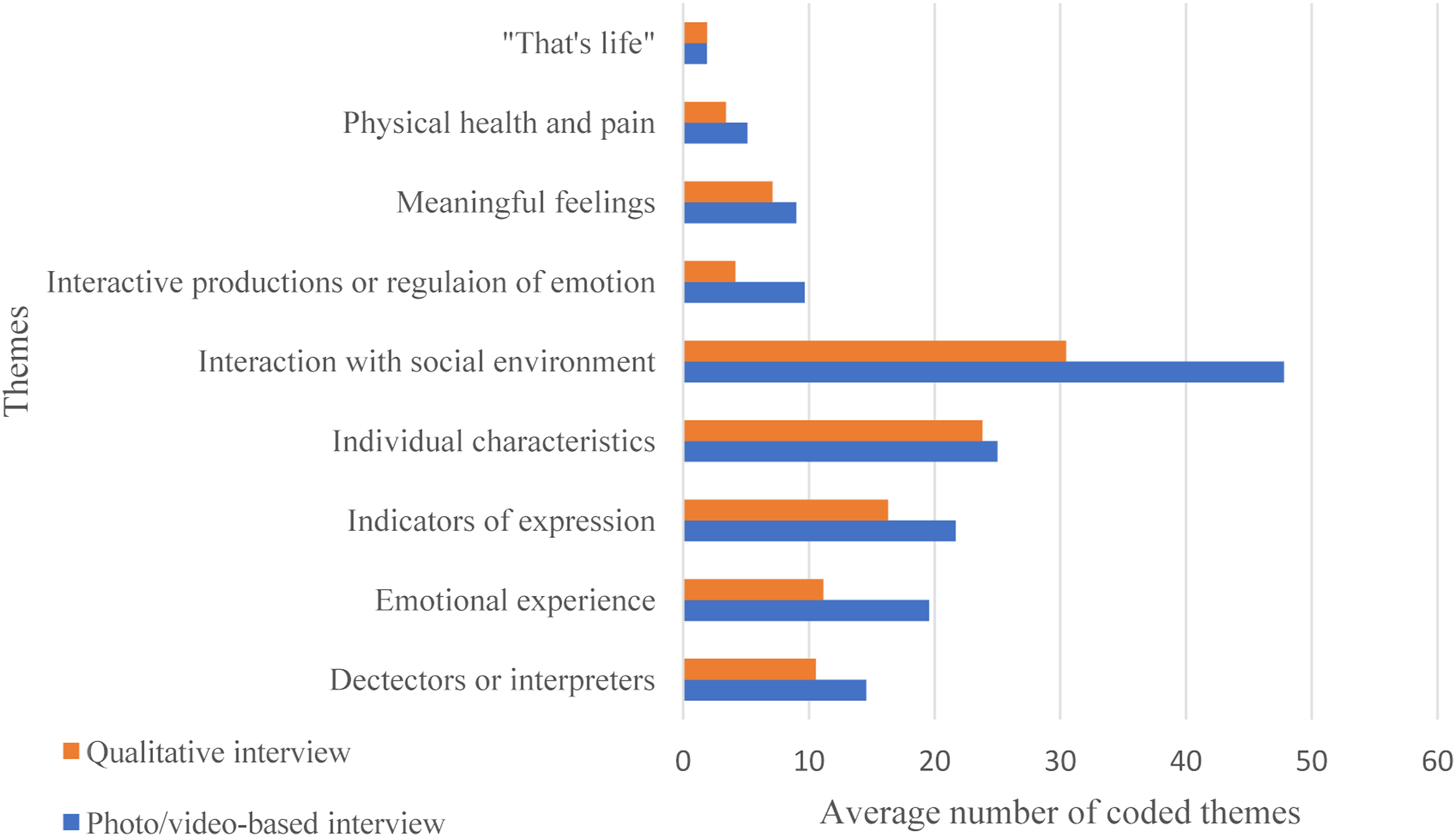
Photo/Video-Based Data Collection Strategies
Photo/video-based data collection strategies can provide concrete observable instances of central persons’ experiences, embedded within larger experiences of meaning. The authors used photo/video-based data collection strategies within their previous study through the following: (i) primary guardians captured photos/videos with accompanying descriptions of each photo/video, (ii) primary guardians discussed each photo/video in qualitative interviews. It is important to separate the capture of visual data from the qualitative interviews about the visual data to understand the impact of combining the two components in the overall strategy. Photo/video data alone provided observable examples of central persons’ experiences within a specific place or situation, enabling audiences to visualize the person within their experience. Whereas qualitative interviews can provide an underlying meaning of the photo and in-depth description. Although central persons cannot provide their own narrative of visual data, their visual representation of their experience can add to their involvement in telling their story within their experience (expression of body language, facial expression, etc.). Figure 4 provides visual data of a central person. The quote provided emphasizes the added benefit of qualitative interviews focused on visual data, which can be used to uncover latent information of the observable instance/experience. “Um, so one of the other pictures is him on his golf cart...so the golf cart is adapted, but it’s again one of his favorite things to do. And um, my parents have a trailer up at the campground and just about any kid that goes to the campground loves the golf cart ride and Ryan is no different… Yeah, so it’s (the campground) got a pool and mini golfing. Everybody there drives around in golf carts so it’s kind of a standard thing. So for Ryan we used to take him out of his chair and put him in kind of like a car seat and sit him in it ‘cause he enjoyed it so much and then friends of ours had just kind of made one for him so now he can go in his chair and be just as comfortable and be driving around in the golf cart like everybody else…Ryan likes the speed, not that they go really fast, but it feels faster when you’re in the golf cart. Um and I guess I know that it's probably also to get to the beach as well, right? It’s a lot easier to get him to the beach when he’s in the golf cart, and he likes going to the beach as well. What do we do when we get to the beach? (asking central person) We get snacks at the beach. He knows as soon as we get there, he says ‘yummmm’, ‘cause he thinks we just have snacks at the beach…Uh, again (this picture) just showing one of the most favorite things of Ryan is to drive his golf cart or be in his golf cart. Um, so it’s a it’s a favorite thing. And again, just a little bit of a luxury. Not everyone has this, but also showing he likes what everyone else likes. Every kid I said that goes there likes to do that.” Concrete information gained from visual data.
The quote provided above, brought forth an additional meaning that the photograph itself did not capture. Photo and video data on its own with an accompanying photographer description can provide concrete manifest content without an explanation of underlying latent meaning/information. The following description of Figure 4 was provided when uploaded with visual data. “Ryan at the campground on his golf cart. One of his favourite things to do.”
Although different information can be provided by photos/videos alone versus qualitative interviews, together photos/videos and follow-up interviews provide a more complete gestalt of the central persons’ experiences. This can be considered by researchers who question the use of solely observational data collection to describe personal experience.
Non-Photo/Video-Based Qualitative Interview Strategy
Qualitative interviews (without photos/videos) might provide insight about exceptional events outside daily experiences that are not always captured in photos and videos. Exceptional events may encompass significant positive experiences or could also include hardships. Adverse emergency events may not be naturally photographed and therefore would not be discussed in photo/video-based strategies. The narrative presented provides an informant’s description of caring for the central person within an emergency hospital stay, the specific event and its deeper meaning is illustrated. “Yeah, there’s been a few different situations like I mean one more…He had a pretty bad stroke, and then I wasn't even with him and I came to visit him. I think that…You know I got in my car and drove to the city to go see him in the hospital and sing him songs because it just broke my heart that he was in that situation. So yeah, we’ve… I feel like there’s a trust and a bond between us. Like it was more than just ‘I’m somebody his mom hired that’s qualified to take care of him’, but I actually care so…”
The information gained related to this exceptional event is significant to the central person’s personal experience and their special connection with the informant. Additionally, qualitative interviews can provide information that is not embedded in a specific context. For example, within the authors’ previous research, personality traits of central persons were identified as insightful information, not attached to a specific context. The individual characteristics of a person cannot necessarily be captured visually, yet this insight can define core attributes of a person. The following narrative presents an informant’s perspective of individual characteristics of a central person. “He’s a great person to be around. He’s nice if you just want someone to hang out with ‘cause he’ll always listen to you…definitely puts a smile on your face.”
Data Collection Strategies.

Data Analysis and Reflexivity
Interpretation of Photo and Video Data.
A “gold-standard” interpreter such as the photographer of visual data (who closely knows the central person), is critical to the accurate description of photos/videos. However, within the context of the authors’ previous research, a naïve researcher (minimal personal or professional experience with the sample population) was involved in the interpretation of photos/videos which provided an exemplar of a blank slate of interpretation. The naïve researcher’s interpretations of visual data were often inaccurate, which may provide insight of the interpretation of central persons’ experiences from an unfamiliar person in daily life. Involving a naïve researcher in the interpretation of visual data may be insightful for researchers to consider their own personal experiences and biases when conducting research about central persons’ experiences.
Within the context of the authors’ previous research, a professional expert (clinical experience with the population) unfamiliar to the central persons of the study, interpreted photos and videos. The professional expert provided their insight relative to their clinical area of expertise. The professional expert is an occupational therapist and provided insight regarding physiological signals and physical body cues lending insight into emotional self-expression. Her interpretations grasped aspects of the central persons’ experience that were not mentioned by either the photographer description or naïve researcher interpretation. Integrating interpretations of visual data can be useful for holistically representing the central person through unique knowledge contributions (i.e., various perspectives), and capturing insight of previously overlooked cues/signals. This insight and approach to visual/observational data interpretation can be used to further explore experiences of central persons within clinical contexts or settings. Future researchers can consider the involvement of different analysts, depending on the research question (i.e., exploring teachers as professional experts in the context of social experiences of non-verbal adolescents with cognitive impairment). Figure 5 provides a photo of a central person involved in the authors’ previous research. Table 4 compares the photographer’s description of the photo to the interpretations made by the naïve researcher and professional expert. Photo interpreted in analyses. Photo Description and Interpretations.

Coding Qualitative Interview Data
From the previous research, the naïve researcher was found to interpret qualitative data with a greater focus on the central person, whereas the lived experience expert (i.e., mother of child with disability) focused on the central person inseparable from the primary guardian and/or family unit. The lived experience expert rooted qualitative data analyses in the understanding of norms/values of someone who has counterpart lived experiences as central persons. Figure 6 presents the initial coding conducted by the naïve researcher on an excerpt from a qualitative interview transcript, while Figure 7 provides the lived experience expert’s initial coding of the same excerpt (an inductive approach to qualitative analysis as described by Elo and Kyngäs, (2008) was used (Elo & Kyngäs, 2008). The comparison of initial coding conducted by each person highlights the different perspective each person brings to data analyses. Succeeding studies can involve considerations about how both coders are influential and important to understanding the experience of the central person. Naïve researcher initial coding. Lived experience expert initial coding.

Analysis and Reflexivity Strategies.

Discussion
The “recreated experiences” method is ontologically novel in its focus on the inner or latent experiences of central persons with profound motor, communication, and/or cognitive impairments. From the authors’ knowledge there have been no other researchers that have attempted to closely understand, acknowledge, and recreate the experiences of central persons who are unable to describe their own lived experiences. While phenomenology (Bril-Barniv et al., 2017; Doubt & McColl, 2003; van Manen, 1998) focuses on lived experiences obtained through in-depth data collection methods (i.e., traditionally qualitative interviews), the proposed method attempted to address an aspect of the experiences of central persons while understanding that their lived experiences cannot be fully known from their direct self-report. Although other research has focused on the social participation experiences of children and youth with complex communication needs (Batorowicz et al., 2014; Gibson et al., 2014; Teachman & Gibson, 2018), the “recreated experience” method is the first manuscript known to have combined various informants and data collection methods as suggested to focus on the inner worlds of central persons where traditional phenomenological methods to understand lived experience are impossible. Individuals with profound motor, communication, and/or cognitive impairments have primarily been involved in research using positivist orientations (Giacomini, 2012), in the fields of medicine and psychology (Einfeld & Tonge, 1996; Evenhuis, 1997; Murphy et al., 1995; Peavy et al., 1996; Schnakers et al., 2008), where objective cognitive, biological, and behavioral measures are the norm (Braun & Clarke, 2013; Fraser et al., 2011; Schnakers et al., 2008; Tunson & Candler, 2010). For example, researchers have conducted research about the quality of life of individuals with locked-in syndrome which involved the assessment of their experiences through measuring mental and physical health in lieu of whether they were satisfied with their lives (Rousseau et al., 2013). Other research involving individuals with profound impairment have considered the primary guardian/parent experience of caring for children with severe disabilities or adults with cognitive impairment, however, the research focused specifically on the caregiver perspective of their own experience without considering the child or adults’ inner states/feelings (Currie & Szabo, 2019; Nicholl & Begley, 2012; Woodgate et al., 2015). Although some research has begun to emerge that involves children with complex communication needs in more interpretivist orientations (Batorowicz et al., 2014; Howery, 2018), the “recreated experiences” method provides a novel research method, which can also acknowledge and represent persons in research who cannot provide exhaustive narratives through AAC aids, while gaining in-depth insights into their experiences. The “recreated experiences” method may guide researchers who aim to meaningfully involve individuals with profound motor, communication, and/or cognitive impairments, to explore their personal experiences. The goal of the proposed method is not for expected or unexpected triangulation of data, rather this approach highlights the unique contributions that can be gained from different informants, data collection strategies, and analysts to learn the multiple dimensions involved in personhood and how it changes with different contexts and people. Typically, individuals who are able to provide narrative or self-report of their experiences are able to share the dimensions of their subjective worlds, however this approach aims to establish representation and acknowledgment of experience.
The proposed method carries similarities to case study or biographical/life history research (Goodwin, 2019; Neill, 2019; Yin, 2013) but distinctly focuses on central persons’ experiences described across varied contexts and inherent to their individual characteristics. The recreated experiences approach aims to understand a breadth of insights from multiple data sources and informants, to best understand the central person. In contrast, case study research is typically used to ask “how” or “why” questions of complex systems (Yin, 2003), this involves the in-depth examination of bi-directional relationships of factors within the system. Case studies are limited to phenomenon of interest embedded within a
Biographical and life history research has traditionally focused on an individual’s experience across a timeline of pivotal events, in which artifacts or data sources include self-report/reflection from the individual (Goodwin, 2019). Biographical/life history data collection methods have also involved researcher/familiar person observation within the individual’s previous home or workplace (Goodwin, 2019). Other previous research has involved researchers extracting data from archived notes and observations recorded by clinicians and healthcare providers, which demonstrated the experience of a child with severe motor and communication impairment within an institution (Terlizzi, 1994). The child’s positive behavioral progressions and relocated living areas within the institution were of focus, aspects of her life unattached to the institution were glossed over (i.e., personality characteristics and parental/sibling reflections from off-site day visits). Incorporating the “recreated experiences” data collection strategies and use of multiple informants could enhance knowledge gained related to the subjective and personal experiences of people with impaired communication, those around them and vice versa.
Application of the “recreated experiences” method with children and youth has shown that primary guardians were highly skilled at detecting cues and indicators of expression while also interpreting the meaning of those cues in various situations. This aligns with research that has shown parents of children with severe intellectual disability (who are unable to produce spoken language) effectively described their child’s repertoire of expressions (Stephenson & Dowrick, 2005) and translated this knowledge to health care providers (Aston et al., 2021; Lane et al., 2019). Primary guardians have also historically provided broad assessments of quality of life, well-being, and pain of individuals with profound motor, communication, and/or cognitive impairments (Kruithof, Willems, & Erik, 2020; McIntyre et al., 2004). The “recreated experiences” method suggests that these broad assessments are likely the most valid source of information about personal life of central persons. In contrast, there is a plethora of evidence on showing how it can be difficult for a primary guardian to separate their own feelings from their child or from the family experience (Currie & Szabo, 2019; Robinson, 2017; Trute et al., 2007; Woodgate et al., 2012). This highlights the importance of involving other informants beyond the primary guardian.
Informants other than primary guardians, such as relatives, siblings, coaches, secondary caregivers, and friends can provide insight about the central person’s individual characteristics and capacities that extend beyond the caregiving-receiving context. Consulting other informants has been useful in personality research (i.e., funny, nice, and kind) of children who use AAC within the context of friendship (Anderson et al., 2011) and revealing new aspects of a person’s capabilities, or behavioral responses (Stein, Rappapor, & Seidman, 1995). For example, paid caregivers in day programs and teachers have been shown to identify capabilities and achievements of children, youth, and adults which otherwise may have been missed or unattainable at home (Lasater, 2016; Stein et al., 2016). Other informants such as siblings may be able to reflect the capabilities of children and youth within and outside of the home, which might be one reason for an increase in research investigating the reflections of siblings of children with chronic conditions and severe impairments (Dew et al., 2008; Haukeland et al., 2015; McHale & Gamble, 1989; Stalker & Connors, 2004; Woodgate et al., 2016). As such, the “recreated experiences” method enables the perspectives of diverse familiar people involved in the central persons’ lives to holistically depict their experiences, rather than focusing on a specific group of informants for data collection.
Limitations
The limitations of this manuscript bring forth the lack of differentiation between possible knowledge gained from photo versus video data. Videos may be able to provide extended observation of central persons in a specific setting or event that can capture a change in lived experience. For example, changes in emotional experiences can be compared to one another when captured within video recordings (i.e., an expression of sadness which changes to contentment over a short period of time). Videos may also provide more information than photos about a setting/event, which can aid the interpretation of the experience by someone who was not present. Exploring the information that can arise from photo versus video data may have added to our method and could be considered in future research.
Conclusions
This manuscript provides the “recreated experiences” approach, a preliminary guide to conducting research involving individuals with profound motor, communication, and/or cognitive impairments. The method emerged as a way to understand the experiences of individuals with profound impairments, while its underlying axes were explained in terms of how they can help others make sense of the central persons’ experience. Through exploring the use of innovative and inclusive strategies for data collection and representation it is hoped that the method can be used to help broaden the inclusion of individuals with profound impairment in research about their experiences. The method includes three axes: (i) informants, (ii) data collection, and (iii) analyses and reflexivity. It is evident that continued research is necessary to explore the experiences of individuals who have previously been omitted from this type of research. The information gained from this approach can enhance opportunities and quality of care for individuals with profound motor, communication, and cognitive impairments.
Other researchers can continue to adapt and build upon this approach. Future studies may consider additional data collection methods such as researcher observations of central persons’ interactions at home or other activity settings and events. Other researchers could apply the “recreated experiences” method within various populations of persons with disabilities, exploring a diverse range of personal experiences.
Footnotes
Declaration of Conflicting Interests
The author(s) declared no potential conflicts of interest with respect to the research, authorship, and/or publication of this article.
Funding
The author(s) disclosed receipt of the following financial support for the research, authorship, and/or publication of this article: This work was supported by The Ontario Graduate Scholarship (OGS); The Ontario Child Health Support Unit through OSSU (the Ontario SPOR [Strategy for Patient-Oriented Research] SUPPORT [Support for People and Patient-Oriented Research and Trials] Unit); Queen’s VP Research Office Wicked Ideas Award; and NSERC [RGPIN-2016–04,669].
