



Abstract
Concurrently with an exploding interest in the health benefits of a plant-based eating pattern is similar interest in how this pattern could affect athletic performance. In this state-of-the-art review we summarize the current best research on plant-based nutrition and supplements for athletic performance, emphasizing systematic reviews, randomized trials, and comparative studies. A plant-based eating pattern (little or no animal products) is non-inferior to an omnivore diet (no restrictions on meat, dairy, or other animal products) for athletic performance and for muscle protein synthesis when macronutrient content is similar. When sufficient total protein is consumed, plant-based sources are non-inferior to animal-based sources. Most athletes ideally need 1.2 to 2.0 grams/kg of body weight/day of protein, preferably split across 3-4 meals to optimize muscle protein synthesis and recovery. Supplements can offer small added benefits, with the strongest evidence for improved performance from caffeine, creatine, protein, and essential amino acids, and the strongest evidence for improved recovery from polyphenols, vitamin E, omega-3 fatty acids. We also discuss plant protein sources, special considerations for masters athletes, and other evidence-based supplements. Our goals are to highlight core principles of plant-based nutrition and supplements while also offering pragmatic advice for athletes of all ages and abilities.
Keywords
“Dietary protein supplementation plus physical activity are the best ways to slow decline in muscle mass and strength.”
Introduction
Plant-based diets are increasingly recognized for their ability to enhance longevity, improve overall health, and reduce the prevalence of chronic disease. Over the past 2 decades, for example, “plant-based diet” has risen 5-fold as a search term on Google trends 1 and nearly 7-fold as a query in PubMed. 2 Similarly, plant-based food sales in the United States have grown from $3.9 billion in 2017 to $8.1 billion in 2023, driven by products mimicking the taste, texture, and functionality of conventional animal foods. 3 There is a growing cadre of films and documentaries that advocate for plant-based diets, including Forks over Knives (2011), PlantPure Nation (2015), Eating You Alive (2016), What the Health (2017), and You are What you Eat: A Twin Experiment (2024).
Concurrently with a rise in general interest for plant-based diets there has been a tendency for elite athletes to embrace a vegan or whole-food plant-based (WFPB) eating pattern as part of a healthy lifestyle that may also enhance performance and recovery. Examples include Lewis Hamilton (Formula 1 racing), Scott Jurek (ultrarunning), Tia Blanco (surfing), Dotsie Bausch (speed cycling), Alex Morgan (soccer), Novak Djokovic (tennis), Hannah Teter (snowboarding), Morgan Mitchell (sprinting), Patrik Bouboumian (powerlifting), and Venus Williams (tennis). 4 Films and documentaries exploring plant-based diets and athletic performance include From the Ground Up (2017), Running for Good (2018), and The Game Changers (2018). Books and articles have also addressed plant-based diets as alternatives to omnivorous diets for optimal athletic performance.5-9
This state-of-the-art review offers a pragmatic, evidence-based approach, to plant-based nutrition and supplements to optimize athletic performance. Our intent is not to suggest that plant-based nutrition is essential for optimal performance, but rather to help athletes who choose to pursue a plant-based eating pattern be their best. We emphasize systematic reviews—which have increased dramatically over the past 5 years—recent randomized controlled trials (RCTs), and other comparative studies that may not have been included in published reviews. The material is relevant to adults of all athletic abilities and ages, with additional comments for masters athletes (aged 35 to 40 years or older). This discussion will not include nutrition strategies for specific activity types, as these occur under different physiological parameters that require unique dietary approaches, nor will we discuss using simple carbohydrates (e.g., energy gels, sports drinks) to enhance race-day performance.
Plant-Based Eating Patterns
Definitions of Dietary (Eating) Patterns. a
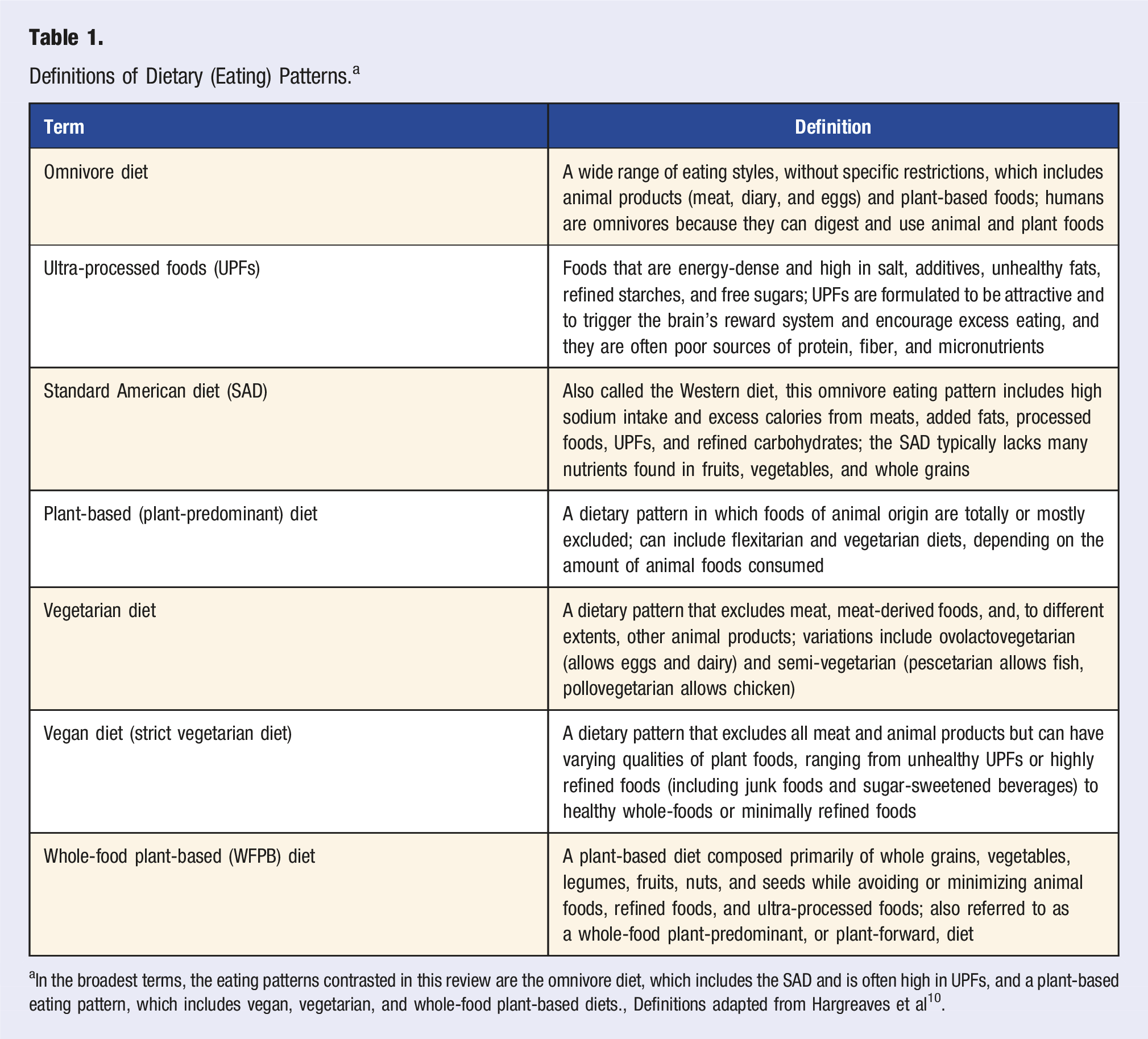
aIn the broadest terms, the eating patterns contrasted in this review are the omnivore diet, which includes the SAD and is often high in UPFs, and a plant-based eating pattern, which includes vegan, vegetarian, and whole-food plant-based diets., Definitions adapted from Hargreaves et al 10 .
UPFs can negatively impact the nutritional quality of any diet because they increase free sugars, total fats, and saturated fats, while reducing fiber, protein, vitamins and minerals. 11 This reduced quality is associated with increased risk of obesity, all-cause mortality, cardiovascular disease, type 2 diabetes, depressive symptoms, multiple sclerosis, Parkinson’s disease, and cognitive impairment.12-14 To account for diet quality, investigators are increasingly using food indices to classify plant-based diets healthful or unhealthful, based largely on the amount of UPFs and meat. Using this approach, diets with a higher healthful plant index have lower mortality and chronic disease compared to an unhealthful pattern or a generic index. 15
Some UPFs with simple sugars and carbohydrates can improve performance during athletic events with unique physiological conditions (e.g., long-distance running), but their adverse nutrition consequences on health overall limit their utility outside of specific physical activities. A survey of Australian recreational and professional athletes found that 95% consumed ultra-processed sports foods in the past 12 months, most often sports drinks and isolated protein supplements. 16 Many enjoyed the convenience and performance benefits of these foods, but over half had some concern regarding their health impact. When athletes do consume ultra-processed sports foods, it is best to choose foods that limit artificial sweeteners, refined starches, unhealthy fats, and preservatives.
Although this review focuses on athletic performance, the benefits of a plant-based eating pattern on overall health also warrant emphasis. There is robust evidence from systematic reviews supporting associations of plant-based dietary patterns with reduced risk of stroke, coronary heart disease, cardiovascular disease, cognitive dysfunction, type 2 diabetes, cancer mortality, and all-cause mortality.17-19 Additional benefits include a lower risk of chronic kidney disease, colorectal cancer, and reduced incidence of COVID-19 infection and severe episodes.20-22 Substituting plant-based foods for animal-based foods (especially red or processed meat) is also associated with improved cardiometabolic health and reduced all-cause mortality and cardiovascular disease mortality.23,24
Plant-Predominant Eating Pattern for Overall Health.
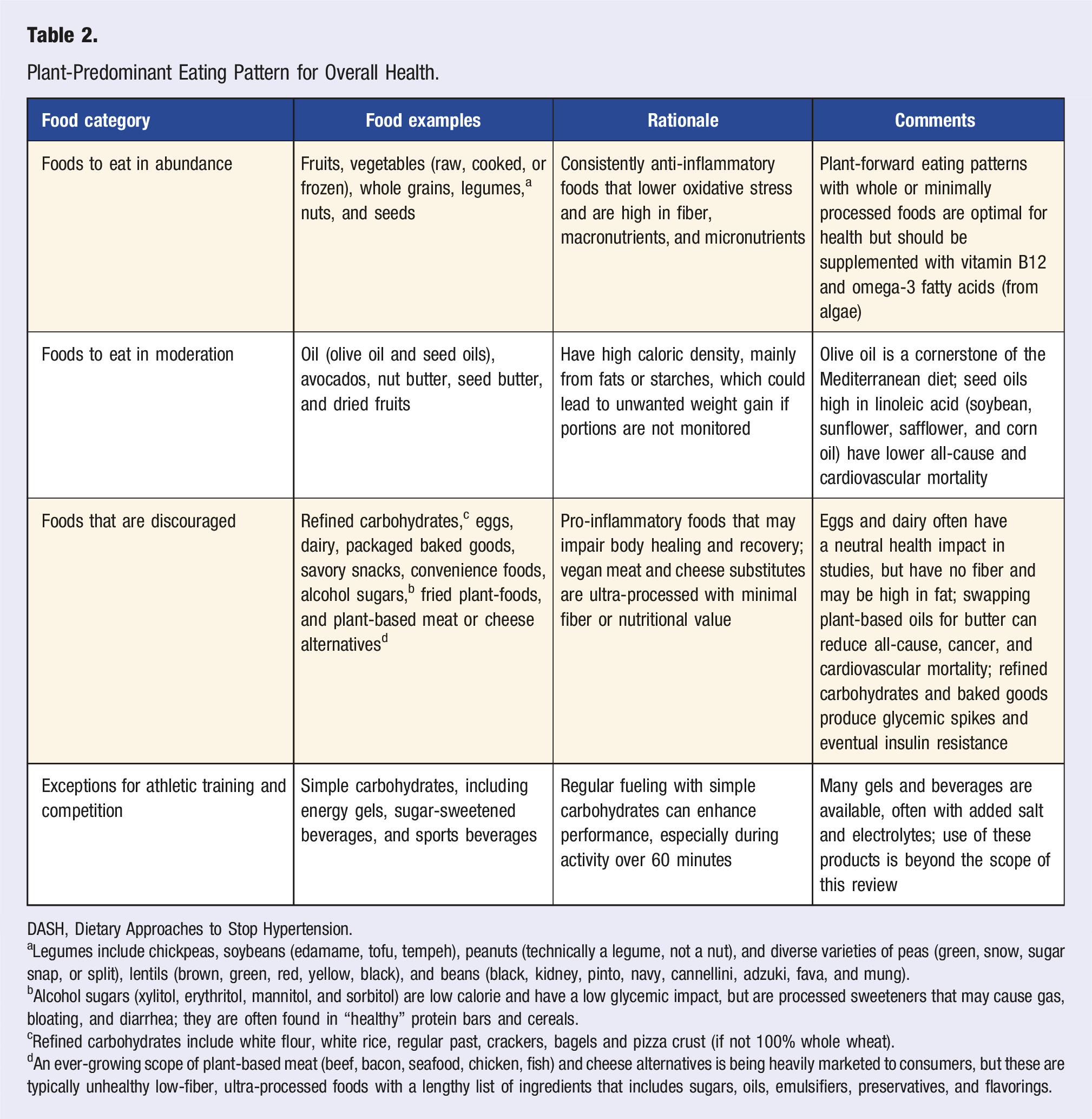
DASH, Dietary Approaches to Stop Hypertension.
aLegumes include chickpeas, soybeans (edamame, tofu, tempeh), peanuts (technically a legume, not a nut), and diverse varieties of peas (green, snow, sugar snap, or split), lentils (brown, green, red, yellow, black), and beans (black, kidney, pinto, navy, cannellini, adzuki, fava, and mung).
bAlcohol sugars (xylitol, erythritol, mannitol, and sorbitol) are low calorie and have a low glycemic impact, but are processed sweeteners that may cause gas, bloating, and diarrhea; they are often found in “healthy” protein bars and cereals.
cRefined carbohydrates include white flour, white rice, regular past, crackers, bagels and pizza crust (if not 100% whole wheat).
dAn ever-growing scope of plant-based meat (beef, bacon, seafood, chicken, fish) and cheese alternatives is being heavily marketed to consumers, but these are typically unhealthy low-fiber, ultra-processed foods with a lengthy list of ingredients that includes sugars, oils, emulsifiers, preservatives, and flavorings.
Plant-Based Eating Patterns as an Alternative to Omnivore Diets for Athletic Performance
Systematic Reviews and Recent Comparative Studies, Plant-Based vs Omnivore Eating Patterns for Athletic Performance.
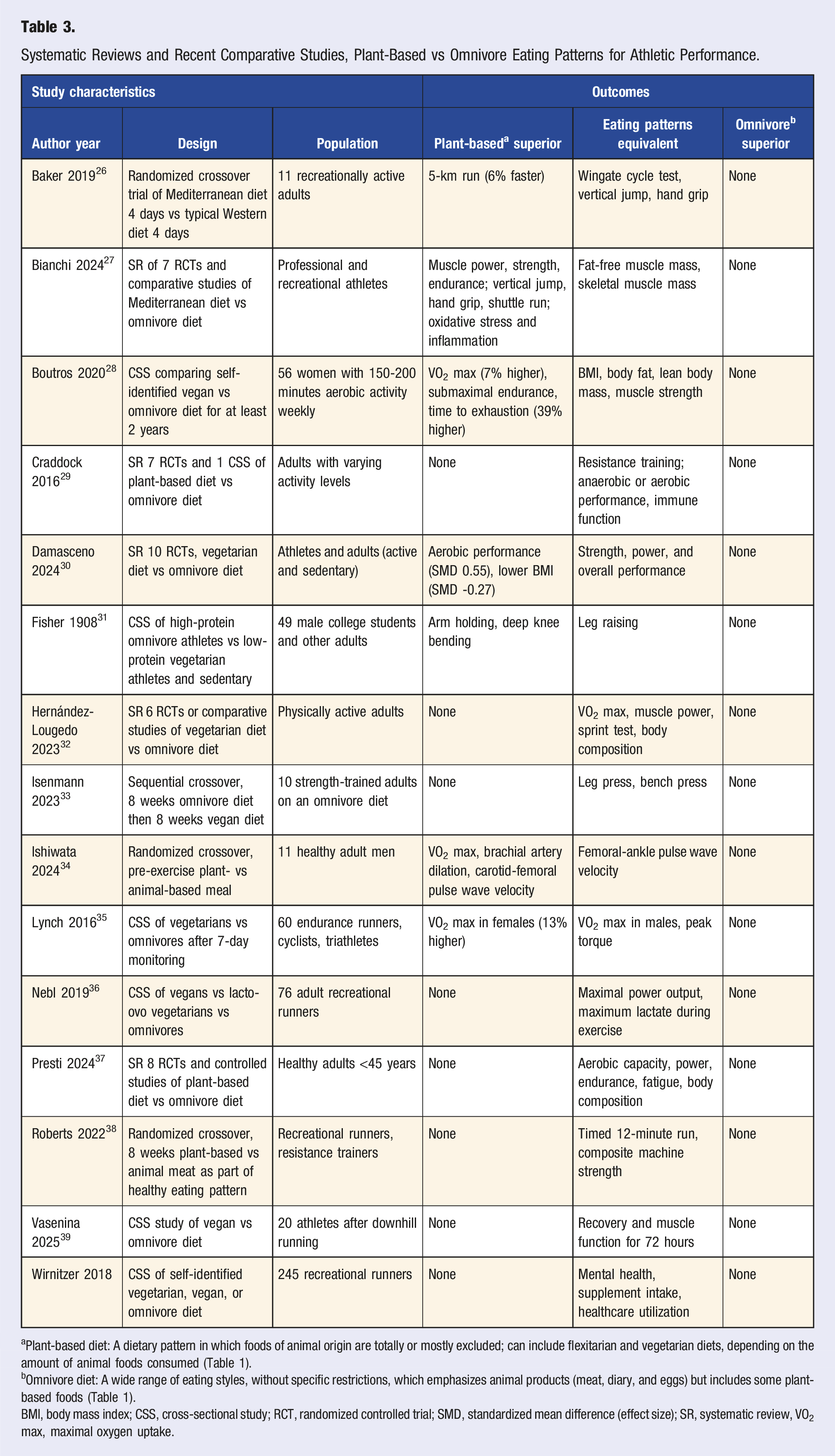
aPlant-based diet: A dietary pattern in which foods of animal origin are totally or mostly excluded; can include flexitarian and vegetarian diets, depending on the amount of animal foods consumed (Table 1).
bOmnivore diet: A wide range of eating styles, without specific restrictions, which emphasizes animal products (meat, diary, and eggs) but includes some plant-based foods (Table 1).
BMI, body mass index; CSS, cross-sectional study; RCT, randomized controlled trial; SMD, standardized mean difference (effect size); SR, systematic review, VO2 max, maximal oxygen uptake.
These studies (Table 3) suggest that plant-based eating patterns are non-inferior to omnivore diets for overall athletic performance, with superior results for the plant-based groups in some studies for endurance, aerobic performance, oxidative stress, and VO2 maximal oxygen uptake.26-28,30,31,34,35 None of the studies favored the omnivore diet. The diverse study designs, populations, and outcomes increase the generalizability of findings, but do introduce heterogeneity leading to a limited conclusion that plant-based eating patterns are non-inferior to omnivore diets when considering athletic performance. Moreover, these studies may potentially underestimate the benefits of a whole-food plant-based eating pattern because they did not consider the quality of the foods included (Table 2) as part of the study design or analysis.
Another limitation of these studies is that they only address physical performance and not other benefits of plant-based diets. For example, after reviewing 141 studies on dietary patterns and all-cause mortality, the U.S. Department of Agriculture found the best outcomes for diets with a high plant-based index, especially vegetables, legumes, fruit, nuts, and whole grains. 40 When meat was included, eating less red meat and processed meat was protective. Similarly, the odds of healthy aging—living to 70 years of age free of chronic diseases—increase with higher intakes of fruits, vegetables, whole grains, unsaturated fats, nuts, legumes and low-fat dairy products, whereas the odds are reduced by higher intakes of sodium, meat, or sugary beverages. 41 Of relevance to athletes is the lower oxidative stress and systemic inflammation associated with plant-based diets, whereas diets high in UPFs or meat have elevated pro-inflammatory biomarkers.42,43 Plant-based diets are also high in micronutrients that may enhance performance and facilitate athletic recovery. 44
A criticism of some plant-based diets is the high carbohydrate content (70-80%), but there is no consistent relationship of carbohydrate quantity to endurance or strength training outcomes.45,46 Despite claims that a low-carbohydrate high-fat (ketogenic, paleo) diet could enhance aerobic capacity and muscle utilization of fats, comparative studies of endurance athletes show no impact of this eating pattern on aerobic capacity or exercise performance. 47 Carbohydrate quality is more important than quantity, with whole grains and fiber-rich foods offering the greatest health benefits. 48 An exception to complex carbohydrates would be for an energy boost during endurance sports from simple sugars, 8 such as energy gels, bars, chews or quickly digested complex carbs from figs, dates, or pressed fruit bars.
Plant Protein as an Alternative to Animal Protein for Athletic Performance
Systematic Reviews and Recent Comparative Studies, Plant vs Animal Protein for Athletic Performance.
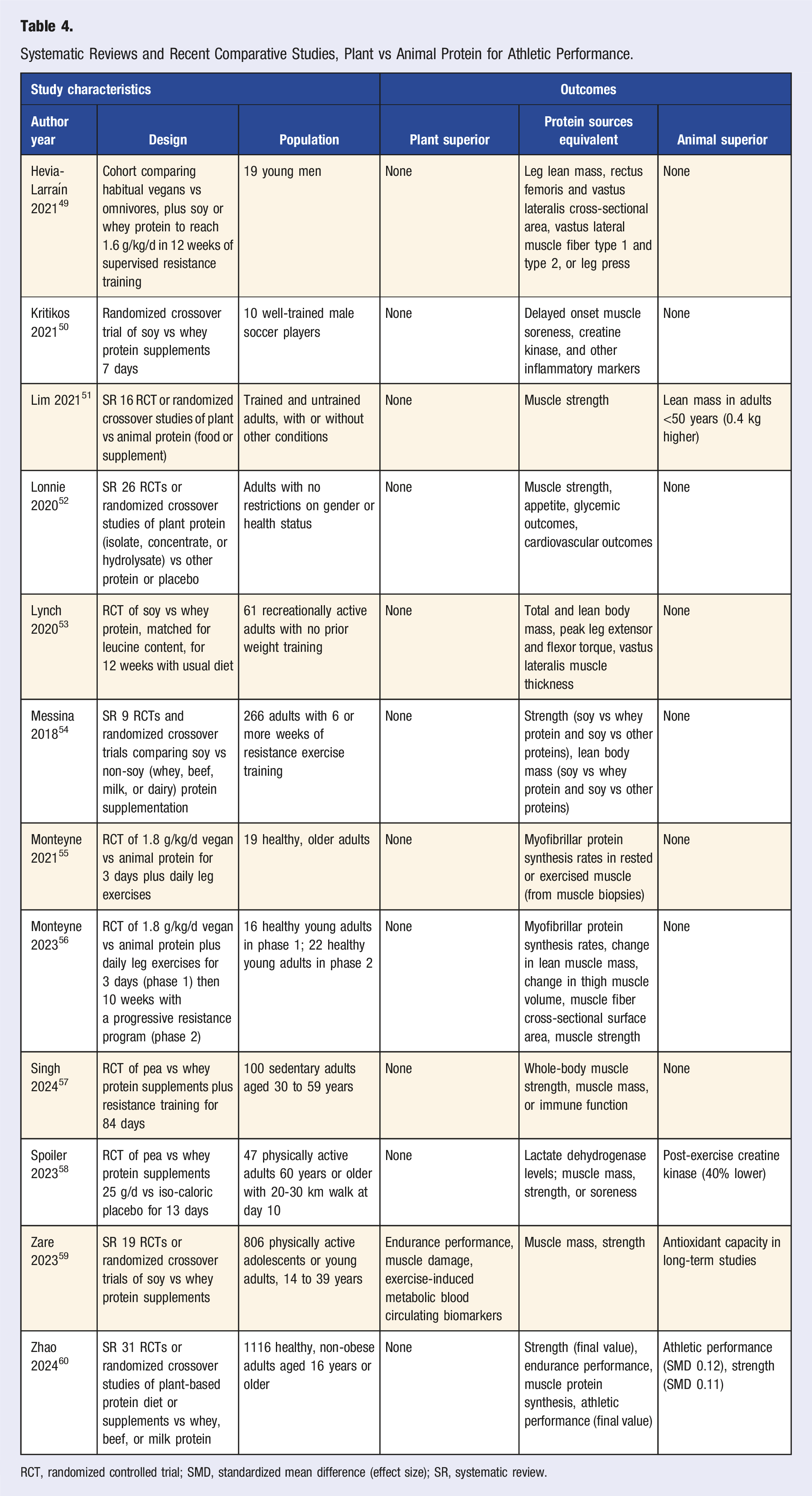
RCT, randomized controlled trial; SMD, standardized mean difference (effect size); SR, systematic review.
Skeletal muscle is regulated by an ebb and flow of muscle protein synthesis (MPS) and breakdown, determined largely by changes in protein intake and exercise status. 61 Consuming protein before or after resistance exercise will stimulate MPS, which requires all 20 amino acids and is impaired by a shortage in one or more of the 9 essential amino acids. 62 Despite claims that plant protein lacks essential amino acids relative to animal protein, plant proteins are not “missing” any of the 20 amino acids but their amino acid distribution profile can be less optimal when consumed in isolation. Lysine, for example, is suboptimal in grains and the sulfur-containing amino acids (methionine, cysteine) are slightly lower in legumes than for optimal human needs, which would be a problem when eating only rice and beans but not for a diverse plant-based diet.8,63,64
Eating a variety of healthy plant foods (Table 2) provides adequate amounts of all essential amino acids for athletes and can satisfy the recommended protein intake. 65 Eating complementary foods, such as grains and legumes or legumes and nuts, is unnecessary if diverse plant proteins are consumed within the same 24-hour period. 63 Plant proteins are not only sufficient for complete protein nutrition, but compared to animal protein can be more ethical, affordable, offer greater food safety, and better meet consumer demand. 66 Despite historically lower protein digestibility ratings for plant vs animal proteins, these scores have significant limitations when applied to plant-based diets,67,68 and do not show large enough differences to risk insufficient amino acid absorption for MPS.64,69,70
Whereas vegetarians, in general, do not need to consume specific combinations of plant proteins in meals, an exception is after intense strength training where leucine and essential amino acids can facilitate optimal MPS. 71 Leucine is the most potent amino acid for directly activating MPS, but most plant-based proteins are low in leucine content compared to animal sources. 72 Combining complimentary plant-based proteins can help overcome this limitation (e.g., legumes and whole grains, soy foods and grains, legumes and nuts/seeds, or grains and nuts/seeds). Maximal MPS occurs after consuming 3 grams of leucine, either through whole-foods or a leucine supplement (capsules or powder), with or without essential amino acids. 72 Leucine supplementation also benefits masters athletes (compared to younger individuals) and is discussed later under that section heading.
Protein Requirements, Spacing, Timing, and Sources
The recommended daily allowance (RDA) of protein intake for an average, sedentary adult is 0.8 g/kg, which is sufficient for unstressed states but is insufficient during energy restriction or resistance training. 73 The International Society of Sports Nutrition advises 1.4 to 2.0 g/kg/d of protein for most exercising individuals to achieve a positive, muscle protein balance, with the higher end of the range for power athletes seeking maximum endurance or strength. 62 Others have found that exceeding 1.6 g/kg/d of protein during prolonged resistance training does not improve strength, muscle size, or muscle fibers. 74 Therefore, a target of 1.4 to 1.6 g/kg/d of protein would be reasonable for adults doing strenuous physical activity or endurance sports, 1.6 to 2.2 g/kg/d of protein for optimal muscle hypertrophy, and a range of 0.8 to 1.2 g/kg/d for more sedentary and less active individuals. The total amount of protein consumed, especially the content of essential amino acids, is what matters for performance, not the protein source (plant vs animal).
In addition to athletes who engage in high-intensity or endurance training, other individuals will benefit from higher levels of protein intake because of anabolic resistance states that reduce MPS by skeletal muscle tissue in response to dietary amino acids. Anabolic resistance can be related to obesity, older age (above 50 years), cancer, end-stage renal disease, and sedentary behavior, muscle disuse, or unilateral limb immobilization. 75 When individuals with these conditions seek to engage in physical activity, their increased protein needs can be met using protein-rich whole-foods, supplemental protein sources, and nutritional supplements. 76
Equally important as adequate protein consumption for MPS is how the intake is distributed, or spaced, throughout the day. The meal threshold for protein to stimulate MPS is related to age and activity, requiring about 15 grams if young and active, 20 grams if older and active, and 25+ grams if older and sedentary. 77 Although based mainly on studies of animal protein (egg, beef, whey), the cumulative evidence suggests a minimum protein threshold of 20 grams for MPS, with recommendations for 20 to 30 grams of protein with each meal.78-80 Whereas some suggest the optimal timing for protein to stimulate MPS after exercise is within 2 hours for trained athletes, or within 24 hours if untrained, 77 others have found no consistent relationship of protein timing to MPS. 81 In one RCT, a bolus of 100 grams of protein after resistance exercise enhanced MPS more than 25 grams, suggesting a dose-dependent response that may be underestimated in humans. 82
In contrast to the issue of how protein is distributed throughout the day, the timing of protein ingestion relative to a bout of exercise is of less importance. Protein supplementation before vs after exercise for at least 4 weeks in one systematic review 83 had no impact on improvements in lean body mass. Another systematic review 84 found no impact of protein given before vs after a resistance training session on improvements in muscle strength or hypertrophy. In this second review, total protein intake, not timing, was found to be the key factor for building muscle.
Plant-Based Protein Sources.
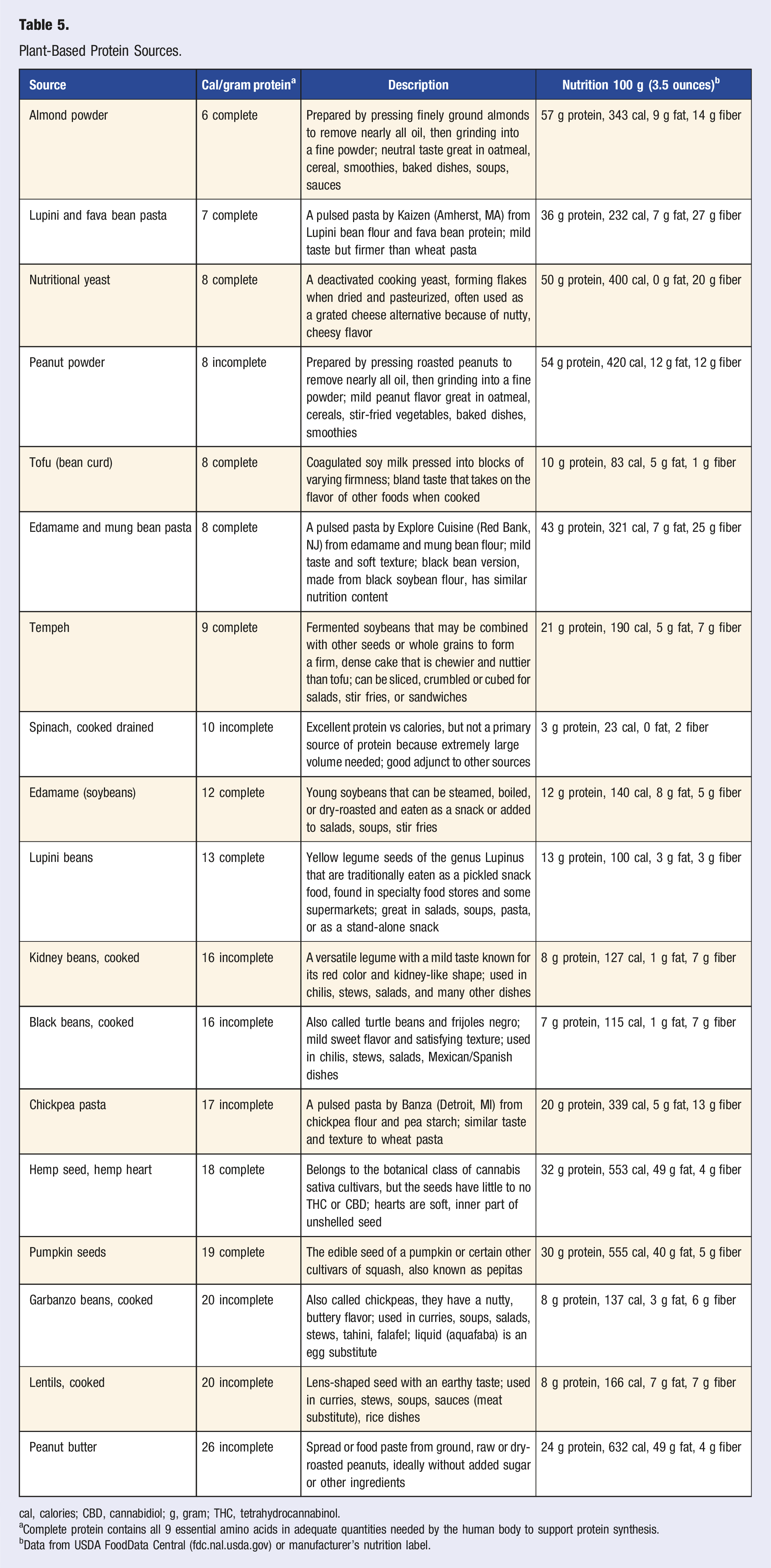
cal, calories; CBD, cannabidiol; g, gram; THC, tetrahydrocannabinol.
aComplete protein contains all 9 essential amino acids in adequate quantities needed by the human body to support protein synthesis.
bData from USDA FoodData Central (fdc.nal.usda.gov) or manufacturer’s nutrition label.
Pulsed pastas, made from gluten-free legume flours, are a nutrient-dense source of protein and fiber with a low glycemic index. 88 Some of the highest protein pasta alternatives are made from edamame, chickpeas, lupini beans, or mung beans (Table 5). There is an ever-growing variety of plant-based protein and energy bars marketed to athletes, the best of which lack highly processed sources such as soy protein isolate (heavily refined), soy protein concentrate (slightly less refined), and wheat protein isolate (nearly pure gluten protein). Less processed, and potentially healthier, plant protein isolates are derived from peas, hemp, potatoes, brown rice, and pumpkin seeds. The best protein bars also minimize added sugars, regardless of whether they are “natural” (e.g., agave, maple syrup, coconut sugar) or alcohol-based.
Supplements with Proven Benefits
Evidence-Based Supplements for Optimal Athletic Performance and Recovery.
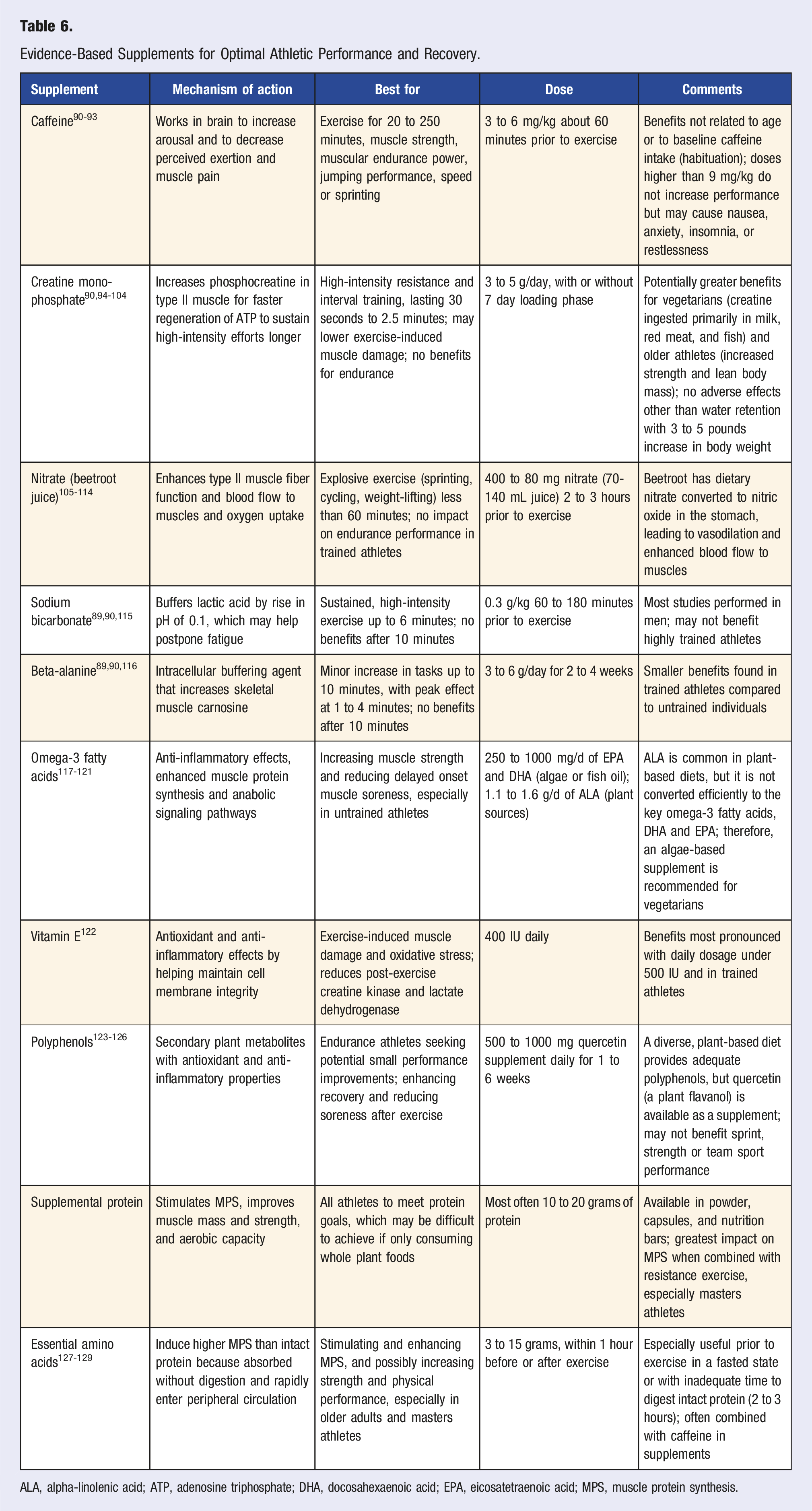
ALA, alpha-linolenic acid; ATP, adenosine triphosphate; DHA, docosahexaenoic acid; EPA, eicosatetraenoic acid; MPS, muscle protein synthesis.
Caffeine (Table 6) works in the brain to increase arousal and decrease perceived exertion and muscle pain. 90 An umbrella review 91 of 21 meta-analyses found consistent small to moderate improvements in exercise performance after caffeine ingestion, with the largest impact on aerobic tests of endurance. The most common regimen was 3 to 6 mg/kg of caffeine (about 2 cups of coffee) 60 minutes before exercise. A subsequent systematic review of 21 randomized, crossover trials compared caffeine (3 to 9 mg/kg) vs placebo in primarily male runners, finding small to moderate benefits on time to exhaustion and time to complete endurance trials. 92 Although many caffeine trials use doses of 3 mg/kg or higher, a systematic review of 12 RCTs using lower doses of 0.9 to 2.0 mg/kg found small to moderate improvements in resistance exercise performance, suggesting that this lower dose (1 to 2 cups of coffee) does not diminish the benefits. 93
Creatine (Table 6) is ingested mainly from animal products (milk, red meat, fish, and chicken) and then stored in fast-twitch muscle, where it enhances strength, muscle mass, and possibly endurance. 90 Creatine is one of the most studied sports supplements, leading to its colloquial designation as a “cheap, legal, and effective” steroid because, like steroids, it improves strength and muscle mass but without the attendant risks.94-98 There may also be some benefits of creatine for recovery from exercise-induced muscle damage99,100 but the impact on endurance performance is unclear,96,101 with some studies suggesting a small to trivial negative effect on maximal oxygen uptake, VO2 max. 102 Creatine monohydrate is the preferred form for supplementation, with or without a loading phase, and is equally safe and effective for men and women who participate in diverse athletic activities.103,104
Beetroot (Table 2) is rich in nitrate that is converted in the stomach to nitric oxide, which can enhance exercise performance through skeletal muscle vasodilation with improved oxygen uptake and perfusion. 105 Two systematic reviews of acute (2 to 3 hours before exercise) or chronic beetroot supplementation found improved explosive exercise (sprinting, cycling, weight-lifting).106,107 Another 6 systematic reviews found small, but significant, improvements in time-to-exhaustion and endurance (cardiorespiratory) exercise capacity, with the highest benefits for less-trained or non-athletes in time trials and open-ended tests.108-113 A final review of trials using acute or chronic beetroot supplementation found no improvement in peak or mean power output, but studies were heterogenous and beetroot dosages were low. 114
Sodium bicarbonate and beta-alanine (Table 6) do not impact endurance performance but may enhance high-intensity and short-burst exercise, especially in untrained athletes.115,116 Untrained athletes may also benefit more from omega-3 fatty acids (Table 6) because of less delayed onset muscle soreness,117,118 but benefits are inconclusive for performance and for trained athletes.119-121 Conversely, trained athletes preferentially benefit from a daily low dose of vitamin E (Table 6) to reduce exercise-induced muscle damage and oxidative stress. 122 Polyphenols (Table 6) also aid recovery because of antioxidant and anti-inflammatory properties,123,124 which, similar to beetroot, increase gastric nitric oxide. 125 Polyphenols are found in foods (cocoa, berries, beetroot, blackcurrants, pomegranates, cherries) and concentrated fruit supplements (berries, blackcurrant, watermelon), with quercetin (plant flavonol supplement) having the greatest performance impact (about 3%) in RCTs. 126
A systematic review of 35 RCTs comparing different dietary supplements to placebo for strength and conditioning training, found that protein supplementation resulted in the greatest improvement in muscular strength, with a moderate to large effect size. 130 Similarly, when endurance-trained athletes are randomized to protein supplementation vs placebo in proximity to exercise, the protein group has greater improvements in lean muscle mass, time trial performance, and aerobic capacity (peak oxygen uptake, peak workload power). 131 With regards to specific types of protein, a systematic review of 31 studies found that plant-based protein supplements (soy, rice, pea, potato, corn, mung bean, fava bean) improved athletic performance and muscle strength in healthy individuals compared to the no- or low-protein ingestion group (small effect size); however, animal protein (whey, beef, milk protein) was slightly more beneficial than plant protein (trivial to small effect size). 132
A recreational athlete consuming diverse, plant-based protein sources (Table 5) in sufficient quantities is unlikely to benefit from essential amino acid (EAA) supplementation (Table 6), except for exercise in a fasted state with insufficient time to digest protein foods. Oral, free-form EAAs taken within 60 minutes of activity induce a greater increase in MPS than intact protein, because they do not require digestion for absorption and they enter the peripheral circulation rapidly, with a robust increase in EAA plasma concentrations. 127 In young, healthy adults EAAs have not resulted in performance benefits, but do improve post-prandial plasma amino acid availability 128 and when consumed with whey protein have a greater impact on MPS than whey protein alone. 129 As noted in the next section, EAAs have greater benefits for older adult athletes.
Considerations for Masters Athletes
Master athletes are 35 years or older (40 years in some publications) who seek optimal performance in competitive sports.133,134 Synonyms include older athletes, mature athletes, and aged athletes. Aging significantly impacts athletic ability and performance, with reduced oxygen uptake (10% decline/decade in VO2 max after age 30 years), reduced skeletal muscle mass (10% decline/decade in muscle fibers and strength), lower metabolism (2% to 5% decline/decade after age 25 years), reduced bone density (osteopenia, osteoporosis), reduced height (0.5” decrease/decade after age 40 years), and reduced vitamin D production (75% decrease from age 20 to 70 years).90,134 Maintaining a high exercise-training stimulus and optimal nutrition with advancing age can limit the decline in endurance performance.134,135
Dietary protein supplementation plus physical activity are the best ways to slow decline in muscle mass and strength (sarcopenia). 136 Masters athletes, however, have reduced protein synthesis and need more protein to preserve mass and function, which is best achieved with 1.6 to 1.8 g/kg/d of protein over 3 eating events.90,137 As noted previously, exercise stimulates MPS that is optimized by eating protein-dense foods (Table 5) 90-120 minutes before exercise or by taking an EAA supplement (Table 6) 15-30 minutes prior to exercise. 90 An overview of 5 systematic reviews of resistance training in older adults found that in all analyses added protein resulted in greater increases in lean body mass and muscle mass compared to training alone. 138 In contrast to younger adults, EAA supplements for masters athletes have more consistent benefits for physical and functional performance.139,140
Masters athletes aged 50 and older can enhance MPS with leucine supplements because of anabolic resistance related to aging and sarcopenia. As noted previously, leucine is key regulator of post-prandial MPS, but this effect has been most consistently observed for older adults. 141 A systematic review of 38 RCTs found that a leucine administered one hour before or after resistance exercise (typically as 3 grams of isolated protein or with essential amino acids) had a small to moderate benefit for MPS in older, but not younger, adults. 142 Similarly, another systematic review concluded that high-dose leucine supplementation over 12 weeks did not impact muscle mass or strength in young, resistance-trained men who consumed adequate dietary protein. 143
Compared to younger adults, creatine supplementation (Table 6) offers greater benefits for masters athletes, especially for those with a plant-based eating patterns and lower baseline creatine stores. 144 Systematic reviews demonstrate increased strength, muscle mass, and skeletal muscle health from creatine use by older adults, independent of creatine loading, maintenance dosage, or frequency, with no adverse events.97,98 Benefits are enhanced when creatine is combined with exercise and resistance training.145,146 Beyond physical performance, creatine used by older adults may improve memory, especially for vegetarians.147,148
Limitations
Despite the robust, and rapidly growing, evidence based of research regarding plant-based diets and athletic performance, there are some limitations to consider when moving from evidence to practice: • Definitions of plant-based diets vary among studies, making it difficult to recommend a specific eating pattern; rather, the principles in Table 2 should be applied when making food choices • The bottom-line conclusion that plant-based diets are non-inferior to omnivore diets for athletic performance should be reassuring to athletes who choose a plant-based eating pattern, but this “non-inferior” finding for performance should not be extrapolated to overall health and mortality, for which evidence conclusively shows benefits of a high-quality plant-based eating pattern • Macronutrient needs are important for athletic importance but not always discussed or explicitly matched in research studies, which could make it difficult to interpret results of plant-based vs omnivore diets or even healthful vs unhealthful plant-based diets • Plant-protein is non-inferior to animal protein for overall athletic performance, but regarding overall health plant-protein is higher in fiber and lower in salt, oil, and cholesterol; substituting animal-protein with plant-protein should not impact performance but may improve overall health • Total calories were not considered in this review, but for body composition the overall caloric intake must be adjusted to match goals (e.g., muscle hypertrophy vs fat loss); the best approach is usually to emphasis fiber-rich foods and lean protein sources while avoid UPFs and other calorie-dense foods • Ideal protein requirements for maximal muscle hypertrophy and strength (e.g., bodybuilders) may be up to 2.2 g/kg/d,
149
because the total daily intake of dietary protein is the most crucial factor influencing MPS.
Conclusions
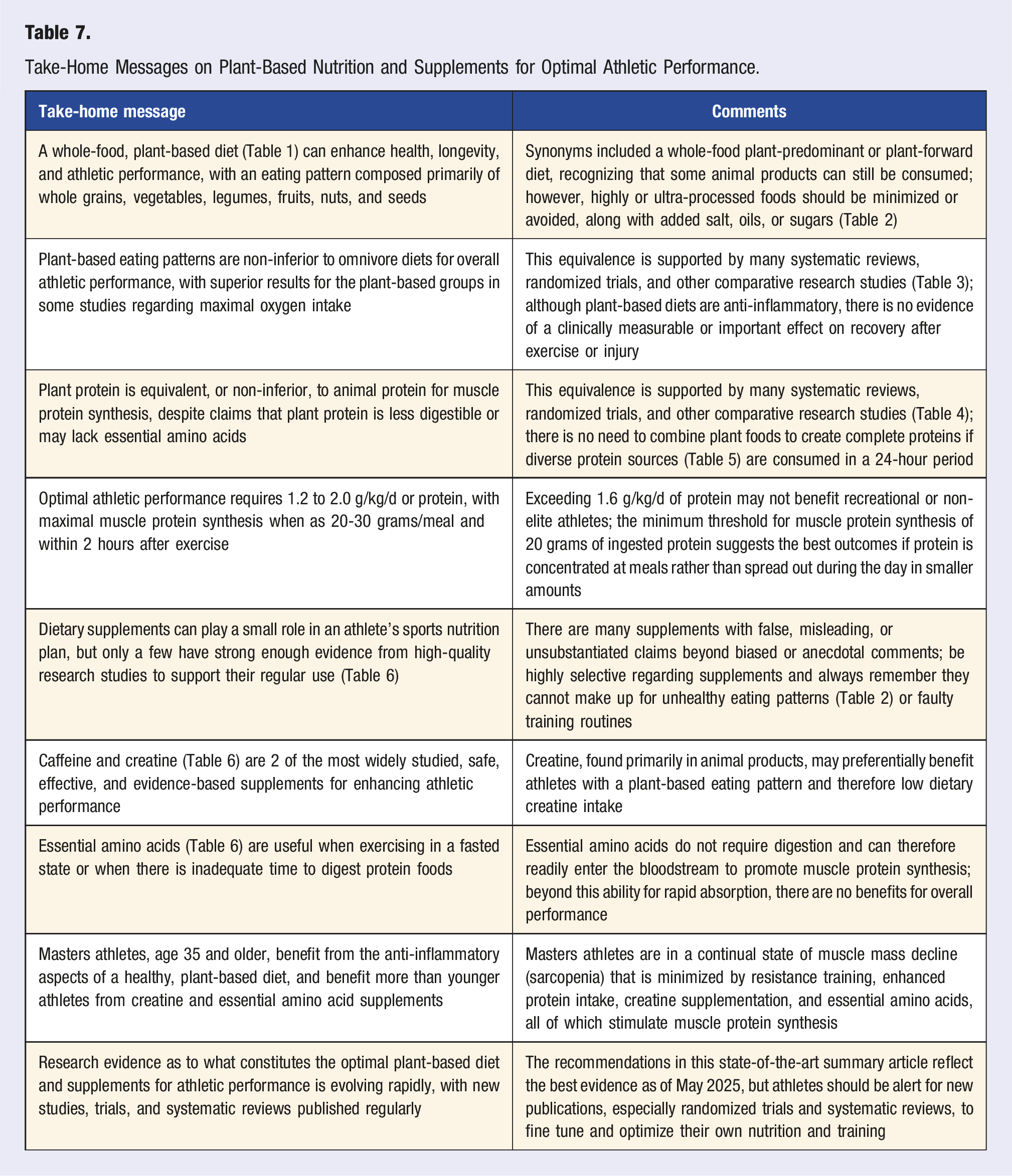
Take-Home Messages on Plant-Based Nutrition and Supplements for Optimal Athletic Performance.
Footnotes
Declaration of Conflicting Interest
The authors declared the following potential conflicts of interest with respect to the research, authorship, and/or publication of this article: Richard M. Rosenfeld, Director of Guidelines and Quality, American College of Lifestyle Medicine; Jonathan P. Bonnet, published 2 editions of the Lifestyle Medicine Handbook and the Foundations of Lifestyle Medicine Board Review Course, Guidepoint expert consultant, and have received funding and support from the Ardmore Institute of Health; Samantha Zinman, none.
Funding
The authors received no financial support for the research, authorship, and/or publication of this article.
