



Abstract
There are 6 Official Pillars of Lifestyle Medicine, and now mounting evidence supports daily exposure to nature and fresh air as vital to optimizing overall physical and mental health. Time spent in nature has been shown to help lower blood pressure, reduce nervous system arousal, enhance immune system function, reduce anxiety and increase self-esteem. The positive effects of time spent in nature span different occupations, ethnic groups, financial status and individuals with a variety of chronic illnesses and disabilities. “Forest Bathing” is the term coined by Japanese researchers for walking in the woods. It is suspected that aerosols from trees, when inhaled during a forest walk, are one factor responsible for elevated immune system Natural Killer (NK) cells, which help fight off infections and tumor growth. In a culture of ever-increasing technology and screen time, now more than ever it is crucial to educate and empower individuals to incorporate nature into therapeutic treatment regimens. This article will demonstrate the potential benefits of nature, share evidence supporting nature as medicine and provide tools to help engage individuals to spend more time outdoors.
Keywords
“Gardening is a facet of horticulture therapy, and a great way to increase nature exposure while also increasing physical activity and mindfulness.”
Introduction
Nature has been a source of healing and inspiration for humans for thousands of years. From ancient times, people have recognized the restorative power of spending time in nature, whether it is through taking a walk in the woods, listening to the sound of waves crashing on a beach, or simply watching a beautiful sunset. In recent years, research has confirmed what many of us have intuitively known for a long time: that nature has a profound impact on our physical, mental, and emotional well-being. This has led to a growing interest in using nature as a form of medicine, both as a complementary therapy and as a preventative measure. In this context, nature is seen as not only a place of beauty and wonder, but as an essential part of our overall health and wellness. In this article, we will explore the various ways in which nature can be used as medicine, and how we can harness its power to improve our lives.
The concept of nature as medicine is not new, and decades ago Edward O. Wilson was instrumental in raising awareness of our need and desire as a species to connect with the outdoor environment. Wilson, along with Erich Fromm coined the term Biophilia to describe the innate human connection to nature and other living organisms. The word “biophilia” is derived from the Greek words “bios” meaning life, and “philia” meaning love or affinity.
Wilson proposed that human beings have an innate need to connect with nature and other living things, and that this connection is essential to our well-being. This connection can be seen in our appreciation of natural beauty, our love for animals, and our desire to be surrounded by plants and green spaces. The concepts of biophilia and evolutionary biology highlight the connection between humans and the natural world, and present the importance of preserving and nurturing this connection for the benefit of our physical and mental well-being.
In recent years, the concept of biophilia has gained increasing attention from researchers, architects, and urban planners who recognize the importance of incorporating nature into the built environment. This approach, known as biophilic design, seeks to create spaces that promote health, happiness, and productivity by incorporating natural elements such as plants, water features, and natural light into the built environment. Public health officials are also interested in capitalizing on creating natural spaces with the intention to promote health, particularly for vulnerable and disadvantaged populations.
This review will demonstrate that time spent in nature is an essential component of health, and offers practical advice for how clinicians can put this growing body of evidence into practice immediately. The intention of this review is not to provide an exhaustive literature review, but rather to highlight key study findings and conceptual frameworks that provide focused? evidence for the use of Nature As Medicine in clinical practice. excitingly, nature recommendations and nature prescriptions can be integrated into all pillars of Lifestyle Medicine.
Objectives of this review are as follows • examine changes in lifestyle over the last 70-100 years that have led to sedentary behavior and corresponding epidemics of obesity and chronic disease • Present how much time we spend indoors and the corresponding detriments of disconnection from the natural world • Discover the health benefits of time spent in nature, including active ingredients or mechanisms of action, where known • Identify prevailing theories about the restorative benefits of nature and potential mechanisms of action. • Learn how to prescribe nature as medicine. • Provide a clinician toolkit with rich resources to learn more about nature as medicine, as well as practical strategies and tools to help incorporate time spent in nature into your clinical practice, facilitating a clinician’s ability to use shared decision making to craft the perfect nature prescription.
Modern Life Speeds up, While the Human Body Slows Down
The pace of daily life has dramatically increased over the last century. While we’ve seen many positive changes, these rapid shifts have come at a cost. Western societies have become increasingly sedentary, and we spend most of our time indoors, contributing to the rise in obesity and rates of non-communicable diseases, as well as skyrocketing rates of mental health concerns. These phenomena have occurred over a relatively short period of time evolutionarily, particularly in the last 70-100 years. Prior to WWII, the life of the average American included a good deal of physical activity and energy expenditure. Most people were slim, and chronic disease rates were significantly lower than they are today. As the 1940s progressed to the 1950s, more families moved to urban and suburban areas, with modern day conveniences like refrigerators and washing machines. As suburban sprawl advanced, and vehicles became more affordable, people began to commute long distances for work. Additionally, barriers to women working outside the home broke down by the end of WWII and many married women entered the workforce by the 1950s. Computers appeared in homes in the 1980s and the Internet made its debut in the 1990s.
Fast forward to today when smartphones, social media platforms, and working from home is common (enhanced by the COVID-19 pandemic). This has led to increased sedentary behavior, less energy expenditure, and skyrocketing rates of obesity and chronic disease. Despite our modern lifestyle of social media “connection,” we are more disconnected than ever—from each other, from ourselves, and from nature. Our physical, mental, and emotional well-being have suffered greatly.
Time Spent Indoors
Americans spend most of their lives indoors, with potentially negative health consequences. According to the EPA,
1
Americans live 90% of their lives indoors. The National Human Activity Pattern Survey (NHAPS),
2
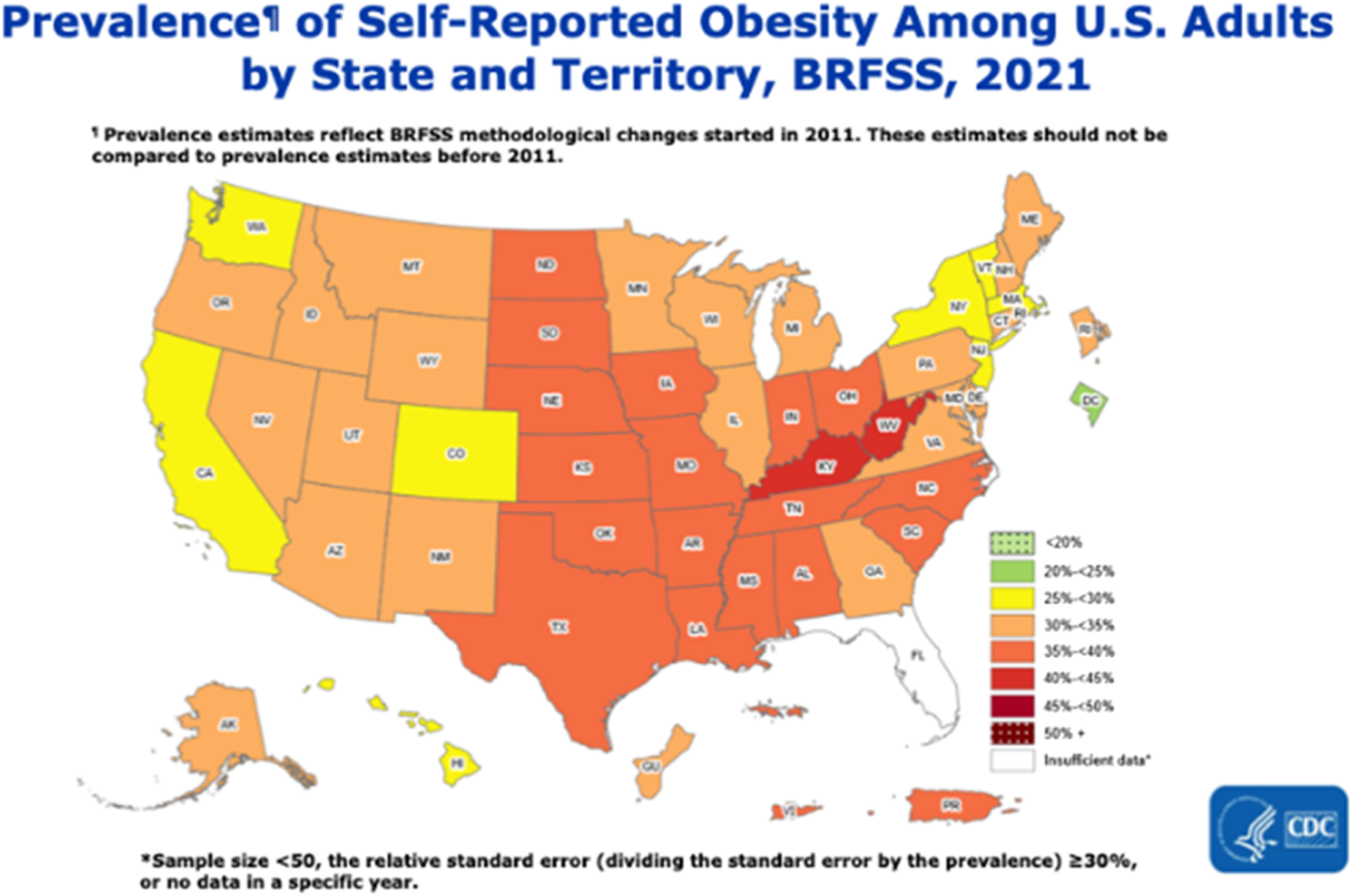
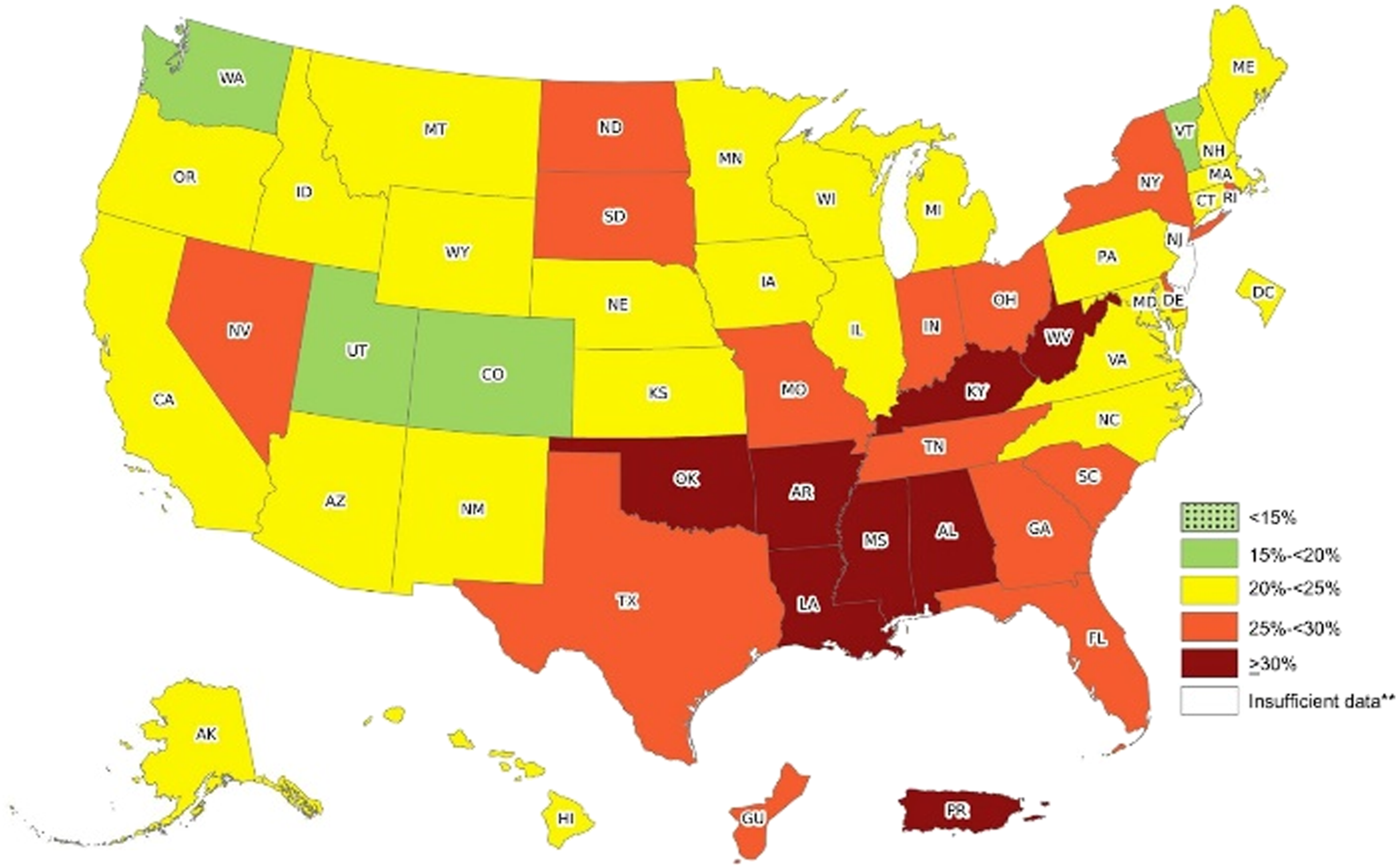
which evaluates exposure to pollutants, including indoor air pollution, determined that Americans live 87% of their lives in buildings and another 6% in vehicles, for a total of 93% of life lived, leaving only 7% of time to spend outdoors. This minute amount of time outdoors may not be intentional, but rather a byproduct of our busy lives. Interestingly, obesity rates and sedentary behavior overlap in the southeastern U.S. while the least obese and most active people live in the western U.S. where the beauty of nature and opportunities to explore it abound (CDC, 2022). Encouraging people to spend more time outdoors in nature has important health benefits, which are explored in more detail below Figures 1 and 2. Prevalence of self-reported obesity among US adults by state and territory, BRFSS, 2021.
3
Prevalence of self-reported physical inactivity* among US adults by state and territory, BRFSS, 2017-2020. Source: Behavioral Risk Factor Surveillance System. *Respondents were classified as physically inactive if they responded “no” to the following question: “During the past month, other than your regular job, did you participate in any physical activities or exercises such as running, calisthenics, golf, gardening, or walking for exercise?” ** Sample size <50, the relative standard error (dividing the standard error by the prevalence) ≥30%, or no data in at least 1 year.
4
Theories
Two key theories have emerged that offer explanations for the therapeutic effects of forests and other green spaces
5
: • Attention restoration theory (ART): Directed (voluntary) attention is depleted by mentally challenging tasks and in urban settings, while exposure to natural environments is restorative.
5
• Stress recovery theory (SRT): Natural settings influence mood, which then promotes recovery from life stressors.
5
Researchers are seeking answers to what it is about nature that promotes and restores human health. Numerous studies have presented evidence related to improvements in both objective health measurements as well as subjective experiences resulting from time spent in nature.
Time spent in nature may include activities with or without an intention of promoting health directly (or specifically). They may be rather passive or very physically active. Elucidating which activities produce the most salient benefits for human health is an emerging field, but we have good data from which we can refine our recommendations. Dr. Qing Li’s studies on shinrin-yoku, or forest bathing, in Japan identified key mechanisms that reduce disease risk and promote health. The next section provides additional details on this particular modality of nature exposure and the mounting health benefits of spending time in nature.
Health Benefits of Spending Time in Nature
A burgeoning number of organizations are adopting the term “nature as medicine” in response to a growing body of work demonstrating the multi-faceted power of this modality to influence mood, immune function, cardiovascular health, and much more. Numerous studies demonstrate that immersion in natural environments is linked to multiple positive health effects. Studies including green spaces and forests are the most robust. In fact, all-cause mortality and life expectancy have been consistently linked to the greenness of a neighborhood. 6
A few studies have evaluated “blue spaces” as distinctly beneficial to human health, although data on blue spaces outside of a green space (setting) is still emerging. a green space is still emerging. One systematic review looking at well-being and blue spaces found mental health, particularly psycho-social well-being, can be enhanced by blue spaces. 7 Another systematic review and meta-analysis 8 sought to quantify the blue space mechanisms. There appear to be three key pathways including, 1) promotion of physical activity, 2) increased restoration, and 3) improved air quality. Positive impacts of blue space are harmonious with findings for green spaces, and represent public health resources for addressing risk factors linked to increased urbanization. There is a paucity of data for brown spaces like deserts and snow covered areas.
Benefits of spending time in nature are numerous, and health outcomes identified to date include the following
6
: • Immune function - improved natural killer (NK) cell activity, increased cancer fighting protein production and less cancer, less acute urinary tract infection and upper respiratory infection, and improved healing ability • Cardiovascular - lower blood pressure, lower heart rate, increased heart rate variability • Endocrine - improved blood glucose control, lower cortisol levels • Brain/Neurologic health - better cognitive performance, less migraine • Nervous system - less sympathetic and more parasympathetic activity/less activity within the amygdala. • Mental and emotional health - improved mood, less anxiety and depression, improved symptoms of ADHD, and improved overall well-being • Intestinal health - more short chain fatty acid producing bacteria • Musculoskeletal - less MSK complaints • Positive impacts on birth weight
What might the mechanism(s) of action or active ingredients be to cause such profound, positive effects on human health? A mini-review 6 identified 21 potential pathways, with results pointing to enhanced immune function as a possible central pathway, although there may be others. The review concludes that “nature actually promotes health,” with a symphony of multiple contributing pathways creating a large aggregate effect, though any one pathway may exert a small-scale effect. 6
A review and meta-analysis of health outcomes linked to exposure to greenspace, 9 drevealed a significant body of work dating to the 1800s, and nearly 150 studies identifying broad health benefits from greenspace exposure. Statistically significant reductions in heart rate, systolic blood pressure, and salivary cortisol, diabetes, cardiovascular, heart rate variability, HDL cholesterol, self-reported health, and all-cause mortality, suggest that greenspace is linked to a significant range of health benefits. These findings advance greenspace as an intervention for bettering a breadth of health outcomes.
Does the type of greenspace matter? While most studies compare the effects of forested vs urban spaces, one study, 10 set forth with a randomized cross-over trial to determine if there is a difference between forest and field. The results showed each led to improvements in emotional well-being, however, vitality was stronger for forest vs field.
Shinrin-Yoku (Forest Bathing)
Shinrin-yoku is a Japanese term meaning “forest bathing” or “taking in the forest atmosphere.” This practice involves spending time in a forest or other natural environment to improve one’s physical, mental, and emotional well-being. With roots in the early 1980s, Shinrin-Yoku was developed by the Japanese government’s forestry agency as part of a national public health campaign to promote better national health and well-being.
Shinrin-yoku gained popularity in Japan, and the government began promoting it as a form of preventive healthcare and therapy. Today, Shinrin-yoku is well-established in Japan and has gained popularity around the world as a way to improve overall health and well-being. The practice involves immersing oneself in a forest or other natural environment, taking in the sights, sounds, and smells, and engaging all the senses.
National and international forest therapy projects include, Forest Therapy Society of Japan,
11
European Cooperation in Science and Technology (COST) Action-E39 Project on Forests, Trees and Human Health and Well-being,
12
and International Society of Nature and Forest Medicine.
13
Studies suggest Shinrin-yoku has a range of health benefits, including reducing stress, boosting the immune system, and improving mood and cognitive function. These are addressed in more detail below. Benefits of shinrin-yoku are many: 1. Reduced stress and activity in the amygdala: Various studies, as well as data from meta-analyses, have presented findings that forest bathing reduces blood pressure and the stress hormone, cortisol. Other benefits include relaxation, decreased heart rate, improved positive feelings and lower negative feelings, and a re-balancing of the nervous system by decreasing sympathetic activity and increasing parasympathetic activity.14-17 The amygdala is the part of the brain involved in processing emotions, particularly fear and anxiety. A one-hour walk in nature decreased amygdala activation vs no change with a walk in an urban area.
18
In a 2019 systematic review, Norwood et al found that urban environments seem to induce an overactive amygdala vs natural environments inducing lower levels of activity. 2. Boosted immune system: A number of studies have demonstrated positive effects on immune function lasting from 7 to 30 days post-exposure for natural killer (NK) cells and others central to immune defense against cancer and viruses.14,17,19,20 The total effect of the sights, smells, fresh air, quiet of the forest, plus numerous organic tree compounds called phytoncides create these effects.
21
3. Non-communicable diseases: Multiple mechanisms help reduce risk of chronic diseases, with evidence for lowering heart rate and blood pressure, type 2 diabetes with lowering blood sugar, and stress reduction
17
4. Covid-19: By boosting immune function and lowering stress, Shinrin-yoku may reduce mortality and severity in COVID-19.
17
5. Mental health and addiction: Forest bathing has a powerful impact on mental health. Examples include, significantly elevated serotonin levels, increased measures of vigor, reduced fatigue, improved sleep.
17
With reductions in negativity, rumination, and anxiety, nature exposure is accomplishing “negative affect repair.”
22
A systematic review and meta-analysis,
23
determined Shinrin-yoku was a means for reducing anxiety, anger, depression, and stress. And because addictions are also linked to anxiety, depression, and stress, the authors suggest Shinrin-yoku may also be an effective treatment tool for addiction. 6. Healthcare worker burnout: Spending time in nature, with its ability to heal, is “just the prescription we need” for addressing burnout as a national priority per the Surgeon General.
24
The authors relate this to key effects noted above, along with the development of feelings of connectedness, helpfulness, and generosity, through nature’s power to invoke “transcendent wonder and amazement.” 7. Sub-Health: Interestingly,
25
this health category lies between the states of health and disease, and shows up in symptoms such as poor sleep, forgetfulness, chronic pain, and fatigue, and is affecting a growing number of individuals studied in Japan and Western Nations. The antidote of forest bathing heals through a “five senses experience” with even greater benefits from doing meditation or physical activity in the forest setting.
Phytoncides
The power of phytoncides was best elucidated from Dr. Qing Li’s research on forest bathing. This is one of many potential mechanisms of action when it comes to the health benefits of forest bathing. Phytoncides are natural volatile compounds emitted by trees and plants as a form of self-defense against insects and other harmful organisms. These substances are also responsible for the distinct smell of the forest or other natural environments. Phytoncides have been found to have a range of health benefits for humans, including reducing stress and boosting the immune system, and are thought to be one of the reasons for the benefits of shinrin-yoku and time in nature. In a study with Japanese cedar (Cryptomeria japonica), volatile compounds such as D-limonene and alpha-pinene improved sleep, anxiety, and discomfort, 26 while inhaled limonene and pinene have been shown to have anti-inflammatory effects. 27
Prescribing Nature as Medicine
Understanding the benefits of time spent in nature is one thing, but prescribing it is another. Prescribing nature as medicine means to prescribe interventions that involve exposure to nature as a way to promote health and well-being. As scientific evidence of the healing benefits of time in nature emerged in the literature, there was a corresponding interest in what the correct “dose” might be. Medical providers are comfortable with the standard method of writing prescriptions that include the name of medication, dose, route, frequency, and length of time. It makes sense that to put nature as medicine into practice, we identify the elements of an evidence-based nature prescription.
The concept is rather nuanced, but a study from 2019 titled Spending at least 120 minutes a week in nature is associated with good health and well-being 28 found a minimum effective dose to be an accumulation of 120 minutes a week with an optimal dose of 200-300 minutes a week for best overall effects on mental health measures. Another 2019 study, Urban Nature Experiences Reduce Stress in the Context of Daily Life Based on Salivary Biomarkers, 29 found the largest decrease in salivary cortisol between 21-30 minutes in nature. Although other studies have hinted at the “correct” nature dose, these two studies support the recommendation for time spent in nature to be 20-30 minute minimum intervals with an accumulation of at least 120 minutes every week. When combined with exercise, the benefits are amplified.
Although this recommendation may be refined over time, it’s a wonderful evidence-based starting point. In order to provide individualized prescriptions based on a particular patient or client, several factors must be considered. For example, accessibility to safe natural spaces, transportation (if needed), patient or client buy-in, willingness to engage with this kind of prescription, and potential partners for accountability are all important in collaboratively crafting the best nature prescription for any given patient. It may be helpful to elicit any positive childhood experiences in nature that can inform the current prescription.
Nature Pyramid - A Global Model for Prescribing Nature Time
The Nature Pyramid, a project of The Nature of Cities, 30 is a tool designed to serve as a guide to the types and amounts of exposure to nature. Developed by Tim Beatley and Tanya Denckla-Cobb at the University of Virginia, The Nature Pyramid examines the types of nature important for a healthy life, envisioned as similar to a nutrition pyramid and creating a vision of servings of nature nutrients. It may be a helpful visual to help patients conceptualize various nature experiences. Additional research underway is The Biophilic Cities Project at the University of Virginia.
At the base of the Nature Pyramid are nature experiences which form the preponderance of daily nature experiences. These include being outdoors at least part of each day, walking, sitting, strolling, etc. Ascending toward the top of the pyramid is an escalation in frequency (daily, weekly, monthly, yearly) and corresponds with encouraging visits to larger and more remote natural areas and parks. At the top are profound nature experiences, places of immersion, intensity and length of the nature experience can be greater.
Potential Risks of Prescribing Nature as Medicine
Clinicians must weigh the risks and benefits of any intervention, including nature prescriptions. This article has explored many benefits, but are there any risks associated with using nature as medicine? Potential risks may include the following: 1. Safety: Exposure to certain natural environments can pose risks associated with exposure to weather, wildlife, or uneven landscapes that pose risk of physical injury. 2. Allergies: Some individuals may have allergies that limit their ability to spend time in certain natural environments or pose a risk of an anaphylaxis reaction, as in the case of bee stings (for those allergic to bee venom). Carrying an epi-pen may be a recommendation for this group of people. 3. Other health concerns: Individuals with significant phobias related to being in nature may need to utilize more passive nature interactions. See the toolkit below for some ideas. 4. Lack of efficacy: While there is strong evidence to support the health benefits of nature exposure, not all individuals may experience the same benefits.
Overall, prescriptions for nature as medicine have the potential to provide significant health benefits with relatively low risk. Even still, it’s important for healthcare providers to weigh the potential benefits against the potential risks before prescribing or participating in nature-based interventions.
Barriers to Prescribing Nature as Medicine
In the process of assessing for and prescribing nature as medicine, clinicians will likely encounter patients presenting with a wide range of challenges and barriers on the journey to change.
Examples include, a patient's lack of time or finances, fear of falling or getting injured, general safety concerns (i.e., unsafe neighborhoods), body image concerns, the weather is “bad,” lack of enjoyment, lack of access to a safe natural environment, lack of a companion, feeling too tired, and even a lack of motivation. It is imperative to understand these barriers for each individual in order to help them craft and customize a plan that works for them. SMART goal creation can be helpful here. Identifying ways to support their efforts and keep them accountable will increase their success and enable them to re-engage after having a setback. As noted below, ParkRx America enables the prescriber to sent patients automated reminders to spend time in nature, via text or email. to automatically send patients reminders via text or email.
Cost may also emerge as a barrier to using a nature prescription. Individuals may need to take time away from work or other obligations, there may be travel costs, or entrance fees. Canada’s PaRx is outlined in the toolkit, and nature prescriptions written through this platform may provide free park passes (Canada only).
Looking to the Future of Nature as Medicine
With the explosion of interest in the healing benefits of nature in the last few decades, we now have many studies to inform evidence-based clinical practice. Data related to the healing benefits of nature (and greenspaces in particular), what constitutes greenspaces, recommended exposure time in nature, and potential mechanisms of action are relatively well illunimated but continue to emerge. With a little creativity, enhanced by time spent in nature, a clinician can find ways to incorporate nature as medicine into all pillars of LM. Here are some suggestions: • Whole Food Plant Based Nutrition - cultivate a garden and grow one’s own herbs, vegetables, and fruits. • Exercise - walk, hike, bike, garden, play outside • Stress Management - mindful time in nature improves mood and attention, and lowers anxiety and depression. Mindful activities can be passive, like journaling while outside or laying on the ground, or more active like a walking meditation or bike ride. • Risky Substances - time spent in nature reduces stress and may even reduce risk of engaging in risky behaviors.
31
• Sleep - early morning exposure to natural light improves circadian rhythms and promotes earlier sleep onset. Early morning natural light exposure (outside) in combination with physical activity may further improve sleep quality and quantity. • Social connection - reconnection with nature not only improves connection to self, but also connection to other living beings including plants, animals, and even planet Earth. Garden clubs, hiking with friends and family, taking your dog for a run, and more bring people together which we know has beneficial effects on health.
Although many benefits exist connecting time in nature to human health, many more questions remain unanswered and exciting areas of opportunity exist to reveal additional benefits. this seems redundant with the prior sentence and thought For instance, there is not yet a consistent definition of “nature” in research studies, measurement methods are lacking, mechanistic pathways are not fully understood, potential harms or contraindications have not been fully identified, the best biometrics or health outcomes to track that reflect nature exposure benefits is not fully known, a validated tool for clinical assessment does not exist currently, and there have only been hints at potential critical time periods for nature exposure across the lifespan (i.e., childhood). 32
Despite the gaps in scientific evidence, the landscape is rich with opportunities to illuminate the many facets of nature as medicine well into the future. For example, the most reliable and valid tool(s) to evaluate nature exposure at the point of care. The health benefits and mechanisms of action related to exposure to blue spaces, or beach areas more specifically, and even brown spaces like deserts. Use of virtual reality holds promise in a few studies, although the impact may not be as strong as actual nature exposure. 33
Other exciting ideas include community planning with priority given to nature exposure for human health, reaching vulnerable and historically marginalized populations, those in low income or unsafe neighborhoods, impact across the lifespan including young children and the elderly, and even ways confined people (those in windowless workspaces or solitary confinement in prisons) can take advantage of nature exposure.
Lastly, learning the best ways to leverage technology will be critical in the coming years which may include tracking time spent in nature and identifying the best biometrics to obtain, like heart rate, blood pressure, HRV, and blood markers. Artificial intelligence may even be able to help us identify what activities in nature produce the best health outcomes.
Nature As Medicine - A Clinician’s Toolkit
Many amazing resources exist for clinicians to incorporate nature as medicine into clinical practice. Those presented here are intended to help clinicians integrate nature into their own lives? on a daily basis as well as tools and strategies to help patients do the same. This is not an exhaustive list, but will help guide health professionals on personal and professional journeys of using nature as medicine. personal and professional journey of using nature as medicine. Combining movement with time in nature may have synergistic benefits. Keep in mind the current exercise and nature dose recommendations: A. Exercise - 150 minutes per week of moderate intensity cardiovascular exercise plus strength training, two days a week, with 1-2 day rest periods for any given muscle group. B. Nature - accumulation of 120 minutes per week of time in natural green spaces, ideally with a minimum of 20 minute intervals.
A 30 minute brisk morning walk in nature without sunglasses will provide cardiovascular exercise, exposure to the healing benefits of nature, and even improve sleep via exercise as well as setting the master circadian clock in the brain. Bonus points for adding a mindful minute such as noticing the beauty in a single leaf or petal, or the 5, 4, 3, 2, 1 grounding technique described below.
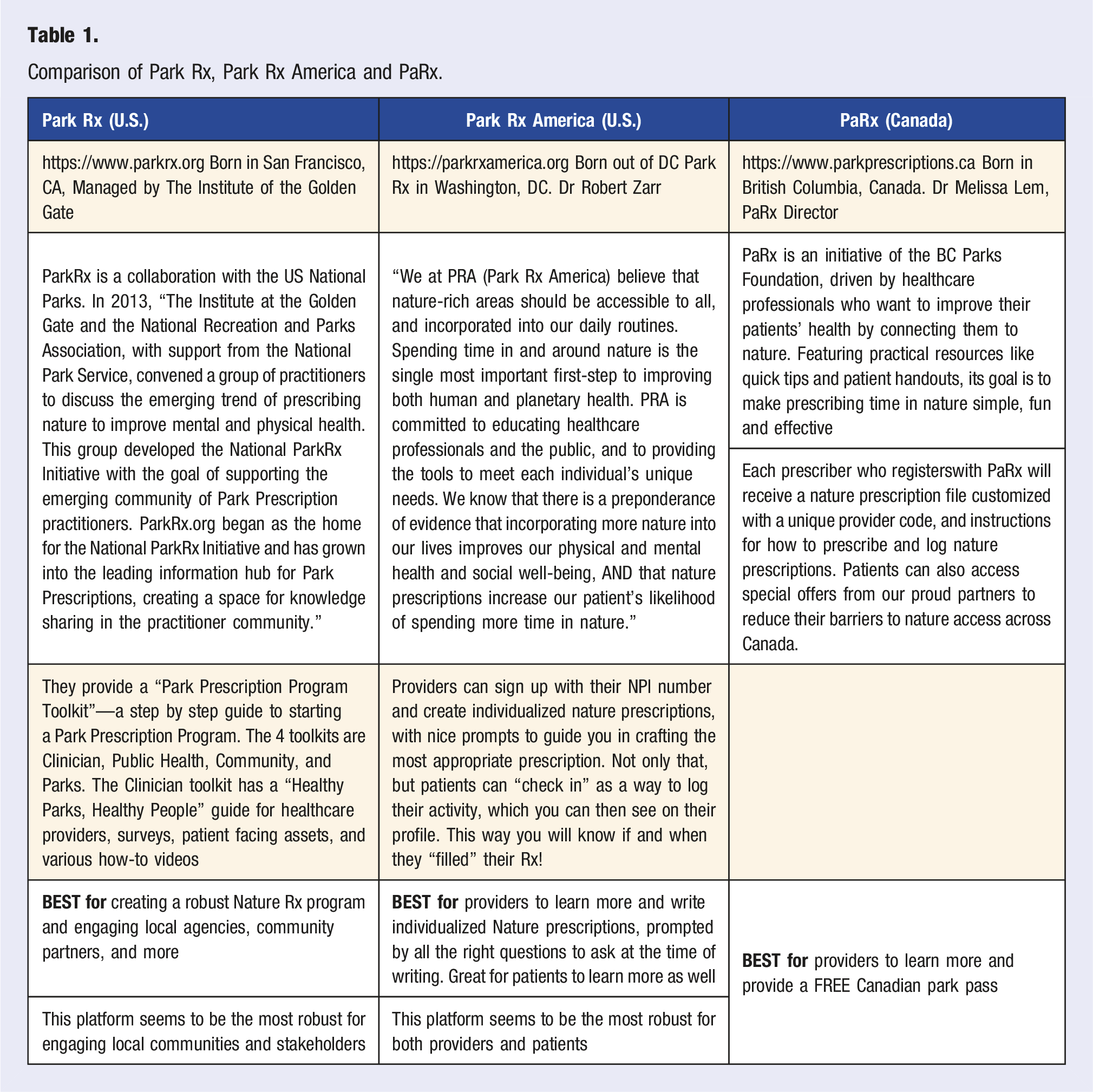
The following list invites clinicians to learn more about nature as medicine and provides practical tools and strategies to engage patients and clients. 1. Consider the 2. a. Availability: Do you have safe access to nature/natural areas (green spaces in particular) where you enjoy spending time? are these easily accessible by foot, bike, car? b. Duration: How long did you spend there in the past week, or want to spend there every week? c. Frequency: How often did you go there (or a similar space) in the past year? d. Activity: What did you do or like to do while in that space? Were you exercising, physically active or resting and relaxing? e. Intensity/Quality: What is the size and quality of that area? (i.e., an overgrown empty lot in an inner city is very different then a large botanical garden) 3. 4. Encourage tracking time in nature with a. NaturePacer b. Forest c. Happy Hike d. Nature Passport e. Hiking Project f. All Trails g. iNaturalist 5. Encourage tracking physical activity with a 6. a. ParkRx America (U.S.) is an Exercise is Medicine (EIM) partner. https://parkrxamerica.org. b. ParkRx (U.S.) includes 4 toolkits, 1 specifically for clinicians. https://www.parkrx.org & https://www.parkrx.org/parkrx/clinical c. PaRx (Canada) - https://www.parkprescriptions.ca Comparison of Park Rx, Park Rx America and PaRx.
Here are additional ideas to bring nature as medicine to life. 1. Many • • Encourage “ • Gardening is a facet of horticulture therapy, and a great way to increase nature exposure while also increasing physical activity and mindfulness. • Explore the idea of • If accessible, consider • • 2. Encourage visits to national parks (U.S.) with the 3. Listen to science-based nature as medicine 4. Connect with your 5. Start a 6. Engage the • SIGHT - If you or your patients cannot get out in nature, there is evidence that just viewing nature scenes is beneficial (Ulrich, 1984). This includes looking out a window onto a real nature area or even just viewing an image of nature (digital, mural, photograph, VR, etc.). When barriers exist in accessing nature, virtual reality (VR) forest bathing may be an option. In a study by
5
a virtual forest walk is able to improve well-being. Although there are more reasons to walk in the forest, VR nature walks offer a useful substitute if needed. • SOUND - Several scientific studies found listening to bird songs beneficial.34,35 identified superior outcomes in cognitively demanding tasks, in those exposed to nature, proposing that nature sounds reduce demands on the endogenous attention system, thereby helping to restore “directed attention.” Recommend (or create) a • SMELL - According to Dr. Qing Li,
35
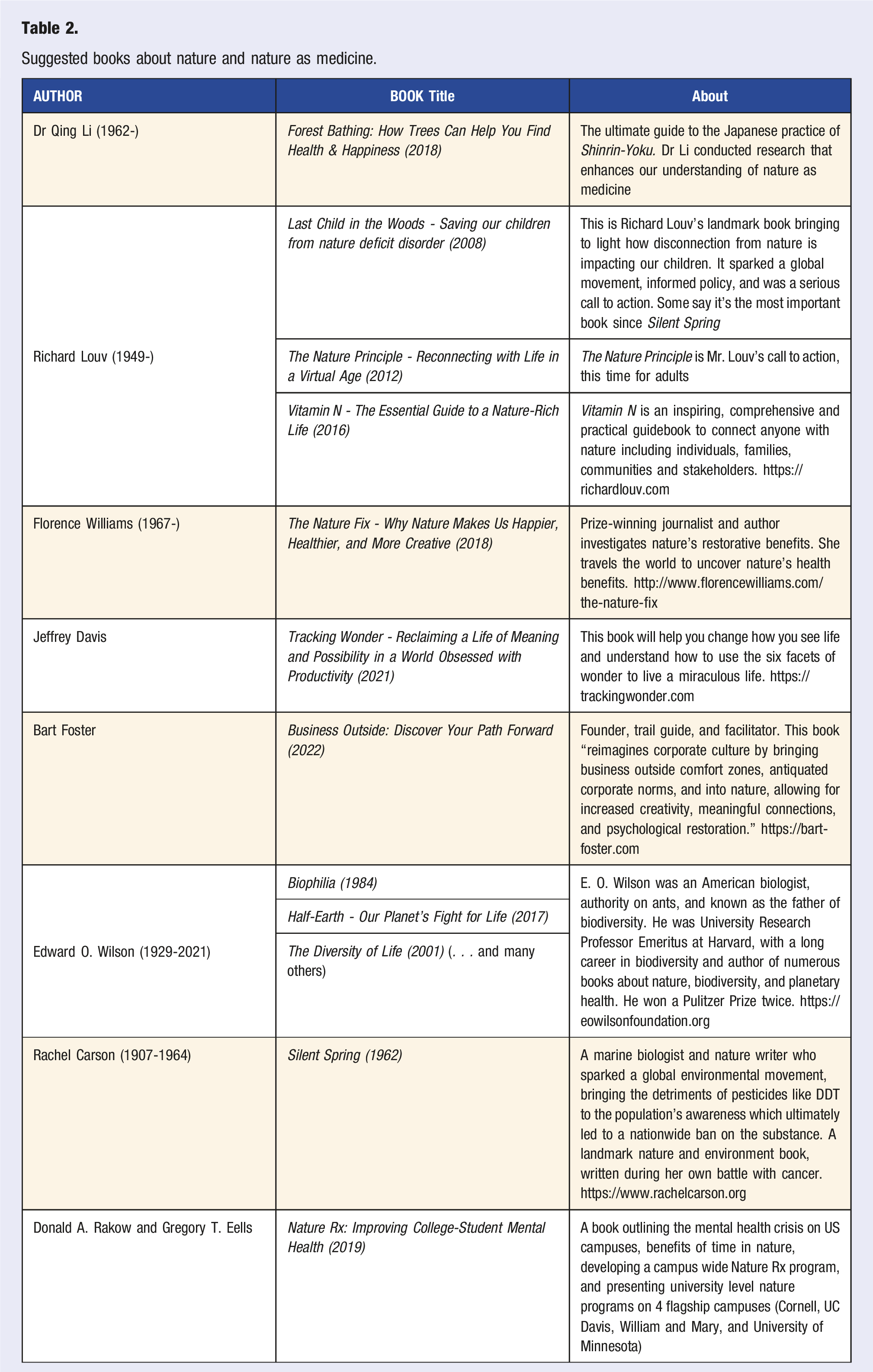
forest bathing researcher in Japan, even smelling high quality essential oils of trees that contain phytoncides such as pine, cedar, spruce, and fir may be helpful. It’s plausible that other nature smells, like the Petrichor smell after a rain, may be soothing as well. 7. Many authors have written Suggested books about nature and nature as medicine.
Conclusion
Nature has been a source of healing and inspiration for humans for thousands of years. Since ancient times, human beings have sought out the restorative power of time in nature, and now fast forward to the 21st century, modern medicine and rigorous scientific studies are validating both the power and the need for human contact with natural settings. This should not be surprising, first and foremost because humans are part of nature. Our non-human relatives spend all of their time in nature and are part of the fabric of life and our experience of nature. In contrast, studies show Americans spend 90% or more of their time inside human fabricated constructs, primarily buildings and vehicles. So where do we go from here?
It will be helpful to create a framework for practicing nature as medicine which includes, exploring and expanding knowledge about using nature as a therapeutic modality, assessing nature exposure in clients and patients, prescribing evidence-based strategies for spending time in nature, and committing to building a toolkit from which you can personalize your own practice that capitalizes on the healing aspects of nature. Consider experimenting with fitness and nature trackers, nature prescriptions, or how time spent in nature enhances patients’ health and minimizes chronic conditions in your own clinic. Record interesting case studies and share your own experiences with family, friends, clients, and patients.
The authors’ hope is that the idea of nature as medicine has piqued your interest, sparked your curiosity, and provided enough evidence and tools for you and your patients alike to reconnect with nature for improved physical, mental, and emotional health, and overall well-being. The sky’s the limit!
Footnotes
Declaration of conflicting interests
The author(s) declared no potential conflicts of interest with respect to the research, authorship, and/or publication of this article.
Funding
The author(s) received no financial support for the research, authorship, and/or publication of this article.