



Abstract

“Evidence-based holistic medical care of people outpaces any other fragmented form of reductionist disease management care”
History
In 2015, five leading physician pioneers in lifestyle medicine, Wayne Dysinger, Liana Lianov, Dexter Shurney, David Ferriss, and Eddie Phillips, convened to create a structured pathway for certification in lifestyle medicine. That established pathway would require two separate tracks to certification, one for MDs and DOs and another for PhD and Masters level health professionals.
To that end, the American Board of Lifestyle Medicine (ABLM) was formed in early 2016. A generous grant from the Ardmore Institute of Health supported the professional consultation to create the certification framework, which was presented and approved by the ABLM board. This framework included: • establishment of ABLM as a not-for-profit company (501c6); • appointment of an Executive Director to implement the framework; • creation of an item writing team and item bank; • determination of certification prerequisites and acceptable CME sources; • implementation of a website with online certification registration (www.ablm.org); and • creation of the inaugural certification exam in October 2017, as part of the ACLM summit in Tucson, AZ.
To ensure that knowledge is current and that diplomates are evidence-based practitioners of lifestyle medicine rather than theoreticians, the prerequisites were determined based on current best practices for long standing board organizations. The prerequisites included 30 hours of online CME and 10 hours of in-person CME (<36 months prior to exam), and a clinical lifestyle medicine case study.
In 2017, 300 physicians sat for the first ABLM certification exam held immediately following ACLM’s annual conference.
Today
In 2023, lifestyle medicine certification exams are institutionalized and held every year during exam weeks (last week of November and first week of December) at Prometric testing centers around the country. The diplomate numbers continue to grow year over year. In addition, since a Lifestyle Medicine Residency Curriculum (LMRC) was piloted in 2018, it is now being implemented in 207 residency programs across more than 100 sites, with 5560 enrollees.
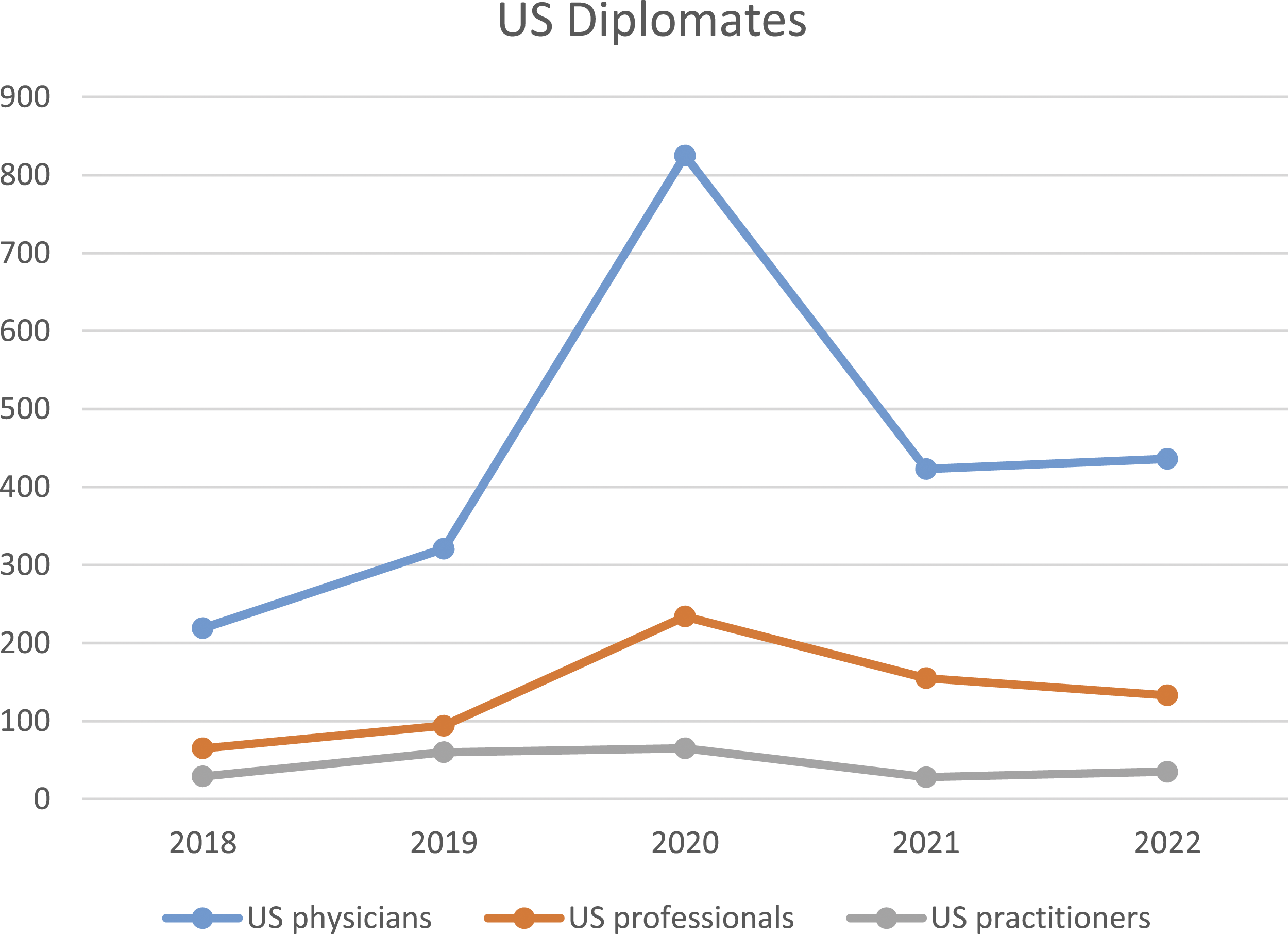
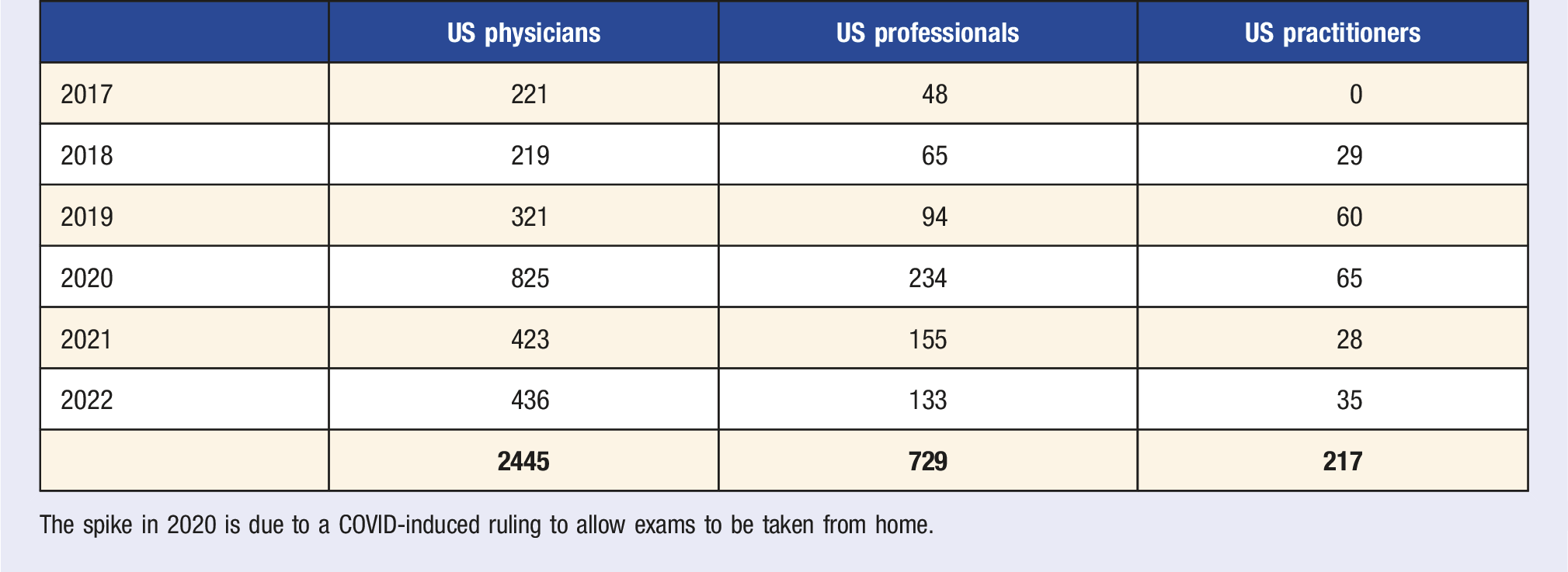
The spike in 2020 is due to a COVID-induced ruling to allow exams to be taken from home.
International
One of the unique aspects of lifestyle medicine certification is the syndication of the exam around the globe, through the International Board of Lifestyle Medicine (IBLM). IBLM partners with lifestyle medicine societies around the world, to operate registration hubs, hold the exams (always proctored by the IBLM), and co-issue the certifications. A national lifestyle medicine organization must be a member of the Lifestyle Medicine Global Alliance (LMGA), the entity that helps give birth to national lifestyle medicine societies, is the custodian of the lifestyle medicine competencies, and ensures compliance with the rules of engagement and code of conduct before they can partner with the IBLM.
All diplomates sit for the same exam, provide the same prerequisites, have the same exam pass–fail rates, and pay the same fees (adjusted to account for economic ability), which is truly a world first. In addition, the IBLM allows the local national lifestyle medicine associations to keep at least 70% of the exam fee revenue, which provides much needed financial resources to build local capability.
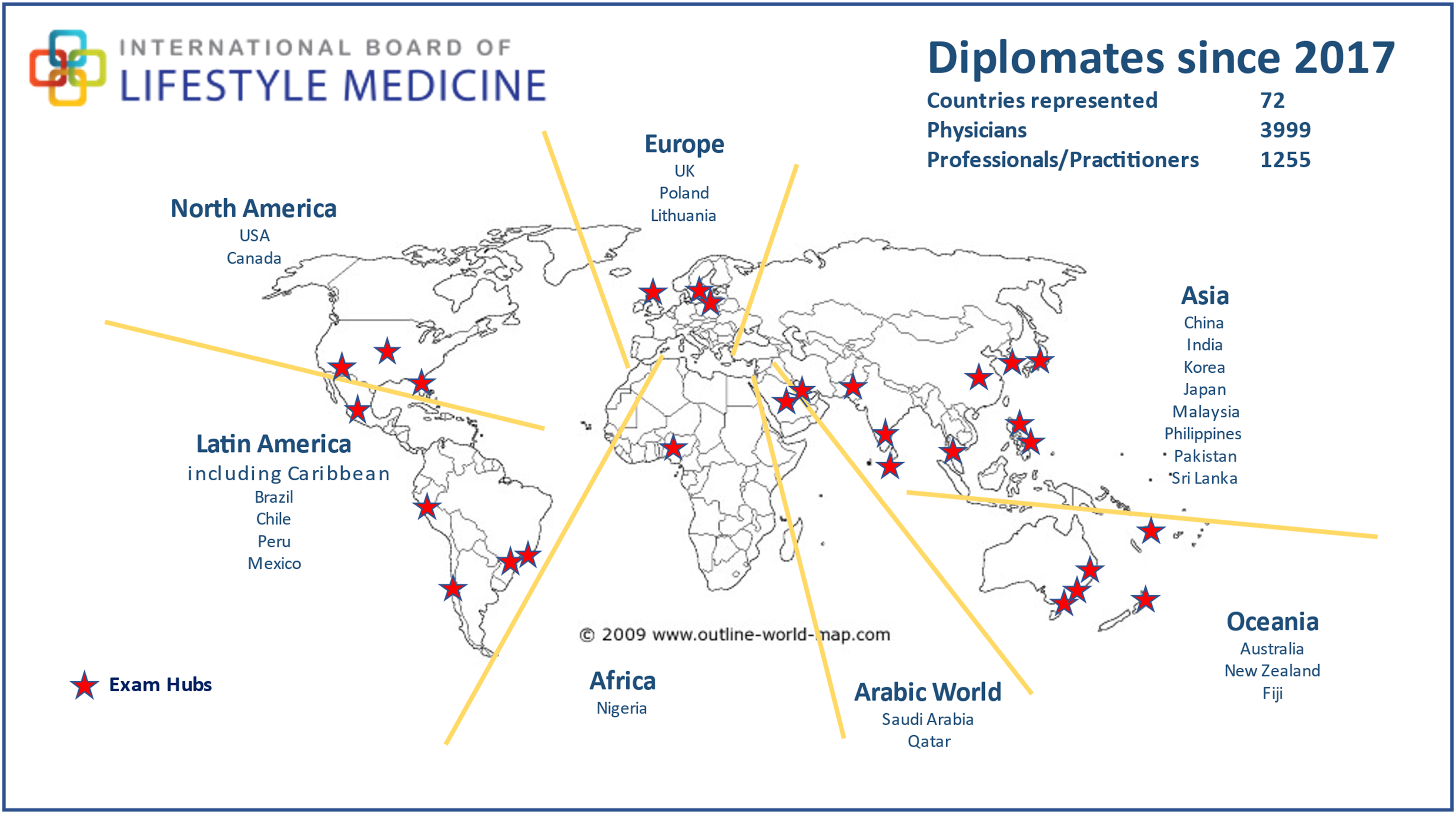
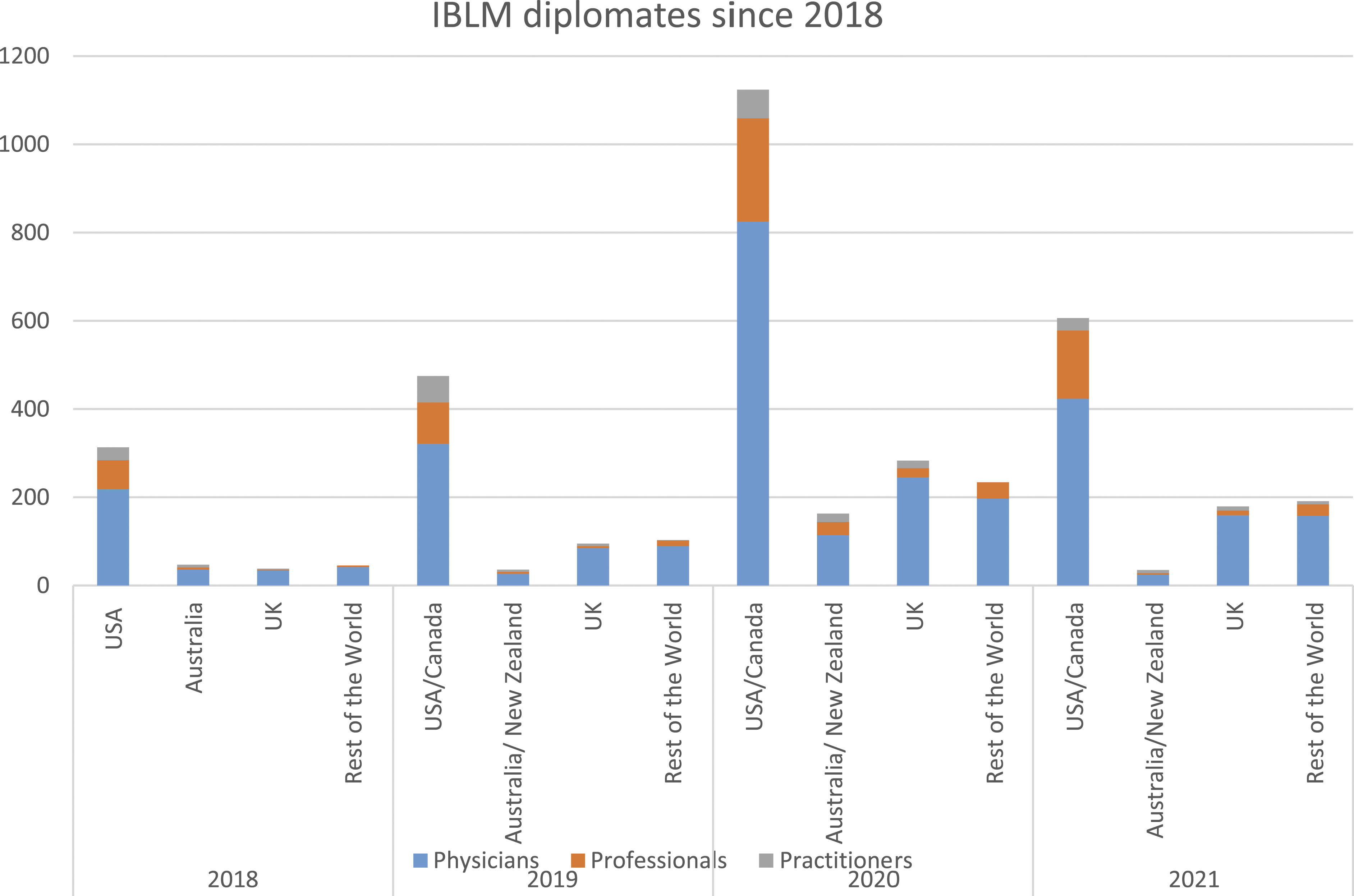
The following table illustrates the roles and responsibilities of the various entities:
American Board of Lifestyle Medicine certifies MDs and DOs practicing in the US and Canada
American College of Lifestyle Medicine certifies PhD and Masters level health professionals practicing in the US
International Board of Lifestyle Medicine co-certifies MDs, DOs, PhD, and Masters level health professionals both in the US and internationally
National Lifestyle Medicine Organizations co-certify MDs, DOs, PhD, and Masters level health professionals in their jurisdictions
Lifestyle Medicine Global Alliance provides advice, resources, and best practice to national lifestyle medicine organizations, liaises with WHO and other entities on behalf of the Lifestyle Medicine movement.
The Future
The ABLM and ACLM, essentially two sides of the same coin, are working diligently to make the practice of lifestyle medicine financially and medically accessible to all, so that the prescription of lifestyle medicine modalities is the first, rather than the last option, for both patients and physicians. It is encouraging to see that state licensing authorities, payers, large hospital systems, and employers are embracing lifestyle medicine in its own right; however, much work remains. Most of these stakeholders are recognizing that evidence-based holistic medical care of people outpaces any other fragmented form of reductionist disease management care. We envision a day that lifestyle medicine is synonymous with advanced primary care, and the critical role for the lifestyle medicine intensivist is valued for the incredible work of reversing devastating avoidable chronic disease, such as coronary artery disease, diabetes, and heart failure. We also predict that physicians and allied health professionals who choose to practice lifestyle medicine and restore health are rewarded financially as well as those who simply manage illness, if not better.