




Abstract
Whole foods plant-based approaches to eating place an emphasis on the intake of fruits, vegetables, whole grains, and legumes and have many health benefits. While there are key nutrients and phytochemicals that can contribute to the purported health benefits, practitioners and patients should also be advised of key nutrients for which intake may be compromised when following this dietary pattern. With careful planning and utility of dietary supplements, individuals can achieve optimal intake of calcium, iron, vitamin D, omega 3 fatty acid—docosahexaenoic acid (DHA), and vitamin B12 and experience the health benefits of a dietary fiber and a host of phytochemicals. This article presents the health benefits of these food substances and approaches for overcoming nutrients of concern when following whole food plant-based eating patterns.
Whole foods plant-based approaches to eating offer a host of health benefits, but there are chances of compromised nutrient intake and absorption.
Introduction
Whole foods plant-based approaches to eating place an emphasis on habitual consumption of fruits, vegetables, whole grains, and legumes, limiting intake of ultra-processed foods; animal-based products; and foods with large amounts of added sugar, fat, and salt. Traditionally, these dietary patterns have been described as vegan (no animal products), lacto-ovo vegetarian (no animal products with the exception of dairy and eggs), pescatarian (no animal products with the exception of fish), or a combination of the above. In recent years, the inclusion of the whole foods approach to plant-based eating has emerged, likely in response to the $3.3 billion plant-based food industry, which markets highly processed foods, void of animal ingredients, as plant-based and health promoting. Regardless, a shift toward plant-based eating has many health benefits. Most of the research has focused solely on vegan and vegetarian diets but have found that these approaches to eating are related to lowered body mass, decreased risk for vascular disease, and reduced risk for certain types of cancer. Key nutrients and phytochemicals in plant-based foods are hypothesized to contribute to some of the purported health benefits. Whole foods plant-based dietary approaches to eating are not without limitations. These dietary patterns can be limiting in key nutrients if not planned and executed properly. The Registered Dietitian Nutritionist (RDN) is a key member of the healthcare team that can advise patients and practitioners on these approaches, as well as provide education and counseling to improve adherence to this lifestyle intervention. This article will outline the health benefits of key nutrients and phytochemicals found in whole foods plant-based diets, as well as describe nutrients where adequate intake is of concern, offering strategies to promote adequate intake.
Health Promoting Nutrients and Phytochemicals
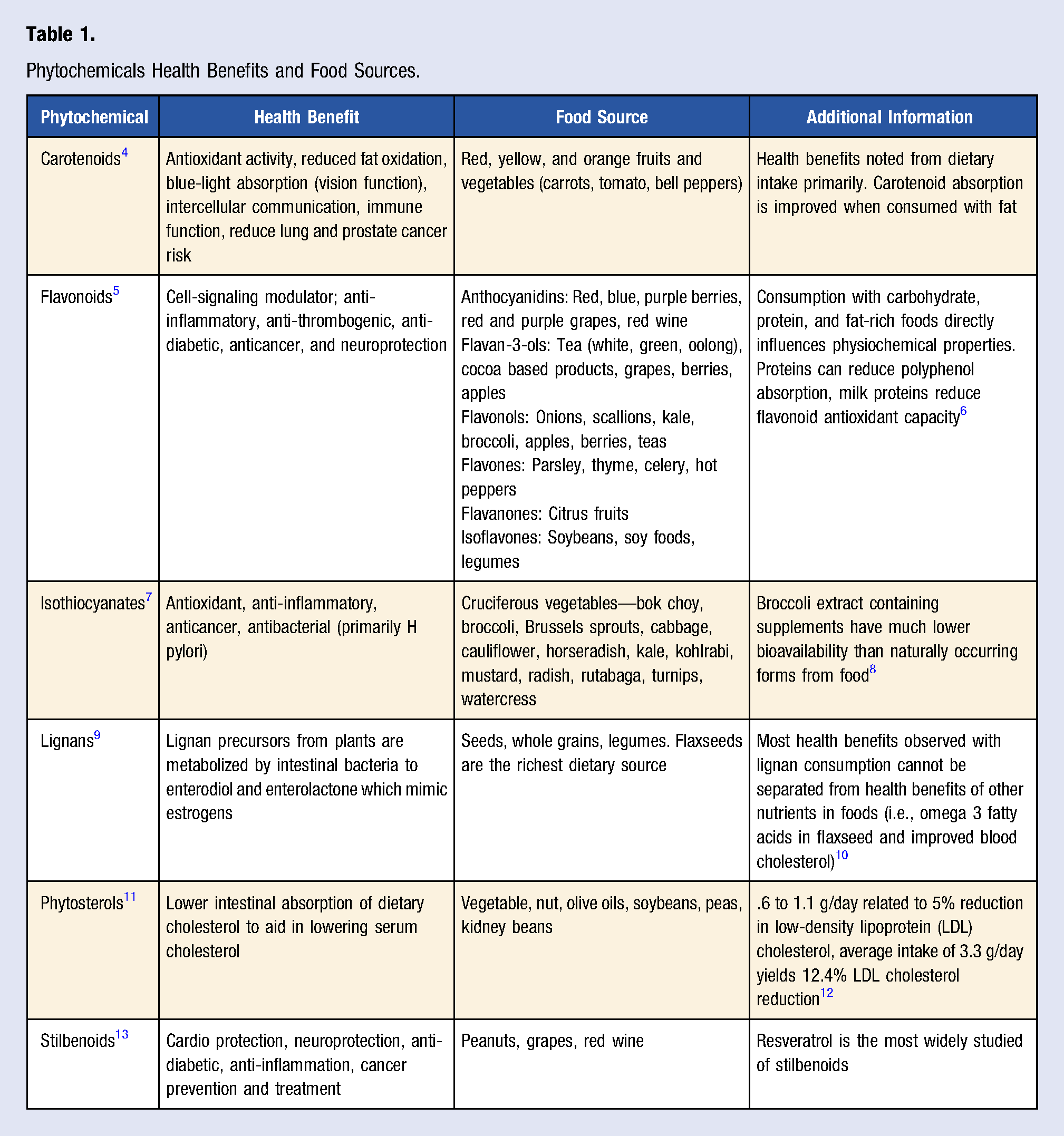
Whole foods plant-based diets are rich in dietary fiber and a number of phytochemicals (carotenoids, flavonoids, isothiocyanates, lignans, phytosterols, and stilbenoids). Dietary fibers are nondigestible carbohydrates and lignans that are naturally occurring in plant-based foods. The health benefits of dietary fiber include cardiovascular disease risk reduction, diabetes control, and laxation; however, the average intake of dietary fiber among US adults is a mere 16 grams per day, where the recommended intake is 14 grams per 1000 kcal consumed (28 grams for an adult consuming 2000 kcal per day).1-3
Phytochemicals Health Benefits and Food Sources.
Nutrients of Concern
The whole foods plant-based dietary pattern is not without limitations. Observational research studies have identified key nutrients that individuals following these dietary patterns have increased risk for inadequate or lower intake; calcium, iron, vitamin D, omega 3 fatty acid—docosahexaenoic acid (DHA), and vitamin B12.
Calcium Content for Select Plant-Based Foods from United States Department of Agriculture’s Nutrient Lists from Standard Reference Legacy. 18
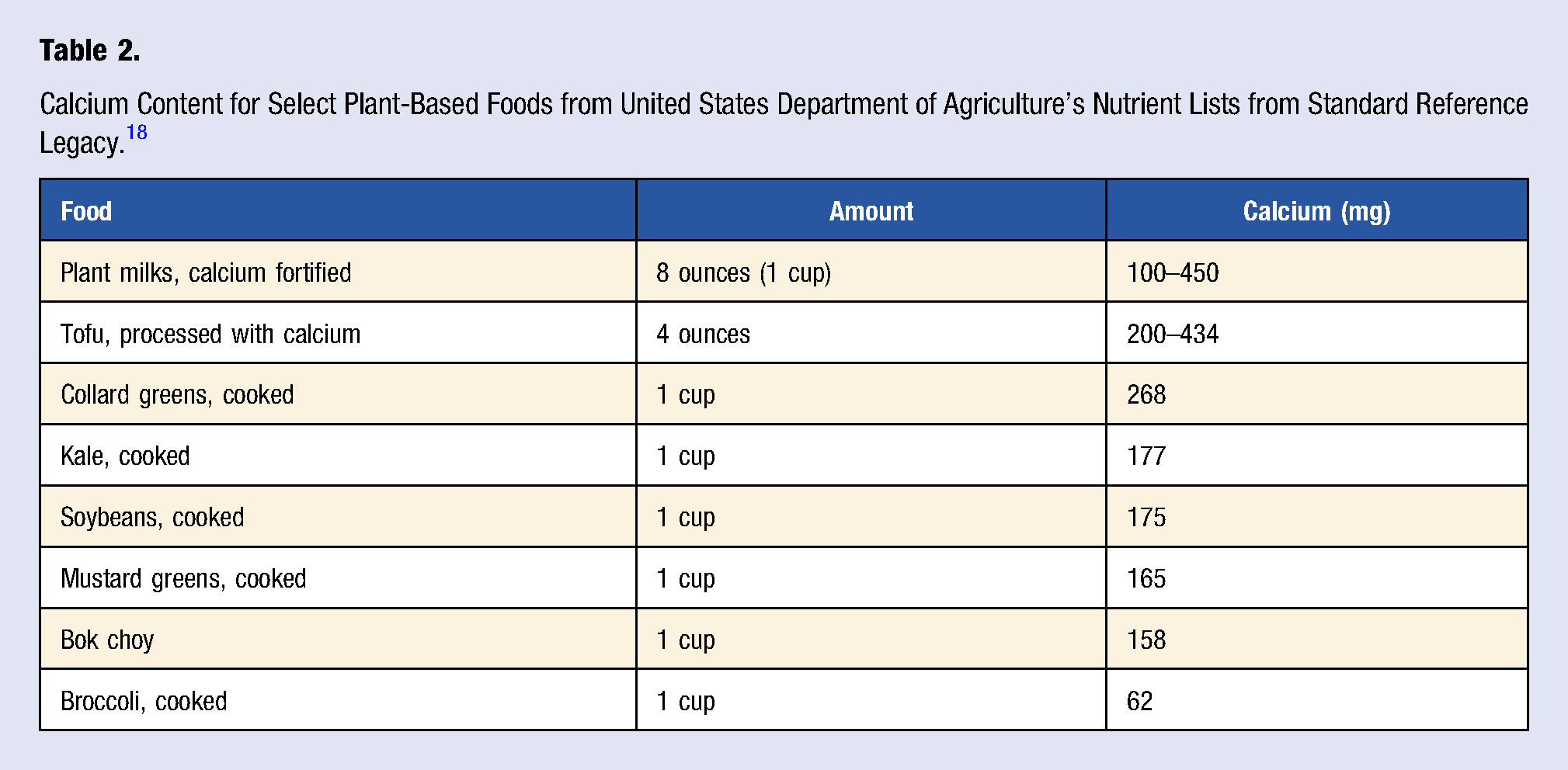
Because calcium absorption can be inhibited by phytic and oxalic acids, which are present in plant-based foods, calcium absorption from these vegetables can be significantly reduced.19-21 Oxalate content of green leafy vegetables can be significantly reduced through boiling. 22
Iron
Iron Content for Select Plant-Based Foods from United States Department of Agriculture’s Nutrient Lists from Standard Reference Legacy. 18
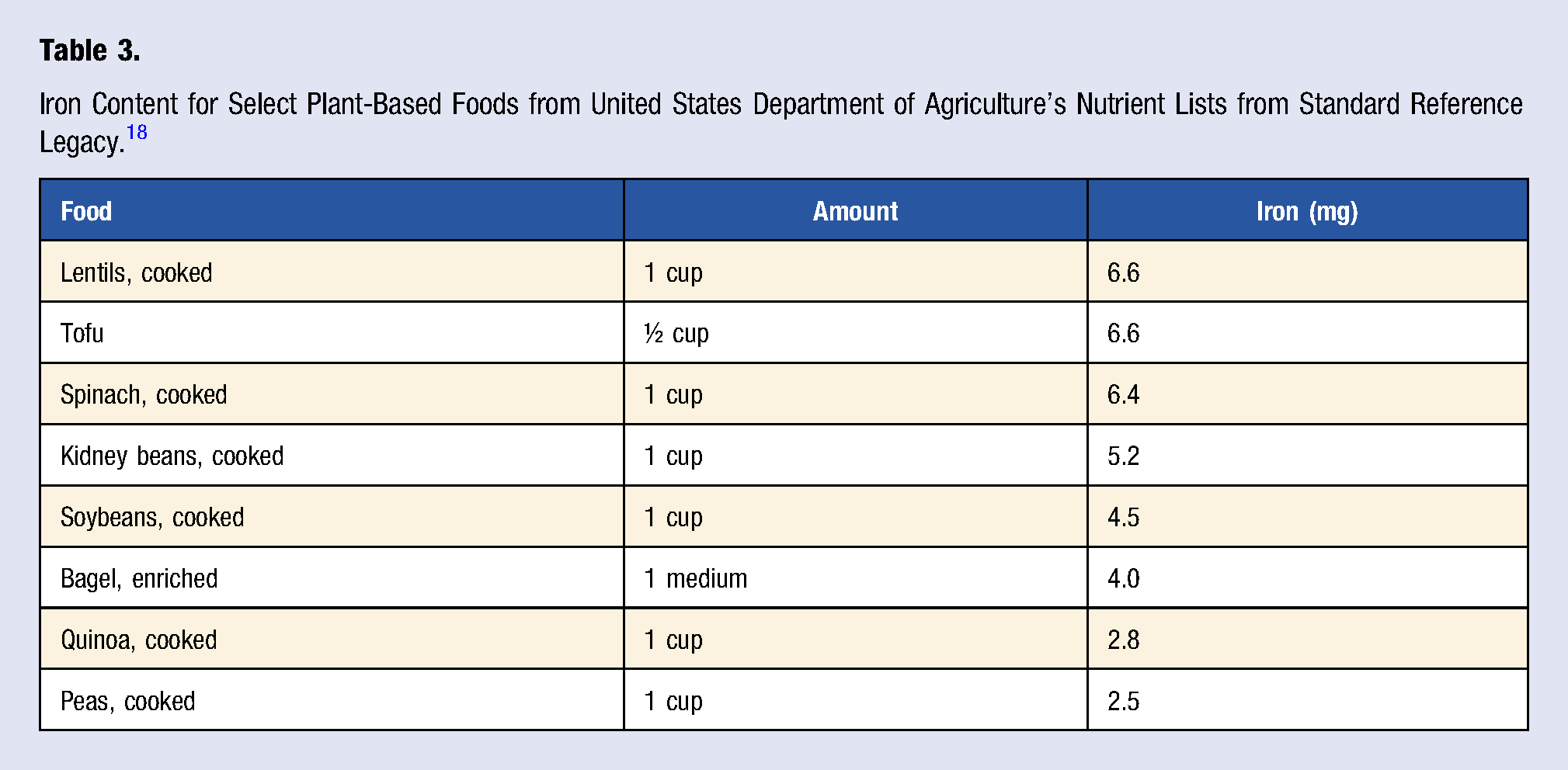
Non-heme iron absorption can be affected by other nutrients. Vitamin C can increase absorption while phytates from foods such as nuts and whole grains can decrease absorption. Absorption of iron is heavily influenced by an individual’s iron status, where when iron stores are low, the body will increase iron absorption. 26
Vitamin D
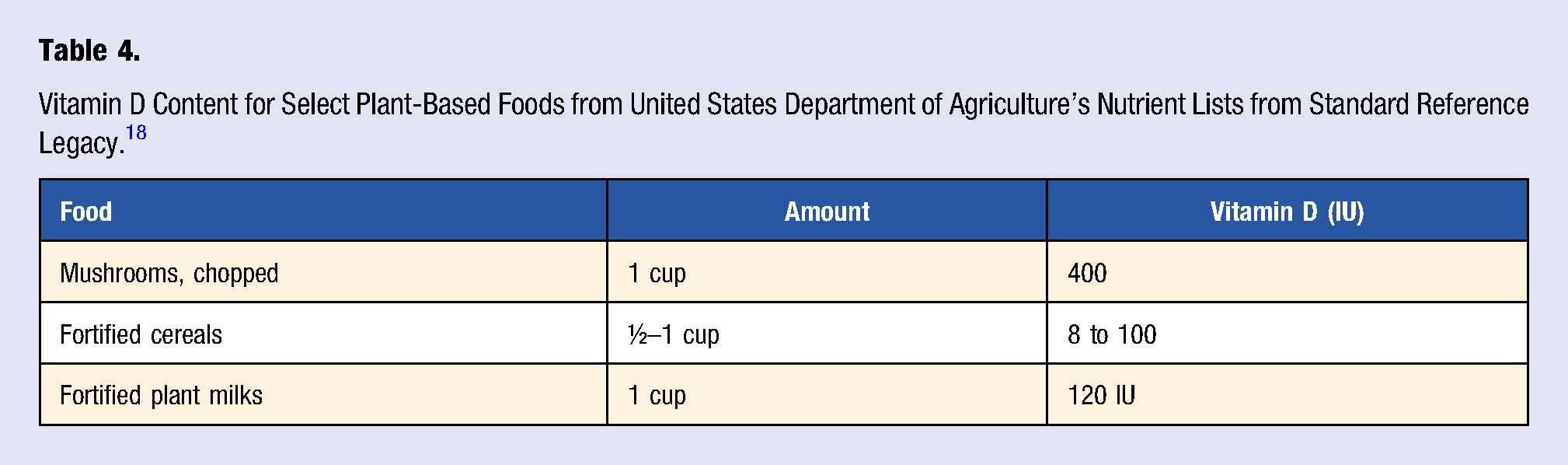
Vitamin D Content for Select Plant-Based Foods from United States Department of Agriculture’s Nutrient Lists from Standard Reference Legacy. 18
Omega 3 Fatty Acids—Docosahexaenoic Acid
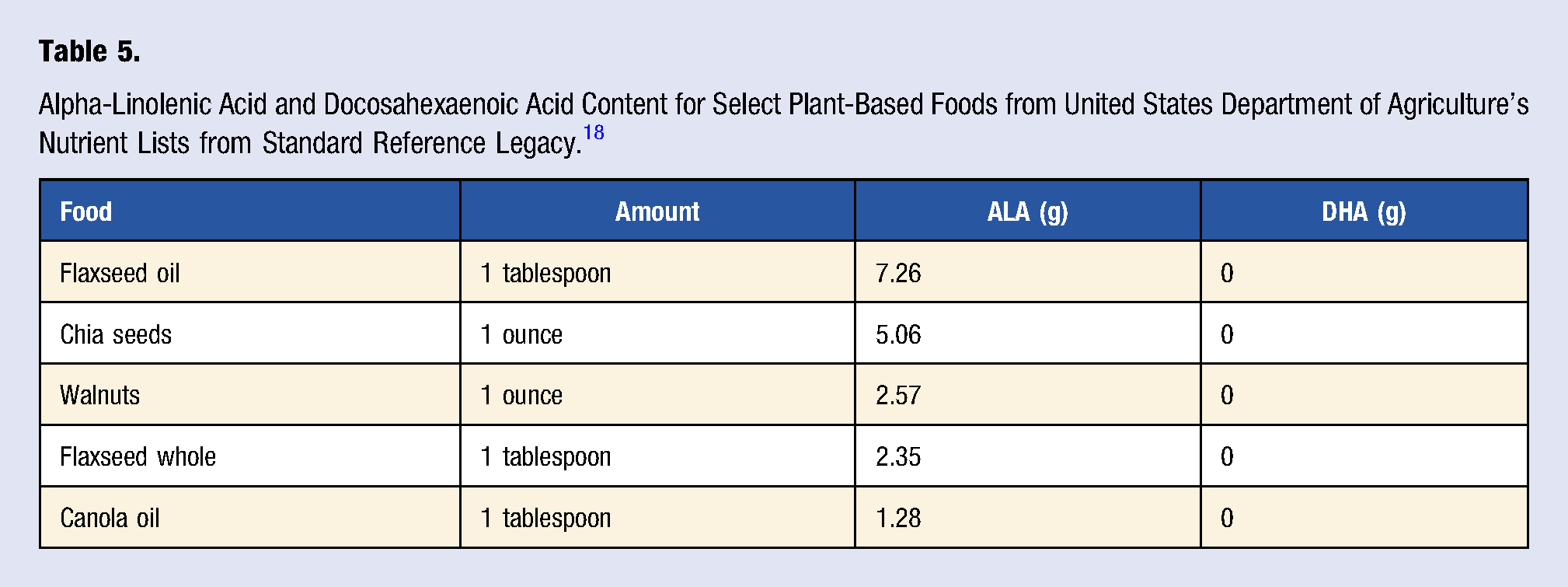
Alpha-Linolenic Acid and Docosahexaenoic Acid Content for Select Plant-Based Foods from United States Department of Agriculture’s Nutrient Lists from Standard Reference Legacy. 18
Vitamin B12
Vitamin B12 is essential to formation of red blood cells, DNA synthesis, homocysteine metabolism, and central nervous system function. 23 Deficiencies in vitamin B12 are common both in individuals following vegan diets as well as individuals with compromised gastric function. For example, elderly and individuals who have undergone bariatric surgery experience impaired absorption of vitamin B12. Vitamin B12 deficiencies can lead to irreversible neurologic damage, but can take years to develop, and thus, sub-clinical deficiencies often go undiagnosed. The RDA for vitamin B12 is 2.4 mcg per day for males and females 14 years and older. For pregnant and lactating women, the RDA is 2.6 and 2.8 mcg, respectively. 33 The average dietary intake of vitamin B12 of strict vegans falls well below the recommended levels. 14 Individuals following strict plant-based diets can obtain vitamin B12 from fortified plant-based beverages, fortified breakfast cereals, and fortified vegetarian meat analogs (though not whole food based), but should be strongly encouraged to take a dietary supplement. Fermented soy foods and leafy vegetables may contain B12 but do so in insignificant amounts to meet daily needs, and thus, B12 status should be monitored closely.
Conclusion
Whole foods plant-based approaches to eating offer the individual a host of health benefits. Dietary fiber and phytochemicals are abundantly available in these eating patterns, which likely contribute to their overall health advantages. In addition, individuals who follow these eating patterns experience lower body mass, and whole food plant-based interventions can elicit significant weight loss, which has favorable effects on cardiometabolic health. Adherence to these eating patterns can increase the chances for compromised intake and absorption of several nutrients. With intentional planning and the expertise of a Registered Dietitian Nutritionist, these limitations can be overcome such that individuals can experience the full benefits of this approach to eating.
Footnotes
Declaration of Conflicting Interests
The author(s) declared no potential conflicts of interest with respect to the research, authorship, and/or publication of this article.
Funding
The author(s) received no financial support for the research, authorship, and/or publication of this article.