



Abstract
Yoga has been prevalent for over 5000 years; it originated in India and has become an essential lifestyle ingredient for achieving optimal health. The goal of this article in lifestyle modification is to increase awareness about the benefits of yoga and how its practice can reduce the overall risk of chronic diseases. Yoga has been proven to be therapeutic for enhancing immunity and support management of chronic diseases such as cardiovascular, respiratory, endocrine disorders, obesity, cancer, and metabolic syndrome. Yoga techniques called asanas, such as pranayama for breathing regulation and dhyana for meditation, boost innate immune response, interrupt inflammation, and thereby prevent the manifestation of chronic diseases. Yoga also provides symptomatic relief for chronic arthritis by increasing joint flexibility and microcirculation. Yoga and meditation regulate neurotransmitters, neuropeptides, hormones, and cytokines that mediate interactions between the central nervous system and the immune system. These techniques reduce the psychological and physiological effects of chronic stress. Serotonin, oxytocin, and melatonin released directly due to practicing yoga have been shown to better manage anxiety and fear, especially during the pandemic. We believe the current trends of chronic disease management will become more effective with the implementation of lifestyle changes using yoga.
Keywords
… yoga can and should be used as an innovative way to help prevent and manage COVID-19 …
Introduction
As the pandemic continues to rage on throughout 2021, the number of affected people also continues to skyrocket. As of April 2021, there are 154 million infected and 3.2 million deaths reported worldwide. The at-risk patients continue to be patients who are above 65 years of age, immunocompromised, those with underlying chronic diseases, and frontline workers. Coronaviruses are known to escape and disrupt the hosts’ immune system and cause complications in patients with pre-existing comorbidities.1-3 In addition, vaccination is essential to enhancing response to acute infection. Yoga has been scientifically proven to enhance the body’s adaptive immunity by enhancing the NK and T immune cells response to inflammation.4-6 Holistic health has 8 pillars that sustain the optimal well-being of an individual. These pillars include nutritional, social, financial, environmental, physical, spiritual, emotional, and intellectual. 7 Our primary objective in this manuscript is to discuss the benefits of yoga that impact an individual’s health at physical, spiritual, emotional, and mental levels. The vast majority of medical practitioners have been trained to practice reactive medicine which is expensive and mentally exhausting for both the patients and the providers, whereas proactive medicine from a holistic perspective that includes mindfulness, meditation, and simple yoga practices can make a significant impact on the physical, emotional, and mental well-being of an individual. 7
Soon after the World Health Organization (WHO) declared COVID-19 a pandemic, an increase in stress, anxiety, and mass hysteria swept over the world. 1 In several parts of the United States (US), lockdown resulted in widespread loss of jobs, the inability of families and friends to socialize, and solitude for several individuals for extended periods that affected their mental, physical, and emotional well-being. 8 As the pandemic lingers on, emotional exhaustion, depression, and burnout amongst healthcare professionals continue to increase, necessitating the need for proper preventive and therapeutic measures. 9
Yoga, which originated in India 5000 years ago, has proven to be a clinically effective wellness solution to enhance the intrinsic immune system. By utilizing specific postures (asanas), breathing patterns (pranayama), and meditation (dhyana) techniques, yoga has proven to be beneficial in boosting the immune response, stabilizing blood glucose levels, moderating blood pressure, and decreasing stress and anxiety.10,11
Pre-existing Comorbid Conditions Increase COVID-19 Mortality Rate
According to the New York State Department of Health, over 86% of the patients that died due to COVID-19 had at least one comorbidity. 12 Hence, it is essential to review the preventative measures for battling the rising incidence and prevalence of chronic diseases.
Chronic Disease Burden, Metabolic Syndrome, and Battling with Acute Infectious Disease Burden with COVID-19
Cardiovascular Disease
Amongst the spectrum of cardiovascular disease (CVD), hypertension alone accounted for 109,000 (19.7%) of the total COVID-19 deaths in the US. As of 2020, 48.5% of the population of the US suffers from CVD. COVID-19 was the underlying or a contributing cause of 377,883 deaths (91.5 deaths per 100,000). The reported death rates were more among males, older adults, Asian Indians, African Americans, and Hispanic populations. COVID-19 was the third leading underlying cause of death in 2020, replacing suicide as one of the top 10 leading causes of death, according to the Centers for Disease Control and Prevention.
Diabetes
Diabetes is a significant risk factor for poorer outcomes associated with COVID-19 infection. According to the CDC, diabetics in the US affected by COVID-19 accounted for 88,000 (15.6%) deaths. In the US, 34.2 million people are diagnosed with diabetes and 88 million with pre-diabetes. 13 Yoga is a clinically proven therapeutic intervention for modifying risk factors to prevent complications arising from comorbid conditions. 10
Yoga: Proven Therapy for Counteracting Inflammation
Martinez-de-Quel et al reported that a lack of adequate physical activity, associated stress from media, work-from-home situations, and lack of a balanced diet has led to a lack of adequate sleep, which resulted in increased levels of leptin and cortisol levels leading to obesity and depression. 11 A significant drop in the physical activity levels has been observed at the general population level, from 26.6% (pre-pandemic) to 13.8% (post-pandemic). Social distancing norms, lack of adequate gym equipment at home, and fear of going to public gyms are contributing factors. Martinez-de-Quel also demonstrated that at least 120150 minutes of mild to moderate daily physical activity can significantly reduce the chance of developing chronic diseases. Recently, Falkenberg et al 14 demonstrated a decrease in inflammatory markers as a direct result of yoga. They reviewed 15 randomized controlled trials that examined whether the regular practice of yoga postures could strengthen the immune system and reduce chronic inflammation. The majority of studies used hatha yoga, a general term that indicates a style that includes postures. In these studies, the immune system response was monitored by measuring blood or saliva levels of circulating pro-inflammatory markers such as cytokines, C-reactive protein (CRP), as well as immune cell counts, antibodies, and markers of gene expression in immune cells. Yoga (3090 minutes daily over an 8- to 12-week period) demonstrates clinical benefits with a significant reduction in pro-inflammatory markers with maximum reduction observed in cytokine IL-1 beta.
Yoga Implications for Physical Fitness
Deepa et al were the first to examine the effects of yoga on blood pressure in individuals with pre-hypertension and hypertension. Their evidence-based meta-analysis involving 17 studies demonstrated that yoga is a clinically effective intervention to reduce diastolic and systolic blood pressure by 4.17 and 3.26 mmHg, respectively. A significant decrease was noted when incorporating multiple postures, breathing techniques such as pranayama, and guided mediation that further resulted in a two-fold reduction in both systolic (8.17 mmHg) and diastolic (6.14 mmHg) pressures. 15
Shantakumari et al demonstrated the clinical benefits of yoga to moderately reduce lipid profile and blood glucose levels. A decrease in body mass index, body weight, triglycerides, LDL cholesterol, and an increase in HDL cholesterol was noted in fifty patients. 14 A pivotal point to consider is that patients with diabetes cannot get the recommended amount of exercise due to many other confounding reasons. 14 However, when patients participated in daily and consistent yoga exercises, they showed a decrease in insulin resistance. Specific yoga techniques have also been documented to cause an increase in insulin secretion and balance insulin concentration in chronic diabetics. This data implies that yoga is a clinically meaningful intervention in preventing chronic diabetes and heart disease.15,16
Mental and Emotional Impact of COVID-19
Frontline Healthcare Professionals
Physical and mental stress amongst healthcare professionals, especially those working in the frontline, serving the urgent care facilities necessitates these essential yet straightforward interventions such as yoga, for enhanced productivity and emotional well-being. Young et al surveyed over 1685 frontline healthcare workers who are treating COVID-19 patients and concluded that more than half of them presented with severe depressive symptoms. The probability was higher if a healthcare worker had pre-existing mental health issues. In response to the question for the survey, “how often do you have thoughts that you would be better off dead, or of hurting yourself in some way?”. Of the respondents, about 5% reported any thoughts of suicide, 1% reported suicidal ideation half of the days, and 0.4% reported daily experiences of suicidal ideation.17-20 These most recent numbers correspond to the increased suicidal ideations of adults in the US by 4% annually. 20 These numbers are bound to grow by the end of the pandemic, affecting all US generals due to the lack of proper resources to deal with mental health problems that plague our society.
General Population
Every age demographic studied has shown an increase in depressive and anxious symptoms over the past year. Panchal et al surveyed adults who did a study in Jan 2021, which showed that 41% had both symptoms of anxiety and depression, which increased from the previous year. 20 These numbers are dramatically increased when adults exhibit a lack of adequate physical activities, poor nutrition, and inadequate sleep.
Financial Stress in COVID-19
With COVID-19 affecting global economies, these financial hardships add to the additional stress. In just one week following the declaration of a pandemic by the WHO, employment went down by 1.4 million people, and a third of households reported that someone in their family lost their job, took a pay cut, or both. By mid-April 2020, the unemployment rate hit 14.7%, the highest since the Great Depression. 19 Job insecurity can raise harmful stress levels, which can worsen anxiety, depression, and underlying health issues.
Social Media
It is no surprise that there has been a steady increase in people spending time on social media during the pandemic and, in general, technology. According to a survey of U.S. social media users, 29.7% of respondents were using social media for 12 additional hours per day. A further 20.5% used social media 30 minutes to 1 hour more than usual per day. Only 1.6% of users were adding less than 15 minutes to their usage. Additional social media usage resulted from the coronavirus pandemic which caused stay-home orders and social distancing to be put in place in the country. 20 These findings suggest that individuals put their mental energy into non-essential aspects of social media rather than finding ways to keep themselves healthy mentally and physically.
Misinformation also makes this problem worse. The BBC stated that from March to April of 2020, about 90 million pieces of content were categorized as misinformation, such as significant conspiracy theories regarding the efficacy of the vaccine and potentially false cures. 21 Misinformation has dramatically impacted the validity of what one can believe on the internet, which has increased the fear in the general public. Zandifar and Badrfam have suggested that misinformation has been a leading cause of increased stress and other mental comorbidities. 21
Yoga Applications for Mental Health
Using yoga can help alleviate the stress felt by the financial hardships, misinformation, and other COVID-19related issues caused by the pandemic. A study found that out of those who adhered to a tele-yoga program for 4 weeks, 36% felt increased mental relaxation and calmness.
22
If properly implemented and adhered to, yoga is a proven and valuable tool to manage the mental health symptoms of financial instability. Studies have shown that yoga can significantly improve a patient’s psychological health.
23
With the needed application to adapt to the changing world, that is, virtual health, tele-yoga can be an excellent replacement to help improve mental health in patients.24,25 Several studies have demonstrated the impact of yoga to reduce occupational stress, particularly amongst healthcare workers. Online delivery has made it possible to practice tele-yoga with the proven benefit of improving mental health.
24
Figure poses as demonstrated by Dr Kanikar Makkar.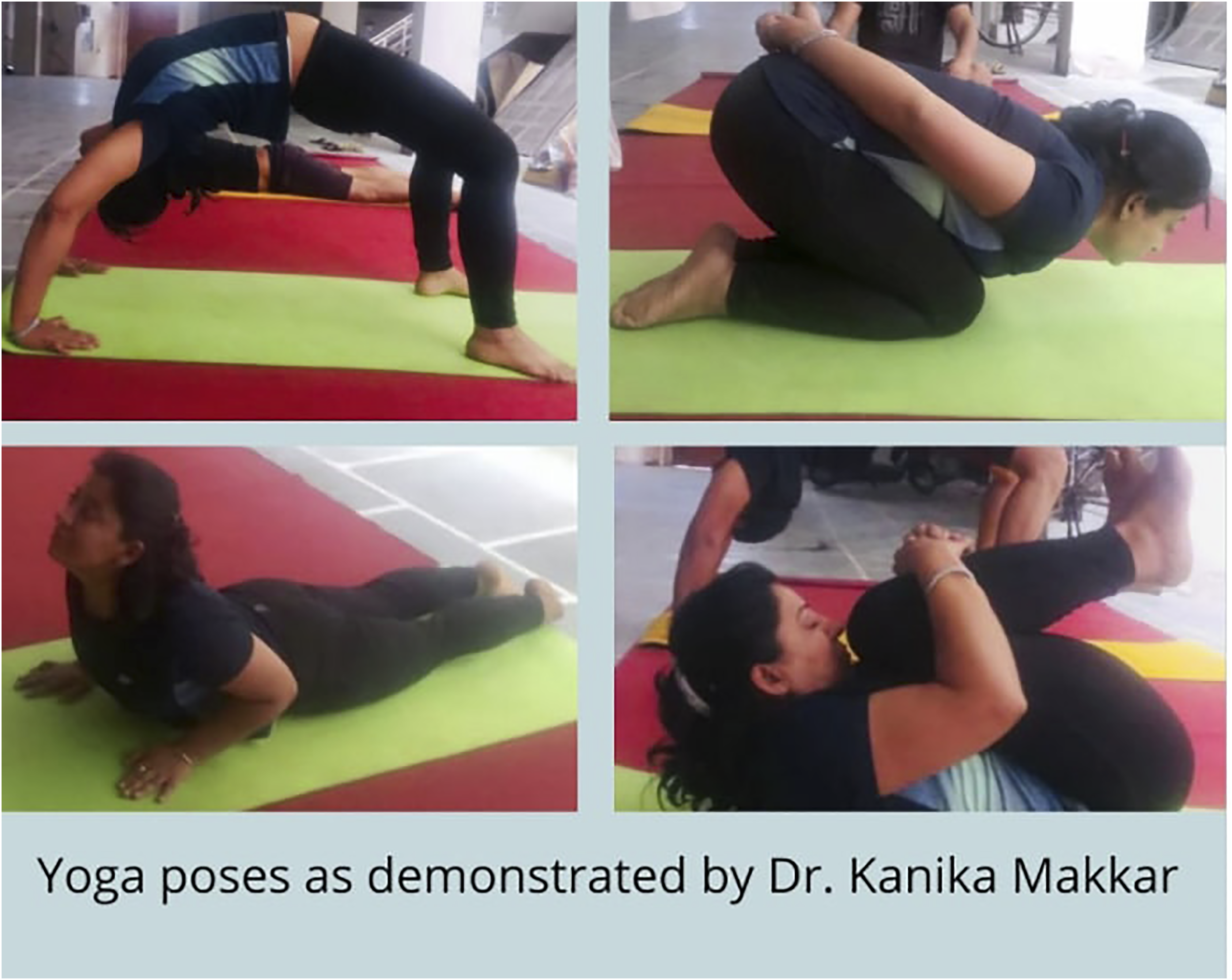
Emerging Epigenetic Effects of Yoga
Recent studies have shown that an 8-week practice of yoga can decrease the DNA methylation of the tumor necrosis factor (TNF) gene. This in turn decreases TNF production and interrupts inflammatory pathways.26,27 In addition to decreasing transcription of pro-inflammatory genes, yoga also helps in normalizing the levels of transcripts involved in cell cycle checkpoint and DNA repair.26,28 The effects of yoga can also be seen on a nervous level through an elevation of β-endorphins, and there is an improvement in cardiovagal tone and reduction of sympathetic overactivity. 29 Yoga decreases cellular aging by upregulating the telomerase enzyme and maintaining the length of telomeres, and also upregulates the expression of sirtuins.
Yoga also has an effect on the hypothlamuspituitaryadrenal axis and decreases the production of cortisol leading to reduced stress levels and keeping blood glucose levels in an optimal range.14,29
Conclusions/Recommendations
As we slowly begin transitioning back to everyday living, the long-term effects of the pandemic may remain. We must direct our focus and change to how we can protect our immunity and our well-being. As discussed in this article, using a holistic approach, yoga can help to alleviate stress and even reduce potential complications. The pandemic has only amplified the physical and mental health problems already found in our society. With the promising data and its adaptation to our increasingly virtual world, yoga can and should be used as an innovative way to help prevent and manage COVID-19. This has further application for other future pandemics and disasters that will happen; investing in our society to create a more resilient community is necessary for our survival physically, emotionally, and economically.
The current global health situation has highlighted the need for individuals to take full responsibility for preventive physical and emotional health by investing individual resources in virtual tools to help increase access to instructor-led online yoga classes. Spreading awareness in the general public and healthcare practitioners is essential for enhancing overall health and boosting physical immunity. Allocating more resources to help better understand and research the health benefits of yoga will also help improve this field’s applications in the real world.
Footnotes
Declaration of Conflicting Interests
The author(s) declared no potential conflicts of interest with respect to the research, authorship, and/or publication of this article.
Funding
The author(s) received no financial support for the research, authorship, and/or publication of this article.
