



Abstract
Adequate nutrition is absolutely essential for optimal training and performance of the athlete. Unfortunately many athletes lack sufficient nutrition knowledge to guide proper food choices. Similarly, the health professionals that athletes most frequently turn to for nutrition advice are often ill-equipped to address specific nutritional needs and issues. This article will summarize the most recent macronutrient (i.e., carbohydrate, protein and fat) and fluid recommendations for athletes. Micronutrients that have been shown to be inadequate in the diets of athletes will also be addressed. Finally, current controversies in sport nutrition will be examined in light of the most recent research and guidelines for applications to the athlete will be provided.
‘To train consistently and compete successfully, athletes must consume adequate calories as well as meet specific fluid and macro- and micronutrient requirements.’
For athletes, food is not only necessary for life but also essential for optimal training, performance, and recovery. 1 According to the International Association of Athletics Federations, well-chosen diets offer many benefits to athletes including enhanced recovery between training sessions, optimization of performance, consistency in competition, reduced risk of injury and illness, and establishment of an ideal body weight and composition. 2
Despite the numerous documented benefits of proper nutrition for athletic performance, research suggests that relatively few athletes have sufficient knowledge regarding specific nutritional requirements for sport.1,3-5 Moreover, athletes often travel for competition, experiment with dietary supplements, and experience pressure to alter body weight or body composition, all of which can lead to misguided and potentially dangerous dietary practices and subsequent nutritional inadequacies. 6
Data from Torres-McGehee et al 7 showed that collegiate athletes were most likely to seek nutrition advice from athletic trainers (ATs) and strength and conditioning specialists (SCSs). While the nutrition knowledge possessed by the ATs and SCSs was greater than that of coaches and the athletes themselves, it was still sorely inadequate particularly concerning such important topics as micronutrients, weight management, and eating disorders. 7 Perhaps even more concerning was the fact that the ATs and SCSs were often overly confident in their faulty knowledge, implying that misinformation may be routinely passed on to athletes. 7 Similar inadequate nutrition knowledge has been found in other health professionals who regularly work with athletes, including physical therapists and physicians. 8 Since these individuals often provide nutrition advice to athletes, 7 it is important that they are delivering accurate information. Therefore, this paper reviews the current macro- and micronutrient recommendations for athletes and addresses some controversies in sports nutrition that health professionals working with athletes might encounter.
Carbohydrates
The provision of adequate carbohydrate is essential for the athlete, particularly the endurance athlete. The availability of carbohydrate during endurance exercise determines the intensity and duration of exercise that the athlete will be able to complete. Similarly, the provision of adequate carbohydrate post exercise governs the degree of recovery post exercise. Since carbohydrate storage in the body is limited, carbohydrate recommendations are designed to ensure adequate substrate for exercise and recovery.
Carbohydrate Recommendations
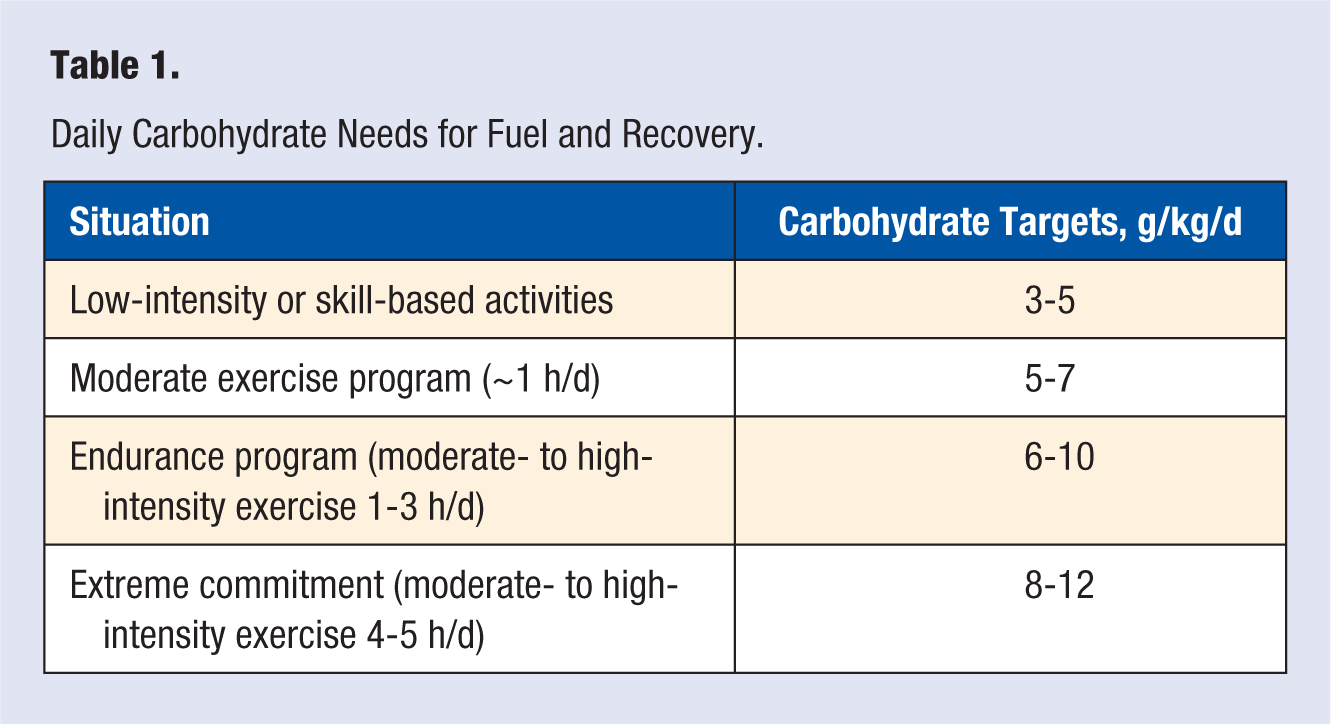
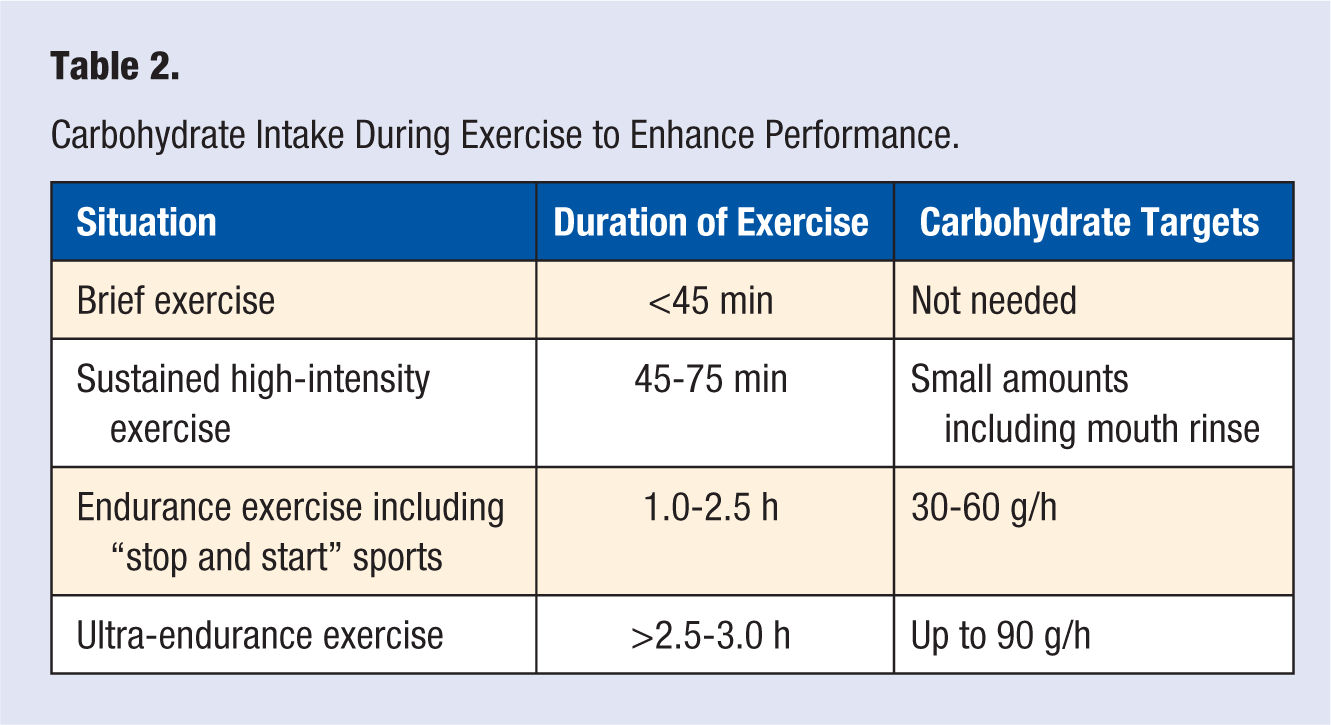
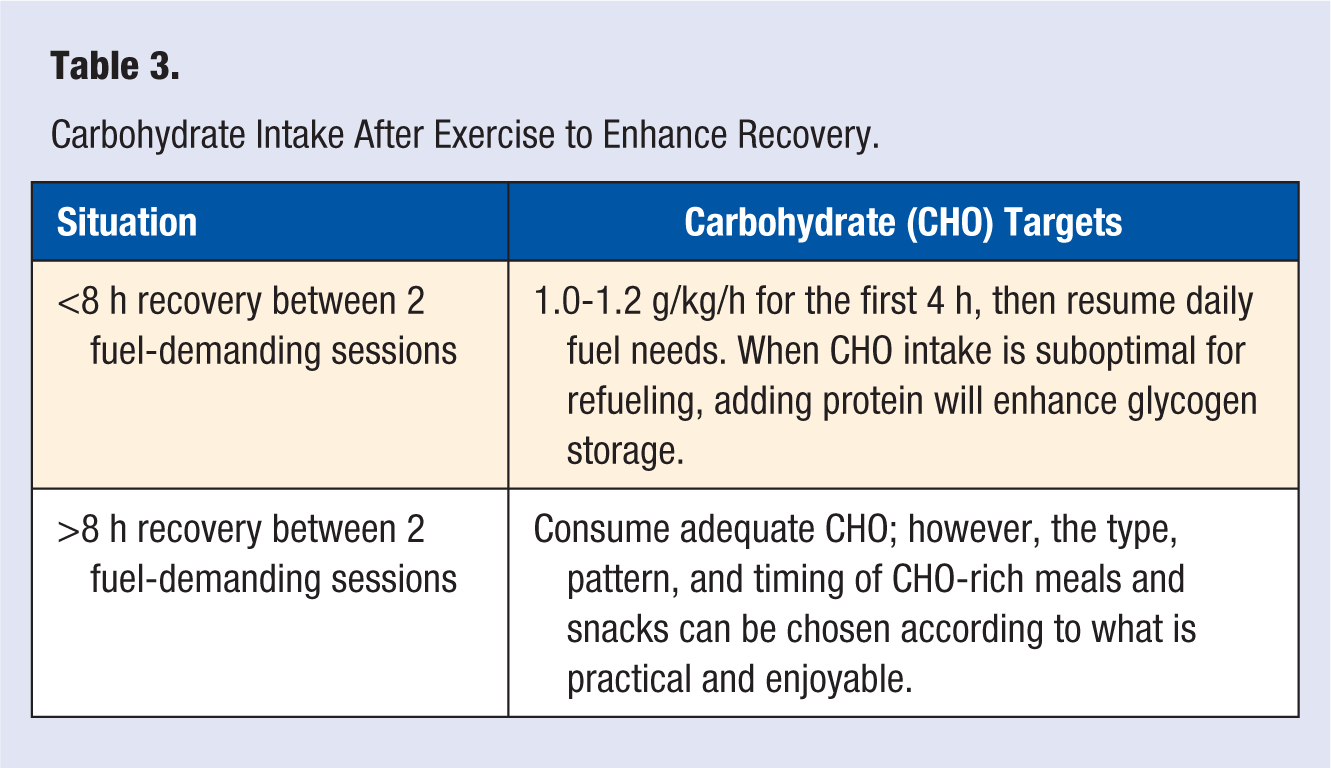
Daily carbohydrate recommendations recently published by the International Olympic Committee are summarized in Table 1. 9 Recommendations for carbohydrate intake during exercise are summarized in Table 2, 9 while those for after exercise are summarized in Table 3. 9
Daily Carbohydrate Needs for Fuel and Recovery.
Carbohydrate Intake During Exercise to Enhance Performance.
Carbohydrate Intake After Exercise to Enhance Recovery.
While the benefits of carbohydrate intake during prolonged, endurance events are well-documented, 9 controversy exists regarding the benefits of carbohydrate consumption during events of shorter duration (<1 hour). Indeed, while carbohydrate availability is not a limiting factor during shorter (<1 hour) events, research suggests that the provision of carbohydrate, even if it is not ingested (ie, using a carbohydrate mouth rinse) may have performance benefits during shorter, more intense exercise.9-11
It has recently been hypothesized that training with low carbohydrate availability (ie, “training low”) during endurance exercise will stimulate physiological adaptations that may promote endurance. These two controversial topics are addressed in greater detail in the following paragraphs. 9
Carbohydrate Mouth Rinse
The performance benefits of carbohydrate consumption during prolonged exercise (>1 hour) are believed to be attributed to the maintenance of glucose oxidation rates late in exercise when muscle glycogen stores have been depleted. 12 There is also increasing evidence to suggest that carbohydrate intake during shorter (<1 hour), more intense exercise may be beneficial,10,11 despite the fact that carbohydrate availability is not considered a limiting factor to exercise of this duration. 13 While the precise mechanisms for the performance benefits of exogenous carbohydrate during short-duration, high-intensity exercise have not been clearly elucidated, it has been hypothesized that carbohydrates may be activating areas of the brain that are related to motivation.14,15 This theory has been tested by a number of researchers using a variety of carbohydrate “delivery systems.”13,15,16
In one of the first studies to examine the possible nonmetabolic effects of carbohydrate consumption on athletic performance, Carter et al 17 compared intravenous infusion of glucose to a carbohydrate mouth rinse on endurance cyclists and found that intravenous infusion of glucose did not improve time to complete a 40-km time trial. However, regularly rinsing the mouth with a carbohydrate solution during the exercise bout did have performance benefits. 17 Similarly, Pottier et al 18 found that ingesting a carbohydrate solution had no significant performance benefits for cyclists completing a 1-hour time trial; however, rinsing the mouth with a carbohydrate solution was associated with improved performance.
The hypothesis that carbohydrates activate brain areas that are related to motivation is supported by the study by Pottier et al. 18 Subjects kept the beverage in the oral cavity for a longer period of time when mouth rinsing compared with drinking the beverage, which allowed more time for central nervous system activation. 18 Based on research thus far, carbohydrate mouth rinsing may improve performance for endurance athletes during exercise lasting about ≤ 1 hour.
“Train Low, Compete High”
The relationship between muscle glycogen depletion and fatigue has prompted a great deal of interest in ways to spare muscle glycogen via nutritional and training manipulations and, thus, delay fatigue. One of the more recent and controversial methods focuses on training with low carbohydrate availability (ie, “train low”) and then competing with adequate carbohydrate stores to enhance performance (ie, “compete high”). 19 Hypothetically, training with low carbohydrate availability will stimulate physiological adaptations that will ultimately spare muscle glycogen and promote endurance. Indeed, research shows that exercising with low muscle glycogen stores does amplify the activation of a number of signaling proteins that play both direct and indirect roles in the activity of transcription factors involved in mitochondrial biogenesis which could enhance fatty acid oxidation and, thus, reduce glycogen utilization. However, research has yet to show performance benefits from these physiological adaptations.
In a study by Hulston et al, 20 well-trained cyclists were randomly assigned to train with either low carbohydrate availability or adequate carbohydrate availability, which was accomplished via differences in the training schedule. Specifically, those in the low carbohydrate availability group trained twice every second day, while those in the adequate carbohydrate availability group trained once per day. Total carbohydrate intake was similar between the groups. The results indicated that cyclists training with low carbohydrate availability increased fat oxidation due to enhanced metabolic adaptations in the muscle. However, training low was no more effective in terms of performance than was training with adequate carbohydrate availability. 20 Similarly, Yeo et al 21 found that cyclists’ performance in a 1-hour time trial was the same after daily or twice-every-second-day training. Thus, despite physiological adaptations, there appears to be no performance enhancement associated with training with low carbohydrate availability.
Not only has the research failed to show a performance benefit, but the very idea of “train low, compete high” is contradictory to generally accepted sports nutrition guidelines that promote consuming carbohydrates before, during, and after prolonged exercise bouts. 19 There are several problems associated with training low carbohydrate availability. First, the quality of training will decrease because athletes will be unable to train at a high intensity when glycogen depleted. Second, training in a low carbohydrate state increases the risk of injury, illness, and overtraining. 19 However, training low may make fat utilization more efficient, which may be beneficial for an athlete interested in weight loss. Since research shows no performance benefits from training low, athletes should consume adequate carbohydrate daily and train in a carbohydrate-sufficient state.
Protein
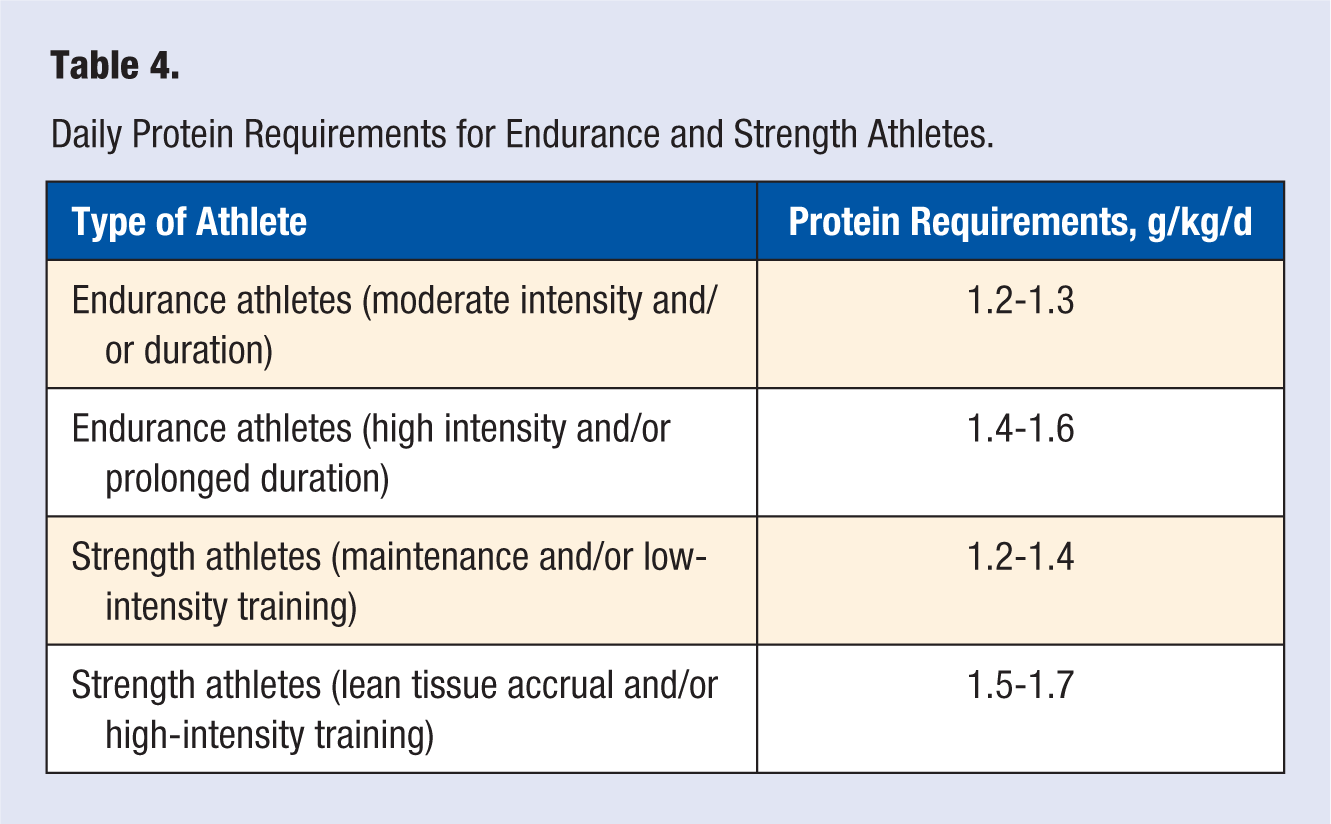
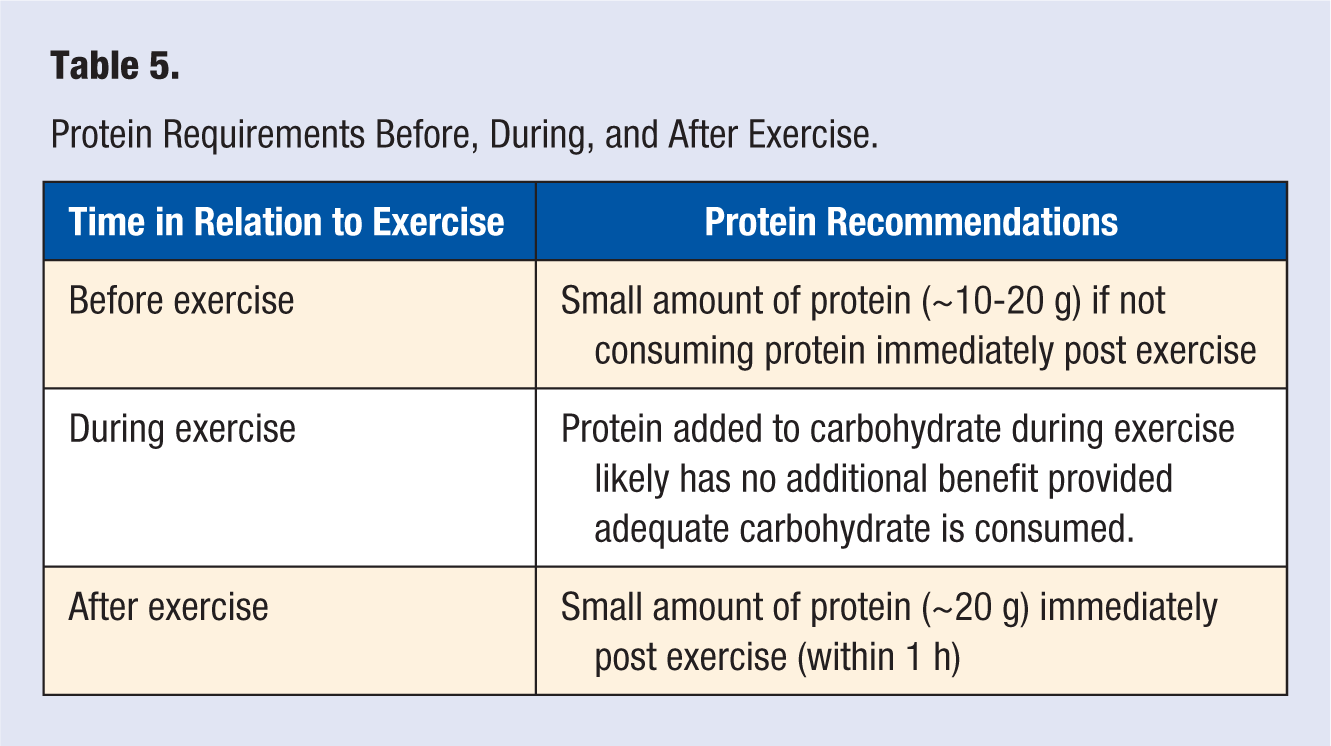
Although protein needs of athletes have been a controversial subject for many years, most sports nutrition experts agree that athletes’ protein requirements are higher than those of their sedentary counterparts.22-24 Indeed, some research suggests that athletes may need more than 2 times as much protein as nonathletes. The current protein recommendations for endurance and strength/power athletes are summarized in Table 4. 6 Modifications to these recommendations should be made based on the intensity, duration, and frequency of the individual athlete’s training regimen. The protein recommendations for before, during, and after exercise are shown in Table 5. 23
Daily Protein Requirements for Endurance and Strength Athletes.
Protein Requirements Before, During, and After Exercise.
Because of their higher energy intakes, most athletes regularly consume adequate (if not excessive amounts of) protein. This is particularly true for strength/power athletes.6,23,24 Nonetheless, there are a few athletic populations who are at risk for inadequate protein intakes. These populations include vegetarian athletes (particularly vegans), growing athletes (ie, children or adolescents), female endurance athletes, and athletes who are dieting and/or have inadequate energy intakes. 22
Perhaps more important than the amount of protein consumed is the timing of protein intake around exercise. Research suggests that there is an anabolic window (approximately 1 hour prior to and/or after exercise) during which protein should be consumed to optimize strength gains and muscle hypertrophy. 23 However, whether consuming protein prior to or after exercise is most advantageous remains unclear.
Protein type also seems to have an effect on muscle protein synthesis (MPS). Interestingly, only essential amino acids seem to be needed to effectively stimulate postexercise MPS.23,24 In fact, leucine alone has been shown to independently stimulate the proteins that regulate MPS. 25 These two topics are addressed in greater detail in the following paragraphs.
Leucine
Leucine, valine, and isoleucine are branched-chain amino acids (BCAAs). The BCAAs are essential amino acids (meaning they cannot be synthesized endogenously) and are unique in that they are predominately metabolized by the muscle (as opposed to the liver). 25 Of the BCAAs, leucine has gained the most attention among both researchers and athletes because of its roles in protein synthesis and higher oxidation rate during endurance exercise, particularly when muscle glycogen stores are low.25,26
As an essential amino acid, leucine serves not only as a substrate for muscle protein synthesis but also as an activator of the mammalian target of rapamycin complex 1 (mTORC1), which coordinates a network of signaling cascades and functions as a key mediator of protein translation, gene transcription, and autophagy. 25 Research in elderly men has shown that leucine supplementation may help to overcome the “anabolic resistance” associated with aging and may help prevent sarcopenia. 27 Similarly, some, but not all, research has shown that leucine supplementation may enhance postexercise muscle protein synthesis in young men.28 -30
For example, Pasiakos et al 30 examined the effects of an essential amino acid (EAA) supplement with and without added leucine during moderate-intensity, steady-state endurance exercise on postexercise skeletal muscle metabolism in healthy, nonathletic men (n = 8). The results indicated that muscle protein synthesis was significantly greater, whole-body protein breakdown and synthesis were significantly lower, and amino acid oxidation was significantly greater after the leucine plus EAA supplement compared with the EAA supplement alone. 30
In contrast, Glynn et al 29 observed improvements in components of mTORC1 signaling but no significant increase in MPS in healthy individuals (n = 14) given 10 g of EAA containing 3.5 g of leucine compared with 10 g of EAA with just 1.8 g of leucine. Methodological differences likely explain the discrepant findings in these studies (eg, resting vs exercise protocols and amounts and dosing of EAAs and leucine). Nonetheless, a recent review article concluded that added leucine is unnecessary for the stimulation of MPS when sufficient amounts of EAAs are provided (ie, 10 g); however, further study of supplemental leucine during conditions such as endurance exercise, caloric deprivation, and ageing may be warranted. 25
Whey vs Casein
Given the research supporting beneficial effects of leucine on MPS, it is not surprising that whey protein (which is rich in leucine) is the most popular form of supplemental protein on the market.23,24 Whey and casein are the 2 primary proteins found in milk. Each has distinct biochemical properties that affect their digestion, absorption, and metabolism and, perhaps, their influence on MPS. Whey is a soluble protein and is digested and absorbed relatively quickly, resulting in a rapid increase in the amino acid “pool” and subsequent increase in cellular amino acid uptake. In contrast, casein is a relatively insoluble protein and is digested and absorbed more slowly, causing a more gradual increase in the blood amino acid pool and a delayed amino acid uptake. The differences in their metabolism (along with their leucine contents) have led to the hypothesis that whey may be superior to casein for stimulating MPS 31 ; however, research supporting the superiority of whey over casein for MPS is scarce. In fact, most research indicates that the two work synergistically and that supplementation with both together is better than either one separately. For example, Kerksick et al 32 found that supplementing the diet of resistance-trained subjects with a protein supplement containing whey and casein promoted greater increases in fat-free mass after 10 weeks of heavy resistance training when compared with supplementing with whey protein alone. 32 Tipton et al 33 found that both casein and whey proteins led to a positive amino acid balance despite their differences in digestive properties. Since whey and casein are naturally found in cow’s milk, it seems reasonable (and less expensive) to suggest that athletes consume milk vs supplementing with expensive supplements containing whey and protein. 34
Fats
Fats are an essential part of an athlete’s diet, yet many athletes, particularly those concerned with body weight, mistakenly restrict them. Fats serve as the primary energy source at rest and during low-intensity exercise. In addition, the energy density of fats is important to athletes who are expending a great deal of calories daily. 6 Certain dietary fats are a source of essential fatty acids (which are discussed in more detail later), and the presence of fats in the gastrointestinal tract enhances the absorption of fat-soluble vitamins. 6 The general recommendation for fat intake is 20% to 35% of total calories 6 ; however, in order to meet carbohydrate and protein requirements, athletes should probably aim for fat intake of 15% to 30% of energy intake. As discussed below, inadequate intake of dietary fat has the potential to impair athletic performance in a number of ways.
Very Low-Fat Diets
Athletes may consume very low-fat diets for a number of reasons. Some athletes mistakenly believe that dietary fat will make them “fat” (or will inhibit body weight/fat loss), and thus they try to avoid it at all costs. Other athletes may inadvertently limit fat intake while trying to maximize carbohydrate and protein intakes. Regardless of the reasons for dietary fat restriction, the results can be detrimental to the athlete’s health and performance. 35 For example, Horvath et al 36 found that runners on a low-fat diet consumed insufficient calories to support their energy needs and inadequate amounts of several essential vitamins and minerals. Similarly, Tomten and Hostmark 37 found that vitamin E intake was inadequate in endurance athletes whose diets were low in fat.
It has been hypothesized that very low-fat diets may impair endurance performance by compromising intramuscular triglyceride (IMTG) availablility. 38 For example, Coyle et al 39 found that a very low-fat (2% of energy intake) vs a moderate-fat (22% of energy intake) diet lowered whole body lipolysis, total fat oxidation, and nonplasma fatty acid oxidation during exercise in the fasted state in association with a reduced concentration of intramuscular triglyceride. In the study previously mentioned by Horvath and colleagues, 36 runners on the low-fat (16% of energy intake) diet had reduced endurance performance compared with runners on medium-fat (31% of energy intake) or high-fat (44% of energy intake) diet.
Finally, low-fat diets may put athletes at increased risk of injury. Gerlach et al 40 used food frequency questionnaires and injury incidence reports to determine the relationship between energy intake, energy availability, dietary fat, and lower extremity injury in female runners training at least 20 miles per week. The investigators found that compared with noninjured runners, the injured runners had significantly lower intakes of fat, both in absolute amounts (ie, grams per day) and as a percentage of total daily energy intake. 40
Omega-3 Fatty Acid Supplementation
The omega-3 fatty acids—alpha-linolenic acid (ALA), eicosapentaenoic acid (EPA), and docosahexaenoic acid (DHA)—cannot be synthesized in the body and thus must be consumed in the diet. Among various other functions, the omega-3 fatty acids have been shown to act as regulators of anti-inflammatory compounds. 41 Since strenuous training has been shown to cause both acute inflammation and long-term suppression of the immune system, interest in potential benefits of omega-3 fatty acid supplementation for athletes has increased. 6 Nonetheless, research thus far has not demonstrated a benefit. For example, Henson et al 42 examined the effects of 6 weeks of supplementation with EPA compared with a placebo in trained cyclists on exercise performance, inflammation, and immune measures before and after a 3-day period of intense training. The intense training consisted of 3 hours of cycling at 57% of maximum power output with a 10-km time trial at the end of each 3-hour bout. Data showed that supplementation with EPA increased plasma levels of both EPA and DHA but had no effect on performance and did not offset the inflammation with training. 42 Similarly, Raastad et al 43 found no beneficial effects on aerobic power, anaerobic power, or running performance after 10 weeks of fish oil supplementation among well-trained male soccer players. 43 Since there is inadequate research to support a benefit of supplementing with omega-3 fatty acids, sport nutrition organizations have recommended that athletes focus on consuming enough total fat to meet the recommended intake levels of essential fatty acids. 44
Fluid and Electrolytes
Maintaining adequate hydration status during exercise is critical for normal function of the thermoregulatory, metabolic, cardiovascular, and nervous systems, not to mention optimal athletic performance. Dehydration resulting in as little as a 2% body weight loss as water increases body core temperature, heart rate, glycogen utilization, and perceived exertion and, consequently, negatively affects performance. 45 If fluid loss continues, metabolic, nervous system, and cognitive function become impaired and the likelihood of heat exhaustion or heat stroke dramatically increases. 45 Excessive electrolyte loss, which often accompanies fluid losses, can alter normal nervous system and cardiac function, lead to the development of muscle cramps, and can cause life-threatening shifts between extra- and intracellular fluid compartments. 45 Conversely, excessive consumption of hypotonic beverages may precipitate dilutional hyponatremia resulting in cerebral or pulmonary edema and even death. 45
Generalized fluid intake guidelines that are applicable to all athletes are difficult to make, since fluids losses vary vastly from athlete to athlete. Thus, individualized recommendations should be made based on an athlete’s sweat rate and body weight loss during exercise (Table 6). 45
General Fluid Recommendations for Before, During, and After Exercise.
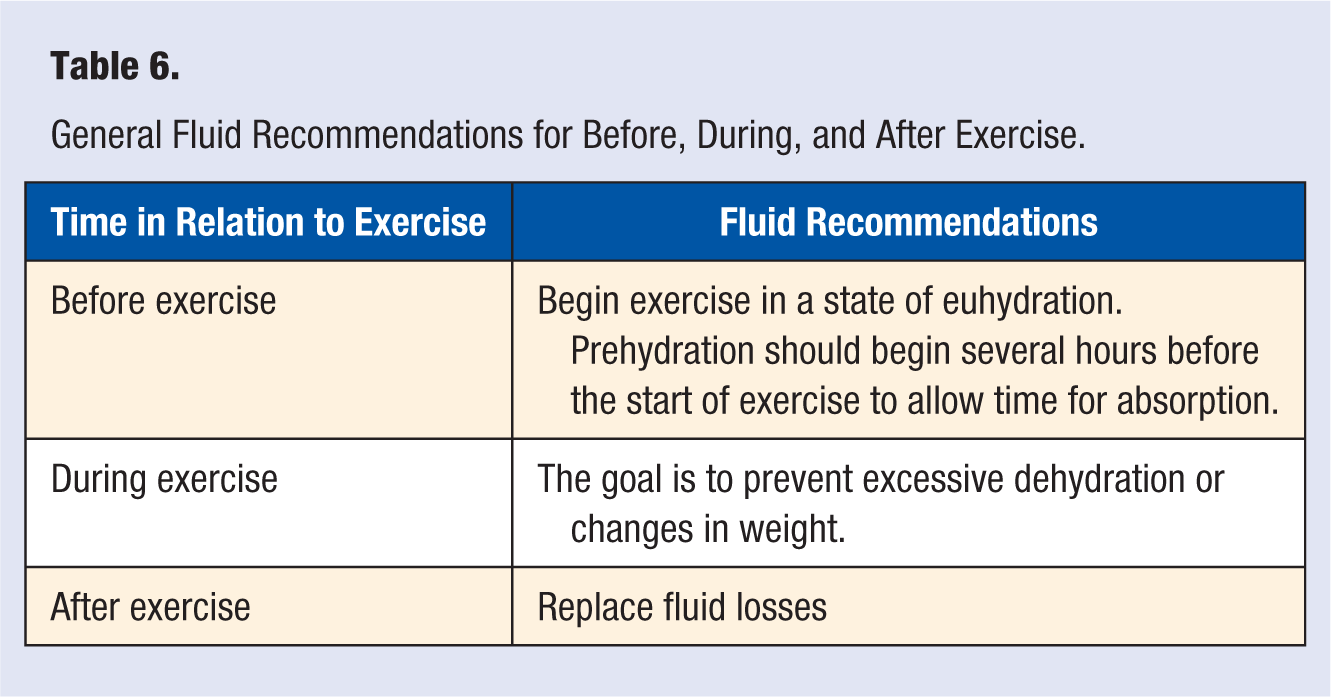
Athletes can assess their hydration status subjectively from urine color and volume as well as by more objective measures such as urine specific gravity or osmolality measurements. 46 Change in body mass during a bout of exercise can also provide insight about the adequacy of hydration practices. Weight loss during exercise should not exceed 2% of total weight. 46
In addition to containing fluid, sweat contains numerous electrolytes, the most abundant of which is sodium. 6 Sweat sodium concentration is determined by genetics, diet, heat acclimatization, sweat rate, age, and gender and generally ranges from 10 to 70 mEq/L.45-47 Athletes who have sweat sodium concentrations closer to the high end of that range are considered “salty sweaters.” These athletes are prone to sodium deficits, muscle cramping in the heat, and, in endurance events, exercise-induced hyponatremia. 47 Stofan et al 48 found that sweat sodium losses were greater in cramp-prone football players than in football players who had no cramping history. When an athlete is sweating at a light rate, sodium can be absorbed in the sweat gland. 6 However, when the rate of sweating increases, no significant reabsorption can occur and a greater amount of sodium is lost.
Exercise-Associated Hyponatremia
Exercise-associated hyponatremia (EAH) is a condition that usually develops when fluid intake exceeds fluid losses via sweat and sodium intake is inadequate.49,50 Other factors that predispose an athlete to the condition include female gender, exercise duration longer than 4 hours, low body weight, extreme temperatures, and use of nonsteroidal anti-inflammatory drugs.49,50 Athletes with EAH can present with or without symptoms, the most common of which are altered mental status, confusion, and seizures. 50
There is no research supporting the ingestion of carbohydrate replacement beverages containing sodium for the prevention of EAH, likely because most commercial drinks do not contain enough sodium to decrease the risk of EAH. 50 However, drinking these beverages may decrease the rate of serum sodium decline. 50 Guidelines that encourage athletes to consume as much fluid as possible during exercise are antiquated and dangerous. 51 Instead, athletes should match fluid intake to sweat losses and drink enough fluid to prevent dehydration (ie, >2% body weight loss). In addition, athletes at risk for EAH should ensure adequate consumption of dietary sodium either via meals or strategic consumption of salty snacks.
Micronutrients
Research clearly shows that an adequate intake of essential micronutrients (ie, vitamins and minerals) is important for training, competition, and the overall health of the athlete. What remains somewhat controversial is whether athletes have greater micronutrient requirements than their sedentary counterparts or whether micronutrient intakes exceeding the RDA can enhance performance. According to the Dietary References Intakes, published by the Institute of Medicine, no specific recommendations are necessary for athletes because their greater energy intakes will readily compensate for any micronutrient deficit incurred as a result of regular strenuous exercise.52,53 Nonetheless, some athletes may be at increased risk for micronutrient inadequacies, including those who restrict energy intake, avoid or eliminate certain foods from their diet, or consume an overall poor diet. 53 The micronutrients that may be insufficient in the diets of these athletes are described in more detail in the following paragraphs.
Antioxidants
Oxidative stress occurs when the body’s inherent antioxidant defenses are surpassed by reactive oxygen and nitrogen species (RONS). An imbalance between pro-oxidants and antioxidants is associated with muscle damage and impaired muscle function. 54 Research suggests that exercise, particularly of a high intensity and/or prolonged duration, causes significant increase in RONS that could potentially exceed the body’s antioxidant capacity Thus, it has been suggested that supplementing with dietary antioxidants such as vitamins C and E may attenuate the oxidative stress caused by training. 54
Antioxidant supplementation has been shown to decrease the oxidative stress associated with intense training; however, it does not seem to translate into improvements in athletic performance. 54 In fact, there is some research indicating that antioxidant supplementation may negatively affect performance.55-57 Close et al 55 found that supplementation with ascorbic acid before and after muscle-damaging exercise hindered the recovery process, which could be detrimental to future performance. 55 RONS produced during moderate exercise aid in muscle cell adaptations to exercise and are essential to the functioning of every cell. 56 High doses of antioxidants may prevent these beneficial adaptations from occurring and therefore hinder performance. 54 It is recommended that elite athletes follow the antioxidant guidelines for adults regarding fruit and vegetable intake rather than taking an antioxidant supplement. 57
B-Vitamins
The B-vitamins, including thiamin, riboflavin, niacin, vitamin B6, pantothenic acid, biotin, and choline, function as coenzymes in the energy-producing pathways of the body, while folate and vitamin B12 are required for red blood cell production and cell regeneration. The B-vitamins are found in whole grains, dark green vegetables, dairy products, nuts, and meat. There is some limited research indicating that physical activity may increase the requirements for the B-vitamins; however, this increased need can generally be met through the greater energy intakes of most athletes. 58 Nonetheless, some athletes are at risk for B-vitamin deficiency, including those who restrict calories or eliminate foods groups such as whole grains, dairy products, or meats. 58 These individuals should find alternative food sources of these vitamins; if insufficient food sources cannot be found, a supplement containing 100% of the RDA should be considered.
Vitamin D
Historically, calcium has received most of the attention when it comes to nutrients important for bone health. However, accumulating evidence suggests that vitamin D is as important if not more important for bone metabolism, particularly from a regulatory standpoint. In addition to affecting bone health, vitamin D plays a key role in regulating the growth and maintenance of the nervous system and skeletal muscle, immune function, and inflammatory regulation. 59 Currently, the RDA for vitamin D is 600 IU for individuals younger than 70 years and 800 IU for individuals older than 70 years. 60
Research suggests that athletes generally do not meet the adequate intake for vitamin D.59,61,62 This is especially true for athletes who may have insufficient UVB exposure because they live at northern latitudes, train mostly indoors or during “non–peak hours” (ie, early in the morning or late in the afternoon/evening), have dark skin pigmentation, or regularly use sunscreen.59,62 Ideally, athletes should be screened biannually for vitamin D status, particularly for “high-risk athletes” such as those with a history of stress fractures, frequent illness, or bone and joint injury and those who have insufficient UVB exposure. 59 Serum 25(OH)D concentration is considered the best indicator of vitamin D status, and a value less than 30 ng/mL is generally considered suboptimal (although some discrepancy exists among the medical community regarding the appropriate normative values). 59 For athletes with suboptimal serum 25(OH)D status, daily supplementation with 2000 to 6000 IU of vitamin D3 for 6 to 8 weeks followed by a maintenance period of 600 to 2000 IU/d may be required to return to optimal vitamin D status. 63 If high-risk athletes are unable to be screened, supplementation with vitamin D at the Dietary Reference Intake level will be beneficial. And all athletes should strive to get adequate vitamin D through modest sun exposure as well as through dietary intake of fatty fish, egg yolks, and fortified dairy products. 59
Choline
Choline has recently garnered attention as a potential ergogenic aid, particularly for endurance athletes. 64 Choline is a precursor for the neurotransmitter acetylcholine, which is important for signal transmission during muscle contraction. Limited research suggests that plasma choline concentrations decline during certain types of prolonged physical activity.65,66 Low levels of choline in the muscle cell could result in a reduction in the force of muscle contraction, which could negatively affect endurance performance. Buchman et al 65 found a significant decrease in free choline concentration following a marathon run, suggesting an impairment of neuromuscular transmission during the race. Similarly, Sandage et al 66 reported that plasma choline levels were reduced in male runners after a 20-mile run. Nonetheless, there is no conclusive evidence that decreases in choline levels significantly affect athletic performance. 64 Research has also not supported a benefit of choline supplementation from a performance standpoint. Sandage et al 66 reported that ingestion of a choline supplement before and half-way through a 20-mile run maintained plasma choline concentrations, but the investigators did not measure performance, so the implications of this physiological effect is unknown. Athletes can readily meet their choline requirements by consuming meat, fish, eggs, milk, soy products, nuts, and seeds.
Iron
Iron is an integral part of hemoglobin, which is essential for oxygen uptake and transport to the working muscle. Iron also functions in energy production and heme oxidative metabolism, rendering it a key nutrient in athletic performance. Elite athletes, especially endurance athletes, are at an increased risk of iron deficiency due to prolonged phases of intense exercise, muscular injuries, increased turnover of red blood cells, and increased loss of iron in sweat and urine. 67 Premenopausal female endurance athletes have the highest risk of developing iron deficiency, especially if their diets provide inadequate calories or lack iron-rich foods. 6
The hallmark symptoms of iron deficiency anemia in the athlete include extreme fatigue, decreased aerobic capacity, and compromised immunity. 68 The research is somewhat controversial with regard to whether iron deficiency without anemia produces overt symptoms or negatively affects athletic performance. 69 Nonetheless, possible performance decrements aside, athletes with nonanemic iron deficiency should strive to increase their intakes of iron-rich foods—including meats (particularly red meats), beans, fortified cereals, and dark green vegetables—to prevent the development of iron deficiency anemia. 6 Iron supplementation should be considered when an athlete with iron deficiency anemia is unable to obtain adequate iron from the diet. 70
Conclusion
To train consistently and compete successfully, athletes must consume adequate calories as well as meet specific fluid and macro- and micronutrient requirements. Carbohydrates are the most important fuel for the elite athlete, particularly the elite endurance athlete. Adequate intake of carbohydrates before during and after exercise is imperative for optimal endurance performance. Recent evidence suggests that even in shorter events, carbohydrates may provide performance benefits. Most experts agree that dietary protein requirements for athletes are slightly higher than those of their sedentary counterparts; however, a varied diet that meets energy needs will generally provide adequate protein for the athlete. Controversy exists with respect to the benefits of one form of protein over the other (ie, casein vs whey) or specific amino acids. Until further research confirms otherwise, athletes should focus on only the amount and timing of protein intake. Ingesting foods or drinks that contain approximately 20 g of protein (or 10 g of EAAs) before or immediately after training sessions will maximize protein synthesis and aid in recovery. Dehydration, if sufficiently severe, can impair athletic performance; thus, athletes should be well hydrated before exercise and should drink sufficient fluid during exercise to limit dehydration to less than about 2% of body mass. Sodium should be included when sweat and/or sodium losses are high. During recovery from exercise, rehydration should include replacement of both water and salts lost in sweat. Athletes who restrict energy intake or who consume nutrient poor diets are at increased risk for micronutrient deficiencies, particularly the B-vitamins, iron, and vitamin D. Although antioxidant supplementation is frequently used, there is no evidence to suggest that it can improve athletic performance, and accumulating evidence suggests that it may actually have negative consequences. For individual guidance on energy, nutrient, and fluid needs, athletes should seek the guidance of a qualified sport nutrition professional (ie, a registered dietitians or certified specialist in sports dietetics) who can help them develop sport-specific nutritional strategies for training, competition, and recovery.