



Abstract
Air pollution is increasing daily, causing global warming and many environmental issues, and it is also the cause of many diseases. According to many reports, brick kilns play a major role in the emission of black carbon that causes air pollution. It is necessary to find another way to produce bricks. The trend these days is to increase applications of natural fibers and eco-friendly materials and to reuse waste materials to control pollution. Synthetic and chemical materials are also causes of pollution, diseases, and even the deaths of many people. In this direction, eco-friendly materials were used to produce bricks. Abaca fiber, Pinus-Roxburghi leaves, fiber, wood, wheat straw, animal dung, sand, cement, phenolic resin, and gypsum were used in various percentages to create novel brick. In the investigation, it was discovered that hybrid natural fiber-based bricks had strong physical-mechanical, mechanical-chemical, and thermal stability properties, were light in weight, and had good sound absorption capabilities. Significant improvement of has been identified, AB-4 Brick shows the maximum porosity with 42.5% improvement as compared to AB-1 brick.
Introduction
The air pollution is increasing day by day which cause of global warming and many diseases and deaths. According to the report of the environmental protection agency, 15% of all black carbon emissions in India out of two-thirds of that emissions are attributable to brick kilns. This is a major cause of environmental pollution. On other hand, waste materials are also becoming a cause of pollution day by day. Thus, to resolve this problem researchers from all over the world are focusing to utilizes these waste materials in different applications and developing new composites. Natural fiber applications are also increasing to produce eco-friendly products. The materials that used in construction work and polymer composites are harmful and costly. Humans are using natural fiber from old times in many things and even in Building materials also.1,2 Natural fibers have been recommended by Romans as a way to prevent non-backed bricks from shrinking. Dimension stability is maintained when the natural fiber is used.3,4 The new materials used to make bricks have a number of negative consequences. These materials are harmful to the environment and cause a variety of diseases. 5 Chemicals in the materials cause ailments such as mesothelium respiratory issues, lung cancer, allergies, and skin disorders. 6 Despite the fact that asbestos is also used in construction and composites, a report claims that 100,000 people die each year as a result of asbestos exposure.7,8 These materials make bricks that absorb excessive heat and cold and cause them to produce colder in the winter and summer seasons. Chemical materials have been replaced with eco-friendly and waste materials in this research paper to create novel-type bricks without the use of brick kilns that cause pollution. The selection of Waste fiber-based materials depends mainly on the strength and durability of the bricks. Fibers like jute, coir, and sisal are known for their high tensile strength and can improve the structural integrity of the bricks. Natural fiber-based materials provide a number of advantages, Natural fibers should be compatible with the binder or matrix material used in the bricks. Ensure that the fibers can effectively bond with the matrix to enhance the overall strength of the bricks, including quick regrowth, low cost, easy availability, shareability, and high strength.9 –12 The use of natural fibers also improves the acoustic (sound) properties and the insulating or thermal properties. Recently, Pinus-Roxburghi fiber has been used to protect DNA, having antibacterial capability and the capability to remove dye from water, which has been used to increase compressive strength for many years.10 –12 The Pinus-Roxburghii leaves fibers fall down and spread all over the wild. When the people of Himachal, Uttarakhand, and even all over the world clean their land for grass, the leaves catch fire immediately and destroy the jungle, people, and millions of animals every year. If these collected leaves were utilized in other applications, then many wild areas could be saved from the fire13 –16 Abaca fiber is a waste product that can be collected from abaca farming and has good mechanical properties. 17 These days, abaca is also used in plaster, joint replacement, and fracture healing. Abaca fiber is also resilient to water and develops good compatibility with other materials in the matrix.18 –22 Because the handling of wheat-based waste fiber is a major issue not only in India but all over the world, and because these materials also pollute the environment, wheat-based waste material is being used. These waste fibers have been linked to major rail and highway safety concerns.23 –29 Cow dung has high thermal and acoustic qualities, as well as good binding capabilities, hence it was used in these new bricks. 30 Thousands of tonnes of wheat fiber are burned openly every year in Punjab, Haryana, India, Ukraine, Russia, and other parts of the world to dispose of them. Wheat fiber has been used in the bricks in this paper to discover a solution for this waste material. 31 The waste wood is used in burning, filing, animal bedding, play areas, and filter beds.32 –35 Animal dug wastage was employed since it can help with thermal stability.36,37 By replacing cement and sand with various percentages of Pinus-Roxburghi fiber, wheat straw fiber, waste wood, and animal dung from waste plastic, gypsum, sand, and cement, the bricks were constructed with good physical, mechanical, chemical, acoustic, and heat-absorbing qualities.38 –41 Rice stalk fiber and rice husk ash are agricultural by-products, which are available worldwide in large quantities and are used in various structural applications like boards etc.42–43
Materials and methods
Composite fabrication
The abaca fiber was ordered from Jaipur by Chander Parkash Pvt. Ltd., a supplier of natural fibers. The Pinus-Roxburghi leaves, wheat straw fiber, and wood was obtained from a village, Khaggal-Ghanotala, in Hamirpur, India. The waste was then chemically treated to remove any impurities. The impurities of the ash content were removed with the use of a stainer. The waste wood was collected from the Sohan Lal & Ranjeet Singh PVT LM Khaggal-Hamirpur. The dried cow dung was collected from the hamlet and converted into extremely small particles. All of these ingredients were blended well by the plow machine in order to ensure adequate mixing. The hybrid brick’s composition is depicted in Tables 1 and 2 respectively. The trials were carried out in accordance with the British Standard BS 3921: 1985 and the American Standard MS 76: 1972.
Compositional aspects of raw material.

AB-1: Composition featuring 28% Pinus-Roxburghi leaves fiber, 3% waste wheat straw, 11% lime, 17% Abaca fiber, 20% waste wood, 5% animal dung, 6% phenolic resin, and 10% gypsum.
AB-2: Composition featuring 30% Pinus-Roxburghi leaves fiber, 4% waste wheat straw, 10% lime, 16% Abaca fiber, 20% waste wood, 5% animal dung, 7% phenolic resin, and 10% gypsum.
AB-3: Composition featuring 32% Pinus-Roxburghi leaves fiber, 5% waste wheat straw, 9% lime, 15% Abaca fiber, 20% waste wood, 5% animal dung, 8% phenolic resin, and 10% gypsum.
AB-4: Composition featuring 34% Pinus-Roxburghi leaves fiber, 6% waste wheat straw, 8% lime, 14% Abaca fiber, 20% waste wood, 5% animal dung, 9% phenolic resin, and 10% gypsum.
Composites fabrication detail.

Physico-mechanical, acoustic, chemical, and thermal properties
The shear strength bond test was used to determine the strength of the bond between three bricks. The AB-1, AB-2, AB-3, and AB-4 brick sample rooms were made 4 feet by 7 feet in height to record the sound with a sound level indicator. Water absorption is the difference between the weight of the block before and after dipping. Water absorption was seen for 30 h. For heat swelling tests, the bricks were put in the oven for 1–8 h at 70°C. The bricks were measured before and after the tests. The water swelling tests were measured by putting the bricks in water for three whole days, and readings were taken after each interval of 3 h. On compression testing equipment, an ASTM C1314-14 standard crushing test was performed to determine the crushing strength. A universal testing machine (UTM) was used to measure mechanical parameters such as tensile strength and tensile modulus. The Charpy impact testing machine was used to conduct the impact energy test. Flexural strength and flexural modulus were measured using pendulum testing equipment [ASTMED 790 standard]. A weighing machine was used to determine density.
Results & discussion
Chemical, physical, mechanical, and tri-biological characterization of coconut/wheat straw-based bricks
It has been observed during the crushing test of the brick composites that the AB-1 brick composites show the highest strength [3.75 N/mm2] and the lowest for the AB-4 brick composites [3.20 N/mm2] as illustrated in Table 3. It has been investigated during the shear bonding test that with the increase of abaca, wheat, and Pinus-Roxburghi leave fiber, the shear strength is going to increase and AB-2 [0.40 MPa] brick-composites has shown the maximum shear strength, but after that, the value is going to decrease and AB-4 [0.30 MPa] has shown the lowest value of the shear bond. It has been investigated during the porosity test that as you increase the percentage of Abaca, wheat, and Pinus-Roxburghi leaving the fiber in the newly developed bricks, the porosity will increase as illustrated in the Figure 1. The reason behind it is that, as dense sand material has been replaced by lightweight materials, the porosity was found to be lowest for AB-1 [9.4%] composites and highest for AB-4 [13.4%]. During the test, it has been observed that as the percentage of abaca, waste wheat fiber, and Pinus-Roxburghi leaf fiber in the brick composites decreases, the density will decrease because the natural fiber materials are much lighter in weight than those of sand and cement as illustrated in the Figure 2. The density was recorded at its highest [1850 kg/m3] for AB-1 Brick composites and at its minimum [1430 kg/m3] for AB-4 Composites. The waste absorption also increases as you increase the percentage of natural and waste fiber in the new brick composition. The AB-1 brick composite has the minimum water absorption [11.4%] and the AB-4 brick has the highest water absorption [12.9%]. During the heat test, it has been investigated that the heat swelling is going to increase as illustrated in the Figure 3. The reason might be that organic fibers and waste fiber materials produce gases at low temperatures of 40℃–50℃. The natural fibers [Abaca] and waste materials [wheat and Pinus-Roxburghi leave fiber] make good bounds in the brick, so the impact strength increases first, and AB-2-based brick shows height impact energy [0.60 N-m], and after that, impact energy is decreasing due to the development of heterogeneous matrix as illustrated in the Figure 4. During the tensile strength test, the AB-2 brick composite demonstrated a height tensile strength of [1.7 MPa] due to the improved bonding provided by natural fibers as illustrated in the Figure 5. The flexural strength has shown better results [.50 MPa] for the AB-1 brick composition. The results from the mechanical, physical and chemical characterizations of developed bricks are compared with the commercial available clay bricks and found that the properties such as crushing strength (i.e. 3.5 N/mm2), Porosity (10%–15%), Water Absorption (i.e. 12%–20%), Impact Energy (0.5 N-m), Flexural bound strength (0.05 and 0.10 MPa) are in corroborated with the properties of developed bricks.
Characterizations of natural fiber and waste wheat straw bricks (Mechanical, Physical, and Chemical).


The variation of porosity and ash percentage with the varying composition of brick.

The variation of water absorption and density with the varying composition of brick.
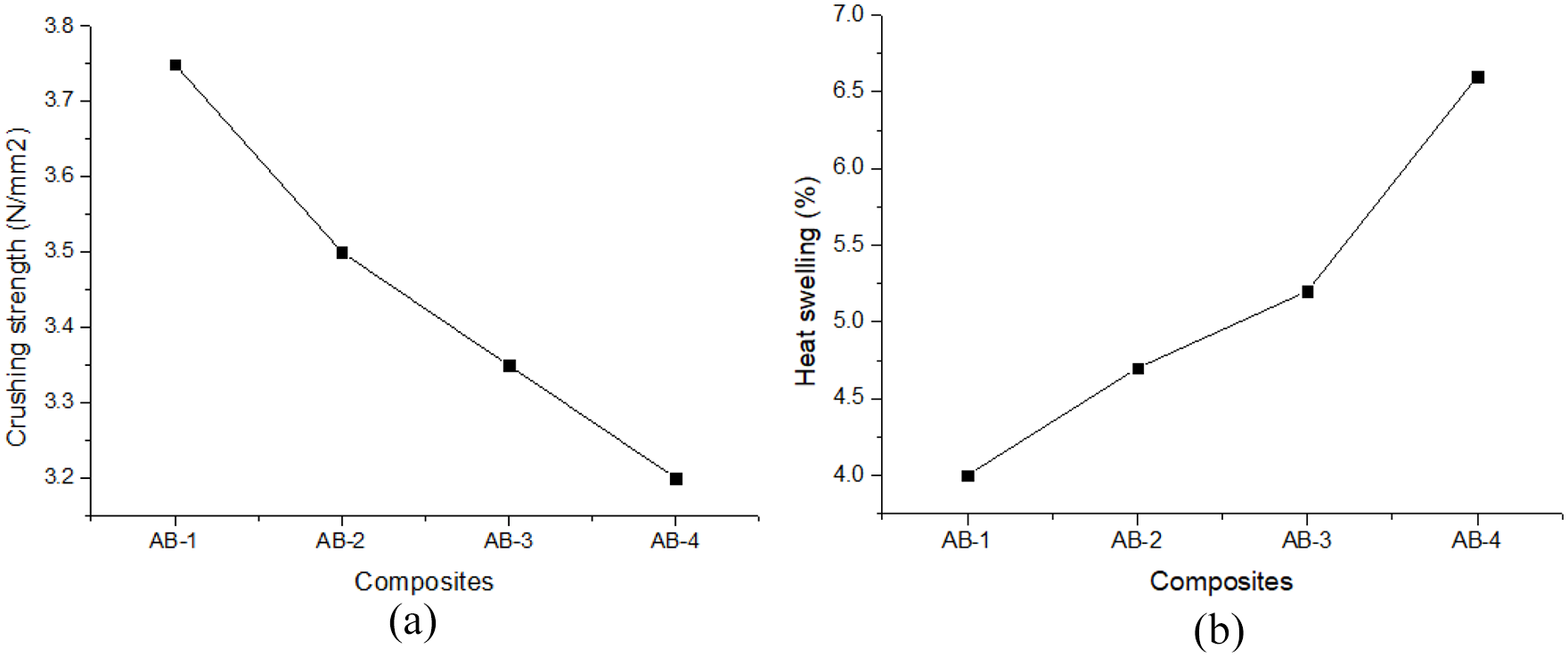
The variation of crushing strength and heat swelling with varying compositions of brick.

The variation of impact strength and shear bond strength with the varying composition of brick.

The variation of Tensile strength and flexural strength with varying compositions of brick.
Higher proportions of Abaca, wheat, and Pinus-Roxburghi leaves fiber enhance porosity by replacing dense thicker sand with lightweight materials. As the natural fiber content rises, density reduces as these materials are light than sand and cement. Water absorption and time are examined, emphasizing natural and waste materials’ implications. Organic fibers as well as waste materials produce gases at lower temperatures that enhance heat swelling over time. Impact energy and tensile strength varies owing to natural fiber bonding.
According to composition, brick porosity varies considerably. Figure 1 indicates that porosity rises with Abaca, wheat, and Pinus-Roxburghi leaf fiber. The replacement of dense sand with lightweight materials reduces density and raises porosity, laying out the finding. A highly porous brick is AB-4, 42.5% more porous than AB-1.
Figure 2 demonstrates how the brick mix impacts water absorption and density. As brick composites include less Abaca, waste wheat fiber, and Pinus-Roxburghi leaf fiber, density decreases. This is because natural fibers are lighter than sand and cement.
Figure 6 exhibits 1–8-hour water absorption findings. Water absorption ranges from 10.4% for AB-1 brick to 12.9% for AB-4 brick. Higher Abaca fiber and reduced wheat waste fiber in the molding enhance water absorption in AB-1.

Water absorption with a variation of time and compositions.
Table 3 outlines mechanical, physical, and chemical characteristics, including crushing strength. AB-1 brick crushes at 3.75 N/mm2, exceeding commercial clay bricks employed for construction.
AB-1-based bricks have the maximum flexural bond strength at 0.50 MPa, outperforming commercial clay bricks.
Figure 16 illustrates sound values with developed samples. Brick sound-absorbing capability rises with natural fibers and waste materials. The best sound absorption and acoustics are AB-3 and AB-4 bricks.
Figures 10 and 11 indicate that AB-1 and AB-2 bricks absorb the most heat at different temperatures. Figures 12 to 15 show that AB-4 and AB-3 bricks dissipate the most heat.
Developing a heterogeneous matrix by substituting dense sand with lightweight elements raises porosity.
Due of their lesser weight than sand and cement, natural fiber materials have lower density.
Favoring natural fibers enhances brick water absorption.
Due to its optimized material mix, AB-1 has higher crushing strength and structural integrity.
AB-1 has higher flexural bond strength due to natural fibers enhanced bonding or interface adhesion strength.
Natural fibers and waste materials absorb sound, with AB-3 and AB-4 being the most acoustic.
Water absorbing properties of specimens
The results of the water absorption tests were evaluated after a 1–8-hour time period. It has been investigated during the tests that the percentage of natural and waste materials in the newly developed composites is also increasing. Eight hours later, it has been found that AB-1 has shown minimum water absorption of 10.4% while AB-4 has shown maximum water absorption of 12.9% as shown in Figure 6.
Heat swelling properties of developed samples
It has been noticed during the heat swelling test that the heat swelling percentage increases with time and natural fiber waste material in the newly developed composites when put in the muffle at 70°C. The heat swelling tests were evaluated after a 1–8-hour time period. The AB-1 has shown a minimum heat swelling of 1.1% after 1 h and a maximum of 2.7 after 8 h, while the AB-4 has shown a maximum heat swelling of 1.19% after 1 h and 2.95% after 8 h. Heat swelling increases because the organic fiber and waste materials associated with natural fiber expand and produce gases inside the developed brick composites at 70°C. The demonstration of the heat swelling with a variation of time and compositions is shown in Figure 7.

Heat swelling with a variation of time and compositions.
Shrinkage tests of developed bricks samples
A shrinkage test was performed to find the reduced length of brick in the mold. It has been discovered during the tests that as they increase the percentage of natural fiber and waste materials associated with natural fiber in the mold, the shrinkage in the developed samples is less. The AB-4 brick has shown minimum shrinkage. It means that natural fiber helps to reduce shrinkage. The demonstration of the shrinkage of brick with a variation of time and compositions is shown in Figure 8.

Shrinkage of brick with a variation of time and compositions.
Swelling due to water absorption
The results of the water absorption tests were evaluated after a 3–24-hour time period. During the tests, it was discovered that as the time period and percentage of natural and wastewater in the newly developed composites increased, so did the water absorption capacity. After 24 h, it has been found that AB-1 has shown a minimum water absorption of 1.1% while AB-4 has shown a maximum water absorption of 2.7%. The demonstration of the Water absorption swelling with a variation of time and compositions is shown in Figure 9.
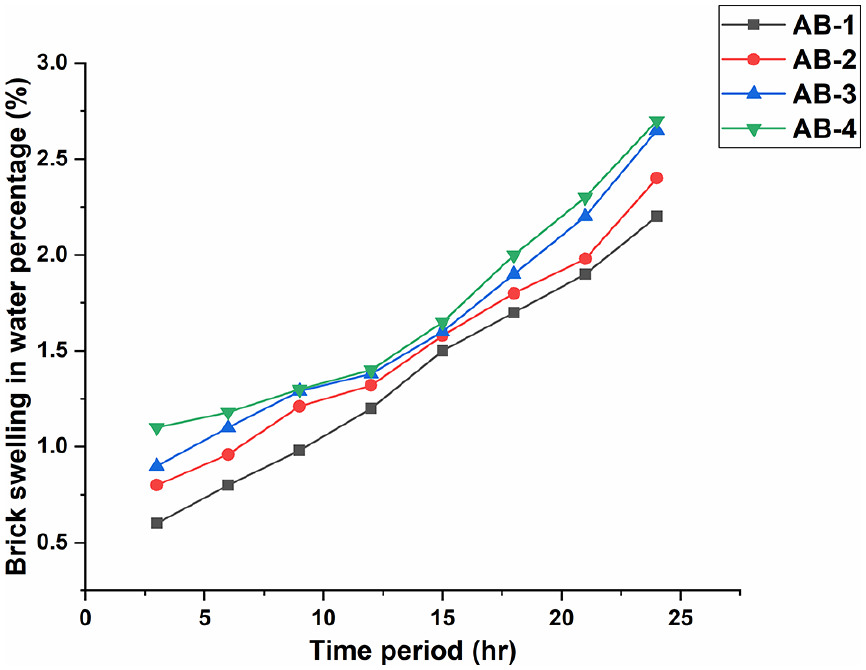
Water absorption swelling with a variation of time and compositions.
Heat absorption test
The test was performed by applying heat or maintaining a temperature to one end of the brick and recording the temperature on the second end of the brick while the brick was It has been investigated through heat absorption tests that the AB-1 and AB-2 brick composites show maximum heat absorption while the AB-3 and AB-4 bricks show minimum brick absorption. The reason for the minimum heat absorbed by AB-3 and AB-4 bricks is that natural fiber and waste material absorb less energy and lose heat immediately. The demonstration of the heat-absorbing capacity at different temperatures is shown in Figures 10 and 11.

Heat absorbing capacity at different temperatures.
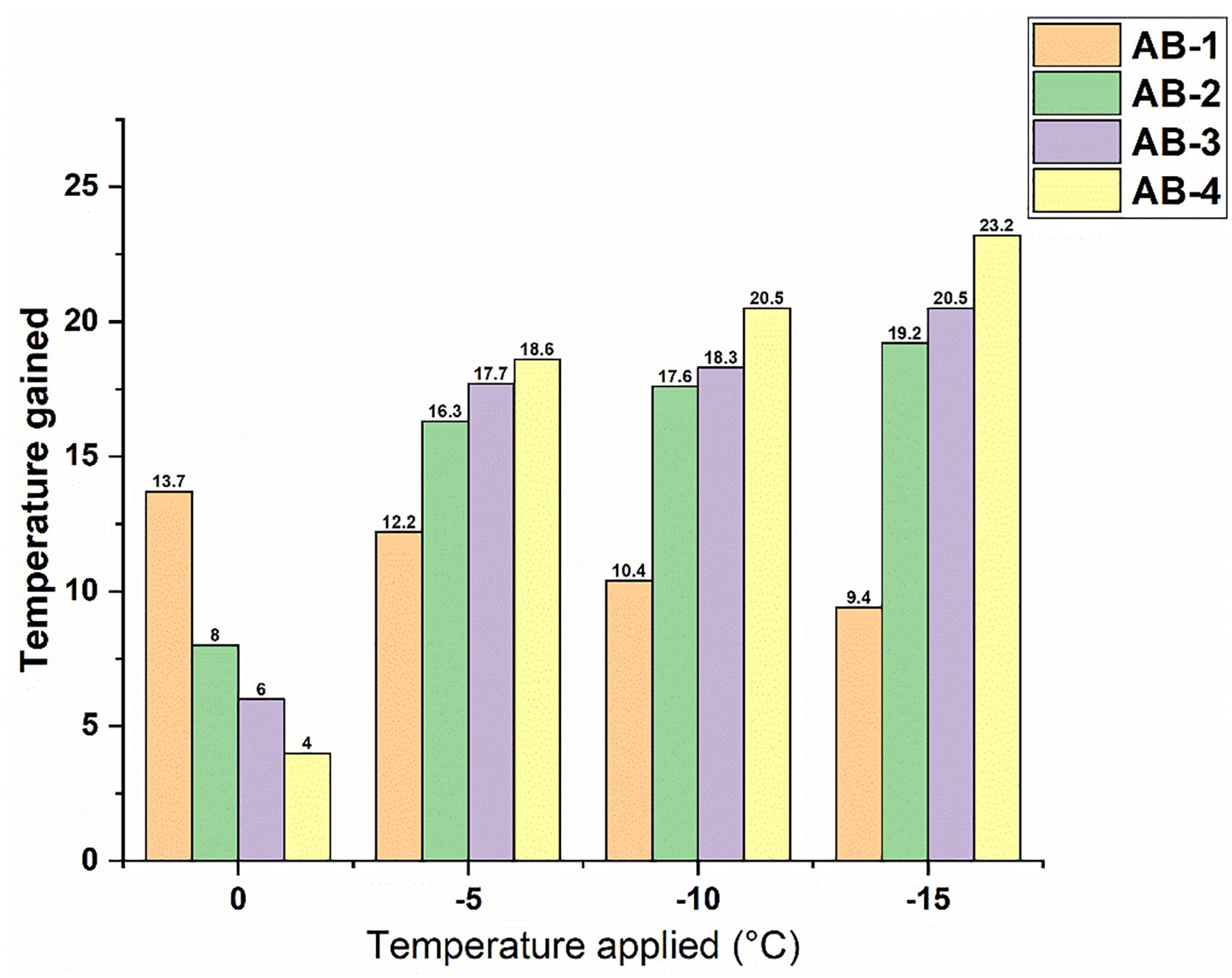
Heat absorbing capacity at low temperature.
Heat dissipation test
It has been investigated through dissipated tests that the heat dissipated tests show that the AB-4 and AB-3 brick composites show maximum heat dissipation while the AB-1 and AB-2 bricks show minimum brick dissociation. The reason for the maximum heat dissipation by AB-3 and AB-4 bricks is that natural fiber and waste material absorb less energy and lose heat immediately. Figures 12 to 15 show that heat was dissipated for a minimum of 5 min and a maximum of 20 min. During the tests, the AB-3 and AB-4 samples dissipated the most heat after 20 min, as shown in Figures 14 and 15.

Temperature loss with a time of AB-1 bricks composites.

Temperature loss with a time of AB-2 bricks composites.
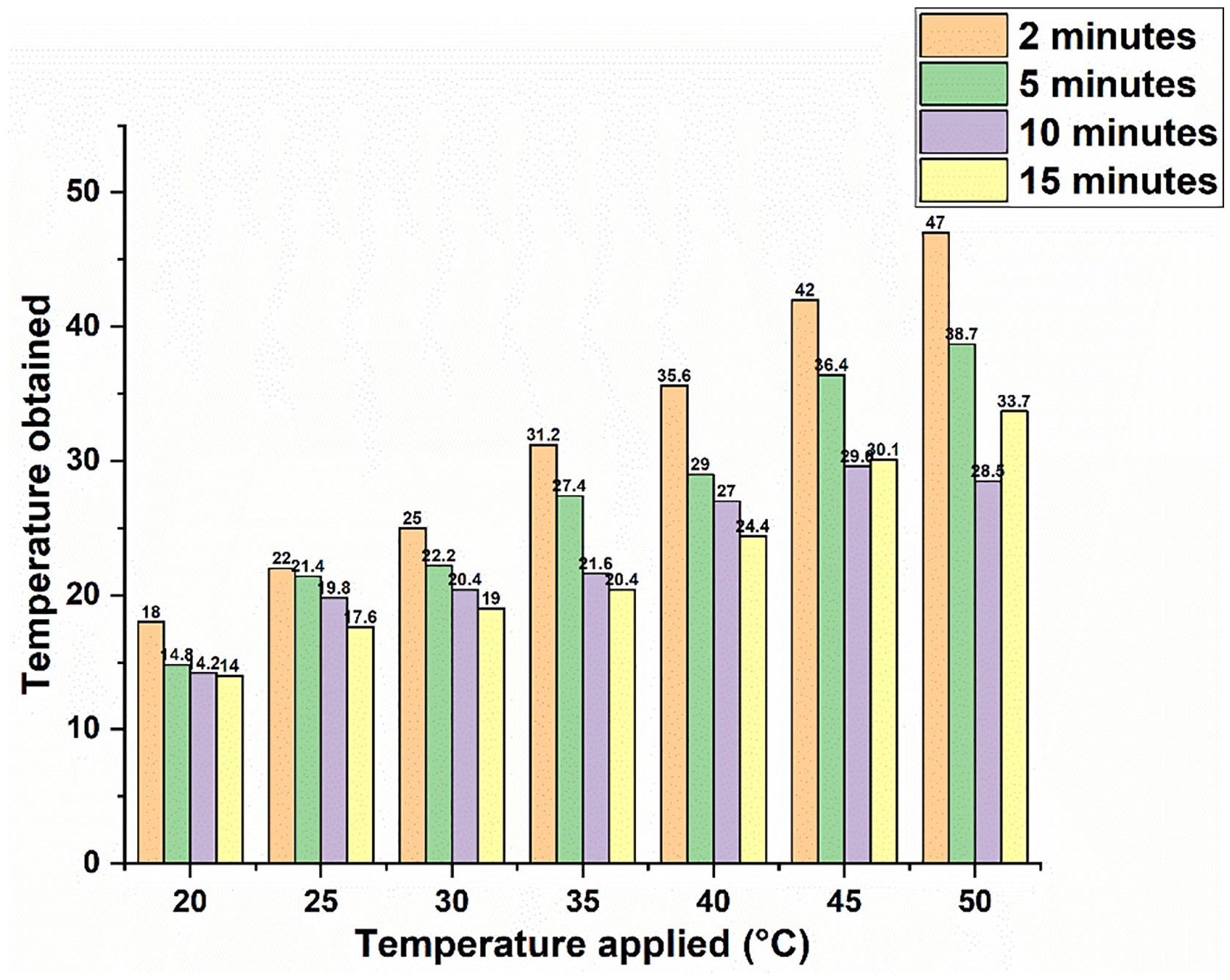
Temperature loss with a time of AB-3 bricks composites.

Temperature loss with a time of AB-4 bricks composites.
Fracture toughness of specimens
The fracture toughness outcomes of the various composite specimens comprising varied proportions of bricks can be elucidated by considering the scientific mechanisms and underlying physics of those mechanisms specific to each sample composition.
As unveiled from the Figure 16, the tensile and flexural strength of the composite is enhanced by the fibrous structure of the leaf fiber. Fibers function as fracture arrestors by absorbing energy and impeding the propagation of cracks. The Pinus-Roxburghi leaves possess a fibrous composition that aids in the bridging of cracking surfaces, thereby impeding their subsequent separation and enhancing the durability and fracture toughness.
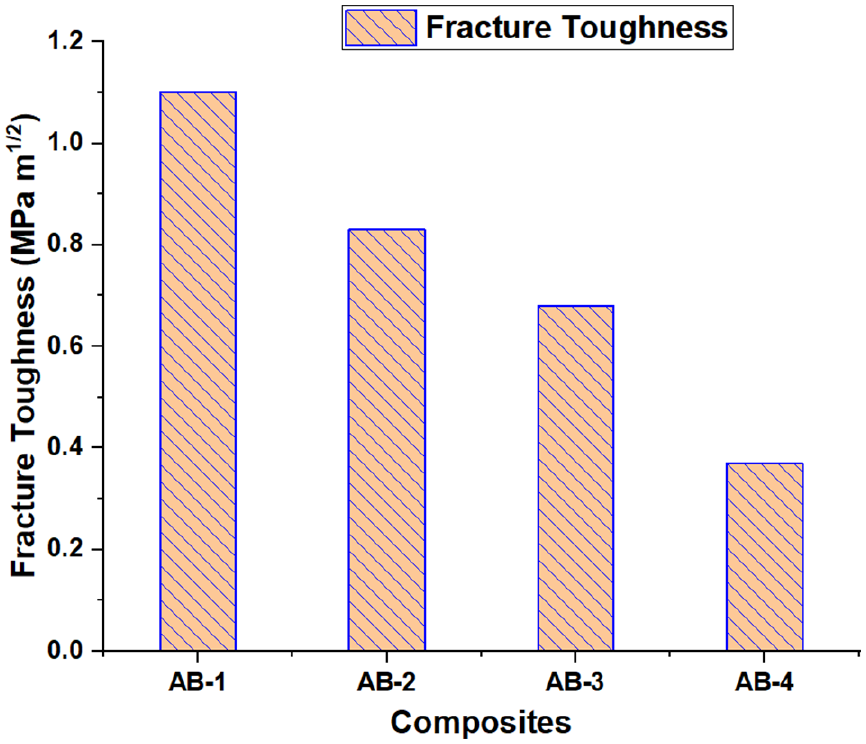
Variation of fracture toughness with varying composition of bricks.
In addition, the Wheat straw fibers enhance toughness and resilience through the incorporation of additional reinforcement, as evidenced in the scientific mechanism. Strength is increased overall as a result of the fibrous structure’s resistance to crack-growth, and fracture development.
During fracture propagation, fibrous materials including wheat straw absorb energy, which promotes fracture deflection and reduces the probability of additional damage.
Additionally, through the enhancement of interfacial adhesion, matrix cohesion, and fracture resistance, lime may contribute to the strength of composites.
Enhancements in molecular interfacial adhesion and cohesion can impede the initiation and propagation of cracks, thus raising the fracture toughness.
Moreover, the tensile strength and toughness of the composite are enhanced by the abaca fibers, which prevent the propagation of fractures while enhancing the overall strength.
The fibrous composition of abaca, akin to that of Pinus-Roxburghi leaves, hinders the propagation of cracks and enhances its resistance to fracture.
Furthermore, by functioning as a filler material, waste wood enhances the overall strength and resistance to cracking of the composite material.
The underlying physics of the mechanism is that the inclusion of waste particulates of wood mitigates stress redistribution, thereby enhancing fracture resilience and preventing the initiation of cracks.
Although, the adhesive binding capabilities and potential reinforcement of animal dung may contribute to the enhancement of the characteristics of the composite, as described by the scientific mechanism.
The cohesive characteristics of animal dung play a role in enhancing fracture toughness and preventing the growth of cracks by promoting enhanced interfacial bonding.
Moreover, the scientific mechanism by which phenolic resin functions is as a matrix, which enhances the overall strength of the composite by providing cohesion.
Enhancing the composite’s resistance to cracking propagation and contributing to its enhanced fracture toughness, the resin matrix functions as a binder.
Additionally, the Gypsum enhances matrix cohesion and fracture resistance, thereby contributing to the composite’s strength.
Enhanced fracture toughness may emanate from enhanced interfacial bonding and cohesion caused by gypsum, which inhibits the growth of cracks.
Hence, the fracture toughness values of the composite specimens differ due to the inclusion of bricks and the varying percentages of each component; fibrous materials, cohesive materials, and reinforcement agents are pivotal in enhancing the composites’ overall mechanical characteristics.
Sound absorbing capacity of specimens
During the test, it has been noticed and investigated that as natural fiber and waste natural fiber are added to the brick composition, the sound absorbing capacity is also increased, while the low natural fiber and waste fiber-based bricks have shown minimum sound absorption. AB-4 brick has shown minimal sound absorption, while AB-1 has shown minimal sound absorption. The cause of this is that all materials like wheat waste fiber, pine fiber, wood, and dung are sound-absorbing materials as exhibited in the Table 4. Figure 17 shows that with an increased percentage of natural fibers and waste fiber, will increase the sound-absorbing capacity [45].
Minimum weighted normalized sound level difference (Dn, w) for building walls according to (DL 129/2002). 24 .


Sound values with different developed samples.
The Portuguese Code allows for a 3 dB margin to take into account measurement uncertainties
Comparison of the findings of the current study with reference to the outcomes unveiled from the existing literary studies
A comparable study by Khaleel et al. (2021) wherein, the Unreinforced masonry (URM) is brittle and earthquake-prone. 45 Innovative strengthening technologies have been developed to prevent masonry wall failure during seismic situations. FRP materials are efficient for retrofitting and reinforcing concrete and masonry constructions. For addressing issues with standard fiber-reinforced polymers, investigators developed Textile Reinforced Mortar (TRM), also known as Fiber Reinforced Cementitious Matrix (FRCM). The study examines TRM and FRP strengthening technologies for brick masonry mechanical characteristics. Cement Granite Fines Paste with jute textile was employed for evaluating the compressive and flexural strength of brick masonry prisms with FRP and TRM jacketing. 45
In compression testing on English bond prisms, FRP outperformed TRM with effectiveness proportions of 1.13 and 1.06 for F1 fiber and 1.34 and 1.14 for F2 fiber. Flexural strength testing on brick masonry prisms revealed significant variations across the composites. 45
Cast in 1:6 cement-sand mortar, the brick prisms dried for 28 days. English bond, stack bond prisms, and triplets experienced compressive strength, modulus of elasticity, flexural bond strength, and triplet testing. Both polymer-based epoxy resin (FRP) as well as inorganic cement mortar reinforced with two types of jute fibers. 45
FRP prisms were applied by assuring a dry prism surface, sanding imperfections and bonded the FRP fabric to the masonry substrate with a 1:10 weight ratio of epoxy resin L-12 and hardener K6. All FRP prisms required 4 days of curing. 45
Before putting composite on FRCM prisms, brickwork was cured. The prism’s sides were coated with a 1:2 cement-granite fines mortar mix after washing. After pressing jute fiber into the mortar, another layer covered and leveled it. 45
Utilizing a hydraulic jack and proving ring, English bond and stack bond prisms were compressed. The study addressed compressive, flexural, and modulus of elasticity for unreinforced and reinforced prisms. 45
The investigation discovered that FRP and TRM/FRCM composites enhanced brick masonry. Two systems raised compressive and flexural strength in distinct ways, with FRP performing superior. The experimental study revealed how various composites impacts the brick masonry prisms mechanical characteristics, implying earthquake-resistant structures. 45
Another comparable study by Arunraj et al. (2019) wherein despite technological alternatives, clay bricks continue to be employed in building. 46 Clay bricks’ inadequate strength and flexibility disagree with sustainable principles, notably in raw material sources and manufacture. Agro-based industries expand while producing large volumes of agricultural waste that is rarely recycled due to rapidly agricultural sector growth and rural land development. The study examines the mechanical characteristics of clay bricks enhanced by incorporating pineapple leaves (PF) and coconut fibers (CF) to a clay-water mixture under heated and non-heated circumstances. 46
Pineapple leaf and coconut fibers are injected at 5 mm and 10mm lengths and 0.5%–1.5% concentration. 46 The mixture also contains 5% cement for binding. The study indicates that cement considerably affects compressive strength in bricks made with the two fibers. Baked bricks absorb water and modify density like cement, whereas non-baked bricks dissolve in water. Notably, rising fiber content does not reduce density in baked or unbaked bricks. 46
Natural composite vegetable fibers have cellular layers of cellulose and lignin. Lower Young’s modulus and higher tensile strength characterize these fibers. Sisal fiber reinforces polymers and is employed in ropes, carpets, and mats. Spiral angle and cellulose percentage influence sisal fiber stiffness and strength, depending on test situations, age, and source. Coir fibers, made of cellulose, hemicelluloses, lignin, and essential components, are tough, stiff, low-density, water-retentive, strong, and elastic. 46
The testing findings show that 5 mm sisal and coir clay bricks have better compressive strength than 10mm ones. While raising bonding, 5% cement makes sisal clay bricks brittle and lower strength. The study emphasizes how fiber length and cement quantity affect bricks made of clay mechanical characteristics. 46
Moreover, another related study by Akinwande et al. (2021), wherein a blend of unmodified banana fibers (UMBF), alkaline modified banana fibers (AMBF), fine sand, and Portland cement was combined with waste paper pulp to produce paper bricks. 47 In respect to pulp weight, fibers were added at 0, 0.5, 1.0, 1.5, 2.0, and 2.5 wt%. Water absorption, moisture absorption, compressive strength, flexural strength, splitting tensile strength, thermal conductivity, and specific heat capacity were measured after 28 and 56 days of curing. Alkaline treatment reduced water absorption in AMBF-reinforced samples, while fiber loading enhanced it. The moisture absorption of UMBF-doped bricks risen however declined with higher AMBF contents. AMBF-reinforced samples had higher compressive, flexural, and splitting tensile strengths. Thermal experiments revealed that AMBF enhanced thermal conductivity while UMBF reduced it. Specific heat capacity raised with UMBF and reduced with AMBF. Analysis indicated that the curing period and alkaline modification enhanced paper brick characteristics for masonry building. 47
Shredded waste paper cardboard, soaked for 7 days, mechanically blended, and sun-dried. Alkaline treatment was applied to banana fibers, cement, and fine sand. 47 The fiber-paperbrick matrix was developed utilizing a locally made tow mixer and cured for 28 and 56 days. Initial testing on input materials included SEM photos of natural sand, EDX data showing significant silicon and oxygen concentration, and milled sand characteristics. Hydrophilic banana fibers reduced hemicellulose and lignin after alkaline treatment. The discussion analyzed UMBF-28, UMBF-56, AMBF-28, and AMBF-56 samples. 47
Water absorption was measured initially, which raised with fiber loading however was reduced in AMBF samples. 47 AMBF reduced moisture absorption and UMBF enhanced it. Fiber incorporation raised compressive strength to 1.5 wt% AMBF (56 days curing). Flexural strength rose at 1.5 wt% AMBF as fiber content rose. UMBF and AMBF splitting tensile strength enhanced with fiber incorporation, AMBF especially. Since fiber loading raised UMBF and reduced AMBF, specific heat capacity varied. Trend analysis demonstrated that fiber addition, alkaline modification, and curing length enhanced multiple characteristics, aiding optimizes paper brick performance in masonry applications. 47
The study discovered that alkaline treatment and longer curing enhanced the mechanical and thermal characteristics of paper bricks manufactured with modified banana fibers. 47
In addition, the related similar study by Palanisamy et al. (2022), wherein, around 30% of the worldwide population and 50% of emerging nations reside in earthen buildings. 48 More than one quarter of the world’s soil is productively utilized. Strength and durability can be impacted by soil characteristics. Geo-Polymer Earth Bricks (GPEB) enhance strength, durability, and modernize earthen building. 48
An experiment with 72 specimens utilized Fly Ash (FA), Ground Granulated Blast-furnace Slag (GGBS), soil, and Quarry Dust (QD) in particular proportions/ratios (0.5:0.5:1.75:0.25). 48 The alkaline solution was 10 Molarities and coir fiber was one1% of brick weight. The mixture’s compressive and flexural strengths raised to 5.93 and 3.43 MPa following 7 and 28 days. This mixture raised compressive strength by 40% and resistance to acidic as well as sulfate attacks. The research ensured reliable findings from tests with strict standard deviation as well as coefficient of variation standards. 48
The main study examined the strength and durability of GPEB made employing Fly Ash, GGBS, soil, QD, fibrous coir waste, and a 10 Molarity alkaline solution. 48 FA and GGBS carried out criteria, and their microstructures were analyzed employing a SEM. The soil, mostly from the construction site, was tested extensively to ensure appropriateness. The additional elements of the experiment were quarry dust, fibrous coir waste, and an alkaline liquid (NaOH and Na2SiO2). 48
The process involves comprehensive solution preparation, dry blending of binders and fine aggregate, and wet blending of concrete mortar. 48 This mix was employed to cast 72 bricks for 7 and 28-day testing. Even after 7 days, compressive strength testing exceeded 3 MPa. Flexure strength, acid attack, sulfate attack, alkalinity measurement, and microstructure tests confirmed GPEB’s environmental resistance. 48
Numerical studies and structural factors revealed GPEB’s increasing strength or strengthening effects. 48 The research revealed that GPEB outperforms ordinary bricks and is suitable for load-bearing constructions. Economic factors were considered, with GPEB units costing 40 Rupees. 48
The study recommends wider implementation of GPEB as an ecologically beneficial and economically feasible alternative to regular bricks. Comprehensive experimentation and analysis revealed that GPEB could meet and surpass strength, durability, and resistance to the environment requirements. 48
Yet another comparable study by Ganesh et al. (2020) wherein, over the course of the previous decade, notable progress has been made in the field of geopolymer concrete, which has exhibited exceptional longevity. 49 Incorporating fibers into conventional geopolymer concrete, regardless of whether they have a high or low modulus of elasticity, introduces uncertainties with regard to durability. The objective of the research is to examine the behavior of geopolymer concrete containing M-sand, ambient curing, and GGBS as a critical constituent when exposed to an alkali solution comprising sodium hydroxide and sodium silicate. 50
The study examines a range of durability characteristics, such as sorptivity, water absorption, rapid chloride penetration, resistance to sulfate and marine attacks, and resistance to HCL and H2SO4 attacks. 49 Significantly, the analysis uncovers variations in the proportions of glass fiber and polypropylene fiber, with glass fibers exhibiting superior performance. Additionally, the feasibility of hybrid fibers that incorporate M-sand into geopolymer concrete is investigated. 50
Each of the utilized materials-GGBS, M-sand, and sodium hydroxide pellets-was obtained from a distinct geographical location. 50 The research makes use of both metallic and non-metallic fibers, with aspect ratios and dimensions specified. The focus of the methodology is to assess the longevity of geopolymer concrete reinforced with hybrid fibers, in accordance with a mix design. The sodium silicate and sodium hydroxide solution comprise the mixture, which is an alkaline solution that is prepared the day prior to casting. The findings of numerous durability tests conducted on the specimens are then analyzed. 50
Water absorption, sorptivity, rapid chloride penetration, acid resistance, sulfate resistance, and marine attack are all components of the durability tests. 50 The findings have been reported and assessed in relation to appropriate standards. To illustrate, the assessment of water absorption is conducted in accordance with ASTM-C642-2006, which demonstrates that HRFGPCE retains its optimal water absorption characteristics even as the proportion of polypropylene fibers rises. As time progresses, sorptivity experiments reveal that HGPCA, a dense concrete comprising optimal fiber content, exhibits reducing values. 50
The findings of the Rapid Chloride Penetration Test, which measures electrical conductance, indicate that HFRGPCE is the most resistant to chloride penetration compared to HFRGPCA. 50 Acid and sulfate resistance testing demonstrate that all hybrid fiber specimens possess superior resistance. Likewise, the outcomes of the marine attack test demonstrate that every specimen of reinforced hybrid fiber geopolymer concrete indicates enhanced resistance. 50
In essence, against alternative hybrid fiber-reinforced samples, geopolymer concrete reinforced with glass fibers exhibits superior performance in terms of water absorption, water penetration, and charge resistance. 50 In each test, hybrid fiber-reinforced geopolymer concrete demonstrates exceptional resistance to sulfate, acid, and marine attacks, irrespective of the proportion or type of fibers utilized. The utilization of M-sand in fiber-reinforced geopolymer concrete presents considerable prospects for additional scholarly investigation. 50
Moreover, a study by Kamble et al. (2021) wherein, the application of composites reinforced with textile waste fibers offers economic and environmental benefits. 50 Notwithstanding their considerable potential, manufacturers have not paid substantial attention to these composites as a consequence of inadequate research and the influence of waste fiber characteristic variations on composite outcomes. Novel hybrid composites were fabricated in this research endeavor by integrating unidirectional glass fiber preform, needle-punched jute nonwoven fabric, and carded cotton web derived from textile waste. The tensile, flexural, and izod impact strengths of the hybrid composite comprising 30 wt% glass UD preform were substantially enhanced by around 266%, 300%, and 830%, respectively, in comparison to composites reinforced with cotton web. In a comparable manner, the tensile, flexural, and izod impact, respectively, of the hybrid composite comprising 14 wt% jute nonwovens, were enhanced by around 28%, 21%, and 99%. 50
Shoddy was produced from the cotton fibers extracted from discarded bedsheets and towels. 50 It comprised partially unopened hard twisted fine threads as well as fully opened fibers. By needle-punching jute fibers, a nonwoven fabric was produced. As reinforcements, a unidirectional glass fiber preforms and cotton-epoxy composite particles were also employed. The composites that were produced exhibited thermal stability and displayed promise as alternatives to timber of moderate to low cost in a range of applications, such as construction materials and furniture. 50
The process of composite development entailed meticulous processing methods, including the optimization of carding machine parameters to suit cotton shoddy, the establishment of distinct areal densities for various reinforcements, and the development of composite specimens utilizing a stainless steel mold. 50 After 1 h of curing at 120°C, the hybrid composites underwent post-curing in a vacuum oven. The research underscored the impact of hybridization on the mechanical characteristics of the composites, placing particular emphasis on the substantial enhancements attained by incorporating glass UD preform or jute nonwoven. 50
Significant enhancements in the tensile characteristics of the hybrid composites were observed when the glass UD preform was utilized; this resulted in a rise in both strength and modulus. 50 However, the study noted that the modulus and elongation percentage at the break of individual fibers impact their mechanical characteristics, with glass fibers rupturing first and imparting stress to the weaker cotton fibers. Delamination issues were identified among the glass UD preform and shoddy web through SEM analysis. 50
Hybridization also influenced the flexural characteristics of the composites, wherein the incorporation of glass UD preforms resulted in enhanced flexural strength and modulus. 50 The research noted disparities in flexural strength across jute nonwoven percentages; these variations were ascribed to the stress transfer efficiency and fiber orientation. 50
Significant enhancements in impact strength, which is referred to as the energy necessary to fracture a specimen subjected to high-speed loading, were observed in composites that were hybridized with either glass UD preform or jute nonwoven. 50 The research conducted an investigation into the mechanisms of fracture and unveiled the impact resistance characteristics of hybrid composites. 50
Variations in joint strength were observed in the bearing response of double lap pinned joints within the composites; SHUD composites displayed higher bearing stress than SH and SHNW composites. 50 The study examined the macroscopic failure modes and investigated the potential of high-strength glass filaments to impede the propagation of cracks. 50
The moisture resistance of the composites exhibited variation, with SHUD composites demonstrating a reduction in equilibrium water content as the volume of glass fibers raised. 50 This was ascribed by the study to the absence of moisture regaining in glass filaments. An analysis was conducted on the water absorption characteristics and thickness swelling of composites, which provided insights into their potential utility in various environmental circumstances. 50
In brief, the study demonstrated the enhanced mechanical characteristics of hybrid composites derived from waste textiles, thereby presenting an environmentally friendly substitute for conventional materials. The findings of this study provide significant contributions to the understanding of how to optimize composite materials for particular purposes, by considering variables including fiber type, hybridization, and manufacturing processes. 50 , 51
Prior studies explored the implications of incorporating various forms of fibers into concrete, including carbon, polypropylene, and glass. 52 Nevertheless, the investigation of the impacts of combining fibers of identical type however varying specifications on the characteristics of concrete has received scant attention. Furthermore, a knowledge deficit exists in the academic literature with respect to the prediction and optimization of properties in hybrid fiber-reinforced concrete (HFRC). The aim of the research endeavor by Tahwia et al. (2023) was to examine the impact of hybrid polypropylene fibers, comprising both coarse monofilament and staple fibers, on the mechanical characteristics and resistance to elevated temperatures of high-performance concrete. 52 For the purpose of designing concrete mixtures, response surface methodology (RSM) incorporates central composite design (CCD). The results provide considerable insight regarding the most effective blends of synthetic fibers for HFRC, thereby aiding in the development of reinforced concrete structures that possess enhanced strength. 52
The aim of this research is to evaluate and enhance the impacts of hybrid polypropylene fibers, which comprise of both coarse monofilament and staple fibers, on the mechanical characteristics and resistance to high temperatures of high-performance concrete. 52 RSM incorporates central composite design into the formulation of concrete mixtures. A range of tests were performed, comprising microstructure analysis, collapse test, compressive strength, flexural strength, impact test, and resistance to elevated temperatures. Slump values were marginally diminished upon the incorporation of polypropylene fibers. At the 56-day mark, the compressive and flexural strengths of concrete mixtures reinforced with hybrid polypropylene fibers raised substantially (1.96%–12% and 14.28%–41.9%, respectively) in comparison to the control mixture devoid of fibers. Fifty-six days after hybridization, the highest compressive strength (84.6 MPa), flexural strength (14.9 MPa), and optimal impact resistance were produced from 5 kg monofilament and 0.75 kg staple fibers. The incorporation of coarse monofilament fibers substantially raised the resistance to spalling. The composite comprising 5 kg monofilament and 0.75 kg staple fibers maintained a maximum of 63.8% of its initial strength following exposure to 800°C. The mechanical characteristics were enhanced by the interfacial transition zones and the matrix among aggregates and the polypropylene matrix, as demonstrated by SEM technology. 52
The research employed RSM to develop a regression model that facilitated an in-depth examination of the characteristics exhibited by hybrid polypropylene fiber-reinforced concrete. 52 High coefficients of multiple determinations (R 2 ) and lack-of-fit tests validated that the polynomial regression model could accurately predict the performance of hybrid polypropylene fiber concrete. The ANOVA outcomes provided additional evidence for the statistical significance of every model parameter. 52
The authors suggest that further investigation be conducted to determine how hybrid polypropylene fibers affect the mechanical characteristics, durability, and resistance to elevated temperatures of geopolymer concrete and ultra-high-performance concrete. This would facilitate a deeper comprehension and encourage collaborative efforts among researchers in the field. 52
Scientific novelty, practical implications, and scientific uniqueness of the current study over the existing studies
Within this framework, this research offers an innovative strategy for the manufacturing of bricks through the integration of environmentally sustainable components, including abaca fiber, Pinus-Roxburghi leaves, and various waste byproducts. The bricks exhibit notable enhancements in physical-mechanical, mechanical-chemical, and thermally stable characteristics due to their hybrid composition.
The study’s practical implications are readily apparent in the formulation of bricks that are both ecologically sustainable and possess robust mechanical characteristics. In spite of fulfilling the growing need for environmentally sustainable building materials, these bricks aid in mitigating the adverse environmental consequences associated with conventional brick furnaces or kilns, which are extensively reported as causes of air pollution.53 –55
This study pioneeringly integrates waste materials and natural fibers in order to produce an unprecedented novel masonry brick composition. The comprehensive compositional details presented in Tables 1 and 2, accompanied by the corresponding fabrication method, underscore the unique nature of this methodology. The enhanced characteristics exhibited by these hybrid bricks render them appropriate for a wide array of construction applications.56 –58
The study has led to the development of hybrid bricks with enhanced sound absorption characteristics, which highlight their potential in the construction of eco-friendly buildings that also possess superior acoustic attributes. The inclusion of waste materials and natural fibers in the composition conduces to enhanced sound absorption, which is corroborated by the extensive sound test findings displayed in Table 4 and Figure 16.
The findings of the study exceed prior scholarly investigations on hybrid bricks through the implementation of an exceptional blend of materials as well as a comprehensive analysis of their physical, mechanical, acoustic, and thermal characteristics. The comparisons presented in Table 3 underscore the superior characteristics of the bricks that has been developed in comparison with commercially accessible clay bricks across a range of characteristics.57,59,60 This further supports the progress attained in this research. Moreover, hybrid bricks have several advantages over traditional bricks which strengthen the sustainable environment. Hybrid bricks, can utilize renewable resources such as natural fibers and waste fibers, reducing the demand for virgin materials. The production of traditional bricks typically involves high-energy processes like firing clay in kilns while comparing with hybrid bricks. Hybrid bricks have the potential to have a lower carbon footprint compared to traditional bricks, especially if the fibers are from sustainably managed sources and the manufacturing process is energy-efficient. Hybrid bricks can help reduce waste by utilizing natural fibers and waste fiber-based materials that would otherwise be discarded. Traditional bricks can also be recycled or reused, but the process is more challenging. Hybrid bricks made with natural fibers are often biodegradable, offering a sustainable end-of-life option. Traditional bricks can also be crushed and used as aggregate but may not decompose naturally. Overall Hybrid bricks may offer potential long-term savings in terms of energy efficiency and maintenance.61 –63 The outcomes of the study provide opportunities for the advancement and implementation of environmentally friendly building materials that possess enhanced physical, mechanical, acoustic, and thermal characteristics. These bricks may be regarded as ecologically friendly replacements for conventional brick production, thereby encouraging sustainable building methodologies and diminishing the environmental impact caused by brick manufacturing,
Applications of the fabricated bricks over the similar hybrid bricks reported from the previous studies
Several engineering applications are highlighted in the study on hybrid bricks made from waste materials and natural fibers, in contrast to prior studies on similar bricks.64–66 The subsequent engineering applications have been enumerated as follows,
Eco-friendly materials and waste products are utilized in conventional brick kilns or furnaces to aid in the reduction of environmental pollution. 67
The study promotes sustainable and environmentally friendly construction practices through the integration of waste materials such as wood and animal dung, as well as natural fibers including Abaca and Pinus-Roxburghi leaves.
The comprehensive composition of the composite bricks, encompassing the precise proportions of various materials, serves as a blueprint for their manufacture.
By analyzing the curing process and blending and molding conditions, one can gain valuable insights into the fabrication process in order to ensure the desired characteristics.
A range of physical-mechanical characteristics are assessed in the study, including heat swelling, compressive strength, porosity, water absorption, and density.
In order to evaluate the hybrid bricks’ thermal stability, structural integrity, strength, durability, and longevity, it is vital to comprehend these characteristics.
Evaluations for heat dissipation and absorption reveal the thermal characteristics of the brickwork masonry works. 58
A comprehensive comprehension of the bricks’ capacity to absorb and dissipate heat—a critical factor in ensuring optimal building comfort and energy efficiency—requires a familiarity with these characteristics.
The investigation encompasses a sound absorption capacity assessment, offering evidence regarding the efficacy of the blocks in attenuating sound.
This holds tremendous significance in contexts that prioritize acoustic performance, such as the construction of buildings with the intention of mitigating noise pollution.
By comparing the developed bricks to commercial clay bricks, their efficacy can be measured against a standard.
This capability enables engineers and builders to evaluate the viability of these environmentally friendly bricks as substitutes in construction projects.
The favorable outcomes concerning strength, water absorption, and additional characteristics indicate that these hybrid bricks possess the potential to be utilized in a multitude of construction endeavors. 41
Because of their low weight, effective sound absorption, and thermal stability, they are well-suited for particular building construction applications.
The research study alludes to the energy-efficient characteristics of the hybrid bricks through the demonstration of their ability to absorb and dissipate heat.
This is of the most crucial significance in regions where building temperature regulation is a critical concern.42,43,68
The study posits that the bricks possess sound-isolating characteristics, which could prove advantageous in the construction of commercial or residential structures where sound insulation is of paramount significance.
The incorporation of natural fibers and waste materials into construction practises is consistent with the globally movement and progressive development toward eco-friendly and sustainable practises.
Actionable and practical recommendations for the utilization of hybrid bricks in the construction industry
Drawing from the aforementioned research findings, the subsequent suggestions are pragmatic and feasible in nature and pertain to the implementation of hybrid bricks within the construction sector:
Instructing construction projects to utilize eco-friendly materials, such as hybrid natural fiber-based bricks or masonry works, is suggested.
Encourage knowledge regarding the ecological ramifications of conventional brick furnaces or kilns while promoting for sustainable alternatives.
For the production of hybrid bricks, establish connections with suppliers of natural fibers to ensure a steady and high-quality supply of materials.
Investigate regional sources for natural fibers in order to reduce transportation-related adverse environmental effects and support the local community.
Consistently optimize the fabrication process in order to amplify efficiency and diminish energy consumption.
Explore alternative fabrication techniques that have the potential to reduce the environmental impact of the brick manufacturing process even further.
It is imperative to verify that the safety and quality of the hybrid bricks adhere to pertinent construction standards, such as American Standard MS 76:1972 or British Standard BS 3921:1985.
To further improve market acceptability, pursue certifications for construction materials that are both eco-friendly and sustainable.
Investigate a range of potential uses for hybrid bricks, including infrastructure projects, commercial buildings, and residential structures.
Build partnerships with architects and constructors to incorporate hybrid bricks into an extensive array of architectural designs.
Organize seminars and training sessions with the purpose of acquainting construction professionals, engineers, and architects with the characteristics and advantages of hybrid brickwork.
Case studies and successful stories should be utilized to illustrate the efficacy and practicality of these environmentally sustainable building materials.
Continual investment in research and development to enhance the characteristics of hybrid bricks, thereby expanding their applicability in the construction industry.
Investigate novel material combinations in an effort to enhance insulation, durability, and other essential characteristics.
Ascertain the environmental ramifications of hybrid bricks throughout their life cycle, encompassing the stages of raw material extraction and final disposal.
Leverage the assessment outcomes to pinpoint specific domains that require additional enhancement with regard to sustainability.
Formulate marketing strategies that emphasize the ecological advantages associated with the utilization of hybrid brickwork.
Support for consumer awareness regarding the favorable consequences associated with the selection of sustainable building materials while emphasizing the long-lasting worthiness of such decisions.
Support the implementation of government subsidies or incentives for construction projects that employ environmentally friendly materials, thereby encouraging a transition to sustainable practises.
Collaborate with regulatory entities in order to establish and execute benchmarks that promote the utilization of ecologically sustainable building materials.
The construction industry can simultaneously satisfy the growing need for sustainable building practises and contribute to environmental conservation by implementing the aforementioned recommendations.
Conclusion
Following is the conclusion drawn from the above study are as:
I. Mechanical Characterization revealed that with increase in the Pinus-Roxbughi leaves and decrease in the abaca fiber reinforcement, porosity of the developed bricks improved. AB-4 Brick shows the maximum porosity with 42.5% improvement as compared to AB-1 brick.
II. Results also revealed that the density of the developed bricks deceases with different percentage of composition of various bricks developed.
III. AB-1 Brick shows the low water absorption rate as compared to other bricks. An increase in the amount of Abaca fiber, and less wheat waste fiber in the moulding results in improved water absorption rate.
IV. Maximum compressive strength of 3.75 N/mm2 is found to be for AB-1 brick which is more in comparison with the commercial available clay brick which is commonly used for building structures.
V. Flexural bond strength is found to be the highest for AB-1-based bricks which is 0.50 MPa and found to be more superior in comparison with the commercial available clay brick.
VI. According to the results of the sound test, AB-3 and AB-4-based bricks absorb the most sound and have the highest acoustic qualities.
VII. According to this article, new green building bricks offer good physical, mechanical, acoustic, and thermal characteristics.
Limitations of the current study
I.
II.
III.
IV.
Directions for future research
a.
b.
c.
d.
e.
f.
g.
By acknowledging as well as rectifying the aforementioned limitations and investigating these prospective avenues for research, the study may make a valuable contribution to the advancement of environmentally conscious and sustainable building materials that enjoy wider acceptability and functionality within the construction sector.
Footnotes
Acknowledgements
The authors extend their appreciation to the Deanship of Scientific Research at King Khalid University (KKU) for funding this research through the Research Group Program under the Grant Number: R.G.P.1/431/44.
List of abbreviations
AB: Abaca-Based
ASTM: American Society for Testing and Materials
BS: British Standard
IS: Indian Standard
MS: American Standard (MS 76: 1972)
N/mm2: Newton per square millimeter (unit of crushing strength)
MPa: Megapascal (unit of pressure, used for shear bond strength)
°C: Degree Celsius (unit of temperature)
N-m: Newton-meter (unit of energy, used for impact energy)
UTM: Universal Testing Machine
List of notation
AB-1: Composition featuring 28% Pinus-Roxburghi leaves fiber, 3% waste wheat straw, 11% lime, 17% Abaca fiber, 20% waste wood, 5% animal dung, 6% phenolic resin, and 10% gypsum.
AB-2: Composition featuring 30% Pinus-Roxburghi leaves fiber, 4% waste wheat straw, 10% lime, 16% Abaca fiber, 20% waste wood, 5% animal dung, 7% phenolic resin, and 10% gypsum.
AB-3: Composition featuring 32% Pinus-Roxburghi leaves fiber, 5% waste wheat straw, 9% lime, 15% Abaca fiber, 20% waste wood, 5% animal dung, 8% phenolic resin, and 10% gypsum.
AB-4: Composition featuring 34% Pinus-Roxburghi leaves fiber, 6% waste wheat straw, 8% lime, 14% Abaca fiber, 20% waste wood, 5% animal dung, 9% phenolic resin, and 10% gypsum.
AB-1, AB-2, AB-3, AB-4: Different compositions of bricks
AB-1 Brick, AB-2 Brick, AB-3 Brick, AB-4 Brick: Different samples based on compositions
BS 3921: 1985: British Standard for testing bricks
ASTM C 29/C 29M-97: Standard Test Method for Bulk Density (“Porosity” test)
ASTM D256: Standard Test Methods for Determining the Izod Pendulum Impact Resistance of Plastics
ASTM E518: Standard Test Methods for Flexural Bond Strength of Masonry
ASTM C1314-14: Standard Test Method for Compressive Strength of Masonry Prisms
ASTMD570-98: Standard Test Method for Water Absorption of Plastics
SAE J 160 JNU80: Standard Test Method for Determining Swell of Soils in Water
DL 129/2002: Portuguese Code for Minimum weighted normalized sound level difference
List of symbols used
%: Percentage
kg/m3: Kilograms per cubic meter (unit of density)
AB-1, AB-2, AB-3, AB-4: Different compositions or types of bricks
N/mm2: Newton per square millimeter (crushing strength)
MPa: Megapascal (shear bond strength)
°C: Degree Celsius (temperature)
N-m: Newton-meter (impact energy)
UTM: Universal Testing Machine (mechanical testing)
ASTM: American Society for Testing and Materials
BS: British Standard
IS: Indian Standard
MS: American Standard (MS 76: 1972)
AB-1 Brick, AB-2 Brick, AB-3 Brick, AB-4 Brick: Different samples based on compositions
BS 3921: 1985: British Standard for testing bricks
ASTM C 29/C 29M-97: Standard Test Method for Bulk Density (“Porosity” test)
ASTM D256: Standard Test Methods for Determining the Izod Pendulum Impact Resistance of Plastics
ASTM E518: Standard Test Methods for Flexural Bond Strength of Masonry
ASTM C1314-14: Standard Test Method for Compressive Strength of Masonry Prisms
ASTMD570-98: Standard Test Method for Water Absorption of Plastics
SAE J 160 JNU80: Standard Test Method for Determining Swell of Soils in Water
DL 129/2002: Portuguese Code for Minimum weighted normalized sound level difference
Author Contributions
Conceptualization, NK, VM, JPS, RK, SS; formal analysis, NK, VM, JPS, RK, SS; investigation, NK, VM, JPS, RK, SS; writing—original draft preparation, NK, VM, JPS, RK, SS; writing—review and editing, SS, SPD, DK, JL, MA; supervision, SS, SPD, DK, JL, MA; project administration, SS, SPD, DK, JL, MA; funding acquisition, SS, DK, JL, MA. All authors have read and agreed to the published version of the manuscript.
Availability of data and materials
Not applicable.
Declaration of conflicting interests
The author(s) declared no potential conflicts of interest with respect to the research, authorship, and/or publication of this article.
Funding
The author(s) disclosed receipt of the following financial support for the research, authorship, and/or publication of this article: The authors extend their appreciation to the Deanship of Scientific Research at King Khalid University (KKU) for funding this research through the Research Group Program Under the Grant Number:(R.G.P.1/431/44).
Ethical approval
NA
