




Abstract
Time division inter-satellite communication and ranging link assignment of BeiDou satellites have made important progress; however, there is still the unsolved issue of integrated communication between ground gateway, aircraft, or even ship, and the BeiDou satellites. Therefore, in this study, we develop a path assignment model based on the idea of clustering and Markov chain. The optimal path is determined by the objective function based on the maximum transition probability. The transition probability takes into account the communication environment, congestion status, aircraft mobility, and reduces the complexity of path assignment by hiding the topology in the region. At the same time, due to the limited resources of onboard computing, storage and bandwidth, we also design a resource management strategy based on task urgency, aimed at minimizing the unreasonable allocation index, to enable the readjustment of link application resources. Finally, the performance of the model and the strategy in average link handover times, link reliability, resource allocation fairness, and network quality of service is determined by simulation.
Keywords
Introduction
The BeiDou-3 (BD3) global navigation satellite system announced the completion of networking in June 2020. BD3 inter-satellite link (ISL) allocation technology enables the integration of communication and navigation functions, and the short message function provides support for the integrated communication between satellites and earth. 1 However, existing research mainly focuses on the satellite layer, such as timeslot division based on time division multiple access (TDMA), ISL assignment.2,3 There are few studies that consider the cross-regional communication of the ground gateway, ship, and aircraft. Therefore, when the ground or ocean nodes establish communication links with BD3, the development of a path assignment model to obtain lower link handover times, improve the fairness of BD3 resources, and improve network service quality is the main research of this article.
With the rapid development of cross-regional communication, it is necessary to improve communication capabilities across network areas and facilitate the construction of comprehensively integrated space, land, air, and ocean systems. 4 Satellite and fifth generation (5G) communication technologies have ensured seamless network access from urban to rural areas; 5 furthermore, cloud and edge computing has been widely used in the network, and the integration of ground Internet of Things (IoT) and satellite network is a hot research topic. 6 However, geographic factors have led to a relative lack of awareness of ocean and stratospheric information. Especially in the marine domain, although the oceans occupy 71% of the total surface area of the Earth, related cross-regional communication technology has not received sufficient attention. 7 At the same time, marine equipment tends to form cluster communication networks. 8 However, due to severe weather in long-distance sailing areas, the stability of the radio communication between ships and satellites is often poor, and deterioration of the link quality often occurs. Since a common solution for ensuring the efficient transmission of data is by means of aircraft or ground gateway relays, 9 the problem of cross-regional communication path assignment emerges.
Cross-regional communication is an advanced concept, and it still faces many challenges, such as complex candidate paths and unreasonable resource allocation. 10 The first challenge is the path assignment problem. Cross-regional communication requires the consideration of all network nodes in the space, sky, ground, and ocean, meaning that the number of nodes is extremely large and the factors affecting the link reliability are complex. Therefore, it is necessary to establish an efficient cross-regional communication model and design a stable path assignment strategy. Next, once the optimal path has been found, multiple links often need to connect to the same satellite simultaneously, which requires a reasonable resource management mechanism to maximize allocation capacity. 11 When the resource demand reaches the upper limit of satellite capacity, the resources must be reasonably allocated to ensure fairness for all links.
The remainder of the article is organized as follows. The section “Related work” discusses the existing research. The section “Cross-regional Communication Model for the BDS” designs the cross-regional communication model, Markov transition probability model (MTPM), based on Markov chain with the ideal of clustering. In the section “Parameter determination of the MTPM,” the parameter determination method of MTPM is described. In the section “Onboard resource management strategy based on MTPM,” three types of resources are proposed, and the resource allocation strategy based on fairness is presented. The section “Simulation” verifies the effectiveness of the proposed model and strategy through simulations, and the section “Conclusion” summarizes the entire study.
Related work
Data transmission between the BeiDou satellite (BDS) and the ground, the sky, and the ocean is known as integrated communication technology, in which multidomain information sharing and situation awareness have always been the research hotspots. Furthermore, two important issues are path assignment and resource management, and the latter needs to be built on the former. The existing research is as follows.
First, the problem of timeslot link allocation of the BDS is studied by Yan et al. 2 To minimize communication delays, a multi-objective optimization model is adopted to enable the ISL planning of global navigation satellite system (GNSS). In the study by Zhang et al., 3 the real orbit model of BD3 satellite is proposed, and the bidirectional ranging of BD3 satellite is studied based on the concept of ground station tracking. Sun et al. 12 uses the anchor satellite model and replaces the objective function with PDOP minimization, which verified the feasibility of a genetic algorithm (GA) to solve the problem. In the study by Liu et al., 13 a laser/radio hybrid network based on BDS was developed to balance the problems of slow antenna alignment time and difficult change of laser transmission direction. The multiobjective simulated annealing algorithm (MSAA) was used to solve the problem. Sun et al. 14 combined aircraft with the BDS, considered the dynamic attitude changes of the aircraft, and realized the integrated air–space–ground communication. Zhao et al. 15 adopted the integration between the BDS and the ground gateway, which is usually called the heaven and earth integration communication. The strategic objectives are to minimize the number of link handoffs with the minimum number of route updates and the maximum throughput. Ocean vessels carrying a large number of deep-sea exploration data have not been considered in the integrated communication network model based on the BDS.
Network quality of service (QoS) and resource allocation are also concerns in integrated communication. QoS includes congestion avoidance, load balancing, QoS guarantees, and other technologies. 16 Li et al. 17 established a low earth orbit (LEO) satellite model and designed a QoS routing (QSR) strategy with the aim of minimizing delay and packet loss. In the study by Wu et al., 18 a global-view–based intelligent QSR (IQR) algorithm and controller placement strategy were designed to adapt to varying QoS requirements. In the study by Boero et al., 19 three geosynchronous equatorial orbit (GEO) satellites were used as controllers to guarantee the effect of cross-region transmission delays. Bi et al. 10 proposed a software-defined (SD) architecture called software-defined space and terrestrial integrated network (SD-STIN), in which virtual resource collection was realized by adding an abstract layer, and discussed the significance of security, resource management, and data forwarding. Qiu et al. 20 designed a model with resource scheduling and realized the joint allocation of subscriber resources through a deep Q-learning (DQL) algorithm. However, this model was designed only to minimize the consumer cost, without considering the QoS requirements of different tasks, and the resource types considered were relatively limited. In the study by Tahmasebi et al., 21 controller placement in software-defined network (SDN) was realized using an evolutionary optimal controller placement (SYCOP) strategy on the premise of ensuring load balancing and fault reconfiguration, but no experiment involving the satellite networks was conducted. Jia et al. 22 designed a framework based on satellite topology and studied its computing efficiency and resource preallocation, but focused only on the satellite layer. Therefore, the main contributions of this article are as follows.
We make full use of the edge gateway, and the idea of clustering is adopted to establish the MTPM to achieve cross-regional path assignment.
We determine the parameters in the MTPM and get the assignment result. The MTPM considers four factors, including regional weather, aircraft mobility, link congestion status, and remaining connection time, to ensure the maximum transition probability of the path assignment.
In view of the limited resources of the BDS, the Markov resource management strategy (MRMS) based on mission urgency is proposed to achieve a reasonable allocation of computing, storage, and bandwidth resources with the goal of fair allocation.
Cross-regional communication model for the BDS
Problem description and modeling
As shown in Figure 1, considering the mobility of BDS and the constraints of the antenna number, it is assumed that ISL is only established between medium earth orbit satellites, MEO2 and MEO3; and SG, G, and AG represent ship gateway, ground station, and aircraft gateway, respectively. When G1 transmits data to MEO1, assuming that there is no relay node between them, data can only be transmitted directly through the satellite ground link (SGL),

Schematic diagram of the cross-regional communication network.
When SG transmits data to MEO3, there are three types of routing cases,
Therefore, this article establishes a path assignment model named MTPM, to reduce the number of candidate paths and the number of average handover times, and improve the link reliability.
The communication architecture is divided into the ocean layer, the astronautical layer, the terminal layer, and the atmospheric layer. Combined with network function virtualization (NFV), 10 a cross-regional communication model based on a Markov chain with the idea of clustering is established. In Figure 2, the red ellipses represent the controllers, which are responsible for routing and resource management in each domain. The black ellipses represent the edge gateways for each spatial region, and the blue ellipses represent the common nodes, which periodically send data to their corresponding edge gateways. This route planning is similar to the role of anchor satellites. 3 In the figure, P(i,j) is used to denote the transition probability of the path between nodes i and j. The solid lines represent candidate virtual paths and the circular dotted line represents the maximum communication range of gateway 2. All data are transmitted only between black ellipses.

The MTPM cross-regional communication model.
A Markov chain with clustering idea strengthens the role of edge gateway, 23 nodes have different functions, and common nodes have only intradomain communication capability, which is more in line with the framework of SDN/NFV. 10
Two propositions
The improved Markov chain based on clustering idea, MTPM, has the following advantages:
Proposition 1
Suppose that there are
Proof
Each region contains
The following Proposition 2 shows the effect of adding one gateway node on the total number of candidate paths when only one edge gateway is configured in each region.
Proposition 2
Suppose that the model contains
Proof
When two gateways are selected as the source and destination, these two nodes can be connected either directly or through a relay. Accordingly, the number of relay nodes between the source and destination nodes may be
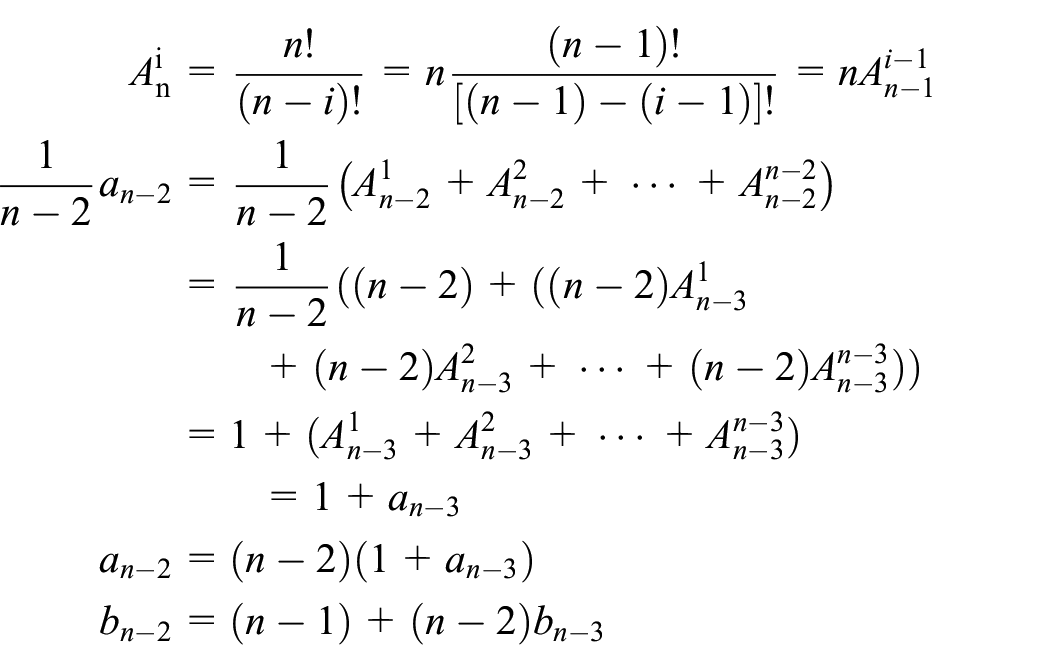
The subsection “Problem description and modeling” established the MTPM model, and subsection “Two propositions” proved the effect of improved Markov chain based on clustering idea.
Parameter determination of the MTPM
This section will further explain the determination of MTPM parameters. The subsection “Determination of the transition probability matrix” analyzes the link communication probability from multiple factors, and the subsection “Objective function and constraints” is the final expression.
Determination of the transition probability matrix
The influence of the troposphere on GNSS is expressed by the factor
Suppose that all nodes have radio receivers such that we can obtain the locations of all
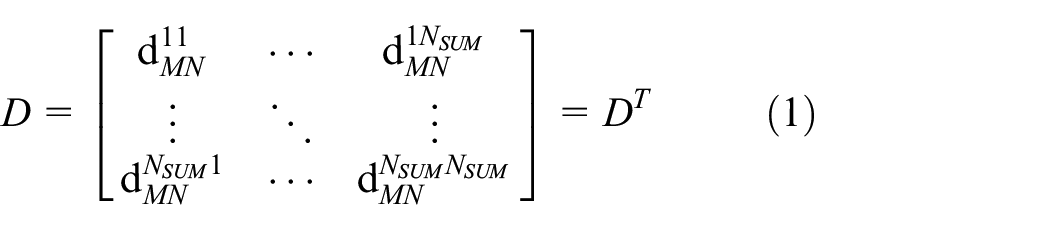
where the subscripts

where

where
Neglecting the maritime vessel mobility and the shadow region,
24
the communication model between the ocean layer and the atmospheric layer is shown in Figure 3. Suppose that the gateway of the atmospheric layer is at the position labeled 1. When the aircraft is inside the spherical area depicted, the fleet can establish communication with this air region. However, when the aircraft gateway moves out of this sphere, the fleet loses communication with the air region. If the radius of the spherical area is
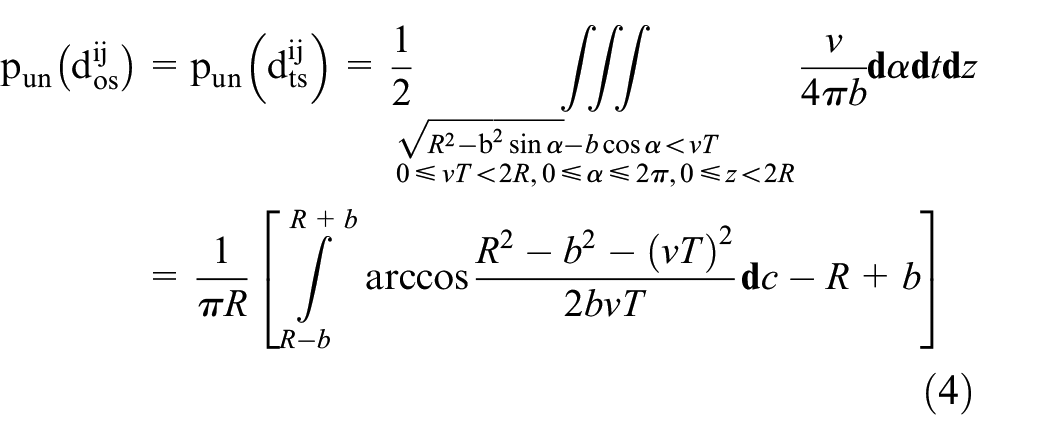

Communication model considering the mobility of the aircraft.
where
Accordingly,

Thus far, the weather impact matrix

Objective function and constraints
The path assignment diagram based on MTPM is shown in Figure 4, where


Path assignment diagram based on Markov transition probability model (MTPM).
where
Onboard resource management strategy based on MTPM
General flow of MRMS
In the section “Parameter determination of the MTPM,” the model of the cross-regional communication path assignment for the BDS, MTPM, was established, but the satellite resources are limited. Therefore, the MRMS is designed to guarantee the rationality of resource allocation for each BDS.
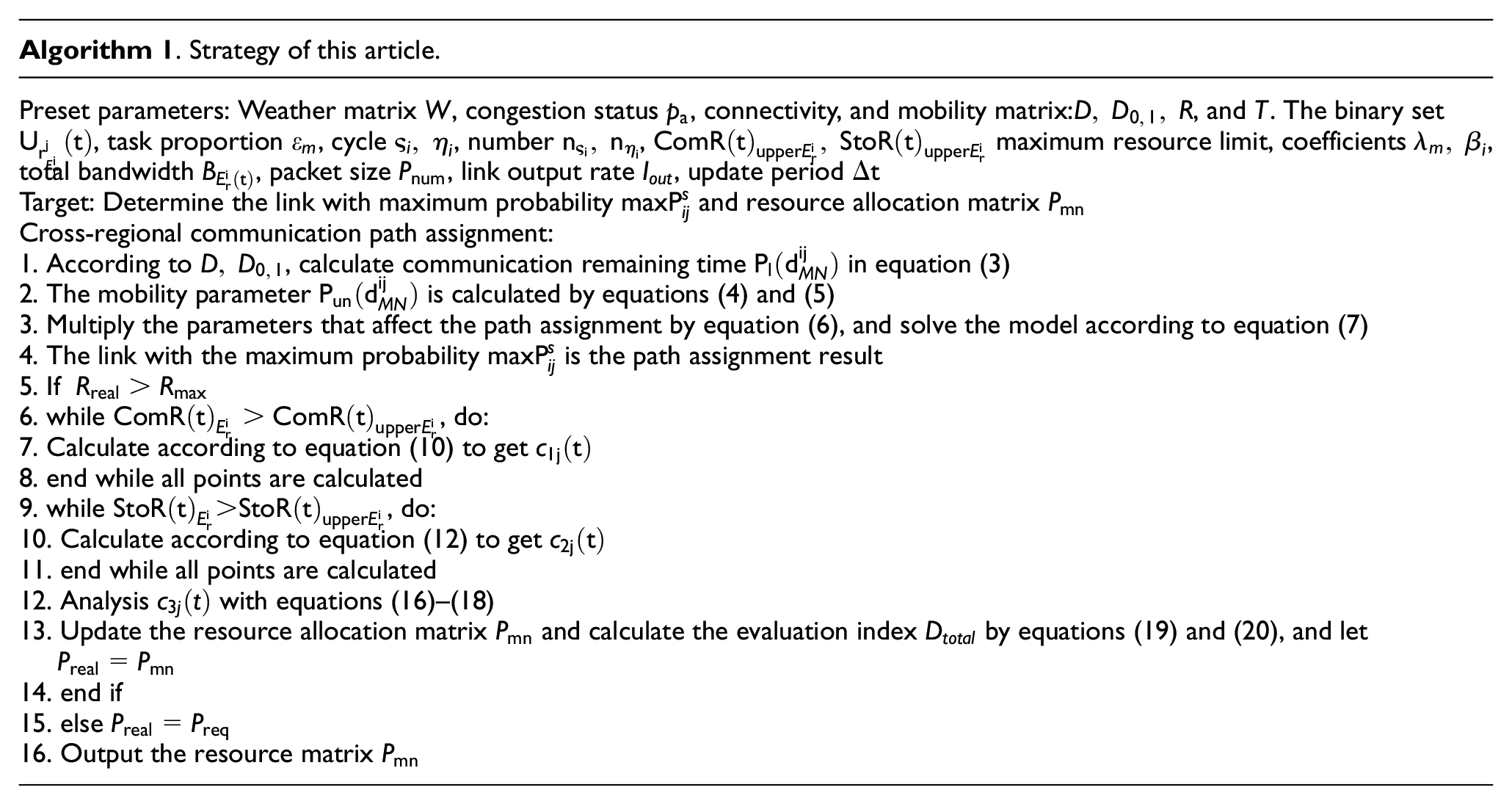
As shown in Figure 5, the steps of the MRMS are as follows. Step 1: Each edge gateway uploads its resource request matrix



Flow chart of the MRMS.
The vectors
Analysis of the task computing resources
In this analysis,

with

Without resource reallocation, the satellite will allocate the resource to the link that established the connection first, which means that an urgent task in a later link will not be handled in time, and
Analysis of the storage resources
When the computational resources reach the upper limit of saturation,
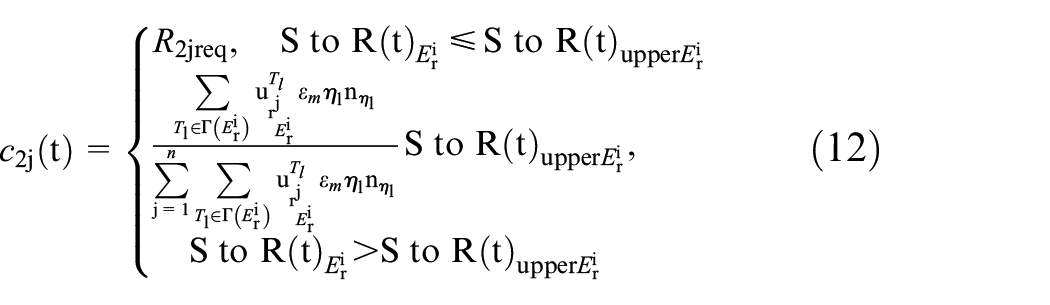
where
Analysis of the bandwidth resources
When the propagation delay is long, more bandwidth should be reserved in advance to prevent the bandwidth from being occupied by links with shorter delays. Therefore, it is necessary to design a mechanism to dynamically determine the bandwidth. The propagation delay can be expressed as follows

where


where

where


where
Finally, the resource management matrix


where
Simulation
The simulation assumes that the ground station and the ship gateway transmit data to the BDS, and the aircraft acts as the available relay node to verify the effectiveness of the path assignment model and the resource management strategy. Using STK 11 and matlab2016a software and referring to the Internet traffic data in the study by Liu et al. 25 simulated as Figure 6, the simulation time is 1 day (24 h) and the experiment is repeated 10 times to get the average value. The simulation is carried out on a Dell T7600 workstation (2.5 GHz CPU, 8G memory, Windows 8) In this study, we use the optimal enumeration algorithm (OEA) proposed by Liu et al. 26 and the GA proposed by Sun et al. 12 to prove the validity of MTPM. OEA is an enumeration algorithm, which requires a long computing time. GA has been widely used to solve NLP through genetic, crossover, and mutation operations. At the same time, shortest path first (SPF) 17 and random joint (RANJ) 26 are compared with MTPM.

Traffic volume: (a) normalized traffic volume and (b) the difference.
The simulation parameters are shown in Table 1. At the same time, BDSim is used to generate BDS mobility and import it into the simulation. The trajectories of sub-satellite points within 1 h are shown in Figure 7. The color indicates coverage, and the service performance of green curve is much higher than that of red curve. Different satellites are also shown in different colors.
Primary experimental parameters.
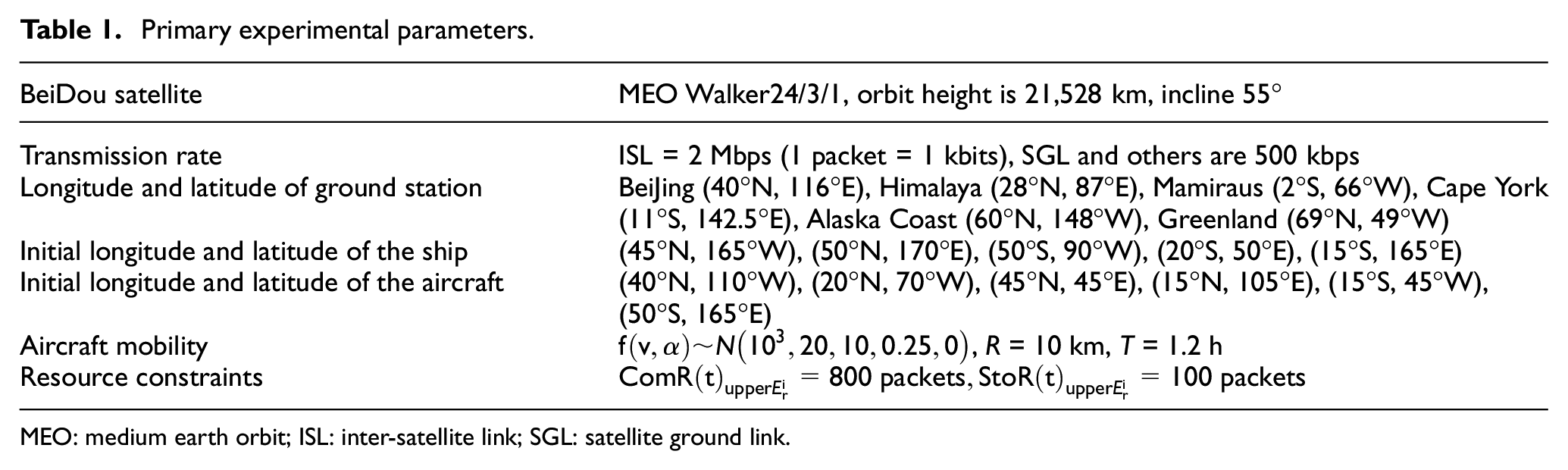
MEO: medium earth orbit; ISL: inter-satellite link; SGL: satellite ground link.

Mobility simulation of BeiDou satellite.
Suppose that the ship speed is 30 km/h, the aircraft speed is 1000 km/h, the bandwidth weighting coefficient

Equation (21) indicates that the degree of congestion is related to latitude;

The main metrics of MTPM are link reliability, average link handover times, and convergence time.
Link reliability: using the maximum transition probability in equation (8) to represent the link reliability. That is, because Liu et al. 26 verifies the data transmission capability from the ground to the satellite with the goal of maximizing reliability.
Average link handover times: this indicator is the number of times that all network nodes change links in a day. If the value is high, it indicates that the algorithm does not fully consider the performance of each node. This frequent link handover requires antenna realignment and correction, which we do not want to happen.
Convergence time: it refers to the calculation time of each link update.
In Figure 8, the simulation results of the three models for link reliability index are shown. Taking SPF and RANJ as reference models to measure the performance of MTPM in this study, MTPM-OEA and MTPM-GA achieved good results. This is because SPF is a greedy model based on the shortest path. It marks the shortest path by traversing all possible situations with the goal of minimizing distance. The model is conservative and the influence factors of routing are single. In contrast, RANJ is a random routing model, and the visibility and mobility of the BDS are the important factors affecting the performance. The path assignment model converges rapidly, but the randomness leads to poor link reliability. MTPM has good path reliability under the premise of ensuring convergence speed. The simulation results show that the MTPM in this article is more suitable for integrated communication.
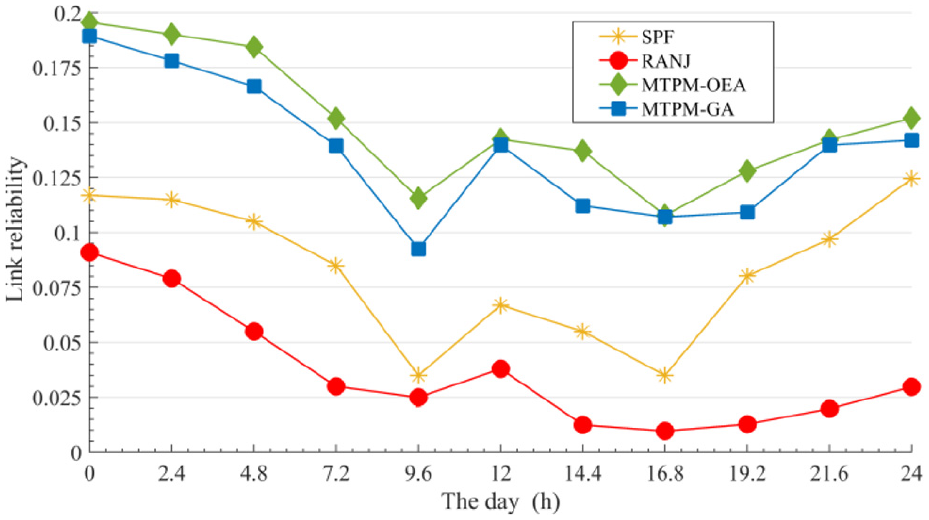
Link reliability.
As shown in Figure 9, the simulation takes the average link handover times as the performance evaluation index. The average handover times and link duration are the same performance indicators, thus only one of them must be analyzed. Considering the mobility of the BDS, the cross-regional communication will inevitably involve frequent link handover. In the same way, SPF and RANJ are used to verify the performance of MTPM in the path handover times. The value of the three models increase with time, and the average link handover times of RANJ are the most, SPF is relatively moderate, and MTPM-OEA and MTPM-GA achieve the best performance. This is because the only constraint of RANJ to establish links is visibility, that is, network congestion status and mobility factors are ignored; SPF takes into account the distance between nodes on the basis of RANJ, and its performance is improved. MTPM-OEA and MTPM-GA ensure the minimum average link handover times in a day due to the consideration of mobility, remaining connection time, and other factors, and they are resistant to fluctuations from changes in network traffic. At the same time, MTPM-OEA uses a traversal method to find the optimal solution, and the heuristic algorithm applied by MTPM-GA will fall into a local optimum; therefore, the performance of MTPM-OEA is the best.

Average link handover times.
In Figure 10, the convergence times of the three models are shown. Analyzing the link reliability and the average handover times shows that RANJ achieved the worst performance, while MTPM-OEA and MTPM-GA achieved the best performance. However, the convergence time of each path update is also an important factor. If the convergence time is too long, the algorithm will always be in a divergent state, and the correct solution cannot be obtained and can lead to link handover failure. The simulation results show that the convergence times of the three models are generally stable. RANJ achieved the fastest convergence rate because RANJ only needs to calculate the transition probability of the Markov chain, and the path assignment is random, and thus does not need to solve the complex objective function. Because SPF adopts the ergodic mechanism, it needs to adjust the order after calculating the transition probability of each virtual path, resulting in the highest convergence time. The values of MTPM-OEA and MTPM-GA are acceptable for path updating in the cross-regional communication. Considering the excellent performance in reliability and average handover times, the comprehensive effect of MTPM-OEA and MTPM-GA proposed in this article is positive.

Convergence time.
The main evaluation indexes of resource management are resource allocation fairness and QoS. Using the BeiDou MEO constellation and assuming that the ground station and ship gateway transmit data to the BDS, based on the MTPM designed in this article, the same satellite is connected with multiple links at the same time and resource allocation fairness is used to ensure that all links occupy the satellite resources fairly. QoS is used to describe the resource allocation capability of MRMS for different task proportions, which is mainly reflected in the link delay and throughput. Taking the SPF as a control group, the performance of different data flows for delay and throughput are simulated to verify the effectiveness of the MTPM and MRMS in this article. The proportion of tasks is shown in Table 2.
Task proportion of four data flows.

Figure 11 shows the performance of four situations in resource allocation fairness. The fairness means the fairness degree of onboard resources allocated to different links when multiple links are connected with a BDS. Due to the limitation of the definition, the value is inversely proportional to the fairness. It can be found that since SPF has no resource management mechanism, the resource allocation strictly follows the first-come-first-served principle. When the onboard resources are less than the applied resources, the first connected path has priority occupation rights, and the later connected path will enter the cache queue regardless of whether it contains delay-sensitive tasks or not. The tasks

Fairness of resource allocation.
The simulation results of MRMS for the link delay is shown in Figure 12, where the data show that all curves reach the peak of delay at

Link delay.
The impact of the MRMS in this article on the network throughput is shown in Figure 13. During the time period

Network throughput.
Onboard resource utilization.

MRMS: Markov resource management strategy; SPF: shortest path first.
Conclusion
To solve the problem of path assignment of the BDS cross-regional communication, the MTPM based on Markov chain with the idea of clustering is proposed. Factors such as mobility, congestion state, and remaining connection time are used to determine the transition probability, and the nonlinear objective function based on maximum reliability is developed. Then, considering the limited space resources, the fairness of data flow resource allocation for different task types is studied, and the MRMS is designed to reallocate the computing, storage, and bandwidth resources in the satellite. Finally, the performance of MTPM and MRMS are verified by experiments, and the Walker Constellation is used to transmit the data from the ship and the ground gateway to the BDS based on real Internet traffic data. Using RANJ and SPF as the control group, it is shown that the MTPM improves link reliability, reduces the average link handover times, and has an acceptable convergence time. At the same time, taking four data flows composed of different tasks as examples, the outstanding performance of MRMS in resource allocation fairness, link delay, and network throughput is verified.
Although the model and resource management algorithm designed in this article has a certain QoS support capability, battery energy resources, antenna beam resources, and other factors are not currently taken into account. These considerations can be addressed in future research to improve our work.
Footnotes
Handling Editor: Lyudmila Mihaylova
Declaration of conflicting interests
The author(s) declared no potential conflicts of interest with respect to the research, authorship, and/or publication of this article.
Funding
The author(s) disclosed receipt of the following financial support for the research, authorship, and/or publication of this article: This work was supported by the National Natural Science Foundation of China subsidization project (51579047), the Natural Science Foundation of Heilongjiang Province (QC2017048), the Natural Science Foundation of Harbin (2016RAQXJ077), and the fundamental research funds for the central universities.
