



Abstract

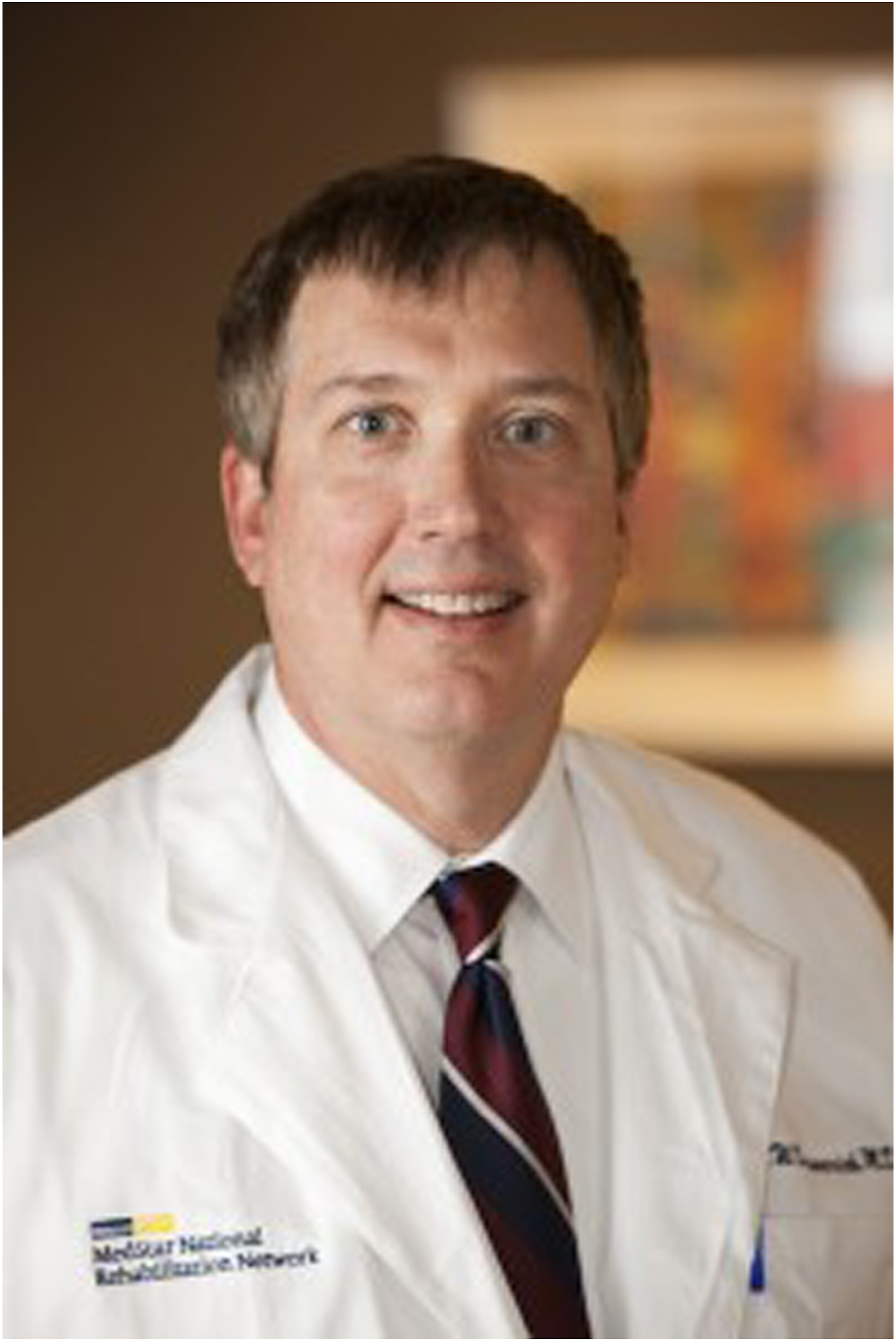
The world of neurorehabilitation has lost a scholar, advocate, clinician, mentor, and friend with the death of Alex Dromerick. Our generous colleague and dear friend was committed to improving the quality of life for individuals with neurological conditions and a tireless advocate for neurorehabilitation training and research. Alex was dedicated to the concept of “team science” long before the term became popular. He recognized that optimal rehabilitation treatment outcomes require interdisciplinary expertise and coordinated rehabilitation programs. He provided opportunities for advancement to everyone collaborating on his clinical and research programs through a multitude of formats including publications and presentations, funding for pilot projects and fellowships, letters of recommendation, and individualized introductions to his network of collaborators and colleagues. Alex possessed the knowledge and skills needed to implement research projects that integrated biologic data as a prerequisite to enable better understanding of mechanisms of recovery so tightly interwoven to the assessment of meaningful functional outcomes valued by patients and their families. He had a great sense of humor, a willingness to learn from other disciplines, and tremendous fortitude when confronted with his own illness. Many of his collaborators had no sense of the gravity of his condition as he courageously continued working over the past 18 months.
Grant us our personal reflections as a mild departure from conventional notifications in the hope that our sentiments and feelings resonate with all who knew and admired Alex.
Dorothy Farrar Edwards PhD
Vilas Distinguished Achievement Professor
Professor of Kinesiology and Medicine
Director, Collaborative Center for Health Equity
University of Wisconsin
Michael Weinrich, MD
Visiting Research Professor of Chemistry
University of Maryland, Baltimore County
Guest Researcher, NIST Center for Neutron Research
Steven L. Wolf, Ph.D., PT, FAPTA, FAHA, FASNR
Professor, Department of Rehabilitation Medicine, Division of Physical Therapy
Professor, Department of Medicine, Division of Geriatric Medicine
Associate Professor, Department of Cell Biology
Emory University School of Medicine
Professor of Health and Elder Care
Nell Hodgson School of Nursing at Emory University
Senior Research Scientist
Center for Visual and Neurocognitive Rehabilitation
Atlanta VA Health Care System
Personal Reflections
Alex and I started working together in 1994 when he joined the faculty of the Department of Neurology at the Washington University School of Medicine in St. Louis. Alex had just finished his fellowship at Burke Rehabilitation in New York. He arrived in St. Louis with the desire to create a comprehensive service for persons with stroke. His vision started with coordinated stroke care in the emergency room and followed patients through their acute care stay to inpatient and outpatient rehabilitation services and ideally a full return to independence. This vision was grounded in his own experience with cancer as a medical student and a lifelong commitment to compassionate and effective clinical care. Over the past 27 years Alex and I became collaborators and close friends. We created an extended family. My children have strong connections to his wife Laurie and stepchildren Emma and Michael. International meetings allowed us to include our families on amazing trips to Turkey, India, and Japan. Many others who attended meetings with Alex will remember memorable dinners or walks through interesting neighborhoods. Alex always had the most arcane information about the best place to go to sample local beer or shop with the locals, or the schedule for sporting events or an out of the way amazing music venue. Most of our colleagues know and respect Alex’s many professional achievements, fewer know of his tireless support of friends confronting serious illness or injury. Alex helped many of us navigate life-threatening illness or catastrophic injuries experienced by our families, family friends or ourselves. He was kind, compassionate and patient. He used his personal connections to experts all over the country to make referrals, arrange for consults, or, on many occasions, personally intervene to redirect or improve treatment. I hope that we will embrace his kindness and generosity as we continue to undertake the work required from us to move our field forward.
Alex Dromerick was a young neurologist at Washington University in St. Louis when we first met at ASNR meetings. He was passionately interested in improving stroke rehabilitation through careful clinical trials. This commitment never varied. He was instrumental in creating and directing neurorehabilitation services and a neurorehabilitation fellowship at Washington University. Alex took major roles in the ASNR and was especially active in planning the scientific programs for the society. He was thoughtful, quick to laugh, slow to take offense, and had a gentle manner.
Alex and I discovered that not only did we enjoy each other’s company, our wives did, too. I have fond memories of walking with him and his wife, Laurie, through various cities, from Rome to Montreal. A scientific presentation, some supportive discussions with trainees at the posters, a nice walk, and then a good meal with plenty of time to discuss research problems; thus, defining an ideal travel day for Alex.
One of my tasks as Director of the National Center for Medical Rehabilitation Research at NIH was to nominate individuals to serve on study sections. Alex was a natural choice for the special study section for NCMRR. The review officer was so pleased with his performance that she asked him to chair the study section. This assignment was difficult because of the many diverse interests represented on the study section and the wide range of grant mechanisms requiring deliberation. The review officer selected him for a second term as chair and was later disappointed to learn that she could not select him for a third. Subsequently, Alex served on many study sections and clinical trial panels for the NIH, the VA, and the American Heart Association.
One day Alex asked my advice about whether he should accept a job at National Rehabilitation Hospital, in Washington, DC. The job became a very good fit for him. He was Vice President for Research at NRH, Professor of Neurology and Chairman of Physical Medicine and Rehabilitation at Georgetown University. I don’t know of anyone else who could have straddled these different roles, but Alex pulled it off. Some years later, when Alex shared his own medical history, the source of his calm maturity became clear. While in medical school, he was discovered to have a sarcoma in his leg. He refused amputation and elected local resection and radiation. I realized that Alex’ experience facing death and disability at a young age equipped him with an exceptional blend of poise and empathy that would characterize his professional persona.
Friends, please follow my reflection. My wife and I have owned dogs continuously for over 30 years. During that time, our experiences have given us pause to wonder if, indeed humans are the highest form of life. Our first, a golden retriever, was one of my most influential teachers from whom I learned patience, the importance of observation, and the calm essential to fostering empathy and understanding.
As I age, the clarity of dreams has abandoned me. However, the night following the day in which Dorothy Edwards informed me of Alex’s passing, I had a recurrent dream: We have a 3-year-old tan colored labradoodle who loves to swim. Eager to learn with keen observational skills, he reminded me so much of our first dog. I dreamt that as we played by the lake shore, I had thrown a stick for him to retrieve. But this time he continued swimming towards an isolated island many yards away. Some people in a boat yelled to me that they would follow him. I next remember seeing them on the island and as I described our dog, they told me that what they saw was not a labradoodle, but a golden retriever, and he probably was not coming back.
Our first dog’s name was Alex! A few weeks have now passed since Dr. Dromerick has left us. Our labradoodle’s fur has turned from tan to gold. I wonder.