



Abstract
It’s been over two and a half years since we all first talked about “social” distancing. Though physical distancing was crucial as we began to battle COVID-19, the term social distancing was a misnomer. We need our connections to other people. This need for emotional connection and support is universal, but sometimes people forget that those in poverty have emotional needs in addition to financial ones. A sociologist and a photographer who have decades of experience spending time with people living in poverty and documenting their lives observe the beauty and power of emotional connections between people who are struggling.
Keywords
It’s been over two and a half years since we all first talked about “social” distancing. Though physical distancing was crucial as we began to battle COVID-19, the term social distancing was a misnomer. The Beatles may not have been right that all we need is love, but it is something we all need. We need our connections to other people. Knowing you’re not alone in your struggles is incredibly valuable, especially in a time of unprecedented crisis. In our decades of experience spending time with people living in poverty and documenting their lives, we have observed the beauty and power of emotional connections between people who are struggling financially, and we know social ties can provide deep emotional support to people in poverty.
People living in poverty face intense material hardship as they struggle to pay for basic living costs like food and housing. Decades of cuts to government assistance and the inadequacy of the minimum wage have worsened their difficulties. A long tradition of sociological research on poverty, its consequences, and the lived experiences of people in poverty focuses on material hardship, highlighting difficulties in surviving.
Social ties are a way of mitigating difficulties meeting fundamental, practical needs. Social ties offer assistance such as free meals, childcare, financial support, and employment referrals. Those who lack ties suffer from social isolation that makes their lives materially more difficult. Cuts to the public safety net have made the private safety nets of social ties more crucial. Yet support is not universally available. And deep needs can rapidly exhaust the meager resources of the networks poor people can access.
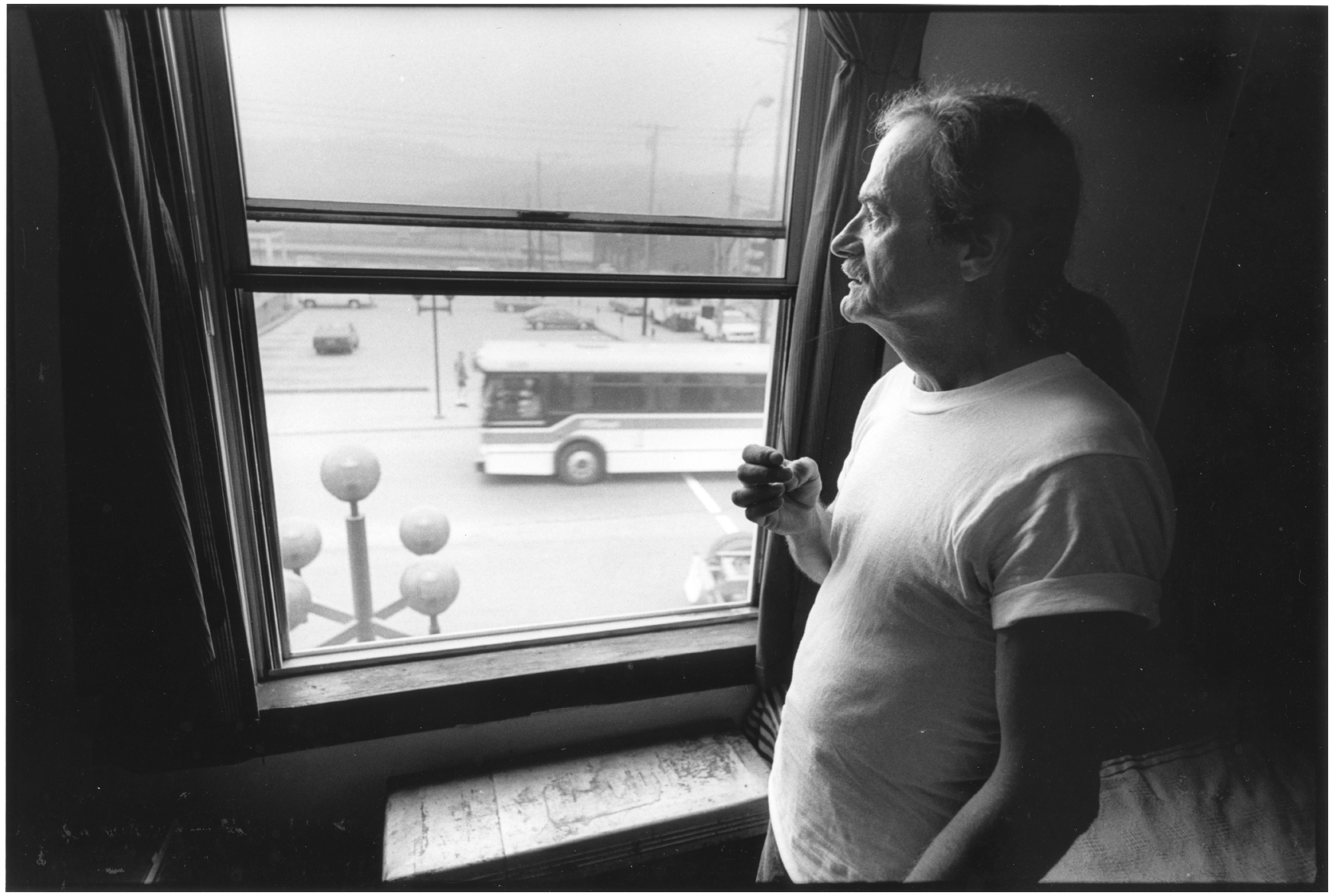
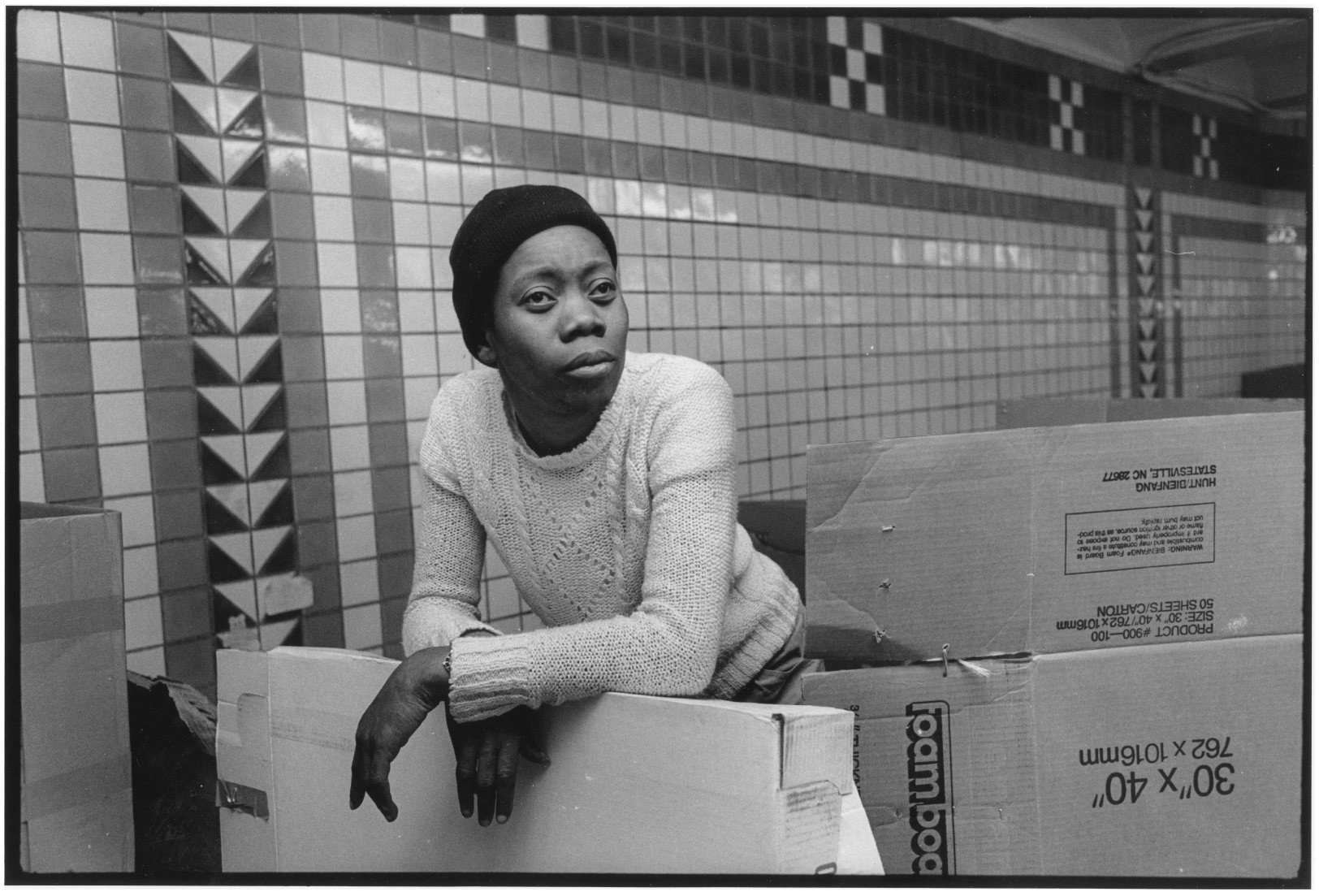
People without ties and those who have exhausted support from their ties also lose the emotional support and sense of belonging social ties provide, a point poverty researchers have too often neglected. Photos 1 and 2 show people alone in their struggles and evoke loneliness and despair.
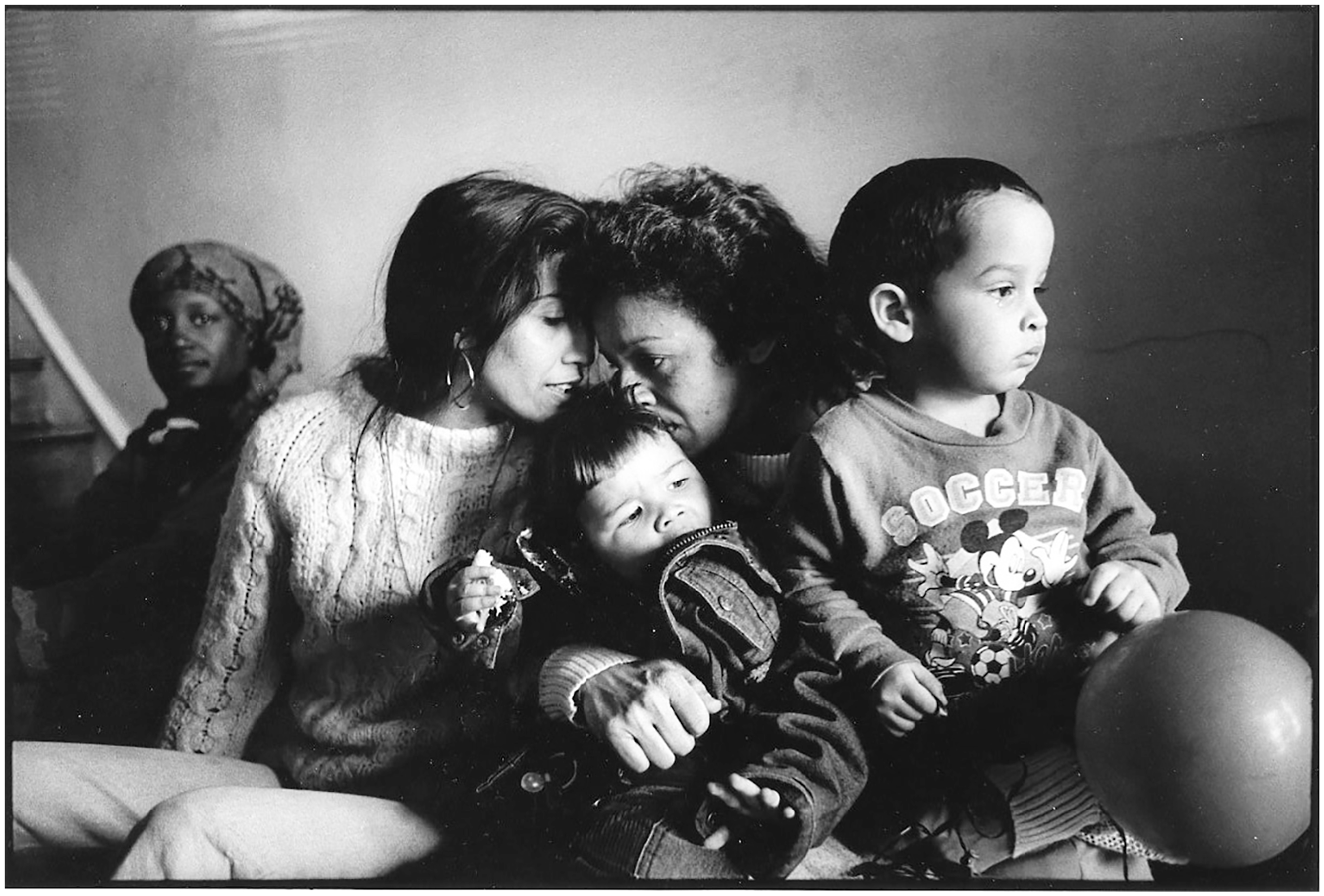
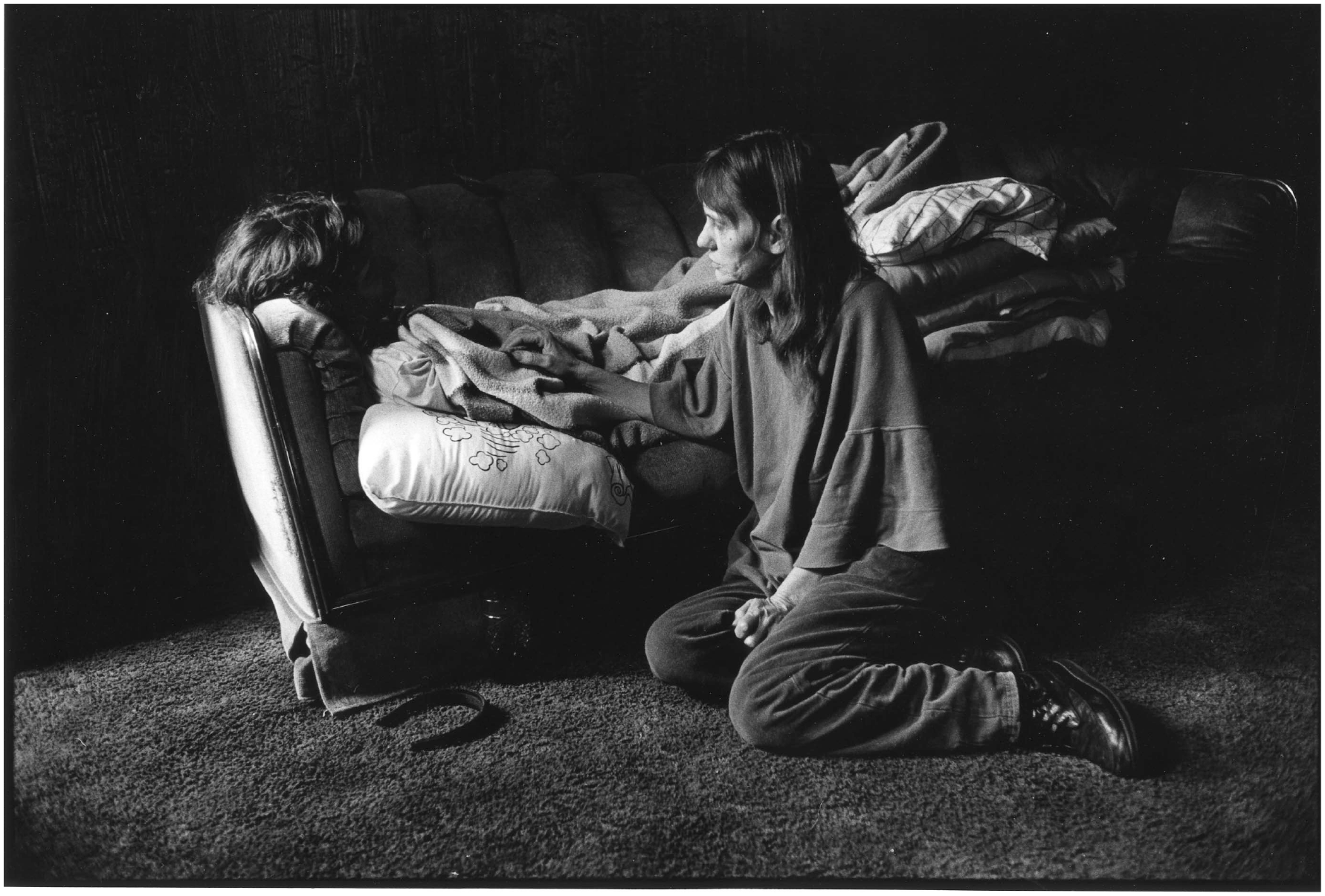
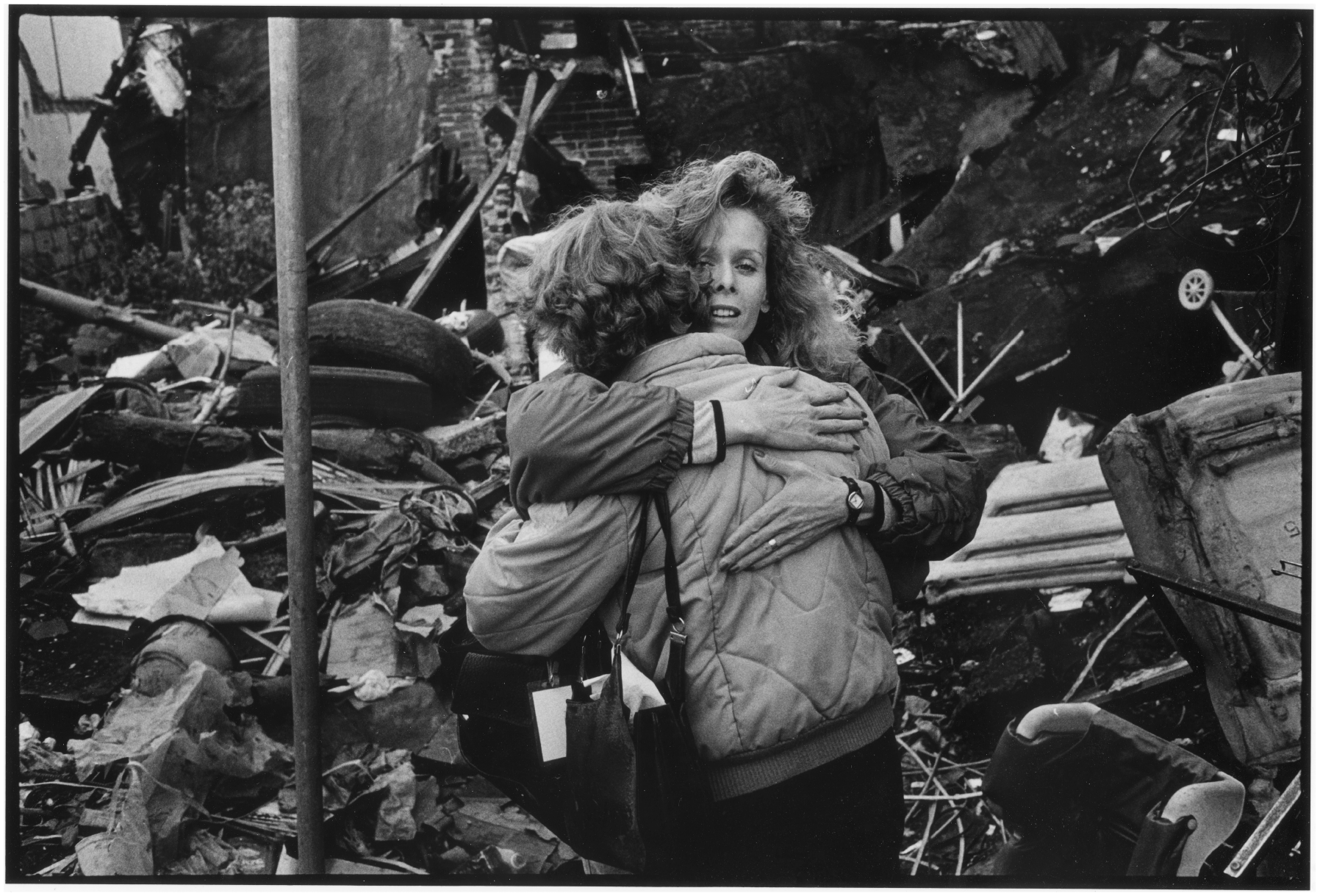
In Photos 3, 4, and 5, we see individuals in deep struggle, but rather than characterized by loneliness, these scenes show comfort and support.
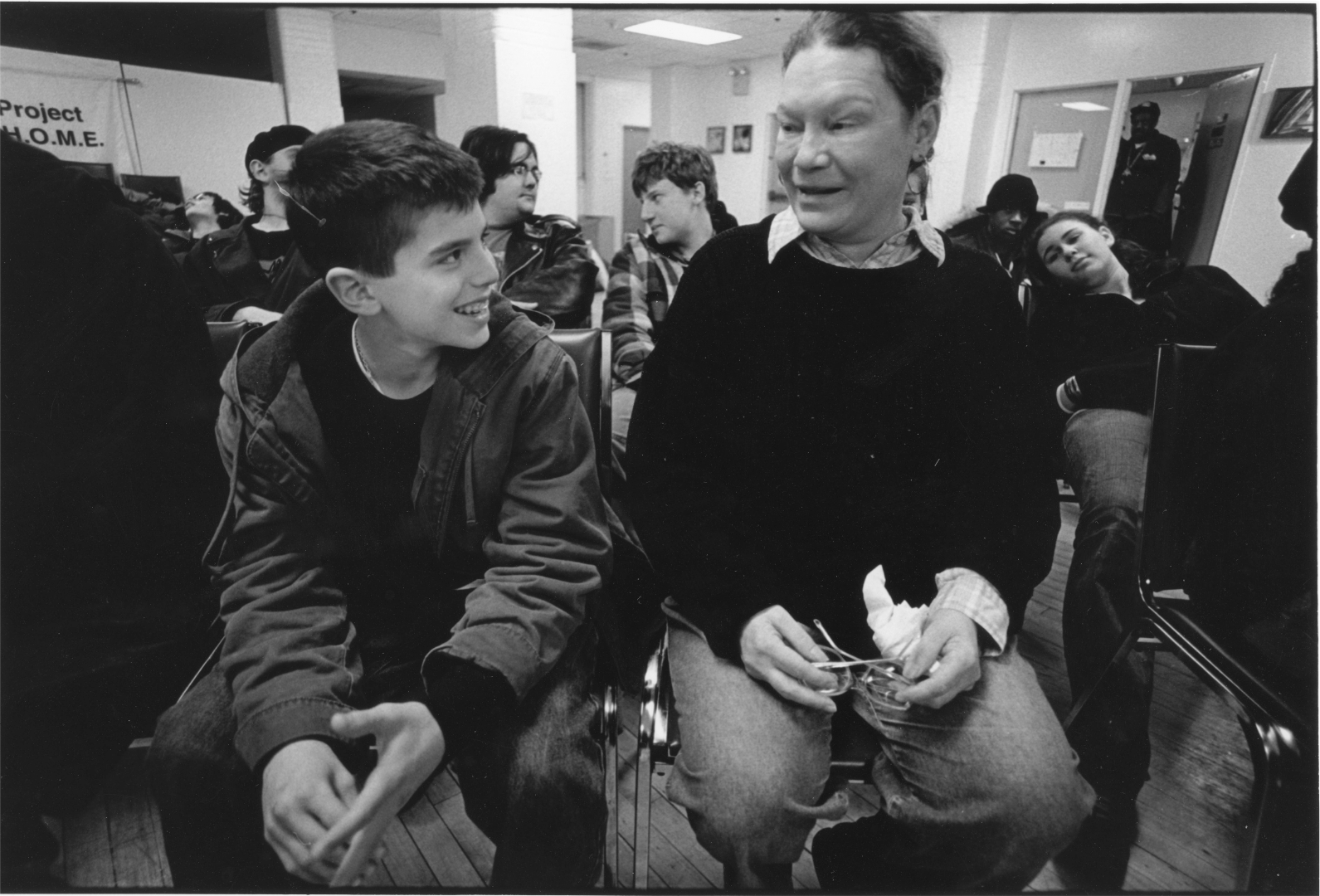
Social ties matter beyond how they affect people’s ability to cope with or escape material hardship. Friendship, a sense of community, connection, and the emotional support that can result from social ties are crucial. Photos 6 and 7 show the beginnings of positive connections, as people smile and spend time together.
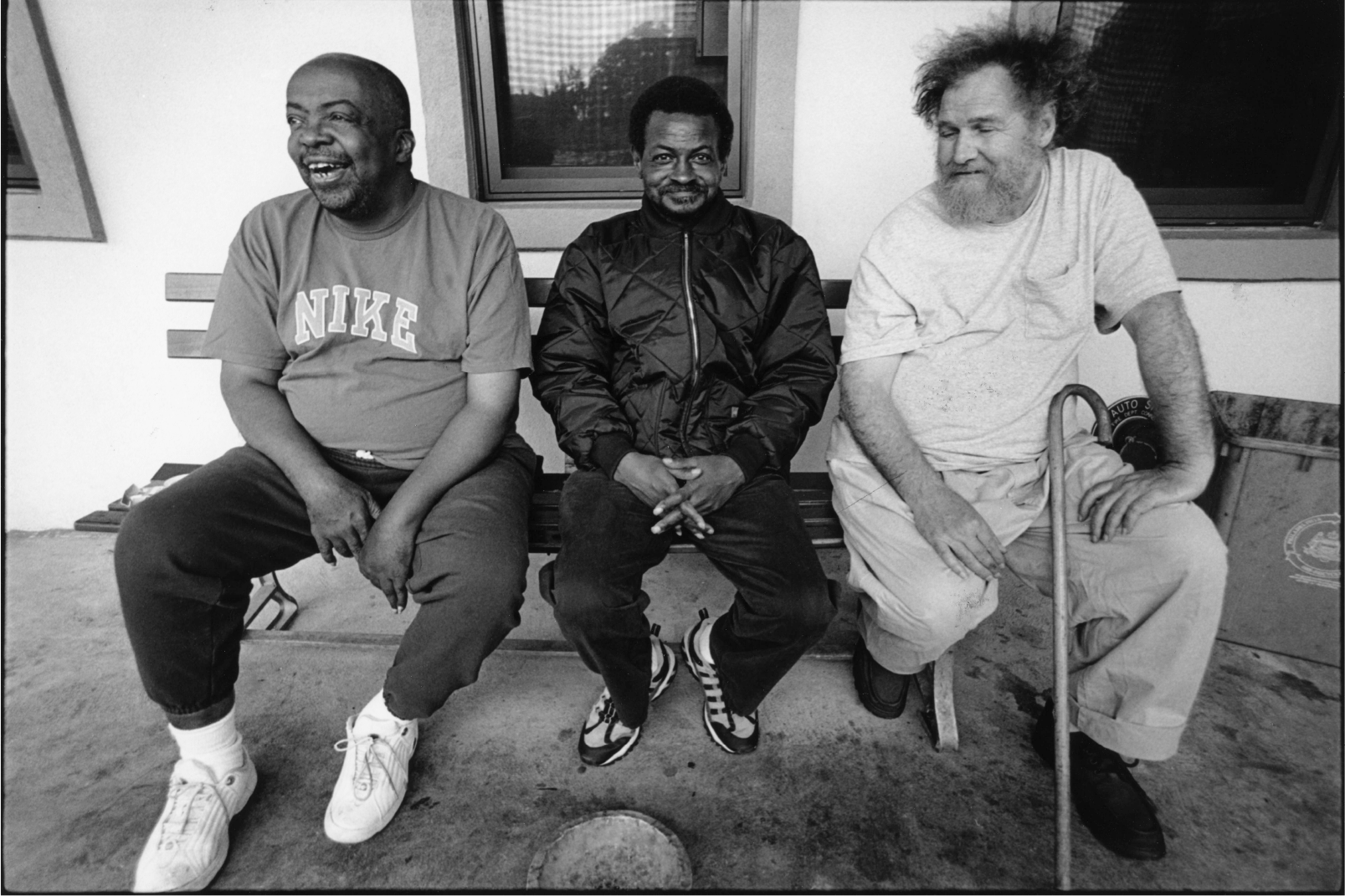
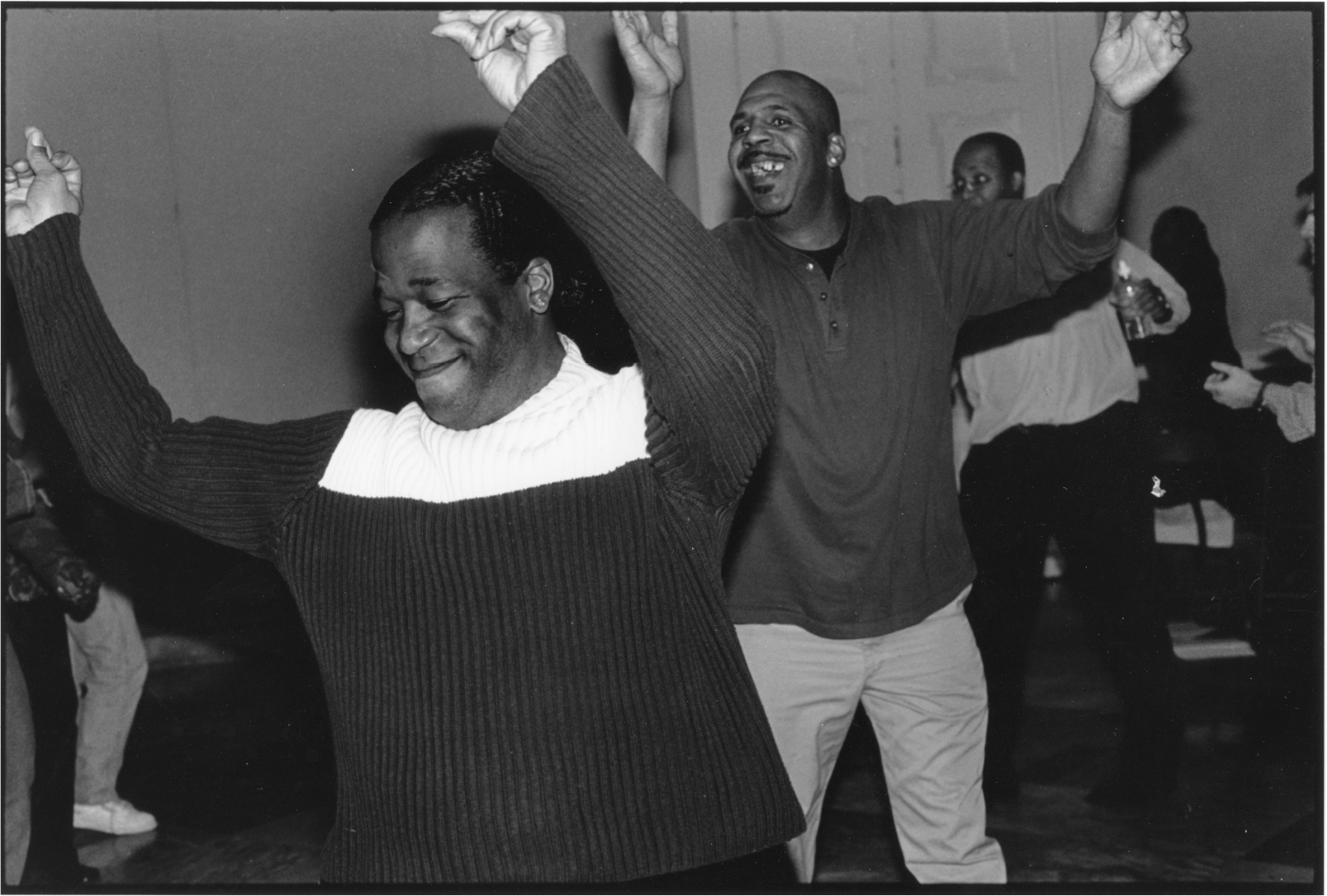
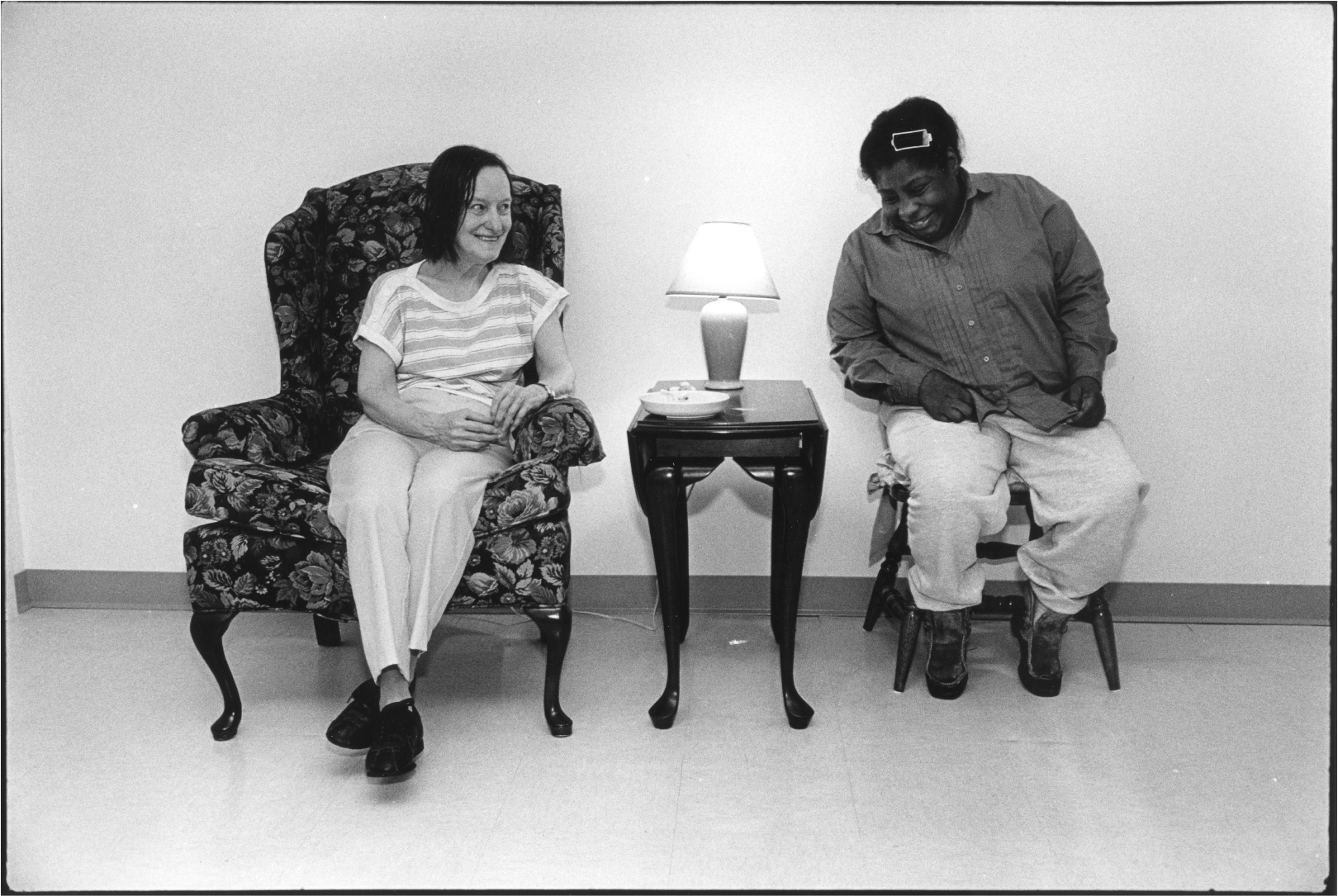
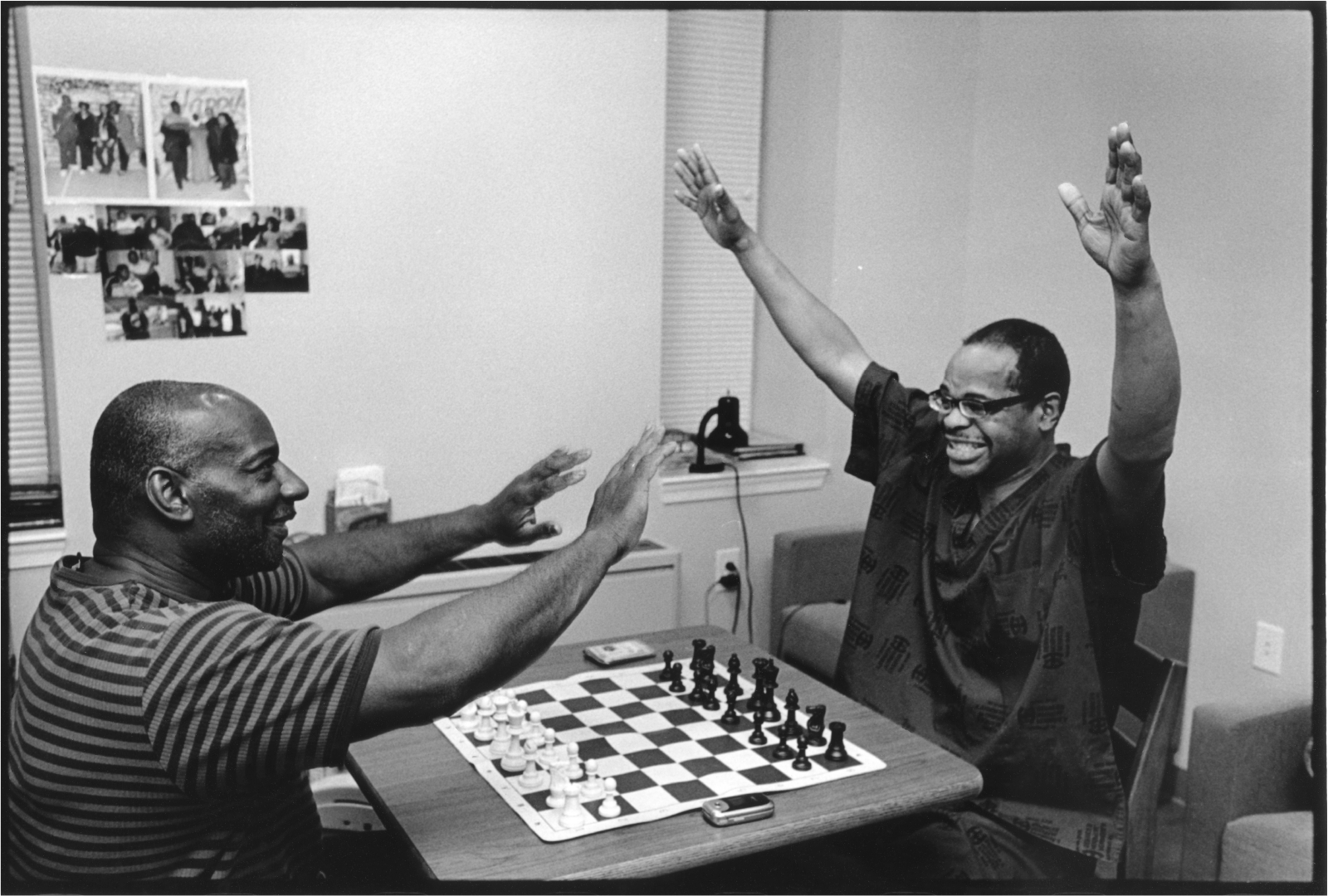
Emotional connectedness for its own sake is a valuable resource that social ties can provide to people. People living in poverty need social connection and emotional support just as much as do people who are not in poverty. And when they have it, their camaraderie can bring laughter and even joy in shared celebrations, as we see in Photos 8, 9, and 10.
The long-standing focus on material hardship in studies on the lived experiences of people in poverty makes sense, and researchers concerned about the lives of the poor should be troubled about fundamental material needs that go unmet. But beyond their usefulness in dealing with the material conditions of poverty, social ties can and do provide emotional connectedness, and those without social ties often experience loneliness—and lack the emotional support everyone deserves.
The pandemic worsened loneliness and social isolation for many people, rich and poor. As individuals, we all want and need the relationships that give us emotional support, advice—and sometimes a form of counseling, coaching, or therapy—to thrive. The poor among us have the same need we all do for connection that abates loneliness. Researchers focused on the consequences of economic poverty sometimes forget that people in poverty want and need care and connection, too. When we ignore emotional connection for poor people, we render their humanity invisible. We forget that connections provide fuller, happier, more hopeful lives and that when humans lack these sorts of bonds, they suffer. We reproduce poverty stigma even as we report the data that reveal it. The photos included here demonstrate the despair that accompanies loneliness and the joy that camaraderie brings.
Former US Steel worker alone, stares out a window.
Woman, alone, makes her home in the subway.
Families comfort each other as they face eviction.
Mother comforts her ill daughter as they confront homelessness.
Community worker comforts woman suffering homelessness and addiction.
People get to know each other at a program where young people meet adults who have experienced homelessness.
Formerly homeless men share laughter and conversation on a bench at their group residence.
Residents dance at a party in a facility for formerly homeless individuals.
Two women in a residence for individuals who have experienced homelessness.
Men in a group residence for people who’ve experienced homelessness enjoy a game of chess.
Footnotes
 .
.