Abstract
We created the Indiana Anthropocene project not only because we reside in this state, but also in order to demonstrate the scope and process of the new epoch in a familiar and defined location. This aerial photography project captures features of the Anthropocene within a regional bounded space, thus collapsing the global into the local. In other words, it provides a visual conceptualization of the geography we live in as a microcosm of the global stage. Furthermore, aerial drone photographs provide vantage points and perspectives of our world that can enhance our perception of society. It allows us to see and connect large-scale processes that otherwise remain hidden from the ground. Images from the sky piece together a complex visual socio-ecological story of how we interact with the environment on immense landscapes.
Our civilization requires the extraction of vast quantities of fossil fuels and resources that are transformed into commodities for an insatiable global consumer society. As a result, people have altered major features of the earth’s surface—land, atmosphere, and oceans—on an astounding scale. Our combined activities move terrain, eliminate forests, release greenhouse gases, acidify the oceans, and reduce biodiversity at an alarming rate.
Consequently, modern economic and social systems continue to exacerbate climate change and ecological degradation, making the work of environmental sociology increasingly urgent and necessary. We find ourselves confronted with the reality of the cumulative impact of large-scale destructive human behavior. Industrial society may have so thoroughly and permanently altered the planet that many scientists now argue we have entered a new geologic epoch called the Anthropocene.
And yet, as we live encased within this vast transformation it can be difficult for us to detect and comprehend what is unfolding. Many people tend to dismiss this global phenomenon as something that is happening in faraway corners of the world without any direct connection to our individual lives. Perhaps we would be more likely to grasp our modern era, the Anthropocene, and our imprints on the planet if we could visualize it within the nearby places we dwell.
We created the Indiana Anthropocene project not only because we reside in this state, but also in order to demonstrate the scope and process of the new epoch in a familiar and defined location. This aerial photography project captures features of the Anthropocene within a regional bounded space, thus collapsing the global into the local. In other words, it provides a visual conceptualization of the geography we live in as a microcosm of the global stage. Furthermore, aerial drone photographs provide vantage points and perspectives of our world that can enhance our perception of society. It allows us to see and connect large-scale processes that otherwise remain hidden from the ground. Images from the sky piece together a complex visual socio-ecological story of how we interact with the environment on immense landscapes.
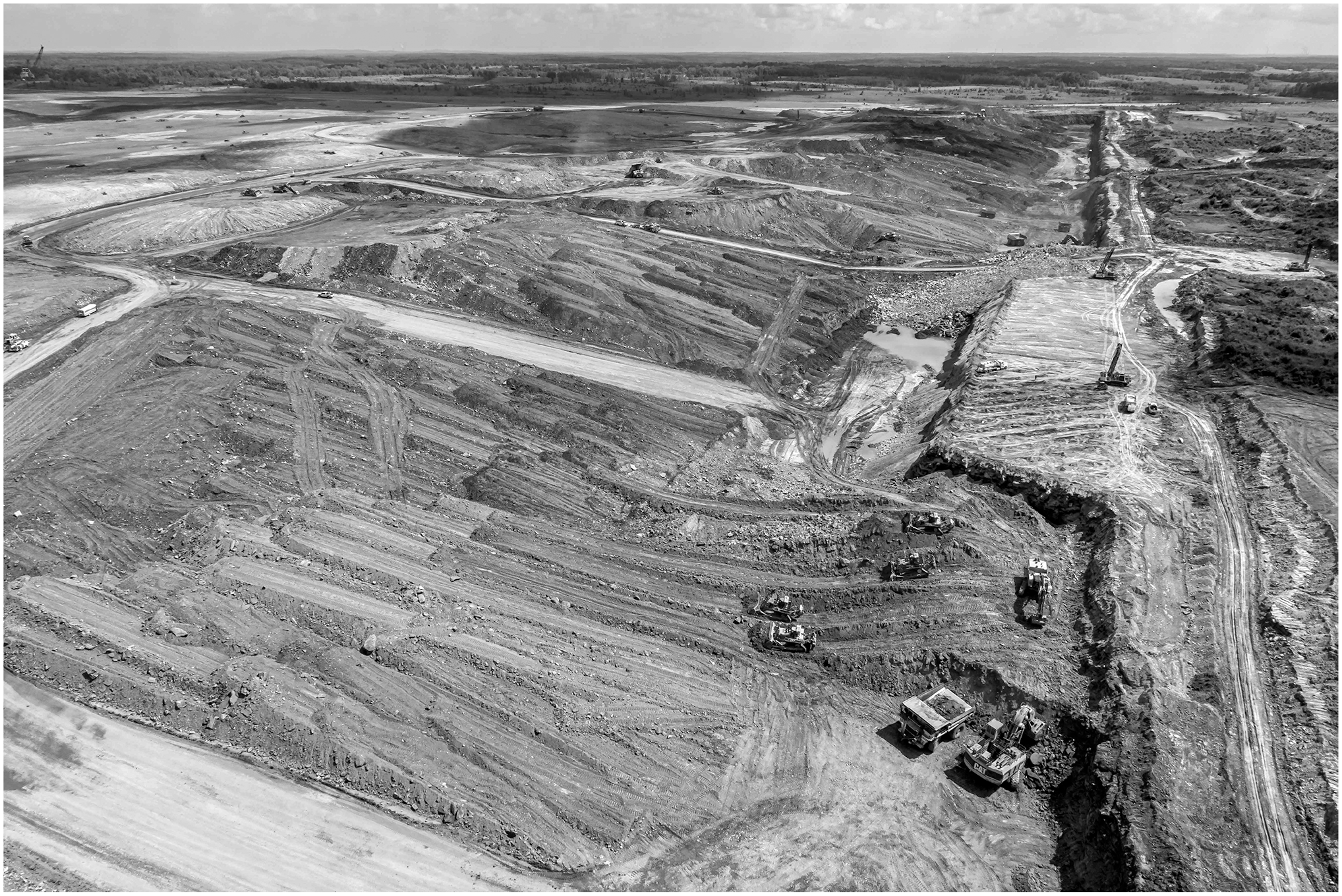
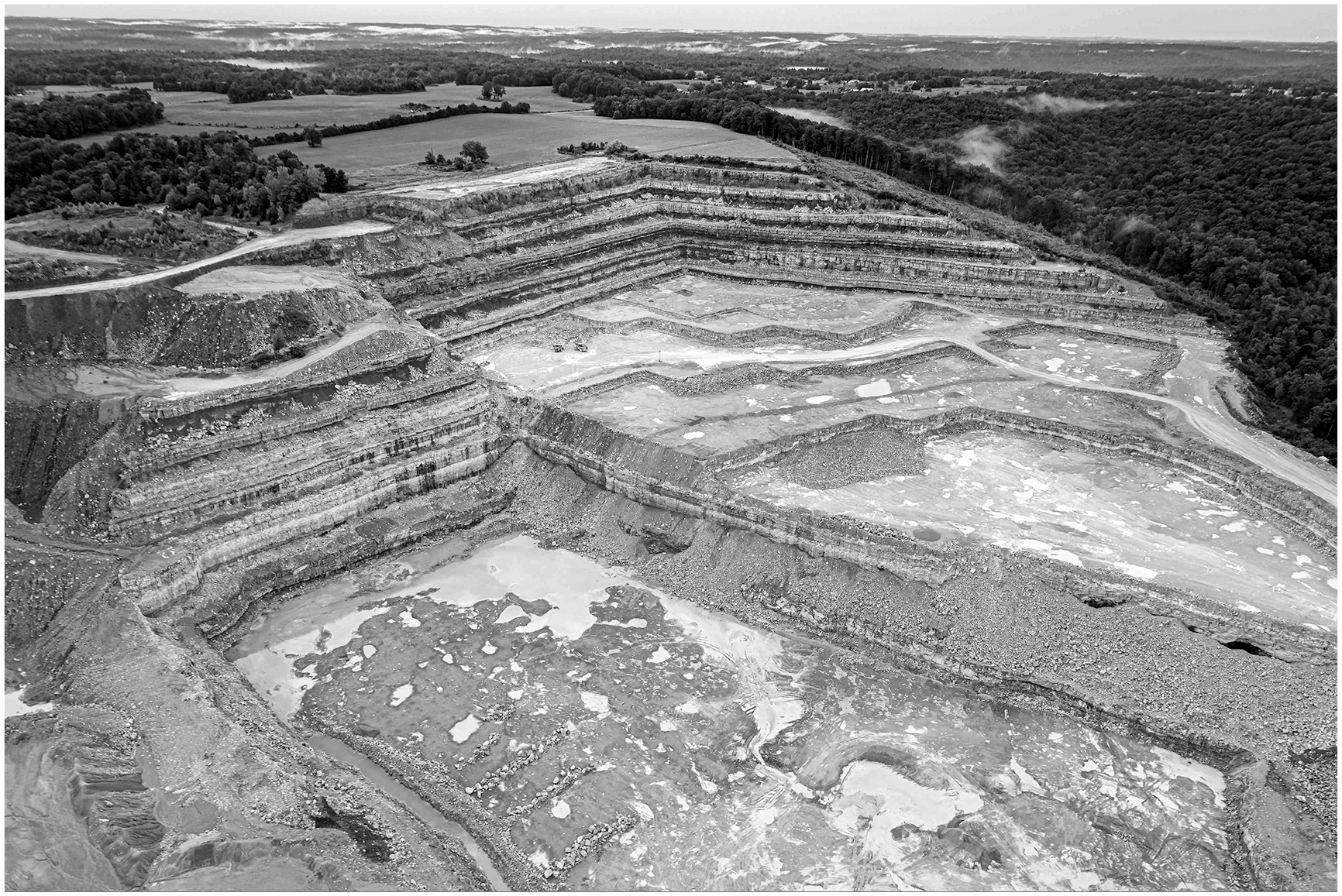
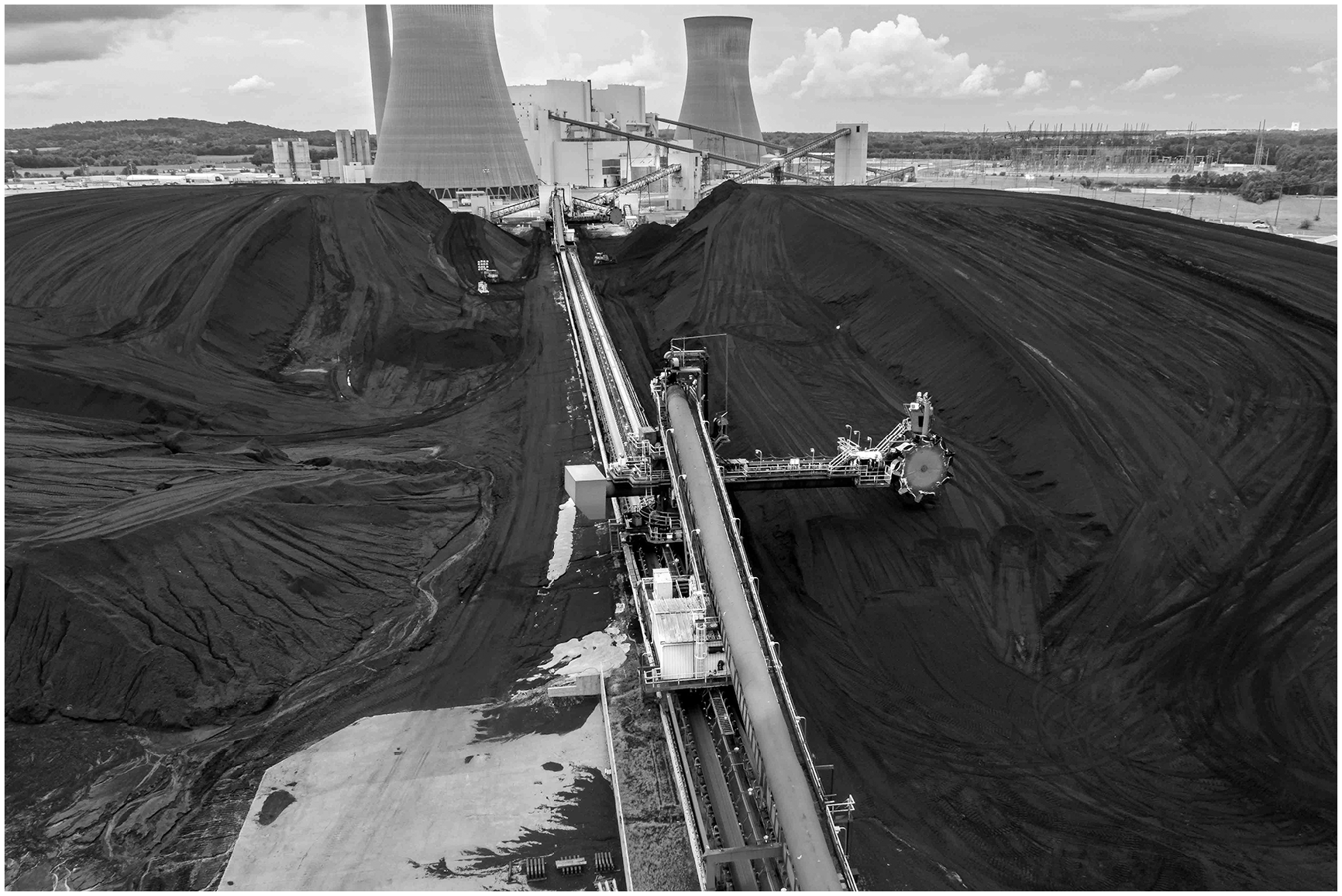
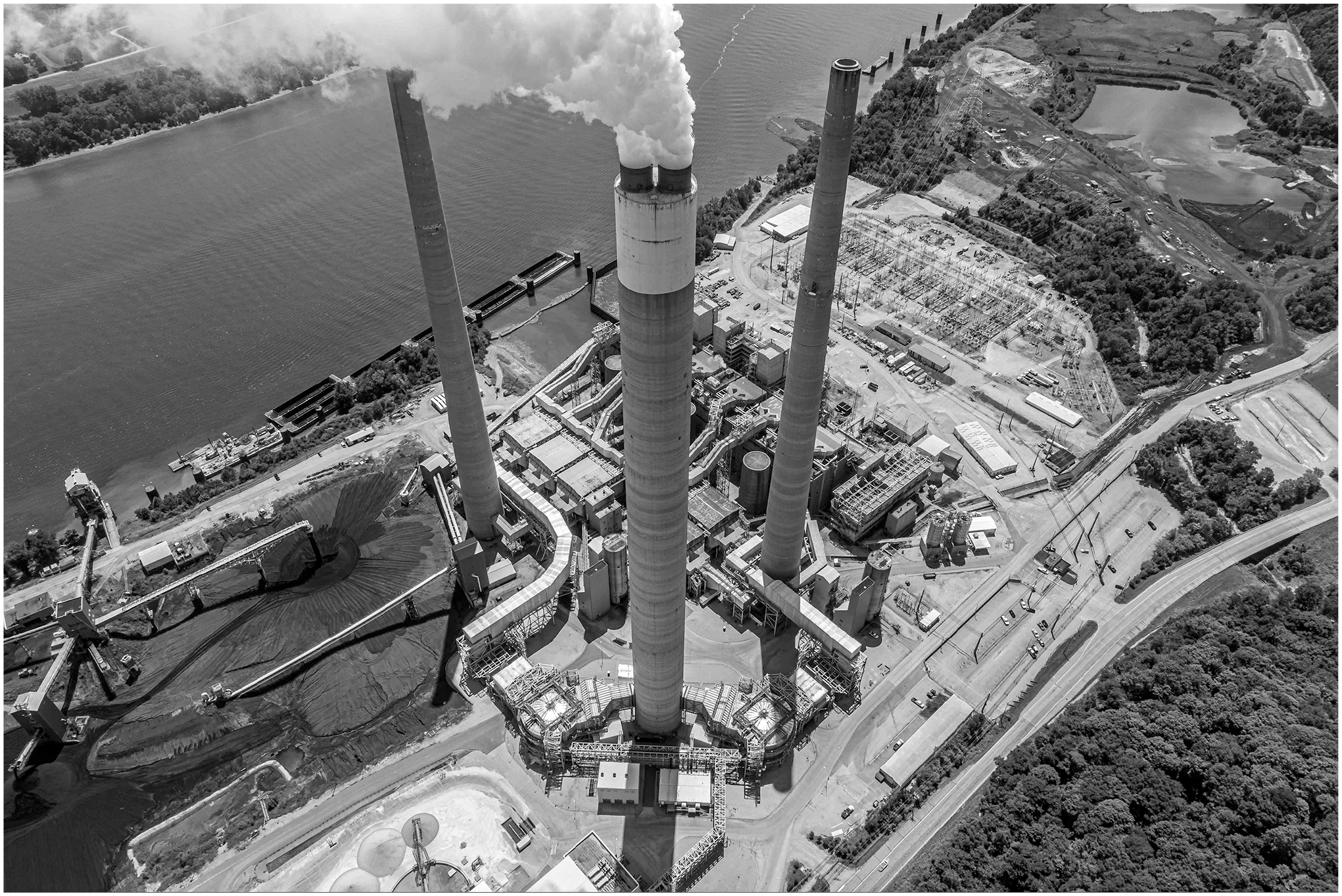
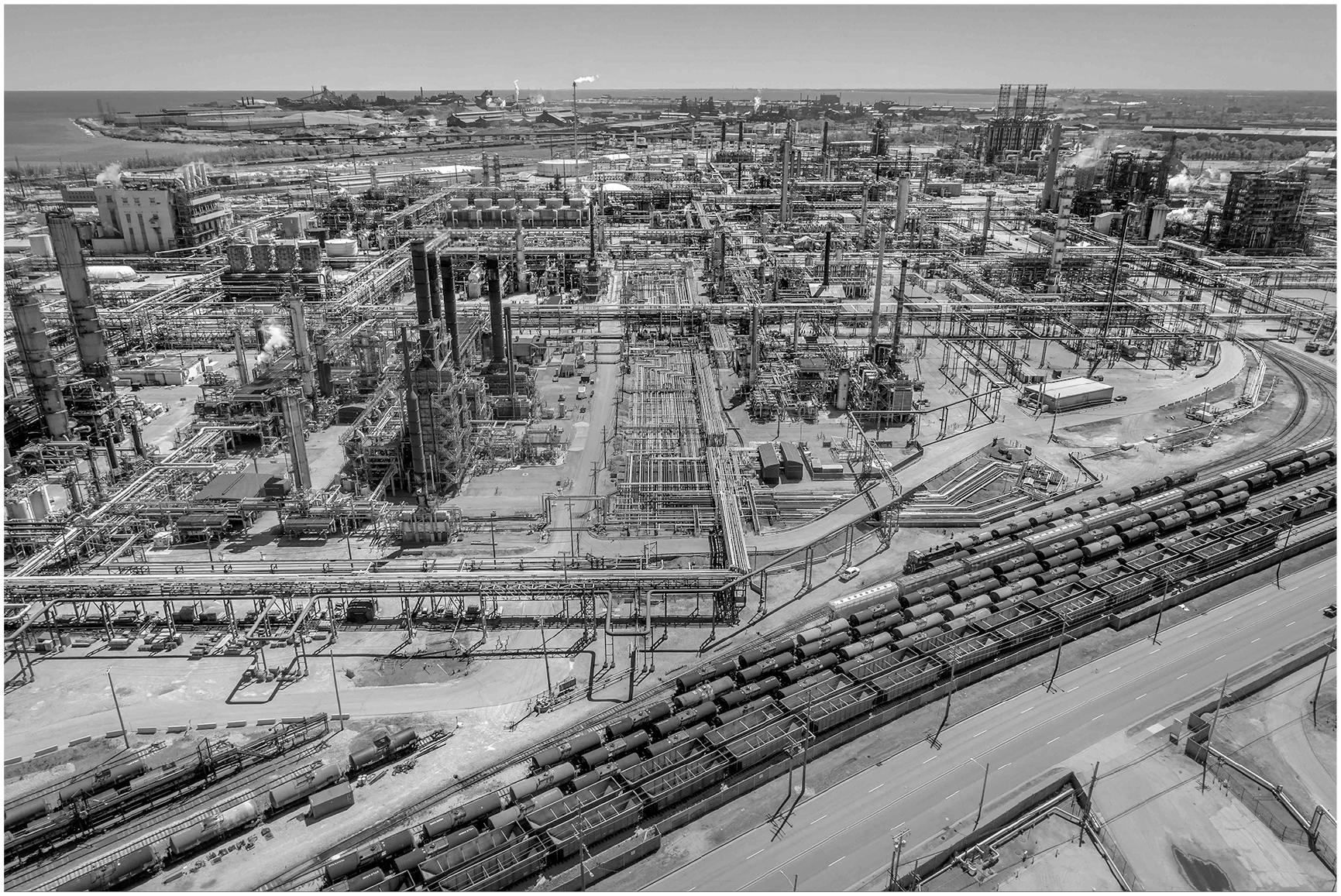
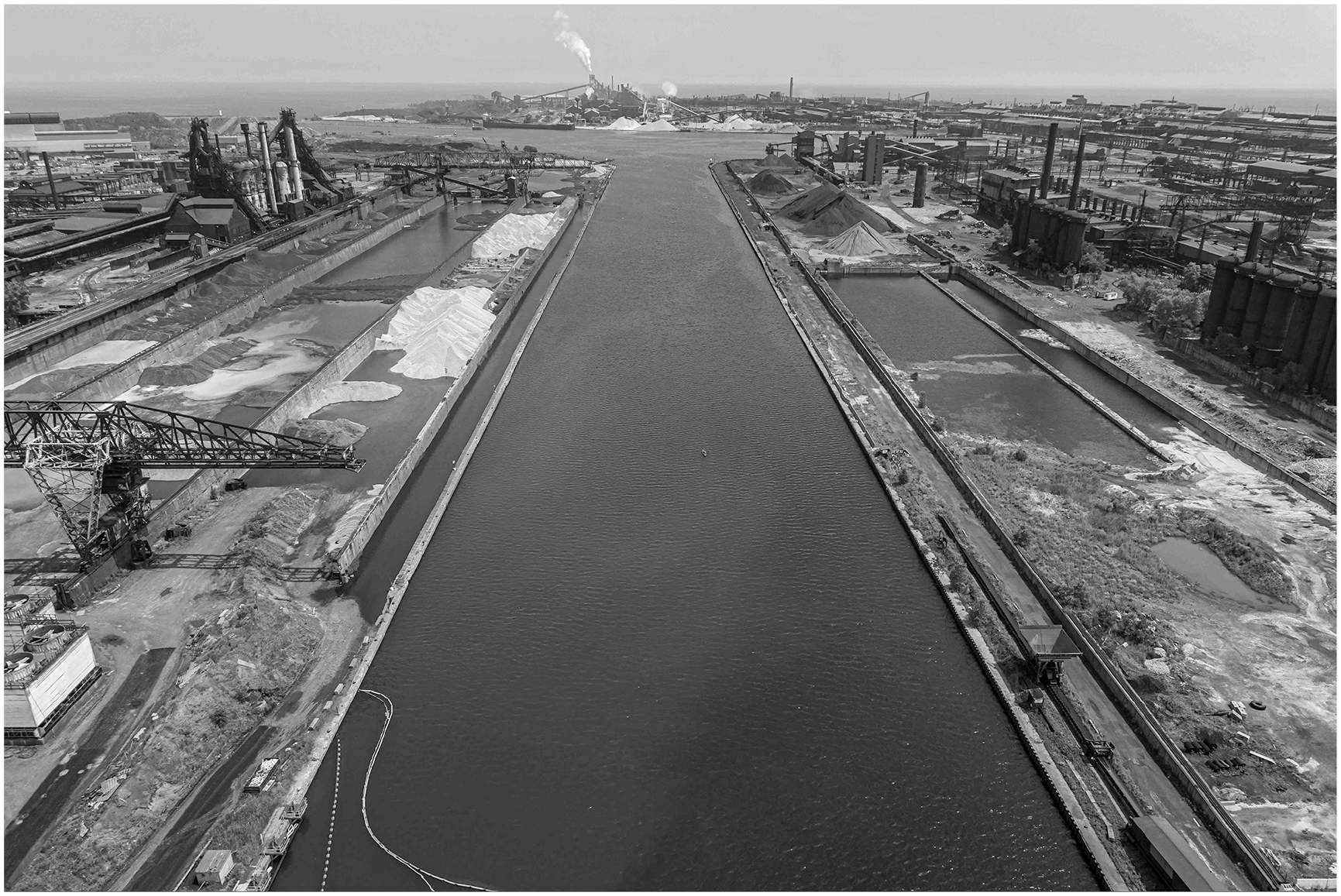
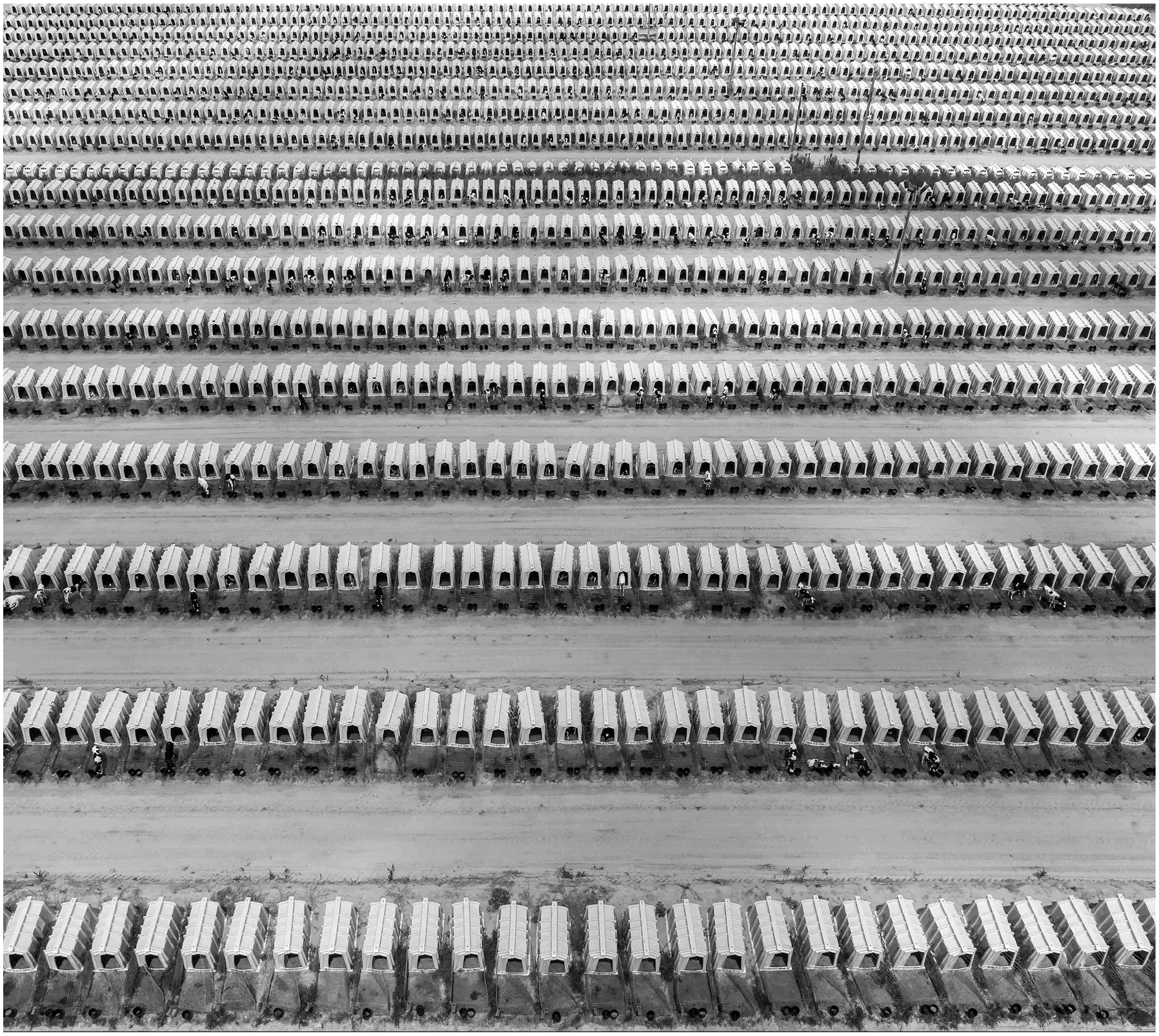
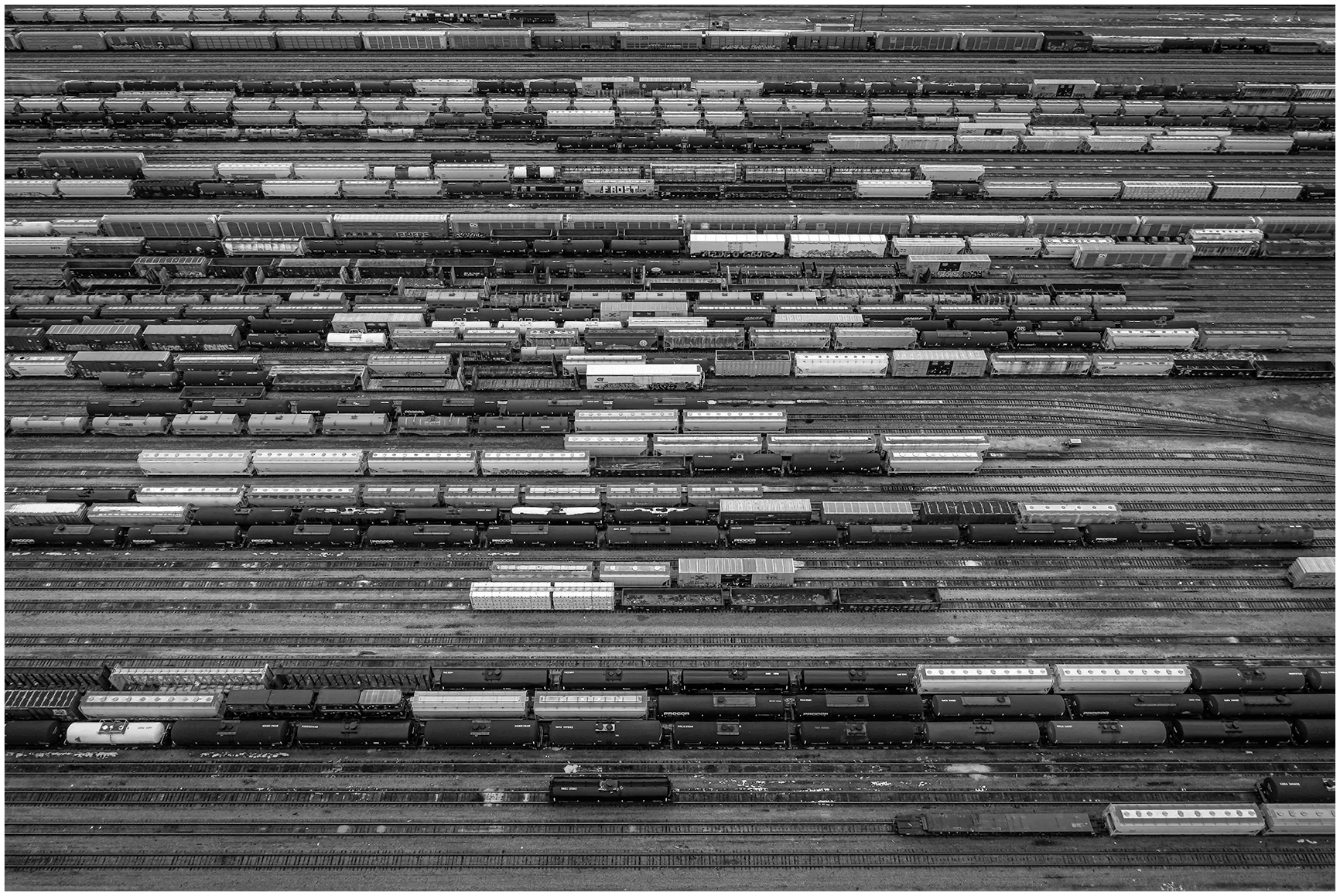
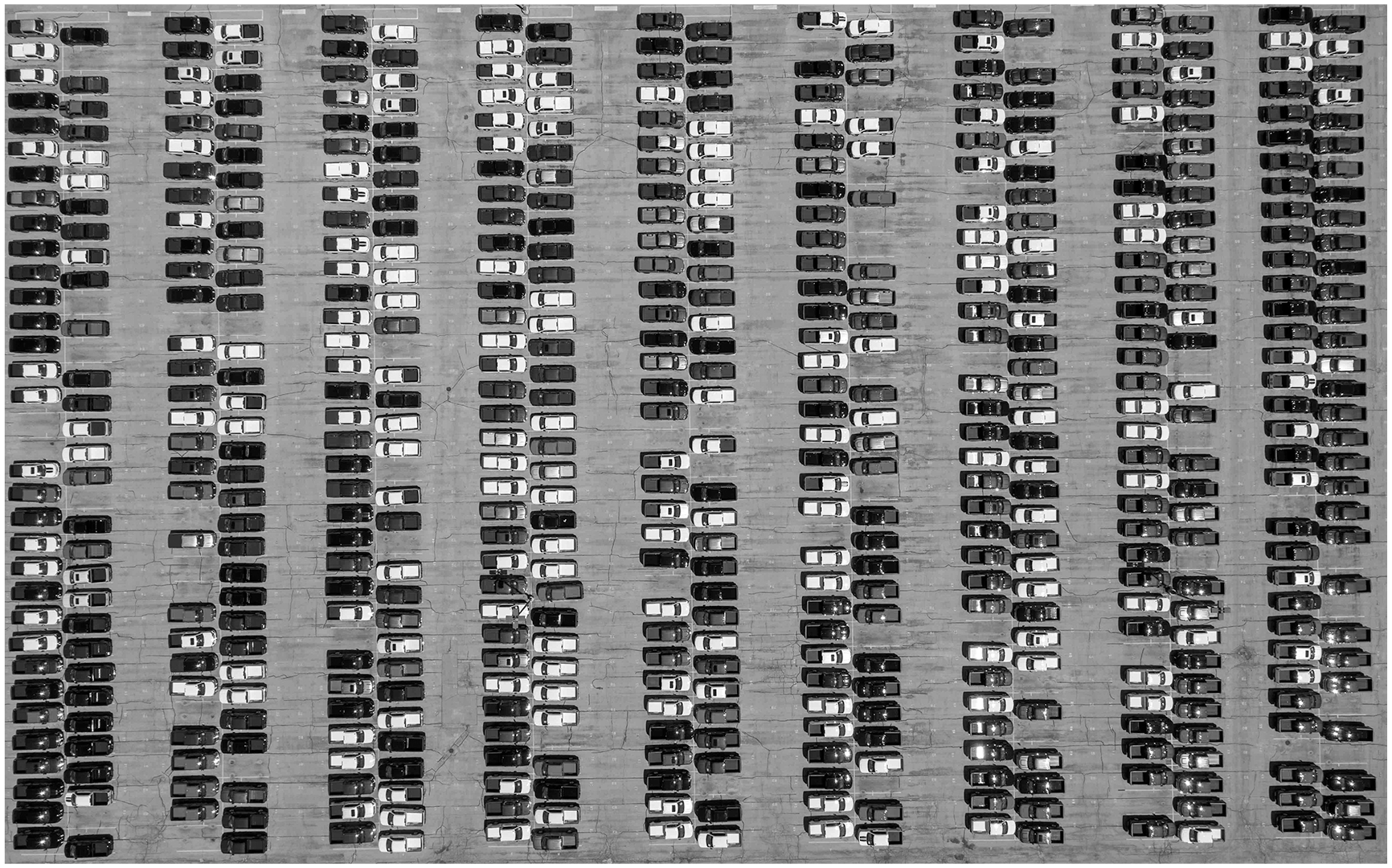
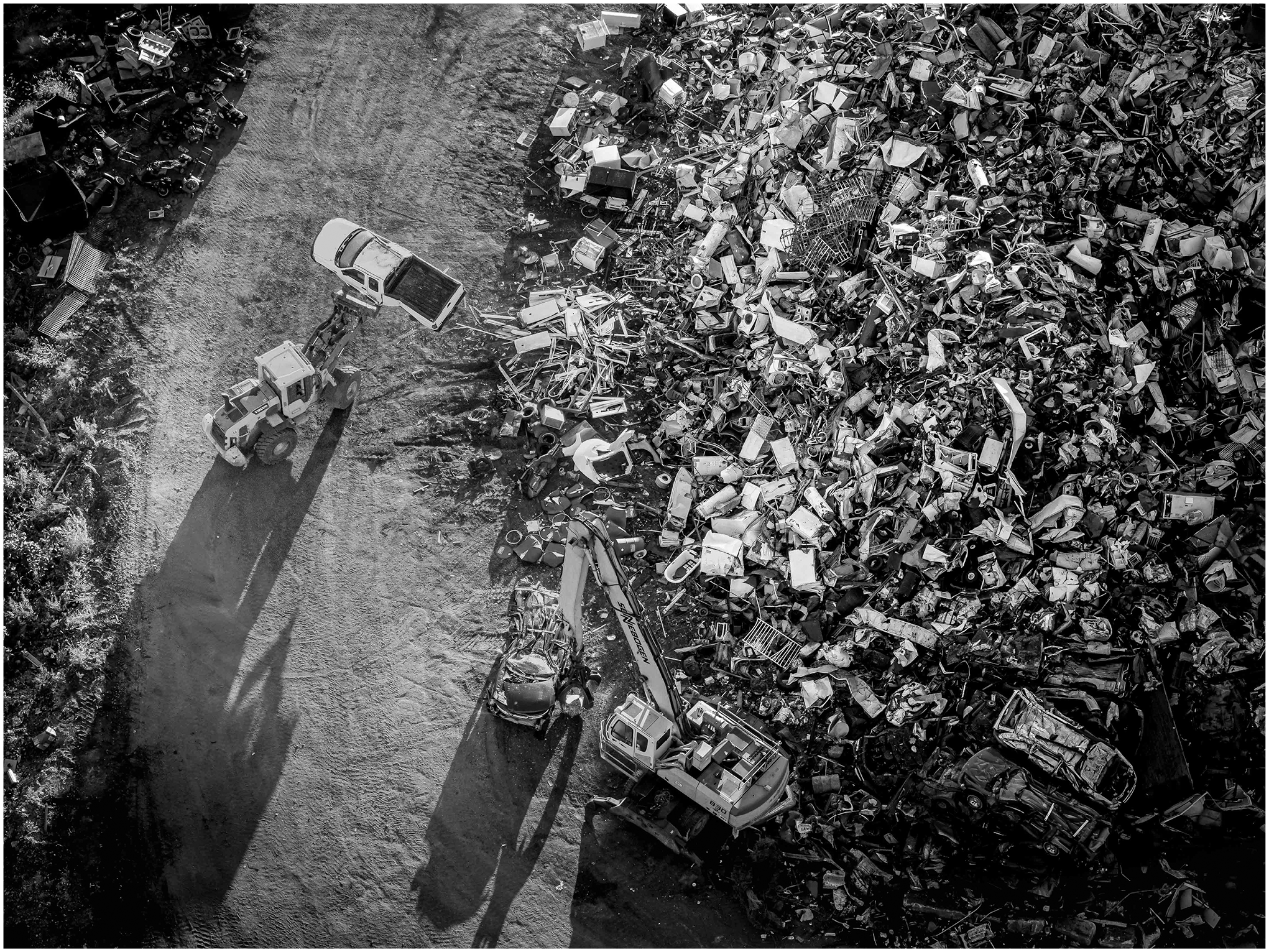
We document the sequence of the materials economy within Indiana as it corresponds to the Anthropocene in 45 different locations around the state. The images depict how extraction, as either coal for electric power generation or minerals to serve as input for infrastructure, are distributed for energy and production. This process feeds into a global supply chain that ultimately consumes and disposes products in a rapid cycle. Our hope is that by revealing the massive industrial footprint and environmental transformations that exist in an often-overlooked place like Indiana, these images will help the public conceive of the entangled nature of the Anthropocene within their disparate immediate surroundings. In that way, this project could serve as a reference that encourages communities to identify unique manifestations of this new human produced epoch in their own local settings.
The power of sociology is that it illuminates the hidden structural forces that influence the lives of people, and in return how people shape society. It exposes the deep interconnected webs of human processes we depend upon and live within. Visual environmental sociology is another tool to help people connect how our society is impacted by and contributes to the unfolding planetary changes of our own making. It is one thing to see the statistics and charts showing a great acceleration of human activities since the middle of the 20th century, read about the dramatic planetary changes, and contemplate the models of future planetary phase shift. It is more compelling to see it here and now. Several projects have showcased the Anthropocene on a global scale. We present the world of the Anthropocene not as an exotic feature of a transformed landscape on the other side of the world, but in a space as unassuming as our home, Indiana. By documenting it within a narrow scope, we hope we can convey that the Anthropocene isn’t “out there” but “right here.” We inhabit, depend upon, and reproduce it.
For a full viewing of the photographic and video content of this project, visit indianaanthropocene.com