Abstract
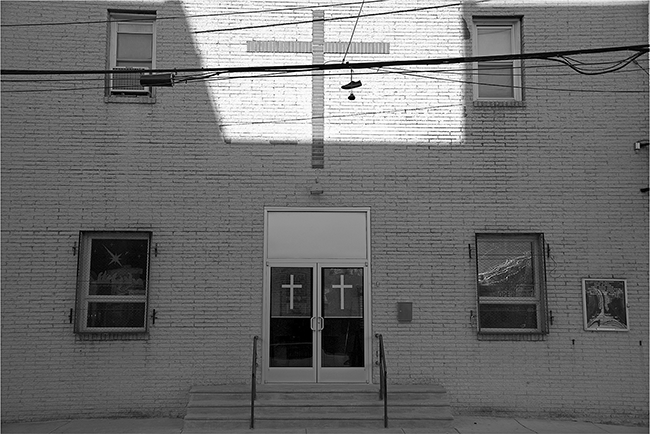
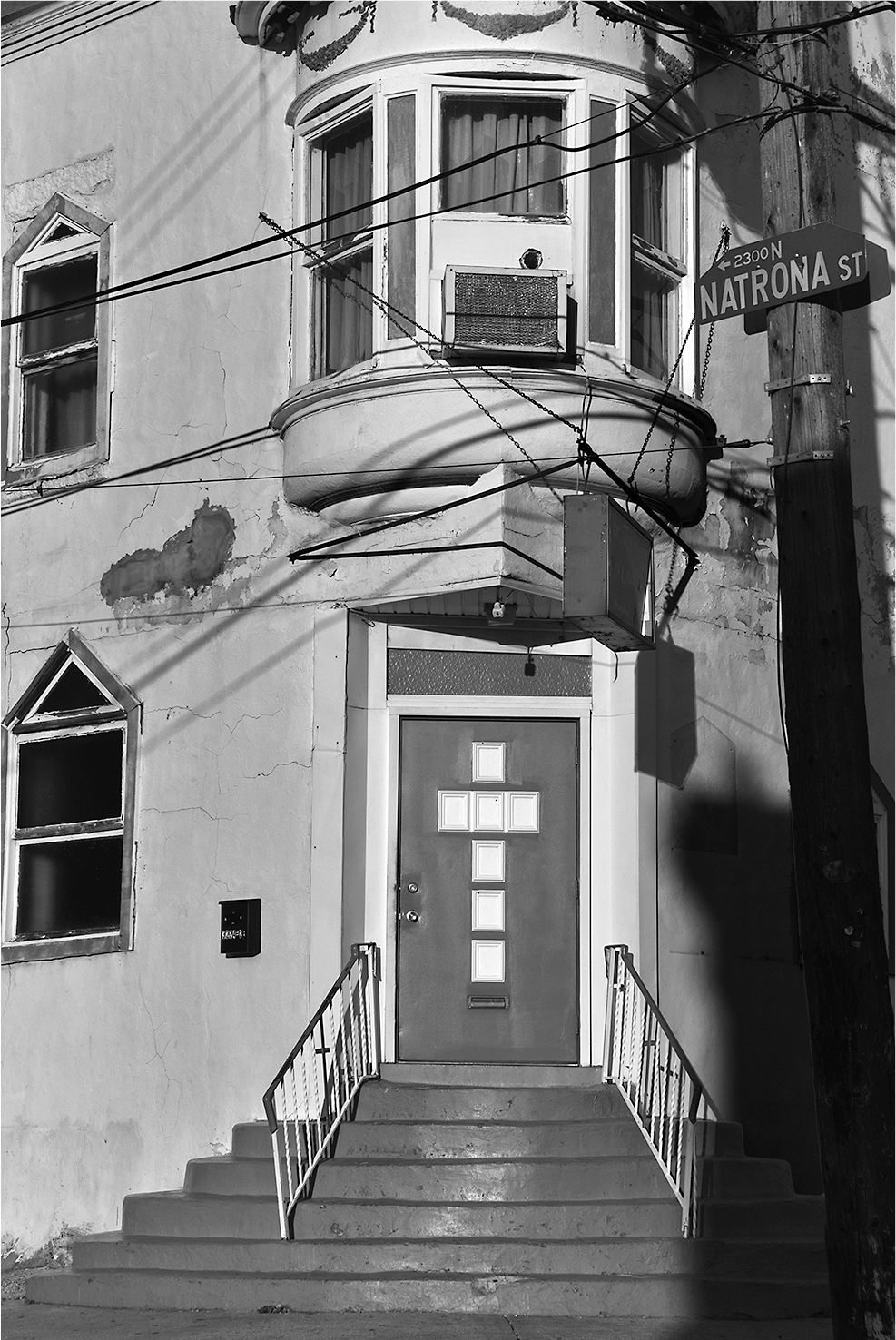
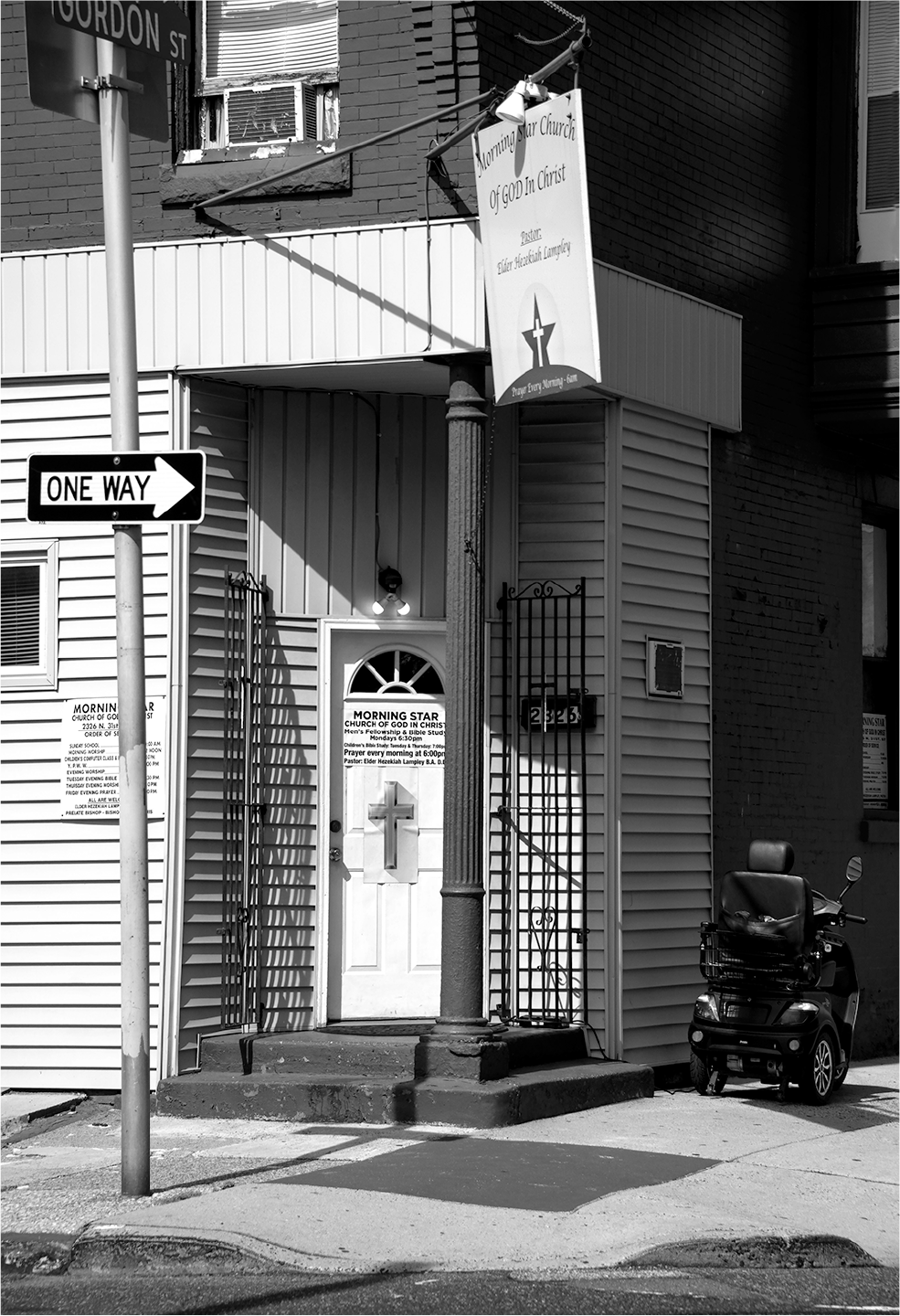
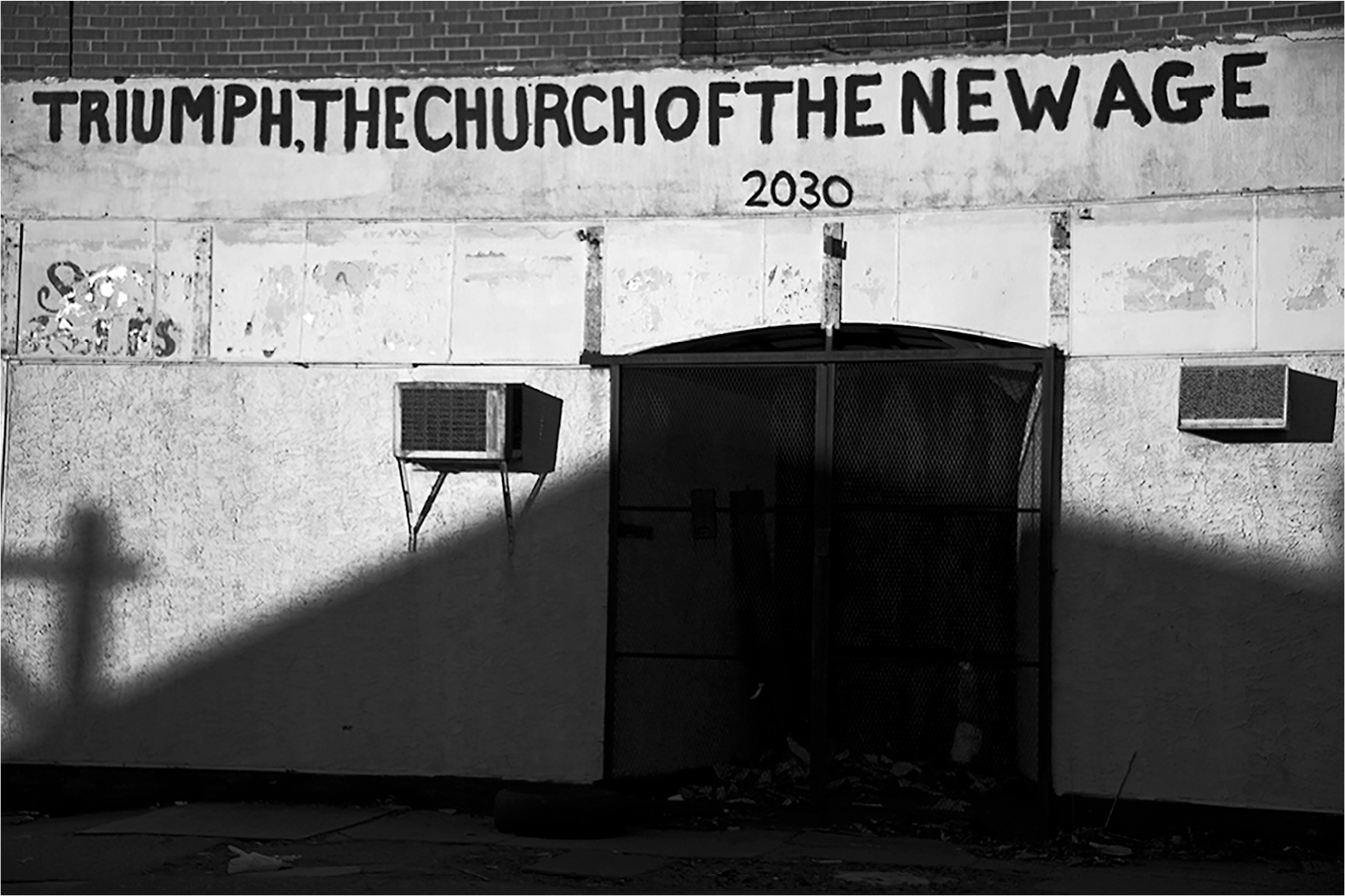
This photographic essay sets out to represent a sense of place-making in several North Philadelphia neighborhoods, predominately inhabited by African Americans, focusing on the built environment of small houses of worship. In brick and mortar, sheetrock and aluminum, wood and plaster, generations of residents have forged living chambers of significance out of inanimate materials by repurposing storefronts and homes. These edifices give a grounded, visual-material sense of their inextricability from urban history and everyday life, surviving in the interstices of the urban grid over and against historical racial discrimination, economic deprivation, and now, the threat of cultural and geographic displacement.
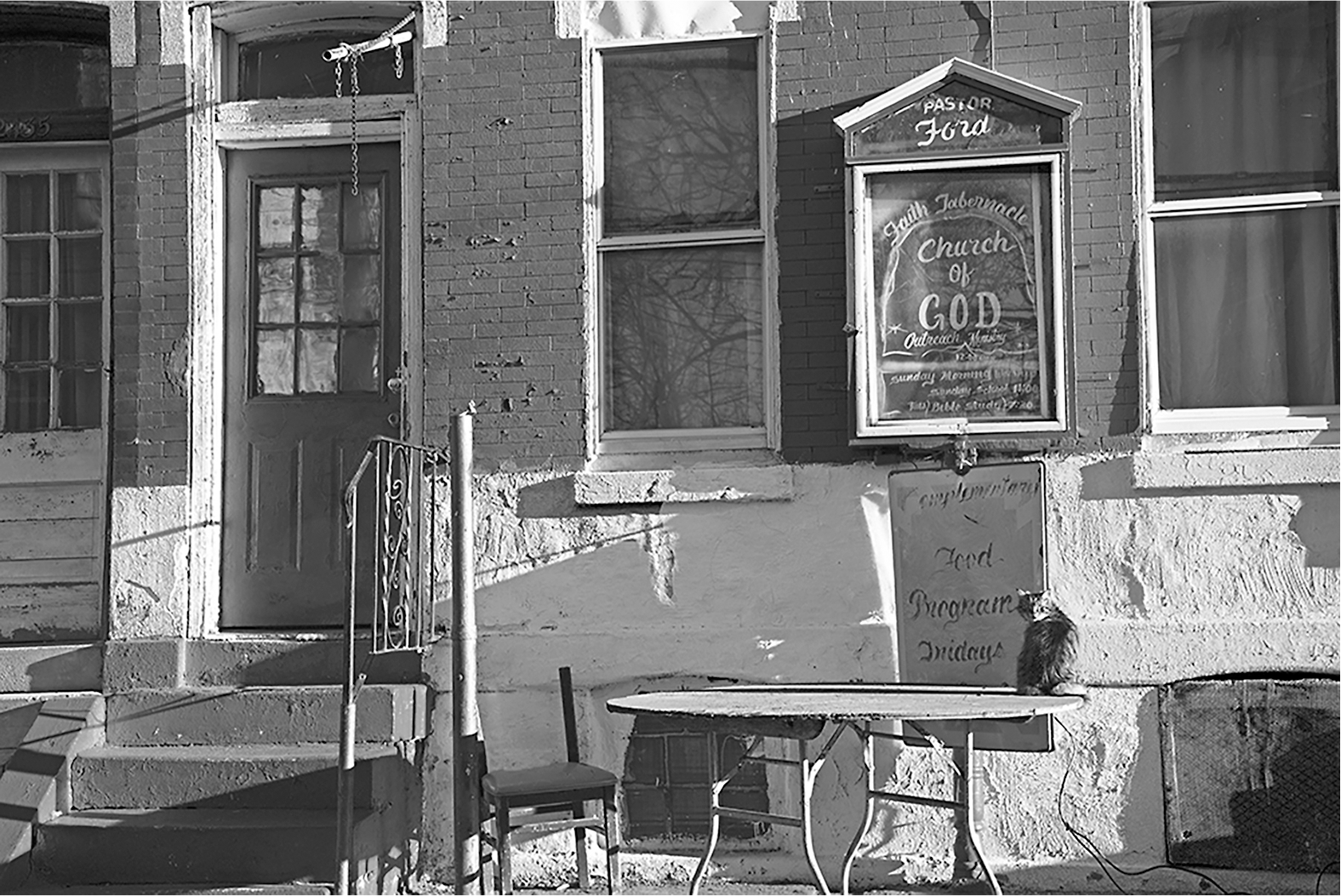
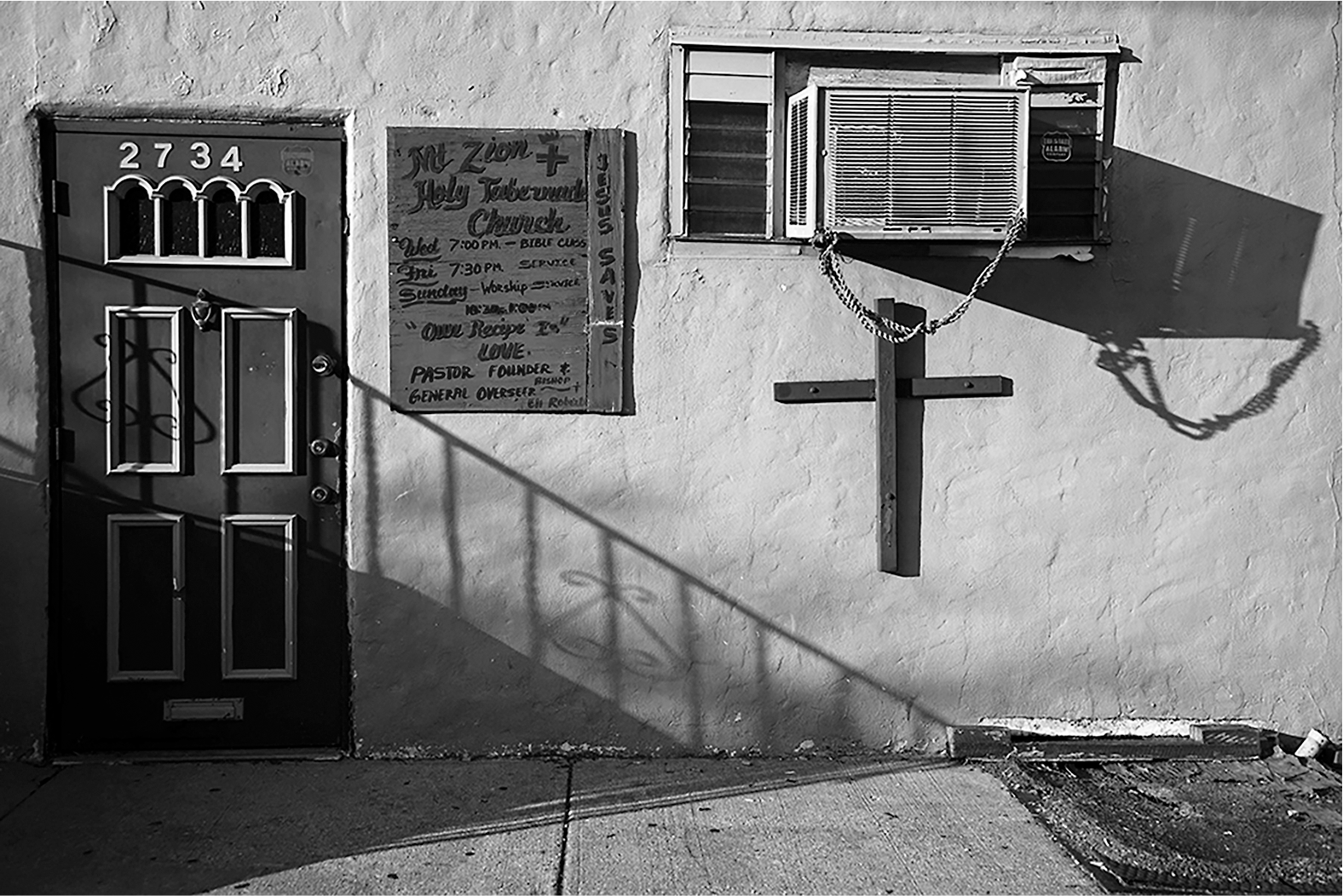
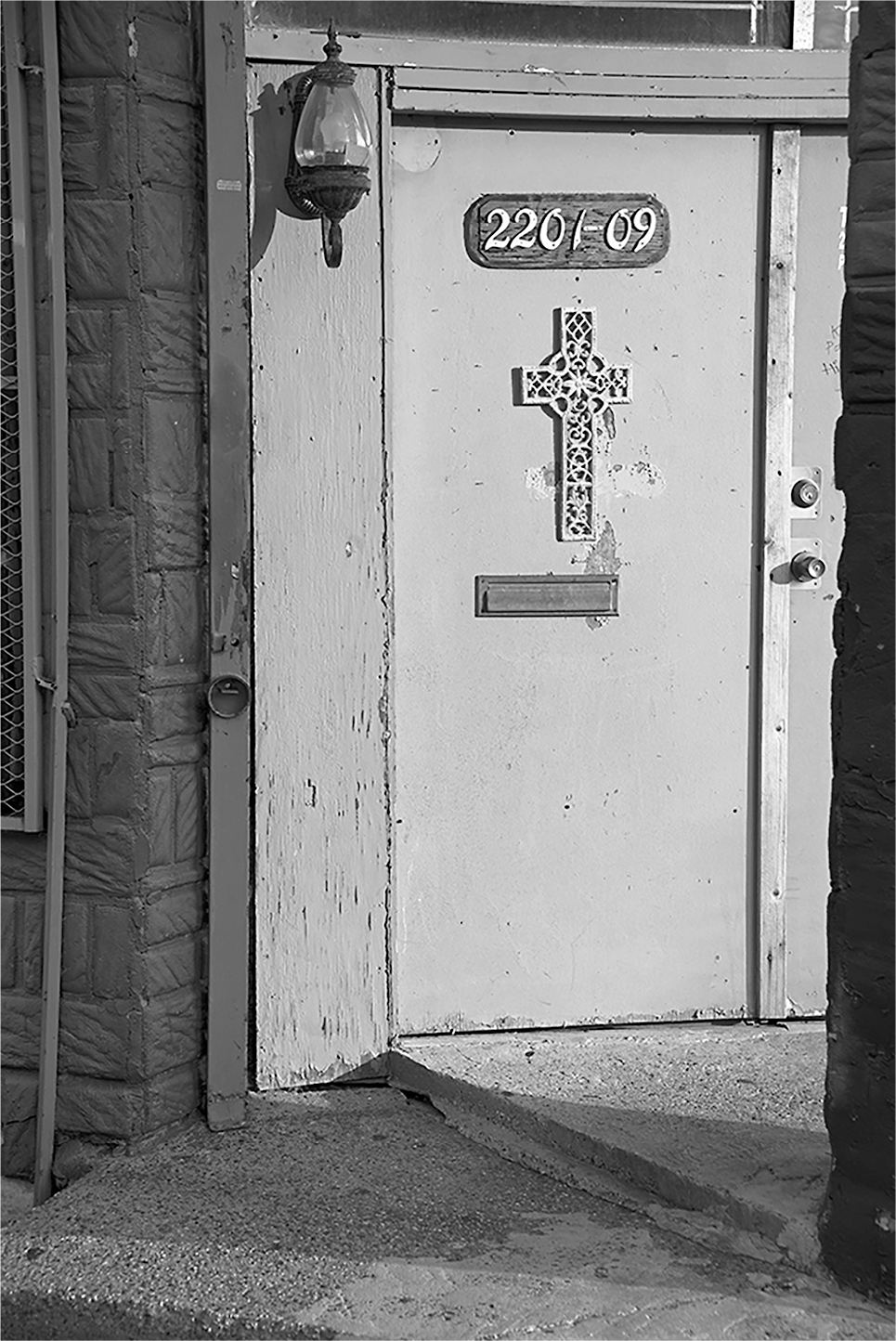
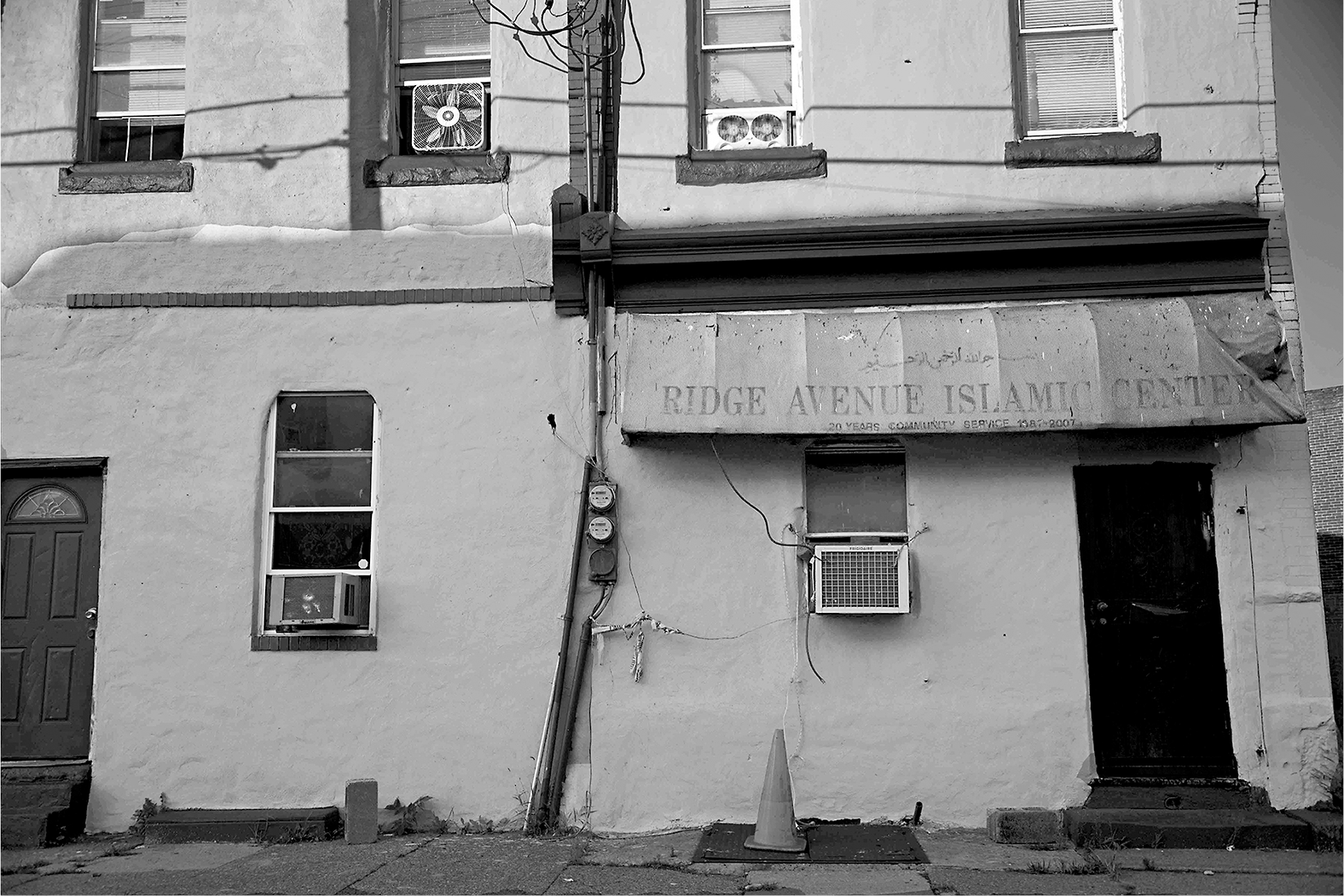
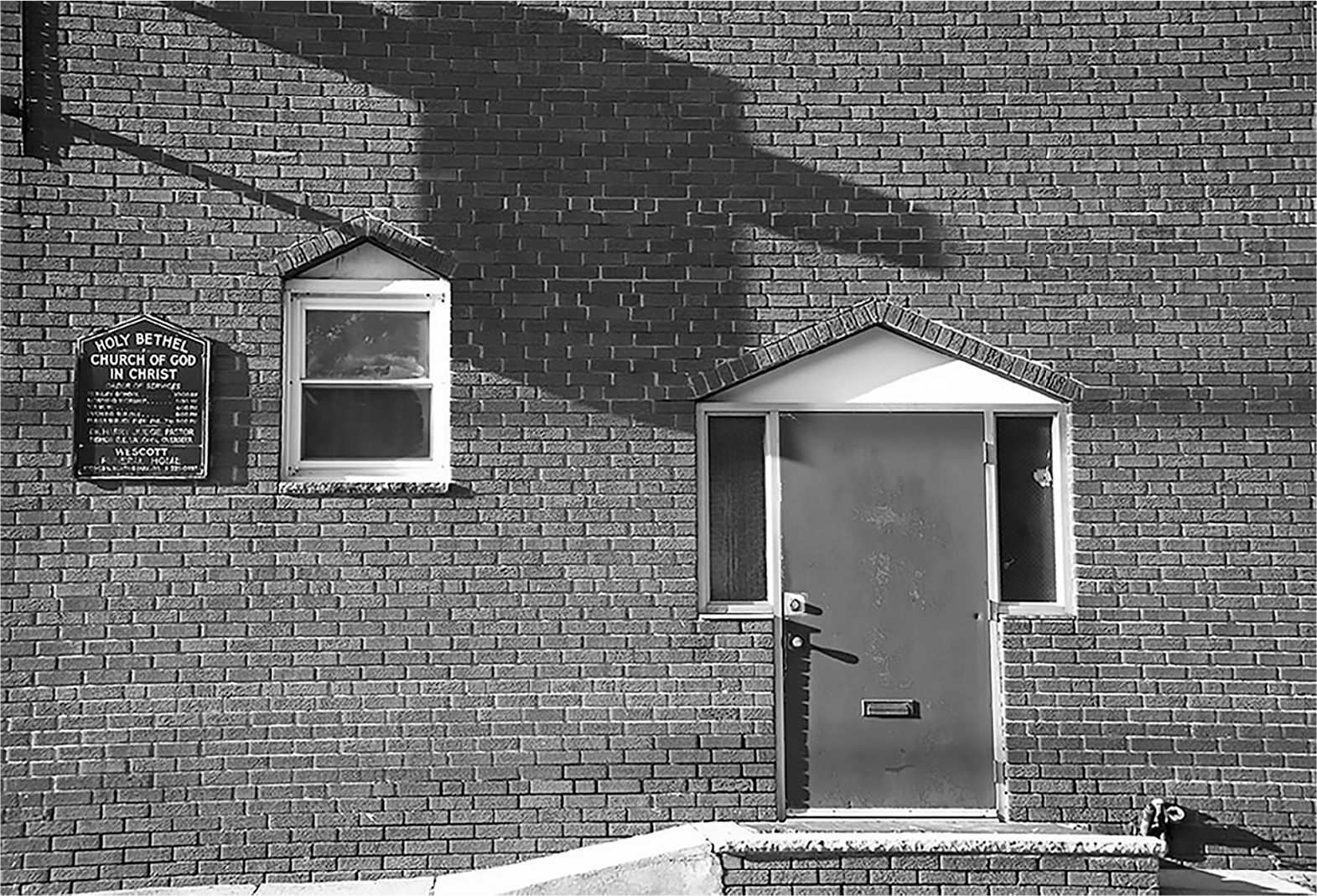
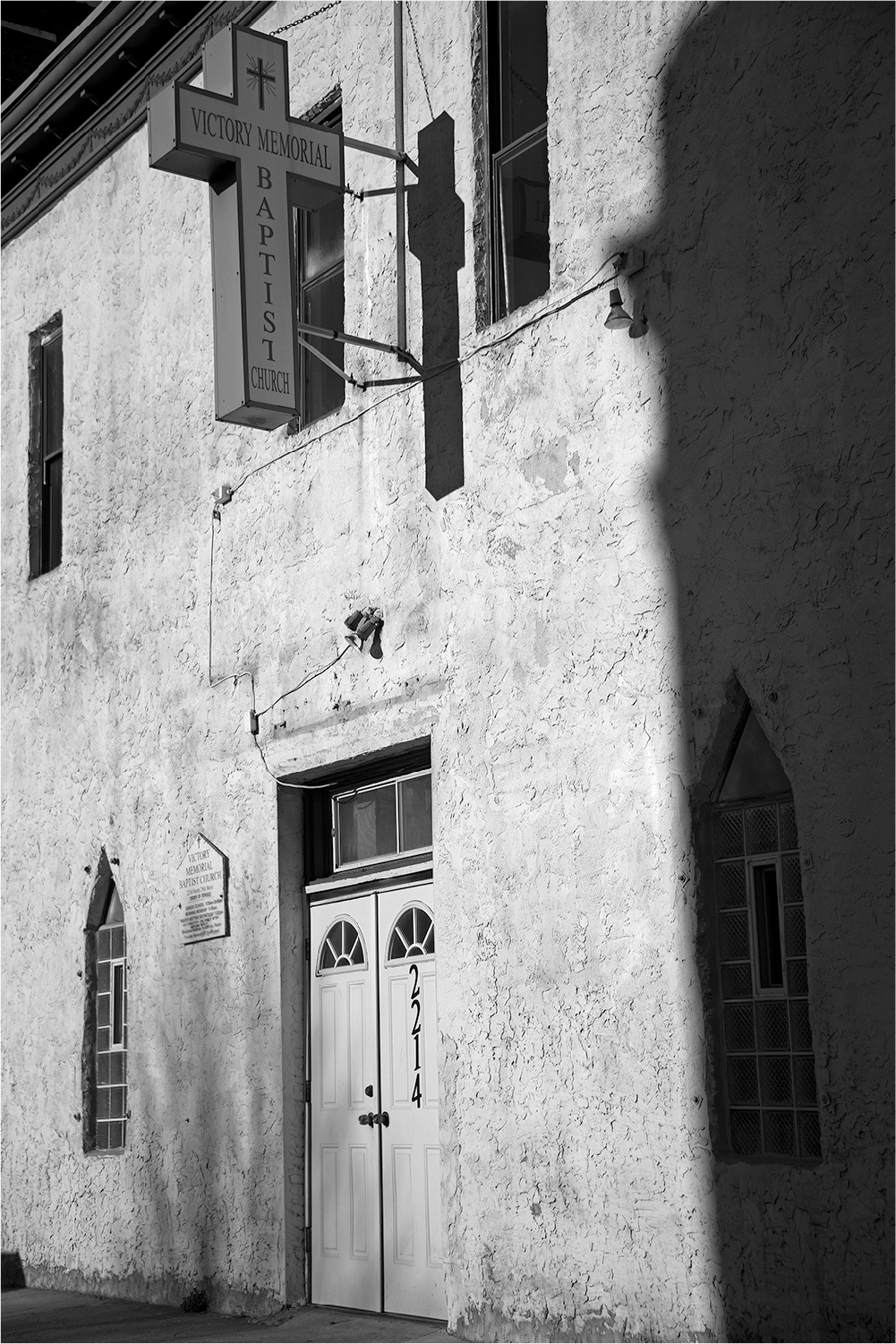
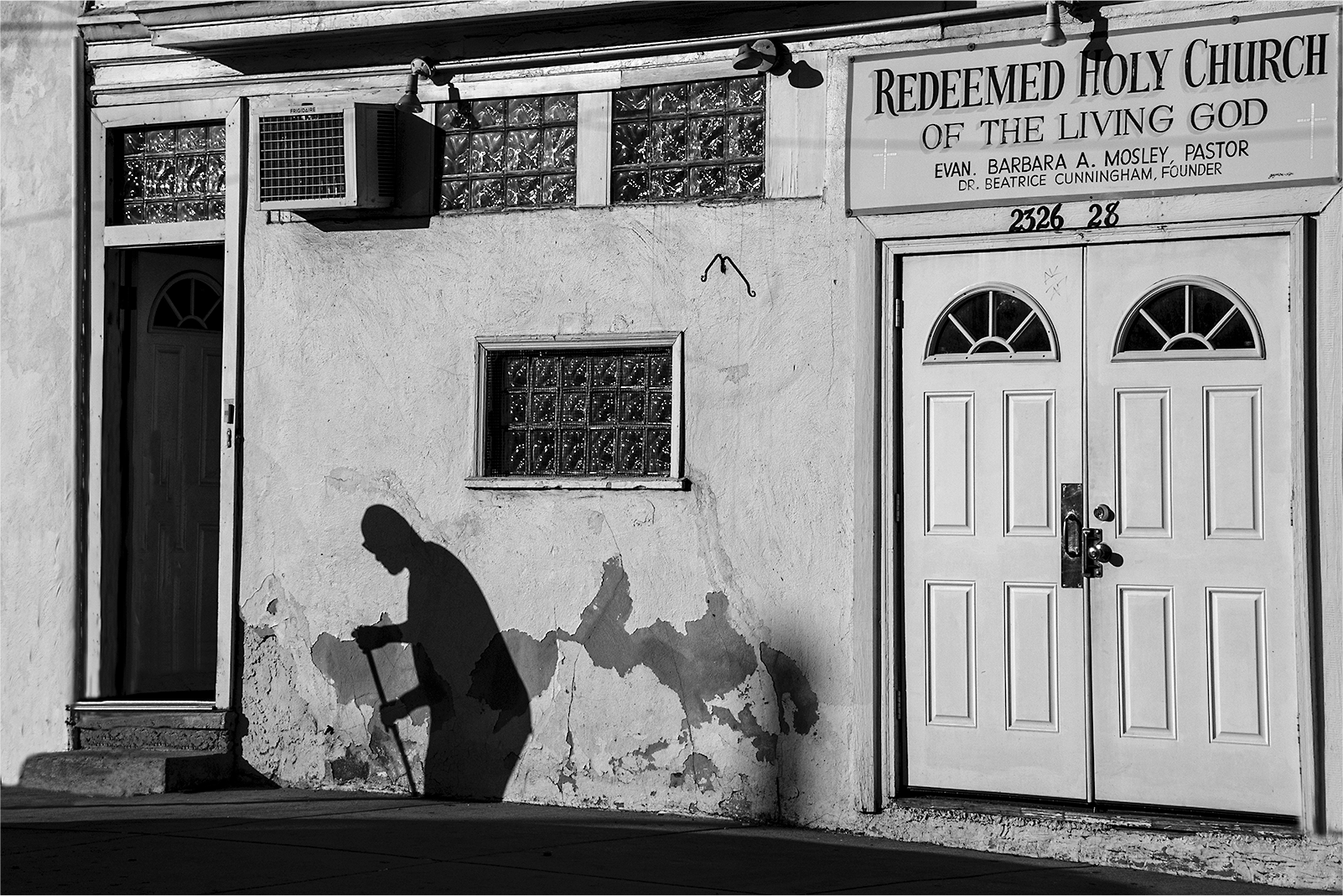
Sometimes they can be overlooked during a casual walk down the street, but their character and purpose are unmistakable once noticed. Carved out of storefronts and rowhomes, numerous houses of worship and faith-based community centers physically and visually integrate with the building stock in North Philadelphia’s Brewerytown, Strawberry Mansion, and Sharswood neighborhoods. Situated in areas adjacent to one another that are inhabited predominately by African Americans, these edifices give a grounded, visual-material sense of their inextricability from both urban history and everyday life.
Some have no name publicly posted, testifying to the tacit knowledge held by congregants regarding the lived social geography of the neighborhood. The seemingly makeshift physical character of many of the churches and faith community centers belie the invisible social strength holding them and surrounding communities together. In The Black Church: This is Our Story, This is Our Song (2021), Henry Louis Gates, Jr. observes: “Collectively, these churches make up the oldest institution created and controlled by African Americans, and they are more than simply places of worship. In the centuries since its birth in the time of slavery, the Black Church has stood as the foundation of the Black religious, political, economic and social life.” As spaces for nurturing spiritual intimacy, building interpersonal ties, and engaging in care work, gathering places like these have enabled worship and social resistance to occur side by side, week by week, and song by song, relates Asha Kutty in “Sanctuaries Along Streets: Security, Social Intimacy and Identity in the Space of the Storefront Church” (2020).
Through photography, Vernacular Faith sets out to represent a sense of the presence and import of place-making in several Philadelphia (PA) neighborhoods, focusing on the built environment and physical geography of small houses of worship. In brick and mortar, sheetrock and aluminum, wood and plaster, generations of residents and migrants to the area have forged living chambers of significance out of inanimate materials by repurposing storefronts, homes, and other buildings that might otherwise have been left vacant. Anchored by female and male ministers alike, various denominations of Christianity (especially Pentecostal, Baptist. and Apostolic)—as well as Islamic community centers—continue to survive in the interstices of the urban grid over and against historical racial discrimination, economic deprivation, and now, the threat of cultural and geographic displacement.
Houses of worship often operate as a social adhesive, helping keep parts of the community bound together. Those pictured in this photo essay offer examples of different kinds of locale, visual appeal, and architectural style and, in so doing, give a sense of the variety and veracity of place-making efforts. Many string along Ridge Avenue, a major diagonal thoroughfare connecting all three neighborhoods. Many of them appear to be one-off single congregations. A few are local chapters affiliated with larger churches outside of the city and state, and some no longer exist in the pictured spaces, or perhaps anywhere. The visible, vernacular particularity of these spaces and places speaks outwardly to the lifeways, determination, and struggles of those whose time in the area appears to be short.
Communities in Transition
Brewerytown, Sharswood, and Strawberry Mansion share extensive histories as industrial, working class-neighborhoods. Since the 1940s, these neighborhoods gained significant concentrations of African Americans, many of whom made the journey from the American South during the post-World War Two Great Migration and continue to struggle economically under perpetual, multiple forms of inequality.
Brewerytown takes its moniker from the concentration of local breweries which began operation in the 1880s and employed mainly German immigrants at that time. Severely hindered by the Prohibition laws of the 1920s, the local brewery industry never fully recovered once alcohol was again legalized in 1933. Just north and west of Brewerytown sits Strawberry Mansion. One-time home of renowned jazz musician John Coltrane and current locale of one of the few surviving horse stables in the city (portrayed in the film, Concrete Cowboy (2021)), the area shares its name with an historic house located in nearby Fairmount Park which once served as a pastoral retreat for the well-to-do from the summer heat and from the crowded, proletariat-filled streets of Center City Philadelphia. Sharswood is a small, one-mile square area east of Brewerytown that has felt the pressure from high-paced housing “development” as Temple University to the west has embarked on a quest to expand its economic and cultural “footprint” beyond the immediate area of the main Broad Street campus.
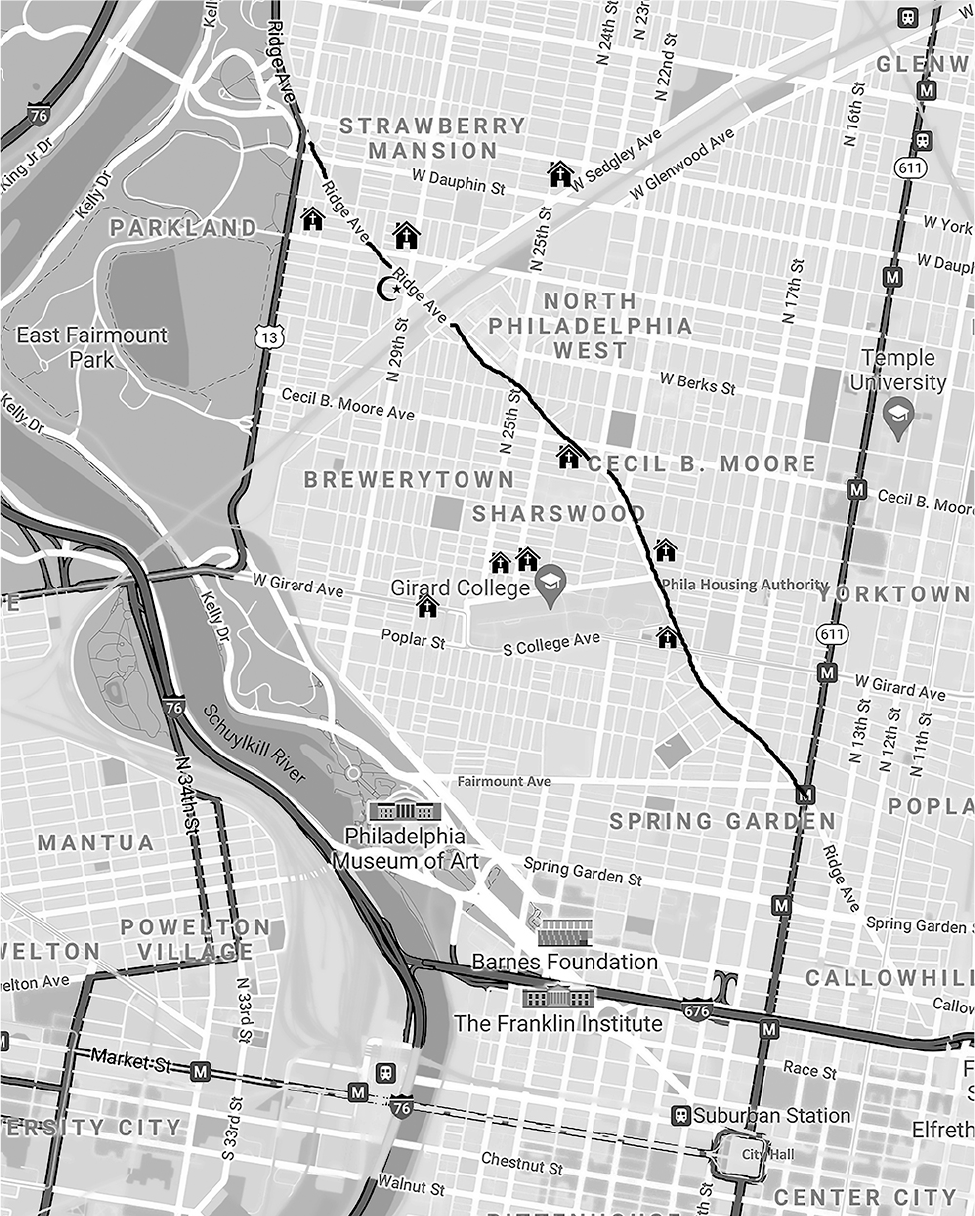
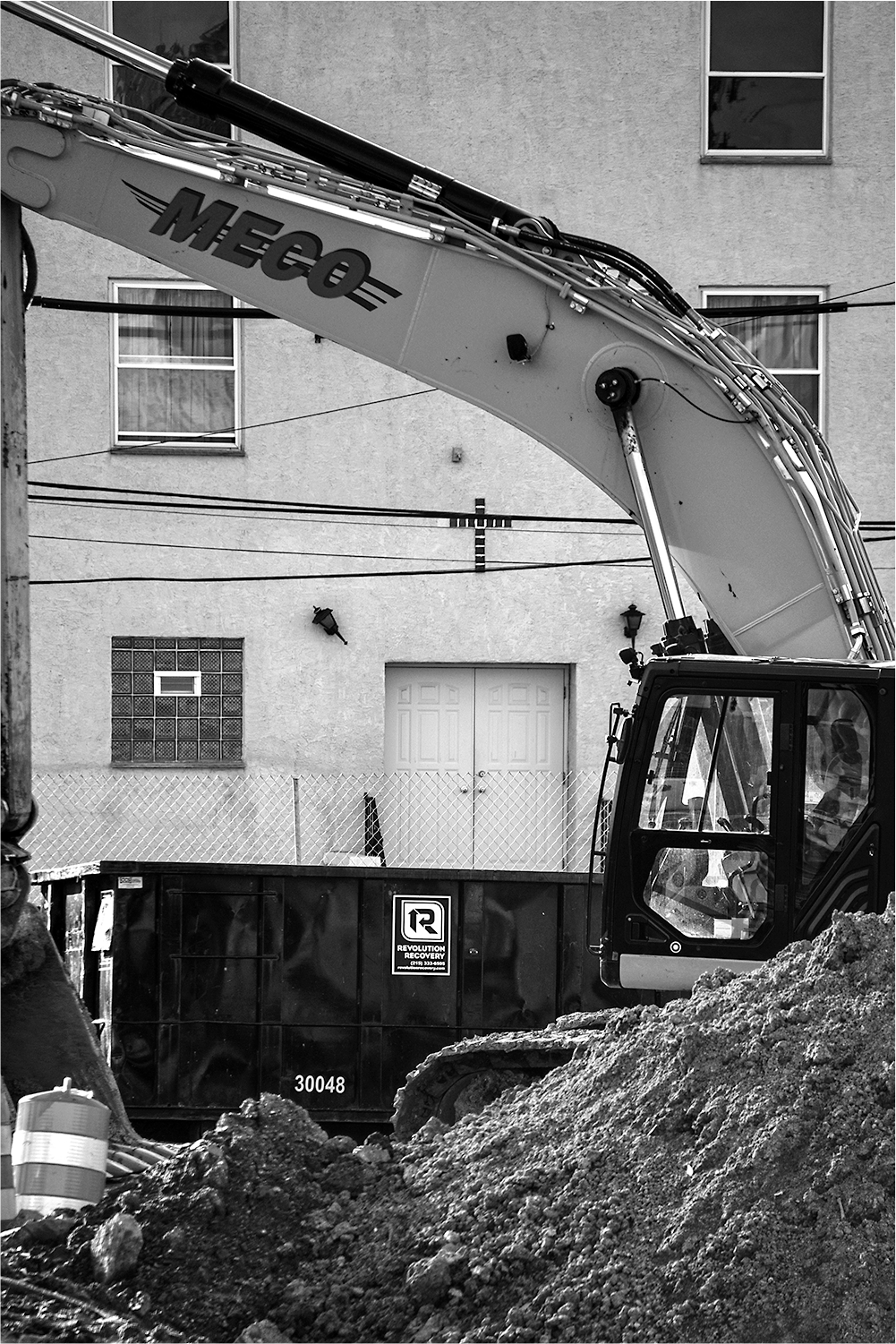
Since the Great Recession of 2008, these areas have attracted financial investment and real estate speculation. In an all-too-familiar narrative, homes and businesses are being razed at breakneck speed as young professionals, college students and others are drawn to the promise of age and class enclaves with proximity to desirable cultural and natural amenities—like central Philadelphia, Fairmount Park and the Museum District along the Benjamin Franklin Parkway. The disruptions caused by the COVID-19 pandemic did little to halt development already underway. The constant sight and sound of builders serve as daily reminders to long-time residents that their institutions, businesses and cultural practices are on the verge of are being displaced by the seemingly inexorable flow of capital investment which brings with it new people, new cultures, new lives and new practices.
Recent efforts by residents and activists have sought to take some of the sting out of the gentrification process, at least in the short term. In the summer of 2020, a dedicated group of housing advocates, many of whom self-identified as un-housed, set up tent encampments across from the newly-built headquarters of the Philadelphia Housing Authority (PHA) along Ridge Avenue demanding affordable housing. In October of that year, the city reached an agreement with these and other protestors to enable some to opt-in to available low-income housing, establish a COVID-19 Homeless Relief Program, and offer training programs in construction and other trades. According to Ellie Rushing’s piece in the July 2020 Philadelphia Inquirer, the PHA is in the process of building a needed grocery store and new units of housing, putatively for low-income residents with the aid of a federal grant. Also, a new local initiative, The Strawberry Mansion Historic Home Repair Program, is assisting long-time homeowners with maintenance and repairs of historic exterior facades of their aging rowhomes to enable residents to remain in their houses and stabilize the neighborhood. Of course, building a grocery store and giving historical buildings a facelift—as needed as they are for current residents— also make the areas that much more attractive to investors and new residents.
The issues facing long-time residents of Brewerytown, Sharswood, and Strawberry Mansion are systemic—entwined racially, economically, geographically and politically—and any sustainable response must, at minimum, recognize this dynamic.
“For a people systematically brutalized and debased by the inhumane system of human slavery, followed by a century of Jim Crow racism, the church provided a refuge: a place of racial and individual self-affirmation, of teaching and learning, of psychological and spiritual sustenance, of prophetic faits; a symbolic space where Black people, enslaved and free, could nurture the hope for a better today and a much better tomorrow.”